I was asked by the West Sussex ranger for the site to undertake a survey of the lichens of the sand dunes of West Beach SSSI. I agreed, saying I was a lichen enthusiast, not a lichen expert, and I would identify within my confidence/competence level.
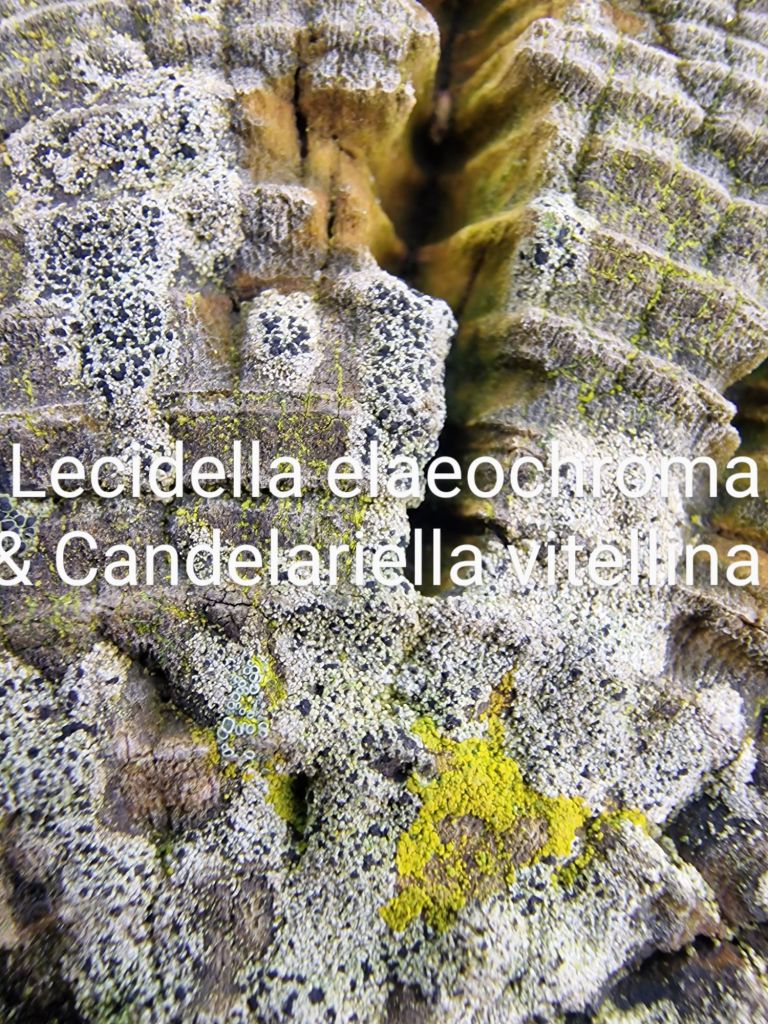
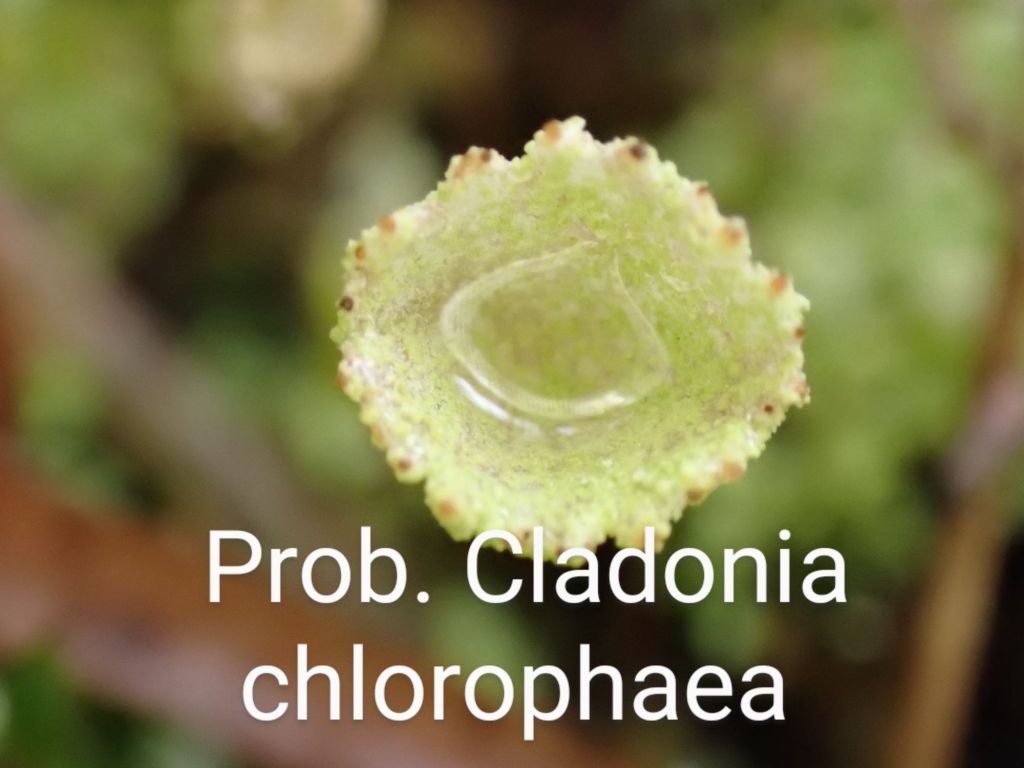
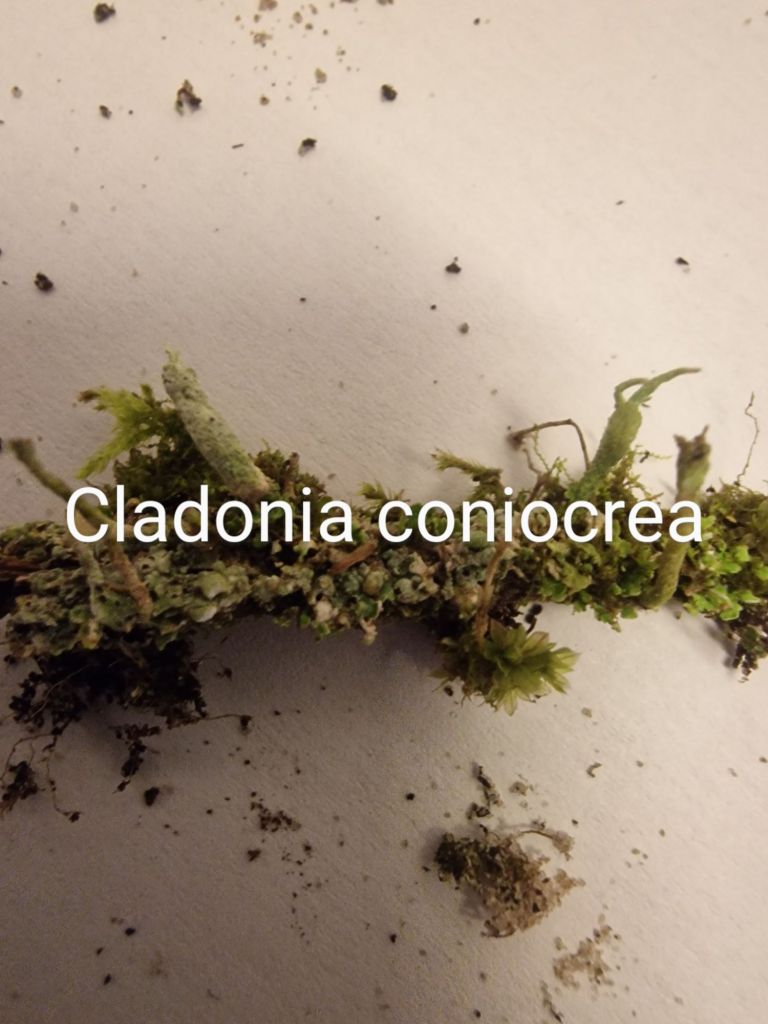
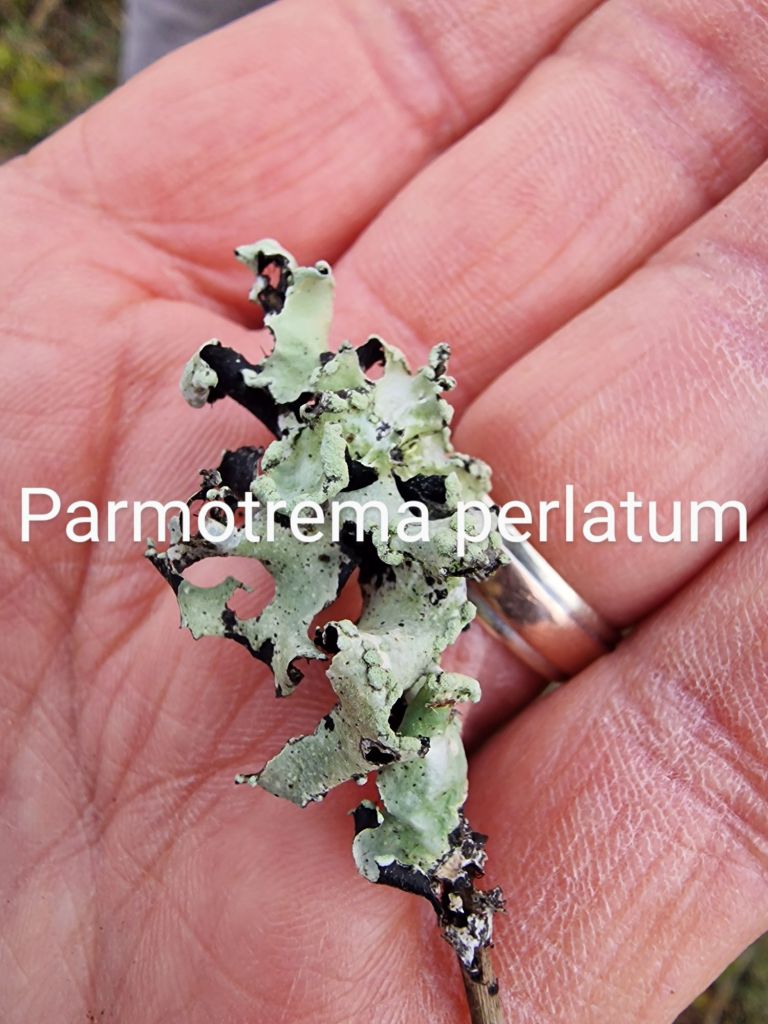
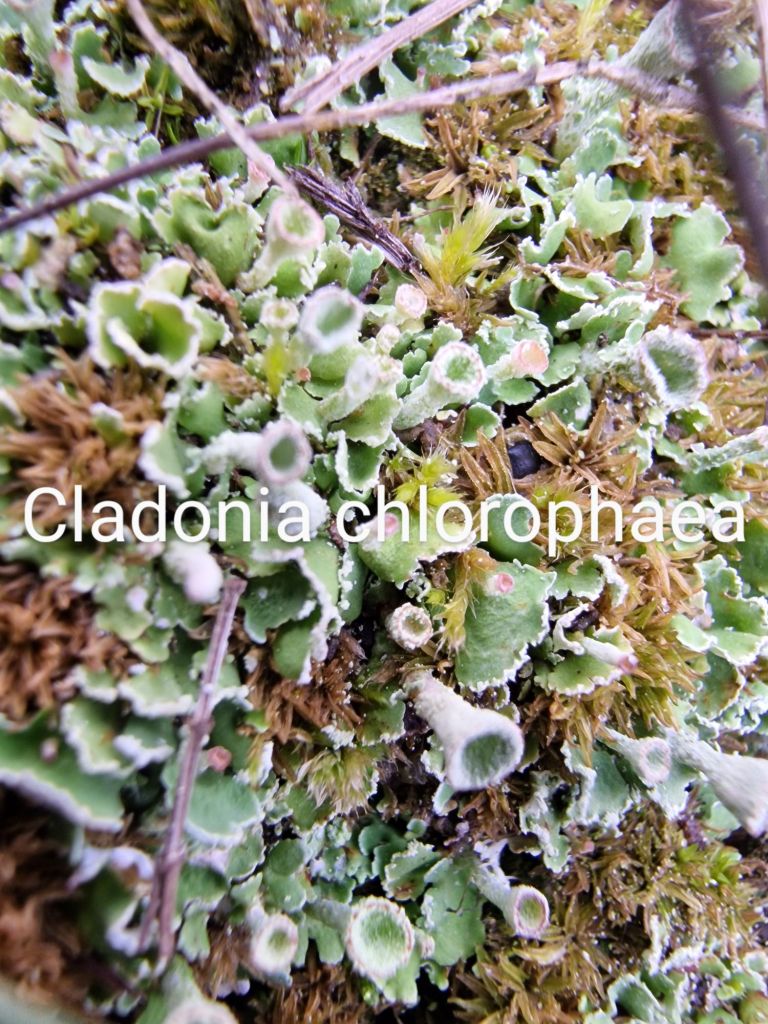
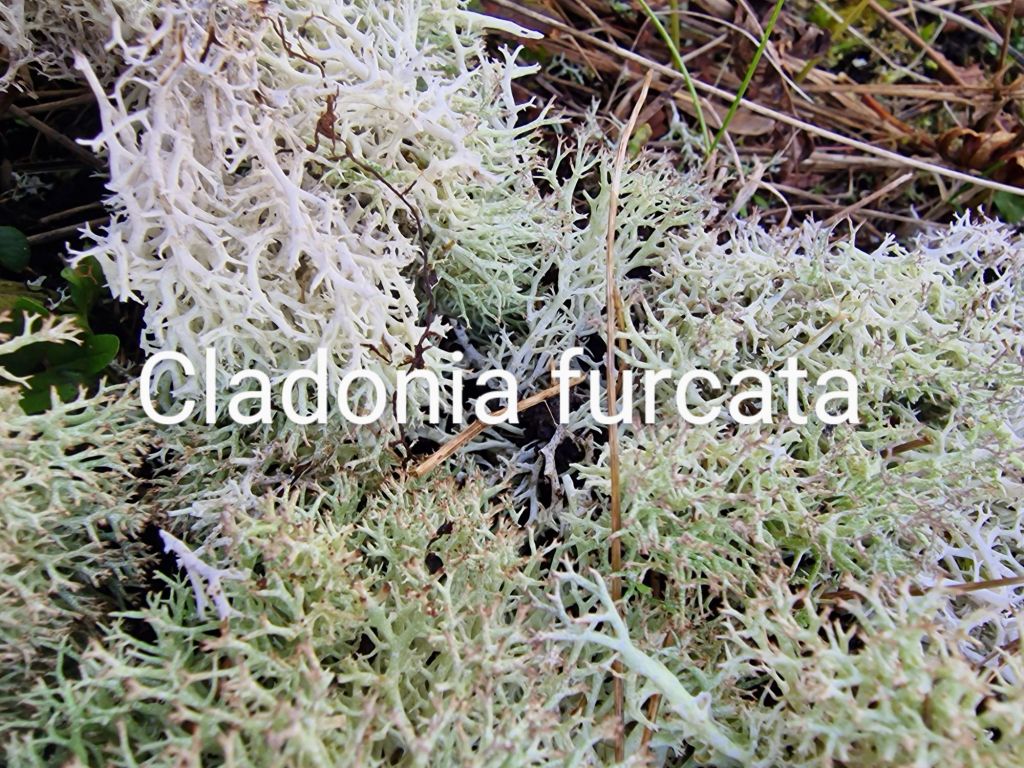
I have posted photos of some of the terriculous (ground living) and corticolous (tree, shrub, worked wood living)lichens that I found. If you disagree with any identifications, please say in a comment. There are lots of saxicolous lichens on pebbles that I have yet to identify. I sought and gained permission from Nature England via the ranger in charge to remove some pebbles for lichen identification purposes; I will return them to the dunes when I have finished identifying their lichens.
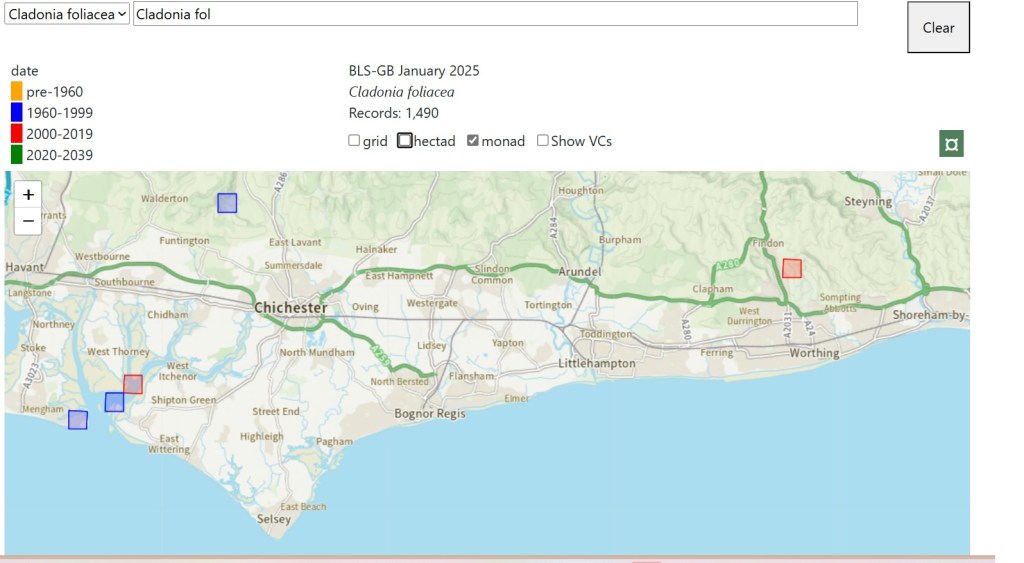
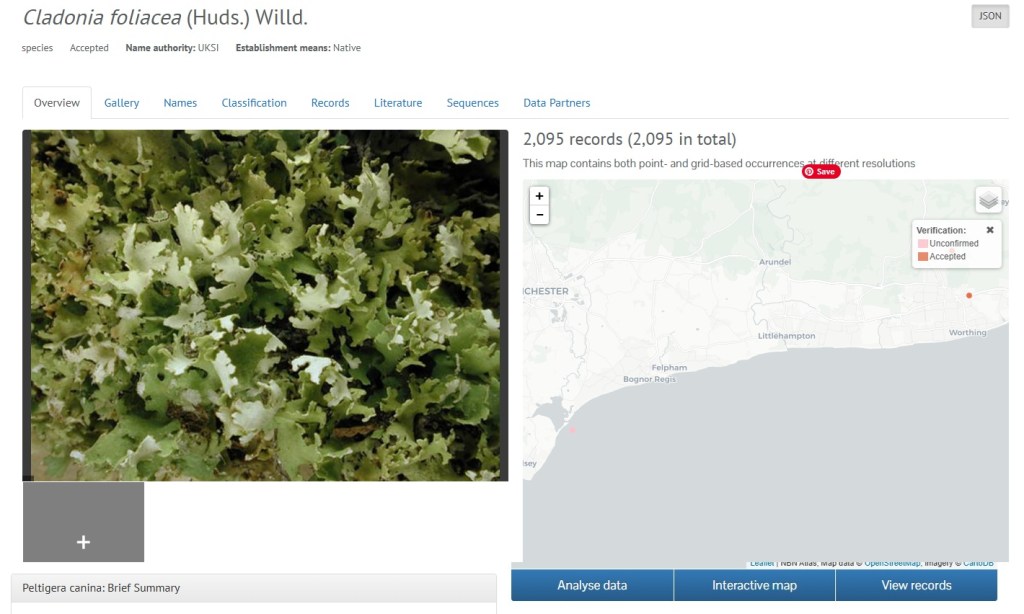
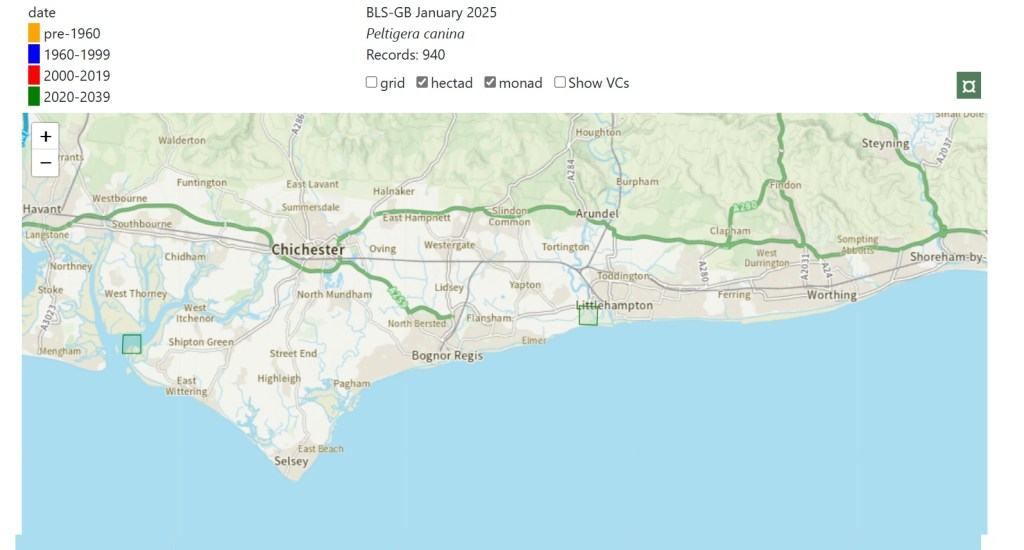
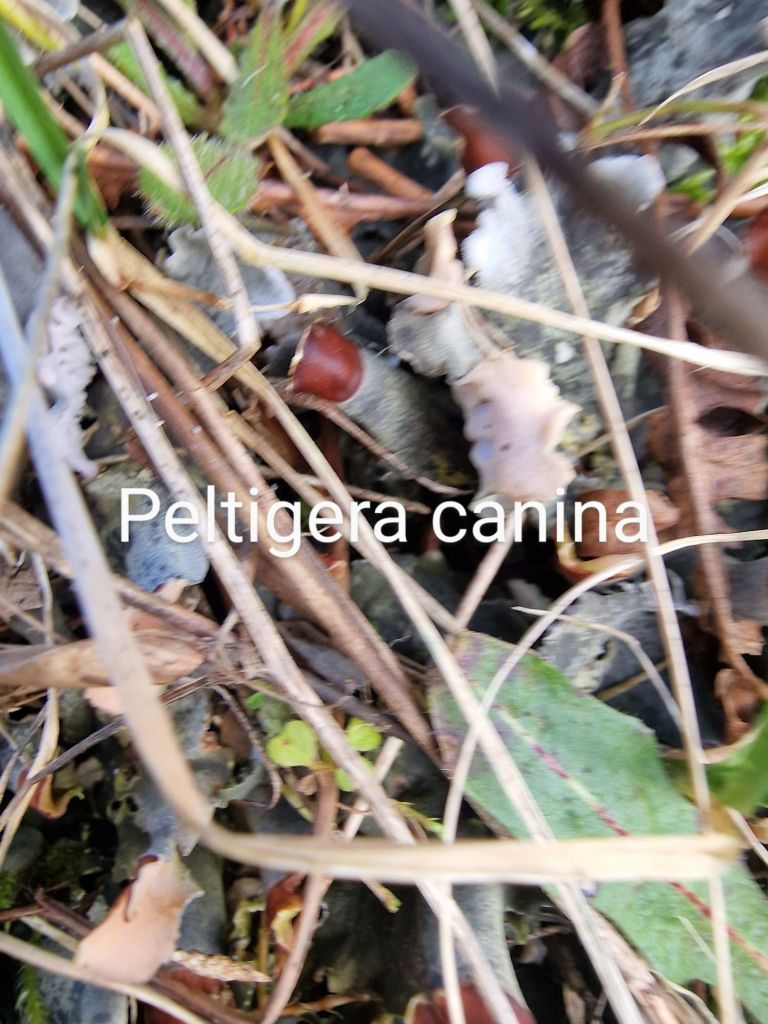
I looked at the British Lichen Society records for Sussex and realised that the last survey of this site was in 1992, 33 years ago. I looked at the National Biodiversity Network Atlas and the British Lichen Society Interactive Species Maps for the site I found at least three species that were not recorded on the NBN Atlas: Cladonia foliacea, Peltigera canina, and Diplochistes muscorum. Worryingly, both Peltigera canina and Diplochistes muscorum, were identified on the BLS Interactive Species Maps (from 1992) but where not on NBN Atlas. The NBN Atlas is the main database for research and statutory processes (e.g. planning applications), if there is missing data this is a problem for science and the protection of habitat. I will send my records both to the British Lichen Society recorder and the Sussex Biodiversity Centre.
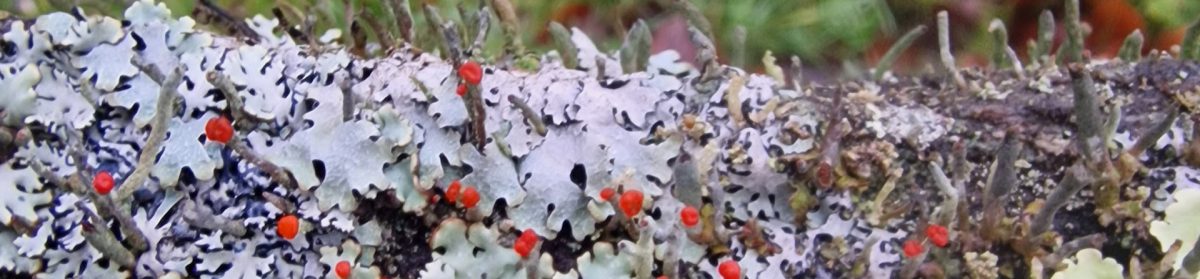
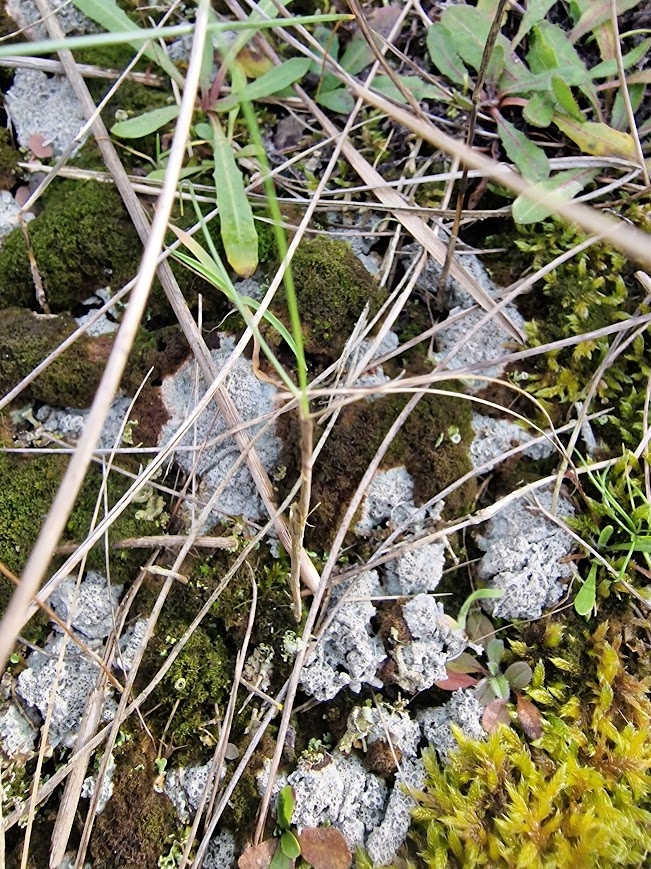
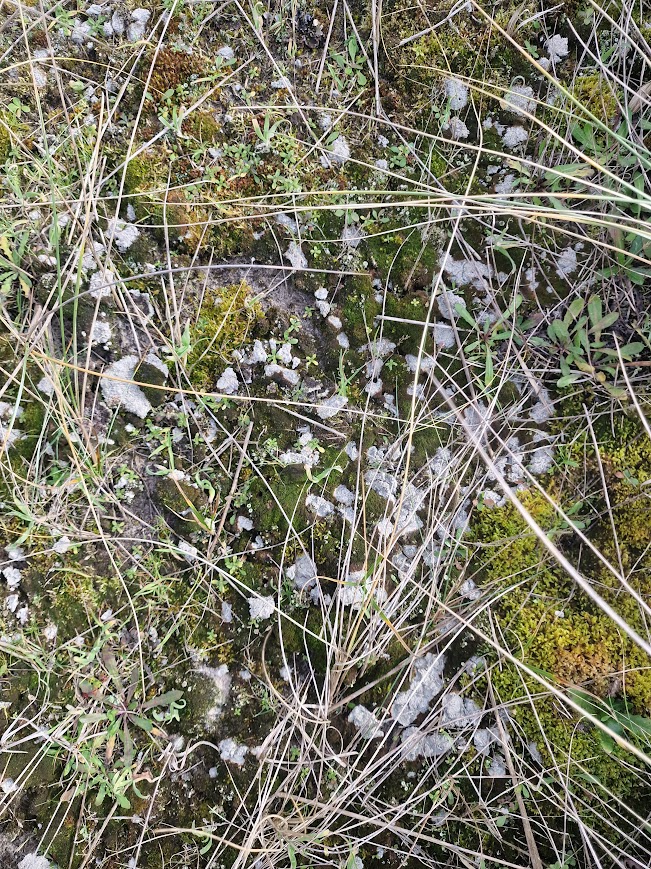
One of the most extraordinary things about the sand dunes was the enormous abundance of Diploschistes muscorum. I had seen a very small of D. muscorum on the vegetated shingle of Church Norton Spit at Pagham Harbour, a few mile to the west ,in January; it too was parasitising a of “Pixie Cup” Cladonia sp. but at West Beach dunes had a huge abundance of D. muscorum on “Pixie Cup” Cladonia spp. and a variety of mosses.
The only other places I have seen Peltigera canina in Sussex in on the dunes at East Head, and on the vegetated shingle of Pagham Spit, Norman’s Bay and Widewater Lagoon (Lancing). You can find out from my public iNaturalist what lichens I have seen where: my iNaturalist species list. (N.B. I do not use the iNaturalist AI photo recognition to identify species, I put on iNaturalist I know or have identified through field guides). In East and West Sussex there is no active country recorder for lichens; so if you submit records to iRecord, they are not verified, and go nowhere. Whist the process of getting a “research grade” marking on records from peer verification on iNaturalist is very flawed, verified recorders to get to the county biodiversity centre, and then get to the NBN, eventually.
I also now send my records to the British Lichen Society (BLS) recorder, so that they can be included on the BLS’s database and contribute to the BLS’s interactive species maps. I can never identify everything I see at a site because I do not have good enough microscopy skills for accurate spore identification, but there are many lichens that can be identified by close observation of morphological features, in collaboration with keys, and chemical spot reagent testing, see BLS Chemical Tests (K = Potassium hydroxide 10% C = sodium hypochlorite 2% (pure Milton sterilising fluid). Only use chemical tests if you are confident that you can use them safely. Potassium hydroxide and sodium hypochlorite are harmful if swallowed and can irritate/burn skin and cause eye damage; but at the concentration used in lichen tests can be used safely with care. Chemical tests kill the parts of the lichen they are applied to, so use sparingly.

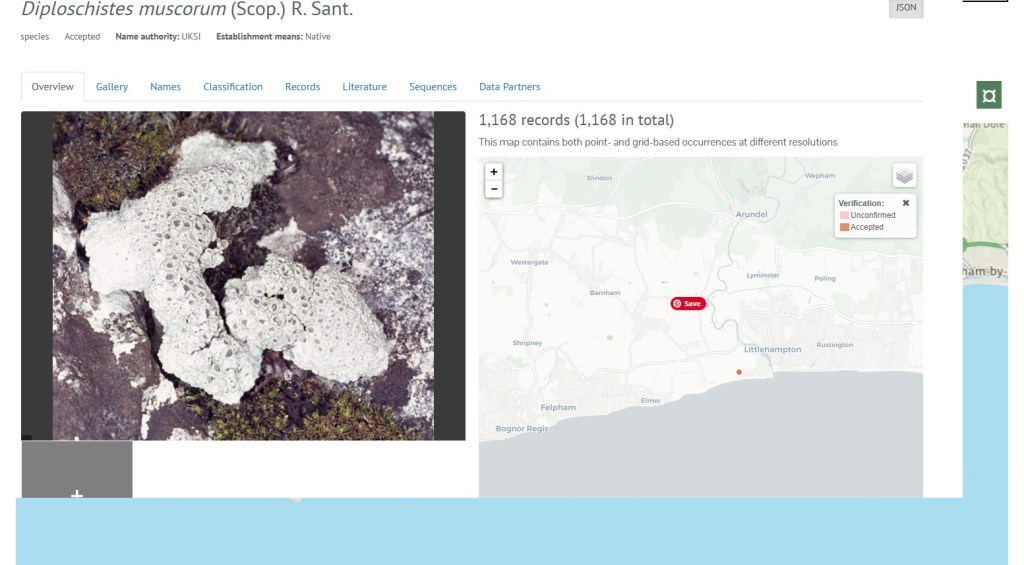



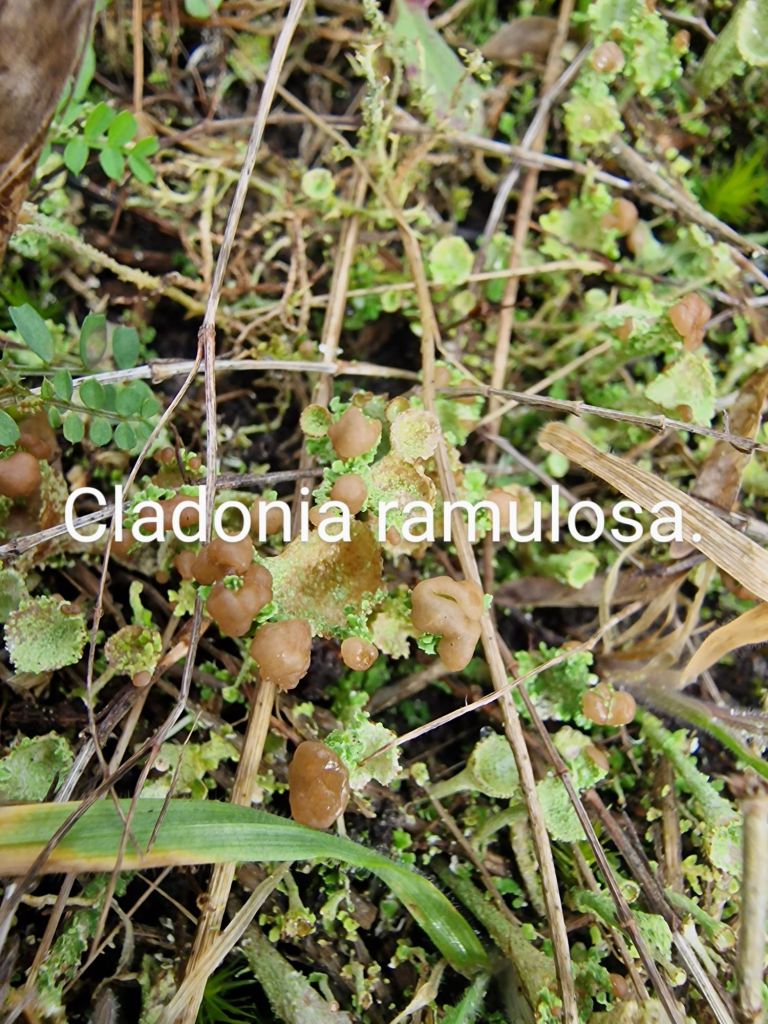
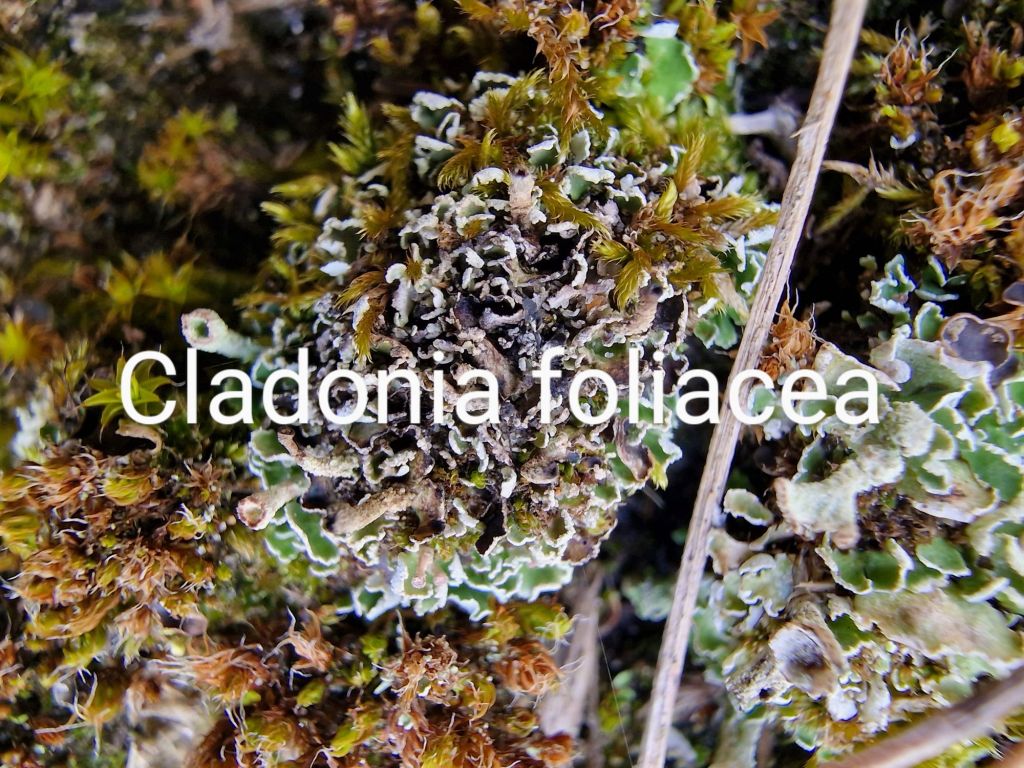
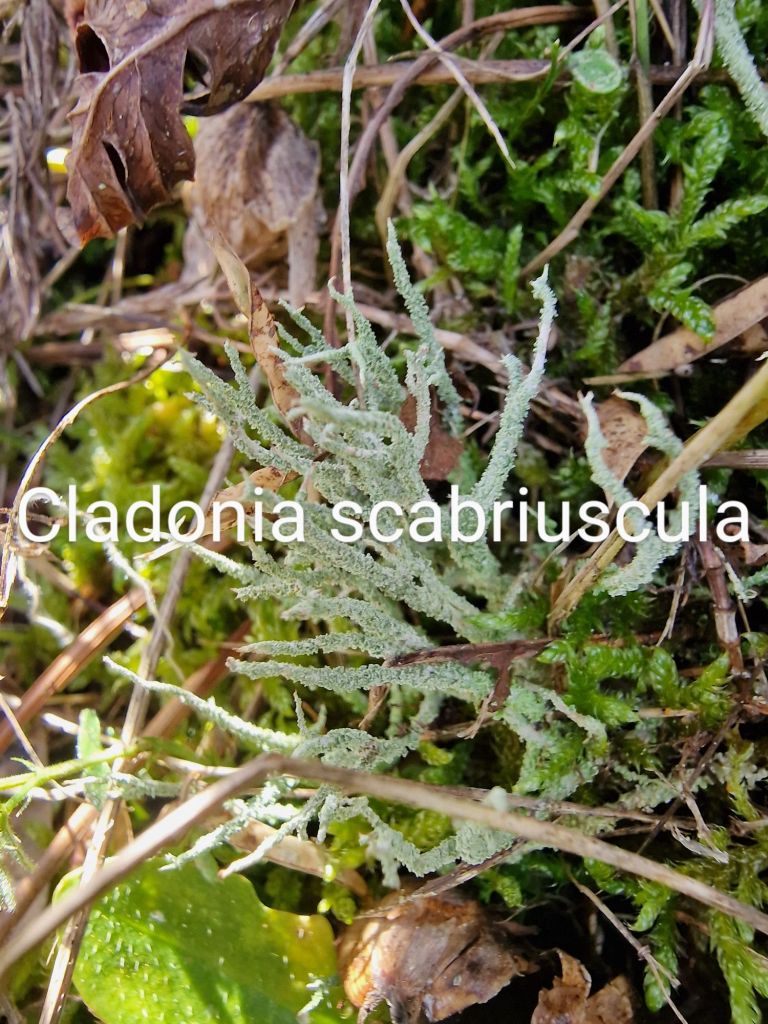
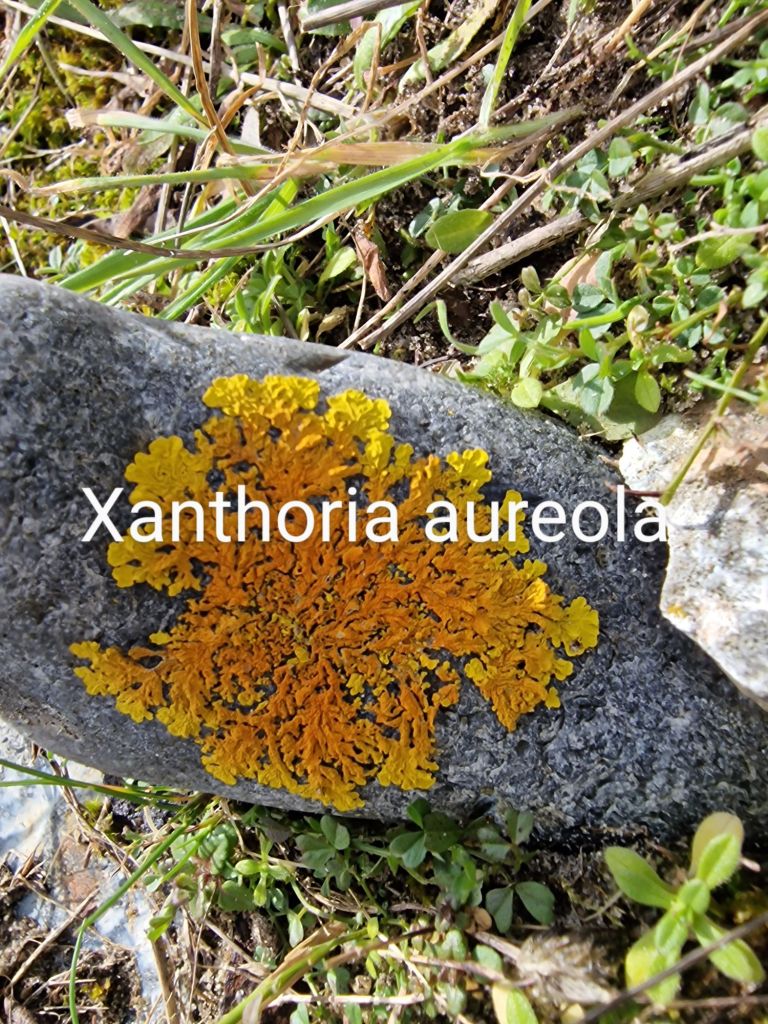
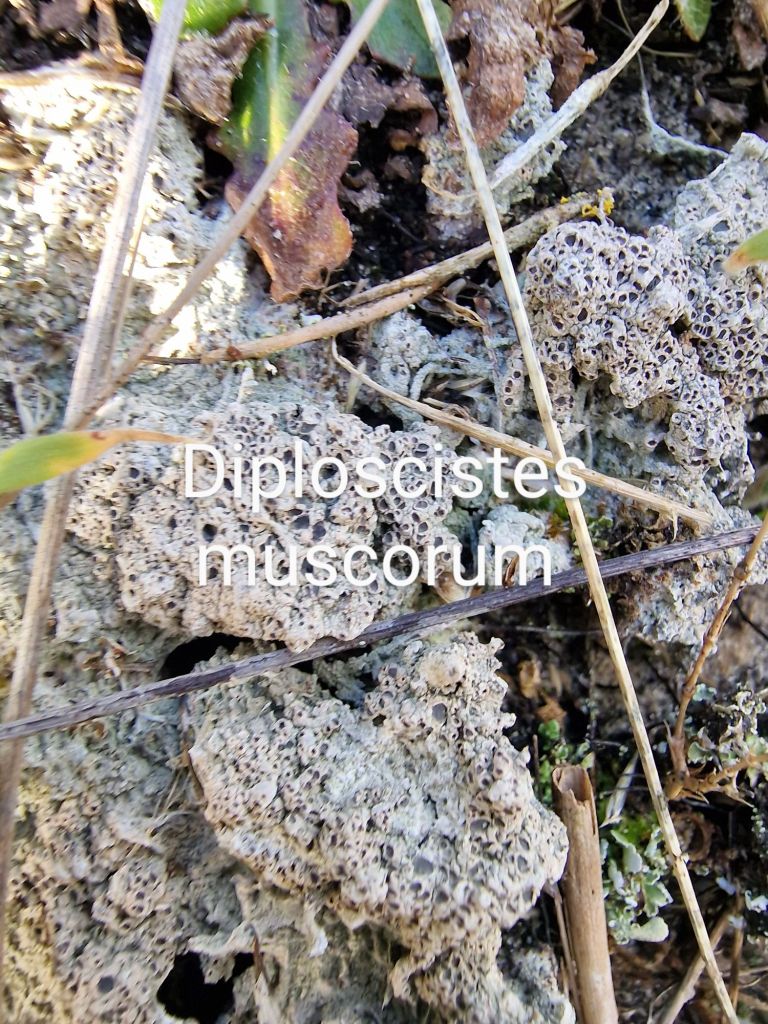
The abundance of Diploschites muscorum:
Dunescape
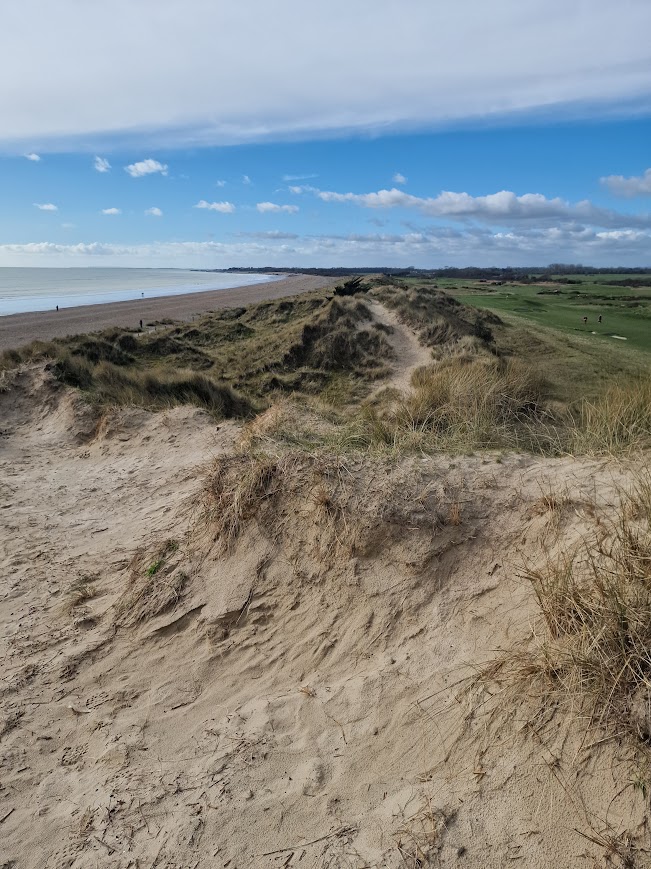
Surveying


 Sim's Nature Notes