Ancient Low Weald Woodland and Well-Being: a hike through the woods east of Ashington, West Sussex to find Wild Service Trees (to record their lichens) and other ancient woodland indicator species. 20.04.26

My prime motivation for this walk was to record the lichens on the Wild Service Trees, Sorbus torminalis, in this area, as the British Lichen Society has no lichen records linked to Wild Service Trees. I have been recording the lichens on Wild Service Trees for two years now. Another motivation was to maintain my wellbeing. For the last 40 years I have had intermittent periods of poor metal health (mainly depression related to Obsessive Compulsive Disorder, with which I was diagnosed 25 years ago). But I live well, as a result of previous good therapeutic support (Mindfulness-Based Cognitive Therapy), anxiolytic medication (an SSSI), having a loving partner and friends, and undertaking volitional activities that I know boost my well-being i.e. walking in nature, having nature-based interests (species identification) that distract me from troubling thoughts and leads to a sense of purpose and meaning. I am aware that I have sufficient income to have stopped work early and have the time and resources to spend time in nature. That is a privilege. I was born in 1962 and was able to buy a house with my partner in 1991 (which we still live in, mortgage paid off) and I had a job (a local authority teacher) form which I could retire at 55 (with actuarial reduction). My well-being is in part because I have sufficient income; I am very aware that many people do not have sufficient income and time to do the volition activities that might support their well-being. I am doing my best through political volunteering to address that injustice.

The Woodland Trust’s Ancient Tree Inventory is a great way of finding out where Wild Service Trees are across the country; especially now that the Lost Woods of the High Weald and Downs volunteer tree recorders have added many trees to the inventory for the Low Weald. I volunteer for the Lost Woods as a lichen-walk leader. I also volunteer for the RSPB Pagham Harbour as a lichen-walk leader and ranger. Communicating information about nature in Sussex to others is I think very meaningful. Nature and mental health are ecological systems; mutualism is the most useful interaction; helping others know more about nature helps them and my (and hopefully their) mental health.

David Bangs’ (2018) The Land of the Brighton Line: A field guide to the Middle Sussex and South East Surrey Weald has an excellent map of the location of Wild Service Trees around Cowfold; and fascinating information about the history of the Low Weald

Sorbus torminalis is a rare tree now, and is an ancient woodland indicator species. Climate change (global heating) and the loss of wild graving (boar, domestic pig, and cattle) may be significant factors in the loss of Wild Service Trees

P. Roper The distribution of the Wild Service Tree, Sorbus torminalis
(L.) Crantz, in the British Isles.
Watsonia, 19, 209-229 (1993)
Retrieved from the BSBI Achive 22.04.26: Although the fruit is avidly devoured by birds, Wild Service seems only rarely to be bird-sown (the seed, with its thin testa, is probably digested in the bird’s gut) (Prime 1960). In large, lowland forests wild boar and other animals, including domestic pigs and cattle, may well have been important agents for the dispersal and burial of Wild Service seed: wild boar are known to like the fruit and the effects of their trampling on woodland ecology have been well-documented (Conwentz 1895; Darling & Morton Boyd 1969; Goodwin 1975; Tansley 1968). Elsewhere seed was, and still is, extensively predated by birds, small animals and invertebrates so that almost none remains (Corbetm1974; Janzen 1970; Tansley 1968; Termena 1972).

The wild boar as well as burying much seed by rooting and trampling, destroyed many small rodents (Tansley 1968) as did the much higher numbers of predatory animals and birds that were formerly widespread. Populations of voles and mice have increased substantially as predators have declined and animals like rabbits, grey squirrels and pheasants (all of which eat seeds or seedlings of Wild Service) have been introduced and have spread.

Like many trees and shrubs within the family Rosaceae, Wild Service seeds need a period of some three months of near freezing temperatures before germination will take place (Gordon 1982). In places where winters are longer and colder than in much of Britain, germination will normally take place in the first spring following seed formation whereas in Britain two or more years are often needed and the seed is at risk for far longer. This is true of many tree seeds, but the first spring germination that would have taken place more regularly during periods when the climate was colder could have helped the Wild Service to reproduce from seed in slightly larger numbers in those days.

While a cooler, less continental, climate and increased seed and seedling predation coupled with other factors may have reduced populations of the Wild Service and prevented recolonisation, its survival in ancient hedges and woodlands has been helped by its ability to reproduce from suckers.

Wild Services live a long time: Mitchell (pers. comm., 1975) has estimated the age of large old treesto be around 200 years and many of these may themselves have arisen from suckers produced from an earlier generation of trees. Some mature populations – that in Epping Forest, for example – have been shown to originate largely from suckers (Uoyd 1977) and O. Buckle (pers. comm., 1975) was of the view that virtually all the Wild Services that he knew of in West Sussex (for which he wasB.S.B.I. vice-county recorder) had originated from suckers. No one knows how far back these sequences may have extended since the original seeds germinated, but it is clear that the species can survive for long periods before conditions recur in which seeds germinate freely. Sust beneath the soil surface).

More evidence has come to light to show that the tree was formerly more abundant than today, though probably never common in most areas. There is no doubt that the species is found almost exclusively in ancient woodlands and hedges or on rocky outcrops, unless planted, and its value as an indicator of primary woodland is confirmed.

Wild Service Trees of the Low Weald

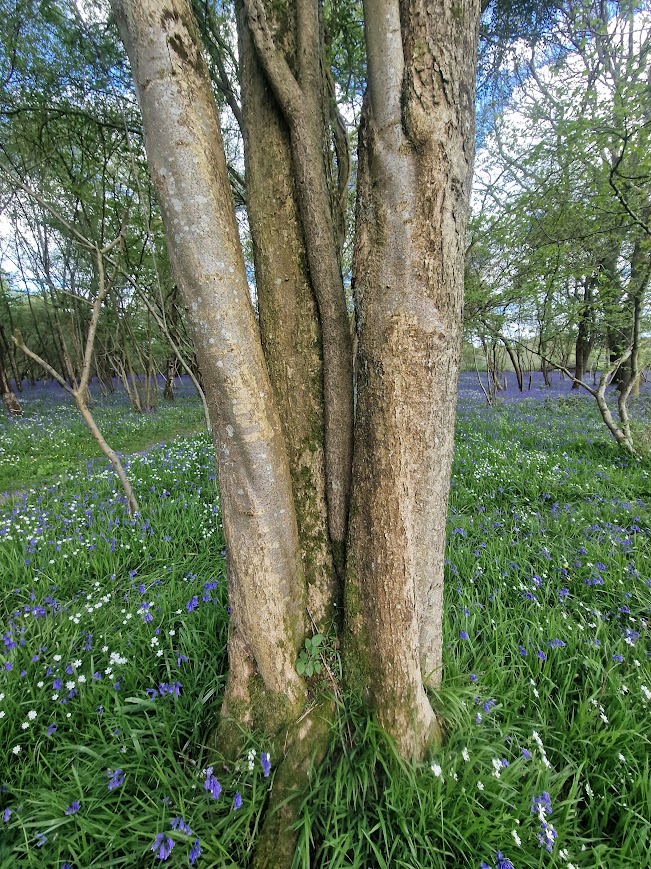
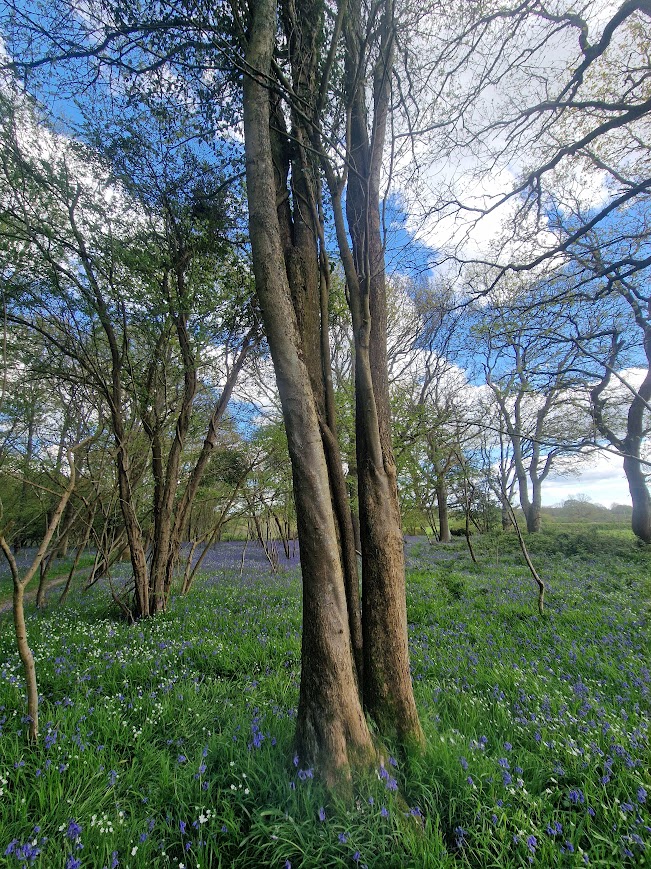
Whilst Wild Service Trees are rare nationally, the Low Weald of Sussex is one of their strongholds; so you can discover them on your own when you know what you are looking for. In my experience most Wild Service Trees in Sussex are multi-stem trees (historically coppiced many years ago)

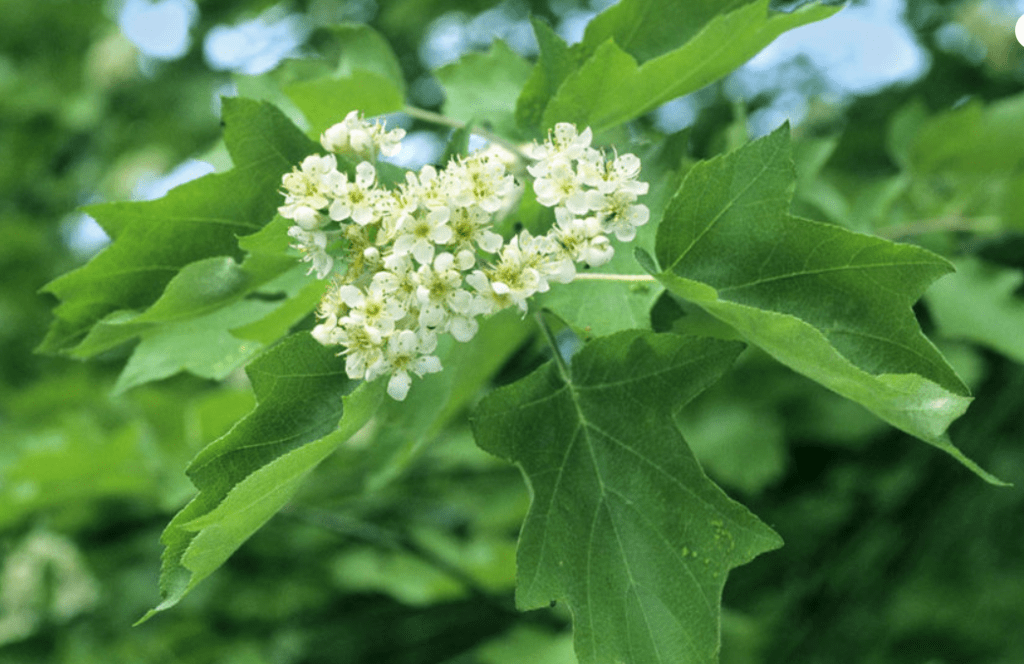
In early May their flowers are characteristic:

Photo from the Woodland Trust:Wild Service Tree (Sorbus torminalis) – Woodland Trust 5-petalled flowers arranged in loose, flat-topped clusters (up to 12cm across). All the other photos in the post were taken by me
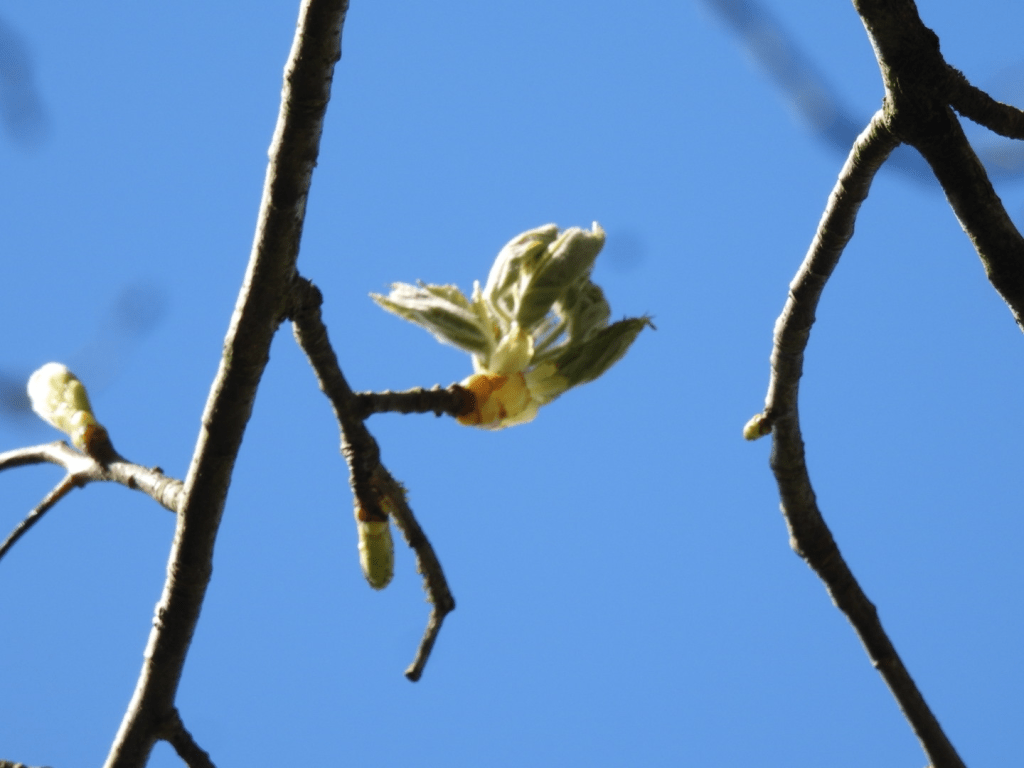
Leaf buds

A tree north west of Cowfold, found using Dave Bangs’ map, on 16th April 2024
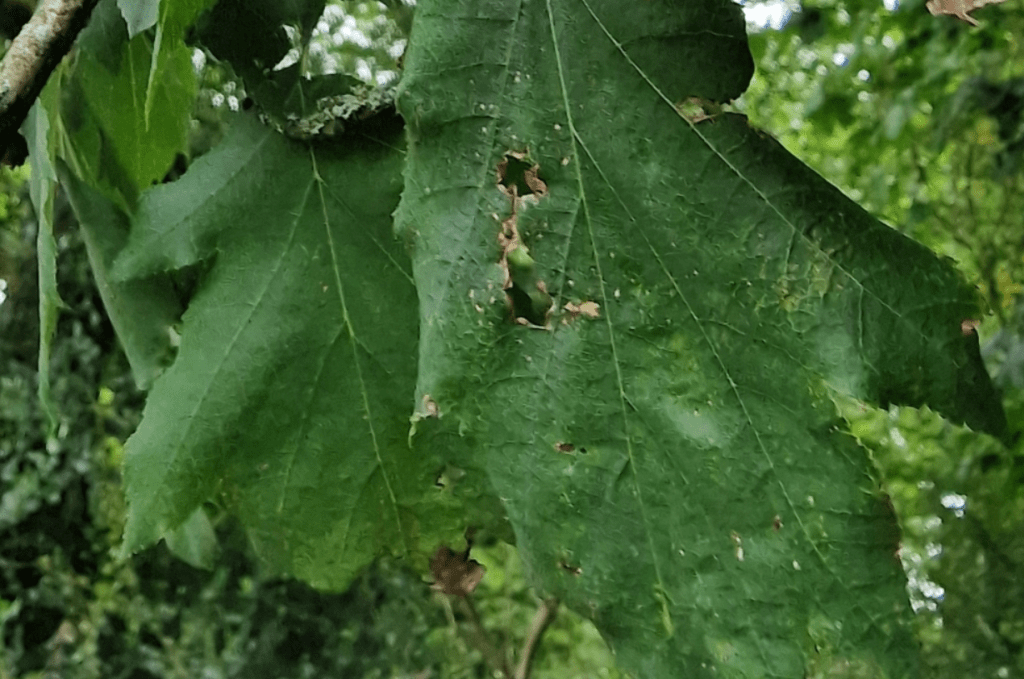
As Wild Service Trees only flower for a few weeks, sometime between late May and early June, for most of the year look for the characteristic leaf shape is the probably the most reliable way of identifying them

A tree in Staffhurst Wood SSSI on 30th July 2025.  Surrey, near the Kent border, in the Surrey part of Low Weald, approximately 3 miles south of Limpsfield and close to Oxted
Leaves emerging. Photo form 20.07.26. Capite Wood
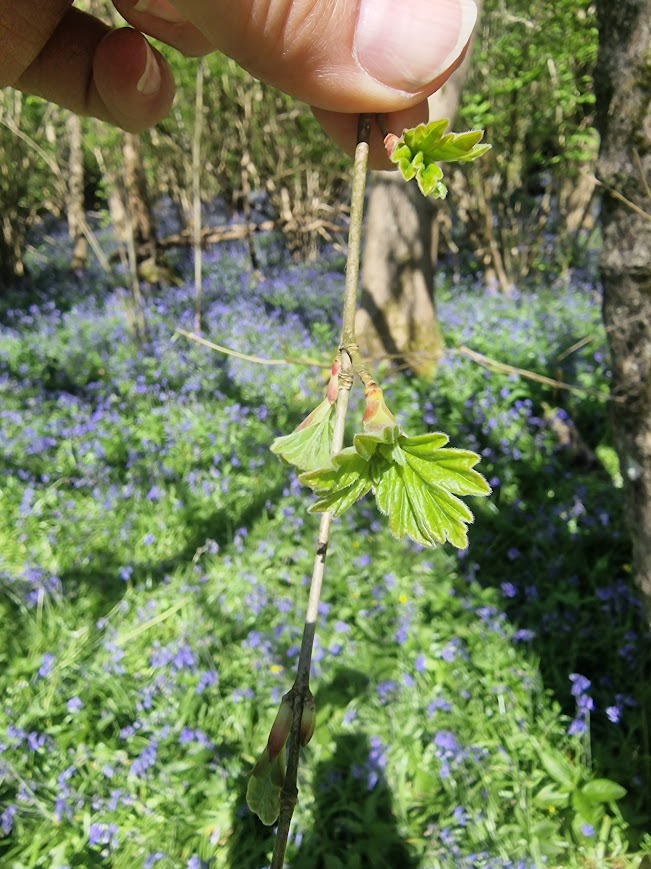
Leaves emerging. Photo form 20.07.26. Capite Wood
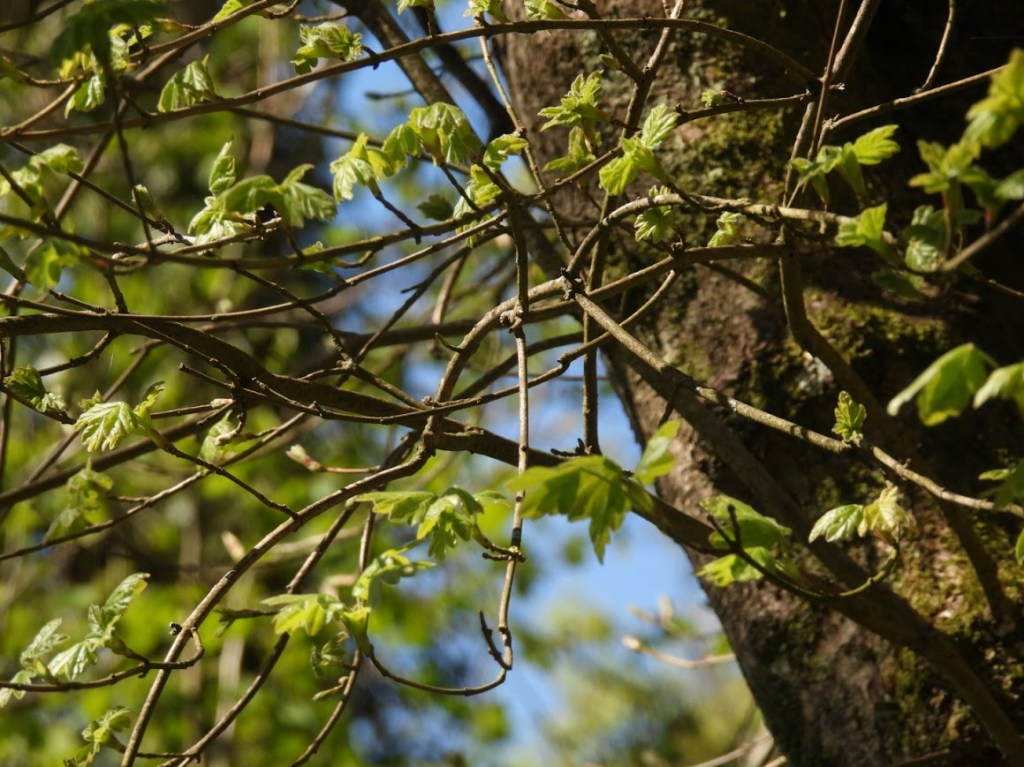
The leaves are broad and angular, similar to field maples or hawthorn. Some lower lobes may sit almost at right angles to the leaf stalk. They are dark green on both sides, though they may have a slightly paler, velvety appearance underneath. Young leaves are covered in silvery, glistening hairs, which disappear to leave a shiny surface. The leaves are arranged alternately on the twig. 

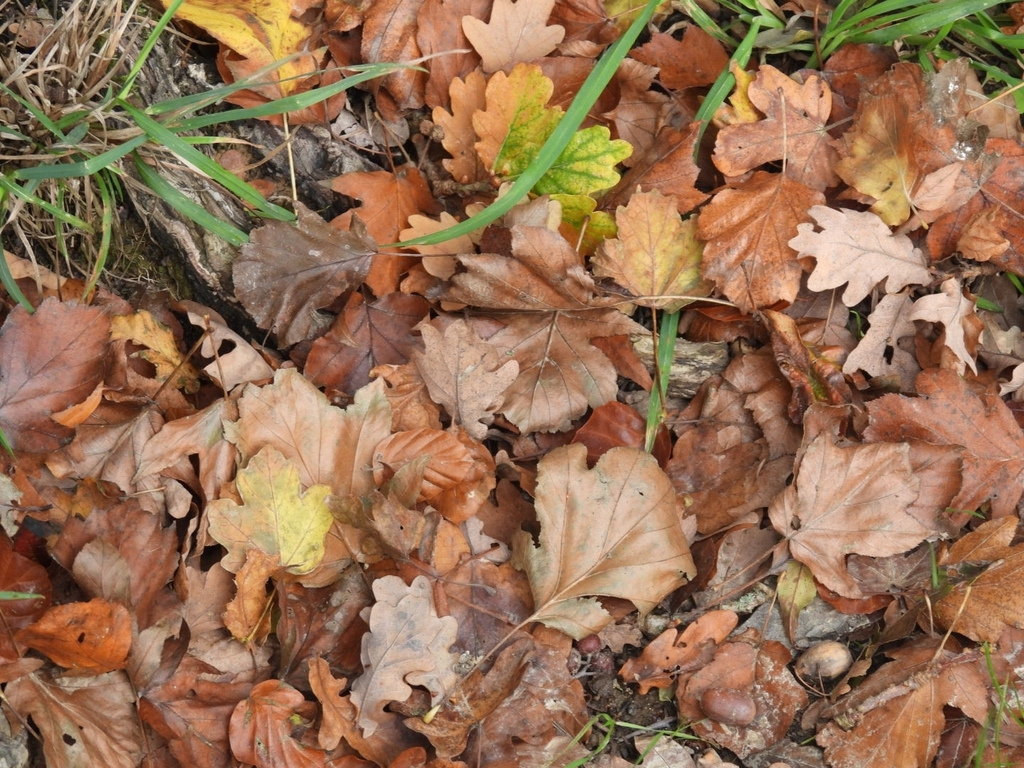
Autumn Leaves, a Cowfold Tree, 25th October 2025. Looking at the ground may help you identify Wild Service Trees in Autumn and Winter. A photo from the base of a Wild Service Tree near Cowfold
In late Summer their fruit, “chequers”, are very characteristic. A photo from Staffhurst Wood
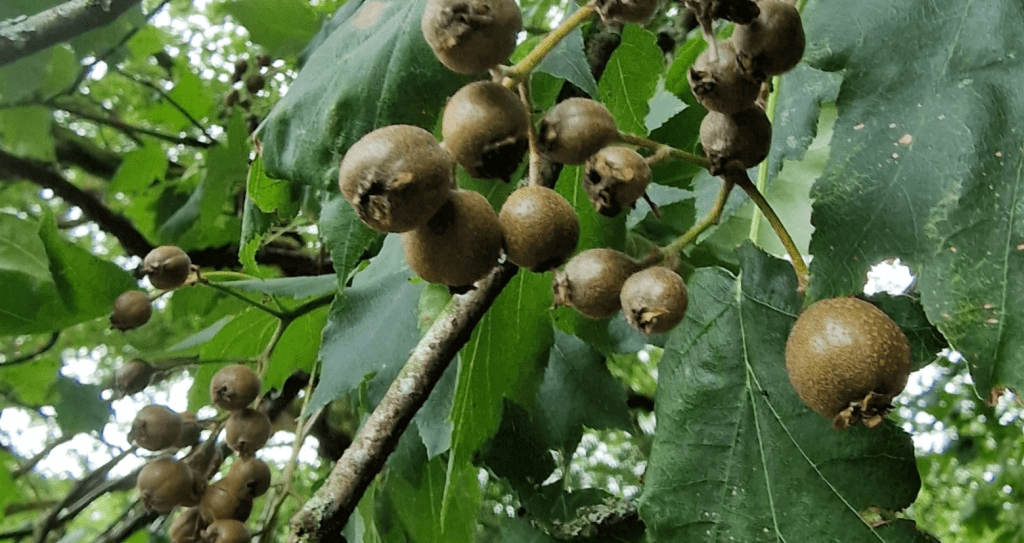
In Sussex and Kent the chequers were used to flavour beer called Chequers Ale, and children used to eat the berries after drying them

To get to Ashington I took the train from Brighton to Worthing, and then got the Metrobus 23 bus to Ashington (every 30 minutes, journey time 30 minutes). Here is a map of my walk
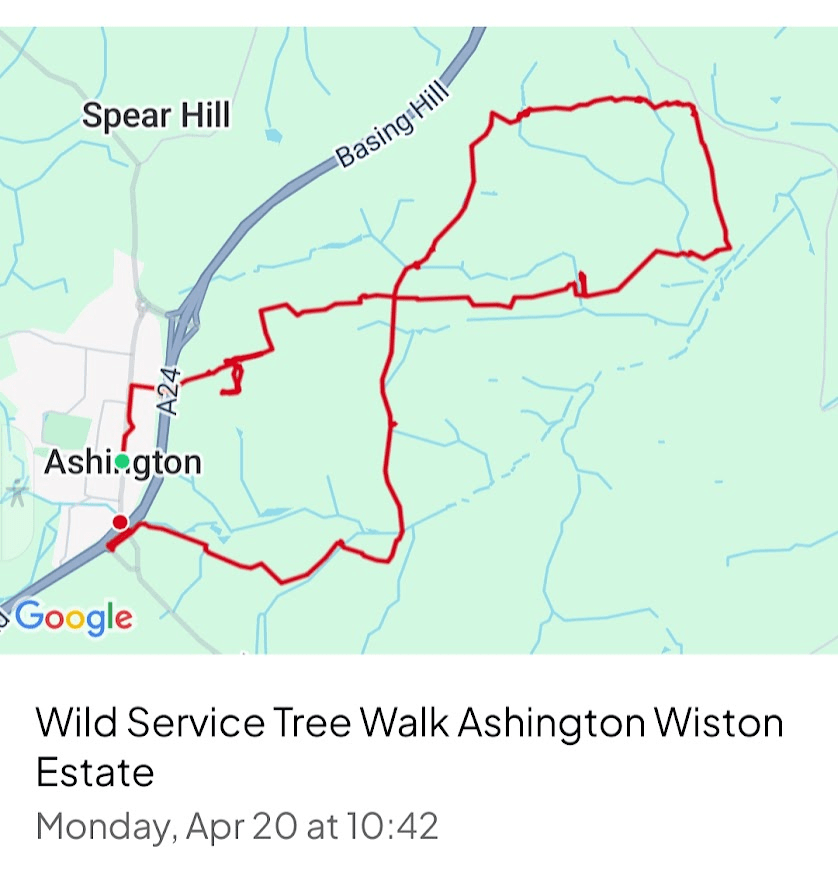
The location of Wild Service Trees I found through accessing the Woodland Trust Ancient Tree Inventory accessed online 19.04.26 and filtering for Wild Service Trees. This inventory can be accessed for free. To search for trees click here: tree search page

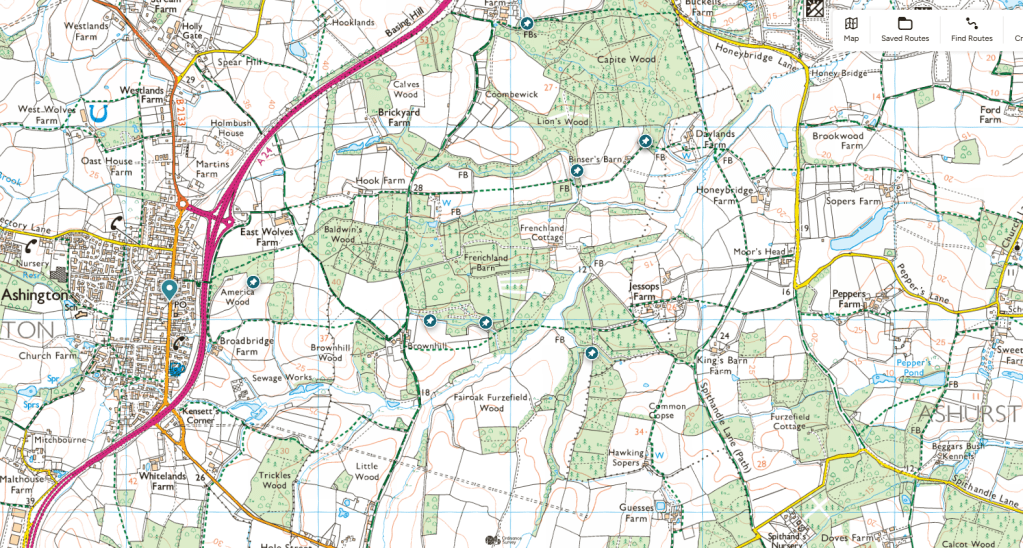
Here are the Wild Service Trees I found through the Ancient Tree Inventory, transferred to OS pins, from grid references given by the Ancient Tree Inventory. This is a screen shot from the on-line OS explore retrieved 23/04/26 © Crown copyright and database rights 2025 Ordnance Survey under license 1156 0223 8260 7202. It is necessary to purchase a subscription to access OS maps online. I would recommend purchasing a subscription for all the OS maps in the UK, as you can access this on a Smart Phone or your laptop or tablet, and the GPS tracker tells you where you are; important if you get lost. I found these trees by having the OS App running on my smart phone whilst walking in the woods and occasionally looking at the GPS pointer to tell me where I was in relation to the trees.
Some of the Wild Service Trees I saw (shown on the map above)
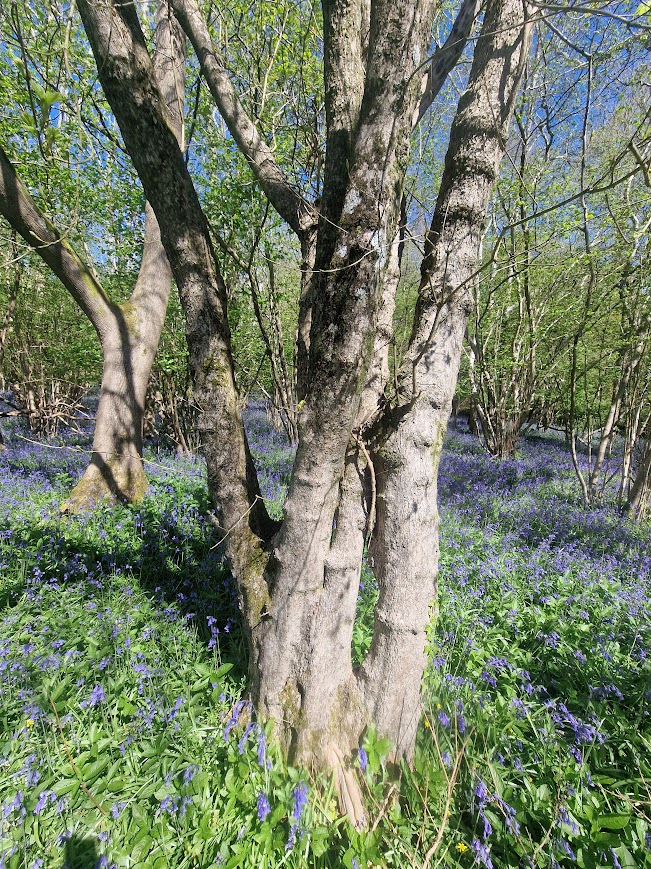
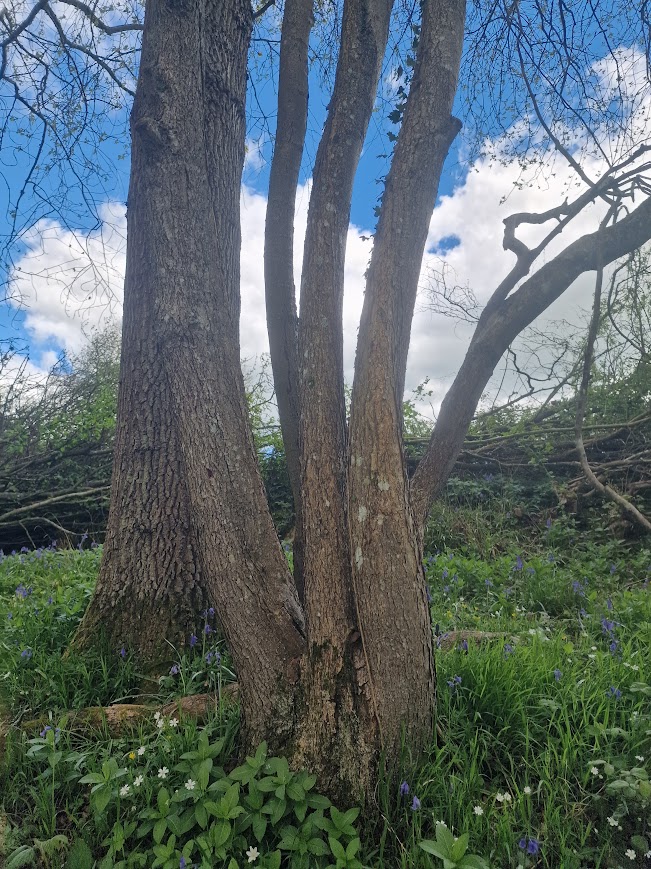
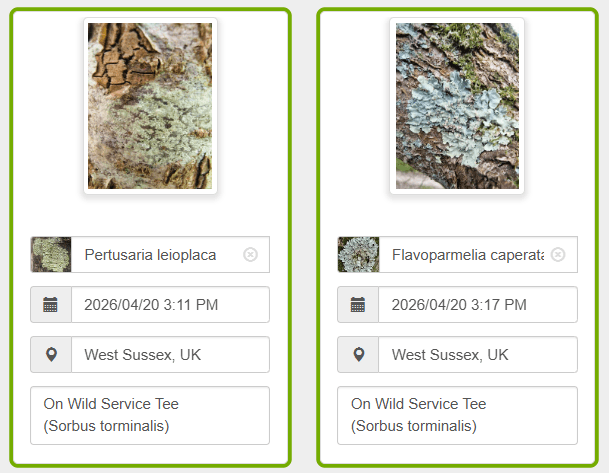
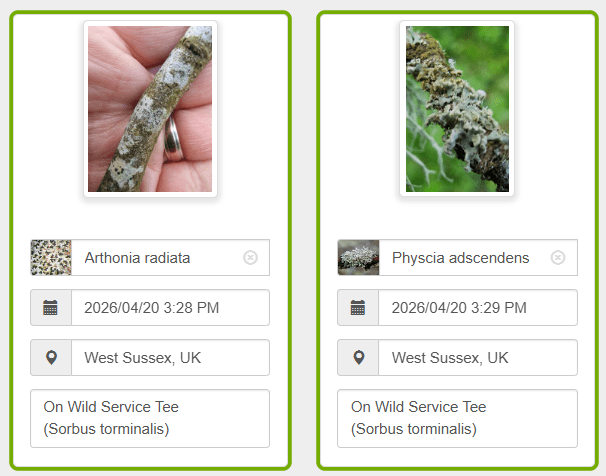
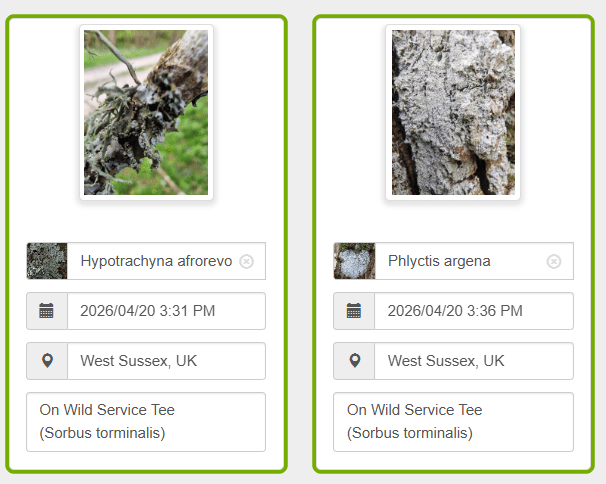
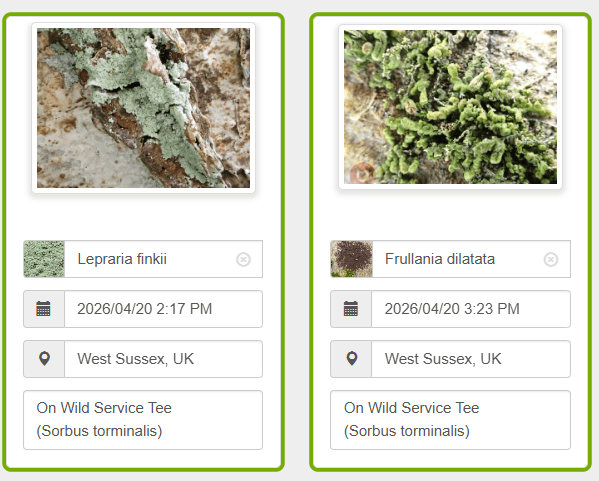
Some of the epiphytes on the these Wild Service Trees.

A note on my recording. The lichens below are all iNaturalist records. For all species I use iRecord as well as iNaturalist. I am a pan-species naturlaist. However, as there is currently no county recorder for lichens for West and East Sussex, iRecord records for lichens submitted by are not verified and they don’t go anywhere and can’t be accessed by the general public.. The British Lichen Society do not accept records from iRecord or iNaturalist; records have to be sent directly to the British Lichen Society using their spread sheet. I do this and send a copy of the spread sheet to the Sussex Biodiversity Record Centre

I use iNaturalist to record lichens (and everything I see) as it makes my records easily available to the general public. I do not use iNaturalist AI photo recognition, I use my knowledge and these lichen field guides and flora.
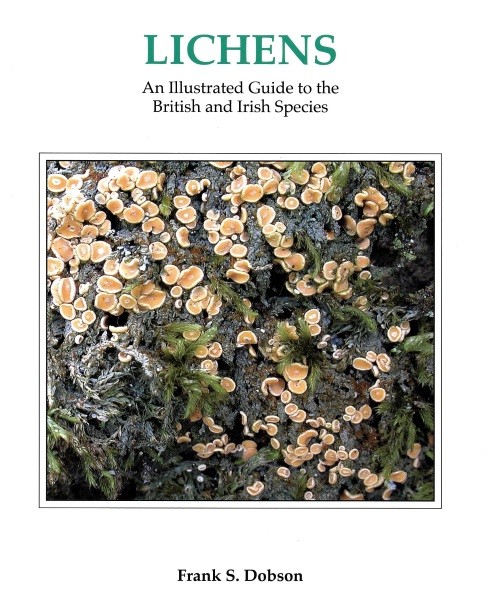
You can purchase at Books & Guides | The British Lichen Society
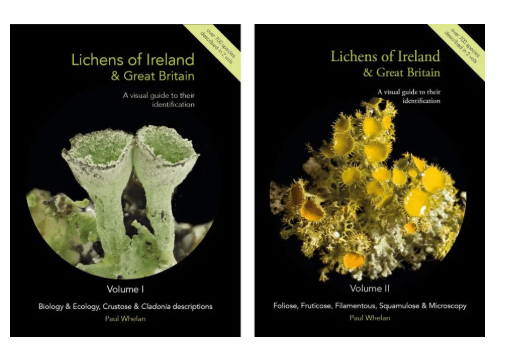
You can purchase at: Lichens of Ireland & Great Britain: A Visual Guide to Their Identification (2-Volume Set) | NHBS Field Guides & Natural History
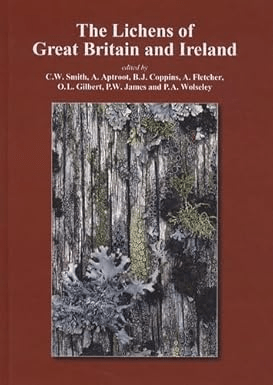
This is the standard flora of Lichens in Great Brighton and Ireland. It is out of print and extremely difficult to buy second-hand, but the keys to genera from this volume are now available as a downloadable pdfs on the Lichens of Great Britain and Ireland webpage for free: https://britishlichensociety.org.uk/identification/lgbi3

All of these records are lichens except Metzgeria furcata and Frullania dilatata which are liverworts. N.B If you take a photo of anything with a Smart Phone with the Google Photos app installed on your phone Google (if GPS tracking is turned on) adds the X (Easting) and Y (Northing) of the international Cartesian coordinate system, and a visible Google Maps location. You can use Grid Reference Finder to covert X (Easting) Y (Northing) to a British OS grid reference if you find that easier. So you can find out where I have seen my sightings.
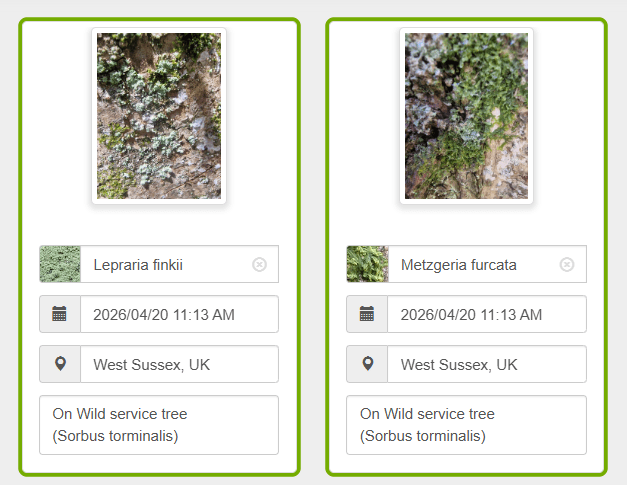
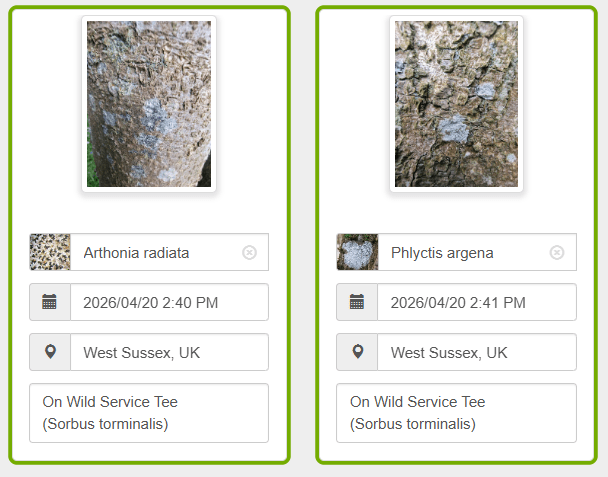
Bigger photos of some of the records above. These are very common lichens you may see on Wild Service Trees in Sussex

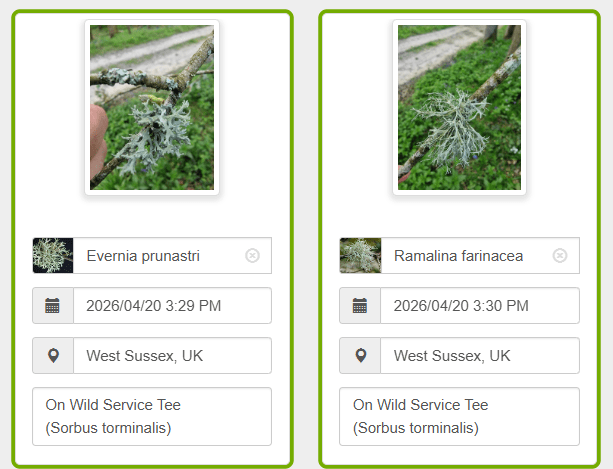
Evernia prunastri Oak Moss (rubbish vernacular name as it’s a lichen not a moss, and it doesn’t just grow on Oaks)
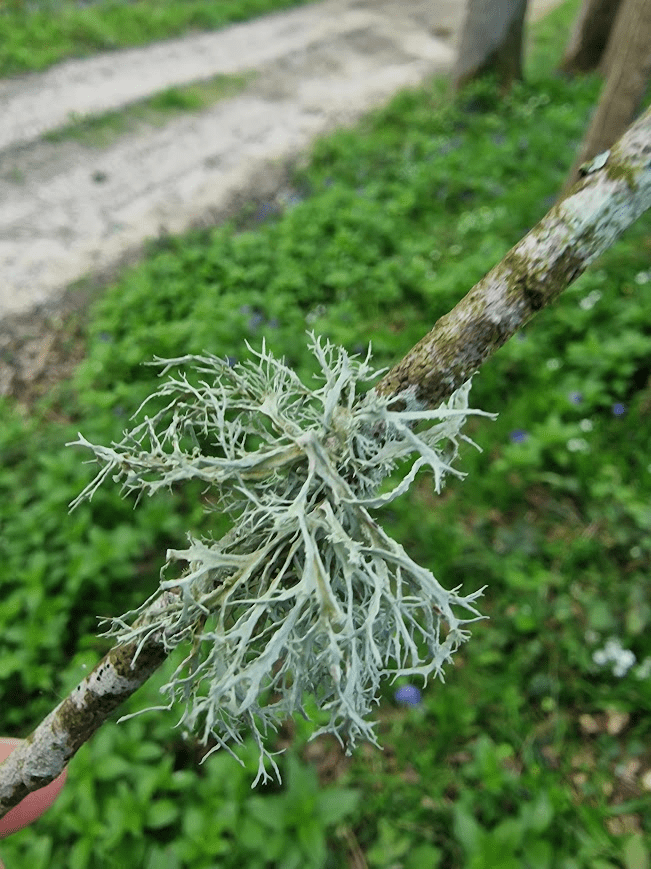
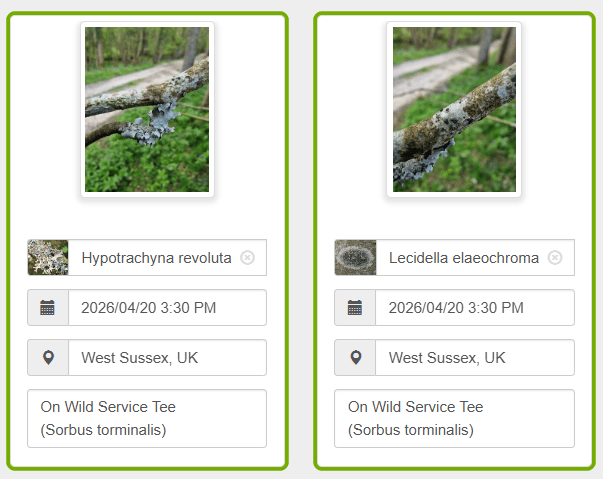
Hypotrachnya revoluta, Powdered Loop Lichen
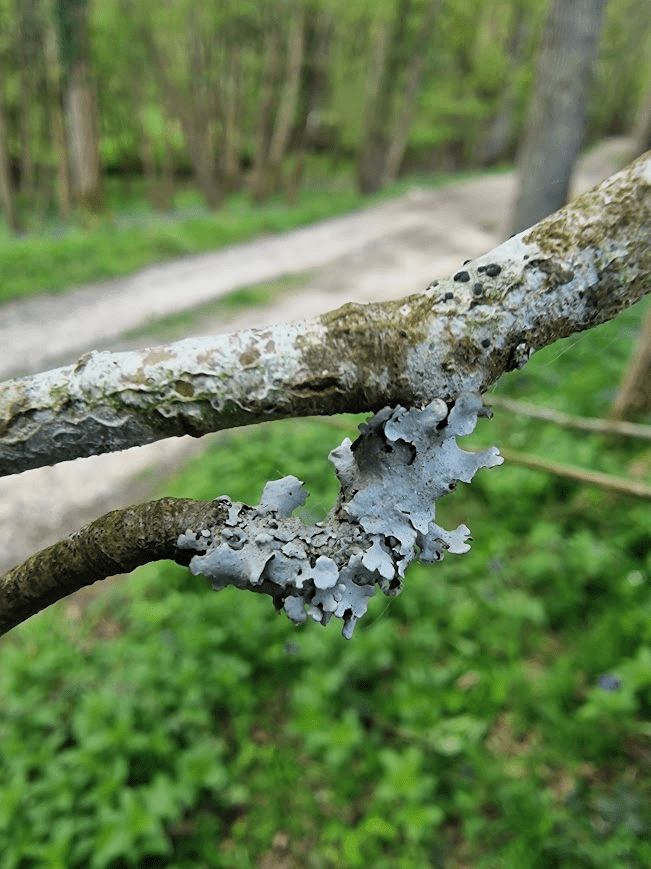
Ramalina farinacea, Dotted Ramalina
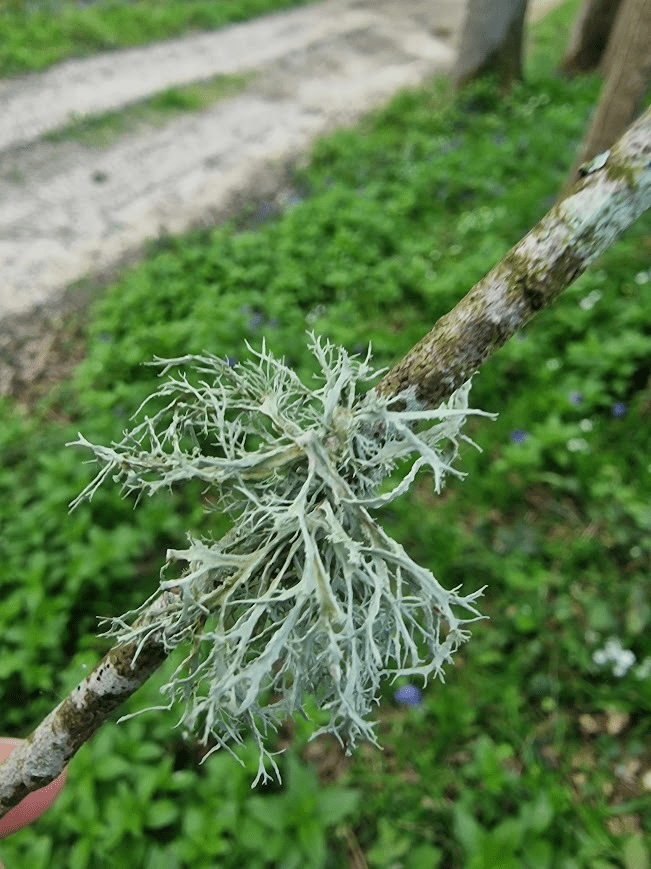
Lecidella elaeochroma Lecidella Lichen
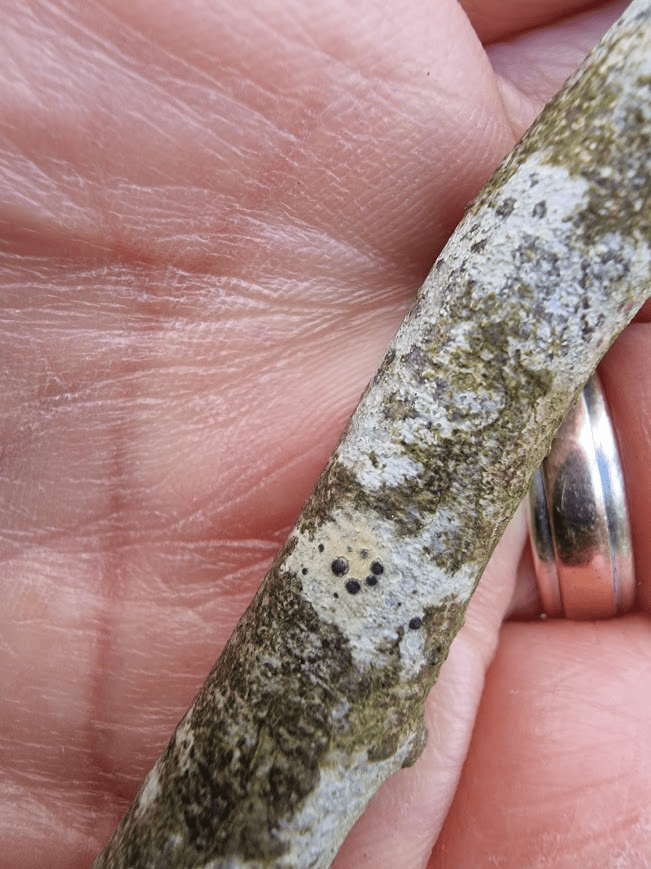
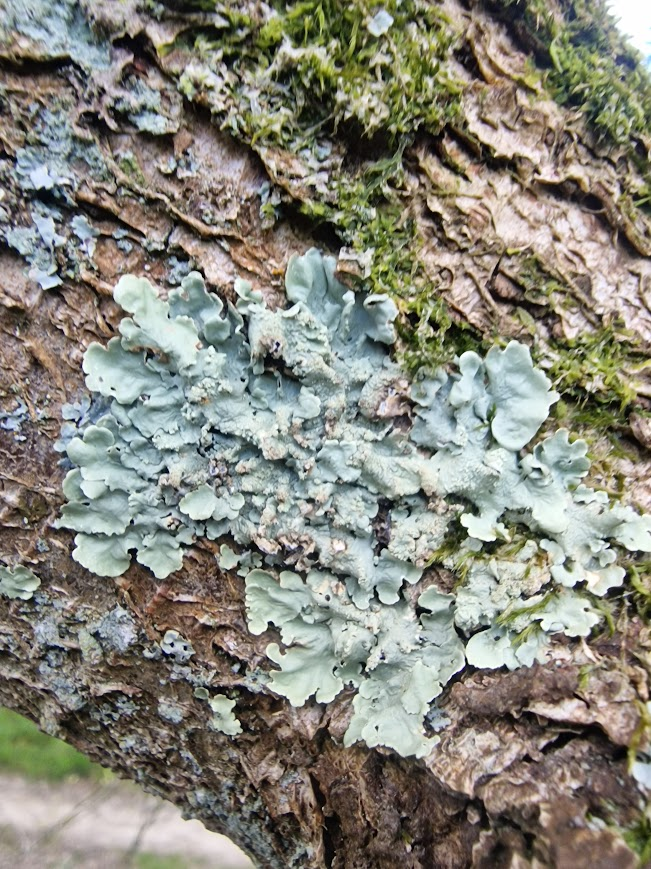
Flavoparmelia caperata Common Greenshield Lichen
Bluebell Woodlands and Colour Field Paining

An aspect of my well-being is experiencing visual pleasure in nature and visual art. I find blocks of colour in nature and art very pleasing!

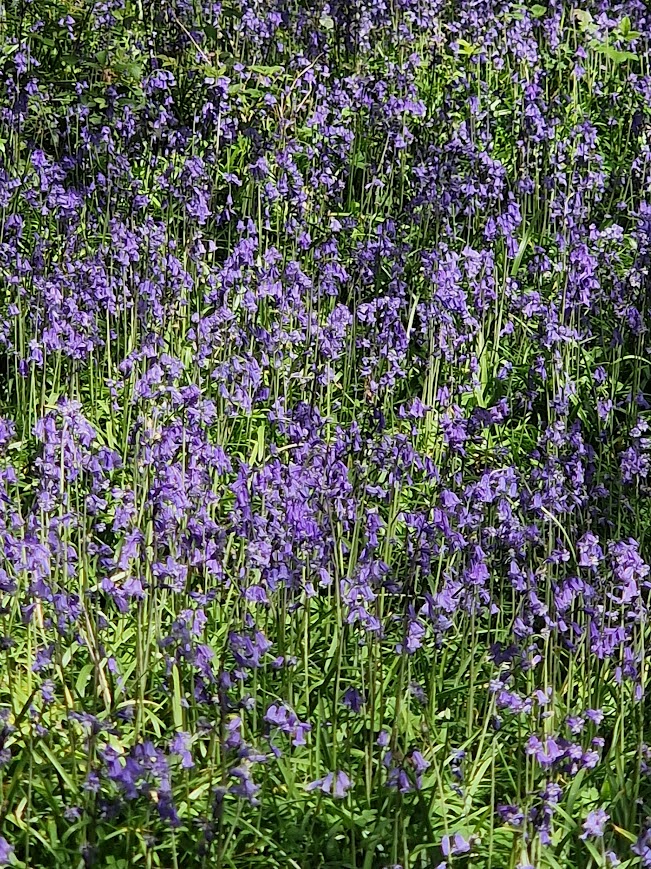
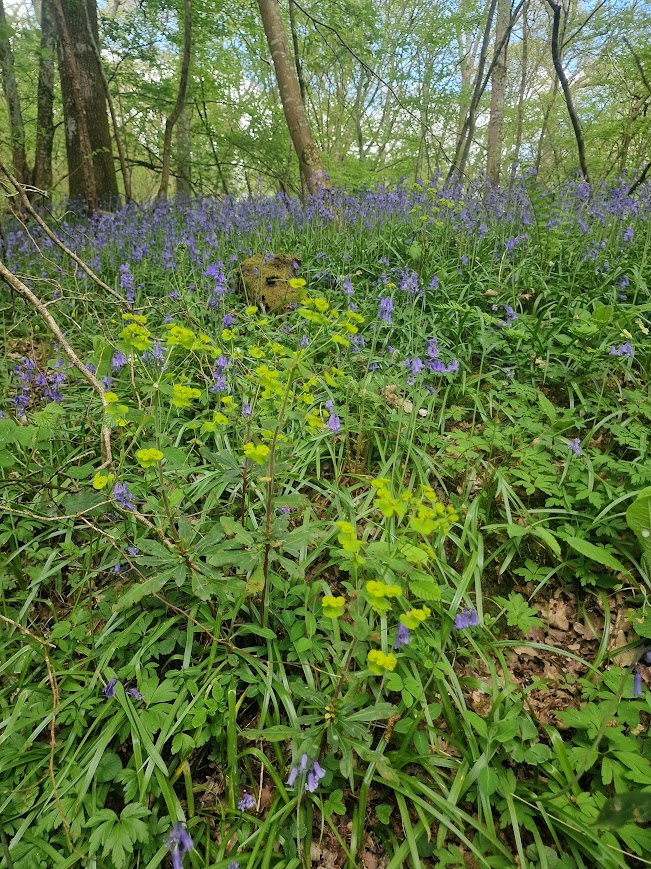
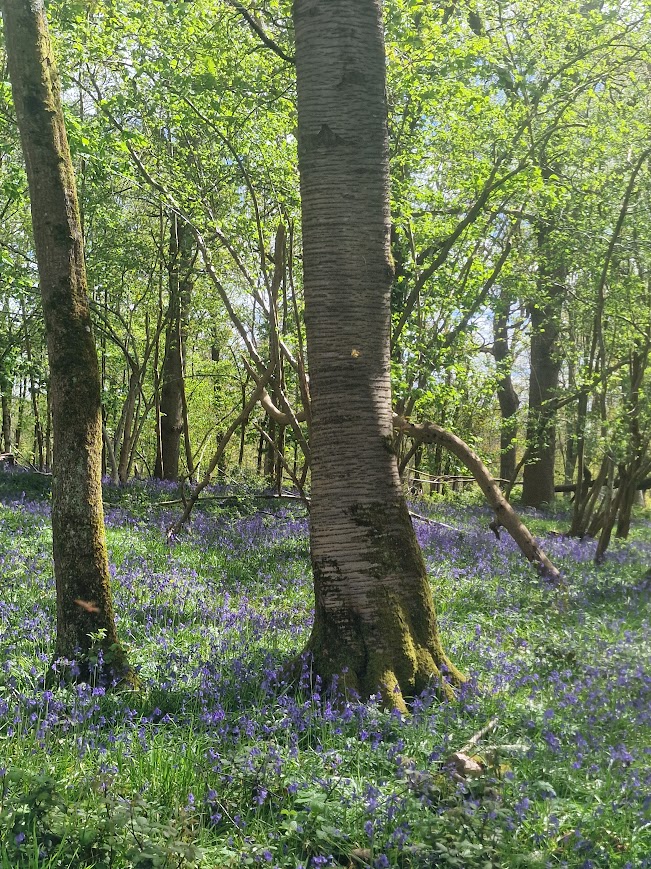
Bluebells are an ancient woodland indicator species; they are extremely abundant in the Low Weald at the moment (April 2026)
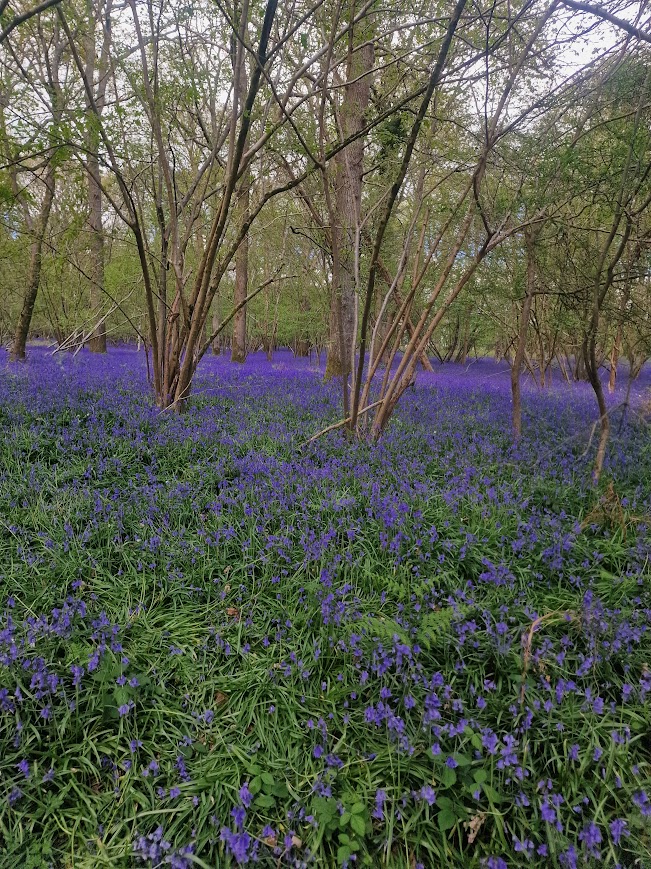
Jill Campbell, Summer Blue n.d.

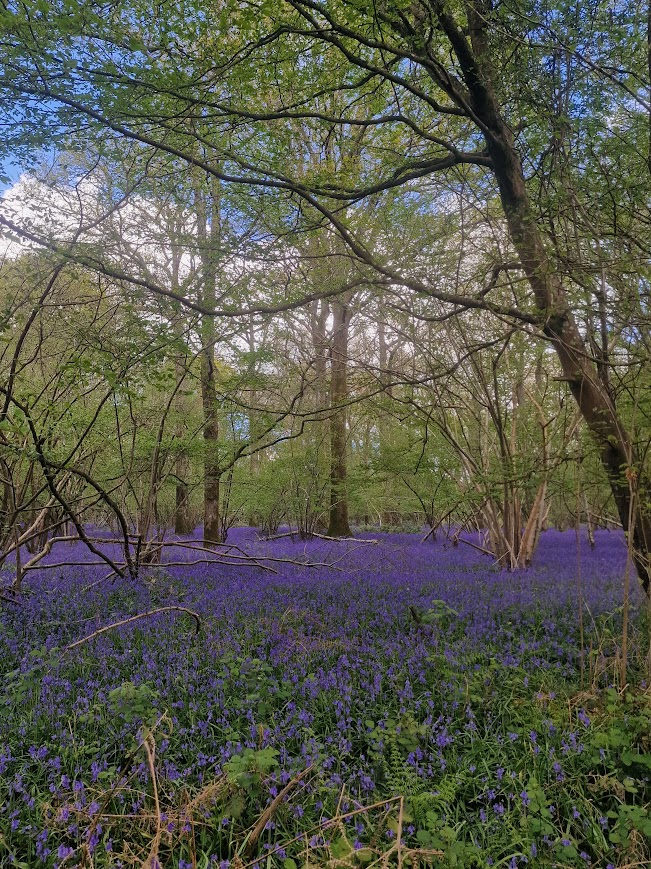
Mark Rothko No. 61 (Rust and Blue) 1953

Ronnie Landfield, Rite of Spring, 1985

with Wood Spurge, anther ancient woodland indicator species, in front

Ray Penn Colour Field Series #7 Painting, 2018

A musical interlude.

I felt full of positive emotion walking round these woods on Monday; it felt a wonderful world.

But, in 1967, when What a Wonderful World was written, and when Louis Armstrong sang it in 1968, the world wasn’t wonderful: the Vietnam War;,the Six-Day War between Israel Egypt, Jordan, and Syria, and Nigerian Biafra Civil War were leading to many deaths.

Perhaps a message of the first two verses of What a Wonderful World is that focussing on nature (and other positive things) – a volitional slef-control of what you focus upon, whatever is going in the world, can lead to positive emotion, and thus increased resilience. Positive emotion can reinvigorate energy, and develop the courage, needed to stand up against wrongs e.g. war and climate change.

For me focussing on nature makes me feel good; but it does not lead me to deny that terrible things are happening, including global heating change and habitat loss; it increases my resilience and energy to try and do something about that. It is about balance; having positive experiences in nature means I am happier and more able to fight for nature; and Nature really needs our help; see Chris Packham’s introduction to the National Emergency Briefing on climate & nature

And good things did happen in 1967. Muhammad Ali refused induction into the U.S. Army, citing his religious beliefs as a Nation of Islam minister and his opposition to the Vietnam War; although, as a result, he was stripped of his heavyweight boxing title, had his boxing license suspended, and was convicted of draft evasion (which was eventually overturned). Living well does not always entail continuous pleasure.

Walking around these woodlands slowly and attentively certainly created positive emotion for me, and this enhanced my resilience; that’s one of the reasons I do it – A LOT! But it is not just the visual pleasure, and the focussed attention to nature, that enhances my well-being; recording nature, so that what is out there is known to as many as possible, feels meaningful and congruent with my values; well-being is an outcome of meaning and purpose.

I don’t want lots of people not to have know what we had in nature untll after its gone

Other Ancient Woodland Indicator Species

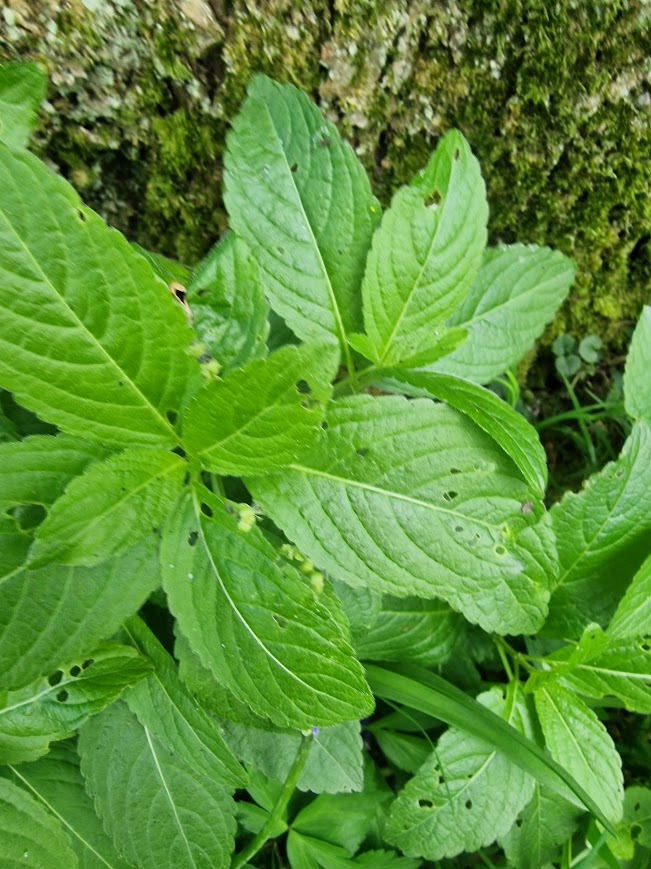
Dog’s Mercury
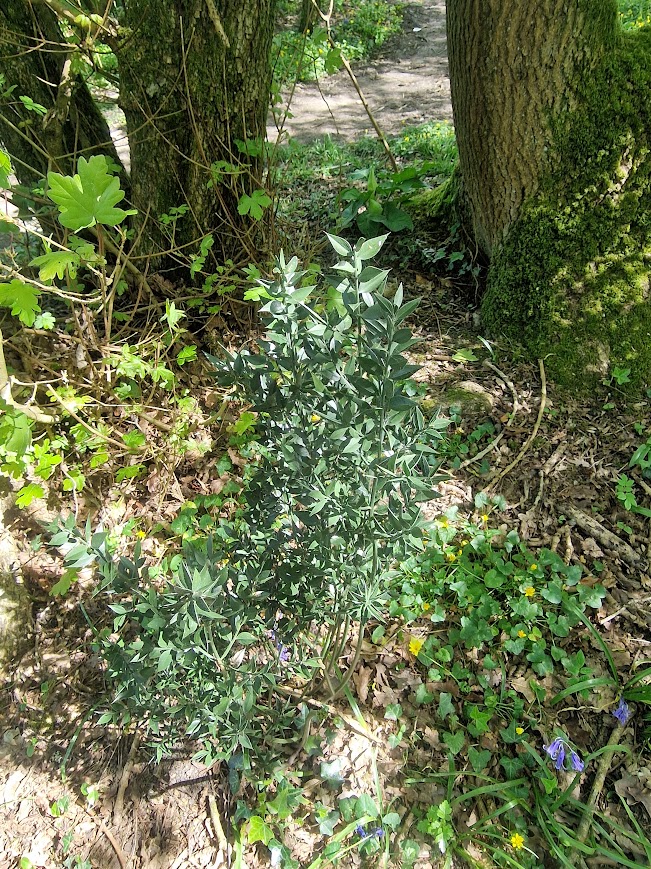
Butcher’s Broom
Midland Hawthorn
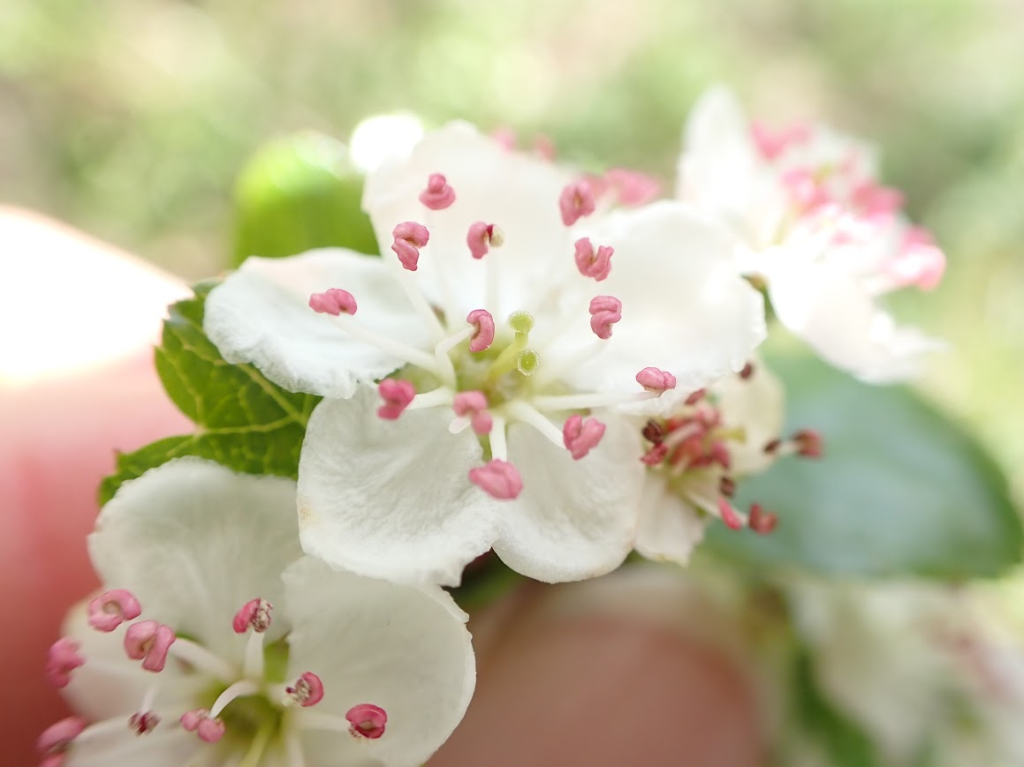
How to differentiate between Midland Hawthorn and Common Hawthorn: Midland hawthorn tends to flower one to two weeks earlier than common hawthorn. It has twin stigmas in the flowers and twin seeds in the haws. Midland hawthorn has shallowly lobed leaves – cut less than half way to the mid-rib. Whereas common hawthorn leaves are deeply lobed, cut more than half way to the mid-rib. Midland Hawthorn (Crataegus laevigata) – Woodland Trust In flower, it’s ease – two stigmas (green sticky-up bits) = Midland Hawthorn –

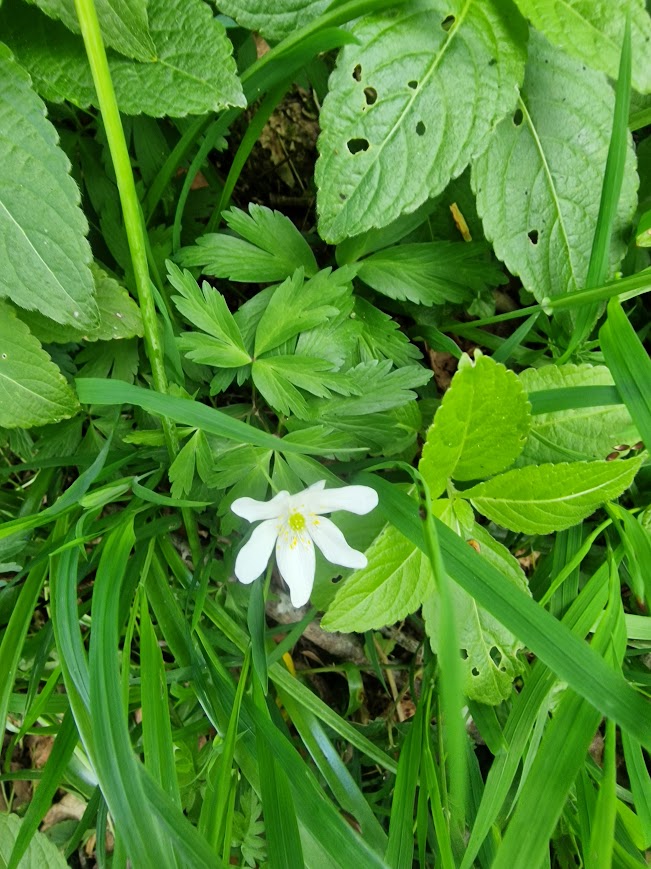
Wood Anemone
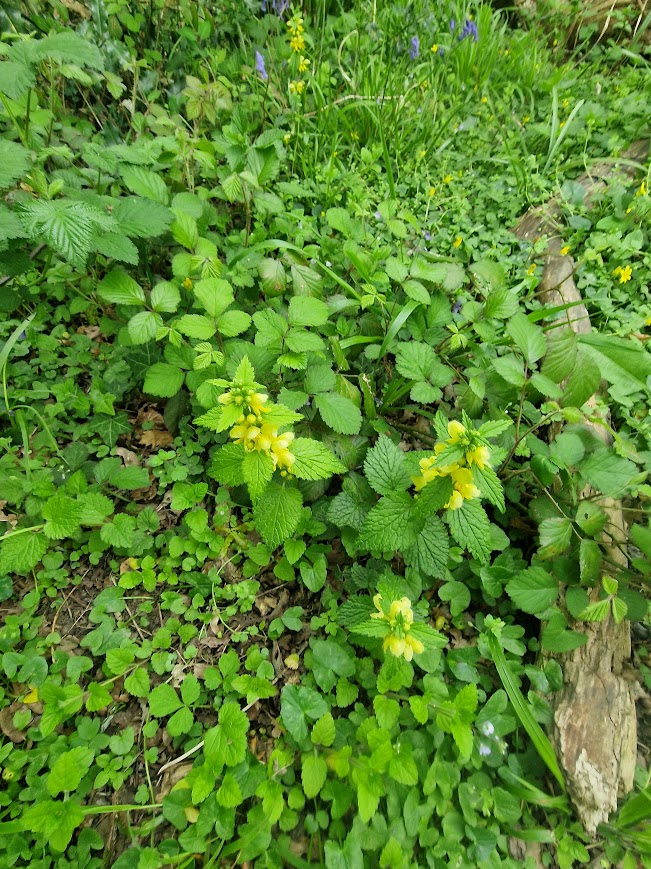
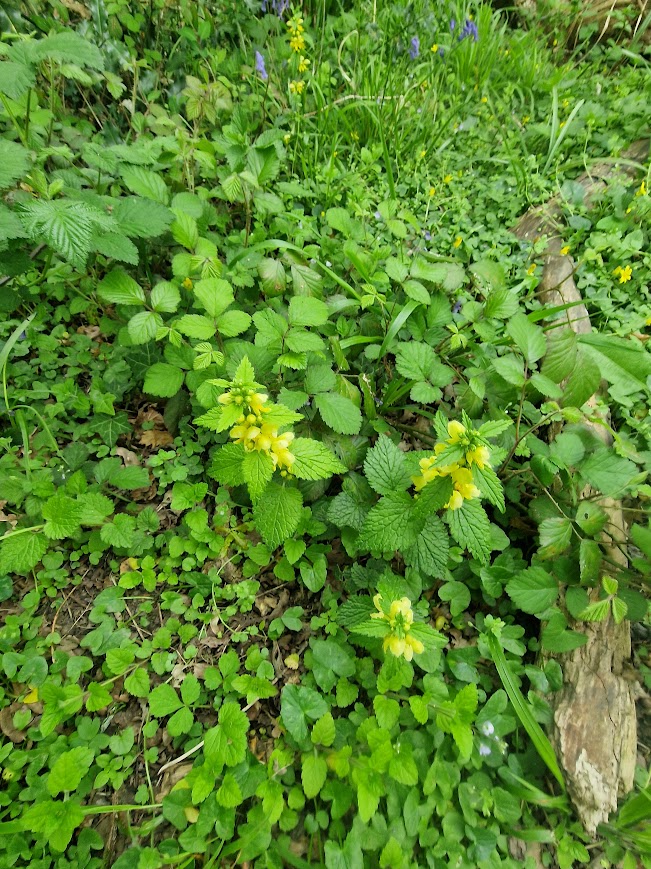
Yellow Archangel
Pendulous Sedge
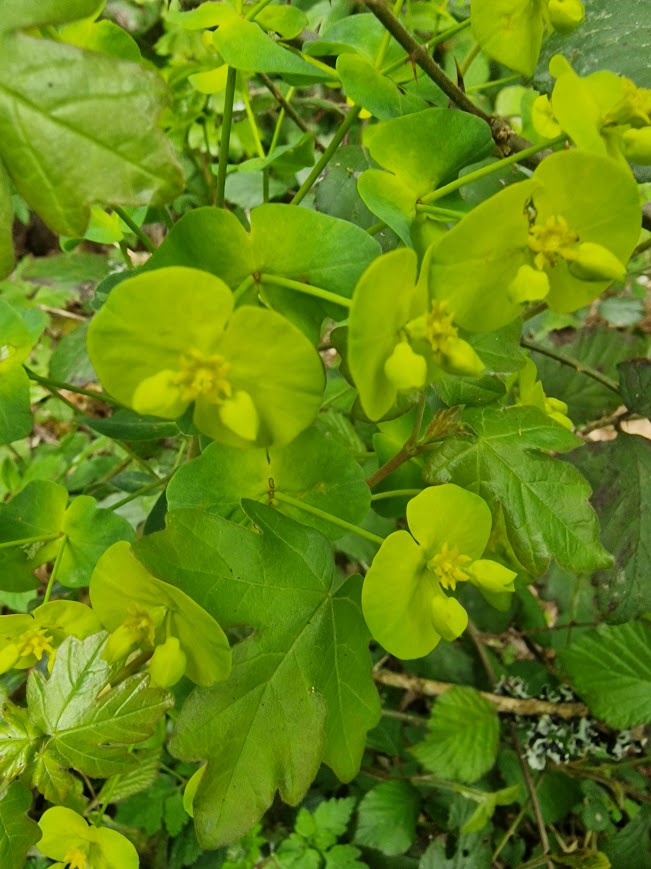
Wood Spurge
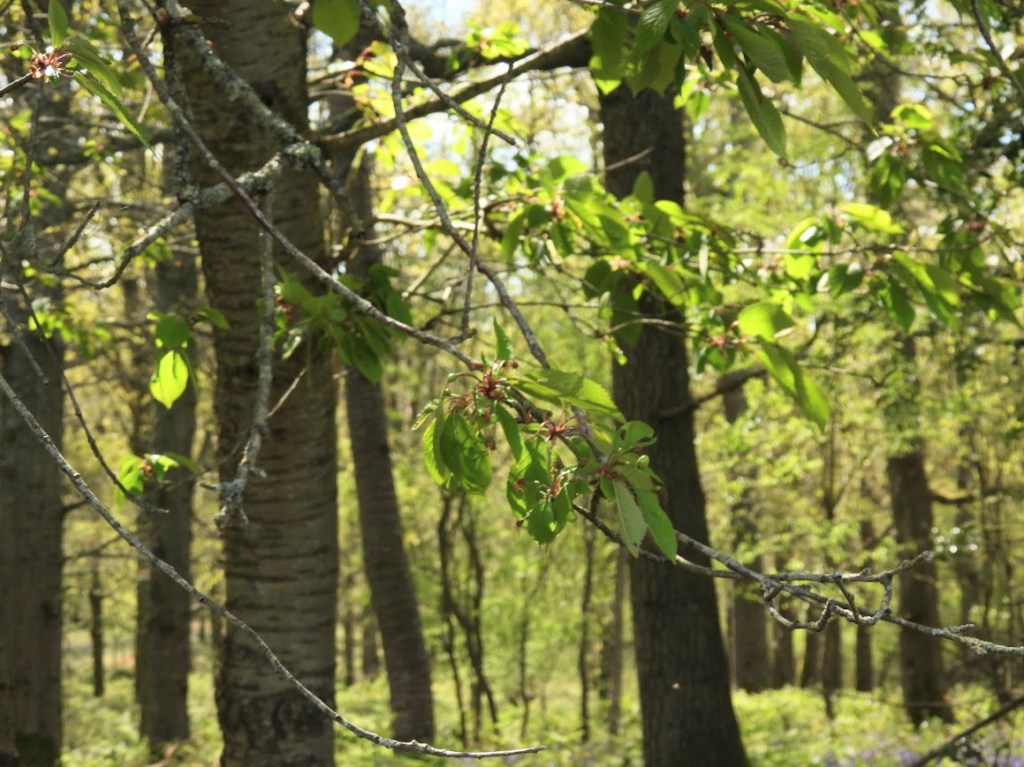
Wild Cherry
Other Vascular Plants

Figwort, surrounded by Tormentil
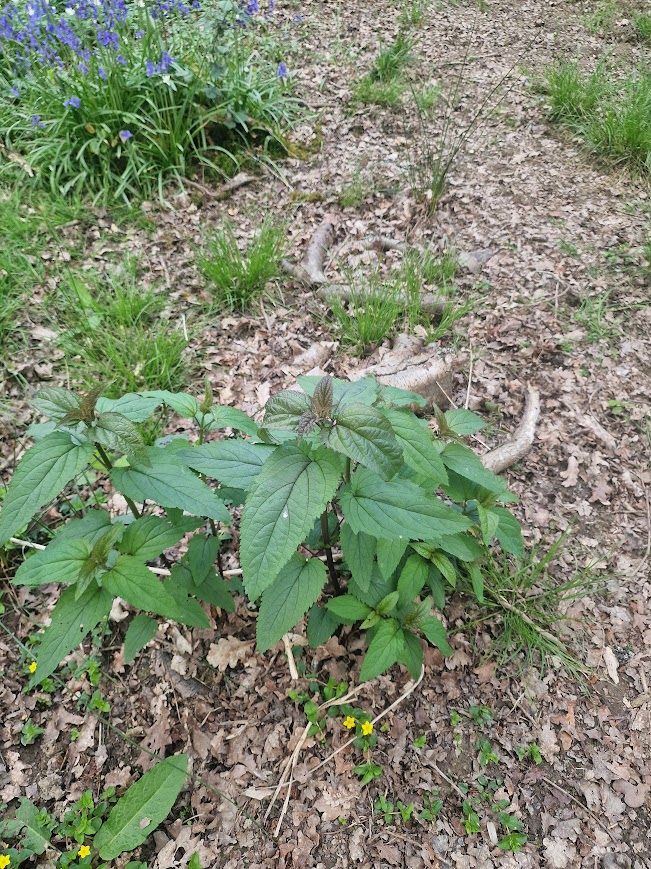
Greater Stichwort
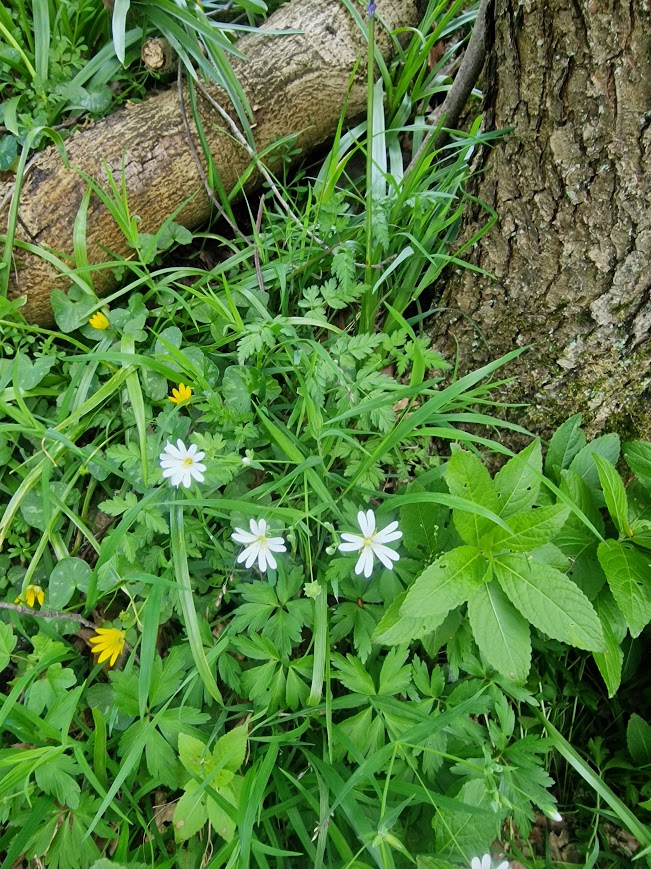
Little Mouse Ear
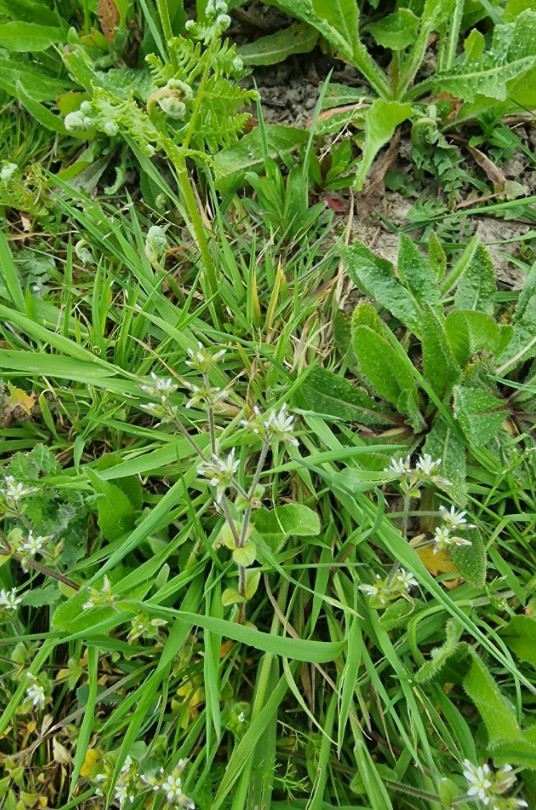
Pink Ivey-leaved Speedwell
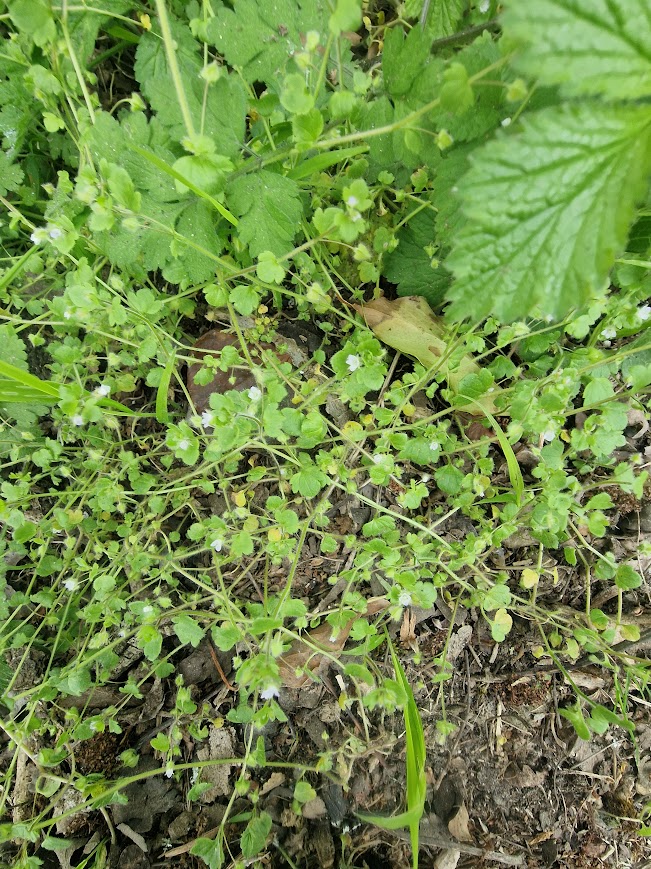
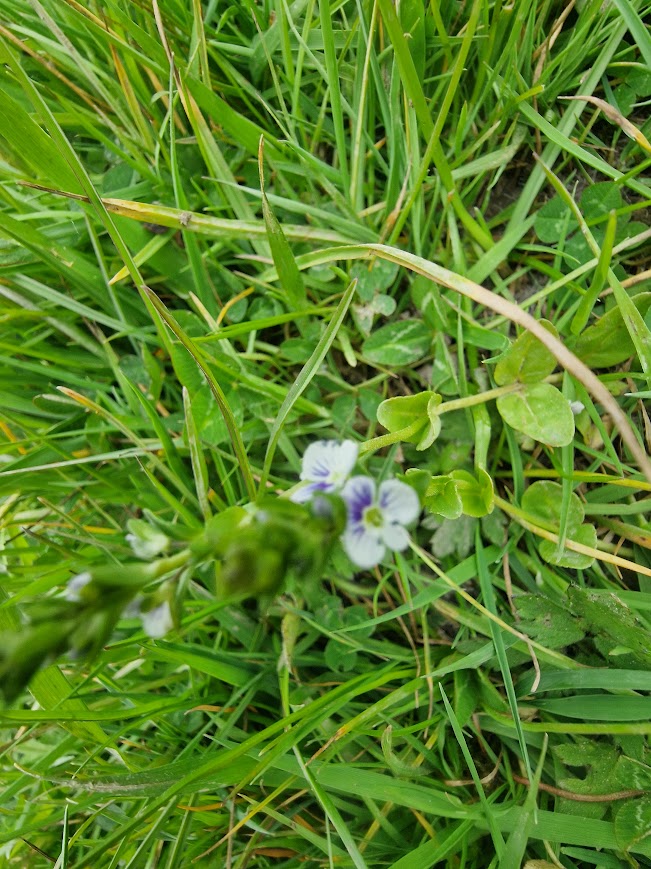
Thyme-leaved Speedwell
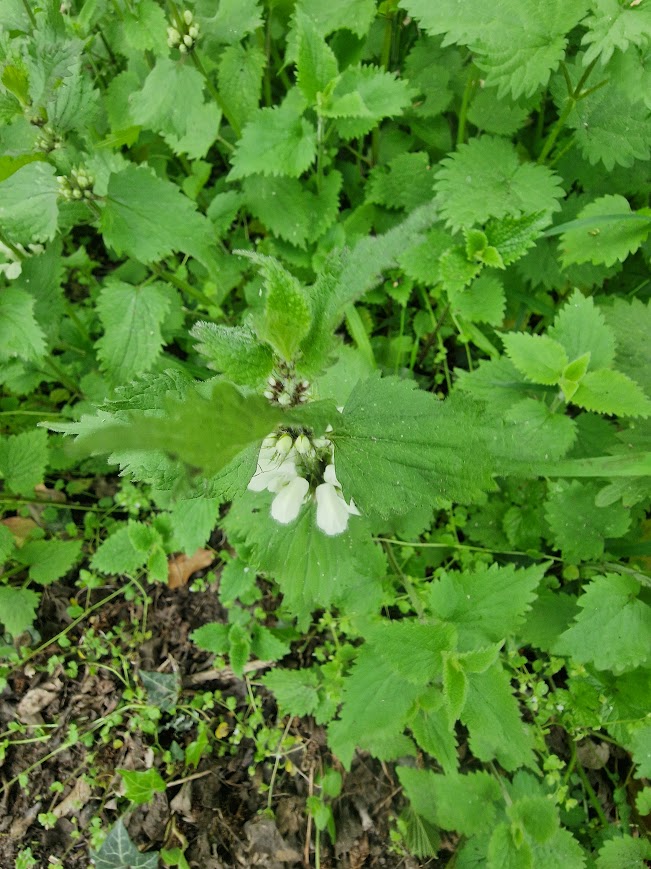
White Dead Nettle
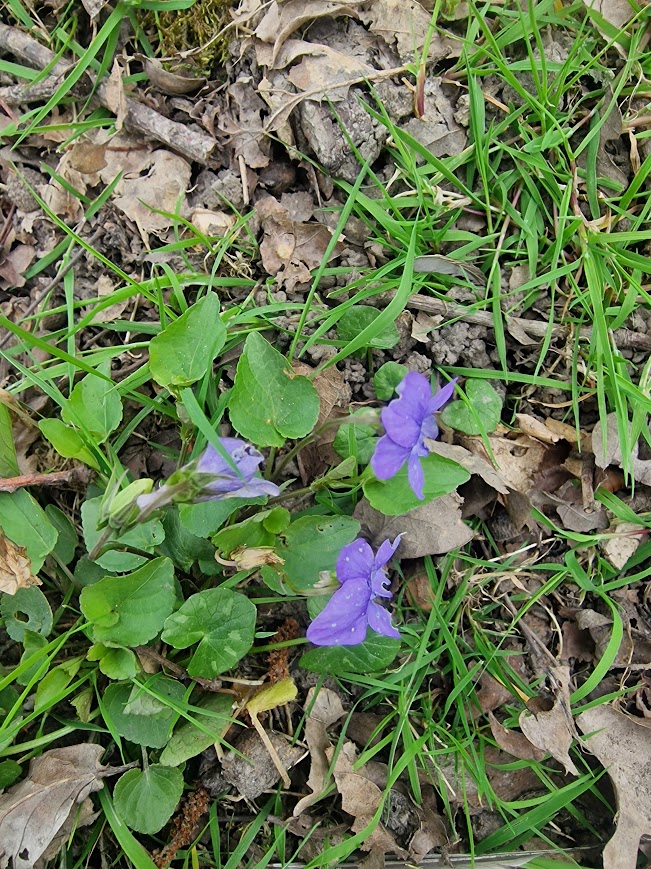
Common Dog Violet
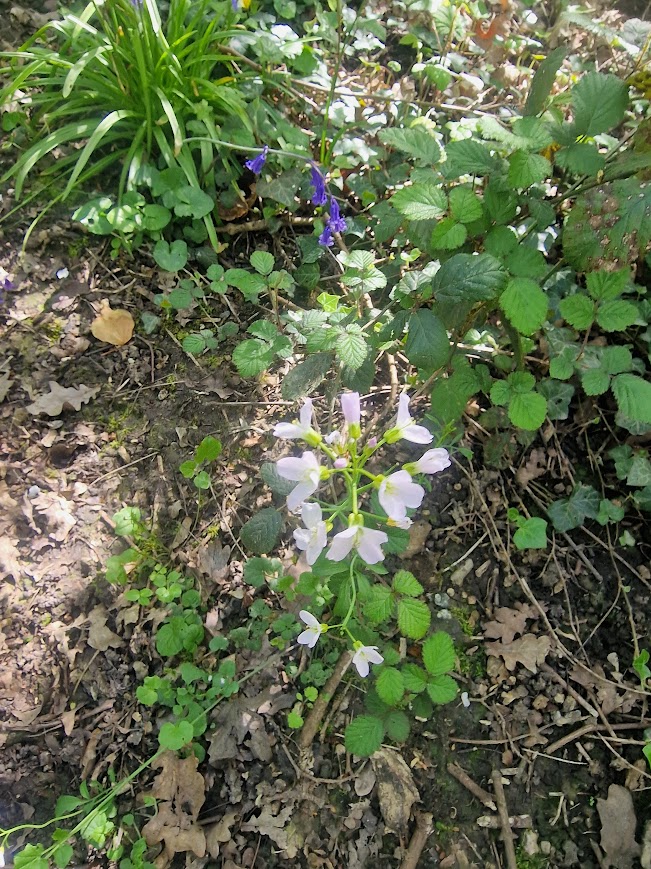
Cuckooflower / Lady’s-Smock
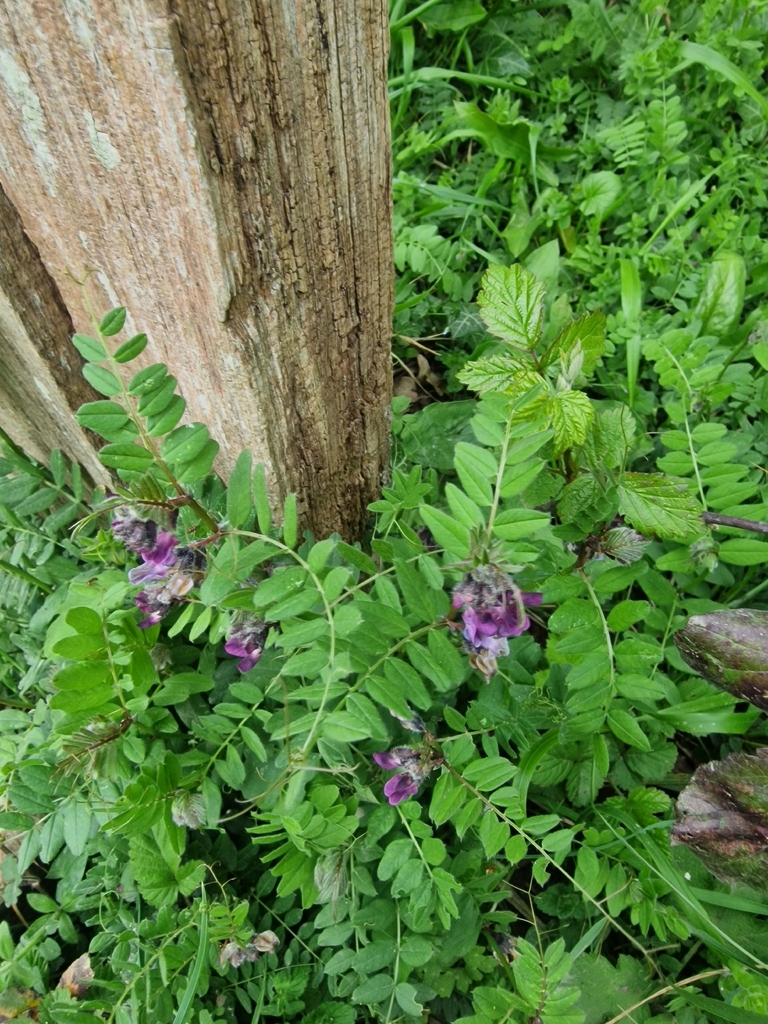
Bush Vetch
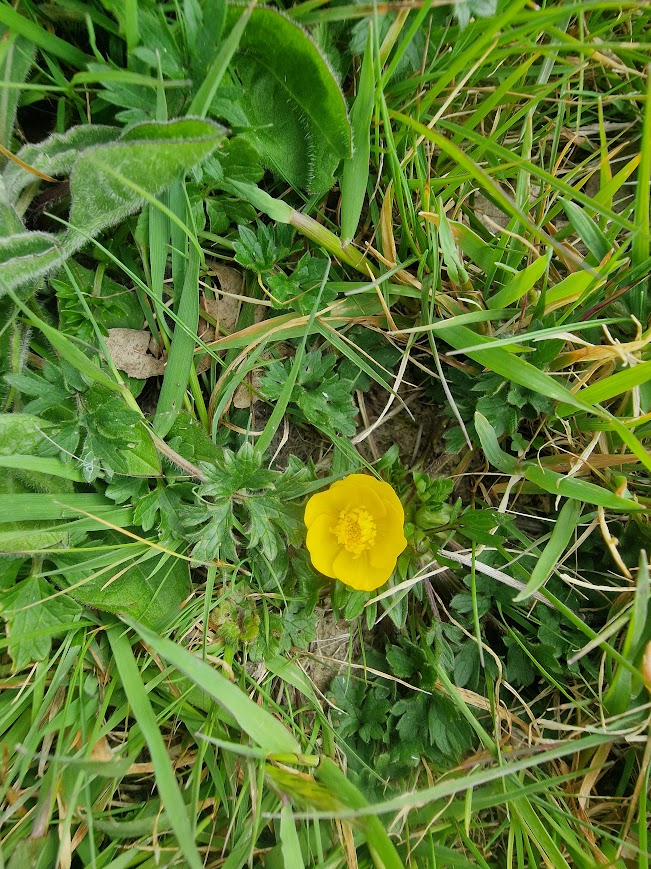
Bulbous Buttercup
Pedunculate Oak
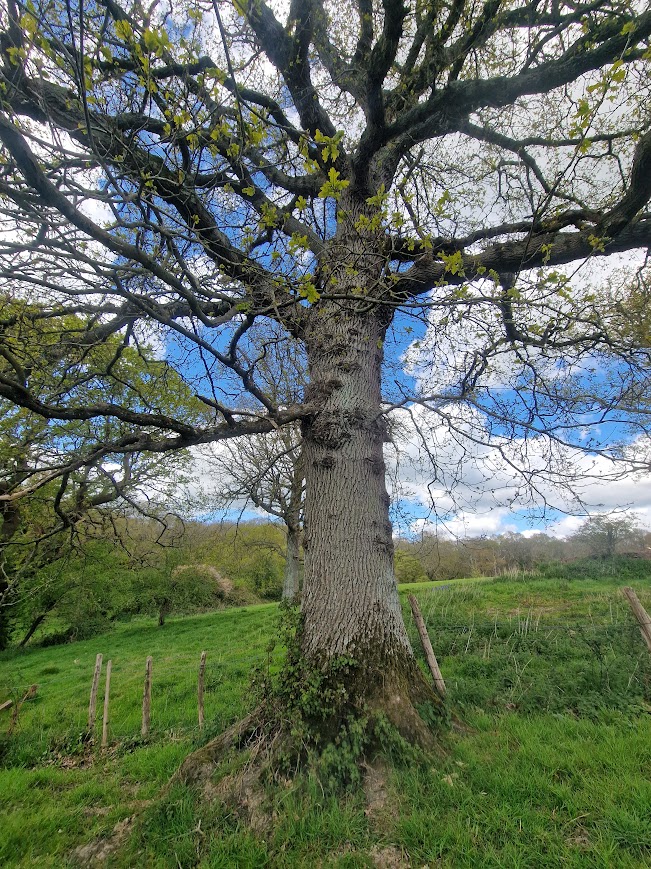
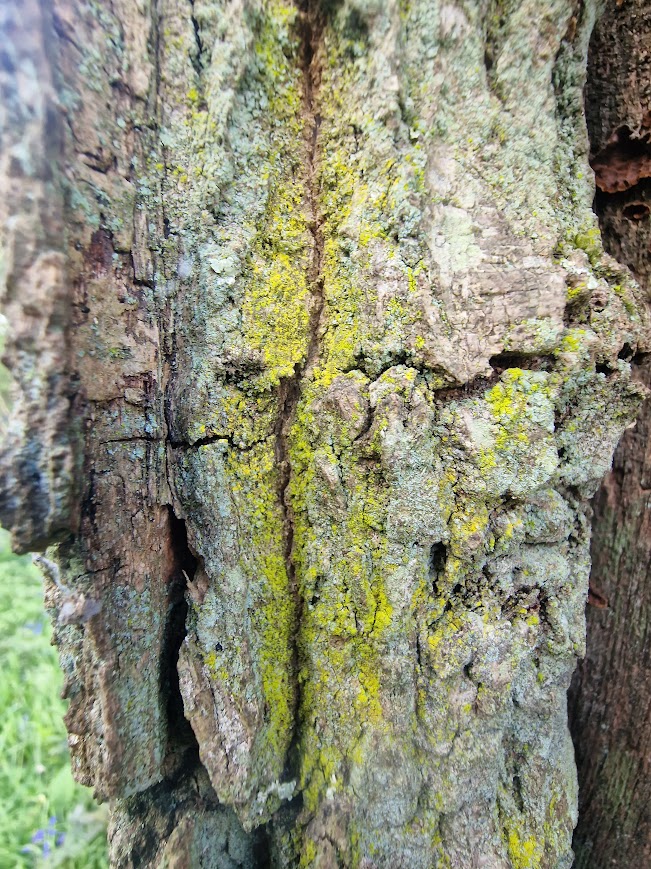
Covered in the lichen Dendrographa decolorans
More Pedunculate Oaks
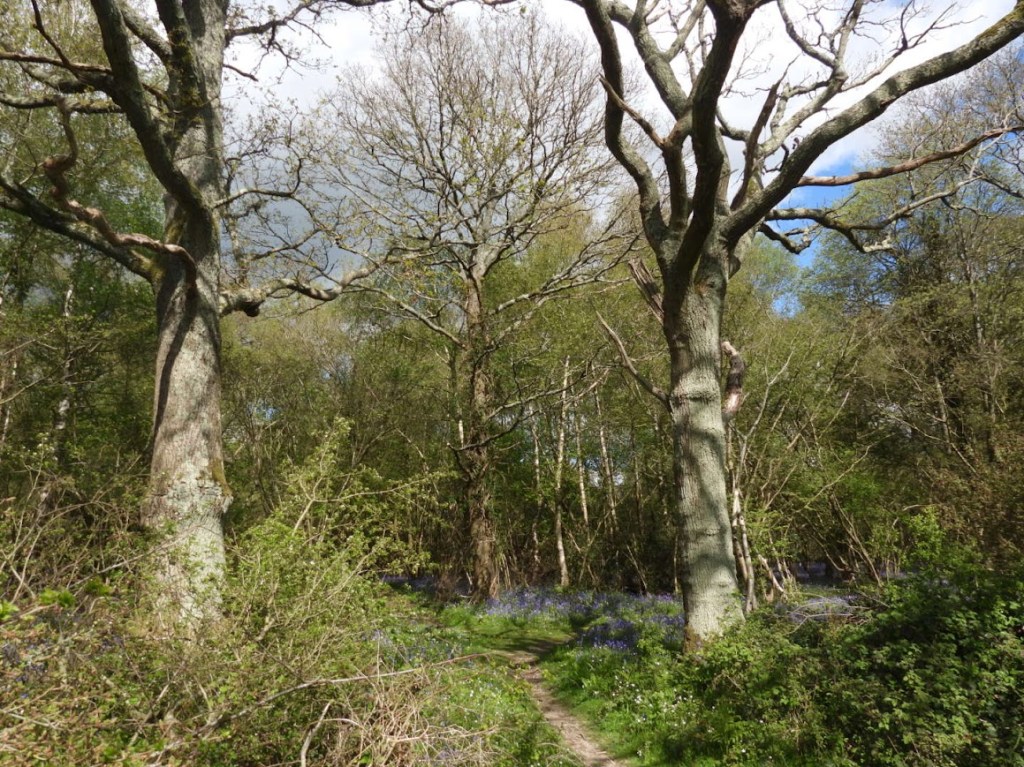
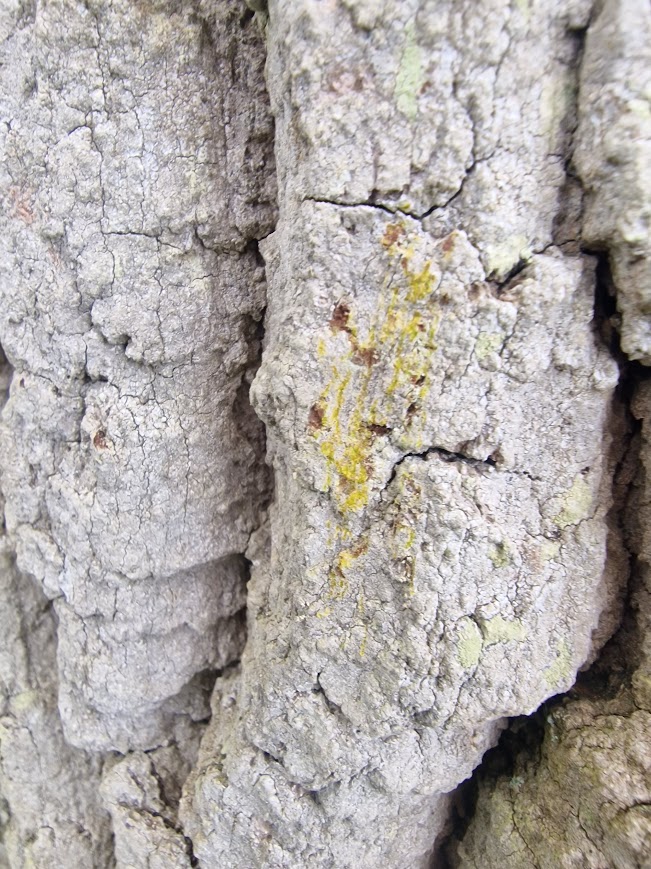
with Gold Dust Lichen, Chrysothrix candelaris
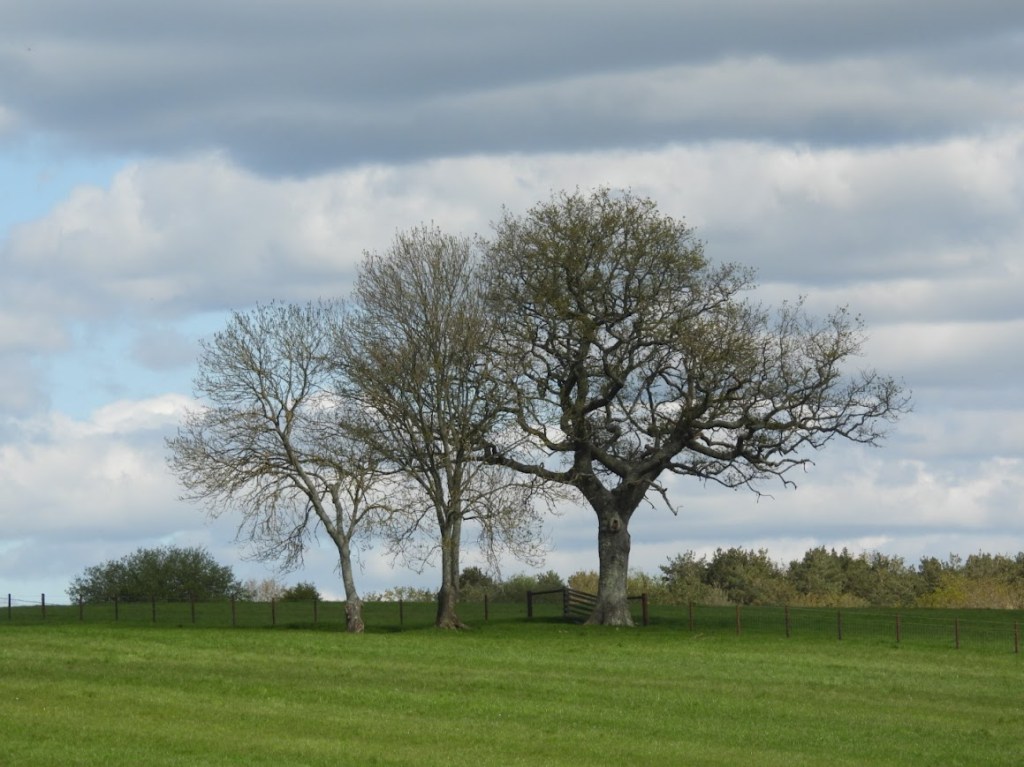
Huge Pedunculate Oaks in an ancient hedgerow; ancient hedgerows are more likely to have large ancient oaks than ancient woodlands. In ancient woodland tt is the ecological continuity of the use of land as woodland that is ancient (leading to the presence of ancient indicator vascular plants, that take 100s of years to spread) not necessarily individual current trees that that are ancient
Some useful on-line resources for identifying vascular plants

Identification guides – BSBI Website

How to Identify Trees: A Simple Guide – Woodland Trust

Species Archive – Plantlife

And here’s two insects:

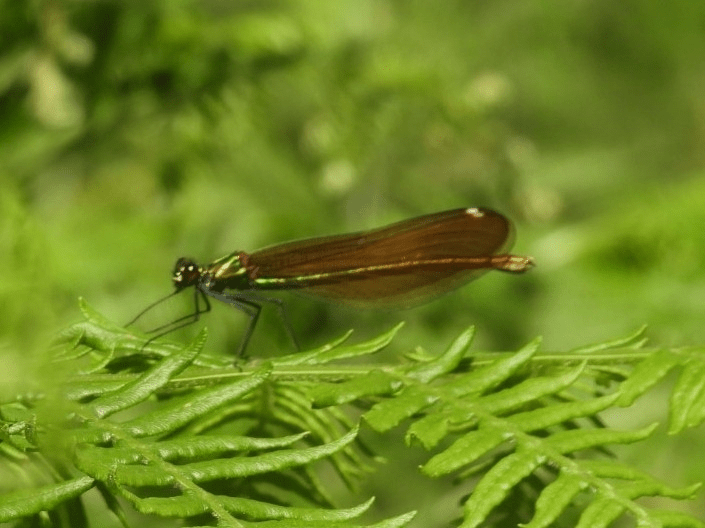
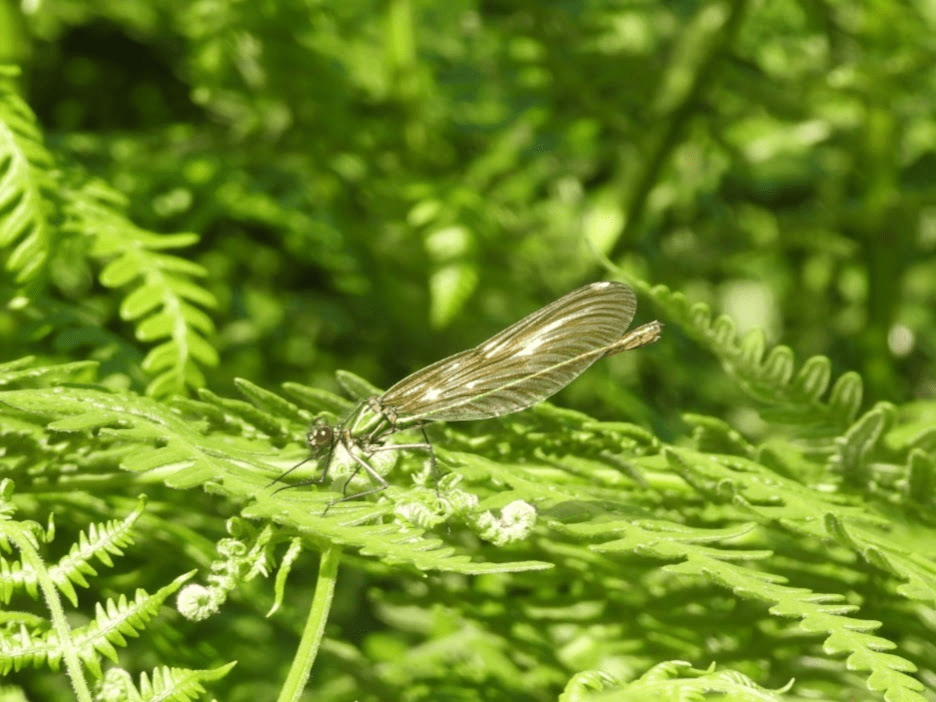
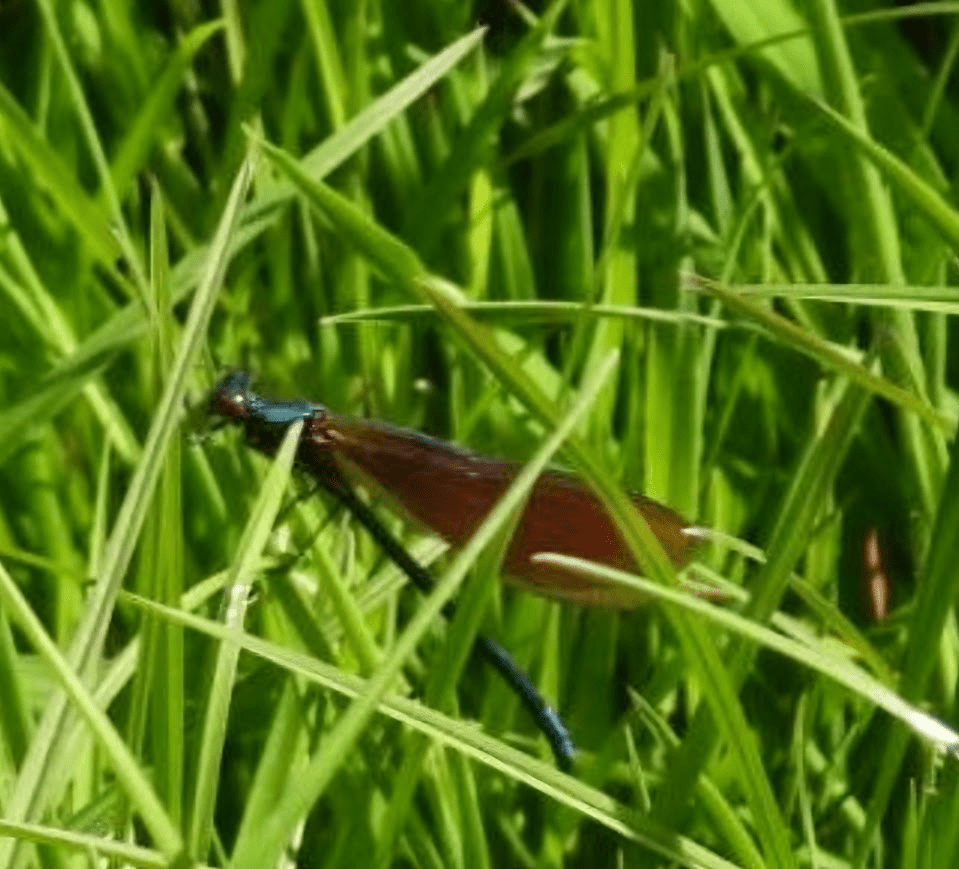
Beautiful Demoiselle (female, brown wings)
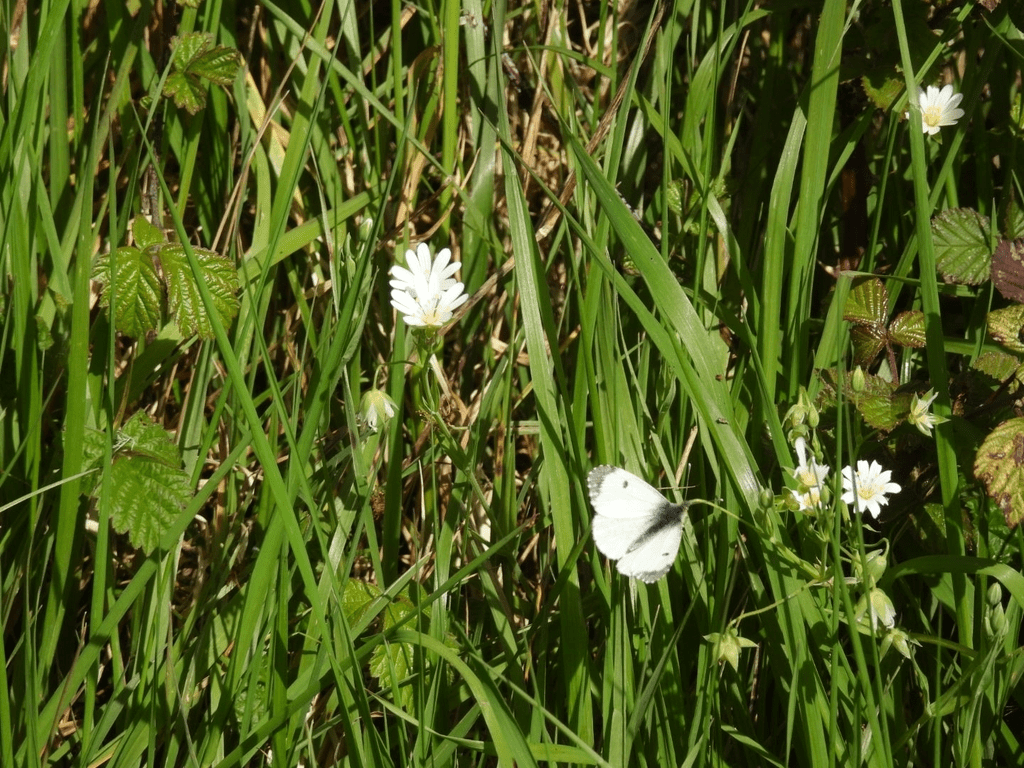
Orange-Tip Butterfly (female, wing tips not orange)
and finally pigs. I love pigs. I used to muck out pigs when my grandfather was an agricultural worker on the farm of the former St Mary’s convent in Rottingdean. That made me a vegetarian.

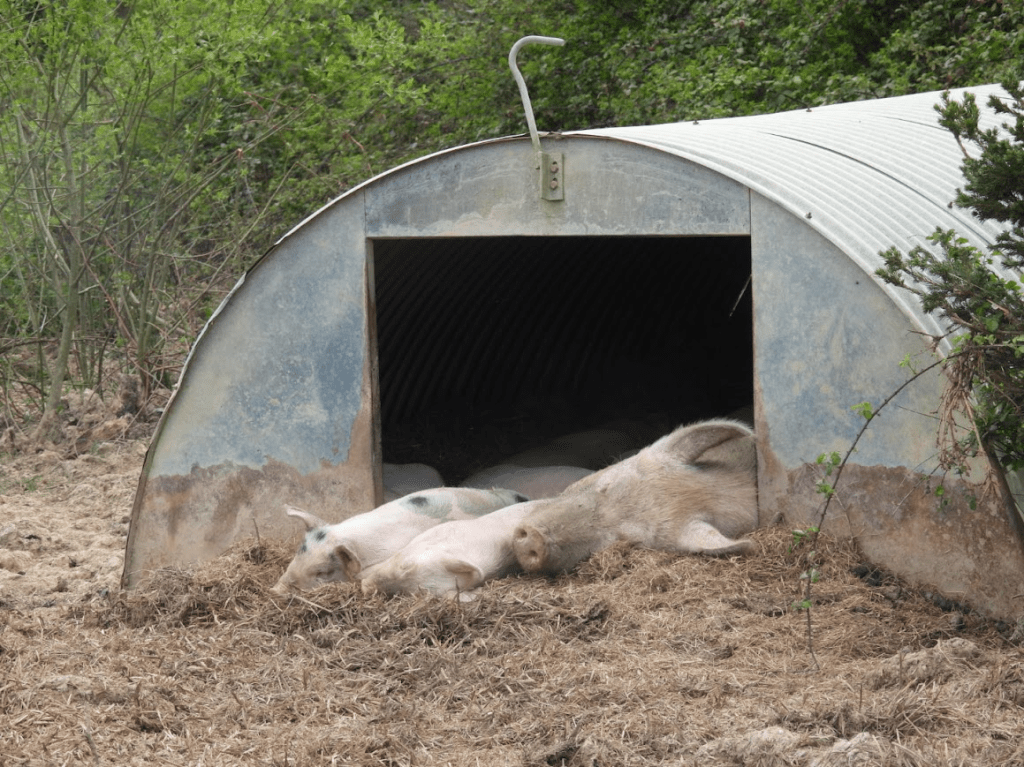
These pigs are free range, living the best life they can as livestock, on a small farm on the Wiston Estate. This farm has mixed livestock and arable, run by a tenant farmer who produces food and protects nature through nature-friendly farming. In a time of food insecurity and habitat loss this is the sort of farming we need. We don’t need huge agri-business farms putting profit above nature, and, in my humble opinion, we don’t need more rich landed gentry “rewilding” their farms to provide high-cost meat that few people can afford, and selling safaris to see nature that few people can afford, when you can see nature for free by walking in it and protect nature and produce affordable food in small nature friendly farming, but that requires governments financial support and that requires macro economic policies that redistribute not just wait for growth.
All opinions in the blog are my own and not those of any organisation I volunteer for

Sim Elliott BMus, PGCE, MA (History of Art), MSc (Applied Positive Psychology)
The Silver-studded Blue and other Butterflies & Moths; Bees, Wasps & Flies (that eat each other); and Grasshoppers and Dragonflies, at Iping Common & Iping Village 23.06.25

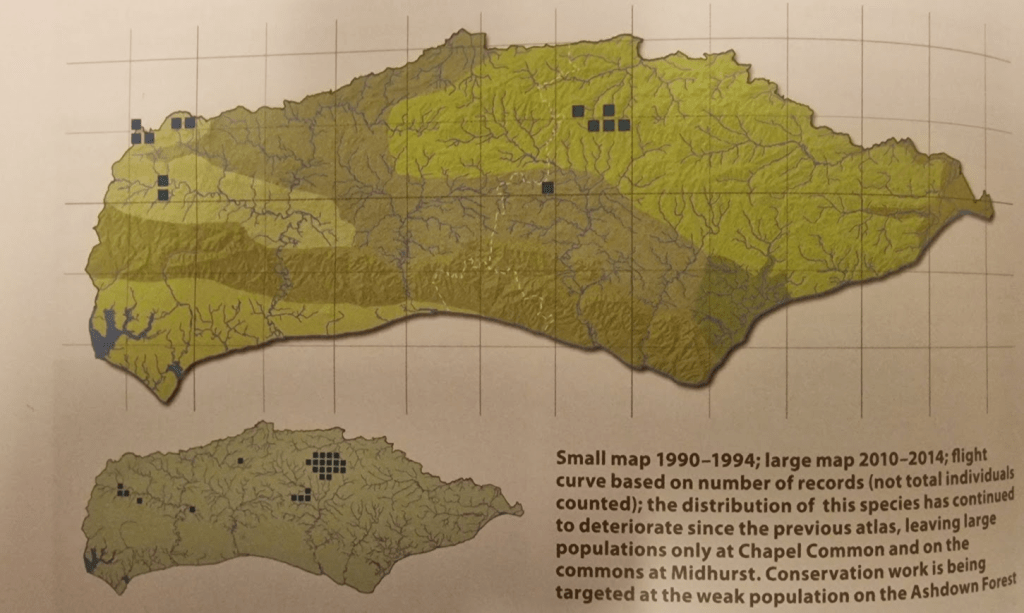
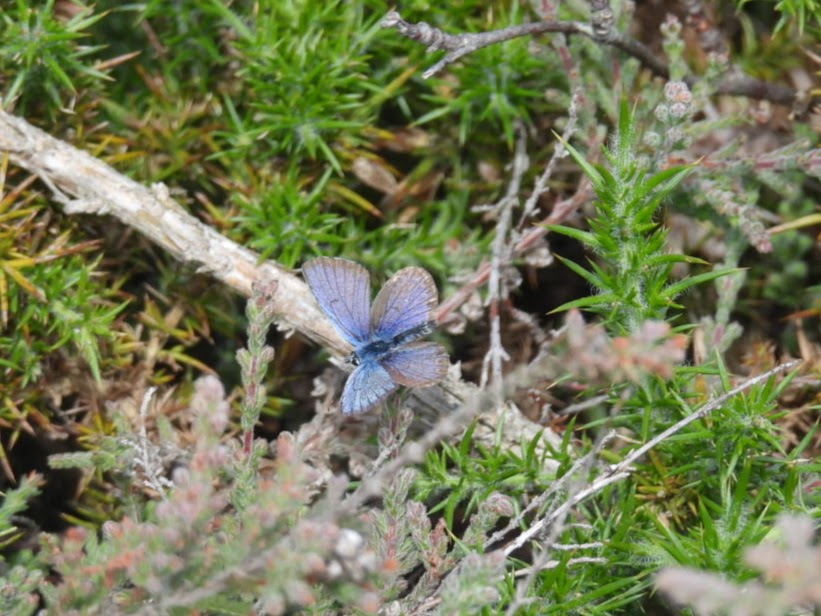
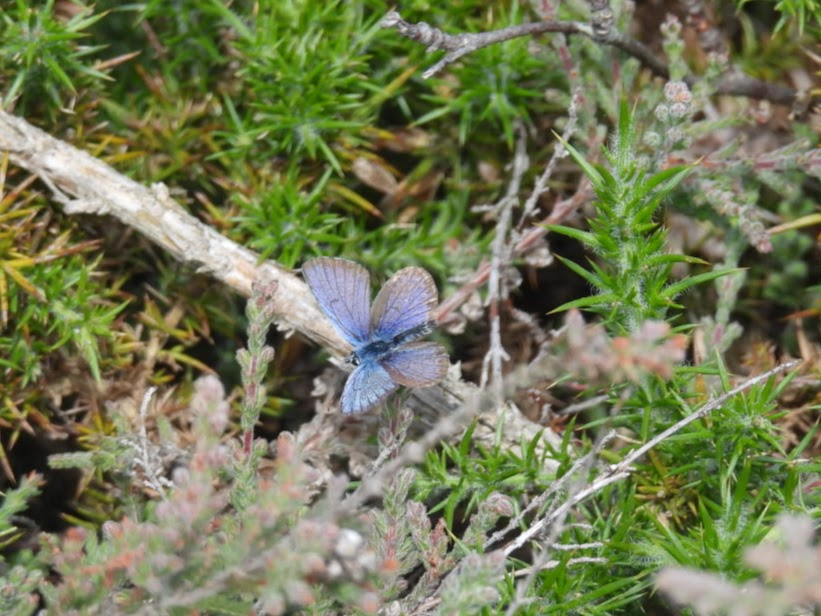
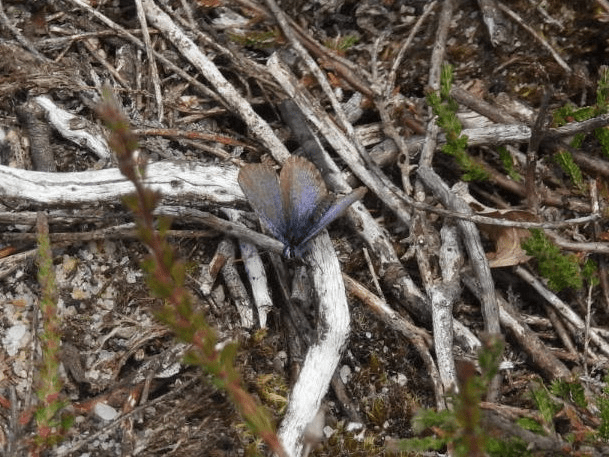
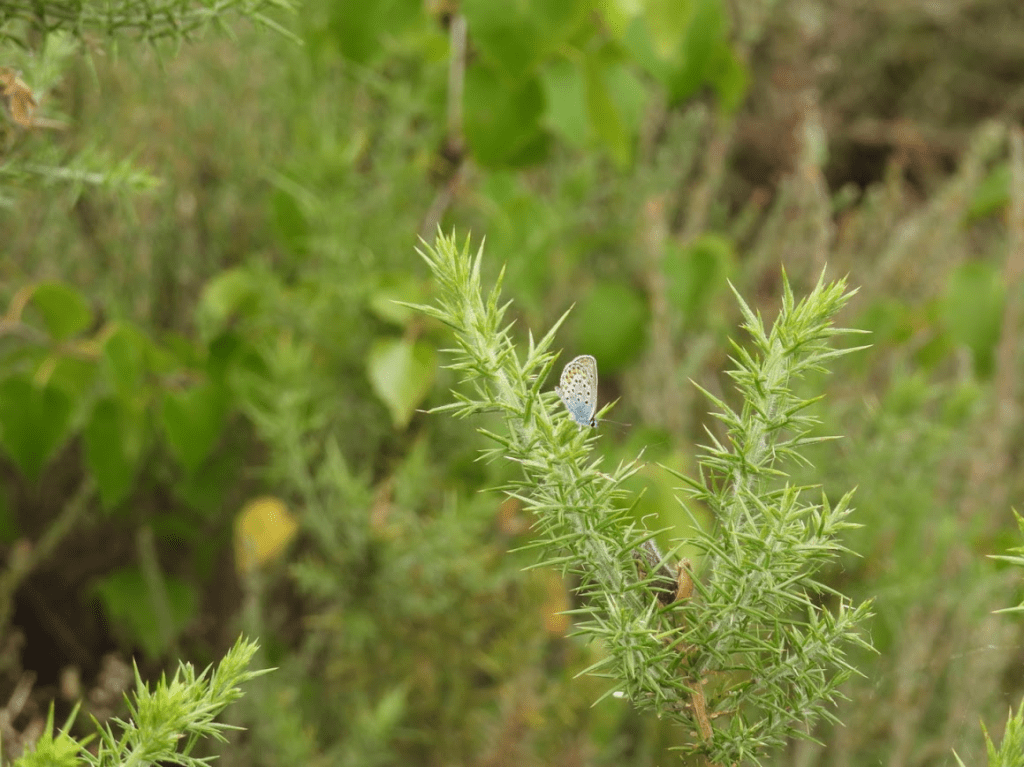
I make an annual pilgrimage to see the Silver Studded Blue butterflies at Iping Common. The Silver-Studded Blue, Plebejus argus, fly from the beginning of June to the middle of August; so there is only a small time window to see them each year. In Sussex they are entirely restricted to heathland. I get to Iping by public transport: I take the train from Brighton to Chichester ; the bus (60) from Chichester to Midhurst and then the bus 92 from Midhurst to Iping Common. Silver-Studded Blues can be seen only be seen at Chapel Common, Iping Common, Stedham Common and Ashdown Forest (camp Hill).

But in addition to Silver-studied blues I saw a plethora of other insects: other butterflies & moths, bees, wasps, flies, grasshoppers & dragonflies at Iping Common and Iping Village

The sandy soils of the Lowland Heaths (commons) of the greensand of Western Sussex (and Surrey and Hampshire) provide an extremely propitious habitat for insects, particularly mining solitary bees and wasps

Butterflies and Moths (order Lepidoptera)

Plebejus argus Silver-studded Blue

Distribution map from Michael Blencowe and Neil Hume, 2017, The Butterflies of Sussex: A Twenty-First Century Atlas p.278

The Silver-studded Blue is now the only species of butterfly which is intimately associated with the heathlands of Sussex, being part of an iconic fauna which includes the Nightjar, Dartford Warbler and Adder. Despite a huge contraction in its range, through decades of habitat loss and neglect, this colonial species remains numerous in its last remaining strongholds. It has become emblematic of attempts to restore and reconnect the remnants of our lowland heaths and provides an excellent indicator species for such recovery programmes. Michael Blencowe and Neil Hume, 2017,The Butterflies of Sussex: A Twenty-First Century Atlas p.278

  • Section 41 species of principal importance under the NERC Act in England
  • GB Red List (2022): Vulnerable                   
  • Protected under Schedule 5 of the 1981 Wildlife and Countryside Act (for sale only

I saw about 40 individuals

Male

Female

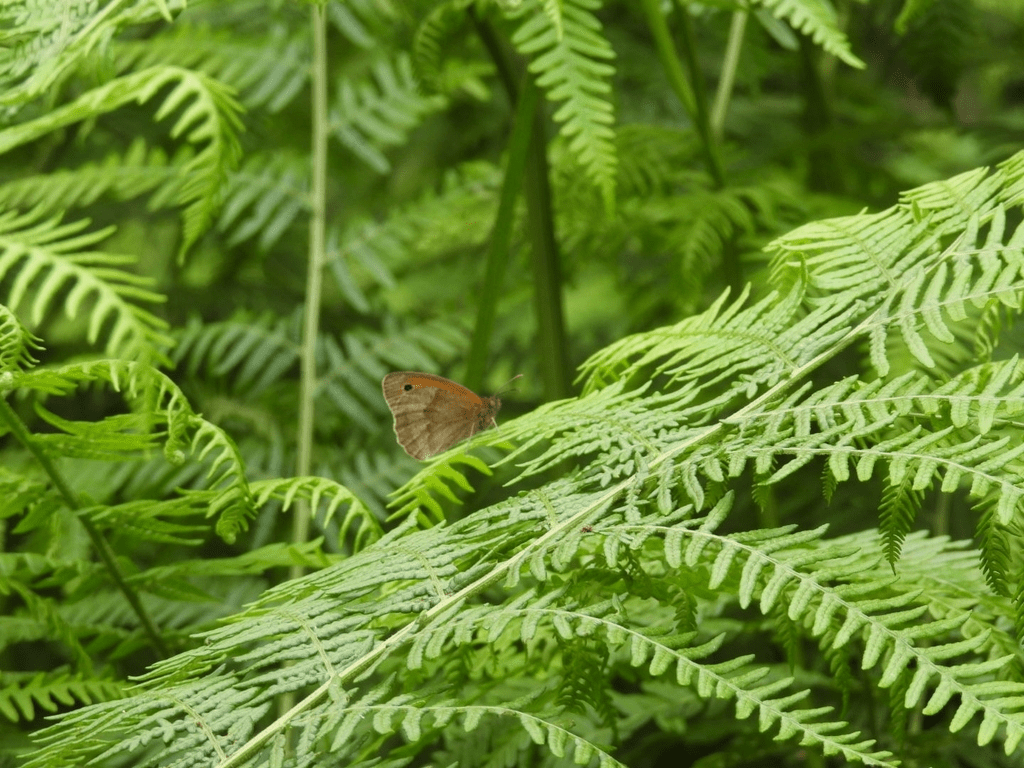
Maniola jurtina Meadow Brown

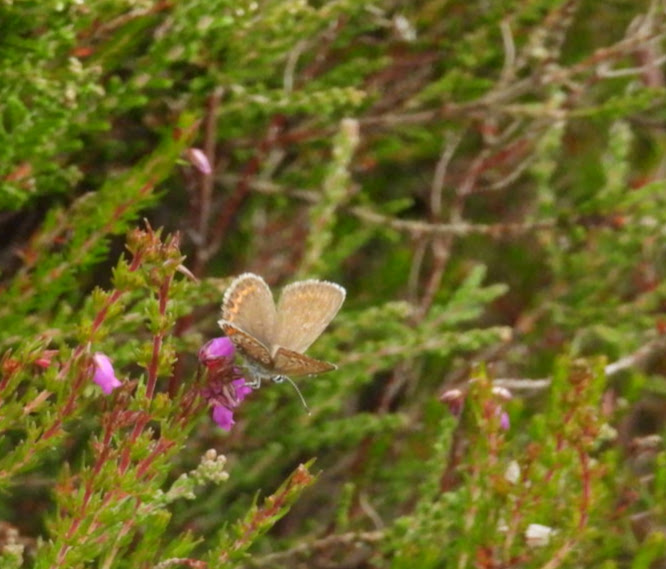
Aricia agestis Brown Argus

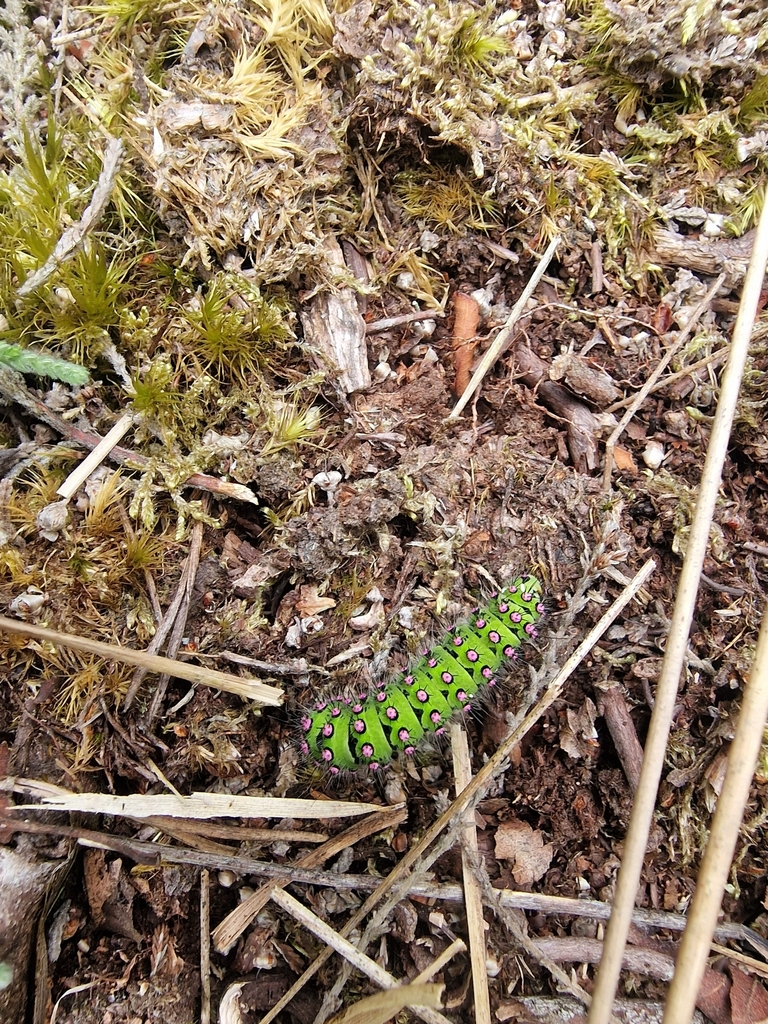
Saturnia pavonia Emperor Moth

Solitary Wasps (order Hymenoptera)

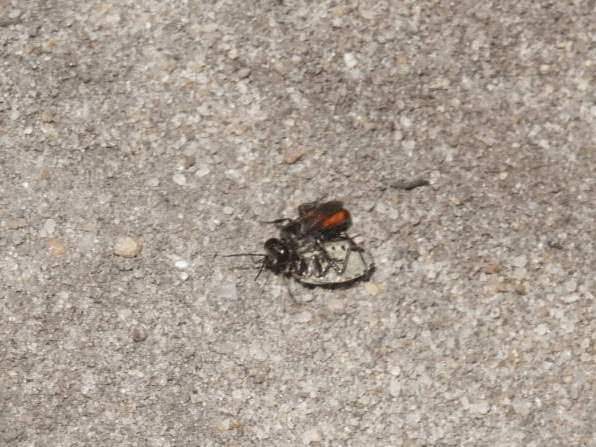
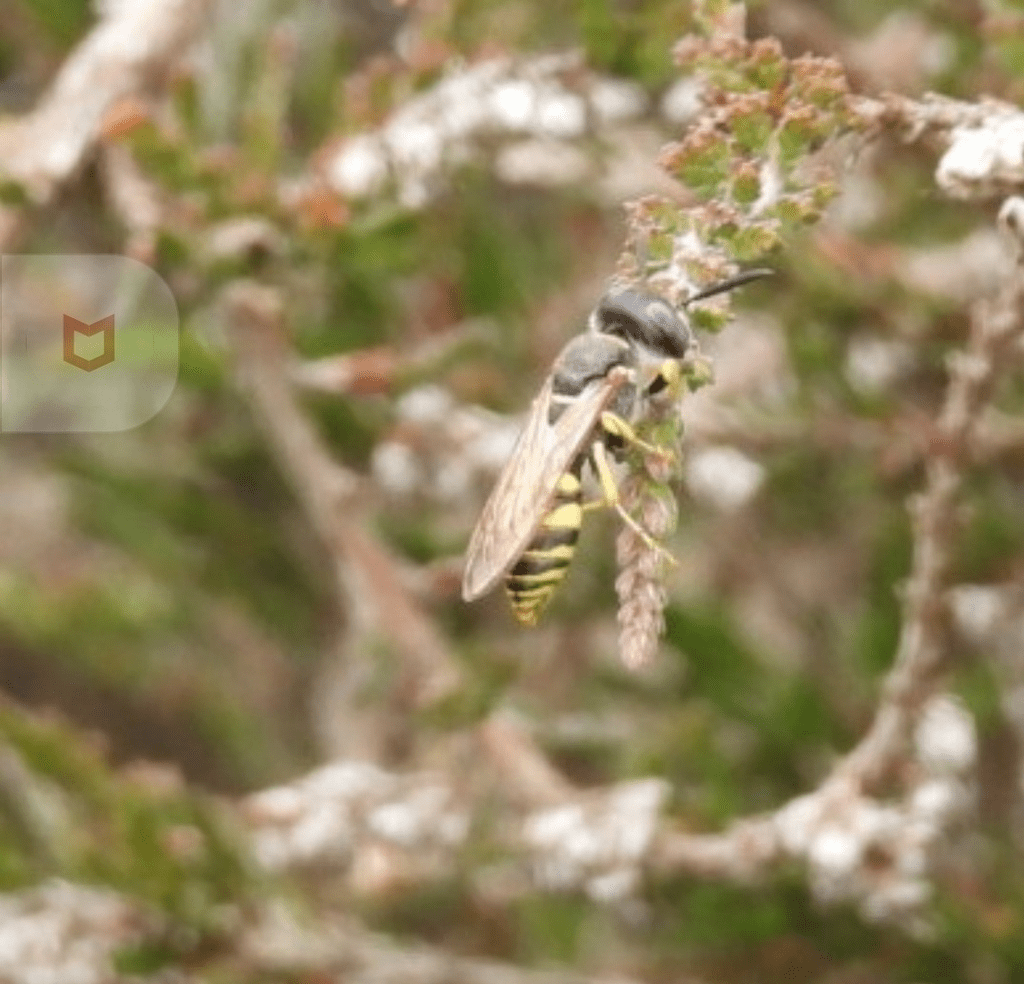
Astata boops Shieldbug Digger Wasp

A parasitoid wasp Reuter used it [parasitoid] to describe the strategy where the parasite develops in or on the body of a single host individual, eventually killing that host, while the adult is free-living. Godfray, H. C. J. 1994 Parasitoids : behavioral and evolutionary ecology

Mainly sandy localities, such as inland heaths and coastal dunes. Flight period: Univoltine [one brood]; June to August. Prey collected Nymphs of pentatomid bugs [Shield Bugs or Stink Bugs] (Heteroptera). Nesting biology: According to Tsuneki (cited by Lomholdt, 1975-76) the nest is a burrow about 10 cm long terminating in one to three cells, which are placed one after the other as simple dilations of the tunnel. There are sometimes side branches, so that the nest may have as many as 12 cells. The female wasp flies the prey to the nest, where it is stored near the sealed nest entrance until there is sufficient to provision several cells. The egg is laid on the first stored bug in each cell. BWARS Astata boops

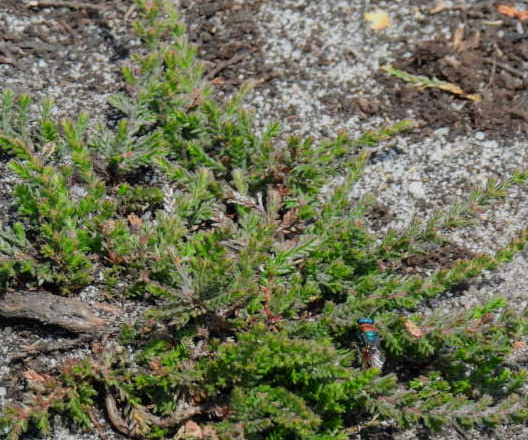
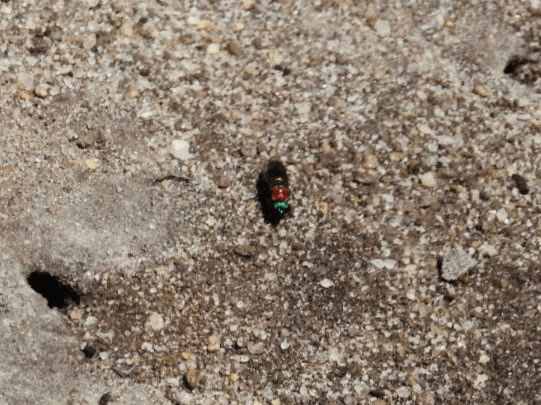
Hedychrum sp. A Jewel-Wasp, either H. nobile or H niemelai

Recorded from Cornwall to Kent and north to Oxfordshire, Norfolk and Lincolnshire. Also found in Jersey. … The name Hedychrum niemelai has been applied to both H. neimelai and H. nobile in the past.  … Separation of specimens is difficult, but possible. Habitat: Open sandy localities: lowland heaths, coastal dunes, cliffs with sandy deposits, and other disturbed locations, for example sandpits, footpaths and railway cuttings. Adults fly in bright sunshine around nesting sites of the hosts and feed at the nectaries and extra-floral nectaries of flowering plants. Flight period: Probably univoltine; mainly during July and August, but also during June and September and rarely during May. BWARS Hedychrum niemelai

Hedychrum nobile (Scopoli) was a species new to Great Britain in 2016 when first recognised in south-east England from specimens dating back to 1998 and 2003. It has been moving northwards throughout Britain over the past 24 years and has successfully colonised eastern and central England. This brood-parasitic chrysidid wasp continues to spread northwards into the East and West Midlands following the distribution of its preferred host, Cerceris arenaria [Sand Tailed Digger Wasp – see below] (L.). In total, 57 specimens of this new colonist have been identified from the West Midlands during field sampling undertaken in 2022.

Despite the morphological and habitat-specific similarities between H. nobile, H. niemelai and H. rutilans all species exhibit differences in their ecology and parasitic biology. As brood parasites, jewel-wasps will seek out the nesting cells of a specific host before entering into their underground chambers to lay an egg hidden within the walls of the cell. On hatching, the brood parasite’s egg develops into a parasitoid larva that consumes and subsequently destroys the mature larva or prepupa of its host (Polidori et al., 2010). Jewel-wasps are heavily armoured to carry out this clepto-parasitism and can adopt a rolled up defensive posture when threatened or disturbed (Fig. 2d) (Bolton & Gauld, 1988; Early, 2015). Aaron Bhambra 2023 The Range Expansion Of The Noble Jewel-Wasp, Hedychrum Nobile (Hymenoptera: Chrysididae), A Recent Colonist To Great Britain The British Journal of Entomology and Natural History 36: 2023

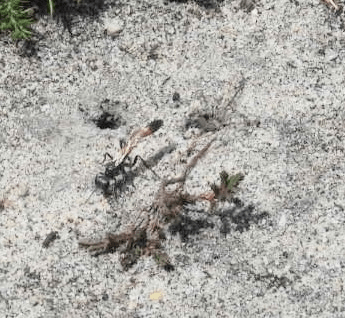
Genus Ammophila Thread-waisted Sand Wasps, possibly Ammophila sabulosam Red-belted Sand Wasp

Habitat: This wasp inhabits heathland, dunes and other coastal areas. Flight periodJune-September. Nesting biology A detailed study of the behaviour and ecology of marked A. sabulosa females has been made at a Breckland heathland site (Field, 1992). Nests usually occur at relatively low densities. Normally, a female digs a short burrow, ending in a horizontal cell, in bare or sparsely vegetated sand. Later, she temporarily closes the nest entrance using sand and tiny stones, then hunts for lepidopteran caterpillars in vegetation. About half of all cells are provisioned with just one large caterpillar, which is carried back on foot as it is sometimes more than ten times as heavy as the wasp. Other cells are provisioned with two to five smaller caterpillars (see Olberg, 1959). An egg is laid on the first caterpillar provisioned and rarely hatches before permanent closure of the nest burrow. After the last caterpillar has been interred the wasp permanently closes the burrow with a much deeper plug of sand, and camouflages the entrance with debris so that it is invisible to the human eye. All nests are unicellular. The whole nesting cycle, from searching for a digging site to closing the nest permanently after provisioning, takes an average of eight to ten hours of activity. Marked females each dug and provisioned up to ten nests during a summer. One of the most interesting aspects of this species’ behaviour is that almost all females, as well as digging their own burrows and hunting for prey, parasitise the freshly provisioned nests of other A. sabulosa. When a female detects a conspecific’s nest she digs through the closure plug and enters. If the nest is empty, she quickly comes out and re-closes it; but if it contains prey, she either steals one of the prey items, or eats the host’s egg, replacing it with her own (brood parasitism). Some 28% of eggs laid in their own nests are later destroyed by conspecific brood-parasites and prey thieves. Some nests are brood-parasitised up to four times, each time by a different female. Miltogrammine flies (Metopia spp.) destroy another 5% of A. sabulosa eggs, so that overall only about two-thirds survive to hatch. BWARS Ammophila sabulosa

Philanthus triangulum European Beewolf

Less than 20 years ago, this magnificent wasp, commonly known as the ‘bee wolf’ or ‘bee-killer’ was considered to be one of the great aculeate rarities in Britain. Records for the last few years indicate that currently the species is locally common to abundant in a steadily increasing number of sites in southern England, with a single record for north Wales (Else, 1993a, 1995a,b,e).

Habitat: Generally, sand dunes and lowland heaths. However, nesting aggregations have recently been found in a park in Ipswich, Suffolk, and on the Battersea Bridge roundabout, Greater London. Flight period: From early July to mid-September. In England there appears to be a single brood, but in central Europe a second generation is known (Lomholdt, 1975).

Prey collected: The major prey species throughout the world range of this wasp is the worker honey bee (Apis mellifera), and in some regions the wasp may greatly reduce the local populations (El-Borollosy, Wafa & El-Hefny, 1972). There are, however, reports of other bees being utilised: for example in Britain, Andrena flavipes and Lasioglossum zonulus (Smith, 1851a), and a Nomada sp. (C O’Toole, pers. comm.).

Nesting biology: This wasp nests in both level sandy exposures and in vertical soil faces. Some nesting aggregations may number as many as 15,000 burrows (Else 1995a,b). The main nest burrow may be up to 1 m in length, with 3-34 short lateral burrows at the end, each terminating in a cell (Lomholdt, 1975). The prey is paralysed by being stung through the articular membranes immediately behind the front legs (Rathmayer, 1962). Returning females, clutching the prey with their legs, often hover above the nest burrow before slowly descending to it. BWARS Philanthus triangulum

Flies (order Diptera)

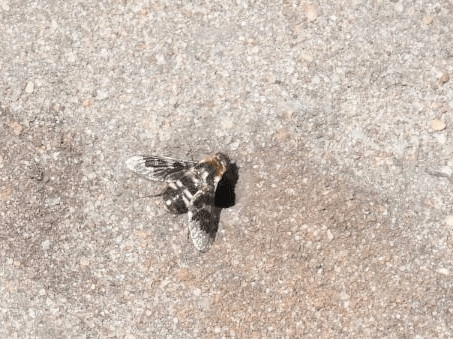
Thyridanthrax fenestratus Mottled Bee-Fly

The Mottled Bee-Fly (Thyridanthrax fenestratus) is not something you see everyday. .. The Mottled Bee-Fly requires sandy or gravelly locations as it relies on the host wasp which creates its burrows in these areas. Damage to the burrows of the host wasp and loss of suitable habitats for the wasp has meant the Bee-Fly has previously been under threat. The Mottled Bee-Fly is a parasitoid of the sand wasp (Ammophila pubescens) or of the caterpillars gathered by the wasp for its larvae. This means that the bee-fly larvae develop inside either the larvae of the sand wasp or inside the caterpillars that the wasp collects; the host dies as a result of the development of the bee-fly. This is a ‘thermophilous’ (heat-loving) species, and occurs only in warm areas so this warm path in the summer sun was ideal. The adults feed on nectar, so a source of flowers is essential and the combination of heather and gravel or sand is the perfect combination. M. J Creighton 2015 New Forest Bee-Fly, Southampton Natural History Society

Solitary Bees (order  Hymenoptera)

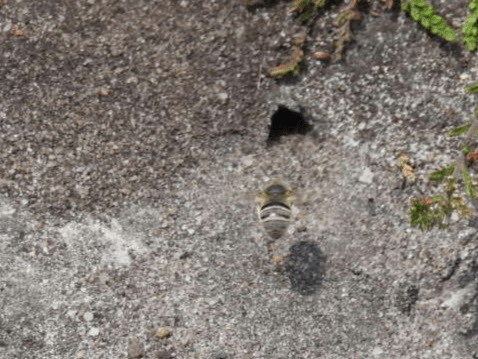
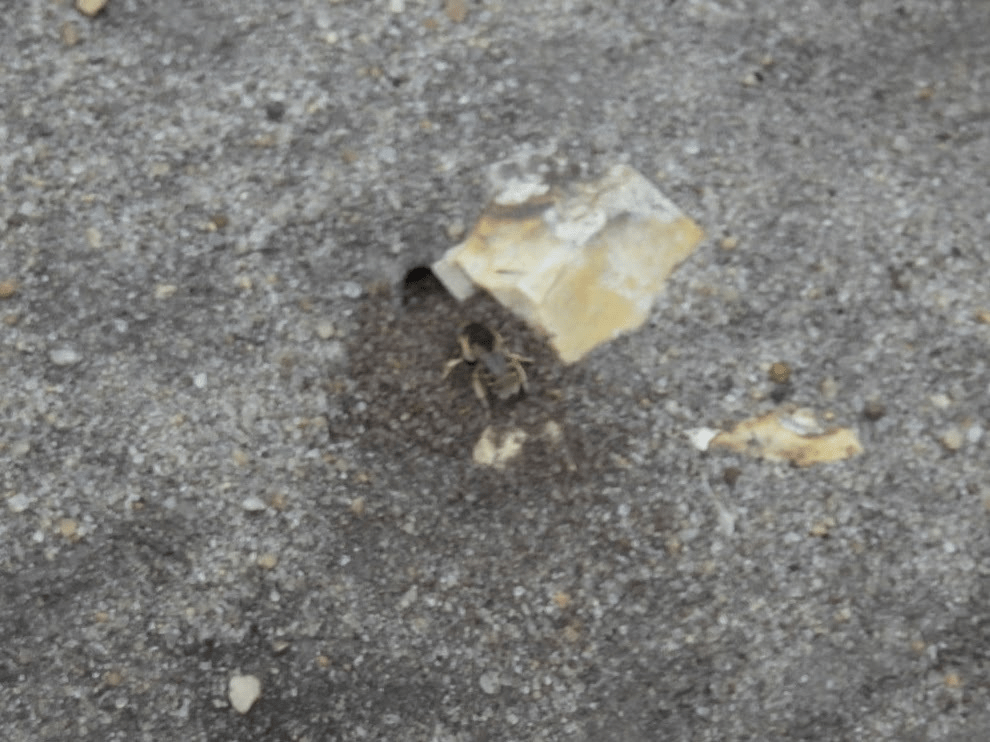
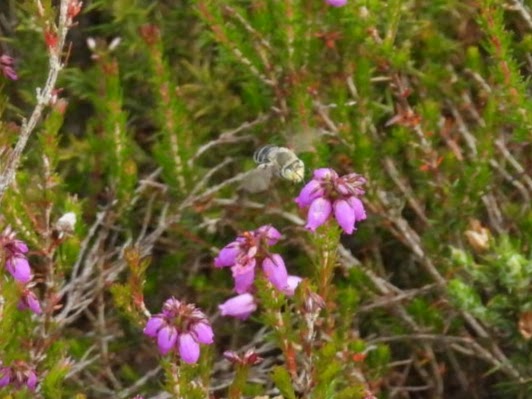
Anthophora bimaculata Green-eyed Flower Bee

Anthophora bimaculata is restricted to southern England, with the most northerly record being from Norfolk. In Sussex, A. bimaculata is strongly associated with the sandy soils of the Lower Greensand and the High Weald south of Tunbridge Wells. It is also frequently found along the coast between Peacehaven and Beachy Head, and between Pevensey Bay and the dunes at Camber Sands. ... It can be abundant in locations with sandy deposits. James Power, 2024, The Butterflies of Sussex: p.278

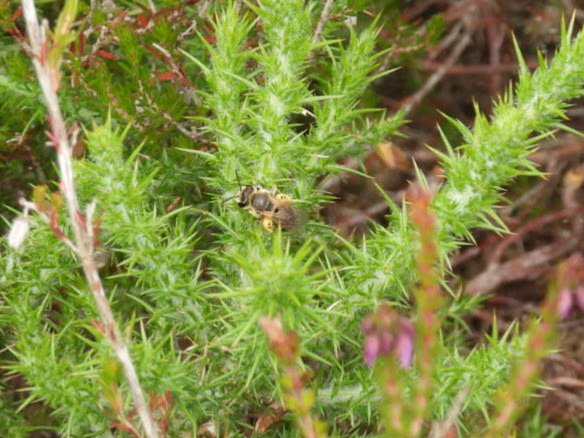
Andrena flavipes Yellow-legged Mining Bee

Andrena flavipes has increased in abundance in recent years and is now the most frequently recorded solitary bee in the county. It is ubiquitous, occurring in just about every area. it is found on chalk grasslands, meadows and pasture, coastal habitats, heathlands and open woodlands, as well as in gardens and parks.

A. flavipes often establishes dense aggregations that can cover a wide area, especially on south-facing dopes and banks. Edward Saunders, writing in 1879, reported finding a large colony sited “in a bank by the side of the road near Hollington”. The larger aggregations can contain thousands of individual bees, with hundreds of nests sited close together. The brood cells can be as much as 23 cm below ground.

Males often patrol rapidly just above the nest site, zigzagging rapidly as they search for a female before pouncing to mate. Both sexes mate several times during the flight season.

A. flavipes brood cells are targeted by Nomada fucata. This is one of a small number of species targeted by the bee-fly Bombylius discolor. Female flies mix their eggs with dust that has been gathered into a special chamber, coating the eggs with the dust before flicking them onto an area of ground being used by nesting bees. On hatching from an egg, a fly larva will attempt to locate an open cell and wait until the bee larva is almost fully developed. At this point the developing fly latches onto its host to feed on its fluids before pupating and emerging as an adult fly. James Power, 2024, The Butterflies of Sussex: p.242-243

Grasshoppers (order Orthoptera)

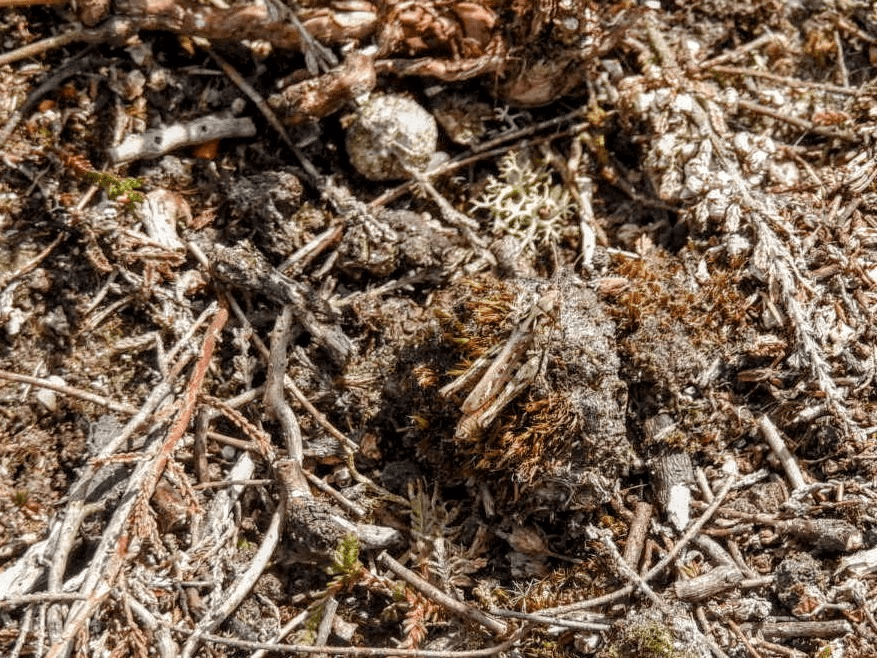
Myrmeleotettix maculatus Mottled Grasshopper


The species feeds on grasses, but also mosses and herbs. Myrmeleotettix maculatus colonizes especially gappy sandy grasslands, sandy open woodlands, more rarely also stony calcareous grasslands, dry moorland with open peat spots or stony pastures in the mountains. Myrmeleotettix maculatus can be found, for example, in the Valais still at 2500 meters above sea level! Myrmeleotettix maculatus is very early adult from early or mid-June and can still be observed in early October. The eggs are deposited according to literature superficially into the loose substrate. Orthoptera and their ecology Myrmeleotettix maculatus

Dragonflies (order Odonata)

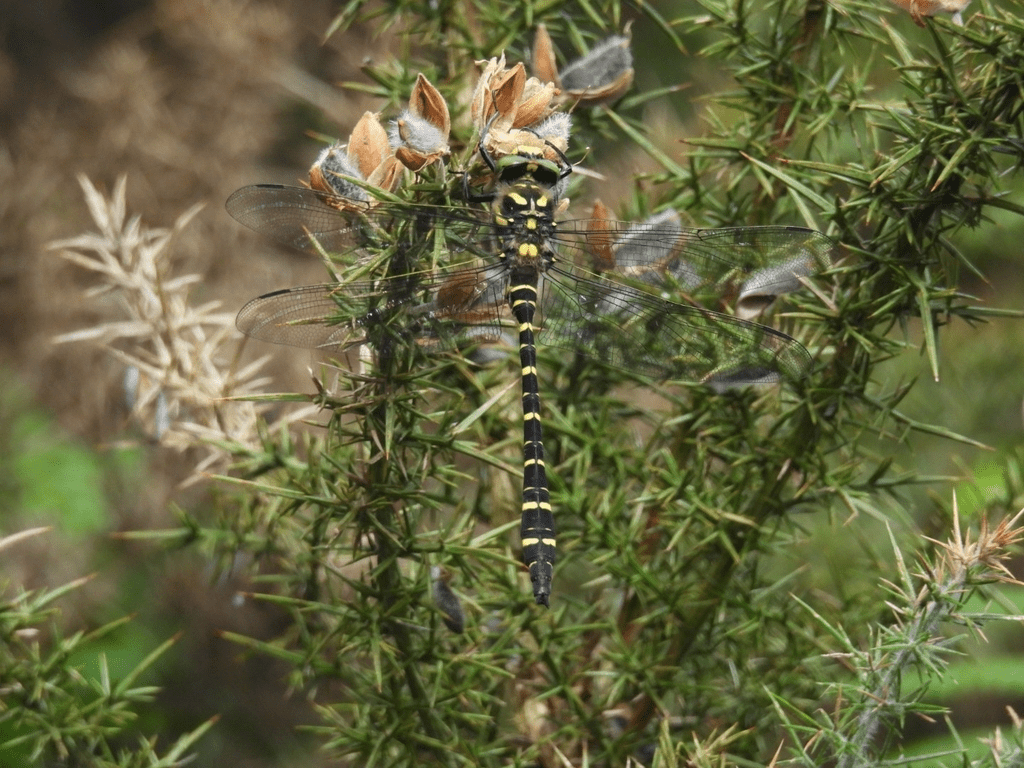
Cordulegaster boltonii Golden-ringed Dragonfly

Libellula depressa Broad-bodied Chaser

Along the Rover Rother at Iping Village

Dragonflies (order Odonata)

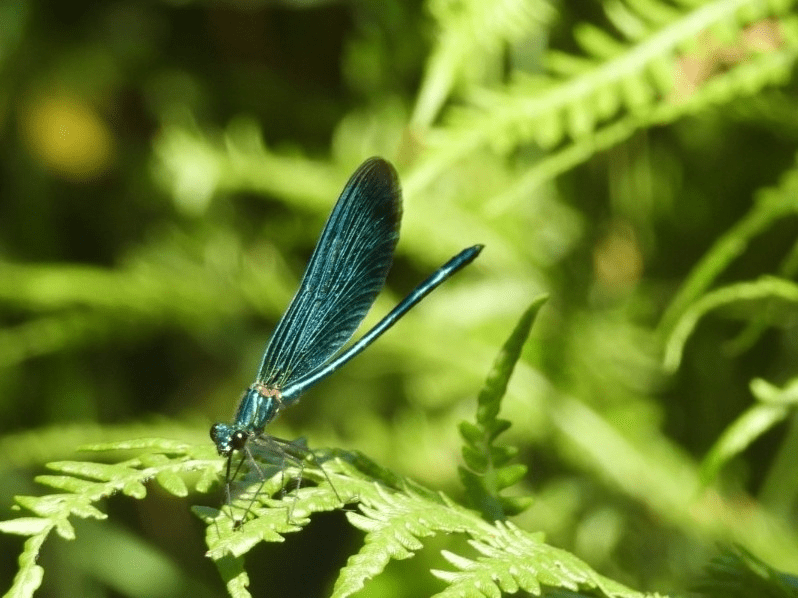
As I was walking along the bank of the River Rother from Chithurst to Iping, about 50-100 Beautiful Demoiselles flew around me as I walked through the bracken (on the footpath) on which they were perched. Quite an extraordinary sight.

Mainly found along streams and rivers, particularly those with sand or gravel bottoms. The males rest on bank side vegetation waiting for females. British Dragonfly Society Beautiful Demoiselle

The River Rother of the West Sussex flows from west to east from Empshott in Hampshire, England, to Stopham in West Sussex, where it joins the River Arun. It runs though

Calopteryx virgo Beautiful Demoiselle

Female

Male

Calopteryx splendens Banded Demoiselle

Butterflies and Moths (order Lepidoptera)

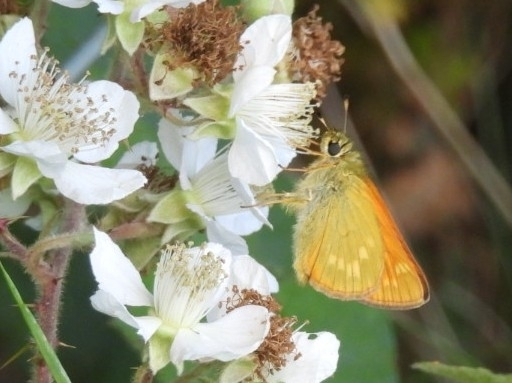
Ochlodes sylvanus Large Skipper

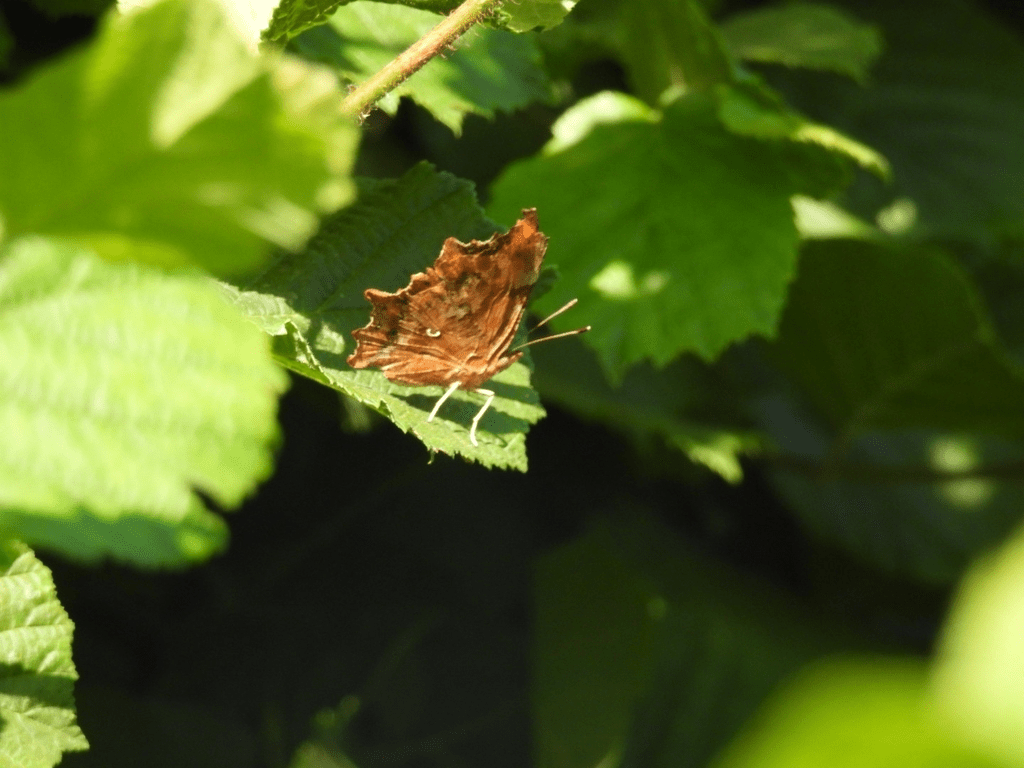
Polygonia c-album European Comma

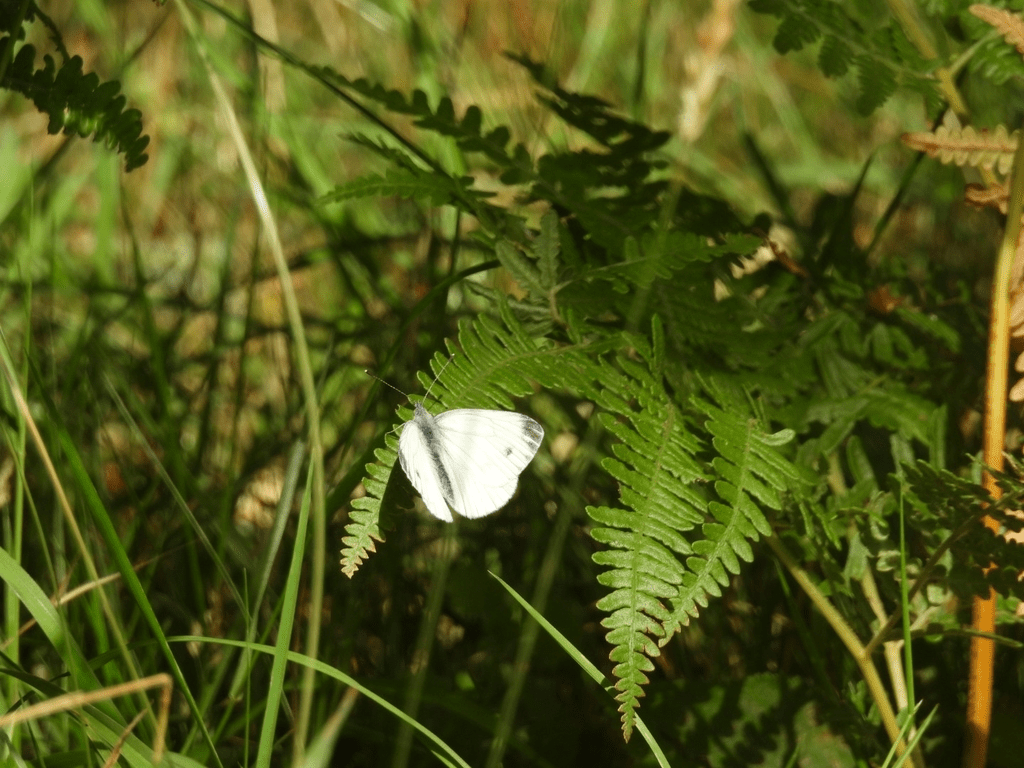
Pieris napi Green-veined White

Orders of Insects. Petworth Park. 10.06.25

I saw quite a few insects coincidentally at Petworth as I was searching for lichens. It made me realise that my knowledge of insect orders is quite sketchy; so this post presents the insects I saw classified in to orders. I used the website of the Amateur Entomologists Society to learn more. This is an excellent resource for amateur entomologists.

The class insect (Insecta) are part of the phylum Arthropoda

The Arthropoda are a Phylum of invertebrates (animals without backbones) that have a joined exoskeleton. The Arthropods include the arachnids, crustaceans, insects and others.

The arthropod body is supported by an hard outer layer. This acts as an external skeleton – or exoskeleton. The body muscles are attached to the inside of this exoskeleton. It is made up of rings (called segments) which are attached to one another by flexible membranes. This allows movement of the body to take place. The name arthropod refers to their jointed limbs, which are their chief characteristic. (Arthros = joint, Podium = foot). AMS: Arthropod

What is an insect

  • Invertebrates (lacking a backbone)
  • Three body segments: head, abdomen, and thorax.
  • Jointed legs attached to the thorax.
  • Hexapoda (have 6 legs)
  • Antennae on head.
  • 2 compound eyes, usually situated on either side of the head.

The Insects (Class Insecta) are divided into a number of Orders. These are grouped together into two sub-classes called the Apterygota (wingless insects) and the Pterygota (winged insects) – In addition to the Class Insecta there are three other classes of invertebrates that have six legs, these three classes are known as non-insect hexapods.

This list of insect orders comes from from the Amateur Entomological Society’s page on Insect Orders Clicking on the links will take you to pages of Amateur Entomological Society’s website giving more information on the orders.

  • [Division] Endopterygota The word Endopterygota refers to the development of the wings inside the body. Insects that develop in this way are said to show complete metamorphosis.

ENDOPTERYGOTA – WINGS INSIDE THE BODY. INSECTS THAT DEVELOP IN THIS WAY ARE SAID TO SHOW COMPLETE METAMORPHOSIS.

Hemiptera – True bugs

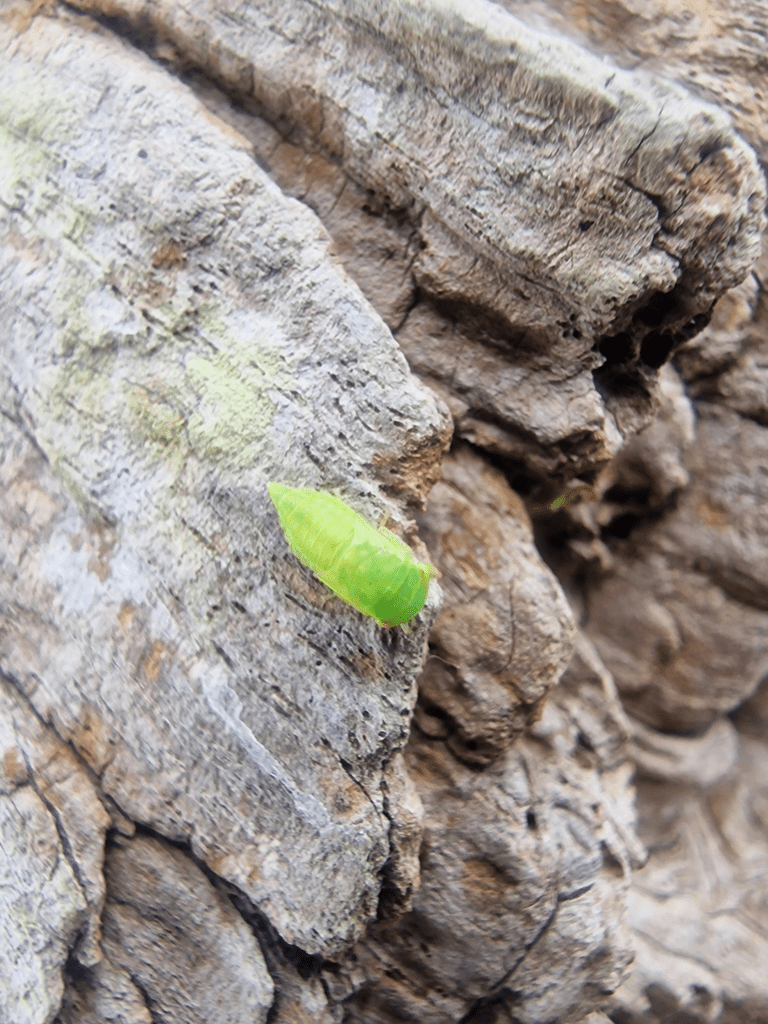
Iassus lanio Oak Leafhopper

ENDOPTERYGOTA – WINGS INSIDE THE BODY. INSECTS THAT DEVELOP IN THIS WAY ARE SAID TO SHOW COMPLETE METAMORPHOSIS.

Coleoptera – Beetles

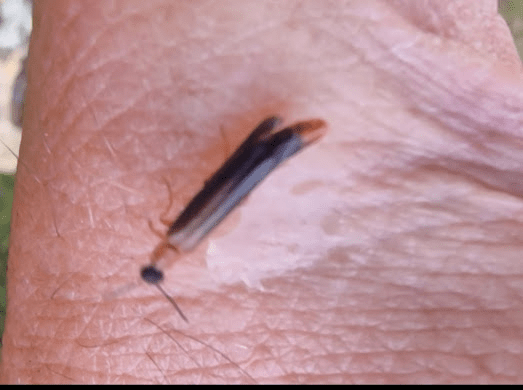
Lymexylon navale

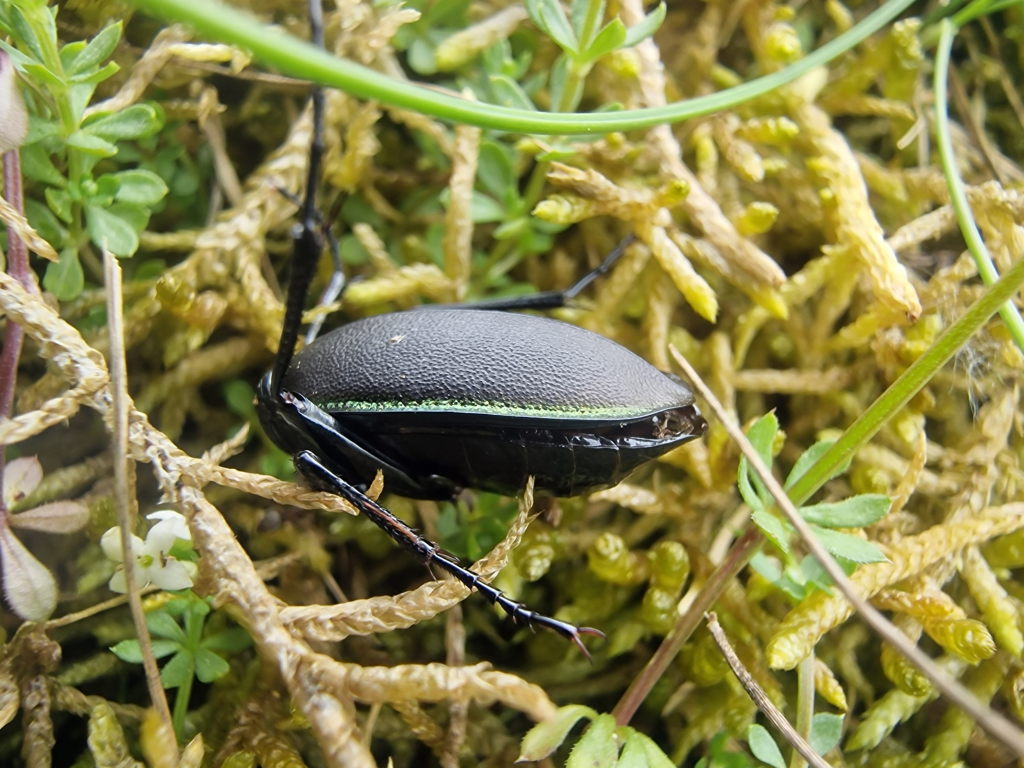
Carabus violaceus Violet Ground Beetle

Odonata – Dragonflies and Damselflies 

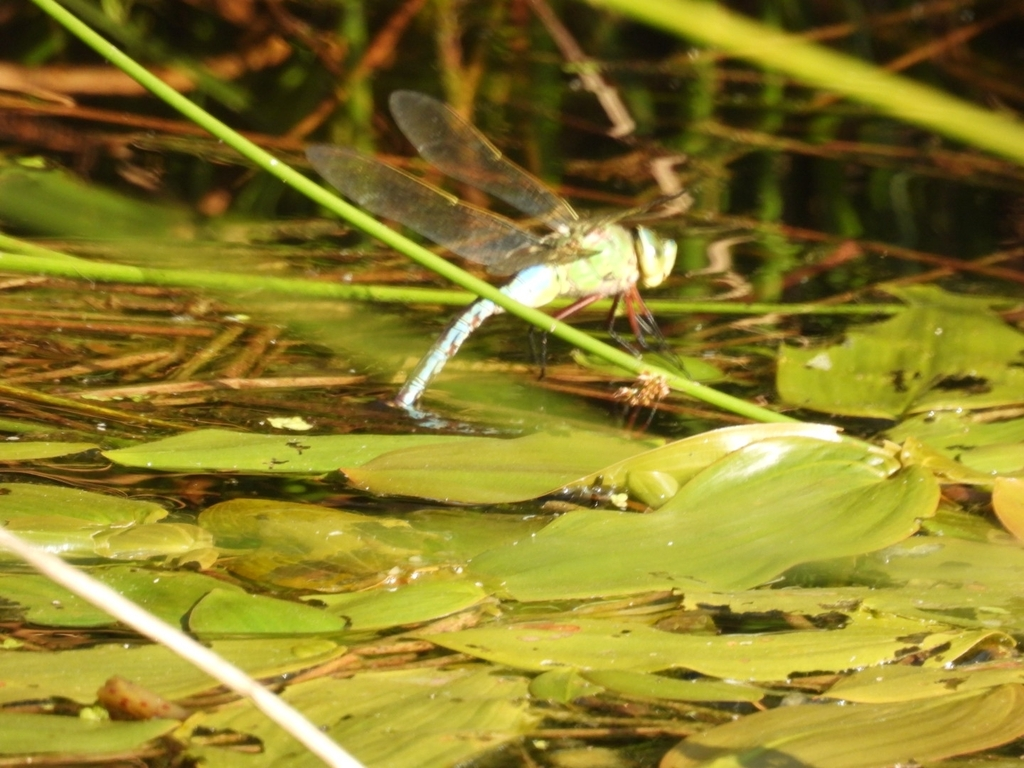
Anax imperator Emperor Dragonfly

Hemiptera – True Bugs

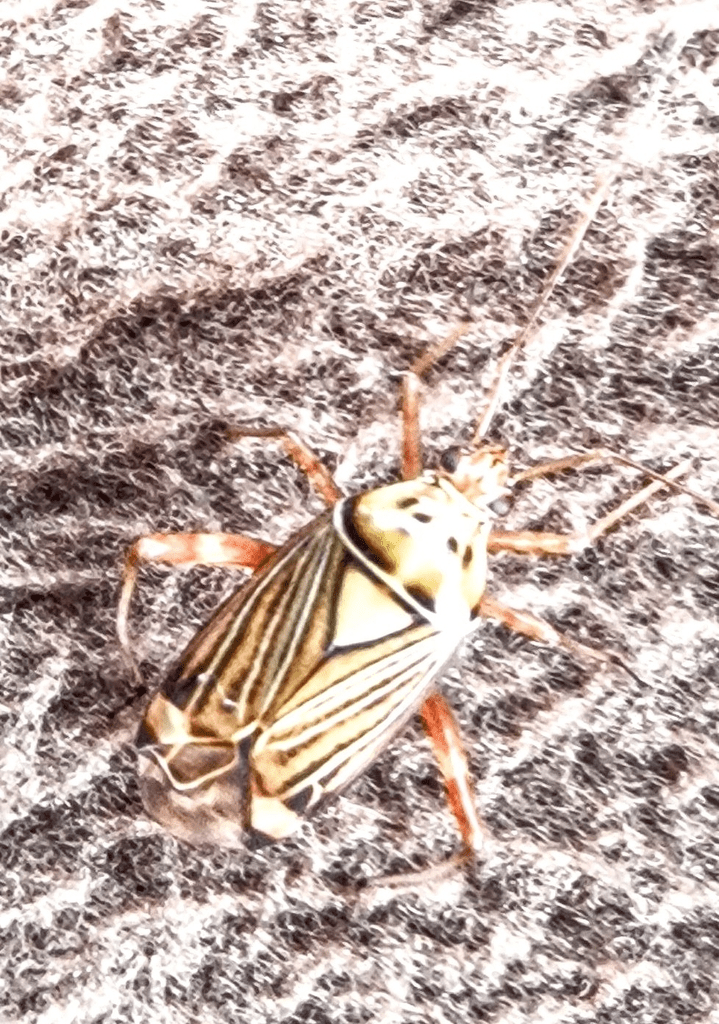
Rhabdomiris striatellus Striped Oak Bug

Lepidoptera – Butterflies and Moths 

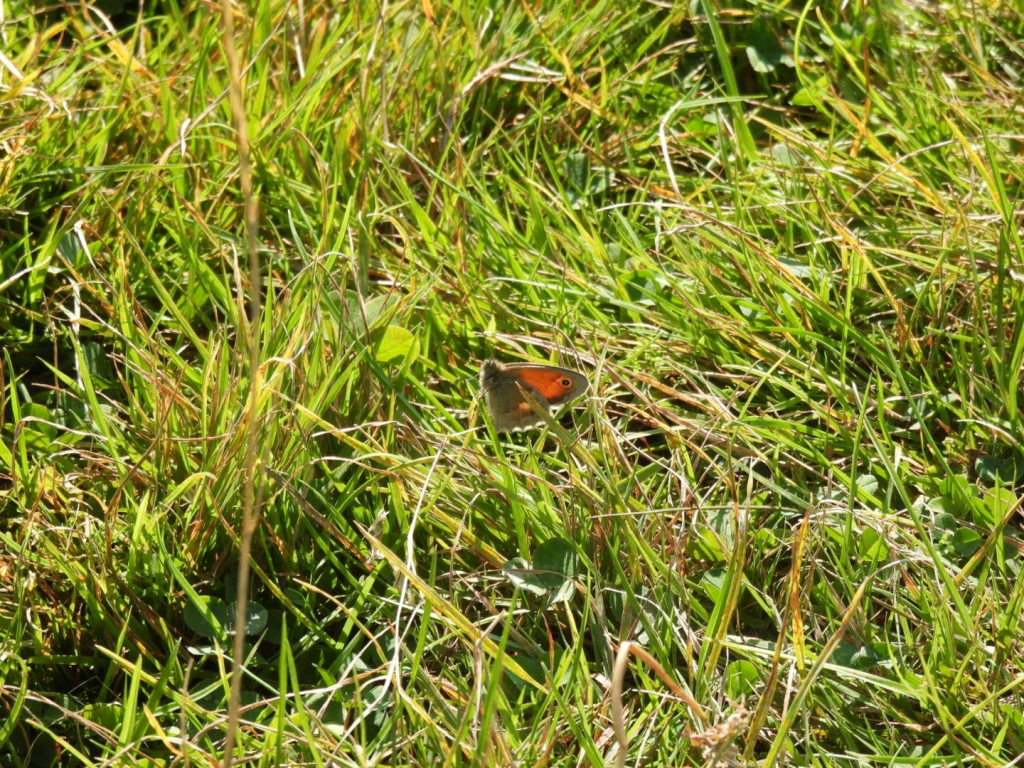
Coenonympha pamphilus Small Heath

Hymenoptera – Bees, Wasps and Ants

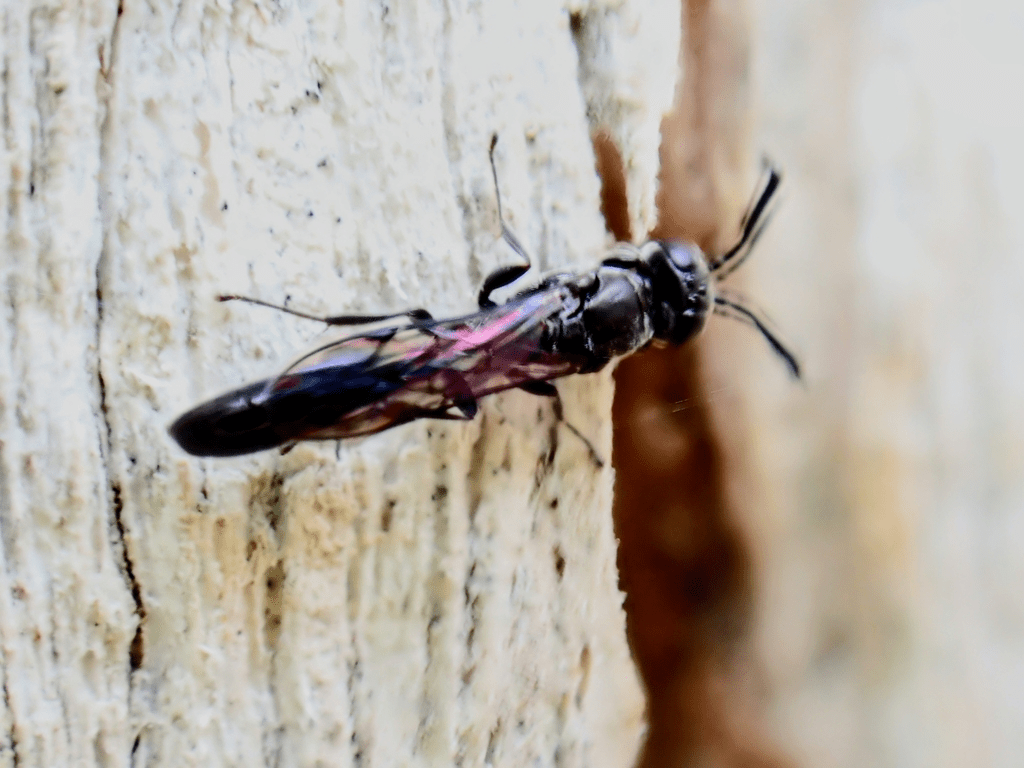
Trypoxylon attenuatum