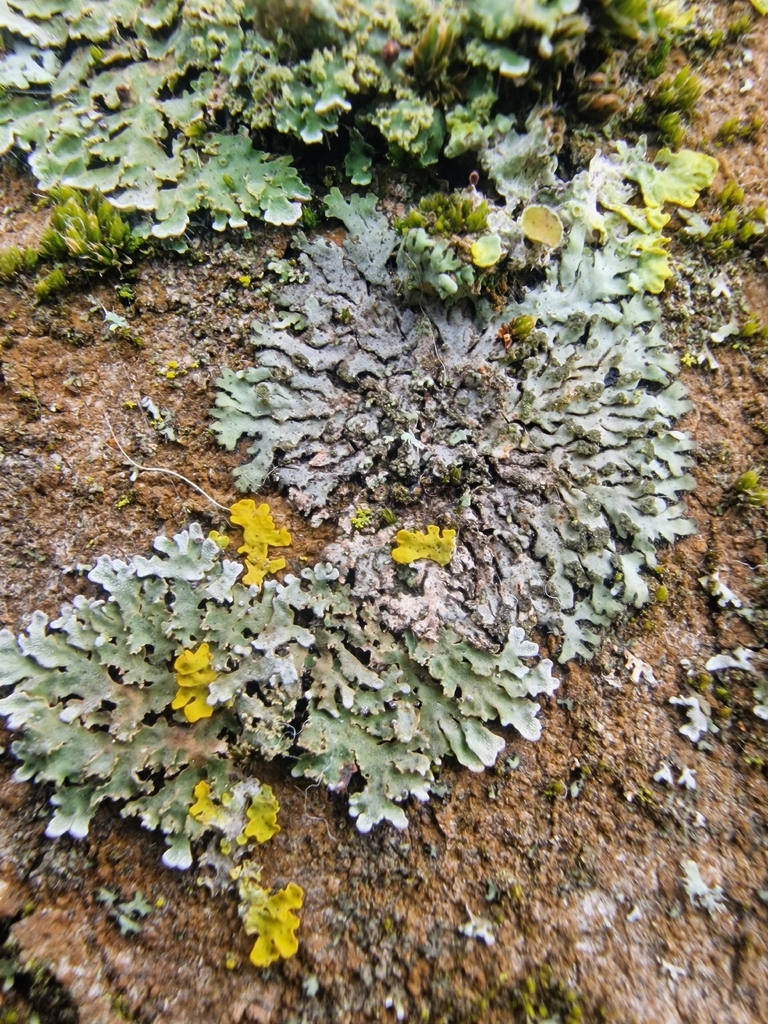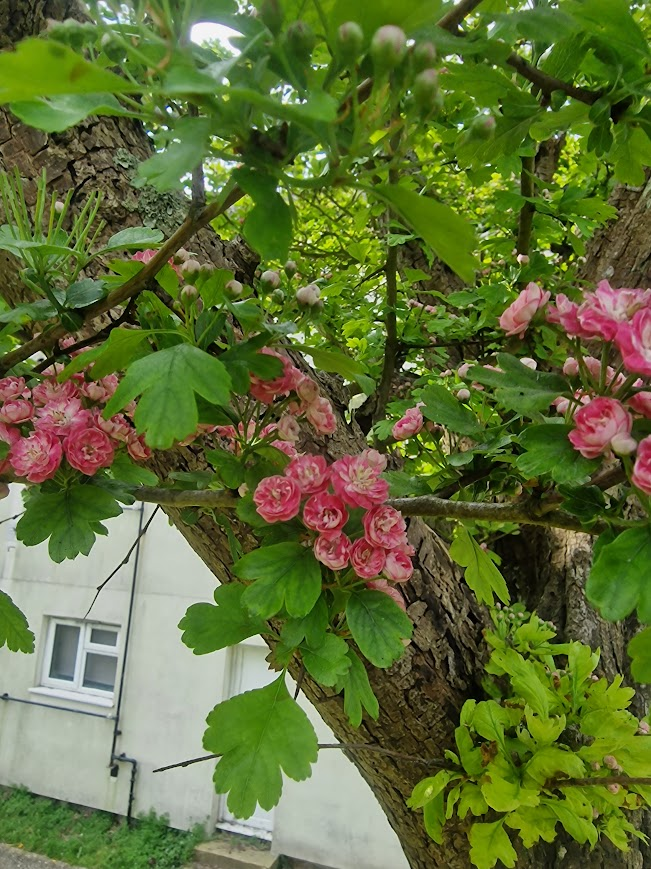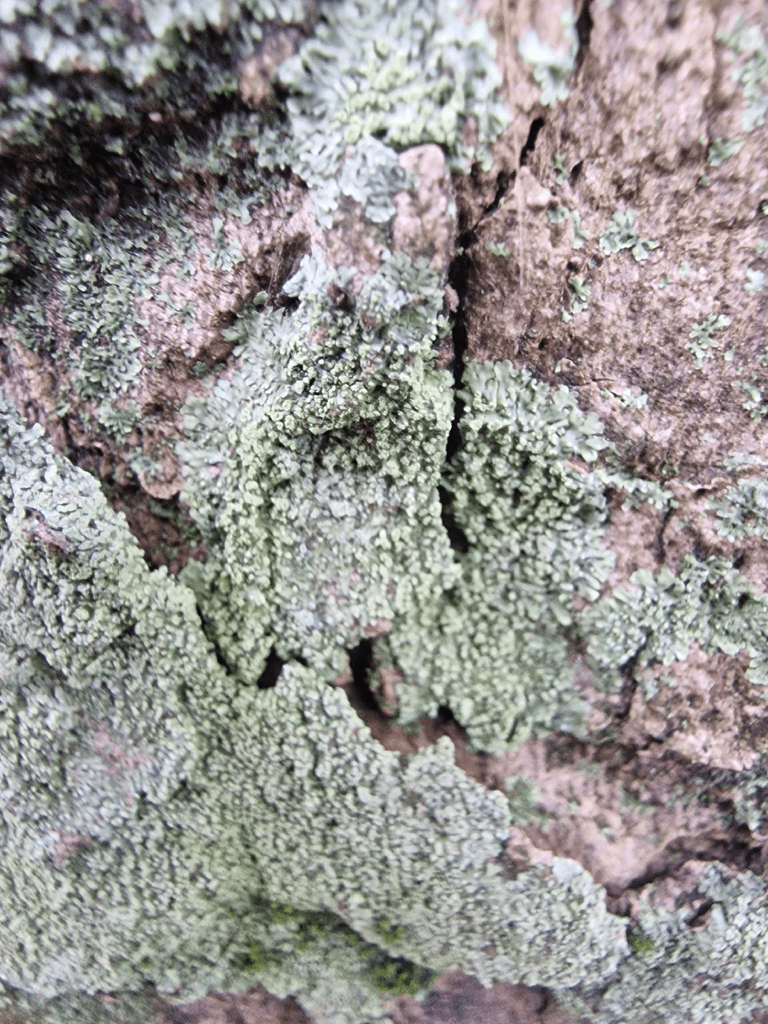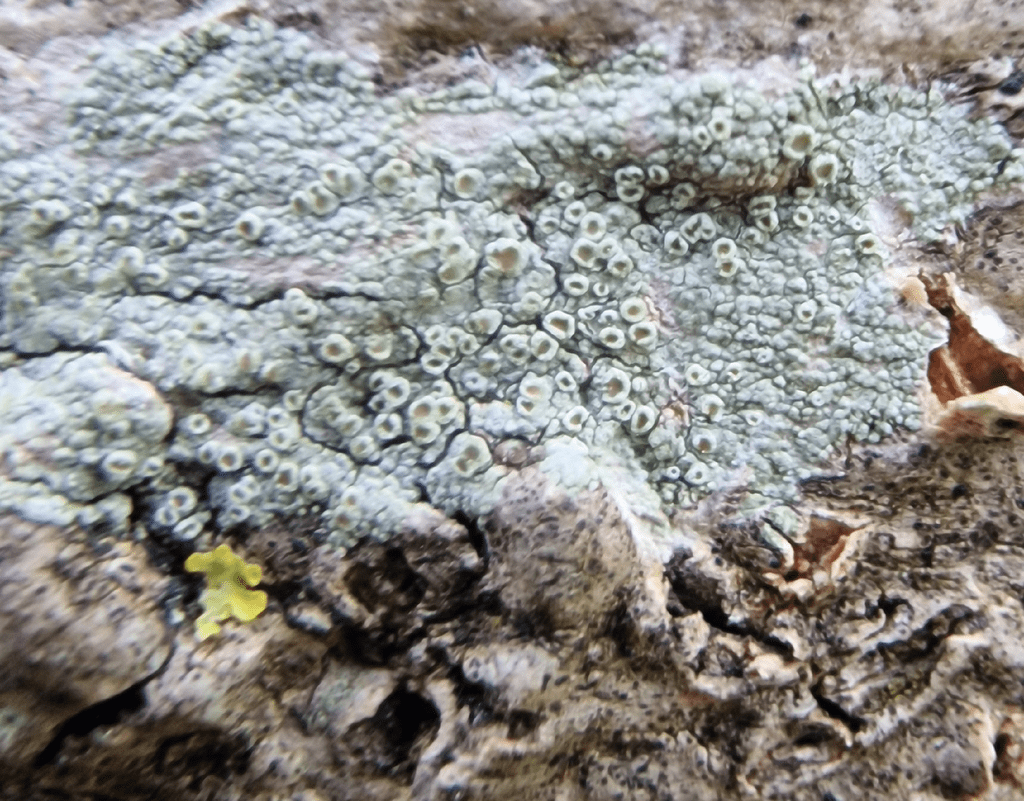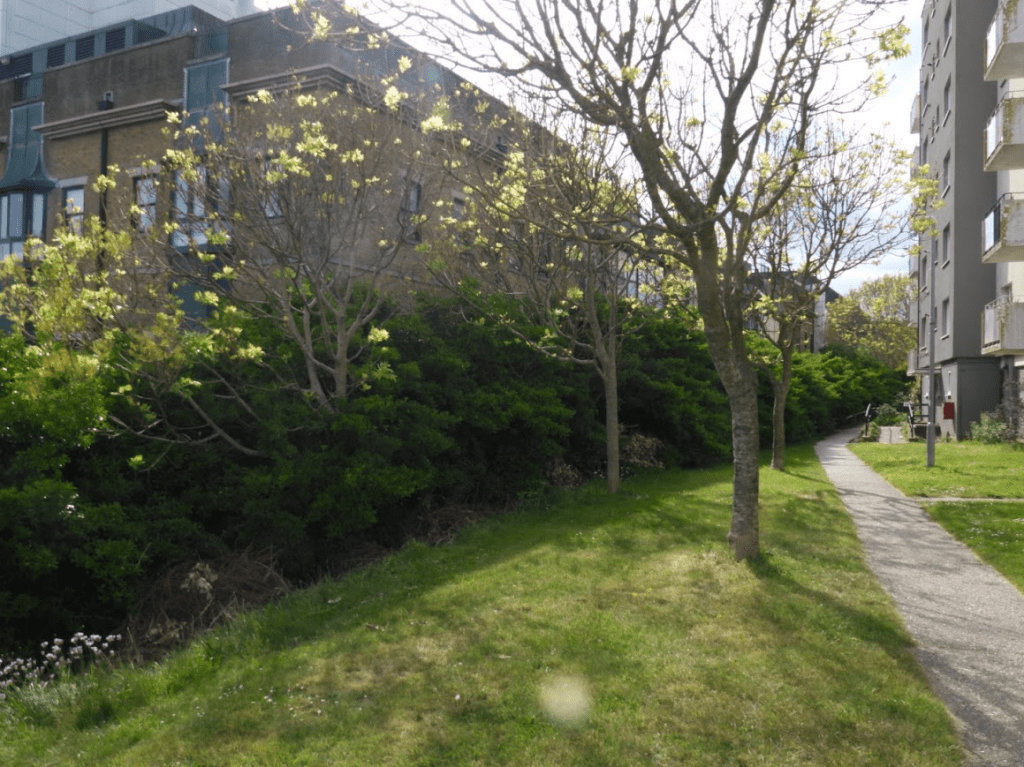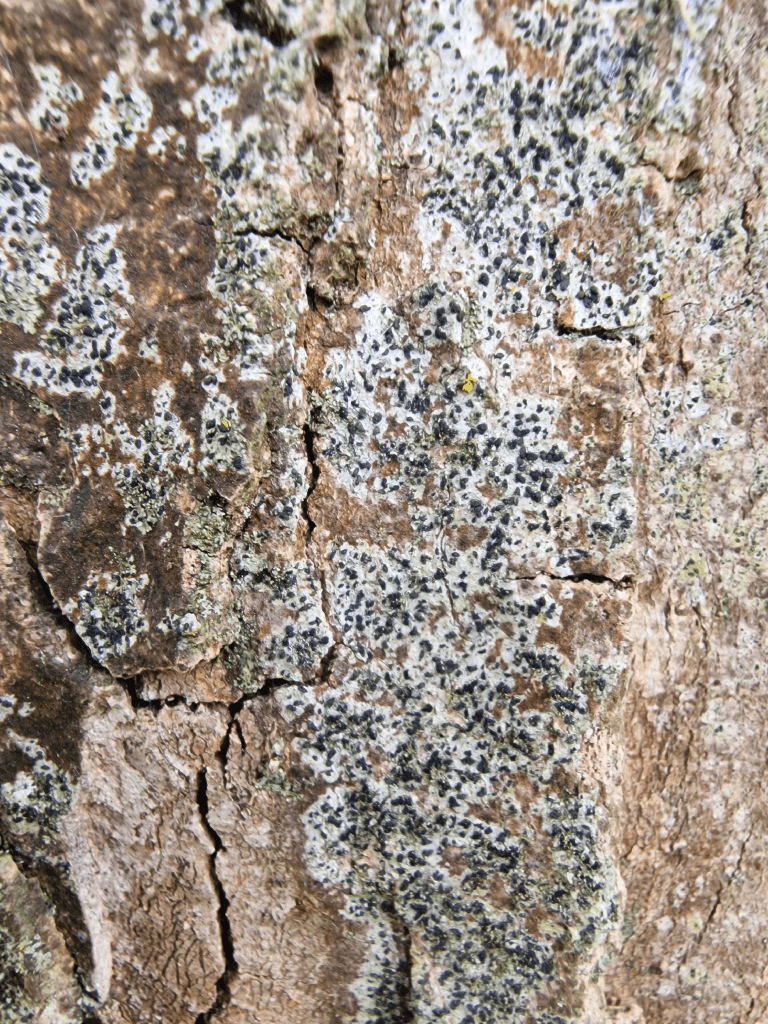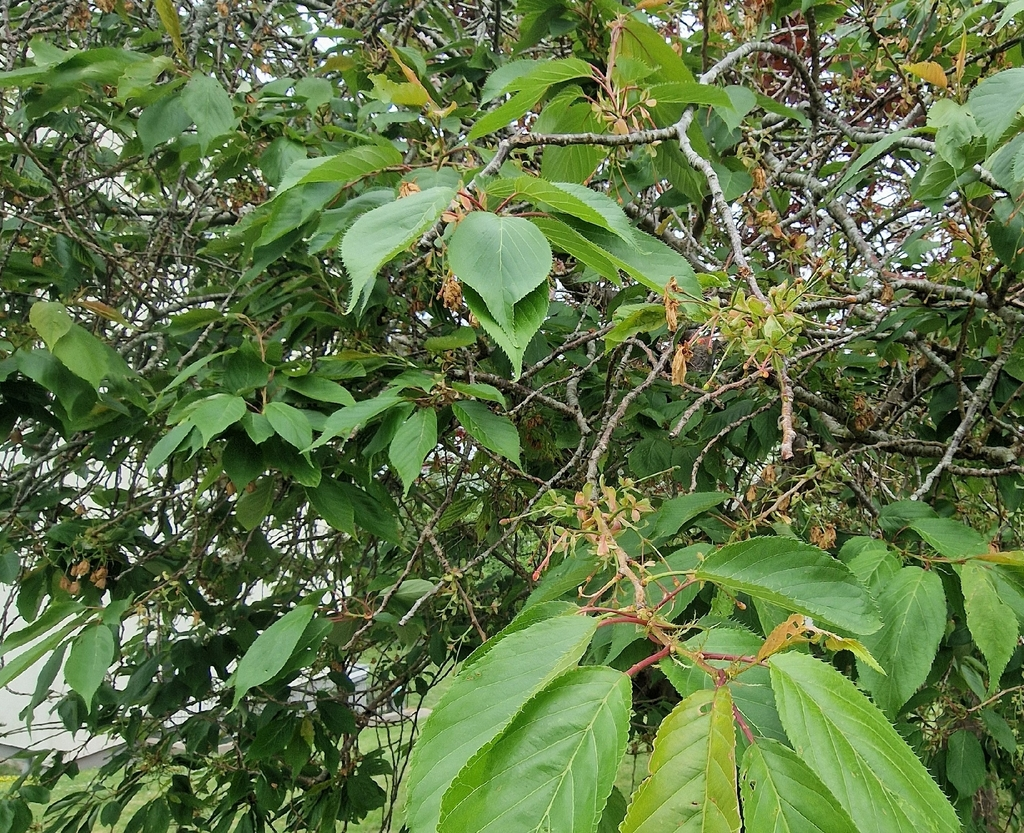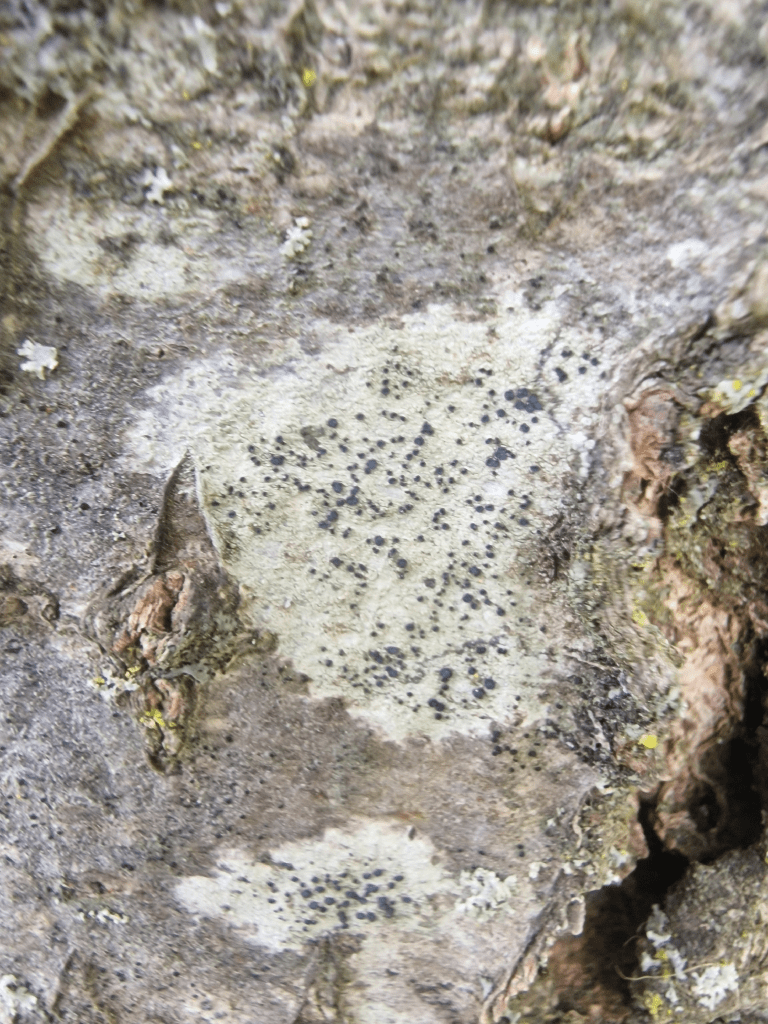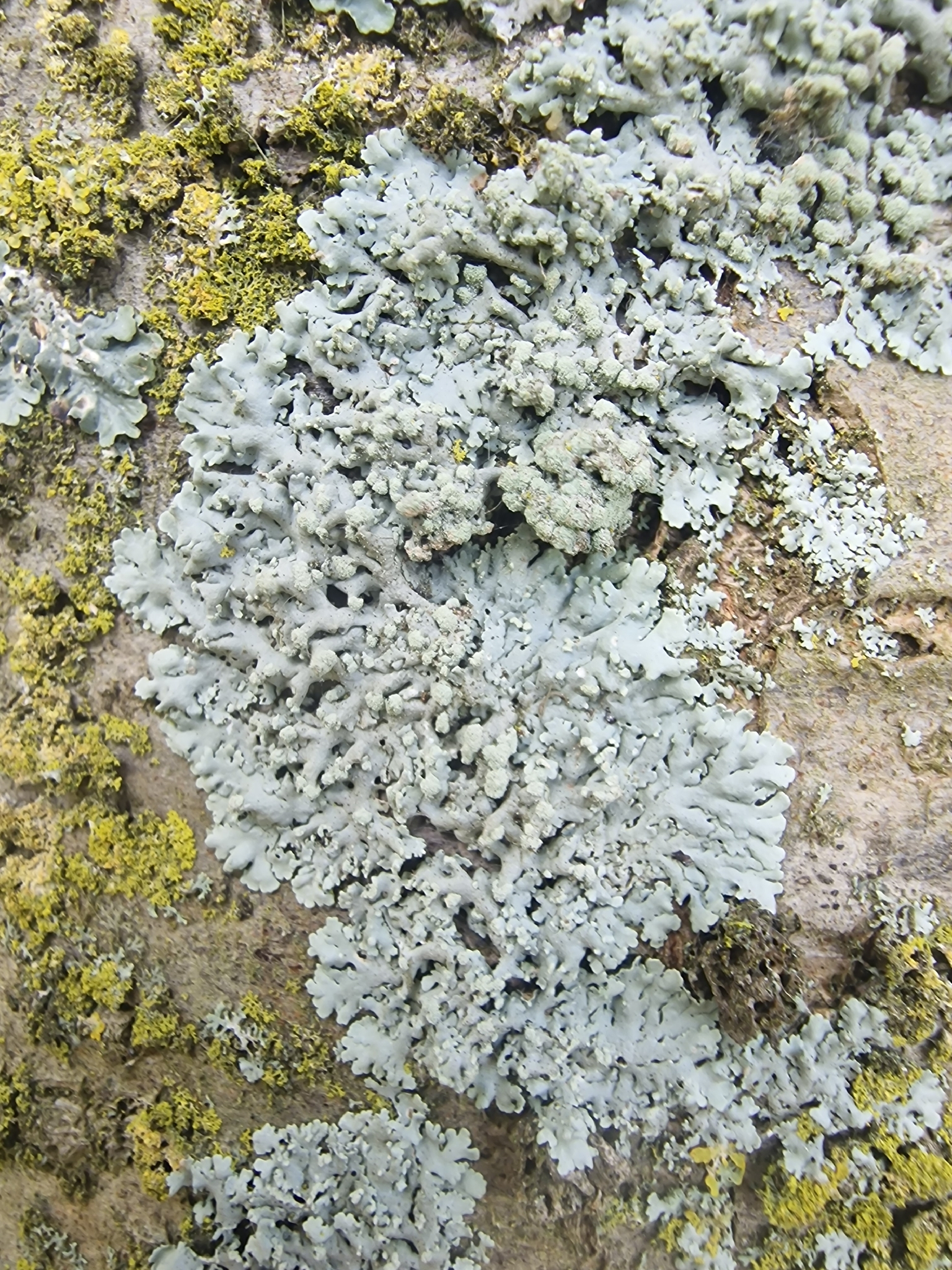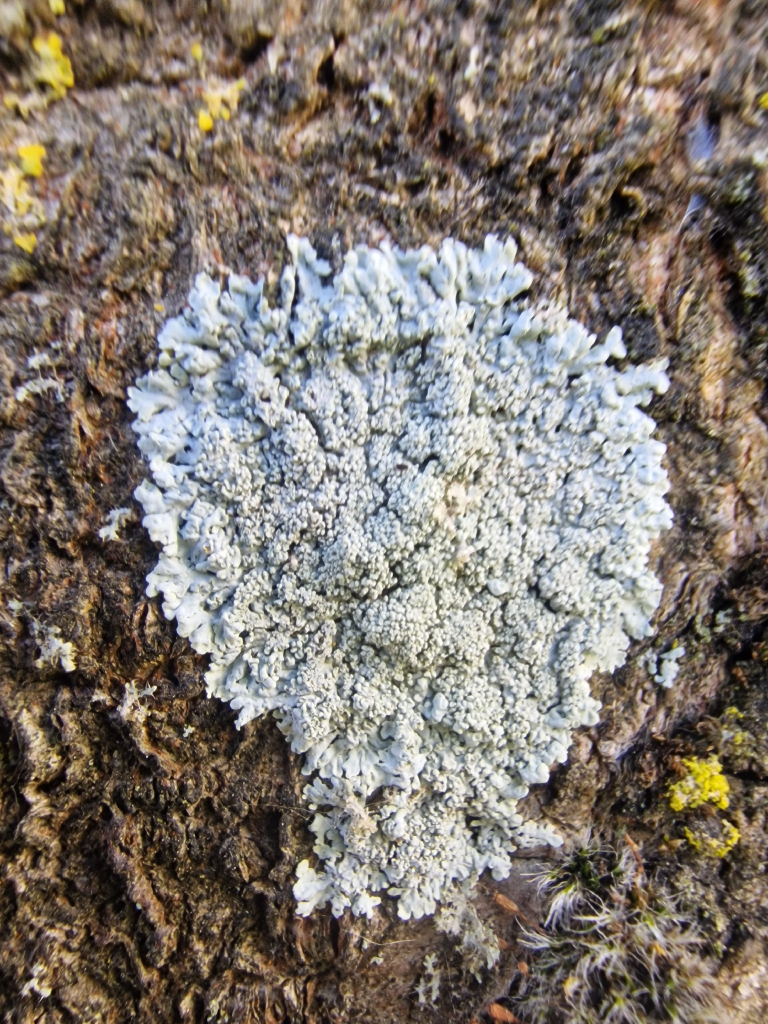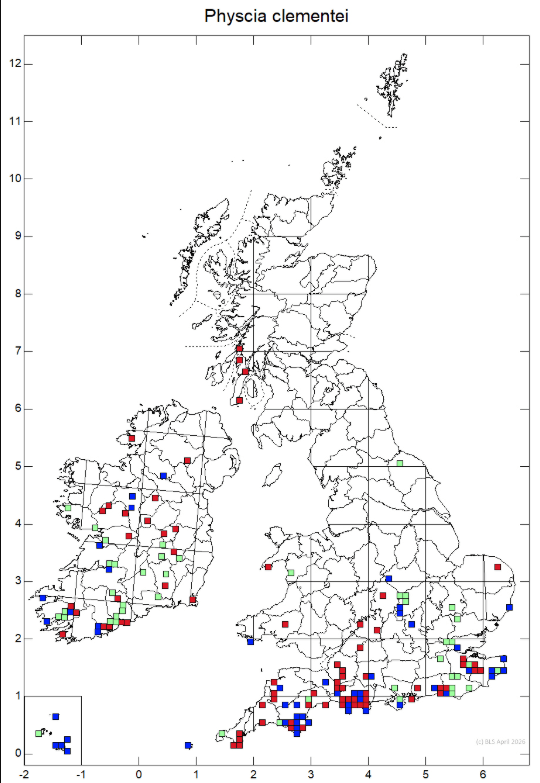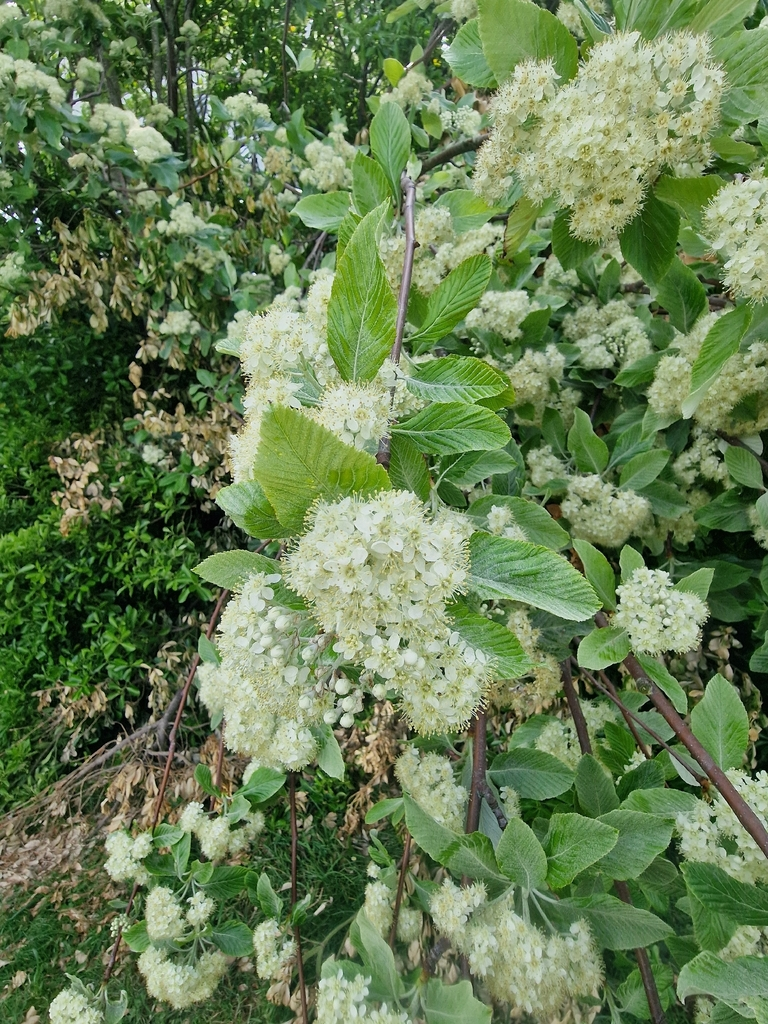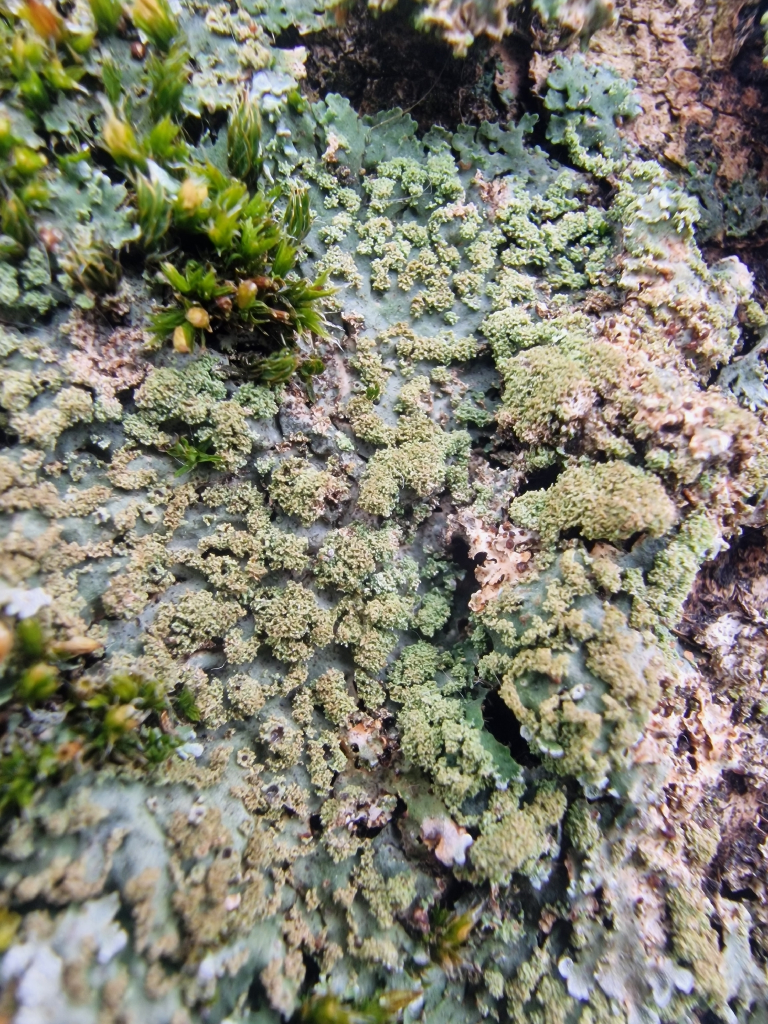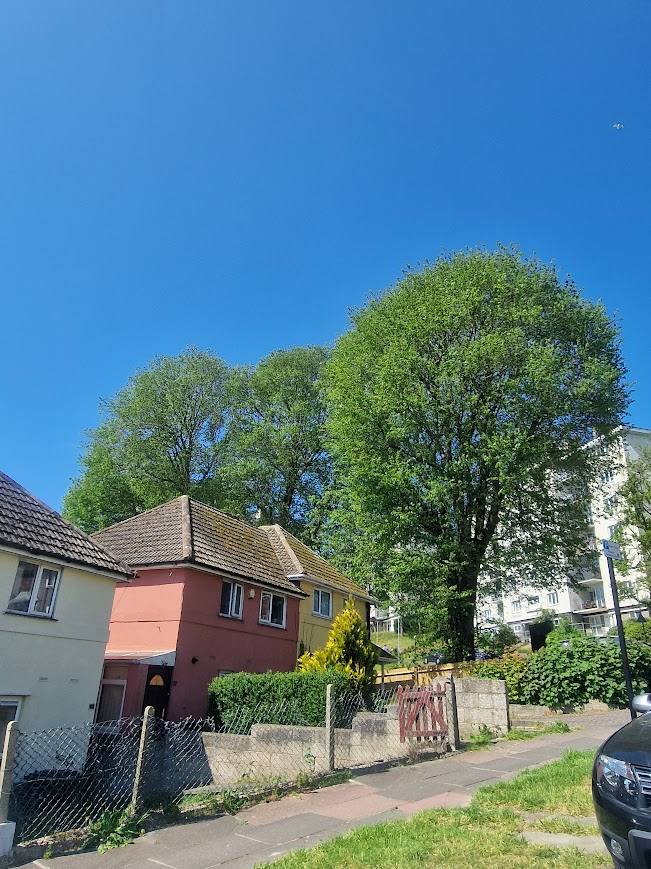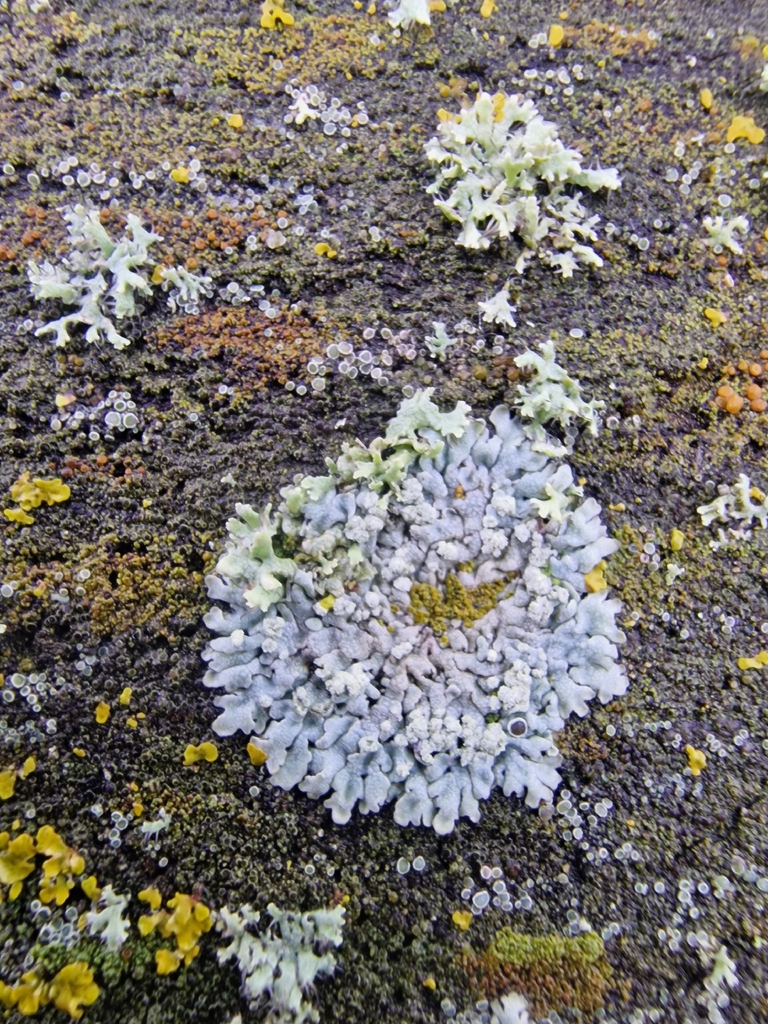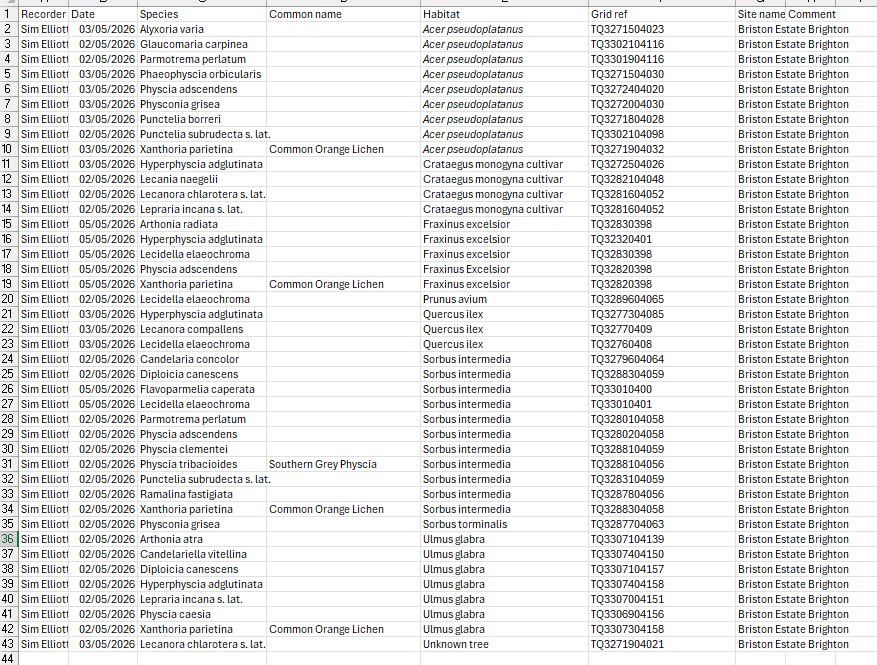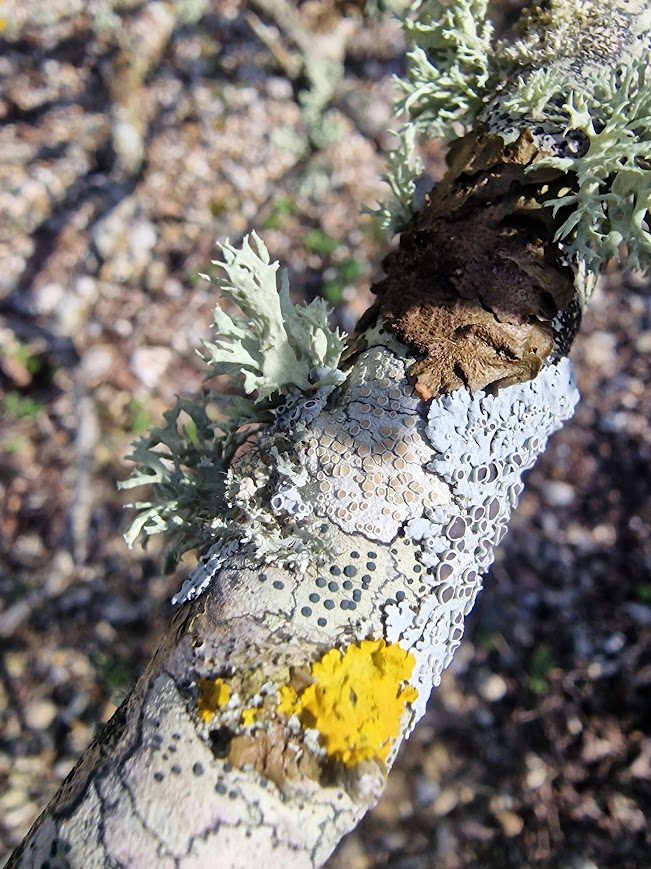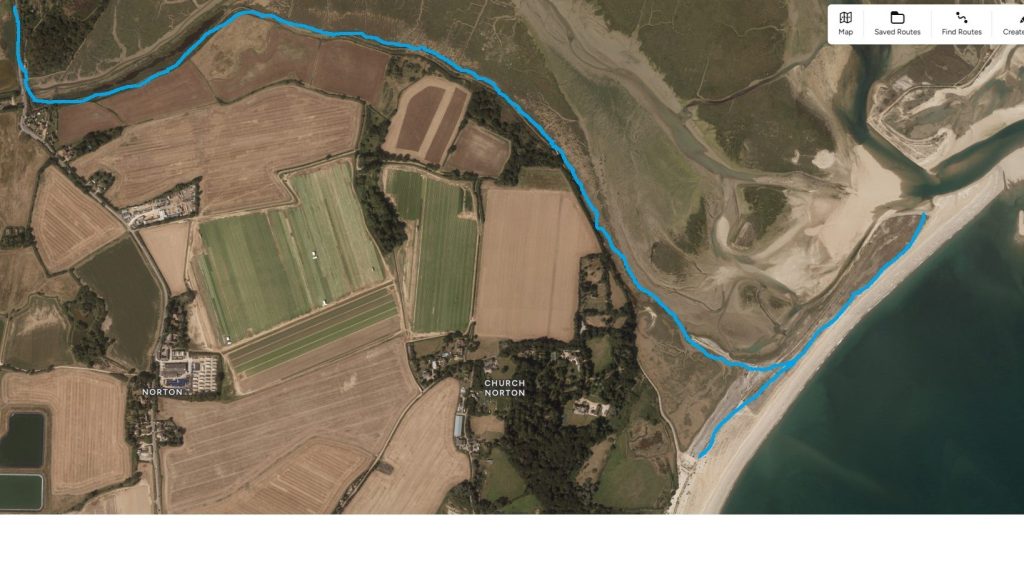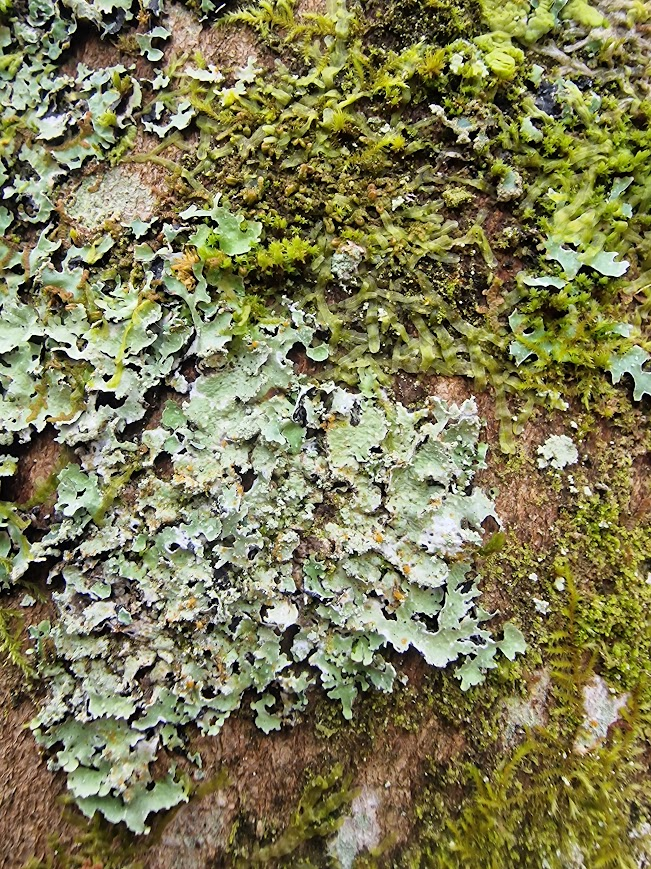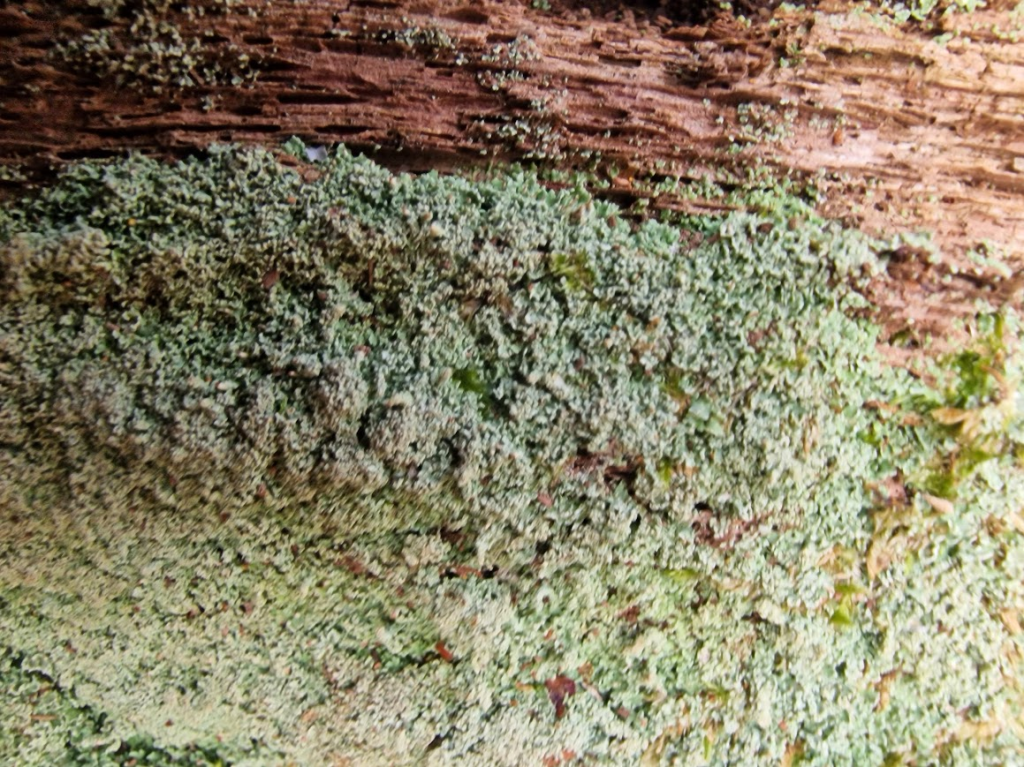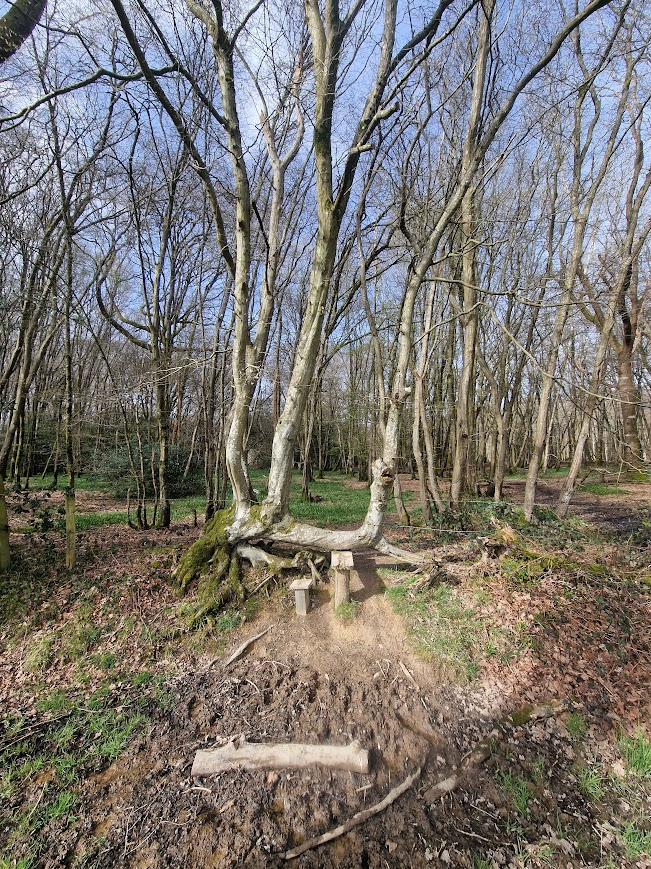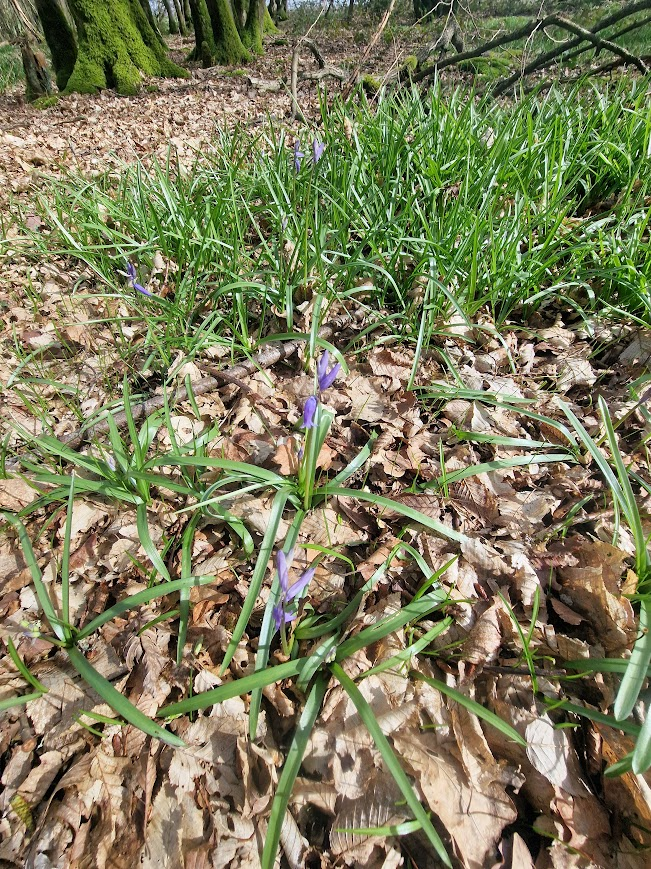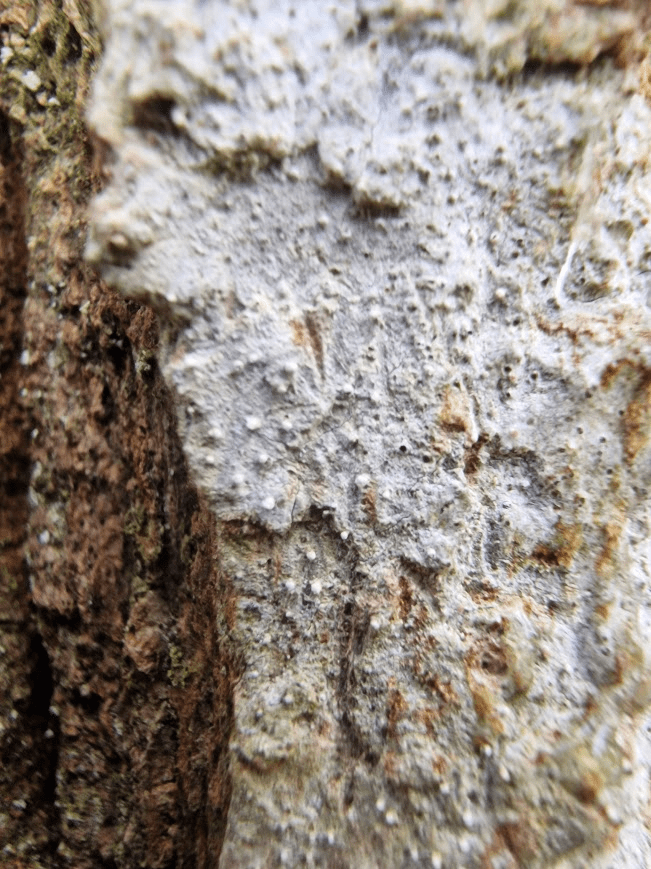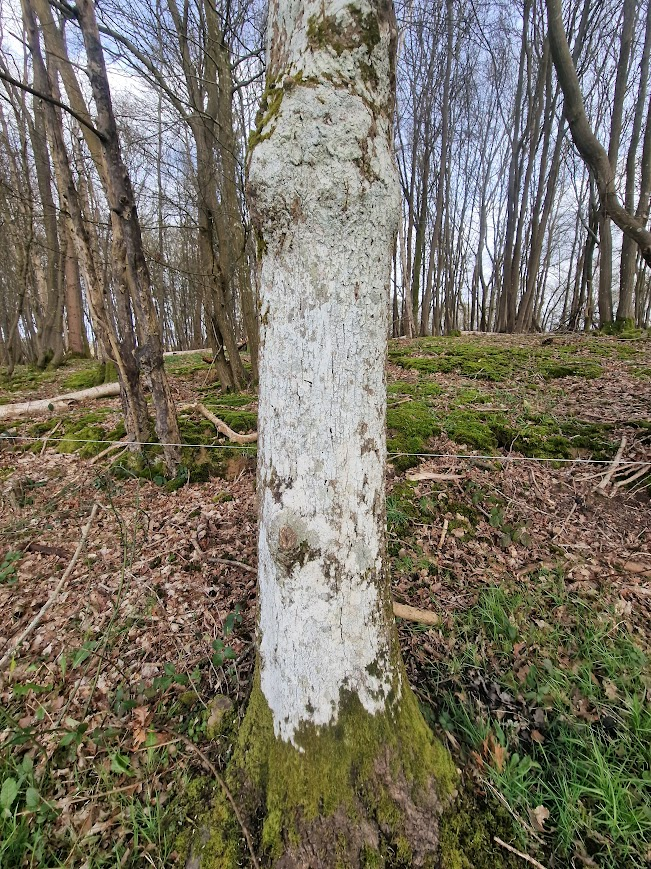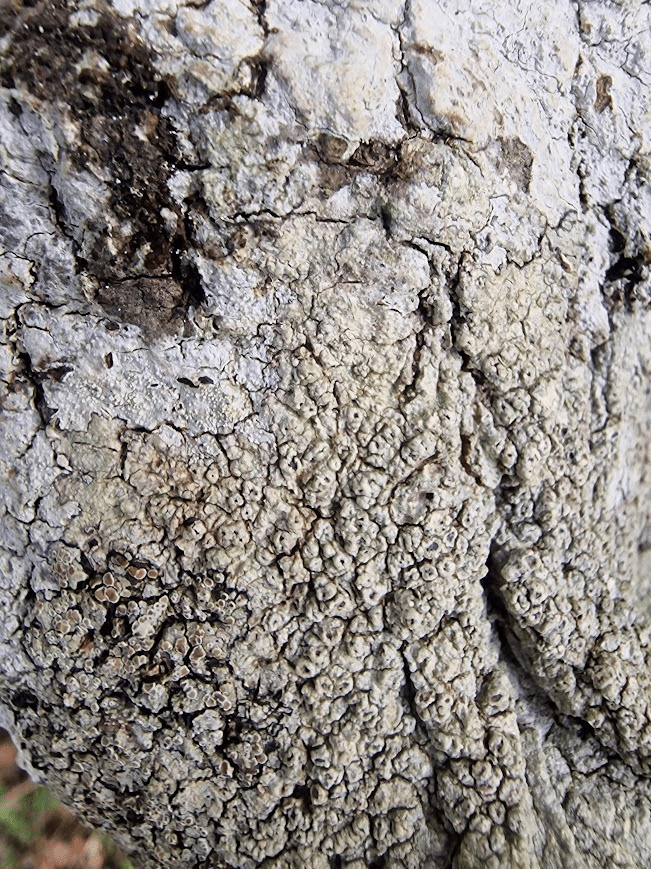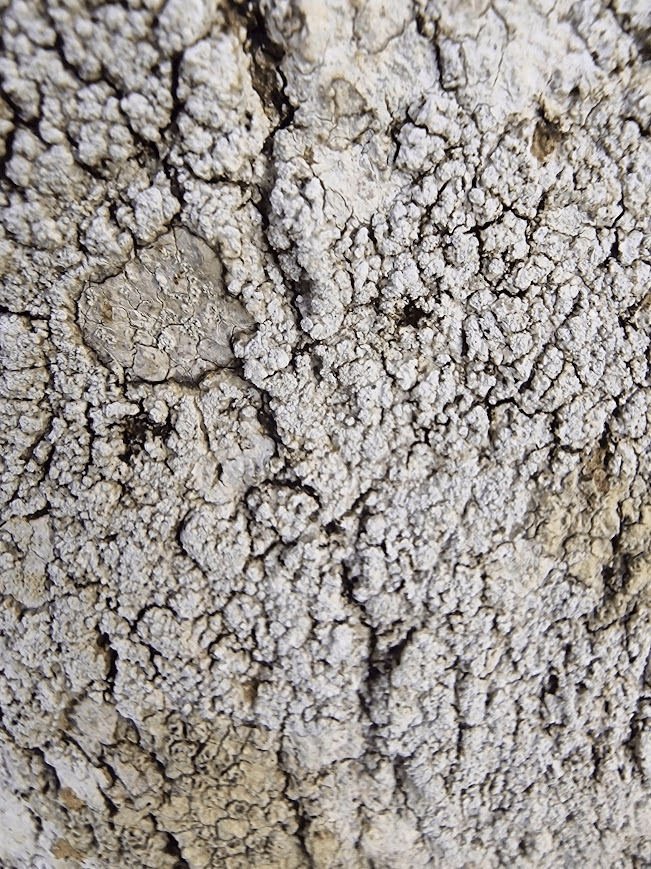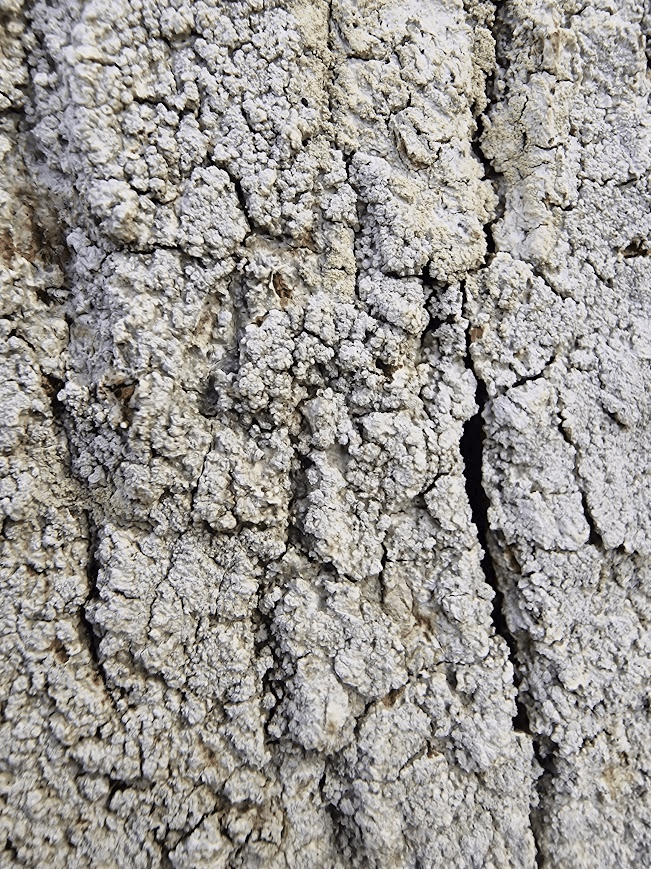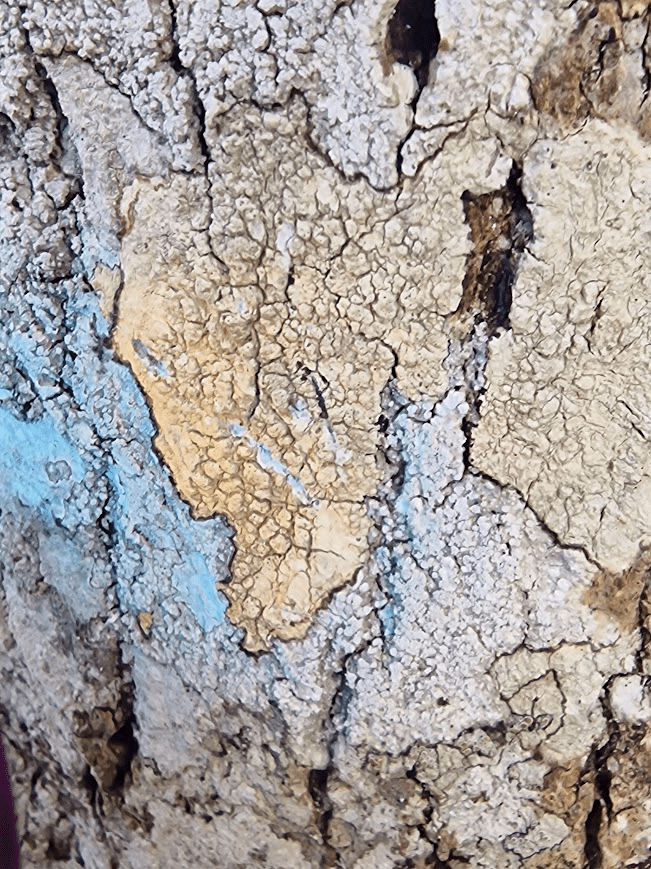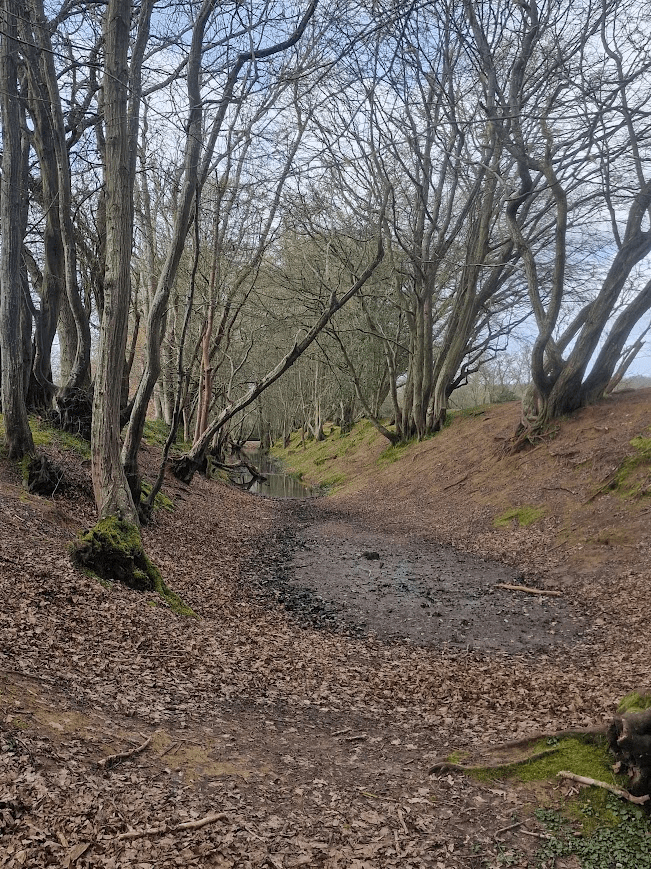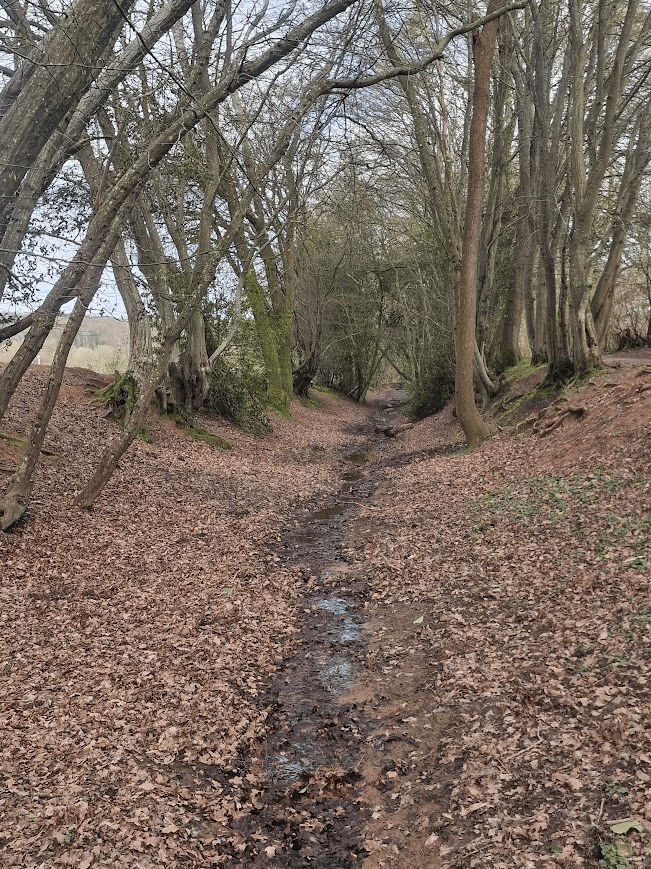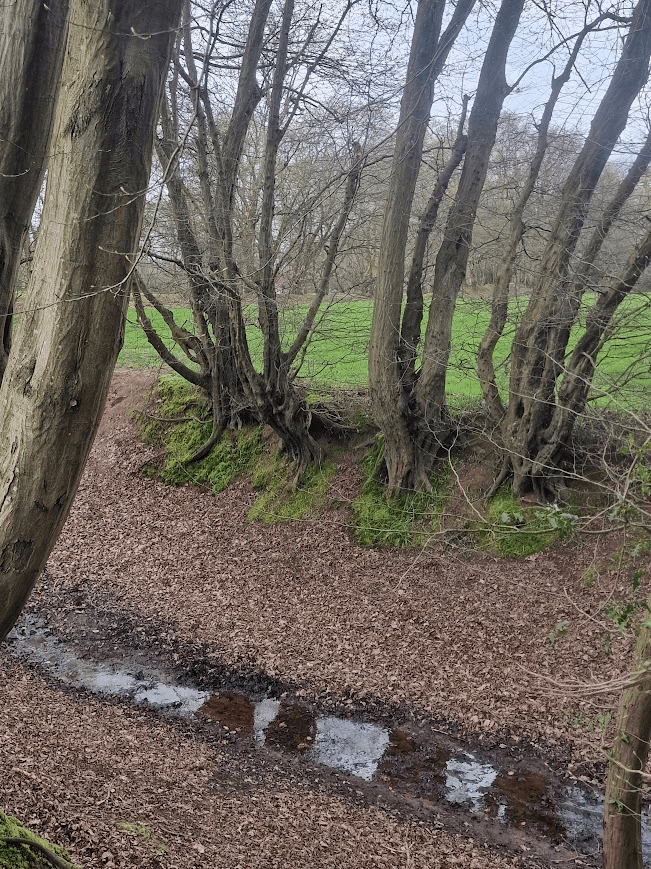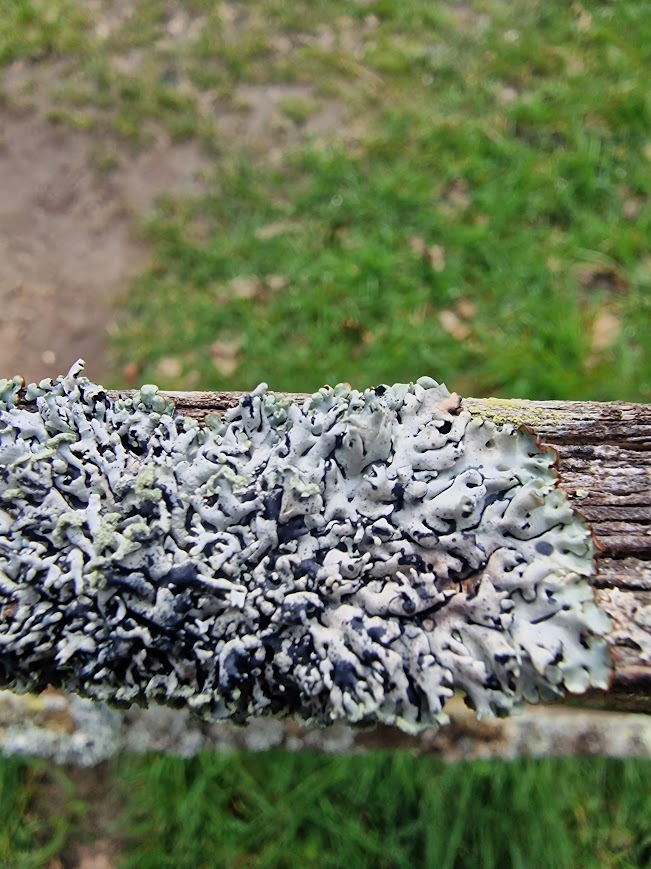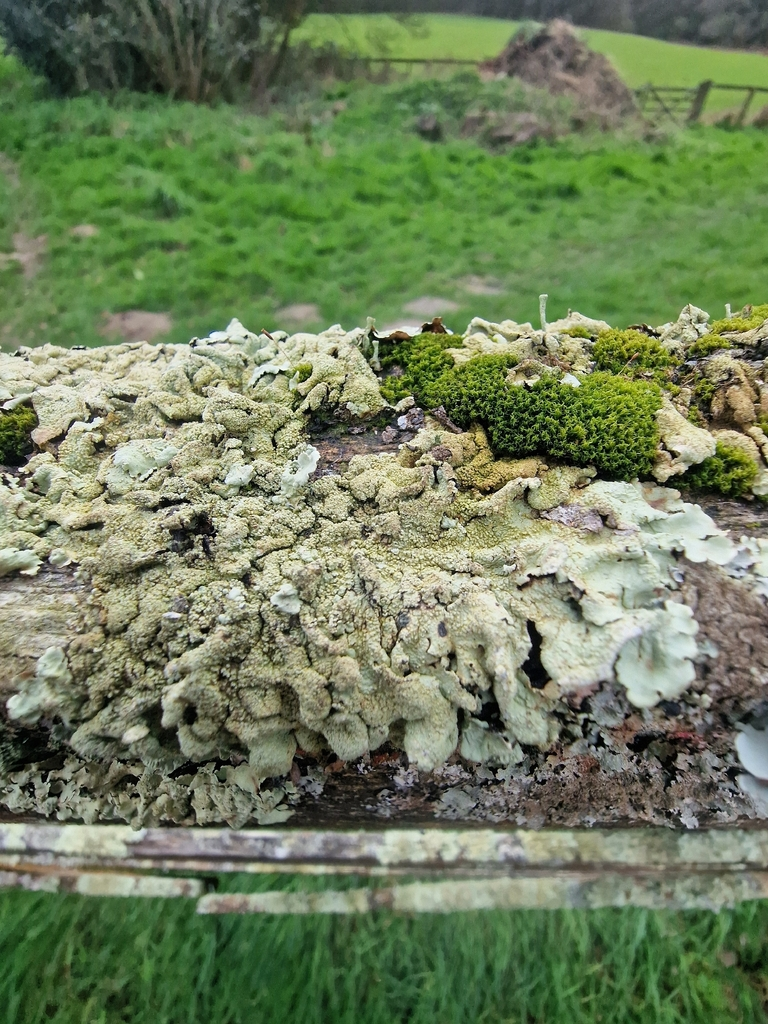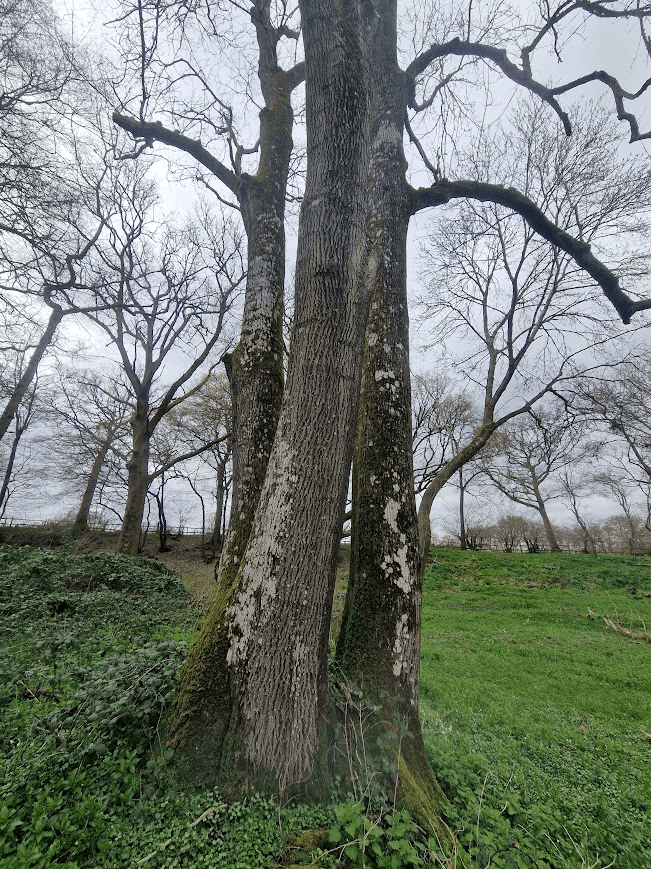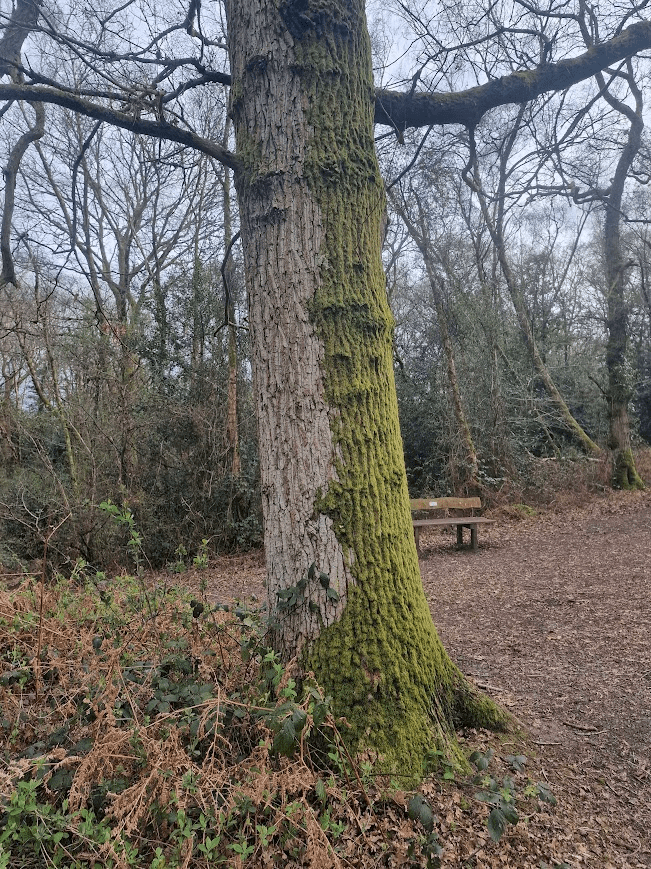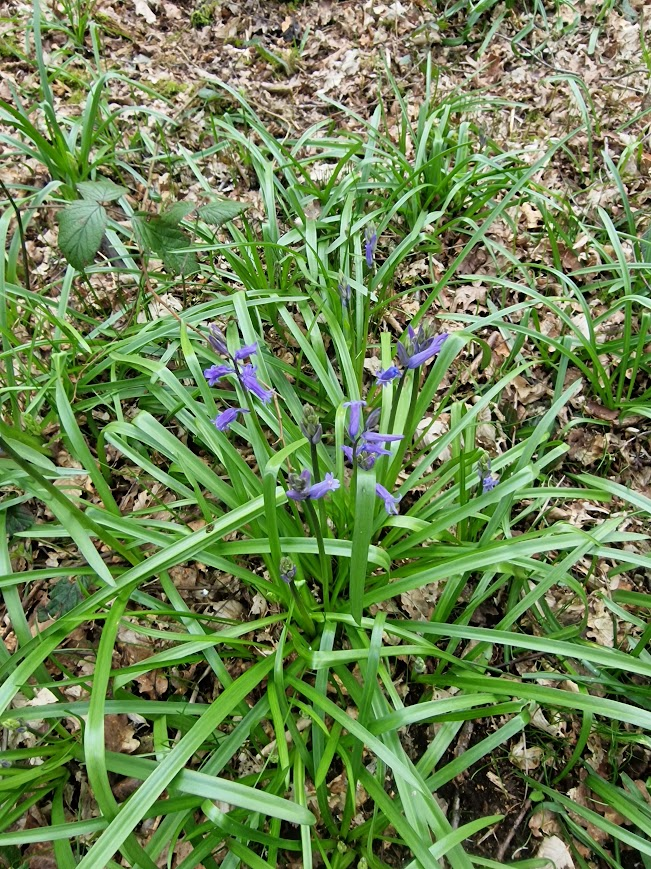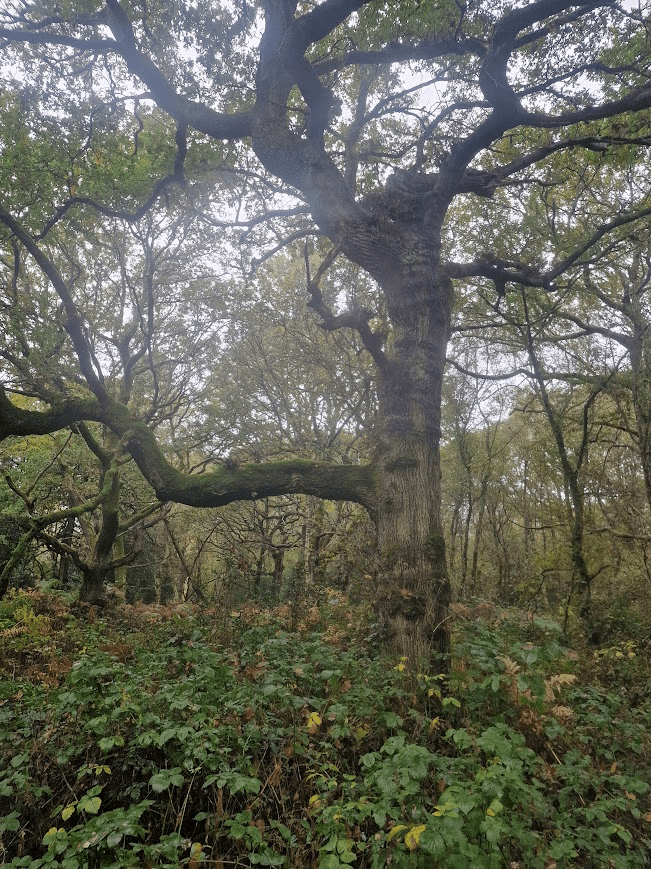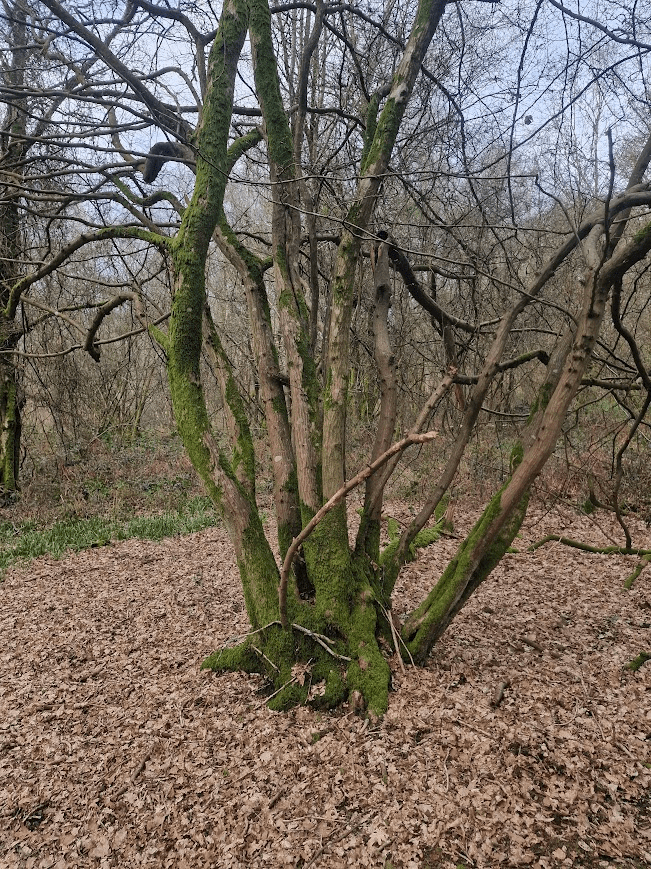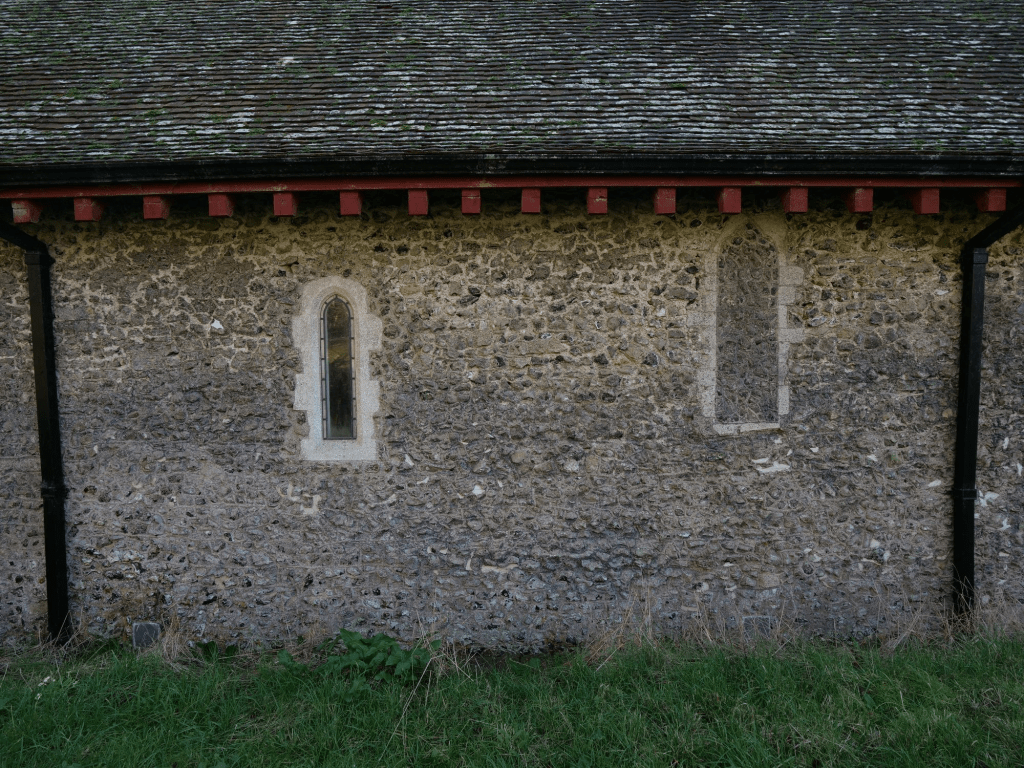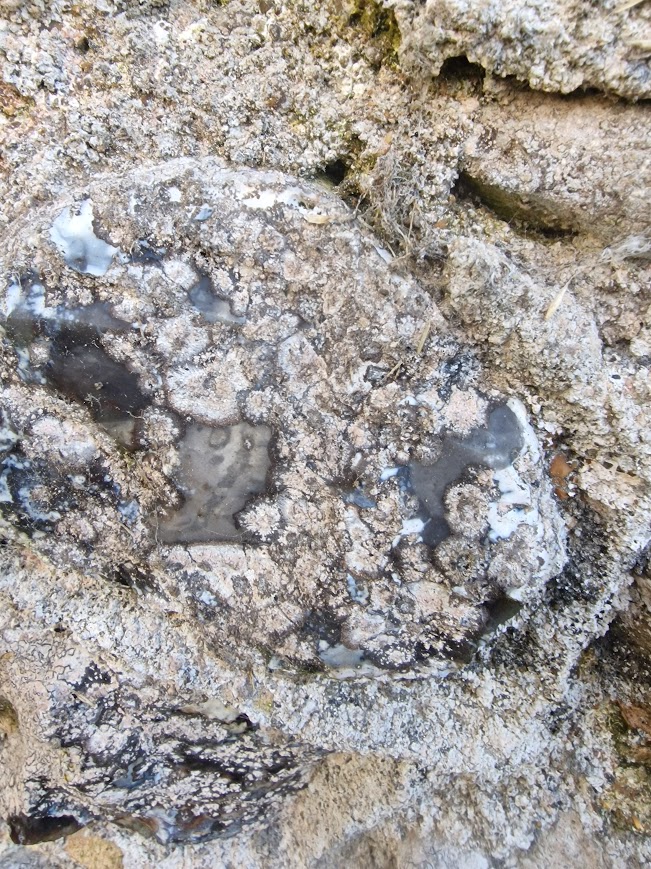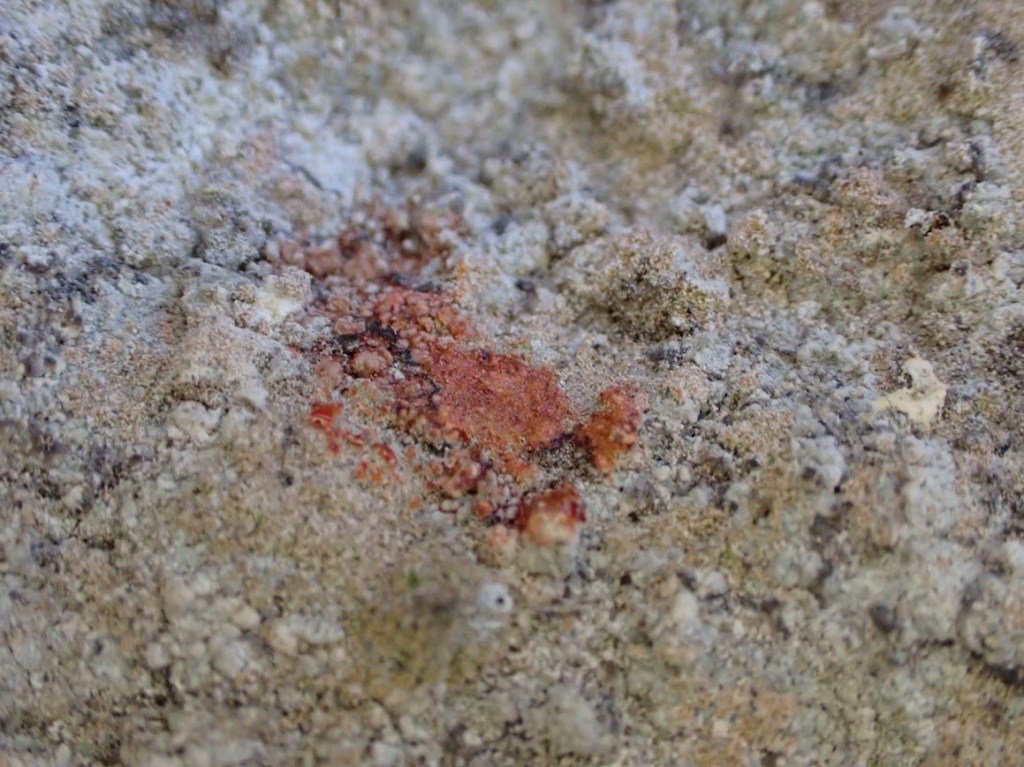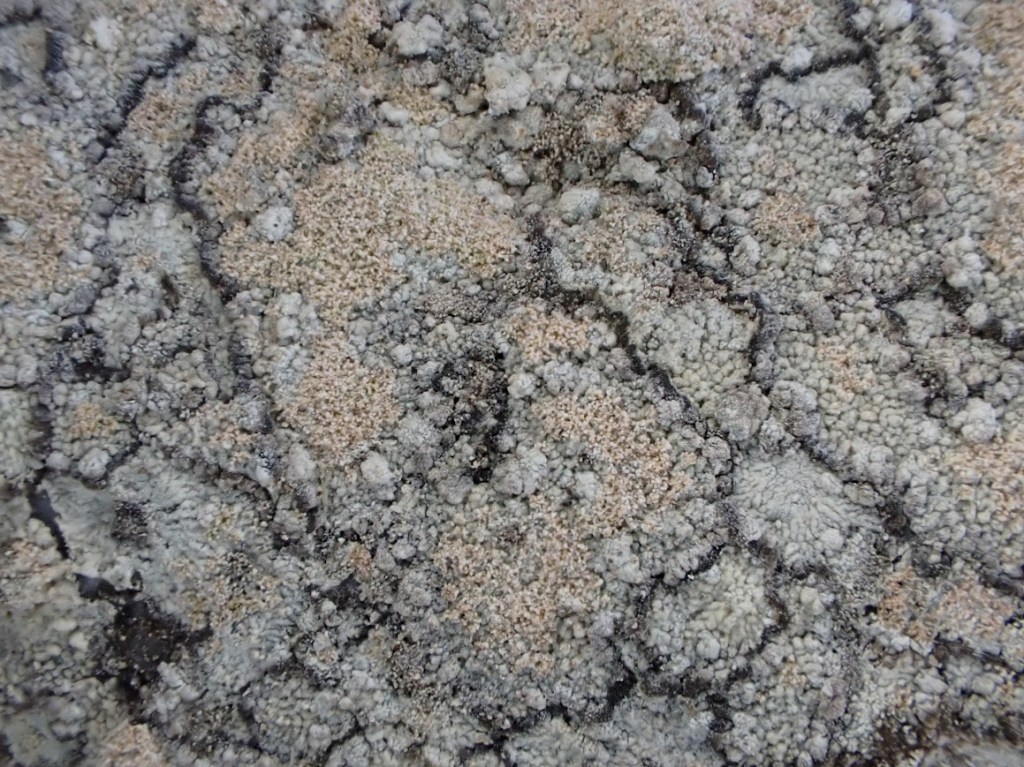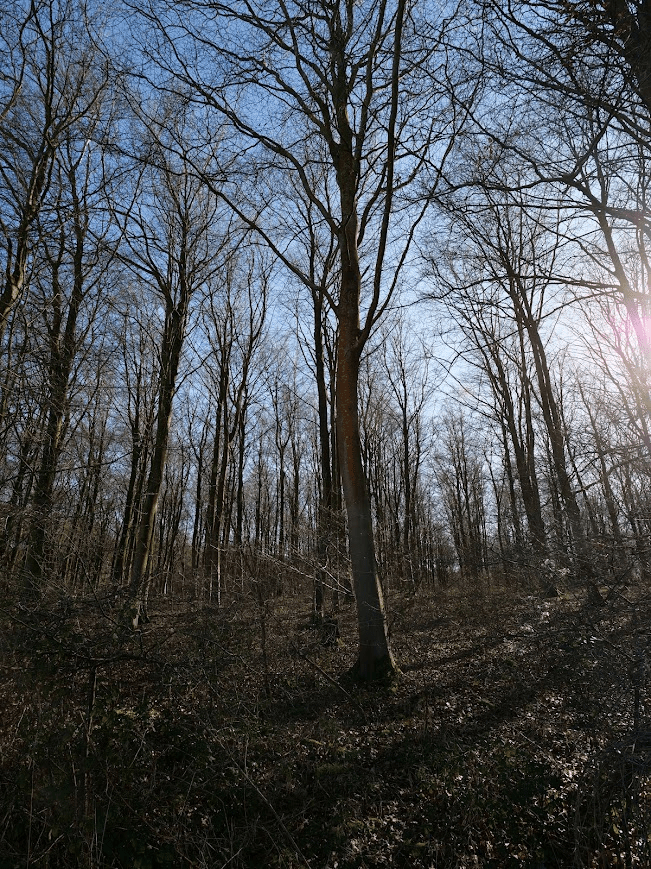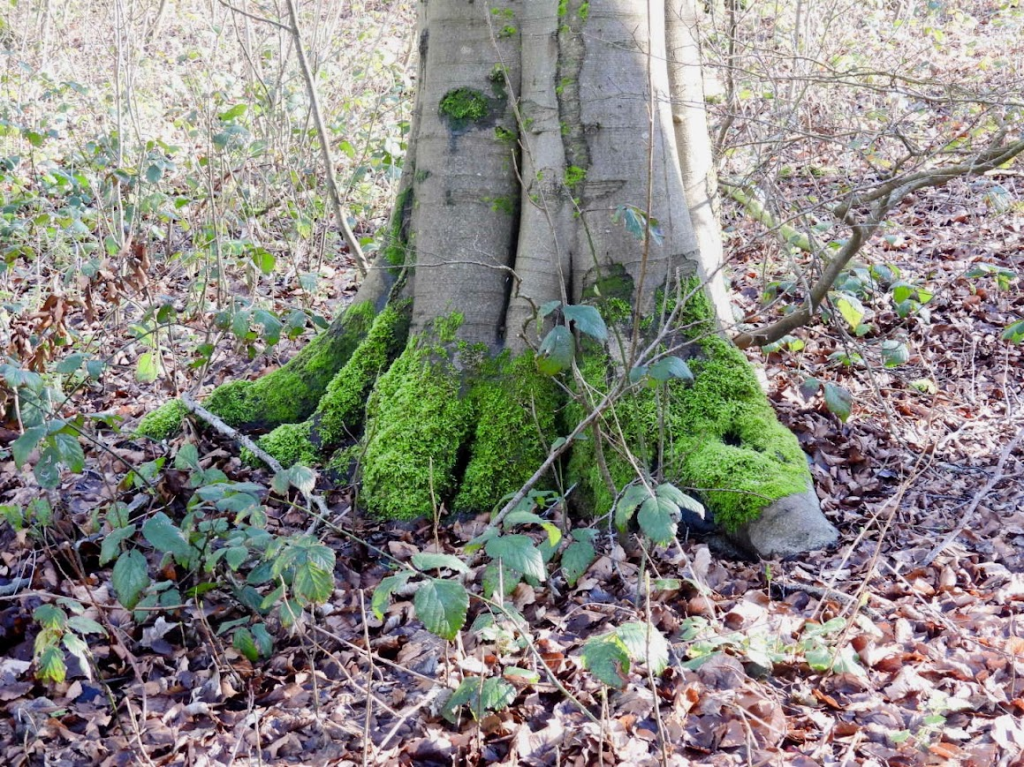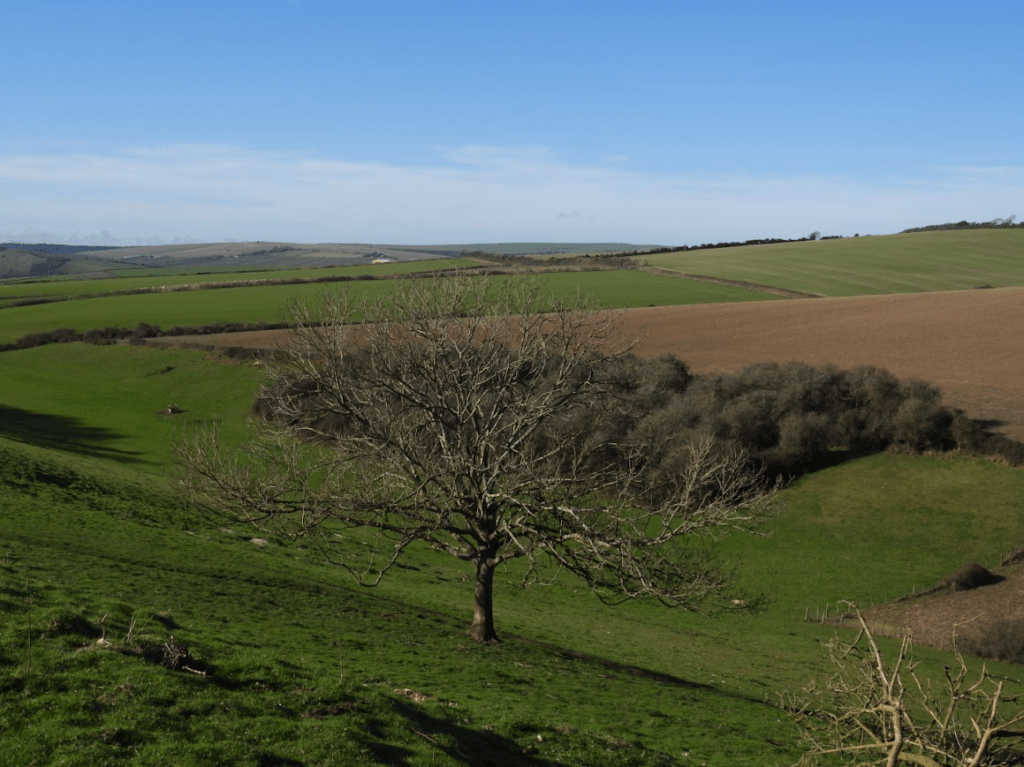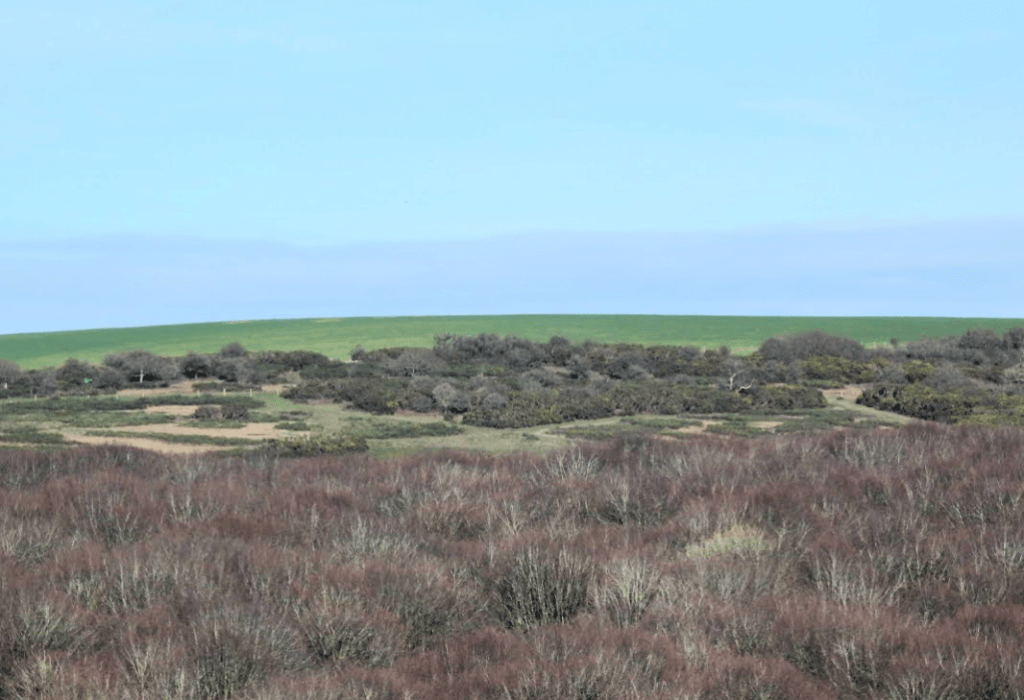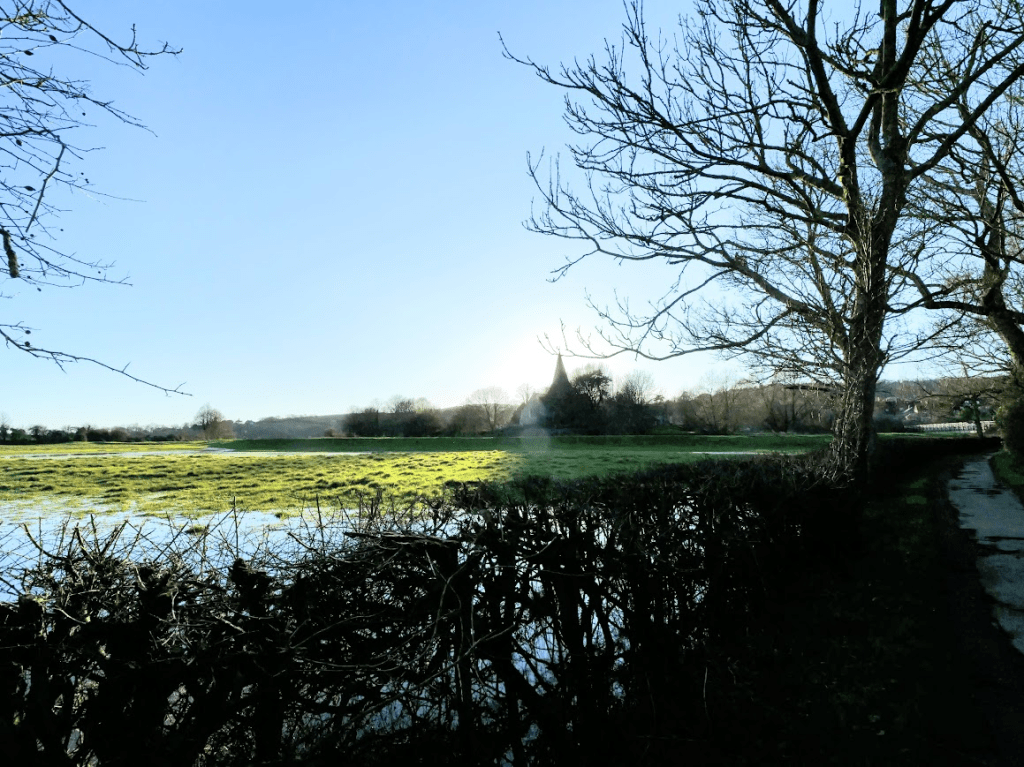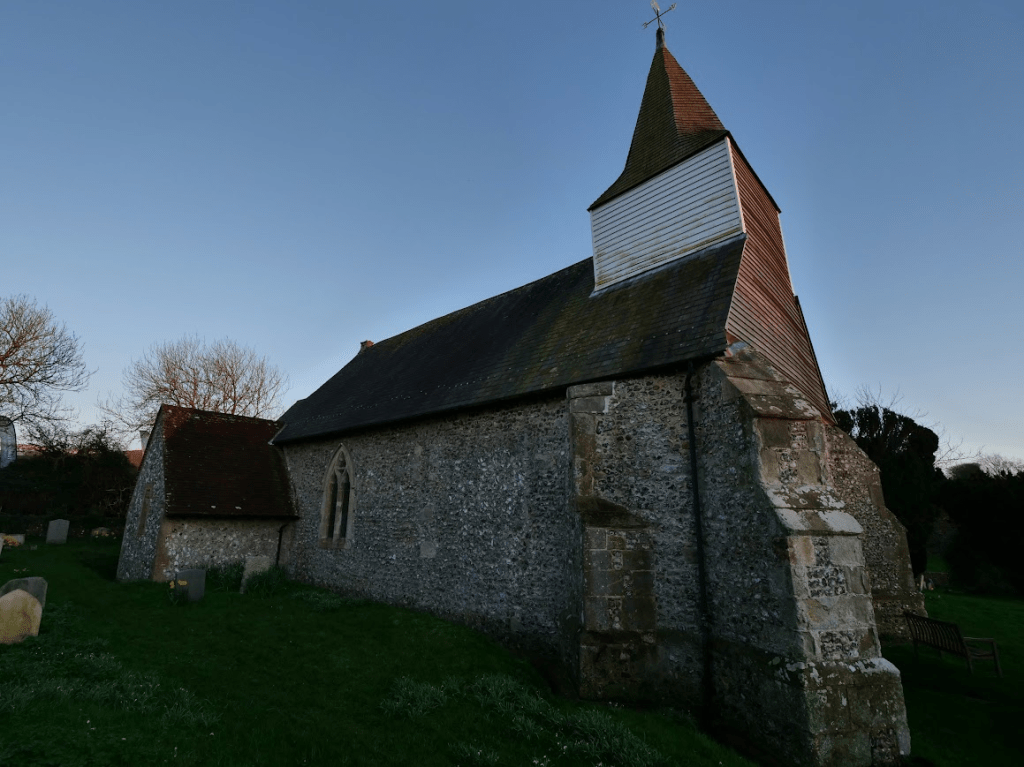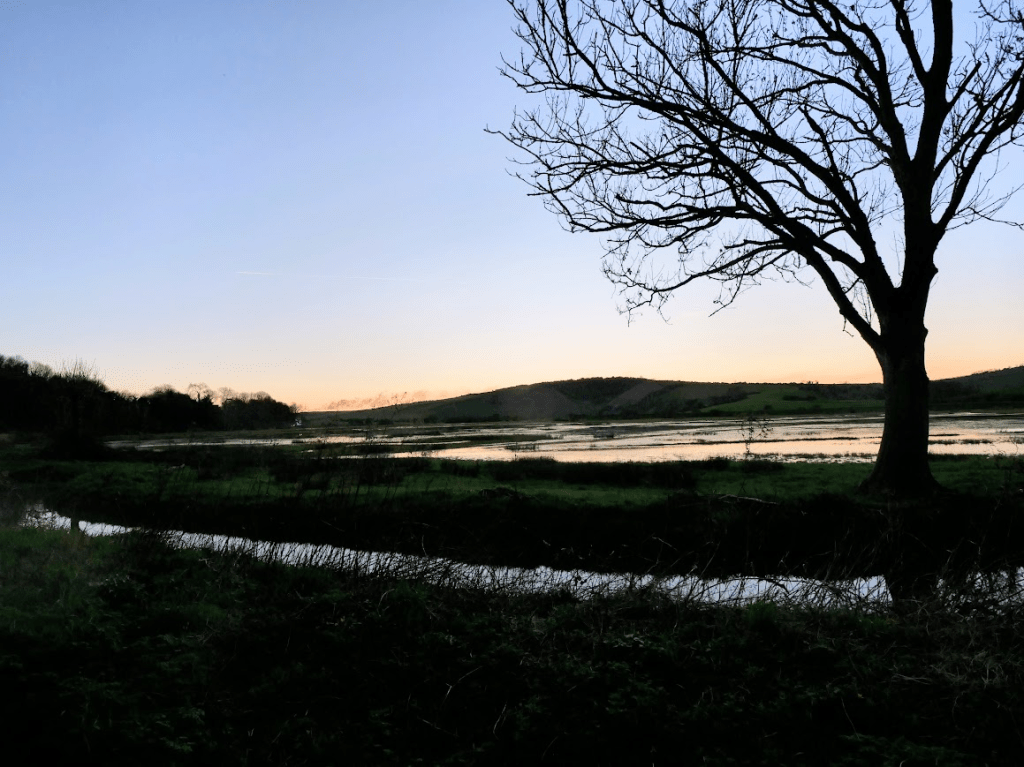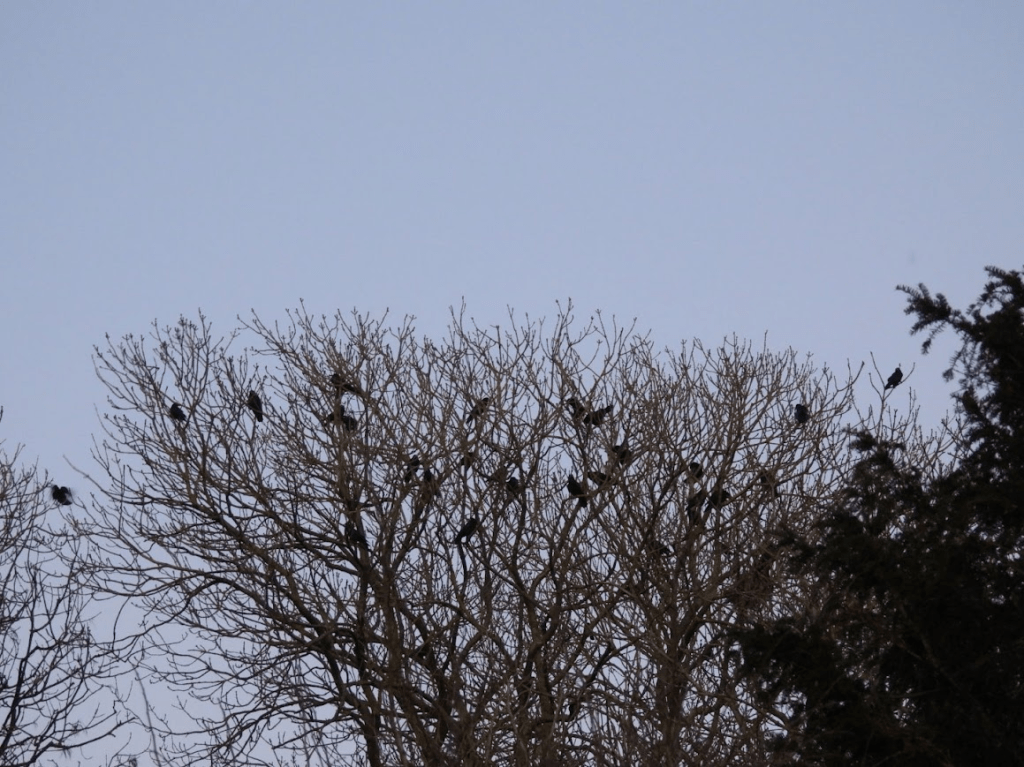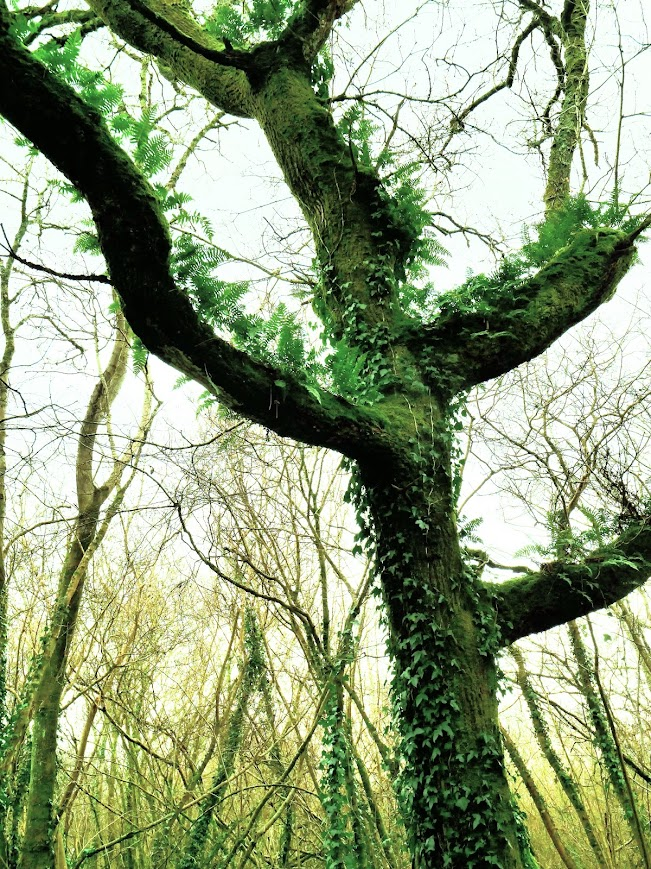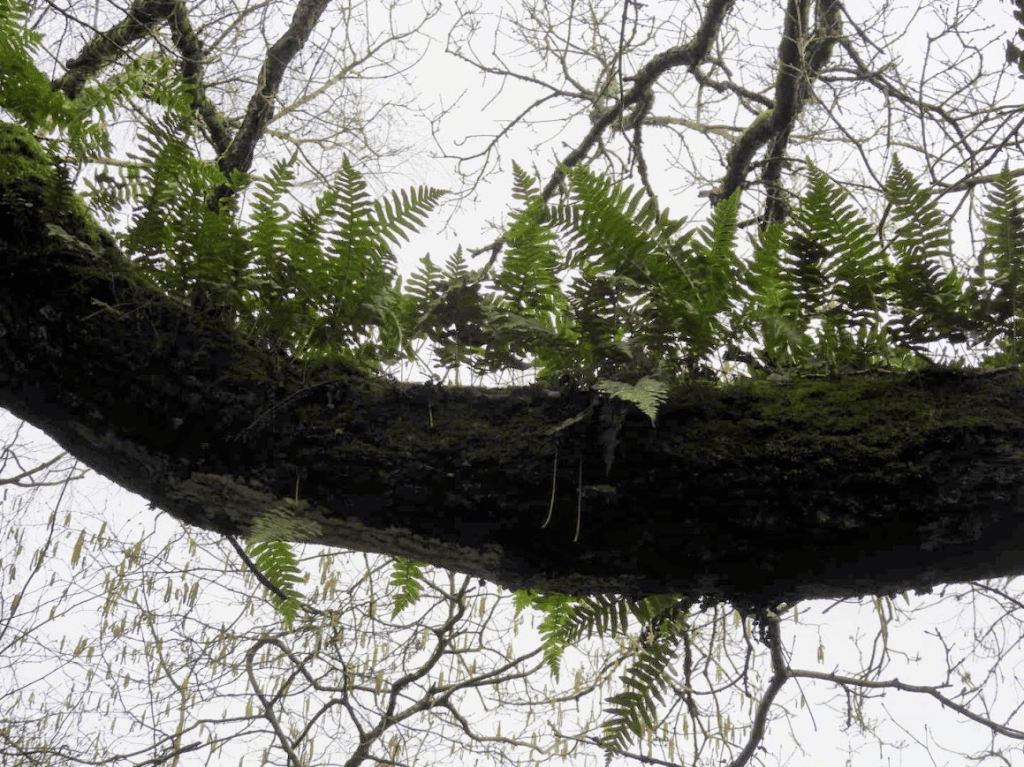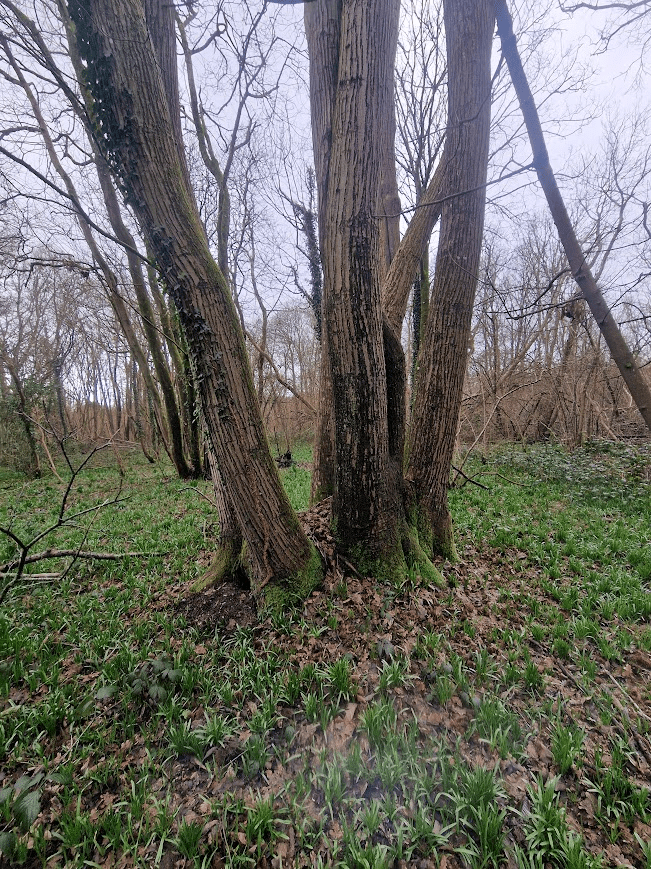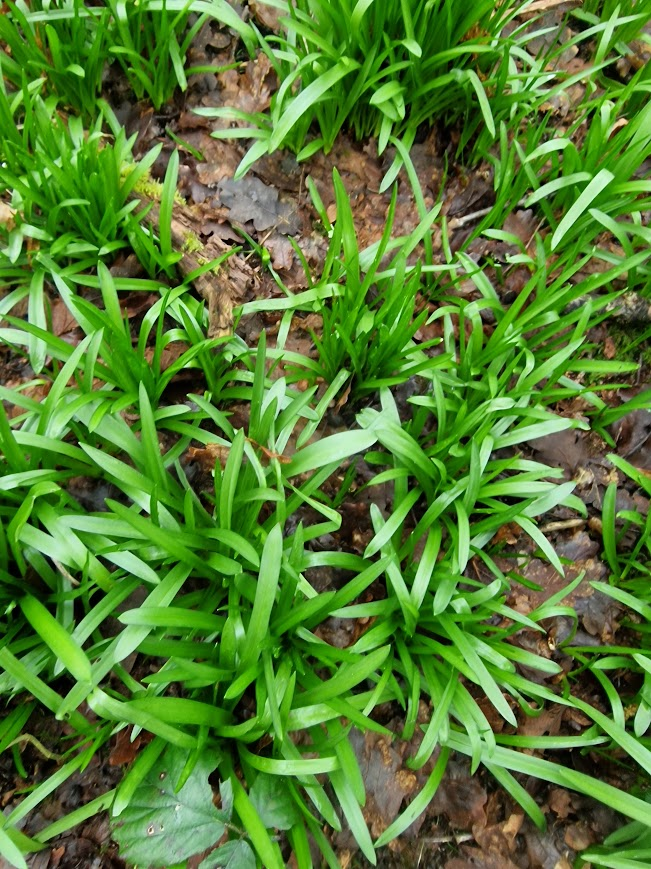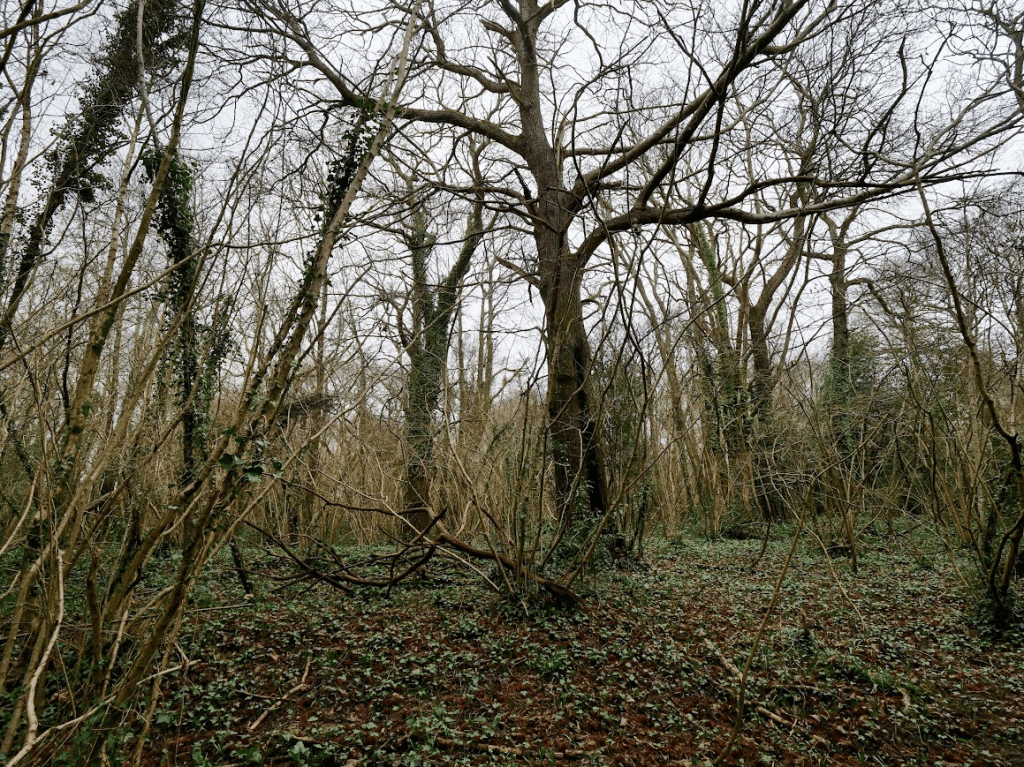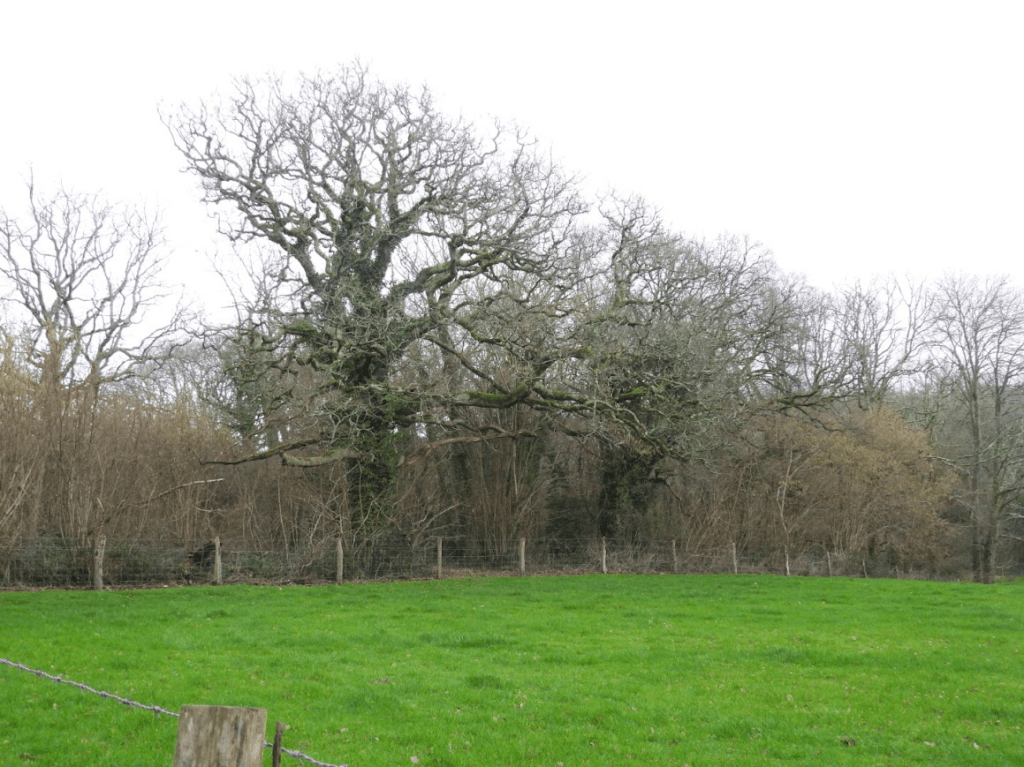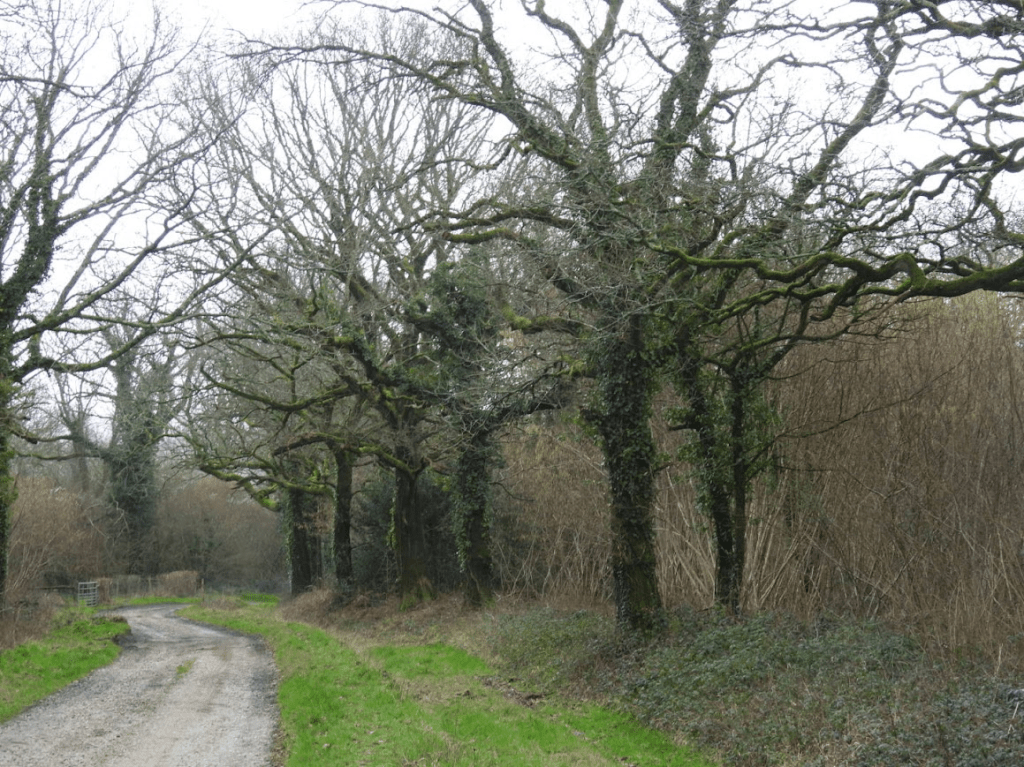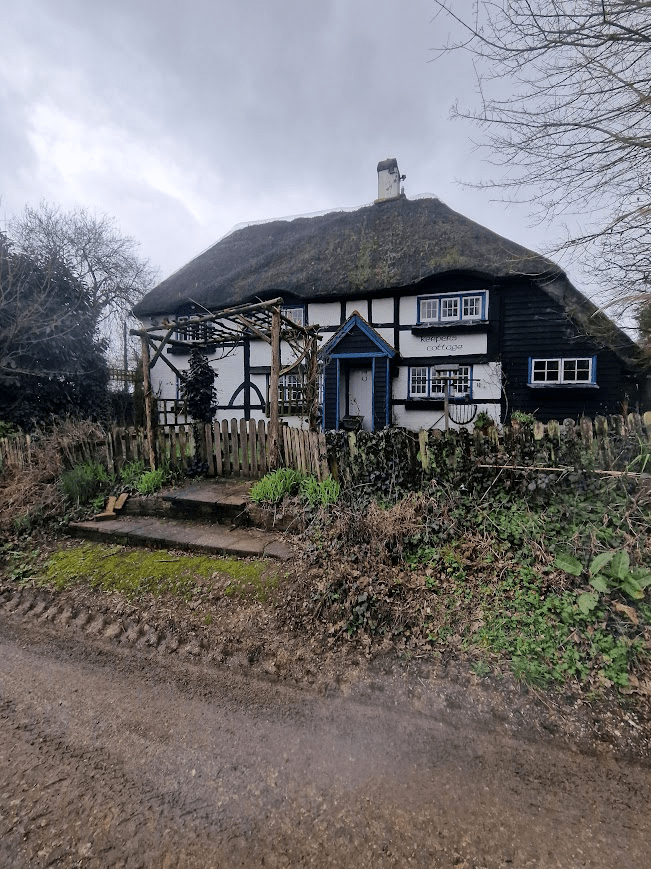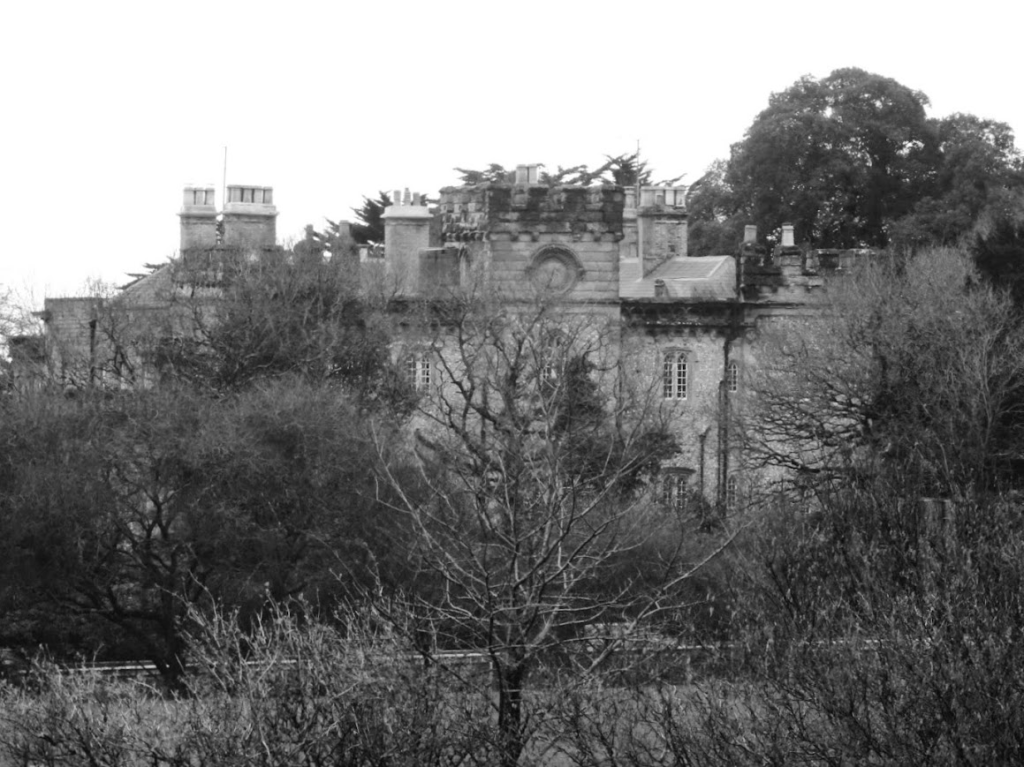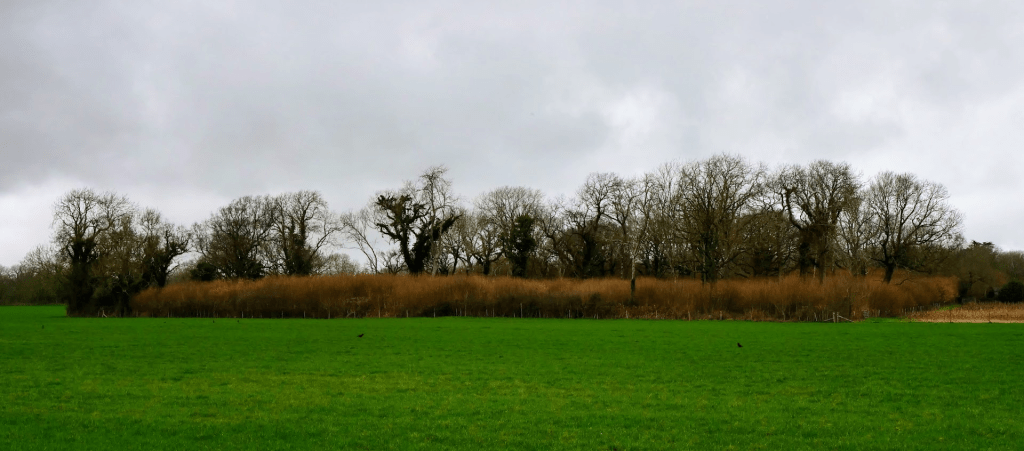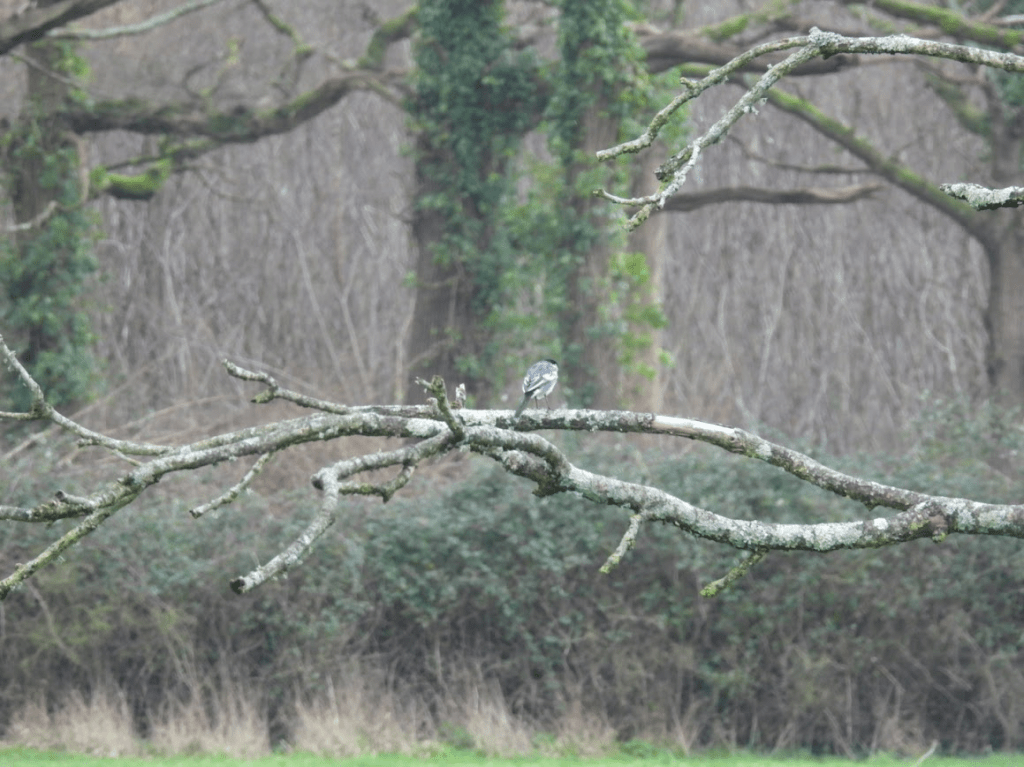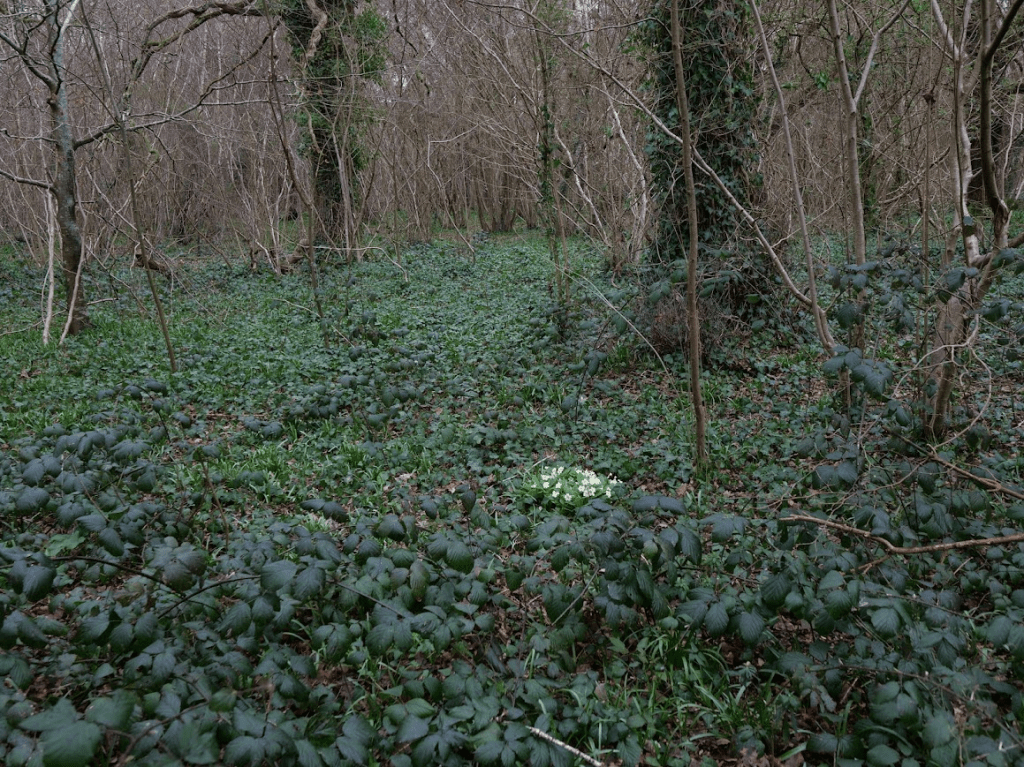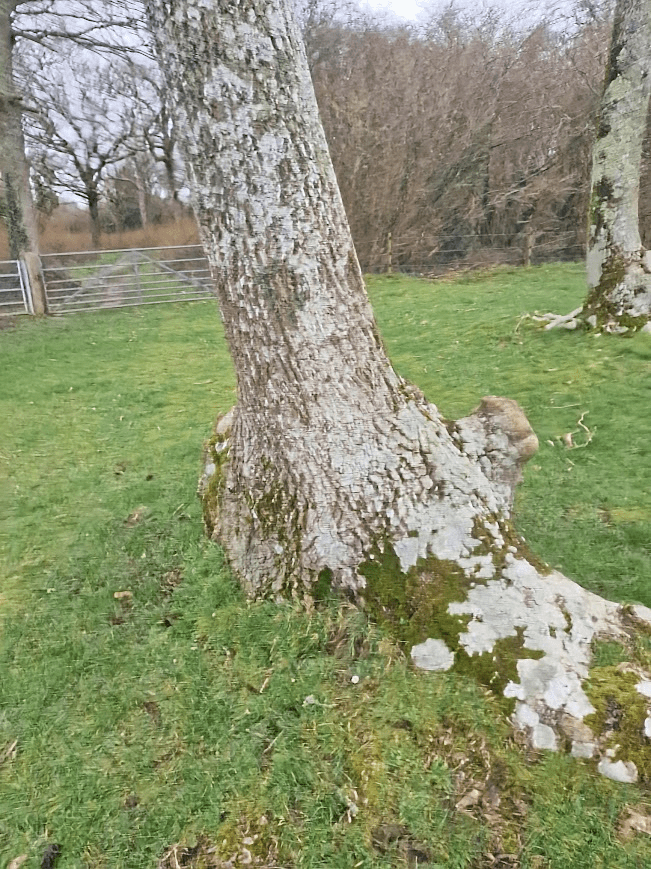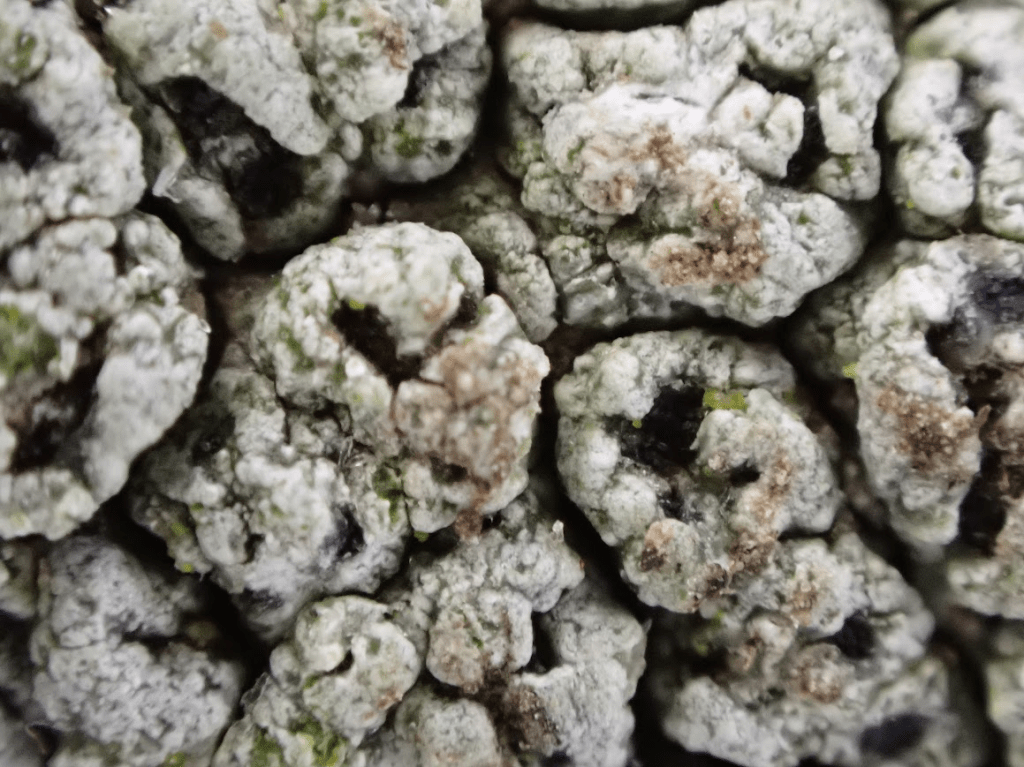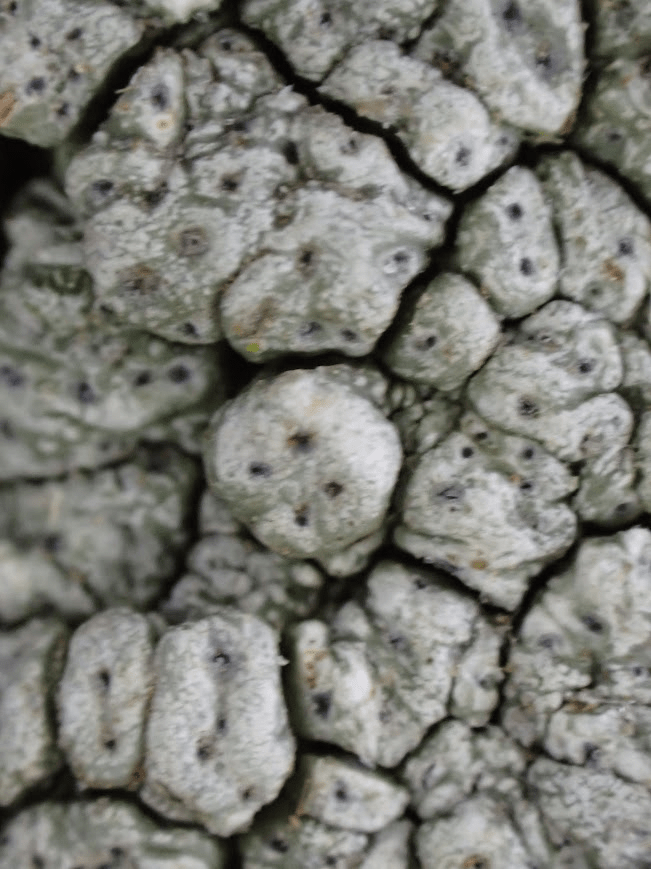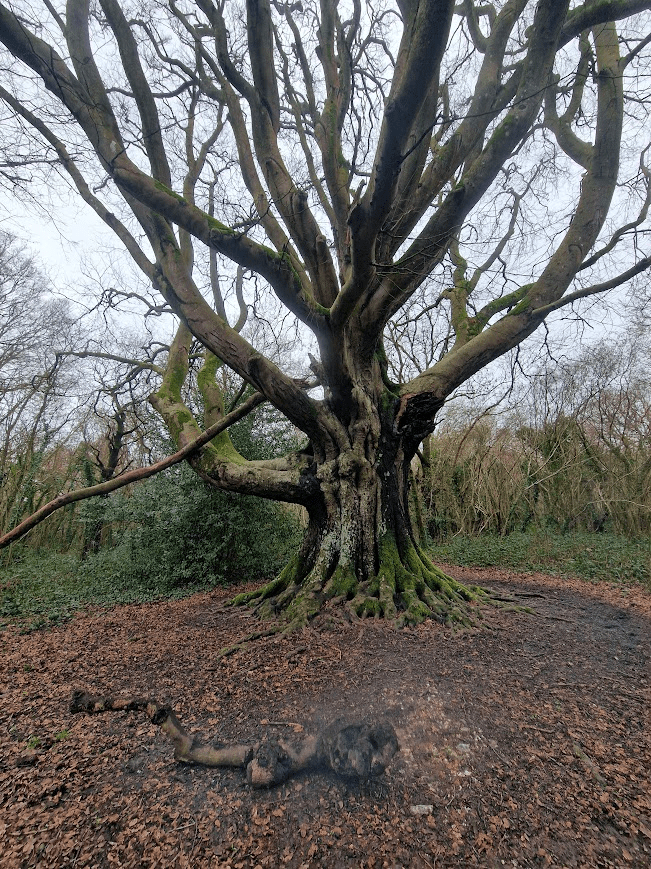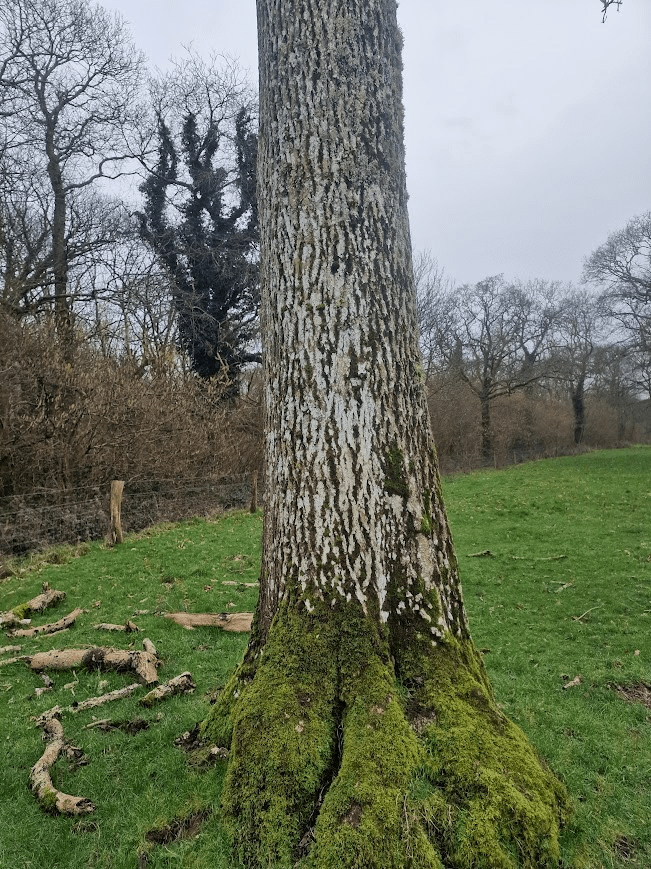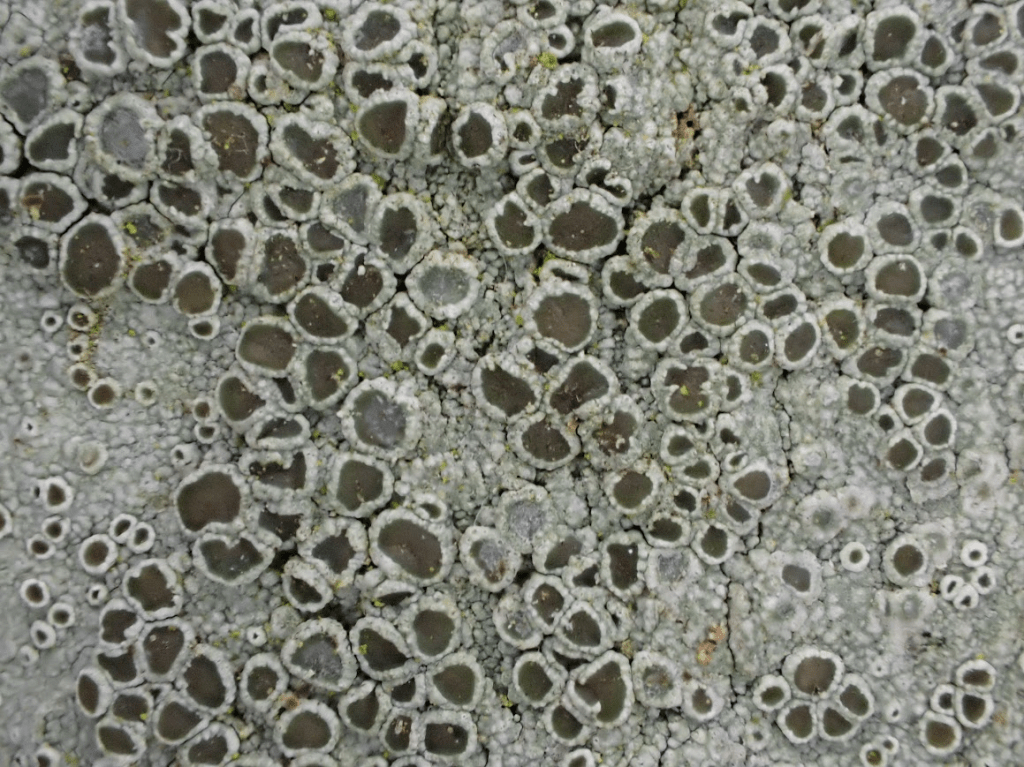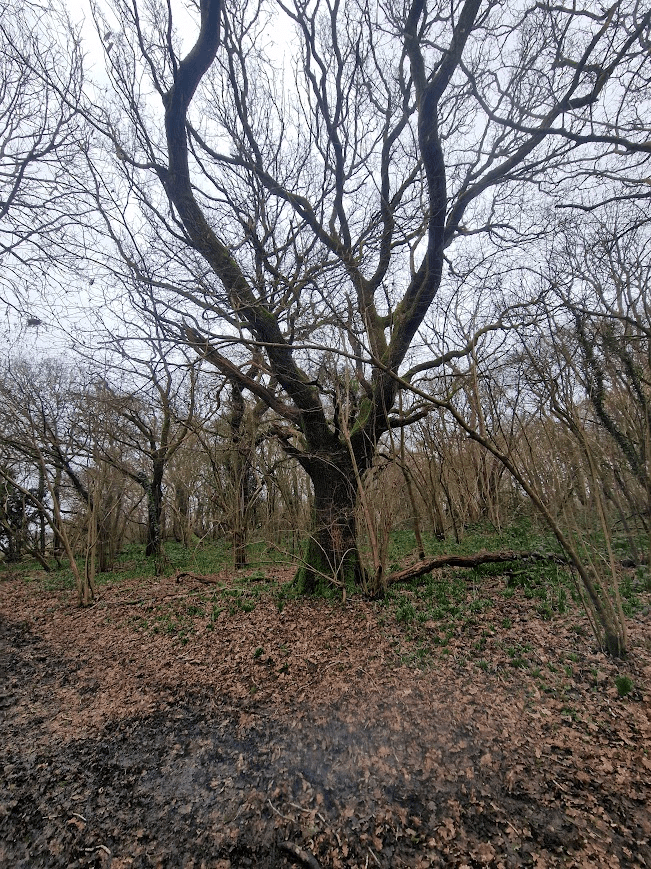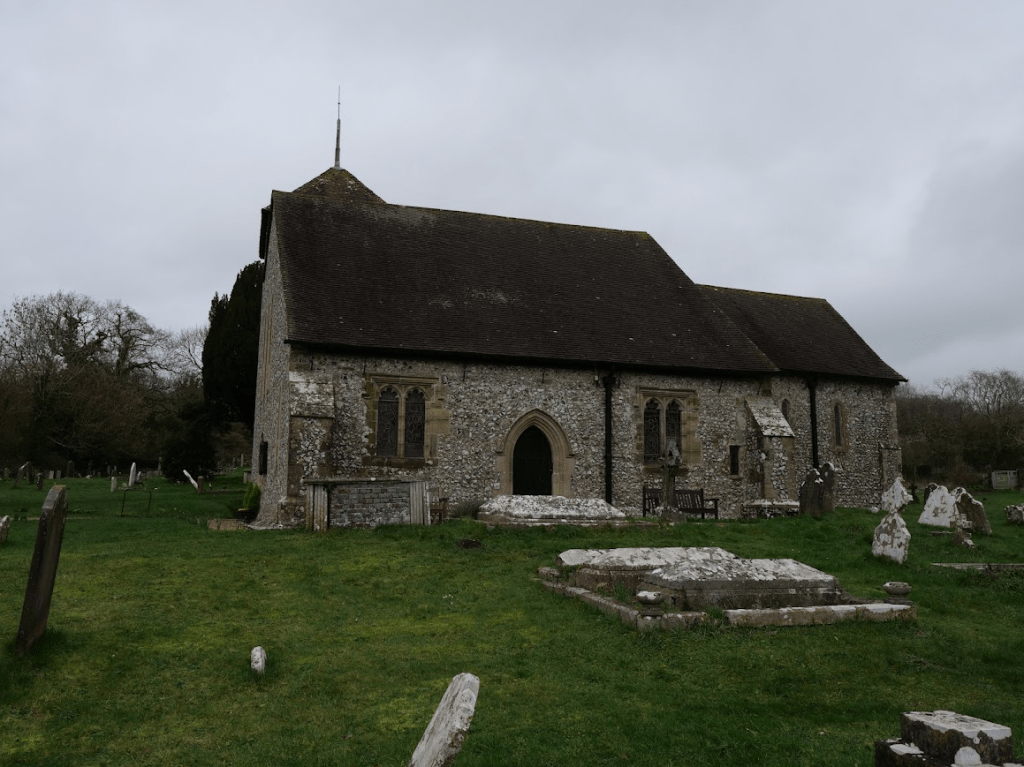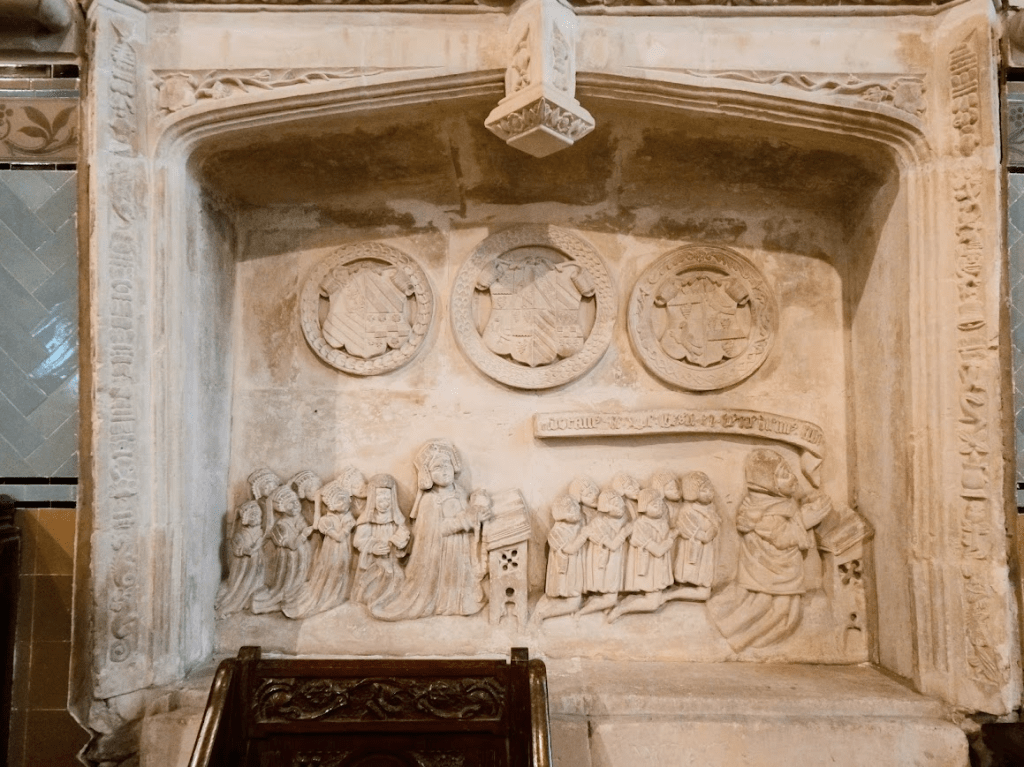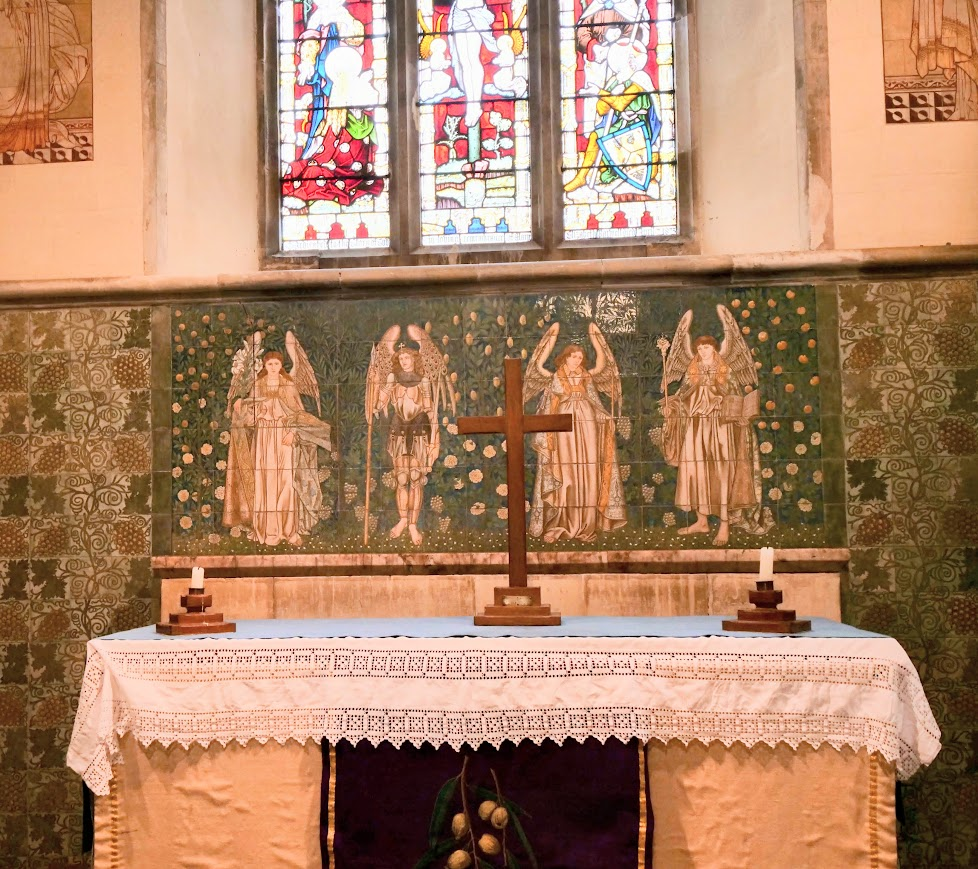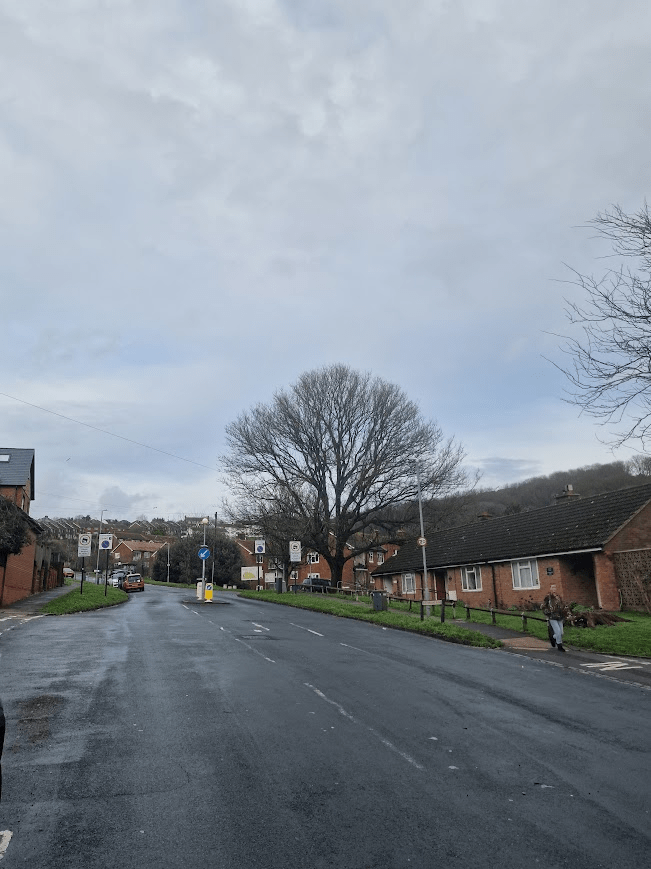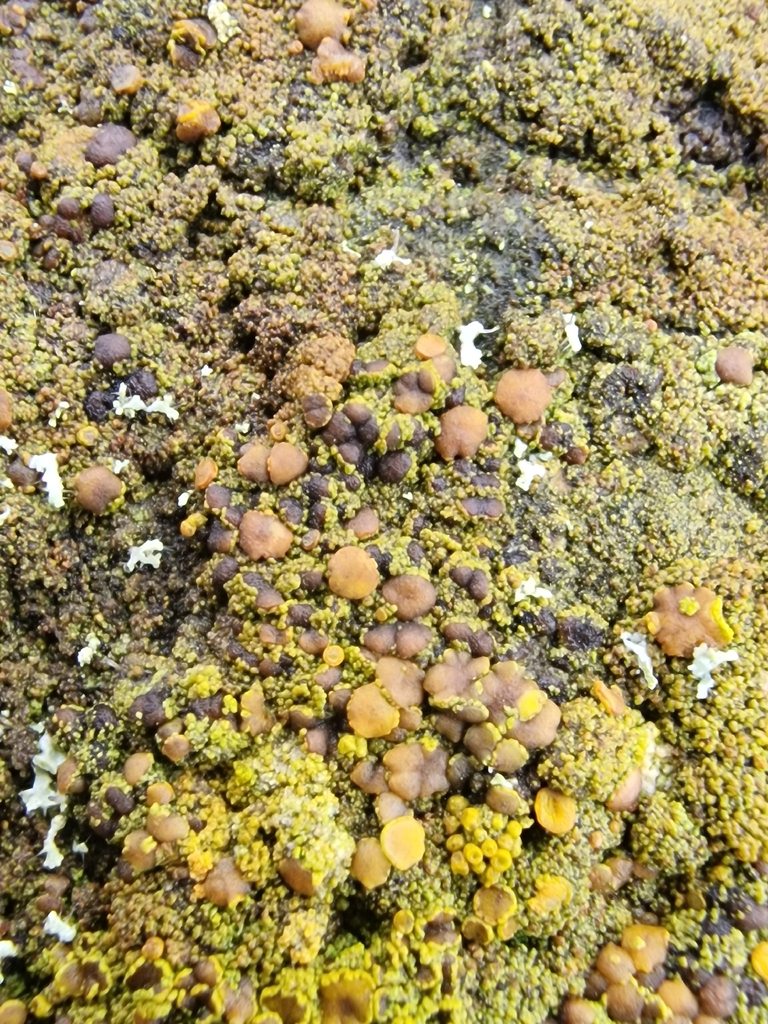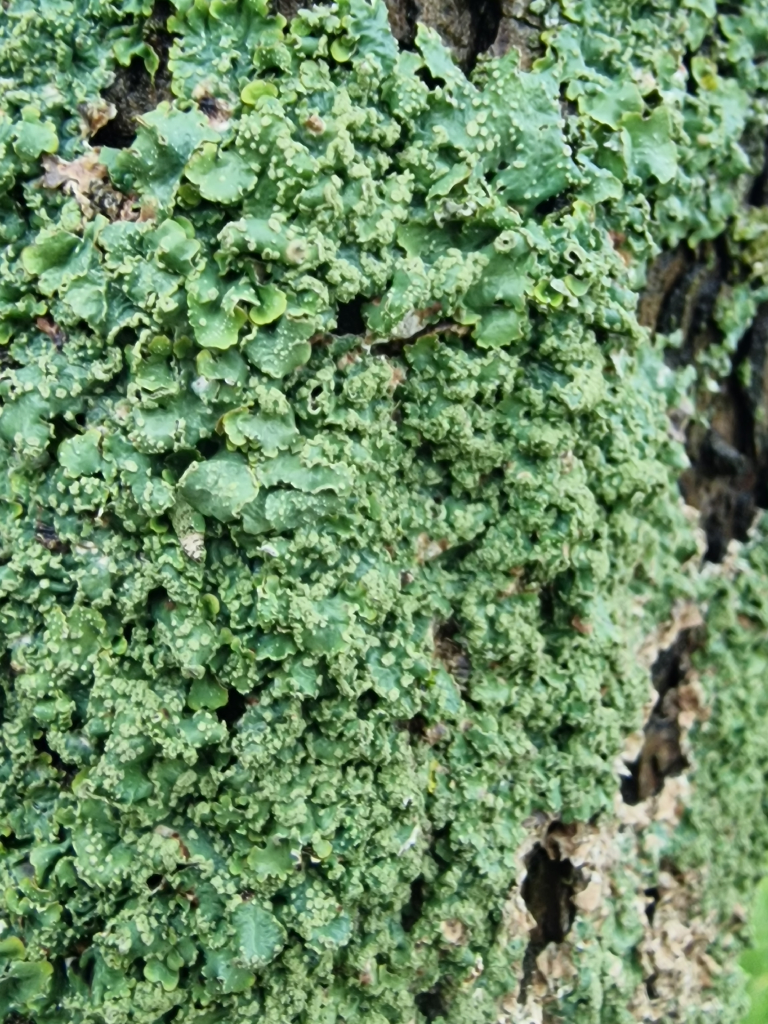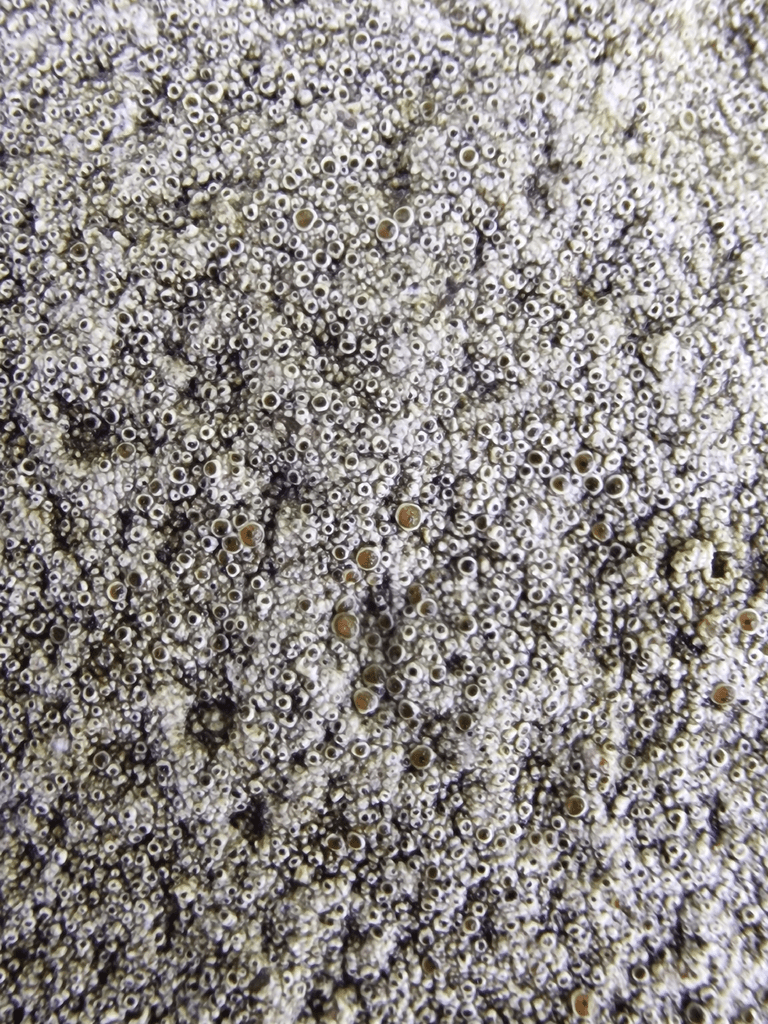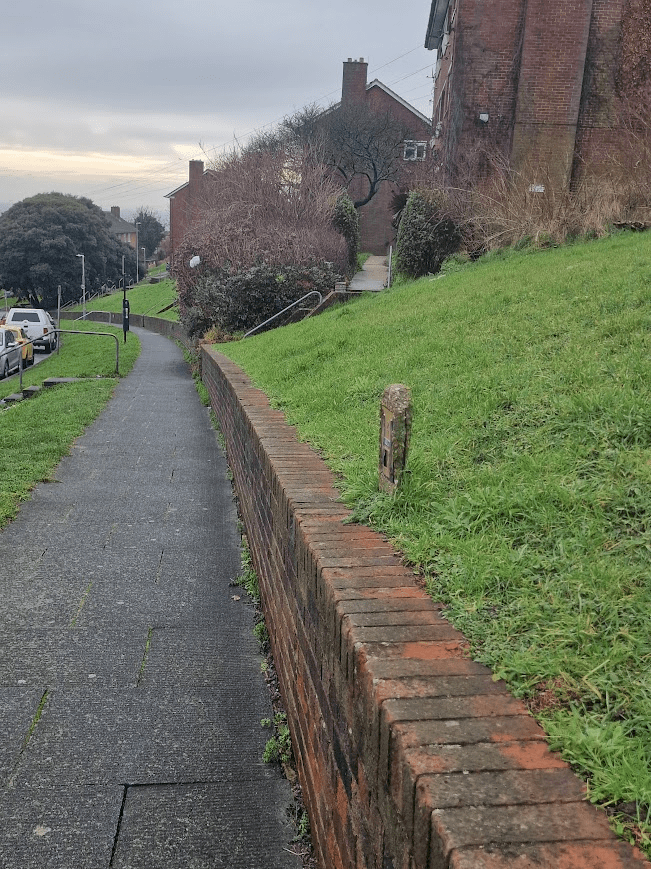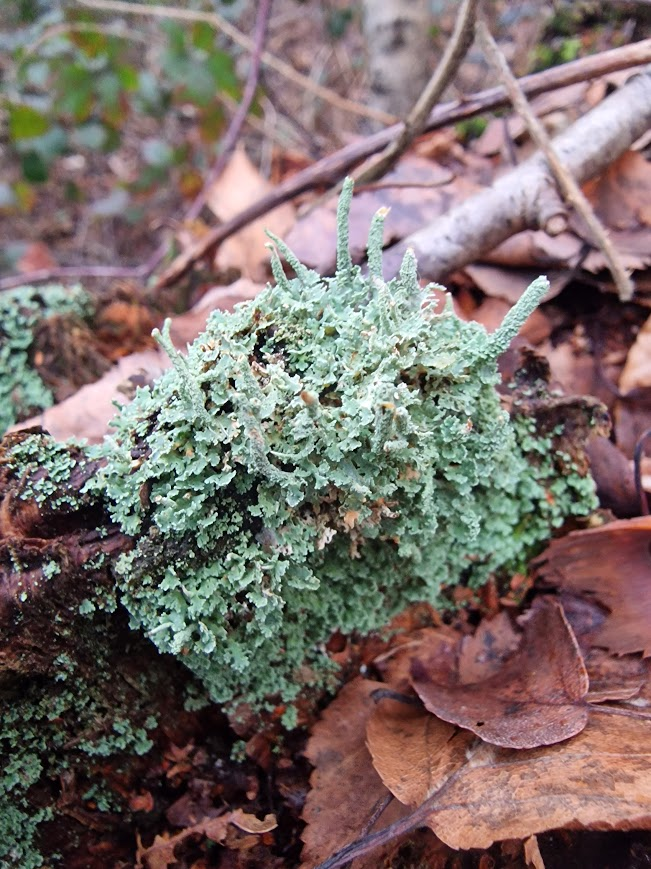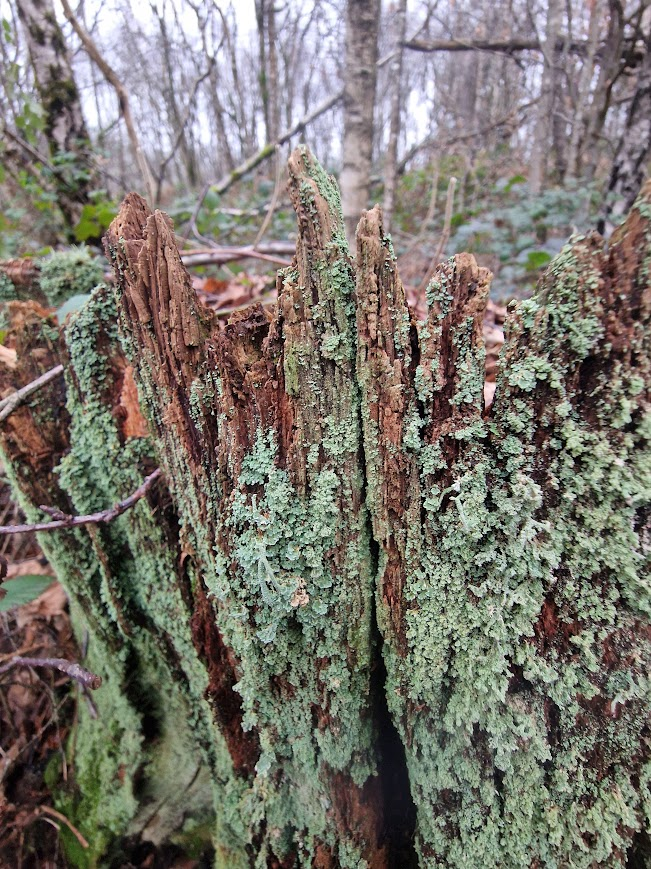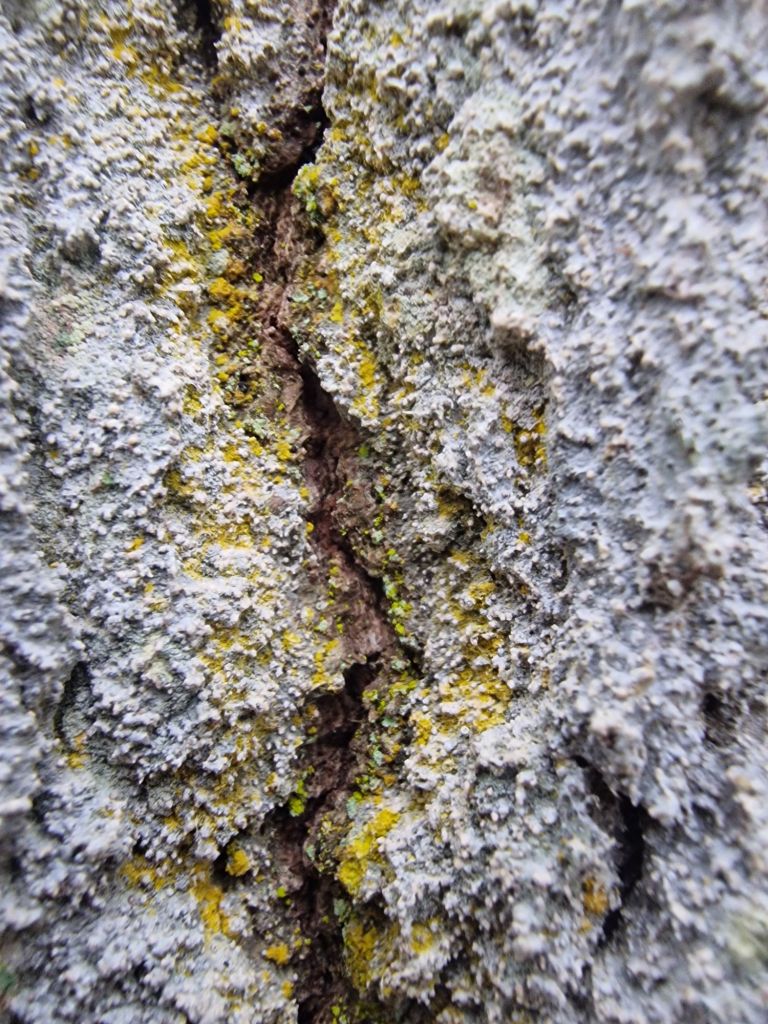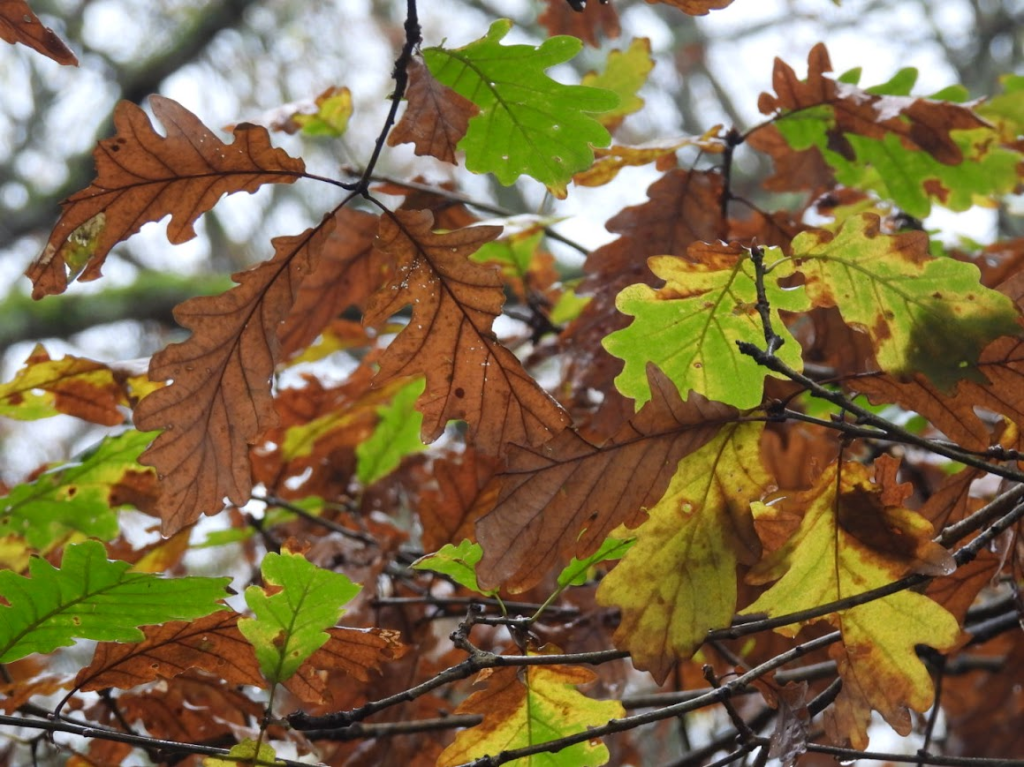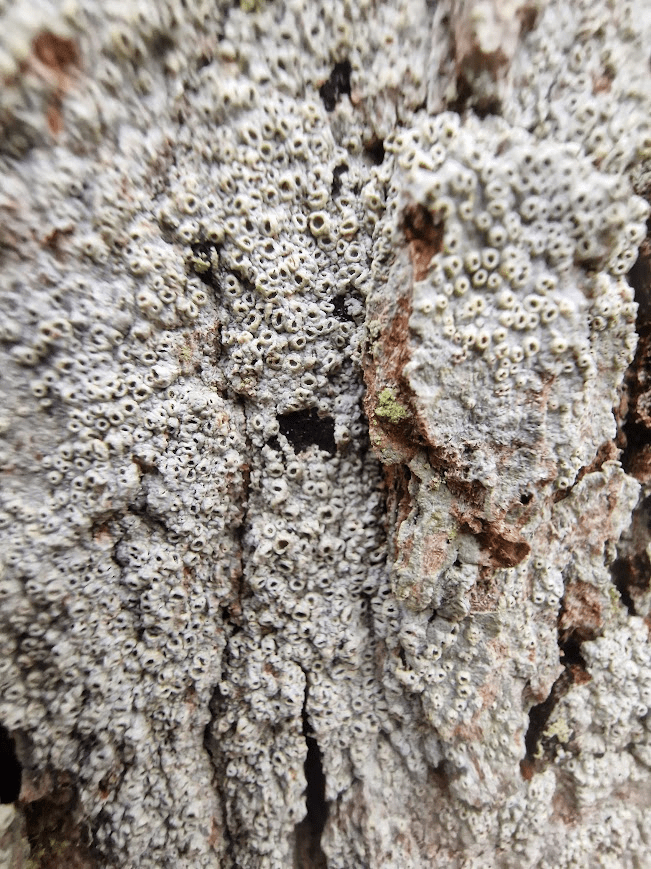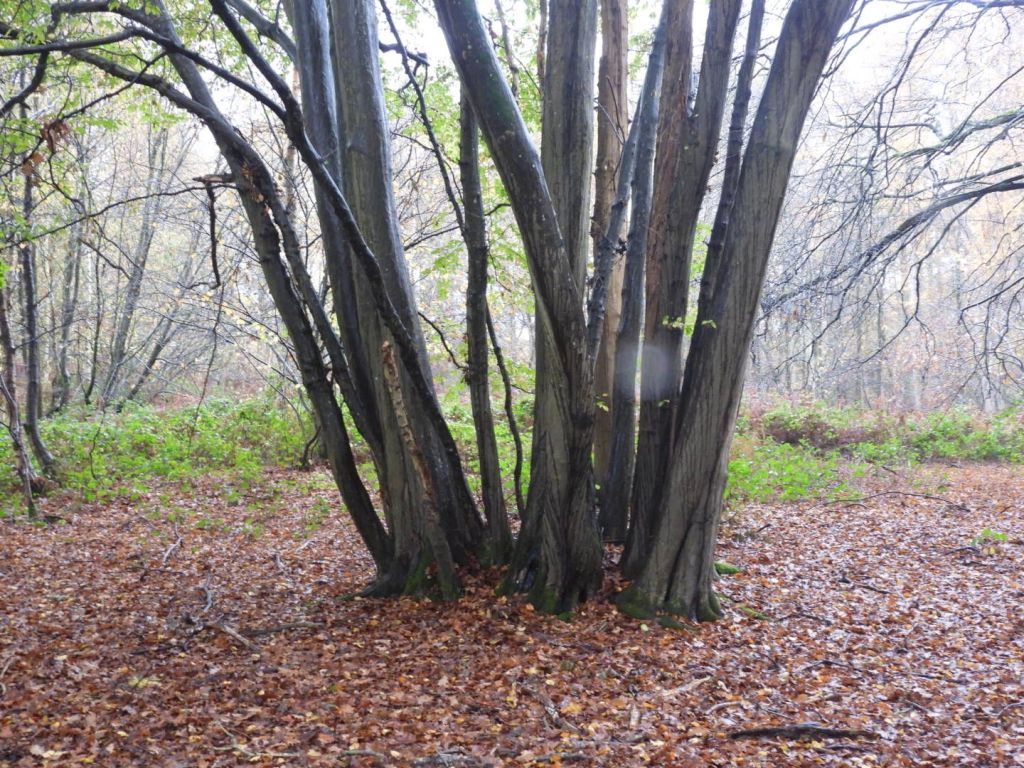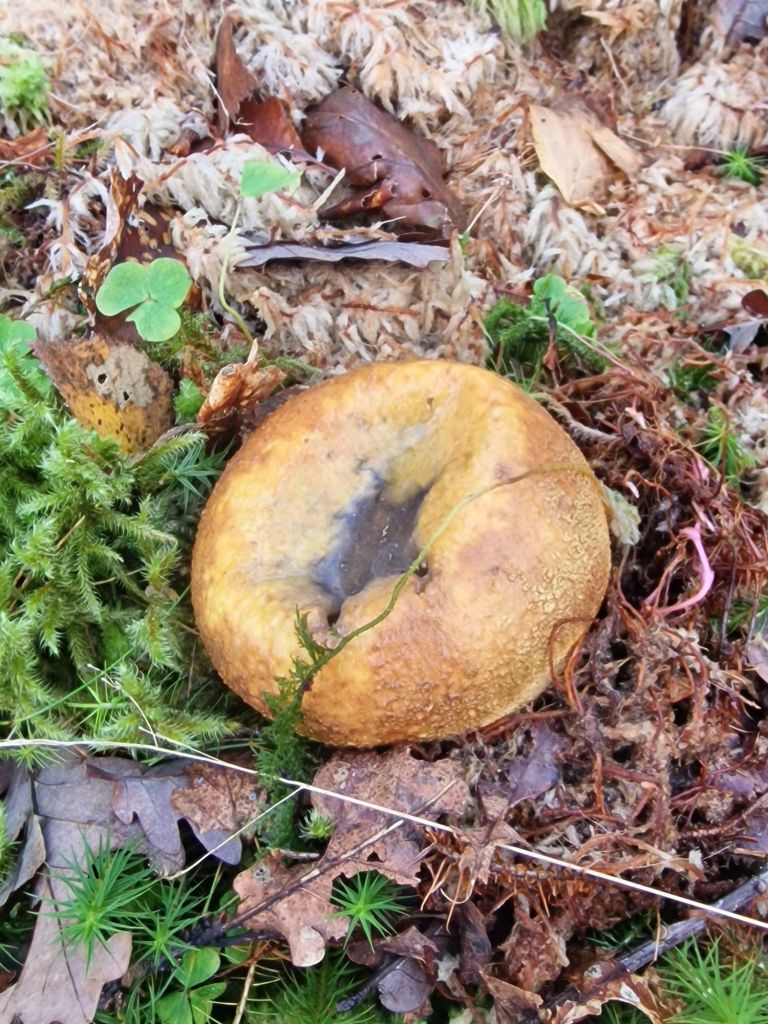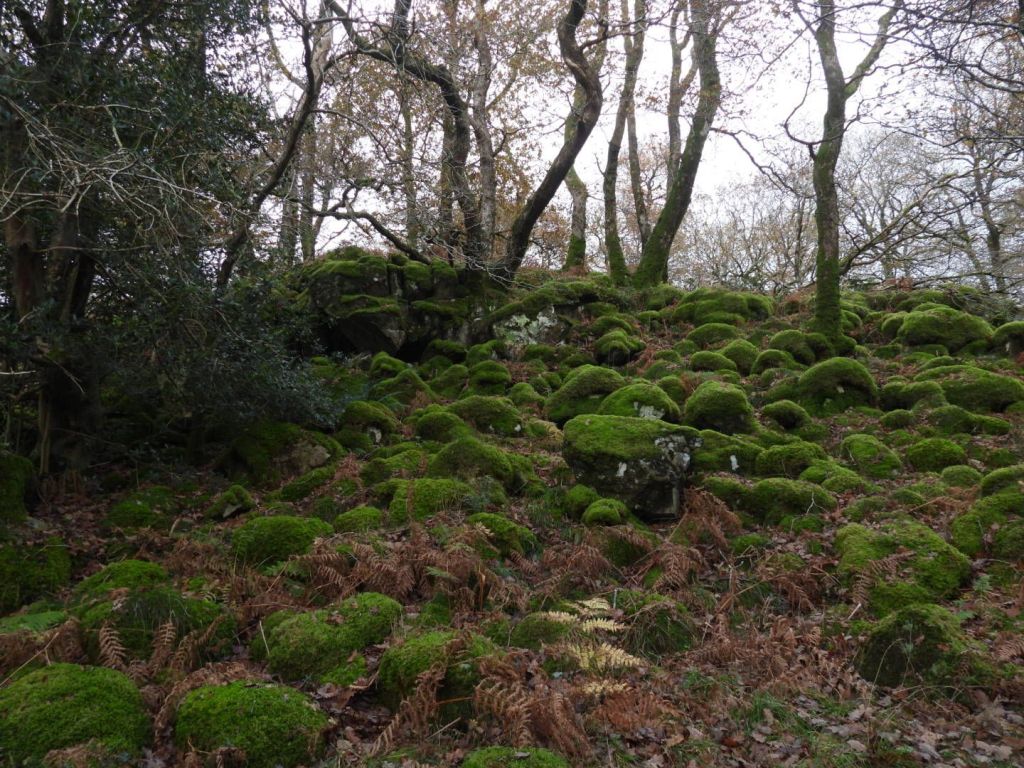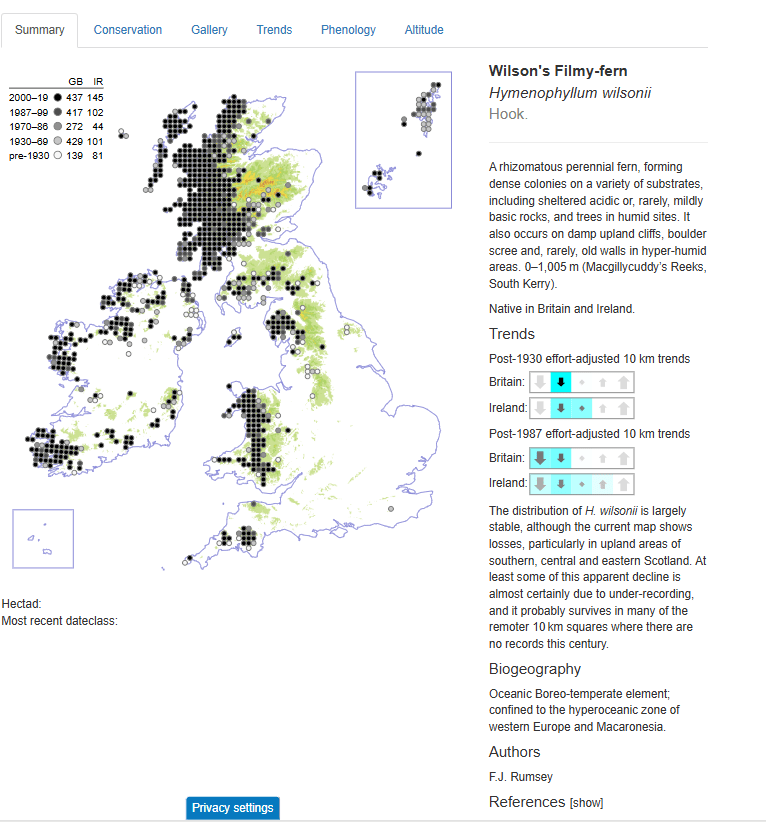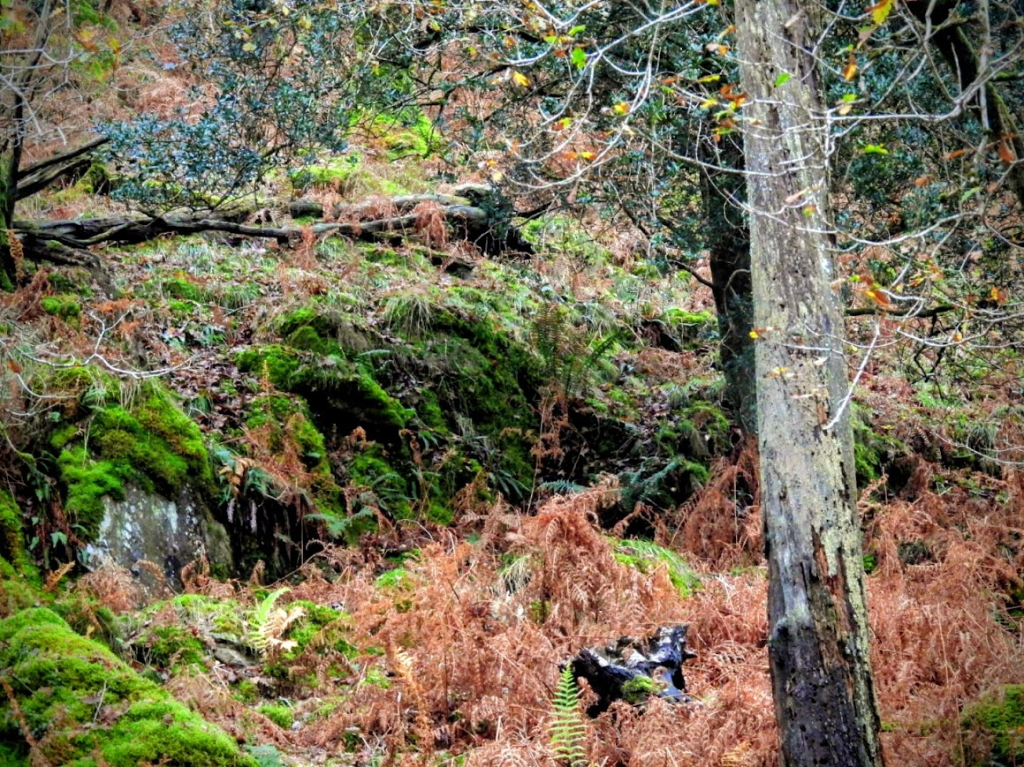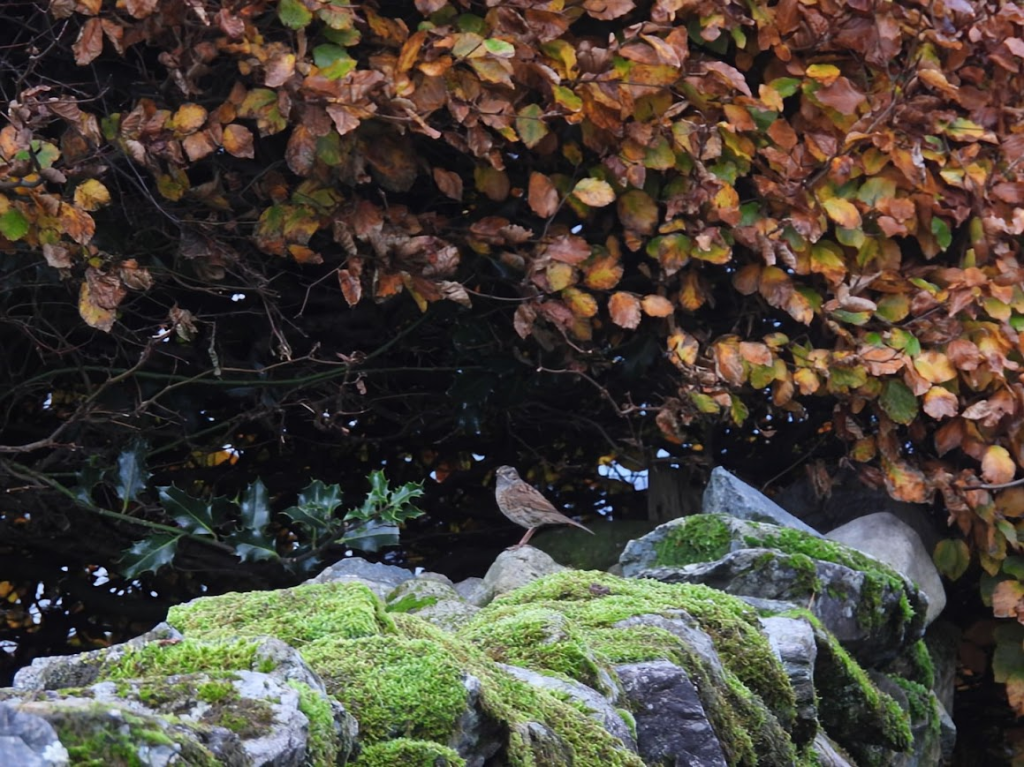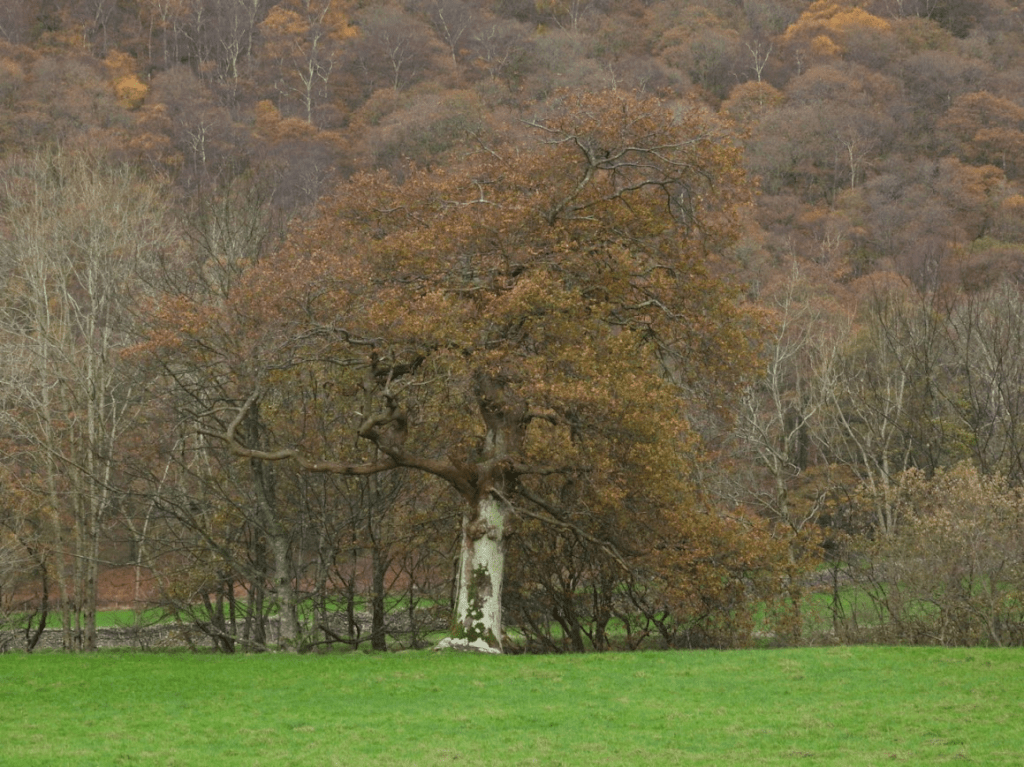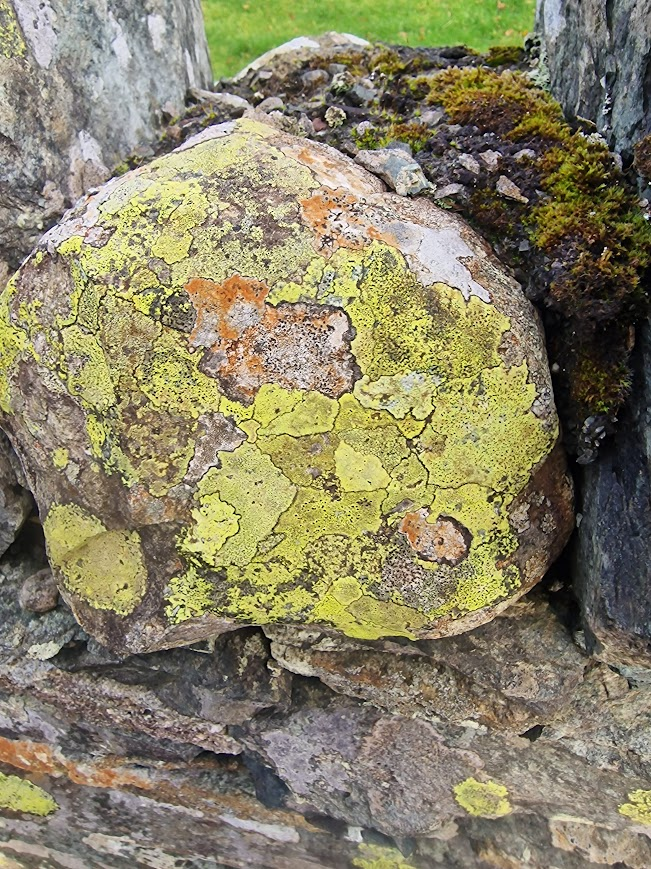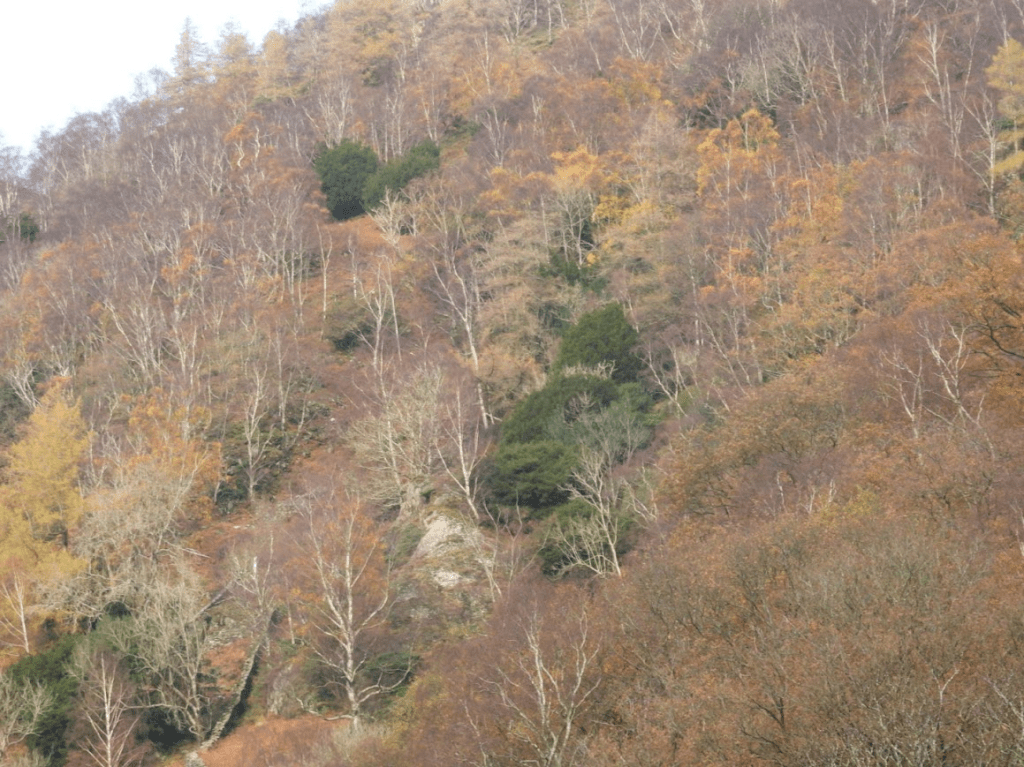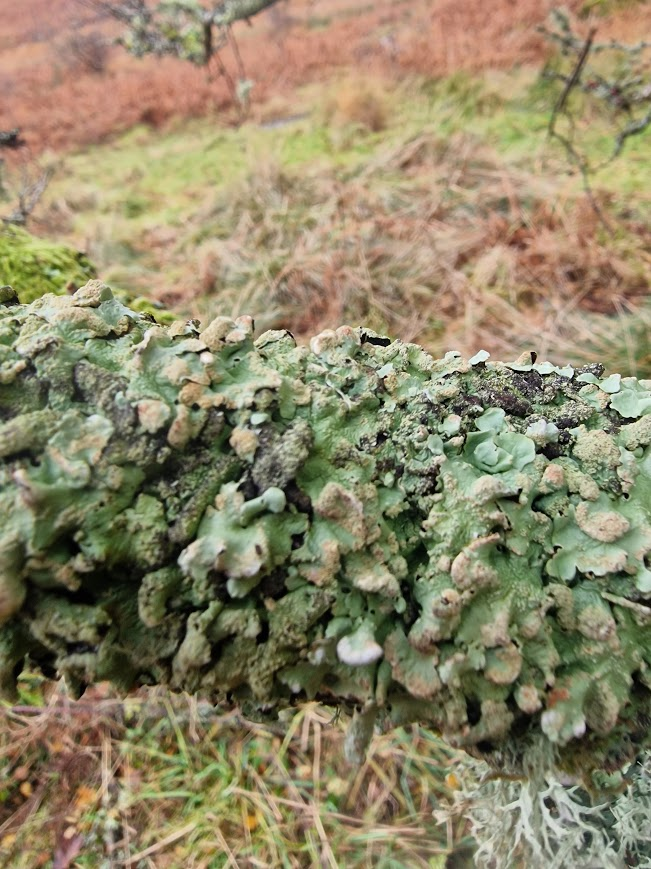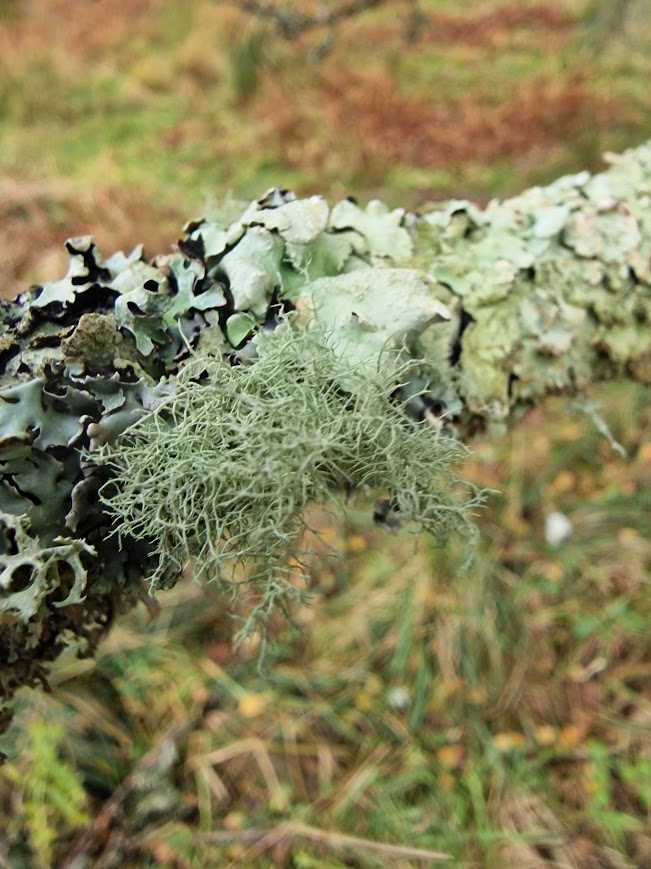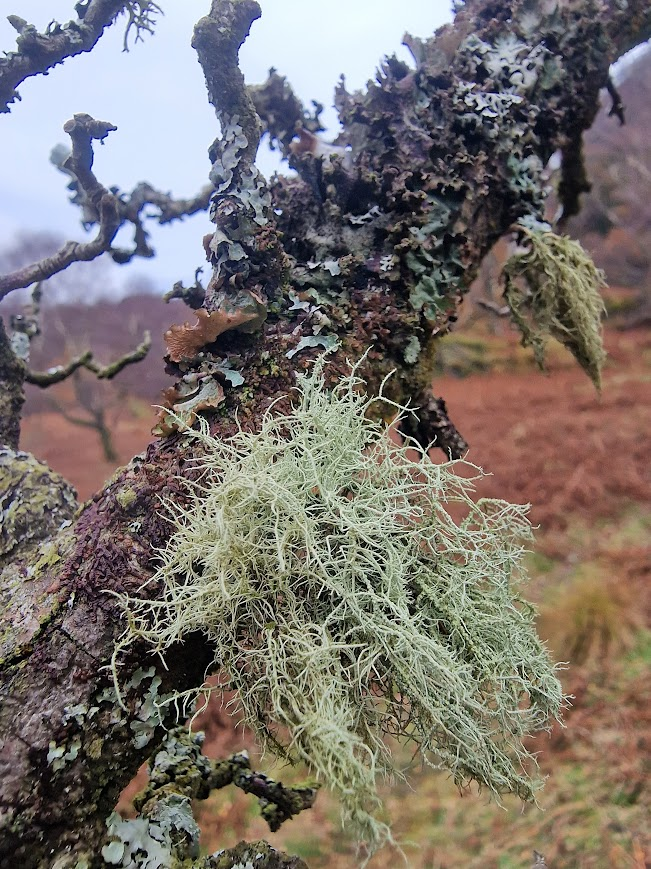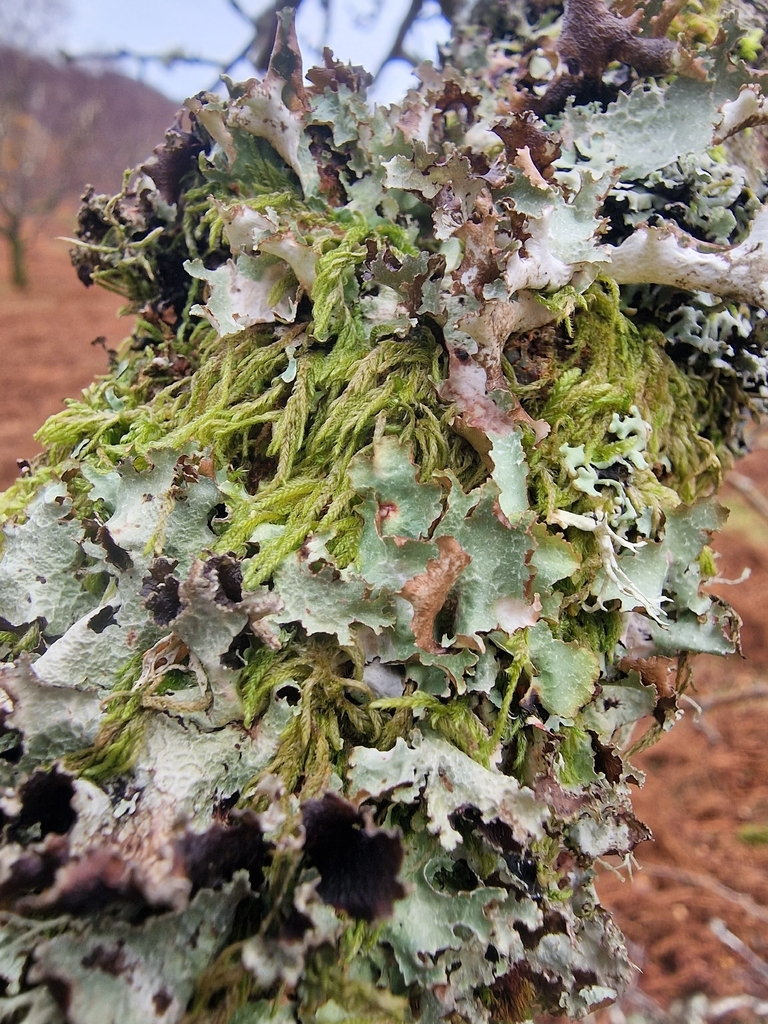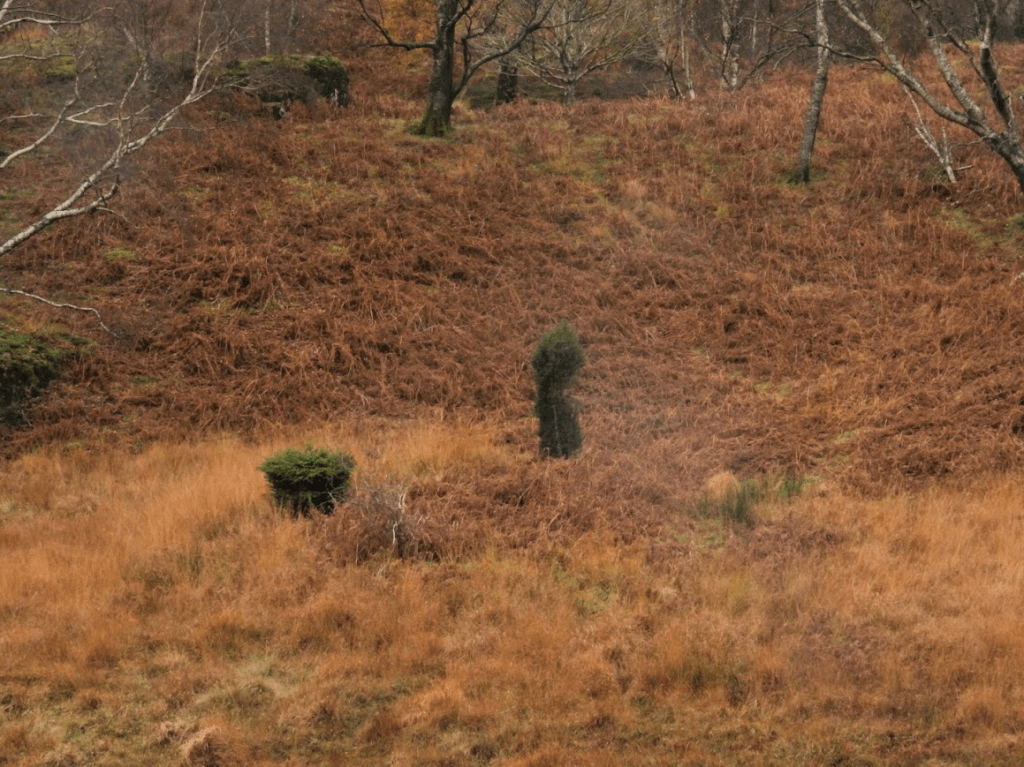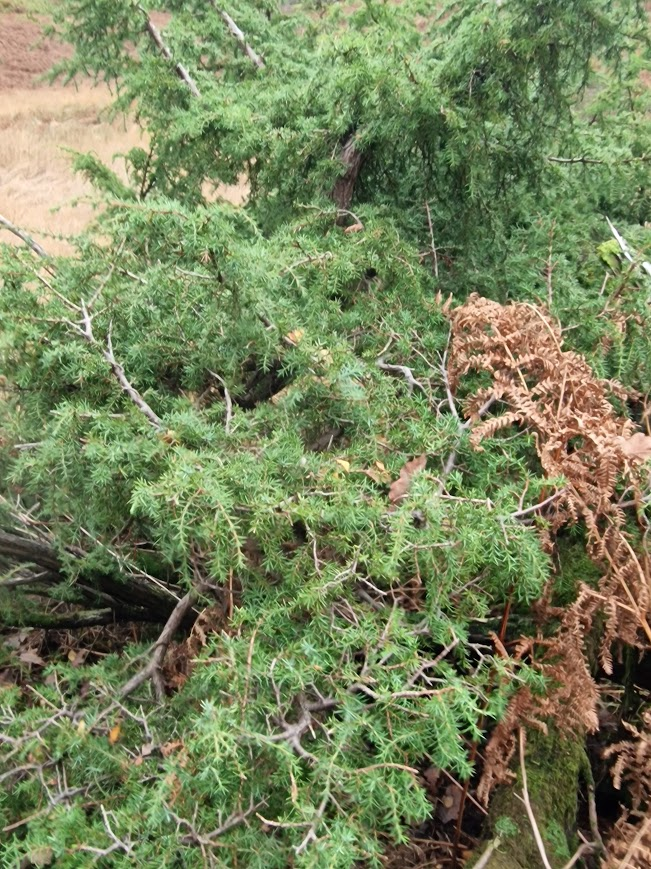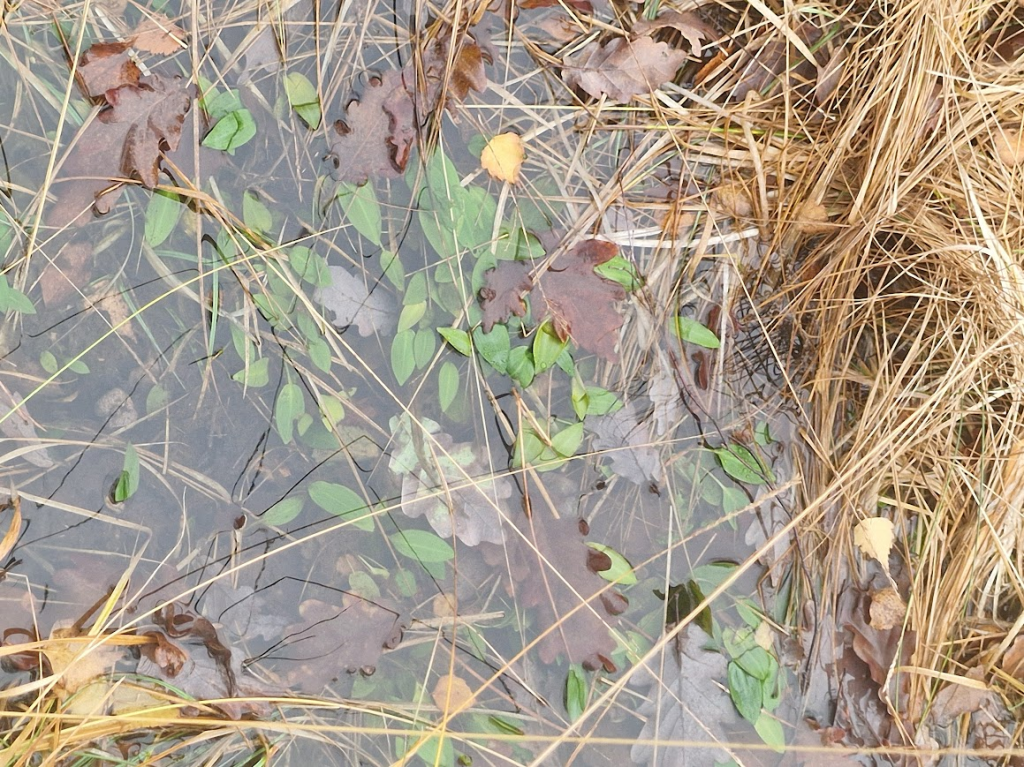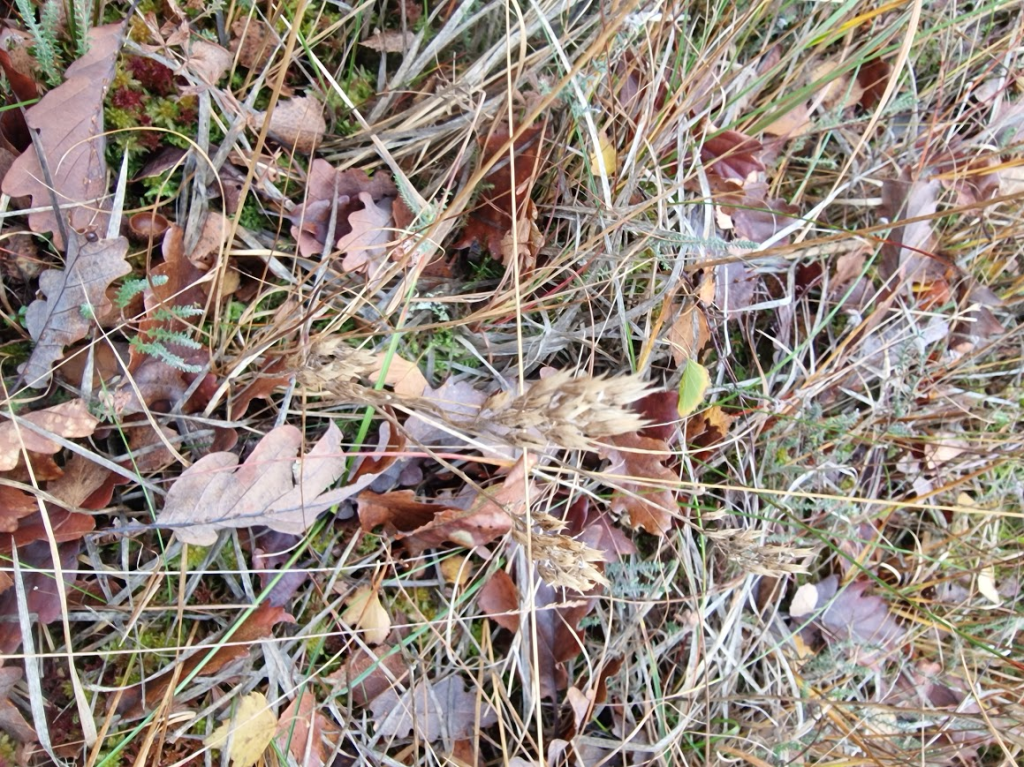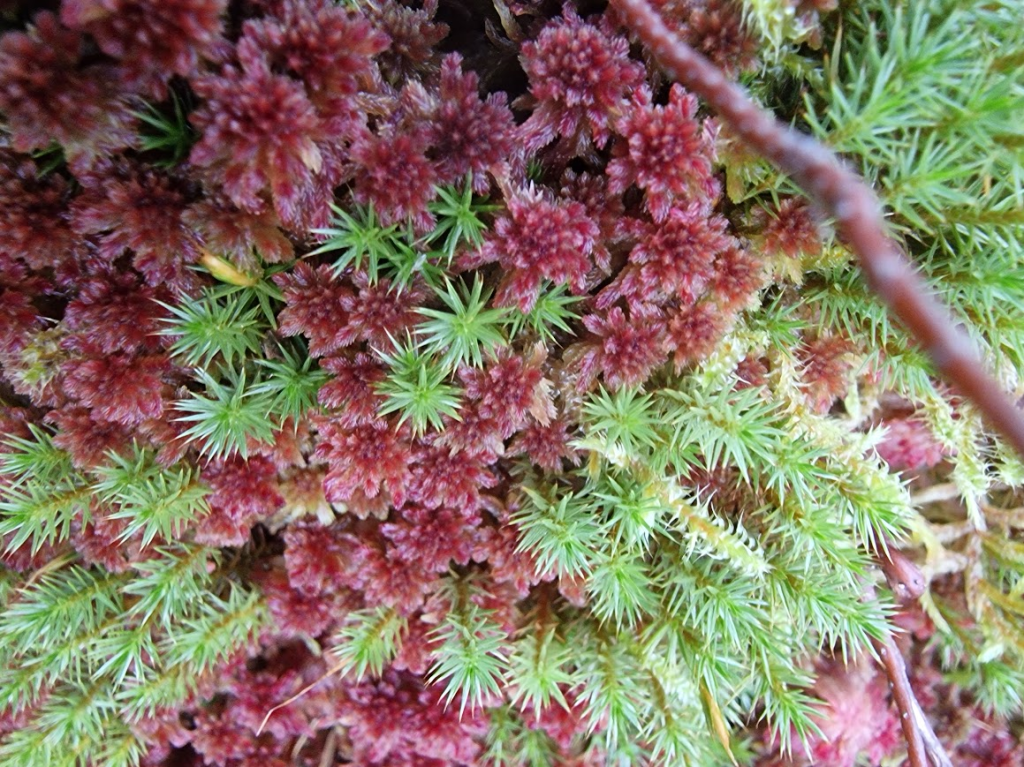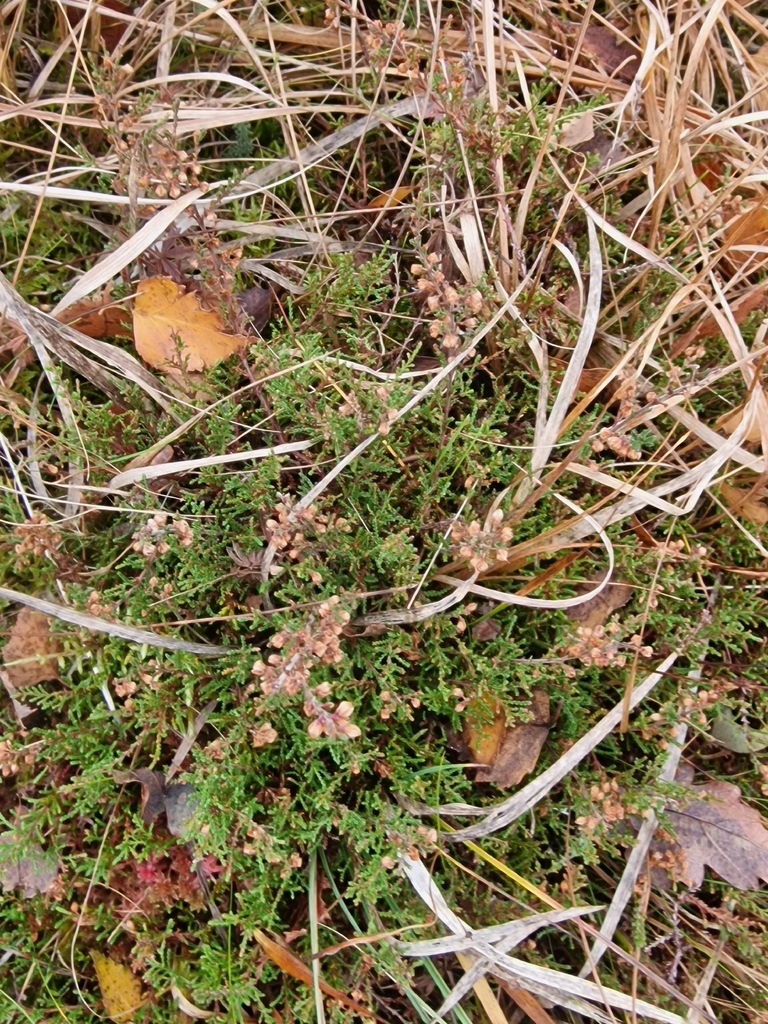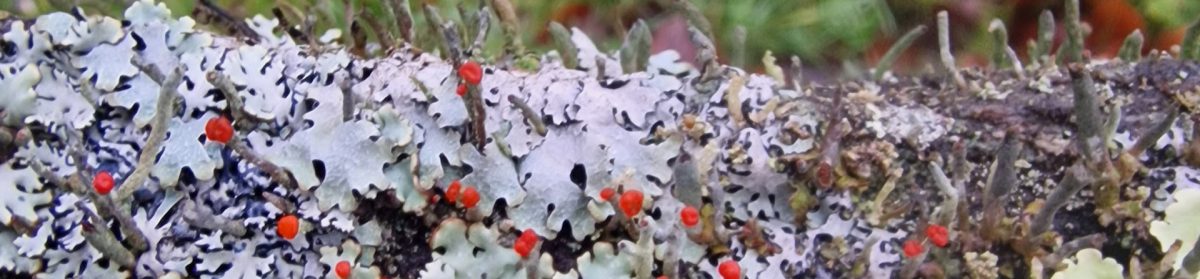
What I saw while being a volunteer RSPB ranger at Pagham Harbour on the path to Church Norton: fascinating lichens, and some vascular plants, as well as the birds. Easter Monday. 06.04.26

It was a sunny but windy day, and there were many visitors. I chatted to about 45 people. The main objective was to remind visitors that the vegetated shingle part of Church Norton Spit (the harbour side) is now closed to visitors whilst the Ringer Plovers and Oystercatchers are nesting.

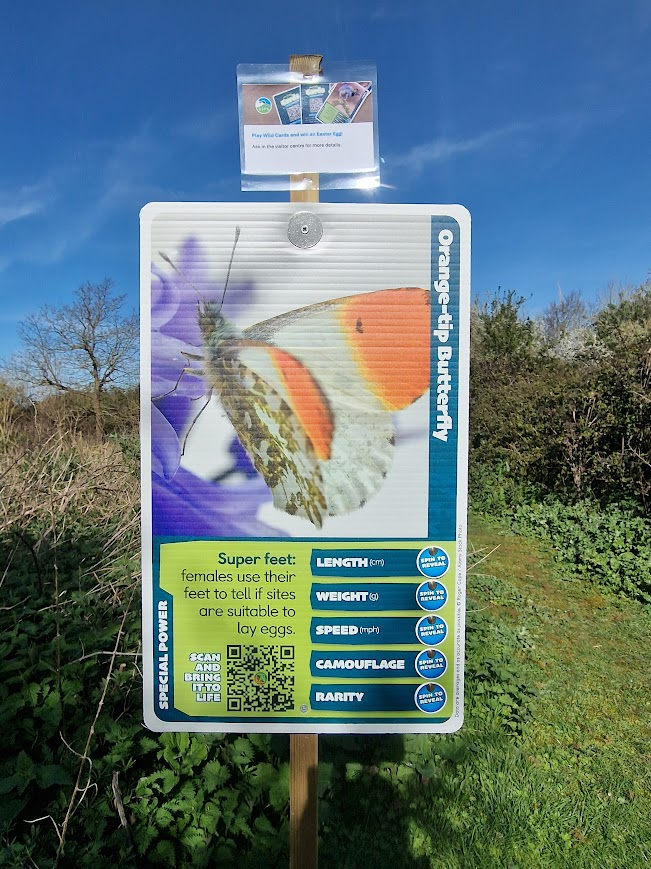
RSPB Wild Cards game (until 31st May 2026)

Egg‑splore the great outdoors with our new Wild Cards and uncover the hidden heroes of nature as you explore our nature reserves! From Easter until the end of May, pick up a special pack of playing cards (£3 at the reserve) to take on your adventure and compare the strengths, superpowers and fun facts of some of spring’s most familiar species. Track down the boards, play together to decide which creature will reign as the ultimate spring champion! Don’t forget to scan the codes and watch as amazing animals burst into life through augmented reality right before your eyes. RSPB Events

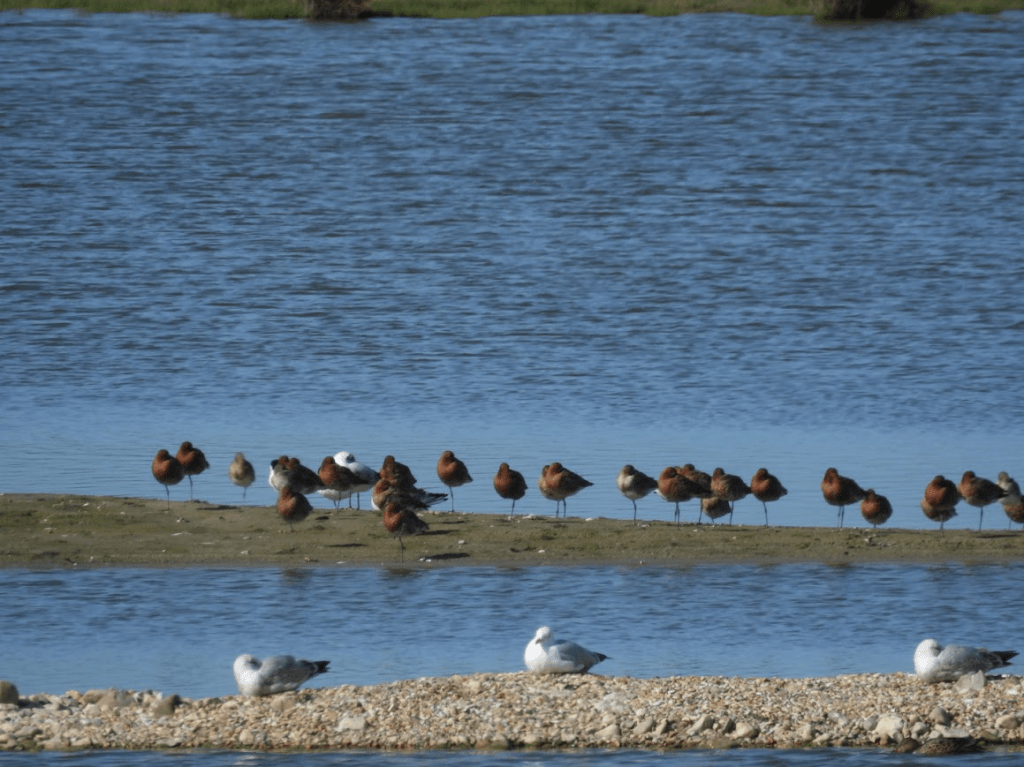
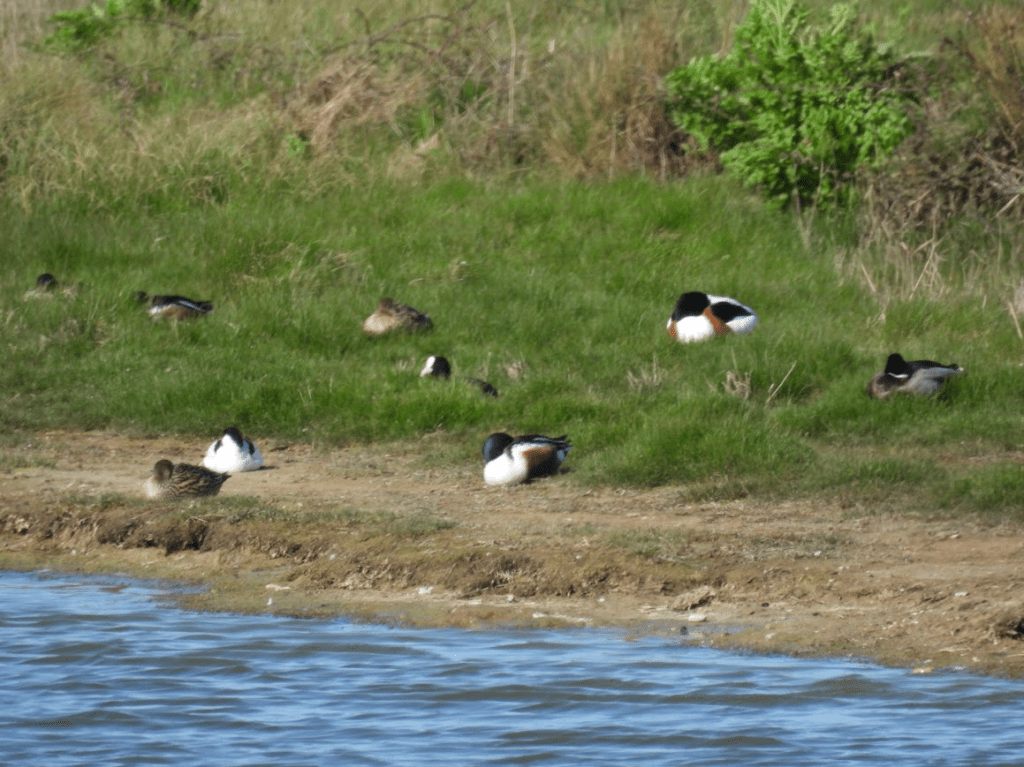
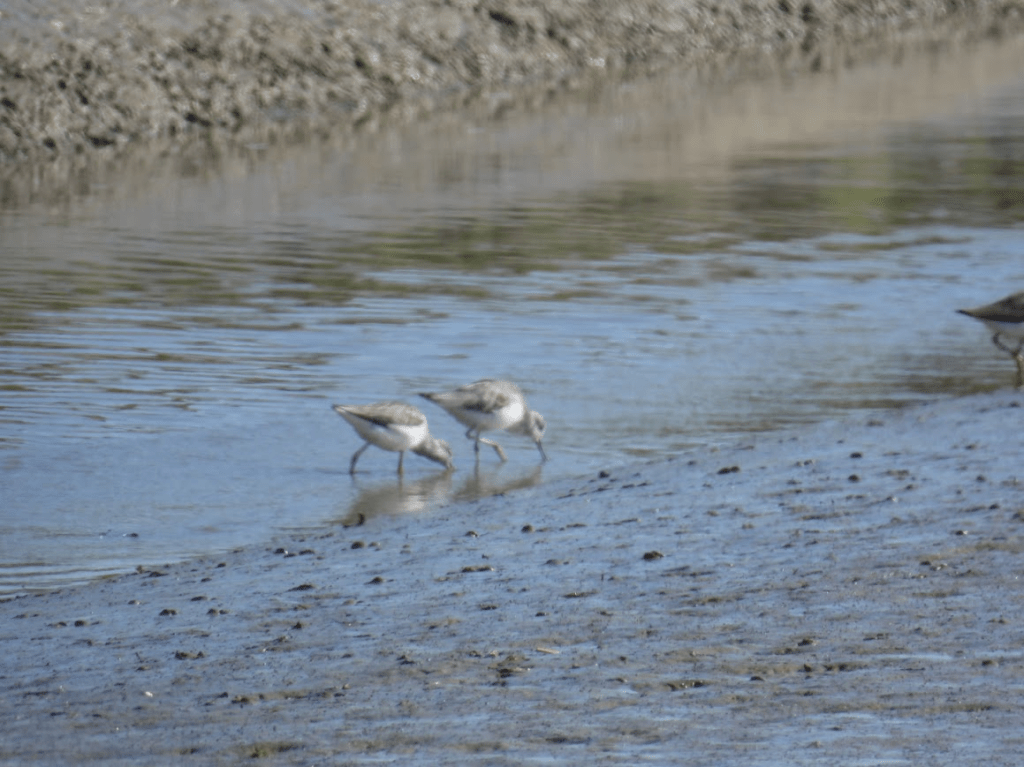
At a brief stop at the Ferry Pool. Black-Tailed Godwits (in blooming plumage ready for their rerun to Iceland), Shelducks, Avocets, Black-headed Gulls, Herring Gulls, and Shoveler Ducks were the most noticeable.

Black-Tailed Godwits & Herring Gulls

Mallards, an Avocet, a Shoveler and a Shelduck

Walking Down the path from the Ferry Pool to Church Norton

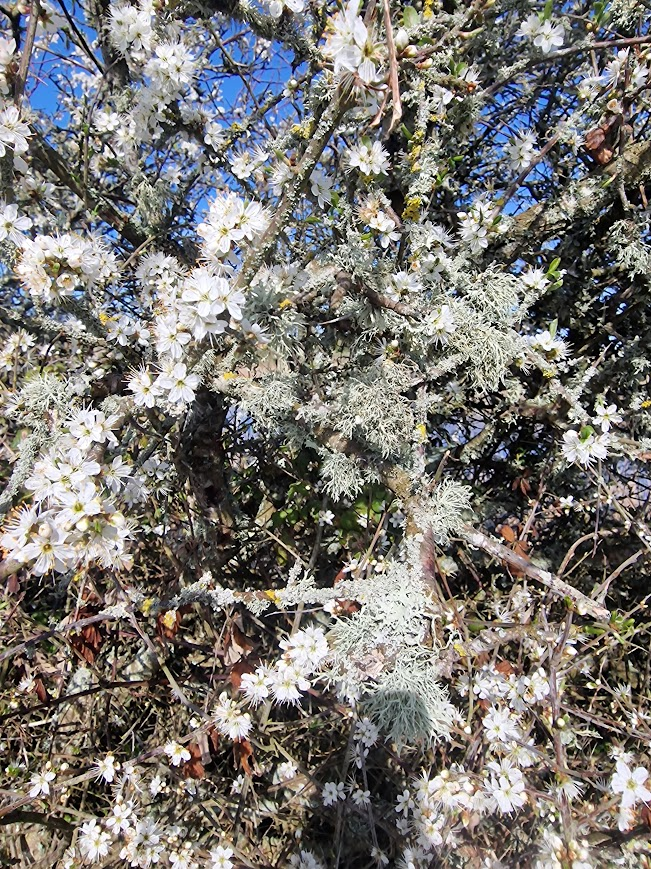
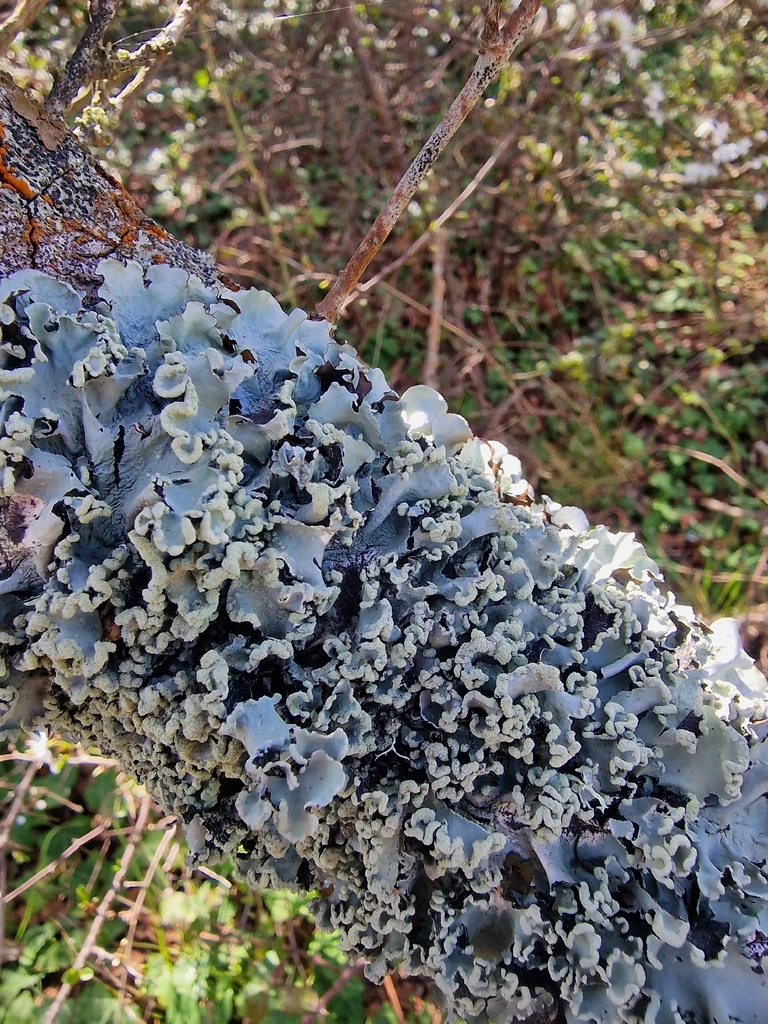
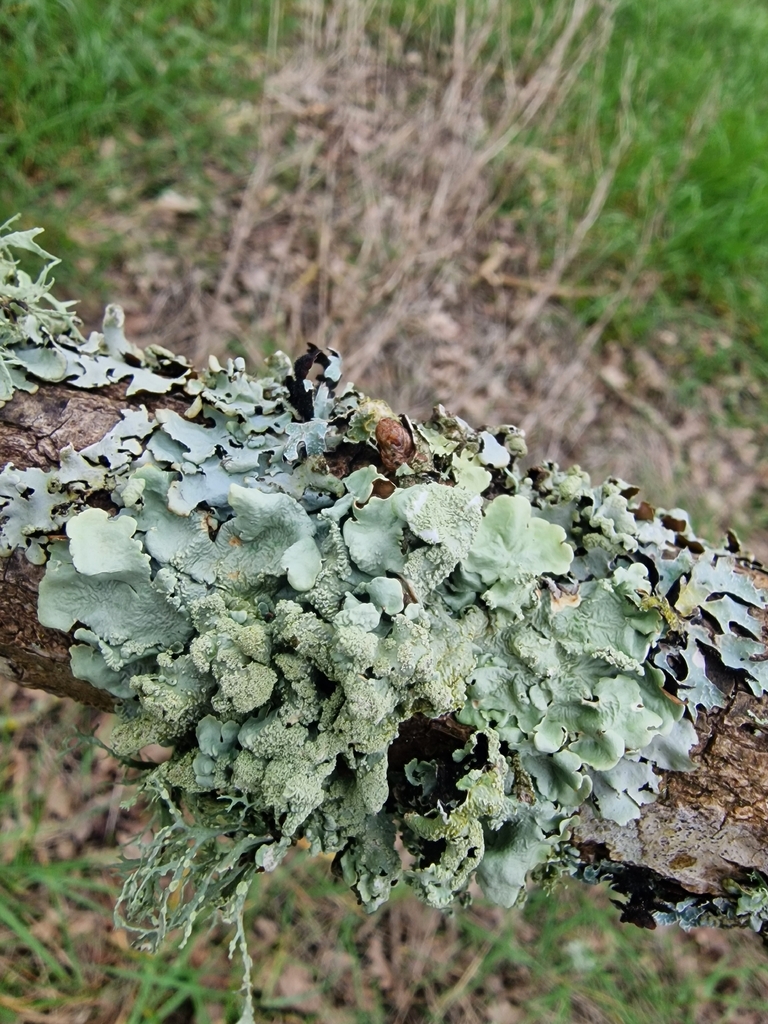
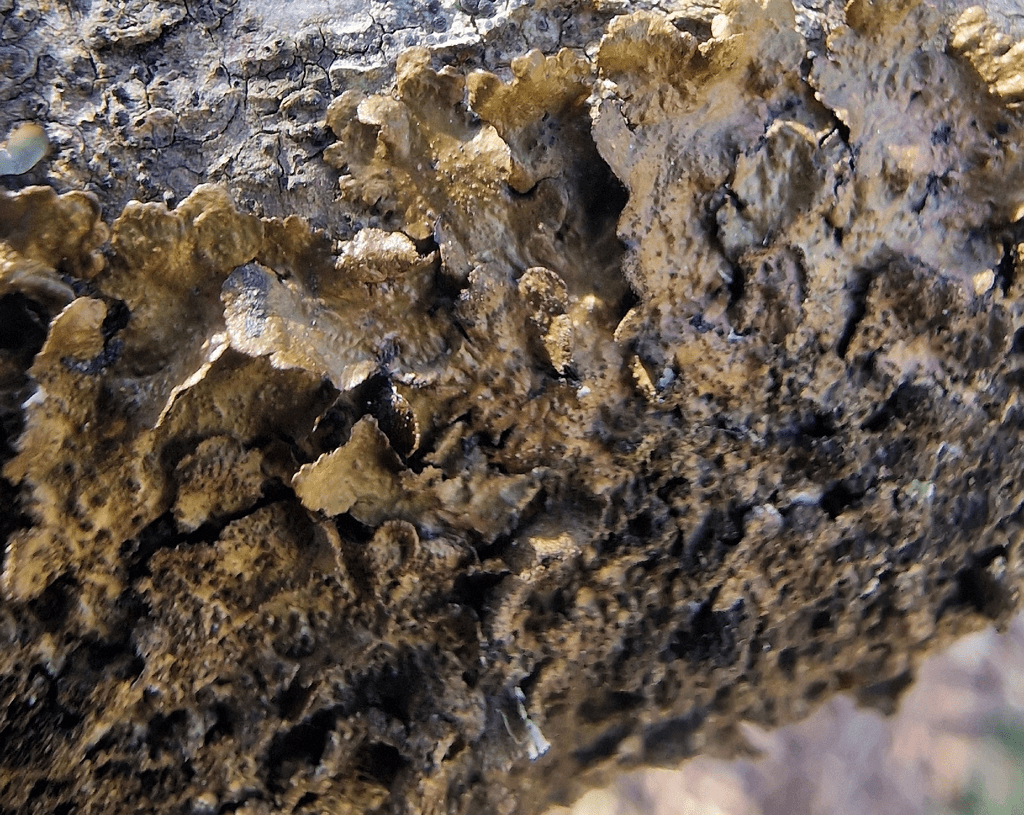
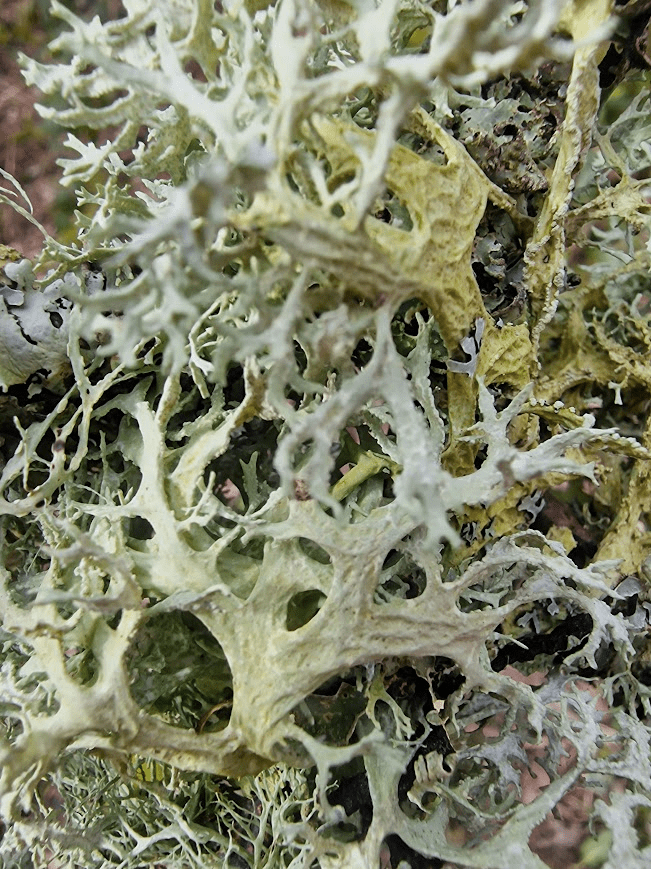
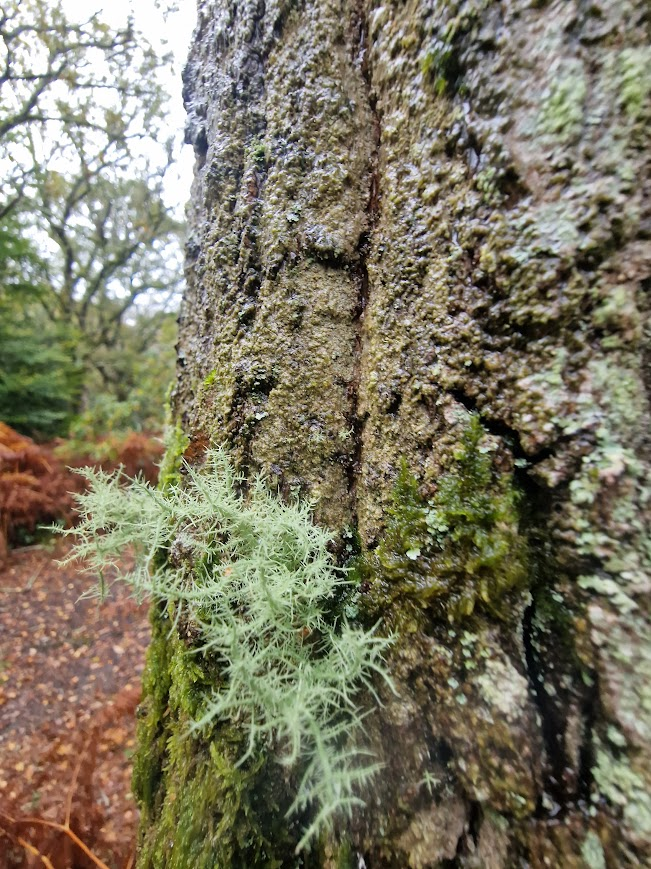
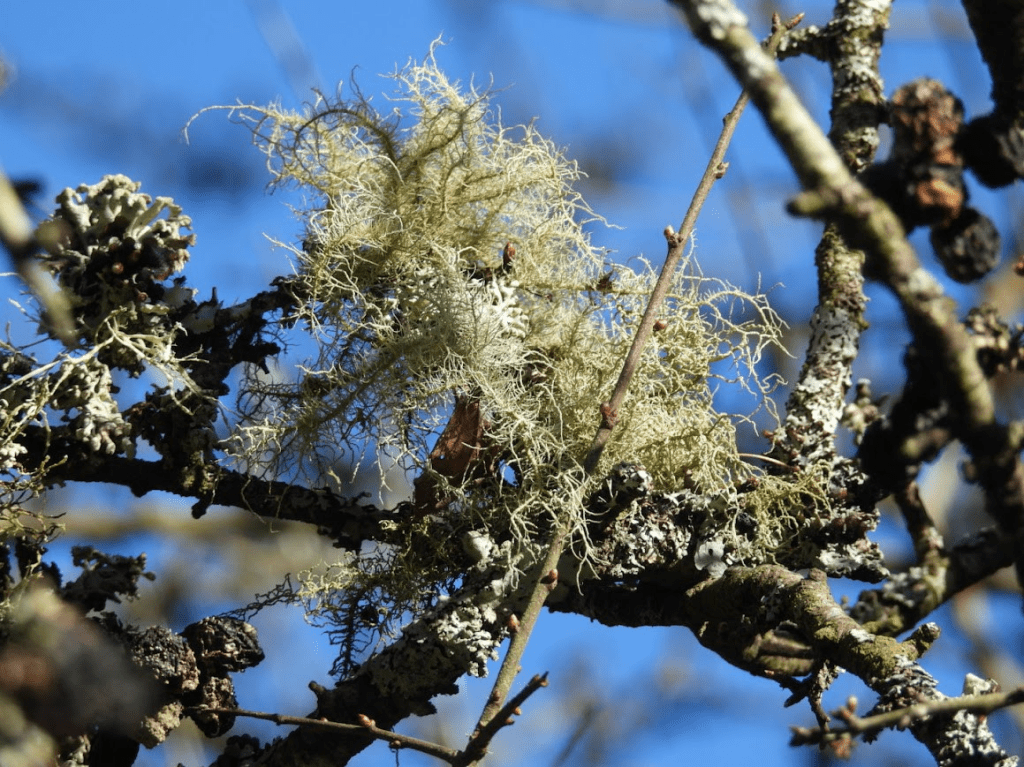
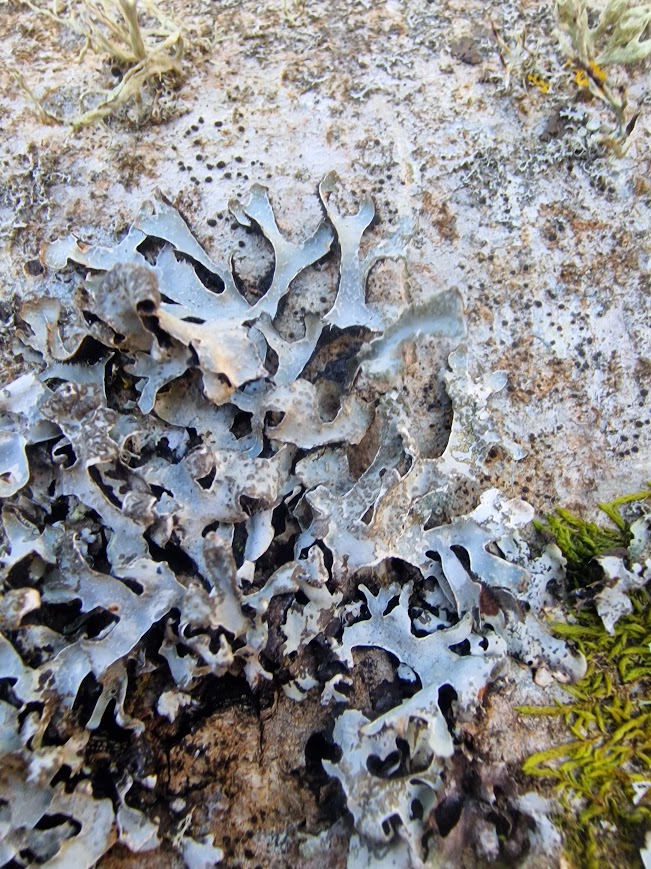
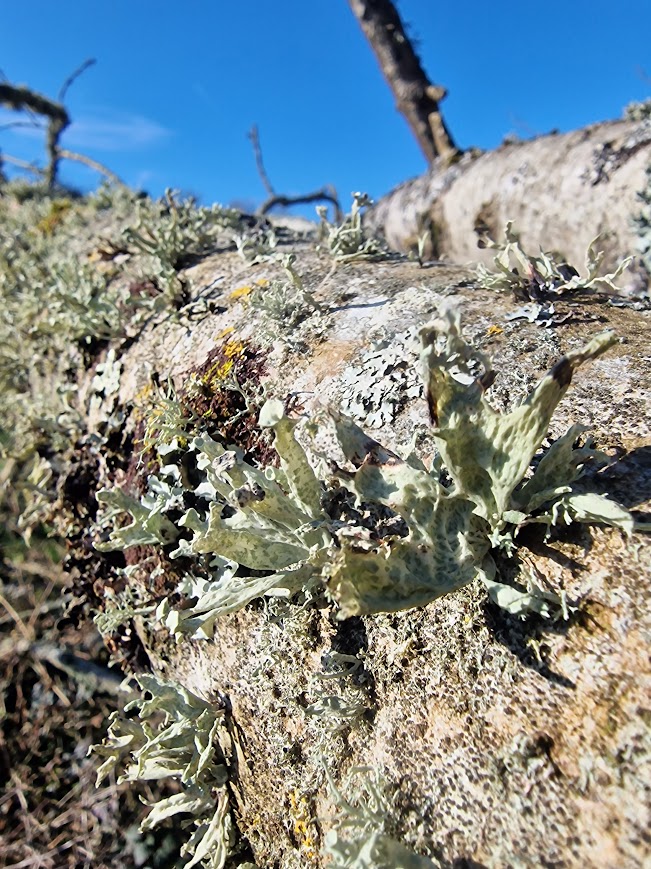
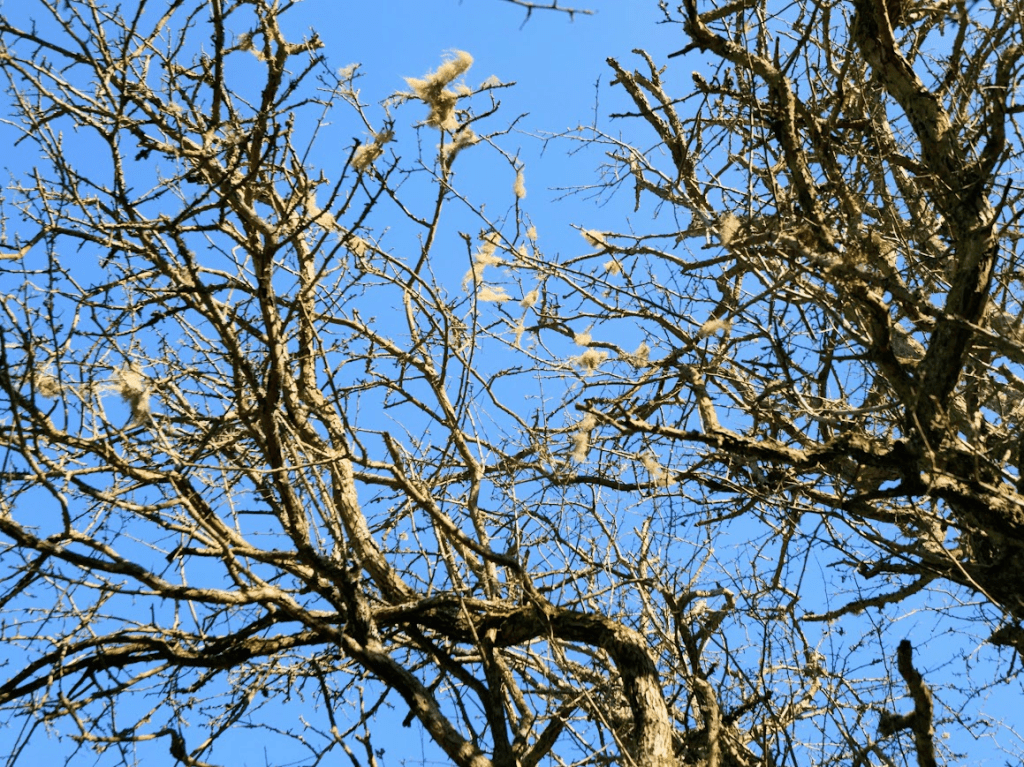
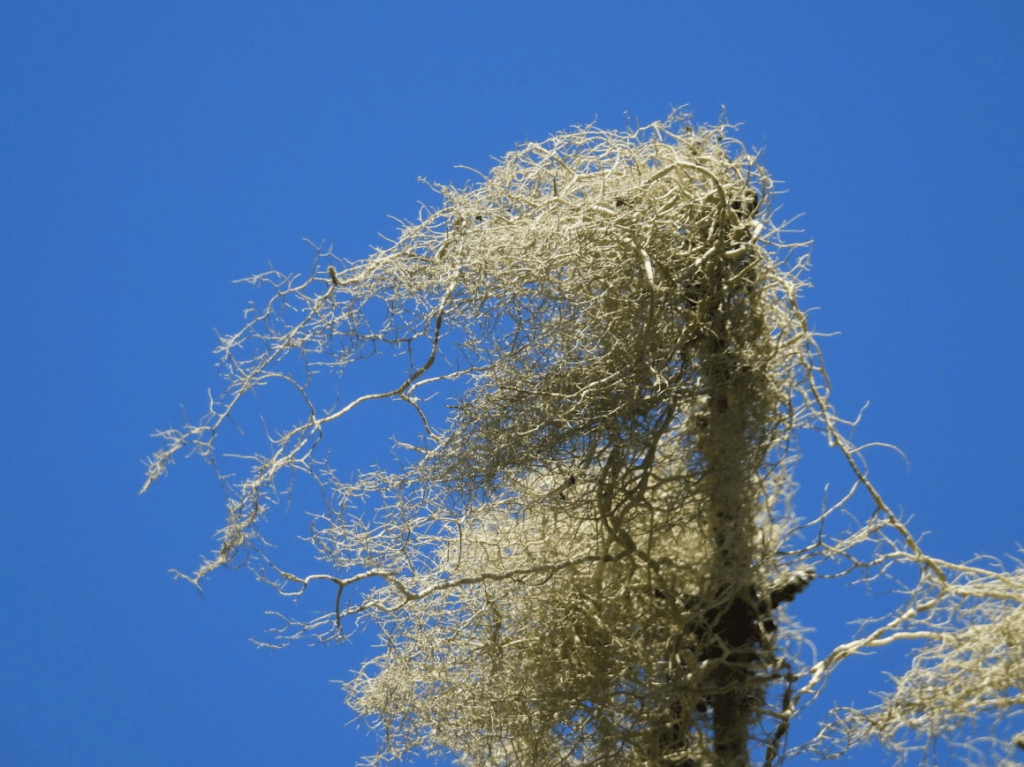
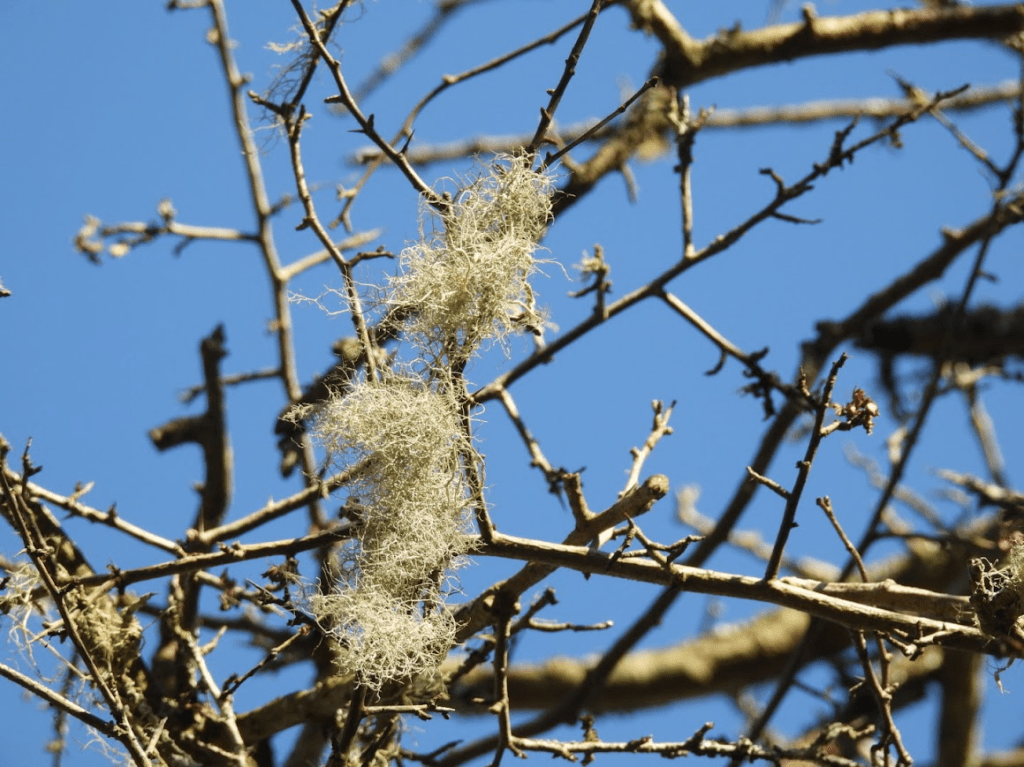
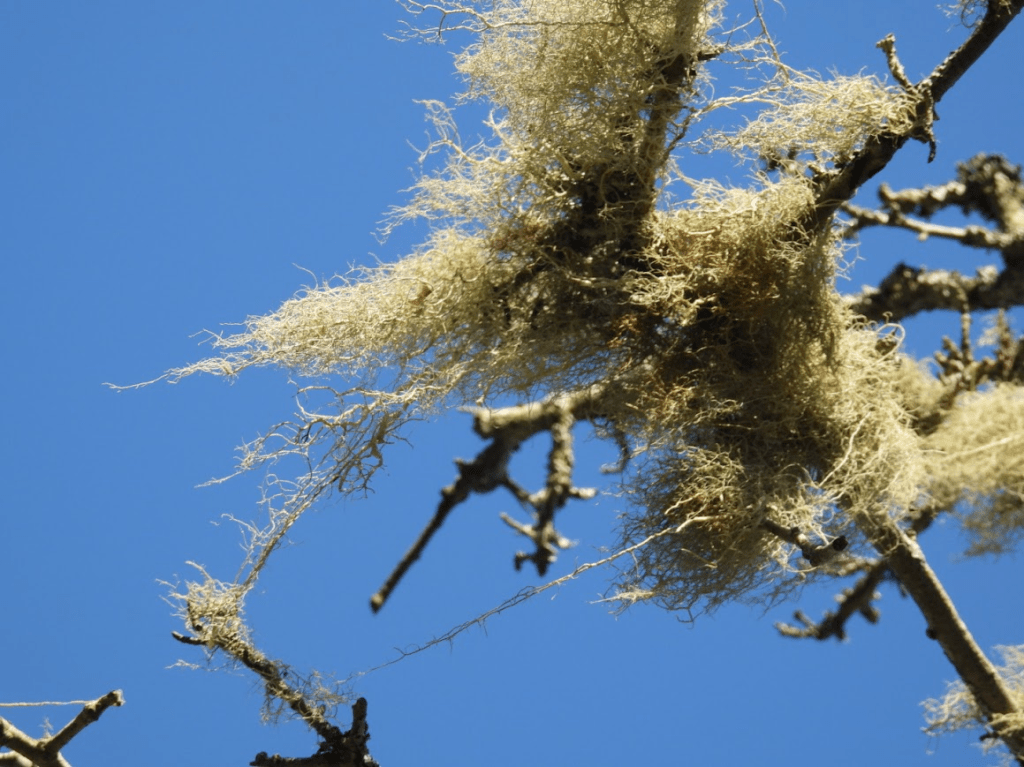
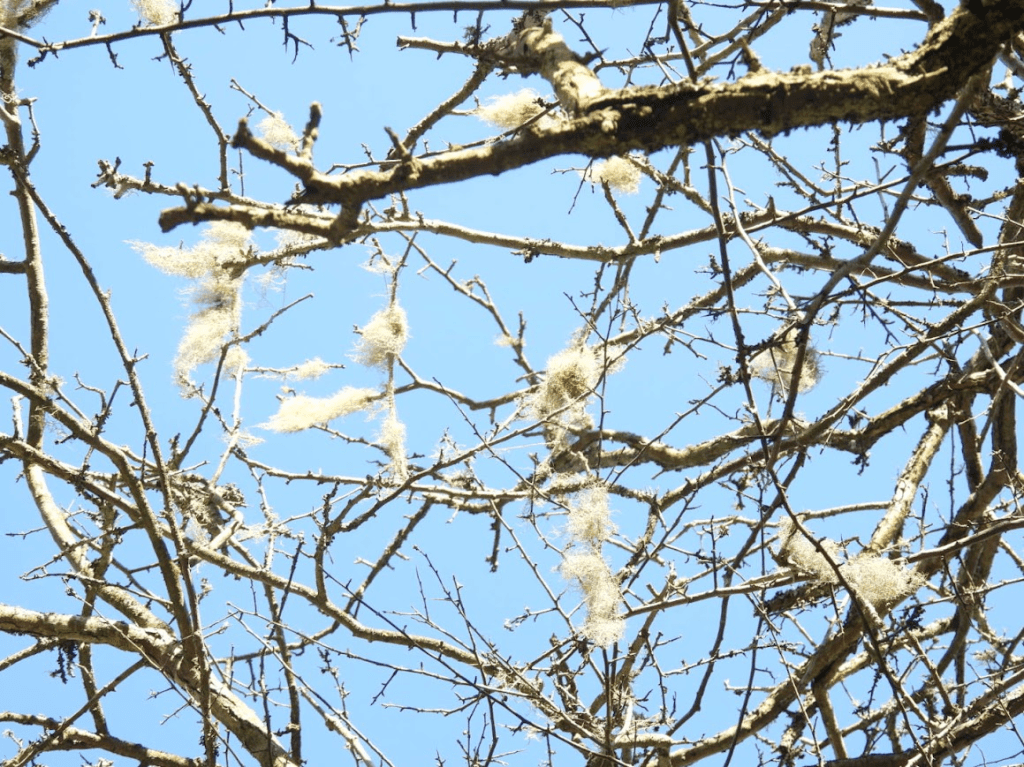
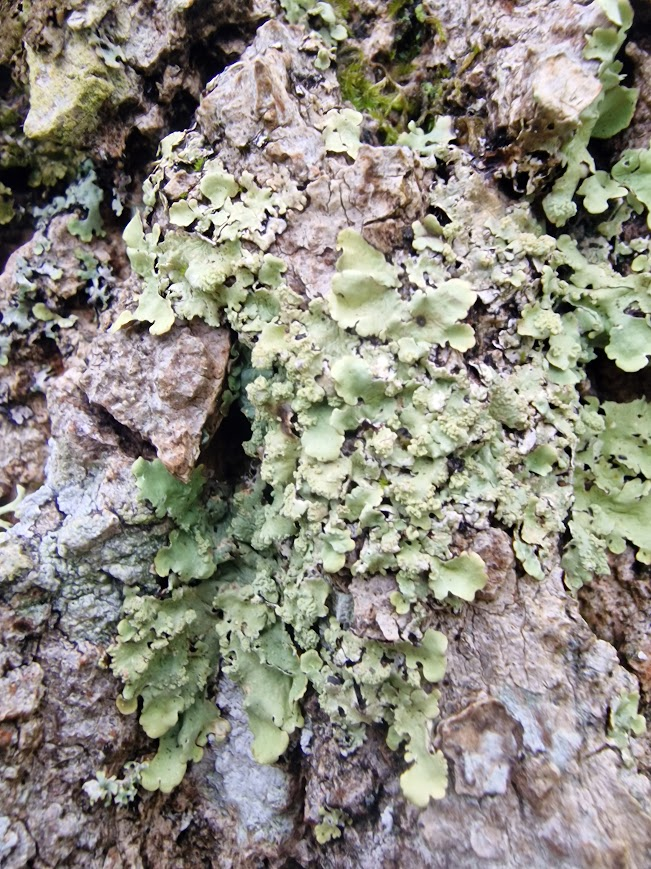
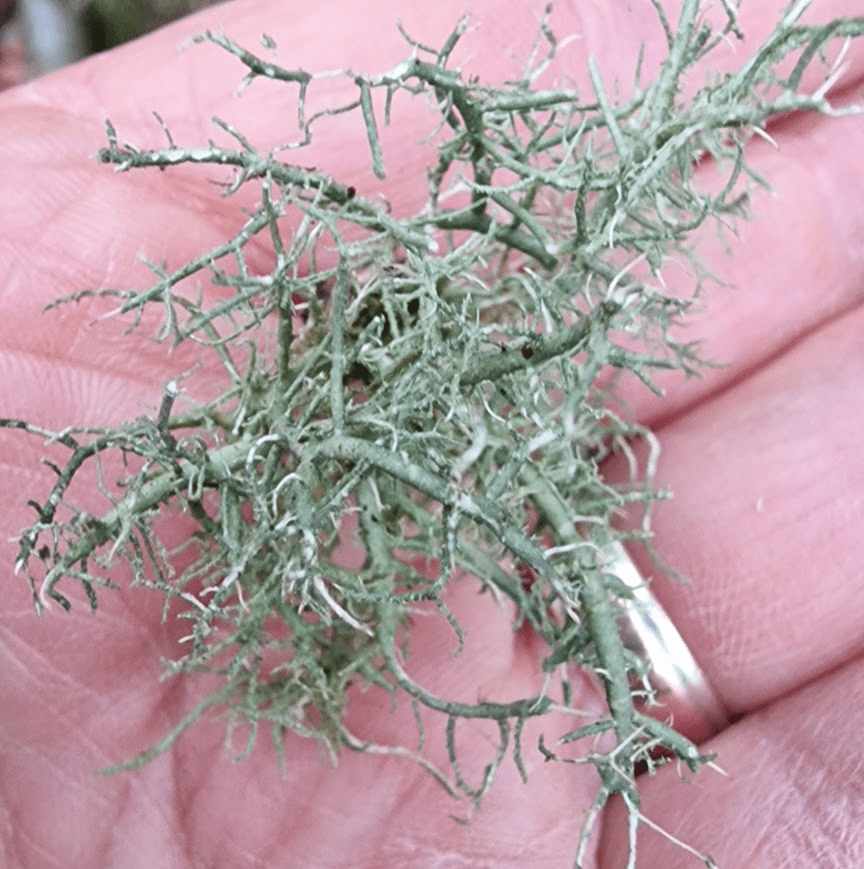
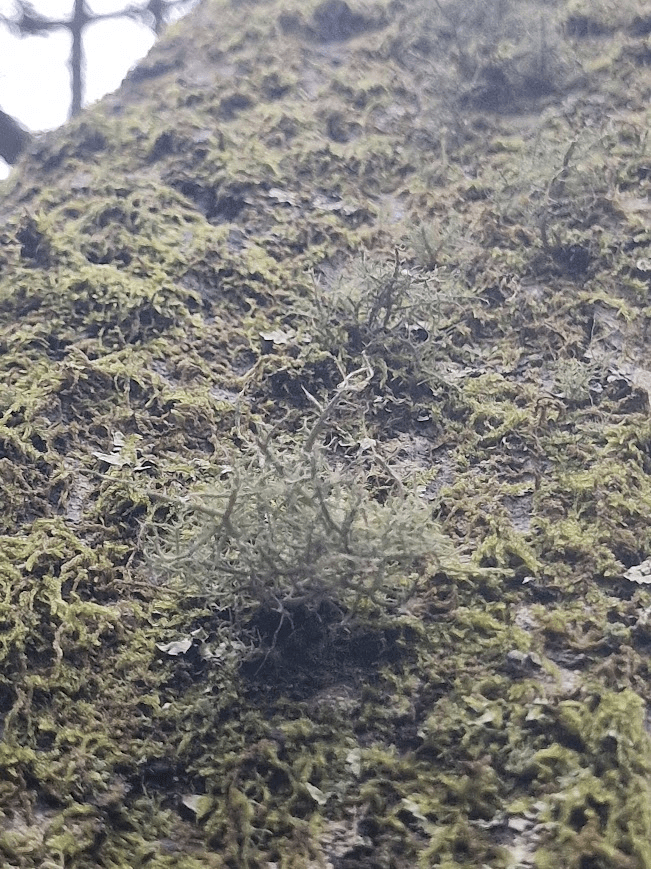
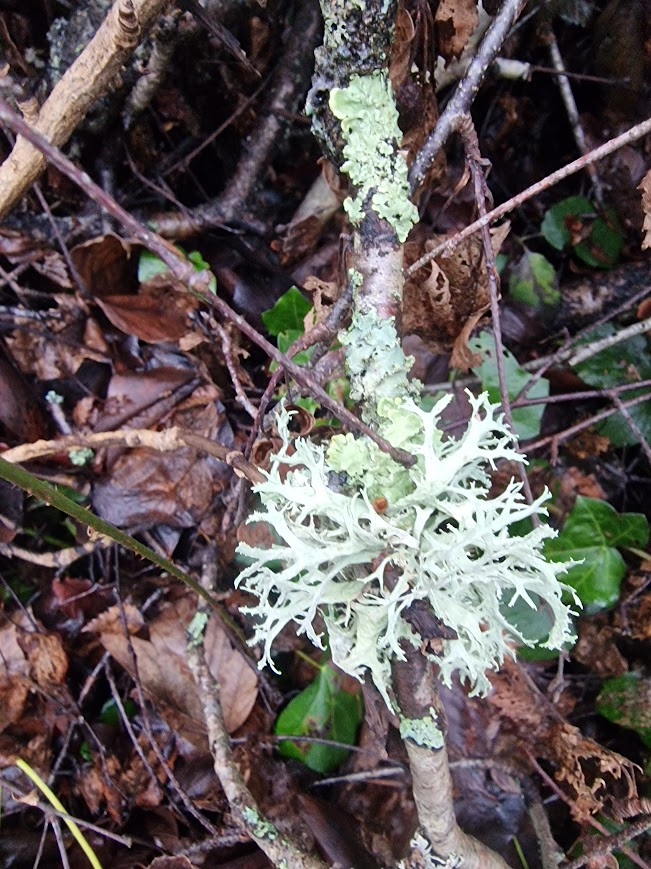
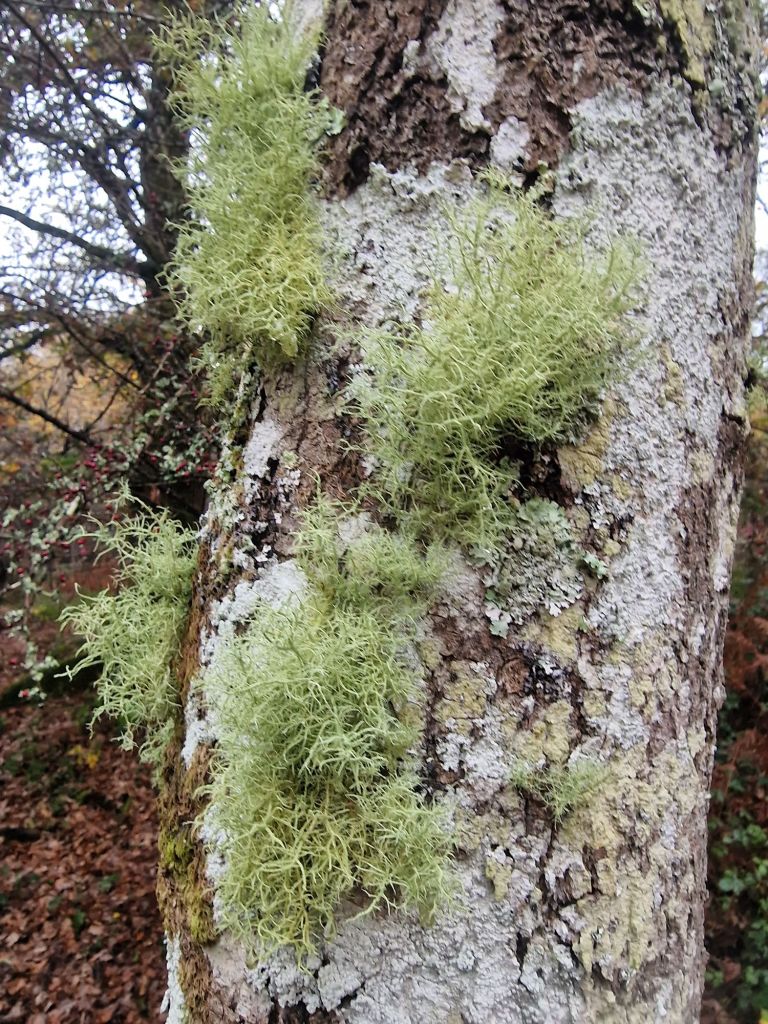
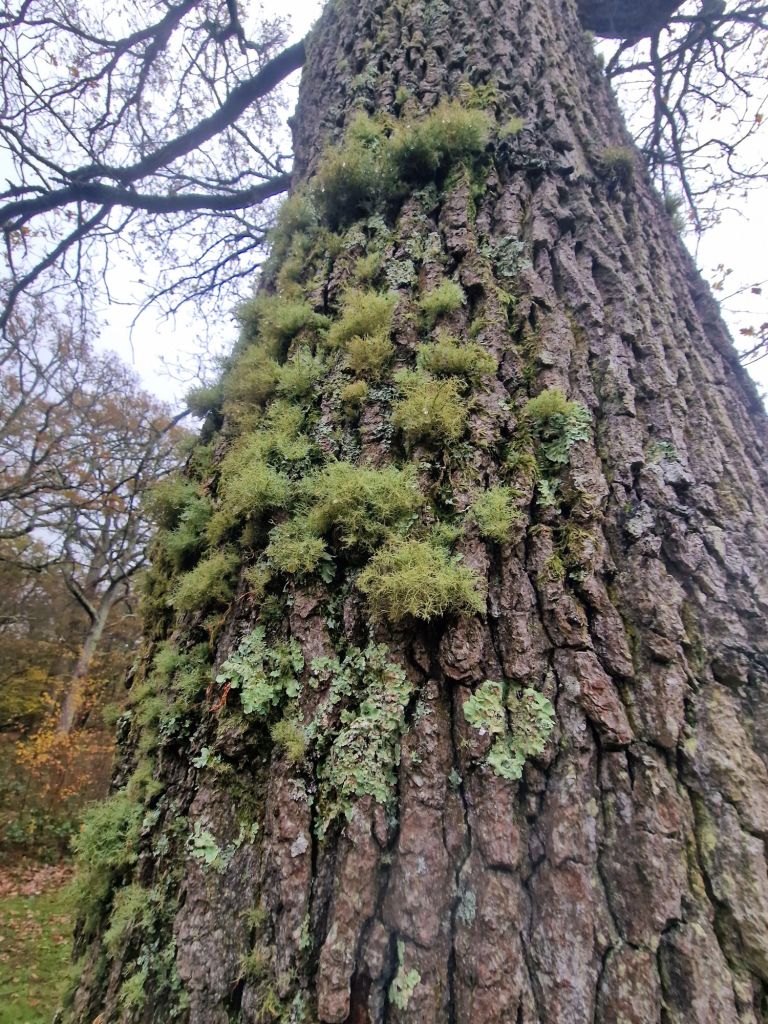
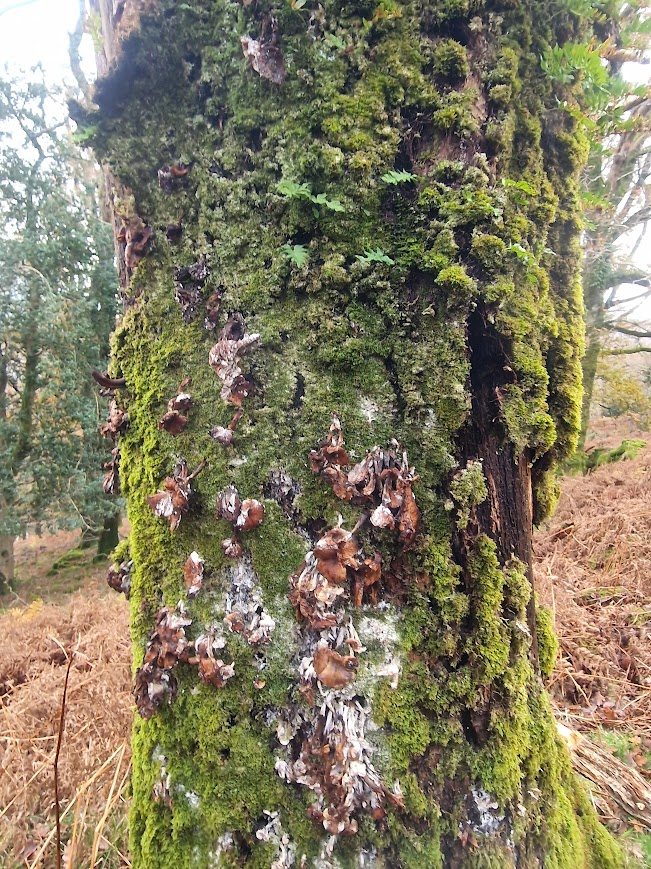
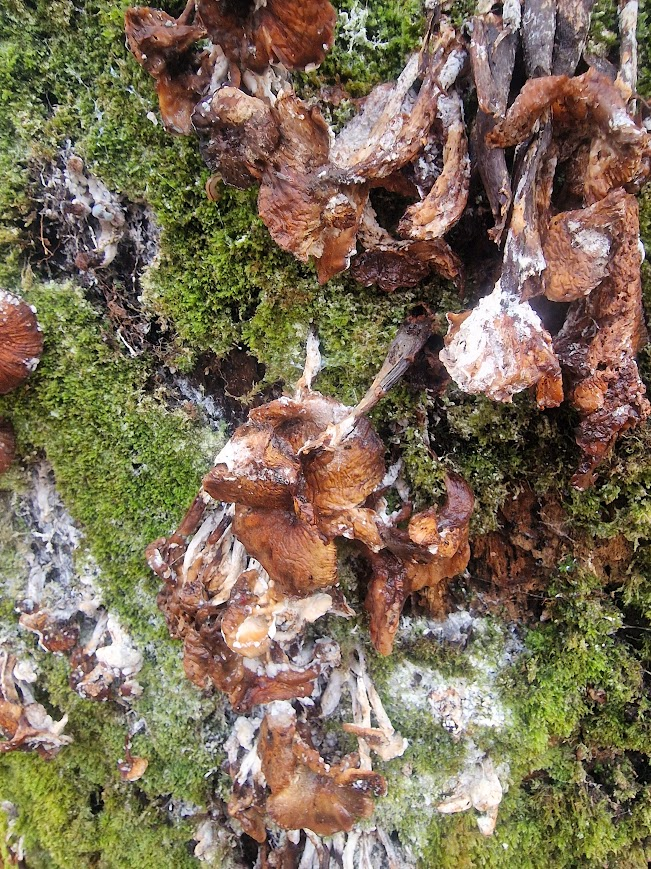
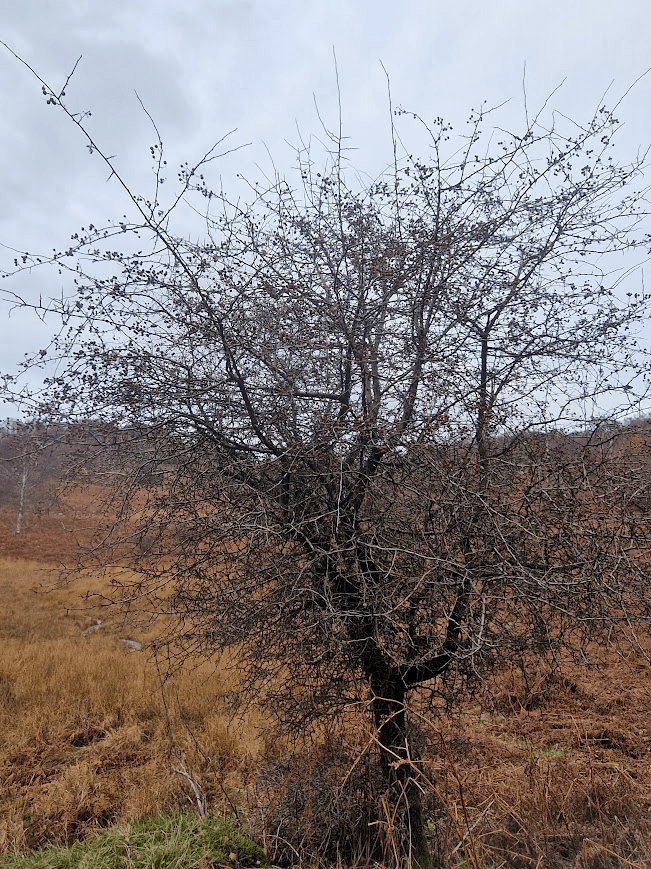
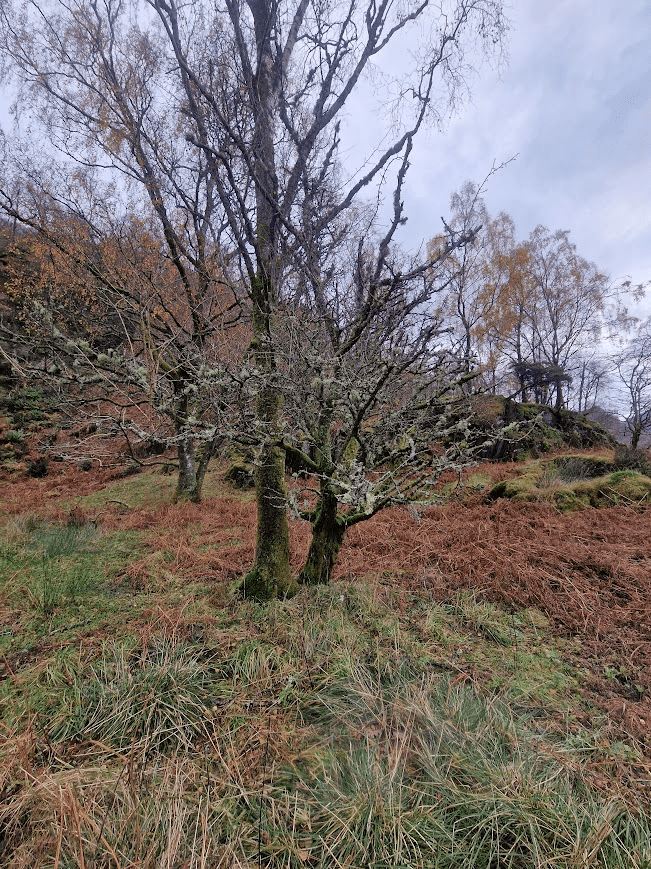
Blackthorn with buds and flowers are very prominent fruticose (dangly) lichens of the Ramalina genus

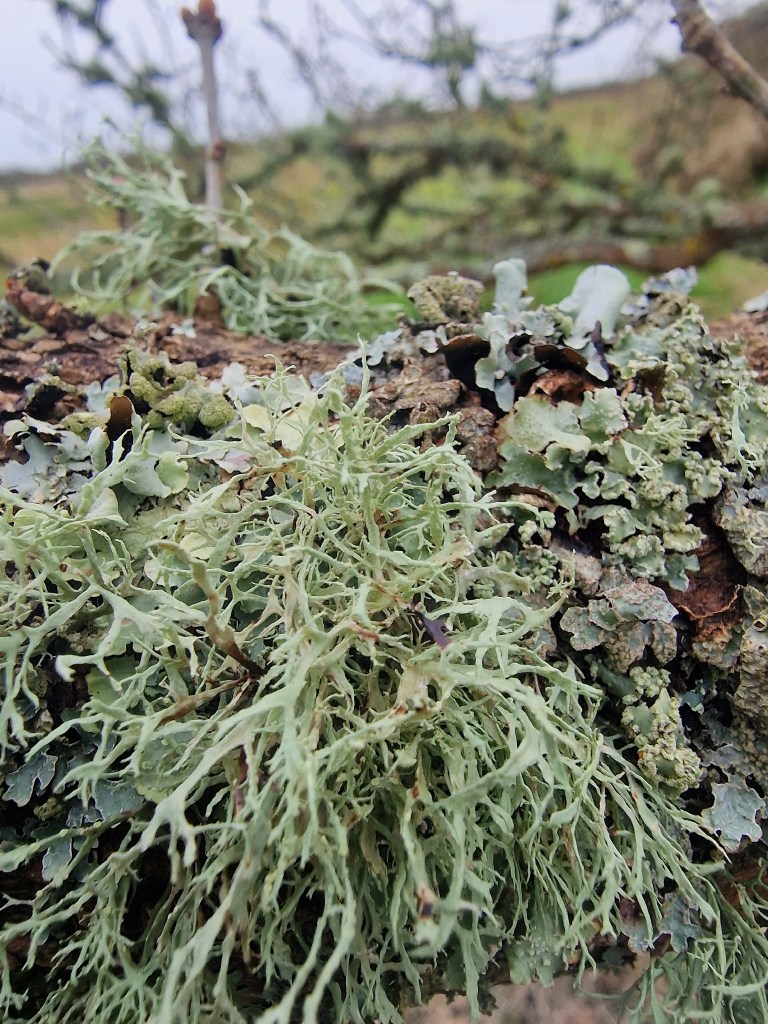
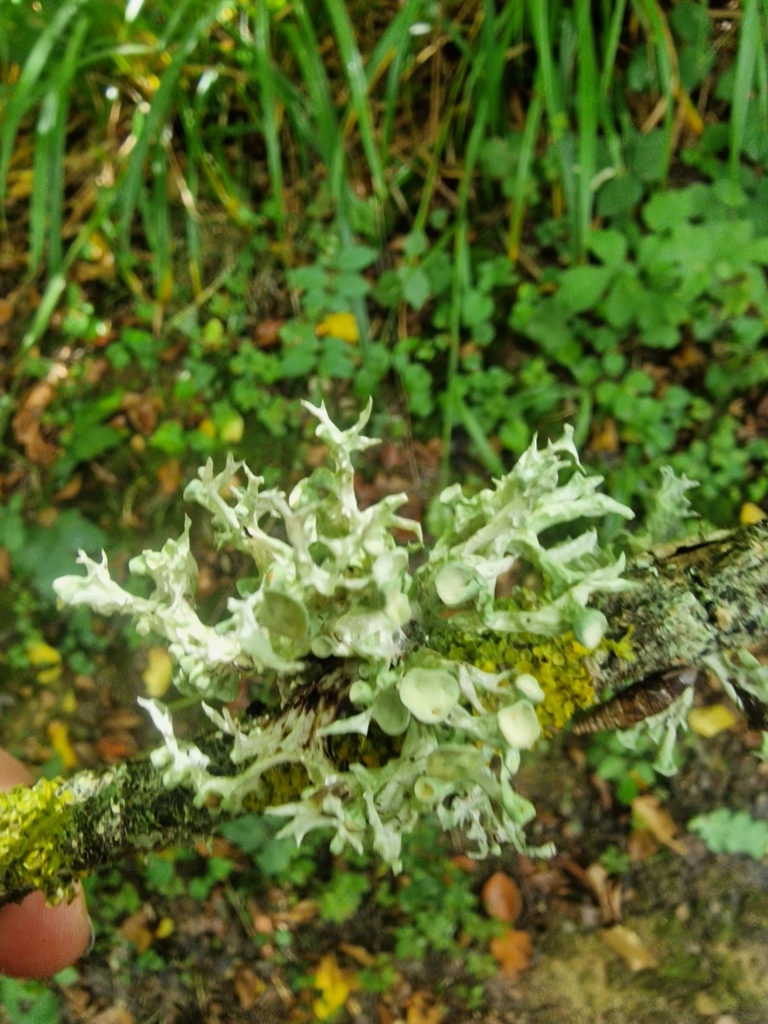
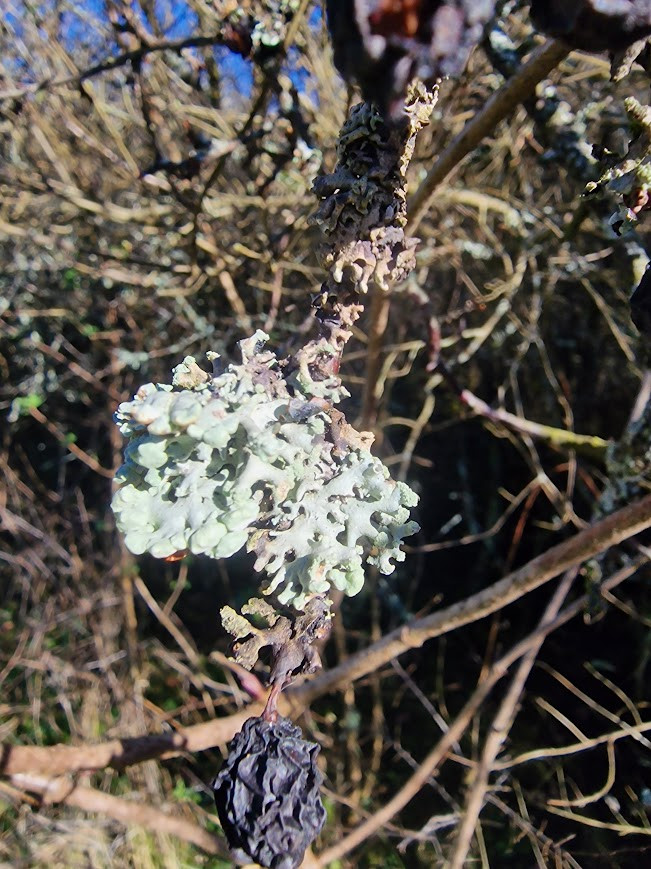
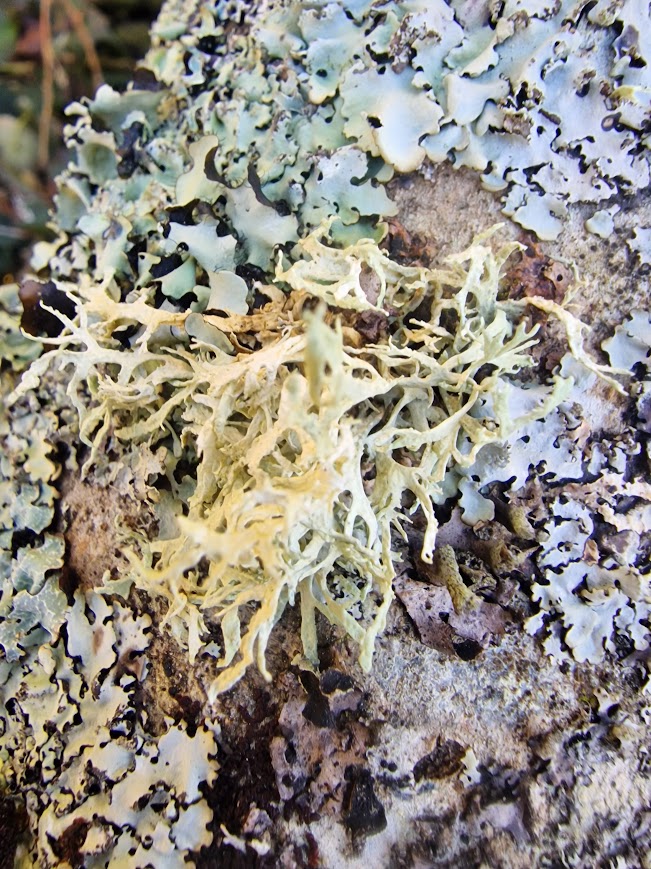
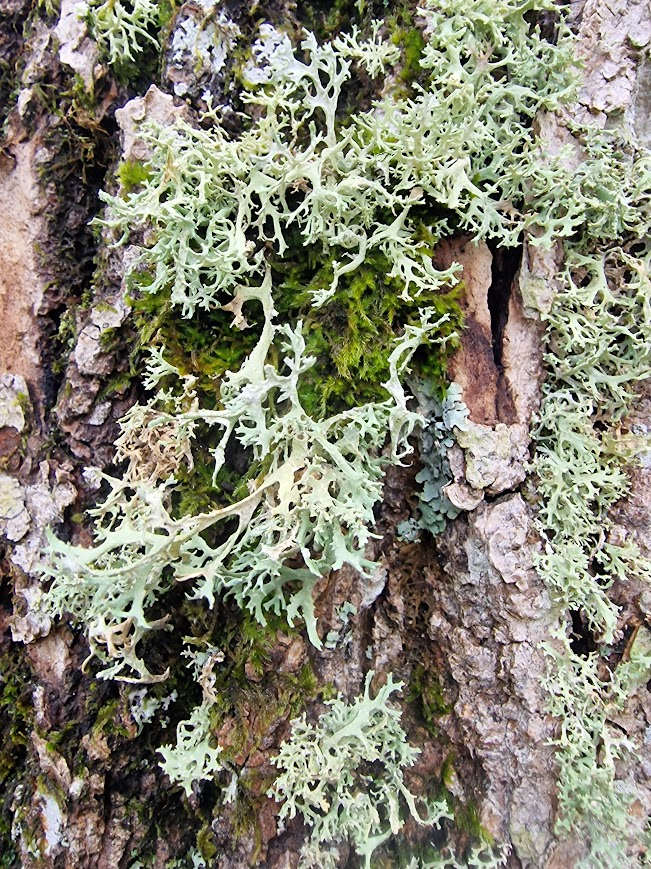
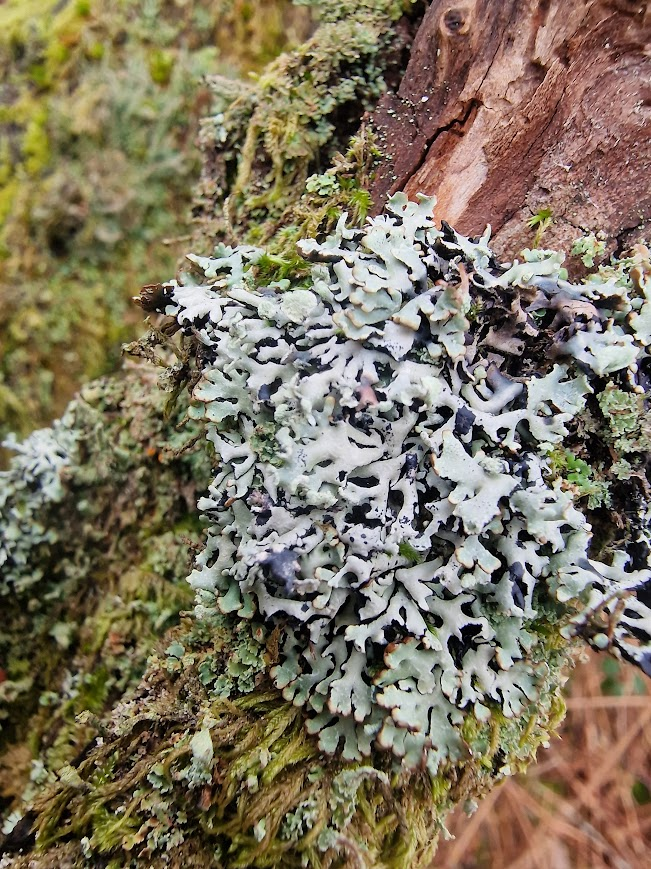
The Ramalina lichens in Blackthorn and Hawthorn are moslty R. farinacea and R. fastigiata – both very common, but easy to differentiate:

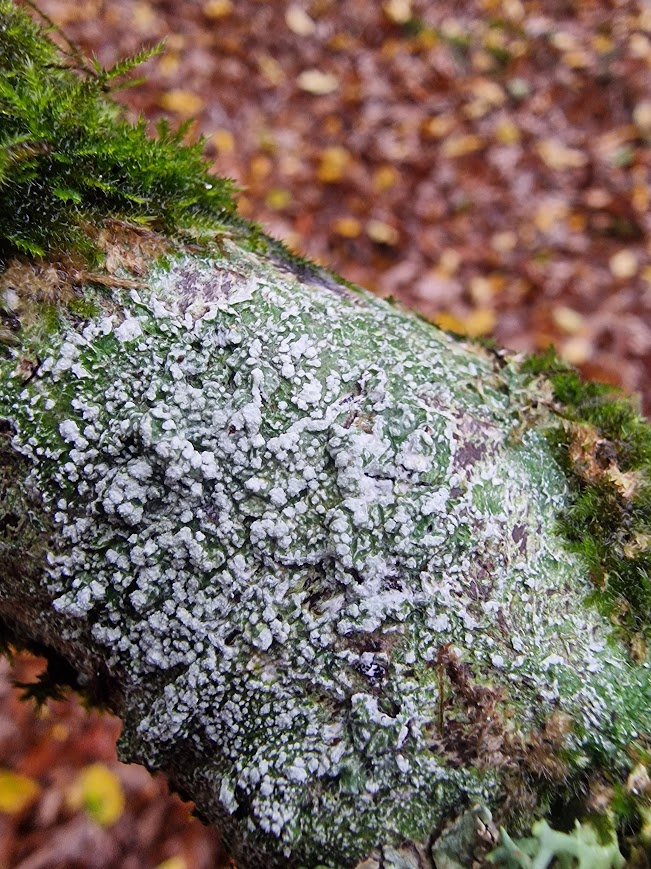
R. farinacea has whiteish splodges on their lobes (soredia: vegetative [non-sexual] reproductive propagules consisting of packets of fungal hyphae and the alga)

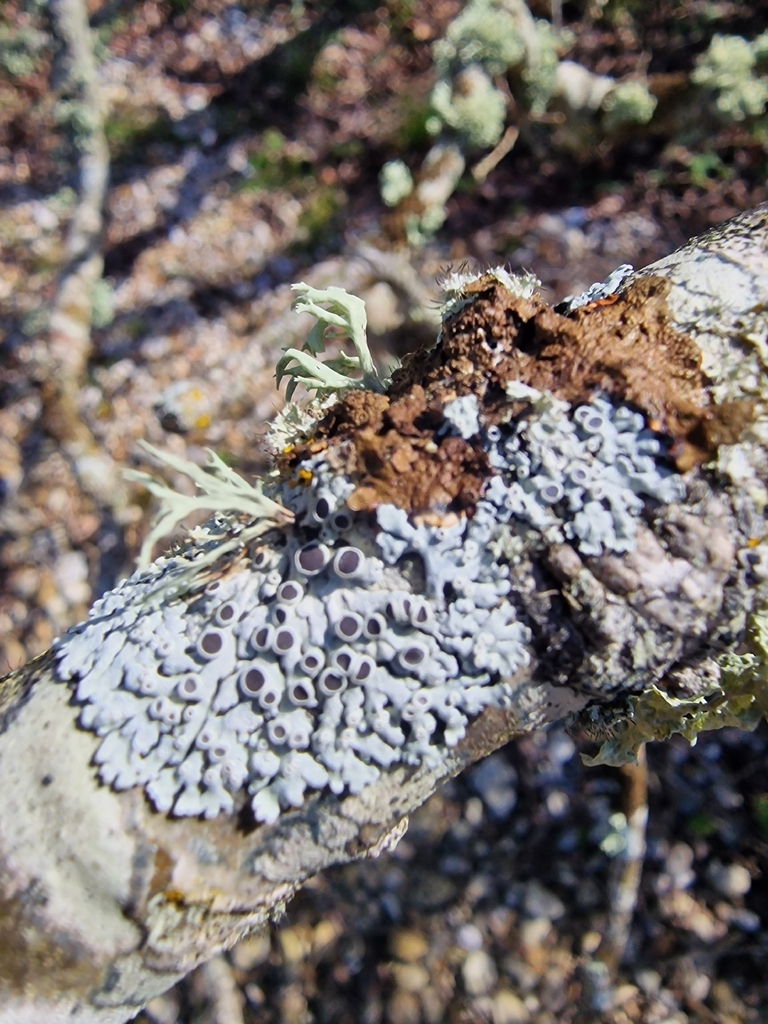
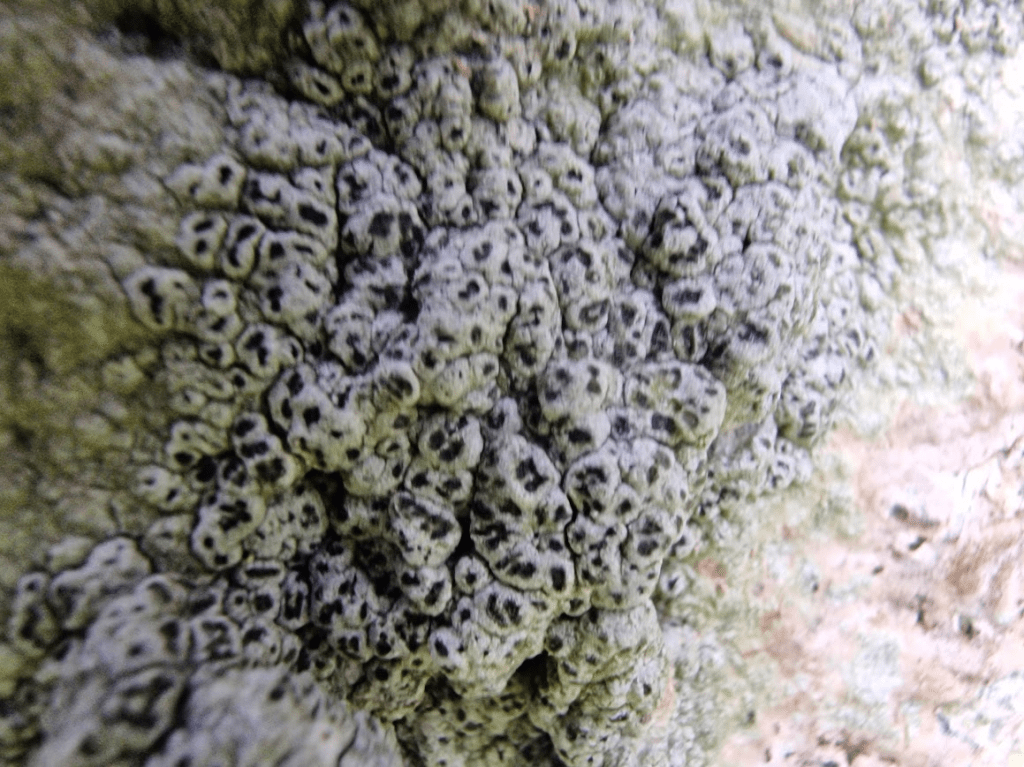
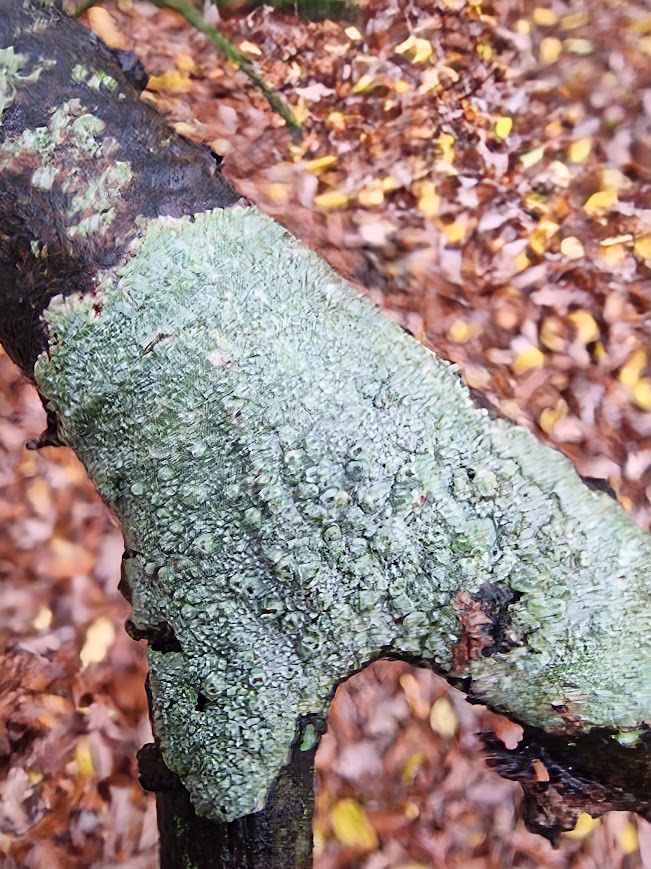
R. fastigiata has little satellite dishes at the ends of its lobes (apothecia: sexual reproductive propagules containing fungal spores)

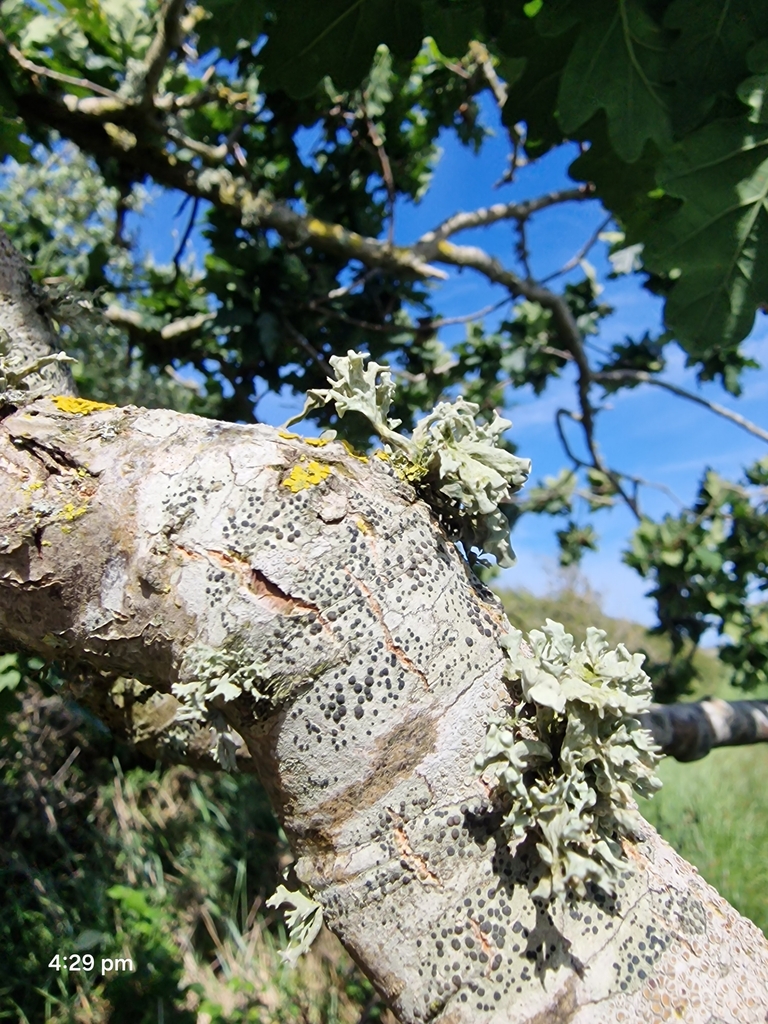
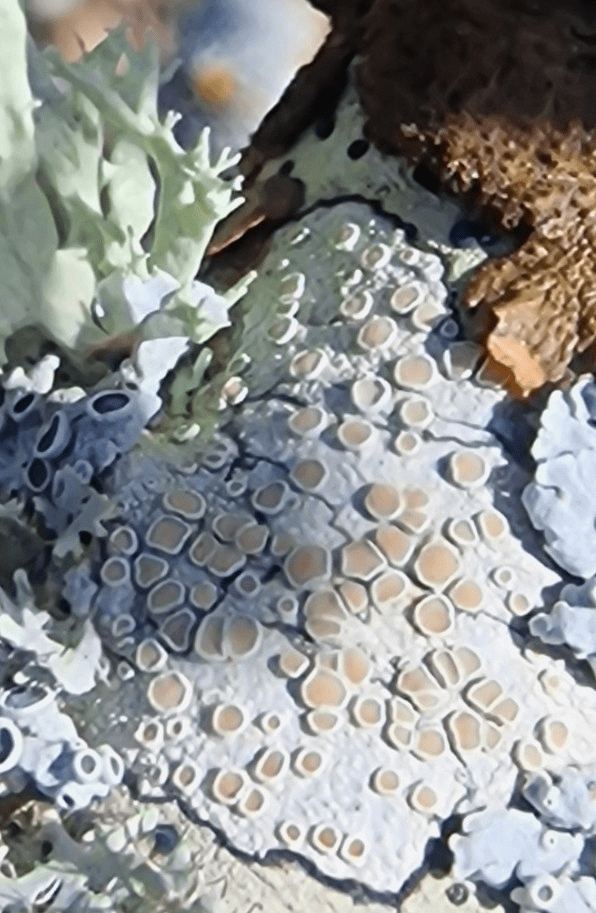
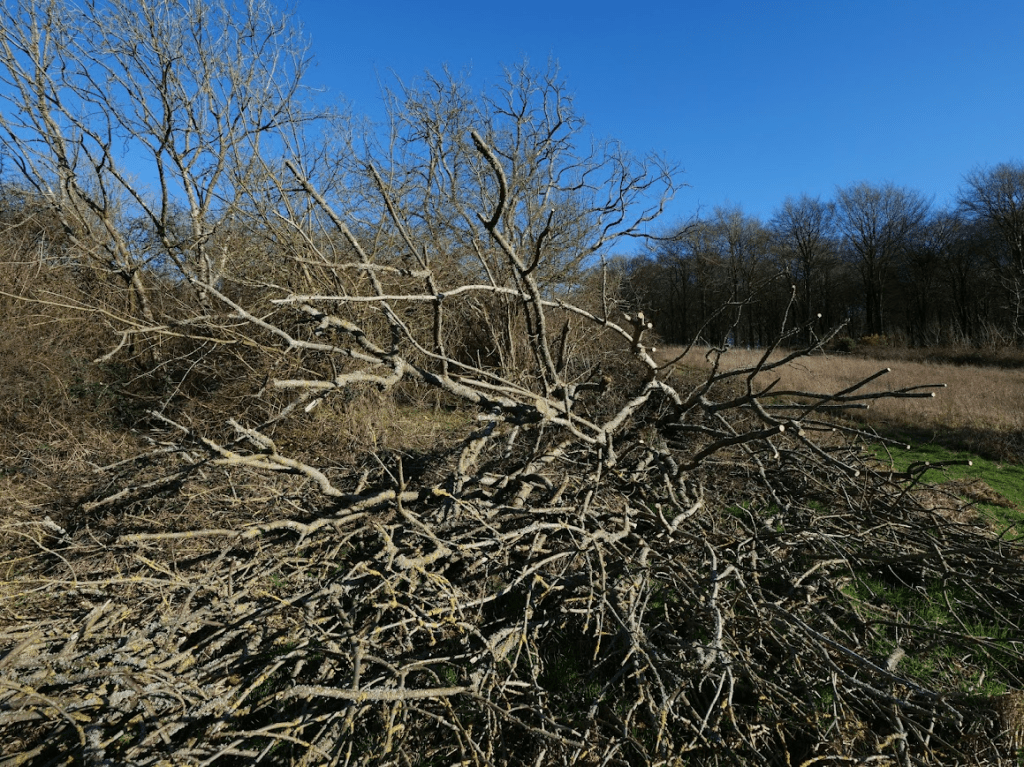
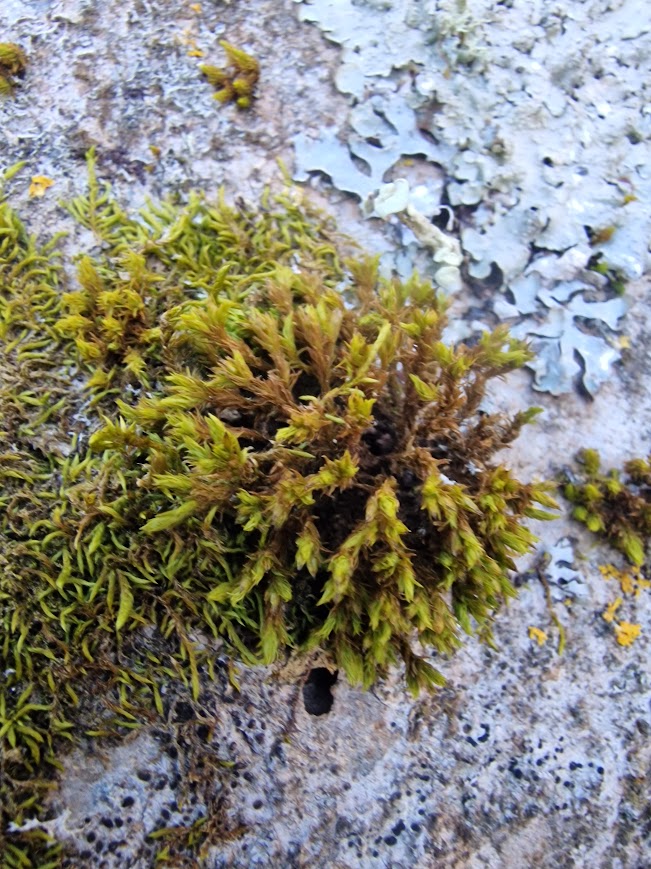
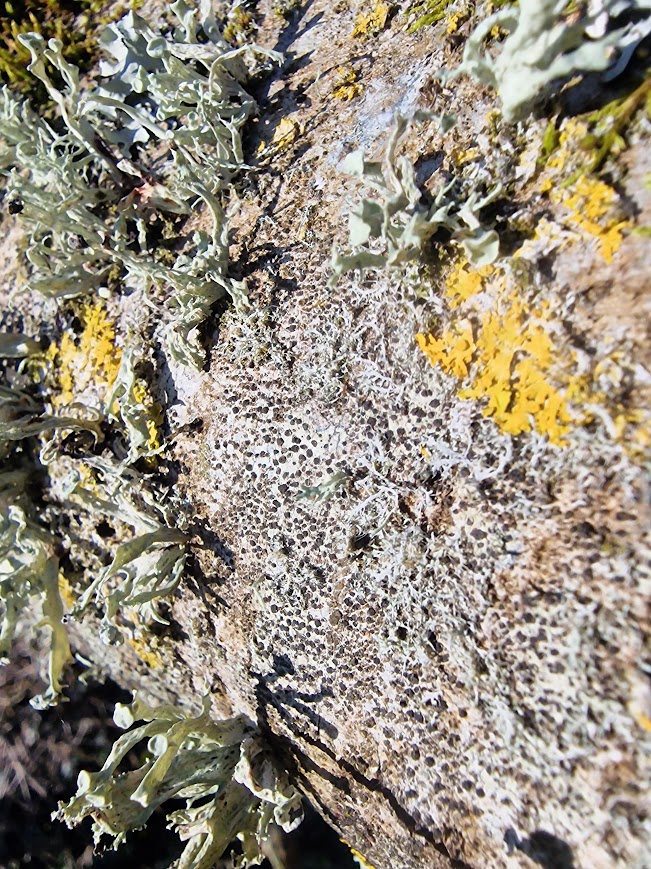
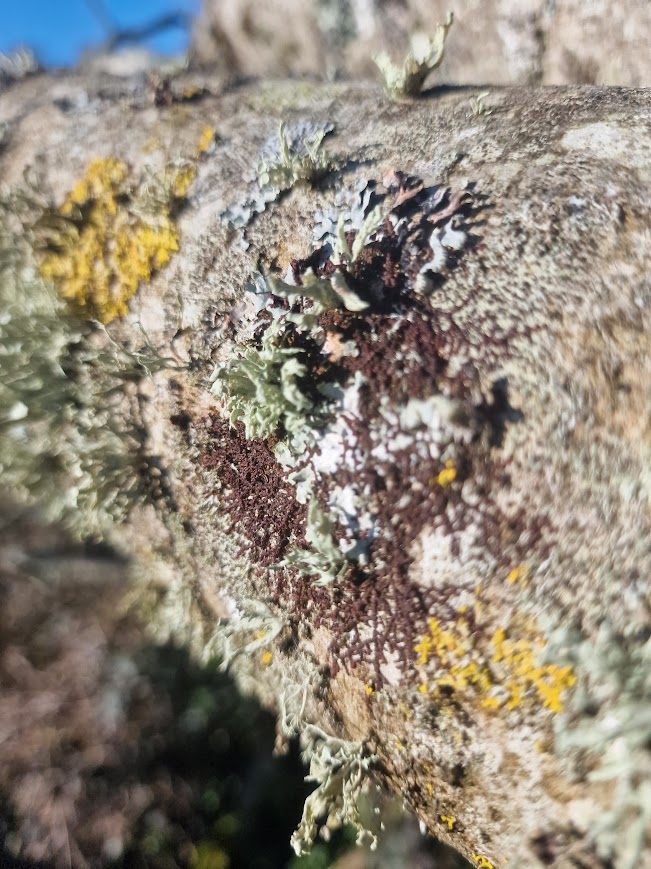
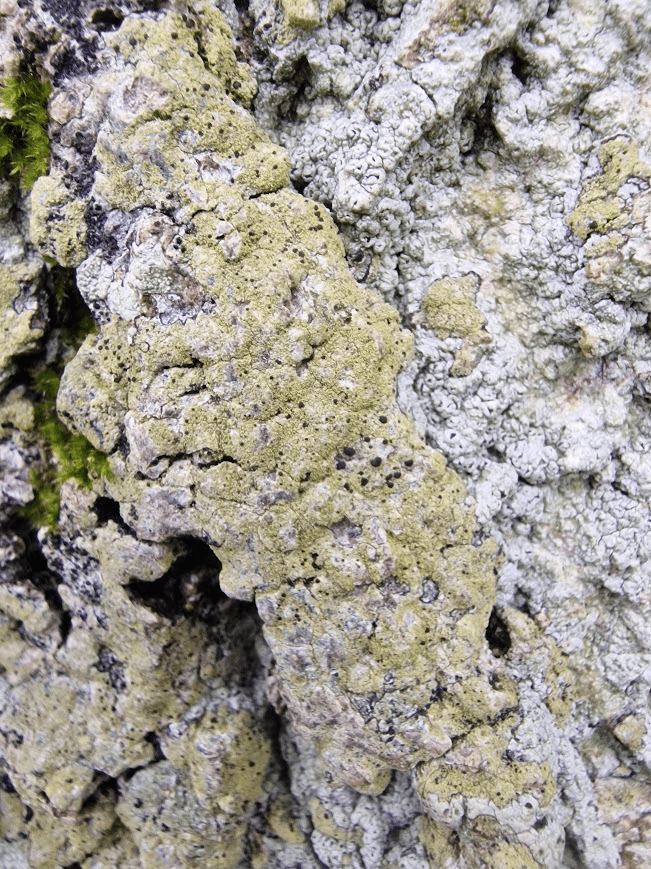
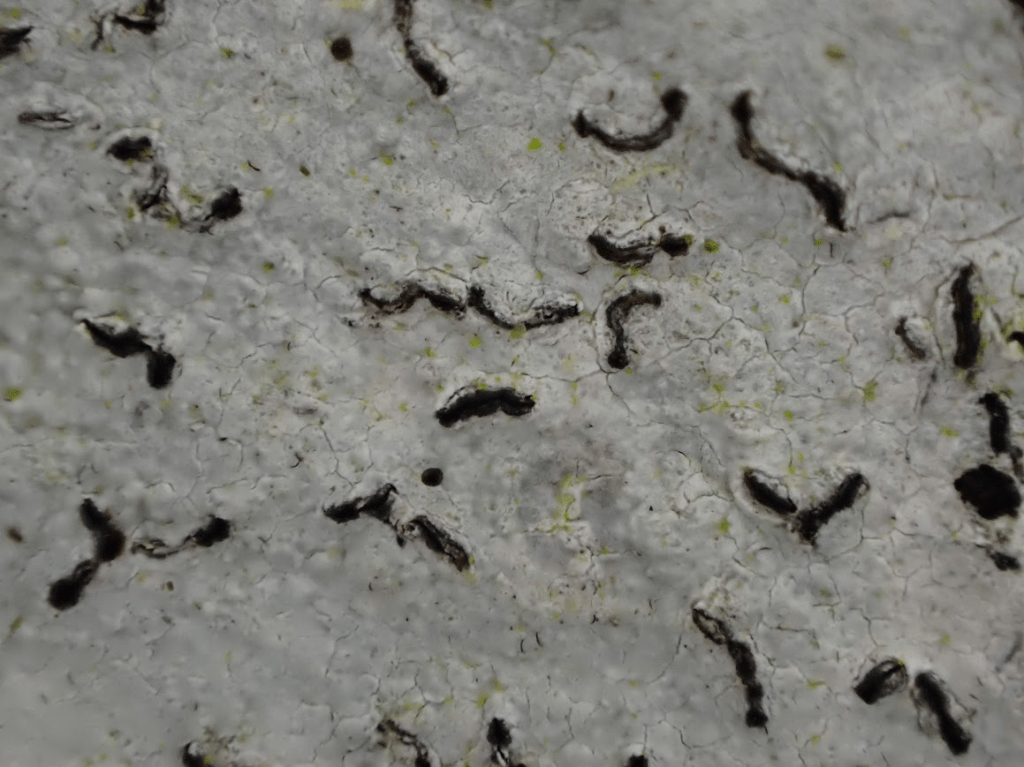
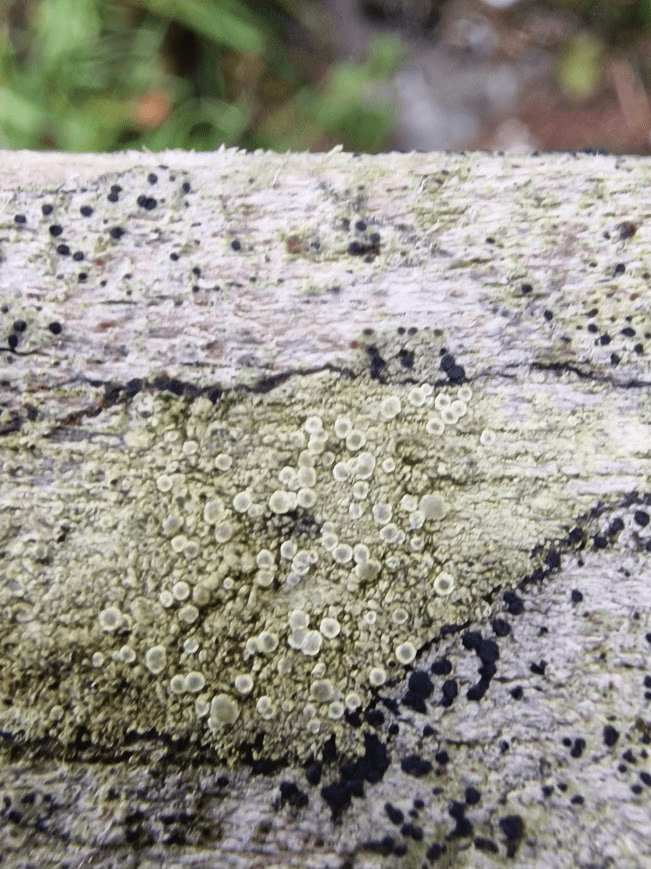
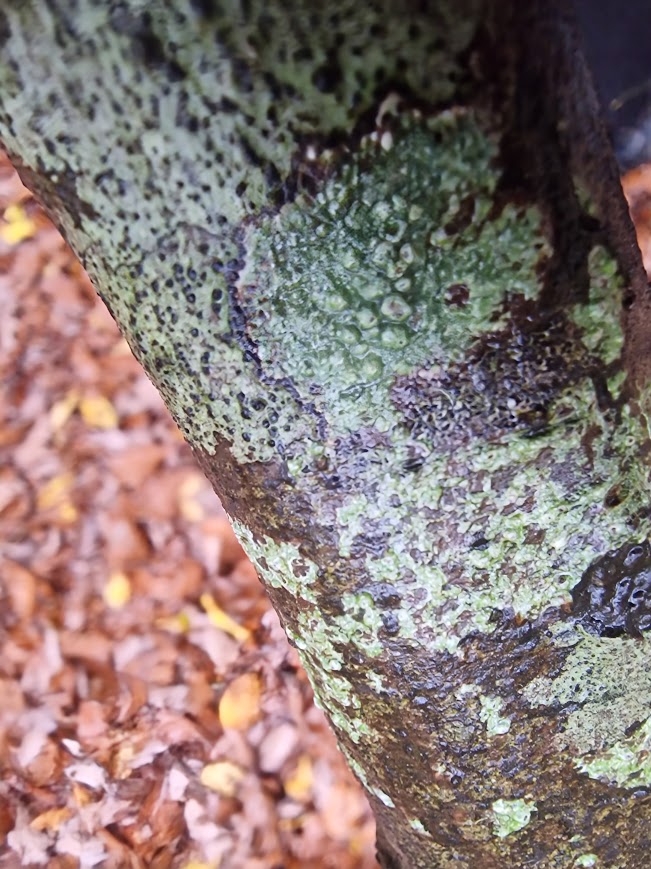
(photo 1) R. farinacea; (2) R. fastigiata (3); R. fastigiata with Lecidella eleachroma

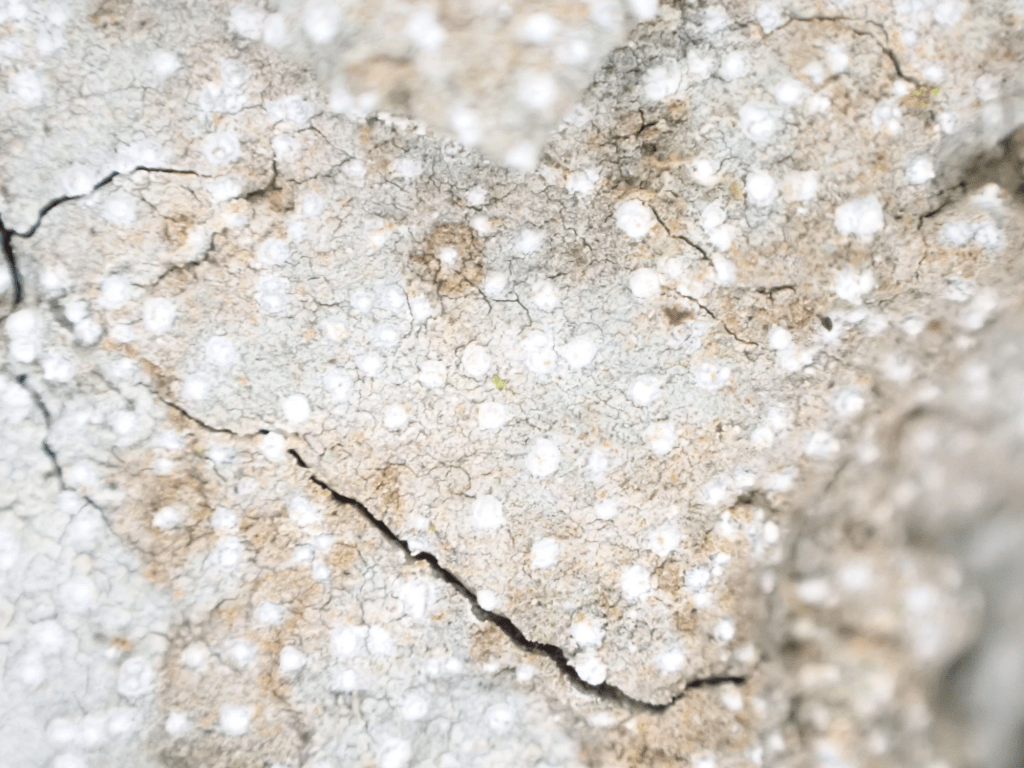
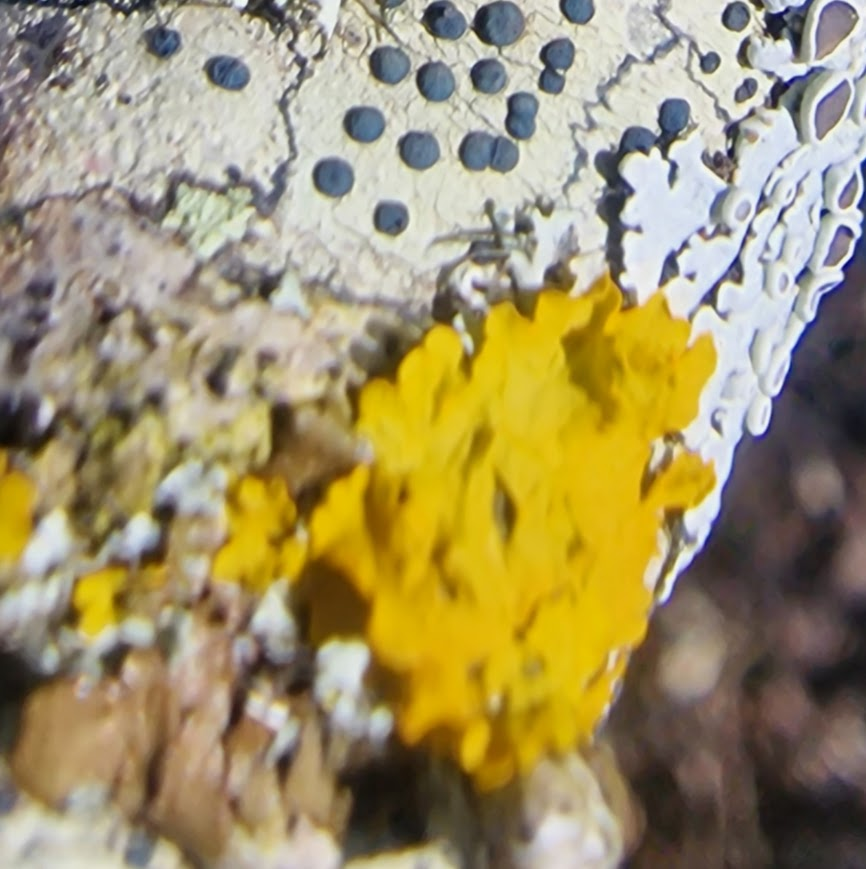
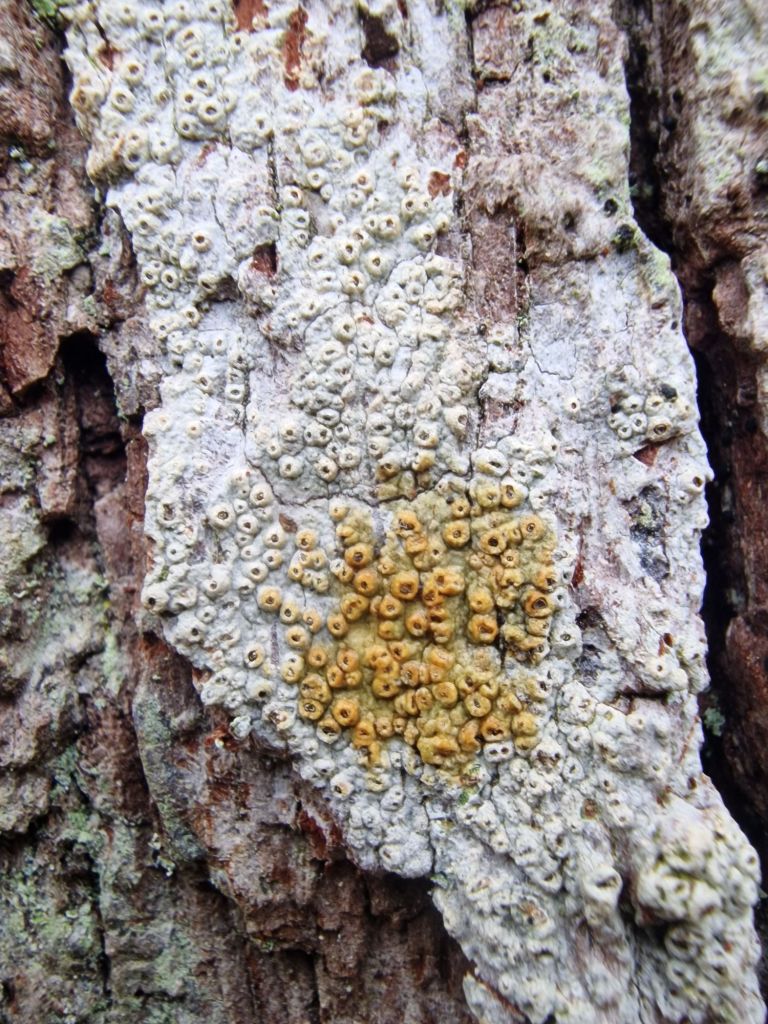
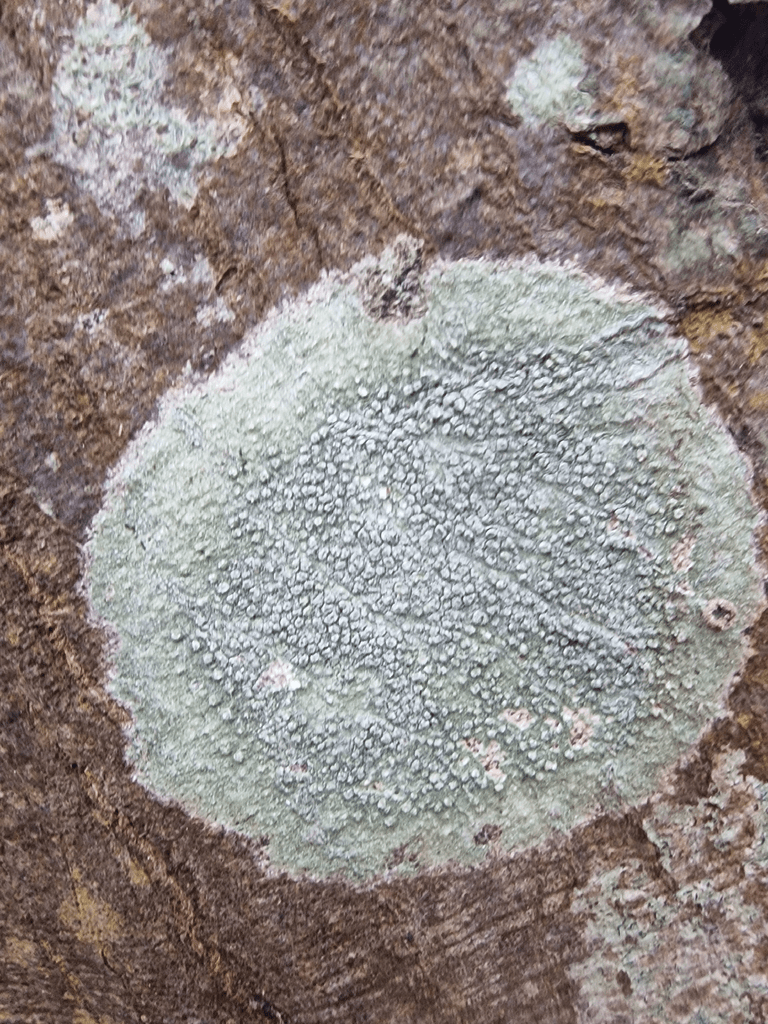
Lecidella eleachroma is extremely common on all Pagham Blackthorns and Hawthorns. It is a crustose lichen (a crust on a truck, branch or twig, although crustose liches grow on rocks/stones too, but not this one) with a pale grey thallus (body of the lichen) and little round black apothecia.

A lichen is not a single organism; it is a stable symbiotic association between a fungus and algae and/or cyanobacteria, called photobionts. The which can produce simple sugars by photosynthesis. In contrast, fungi are ‘heterotrophic’ and require an external source of food. The fungi build the structure of the lichen thallus, within which they provide conditions for a long term, stable association with their photobionts. What is a Lichen? | The British Lichen Society

On the vegetated shingle harbour-side path, before you get to the coastal Oaks:

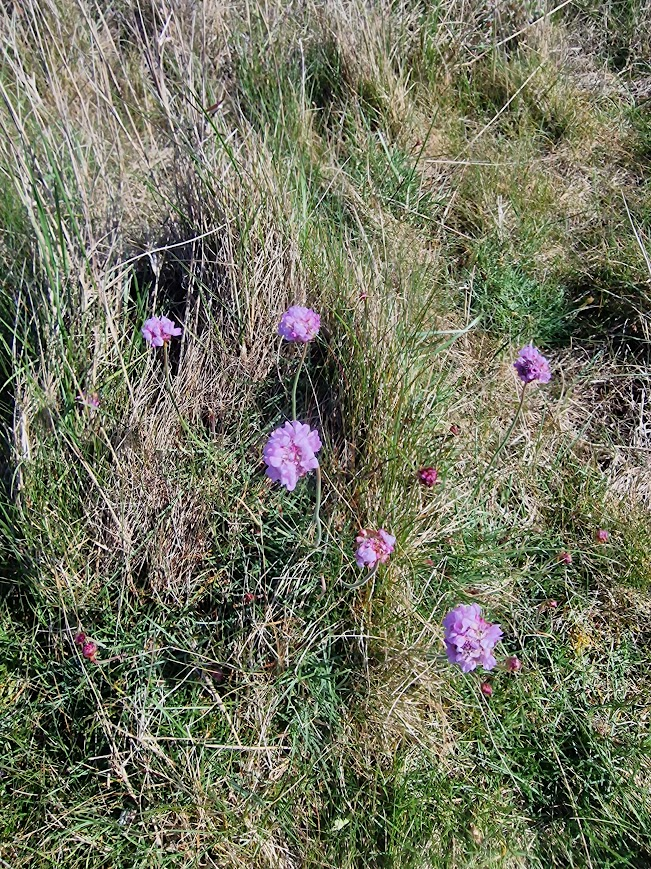
Thrift, clover-like and pink; a maritime plant of cliffs, shingle and sand dunes.

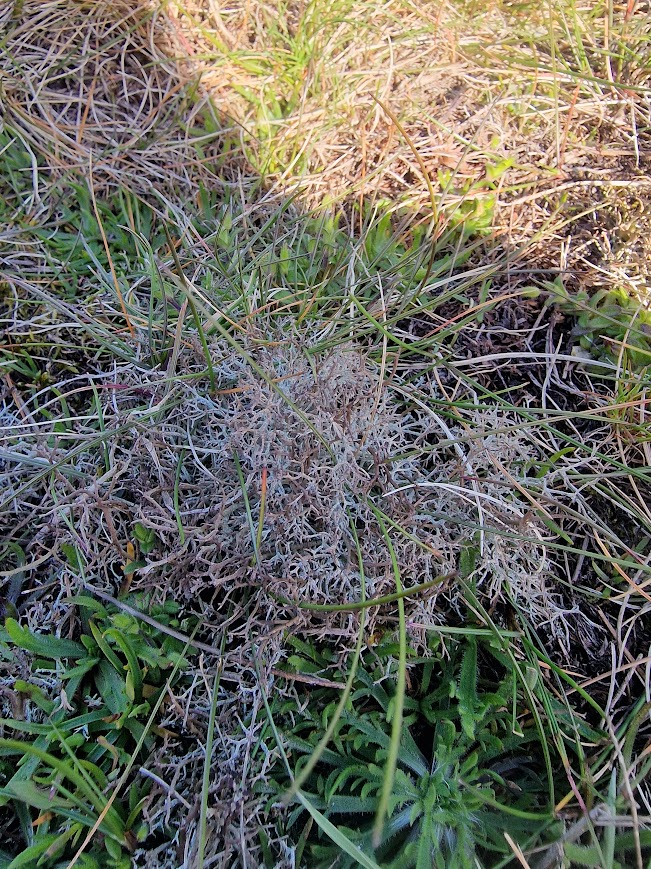
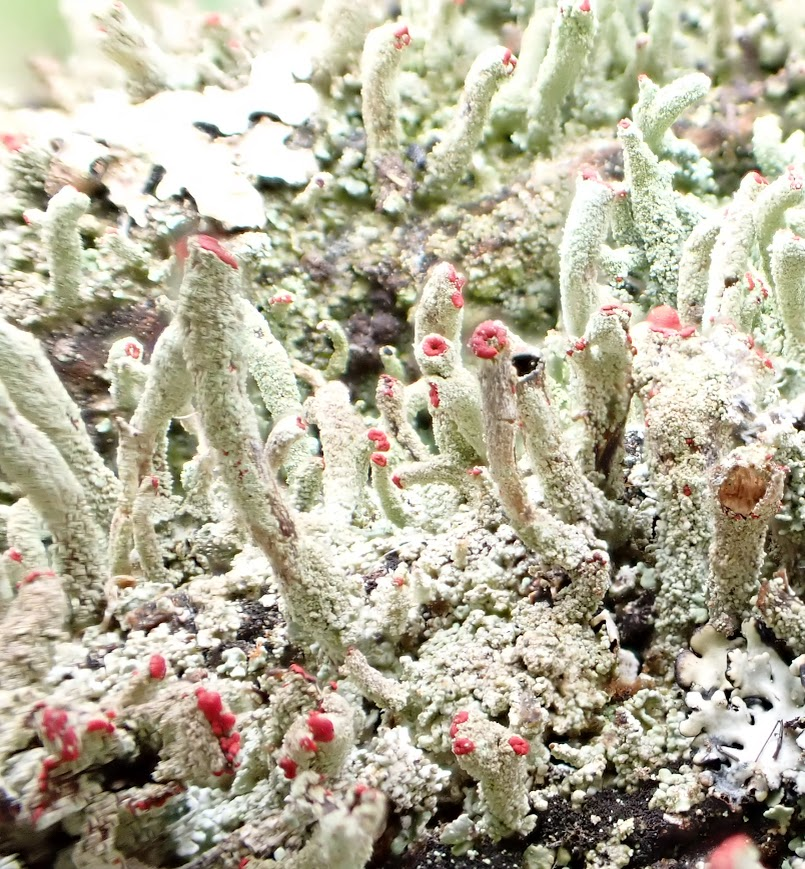
Cladonia rangiformis lichen, a false reindeermoss – looks like dried grass; grows in soil i.e. it is a terricolous lichen

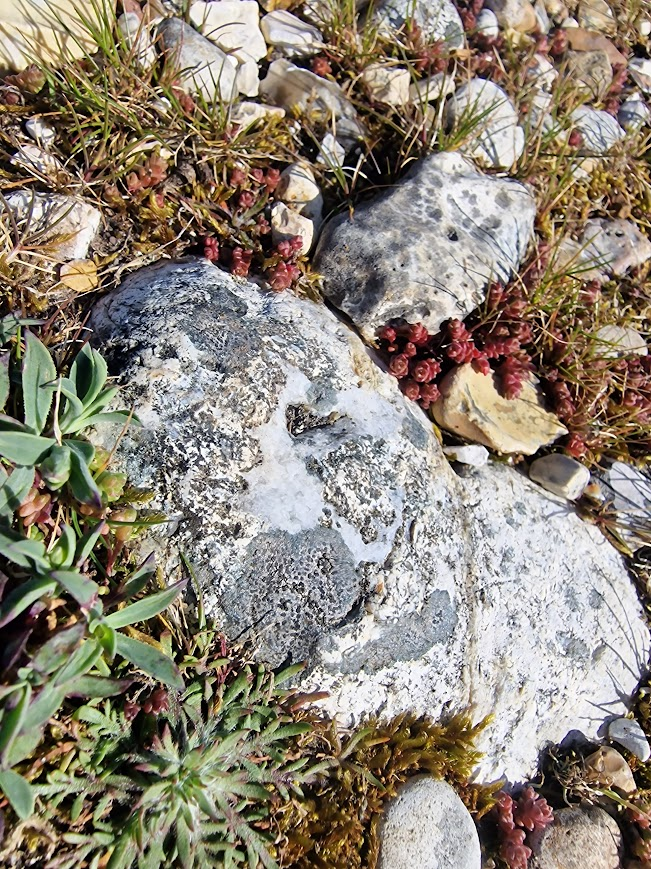
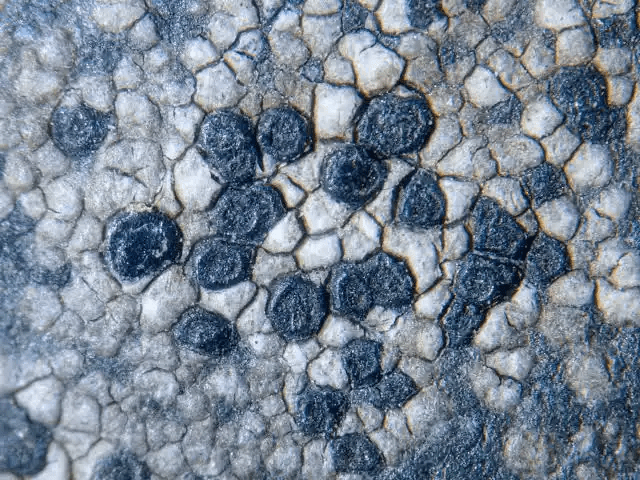
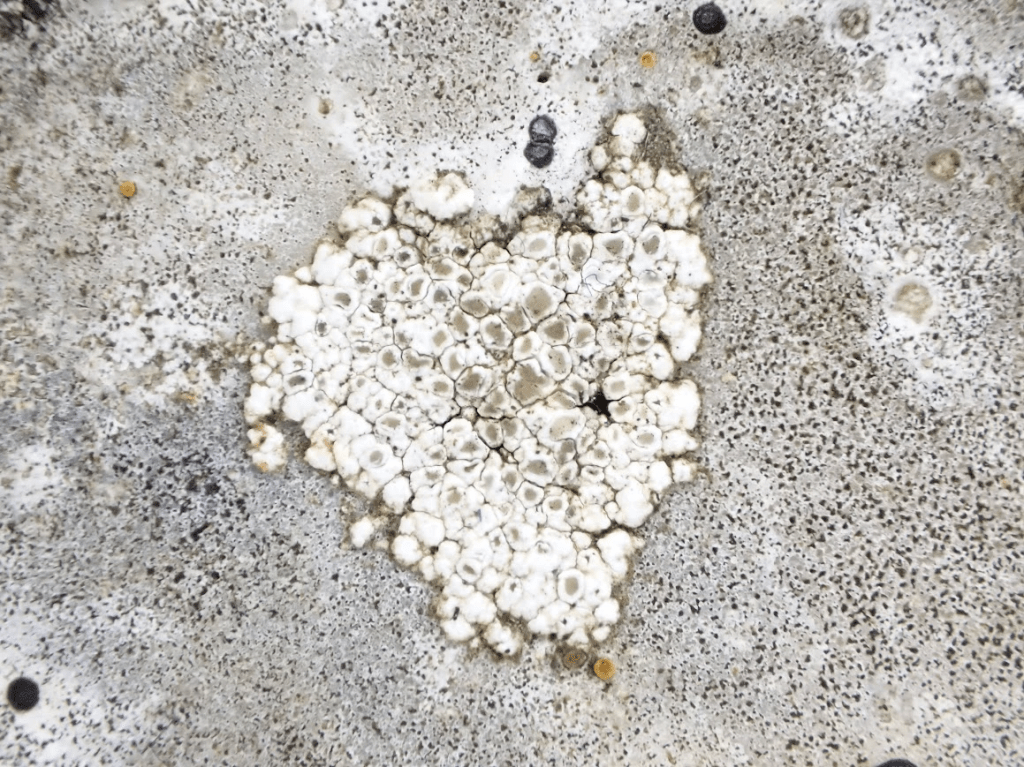
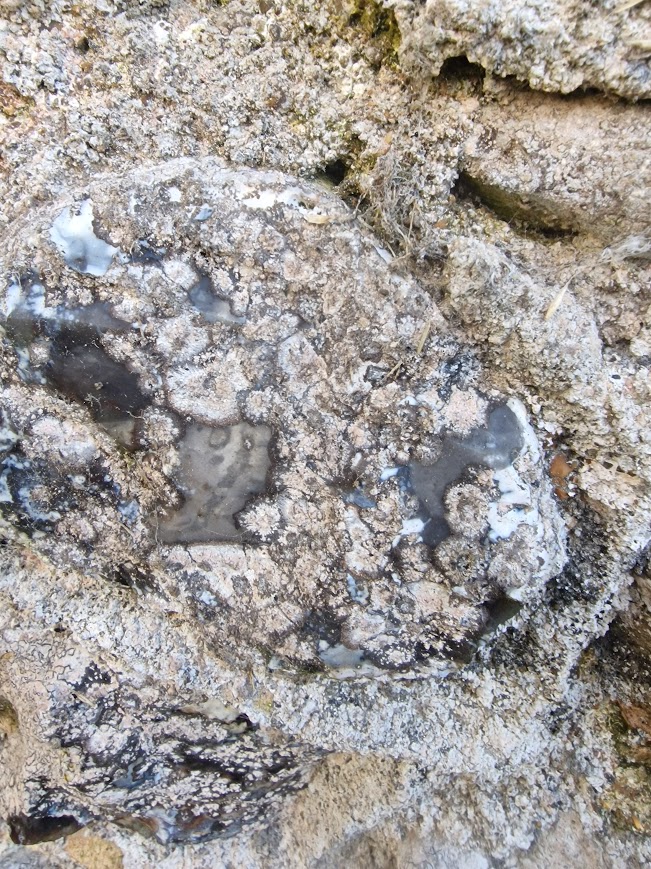
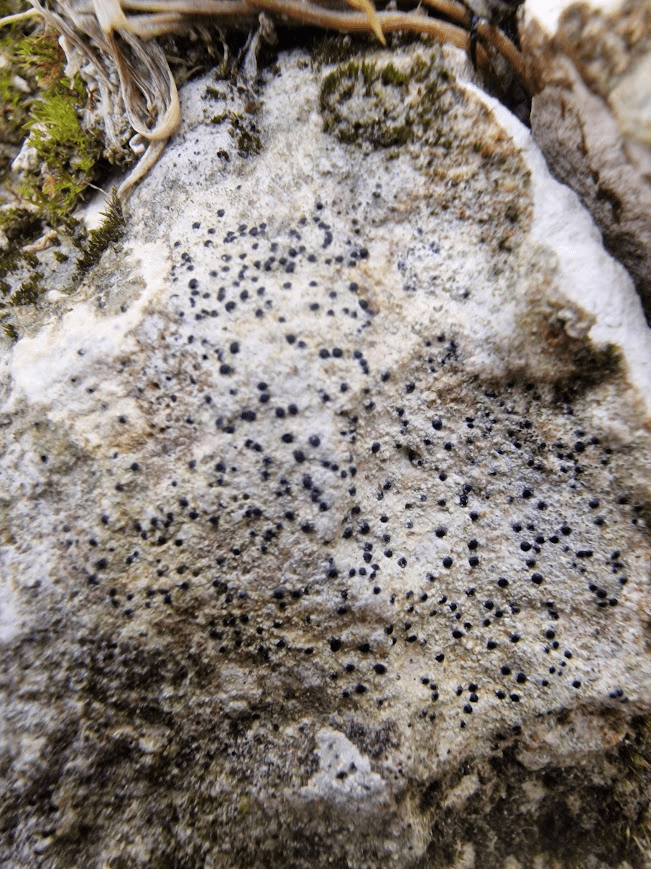
Under our feet at this point are pebbles covered in lichens that few people notice. On these pebbles there is lots of lichen Rhizocarpon reductum (grey thallus with black apothecia); a pioneer species of siliceous rock and pebbles. Flint is highly siliceous, so it gets lichens you would typically see on upland granite.

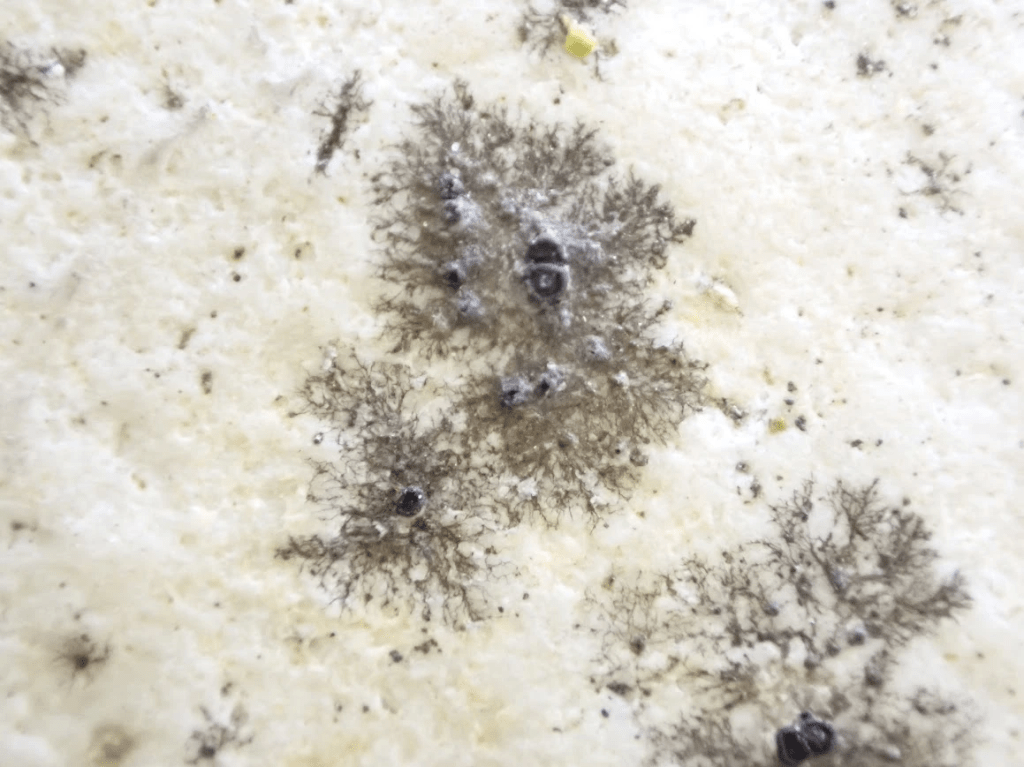
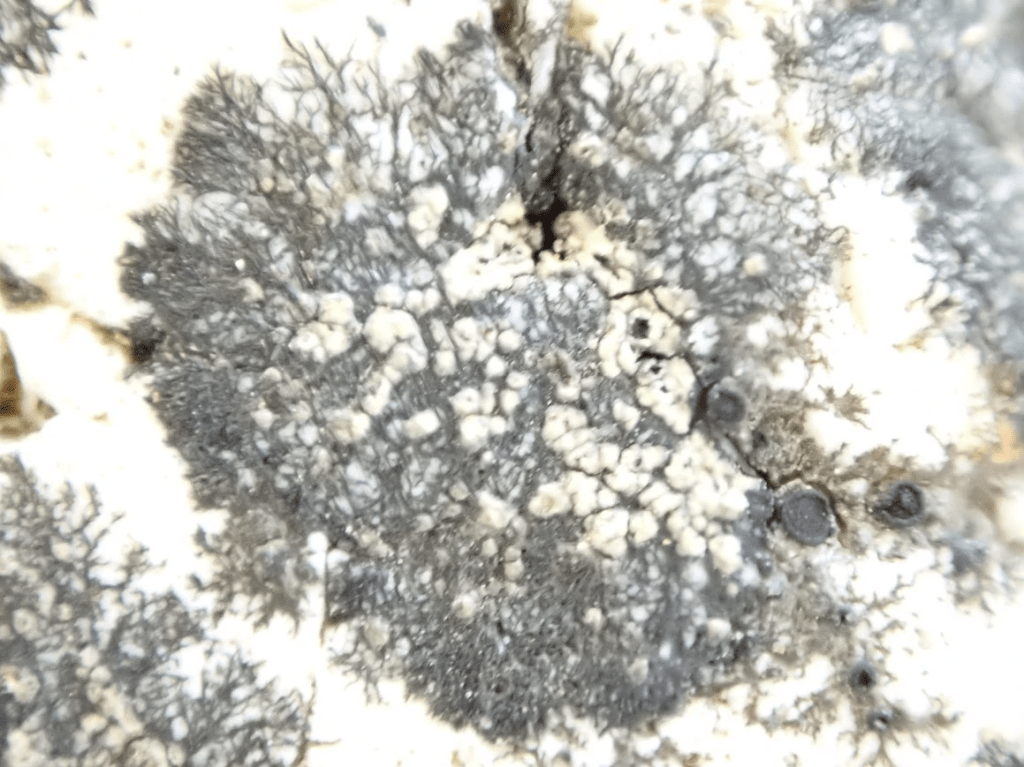
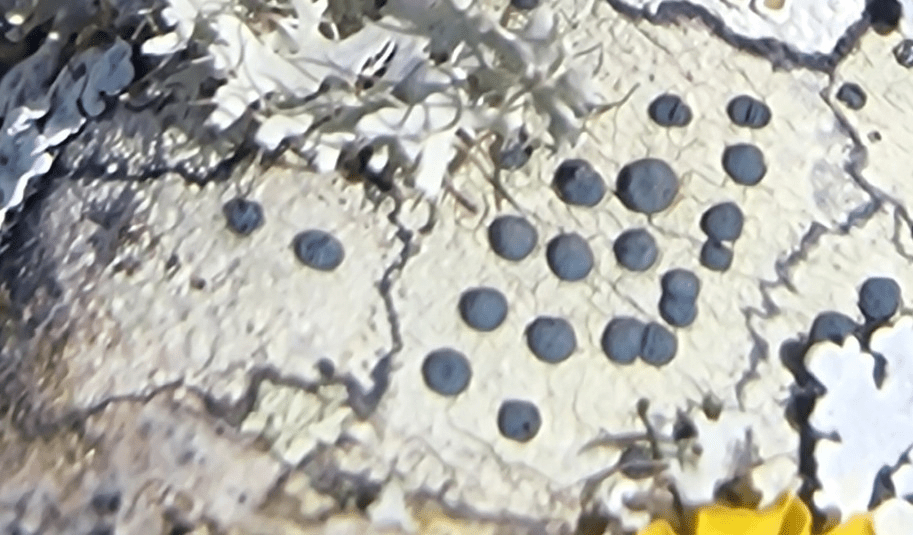
Detail below (photo from Rhizocarpon reductum – Aspen Ecology). The black blobs are apothecia; fungal fruiting bodies containing spores

On the pebbles there is a version of this lichen called Rhizocarpon reductum var. fimbriata which consist of mainly a black/dark green web-like prothallus (a thallus that is free of algae; just fungal hyphae) [thallus: the part of a lichen that is not involved in reproduction; the “body” or “vegetative tissue”] connected to apothecia. This is very common at Pagham on pebbles on the vegetated shingle of the paths and Church Norton Spit; but you need to pick up a pebble and look at it with a handlens

As a long term Dr Who nerd as well as lichen nerd, I wonder whether the designer of the Kaled Mutant in The Eve of The Daleks (2022) based the design on R. reductum var. fimbriata

In a creek, some Greenshanks

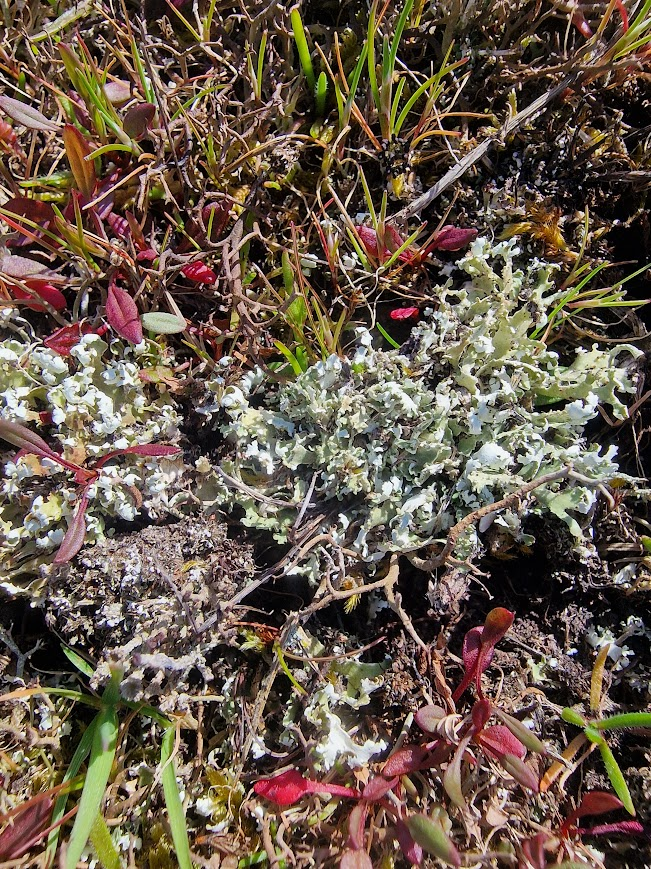
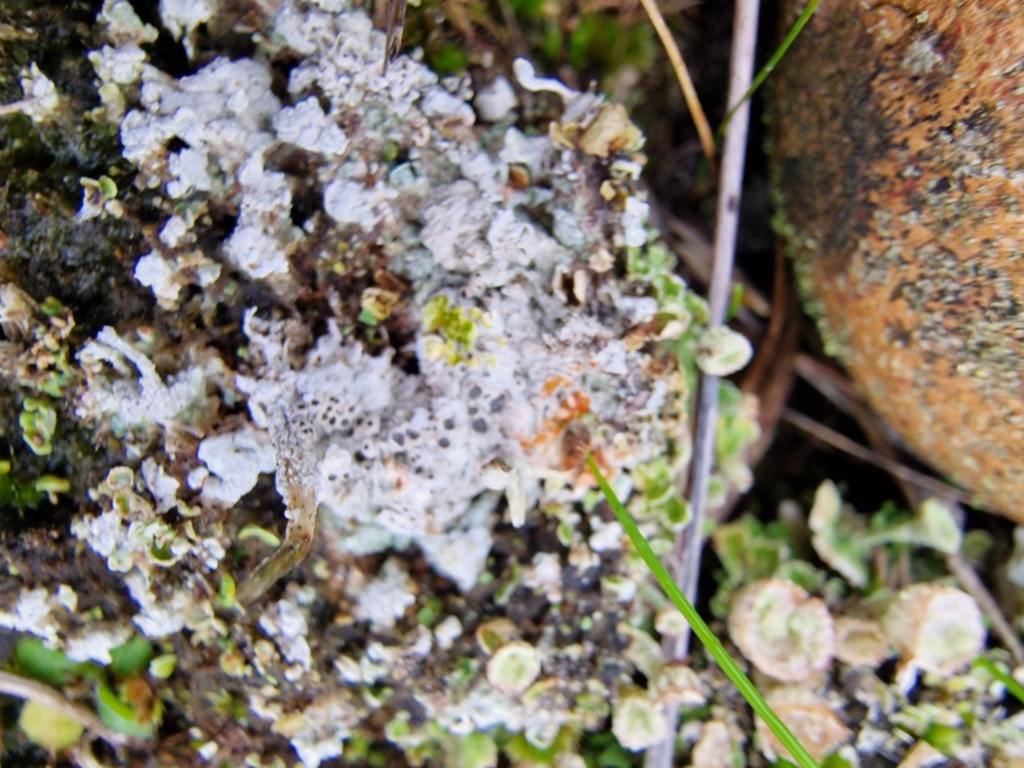
On the ground just to the west of a gorse, on the path to the coastal oaks, is Cladonia foliacea. In the UK it is a rarer lichen confined to coastal dunes and vegetated shingle. In the Netherlands it is is called Summer Snow lichen, as its squamules (basal leafy lobes) turn over when desiccated revealing their white undersides.

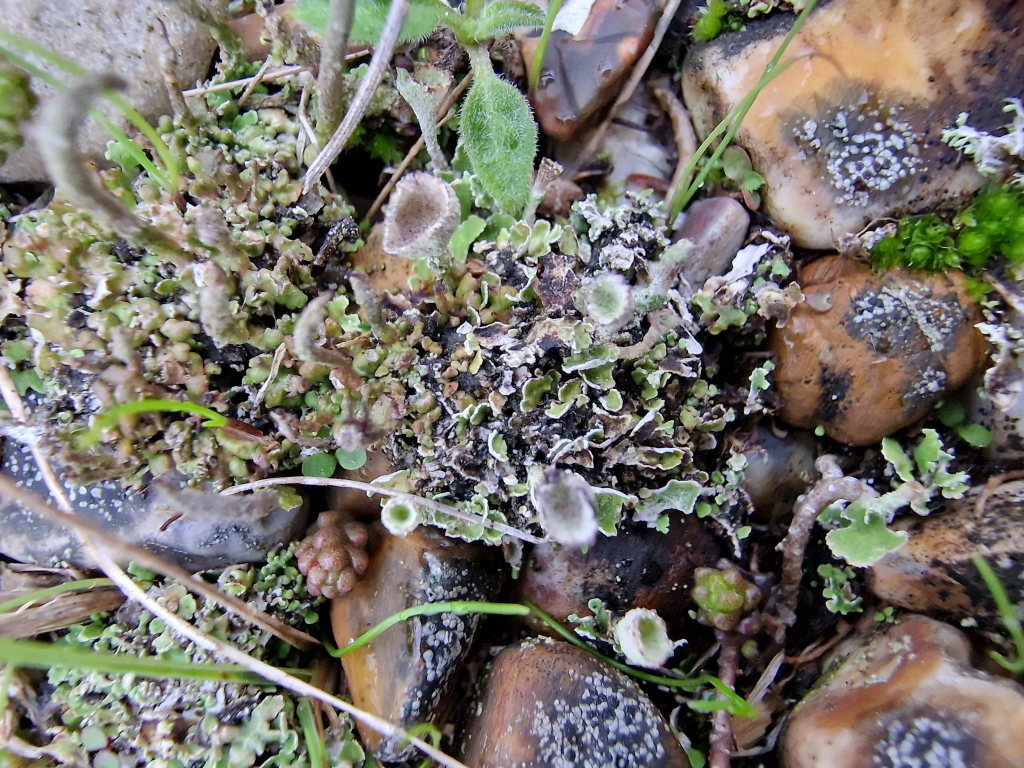
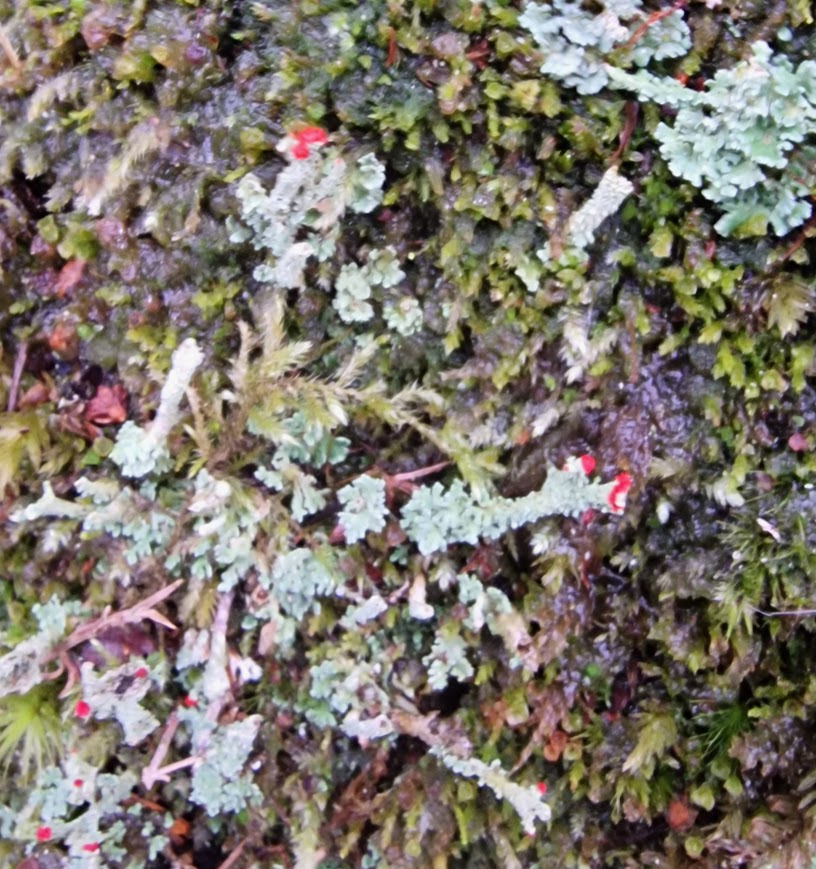
Pixie Cups (lichens of the genus Cladonia) grow in the soils between the pebbles. Probably Cladonia pyxidata Pebbled Pixie Cup. There are many pixie cup species in the genus Cladonia

There are several pixie cups you can see at Pagham. I have seenL

  • Pebbled Pixie Cup (Cladonia pyxidata): One of the most widespread types, often found on bare soil or old trees. It is characterised by funnel-shaped cups that are typically coated with tiny, granular scales.
  • Mealy Pixie Cup (Cladonia chlorophaea): Frequently growing on rotting logs and acidic soil, this species is noted for having a “mealy” or powdery appearance due to fine soredia (reproductive granules) on its surface.
  • Gray’s Pixie Cup (Cladonia grayi): Highly similar to the mealy pixie cup but contains grayanic acid, which causes it to glow light blue under ultraviolet light.
  • Trumpet Lichen (Cladonia fimbriata): Known for its very slender stalks that flare abruptly into a neat, regular cup at the top, often described as looking like a miniature golf tee.
  • Madame’s Cup Lichen (Cladonia coccifera) Distinguished by yellowish to grey-green stalks and bright red fruiting bodies (apothecia) on the rim of the cup.

The above list was created by Google Gemini AI

On Church Norton Spit, in the part currently closed, I have seen Diploschistes muscorum, Cowpie Lichen. This is a lichen that parasitises mostly Pixie Cup lichens and the mosses around them. Parasitic symbiosis is a very rare relationship for lichens, mostly liches get all their energy from their photobiont (alga or cyanobacteria) (mutualistic symbiosis) not from another lichen

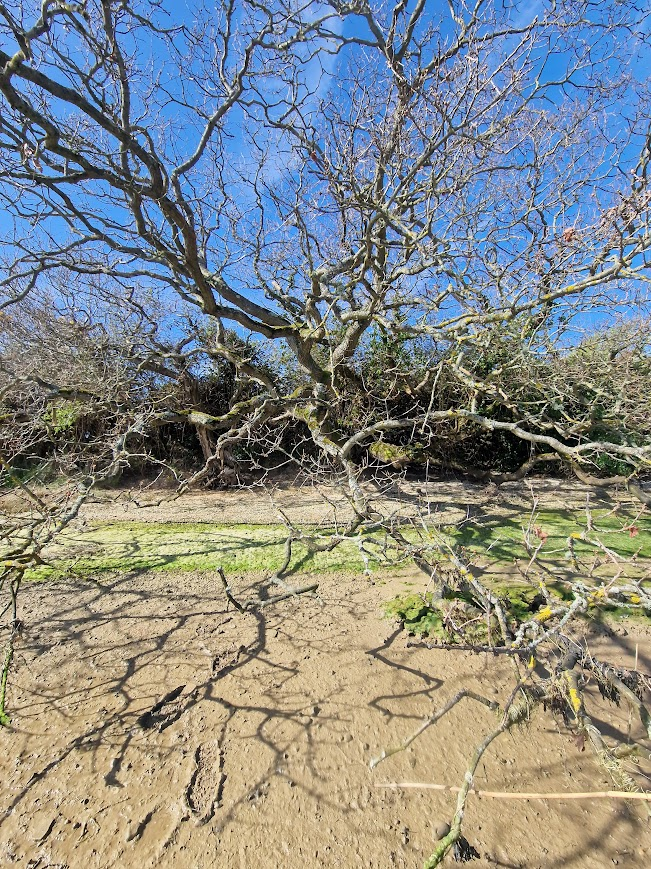
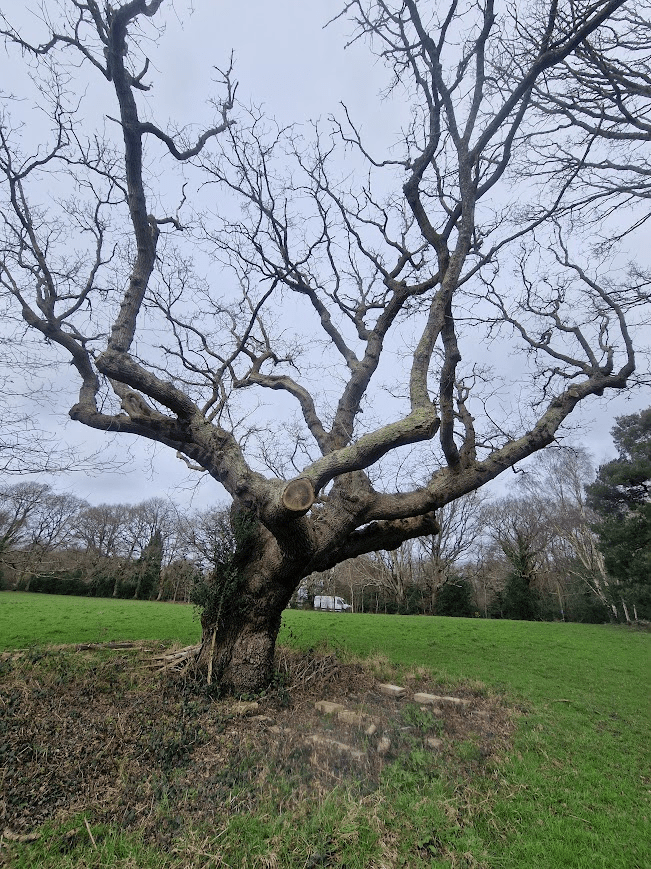
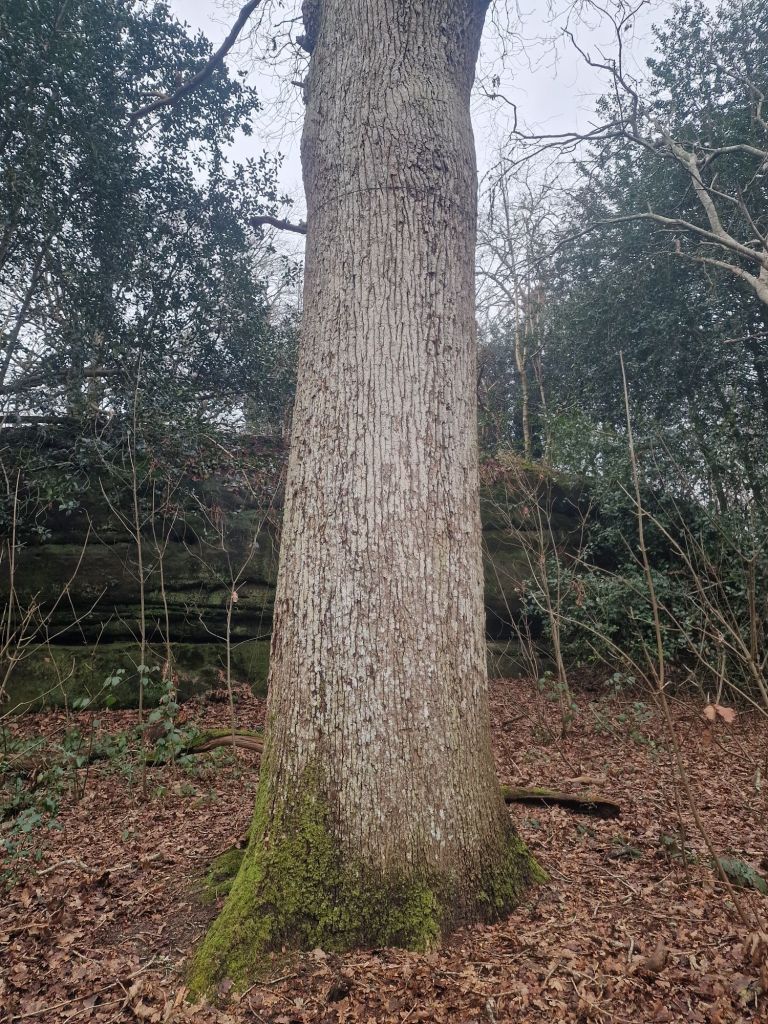
Lichens on the coastal Pedunculate Oaks

Presumably these Oaks started growing on more solid ground and the edge of the harbour has moved to meet them, as they would have got to this size if they started growing next to water.

They have the very common lichens of Oak, especially Common Greenshield Lichen (Flavoparmelia caperata) and Black Stone Flower lichen (Parmotrema perlatum); one of the spices in biriyani sauce

Parmotrema perlatum; Flavoparmelia caperata

But they also have the very rare Inodema subabietinum on parts of their lower trunks, above the high water mark, and on the stems of the Ivy on the oaks. This rarer lichen can only be separated from other similar species with chemical reagent spot tests of their pycnidial pruina (the “dust” on the pycnidia ‘ pycnidia are small, flask-shaped, asexual reproductive structures produced by the fungal partner (mycobiont), that appear on the lichen surface; they look like acne in Inodema subabietinum & Lecanactis abietina). If the pruina do not go red in response to a drop of sodium hypochlorite, and response to potassium hydroxide turns lemon-yellow, the lichen is Inodema subabietinum not the more common Lecanactis abietina (whose pruina turn red in sodium hypochlorite). It’s distribution is mostly coastal, at the bottom of coastal oaks in the south. It’s an international responsibility lichen i.e. the UK has a significant proportion of the total global population.

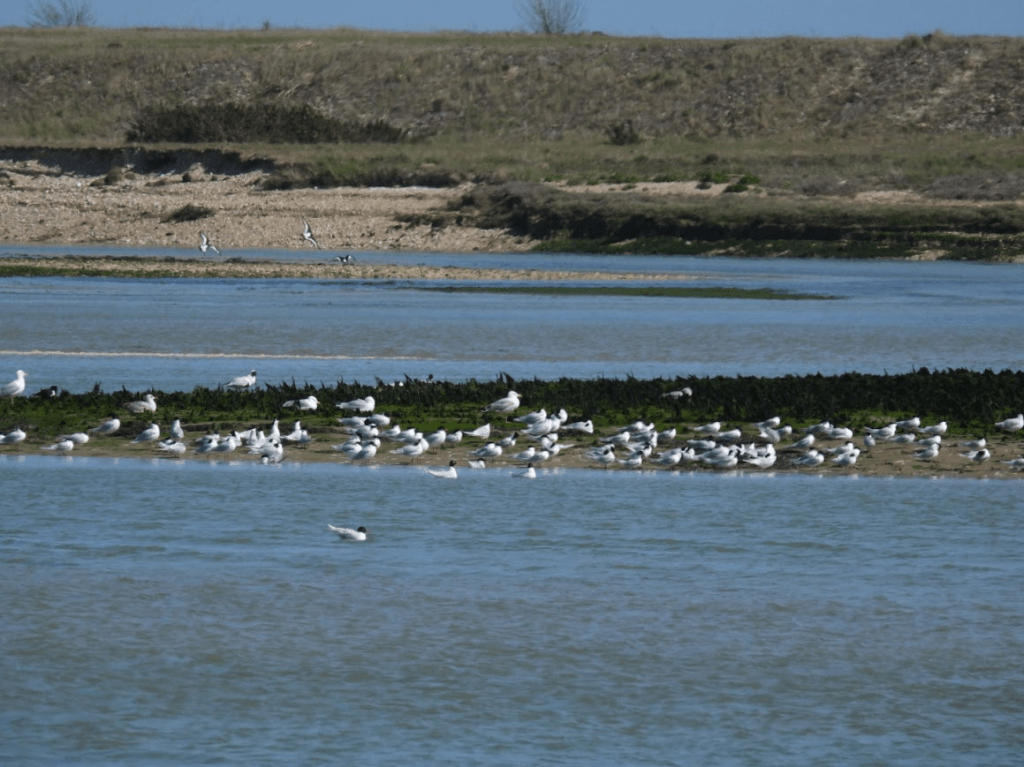
Just inside the harbour mouth I saw quite a few Sandwich Terns and a Little Tern (couldn’t get a photo of the Little Tern)

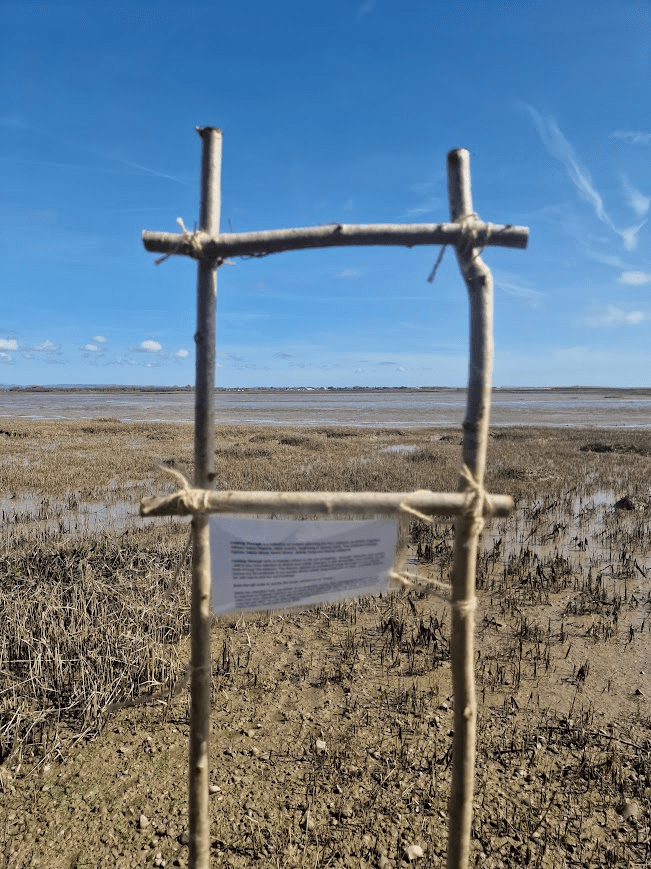
A collective art project titled ‘Looking Through’.

View finding frames have been placed at considered spots throughout the nature reserve, encouraging visitors to pay close attention to the details and subtle changes in the landscape and wildlife as we move through the seasons.

In the education hub, you can meet the four Sussex based artists leading this project. They will be exhibiting drawings, prints, film, photography and music exhibited, all in response to Pagham Harbour’s journey from Winter to Spring.

There will also be free workshops taking place where you can make you own view finders and concertina sketchbooks for keeping visual diaries of your walks around Pagham Harbour. 🎨 Art event at RSPB Pagham Harbour this… – RSPB Pagham Harbour | Facebook

On the spit.

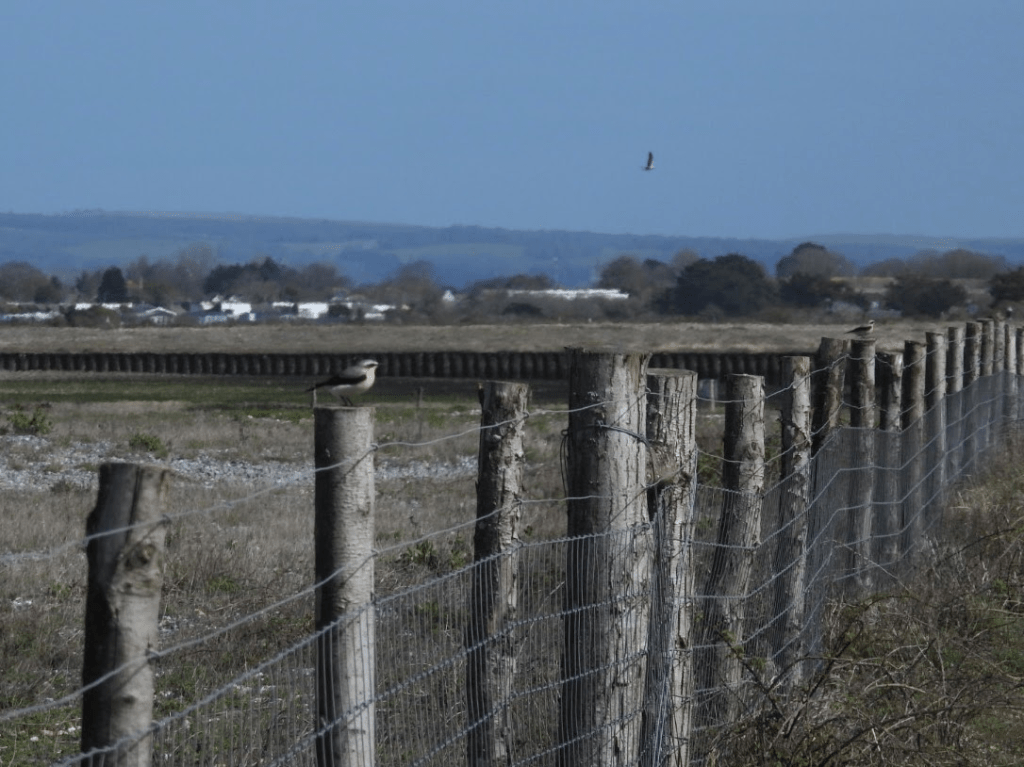
As I walked on the spit to the east of the fenced-0ff area, there were lots of White Arses, Oenanthe oenanthe, on the fence posts. “Wheatear” is a Victorian change to the vernacular name because their historical vernacular name was deemed it too vulgar for polite society.

The bit of the spit that is fenced off is vegetated shingle, which is a very important habitats for lichens. But there is some vegetate shingle outside the exclusion area with many interesting lichens, including:

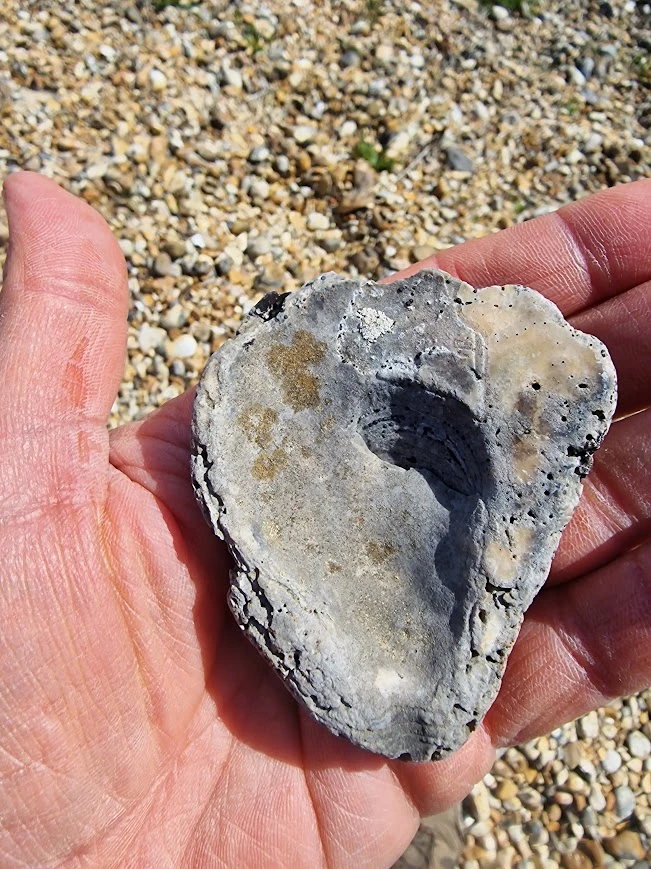
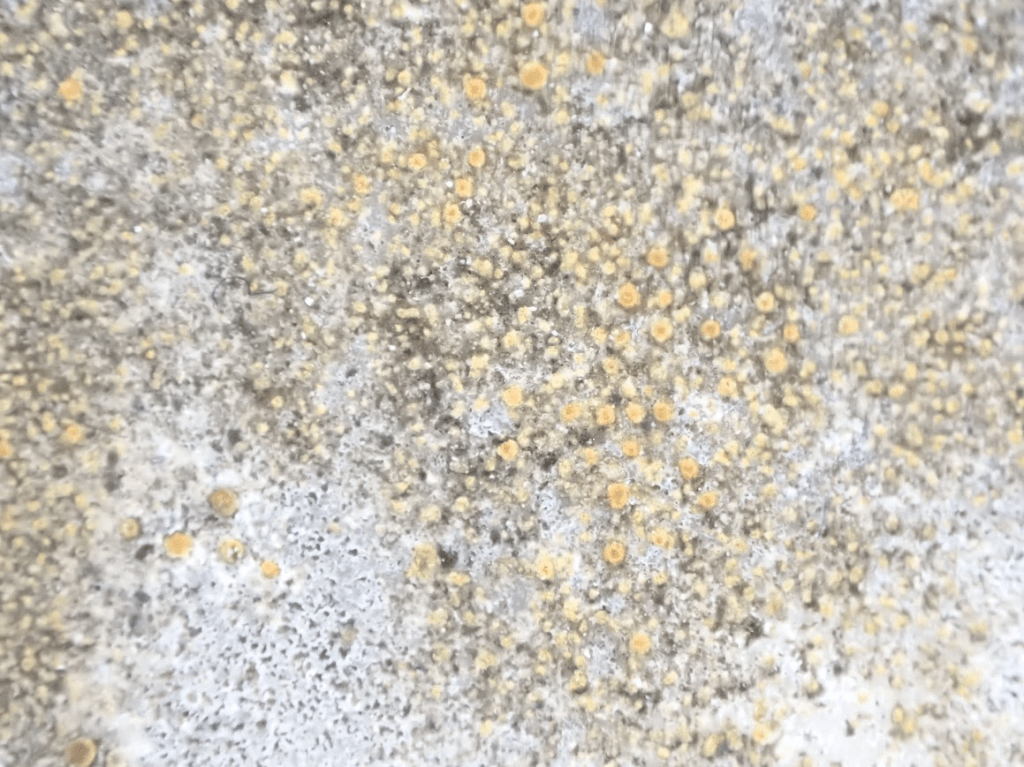
Oyster Shells on, with Candelariella spp. (Goldspeck) lichens, this is probably C. aurella.

There is also Circinaria contorta on them – handlens needed for these two

Both lichens are common on calcareous substrates (rocks, concrete etc). Oyster shells are ca. 35% calcium carbonate CaCO3.

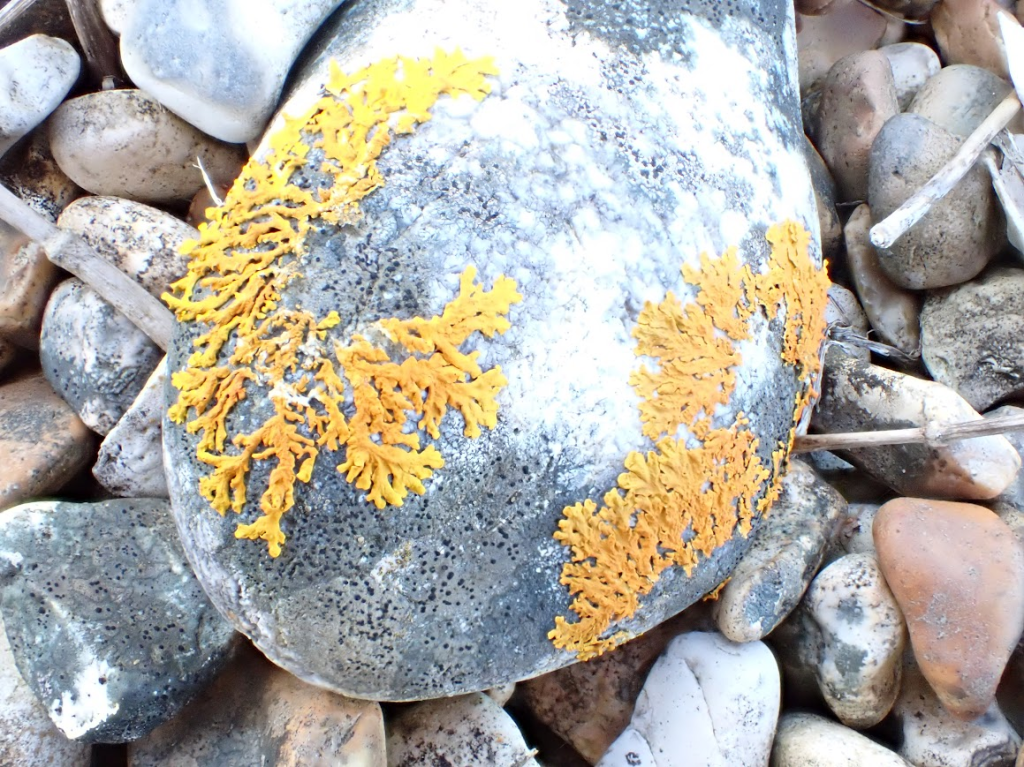
Pebble with Xanthoria aureola Seaside Sunburst Lichen

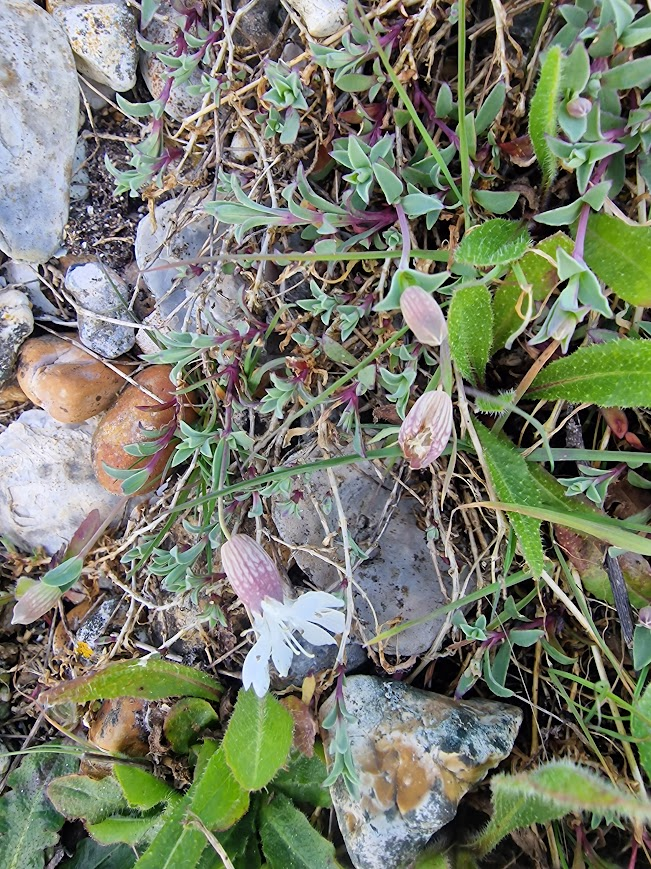
Sea Campion

Physcia adscendens

Typically a corticolous lichen i.e. a lichen of trees but also grows on vegetated shingle.

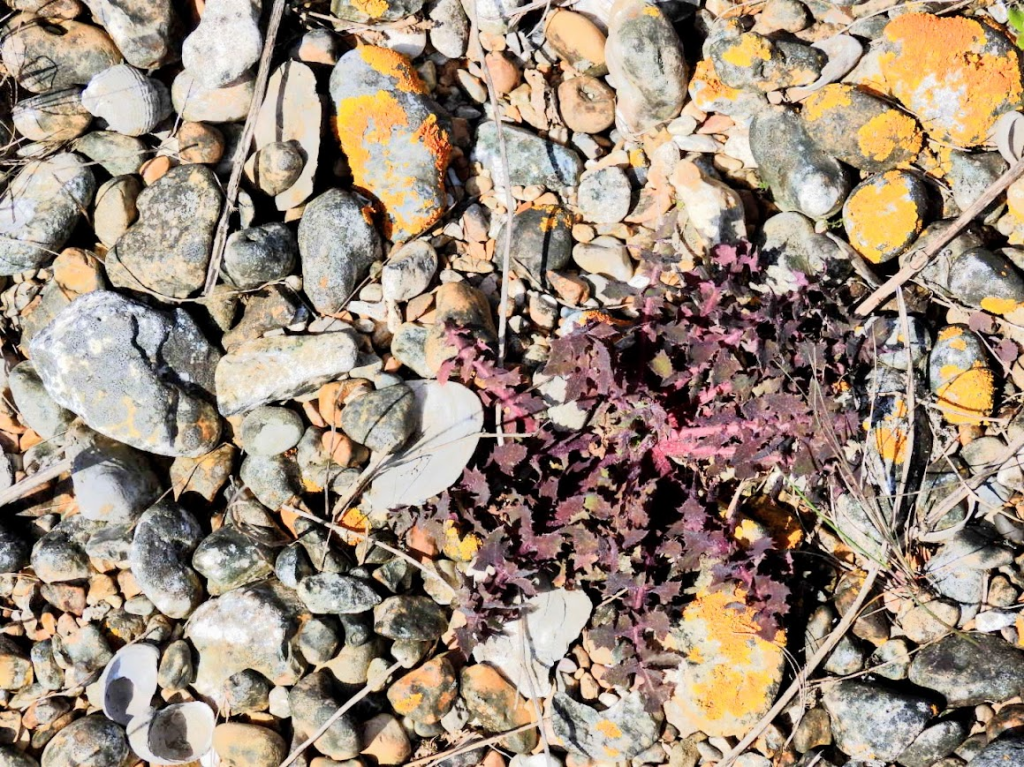
Purple, orange, black & grey

Sea Kale (purple when young), Xanthoria aureola and Rhizocarpon reductum

Sea Kale seems so abundant, as we see it a lot on the shingle of Pagham and Church Norton spits; but is nationally rare and on the Sussex Rare Plant Register

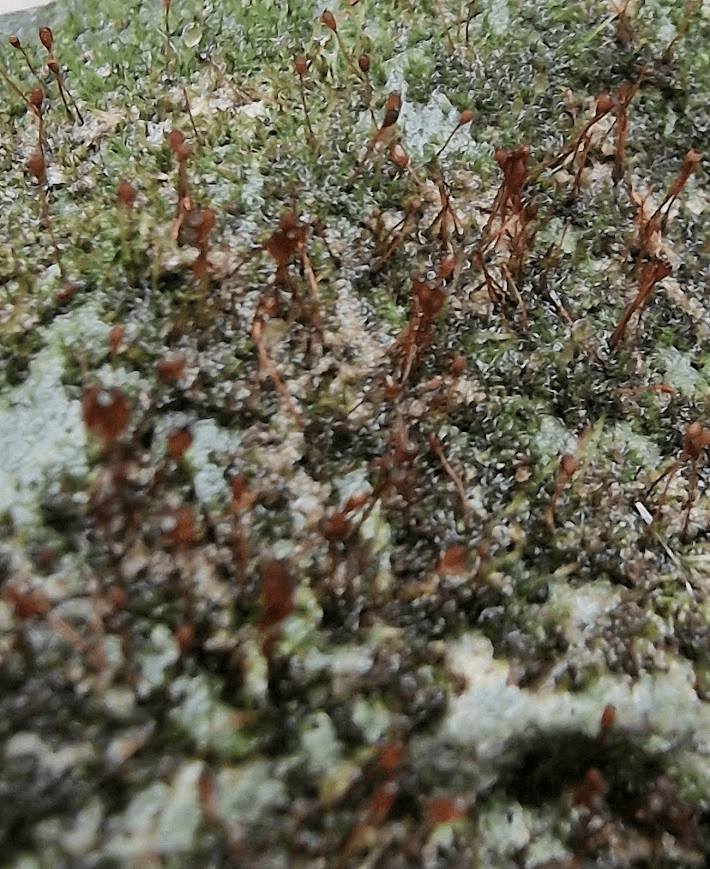
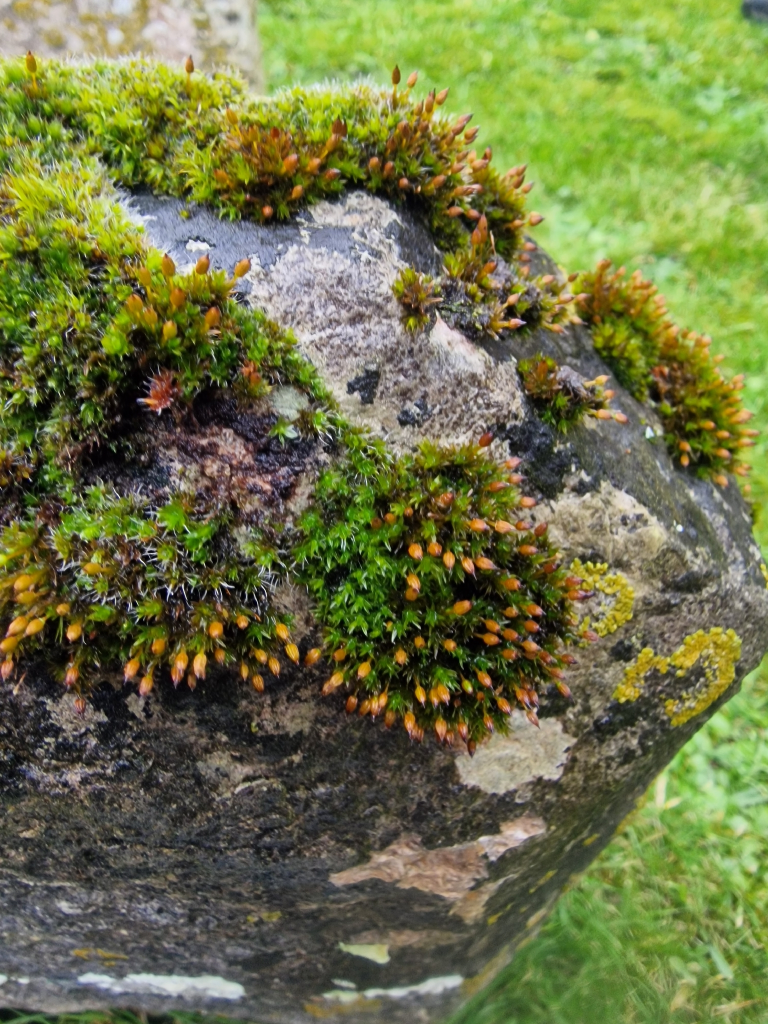
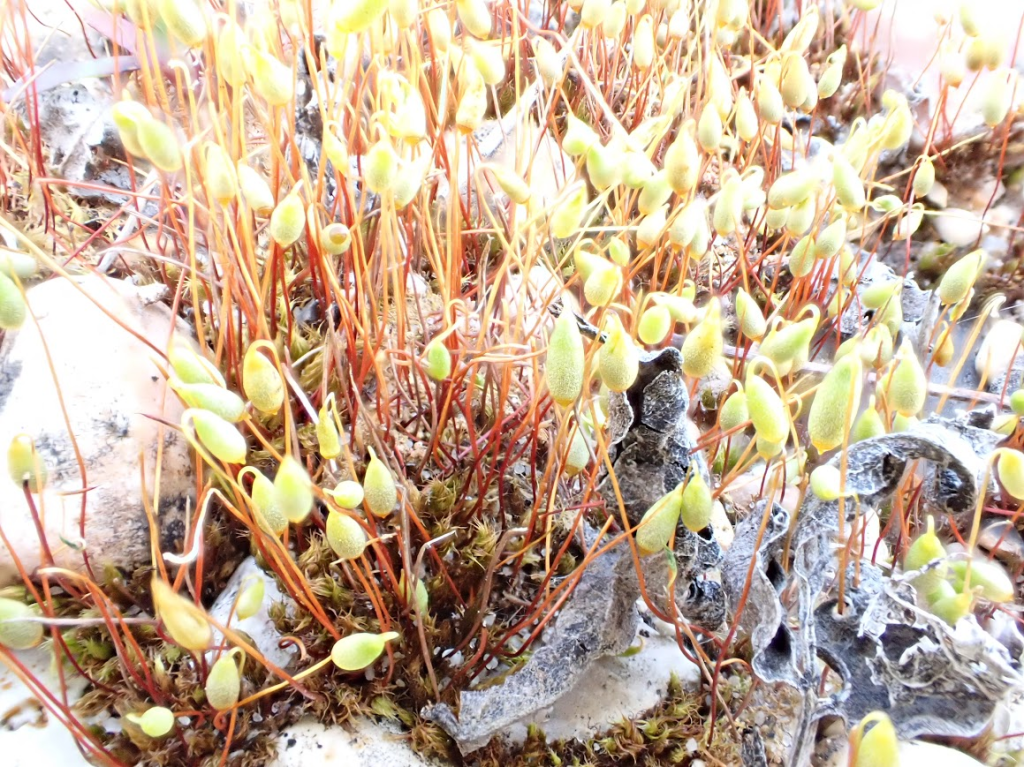
A forest of moss spore capsules on the vegetated shingle; probably a Bryum sp. moss

Balls of Cladonia rangiformis on the beach; they blow in the wind like tumble weed.

The stunted wind-blown Oaks gwoing toward the Severals are covered in lichens

includingL

Ramalina fastigata and Lecanora chlarotera s.l. (s.l. = sensu lato i.e. in the broadest sense, either this lichen or a lichen very similar in the same genus)

Lecidella eleachroma (with black “button” apothecia) and Physcia adscendens (top)

Melanelixia glabratula Polished Camouflage Lichen

Physcia aipolia and Melanelixia glabratula

Xanthoria parietina (orange)

All of the above on one branch

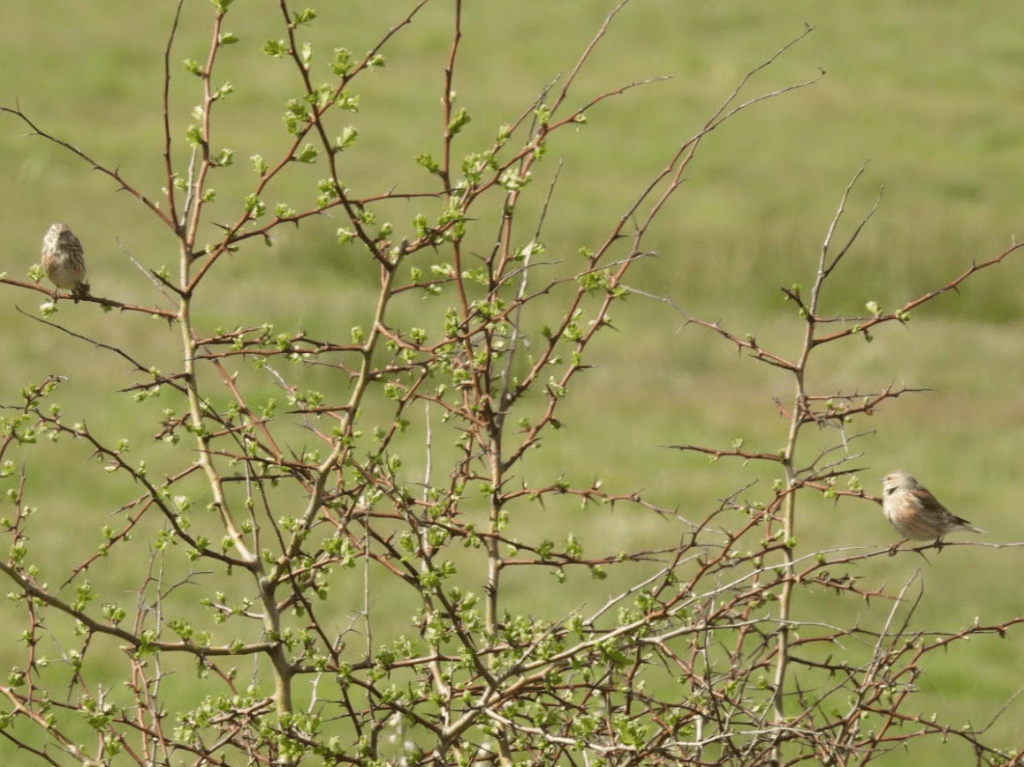
Linnets at the Severals

Walking back from Church Norton to the Ferry Pool

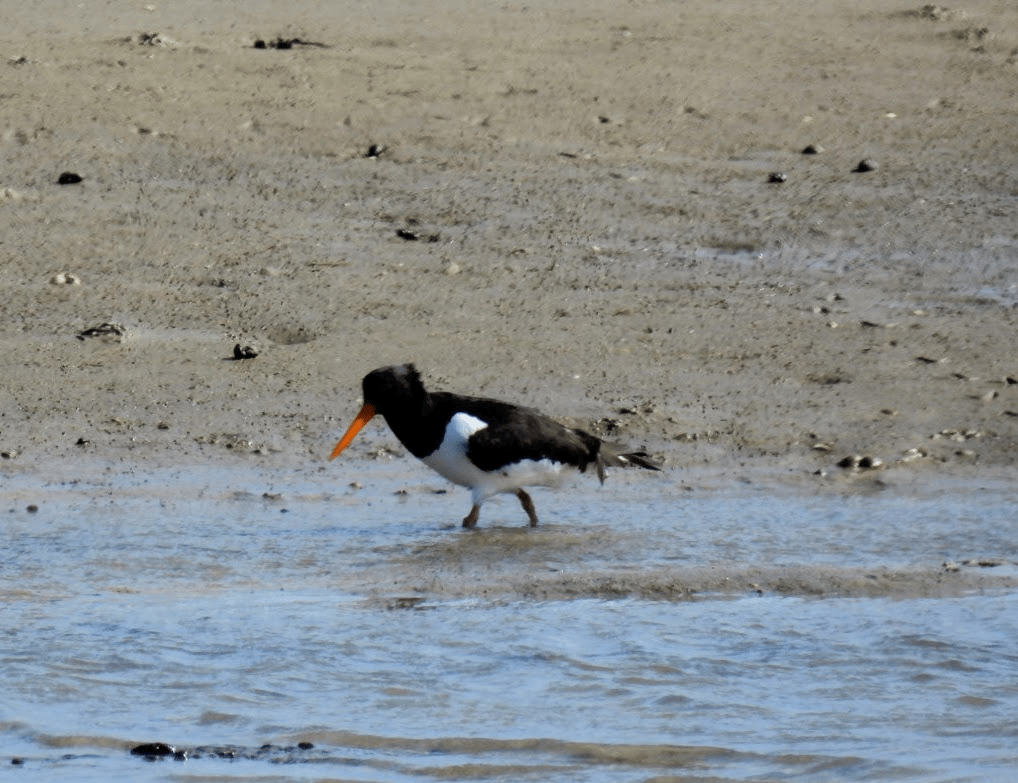
Oystercatcher

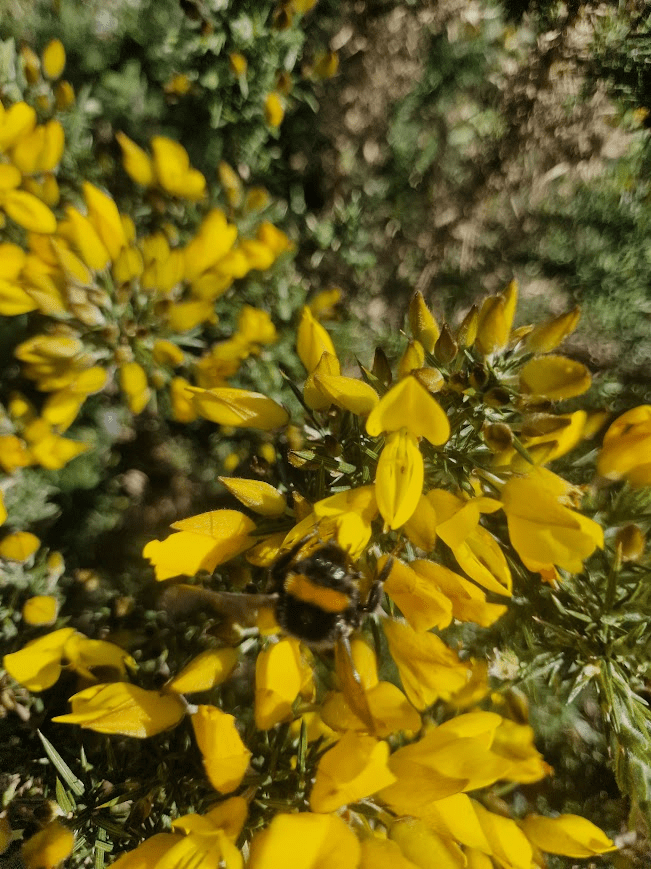
Spot the Buff-tailed Bumblebee on Gorse

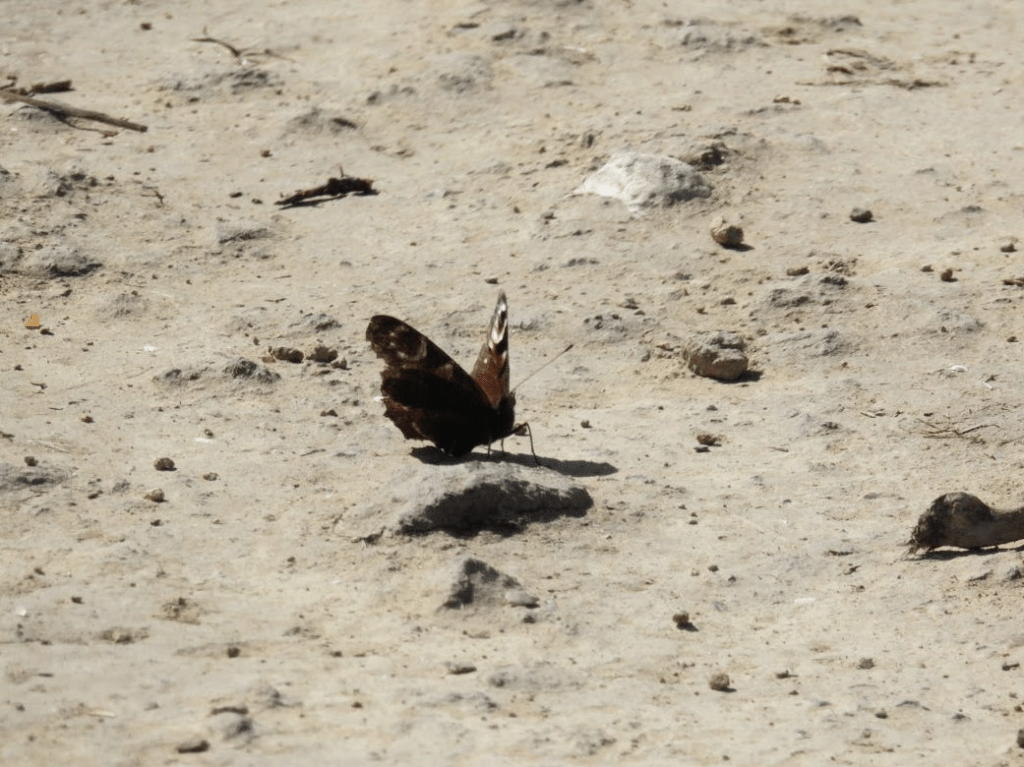
Peacock Butterfly

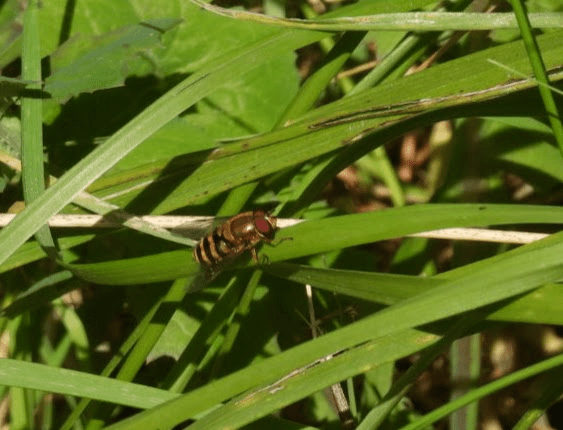
A Hoverfly possibly Syrphus torvus Hairy-eyed Flower Fly

A walk from Newick to Scaynes Hill. Low Weald to High Weald. Pasture, woods & commons. Trees, lichens, wild flowers and building. 16.03.26

I took the Compass 121 bus to Newick from Lewes (having got to Lewes on a Brighton and Hove 29 bus) and from Newich I walked through Newick Common, Fletching Common, Lane End Common, Warr’s Wood, an unnamed wood, Wapsbourne Wood, Hammer Wood, Hamshaw Wood .Scayne’s Common, and Costells Wood to Scaynes Hill. At Scaynes Hill I took the Compass 31 bus to Uckfield, and retuned to Brighton on the 29.

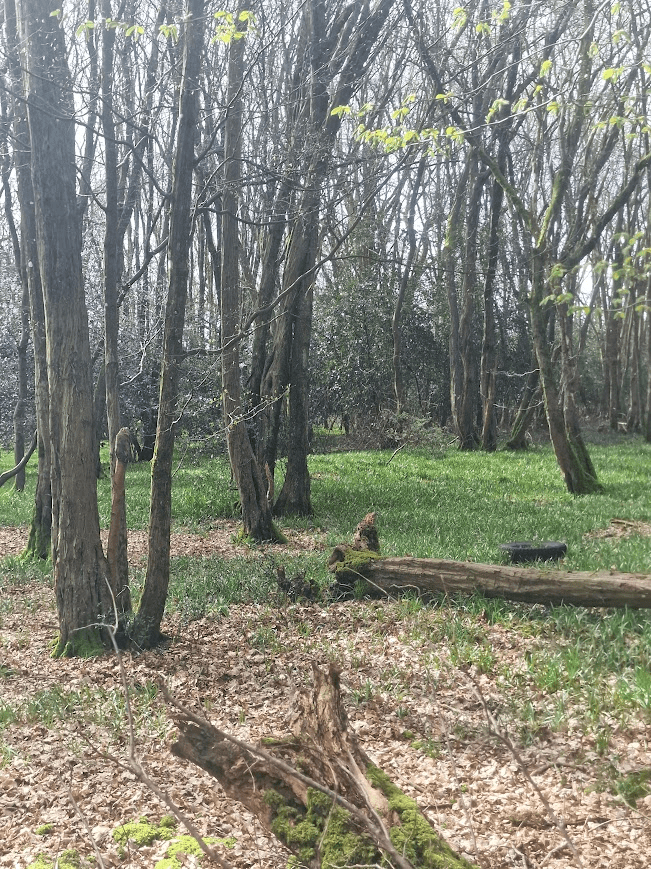
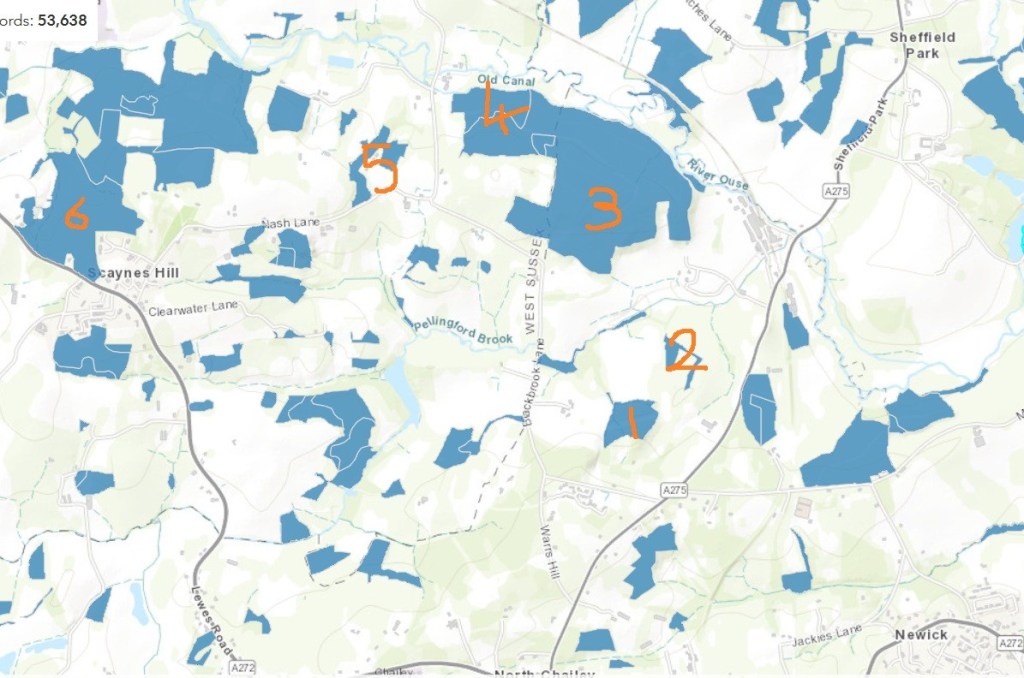
Warr’s Wood (1); the unnamed wood (2); Wapsbourne Wood (3); Hammer Wood (4); Hamshaw Wood (5), and Costells Wood (6) are all listed as ancient woodland by Nature England

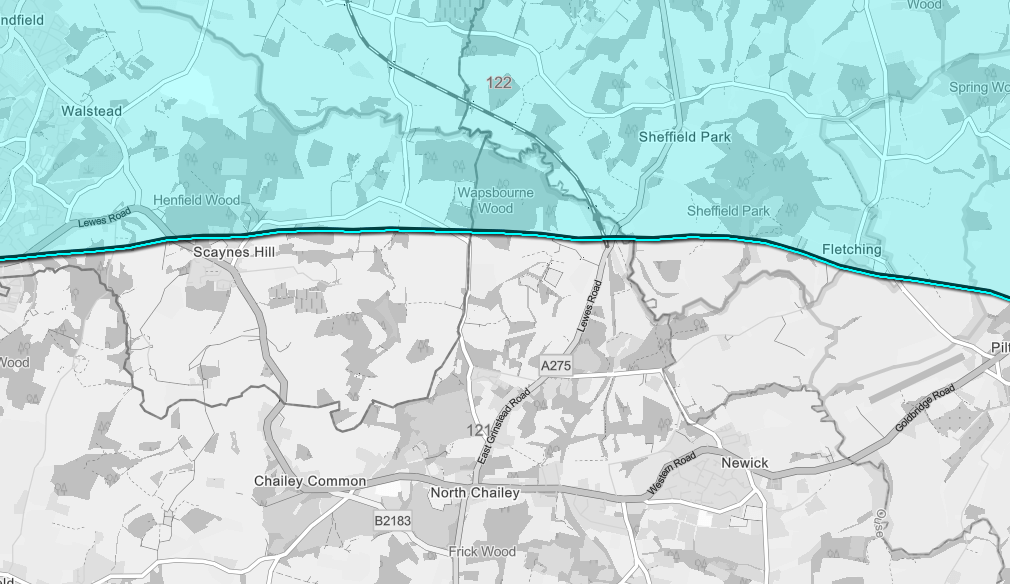
Most of the walk was in the Low Weald, but Costells Wood [and Wapsboune Woods], is just within the southern boundary of the High Weald National Character Area (NCA), where it meets the Low Weald NCA. Woodland Trust Costells Wood Management Plan

Extract from Nature England National Character Area High Weald Context Map showing the boundary between the High and Low Weald. In reality, here is no hard and fast boundary between High and Low. Warr’s Wood clearly has a low weald biological and landscape character and Costells Wood has a high weald biological and landscape character with its ghyll; Wapsbourne Wood, although technically feels more interstitial

Low Weald character: Land use is still predominantly agricultural, and largely pastoral owing to the heavy clay soils Most grassland has been agriculturally improved, but fragments of unimproved, floristically rich meadow and pasture are still present.

Fields are generally small and irregular, many formed by woodland clearance or ‘assarting’ in the medieval period and often bounded by shaws or formed from cleared land along woodland edges. Many of the especially species-rich hedgerows in this area may be remnants of larger woodland and often follow the pattern of medieval banks or ditches. …

Like the High Weald, the Low Weald is densely wooded … [with] Numerous and extensive blocks of ancient, semi-natural coppiced woodland … Oak is the principal tree and, despite centuries of clearances for settlement, transport and agriculture, significant areas of ancient woodland survive. Low Weald – National Character Area Profiles

Natural England on-line map of Ancient Woodland: Ancient Woodland (England) | Natural England Open Data Geoportal

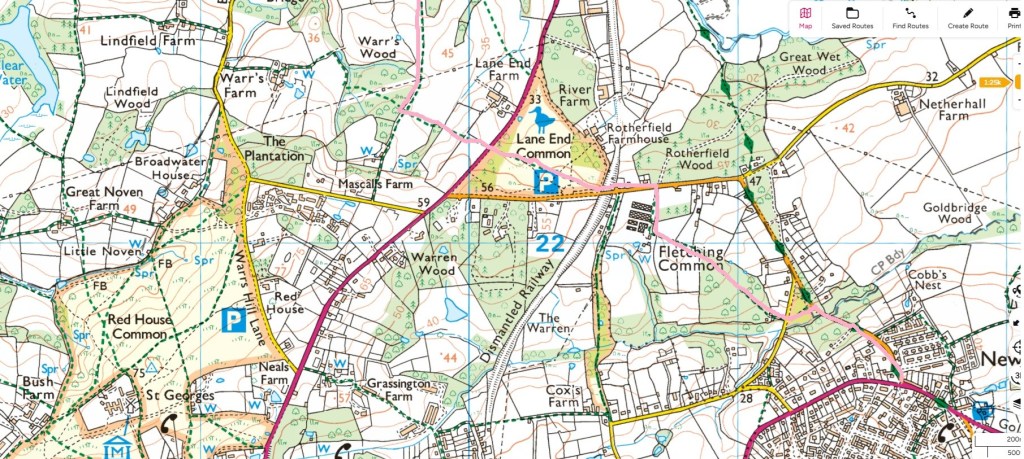
Route taken from Newick to Warr’s Wood (pink line) OS online maps: Detailed maps & routes to explore across the UK | OS Maps

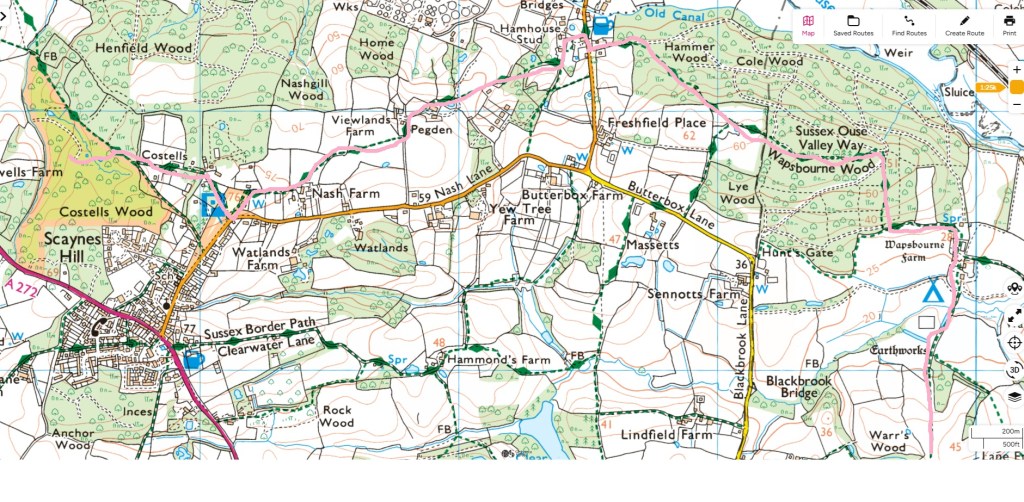
Route taken from Warr’s Wood to Scaynes Hill (pink line)

When I am walking I pay attention to whatever takes my eye so whilst this route was planned around visiting certain woodlands commons, I found interesting things on the paths between these.

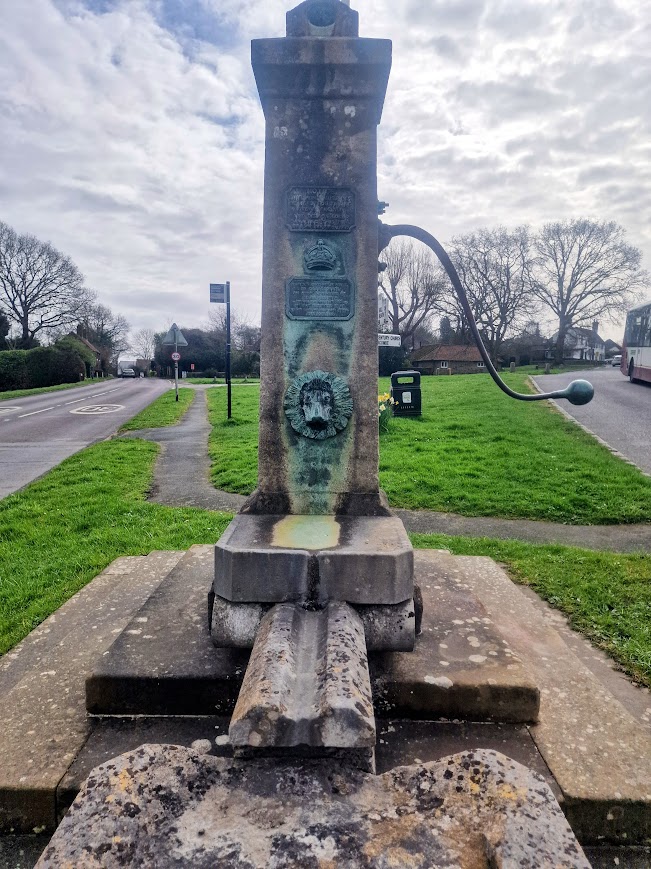
Newick

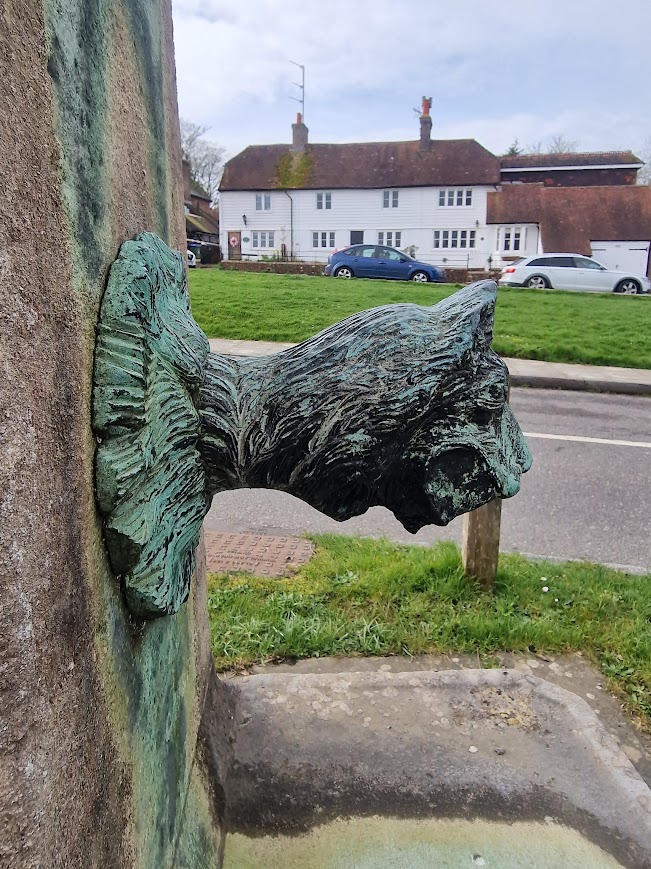
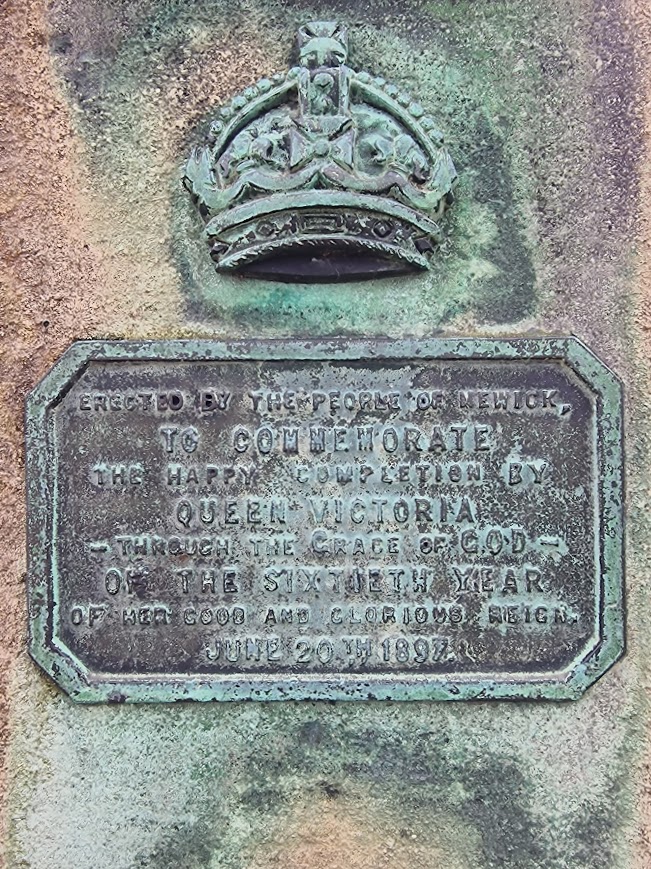
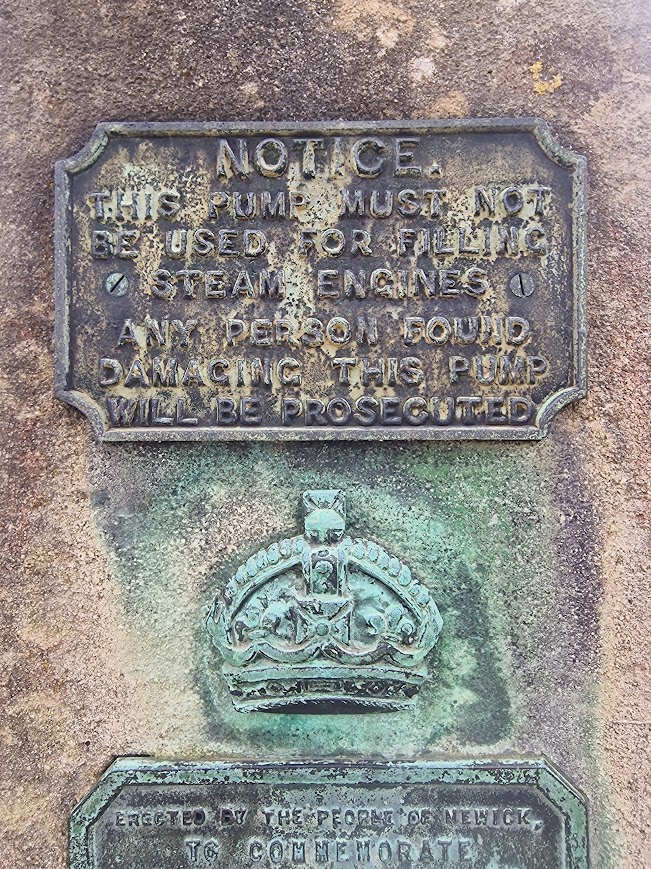
The Newick C19 Water Pump.

Newick Common

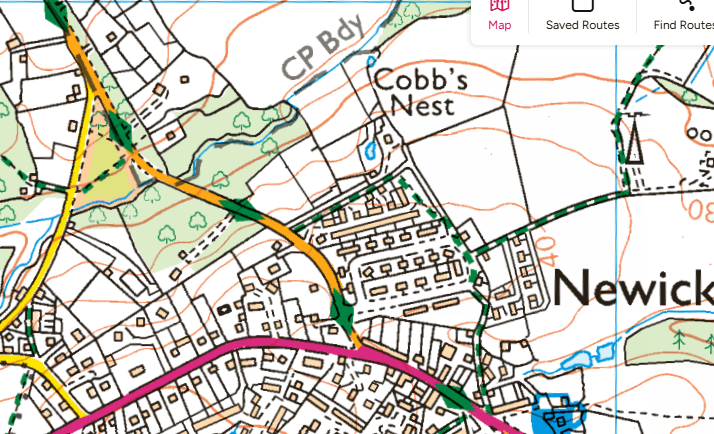
Current OS Map Detailed maps & routes to explore across the UK | OS Maps

Not named on the map, Newick Common is the small lime-yellow triangle of land. Lime-Yellow in wooded areas of OS maps indicates areas of public access land. This may be National Trust, Woodland Trust or Forestry Commissions land, or it may be privately own land where there are still rights of common.

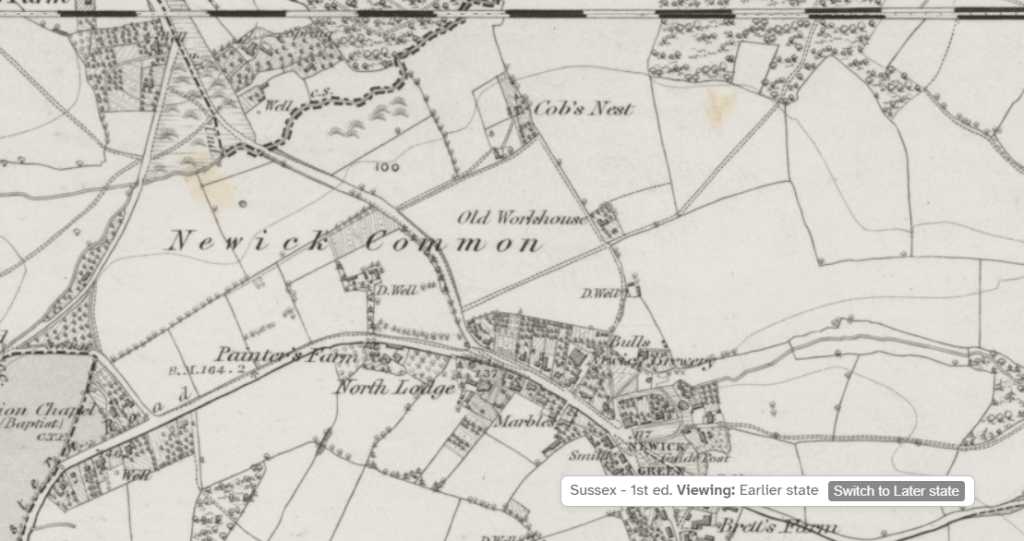
OS Six Inch Map 18302-1860 Georeferenced Maps viewer – Map images – National Library of Scotland Showing Newick Common as considerably larger than 2026

Newick Common is the triangle of land located between Newick Hill and Jackies Lane (outlined in red on the map below). It was originally much larger in extent, including a lot of the land between Jackies Lane and Western Road, but development over the years has meant that it has been reduced to its current size. A lot of small trees and scrub have grown up in this area, but we know from talking to people who grew up in the village that 50-60 years ago it used to be much more open. In conjunction with the Lewes District Council rangers, we are therefore trying to remove some of the trees and scrub, to restore a more varied habitat and increasae biodiversity Newick Rootz: Newick Common

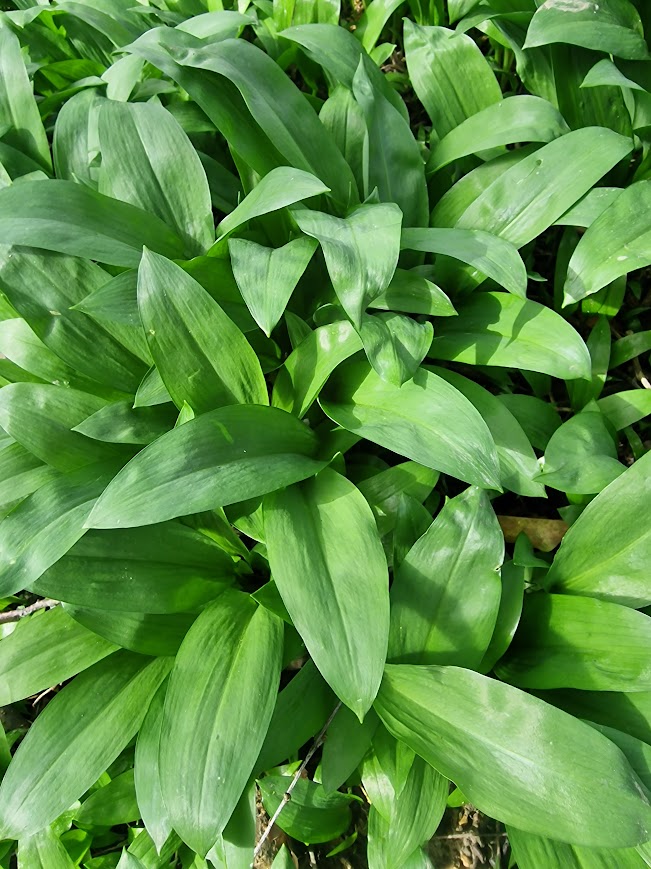
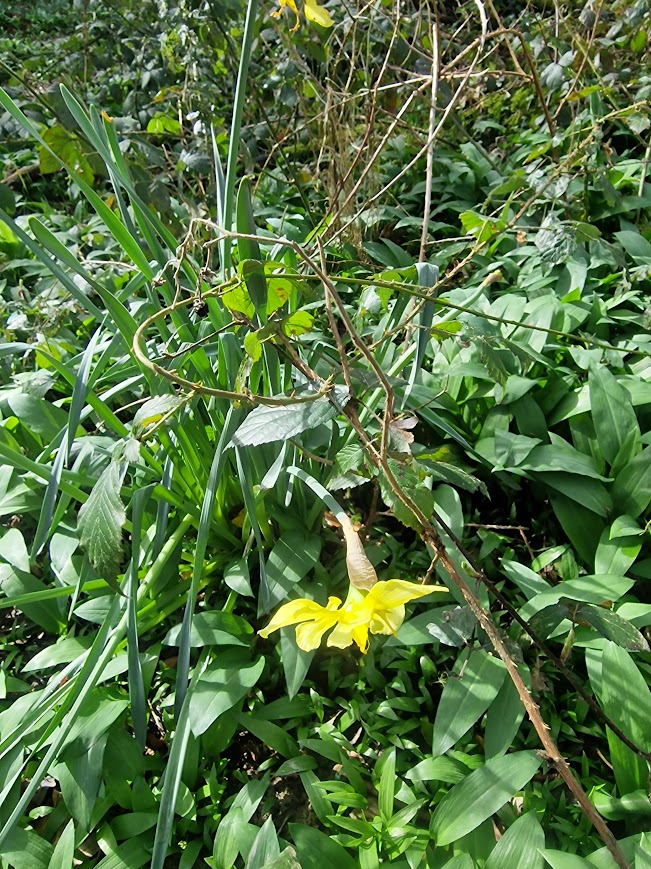
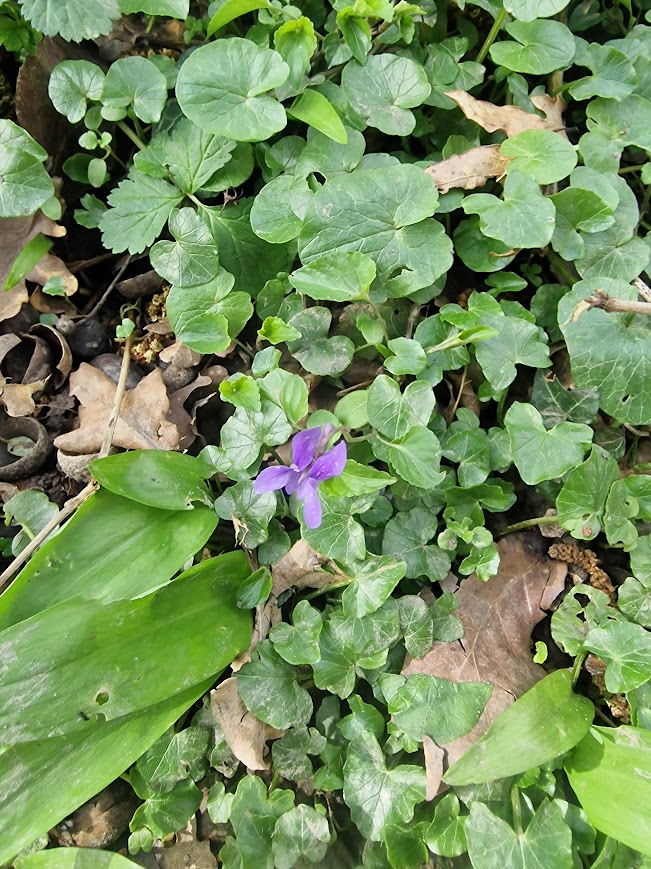
On the common, there was Wild Garlic. Wild Daffodils and Early Dog Violet; that are often associated with ancient woodland

Fletching Common

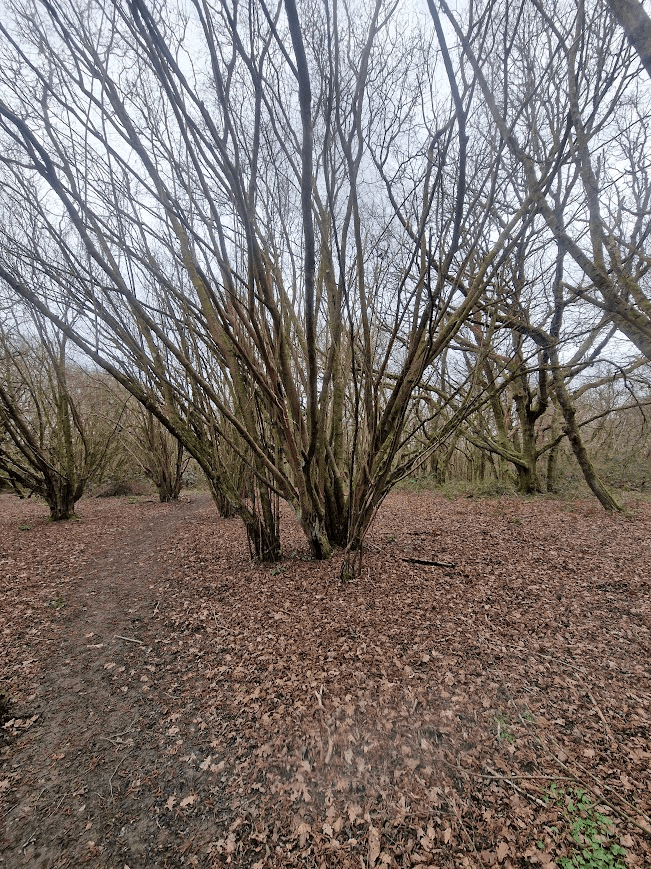
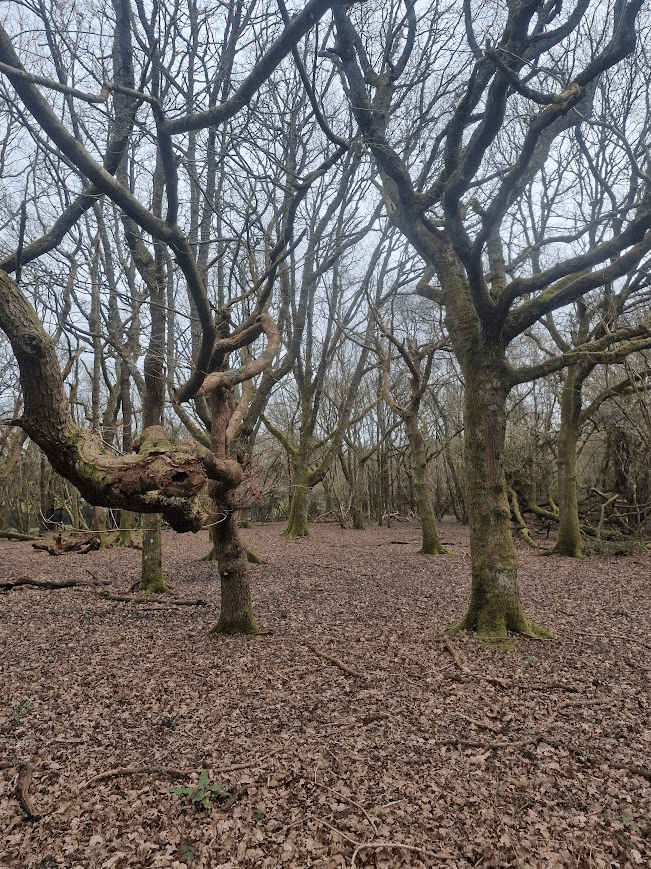
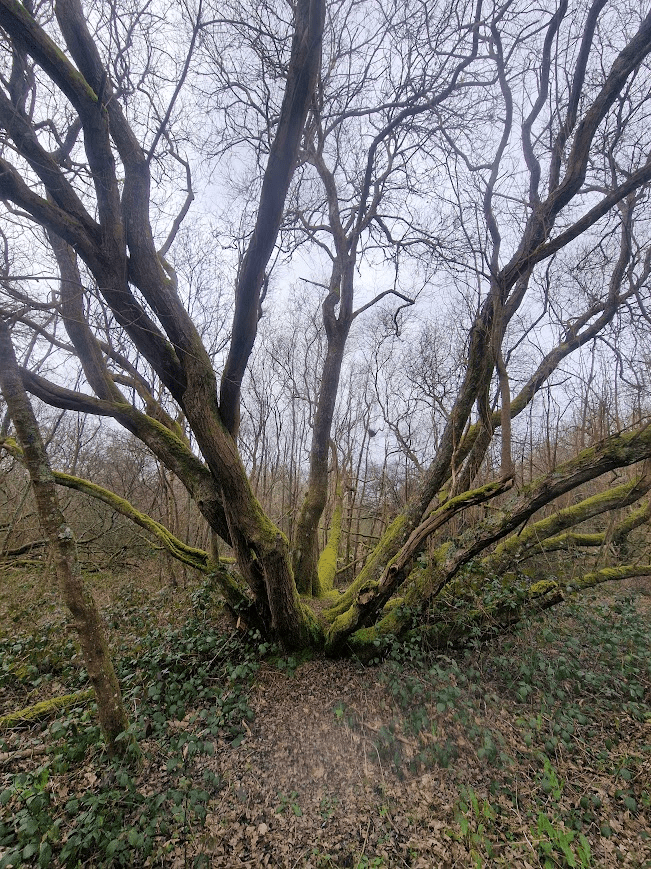
I can find little on the history of Fletching Common. It is now continuously wooded. Part of it now a campsite, Wyld Wood Campsite, part of it is just woodland. The trees in the woodland were previously managed; as their are many old coppice hazel stool, and pollarded Pedunculate Oak and, curiously, coppiced Pedunculate Oak, some which appear to have no main trunks.

Interestingly Fletching Common is listed on the Government’s database of commons Copy_Common_Land_CPHs.xlsx but Newick is not; but on the OS maps, Newick is marked as public access land but Fletching is not

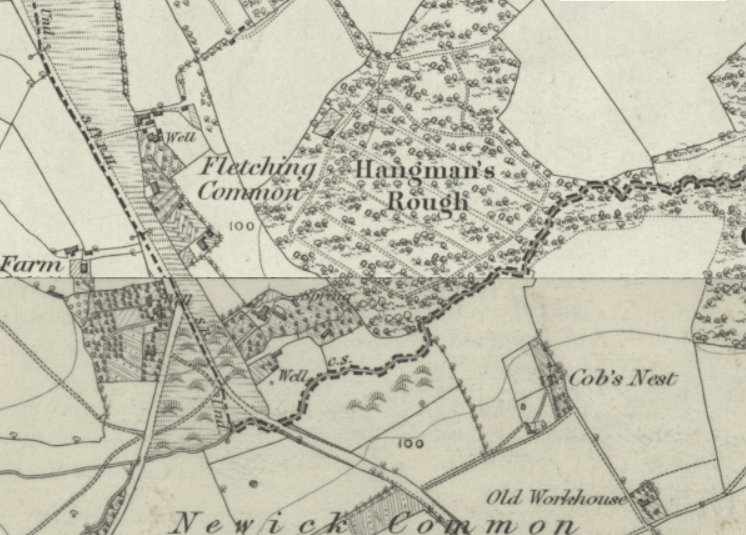
OS Six Inch Map 18302-1860 Georeferenced Maps viewer – Map images – National Library of Scotland showing the woodland of Fletching Common as Hangman’s Rough; here is no historic provenance for the name Wyld Wood; presumably the owners of it didn’t fancy a Hangman’s Rough Campsite!

Coppiced Oak

Pollarded Oak

What looks like an old Coppiced Pedunculate Oak with no main trunk:

There was very limited ground flora. The lichen flora was the common lichens you would expect on Oak

Flavoparmelia caperata, Common Greenshield Lichen

Ramalina farinacea, Oak Moss Lichen

Between Fletching Common and North Lane Common

This stunning old Oak pollard was in a field. Often the most spectacular trees are not in woodlands but hedgerows and fields. Field old trees are possibly relicts of cleared woodland, when trees are left for shade for famed animals

Lane End Common

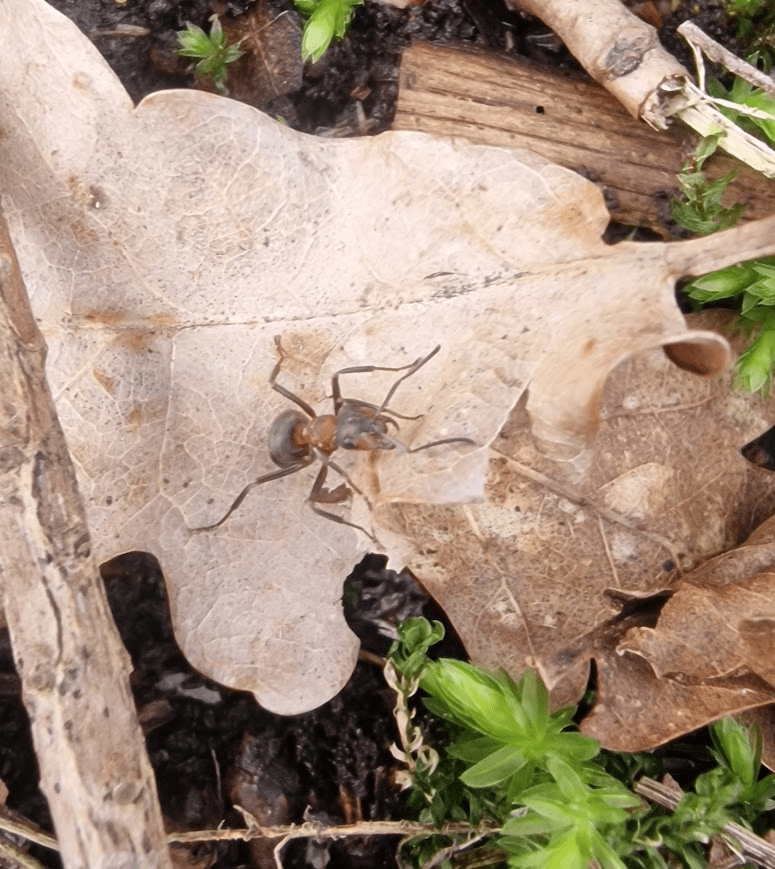
Lane End Common is one of the five Chailey Commons. A Compact and dry woodland heath rich in insects and wood ants. Chailey Commons Society Five Different Commons

Southern Wood Ant, Formica rufa

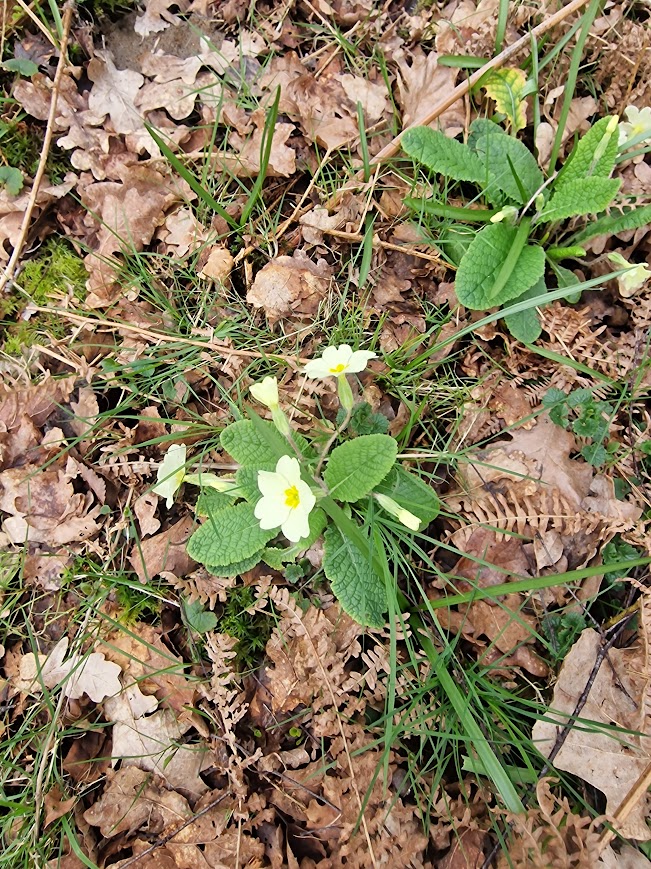
Whilst Lane End Common is not designated as ancient woodland, there were some ancient forest indicator species in the wooded parts of the common, including Primroses, Bluebells, Wild Daffodils and Honeysuckle

In North End Common there is a lot of archaeological interest, including the medieval route on the NE boundary of the Common – known in the 17th century as the ‘Lewes to Grinstead Way’, probably 14th century or earlier, shown on a 17th century estate map, and on 1st edition OS map running NW/SE on the NE boundary of the Common to the old Ouse crossing, thought to be between Wapsbourne and Sheffield Bridge. It runs SE to Red Gill, Jackies Lane, Oxbottom, Cockfield Lane and eventually to Lewes (known as the pack horse way)  (GR TQ 404205) Chailey Commons Society – Archaeology
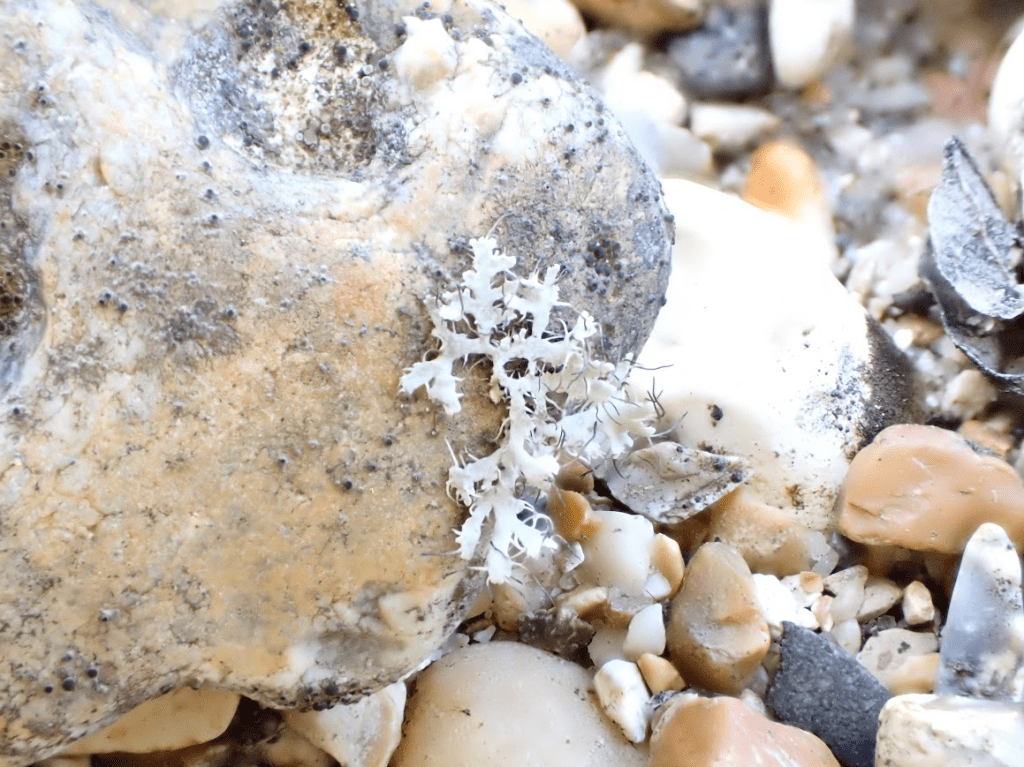
Other archeolgical featires of the common include:

  • Sunken lanes/braided tracks – 5 x parallel banks and dips (running SE/NW), bisected by the railway cutting and are likely to be earlier than the Lewes to E Grinstead Way.   Possibly animal migratory routes and post-medieval track-ways. Disappear in the mid-area of the Common, but emerge on the same axis in the Northern triangle point(GR TQ 405223).
  • Boundaries on the NE edge show an established bank topped by overgrown multi stemmed hornbeam with signs of coppicing and pollarding, and a ditch on the Commons side.
  • Ridge and furrow towards the West boundary opposite Lane End Farm – 6 or more parallel umbrella shaped ridges and furrow dips (N/S), medieval(?), manmade and possibly a system for managing the cycle for harvesting brakes, fern and ling and allocating in rotation? (GR TQ 402223)
  • Sand quarry, indicated by sandy soil, a deep cleft and spoil heap on the S boundary W of the car-park. (GR TQ 402222) Chailey Commons Society – Archaeology

Theses relate to the ancient rights of common: rights to collect bracken, fern, twigs and ling (or matted heather) for thatching and fuel (discussed on earlier walks). Chailey Commons Society Archaeology

OS Six Inch Map 18302-1860 Georeferenced Maps viewer – Map images – National Library of Scotland seemingly showing the the SE-NW banks and dips; as well as the Lewes to Eeat Grinstead Way.  

There were several attempts by landowners to enclose Commons and deprive Commoners of their rights.  For example, in the mid 17th century ‘anger resulted in physical harm to persons, when inhabitants of Fletching pulled down the fences Sir Henry Compton had erected around part of Chailey Common.  His stewards followed the men home and wounded one by gunfire.  This dispute was settled in the Court of the Star Chamber.’ Brandon (2003) p121. Brandon P (2003) The Kent and Sussex Weald, Phillimore. Chailey Commons Society Archaeology

E.P. Thompson (1963) The Making of the English Working Class)described the parliamentary enclosure movement in 18th and 19th-century England as a “plain enough case of class robbery,” fundamentally transforming the relationship between land, law, and the working class. 

Braded Trackways:

Huge Oak pollard:

Girth suggested an age of 300-400 years.

A completely decorticated dead Pedunculate Oak

Now a home for invertebrates:

and Cladonia parasitica, a lichen of decorticated wood

Warr’s Wood

Warr’s Wood is an example of typical low weald coppiced Hornbeam ancient woodland with some Pedunculate Oak; a frequent type of low weald wood. The boundary bank around it has coppiced and pollarded Hornbeams. The ground flora (in spring) is dominated by Bluebells

Boundary Bank

Bluebells

Coppiced Hornbeam

Lecanactis abietina, on Pedunculate Oak, an old woodland indicator lichen

Un-named Wood

This is a tree on the edge of the wood.

This tree shows lichens of the Mature Mesic Bark Community (Pertusarietum amarae) on Oak

The Pertusarietum amarae are shade tolerant communities on rougher bark, with Pertusaria species dominant. They are particularly characteristic of Beech and Ash, but also on less damp Oak bark. The basic community is composed of widespread species particularly Pertusaria s. lat. species: Pertusaria albescens, Lepra amara (Pertusaria amara f amara), Pertusaria flavida, Pertusaria hymenea and Pertusaria pertusa along with Phlyctis argena and Ochrolechia subviridis. This is a common community in drier areas but gets displaced by moss dominated communities in strongly oceanic areas. . British Lichen Society Lichen Communities

On this tree I saw Lepra amara (previously Pertusaria amara), Pertusaria hymenea and Pertusaria pertusa; all very common, plus others I didn’t have time to fully investigate. I used my UV torch to search for Pertusaria flavida, as it reacts to  UV light with bright orange fluorescence. I only got the dull orange of Pertusaria hymenea and P pertusa. I also tested any likely candidates of Varicellaria hemisphaerica (previously Pertusaria hemisphaerica) with sodium hypochlorite spot tests; but I did not get the characteristic red reaction. I do these tests as I have found P. flavida and V. hemisphaerica on trees with Mature Mesic Bark Community elsewhere in Sussex

Pertussaria hymenea

Lepra amara

Pertusaria pertusa

Pertusaria pertusa biofluorescent dull orange with UV light

The blue florescent lichen(s) remains mysterious

Between the unnamed wood and Wapsbourne Wood

Ditches bordered by coppiced Hornbeam. What are they?

They are on the land of the WoWo campsite, part of Whaspsborne Manor Farm see. The name Wapsbourne is the modern version of the older Sussex names of Whapplesbourne, Werpplesborne and other derivatives. The name means ‘a track by the stream’. This track leads you from Lewes to East Grinstead, right past the Elizabethan Manor house built in the late 15th C. Wapsbourne was once part of the Sheffield Park Estate, auctioned into private hands in 1953 when the estate of several thousand acres was broken up. The Farm – Wowo Campsite
On the WoWo site there is a camping space called “Lower Moat” in the central field surrounded by a moat, this field also becomes home to the ‘WoWo village’ in the summer months. Wowo Campsite, Uckfield, East Sussex – 2026 from £24/nt

But it is not a moat; it is a Pondbay and Overspill Channel.

The monument south-west of Wapsbourne Farm includes a short length of earthen bank, a low-lying area beside the bank and a long L-shaped ditch leading eastwards and then northwards from the bank. These are the remains of an iron-working site dating to the 16th-18th centuries and perhaps earlier, where already-smelted iron was heated and beaten using water power to drive the bellows and hammers. The remains were formerly misinterpreted as those of a medieval moated site. The most distinctive feature of the monument is the well-defined L- shaped ditch which measures 270m in total length and which averages 12m from side to side. It is embanked on the more northerly side. The purpose of the ditch was to carry floodwaters safely away from the principal industrial area and to prevent erosion of the dam itself by overflowing water. At the western end of the ditch is a 20m stretch of earthen bank 12m wide at its base which increases in height as the land slopes downward, so achieving a constant level at its crest. This is the southern end of the pond bay which formerly extended across the shallow valley, damming the stream and ponding back sufficient water to drive a water-wheel. The northern five-sixths of this pondbay, outside the scheduled area, has been flattened to allow the cultivation of the field. Where the stream cuts through the former pondbay there is a marked basin which probably indicates the location of the principal water-wheel. The 20th century culvert at the western end of the ditch and the field drain outlet to the south of it are both excluded from the scheduling. Post-Medieval Pondbay and Overspill Channel, Wapsbourne Farm., Chailey – 1013405 | Historic England

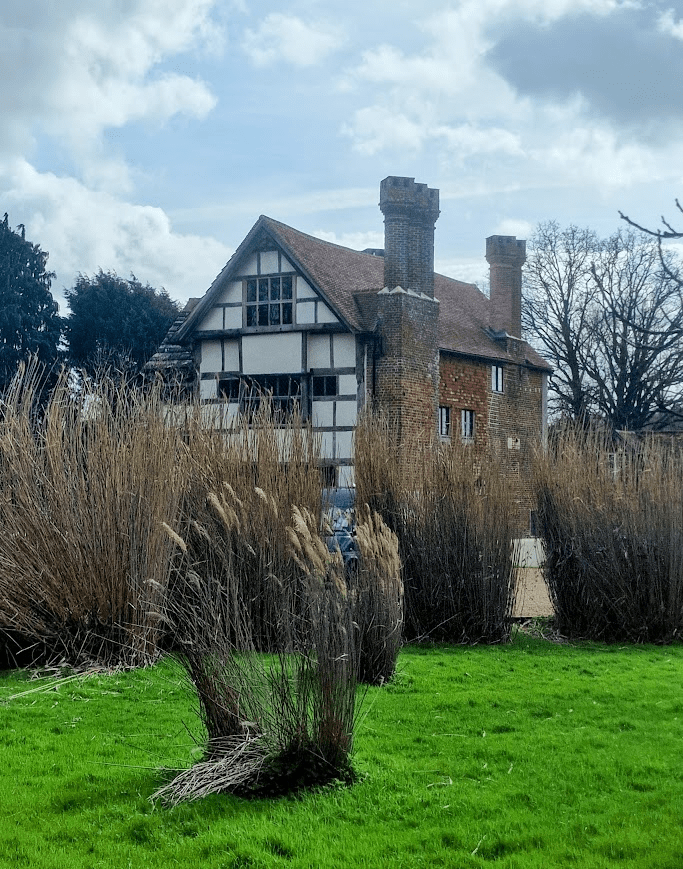
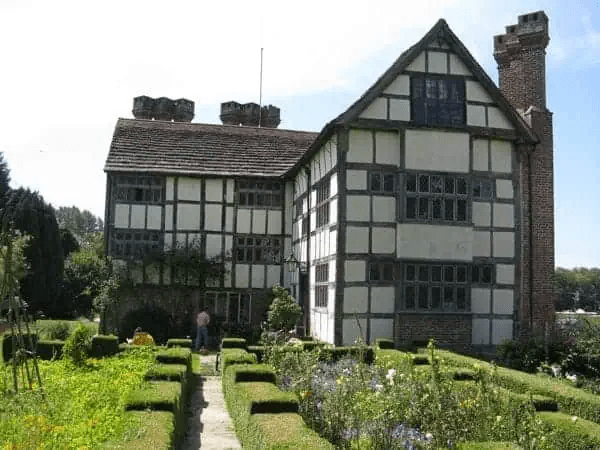
And just north of Pondbay and Overspill Channel, is the magnificent farm

My photo does not do this building justice, so he is a photo from the WoWo website The Farm – Wowo Campsite

Probably the most interesting house in Chailey Parish. Early C17. The Victoria County History says that the date 1606 was once legible on the pendant of one of the gables. Tall L-shaped timber-framed building with squares of plaster infilling. The west and south walls are of red vitreous brick. Horsham slab roof. Casement windows with diamond-shaped leaded panes. The north gable end has a bay window on the ground and first floor, that on the first floor consisting of 2 tiers of 5 lights with old glass, and above an oversailing gable containing an attic window of 2 tiers of 4 lights. The east gable end has a carved pendant. The south wall has an immense brick projection consisting of 2 chimney breasts side by side, each with 3 diagonal brick stacks. These breasts were probably added in the mid C17. Three storeys. Not more than 2 windows to any front. Contemporary staircase. Wapsbourne, Chailey – 1352974 | Historic England
It is thought that there has been a building of some description on the site of Wapsbourne Farm since Anglo Saxon times. It was known at Domesday time as Werpesburn, which in Sussex vernacular later became Wapses Boorn. During the period known as the ‘second great rebuilding’ in the 17th century it was reduced in size and the timber framing on the South and West sides the weather fronts were covered with fine brickwork, with the magnificent chimney stacks erected. A notable feature of the chimney stacks is that they were constructed to present a corner angle to the prevailing wind. The Farm – Wowo Campsite For more information on the building see: The Manor House – Wowo Campsite
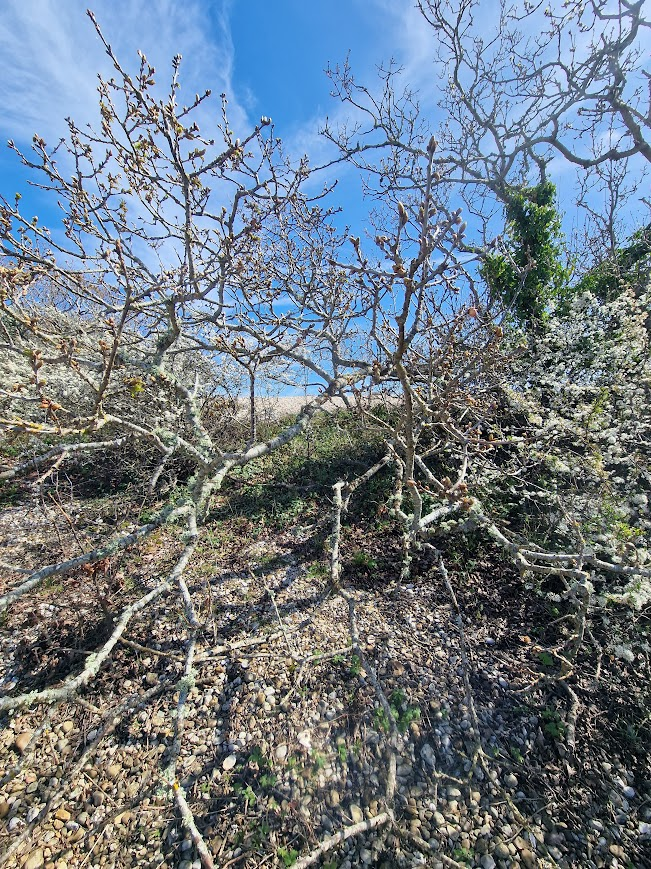
Wapsboune Wood

On entering Wapsbourne Wood, the feel of its ancient past remains; with some beautiful ancient Oaks

The mauve-grey of this Oak, is not the colour of its bark; it is the lichen Dendrographa decolorans

Dendrographa decolorans is the most widespread of a series of grey-brown to whitish usually sterile sorediate species that grown on dry bark in the south and west and probably depend on dew for a good deal of their water. These can be separated by subtle colour differences and by spot tests with Dendrographa decolorans lacking any positive spot tests. It is quite distinctive when younger, with mauve-grey to pale lilac-grey neat punctiform soralia on a slightly darker thallus. Dendrographa decolorans | The British Lichen Society It scatches Orange Photobiont: Trentepohlia (characterized by orange scars). Lichens marins – Dendrographa decolorans (Turner & Borrer ex Sm.) Ertz & Tehler = Schismatomma decolorans (Turner & Borrer ex Sm.) Clauzade & Vezda

The orange scratch test is not definitive as all the former Schismatomma genus lichens lichens scratch orange

Dendrographa decolorans was previously Schismatomma decolorans, the other former Scismatomma genera lichens i.e. Sporodophoron cretaceum; Snippocia nivea and Schizotrema quercicola, all scratch orand.

The only way to be 100% that this is Dendrographa decolorans would have been to use para-phenylenediamine spot test; it would have not responded But as para-phenylenediamine is mutagenic, allergenic and may be carcinogenic, I choose not to use it. I think trading off not being absolutely sure that this Dendrographa decolorans with potentially getting a cancer is a good trade off.

Much of the south part of Wapsbourne has Oaks, Hornbeams and Bluebells.

However, walking further north there is much replanting and the quality of the woodland declines as much of the wood is replanted.

Hammer Wood on OS Map; but called part of Wapsbourne Wood on the Nature England database)

There are many Hammer Woods in the weald and the name indicates connection with the Weald iron industry. But most of this ancient woodland is replanted with conifers; as in many places in Sussex. The land owners of many ancient woodlands in Sussex are not primarily interested in stewarding ancient woodland; but in making money out of it.

Hamshaw Wood

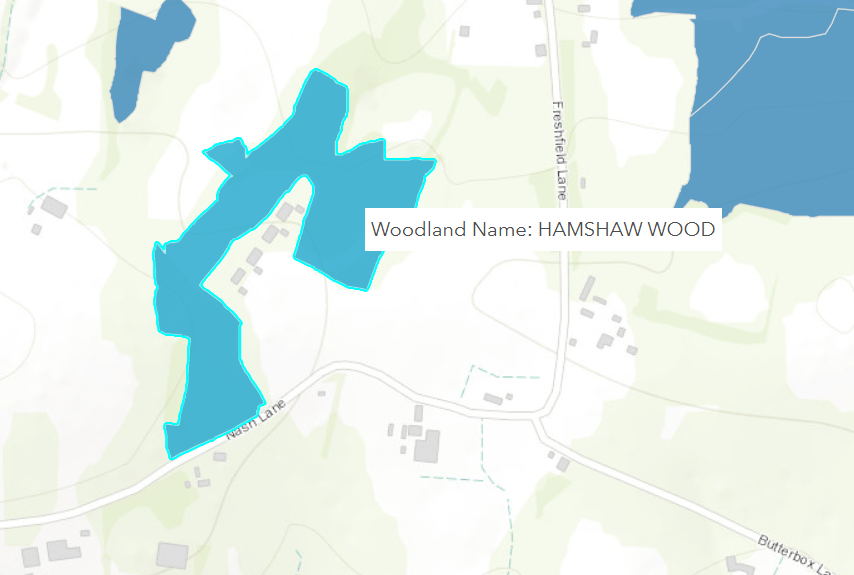
This not named on the OS map but is named on the Nature England Ancient Woodland; and is designated as ancient and semi-natural woodland

Ancient Woodland (England) | Natural England Open Data Geoportal

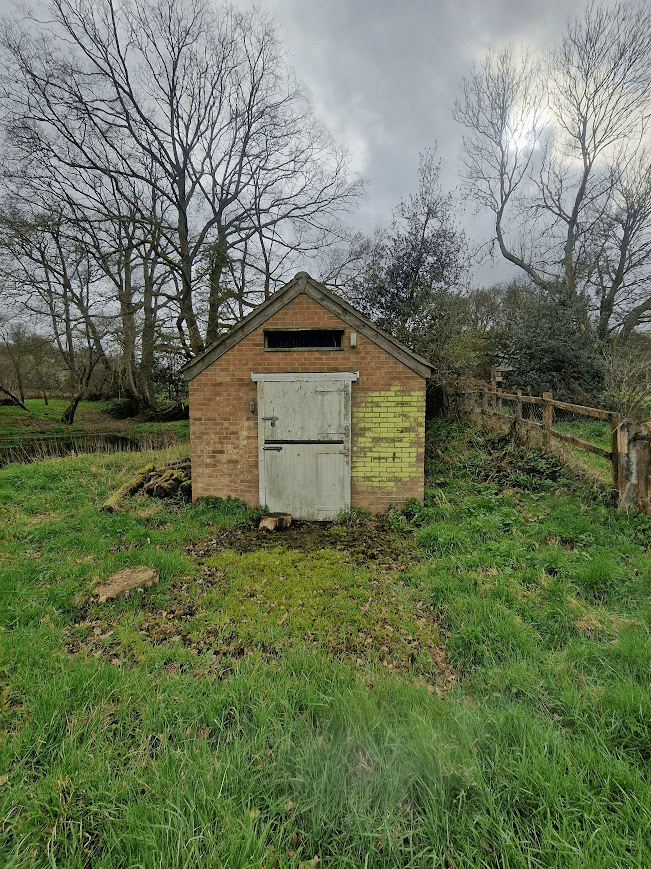
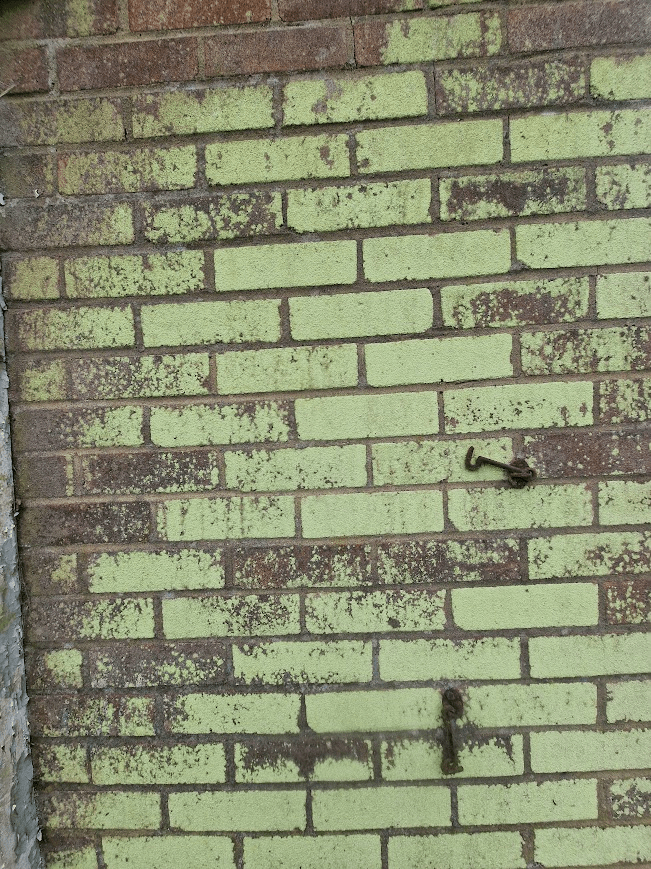
A stable at Hamshouse Stud with the right of the door covered in Psilolechia lucida lichen. Note that it here favours the chemical nature of the bricks not the mortar (abotioc zonation)

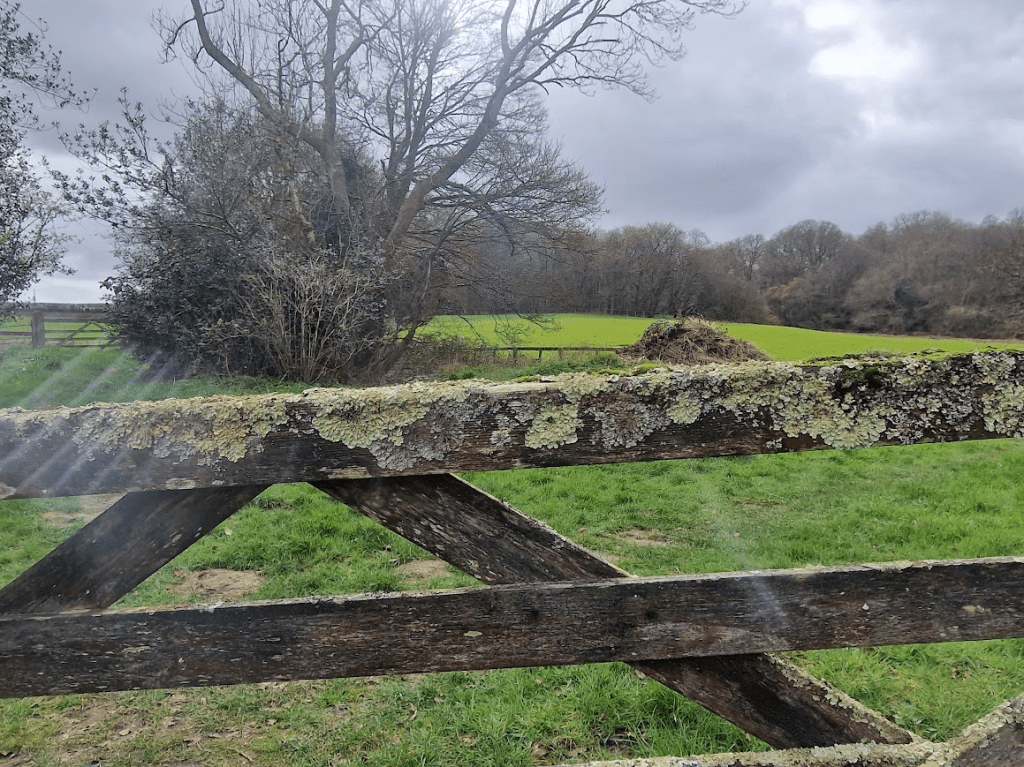
An old gate; a perfect substate for lichens that like worked wood. Hamshaw Wood behind
Cladonia parasitica, fertile with red apothecia (fruiting bodies) on the top of podetia (tubes of the thallus (body)) of the the lichen

Hypogymnia physodes Hooded Tube Lichen

Flavoparmelia caperata, Common Greenshield Lichen

Coppiced Ash

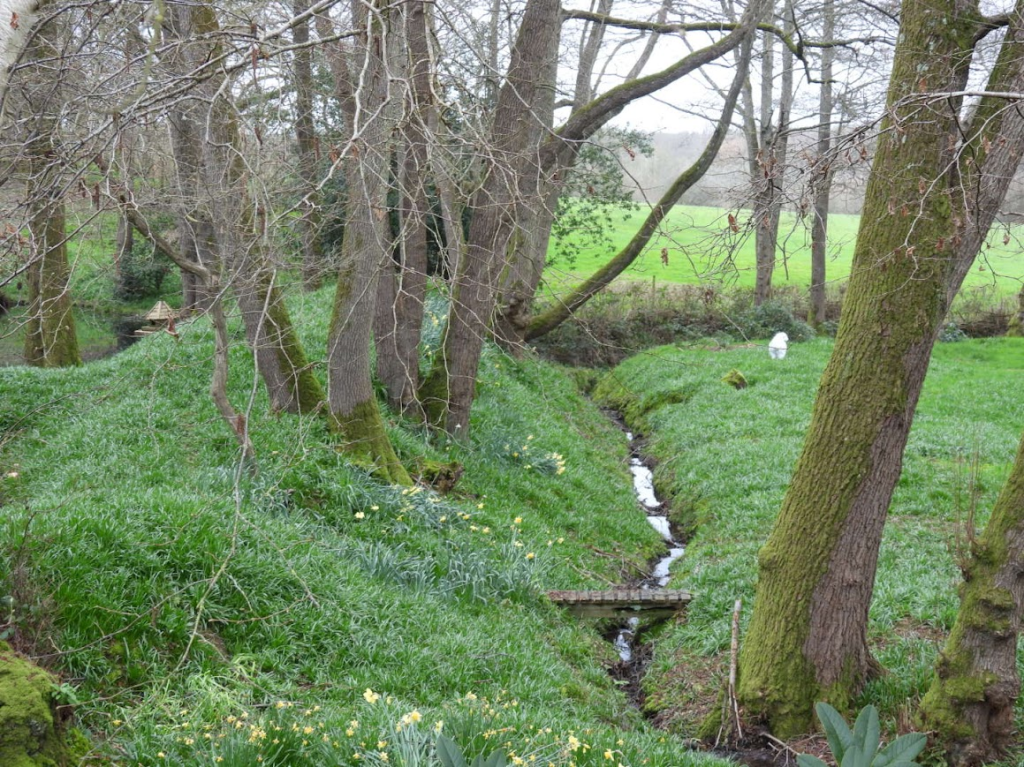
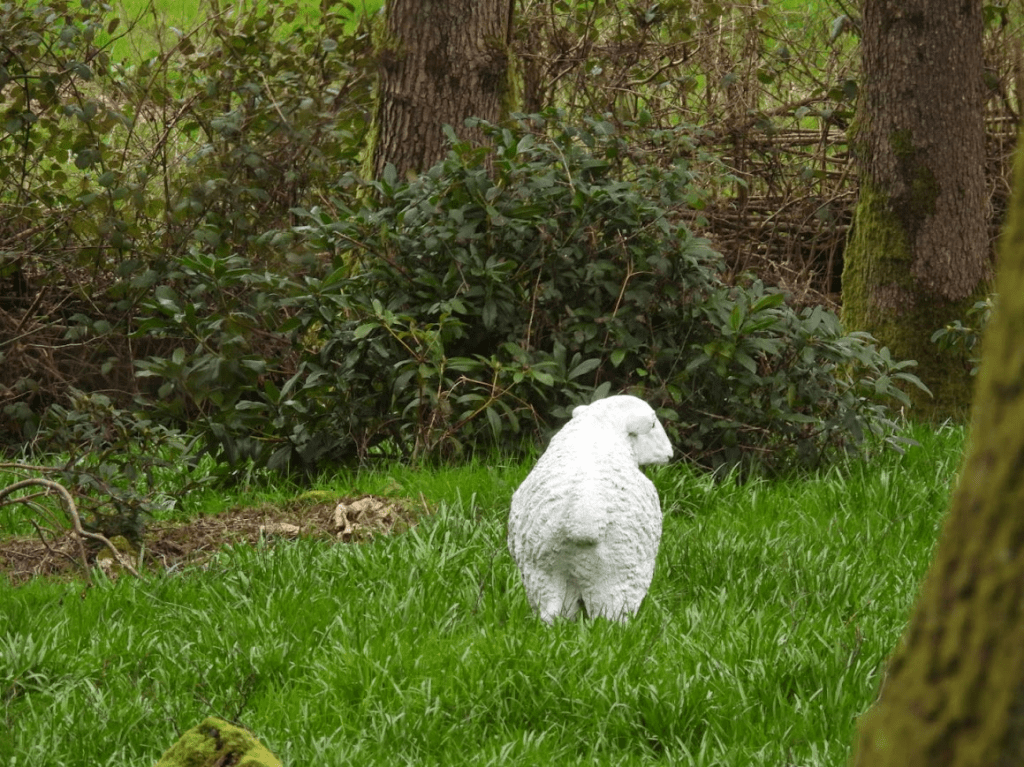
Wild Daffodils and a concrete sheep in part of the ancient woodland captured as the private garden of a large house

Concrete sheep amongst bluebells and planted (non-native ) rhododendron; how the High Weald is spoilt

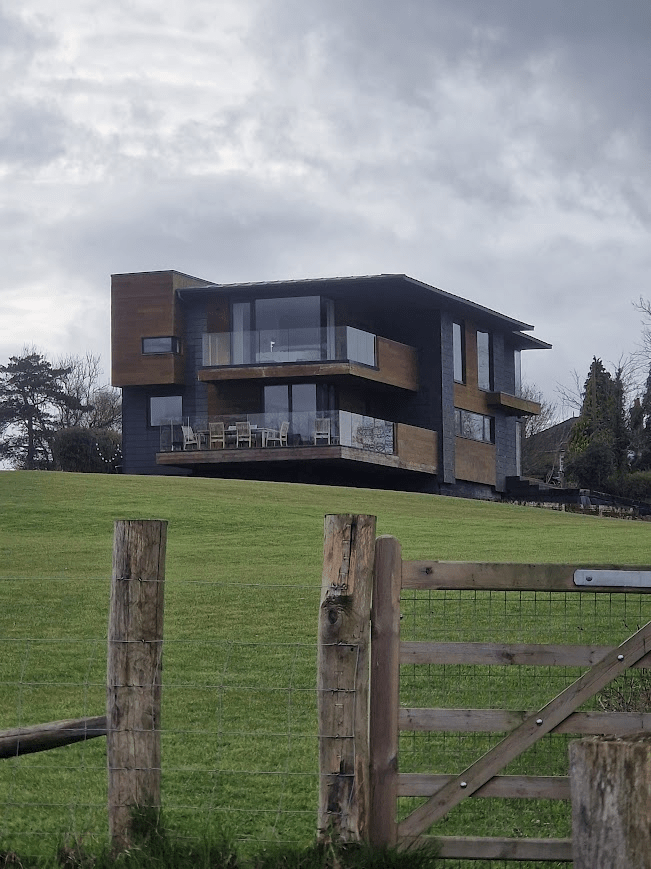
Much of the High Weald now feels like a middle class landscape of leisure rather than a landscaper of employment. This house would never have got planning permission if it wasn’t on the site of a previous building, presumably a farmhouse

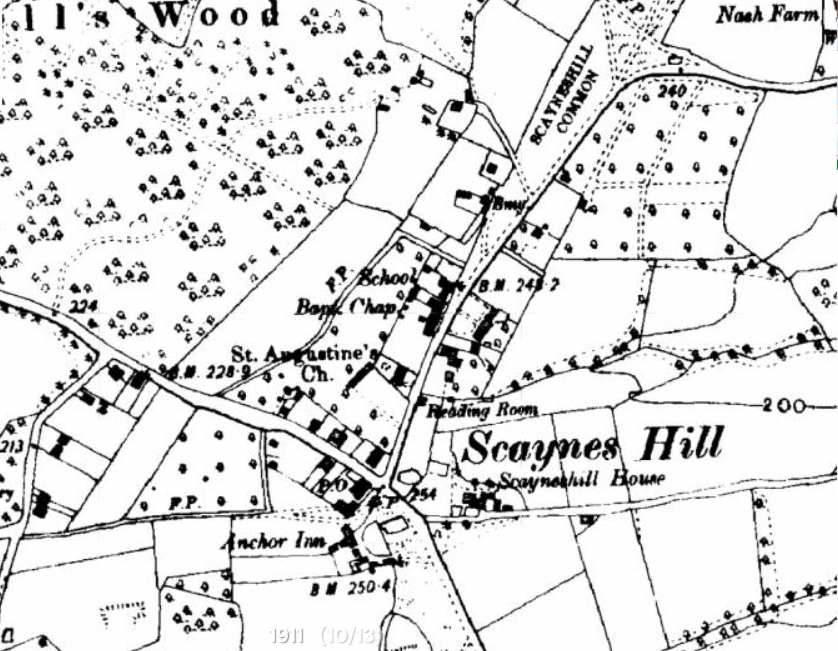
Scaynes Hill Common

Photo © Simon Carey and licensed for reuse under a Creative Commons Licence from the Geograph Website

Map (n.d.) showing Common from Scaynes Hill Village Community Website

Much of the south of the common has been lost to development. Scaynes Hill Common used to be Henfield Common and looks like a typical edge green of a woodland common such as you still find in the New Forest. It retains an archaic acid grassland flora David Bangs (2018) The Land of the Brighton Line: A field guide to the Middle Sussex and South East Surrey Weald p.212.

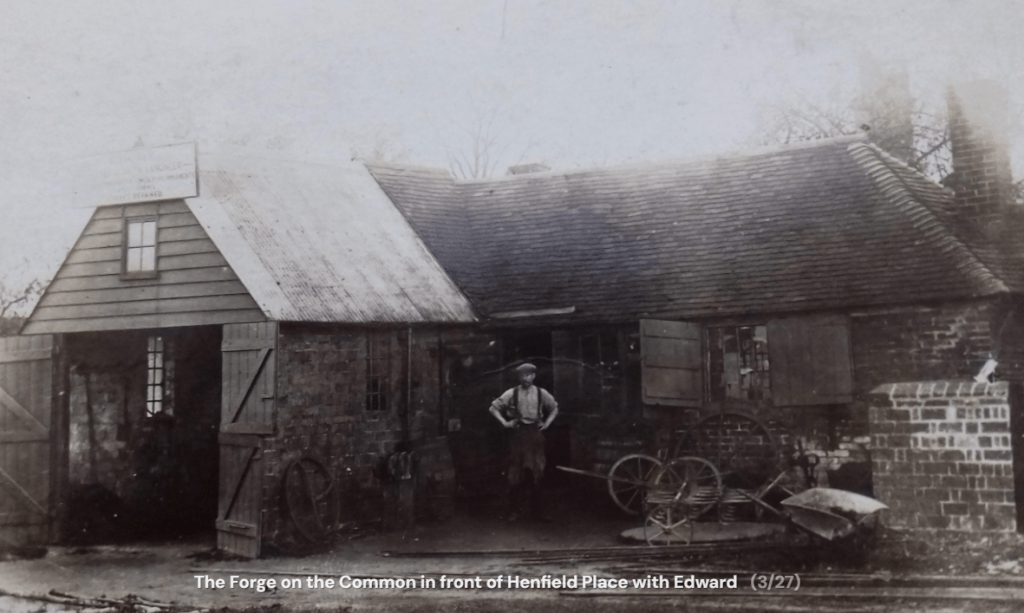
Forge on the common. Photo from Scaynes Hill Village Community Website

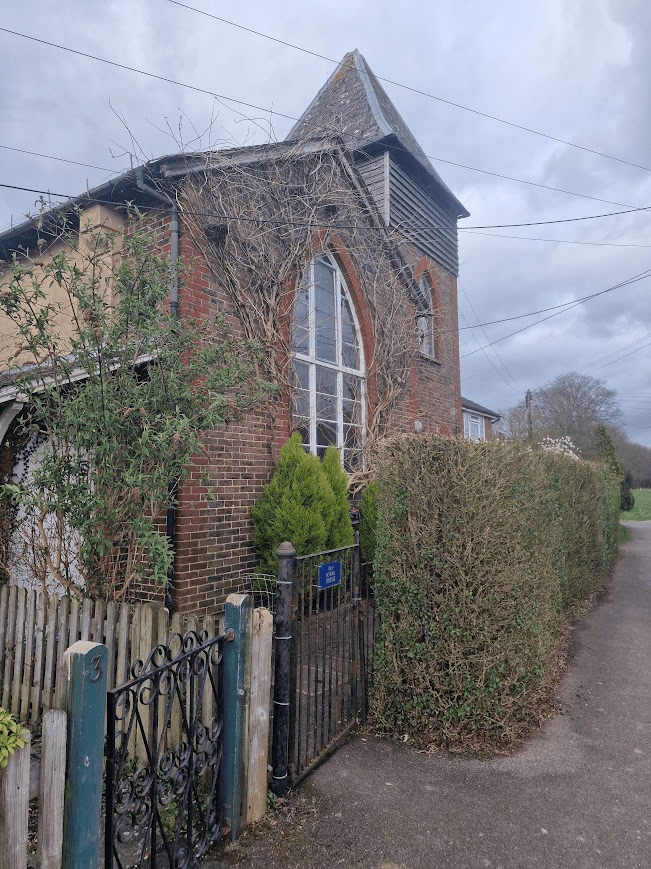
Old School House on the edge of Scaynes Hill Common

Costells Wood

Costells Wood is part of a larger continuous woodland that include Henfield and Nashgill Woods. It is the only part of the wood that had public access.

Costells Wood is a 21 hectare (53 acres) site on the edge of the village of Scaynes Hill, West Sussex, just within the southern boundary of the High Weald National Character Area (NCA), where it meets the Low Weald NCA. Woodland Trust Costells Wood Management Plan

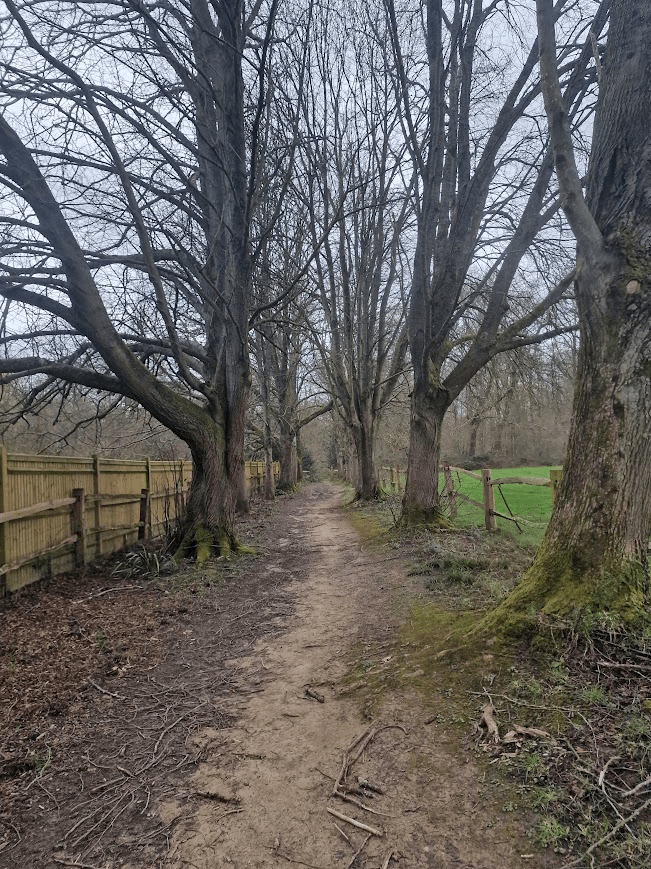
An “avenue” of planted planted Pedunculate Oaks from Costells Manor into Costells Wood

A very typical High Weald Oak: one side moss; the other, the lichen Lecanactis abietina, an old woodland lichen

Bluebells

Pedunculate Oak

Hornbeam

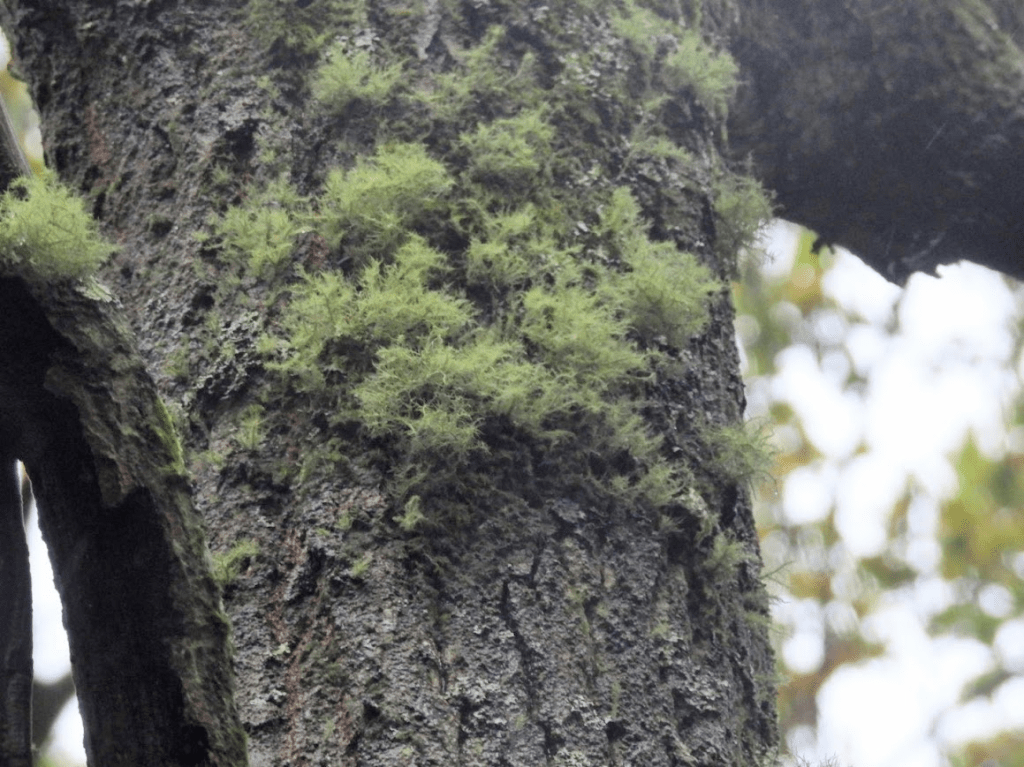
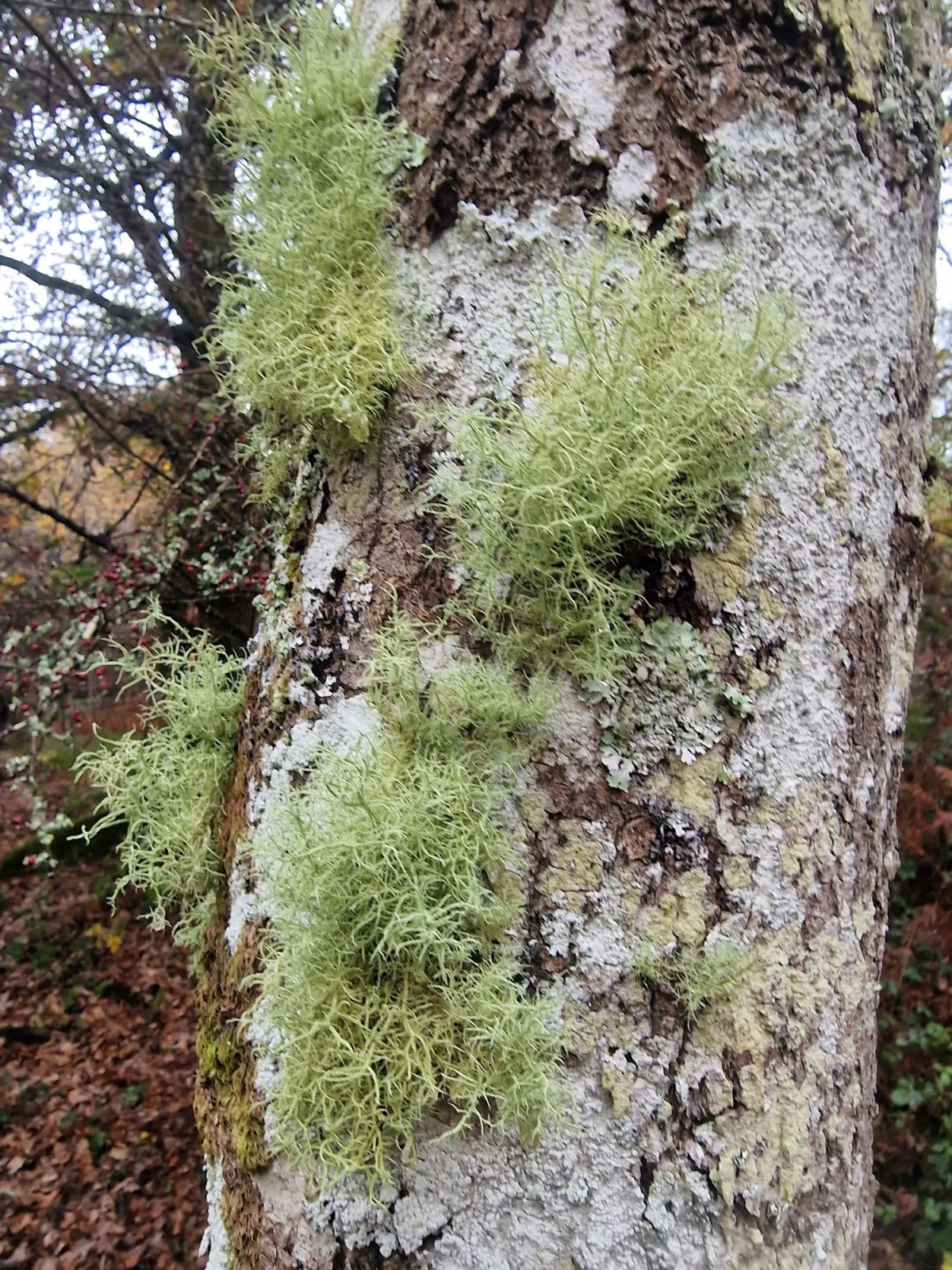
A Pedunculate Oak covered in Usnea cornuta

Friston Forest, Lullington Heath NNR and the Cuckmere Valley Churches; abundant Ingaderia vandenboomii (pink powder) and Usnea articulata (strings of sausages) 24.02,26

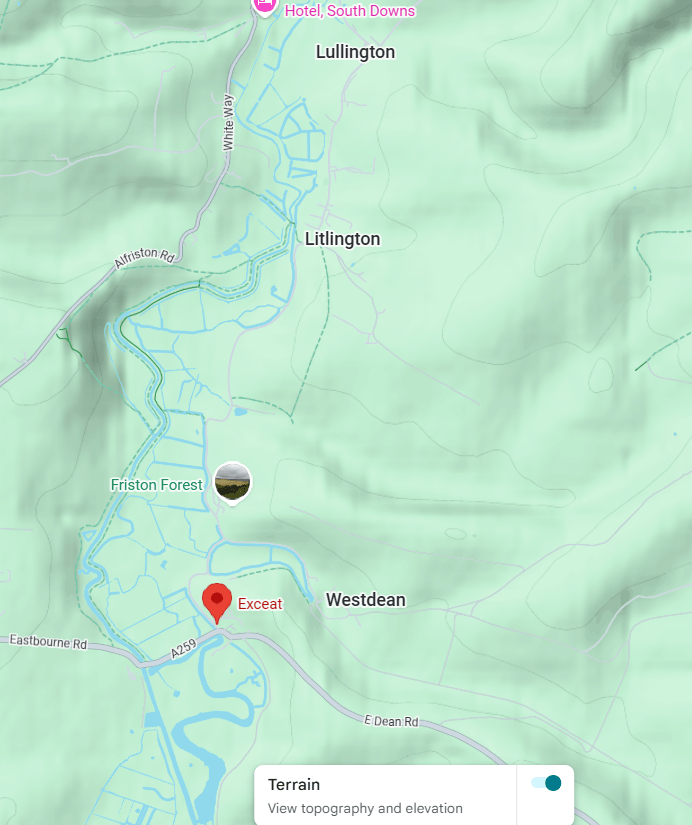
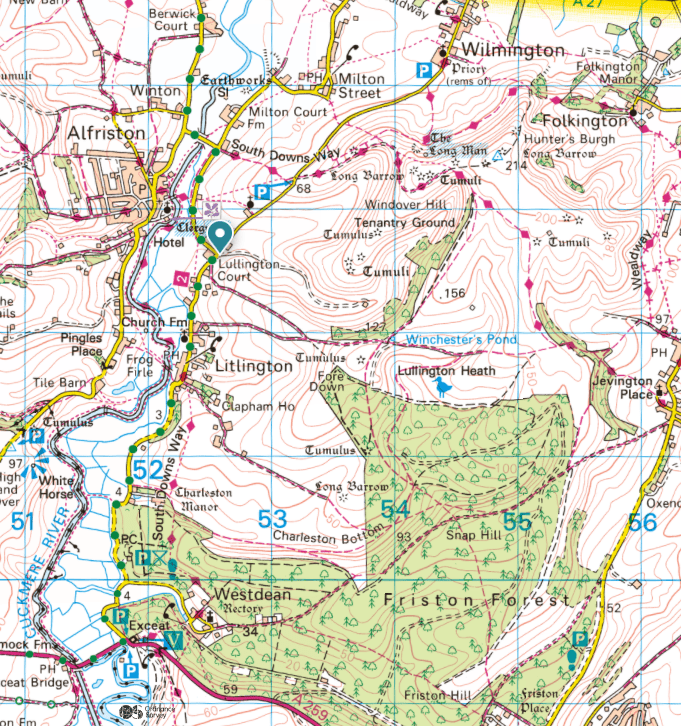
I went to the Seven Sisters Country Park visitors centre at Eceat on the Brighton and Hove 12 bus. From there I walked through Friston Forest to All Saints Chirch Westdean. I then walked further north through the forest to Lullington Heath, From the heath I walked down past the Lullington’s remote hillside Church of the Good Shepherd, then crossed the Cuckmere to visit Alfriston’s St Andrews, then crossed back over the Cuckmere and walked down the road from Litlington to Exceat, walking past t. Michael the Archangel Church, 

Google Maps

Explore OS Maps

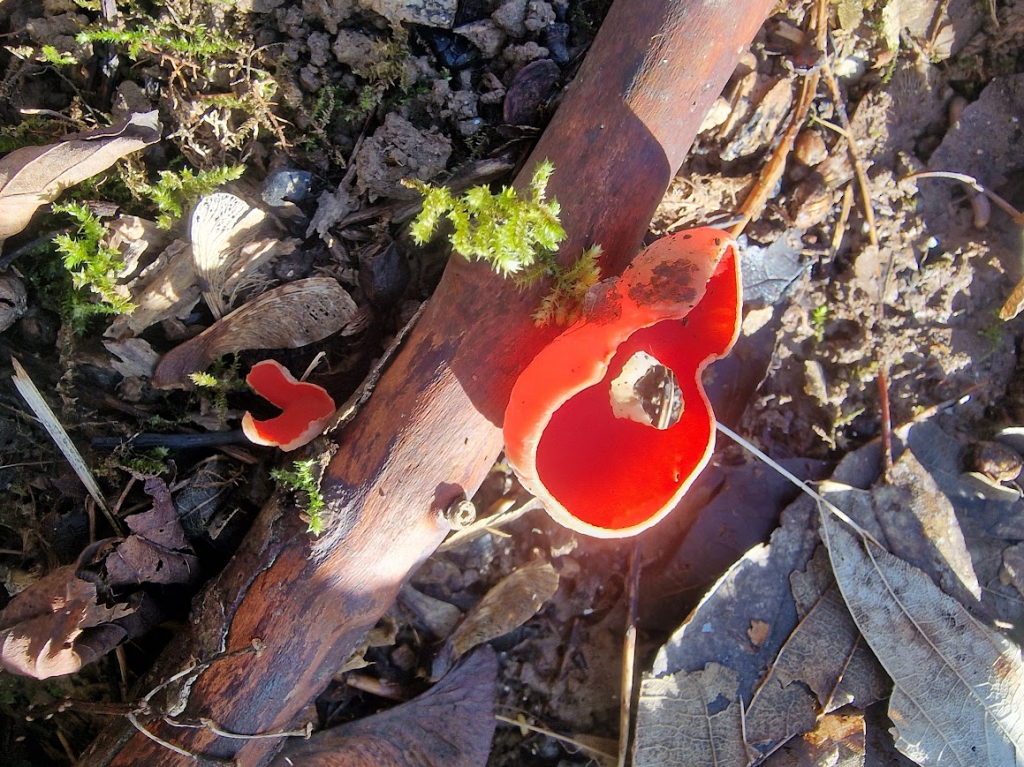
Friston Forest is a nearly 100 year old beech forest planted by the Forestry Commission; in the winter and early spring, when there are no leaves, it feels quite a barren landscape; but there are interesting things to see, including lots of red Elf Cups, Sarcoscypha sp. probably S. coccinea, Scarlet Elf Cup; looking lovely in the sun I see it a lot here in late winter/early spring.

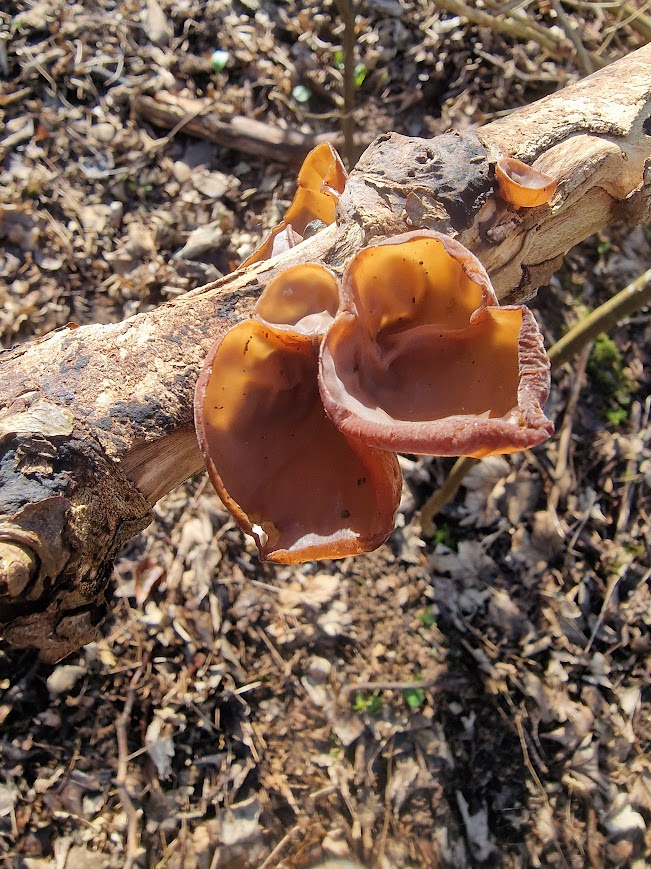
There was also lots of Jelly Ears, mostly on dead Elder

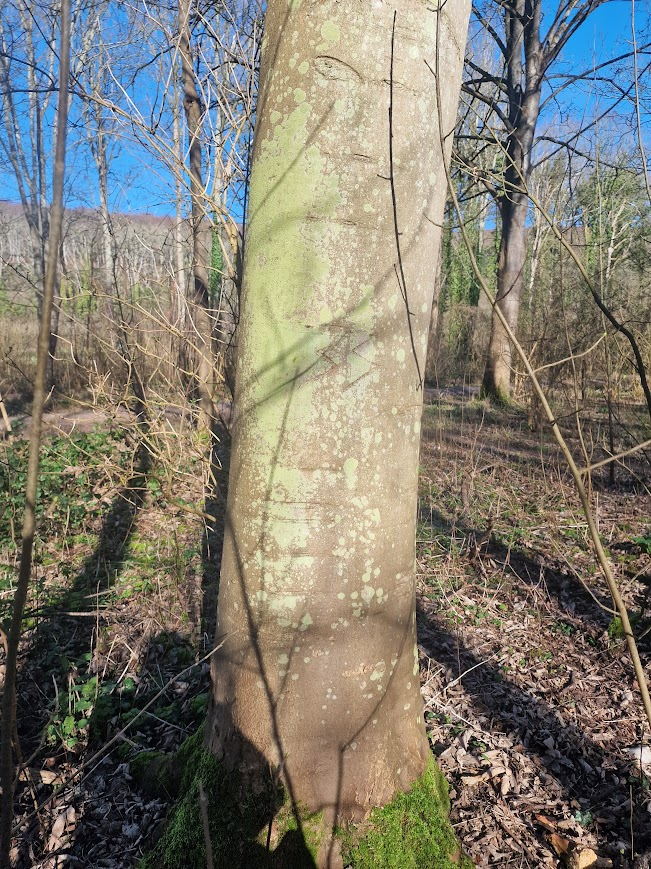
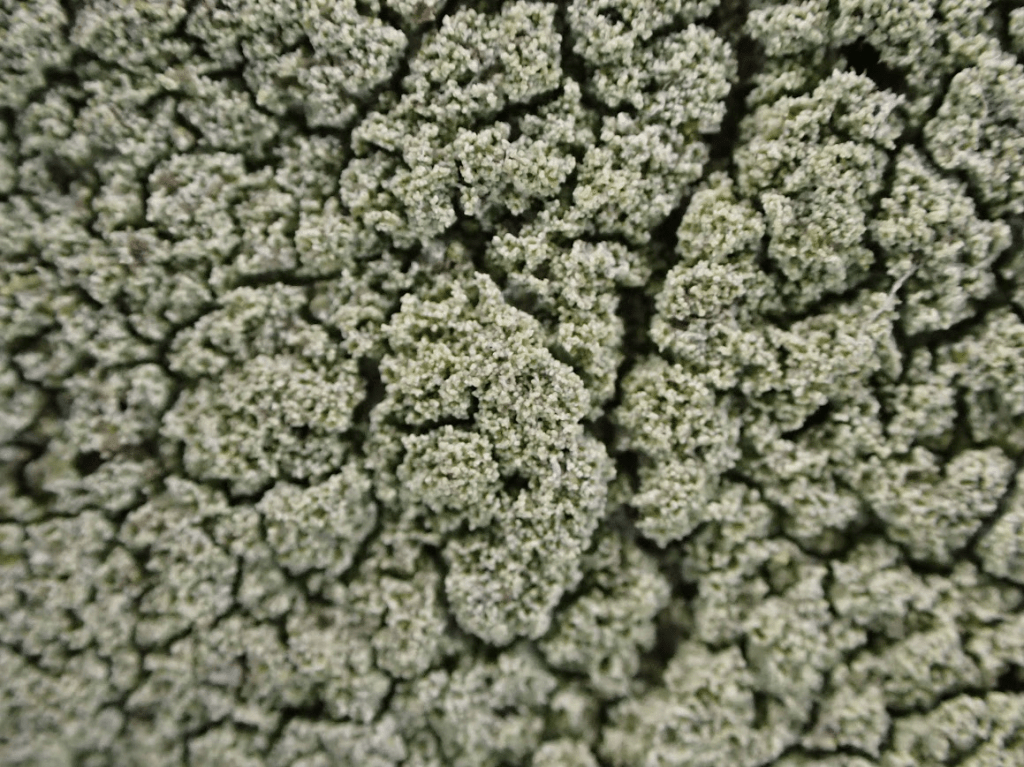
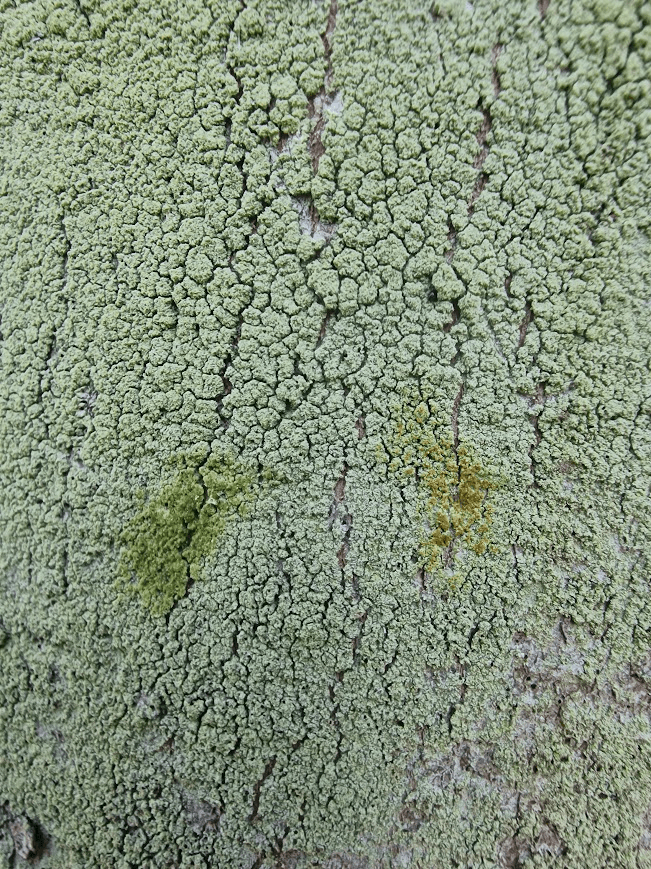
Many of the Beeches were covered in a green sorediate crust lichen. (Sorediate = covered in soredia, which are powdery, microscopic, asexual reproductive particles). Theses are impossible to differentiate between without doing chemical reagents tests. I use two common spot tests aqueous potassium hydroxide (K test) and calcium hypochlorite (C test).

There are the four lichens that look very similar

Lecanora expallens K+ yellow (i.e. the lichen reacts yellow to Potassium hypochlorite) , C+ deep yellow or orange-red,

Pyrrhospora quernea K- (i.e. the lichen doesn’t react to Potassium hypochlorite, C+ orange (photograph of both below)

Lecanora barkmaniana K+ yellow, C-. 

Lecanora compallens K-, C-

These chemicals are caustic and should only be used if you know what you are doing see British Lichen Society Chemical Tests

Response K- (the green is from K making the surface of the lichen (fungi) transparent so you can see the green of the alga underneath) C+ orange so Pyrrhospora quernea 

On the way to the Westdean village; on the steps of a barn.

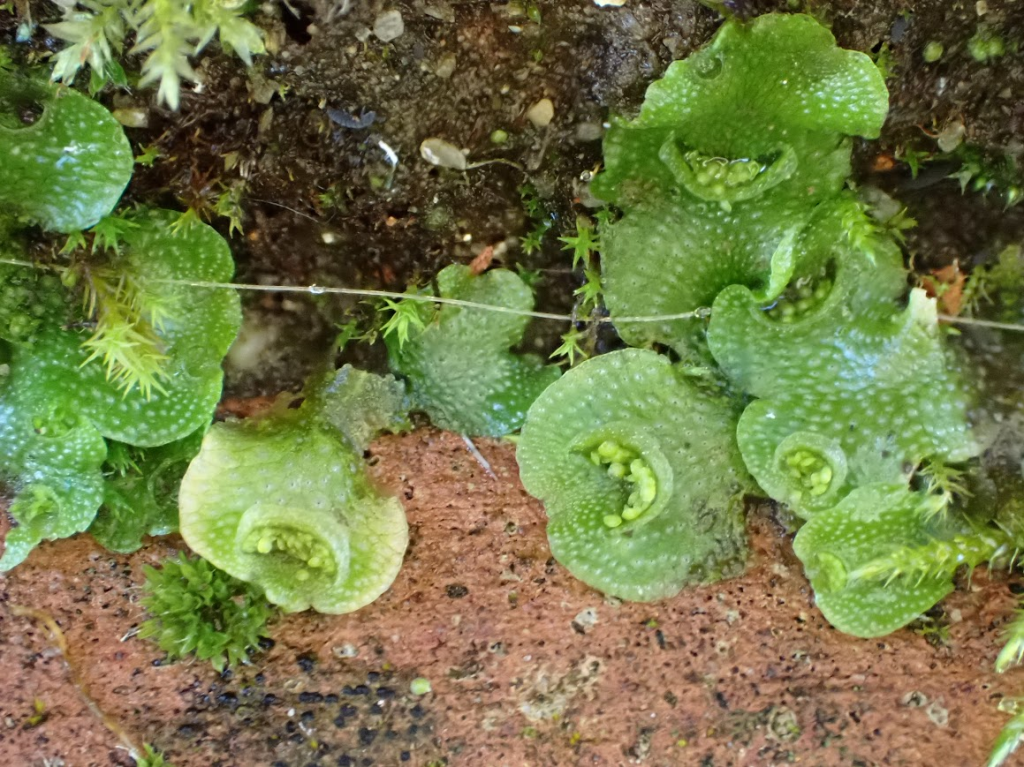
Lunularia cruciata, Crescent-cup Liverwort. When the gemma receptacles are present; Lunularia cruciata is obvious. Gemmae = small, clonal, haploid disc-shaped tissues for asexual reproduction, dispersed by raindrops, to grow into new, identical gametophytes.

All Saints and Ingaderia vandenboomii

Ingaderia vandenboomii doesn’t have a common English name, so I have made one up: pink powder

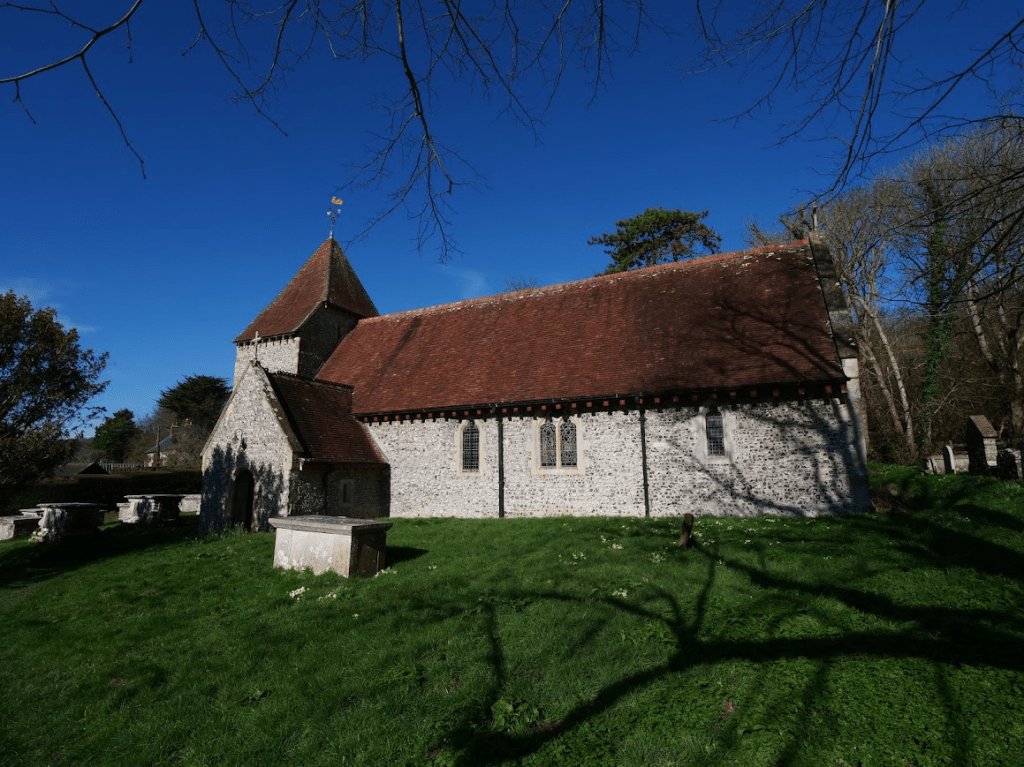
All Saints church (grade 1 listed) is of great antiquity with parts of the building dating back to Saxon times.  Most of the present structure is Norman, measuring 21m by 4.87m, and is constructed of flint and Eastbourne sandstone.  At the west end the square tower is covered by an unusual gable spire which John Betjeman in his Guide to English Parish Churches describes it as unique in Sussex.  It has been likened to a monk’s cowl and from a distance, the small high windows on the tower give the appearance of a face.  Cuckmere Churches, All Saints West Dean

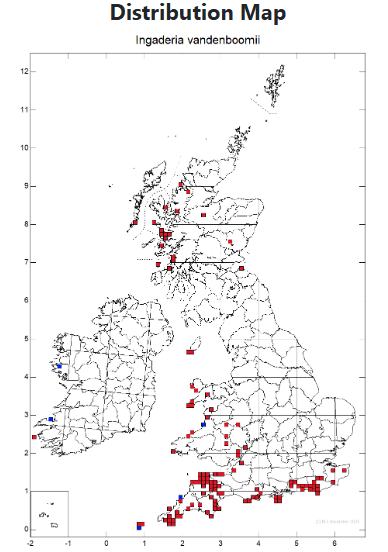
Ingaderia vandenboomii is a National Scarce lichen in the UK, but it is common on the north walls of Sussex coastal churches. Here, All Saints Church, Westdean, it covers ca. 50% of the entire north wall – flint & mortar

Bleak beech

Brightened with moss. Probably Brachythecium rutabulum, Rough-stalked Feathermoss.  B. rutabulum can be recognized by its pale glossy shoot tips, which some say look a little like fairy lights. British Bryological Society Brachythecium rutabulum

Oak and Hawthorn from the beech wood of Friston Forest

Looking over more beech – beginning to bud red – to Lullington Heath – with gorse and hawthorn.

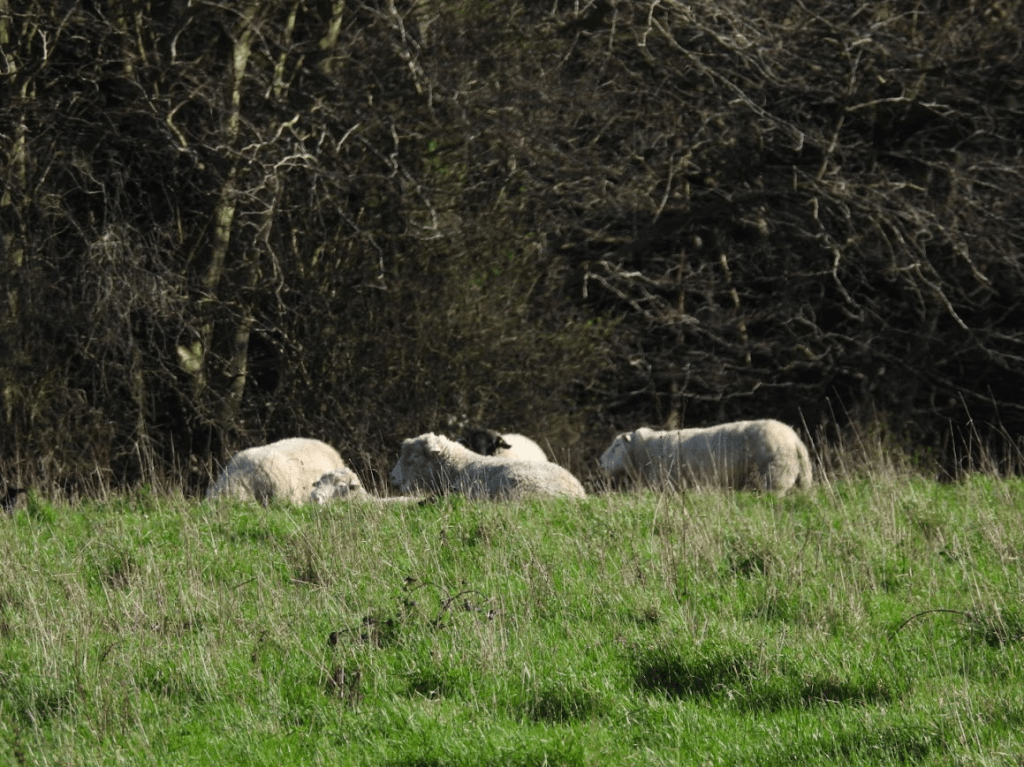
Sheep in the fields between the forest blocks; sheep grazing the South Downs has been going on forca. 3,000-6,000 years

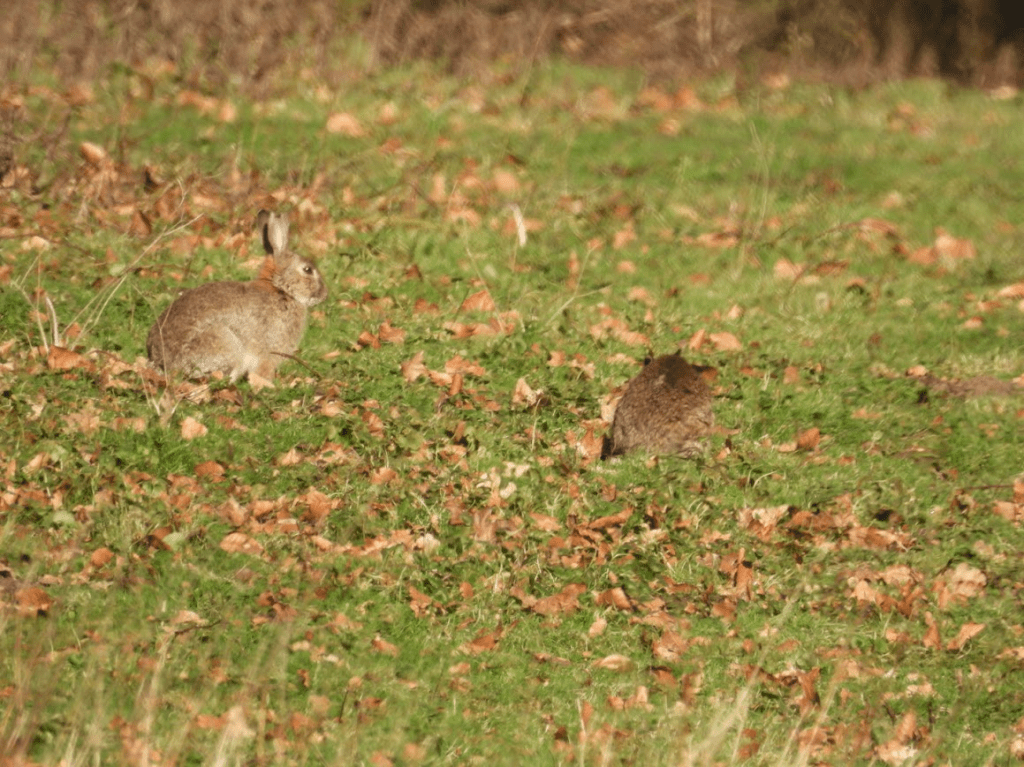
Rabbit grazing on the South Downs is also important to the ecology and biodiversity of chalk short-grass grassland

Rabbit populations declined by 64% in the UK between 1996 and 2018 and numbers of brown, mountain and Irish hares are also thought to have declined in some areas. As ecosystem engineers, the loss or reduction of these species can have major consequences, particularly for rabbit-dependent habitats. In their absence, the consequent changes in vegetation structure due to a lack of grazing can have further impacts on other wildlife, such as invertebrates. The NHBS Guide to UK Rabbit and Hare Identification

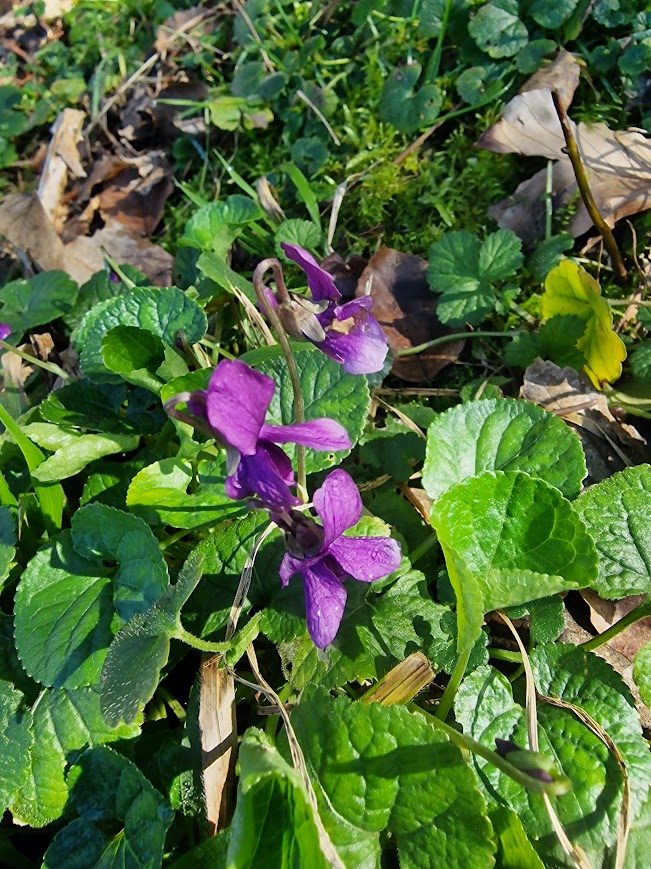
Sweet Violet

Romantic and showy, sweet violet grows on woodland edges, its flowers providing nectar for butterflies in early spring. Woodland Trust Sweet Violet

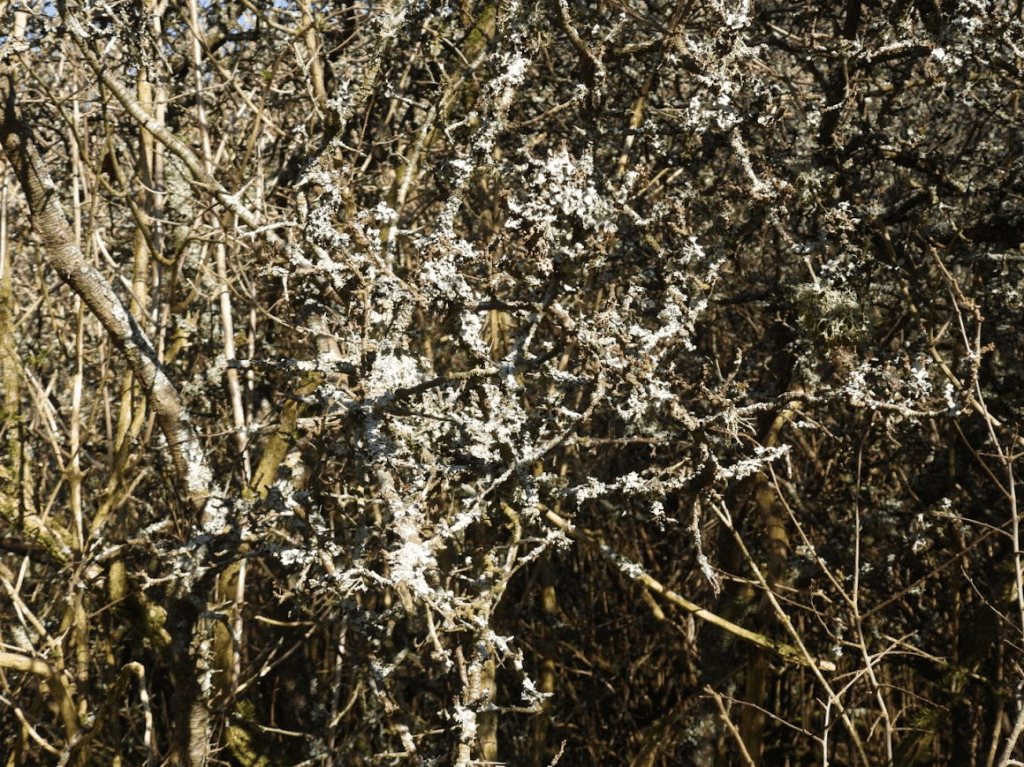
Hawthorne covered in Lichen

In Sussex, hawthorns are covered in lichens – but the lichen communities on coastal hawthorns is slightly different from inland hawthorns . Inland hawthorn have Usnea cornuta & Hypogymnia physodes (and on the top of Downs Teloschistes chrysophthalmus) which are absent on costal Hawthorns, but inland hawthorns don’t have Ramalina canariensis found on coastal lichens. On all hawthorn Ramalina farinacea, Ramalina fastigata, Evernia prunastri, Flavoparmelia caperata, Parmotrema perlatum, Parmelia sulcata and Lecidella eleachroma

Usnea cornuta

Hypogymnia physodes

A felled ash

Sadly on the South Downs, I frequently see felled Ash, Fraxinus excelsior. Seen felled, you see what a wonderful substrate it is for lichens and bryophytes. The huge loss of Ash on the South Downs will have an impact on the ecology of the downs. Ash are very biodiverse holon ecosystems. Nearly every part of this Ash’s trunk & branches are covered in lichens & bryophytes. It’s harder to notice this continuous biodiversity along ash’s trunks when they are alive and standing. Ash is probably second only to Oak in terms of lichen diversity.

Lullington Heath NNR

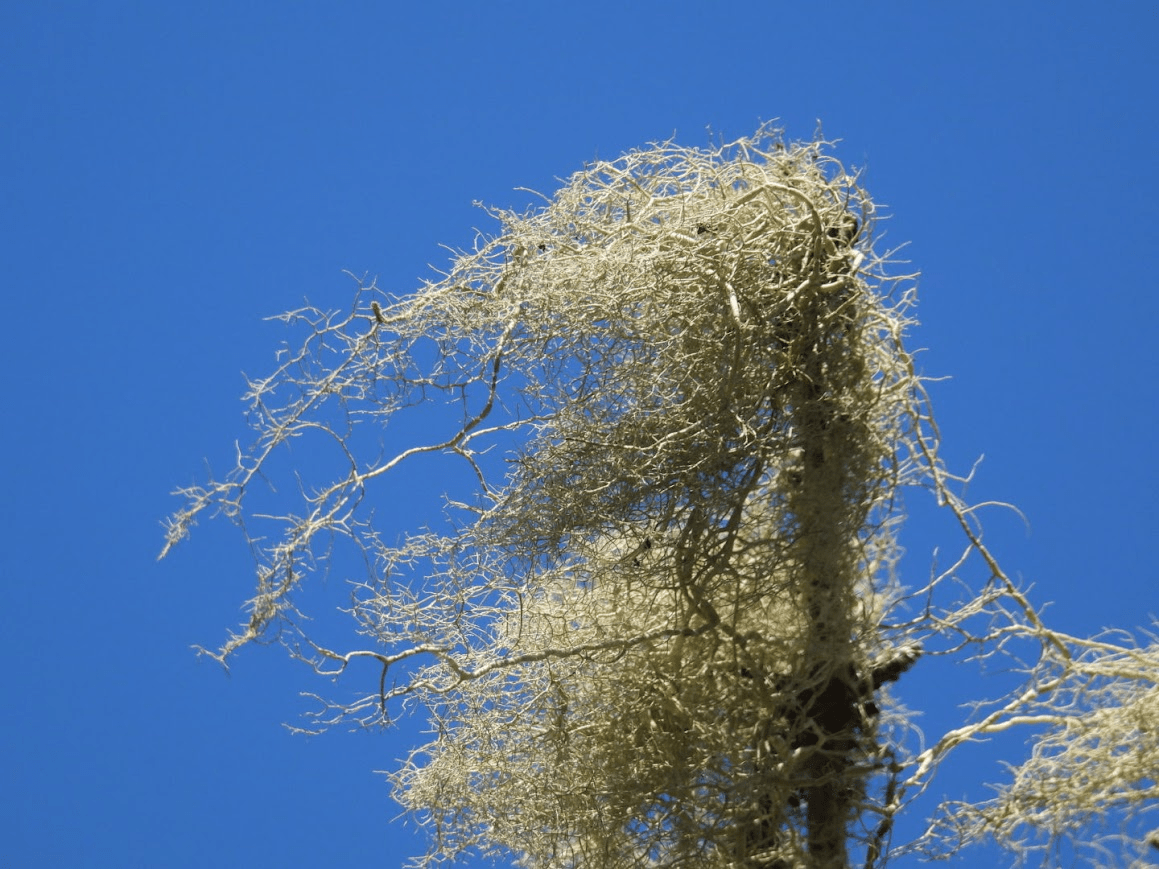
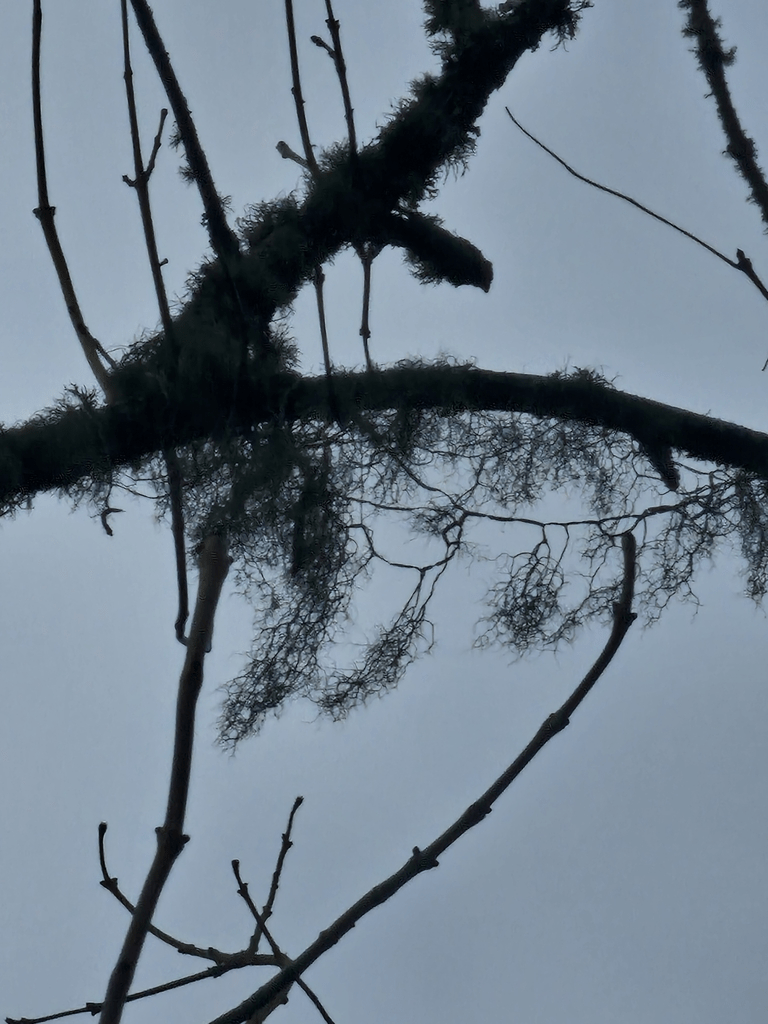
Trees with abundant Usnea spp. are not common in Sussex. But this Hawthorn in Lullington Heath NNR, chalk heath (loess: wind blown acid soil on chalk) has abundant Usnea right at its top. It looks very like U. articulata, String of Sausages; which is rare it Sussex; but it was too high up to get a sample.

Managing the growth of Gorse on the heath. Lullington Heath NNR is chalk heath; covered with acid loess (wind blown acid soil)

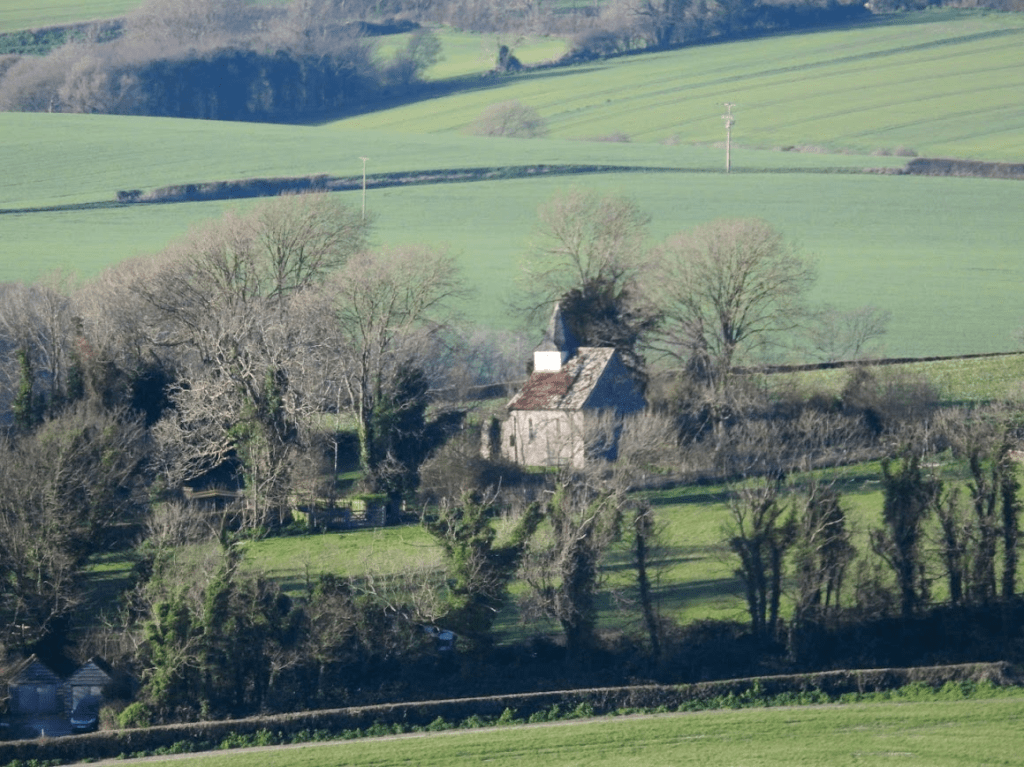
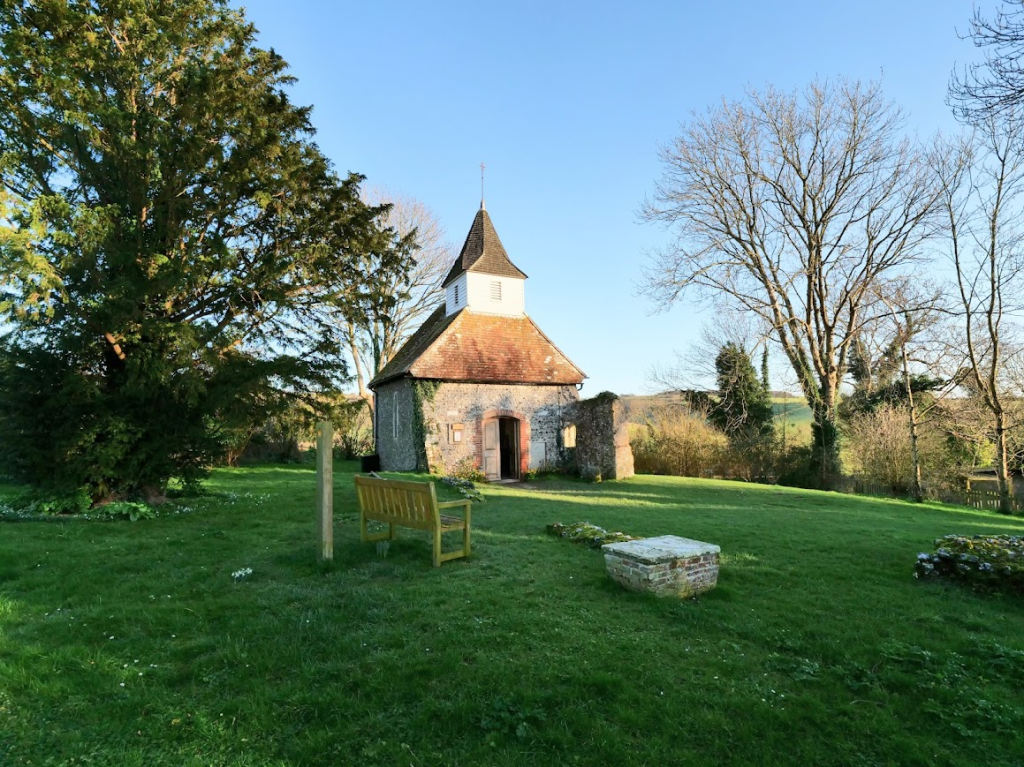
Lullington Church

The church of the Good Shepherd, Lullington stands on the side of the South Downs above the Cuckmere Valley, almost hidden amongst a clump of trees. Its white weather boarded belfry peeps above the foliage, and there are magnificent views.

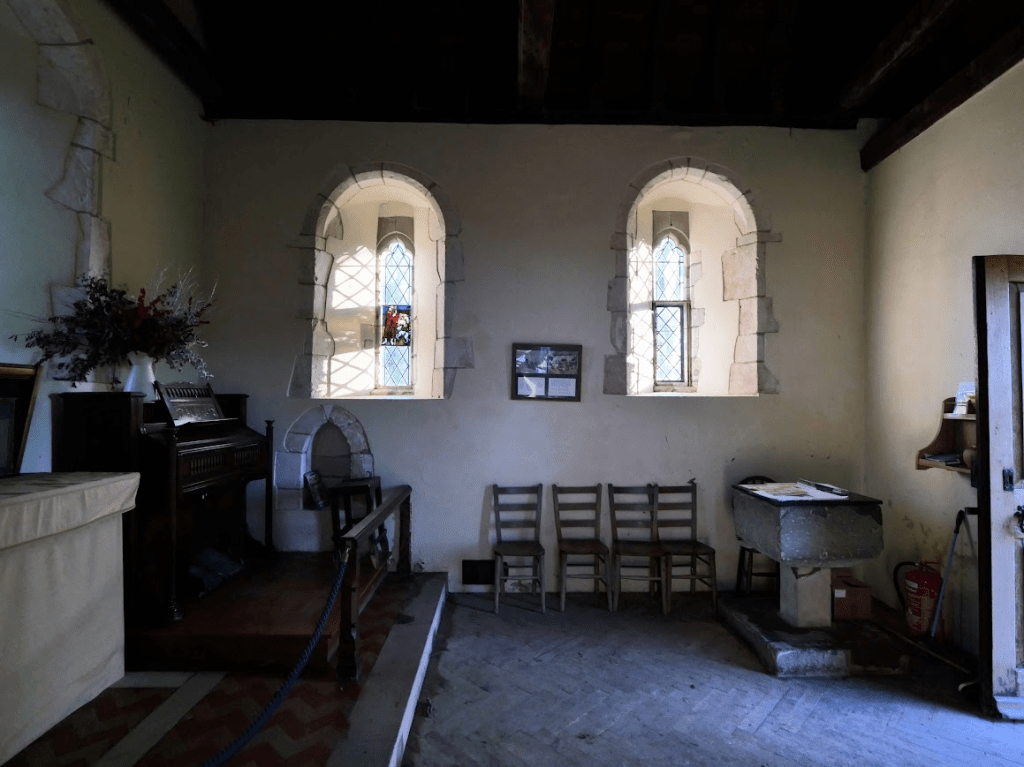
It is the smallest church in Sussex, and one of the smallest churches in the country, being 16 feet square, and seating only about 20. There is no electricity and evening services are conducted by candlelight. The building is the remains of the chancel of a larger church, which is believed to have been razed by fire in Cromwellian times.

The church dates from the 13th century, and is of Early English style, with the list of vicars extending back to 1356. The original dedication is not known for sure, but may be to St Zita (a saint canonised not because of miraculous powers, but because of simple devotion and hard work). More latterly, and after a decision by the local community, the church was rededicated in 2000 to the Good Shepherd (one of the earliest Christian titles for Jesus), in keeping with agricultural practices of the area.

More recently, the church was the inspiration for the popular song ‘The Smallest Church in Sussex’ by the nationally acclaimed band British Sea Power.

Alfriston St Andrews

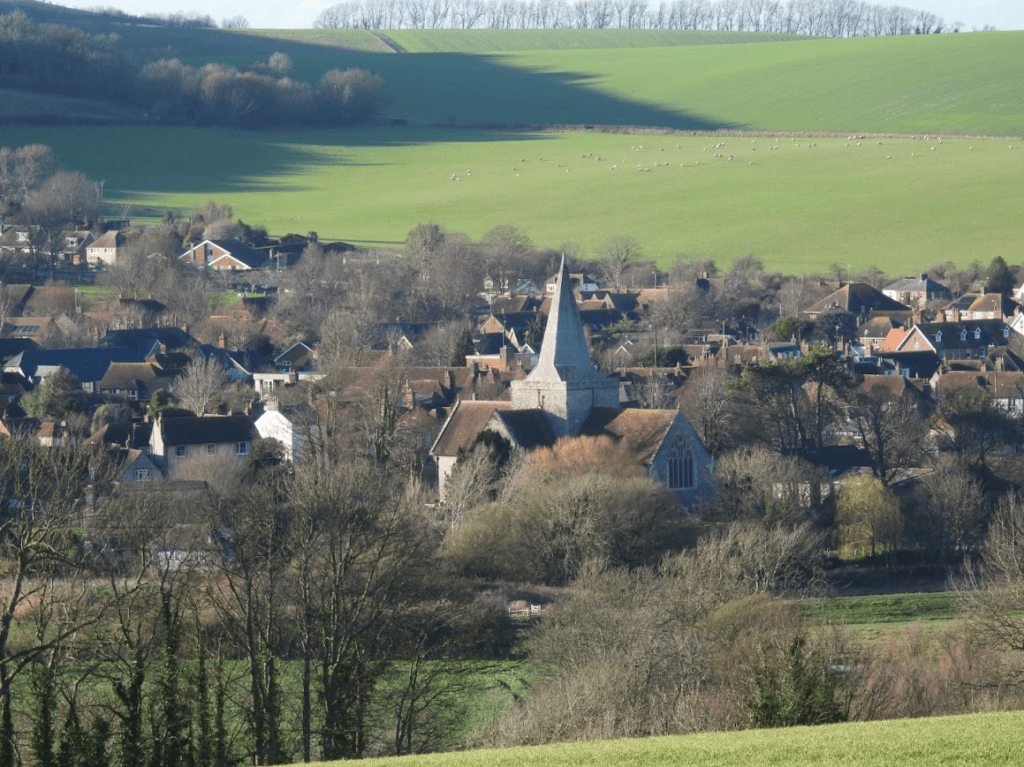
St Andrew across the Cuckmere River

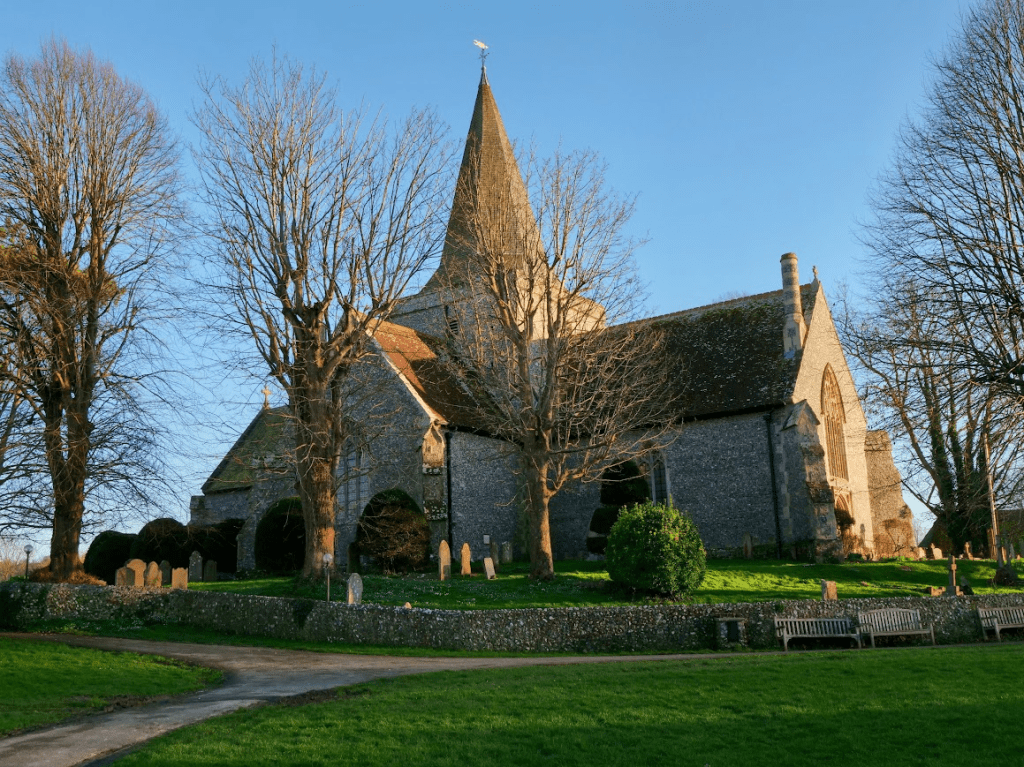
It stands beside the Tye, a large green that may have served as a market in medieval times. In 1399 the church was granted to Michelham Priory. The church is built on a small mound, surrounded by a flint wall, suggesting that the site was a sacred place in the pre Christian period. The sheer scale of the church has led to its moniker ‘The Cathedral of the Downs’. The church seems to have been built in one go, also unusual, at a time when most churches evolved slowly over centuries.

There is no indication of who built the church, and indeed, Alfriston did not even have a lord of the manor at the time. All of which raises the question of why a small village without even a lord of the manor should have such a large and impressive church.

Like most Sussex churches, it is built of knapped flint, with greensand stone for quoins. The roof was originally topped with Horsham stone, but that proved too heavy and was replaced by clay tiles.

The layout is very simple; a cruciform plan with a central tower and no aisles. The nave and chancel are the same length, though the transepts are shorter, creating a traditional cross shape.

One of the best features of St Andrew’s is the timber roof, built to a crown post design. Most is original 13th century work, save only the south transept. On the north side of the chancel is an Easter Sepulchre, within which is a chest tomb. Atop the tomb are carved stone figures that originally decorated the 19th century reredos over the high altar. On the north wall of the nave is a funeral hatchment to Richard Vincent (d1733). Under the gallery stairs is an old bell, cast in 1587.

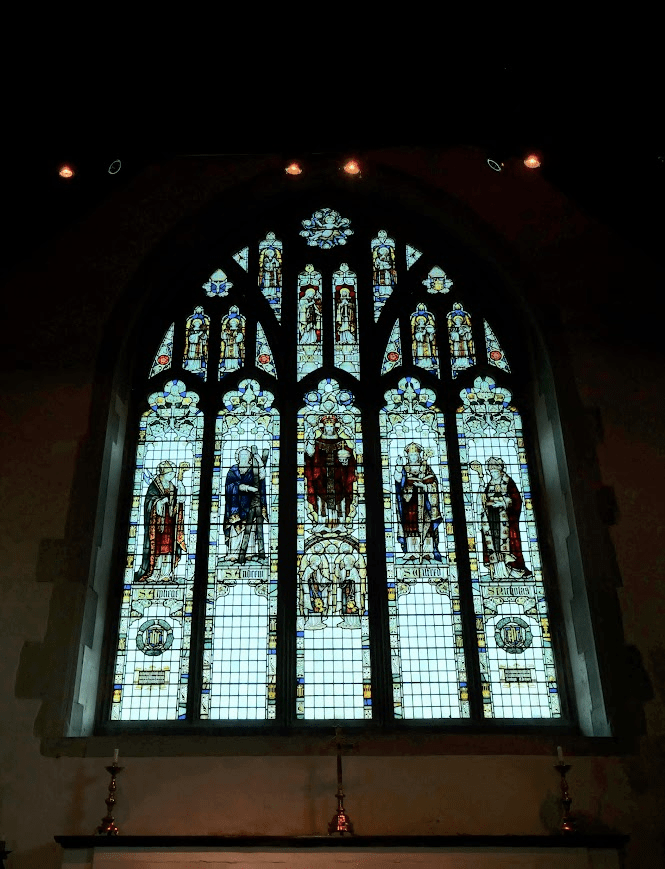
The font may be older than the church, but is at least 14th century, and is set atop a later base. There is a royal coat of arms to George I, dated 1725. The church contains a very pleasing mix of medieval and relatively modern glass. National Church Trust Alfriston St Andrew

 East Window by J Powell and Sons and designed by C E Powell, 1904 

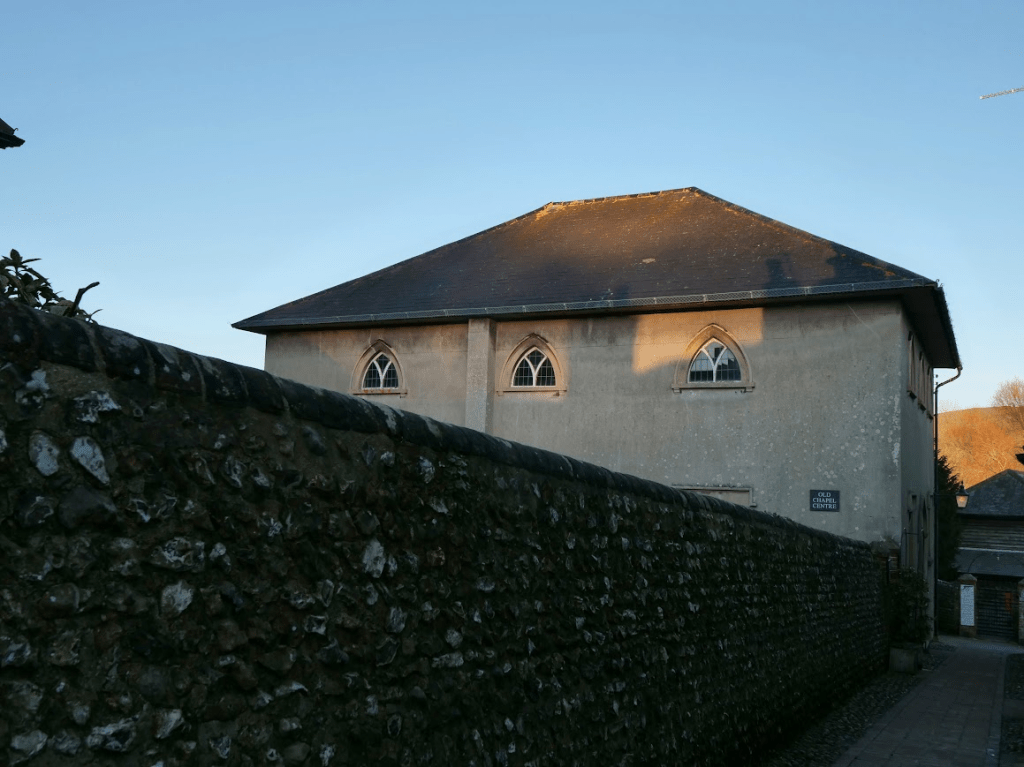
Alfriston Congregational Church

… the building is a living memorial to the early nonconformists of Alfriston. Before 1801 a group of them had already broken away from the established church and were holding their meetings in a house known as the Urn, in North Street. The Old Chapel Centre Our History

Non-conformist chapels are generally rarer and less visible than established Church of England churches in Sussex, although they have a strong, distinct, and historically significant presence. Lewes was a centre for non-conformists. Non-conformists were often persecuted 16th-18th century England because they posed a perceived threat to the stability of the state, which relied on strict religious, social, and political uniformity through the Church of England. Dissenters were seen as seditious for refusing to attend parish churches.

Litlington St Michael the Archangel at dusk

A very good example of a Downland church, built of flint with stone dressings, a white painted weather boarded wooden belfry tower which supports a broach spire covered with wooden shingles.

The main part of the building is thought to have been erected in about 1150 AD, but there are windows in the chancel which may well be Norman, and the remains of two Norman window openings (since closed) are visible in the north wall of the nave. Interestingly, but inexplicably, the floor falls 13” from east to west. The massive beams which support the main roof are original. Once there were three, but the Victorians removed one close to the chancel arch, which caused the church to split apart – since rectified by the insertion of a steel tie-bar. National Church Trust St Michael the Archangel

The Cuckmere flooding its flood plain

The Litlington White Horse at dusk

The myth of Sussex’s Litlington White Horse is still in the making. The chalk was cut – possibly – by James Pagden of Frog Firle Farm, near Alfriston, along with his two brothers, and cousin William Ade, who thought to scratch a horse in chalk to commemorate the coronation of Queen Victoria. But the makers of the horse might also have been John Ade, a certain Mr. Bovis, and Eric Hobbis, cutting it under the full moon of 20 February 1924. Another story is that it was cut as a memorial to a local girl whose horse bolted along the brow of Hindover Hill, throwing her down the hill to her death. And yet another suggests the white horse originally depicted a dog, cut by a farm boy to mark the grave of his dog drowned in the Cuckmere river below. It was covered up in the Second World War so as not to alert the Luftewaffe, and has been cut and recut, cleared and re-defined ever since.

It is this re-cutting and re-defining that keeps it alive, on the hill and in literature and in all our imaginations. Archaeologists believe there may have been many more chalk ‘geolyphs’ across the Downs, for if they are not looked after, they are soon overgrown. The Litlington White Horse speaks to that other, more well-known Sussex landmark, the Long Man of Wilmington, carved into the grass across the valley. Both chalk monuments remind us of the geographical and mythical echoes we have inherited from those who have stood on this ground, walked these tracks before us, and by connecting to them, we connect to the old ways, and step forward with the past – whether wholesome or destructive, whether more, or less understood – informing all our futures. Rosa Magazine Litlington White Horse

Bed time for Rooks in a rookery

Clapham, South Downs, West Sussex. An ancient wood with abundant polypody, butchers broom, lichens & dogs abducted by UFOs (allegedly) and a Norman church with archangels by Morris & Tudor tombs. 23.02.26

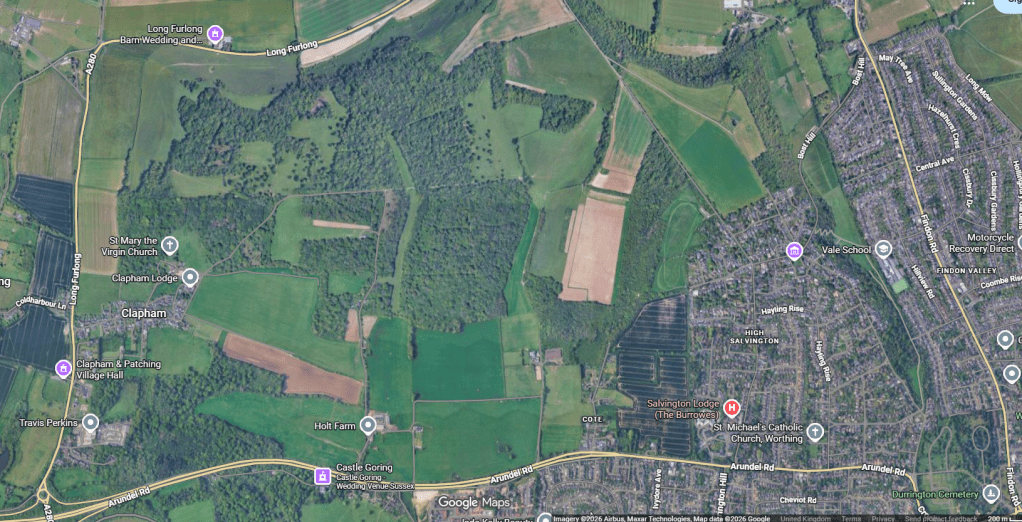
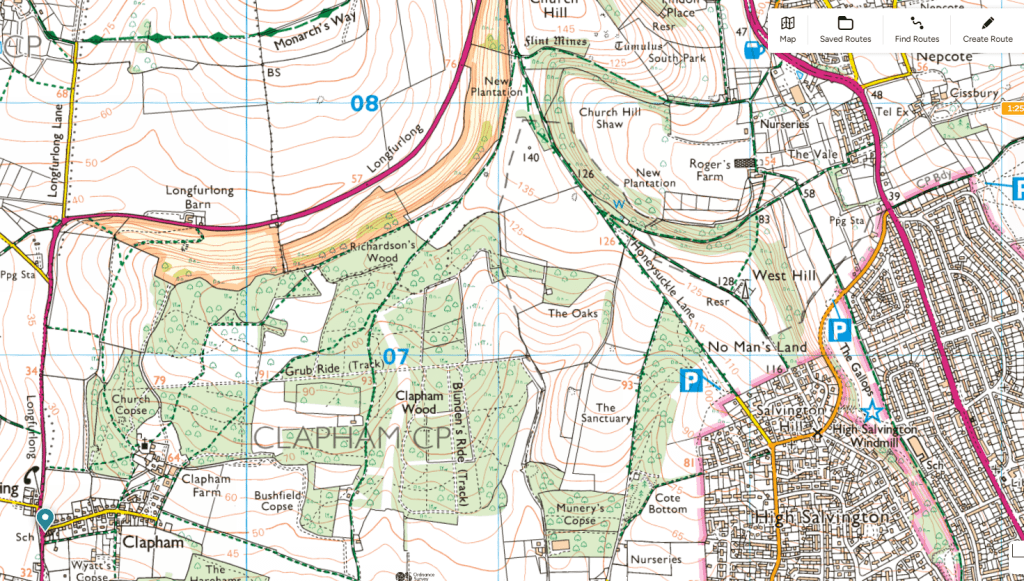
Clapham is not so easy to get to by public transport. It is possible to get the train to Goring-by-Sea and walk from there, but that entails walking along roads with no pavements. So I took the train to Worthing then took Metrobus 21 (every 30 minutes) to Findon Valley. I walked from Findon Valley Road to High Salvington Windmill; then walked on footpaths past West Hill to New Plantation, where I turned sharply south on the footpath into Richardson’s Wood above Clapham Wood

Screen shot of Google Maps Satellite View

Screen shot of Ordnance Survey Map from explore.osmaps.com

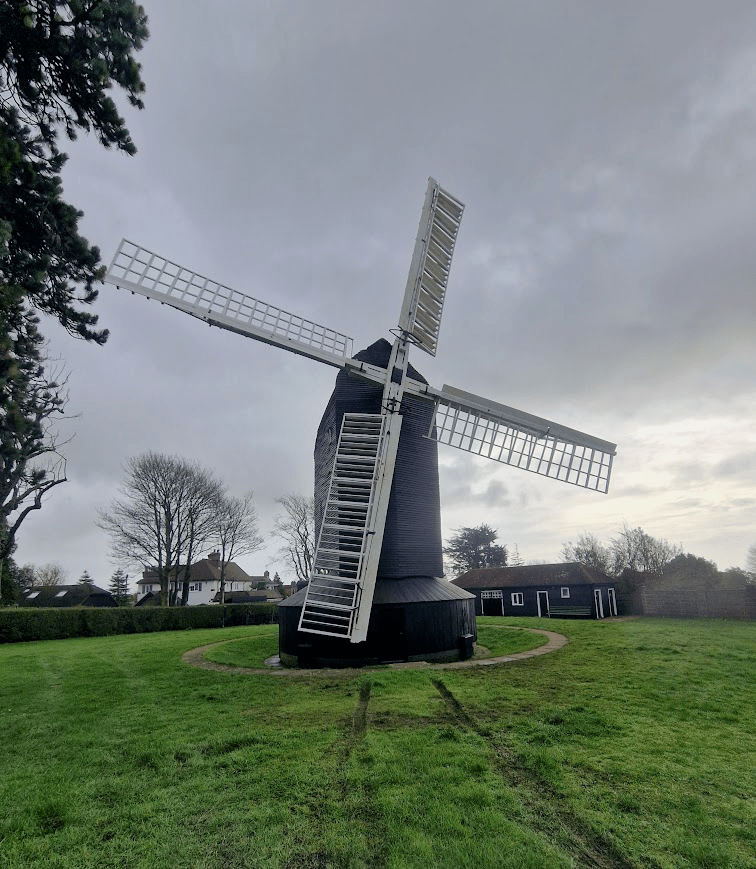
High Salvington Mill

High Salvington Windmill is a working post mill dating from approximately 1750.

Looking over to Cissbury Ring for High Salvington

Cissbury Ring is a Middle Iron Age hill fort in Sussex ca. 250BCE, with Neolithic mine, one of the first flint mines in Britain. There are about 270 shafts dug into Cissbury hill over around 300 years of use. See National Trust History of Cissbury Ring

Clapham Wood is a Site of Nature Conservation Interest (SNCI). It is designated as Ancient Woodland by Natural England. Screen shot of Natural England Ancient Woodland (England) Natural England Open Data Publication

There is little ancient woodland left on the South Downs; the majority of that left is scarpe face woodland dominated by Ash, Beech, Hazel and Yew; Clapham Wood is a rare dip face wood dominated by Pedunculate Oak and Hazel, with some Beech and Yew and some introduced Sweet Chestnut. It is actively manged through coppicing; and it could be categorized as Hazel coppice with Oak standards; a traditional woodland management strategy.

Into the woods

Walking North to South

Ancient Sweet Chestnut

Dogs Mercury, and ancient woodland indicator plant

Close up of flowers

Ash covered with lichens (mostly Ramalina fastigiata and Xanthoria parietina)

Fallen Sweet Chestnut

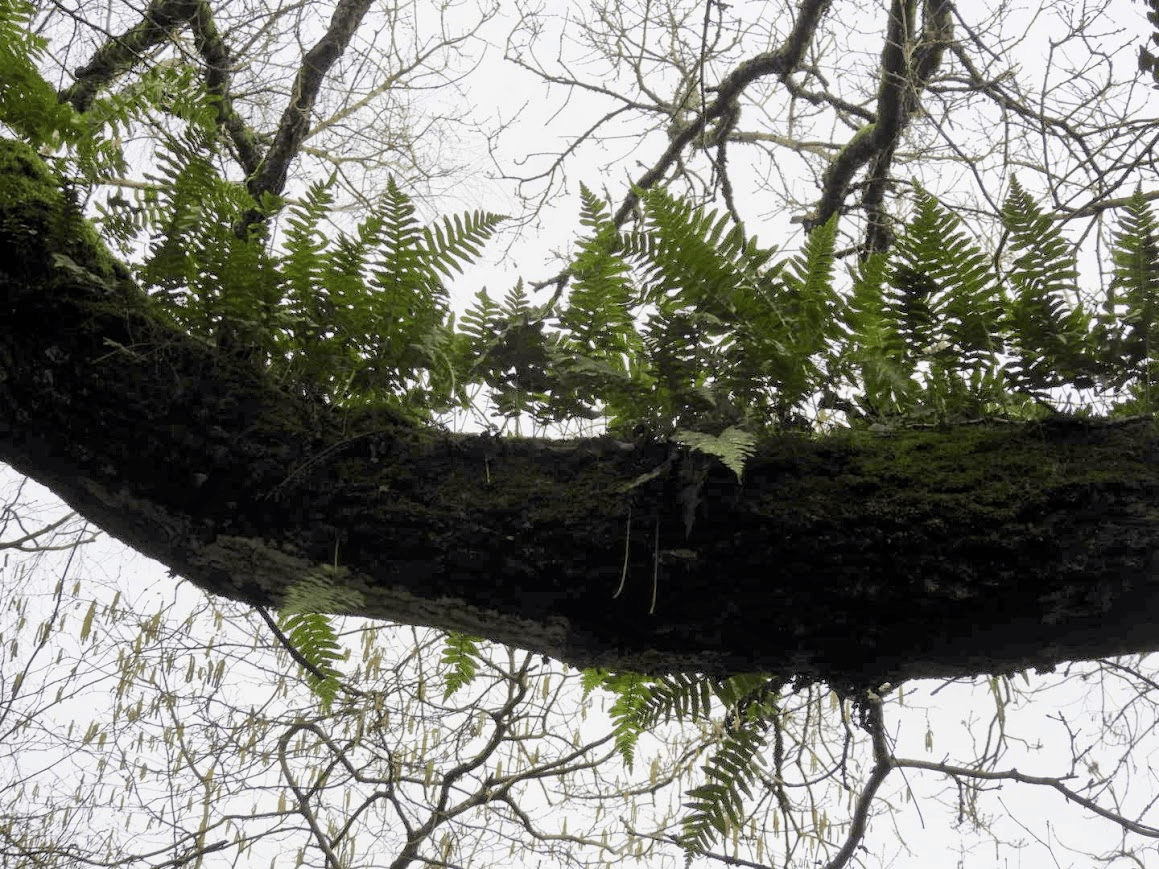
Pedunculate Oak covered in Polypody Fern; it is very unusual to see this much Polypody on a southern Oak. Polypodium spp. (any species) are ancient woodland indicators species in the south. See my post The ancient woodland of the Low Weald and Downs. Looking at plants. How do I know I am walking in ancient woodland? Butcher’s Wood, Lag Wood and Newer Copse (Wolstonbury Hill) 07.04.25 for more details

Coppiced Sweet Chestnut and Bluebells

Bluebells emerging; an ancient woodland indicator plant

Maiden Pedunculate Oak and coppiced Hazel; a traditional way of managing ancient woodland

Maiden oaks are oak tree that has grown in its natural form, featuring a single, uninterrupted trunk for at least 1 meter above the ground and an unpollarded crown.

Huge boundary Oaks at the edge of a wood segment

Pedunculate Oaks on an ancient boundary bank

Keeper’s Cottage at Holt Farm in the hamlet of Holt (now just two cottages and the farm) on the edge of Clapham Wood. Grade II listed. Restored C17 or earlier timber-framed building with painted brick infilling. Hipped thatched roof with two “eyebrows” and pentice behind. Casement windows. Modern gabled weather-boarded porch. Two storeys. Three windows. Historic England: Keeper’s Cottage

The far-away Castle Goring (taken at x80 magnification) from the footpath running eat-west just south of Clapham Wood

The weird Palladian fronted, but Gothic on the north side (the view above) castle built by the poet Shelley’s grandfather, Sir Bysshe Shelley, about 1797-8. Built at the same date. …. The Palladian front was designed by Biagio Rebecca and is said to be a copy of a villa near Rome. It is of yellow brick. … The Gothic back is of flint and sandstone. Historic England Castle Goring List Entry

Part of the southern edge of Calpham Wood; with boundary maiden Pedunculate Oak prominent; behind maiden oaks and coppiced hazel.

Walking south to north

Pied Wagtail

Primrose, an ancient woodland indicator plant

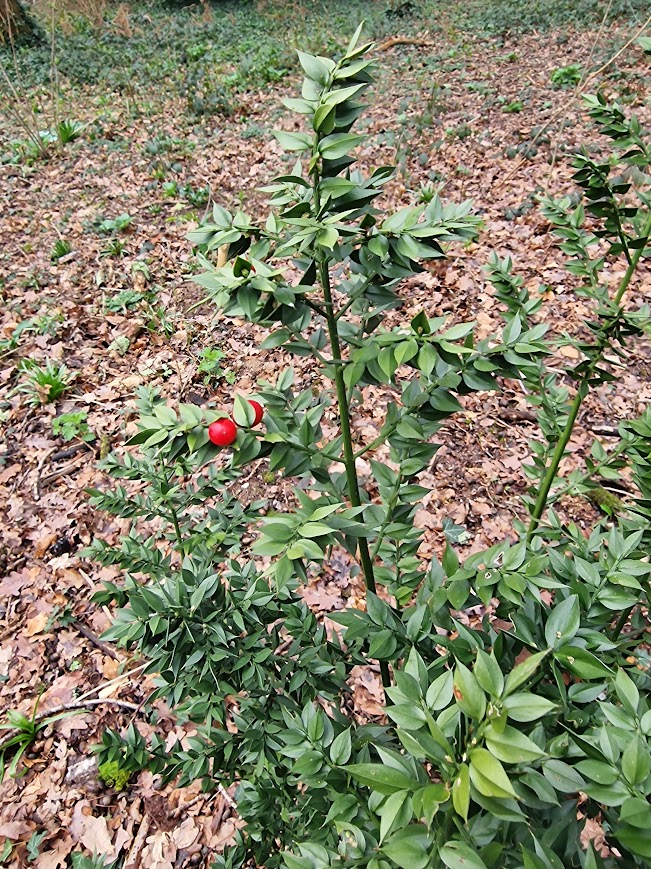
Butchers Broom, ancient woodland indictor plant

I love Butcher’s Broom and don’t see it often. When I do I am excited. It was very abundant in Clapham Wood’s Church Copse. It was in a fenced off area that was being coppiced by volunteers as part of a South Downs National Park Authority project see: https://www.southdowns.gov.uk/wp-content/uploads/2024/08/Role_profile_Church_Copse_2024.pdf

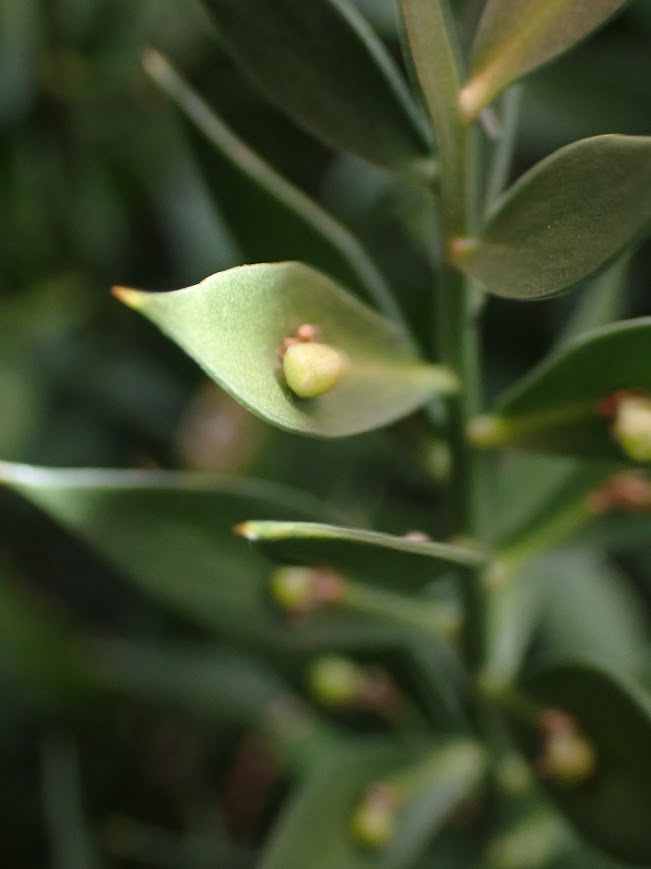
Butcher’s broom is a monocotyledon [a flowering plant with an embryo that bears a single cotyledon (seed leaf). Monocotyledons constitute the smaller of the two great divisions of flowering plants] of a most curious appearance. It is a multi-stemmed, evergreen shrub that rarely gets taller than one metre high, and appears to be covered in stiff, spiny leaf-like structures. However, closer examination shows that these structures cannot be true leaves; they sometimes bear tiny flowers, followed by spherical, bright-red, fleshy fruits, on their upper surfaces. The green structures are cladodes. Evolutionarily, cladodes are flattened stems that perform the same photosynthetic function as leaves. The true leaves are reduced to tiny, non-photosynthetic, papery scales associated with the flowers and the bases of the cladodes.

Butcher’s broom is native to southern England, and is the only British monocotyledonous shrub. It is slow growing and shade tolerant, and occurs naturally in dry, shaded woods and hedgerows. Outside of the Britain, is distributed north around the Mediterranean as far as northern France, Italy and Hungary, with scattered populations in North Africa. The species’ western limit is the Azores, whilst it extends through Turkey in the east.

Unusually for a stem-photosynthetic plant, butcher’s broom is highly shade tolerant and drought resistant with low transpiration rates and water storage in the cladodes. Stem-photosynthetic plants are usually associated with arid, high-light environments.

Butcher’s broom is dioecious, it has separate male and female plants with insect-pollinated flowers, apparently offering pollen as a reward. However, there is little direct evidence for either insects or wind having a role in pollen movement; this might explain the low levels of fruit and seed production found in natural populations. In addition, there is poor fruit dispersal despite the fruits having clear adaptations for bird and mammal dispersal. One idea to unite these apparent contradictions is that butcher’s broom is a relic of the tropical forests that covered parts of Europe during the Tertiary (2.58-65 million years ago). The ecological success of butcher’s broom populations today appears to be a consequence of vegetative reproduction. The plant has a deep, stout rhizome (horizontal underground stem) system.

The generic name derives from the Latin for a butcher’s broom, ruscum; this plant has traditionally been used for cleaning butcher’s chopping blocks. The specific epithet, aculeatus, is a reference to the plant’s spines. In antiquity, the plant had few medicinal uses, despite butcher’s broom containing a rich cocktail of steroidal saponins. These have been shown to have a wide range of potent medicinal effects; wild-collected material is particularly rich in these compounds. Oxford University Herbaria: Butcher’s Broom

Pedunculate Oak’s covered in “white” lichens; lichens of the Mature Mesic Bark Community (Pertusarietum amarae). The Community of Mature Mesic Bark often forms at the base of Oak and Ash on wayside trees (where they get much light) in Sussex

Moslty Pertusaria hymenea and

Pertusaria pertusa (Pepper Pot Lichen)

A whopper ancient pollarded Beech

An Ash covered in lichens

with much Lecanora chlarotera

Evernia prunastri (Oak Moss)

Pyrrhospora quernea

Flavoparmelia caperata (Common Greenshield Lichen)

Pertusaria hymenea . This P. hymenea is pretending to be a Lecanora sp. P. hymenea on shaded trees can form warts with more Lecanora-like apothecia, rather than its typical punctiform wart

A Graphidaceae family lichen probably Graphis scripta; Graphidaceae family lichens can not be definitively identified to species level without spore microscopy.

Sussex Reds in pasture woodland. A rare and declining cattle breed, in a form of pasture now rare in Sussex

Pollarded Oaks at the Northern Boundary of the wood

A 1975 segment from BBC’s Nationwide about alien dog abduction. Are these UFO hunters real, or are they pranksters. This would make an excellent 2026 comedy series with Toby Jones and Mackenzie Crook .

Sadly in the 1970s there were four dead bodies found in or near Clapham Woods, which resulted in conspiracy theories about satanists. An article from the Argos (a Sussex newspaper known for poor quality journalism) is at the end of this article.

This podcast from Folkways: The Folklore of Britain and Ireland, tells folk stories of Cissbury and Chanctonbury rings and Clapham Woods.

Clapham Church St Mary the Virgin

Clapham church stands in a wood north of the village, which has shrunk considerably in size since the Middle Ages.  The C12 nave has C13 aisles and a tower, whilst the restored chancel originated then.  There were further alterations in the C15 and C16 and a well documented restoration by Sir George G Scott with some good fittings and decoration Sussex Parish Churches Clapham – St Mary

From the outside, there are signs on the south side of what may have been an additional side chapel; there is also the remains of a low window, which legend has it was a ‘leper window’, through which lepers could receive communion and watch the service without infecting the congregation. National Churches Trust Clapham Church St Mary the Virgin

The writer of the blog John Ireland: music, people, places asserts: There was a medieval leper colony to the west of Harrow Hill, hence the story that lies behind Ireland’s tone poem. There are also a number of leper windows in the vicinity, including Clapham and Burpham parish churches, Presumably based on G. Palmer, Clapham Church (1952)

However, A History of the County of Sussex: Volume 6 Part 1, Bramber Rape (Southern Part). originally published by Victoria County History, London, 1980, available at BHO | British History Online, disputes this: Suss. Subsidies (S.R.S. x), 161. There is no evidence for the medieval leper settlement at Lee farm. mentioned by e.g. G. Palmer, Clapham Church (1952), 6.

On the inside, the chancel is not in a straight line with the nave; one theory goes that this was deliberate, and was supposed to imitate the angle of Christ’s head on the cross. … The church has an exceptional collection of 16th century brasses and monuments, in memory of the de Michelgrove and Shelley families. The other pride and joy of the church is the set of tiles behind the altar, depicting the four Archangels. These are from the workshop of William Morris, and are believed to have been made by Morris himself. National Churches Trust Clapham Church St Mary the Virgin
Tudor tombe to one of the Shelleys and his wife: William Shelley (1479-1548) and Alice Belknap (ca. 1475-1537), with seven daughters (one a nun) and seven sons

The Morris Reredos pf the archeangles

The tiles at Clapham benefitted from being produced at a time when the firm
had conquered the technical problems in glazing the hand-painted tiles and
therefore their original colouring is better preserved. Large rusty hooks above them
bear witness to the fact that they have almost certainly spent several years covered
by curtains, which may well have helped their preservation. Although the figures,
being placed immediately above the altar, are not as tall as the Findon tiles, they
shine with authority. The Morris tiling extends across the full width ofthe chancel.
In the centre, above the altar, is the main painted panel depicting four archangels- Gabriel, Michael, Raphael and Uriel- the four best known in Christian and
Jewish literature. Six-inch tiles have been used and the panel is six rows high by
fifteen rows wide. On either side to floor level are alternating rows oftiles showing
grapes, leaves and tendrils: this design has become known as the ‘Clapham Vine’.
Although the tiles show some irregularity and imperfections, they still complement
the strength and perfection of the archangels.
Tessa Kelly (n.d.) The Morris Reredoses at St. John the Baptist Church, Findon, and The Church of
The Blessed Virgin Mary, Clapham, West Sussex,
accessed online.

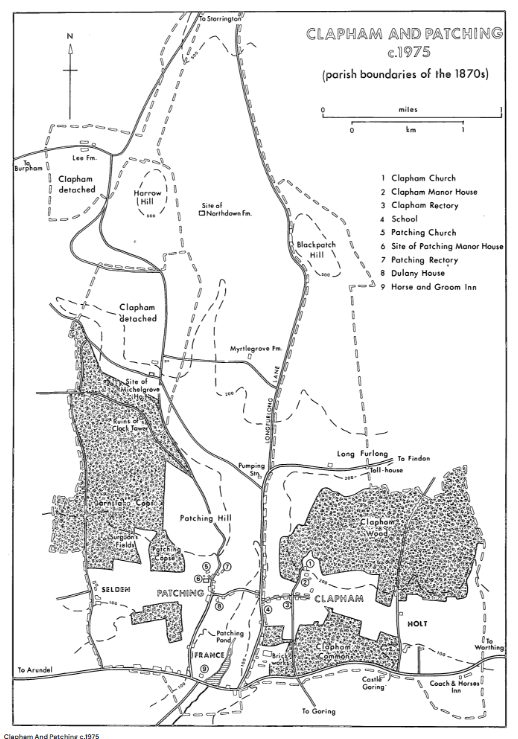
Clapham parish boundary from https://www.british-history.ac.uk/vch/sussex/vol6/pt1/pp10-21


John Ireland wrote Legend for Piano and Orchestra about Harrow Hill in the Clapham Parish 1933. It was first performed in 1934,  Inspired by a mystical experience on the South Downs, Orchestra of the Swan Bax/Ireland Piano Concertos CD with Mark Bebbington

Many of John Ireland’s works have strong Sussex connections: The Downland Suite, Equinox, Amberley Wild Brooks, the Cello Sonata inspired by a place on the Downs known as the Devil’s Jumps and, perhaps, most colourfully, Legend for Piano and Orchestra.

Harrow Hill is located high up on the Downs above and well to the south of Storrington. Access to Harrow Hill is by footpath – there is no public road. You are walking into a remote and mysterious region which one feels time has passed by. It was here that Ireland found the inspiration for Legend for Piano and Orchestra. It is based on two stories that were related by Norah Kirby : –

‘In the far distant past there had been a leper colony in a remote part of the Downs and there had been a steep path leading up to what was known as Friday’s Church because the clergyman attended it on Fridays for a service for the benefit of the lepers who were allowed to participate through a squint so that they shouldn’t contaminate the congregation. On one occasion John Ireland arose early, cut some sandwiches and chose Harrow Hill as the place for his picnic. Just as he was about to start eating, he noticed some children dancing around him in archaic clothing -very quiet, very silent, He was a little put out about having his peace invaded by children; he looked away for a moment, when he looked back they had disappeared. The incident made such an impression on him that he wrote about his experience to Arnold Machen whose books had greatly influenced much of his music. The reply he received was a postcard with the laconic message “So, you’ve seen them too!” ( See also Colin Scott Sutherland’s article John Ireland and Arthue Machen BMS News September 1995) John Ireland by Ian Lace retrieved form the John Ireland Charitable Trust website
Legend is beautiful, and its an example of English pastoral romantic music of the peculiar English type of English Music in the beginning of the 20th Century, totally anachronistic in an era of European modernisms.  Igor Stravinsky’s had disrupted the hegemony of the late romantic musical tradition with the premier of The Rite of Spring (Le Sacre du Printemps) on May 29 1934; but many English composers carried on as before

The tumulus at Harrow Hill is the site of many local legends. From The Sussex Folktale Centre (University of Chichester)  the last home of the fairies in England is said to be Harrow Hill, near Patching,  … Archaeologists discovered dozens of ox skulls buried here close to the Neolithic flint mines and a golden calf was believed to be buried at nearby Blackpatch Hill.

Older Sussex legends and the nonsense about the UFO-abducted dogs provided a context for fantasists to spin speculative stories of Satanism in Clapham Wood, here from The Argus, the home of very poor journalism

Quest to rid village of satanists, 23rd September 2002

Satanic rituals, animal sacrifice and UFO sightings seem more the stuff of Hollywood fiction than picturesque Sussex village life.

But the quiet village of Clapham, near Worthing, is thought to have been the home of a sinister black magic cult for more than 50 years.

That is, at least, according to supernatural investigator Charles Walker, who is determined to track down an occult group called the Friends of Hecate.

The chain-smoking 49-year-old retired council worker makes an unlikely-looking Fox Mulder, scouring the woods in his tracksuit and trainers.

But his tales of paranormal perils lurking amid the trees would easily fill an episode of the X-Files.

Now the glare of the media is back on Clapham Woods, 35 years after reports of dog disappearances and UFOs first put the village under the spotlight.

Cable channel LivingTV sent six young volunteers into the woods for a night as part of spooky new docusoap Scream Team.

Charles, of Western Place, Worthing, expects a revival of interest in the area’s mysterious past when the show is broadcast on Tuesday night.

But when that flash of curiosity fades, he will still be there – as he has been for the past 30 years.

He and colleague Wayne Lewis, spend every day looking for clues to the existence of the Friends of Hecate and stakes out the woods at night, once a month.

Charles believes the group has been using the woods for satanic ceremonies involving the sacrifice of animals.

He also links in four mysterious deaths in the Seventies, including that of retired Clapham vicar the Reverend Harry Neil Snelling.

The 65-year-old vicar went missing from his Steyning home on October 31, 1978.

His skeletal remains were found three years later near Wiston Barn on the South Downs. An inquest recorded an open verdict.

In their book The Demonic Connection, Charles and co-authors Toyne Newton and Alan Brown, suggest he was a victim of satanic foul play.

Clapham has borne a curse since 1288, when Robert Le Faulconer lost a case he brought against local parson Adam le Gest for alleged bodily harm.

Angered by the defeat, Le Faulconer pronounced: “I call upon She who knows to damn this accursed village and all its meagre holdings. May the priesthood of this false God soon come to know their fate.”

Charles started researching reports of missing dogs and UFO sitings in the early Seventies.

Other people have claimed to have felt sick, suffered stomach cramp, vertigo or felt an eerie presence, while in the woods.

A mysterious phone call one evening in 1978, was Charles’ first major breakthrough. Someone claiming to be from the Friends of Hecate summoned him to a meeting at a crossroads in the woods.

A booming voice addressed him from behind a bush, telling him the group was set up in Sussex 30 years earlier.

He was told how they met in Clapham Woods once a month and sacrificed animals, mostly dogs, to the Underworld goddess Hecate.

Charles said: “Maybe he was a dissatisfied member of the group who wanted it exposed. Or maybe he was warning me to go no further. “

In February 1996, Charles and an animal welfare campaigner found a well-constructed hide buried in the woods. A hidden door opened into two rooms which he thinks were used for rituals.

Charles has tried to work out which dates in the year are most likely to be marked with black magic rituals.

But he and his fellow investigators have never managed to time their woodland visits to coincide with a ceremony.

Charles said: “I want to find them, get photographic evidence and bring them to justice. They have to be stopped. I’ll keep doing this until the day I die.”

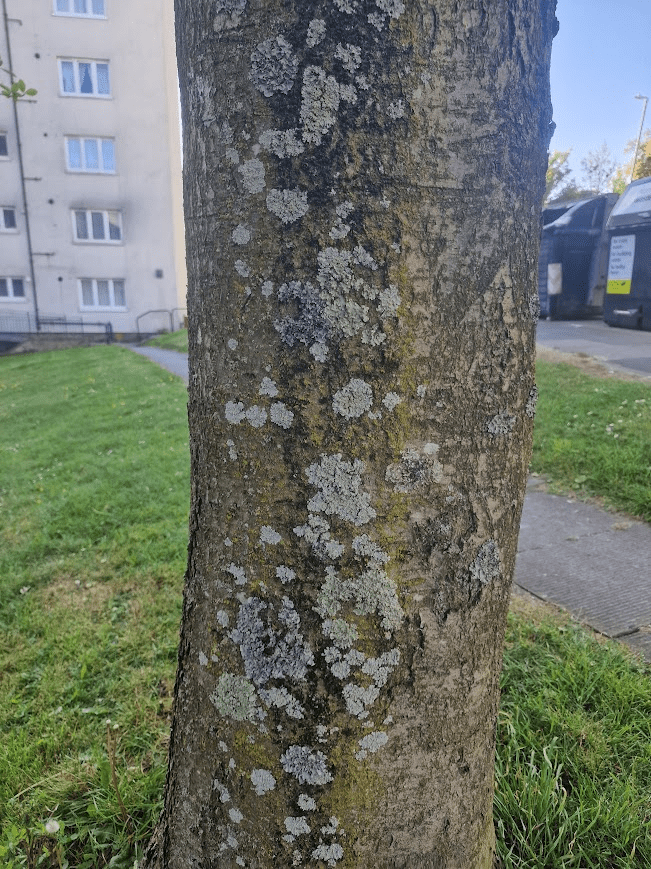
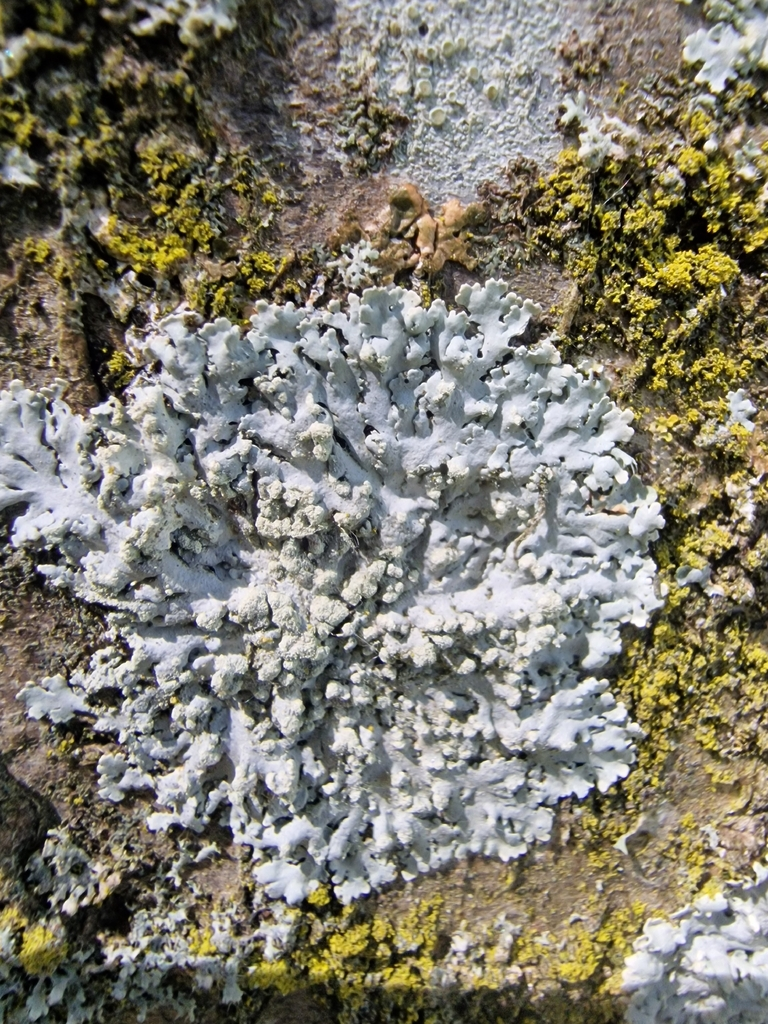
Ramalina fraxinea in a Brighton suburb: under-recording of (urban) Lichens. 27.01.26

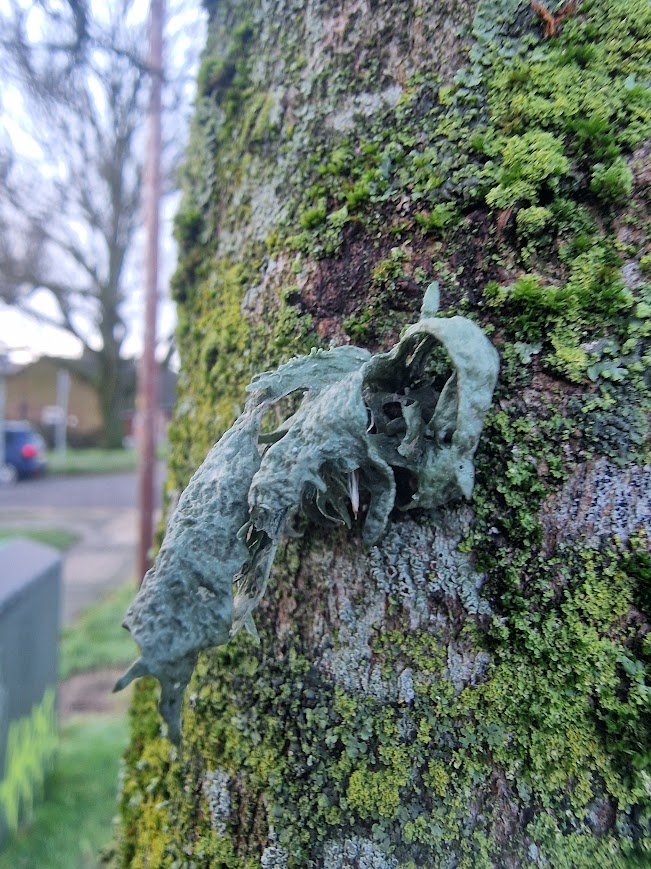
Ramalina fraxinea

On Sycamore, on verge on Queensway, Craven Vale Estate, Brighton; surrounded by Xanthoria parietina, Lecanora chlarotera s.l., and Arthonia radiata

Habitat: Locally frequent on well-lit trees with basic bark. Now rare in many areas. Very sensitive to SO2 pollution and fertilizer-enrichment.

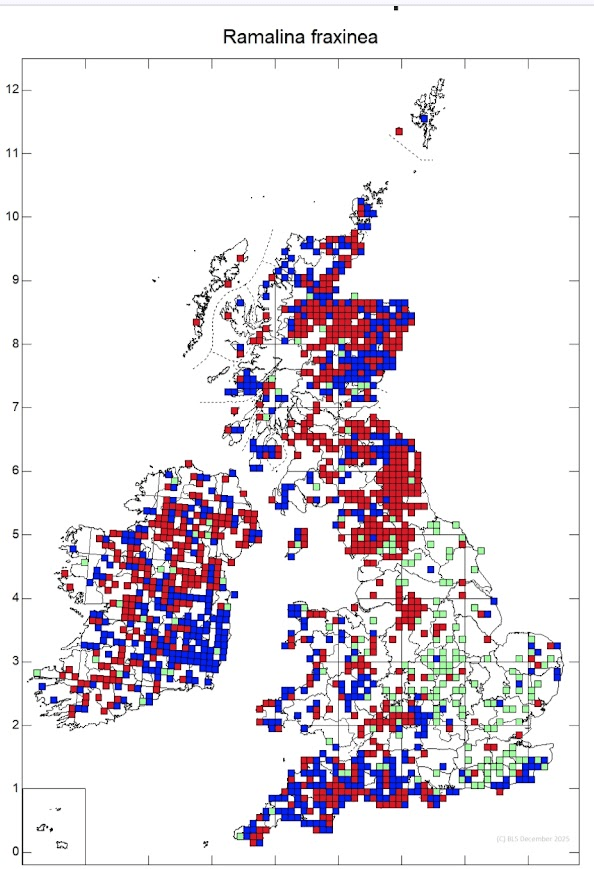
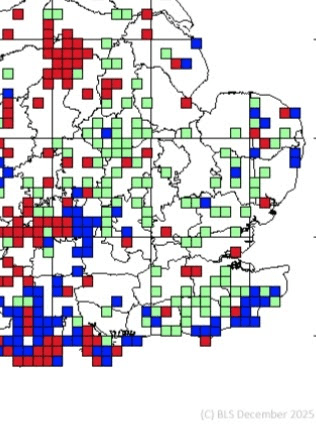
Distribution: East and South England (much decreased), northern England (increasing), Central and East Scotland and East Ireland.

Threats & Status: Declined in areas impacted by sulphur dioxide pollution in the 20th century, with limited recovery as yet, but some recolonisation has been noted

Britain: Notable and an International Responsibility species. British Lichen Society Ramalina fraxinea

The term “International Responsibility” (IR) refers to lichen species whose populations in a specific country (e.g. the UK) are internationally significant. Because the national population is so important to the overall survival of the species, the nation has a special responsibility to protect it from extinction or decline.

A country can only look after an IR species if we know where they are. This lichen is not on the BLS database yet (I will record it). But we don’t know where important lichens are because there is inadequate recording of lichens in the UK.

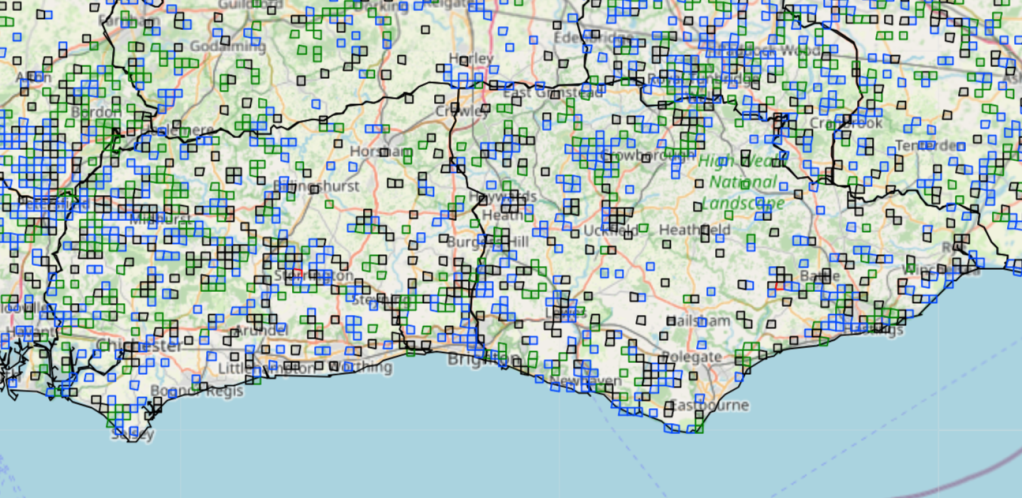
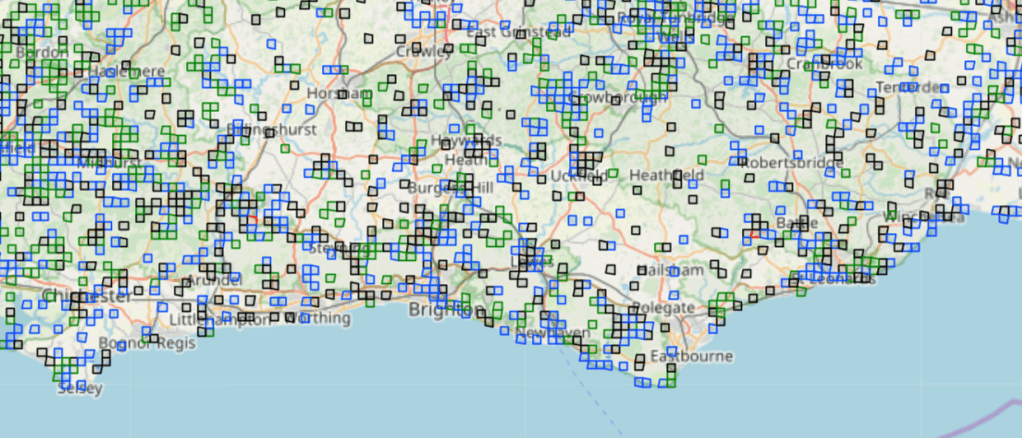
This map British Lichen Society’s all-species interactive map shows the monads (1k x 1k squares) for which there are records of lichens. Many of these monads have no records.

There are 62946 individual lichen records on the British Lichen Society’s database for East & West Sussex (as of 2022). All of these appear to be from rural areas; mostly woodlands, churches and deer parks; none of these records appear to come from urban areas. This is a result of an unconscious bias for rural areas and against urban area, that I am guilty of too. I would much rather walk around a beautiful ancient deer park or a wood or a churchyard than a town. I have seen R. fraxinea in two places in Sussex – in the High Weald countryside, on the Ashburnham Estate, and in the town, in the Craven Vale council estate, Brighton. From this statistically insignificant sample size; you could conclude that you are as likely to see R. fraxinea in an urban setting as a rural setting!

The British Lichen Society acknowledges these habitats for lichens Habits and Conversation: Churchyards, Coastal shingle, Freshwater, Gardens, Lowland heaths, Lowland grassland, Lowland rocks, Metal-rich habitats, Montane habitats, Monuments & Urban habitats, Parkland, Pasture woodlands, Seashore, Walls, Wayside trees and hedgerows.

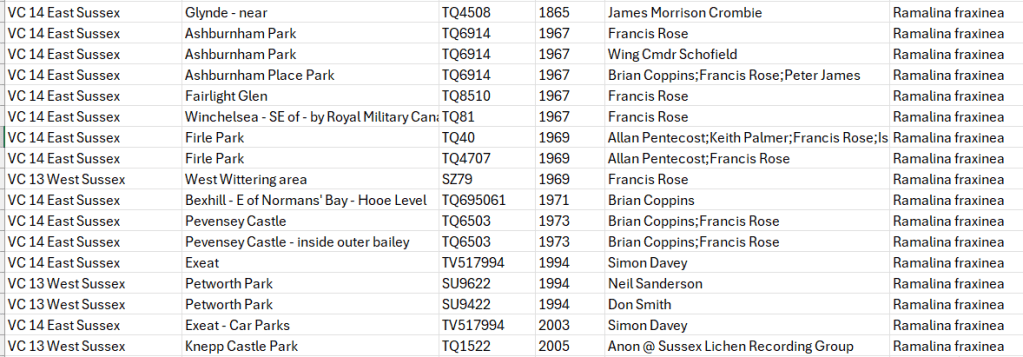
These are the Sussex records for Ramalina fraxinea. They are only 17 R. fraxinea records in 12 places; all of them rural.

I

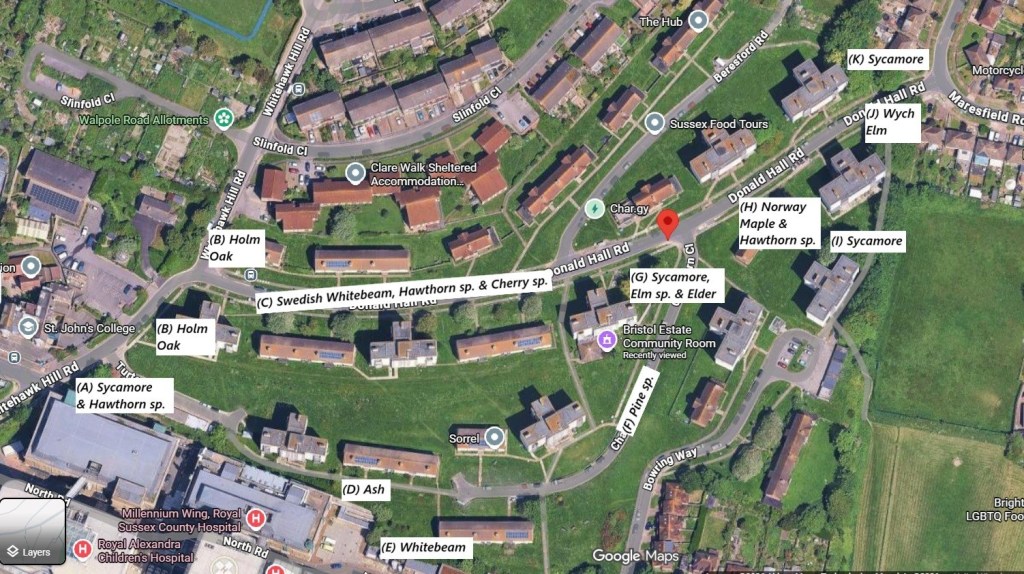
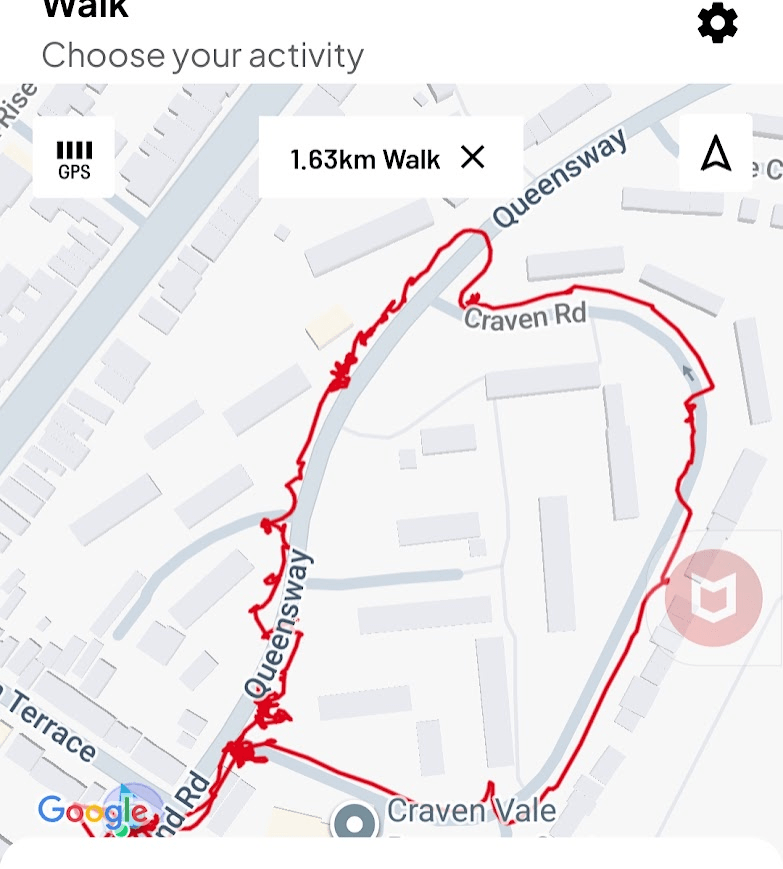
n one hour of walking round the Craven Vale estate this afternoon I saw 25 lichens, many in large abundance, on road trees, brick walls, recycled plastic (street signs), and worked wood (bollards and seats)

Looking up from my house. The large tree is an English Elm (Ulmus procera); these do not exist in the UK countryside any more as they have been killed by Elm Disease. It only survives because of the cordon sanitaire thrown around the town in 1970 by Brighton Borough Council. This tree started its life probably as a field tree, in the land enclosed in ca. 1825 as agricultural land called Bakers Bottom (now called Craven Vale) a coombe sculptured out Sheep Down (now called Race Hill) by glacial melt water. The tree survived the land being turned into municipal allotments in 1923 and the building of the housing estate in the 1950s. That tree was around when my grandparents and great grandparent grew up in East Brighton.

Lichens seen in Craven Vale:

Physcia tenella; Xanthoria parietina; Physconia grisea; Hyperphyscia adglutinata; Physcia adscendens; Physcia caesia; Physconia grisea; Pheaophyscia orbiclaris; Lecanora chlarotera, Lecanora sp., Lecanora symmicta, Lecanora campestris, Myrolecis dispersa, Punctelia subrudecta, Punctelia borreri, Diploicia canescens, Lecidella stigmatea, Candelariella aurella, Candelariella vitellina, Protoparmeliopsis muralis, Micrarea denigrata, Ramalina fraxinea, Ramalina fastigiata, Arthonia radiata, Xanthoria parietina

Here are a few of these:

Candelariella vitellina – on wooden bollard

Punctellia subreducta – on tree

Leanora campestris -on brick wall

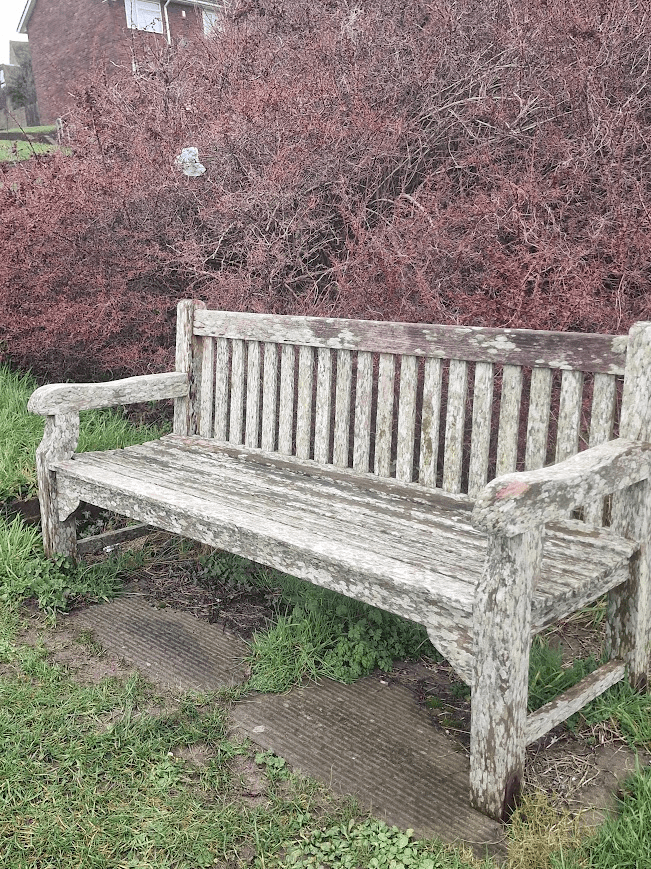
Lecanora chlarotera and Lecidella eleachroma on bench (worked wood)

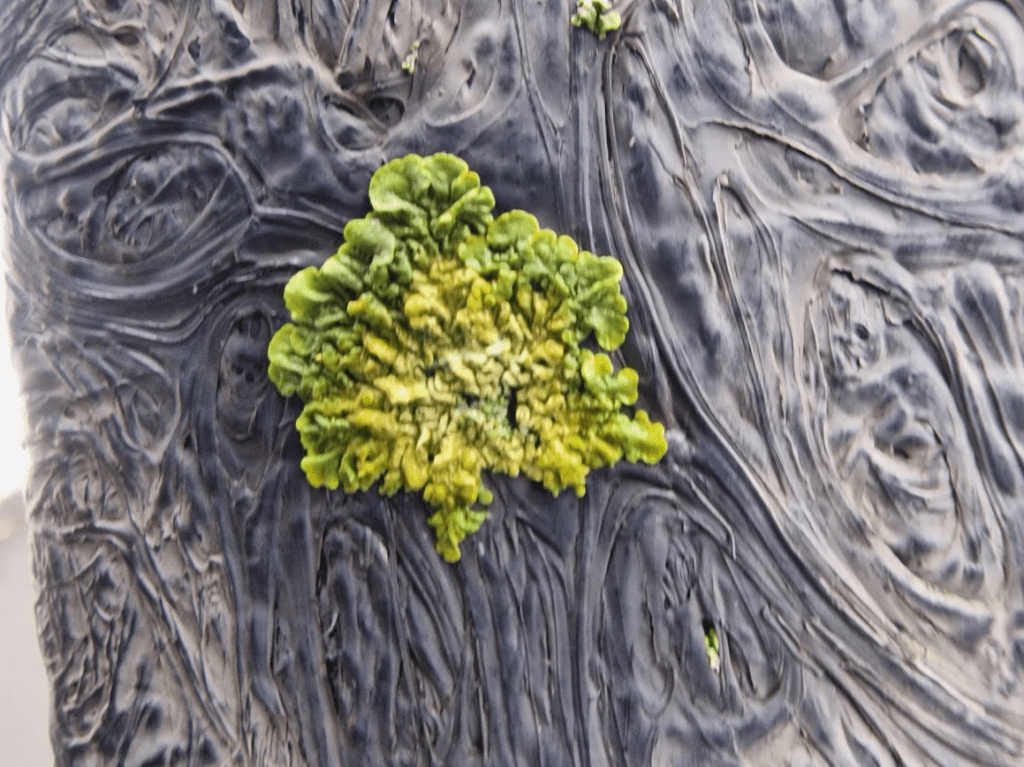
Xanthoria parietina on recycled plastic road sign post

A liverwort and some lichens in Lake Wood, Uckfield, East Sussex. 26.01.26

Lake Wood is magical landscape. See my post Lake Wood, Uckfield. A “Picturesque” landscape. Trees, Rocks, Lichen & Bryophytes. 22.11.22 for its fascinating history.

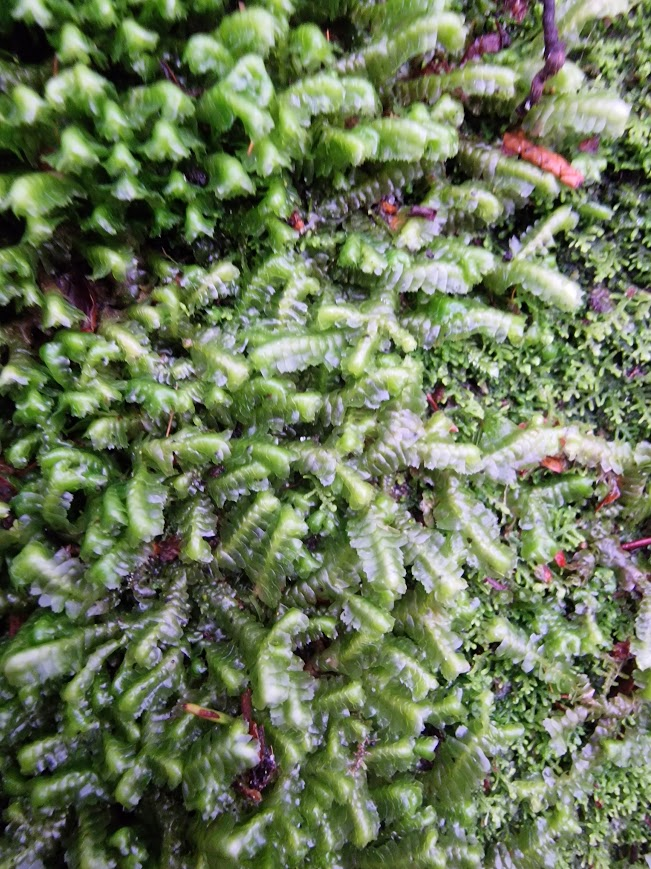
Bazzania trilobata

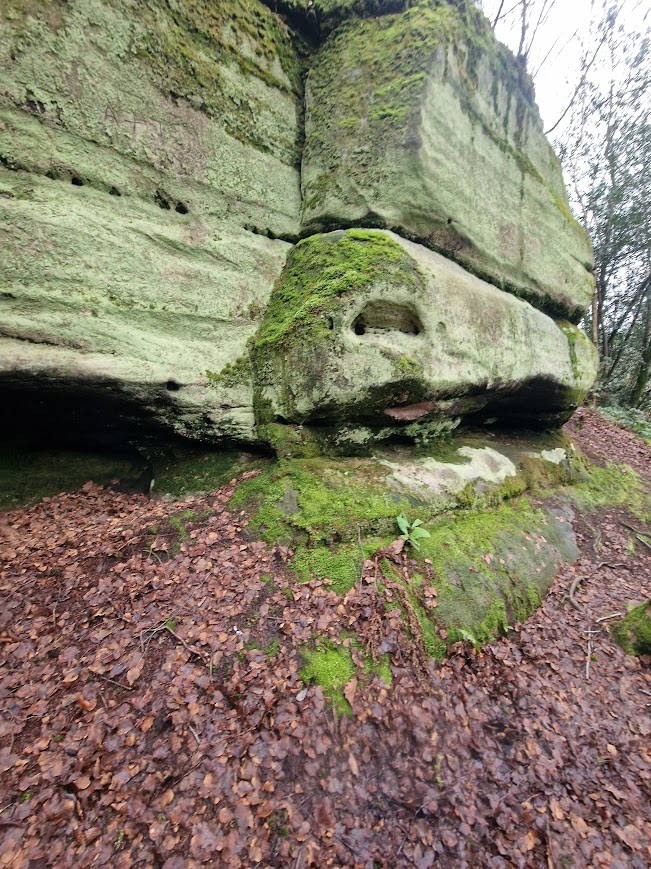
This is the first time I have seen B. trilobata in Lake Wood

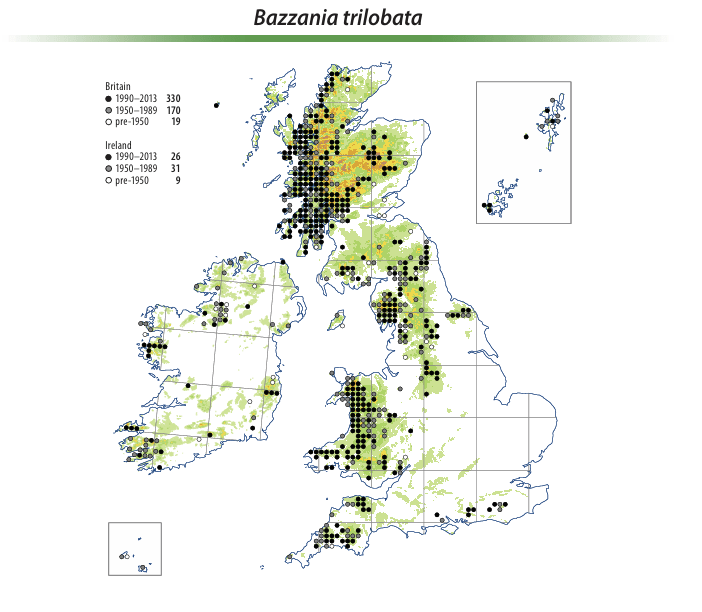
A calcifuge, particularly characteristic of western oak woodland, where in humid conditions it can be locally dominant in the bryophyte layer, forming large, deep cushions on banks, boulders, cliffs and rocky outcrops. Plagiochila spinulosa and Scapania gracilis are common associates. It also grows on deep humus and brown earth soils, especially in grazed woodland, as well as on logs; it is occasionally arboreal. In SE England it is mainly associated with sandstone rocks in shaded valleys. British Bryology Society Bazzabia trilobata

I have only seen B. trilobata in two other places in Sussex: Eridge Rocks and Chiddingly. All of these three locations are High Weald ghyll woods; a location which matches the humidity level of Atlantic Woodland because of its ghyll, despite lower precipitation.

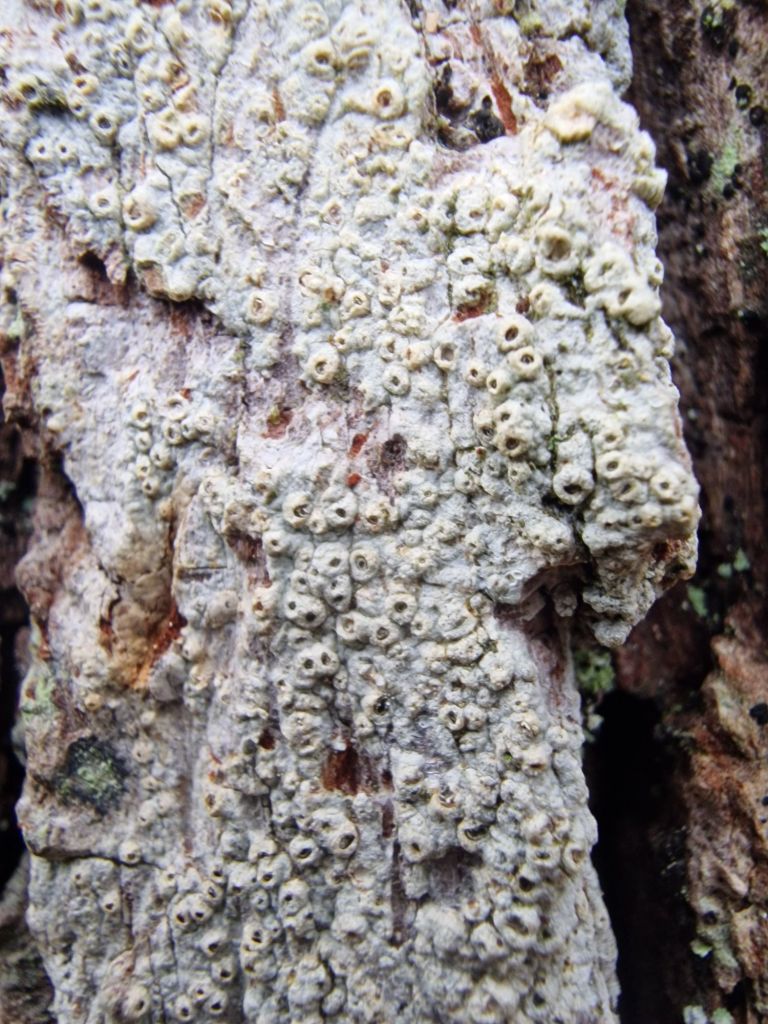
Thelotrema lueckingii

Previously I thought this huge patch of Thelotrema on Quercus robur was  Thelotrema lepadinum but I hadn’t tested it with chemical reagents. Today I tested its thallus with potassium hydroxide; it was dark yellow. T. lepadinum tests negative to potassium hydroxide; but T. leuckingii tests red to potassium hydroxide. This tested dark yellow. So it may be Thelotrema lueckingii?

Cladonia polydactyla

On mossy bank (over Ardingly sandorck)

Pertusaria pertusa

On Hornbeam

Usnea cornuta

On Pedunculate Oak

Cladonia coniocraea

On dead tree stump; the most likely place you’ll see C. coniocraea in Sussex.

Evernia prunastri

On felled Oak branch

Sullington, West Sussex. The wonders of chalk. Bryophytes, lichens and invertebrates predominately found in chalk landscapes. 25.01.26

These organisms were found on a British Bryological Society South East Group (Sussex Bryophytes) field meeting. I would really recommend attending these meetings; they are very friendly and very accommodating of beginner bryologists (like me!). With us yesterday was pan-species listing guru Graeme Lyons. The bryologists Ben Bennat, Sue Rubinstein and Brad Scott made all the bryophyte identifications. My specific interests in natural history are birds and lichens; but I am trying to take a pan-species listing approach. No one can be an expert in everything so taking a pan-species listing approach is also an opportunity for social natural history; learning from others who know much more about specific areas of biology than you. My interest in pan-species listing is not the opportunity it provides for listing large numbers of species, but the opportunity it provides to learn more about your own patch and thus travel less, and thus minimise your carbon omissions. Local pan-species listing in your own patch means there will always be more things to find without having travel miles.

Lichens of southerly downland churches: Sullington St Mary’s Church

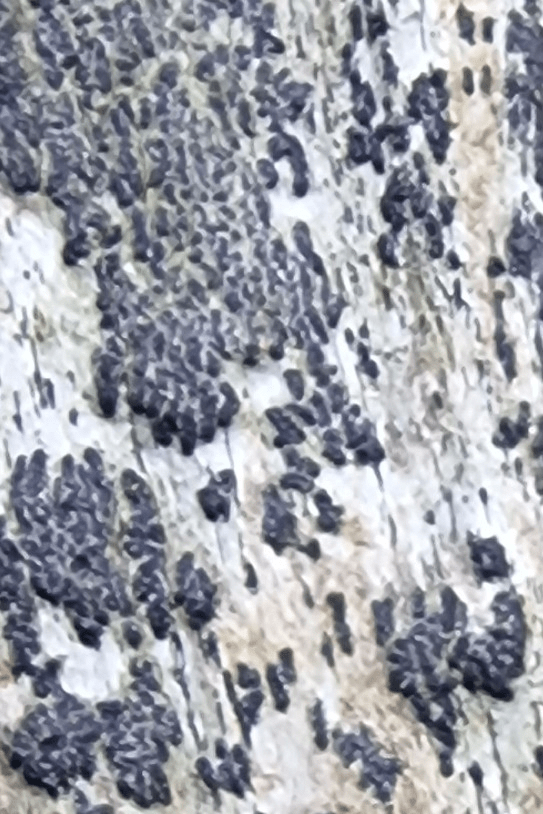
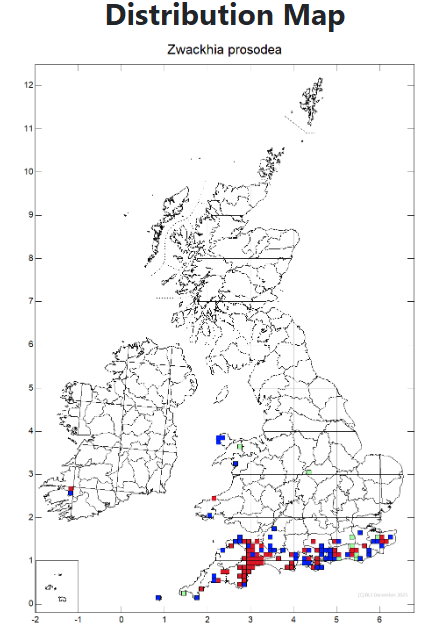
Zwachhia prosodea on ancient yew. A Near Threatened (Red List) Nationally Scarce lichen. This is not a species specifically of chalk but it is very much a species of the south. It grows on ancient trees – mostly Pedunculate Oak and Yew; but I have only seen in on Yew, all in church yards – East Chiltington, Coldwalhtam and Sullington. It is a Graphidaceae family lichen. Typically this family of lichens can only be identified by spore microscopy; but Z. prosodea has such distinct lirellate apothecia (writing-like fruiting bodies) it can be identified morphologically.

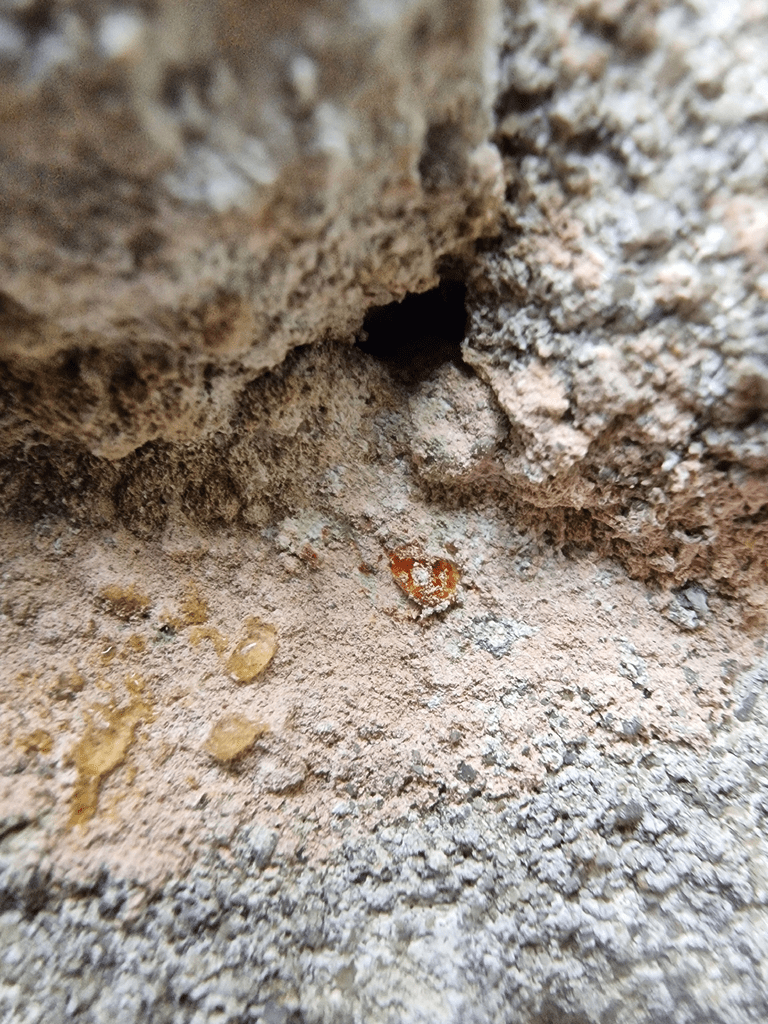
Ingaderia vandenboomii on north wall of church. Again not a species of chalk but a species of the far south. A Nationally Scare lichen but I find it quite often on the north walls of Sussex flint and mortar churches near the coast; I have seen it on the north walls of St Peter’s, Southease; St Thomas à Becket’s, Pagham; St Nicholas Church, Bramber; and St Mary the Virgin, Stopham. Identification of this lichen is by spot reagent chemical tests. It doesn’t react to potassium hydroxide (left drops on photo); but turns red immediately to sodium hypochlorite (centre drop on photo)

Lichens of Chalk Downland

Cladonia furcata. Not a species specifically of chalk, but one of the few Cladonia species found on chalk grassland.

Enchylium tenax Distributed throughout the British and Ireland but more common in the south. Not a lichen specific to chalk; but one of the few jelly lichens that grow on chalk

Verrucaria muralis Very widely distributed. Not a lichen specific to chalk; but one of the few lichens that grow on chalk pebbles, and is abundant on chalk pebbles. Oliver L. Gilbert (1993). The Lichens Of Chalk Grassland Lichenologist 25(4): 379-414 is one of the very few articles on lichens of chalk. This is a provisional identification as spore microscopy is required to confirm the identification; but its morphology and its abundance on chalk pebbles according to Gilbert make it highly likely that this is V. muralis

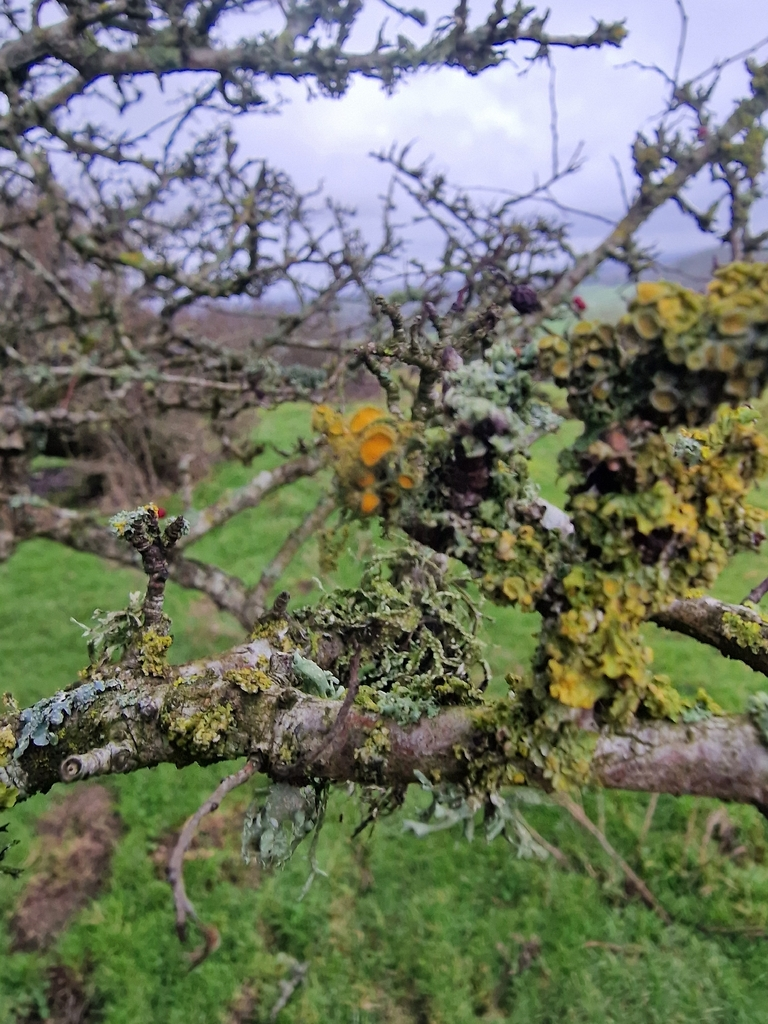
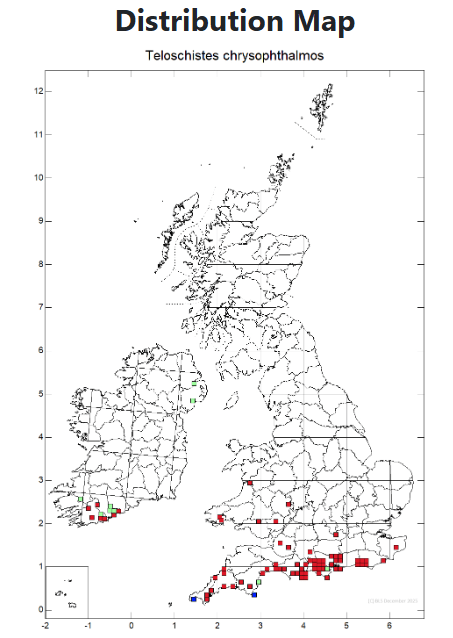
Teloschistes chrysophthalmus Golden-eye Lichen on Hawthorn. I see Golden-Eye frequently on Hawthorns of the South Downs, particularly on the downs north of Brighton and Lewes

Confined mostly to Chalk Downland Hawthorns in the south. See my blog post of two years ago 12 Golden-Eye Lichens on one Hawthorn. The resurgence of the once-thought-extinct Teloschistes chrysophthalmus on the South Downs. 06.04.24 This is from my blog: Sim Elliott: Nature in Sussex: nature journeys made by public transport 2020-2024. Whilst I do not publish new posts to this blog the blog posts are still available; to act as a compendium of nature sites that can be visited in Sussex by public transport

Chalkland bryophytes

None of these identifications were made by me; they were all made by Ben Bennat, Sue Rubinstein and/ Brad Scott

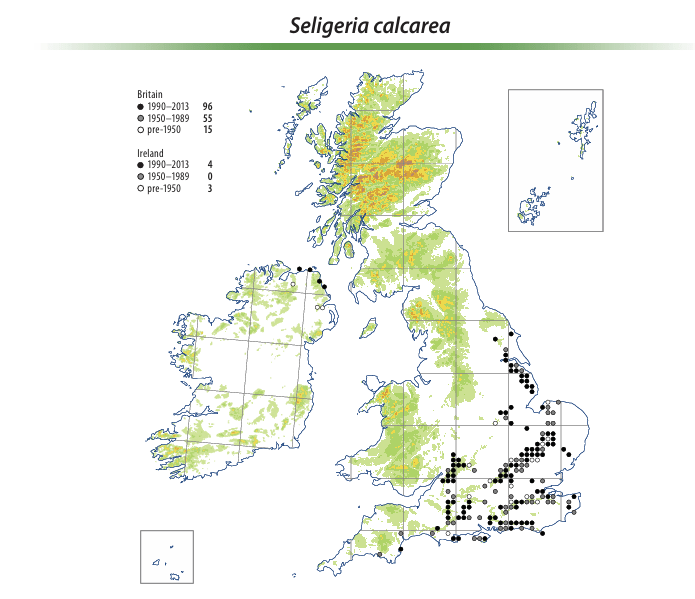
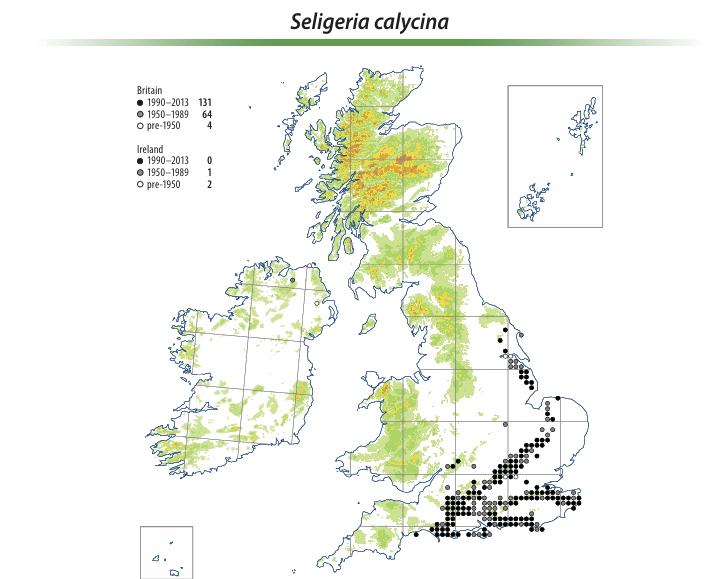
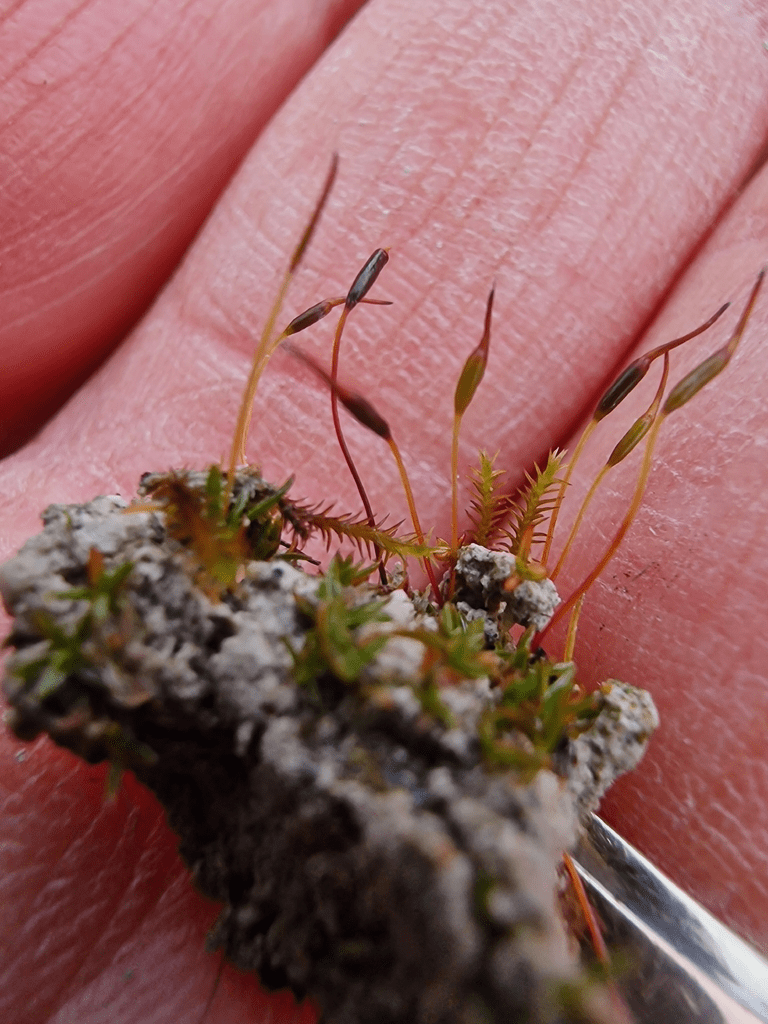
Seligeria calcarea Chalk Rock-Bristle or S. calycina English Rock-bristle – to be confirmed. on a shaded chalk bank in a holloway bostal

A Seligeria on chalk fragments in a sheltered place, such as a north-facing holloway bank or a woodland floor, is almost certainly going to be either this species or S. calycina. Because the plants are so small, this species pair is not always easy to separate in the field, unless dehisced capsules are present (usually March to April). Then you will easily see that the capsule of S. calcarea is widest at the mouth. Capsules of S. calycina characteristically narrow a little at the mouth when mature. Beware though – like many mosses, capsule shape does not develop fully until the spores are ripe. British Bryological Society Seligeria calcarea

Aloina aloides Common Aloe-Moss

Not solely chalk but A species of bare but not regularly disturbed ground and
soil in a variety of situations, usually base-rich, but occasionally on ground that appears to be circumneutral. The most characteristic habitat is in old pits and quarries on chalk and limestone, growing on the floor or on earthy rock ledges, but it is also frequent in some districts on old or weathered mortar on walls and ruined buildings. .. It is occasionally found on bare patches in calcareous grassland and on soil on natural rock outcrops; other habitats include chalky and earthy banks by lanes, coastal slopes and cliffs, clay in brick pits, calcareous dune sand and gravel, and path edges and earthy rubble (here often only as a temporary colonist).
British Bryological Society Aloina aloides

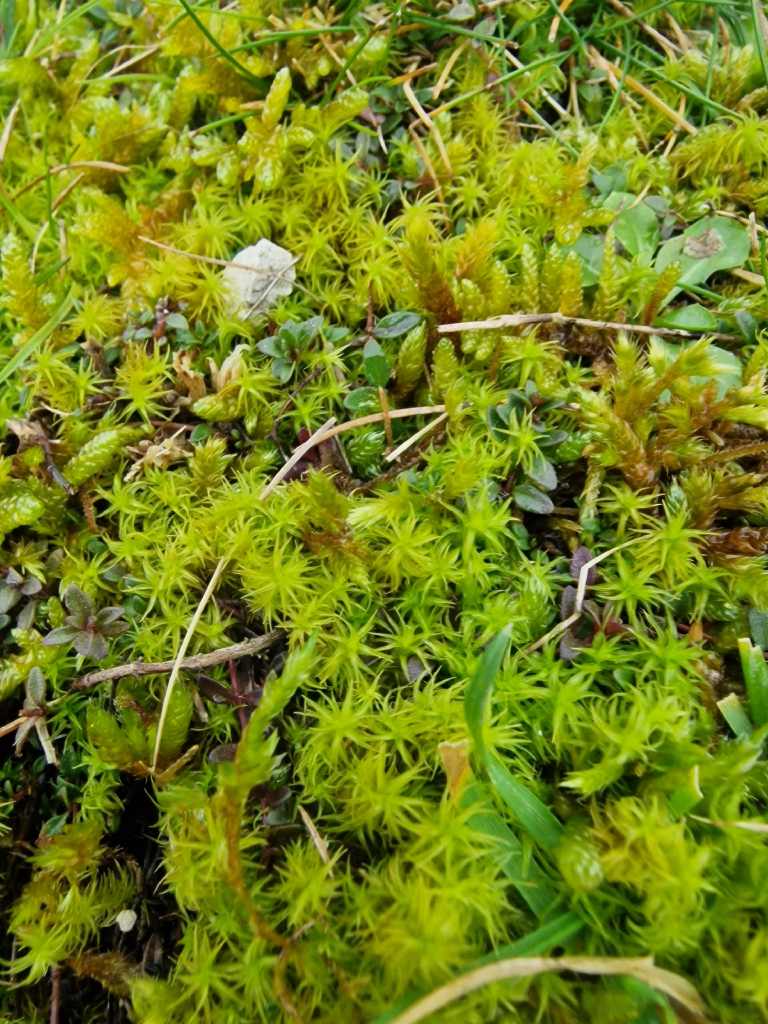
Pleurochaete squarrosa Side-fruited Crisp-moss

Grows loosely tufted or scattered and mixed with other plants on sandy or calcareous ground. Usually found in unshaded habitats in sand dunes, maritime grassland on cliffs, chalk and limestone grassland, and in chalk and limestone quarries. British Bryology Society Pleurochaete squarrosa

Orthotrichum anomalum Anomalous Bristle-Moss

OK! Not a chalk moss; but what a beauty; on a tomb stone in Sullington churchyard. more or less ubiquitous on concrete, gravestones, wall tops and other man made structures except in the most polluted parts of Britain. Also common on exposed limestone, but absent from chalk. British Bryology Society Orthotrichum anomalum

Invertebrates

All identified by Graeme Lyons


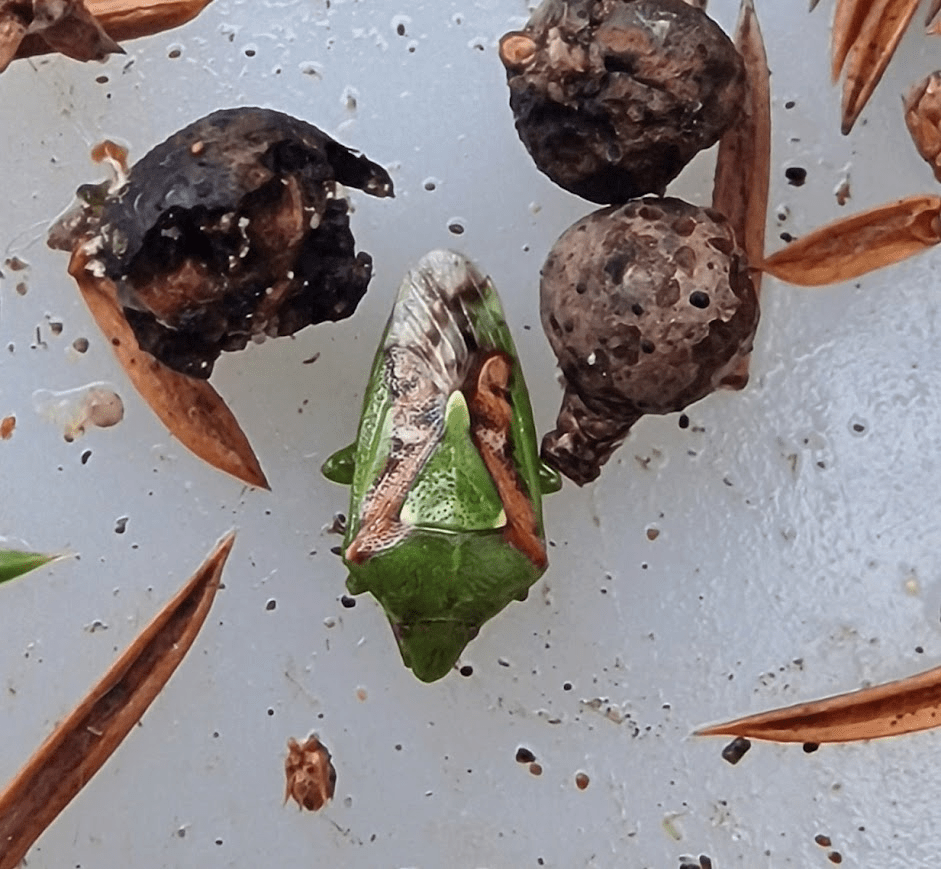
Cyphostethus tristriatus
 
Junipers Shield Bug.

Formerly a southern shieldbug but has had a significant range extension of late. Formerly restricted to Juniper woods in southern England, the Juniper Shieldbug (Cyphostethus tristriatus) is now common across southern and central England, having colonised planted Junipers and Cypresses in gardens. It has also been recorded on native Juniper in northern England and Scotland. North West Invertebrates, Juniper Shieldbug

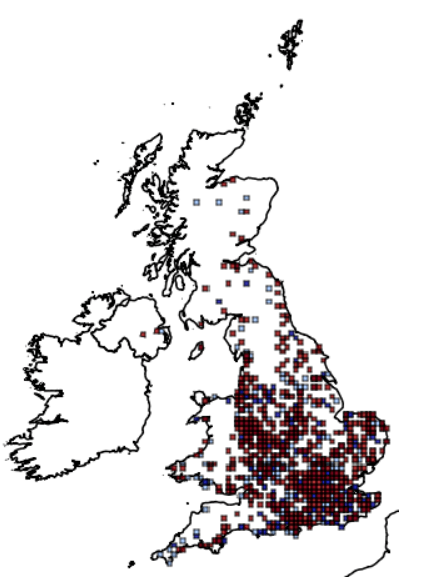
Distribution map from National Biodiversity Network Atlas

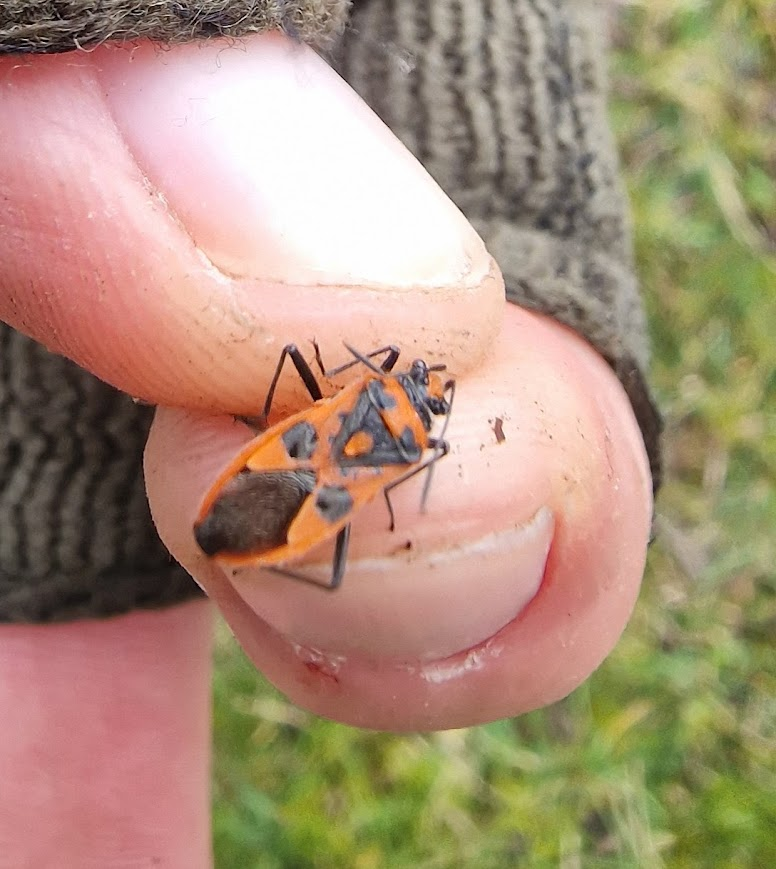
Corizus hyoscyami Cinnamon Bug

Although historically confined to the coasts of southern Britain, this species is now found inland throughout England and Wales as far north as Yorkshire. It is associated with a range of plants, and overwinters as an adult, the new generation appearing in August-September. Nymphs are yellow/red-brown in colour and also rather hairy. British Bugs Corizus hyoscyami

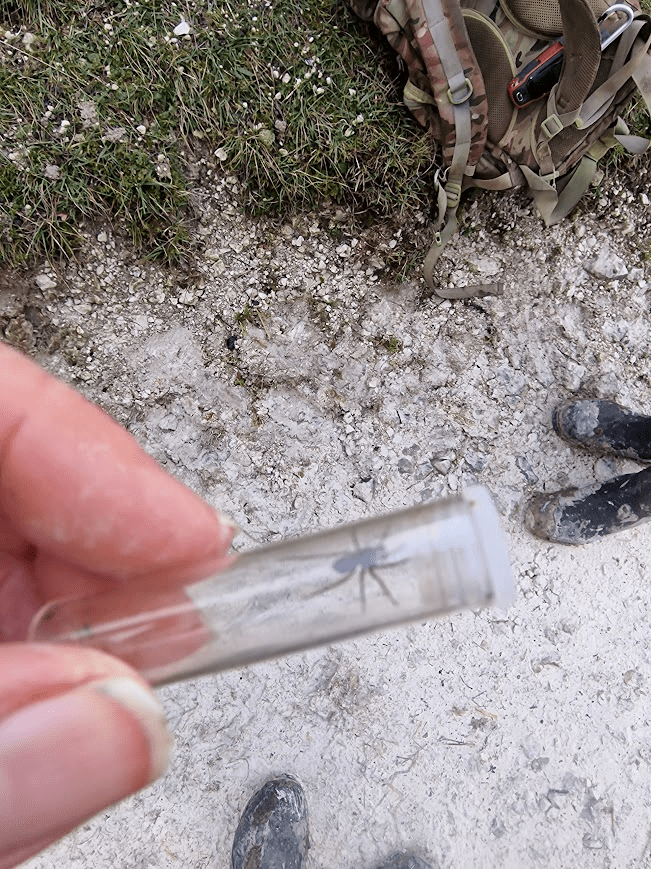
and Graeme made this extraordinary find

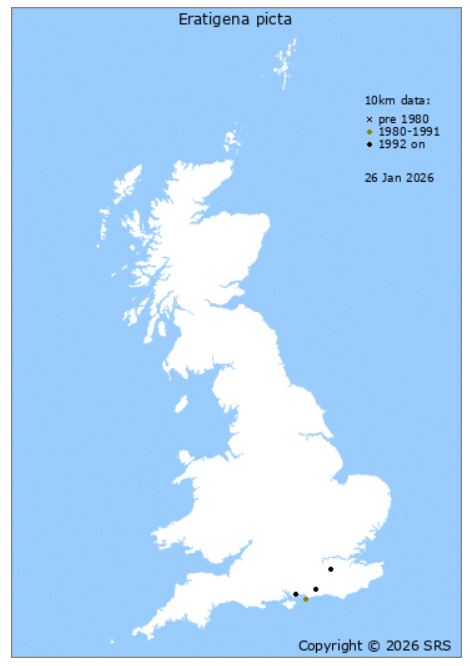
Eratigena picta

Distribution map from Spider and Harvestman Recording Scheme website

IUCN Red List status Vulnerable (VU) 

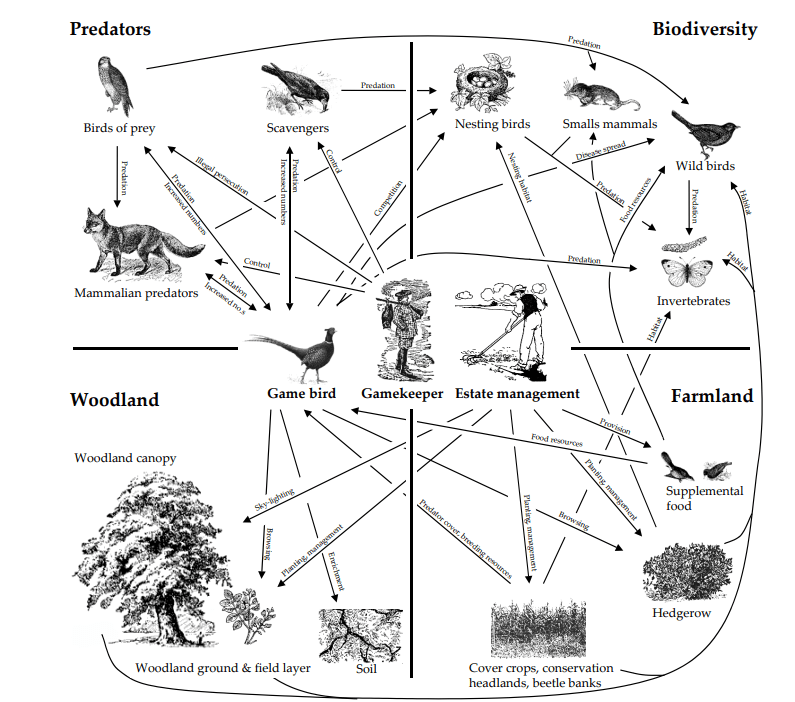
Nature you can’t see. Private land, pheasant shooting, trespassing in an ancient wood and the right to roam.

I took the photos in this blog post to bring your attention to some marvellous things in nature, in Sussex, that are hidden from the public. I will not name the Sussex wood I trespassed in to take these photos.

If you go down to the woods today, you’re in for a big surprise: a third of England’s woodlands are owned by just a thousand landowners.

That’s the central finding of my new investigation into who owns England’s woods. The analysis also raises questions how private woods are used – with many of them kept off-limits to the general public in order to maintain them as pheasant shoots, despite receiving public subsidies. https://whoownsengland.org/2020/11/02/who-owns-englands-woods/ Guy Shrubsole accessed 16.11.15

The ownership of land in Sussex

Much land in Sussex is in private ownership and walking in significant amounts of that land is currently prohibited by signs denying public access; often this is associated with pheasant shooting. But pheasant shooting also effects land with public access as well as private land where shooting occurs. I recently walked through a public-access SSSI scarp-face ancient wood in West Sussex, adjoining a private wood used for pheasant shooting. I saw and heard many pheasants in this wood I was walking through. I had a lunchtime half pint of cider in the nearest pub to the wood, and in the pub there was a group of pheasant shootists there bragging (loudly) about how many pheasants they had shot. The existence of private woodland for pheasant shooting has a negative impact on much woodland – private and public.

For many years, we have been concerned with the impacts of two of the most intensive forms of shooting: driven grouse, and the high-density release of Pheasants and Red-legged Partridge for shooting. Our studies have identified that various key practices are causing particular ecological harm, with implications for both biodiversity and the climate emergency. The big issues: the illegal killing of birds of prey, the use of lead ammunition, the burning of peatland habitats and the release of millions of non-native Pheasants and Red-legged Partridges into the natural environment. RSPB The Facts about Intensively-Managed Game-Bird Shooting. RSPB The facts about intensively-managed gamebird shooting

Many of the potential impacts of gamebird releasing are poorly studied and understood, and are often under-represented in the peer-reviewed scientific literature. A common theme emerging from these reviews is that the ecological impacts of gamebird releasing appear to be strongly polarised, with potential negative effects associated with the released birds (e.g. enhanced predator abundance and predation, increased disease transmission, altered habitat structure, reduced invertebrate abundance. Mason, L.R., Bricknell ,J.E., Smart, J. & Peach, W. J. (2020) The impacts of non-native gamebird releasein the UK: an updated evidence review. RSPB Research Report No, 66 RSPB Centre for Conservation Science, Sandy UK. Downloadable from RSBP Game bird shooting – laws and impact

Screenshot from Mason, et. al (2020)

Here is an indication of how much land is in public ownership in the Western (West Sussex) South Downs. Of the top five owners of land in Sussex by acreage owned, only one is a public body. (The wood that these photos were taken in is not in West Sussex). These data are from Guy Shrubsole & Anna Powell-Smith’s excellent Who Owns England: Who Owns the South Down https://whoownsengland.org/2018/02/16/who-owns-the-south-downs/ accessed 16.11.25

1) Viscount Cowdray – Cowdray Estate: 16,500 acres

 … the current 4th Viscount Cowdray … has donated £65,000 over the past decade to UKIP, the Conservatives and Vote Leave

2) Duke of Norfolk – Arundel & Angmering Estates: 16,000 acres

“Since William rose and Harold fell, / There have been Earls at Arundel.” So reads a plaque in the shadow of the magnificent Arundel Castle, stronghold of the Earls of Arundel, whose proximity to power down the centuries eventually also earned them the Dukedom of Norfolk. ..

“When the 15th Duke stood on the battlements of his newly repaired keep in 1910, he would have had the satisfaction of knowing that almost everything he could see in all directions belonged to him.” Although the Ducal estate is thought to have diminished in size since then, it is still… The Estate’s origins go back to the Norman Conquest.” 

3) National Trust properties across the South Downs: 15,151 acres

4) Baron Leconfield (Lord Egremont) – Leconfield (Petworth) Estate: 14,000 acres

…his family estate also includes 3,000 acres in Cumbria ….

5) Duke of Richmond – Goodwood Estate: 11,500 acres

As the [Independent, Sean O’Grady Thursday 30 July 2009. Earl of March: A glorious example of the landed classes; says [The Duke of Richmond] has “leverage[d] Goodwood’s formidable competitive advantages – the things that cannot be replicated elsewhere (except by other landed families, presumably): vast (and beautiful) space and a magnificent stately home”. But these modern businesses depend on owning land inherited down the centuries: “Even if they wanted to, it is difficult to imagine any company, oligarch or Middle Eastern princeling acquiring such an enormous chunk of southern England [nowadays].”

I have trespassed in an SSSI wood owned by one of the above, which the public are denied access to. It has outstanding and rare natural heritage, including this Usnea articulata String-of-Sausages Lichen, extremely rare in Sussex. This wood is regularly used for pheasant shooting. As I was walking around it I saw dead pheasants that had been left on the ground from a hunt of a few days before.

In an ideal world land would not be owned by individuals; but in the absence of a change to the ownership of land, I believe:

(1) there should be a right to roam on private land, as set out by the campaign The Right to Roam / About / What we are campaigning for (accessed 16.11.25)

(2) the ownership of land should be taxed through a Land Value Tax, see: Labour Land Campaign What is Land Value Tax (accessed 16.11.25)

I am not urging you to trespass. If you choose to trespass, please follow the guidelines from the Right To Roam that are cited at the end of this post

The wood that I trespassed a few days ago and its natural wonders

This woodland is a Site of Special Scientific Interest that is believed to have been continuously wooded since medieval times. The wood’s soil is clay; and the wood is dominated by sessile oak, pedunculate oak, hornbeam and hazel with some ash and alder, with an understory of holly and bramble. The hornbeam and hazel have been previously coppiced. The sign on the gate as well as saying the land is private warns of shooting occurring in the wood.

The rides are lined by goat willow, aspen, blackthorn, hawthorn and silver birch

There is a boundary bank and ditch planted mostly with coppiced hornbeam, that exactly follows the parish boundary shown on the OS map

Honrbeam

Sessile Oak and Hornbeam

Graphidaceae family lichen possibility Graphis scripta on a Hornbeam

Sessile Oak in “tall forest” woodland

Hazel

Holly

Sessile Oak, with a sheet of the lichen Dendrographa decolorans on the dry side of the tree

Sessile Oak leaf on the base of the tree above

The lichens Lecanactis abietina (an old tree lichen) and a Chrysothrix sp. (Gold Dust Lichens) on a Sessile Oak

Coppiced Hornbeam

Clouded Funnel fungi

Sessile Oak

Bark Barnacle Lichen on Sessile Oak

Brnacle lichen is found mainly on the bark of living trees in ancient woods, and it is indicative of longstanding woodland conditions. Woodland Trust Bark Barnacle Lichen

Sessile Oak covered in Usnea cornuta

Parish boundary bank with coppiced Hornbeam

A recently pollarded young Hornbeam – showing continuity of ancient woodland management practices

Coppiced Hornbeam

A Hornbeam with a range of Pertusaria spp. Hornbeams often have many genus Pertusaria and family Graphidaceae

Lepra (formerly Pertusaria) amara, Pertusaria pertusa and Pertusaria leioplaca. Terrestrial molluscs love eating the apothecia of Pertusaria. L. leioplaca seems their favourite; it must be their caviar.

Ball of Common Striated Feathermoss with Candlesnuff fungus,

Pedunculate Oak

Alder by a stream

Ash

Wild Privet

From Right To Roam:

You’ve all seen signs claiming ‘Trespassers Will Be Prosecuted’.  They’re a lie. 

In the UK, ‘trespass’ is a civil offence, provided you don’t infringe certain conditions. You cannot face criminal prosecution simply for being on someone else’s land without permission (or away from a designated Right of Way, open access land or land where any bylaws permit public access). The dispute is solely between you and the landowner, and the police cannot get involved.

That landowner could theoretically take you to civil court. But they’d have to know who you are, and it would most likely be a waste of their time.
 
Likewise, any ‘damages’ would have to be proportionate to the damage you’ve caused, which if you follow our principles of trespass below, should be zero.

However, the legal situation changes if you do any the following when trespassing on land: 

  • Cause damage to property
  • Disrupt lawful activity
  • Conduct yourself in a threatening or abusive fashion
  • Bring a vehicle, intending to reside & cause damage
    • Enter land with special restrictions* (see below)

 That would be classed as ‘criminal trespass’, which is a criminal offence, leaving you potentially subject to police enforcement

*Important Note: there are certain sites with special trespass designations which do make your mere unauthorised presence a criminal offence. The penalty for violation can be serious. Mostly, these are common sense. Avoid military sites, essential infrastructure (e.g. railways, airports, nuclear facilities) and stay away from the sorts of places the King might be having a cup of tea (or the Prime Minister hosting an illegal party).

Right to Roam follow some key principles when accessing land without permission. We do not condone actions which break these rules, as these will simply undermine our campaign.

  • Take responsibility for your own actions
  • Respect people’s privacy, domestic property and gardens
  • Don’t walk where crops are growing (stick to field margins or use alternative routes)
  • Avoid places that don’t feel like open countryside (e.g. have buildings or machinery)
  • Respect livestock and other animals kept on the land such as ponies and horses (i.e. avoid closed paddocks). Remember that cattle – especially bulls or cows with calves – can be dangerous 
  • Care for nature (avoid fires, wildlife disturbance or damage to flora)

Since civil trespass (i.e. simply existing on land) is not a criminal offence it is especially important that it does not become associated with criminal activity. Damage nothing. Disrupt no lawful activity. Peacefully enjoy what you came to experience.

Voices from the seventieth century

The gentrye are all round stand up now, stand up now
The gentrye
are all round stand up now
The gentrye are all round on each side the are found
Their wisdom so profound to cheat us of our ground
.

The Diggers Song, Gerald Winstanley, 1650 True Levellers (Diggers)

Lichen, bryophytes and vascular plants in Johnny Wood & Bowder Stone Wood (Borrowdale Rainforest NNR) and Cummacatta Wood. 06.11.25

At last the bus 78 to Seatoller was running after the road flooding had subsided! I could visit the woods at the south of the Borrowdale Rainforest NNR that I had intended to visit on 03.10.25

Getting off at Seatoller, I decided to visit some of southernmost woods of the NNR: High Stile and Low Stile Woods; named as “Seatoller Wood” on the Natural England map of ancient woodland, . When I got to these woods they were fenced off with “private” signs, despite them being marked as public access land on the OS map. As I said in my post of 03.11.25, I had had to do lots of research to find where the constituent parts of the NNR are. The National Trust website on the NNR doesn’t have a map of the NNR, and there is no Natural England visitors’ guide, as there is for other NNRs. There is also no information on which parts of the NNR have public access and which don’t. The only way to find out whether or not there is no public access is to visit the woods and find out for yourself, when you have found out where the constituent woods in the Borrowdale Rainforest NNR are.

The only way I found out where the constituent woods of the NNR were, was by looking at the declaration of NNR map on the government’s website. I then had to cross reference this map with the OS map to find the names of the constituent woods of the NNR.

I support the right to roam (visit Right To Roam) but in the absence of a right to roam, the very least public bodies administrating NNRs should do is to tell the public where parts of NNRs are and which can be visited

High and Low Stile Woods from Johnny Wood

Johnny Wood

Lichens on a dry stone wall at the beginning of the wood

Probably Cladonia polydactyla, with bright red apothecia (fruiting bodies) on the edges of its cups; growing with/on moss

Rhizocarpon geographicum (green and black) in a mosaic with Lecidea lithophila (white thallus with red tinge and black apothecia) and an other lichen

Rhizocarpon geographicum and Lecidea lithophila are extremely common in Borrowdale; in Sussex (where I live) Rhizocarpon geographicum is rare, and restricted to church yards, Lecidea lithophila is non-existent in Sussex. North-West lichen enthusiasts are probably not that excited by seeing these lichens but as a Southerner seeing these was very interesting.

Distribution Maps (British Lichen Society) Lecidea lithophila & Rhizocarpon geographicum

Lecidea lithophila

A dead Sessile Oak

which reminded me of the Statue of Liberty

The trunk of this tree is still a viable substrate for epiphytes (because epiphytes take no nutrition from their substrate) including mosses, polypody ferns and lichens

Polypody fern

Physalacriaceae family fugus on tree

Physalacriaceae spp. are saprobic; i.e. they obtain nutrients by breaking down dead and decaying organic matter, serving a useful ecological function

This rocky bank as covered in mosses

A sphagnum moss probably Sphagnum palustre was at the top of this bank.

The demonstrated the difference between habitat in the south (where I live) & the north-west temperate rainforest. Sphagnum palustre in Sussex is found in bogs and wet flushes with a supply of water from springs or streams. In Borrowdale, it is also at the top of this rocky mound because it rains a lot ; in the south, it doesn’t rain enough for that.

Seathwaite, Borrowdale: This village is the wettest inhabited place in England, receiving around 3,500 mm (138 inches) annually. Visit Cumbria Weather in the Lakes

The average annual precipitation in Sussex is around 914mm (36 inches) Climate Data Sussex

Scleroderma citrinum Common Earthball

Mossy boulders

In Johnny Wood, Wilson’s Filmy-fern can be found. I have never seen it. So I explored likely filmy-fern outcrops to try and find it.

Filmy Ferns are characteristic of temperate rain forest

Wilson’s Filmy Fern has a similar distribution to Tunbridge Filmy Fern

Following my success in finding Tunbridge Filmy Fern in the High Weald (an outlier population in the of Sussex  where the These unique geological features of the High Weald produce create a localized, hypo-oceanic microclimate that supports plant species typically of western Atlantic woodland), I explored rock outcrops like those ones I have seen Tunbridge Filmy Fern on for Wilson Filmy Fern, like this one:

But when I climbed up to this rocky outcrop below, I “only” found common bryophytes e.g. White Earwort & Tamarisk Moss. But many “common” bryophytes are beautiful. I saw no Wilson’s Filmy Fern in any of the rock outcrops I explored.

White Earwort

 Common Tamarisk-Moss

But as I have said before, I am never tire of seeing common beautiful things.

Here is some Tunbridge Filmy Fern I saw in Sussex to give you an idea of what Filmy Ferns look like!

The leaves of Wood-Sorrel, an ancient woodland indicator species, growing though Sphagnum palustre

Concrete water reservoir. Ancient temperate rainforest woods in the UK are not untouched by human intervention. Most have always been part of living, changing landscapes formed by human-nature interaction.

Waling along the River Derwent from Johnny Wood to the Bowder Stone

Walking along the Derwent I saw many birds, including this gorgeous juvenile Chaffinch

I also saw two White-throated Dippers dipping the Derwent for food. Both of them were quicky gone so I was unable to get a photo of them

Here is a Dipper I saw in the River North Esk south of Edinburgh in 2023

It is always a thrill to see Dippers

Witch’s Broom – Taphrina betulina (a fungal gall that effects the tree’s growth)

Herdwicks!

Not all of Borrowdale is Atlantic Oakwood; there is also much secondary woodland. Looking up from the valley, I could see Secondary Beech plantation

and Pine plantations

As Guy Shrubsole says: the Atlantic Oakwoods of Borrowdale remain fragmented and under pressure National Trust Borrowdale NNR . Which makes it all the more important that the National Trust and Nature England point out to the public which fragments are Atlantic Woodland (Temperate Rain Forest)

Bowder Stone

In the valley of the river Derwent, in Borrowdale, just north of Rosthwaite in a woodland clearing on the opposite side of the road from the river, stands a huge glacial boulder shaped like a human head that is one of several Cumbrian curiosities and, which has locally been called The Bowder Stone or Balder’s Stone, after the son of the Norse god, Odin (Woden). This ice-borne rock was carried down the valley by a glacier many thousands of years ago and deposited, having been trapped and then dislodged between the two side-slopes of the river valley. The Journal Of Antiquities The Bowder Stone, Rosthwaite, Cumbria

  • The boulder would have nestled deeply in the forests that covered the Lake District after the last ice age – the original ‘wildwood’ that predated human habitation in the Lakes. It stood unmoved through the coming of the people who built the Iron Age hillfort on Castle Crag, the Norse who created the many clearings or ‘thwaites’ along the valley for grazing, and the traditional woodland industries which coppiced and harvested the timber for firewood, building materials and leather tanning.
  • Two hundred years ago, the Bowder Stone was one of the most prominent landmarks in the valley – a huge boulder that awed visitors with its sheer size and mass that stood out against the sky as the road wound towards it .Balanced improbably on one edge, it was popular with Georgian tourists for the ‘pleasurable terror’; they enjoyed wild, romantic scenery and the frisson of experiencing danger from a safe distance. National Trust History on the Borrowdale Valley

Photo of Bowder Stone in nineteenth century from the Borrowdale Story – Geology

The area around the Bowder Stone is now designated by Nature England and the National Trust ancient (oakwood) rainforest; but the immediate area around the stone has clearly not been continuously wooded

Dunnock on dry stone wall.

A Sessile Oak with “white” bark from a distance

The white bark is probably lichens of the Mesic bark community (the
Pertusarietum). I am very used to this community, as it is common in the south, especially in parkland trees and trees at the edge of woods. I thought it unusual to see this in the Lake District but I did some research and found that whist it is largely southern community in the UK, …. [there is] a very important stronghold in the Lake District Plantlife: Lichens and Bryophytes of Atlantic Woodland in the Lake District

More Rhizocarpon geographicum and Lecidea lithophila on a rock. Whilst I had never come across Lecidea lithophila until Monday, by Thursday I could recognize it at 50m away

Lots of Silver Birch, Beech and Yew above the Bowder Stone

The National Trust says of Borrowdale Rainforest NNR: The Borrowdale Oakwoods are one of England’s largest remaining pieces of temperate rainforest that once spread from the north of Scotland down the west coast of England, Wales and Ireland and are part of a long standing cultural landscape

And these Silver Birch, Yew and Beech woodland are within the NNR that is described as Oakwood. But Oakwood is not all Oak

Upland oakwoods are characterised by a predominance of oak (most commonly sessile, but locally pedunculate) and birch in the canopy, with varying amounts of holly, rowan and hazel as the main understorey species. The range of plants found in the ground layer varies according to the underlying soil type and degree of grazing from bluebell-bramble-fern communities through grass and bracken dominated ones to heathy moss-dominated areas. Many oakwoods also contain areas of more alkaline soils, often along streams or towards the base of slopes where much richer communities occur. Elsewhere small alder stands may occur or peaty hollows covered by bog mosses Sphagnum spp. These elements are an important part of the upland oakwood system. The ferns, mosses and liverworts found in the most oceanic of these woods are particularly rich; many also hold very diverse lichen communities. Buglife Upland Oakwood

Cummacatta Wood

Cummacatta Wood is, to me, of very high biological interest (with sparse ancient trees and bog), is not in the designated NNR area, although it is probably of more biological interest than some of the woodland around the Bowder Sone which is in the Borrowdale Rainforest NNR. The danger of having an NRR that is described as a rainforest NRR is that biologically important areas that are not rainforest are not offered the protection that being part of a National Nature Reserve

Cummacatta Wood has a physical sign saying it is a National Trust property; however there is no information about it online from the National Trust or any other organisation except for one mention of the wood in a hiking apps.

It is not in the Borrowdale Rainforest NNR but it is in the geographical area of the Lodore-Tri0ttdale Woods SSSI. Although it is not mentioned in its SSSI specification by name; the sentence The site includes a number of interesting non-wooded habitats. Species-rich flushes may include Cummcatta Wood; although it is partially wooded!

The Borrowdale Rainforest NNR according to Nature England contains a number of SSSIs
Armboth Fells SSSI
Castlehead Wood SSSIGreat Wood SSSIHollows Farm Section SSSIJohnny Wood SSSILodore – Troutdale Woods SSSIRiver Derwent and Tributaries SSSIRosthwaite Fell SSSISeatoller Wood, Sourmilk Gill & Seathwaite Graphite Mine SSSIStonethwaite Woods SSSI and The Ings SSSI. The relationship between these individual SSSIs and the legal entity Borrowdale Rainforest NNR is very unclear beyond Natural England says the Borrowdale Rainforest NNR is Legally underpinned by these SSSI

Despite the deafening silence of the internet on Cummacatta Wood of its biological nature, I found it charmingly beautiful and full of biological interest. I have walked through Johnny Wood, the woods around the Bowder Stone and Cummacatta Wood just once and I wasn’t long in any of these areas; so my views on their interest is very impressionistic. I almost certainly missed many interesting species of lichens, bryophytes and vascular plants!

Cummaccatta is sparsely wooded with Sessile Oak, Silver Birch, Hazel, Yew, Juniper and Ash.

Here the beautiful and common (in North West Atlantic Woodland) liverwort Frullania tamarisci

A twisted Sessile Oak

Yew

Hawthorns; as in Sussex, often have abundant (bit different) lichen. Sussex Hawthorns are dominated by Ranalina spp. lichens with few or no Usnea spp. Upland north-west Hawthorn often have more Usnea. On these hawthorns Usnea floridana is relatively common; it is very rare on South East hawthorns

Lichens on these two hawthorns

Hypogymnia physodes

Cladonia polydactyla

A liverwort not a lichen: Frullania tamarisci

Falvoparmelia caperata

Beard lichen: probably Usnea subfloridana

Usnea subfloridana

Platismatia glauca 

Two stunted Yews

Juniper

Bog Pond Weed

Bog Asphodel

Red: Sphagnum capillifolium subsp. rubellum

Common Heather

The way in and out of Cummacatta Wood is on the B2859, the Keswick to Seatoller road, along which the Stagecoach 78 bus runs

On the open-top bus back to Keswick

Castlerigg Stone Circle and lichens on a dry stone wall on the lane to Castlerigg. The last day of my Lakes holiday. 08.11.25

The Castlerigg Stone Circle is 2 miles from the centre of Keswick. I took the bus bus to the nearest bus stop then had to walk a mile along a narrow lane to reach the stones

There are few stone circles in Britain in such a dramatic setting as that of Castlerigg, which overlooks the Thirlmere Valley with the mountains of High Seat and Helvellyn as a backdrop. … Thought to have been constructed about 3000 BC, it is potentially one of the earliest in the country. … Although there are more than 300 stone circles in Britain, the great majority of them are Bronze Age burial monuments (dating from about 2000–800 BC) containing cremations in central pits or beneath small central cairns. By contrast, their Neolithic forebears, such as Castlerigg, Swinside in the southern part of the Lake District, and Long Meg and her Daughters in the Eden Valley, do not contain formal burials. The Neolithic stone circles also differ from those of the later Bronze Age in their generally larger size and often flattened circular shape – as is found at Castlerigg – comprising an open circle of many large stones. Castlerigg is about 97½ ft (30 metres) in diameter, and formerly comprised 42 stones. There are now only 38 stones, which vary in height from 3¼ ft (1 metre) to 7½ ft (2.3 metres).

Neolithic stone circles typically have an entrance and at least one outlying stone. The entrance at Castlerigg, on the north side of the circle, is flanked by two massive upright stones, and the outlier is presently to the west-south-west of the stone circle, on the west side of the field adjacent to a stile; this stone has been moved from its original position. It has been suggested that such outlying stones had astronomical significance – alignments with planets or stars – although examination of those in early stone circles elsewhere in Britain has shown that there are no consistent orientations for them. English Heritage Castlerigg Stone Circle

I arrived at the stone circle just as the sun was rising, I thought I’d have the stones to myself; how wrong I was!

More sun!

Some of the lichens on the dry stone walls on the tiny lane to Castlerigg .

Parmelia saxatilis Salted Shield Lichen

Cladonia polydactyla

Parmelia omphalodes Smoky Crottle

P. omphalodes was called dark crottle by Scots tweed makers. Gaelic “crotal”: lichens for red/brown dyes.

Stereocaulon vesuvianum 

Stereocaulon vesuvianum is a common lichen of upland silicious rock, often on dry stone walls, and I associate it with holidays in the North West. l hadn’t seen it till the last day of my holiday – the last day of my holiday. So I can go home content now! Its pseudopotetia (sticky-up bits) could make you think it’s a Cladonia species

Tephromela atra Black-eye Lichen

Parmelia sulcata Hammered Shield Lichen