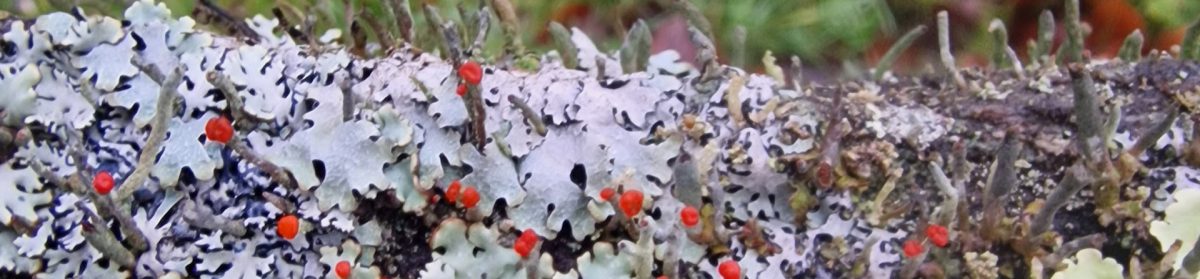
On Friday I went with a friend to a High Weald ghyll wood between Crowborough and Greenbridge. The ghyll valley has many wet flushes in its steep banks formed by springs arising from the junction of porous rocks of the Tunbridge Wells Sand Formation and the impervious clays of the Wadhurst Clay Formation
The wet microclimate of ghyll woodlands is highly propitious for Atlantic (aka Oceanic) trophophytes: species occurrence and frequency may be the key to the systematic differentiation of ghyll woodland communities (Rose 1995; Rose and Patmore 1997) Burnside, Niall & Metcalfe, Daniel & Smith, Roger & Waite, Steve. (2006). Ghyll Woodlands of the Weald: Characterisation and Conservation. Biodiversity and Conservation. 15. 1319-1338. 10.1007/s10531-005-3875-5.
The Wealden ghyll woodlands support a rich flora of woodland bryophytes … They are particularly important for many oceanic species which are restricted in the south-east of England to the ghyll woodlands, and that are hundreds of kilometres from other British populations … The presence of rich assemblages of moisture-loving bryophytes in the ghyll woodlands is explained through the occurrence of suitable geology, topography and humidity, along with the likelihood that the ghylls experienced continuous tree cover during recent periods of deforestation … . Within many ghyll woodlands, sandstone outcrops and boulders combine with high relative humidity levels to create a damp sandstone substrate that is an internationally rare habitat type …. .The damp sandstone is home to a number of nationally rare ‘sandrock specialist’ bryophytes. The biodiversity of the Wealden ghyll woodlands: species richness, abundance and distribution patterns in a rare and fragmented habitat. Andrew R. Flint, A thesis submitted in partial fulfilment of the requirements of the University of Brighton for the degree of Doctor of Philosophy March 2014
We hunted for rarer Atlantic bryophytes such as the Handsome Wollywort; we had found it in a nearby wood, see: Handsome Woollywort and other bryophytes in a High Weald ghyll wood, East Sussex, 25.03.24 but couldn’t find it; although we found many beautiful more common mosses and liverworts, including
Mnium hornum
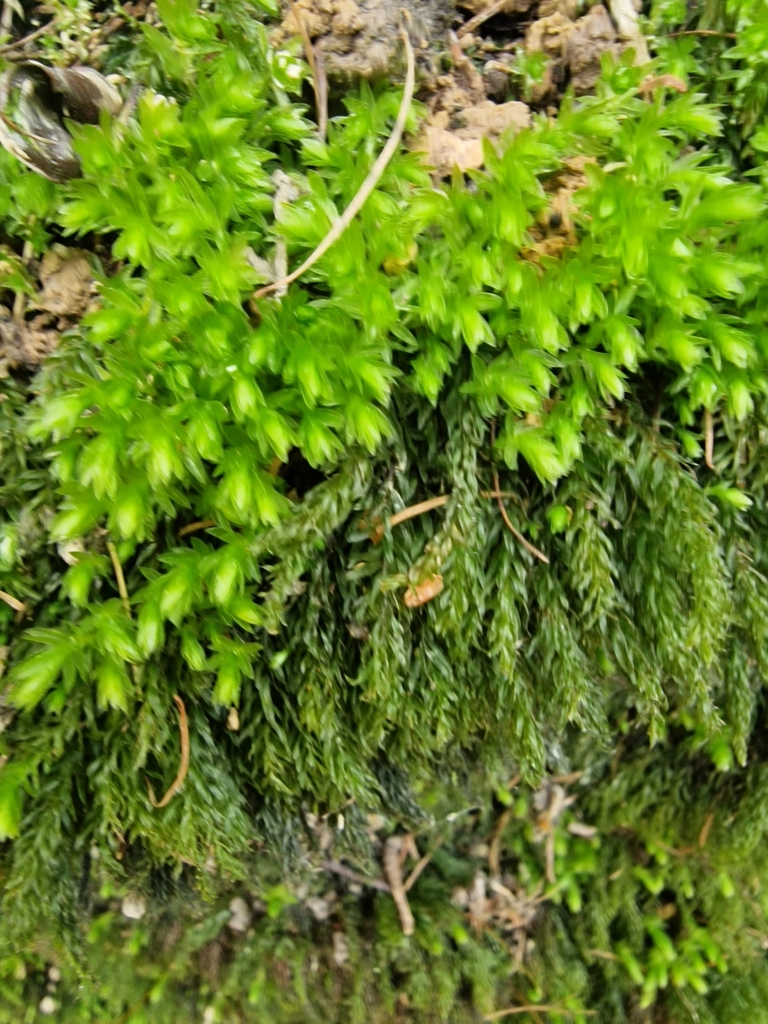
Diplophyllum albicans

Eurhynchium striatum
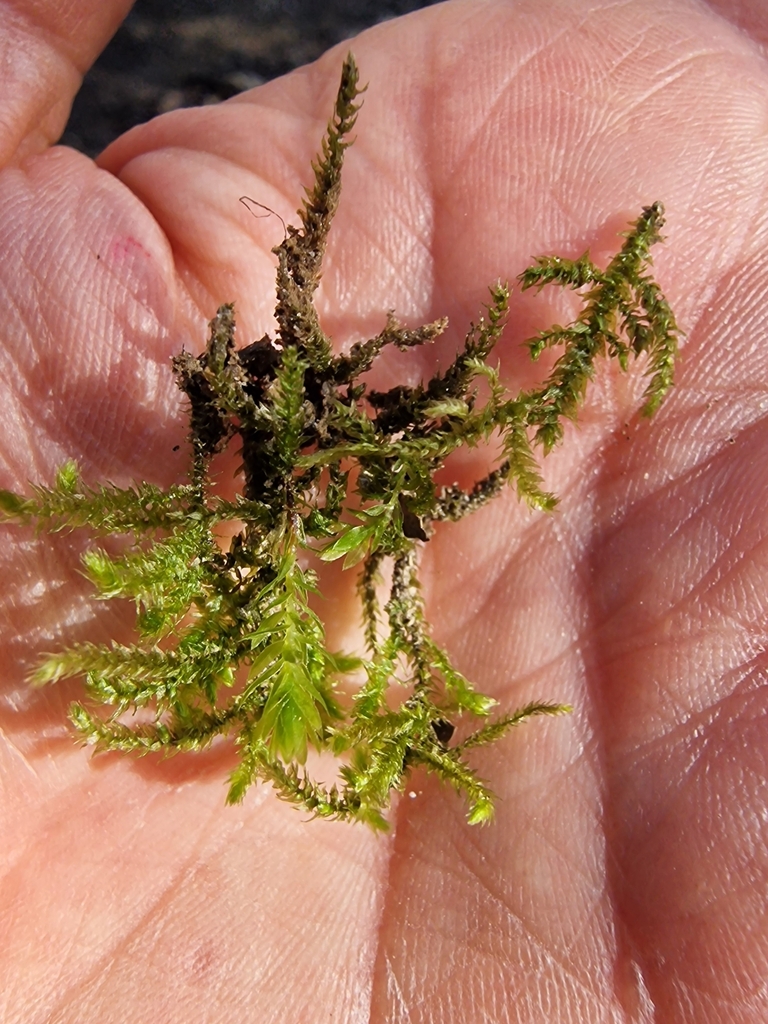
Frullania dilatata
Oxyrrhynchium hians
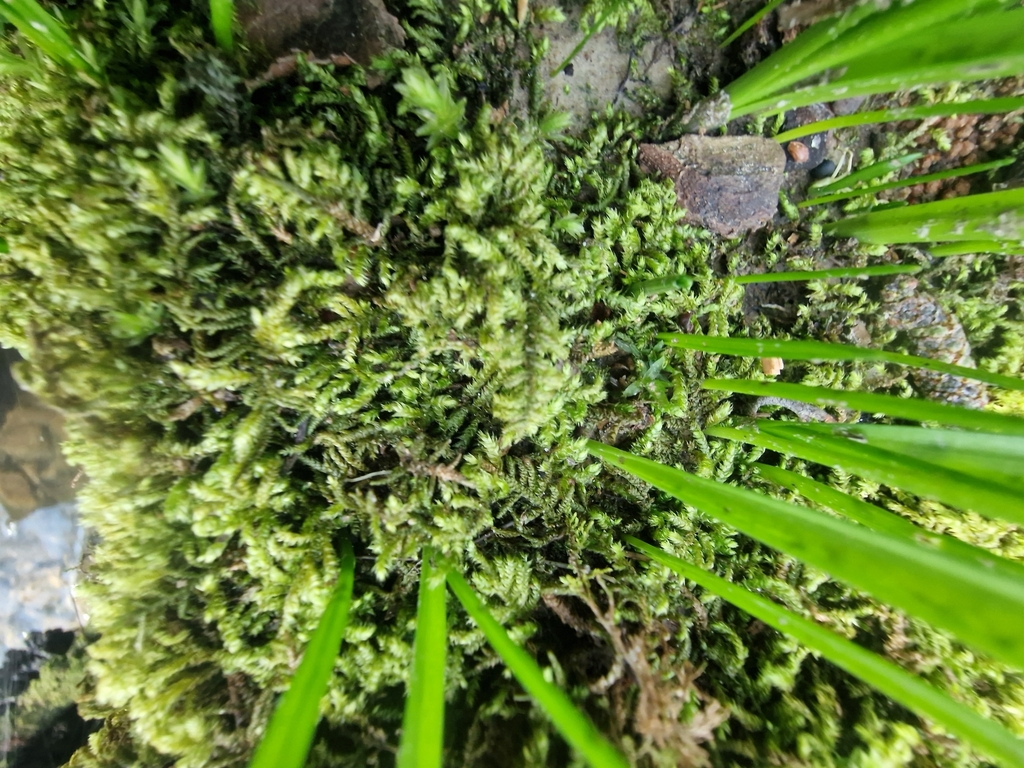
Dicranella heteromalla
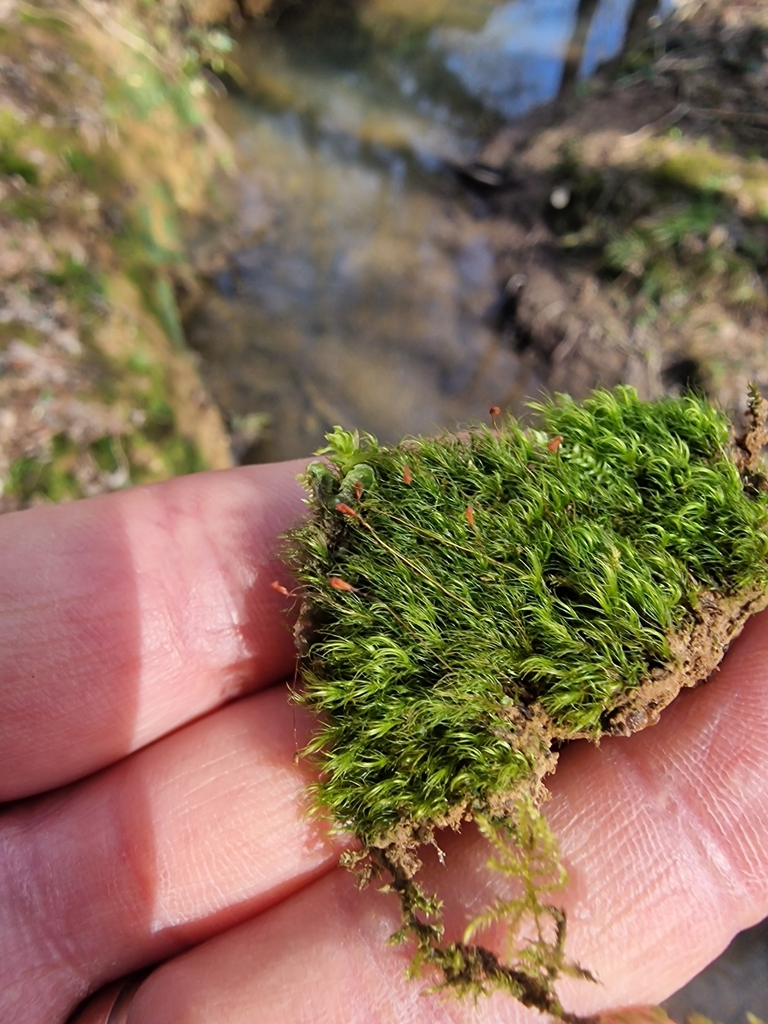
Lophocolea heterophylla

Leucobryum glaucum
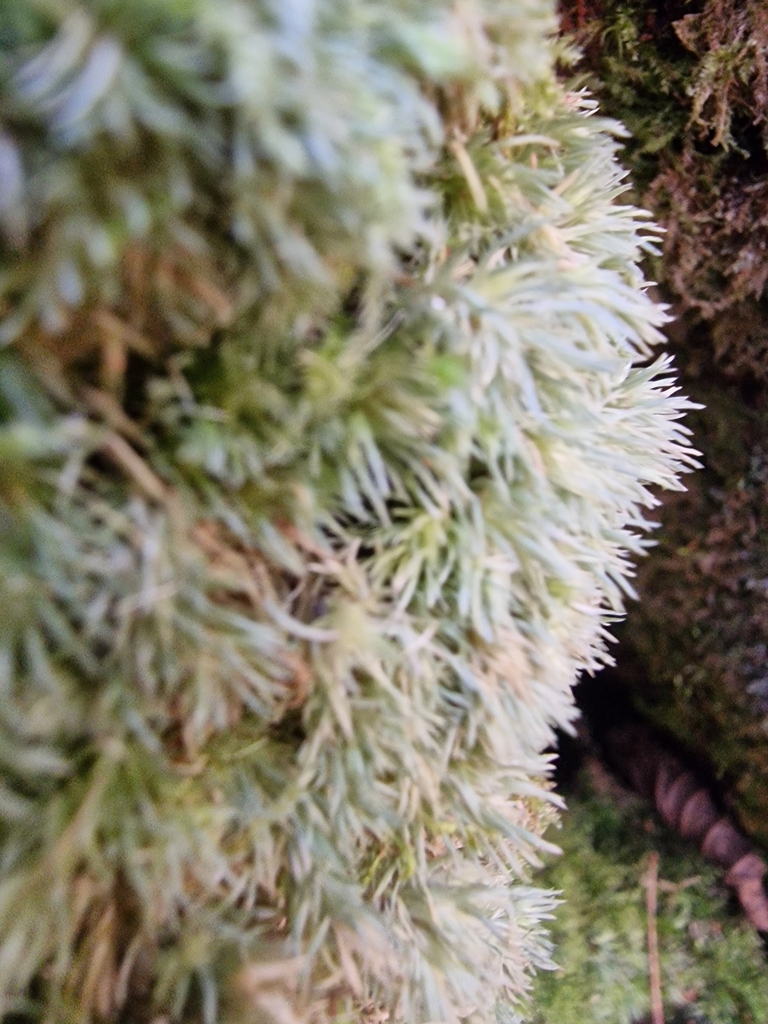
Scapania undulata
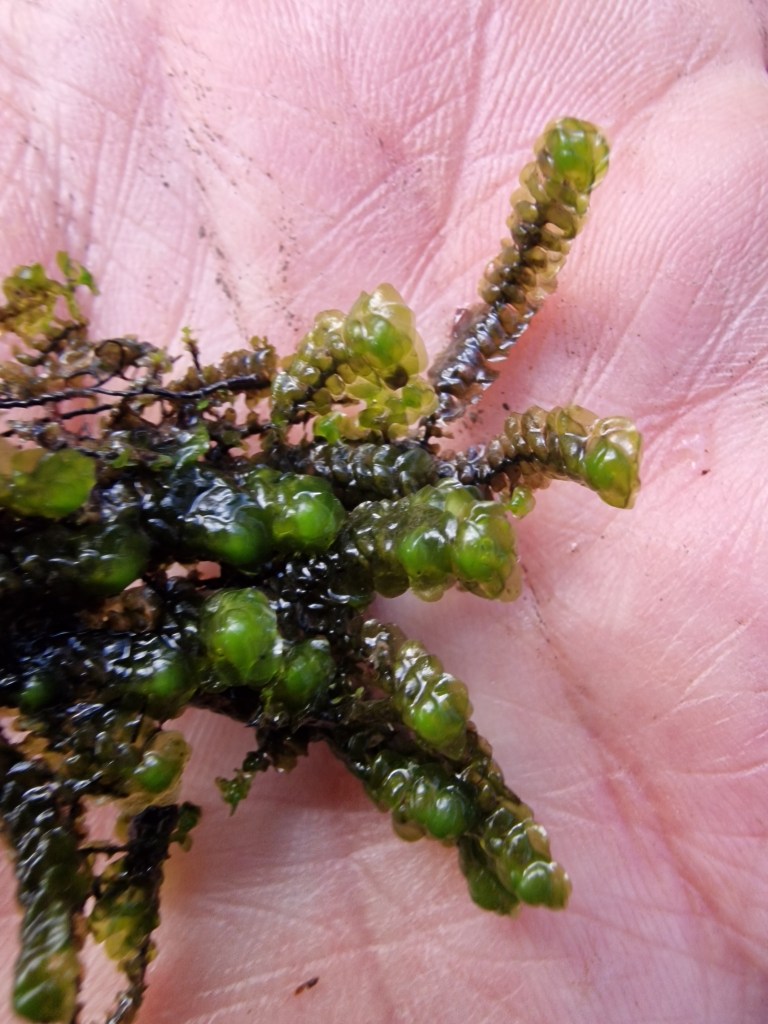
Fissidens adianthoides
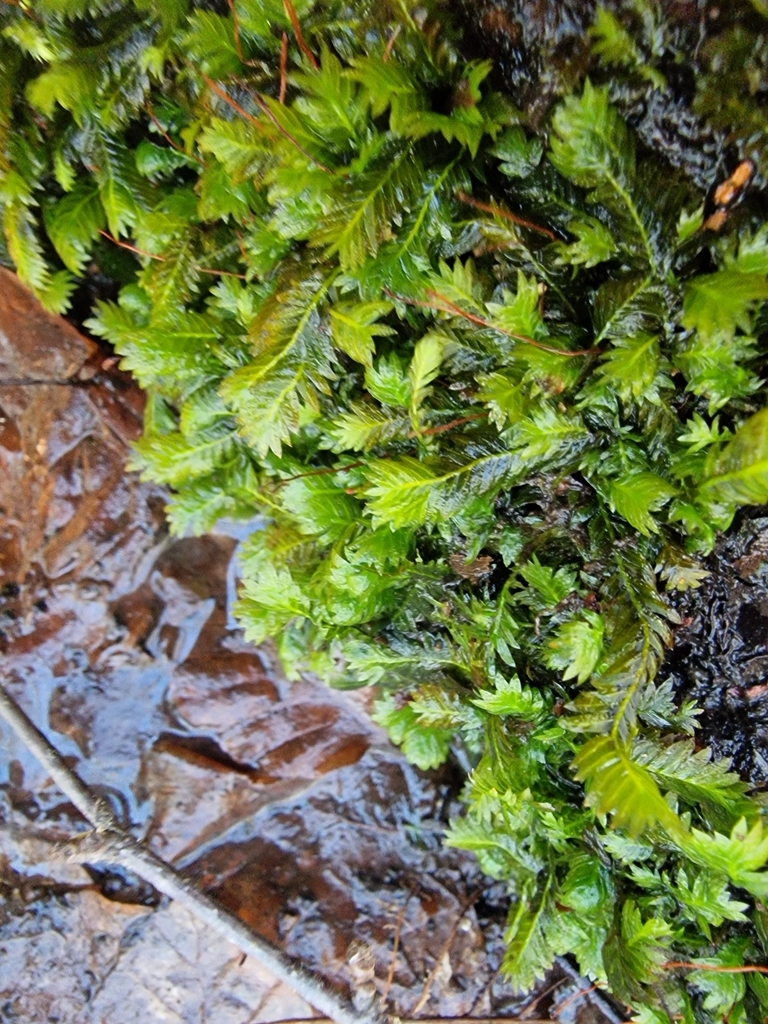
Hookeria lucens

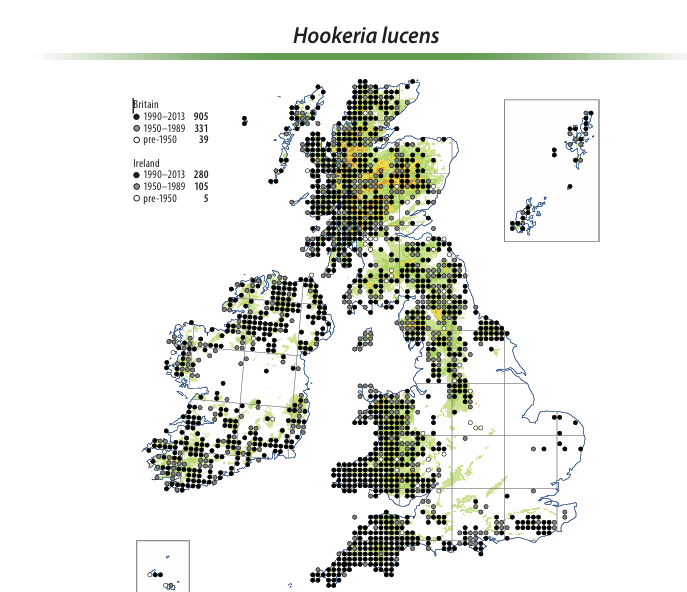
The High Weald has a disjunct population away from its main distribution in Atlantic Woodlands
Sphagnum cuspidatum
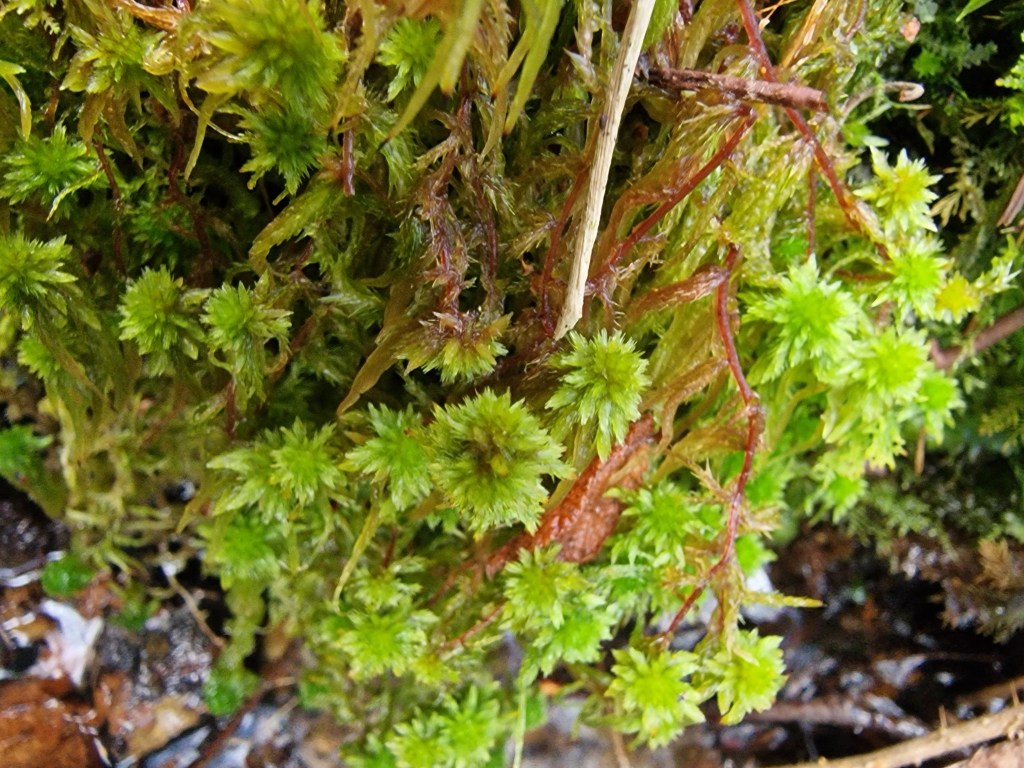
Cephalozia bicuspidate; showing white perianths; a tube-like structure formed by the fusion of a few leaves that surrounds and protects the developing capsule. https://www.britishbryologicalsociety.org.uk/wp-content/uploads/2020/12/FB108_Beginners-Corner-Liverwort-reproductive-structures.pdf

Rhizomnium punctatum
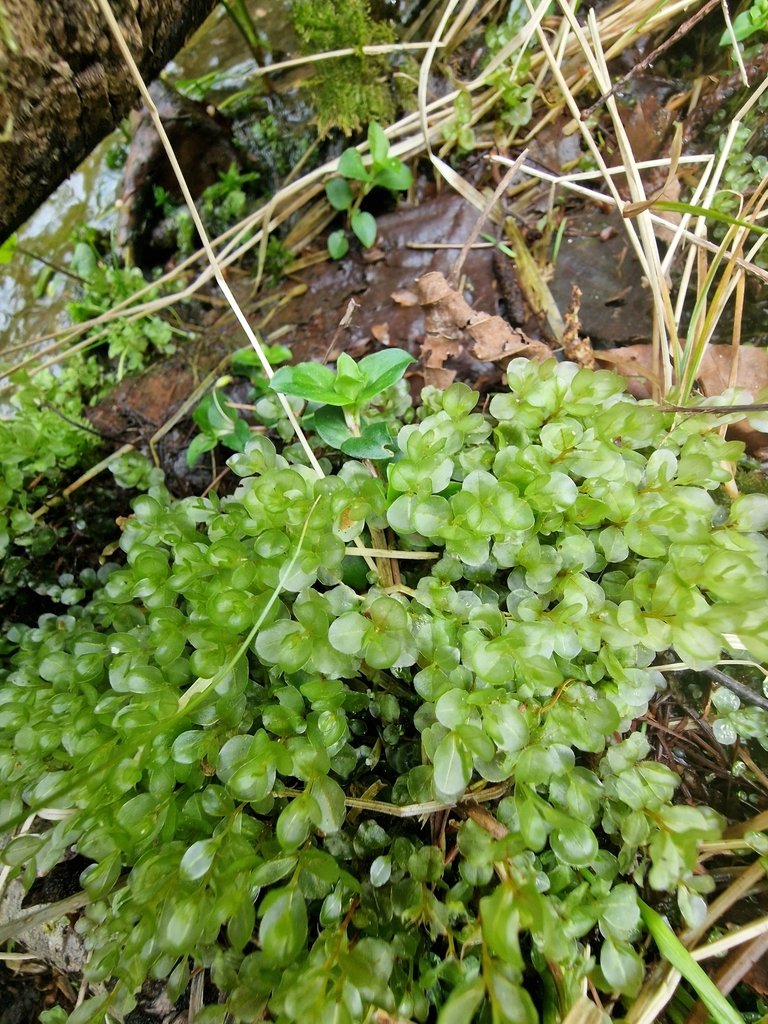
Hylocomiadelphus triquetrus

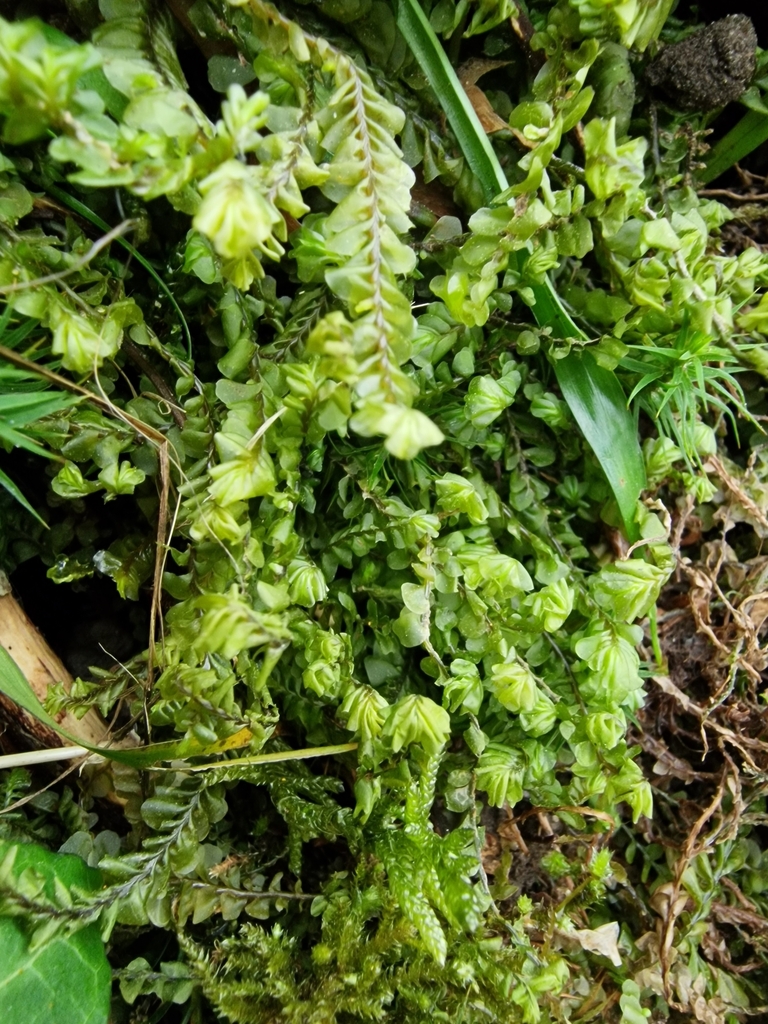
Plagiochila asplenioides

 Sim's Nature Notes