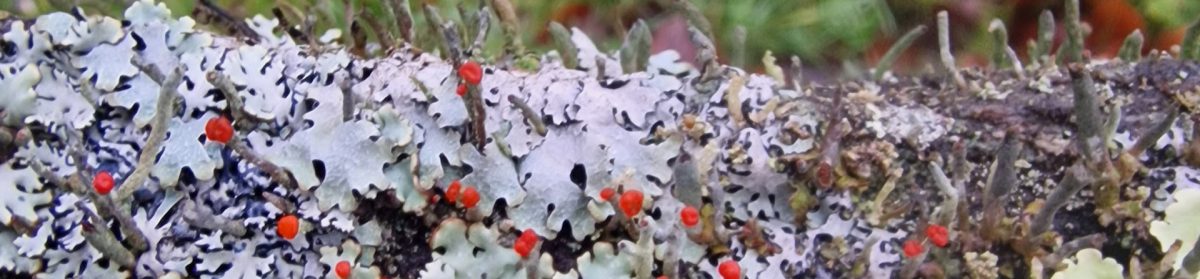
On Friday, I visited Selwyns Wood to help their volunteers identify the lichens in the site. The list of what we found is at the end of this post
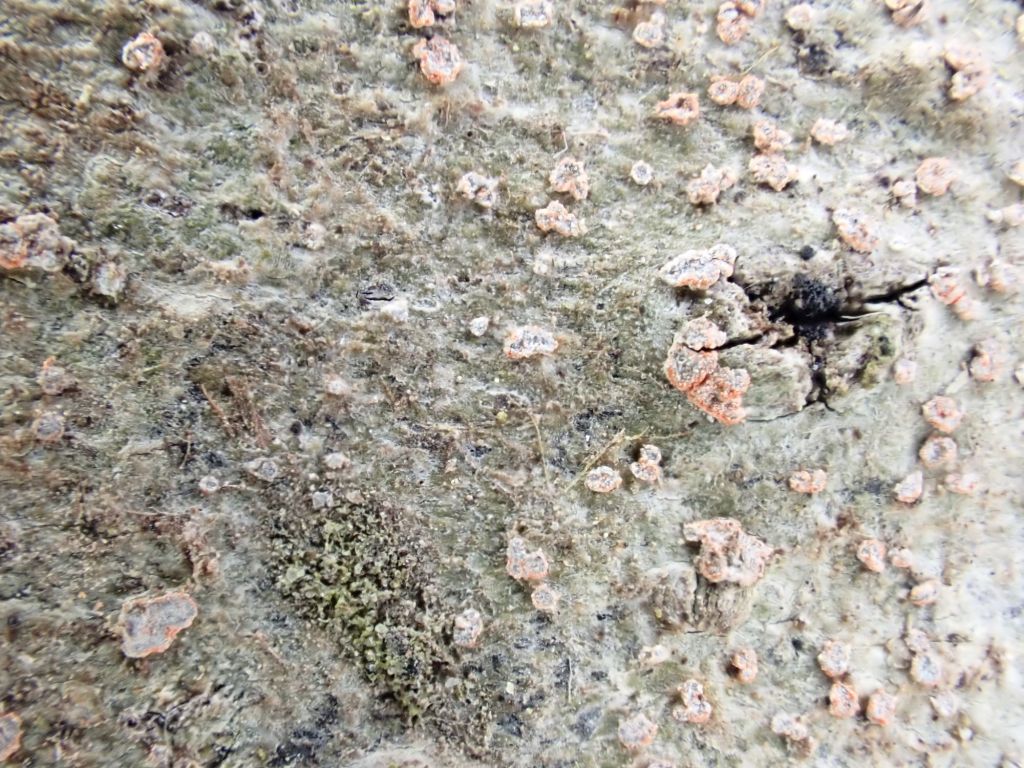
It was particularly pleasing to see Coniocarpon cinnabarinum, previously Arthonia cinnaborina, an old woodland indicator species. I see this lichen rarely; not because it is particularly rare, but because it is very difficult to see. “Can be common in old woodlands on shaded, smooth bark of young trees and branches” Dorset Lichens. This lichen is named after Cinnabar, the red ore of mercury.
Another lichen that was good to see was Thelotrema lepadinum, Bark Barnacles, an indicator of ancient woodland
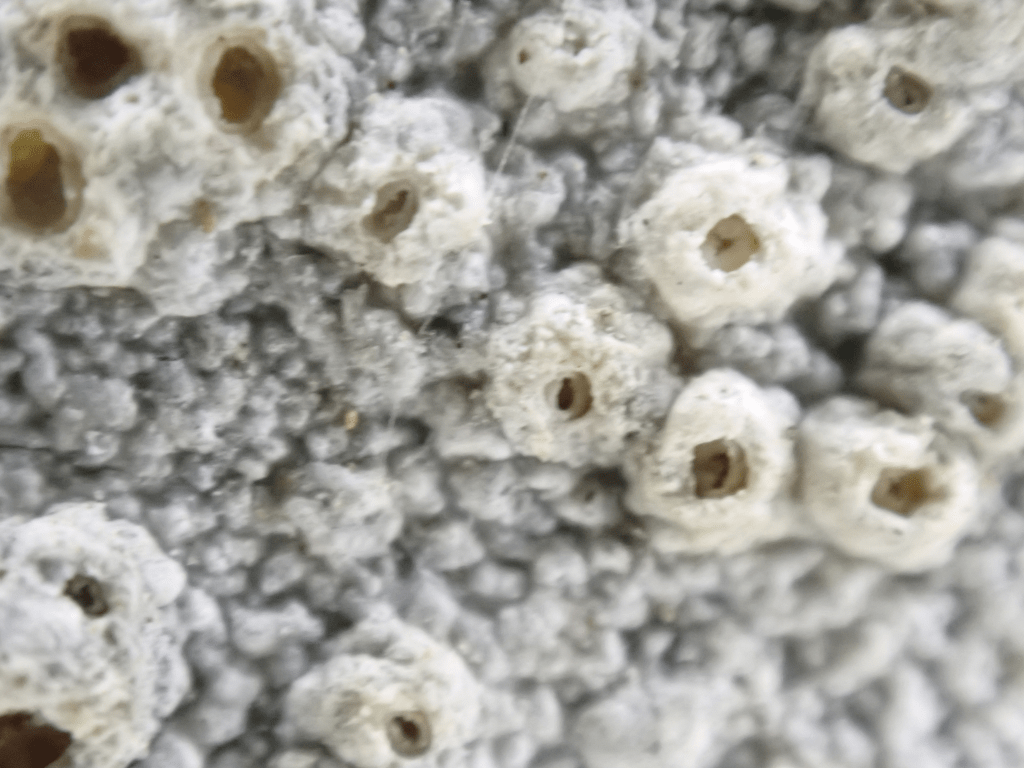
Both of these lichens are indicators of ancient woodland even though they weren’t growing on ancient tress; both were on relatively recent on Sweet Chestnut, Castanea sativa.
In the area of heathland, as one would expect, there were Cladonia spp. growing on lignum, including Cladonia polydactyla
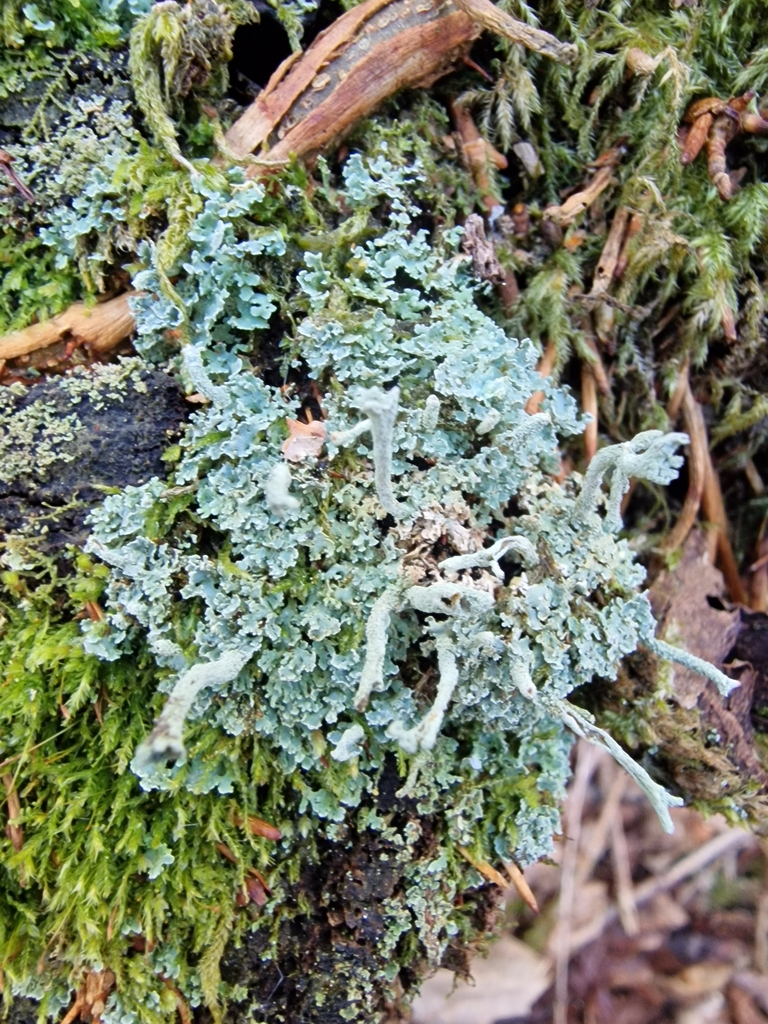
Cladonia caespiticia
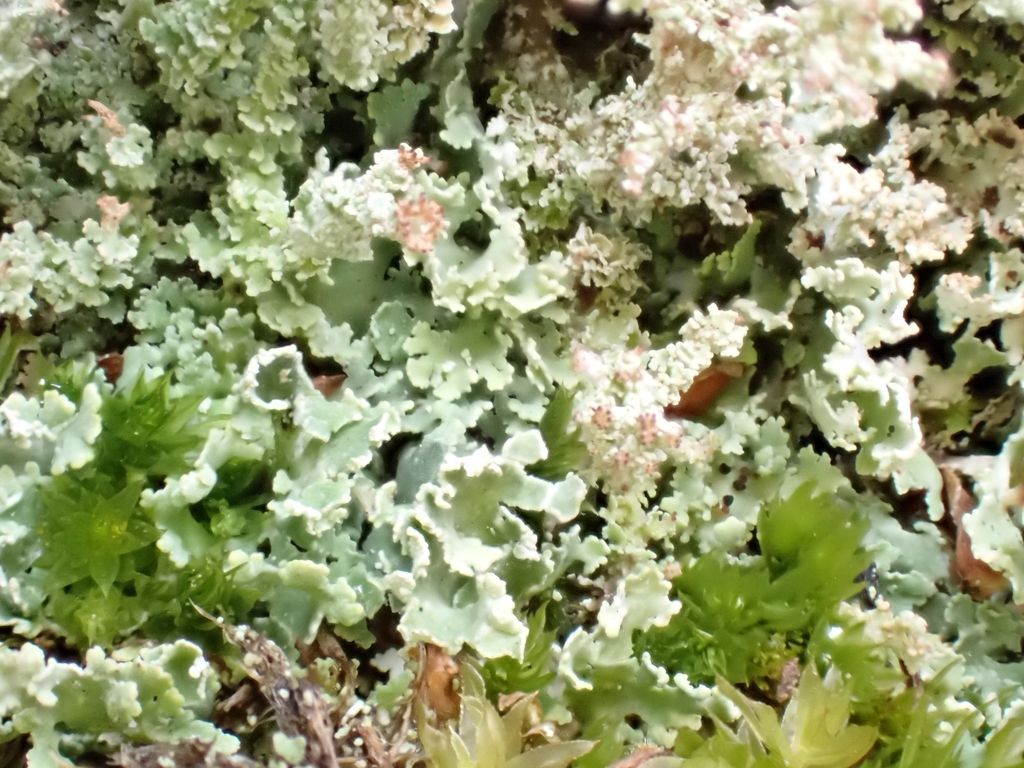
and Cladonia squamosa
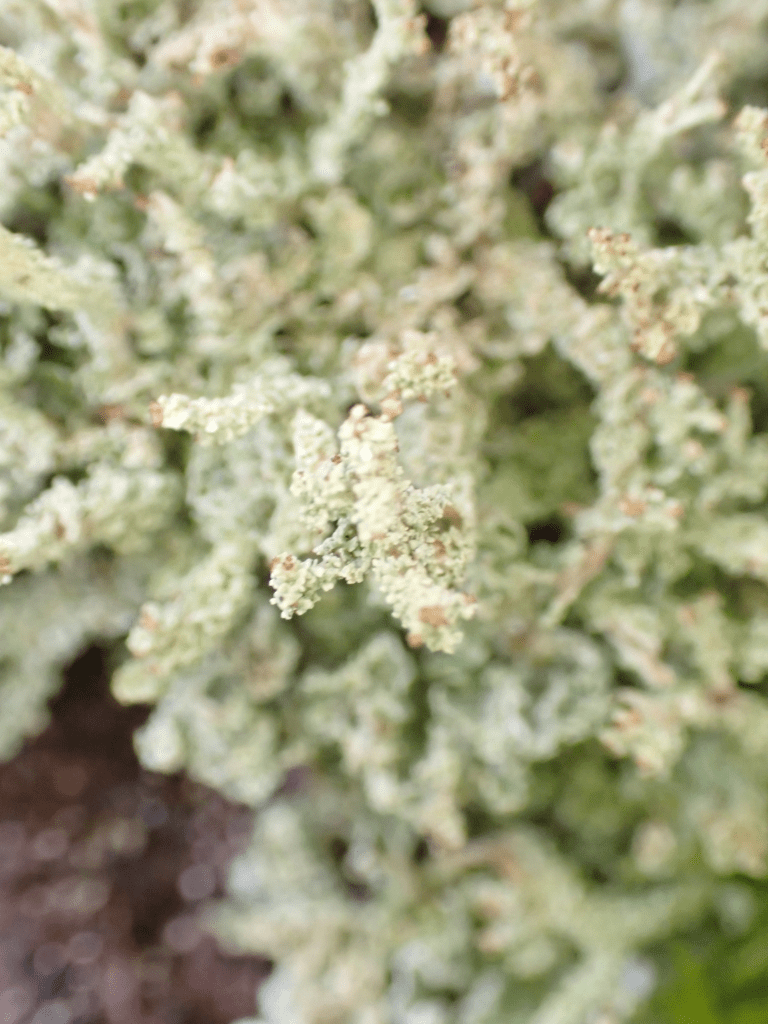
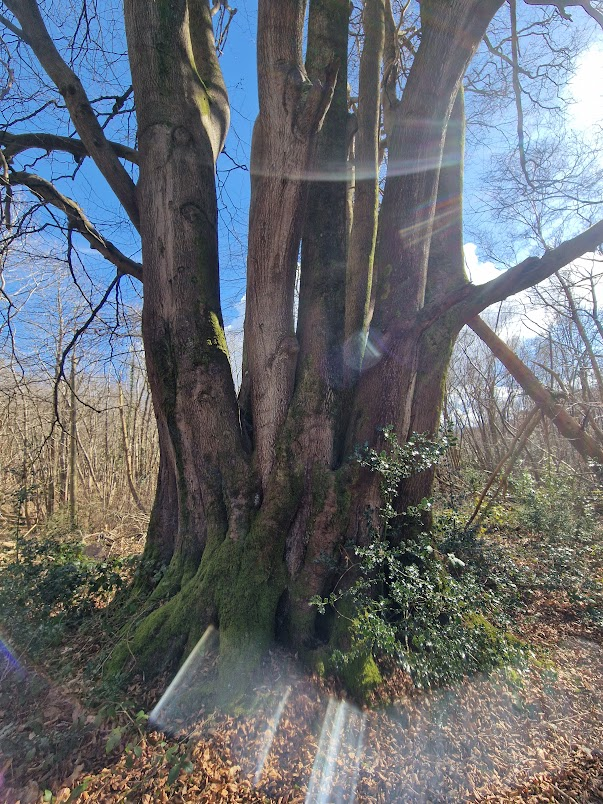
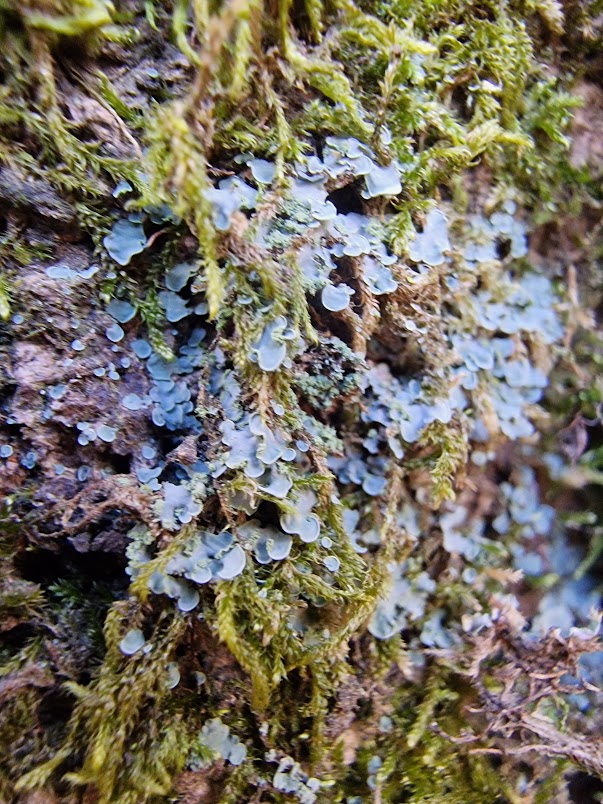
On the side of an enormous bundle-planted Beech, there was Elf Ear lichen, Normandina pulchella
These are the lichens that we saw.
Lecidella eleachroma
Fuscidea lightfootii
Flavoparmelia caperata
Parmelia sulcata
Parmotrema perlatum
Ramalina farinacea
Ramalina fastigiata
Lecanora chlarotera
Pyrrhospora quernea
Graphis scripta s. l.
Anthonia atra s.l.
Pertusaria pertusa
Pertusaria hymenea
Pertusaria leioplaca
Thelotrema lepadinum
Normandina pulchella
Coniocarpon cinnabarinum
Cladonia squamosa
Cladonia coniocraea
Cladonia caespiticia
Cladonia polydactyla
Lepraria finkii
Lepraria incana
Lepraria vouauxii
Melanelixia glabratula
Phlyctis argena
Xanthoria parietina
Lecanactis abietina

 Sim's Nature Notes