On the way to Hesworth Common, Fittleworth, to undertake a recce for a lichen walk there on Saturday, I took a detour to Coldwaltham from Pulborough (a four mile walk there and back to Pulborough). I went because I knew there was an ancient yew there; famous for being 3000 years old. It is clearly not 3000 years old, but it is a very old yew. I though it was an good candidate to have Zwackhia prosodea growing on it. I have seen Z. prosodea, growing on the ancient yew in East Chilton’s churchyard; it is a very characteristic lichen. I searched the British Lichen Society’s database: there are 174 records of the lichen in East and West Sussex; none of them on this yew; despite the churchyard being surveyed by Francis Rose in 1992.
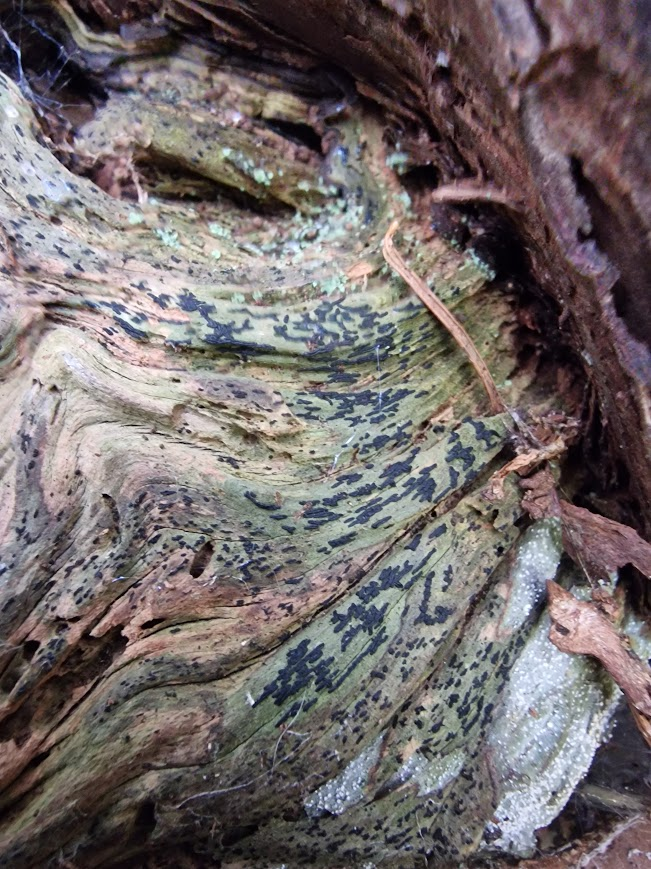
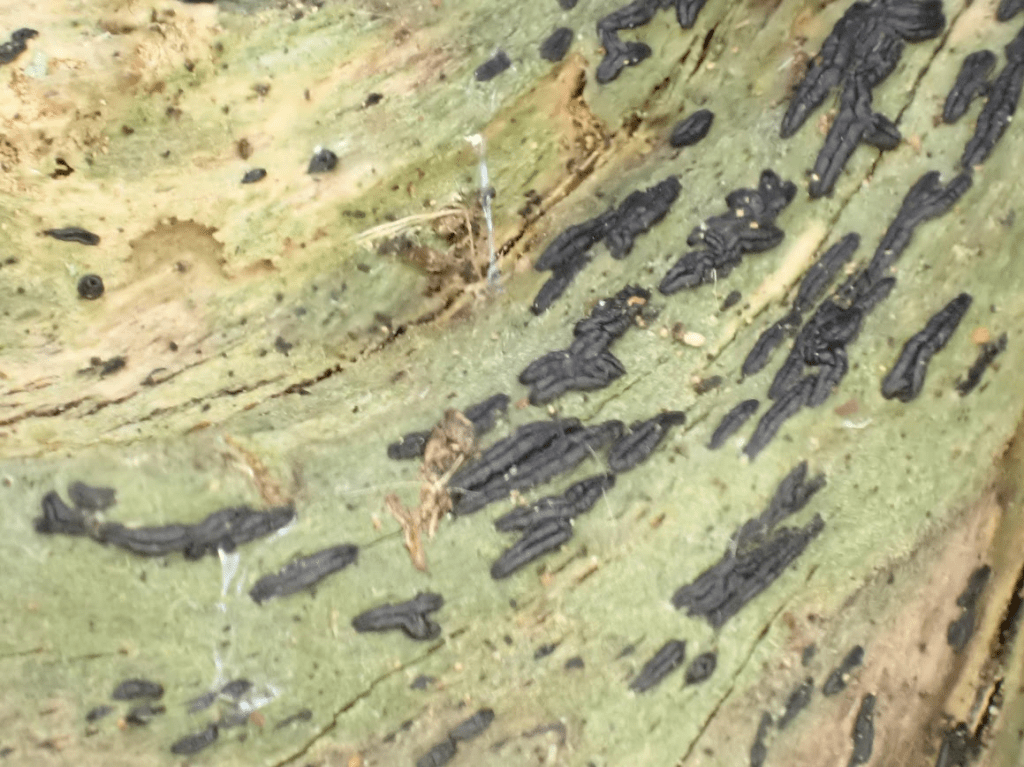
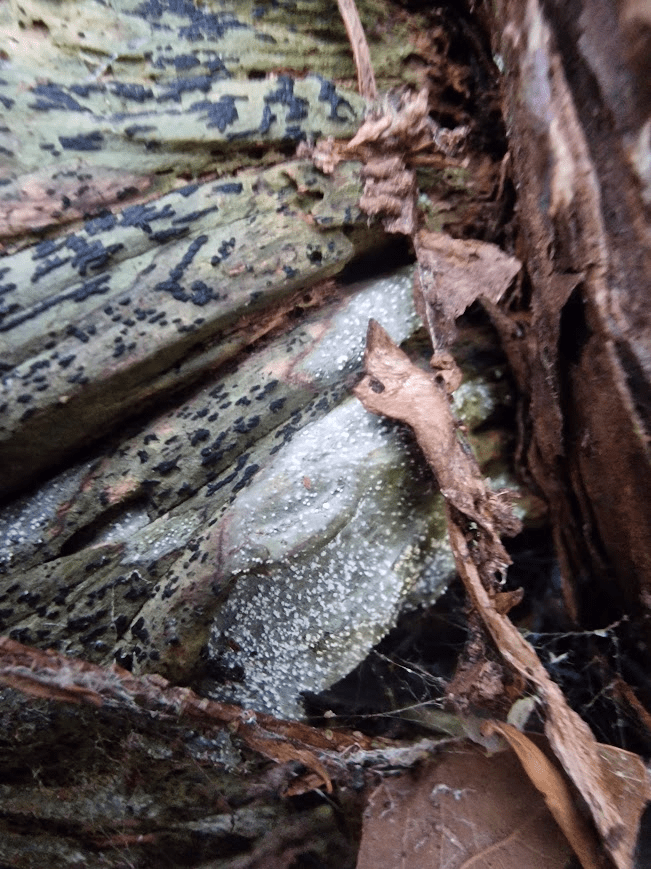
But it was there!
A very southern lichen of dry bark on veteran trees, mainly Oak, often in mildly nutrient enriched habitats. Characterised by the bulky tall curved to serpentine lirellae with the disk a persistent slit and the dry bark habitat. British Lichen Society – Zwackhia prosodea
The churchyard at Coldwaltham contains a slightly controversial yew tree – slightly controversial because on occasions when experts have suggested the tree may not be quite as old as people believed it to be there has sometimes been a bit of a backlash from the villagers. Part of the reason for this is that the ancient tree is sometimes cited as evidence for a much older church on the current site. Another may be that some people claim that the tree as one of the oldest in the country – either way, it’s a magnificent being. It certainly looks pretty ancient. West Sussex Info Coldwaltham
Entry in the Ancient Yew Group register: Tree ID: 366 Yews recorded: Ancient 7m+ Tree girth: 1049cm Girth height: at 15cm Tree sex: female Source of earliest mention: 1885: Measured by Rev. W.H. Starling (1958 E.W. Swanton)
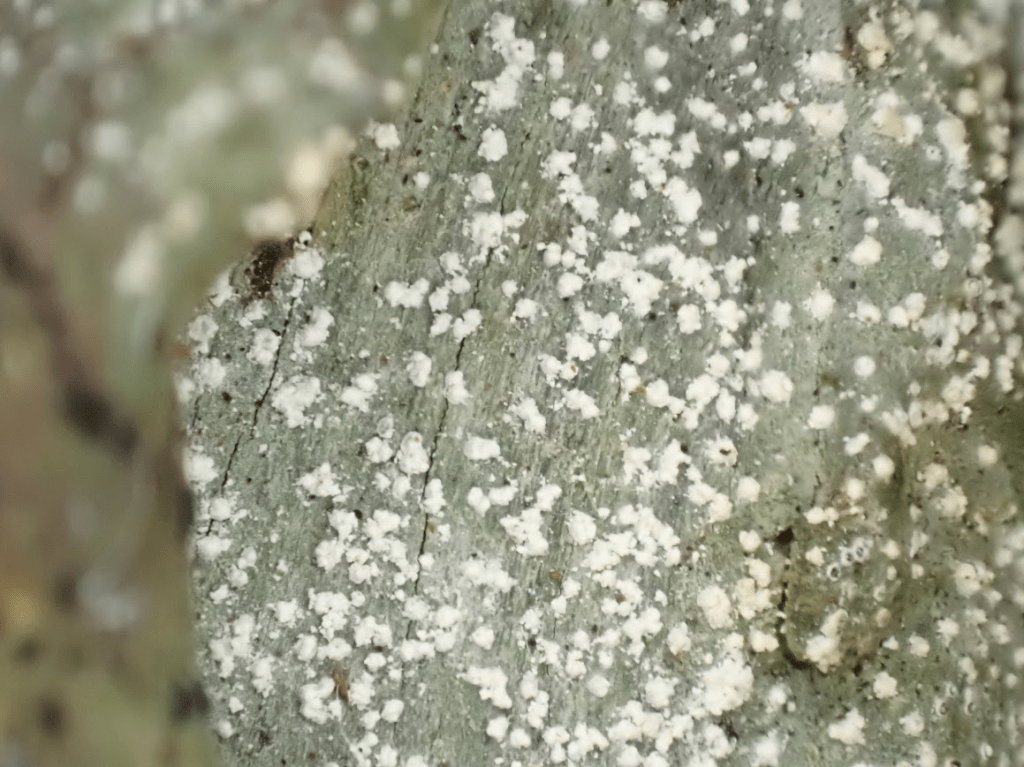
Under the Zwackhia prosodea was the lichen Opegrapha vermicellifera
Occurs in shaded, dry recesses of basic-barked trees, rare on rock. Smooth greyish thallus, usually sterile with small, prominent pycnidia with white or pale grey pruina. Pycnidia semi-immersed when young, chestnut brown with pale ostiole. Dorset Lichens – Opegrapha vermicellifera
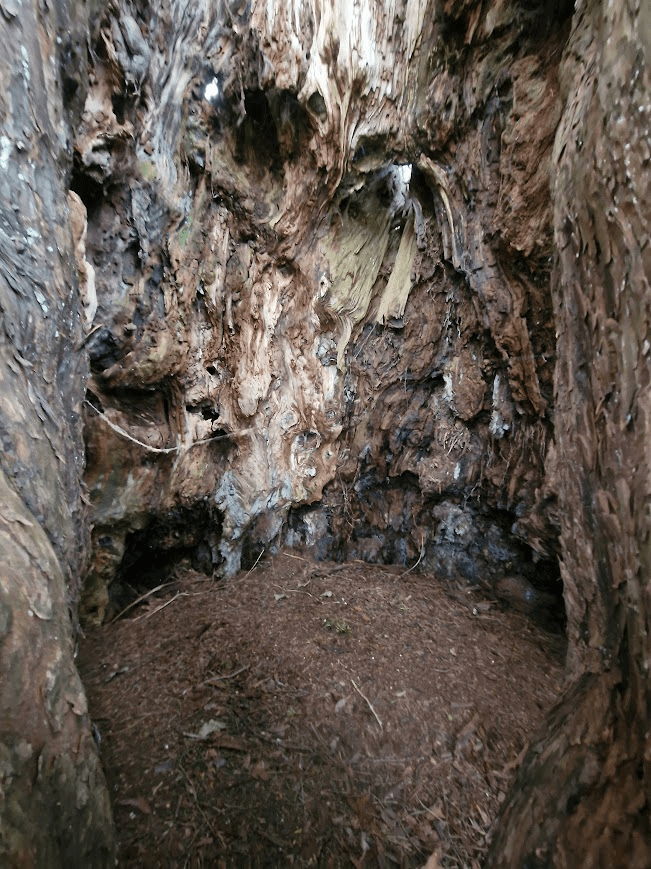
The Yew was hollow inside

 Sim's Nature Notes