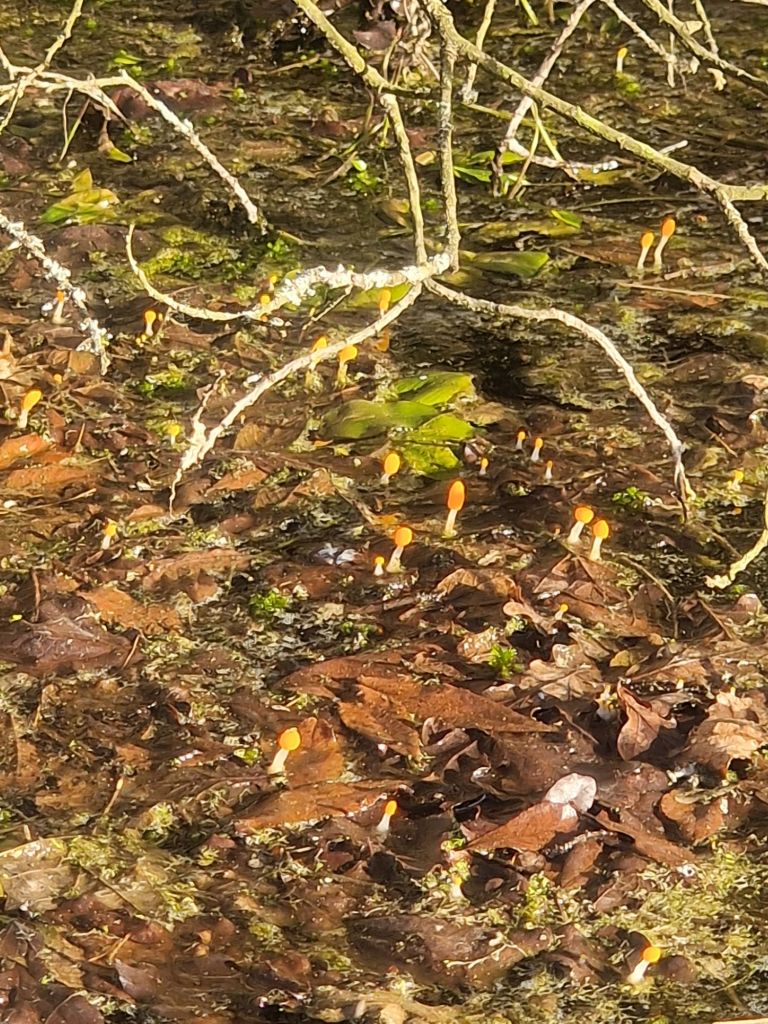
The prefix Mitr- is a reference to a mitre, cap or headdress (and so, by implication, an indication of the shape of the fertile head or cap of this fungus), while the specific epithet paludosa means of swamp, marsh or bog. First Nature
Chelwood Vachery, a large country house on Ashdown Forest, was built in 1906 by Sir Stuart Samuel (MP). “Vachery” is probably a Norman French term meaning a dairy or cattle shelter. It is thought that cattle were kept here in Medieval times.
“In 1910, Samuel created a Forest Garden. It had four lakes and ponds, each with a weir and sluice. In 1925, the house was sold to one Nettlefold who engaged a famous landscape designer, Col. Gavin Jones, to construct a “Gorge” using limestone boulders from the Cheddar Gorge. It was to be an extension to the more formal gardens of the house“. Sussex Exclusive

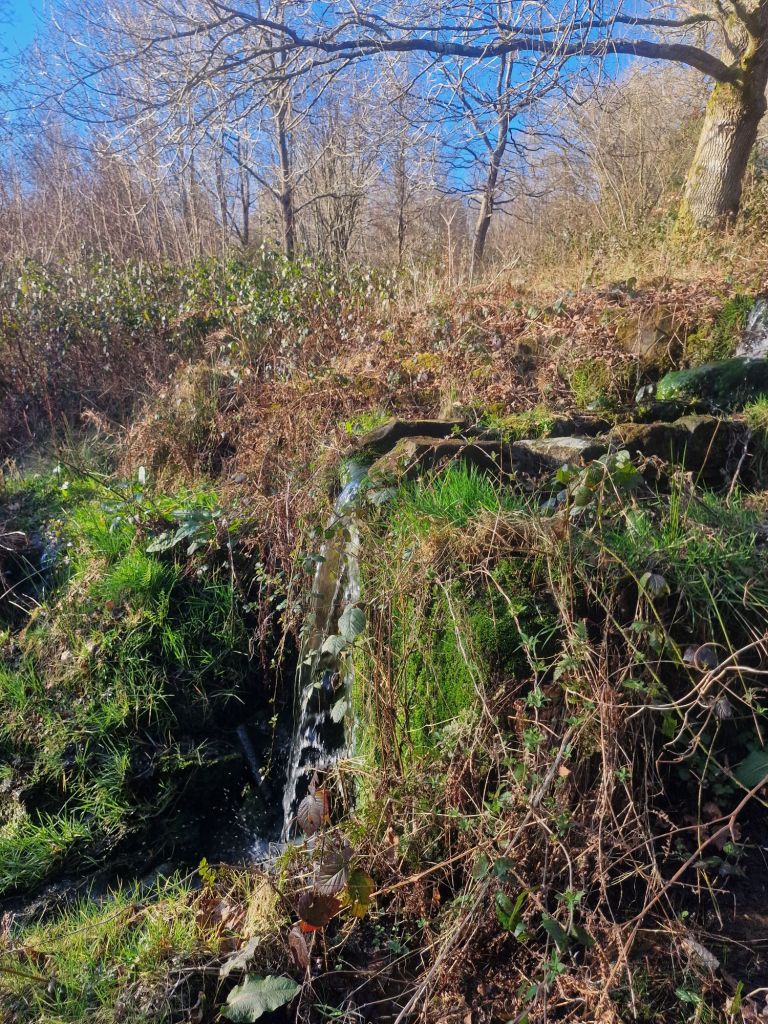
The derelict remains of the pools and gorge of Gavin Jones’ 1925 landscaping of the Forest Garden, is weird enough without the presence of Bog Beacon, the saprotrophic fungus that has a “will-o’-the-wisp” feel.
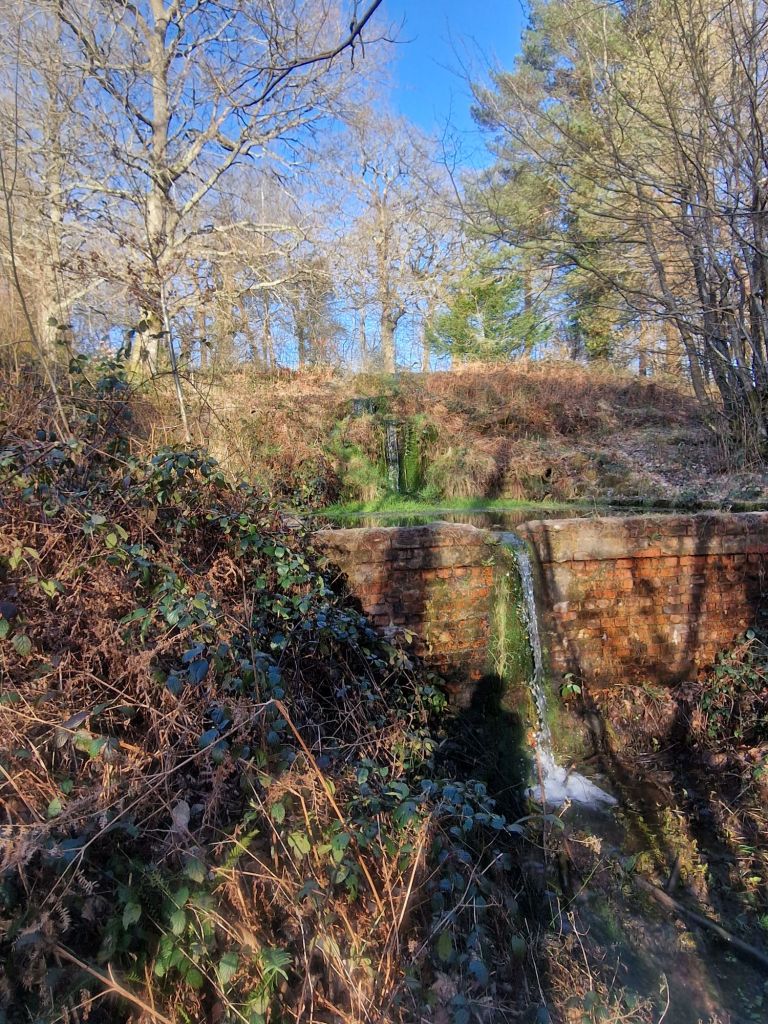
“... 200 metres south of the mansion, within Vachery Wood, Gavin Jones’ spring-fed, artificially constructed gorge begins as a small stream between sandstone rocks … The gorge follows a course of around 250 metres via waterfalls and pools, … to a string of lakes on the Mill Brook, which forms the site’s south-west boundary” Parks and Gardens
There are only 893 records for Bog Beacon in the UK according to the National Biodiversity Centre Atlas
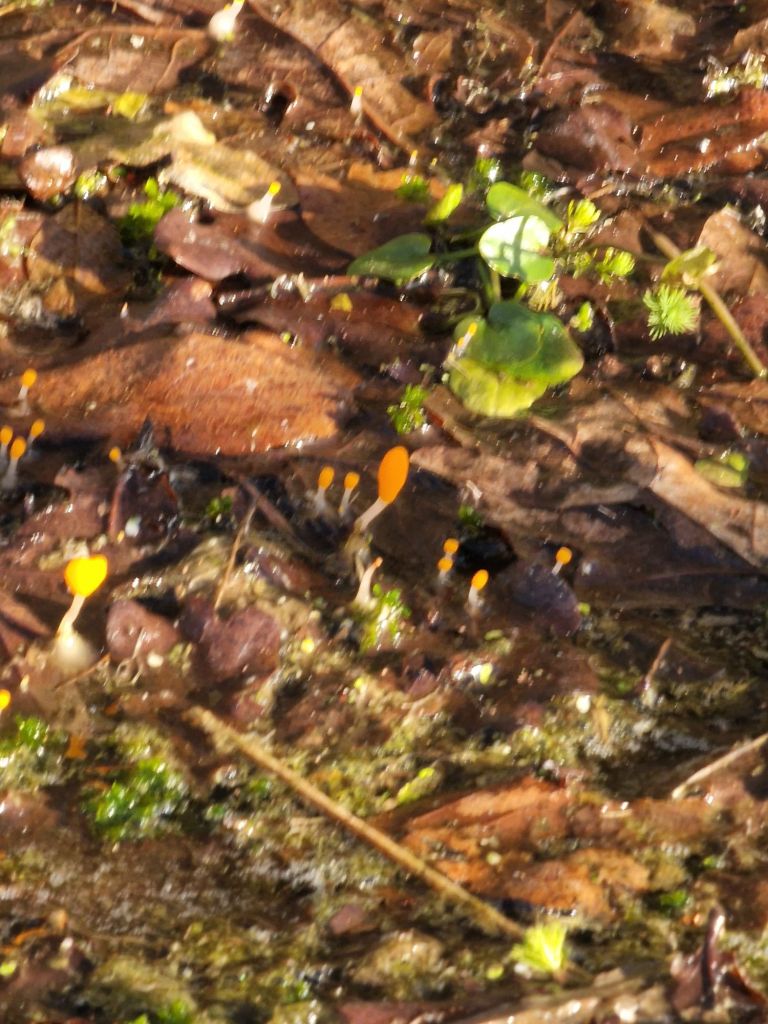
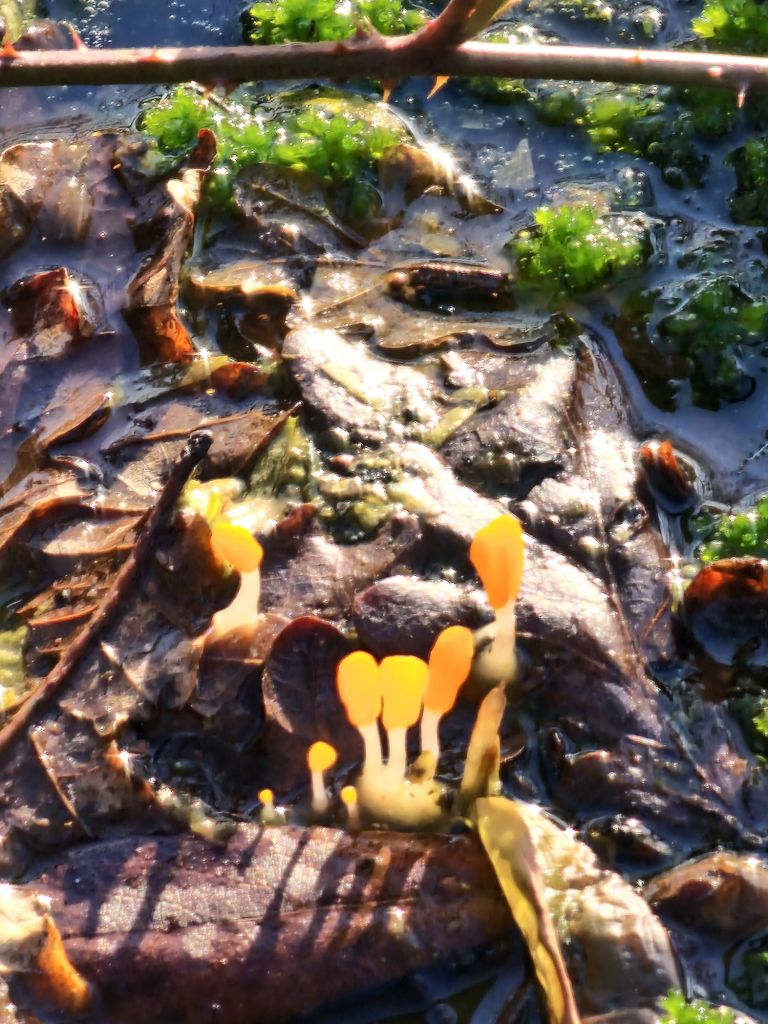
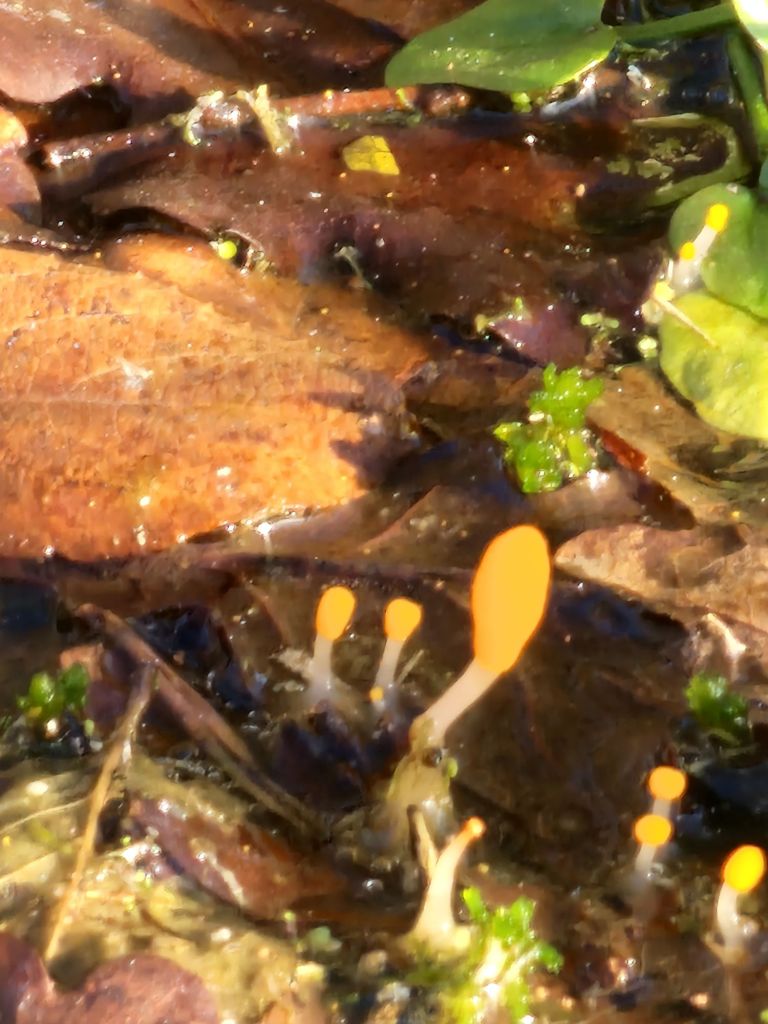
I have only seen Bog Beacon once before: on a ghyll in a High Weald wood. I was very surprised to see it so abundant in a human-made ornamental pool.
“The role of these little club-like fungi in the natural world is that of recycler; they feed of rotting leaves and stems, helping to break them down into simple compounds that other plants can feed on. Distribution
Infrequent but widespread in Britain and Ireland, Bog Beacon also occurs throughout most of mainland Europe as well as parts of Asia.
What I can confirm from personal experience is that you will not find Bog Beacon where the habitat is unsuitable, but neither should you assume that where the habitat is suitably boggy with plenty of rotting vegetation this ascomycete will appear: more often than not it doesn’t.” First Nature
When I saw Bog Beacon before, in a ghyll wood near Crawley, I wondered how Bog Beacon stands up in the water, like Excaliburs held up by Ladies in the Lake.
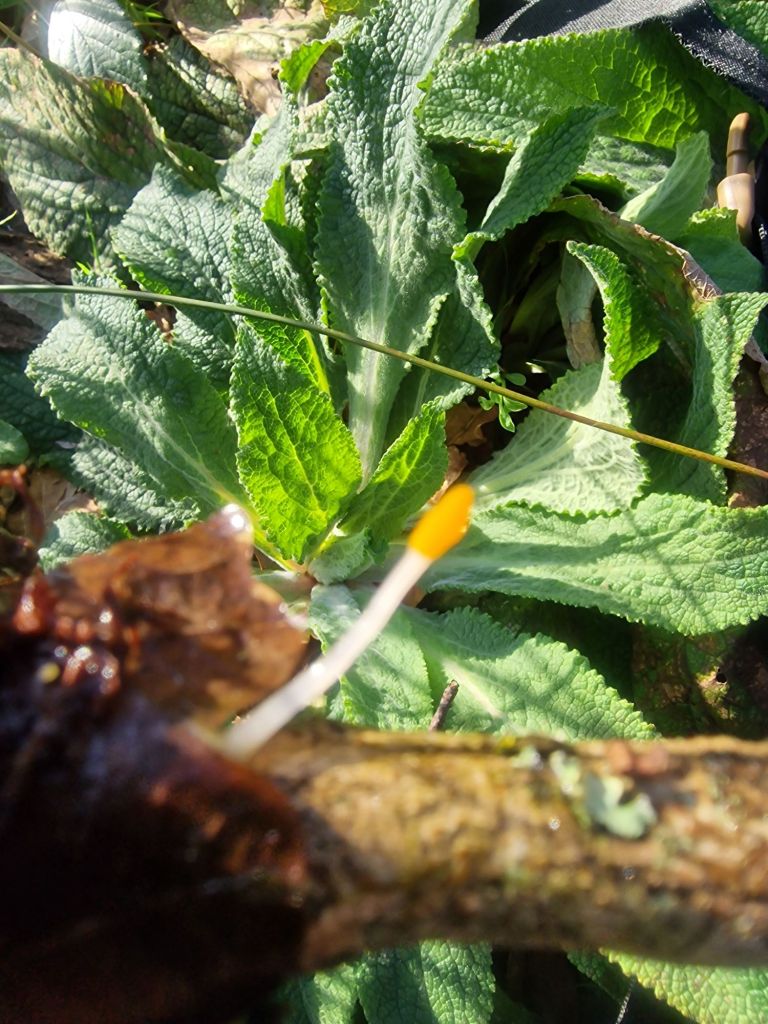
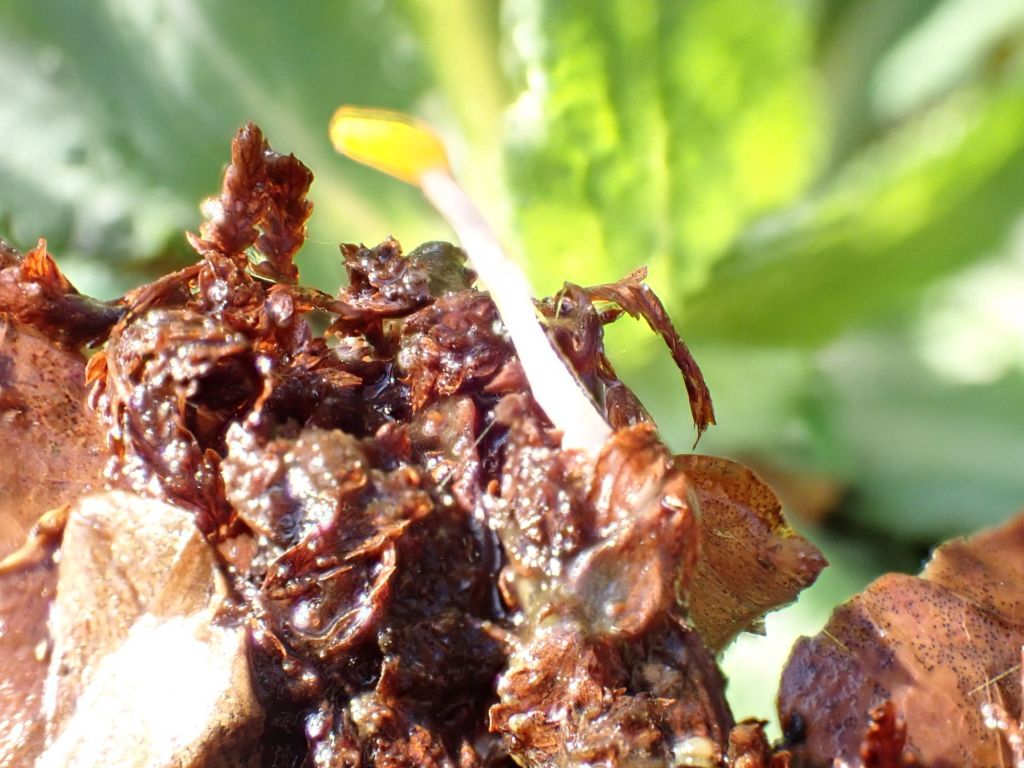
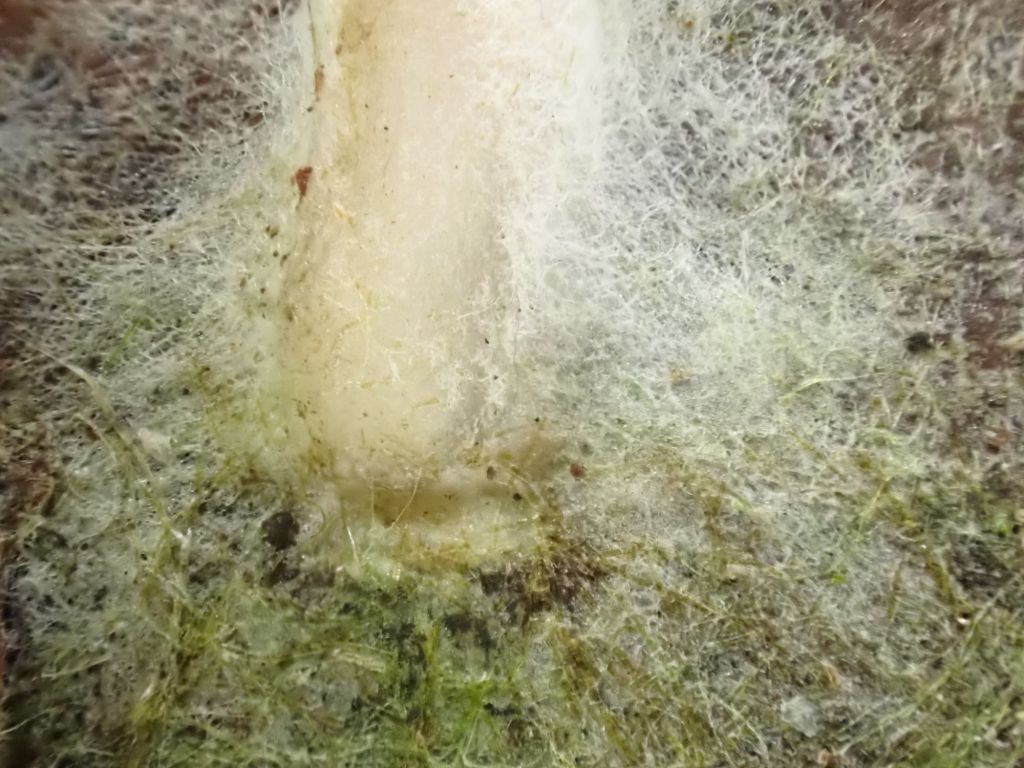
I carefully fished one of the ca. 500 Bog beacons in the pool with a stick, and photographed it. Obvious really: they’re saprobic; so they are anchored by their mycelia to the thing they are digesting. Mine was anchored to a leaf.

 Sim's Nature Notes