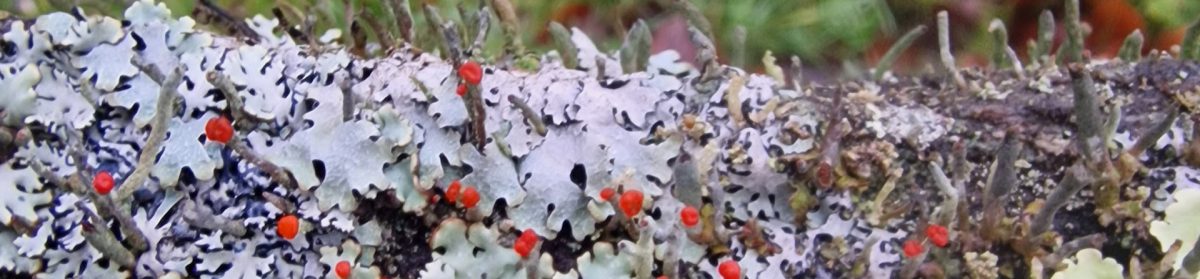
“Markstakes Common is a small nature reserve with a mix of landscapes; grassland, ancient woodland, wood pasture and mire. Past use is likely to have been bracken harvesting, rough pasturage and ad hoc extraction of timber” Friends of Markstakes Common
I first visited Marstakes Common in the winter of 2022: Markstakes Common & Chailey Commons. Tress, Fungi, Bryophytes, Lichen and Slime Molds. 06.12.22
Marstakes us a wonderful location with much biological interest; this post focusses only on lichens and vascular plants.
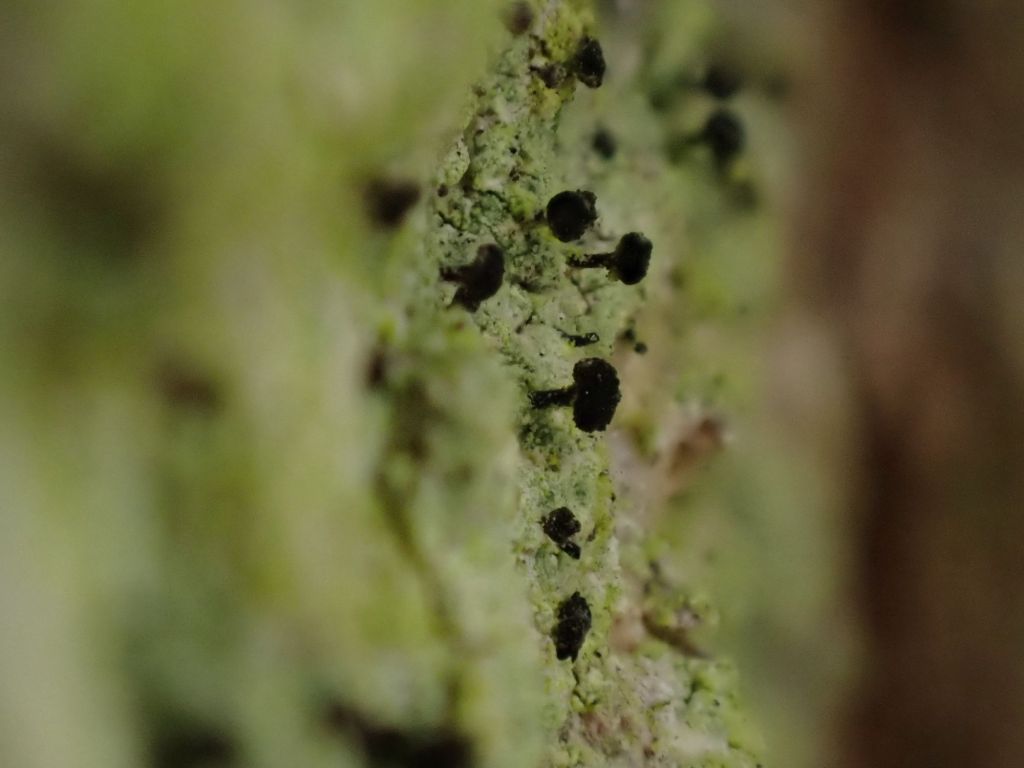
The most interesting thing I saw was Calicium viride; a pin lichen, growing on Oak. I saw it just outside the boundary of the commons in ancient woodland between It’s apotothecia is ca. 1-2mm long and is pin shaped. Theoretically “common” but incredibly difficult to see. On acid barked broad leaved trees in ancient woodland. Look out for bright green granular thallus – looks like Psilolechia lucida, but P. lucida on grows on rocks. So, if you see something like P. lucida on a tree, it might be C. viride. Pin 1-2mm long so probably need 20x hand lens or macro camera.
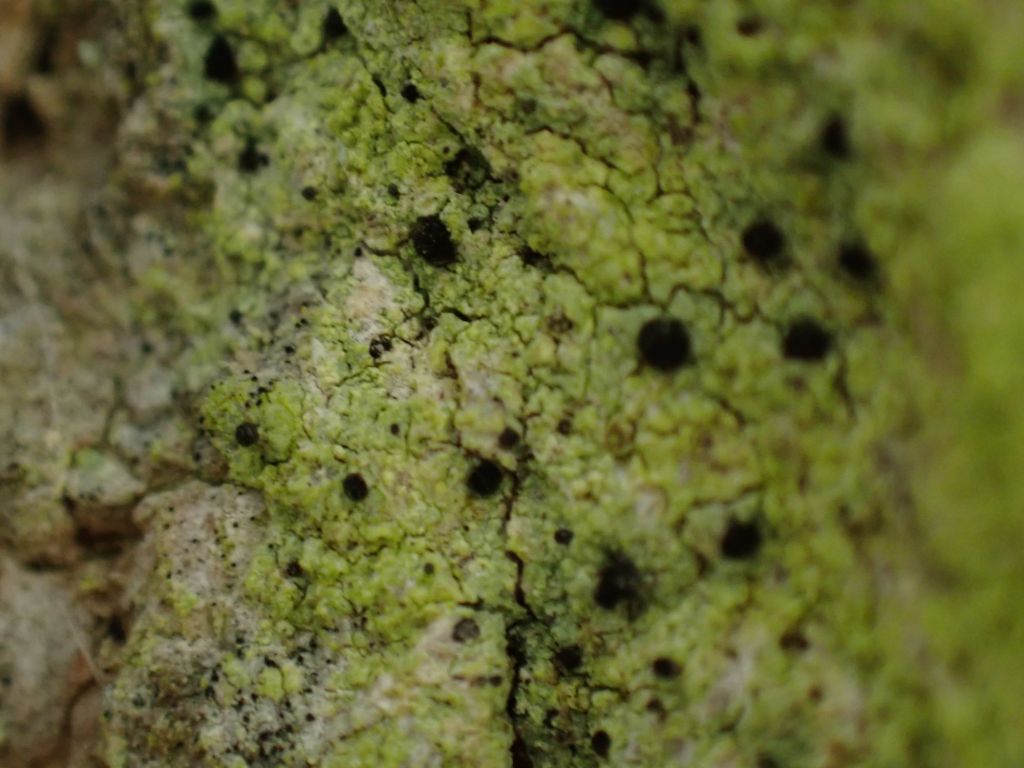
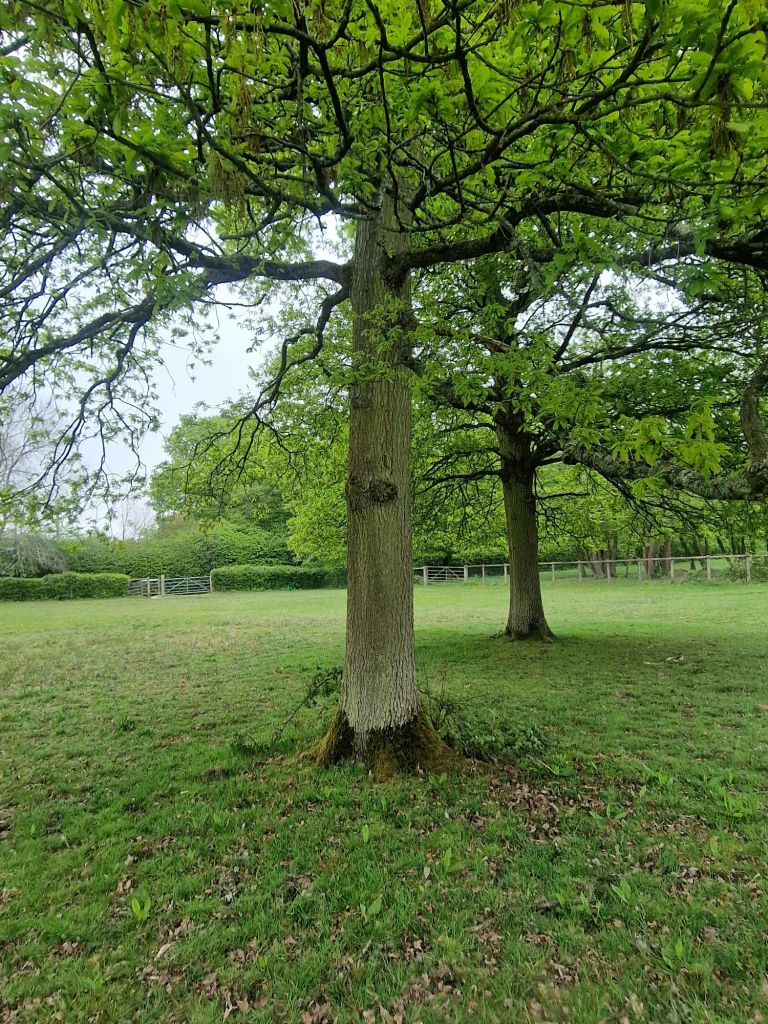
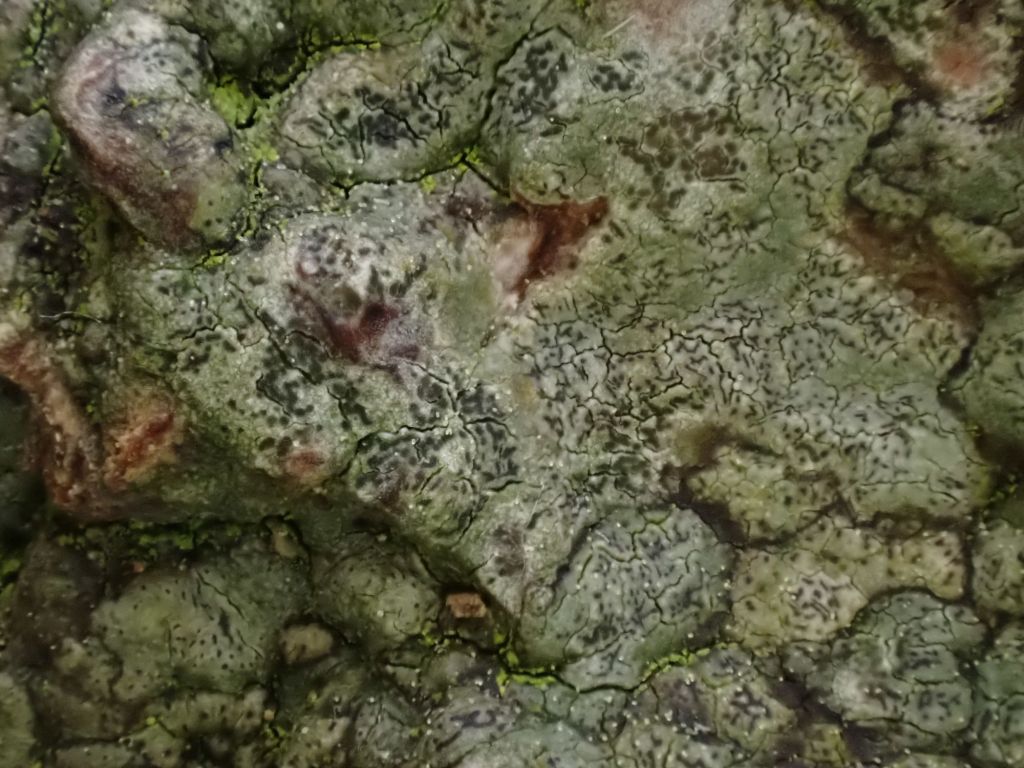
Soon after entering Marstakes Common, I saw a huge ancient birch, Fagus sylvatica. On it was the tiny lichen, Enterographa crassa
“A distinctive species often dominating large areas of trunk in pure mosaics of small interlocking waxy brown thalli, spotted with small dot like apothecia, which often line up in dendritic patterns. Very common in south western and Irish woodlands on humid shaded trunks. Rare to the north and east” British Lichen Society Enterographa crassa
Enterographa crassa is very difficult to see, as it is the colour of bark. It often occurs in large patches. It’s tiny apotothecia form in lines that look like lirrelate apothecia (writing-like apothecia), but they are lines of dots 0.1-0.2mm across.
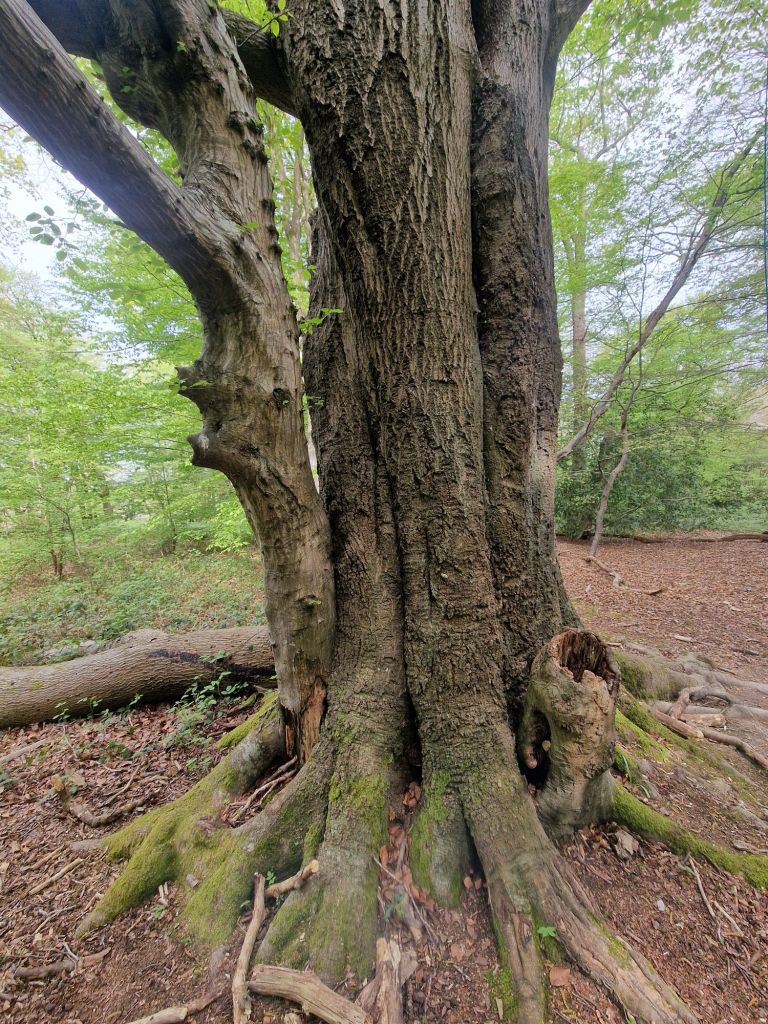
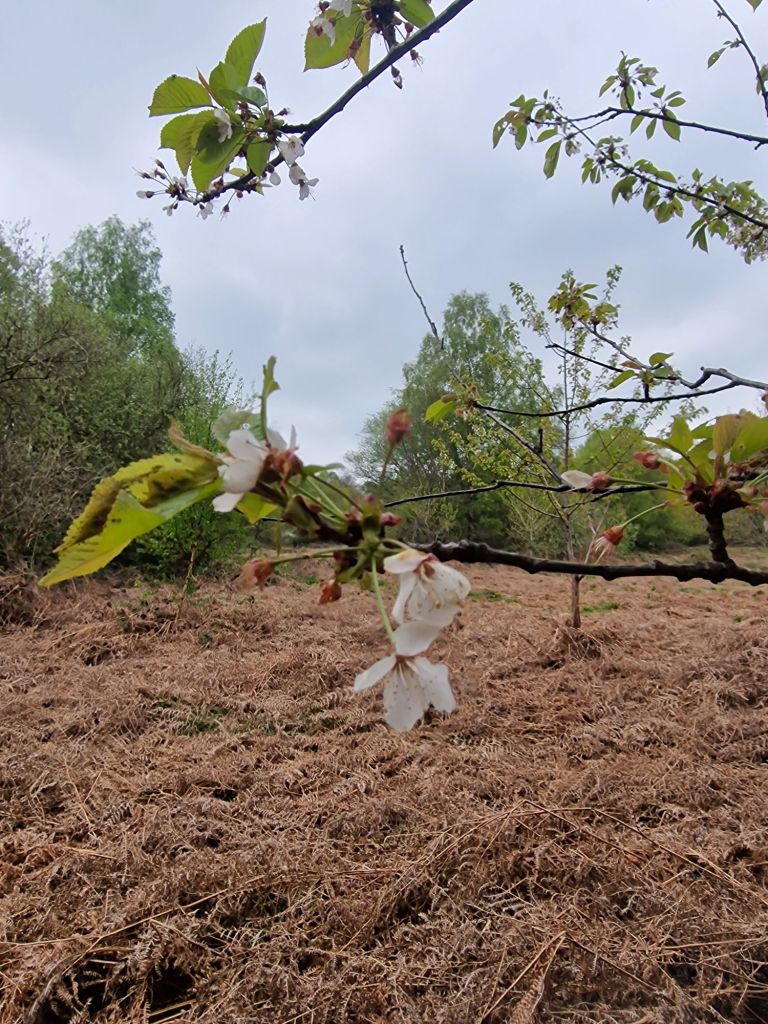
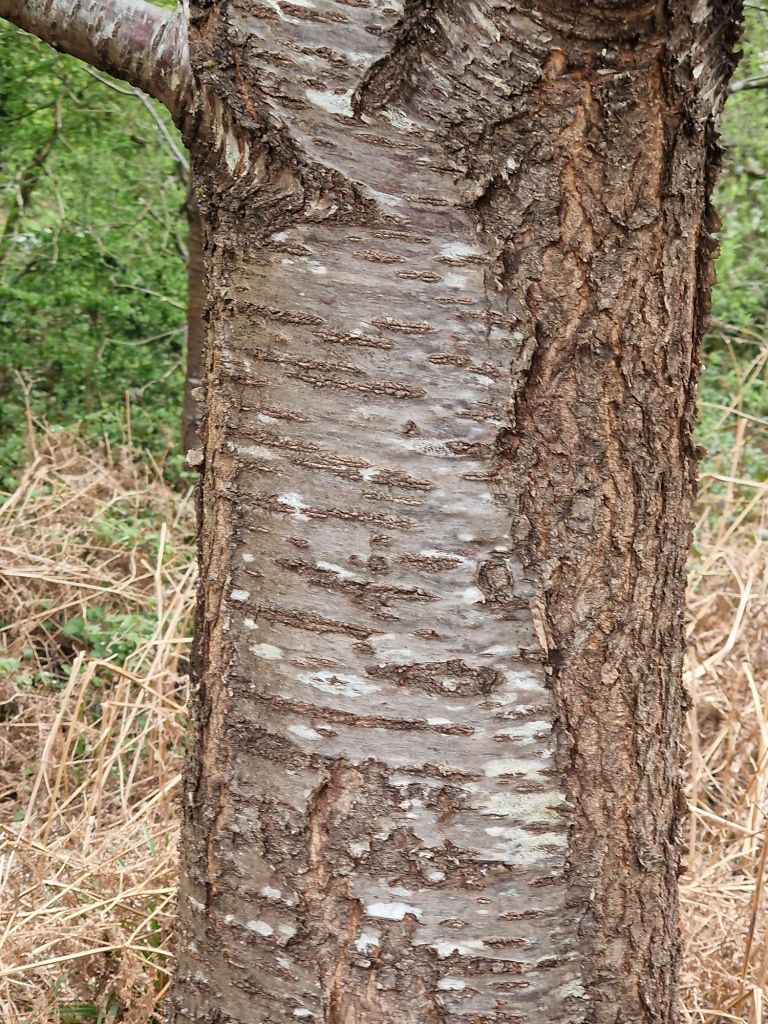
Marstakes has many beautiful trees, including Ancient Oaks, Birches, Hornbeam, Wild Cherry and Midland Hawthorn. Hornbeam (when in the middle of woods, not a boundary tree), Midland Hawthorns and Wild Cherry are ancient woodland indicator plants.
Wild Cherry (Gean), Prunus avium
Ancient Hornbeam, Carpinus betulus
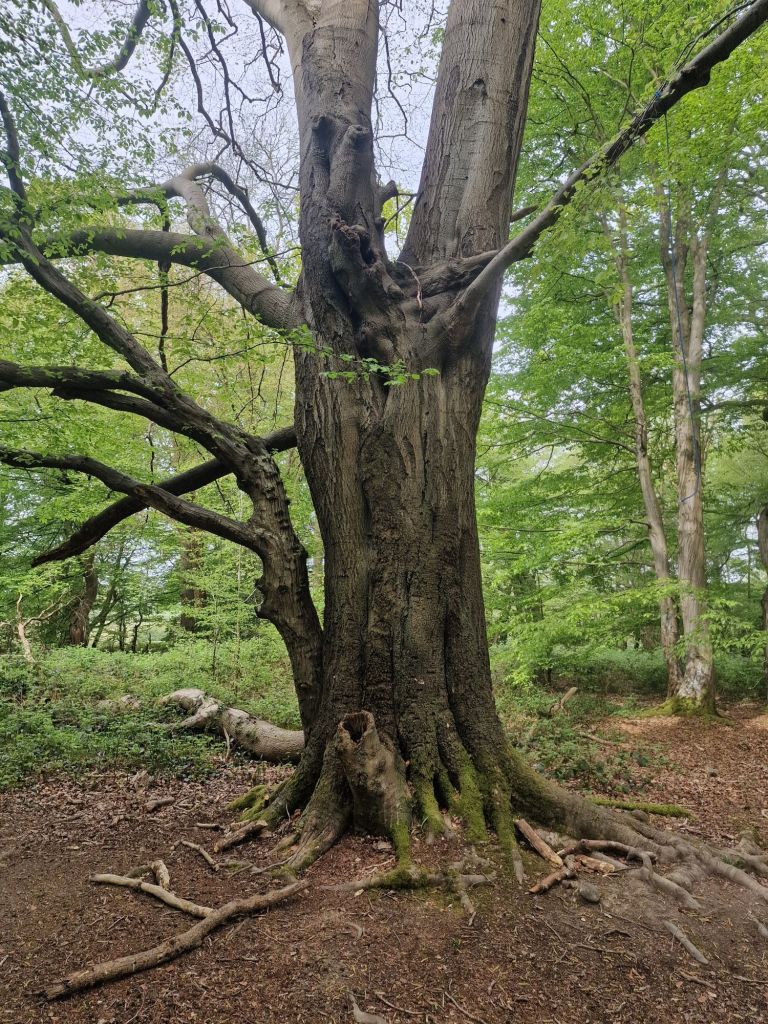
Midland Hawthorn, Crataegus laevigata, with Bluebells, Hyacinthoides non-scripta, another Ancient Woodland Indicator Plants
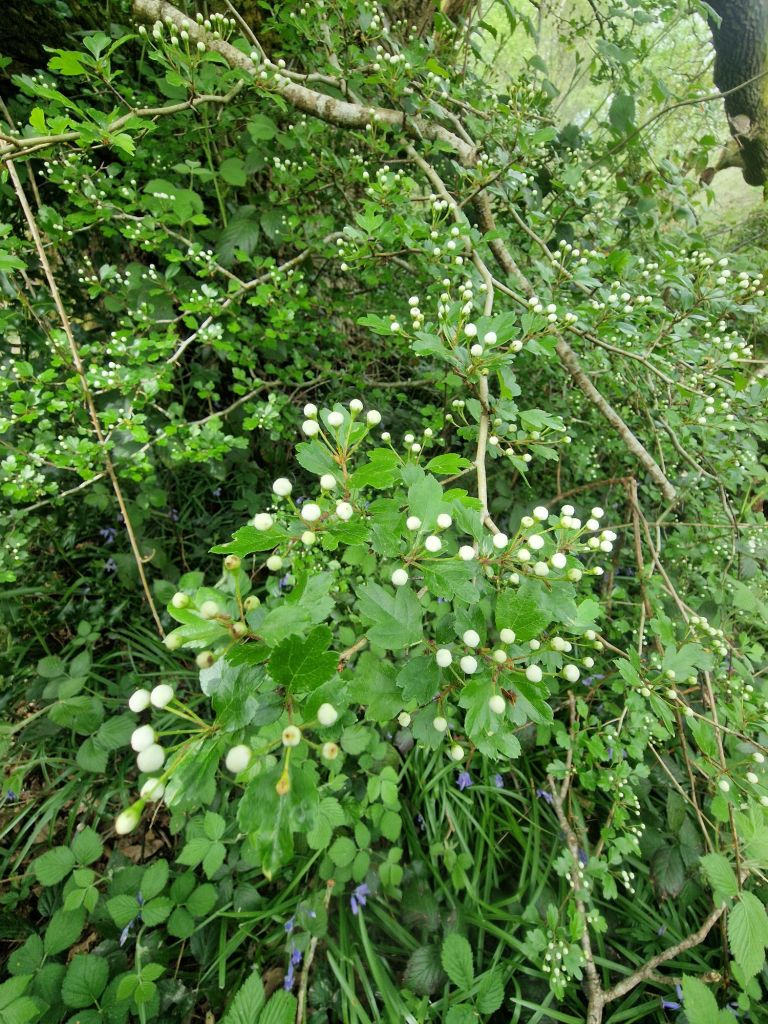
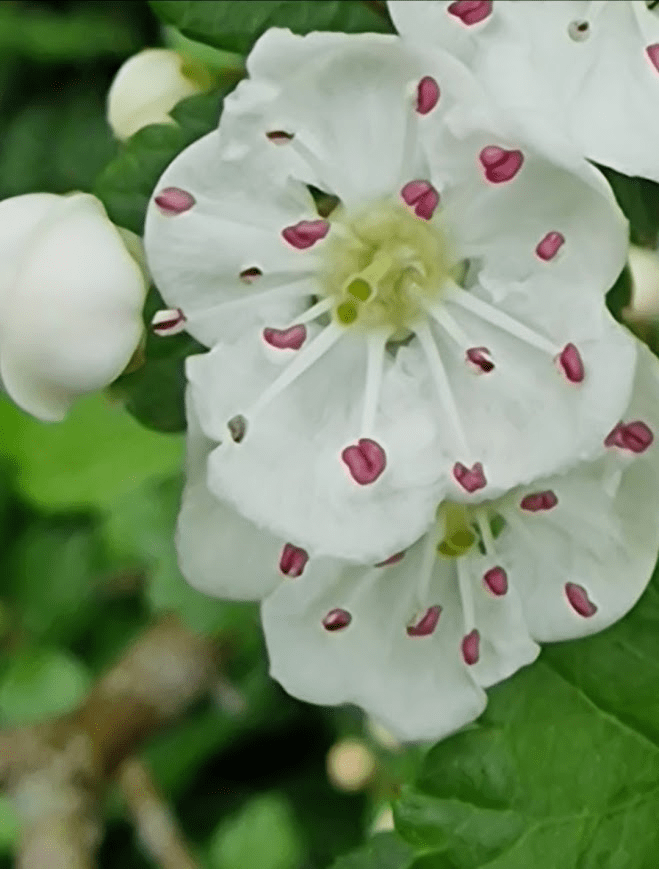
Flowers of another Midland Hawthorn
Midland Hawthorn has two styles; ordinary Hawthorn only has one. A style of an flower is an organ of variable length that connects the ovary to the stigma.
A stunning ancient Pendunculate Oak
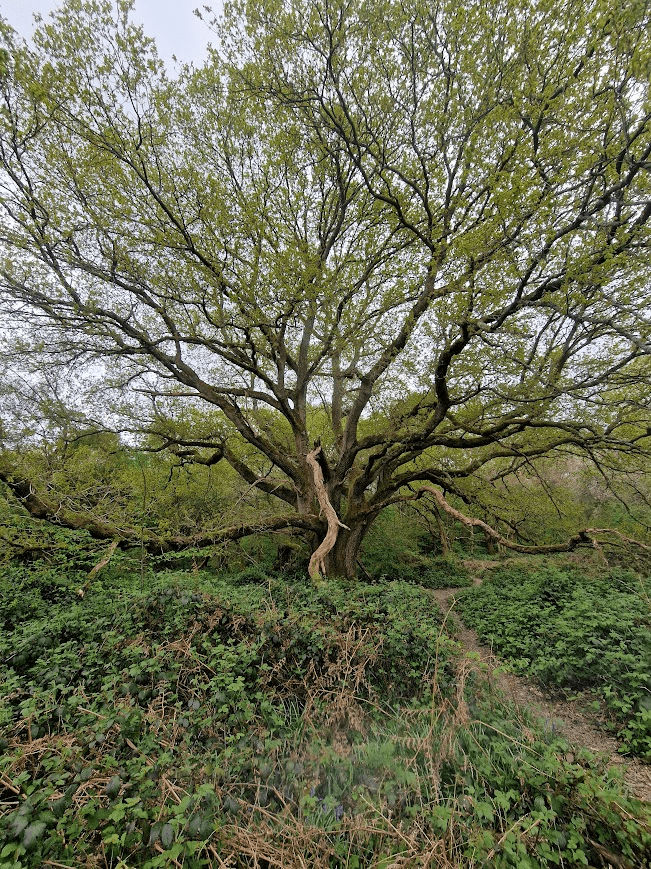
and a huge Goat Willow, Salix caprea
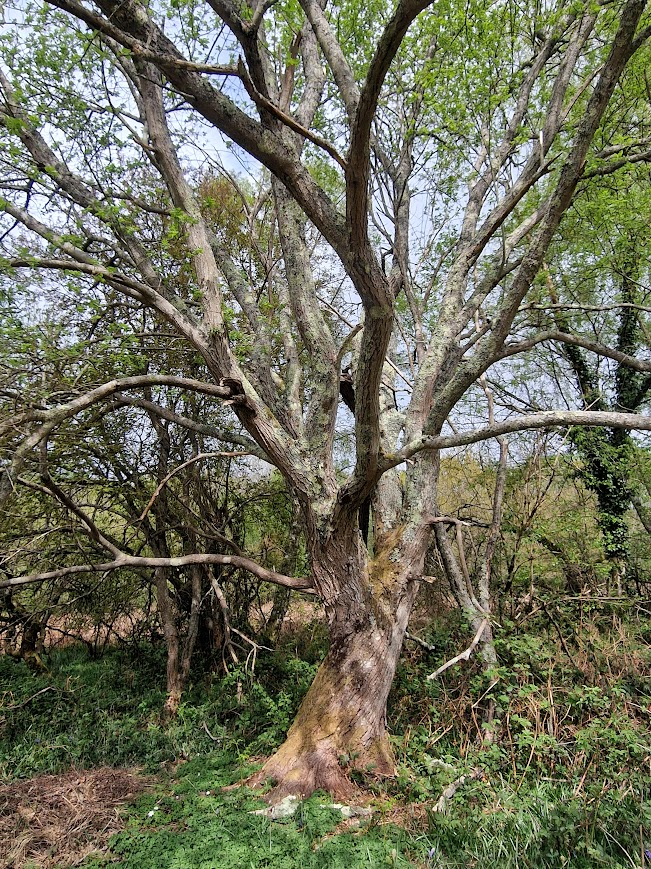
Marstakes Common and its adjacent wood Grantham’s Rough; had a variety of ancient woodland indicator plants
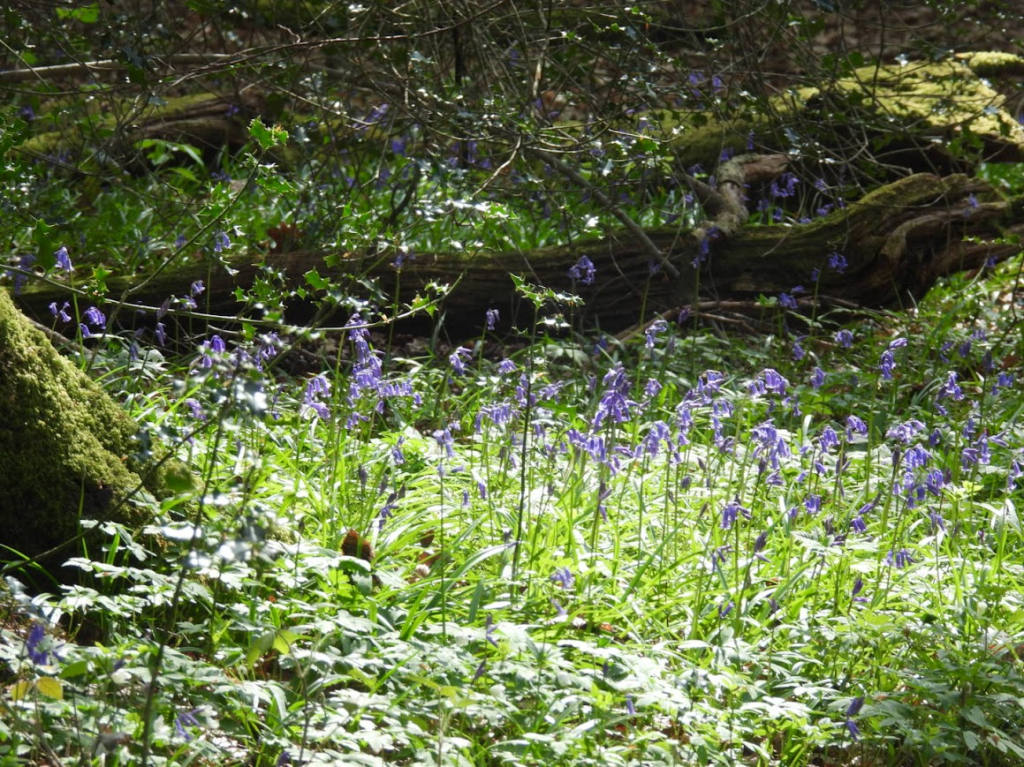
Bluebells, Hyacinthoides non-scripta
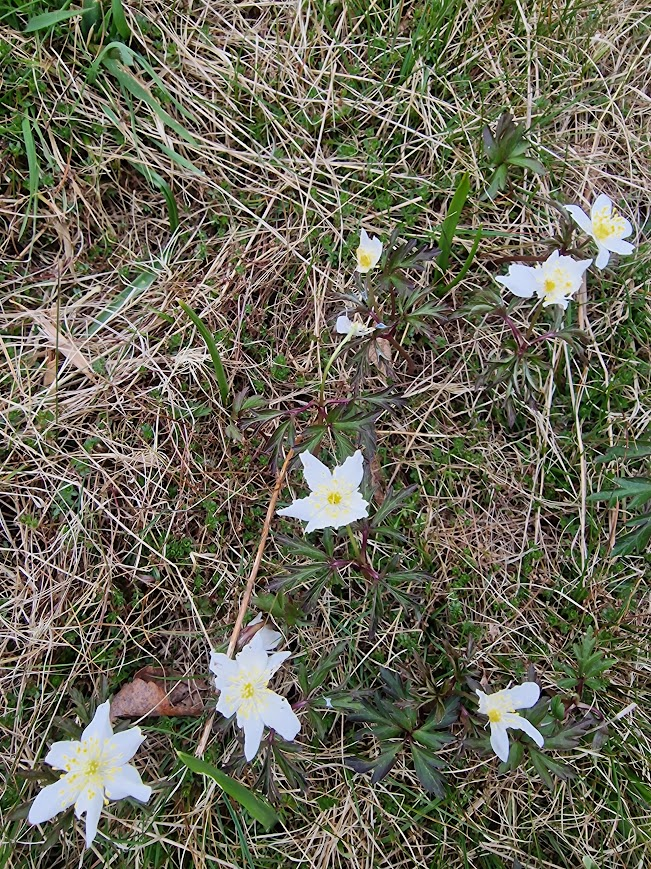
Wood Anemone, Anemonoides nemorosa
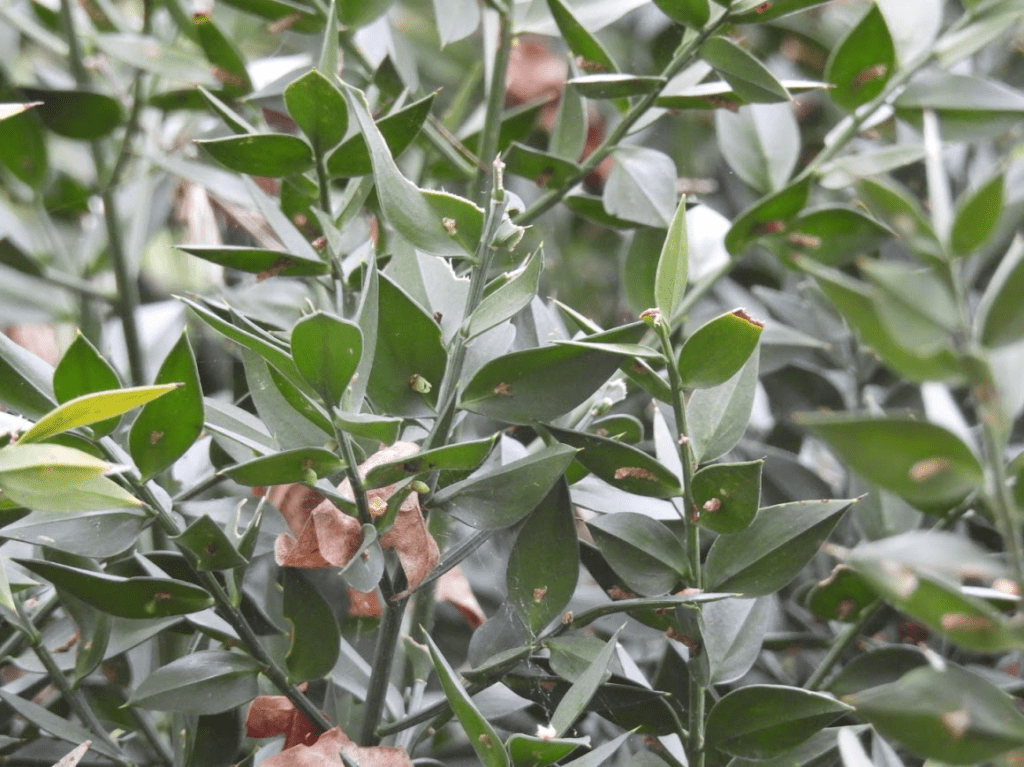
Bitchers Broom, Ruscus aculeatus
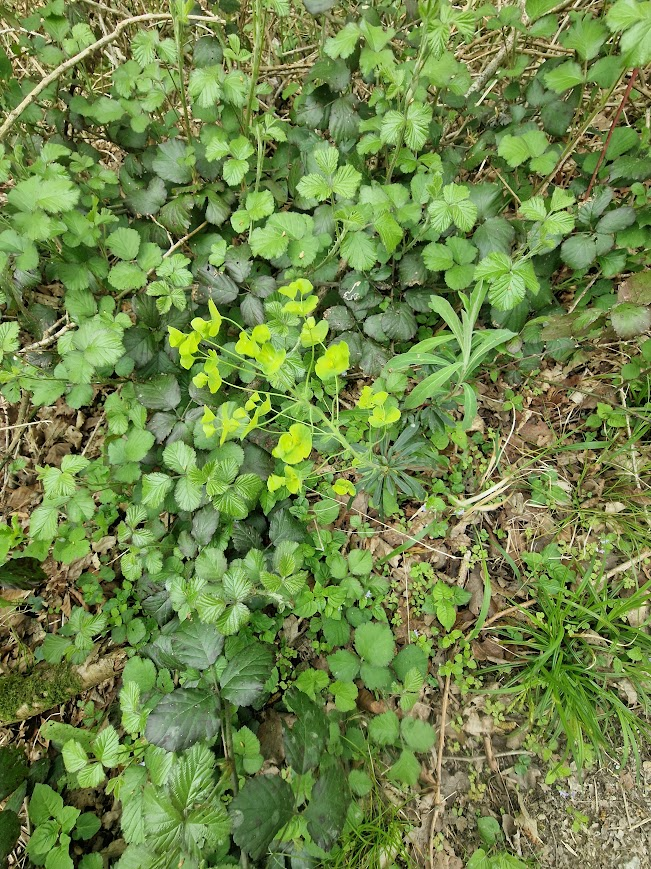
and Wood Spurge, Euphorbia amygdaloides

 Sim's Nature Notes