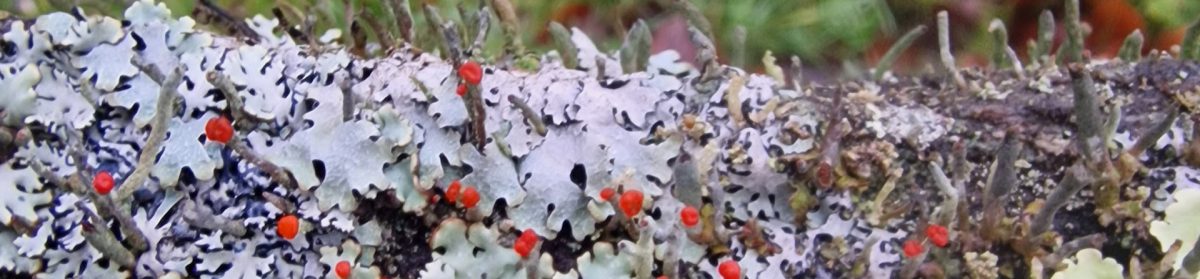
I saw quite a few insects coincidentally at Petworth as I was searching for lichens. It made me realise that my knowledge of insect orders is quite sketchy; so this post presents the insects I saw classified in to orders. I used the website of the Amateur Entomologists Society to learn more. This is an excellent resource for amateur entomologists.
The class insect (Insecta) are part of the phylum Arthropoda
The Arthropoda are a Phylum of invertebrates (animals without backbones) that have a joined exoskeleton. The Arthropods include the arachnids, crustaceans, insects and others.
The arthropod body is supported by an hard outer layer. This acts as an external skeleton – or exoskeleton. The body muscles are attached to the inside of this exoskeleton. It is made up of rings (called segments) which are attached to one another by flexible membranes. This allows movement of the body to take place. The name arthropod refers to their jointed limbs, which are their chief characteristic. (Arthros = joint, Podium = foot). AMS: Arthropod
- Invertebrates (lacking a backbone)
- Three body segments: head, abdomen, and thorax.
- Jointed legs attached to the thorax.
- Hexapoda (have 6 legs)
- Antennae on head.
- 2 compound eyes, usually situated on either side of the head.
The Insects (Class Insecta) are divided into a number of Orders. These are grouped together into two sub-classes called the Apterygota (wingless insects) and the Pterygota (winged insects) – In addition to the Class Insecta there are three other classes of invertebrates that have six legs, these three classes are known as non-insect hexapods.
This list of insect orders comes from from the Amateur Entomological Society’s page on Insect Orders Clicking on the links will take you to pages of Amateur Entomological Society’s website giving more information on the orders.
- [Subclass] Apterygota (wingless insects)
- Archaeognatha (Order: Microcoryphia)
- Three-pronged bristletails (Order: Thysanura)
- [Subclass] Pterygota (winged insetcs)
- [Division] Exopterygota wings outside the body. Insects that develop in this way are said to show incomplete metamorphosis.
- Biting and Sucking lice (Order: Phthiraptera)
- Booklice and Barklice (Order: Psocoptera)
- Cockroaches (Order: Blattodea)
- Dragonflies and Damselflies (Order: Odonata)
- Earwigs (Order: Dermaptera)
- Grasshoppers and Crickets (Order: Orthoptera)
- Praying Mantids (Order: Mantodea)
- Mayflies (Order: Ephemeroptera)
- Stick insects and Leaf insects (Order: Phasmatodea)
- Stoneflies (Order: Plecoptera)
- Termites (Previously Order: Isoptera but now part of Order: Blattodea)
- Thrips (Order: Thysanoptera)
- True Bugs (Order: Hemiptera)
- Web-spinners (Order: Embioptera)
- Zorapterans (Order: Zoraptera)
- [Division] Endopterygota The word Endopterygota refers to the development of the wings inside the body. Insects that develop in this way are said to show complete metamorphosis.
- Alderflies, Dobsonflies & Fishflies (Order: Megaloptera)
- Bees, Wasps and Ants (Order: Hymenoptera)
- Beetles (Order: Coleoptera)
- Butterflies and Moths (Order: Lepidoptera)
- Caddisflies (Order: Trichoptera)
- Fleas (Order: Siphonaptera)
- Flies (Order: Diptera)
- Lacewings, Antlions & Mantidflies (Order: Neuroptera)
- Scorpionflies (Order: Mecoptera)
- Snakeflies (Order: Raphidioptera)
- Strepsipterans (Order: Strepsiptera)
ENDOPTERYGOTA – WINGS INSIDE THE BODY. INSECTS THAT DEVELOP IN THIS WAY ARE SAID TO SHOW COMPLETE METAMORPHOSIS.
Hemiptera – True bugs
Iassus lanio Oak Leafhopper
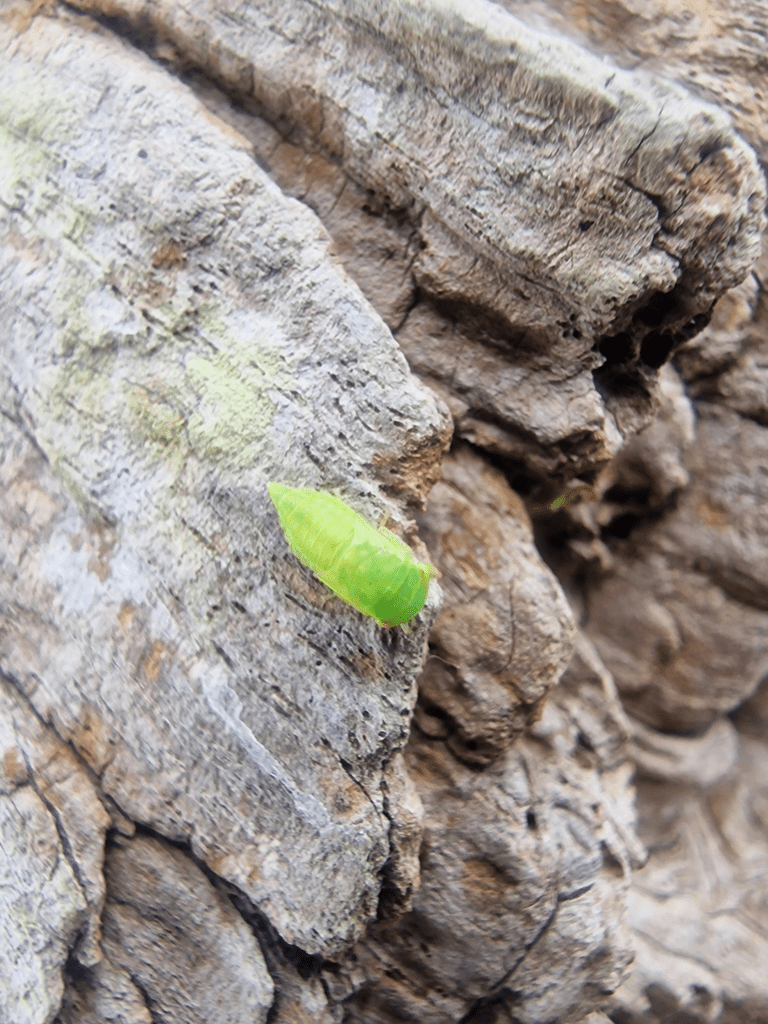
ENDOPTERYGOTA – WINGS INSIDE THE BODY. INSECTS THAT DEVELOP IN THIS WAY ARE SAID TO SHOW COMPLETE METAMORPHOSIS.
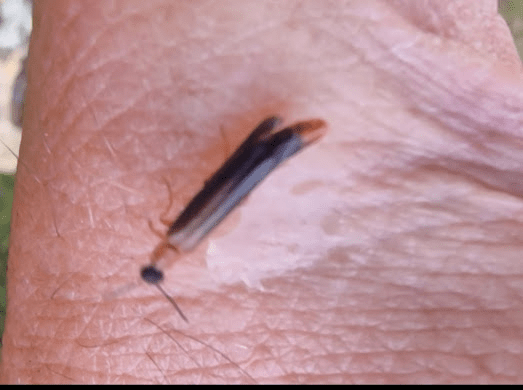
Coleoptera – Beetles
Lymexylon navale
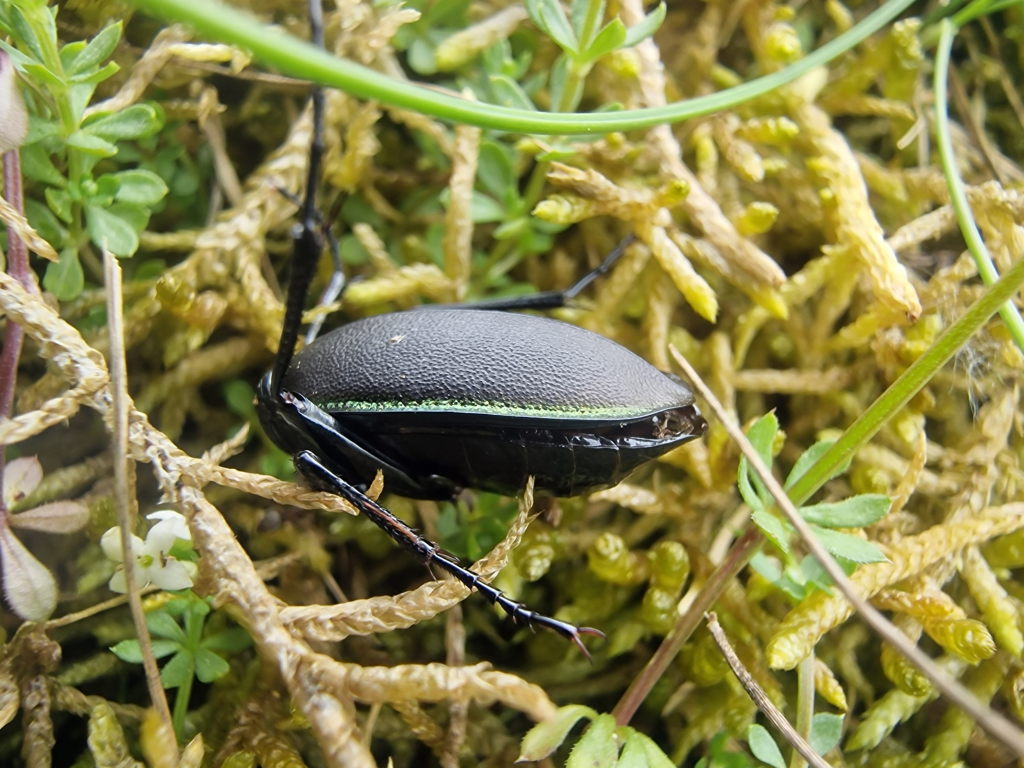
Carabus violaceus Violet Ground Beetle
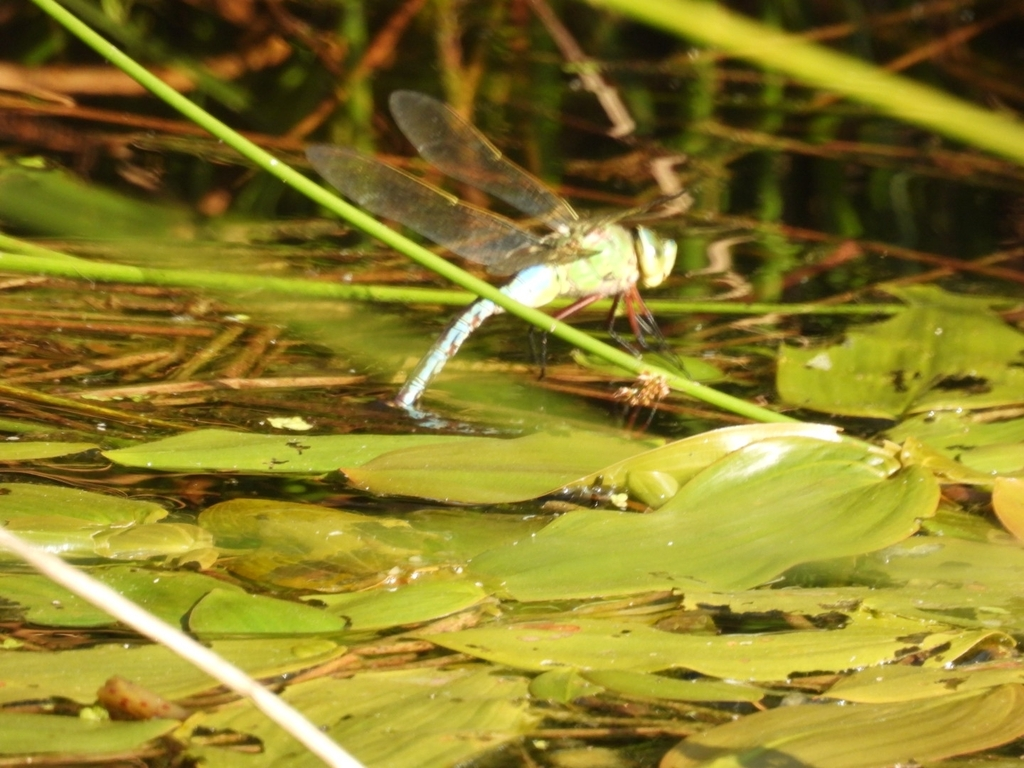
Odonata – Dragonflies and Damselflies
Anax imperator Emperor Dragonfly
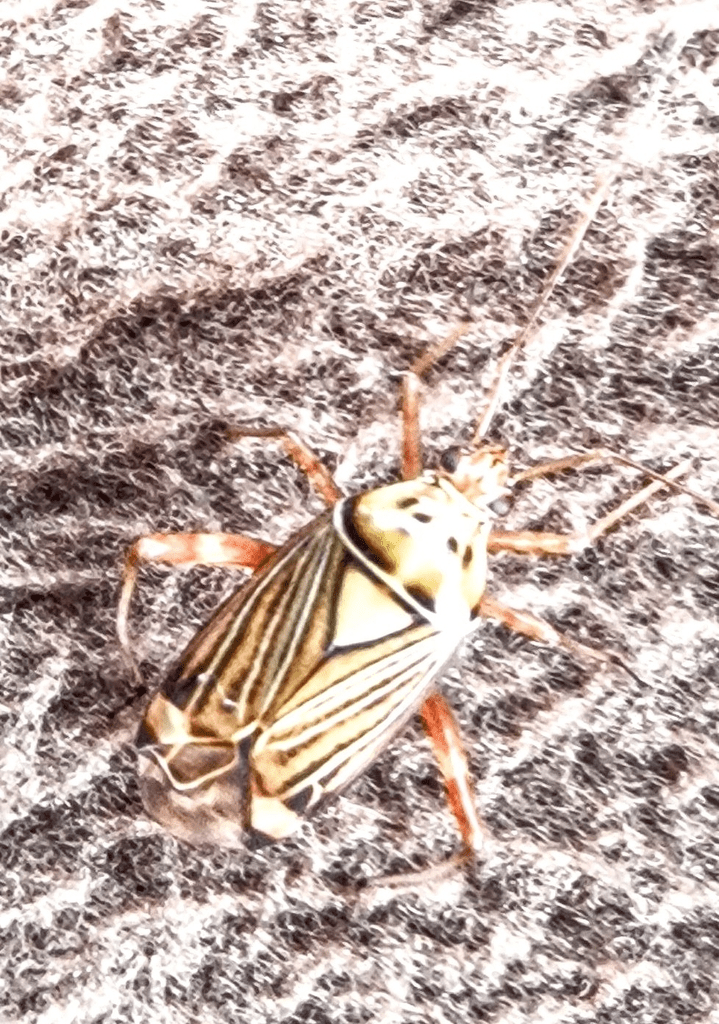
Hemiptera – True Bugs
Rhabdomiris striatellus Striped Oak Bug
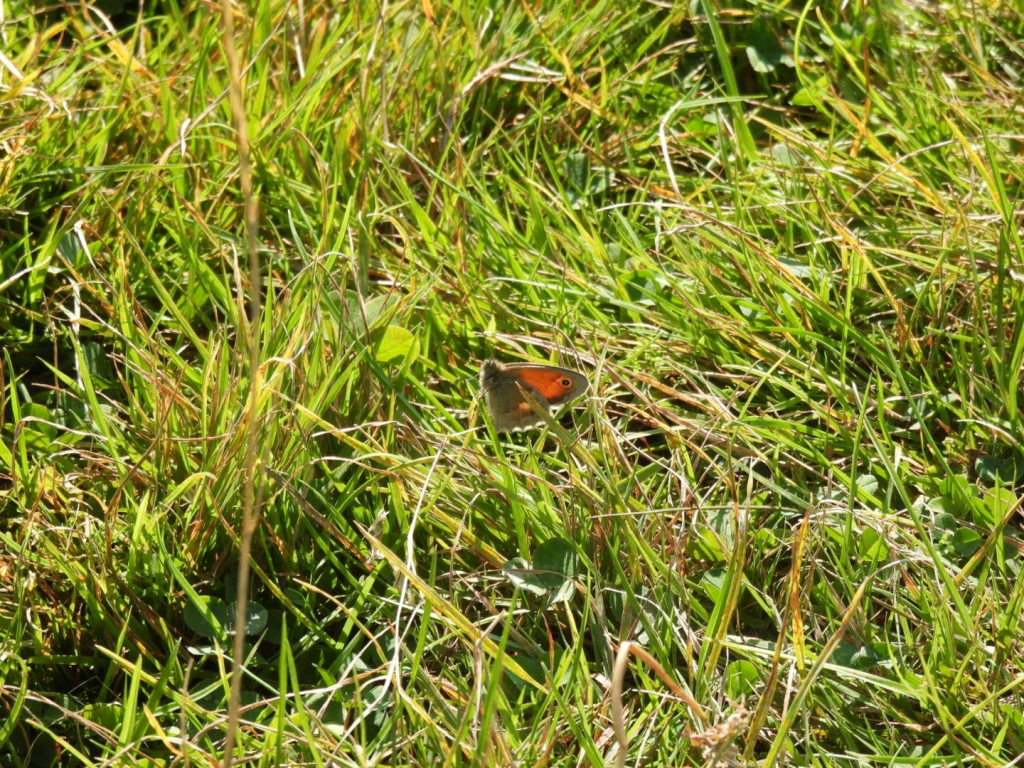
Lepidoptera – Butterflies and Moths
Coenonympha pamphilus Small Heath
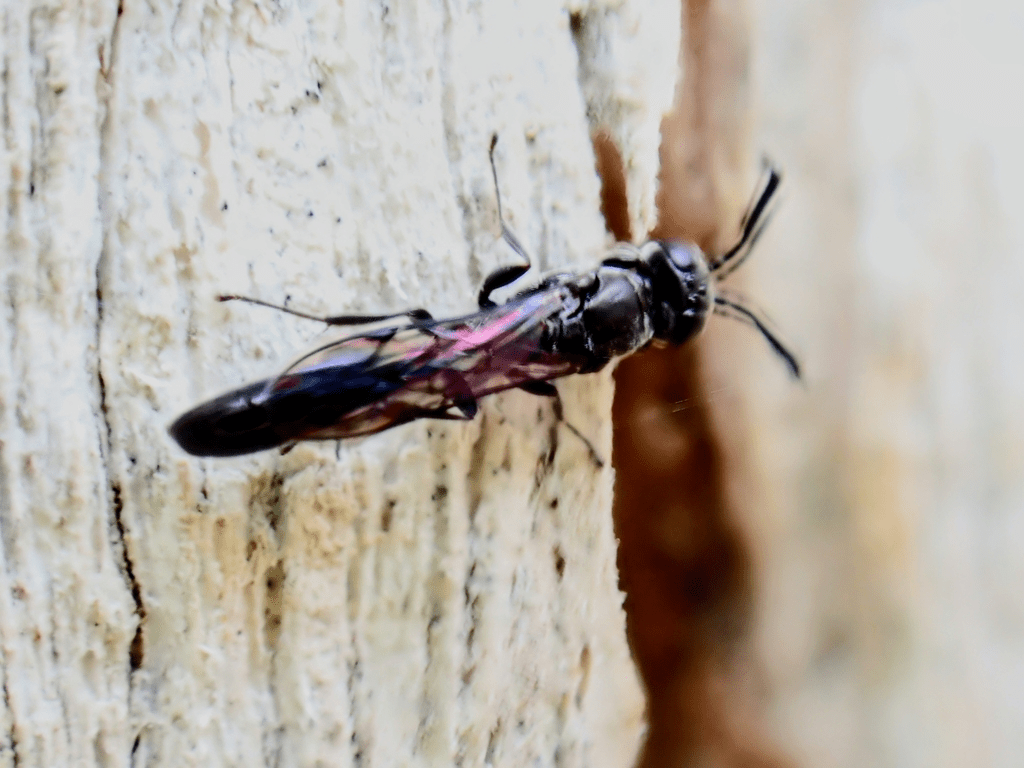
Hymenoptera – Bees, Wasps and Ants
Trypoxylon attenuatum

 Sim's Nature Notes