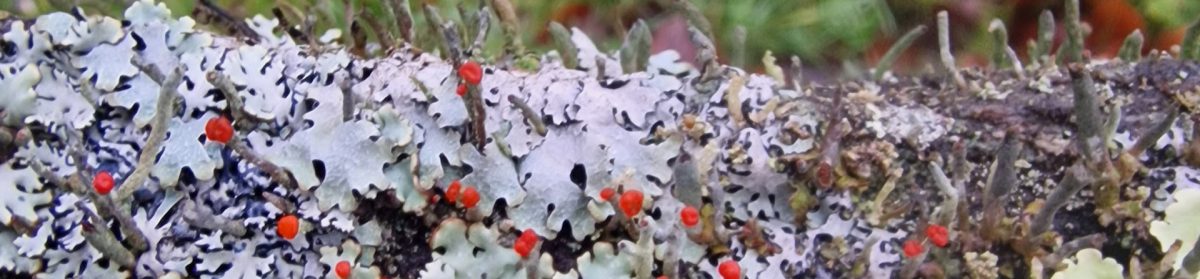
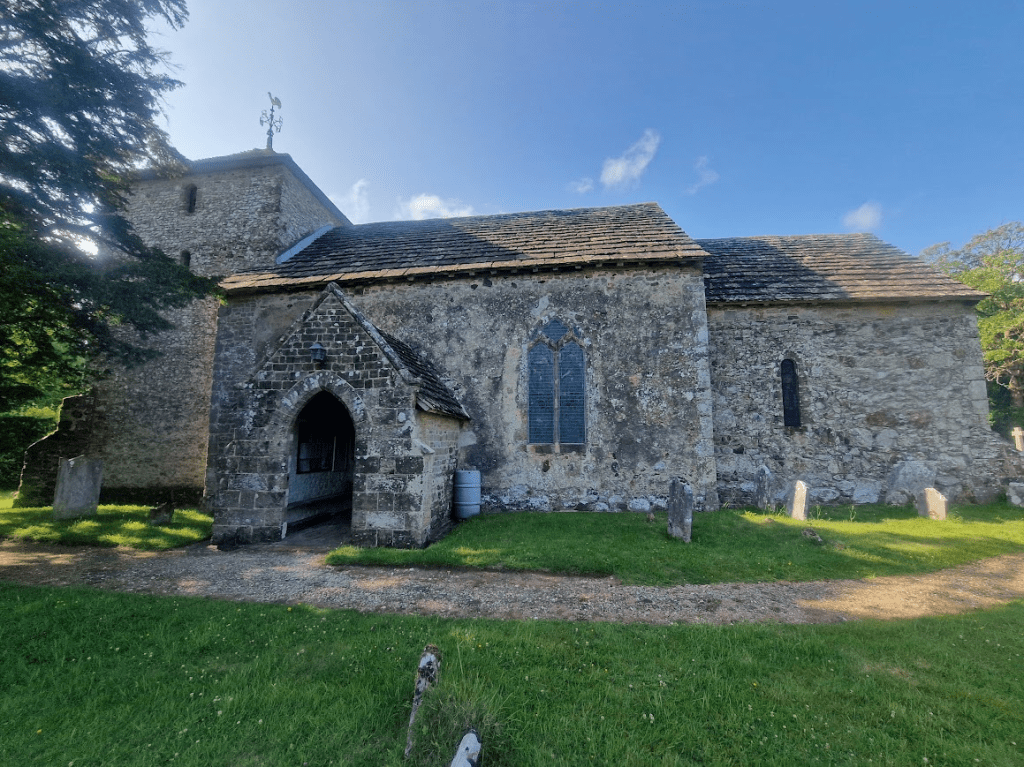
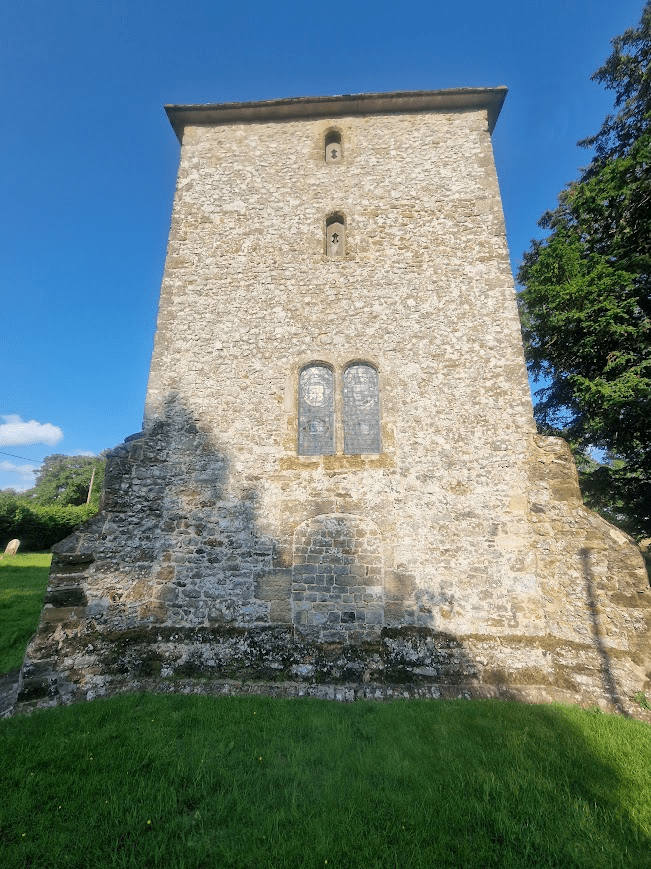
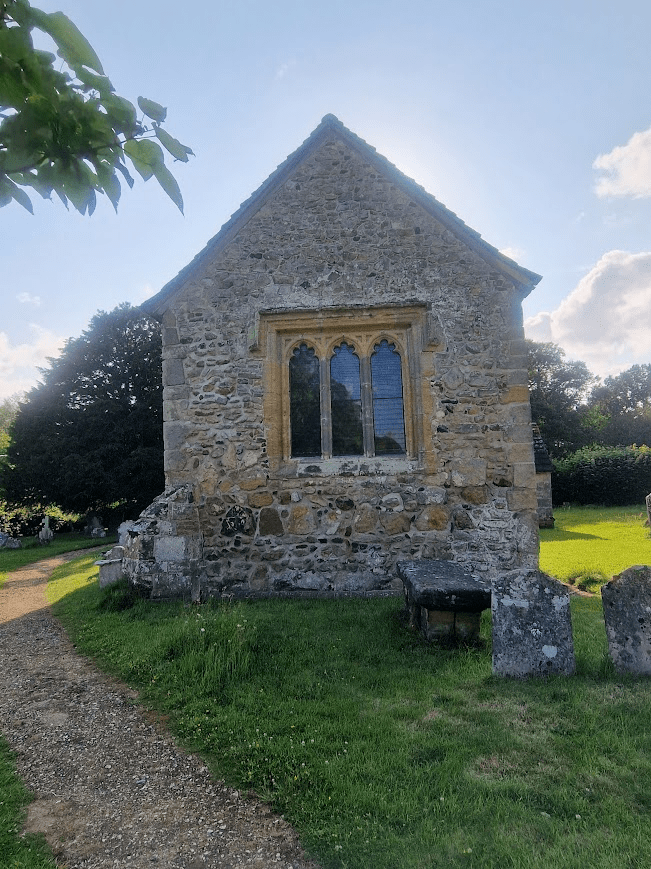
Francis Rose considered St Mary’s to be one of the best churches in Sussex for lichens. At present Stopham Church has the highest score, with over 130 lichens present Rose 1995 The Habitats and Vegetation of Sussex p.27. I didn’t have much time today for a good look today as I stopped off for just two hours in my journey back home from leading a bird walk; my total fell well short of 130!
The church stands on high ground near the confluence of the Arun and the Rother. Most houses are nearby, well away from the fine mainly C15 bridge (no longer used by through traffic), where the risk of flooding was too great. Sussex Parish Churches: Stopham
Churchyards are of supreme importance for lichen conservation, particularly where there are no natural outcrops of rock. Of the 2000 British species, over a third have been found in churchyards and more than 600 have been found growing on churchyard stone in lowland England. Many are scarce and some seldom, if ever, occur in other habitats. Many churchyards are found to have well over 100 species. Churchyards provide an excellent environment for the study of lichen biology and colonisation. British Lichen Society Churchyard Lichens
South-facing wall
Lecanora polytropa Granite-speck Rim Lichen
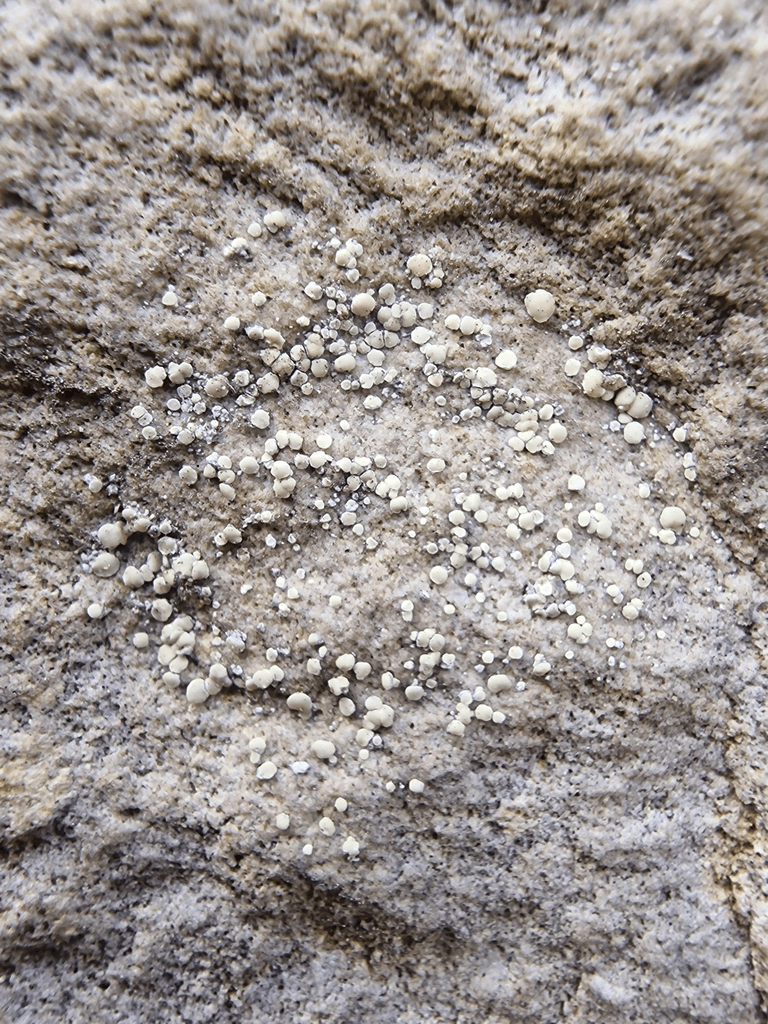
Haematomma ochroleucum
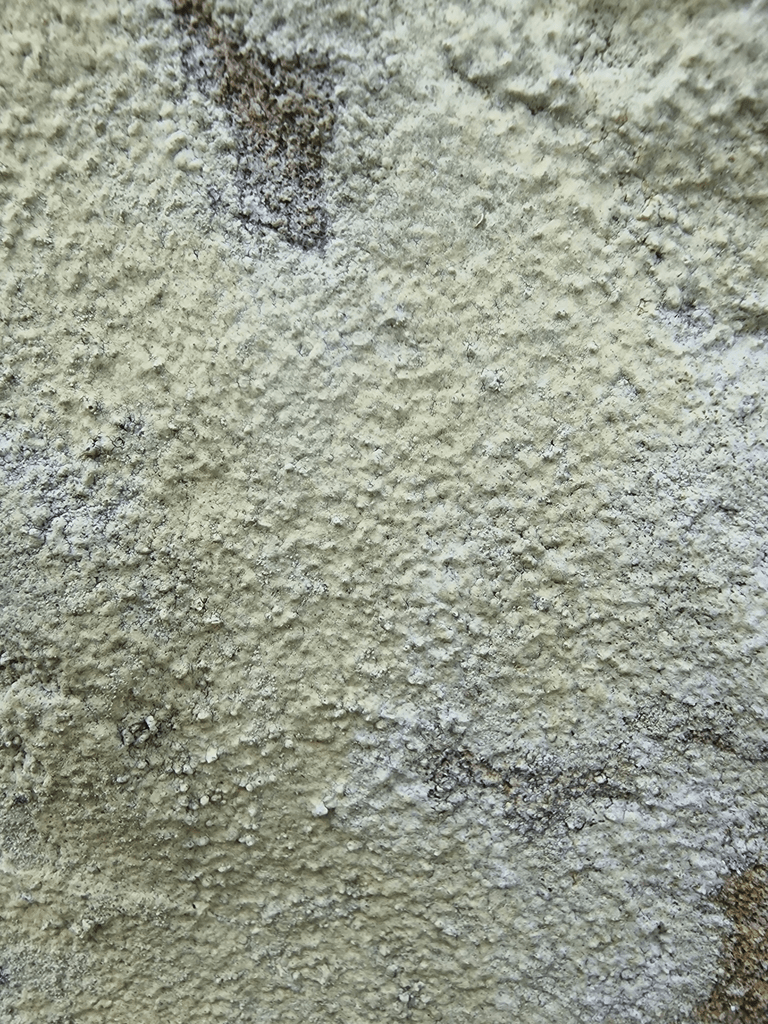
Porpidia soredizodes
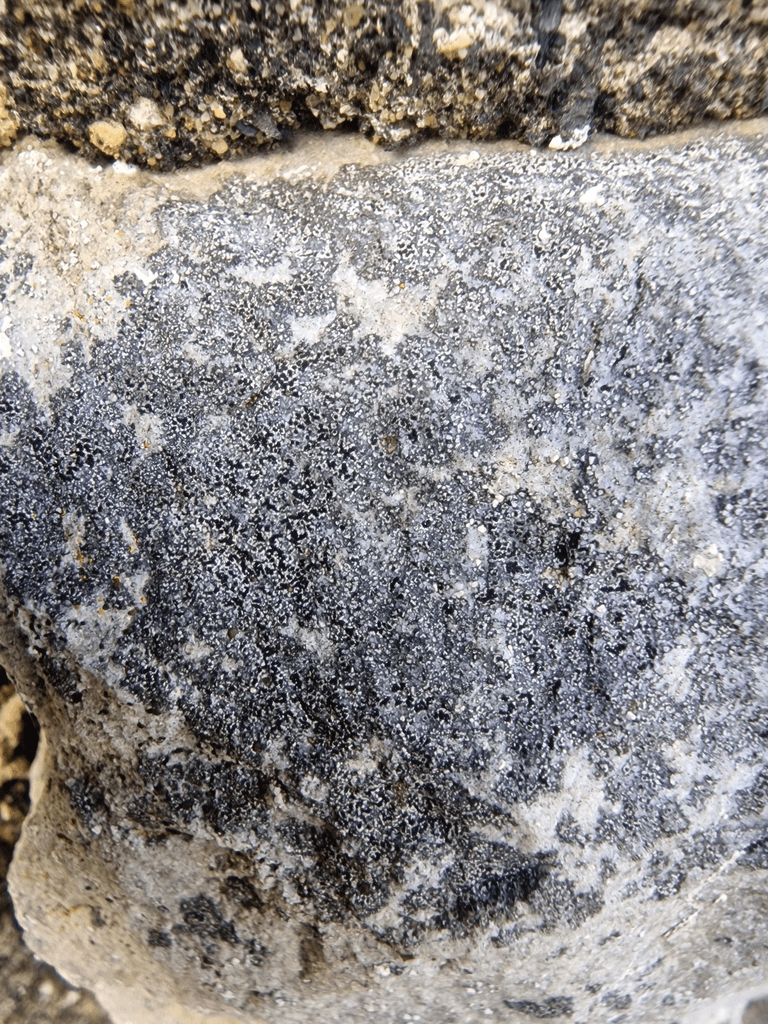
Myriolecis albescens
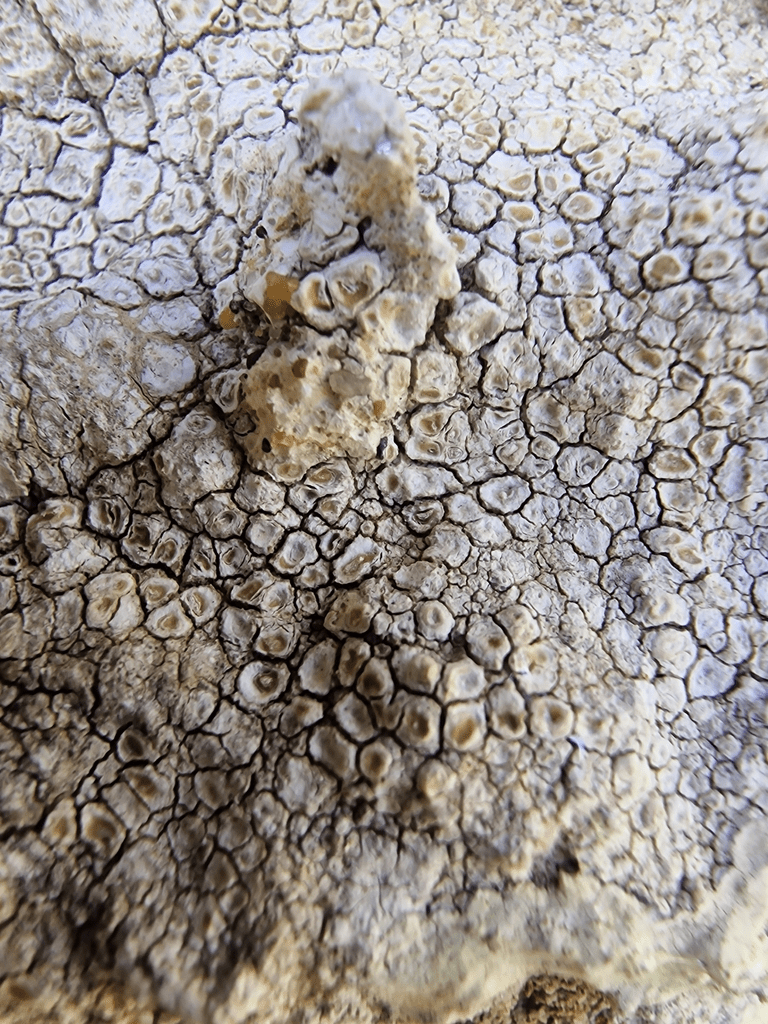
Candelariella vitellina Common Goldspeck
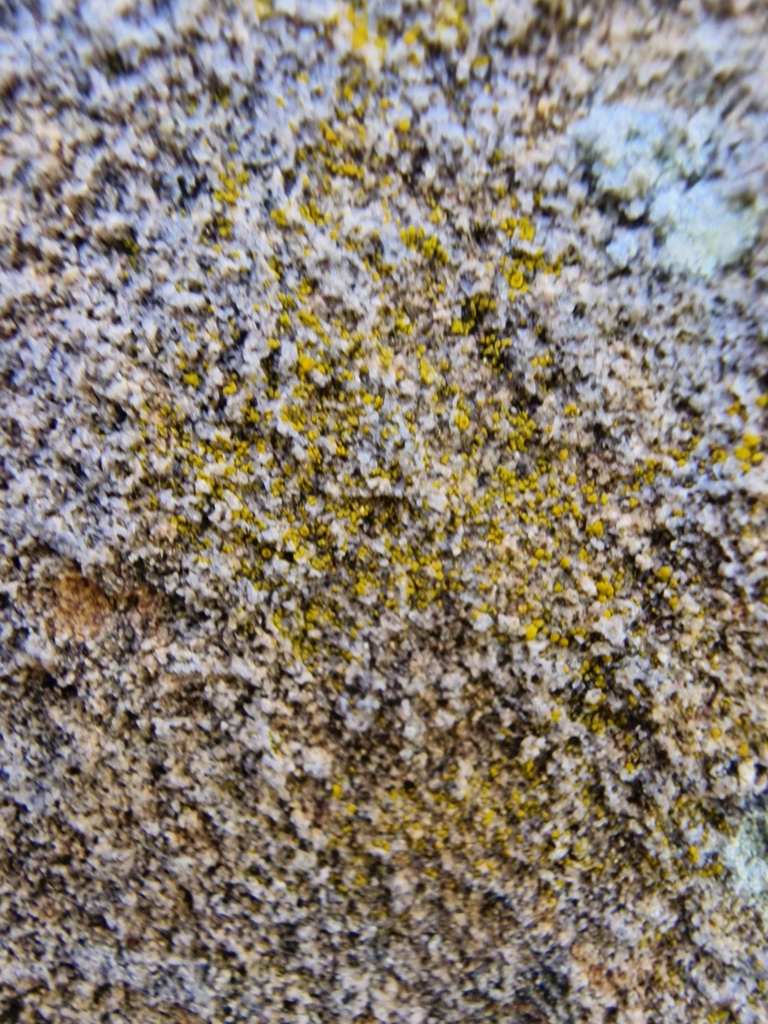
West-facing Wall
Myriolecis albescens
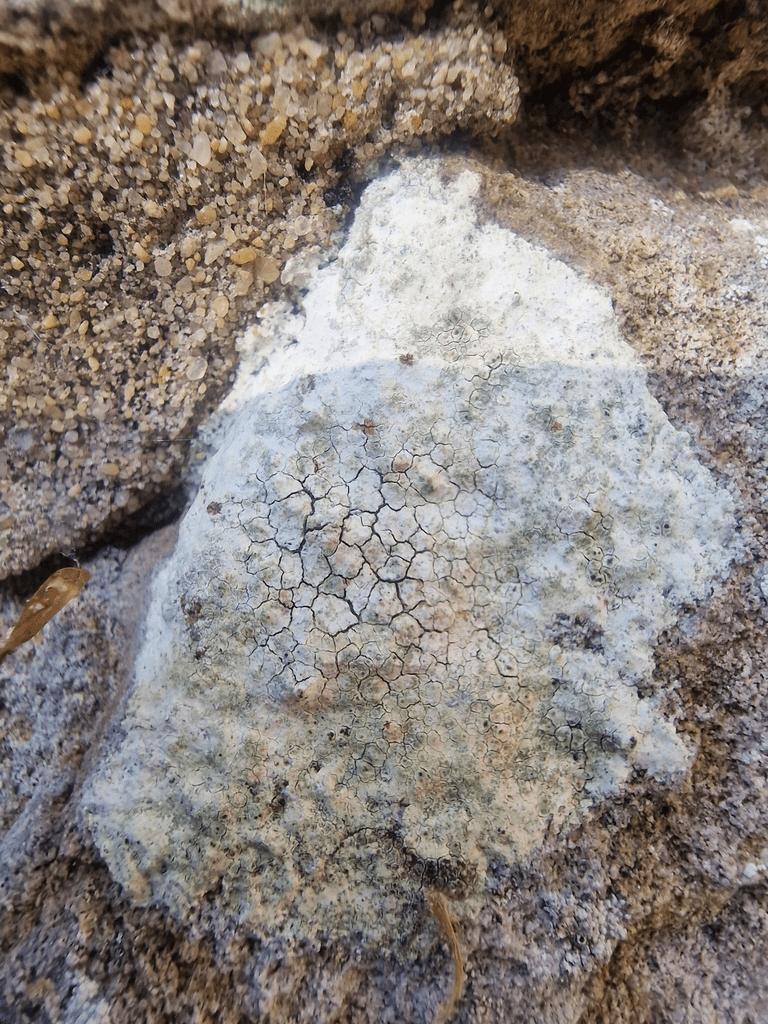
Tephromela atra Black-eye Lichen
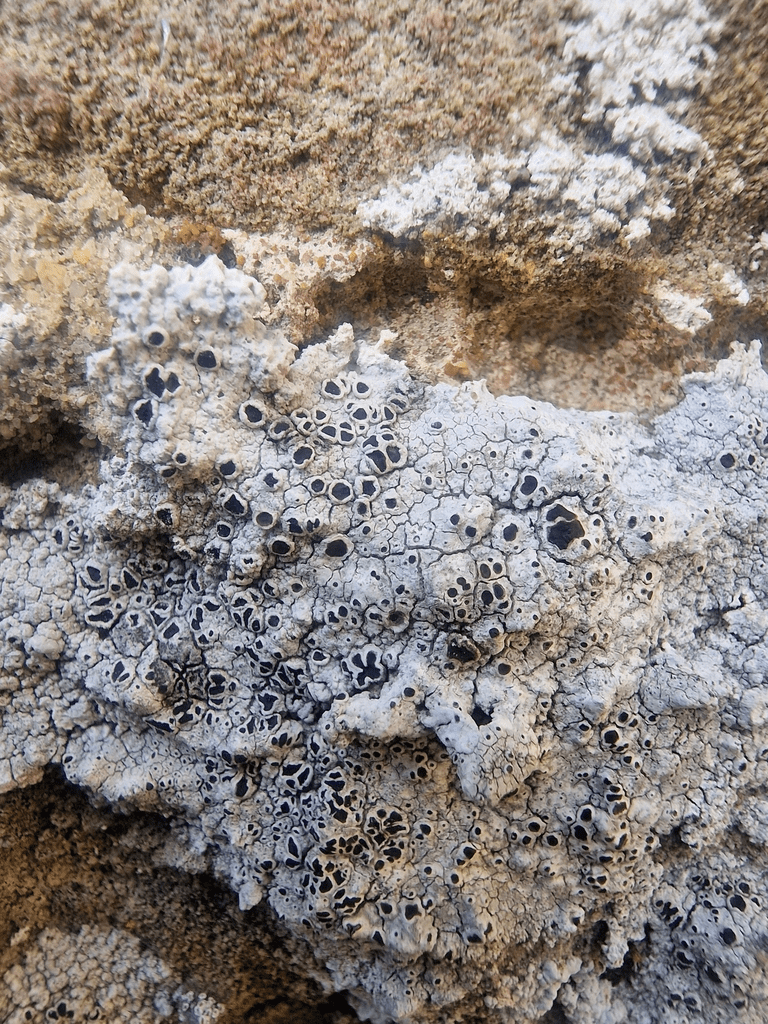
Cladonia chlorophaea

Cladonia pyxidata
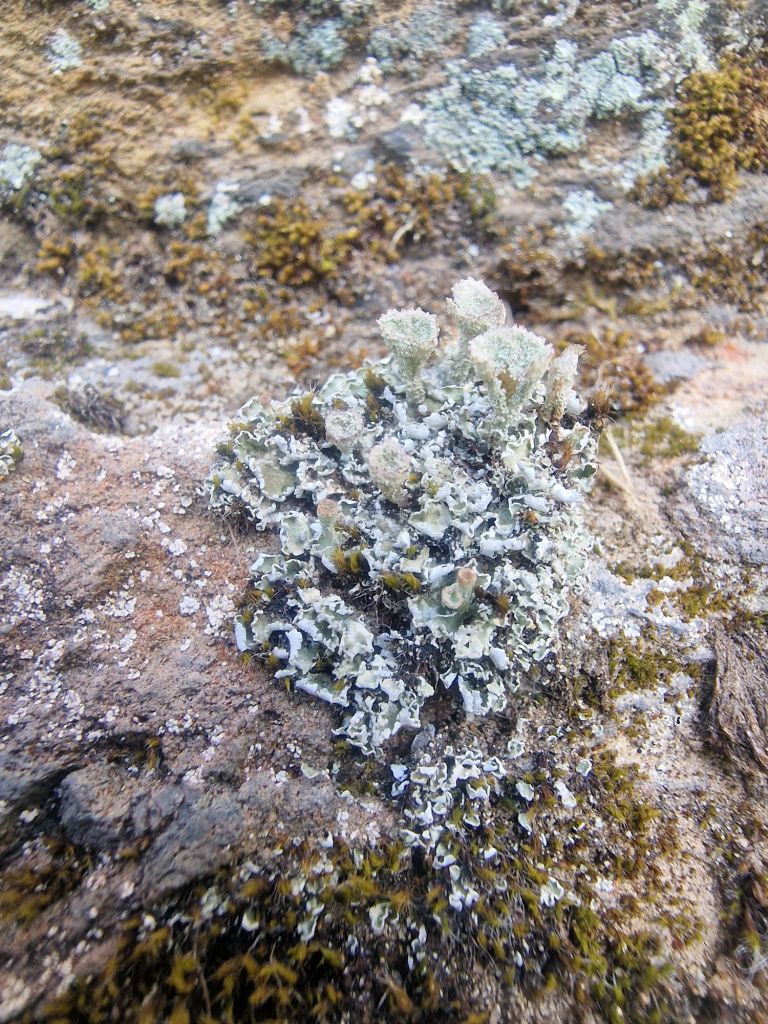
North-facing Wall

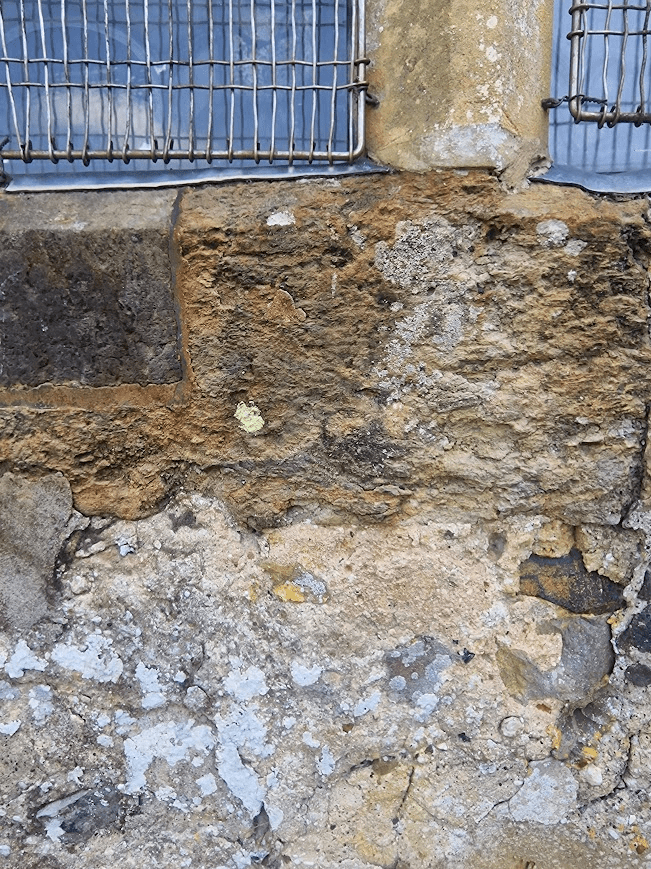
Ingaderia vandenboomii
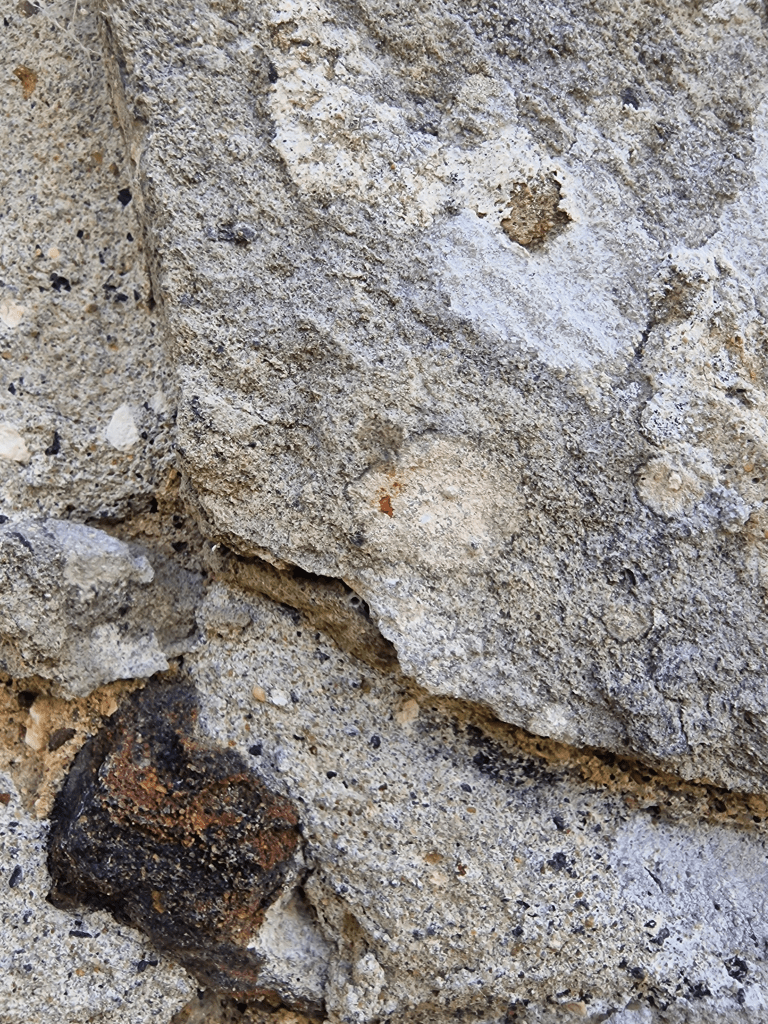
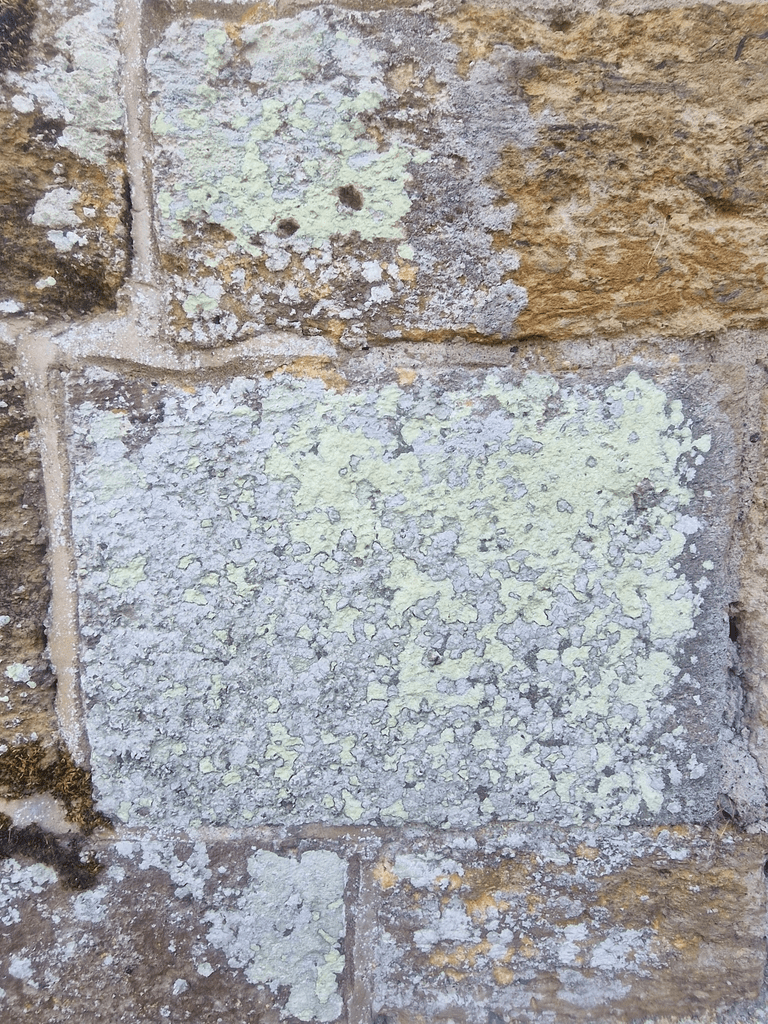
Psilolechia lucida Sulphur Dust Lichen
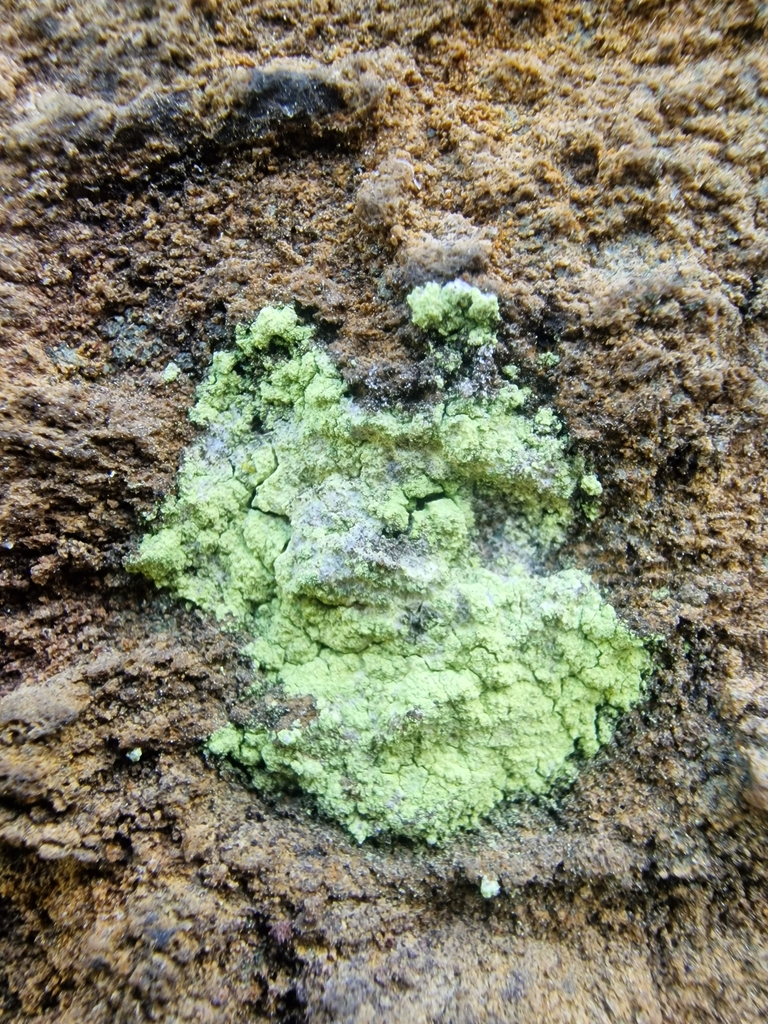
Glaucomaria sulphurea
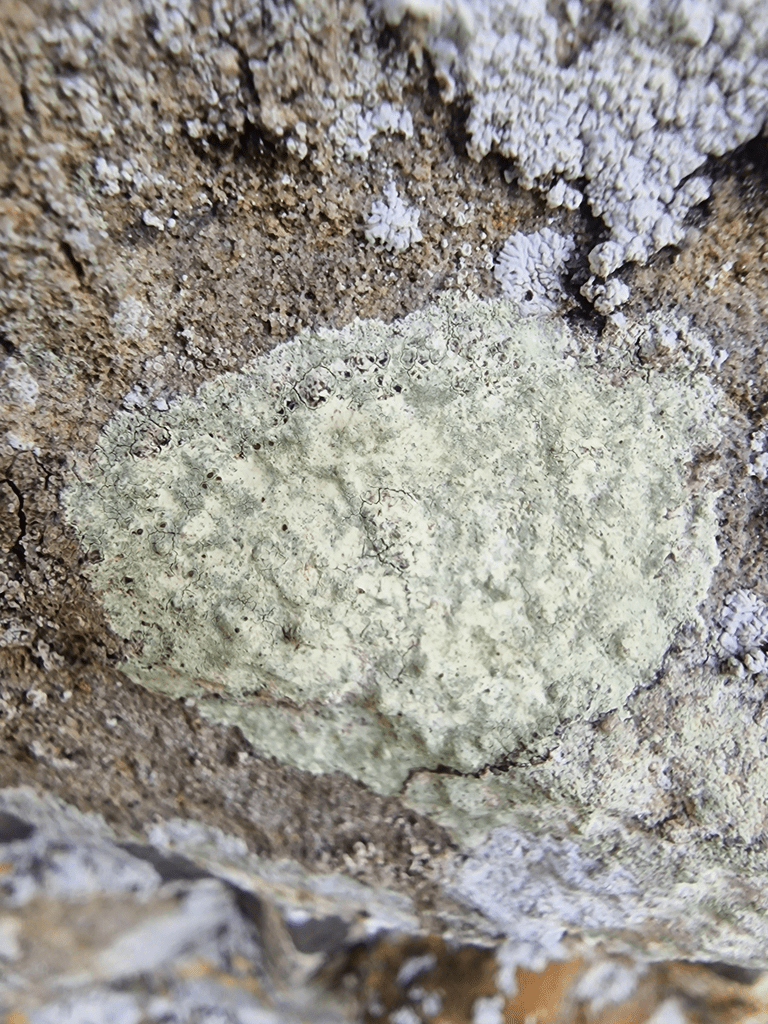
Variospora flavescens Limestone Lobed Firedot
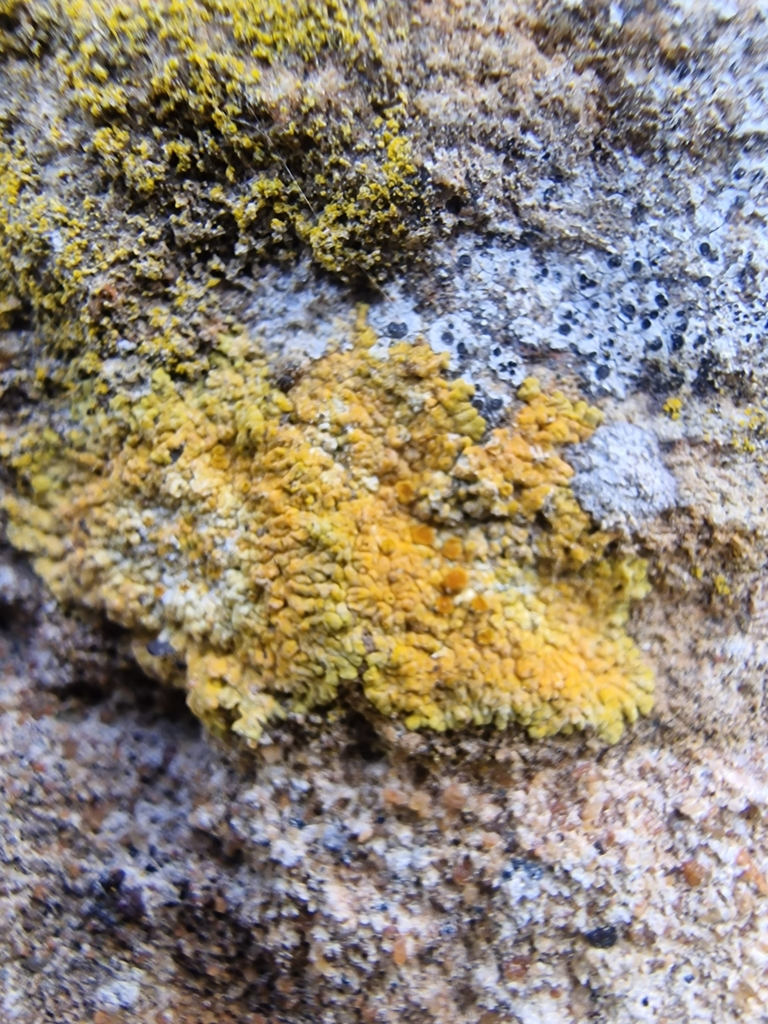
Diplotomma alboatrum
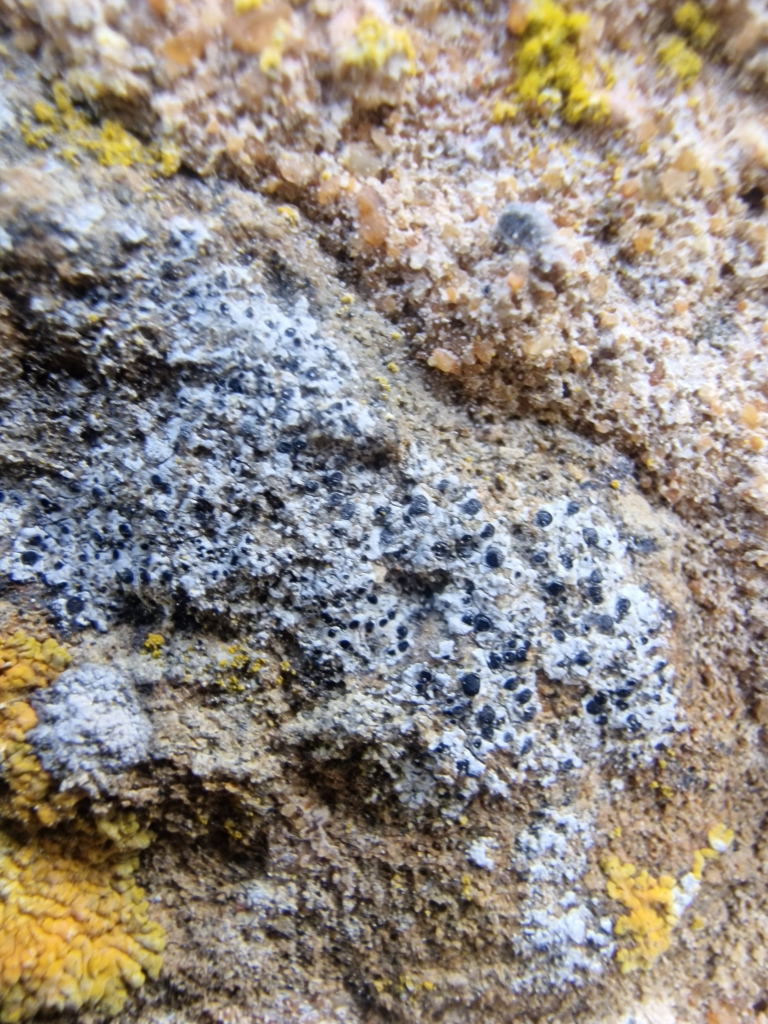
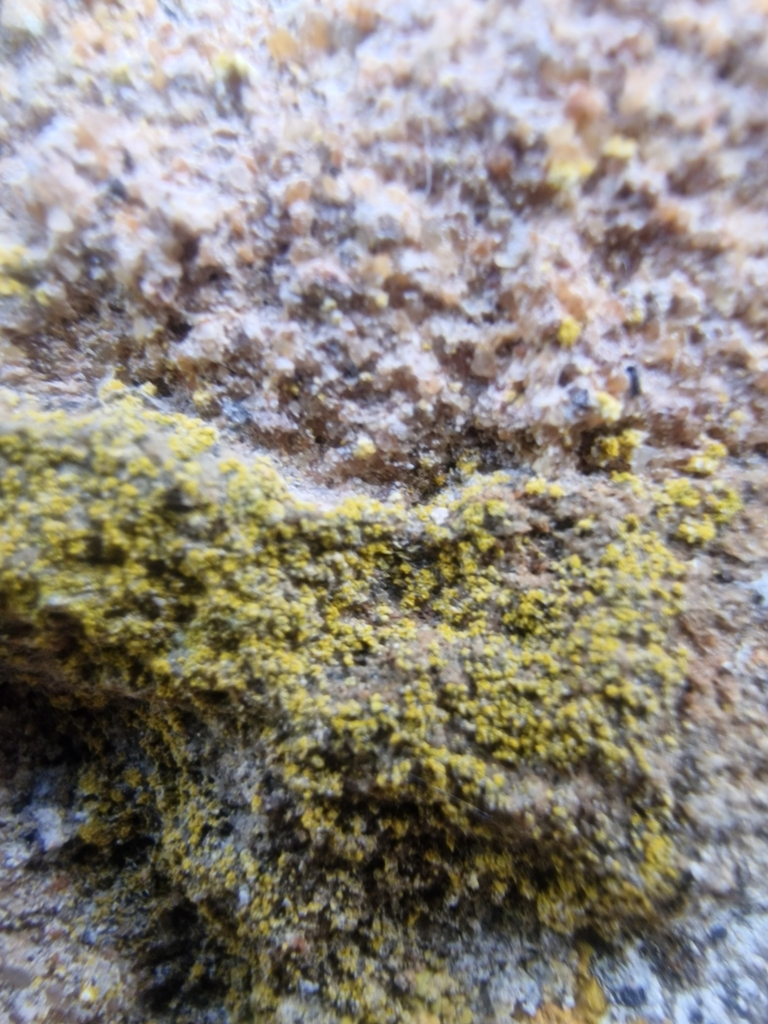
Leproplaca chrysodeta
East-facing wall
Circinaria calcarea Calcareous Rimmed Lichen
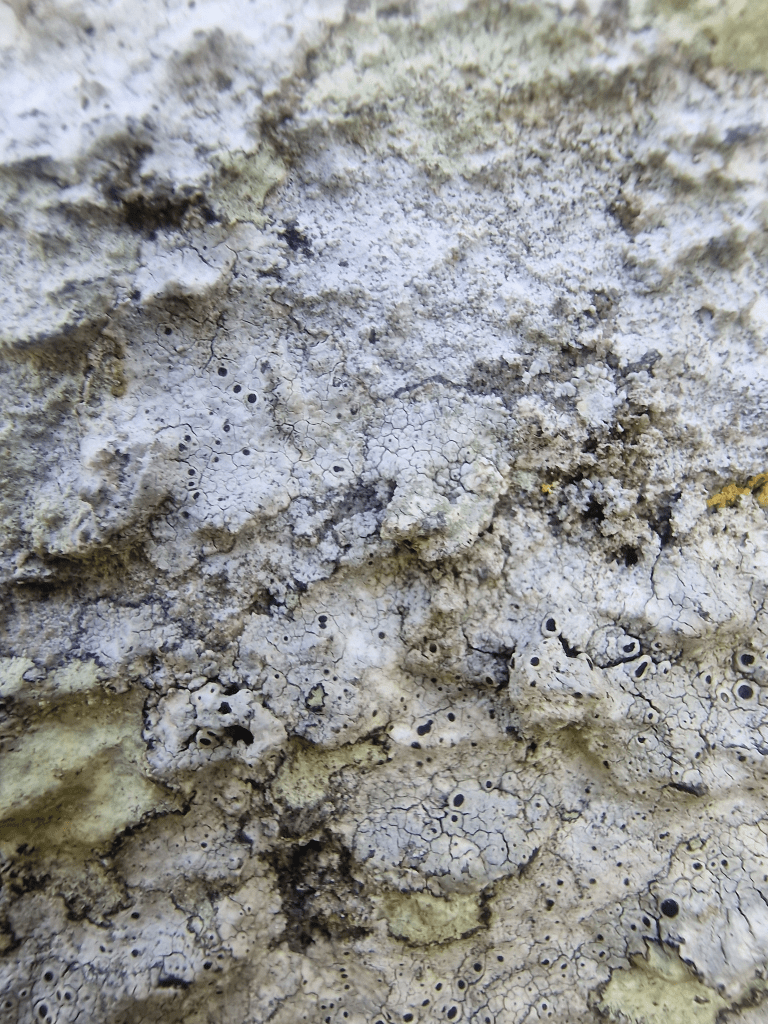
Tephromela atra being parasitised by Glaucomaria sulphurea

 Sim's Nature Notes