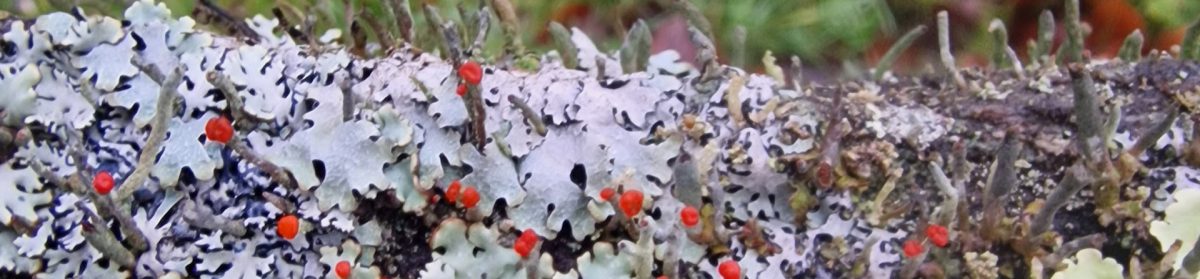
I went to Ashburnham Park with two lichen friends, Dave and Sarah, to look at its lichens. Ashburnham Park is a top site in Sussex for epiphytic 0lichens. This is not necessarily a representative account of the lichen diversity at Ashburnham as we only had time to walk aploound part of the SSSI; further visits to this outstanding site are required. All the identifications were made collaboratively and are based on morphological features. Lichens marked # require spore microscopy to confirm identification. Thus, some of these identifications are provisional
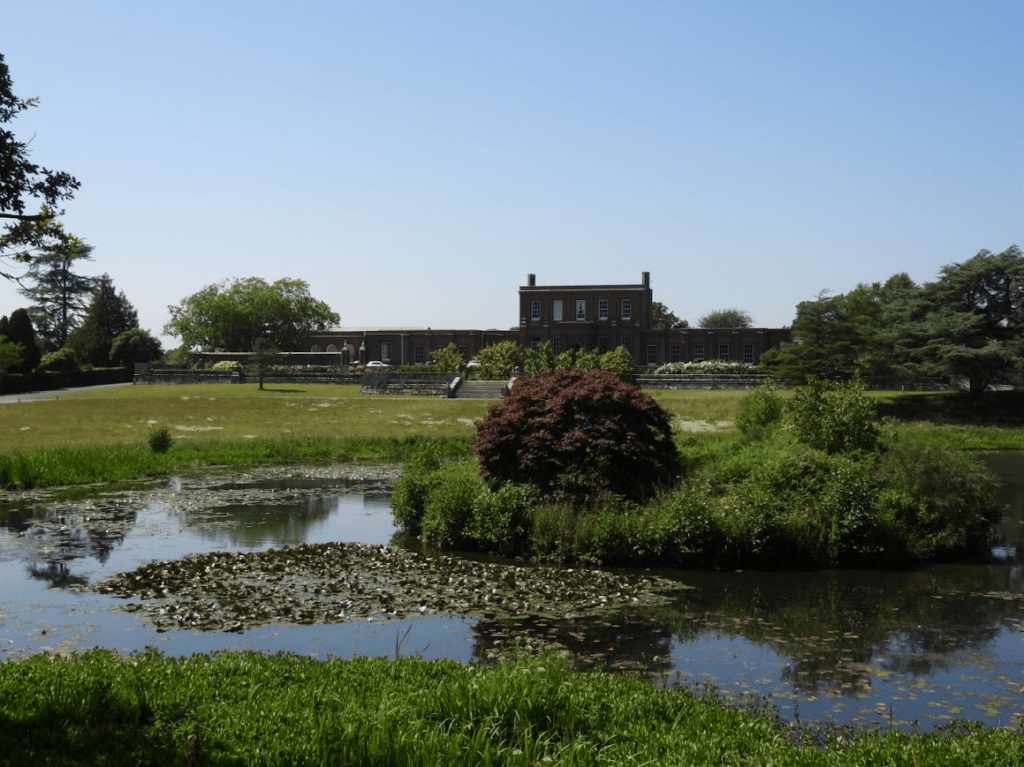
JAshburnham one Nettlefold tdr a former medieval deer park lying on Tunbridge Wells Sandstone and Wadhurst Clay. The ancient woodland is one of the largest remaining areas of its kind in the country and contains many overmature trees with outstanding lichen floras.
From the Natural England Sight of Special Scientific Interest (SSSI) specification:
Overmature oaks and beeches occur throughout and support a great variety of
epiphytic lichens with over 160 species recorded from the site as a whole. Holly is also an important host supporting a number of particularly interesting species which are not common this far east of the New Forest.
Ash Fraxinus excelsior is more frequent on calcareous soils in the west of the site while damp alder Alnus glutinosa woodland occupies the stream valleys and lake margins. Areas of coppiced hazel Corylus avellana, hornbeam Carpinus betulus and sweet chestnut Castanea sativa occur throughout the site, and there are also small mixed plantations and many scattered exotic species.
Woodland corticolous lichens
Usnea ceratina
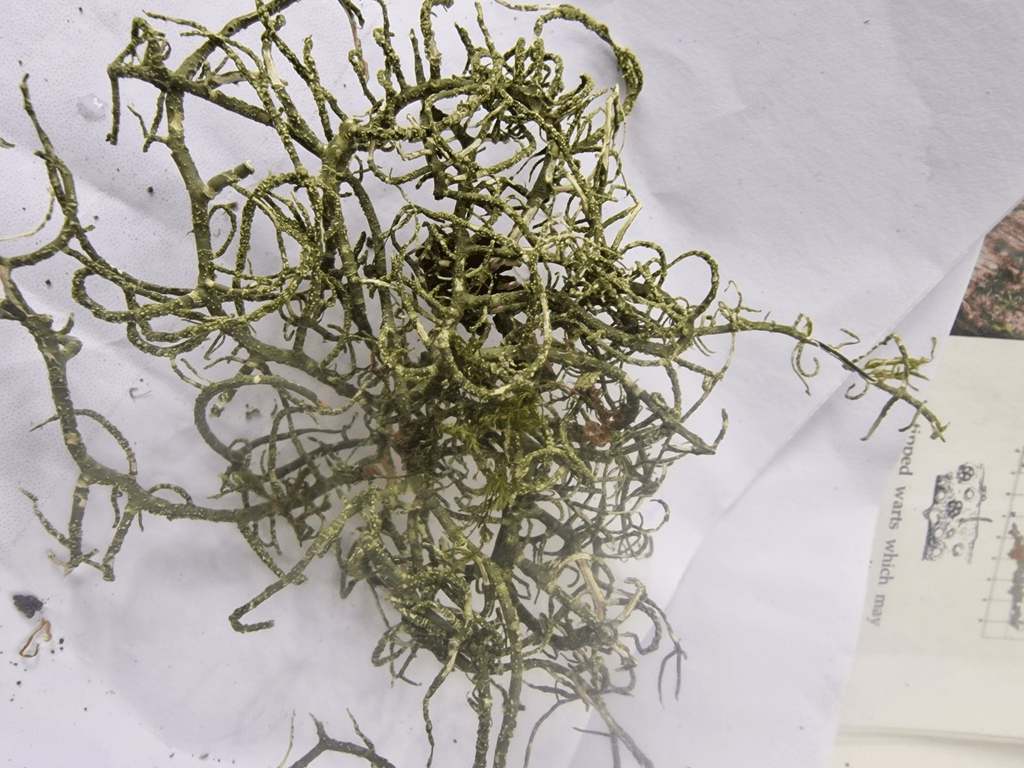
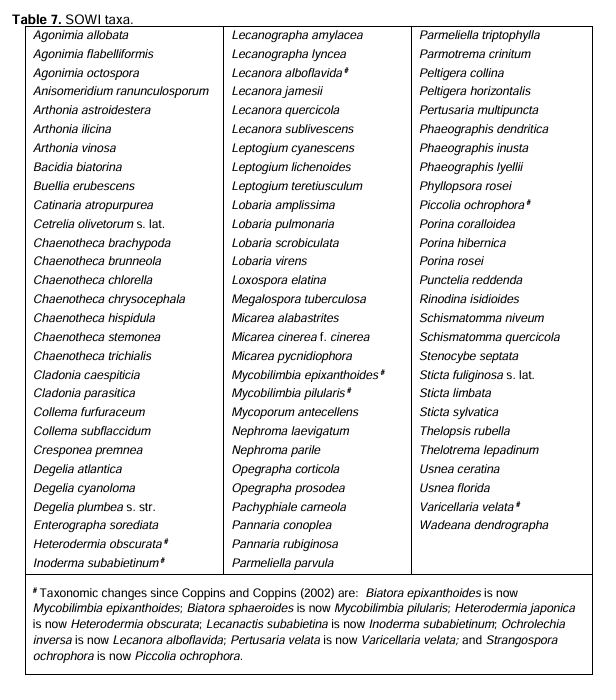
Fallen from a Quercus robur (Pedunculate Oak), U. ceratina is one of the Southern Oceanic Woodland Index (SOWI) lichens of ecological continuity used to asses the quality of woodland sites for lichens (including determining which site might become SSSIs). At the end of this post is a table of all the SOWI lichens. Other SOWI lichens are marked SOWI.
A Quercus robur covered in Thelotrema sp. Bark Barnacle Lichen (SOWI). In the past there was only one Thelotrema sp., T. lepadinum but not it has been subdivide into two: T. lepadinum and
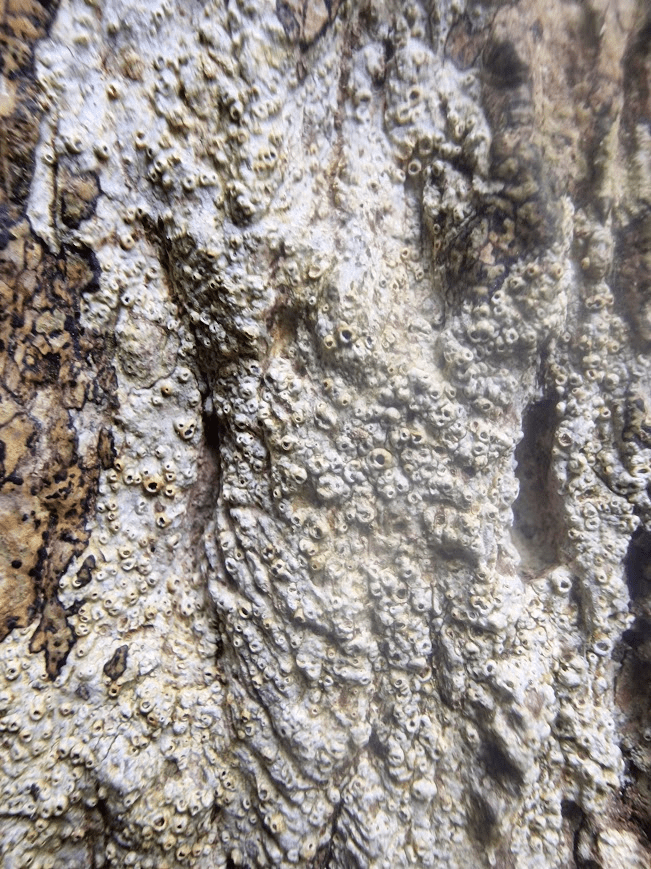
This is probably Thelotrema lueckingii SOWI, and Pertusaria leioplaca., on a Sweet Chestnut, Castanea sativa; one of a few planted in Ashburnham Park. When C. sativa is the main tree in replanted ancient woods it has only Graphidaceae lichens & Pertusaria spp. mostly P. leioplaca. But in here in semi-natural ancient woodland it is joined by a Thelotrema sp.
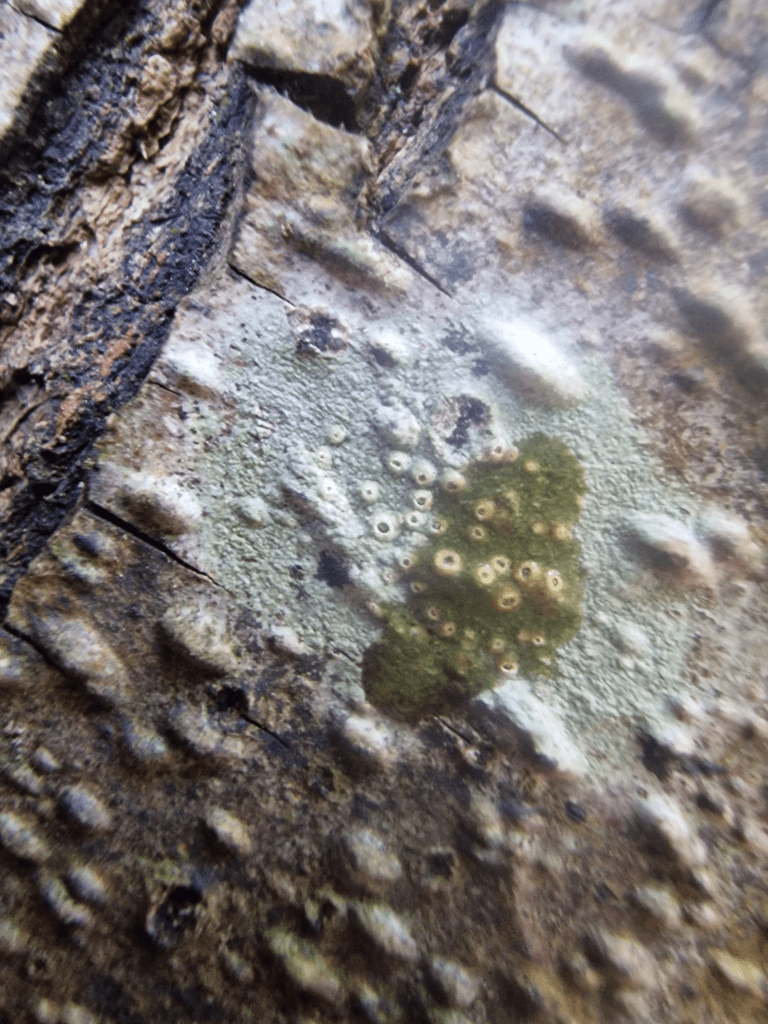
Similar to Thelotrema lepadinum in almost all details but deviating by the partly citrine yellow medulla (especially in the warts); the pigment reacts K+ red and darkens to an more orange colour when exposed. British Lichen Society Thelotrema luekingii
This is probably Cladonia floerkeana on lignum; red apothecia on podetia difficult to see in this photo
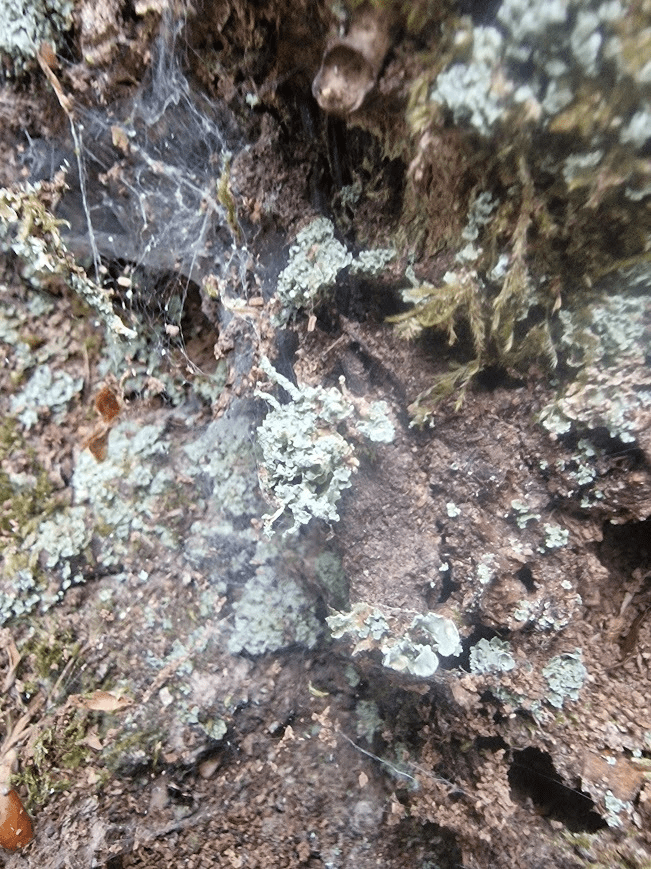
Cladonia caespiticia (SOWI) on Quercus robur
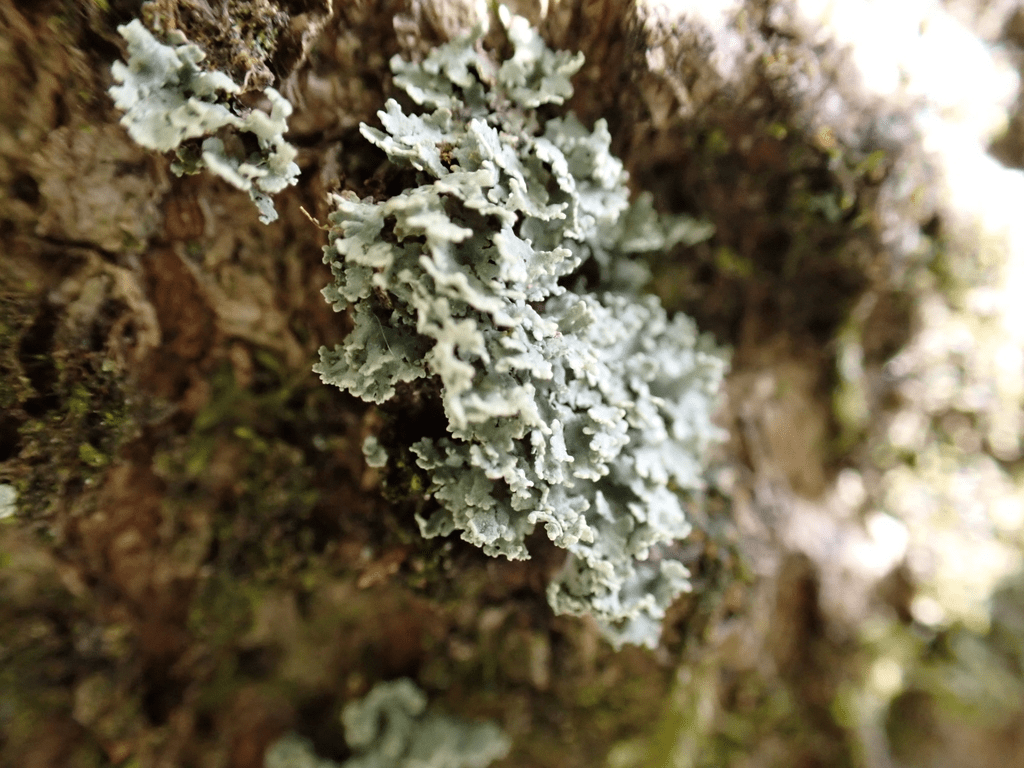
Cresponea premnea (SOWI) on Quercus robur
The dominant species of the Ancient Dry Bark Communities in souther oceanic woodlands (Lecanactidetum premneae) on dry bark on old trees, often with Lecanographa lyncea
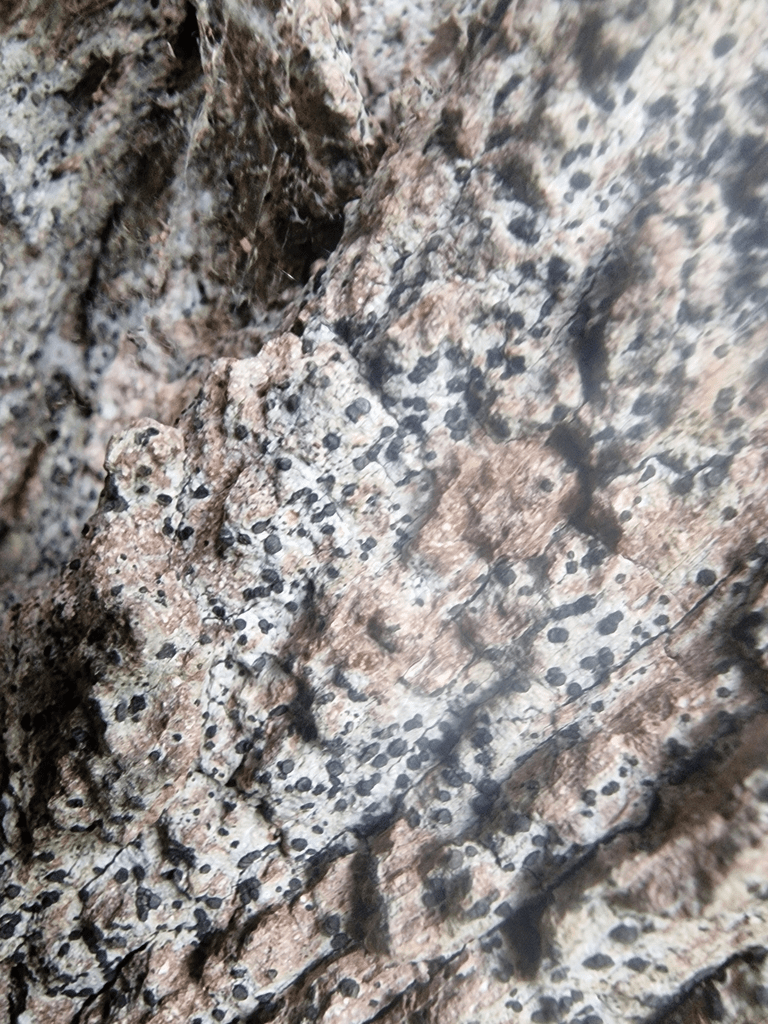
Lecanographa lyncea (SOWI) on Quercus robur
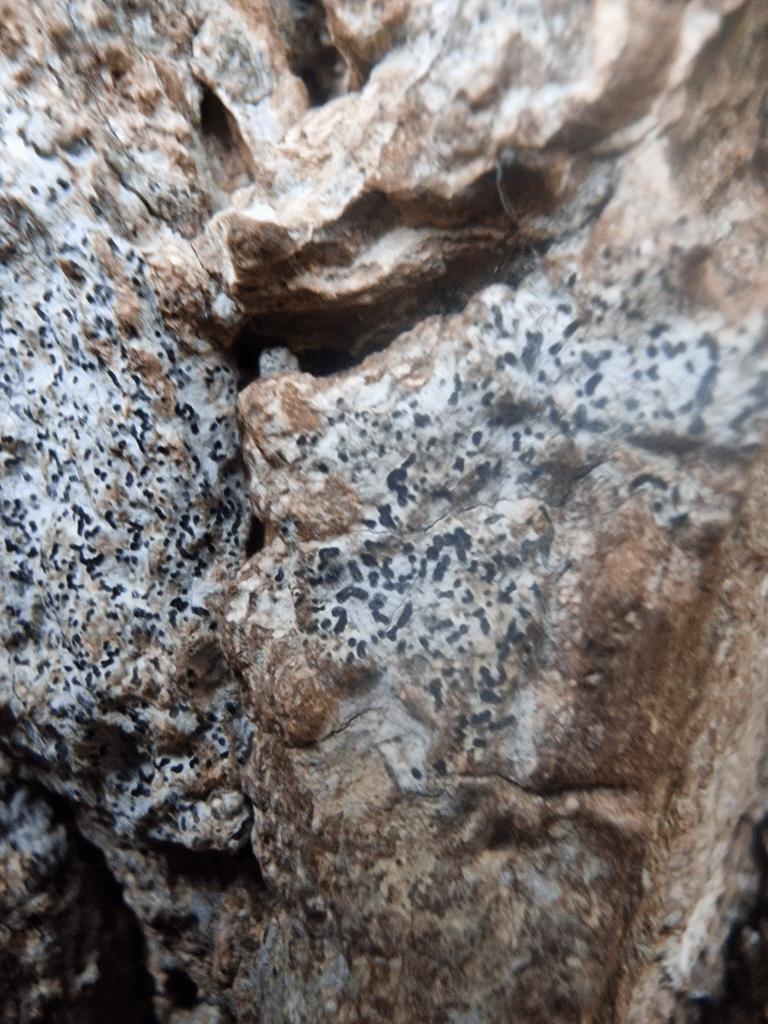
Enterographa crassa meeting Cresponea premnea on a smooth patch of Quercus robur. It is possible, but unlikely that this is Enterographa sorediata (SOWI)
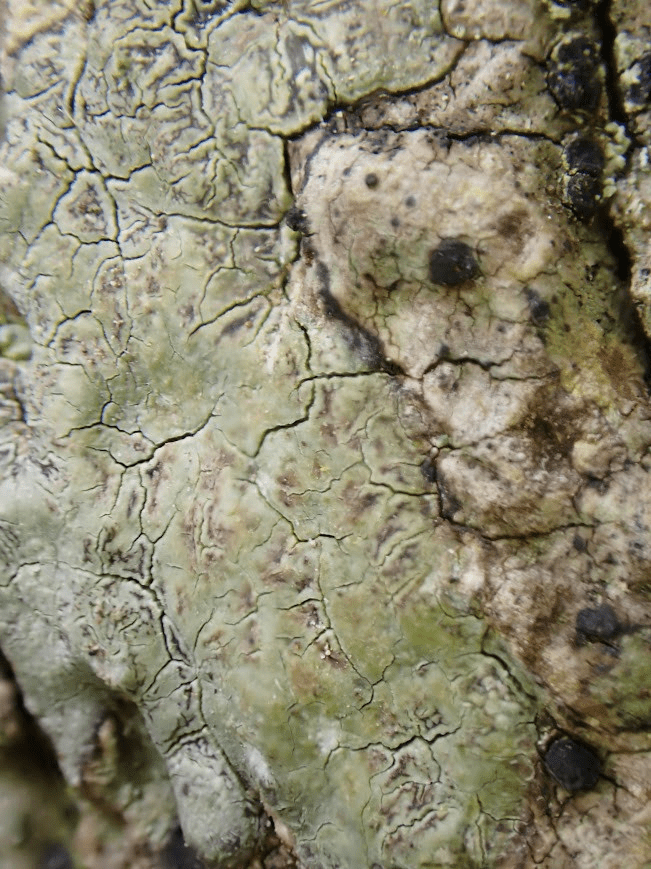
Arthonia radiata # on Quercus robur
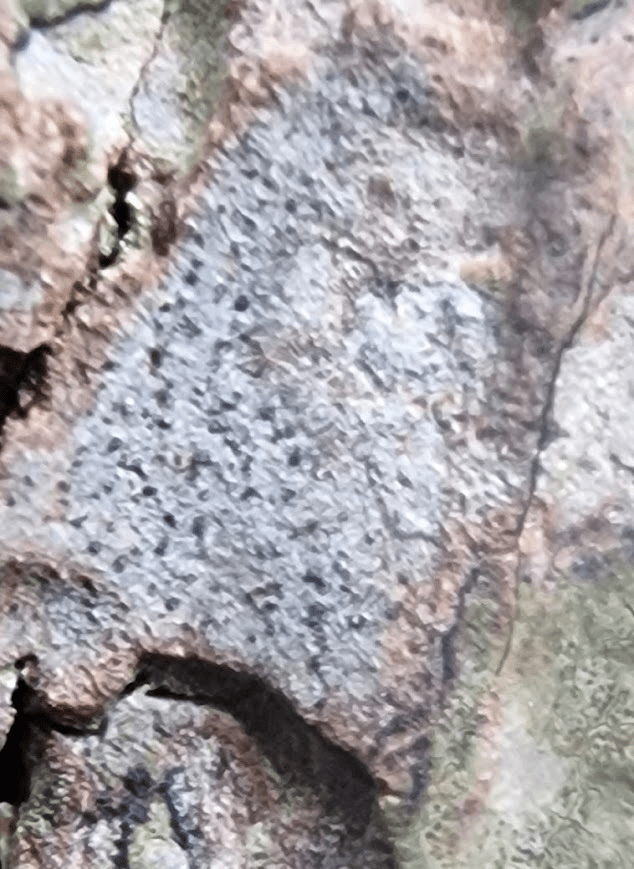
Phaeographis dendritica # (SOWI) on Quercus robur with Thelotrema sp.
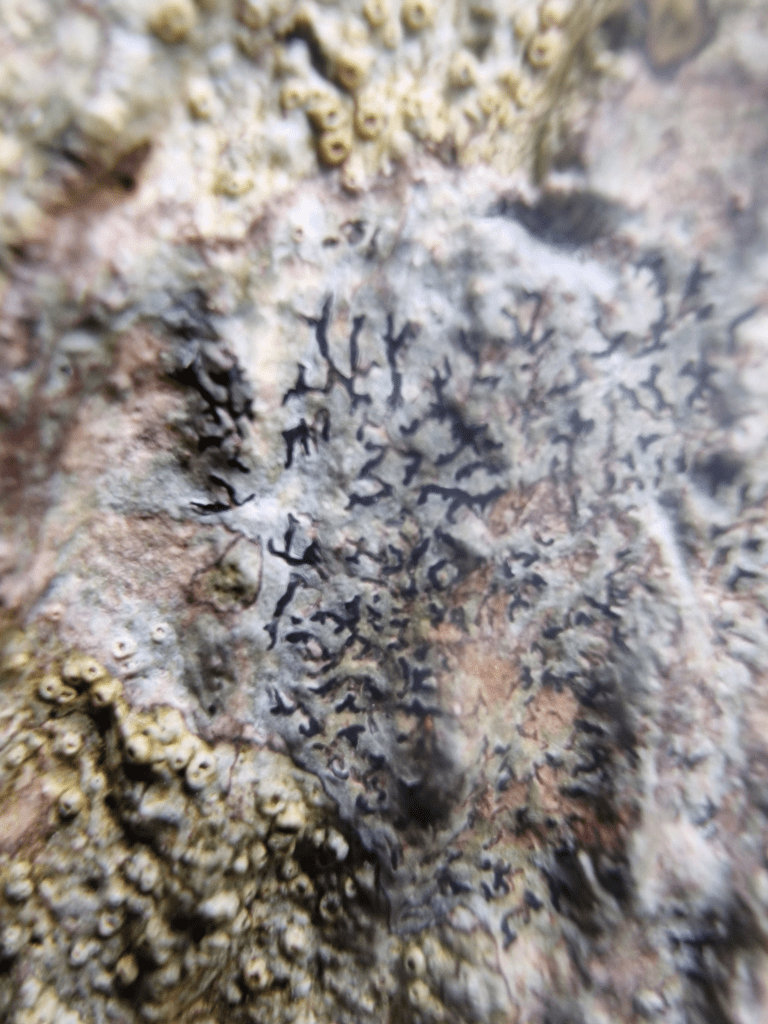
Possibly Phaeographis smithii # on oak twig.
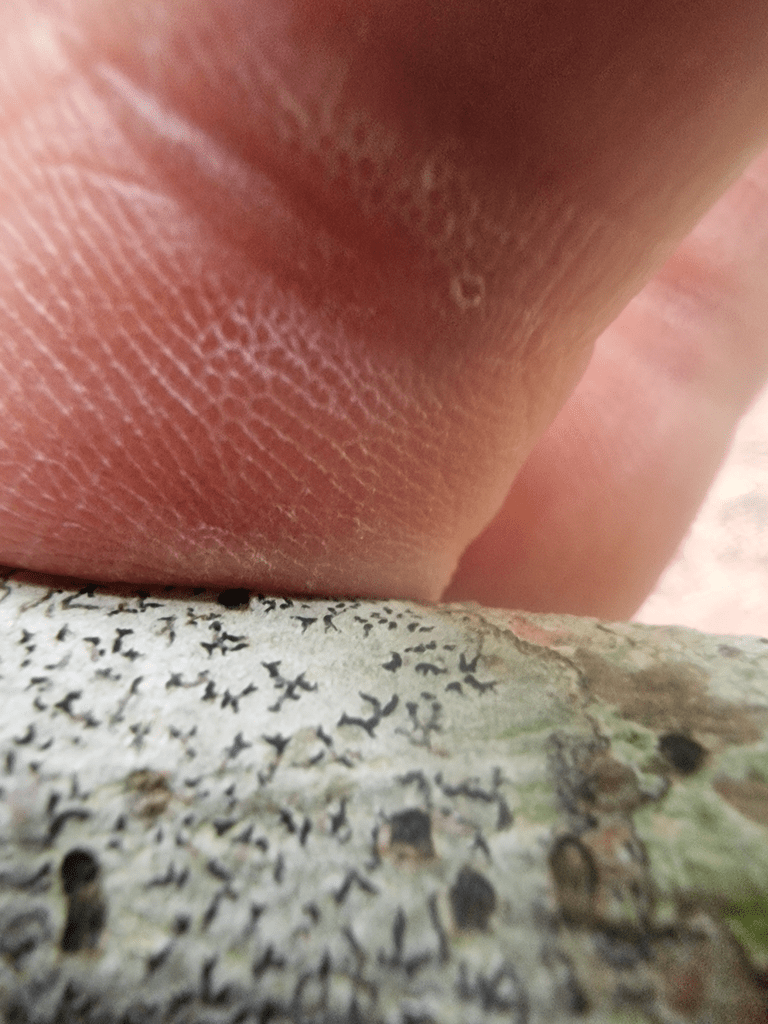
Chaenotheca ferruginea
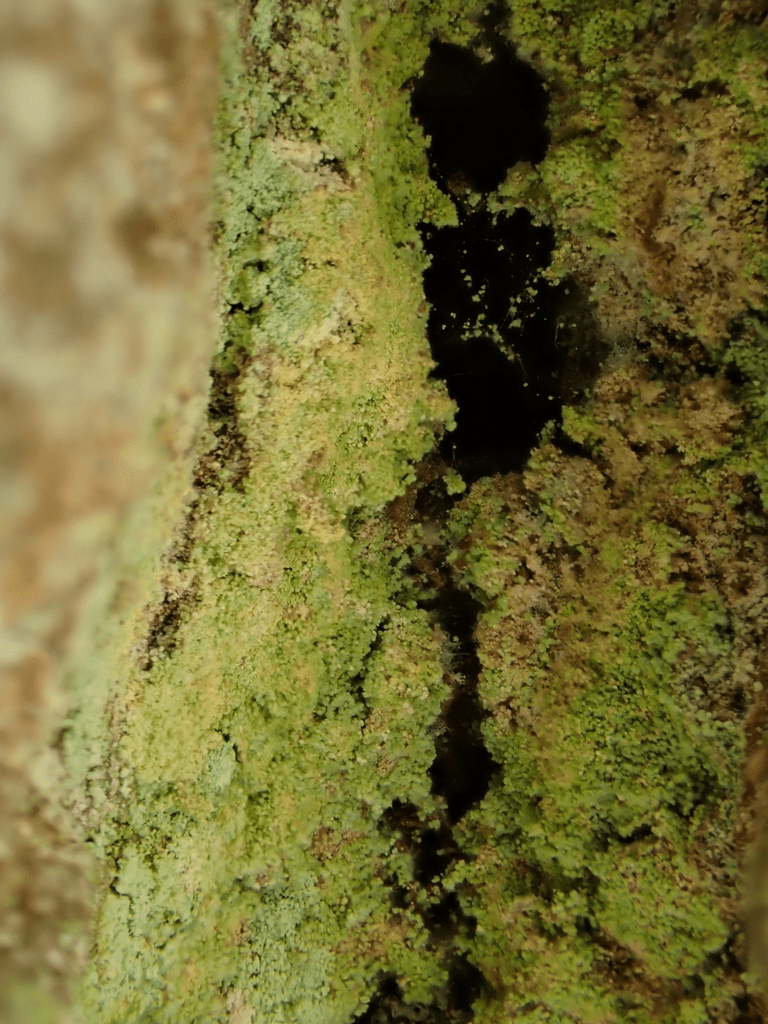
Anisomeridium sp. # probably: A. biforme
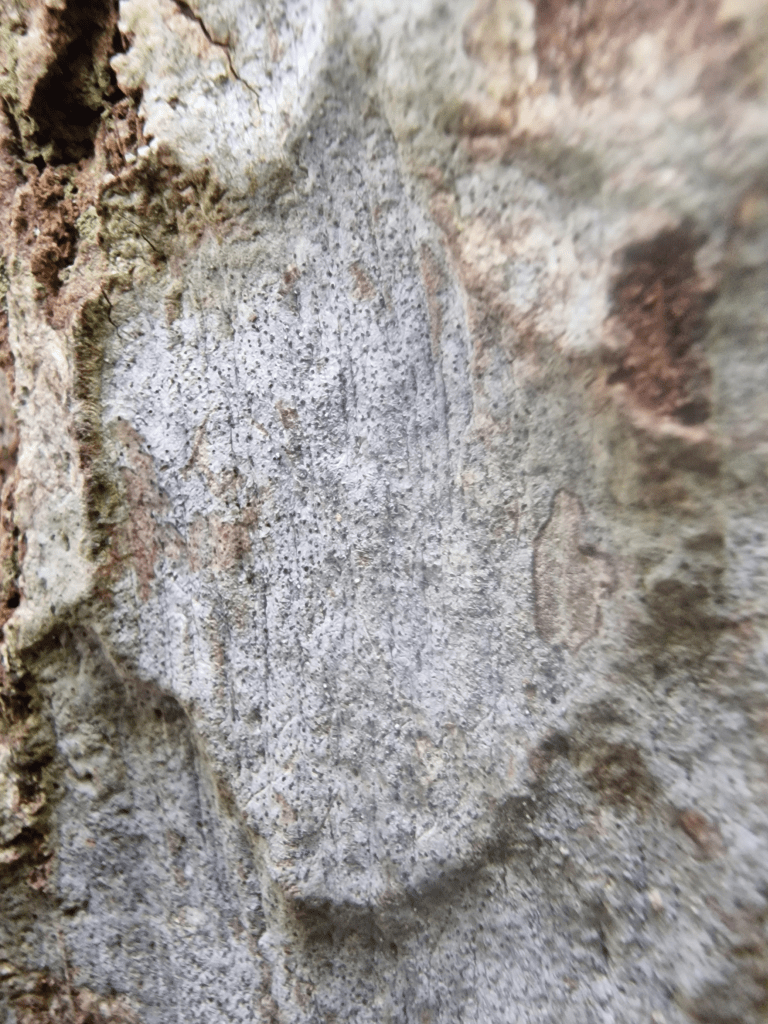
Chrysothrix candelaris Gold Dust Lichen
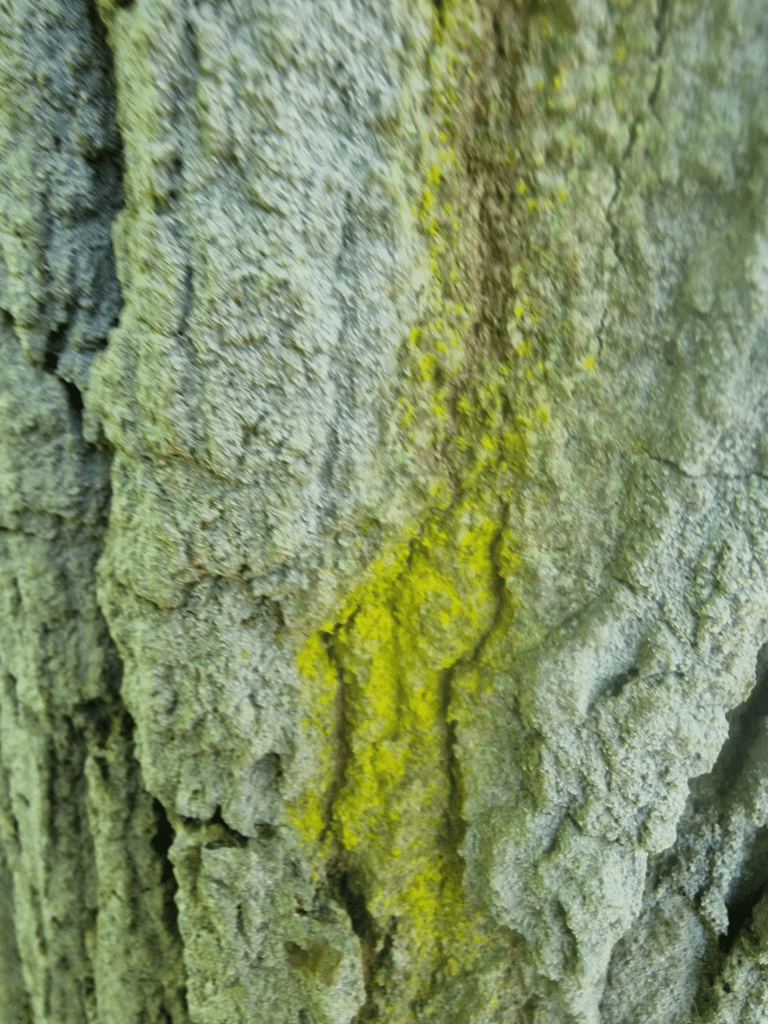
Pyrrhospora quernea, on Quercus robur
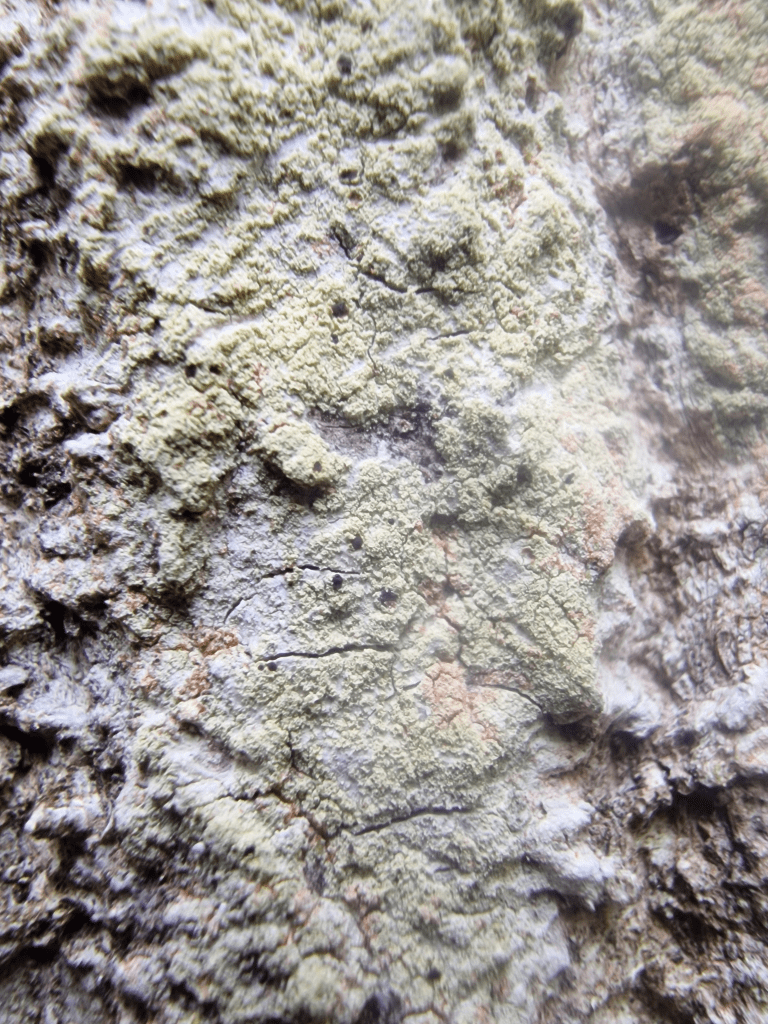
Lecanactis abietina, on Quercus robur
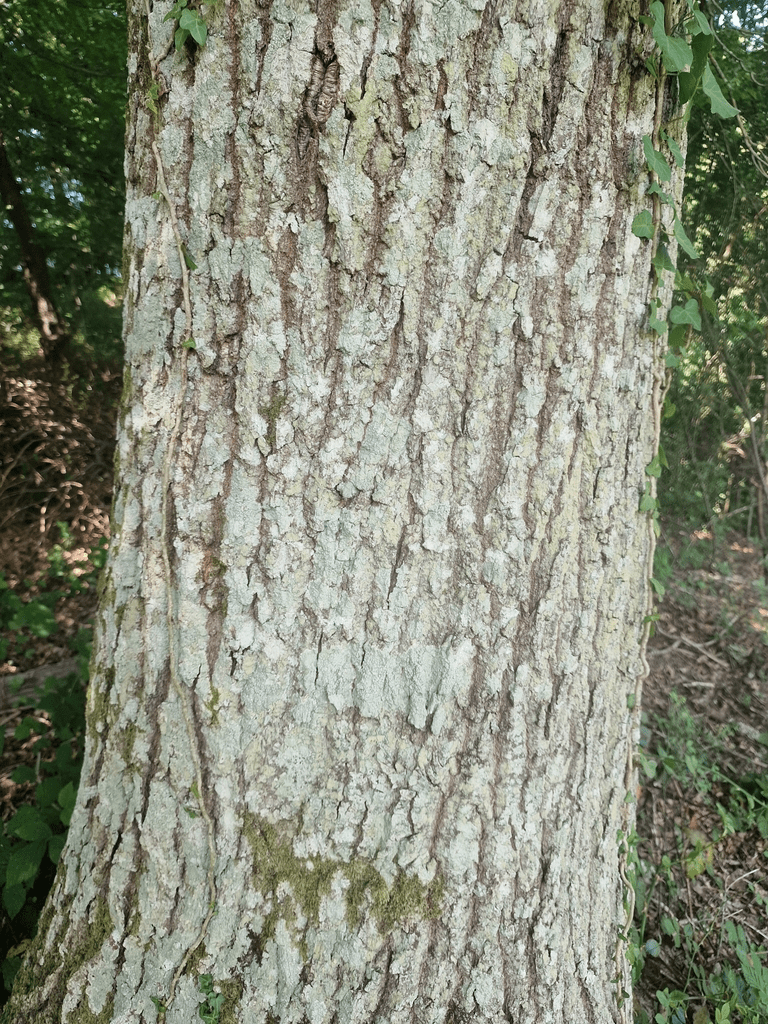
Graphis scripta # on Castanea sativa
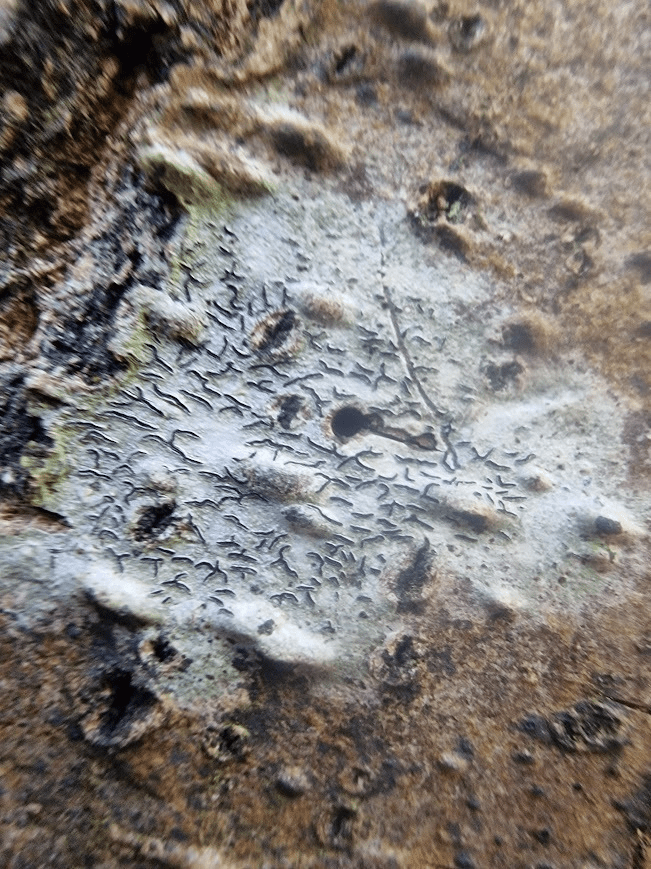
Saxicolous Lichens on Capability Brown Bridge
Tephromela atra Black-eye Lichen

Glaucomaria (lecanora) sulphurea
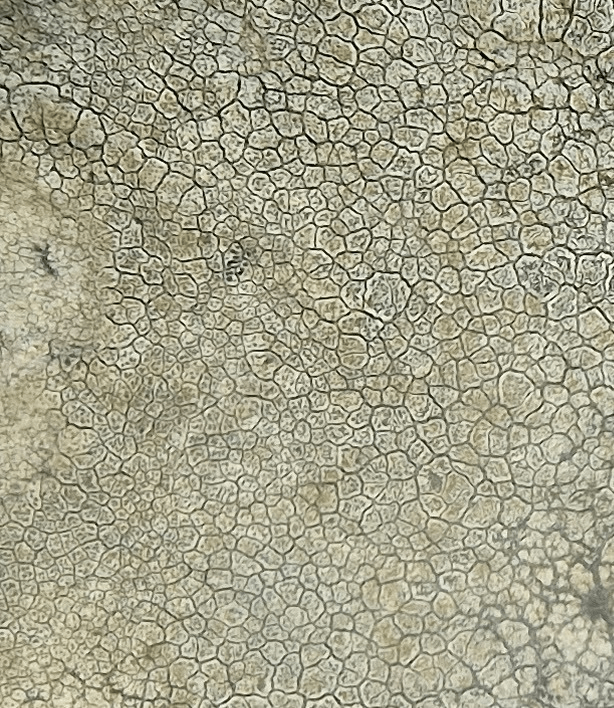
Lecanora sulphurea parasitising Tephromela atra . Very few lichens are parasitic but L. sulphurea is very fond of T. atra.
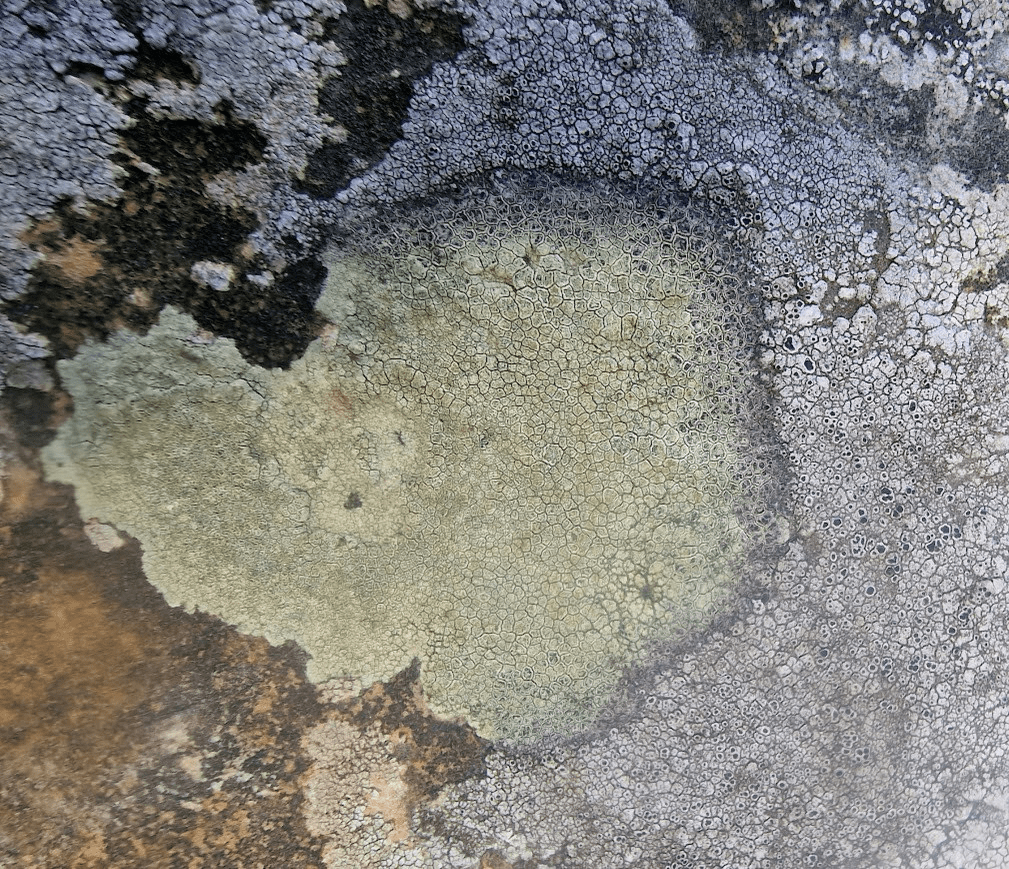
Saxicolous lichens on walls of church and gravestones of Ashburnham, St Peter
Blastenia crenularia
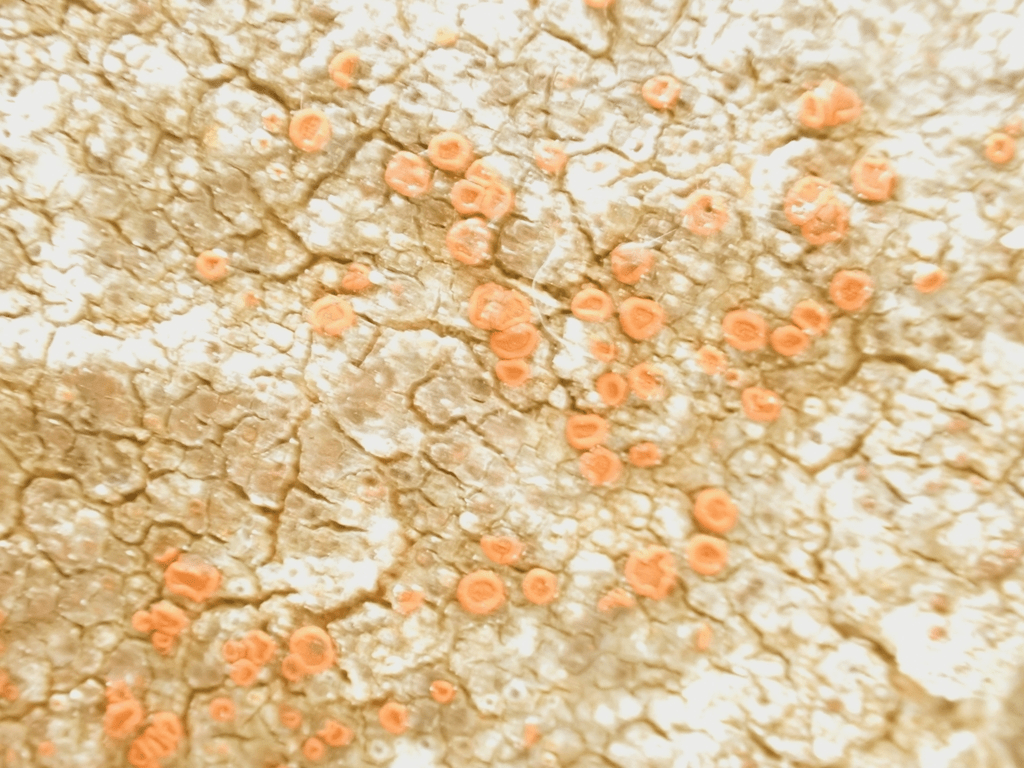
Calogaya (Caloplaca) decipiens (yellow) and to the right (pits) Verrucaria hochstetteri

Verrucaria muralis

Myriolecis (Lecanora) albescens
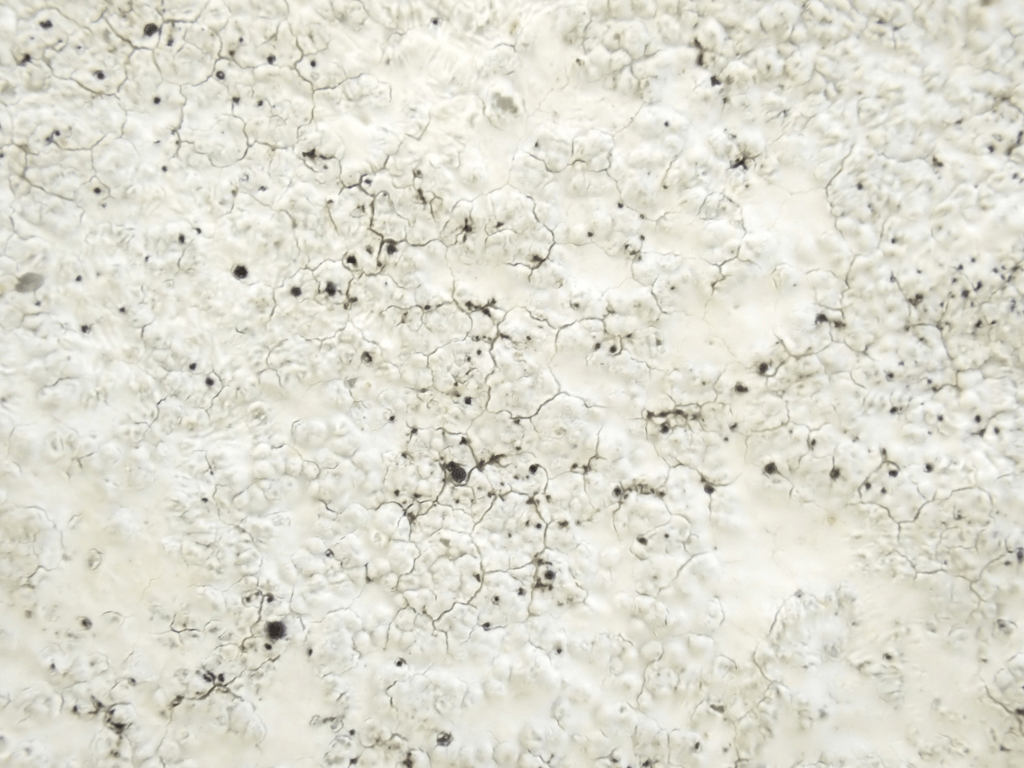
Flavoparmelia caperata Common Greenshield Lichen
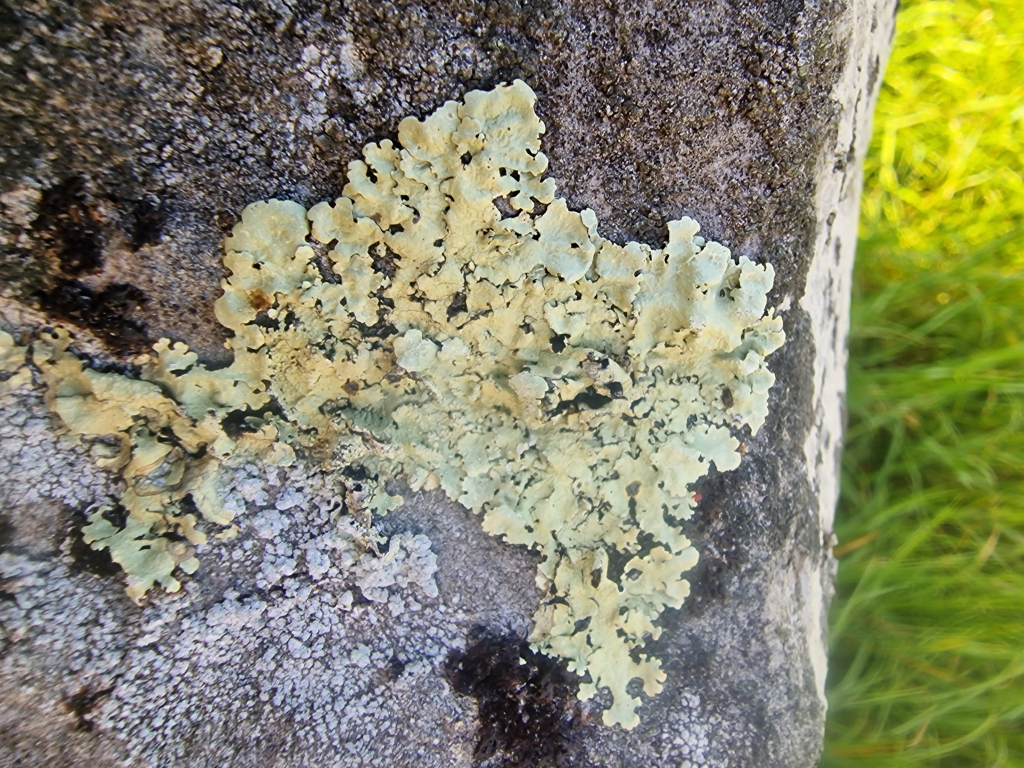
Ochrolechia parella, surrounded by Glaucomaria (Leanora) sulphurea
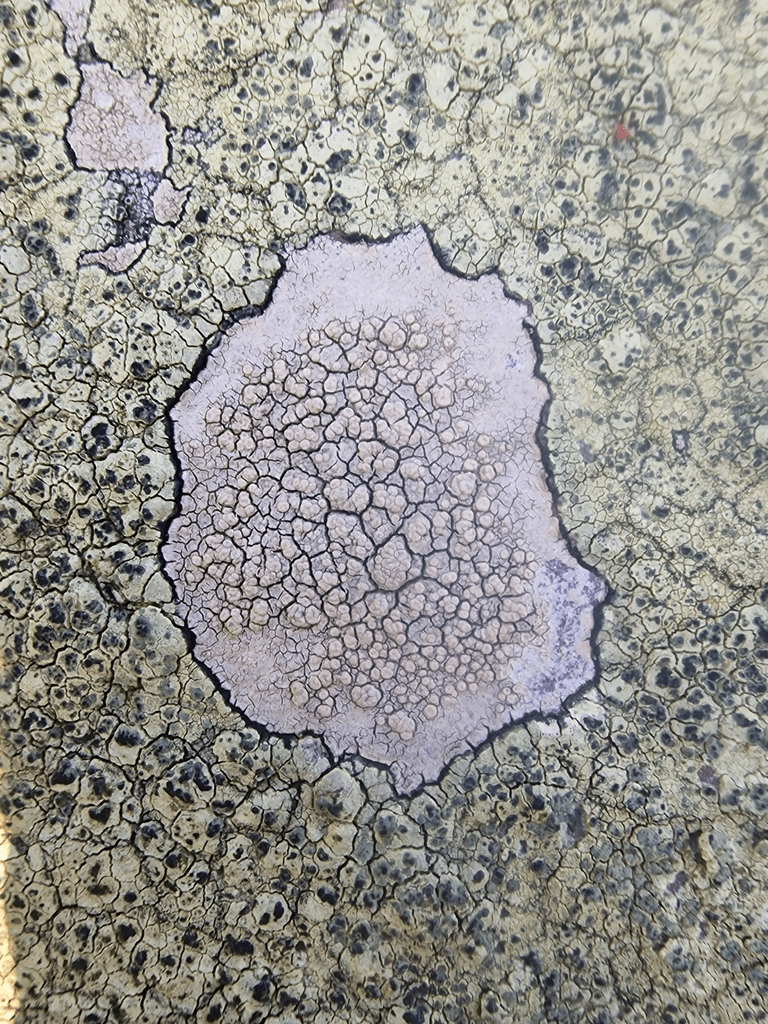
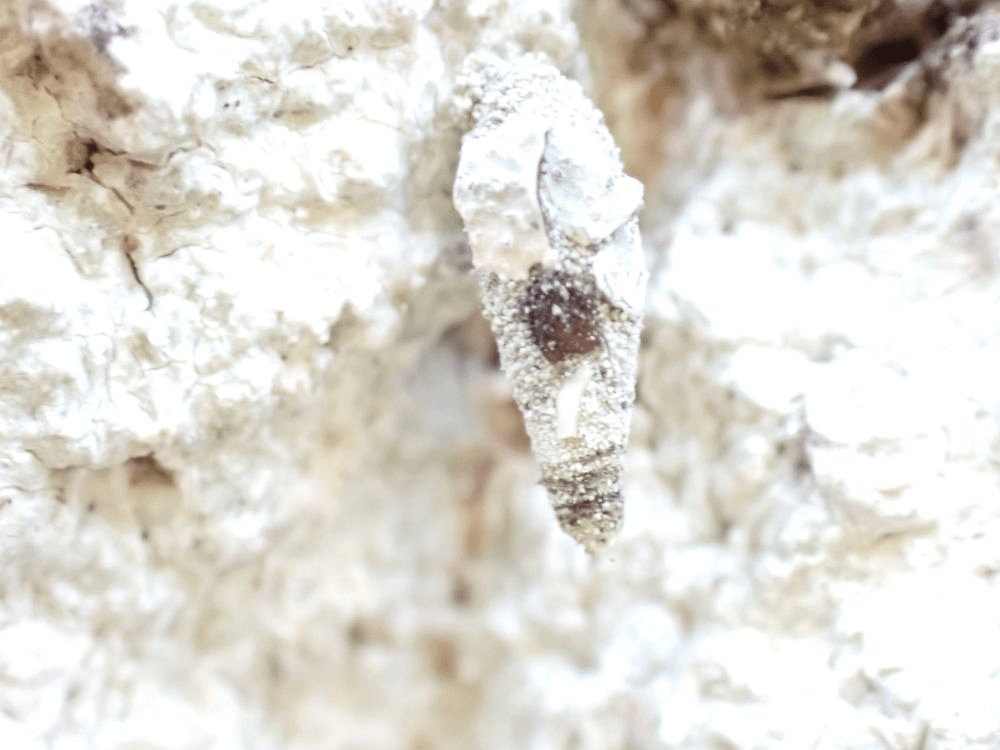
Not a lichen but a moth lava surrounded by lichen! Probably Luffia lapidella, one of the bagworm moths, whose larvae make cases out of lichen, and eat lichen.
Ashburnham Place

 Sim's Nature Notes