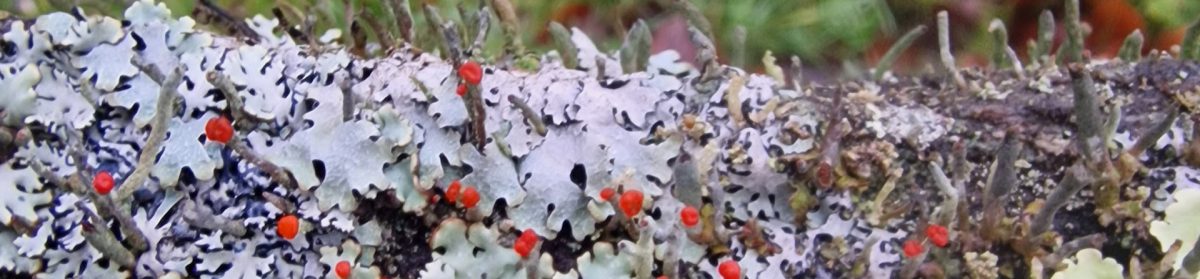
Ramalina fraxinea
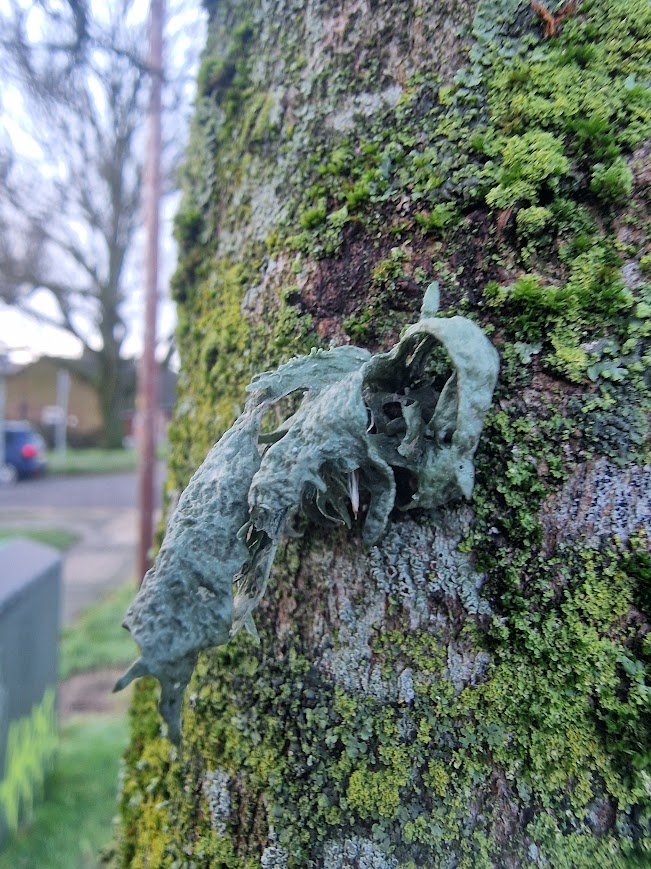
On Sycamore, on verge on Queensway, Craven Vale Estate, Brighton; surrounded by Xanthoria parietina, Lecanora chlarotera s.l., and Arthonia radiata
Habitat: Locally frequent on well-lit trees with basic bark. Now rare in many areas. Very sensitive to SO2 pollution and fertilizer-enrichment.
Distribution: East and South England (much decreased), northern England (increasing), Central and East Scotland and East Ireland.
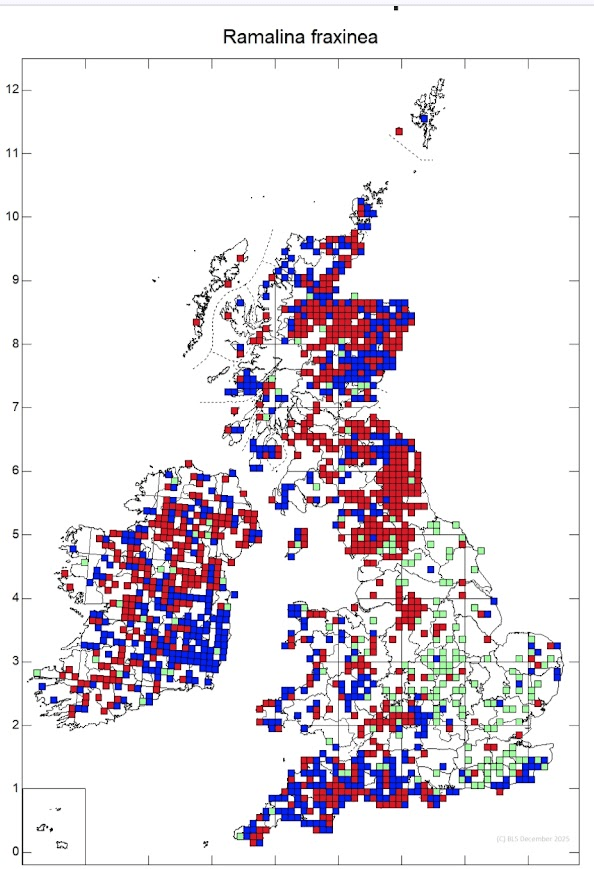
Threats & Status: Declined in areas impacted by sulphur dioxide pollution in the 20th century, with limited recovery as yet, but some recolonisation has been noted
Britain: Notable and an International Responsibility species. British Lichen Society Ramalina fraxinea
The term “International Responsibility” (IR) refers to lichen species whose populations in a specific country (e.g. the UK) are internationally significant. Because the national population is so important to the overall survival of the species, the nation has a special responsibility to protect it from extinction or decline.
A country can only look after an IR species if we know where they are. This lichen is not on the BLS database yet (I will record it). But we don’t know where important lichens are because there is inadequate recording of lichens in the UK.
This map British Lichen Society’s all-species interactive map shows the monads (1k x 1k squares) for which there are records of lichens. Many of these monads have no records.
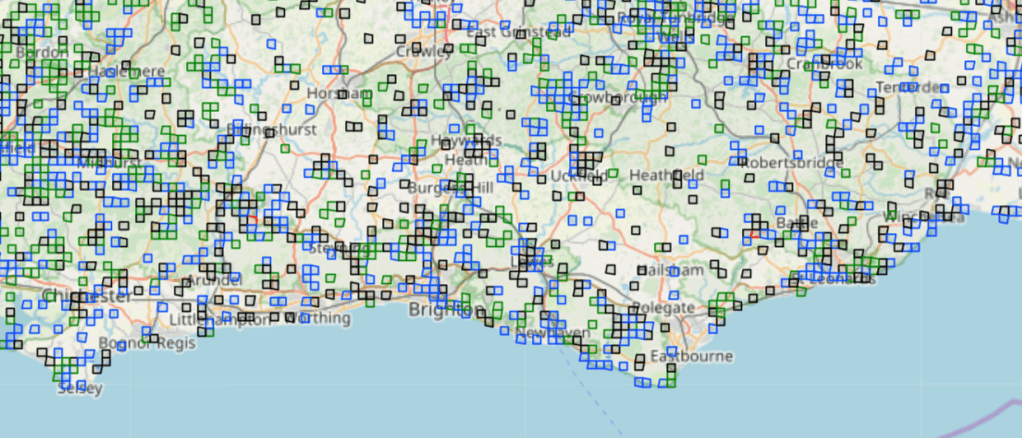
There are 62946 individual lichen records on the British Lichen Society’s database for East & West Sussex (as of 2022). All of these appear to be from rural areas; mostly woodlands, churches and deer parks; none of these records appear to come from urban areas. This is a result of an unconscious bias for rural areas and against urban area, that I am guilty of too. I would much rather walk around a beautiful ancient deer park or a wood or a churchyard than a town. I have seen R. fraxinea in two places in Sussex – in the High Weald countryside, on the Ashburnham Estate, and in the town, in the Craven Vale council estate, Brighton. From this statistically insignificant sample size; you could conclude that you are as likely to see R. fraxinea in an urban setting as a rural setting!
The British Lichen Society acknowledges these habitats for lichens Habits and Conversation: Churchyards, Coastal shingle, Freshwater, Gardens, Lowland heaths, Lowland grassland, Lowland rocks, Metal-rich habitats, Montane habitats, Monuments & Urban habitats, Parkland, Pasture woodlands, Seashore, Walls, Wayside trees and hedgerows.
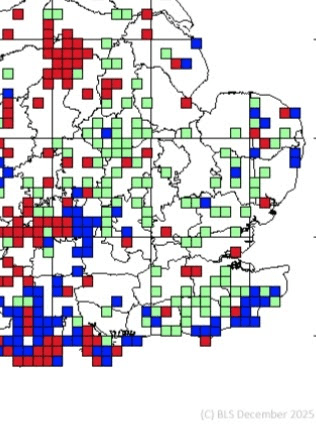
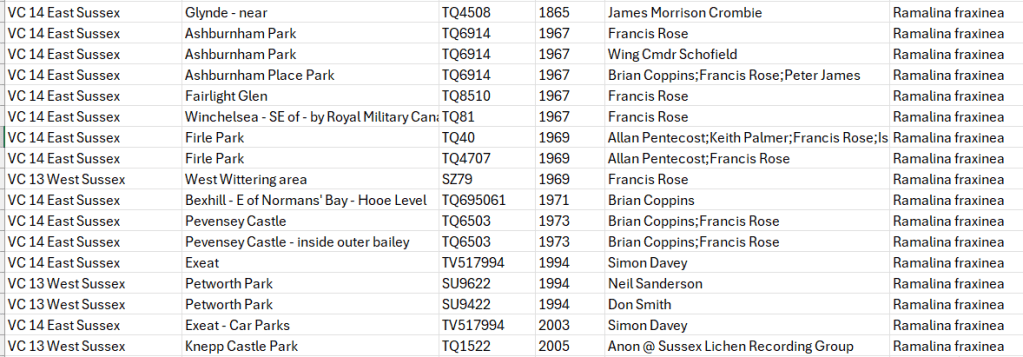
These are the Sussex records for Ramalina fraxinea. They are only 17 R. fraxinea records in 12 places; all of them rural.
I
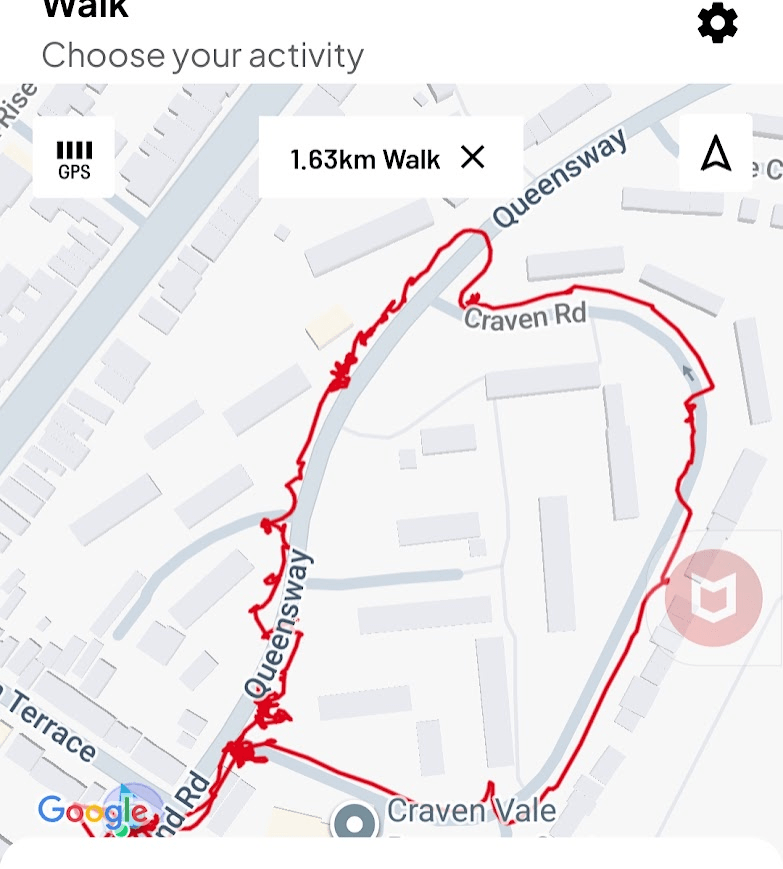
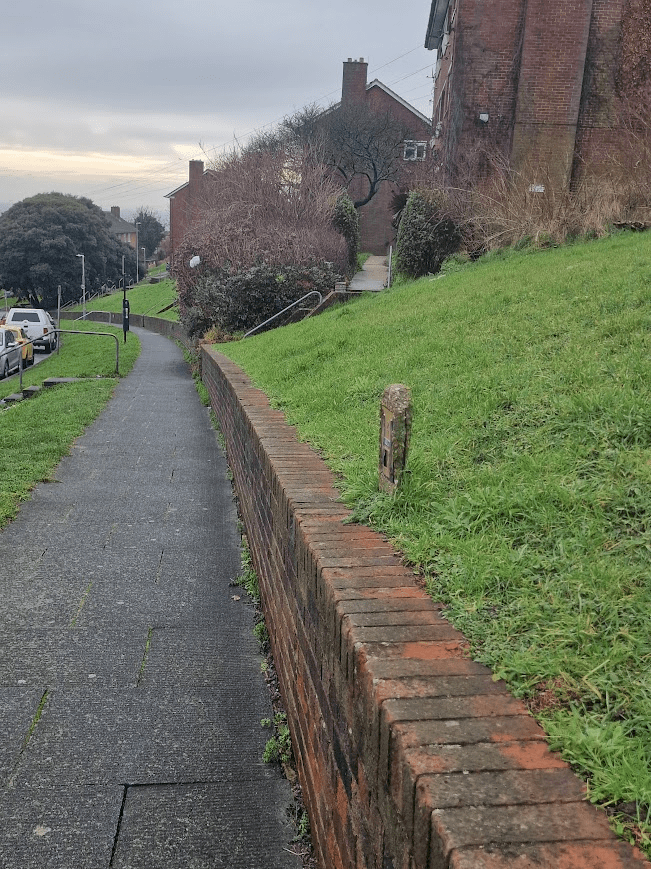
n one hour of walking round the Craven Vale estate this afternoon I saw 25 lichens, many in large abundance, on road trees, brick walls, recycled plastic (street signs), and worked wood (bollards and seats)
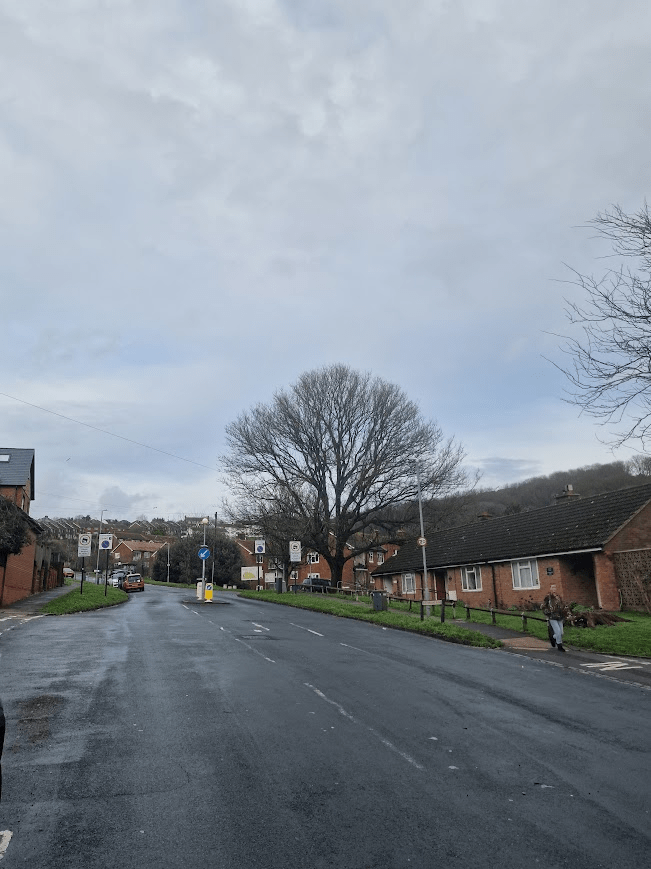
Looking up from my house. The large tree is an English Elm (Ulmus procera); these do not exist in the UK countryside any more as they have been killed by Elm Disease. It only survives because of the cordon sanitaire thrown around the town in 1970 by Brighton Borough Council. This tree started its life probably as a field tree, in the land enclosed in ca. 1825 as agricultural land called Bakers Bottom (now called Craven Vale) a coombe sculptured out Sheep Down (now called Race Hill) by glacial melt water. The tree survived the land being turned into municipal allotments in 1923 and the building of the housing estate in the 1950s. That tree was around when my grandparents and great grandparent grew up in East Brighton.
Lichens seen in Craven Vale:
Physcia tenella; Xanthoria parietina; Physconia grisea; Hyperphyscia adglutinata; Physcia adscendens; Physcia caesia; Physconia grisea; Pheaophyscia orbiclaris; Lecanora chlarotera, Lecanora sp., Lecanora symmicta, Lecanora campestris, Myrolecis dispersa, Punctelia subrudecta, Punctelia borreri, Diploicia canescens, Lecidella stigmatea, Candelariella aurella, Candelariella vitellina, Protoparmeliopsis muralis, Micrarea denigrata, Ramalina fraxinea, Ramalina fastigiata, Arthonia radiata, Xanthoria parietina
Here are a few of these:
Candelariella vitellina – on wooden bollard
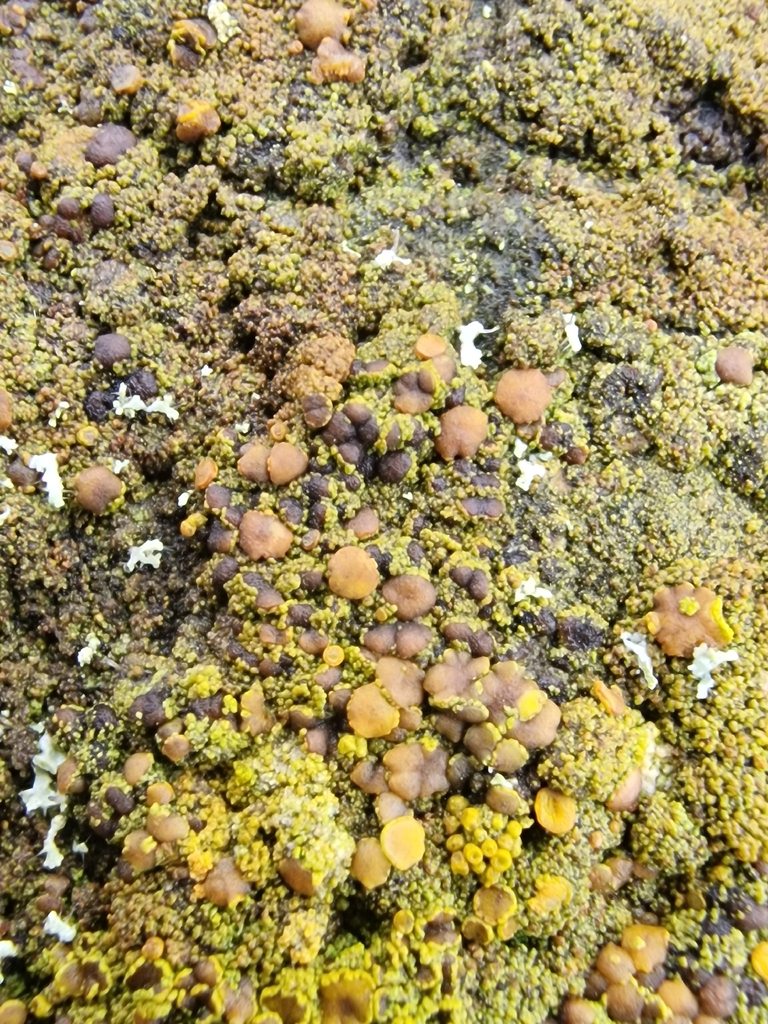
Punctellia subreducta – on tree
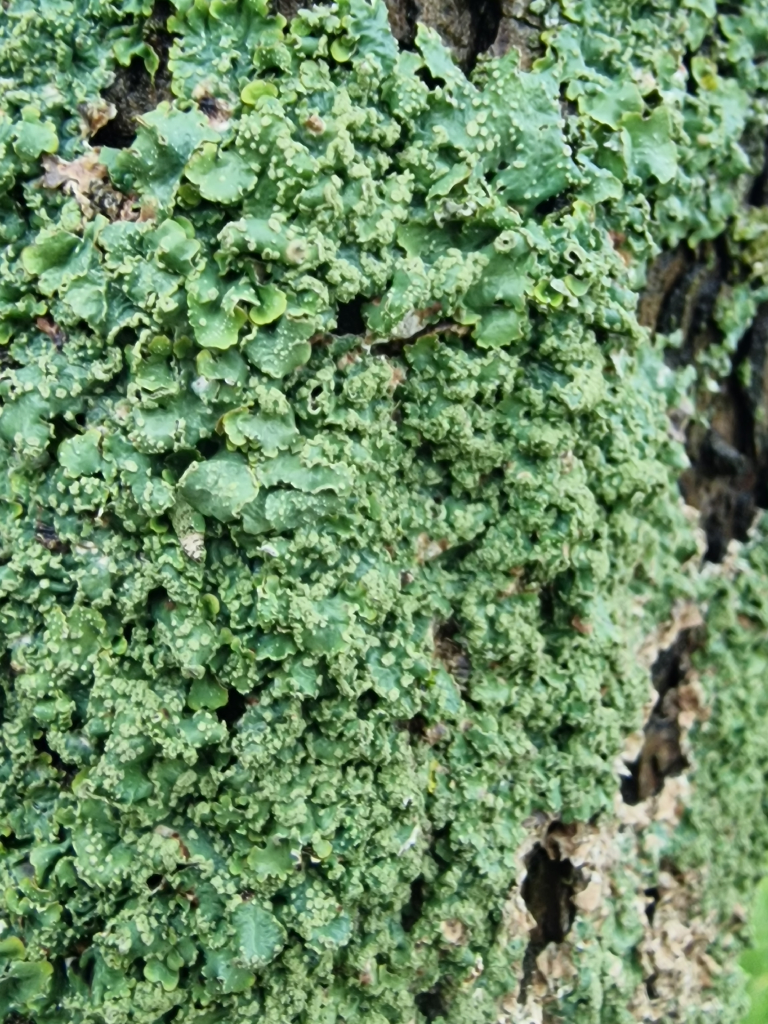
Leanora campestris -on brick wall
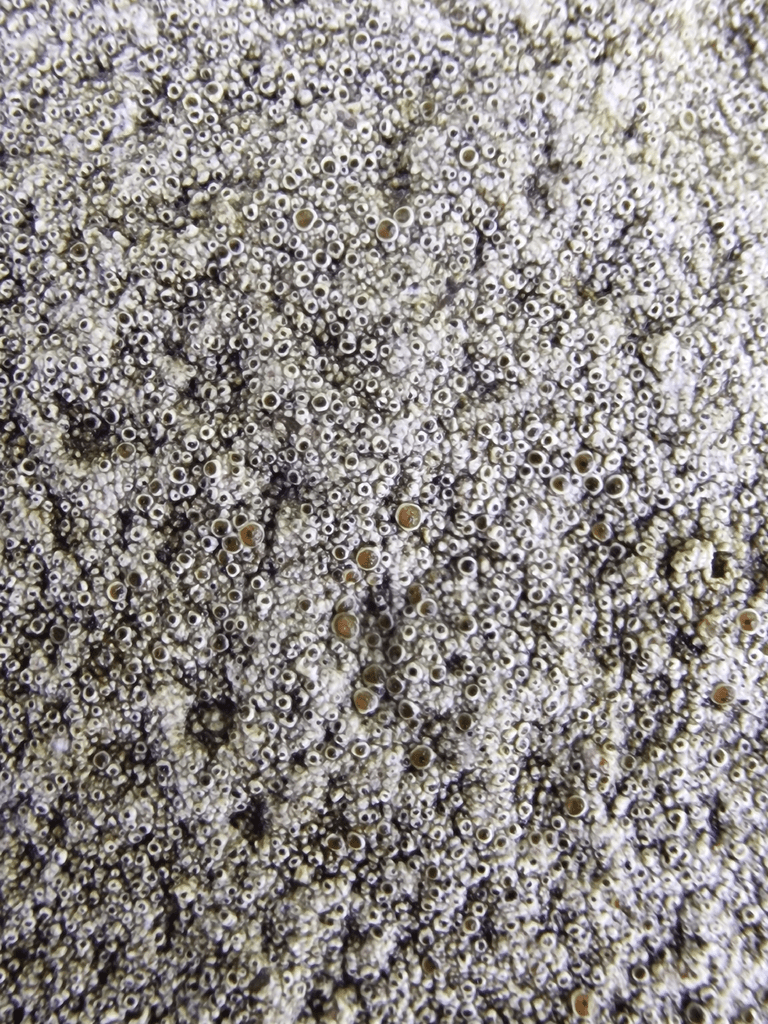
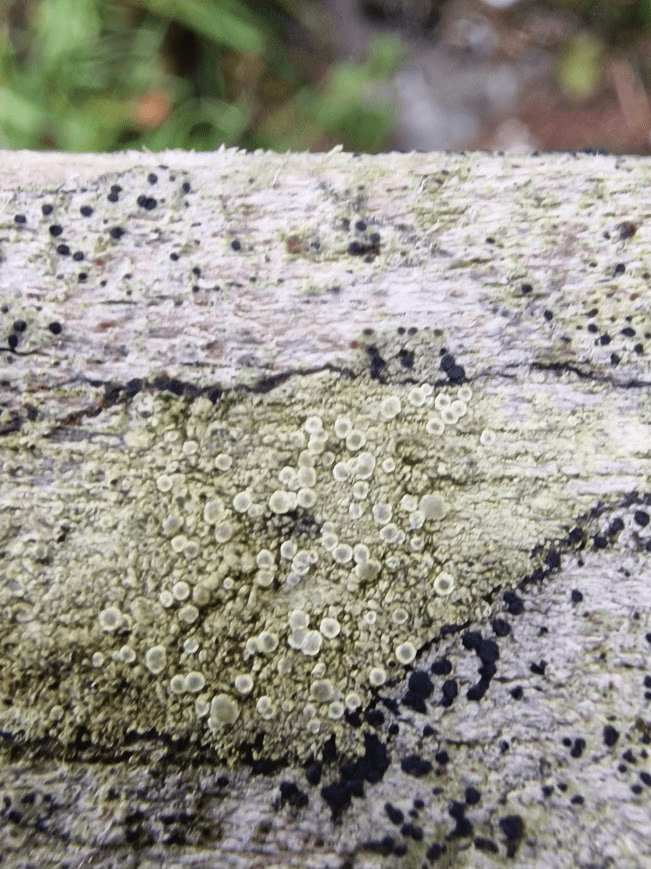
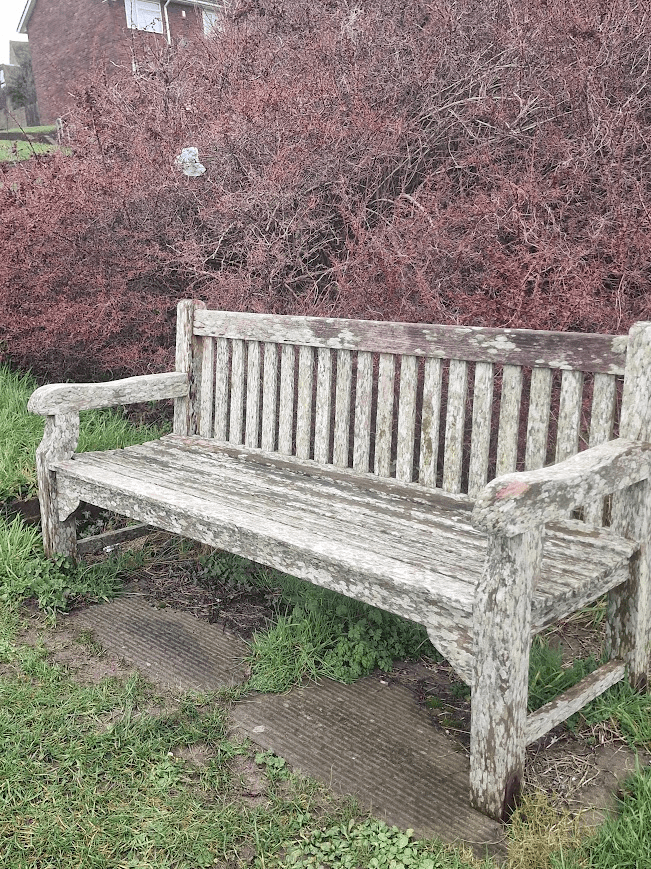
Lecanora chlarotera and Lecidella eleachroma on bench (worked wood)
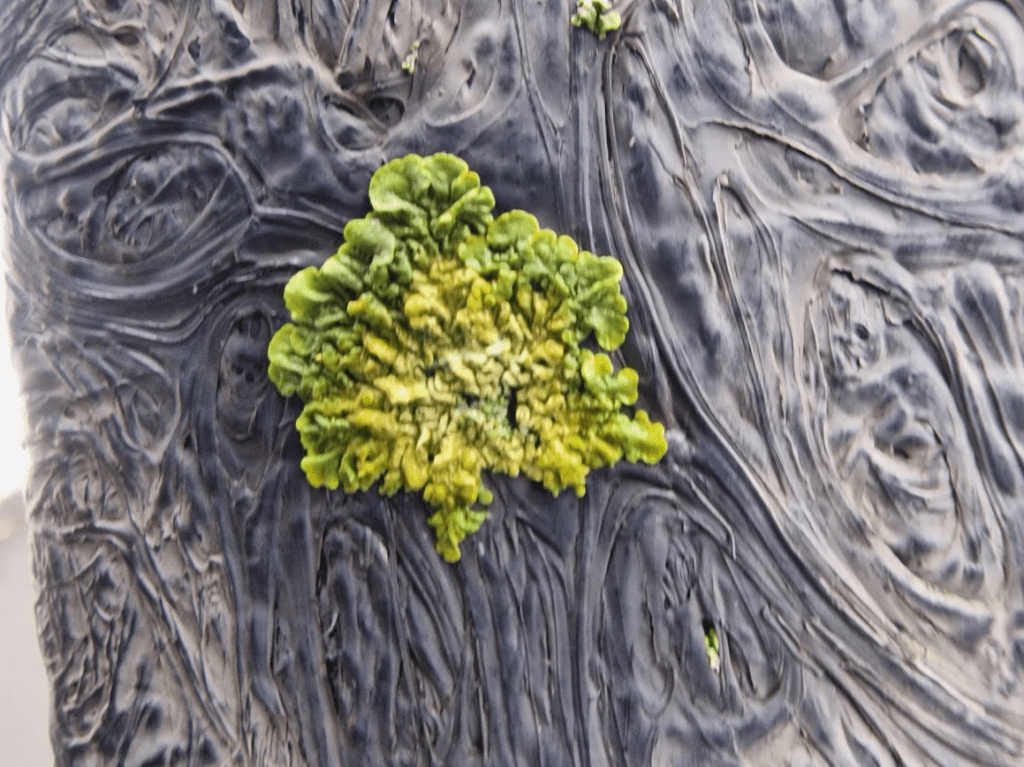
Xanthoria parietina on recycled plastic road sign post

 Sim's Nature Notes