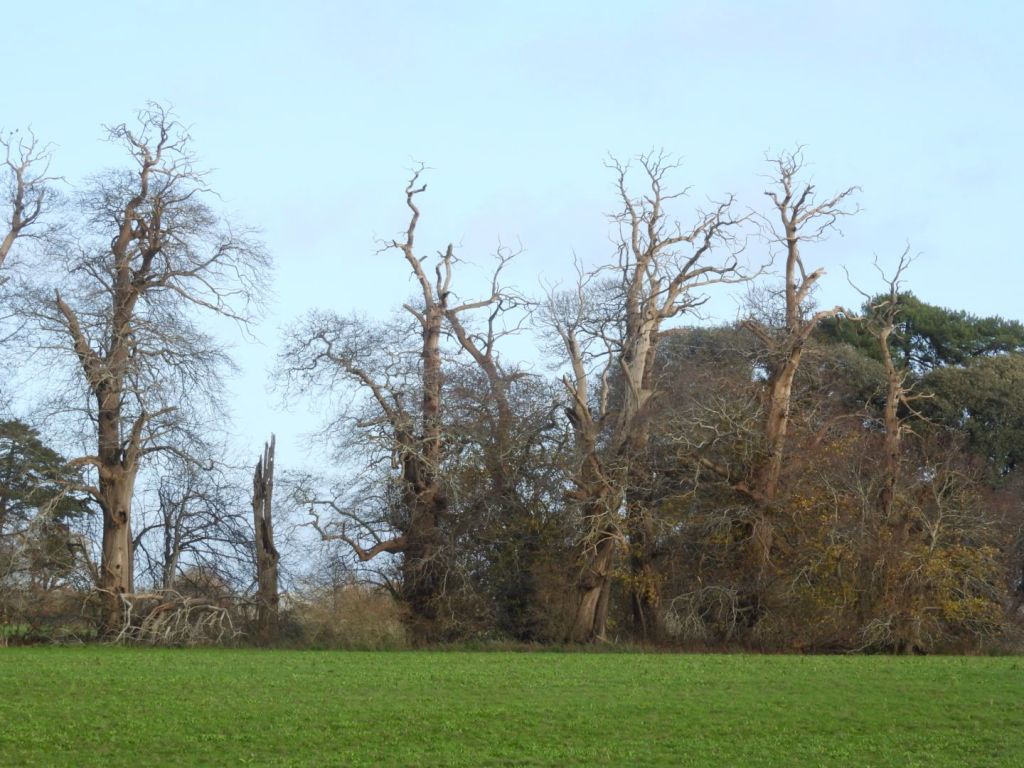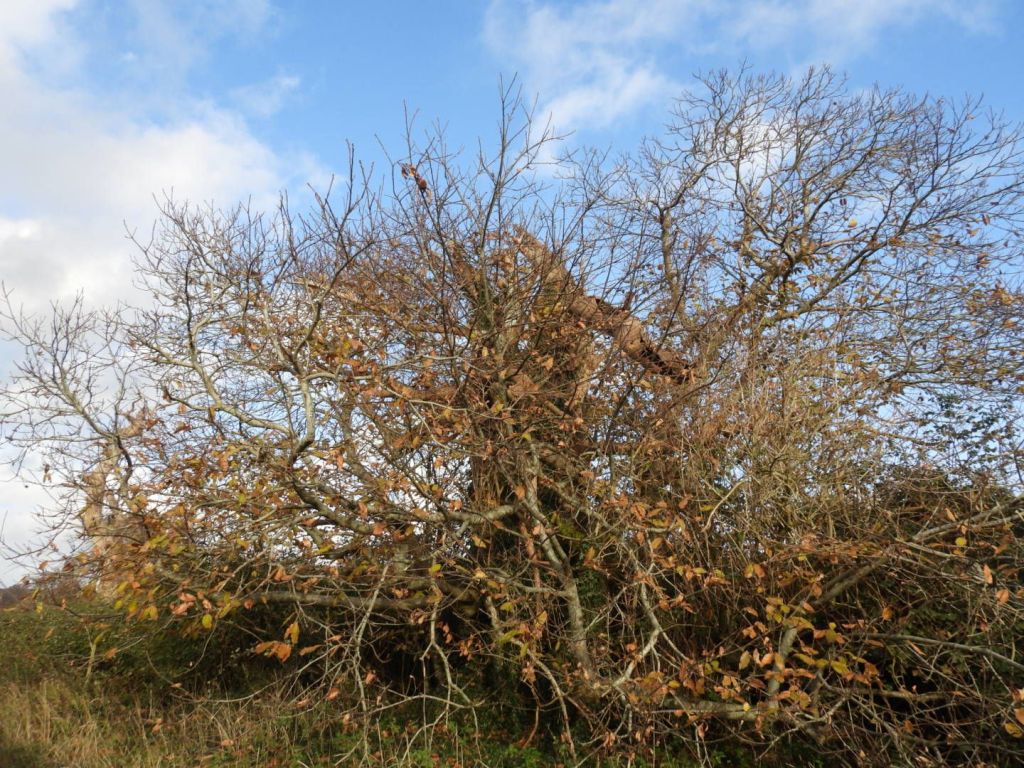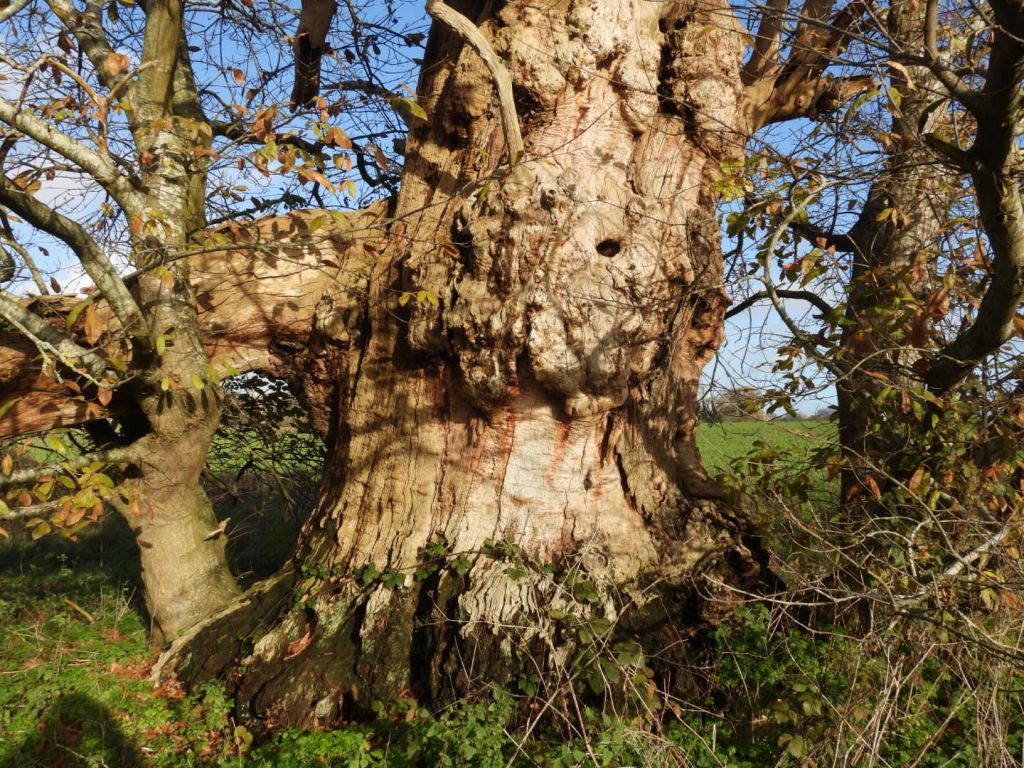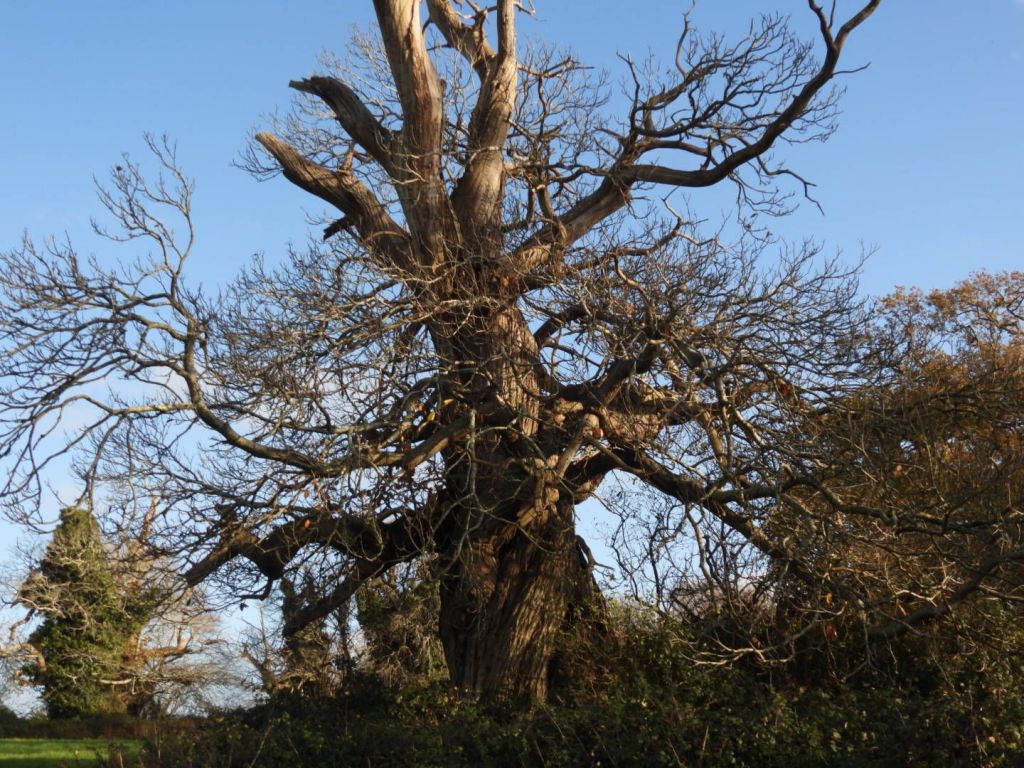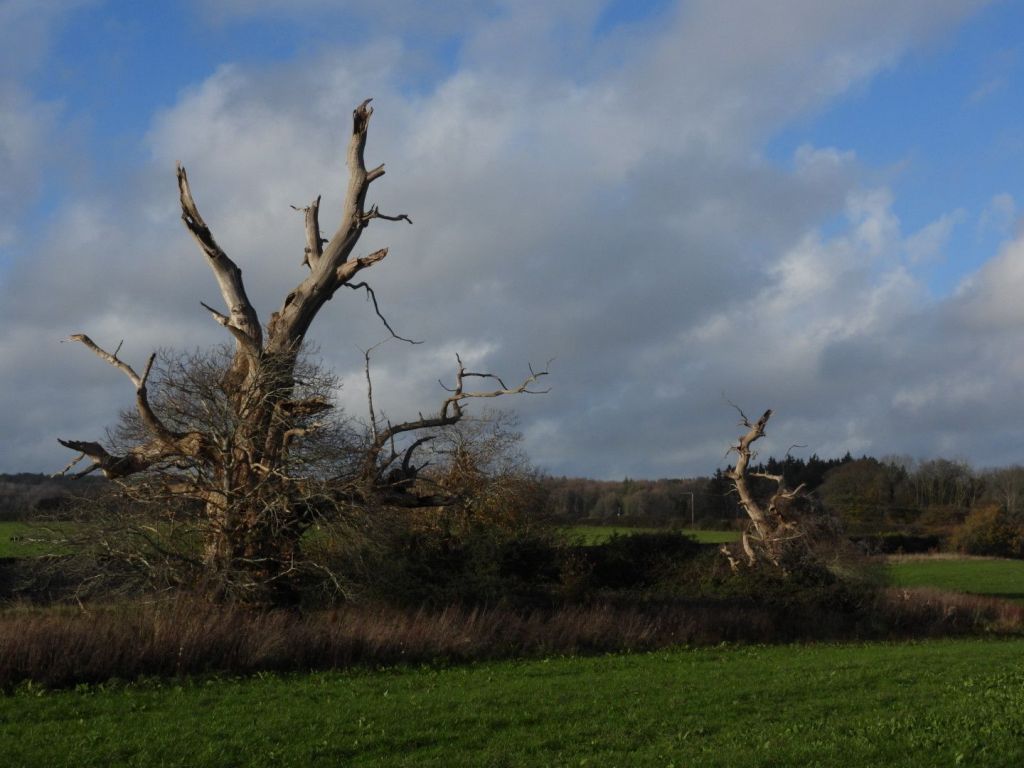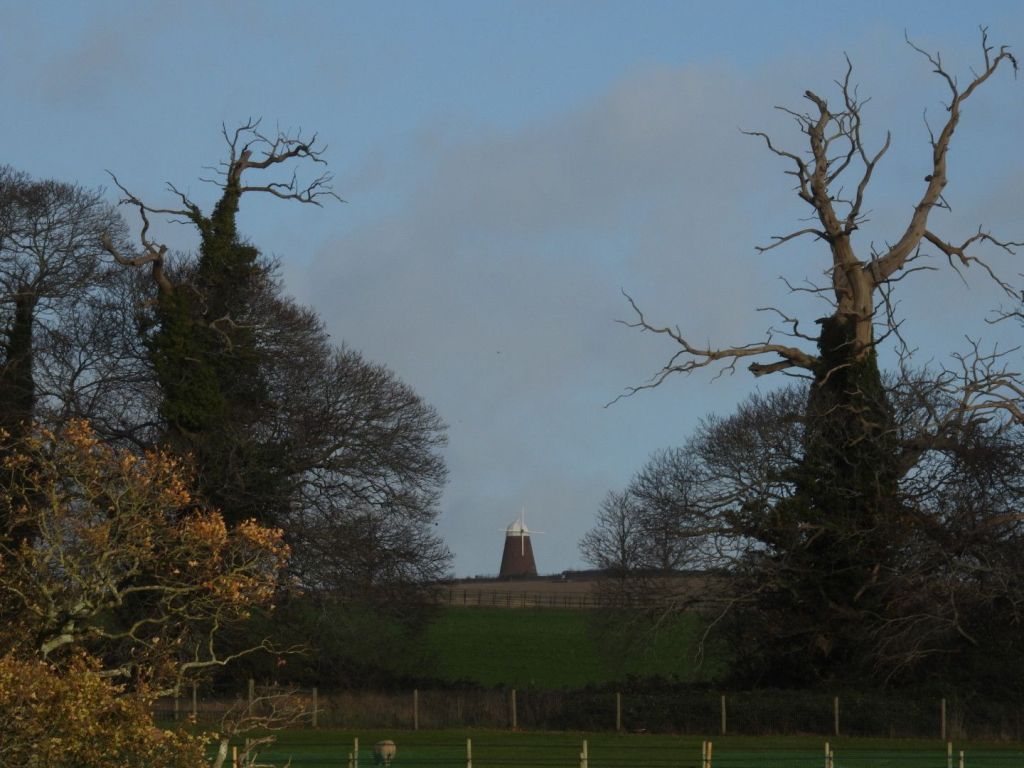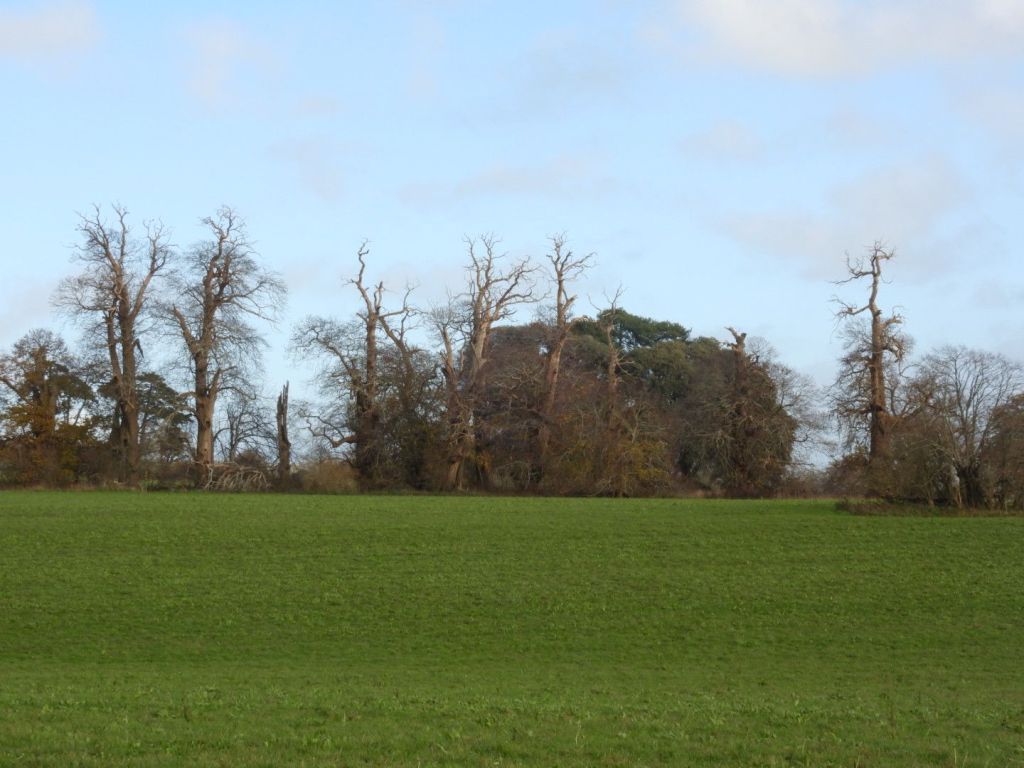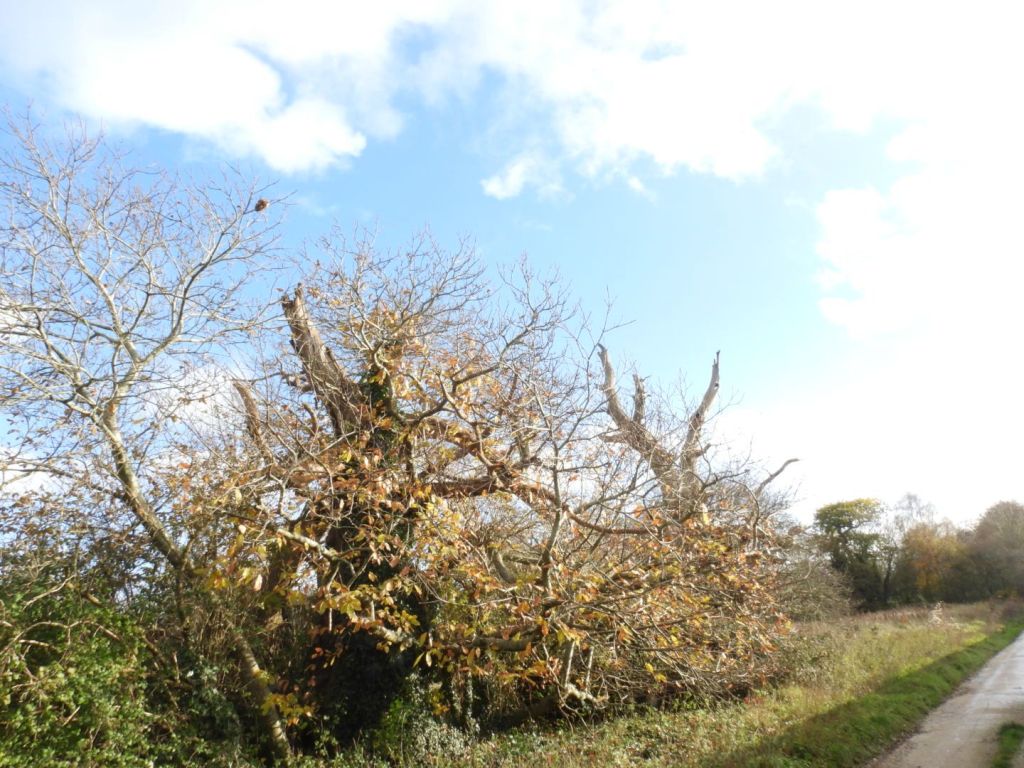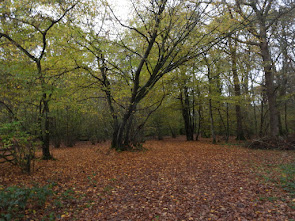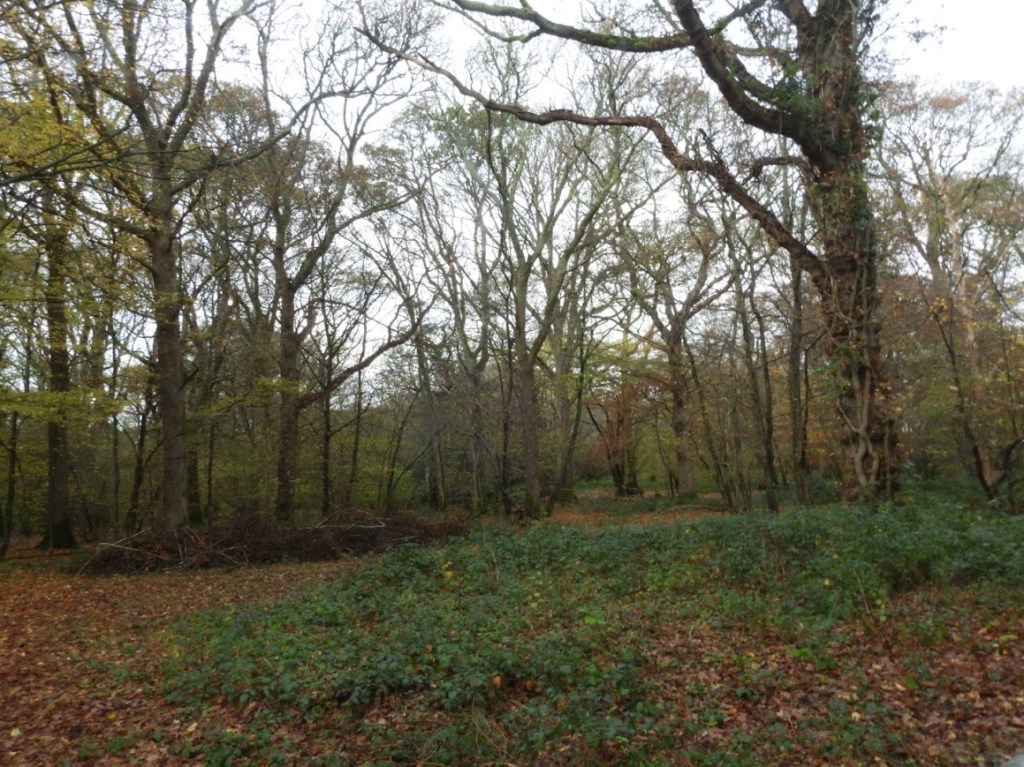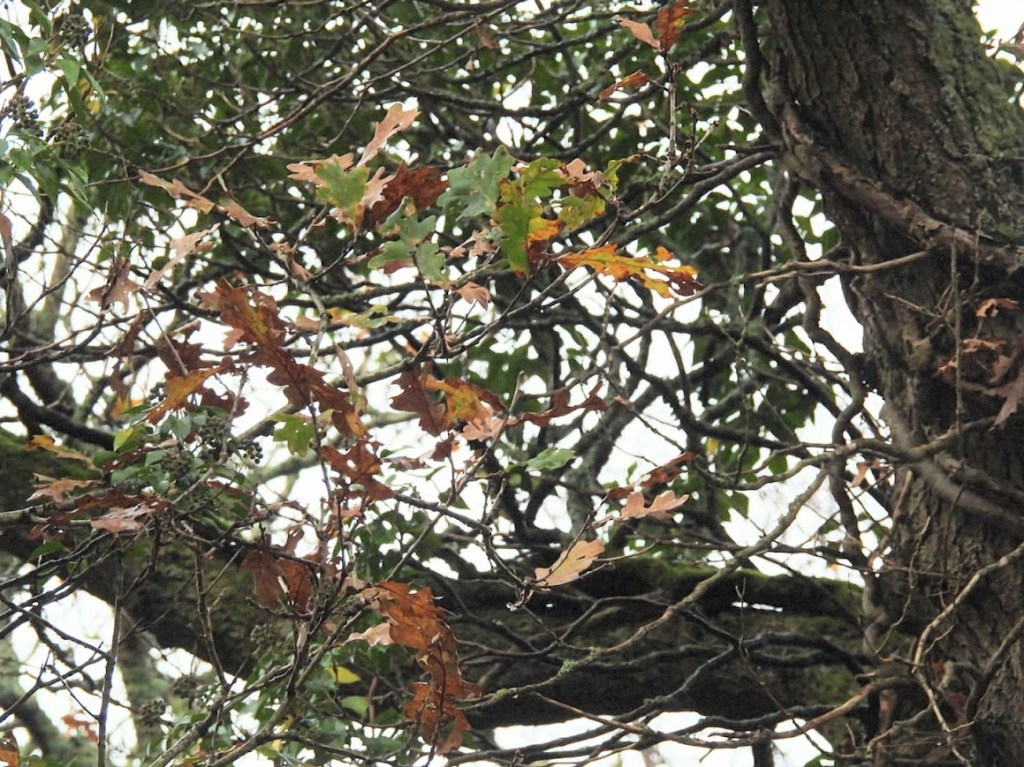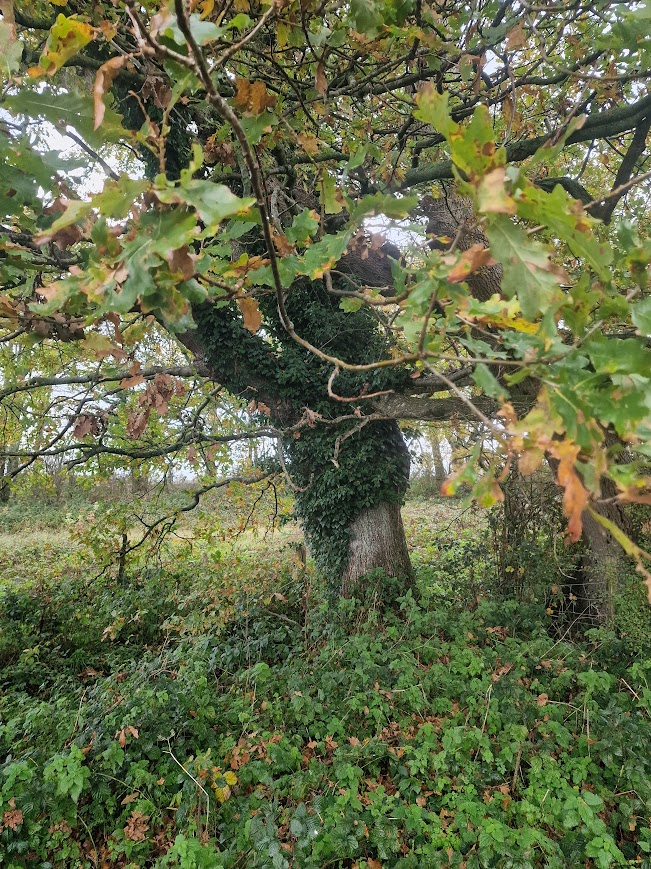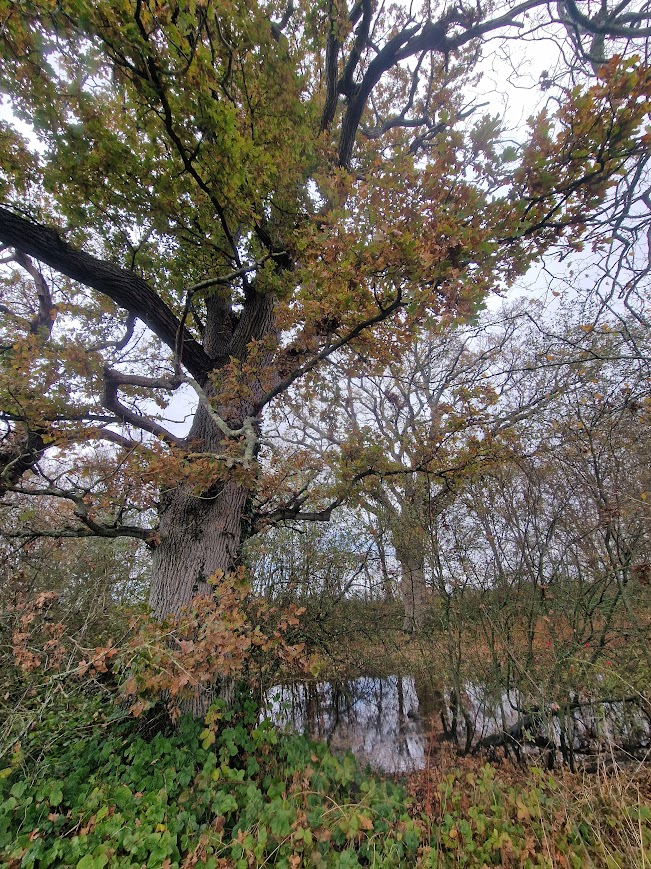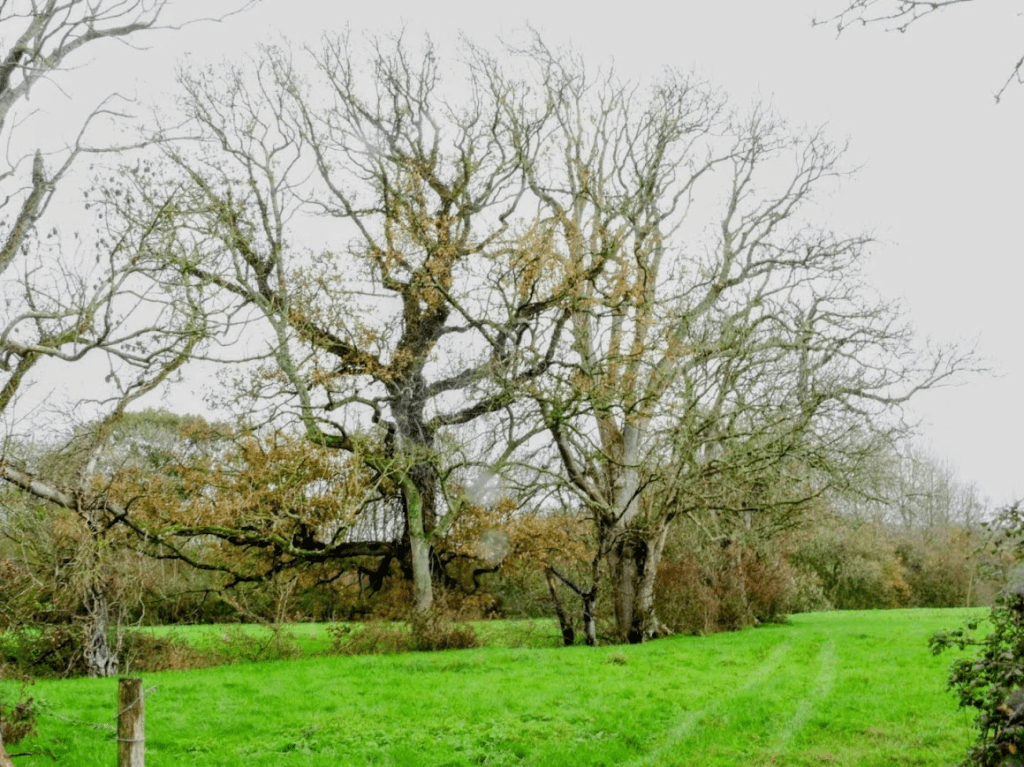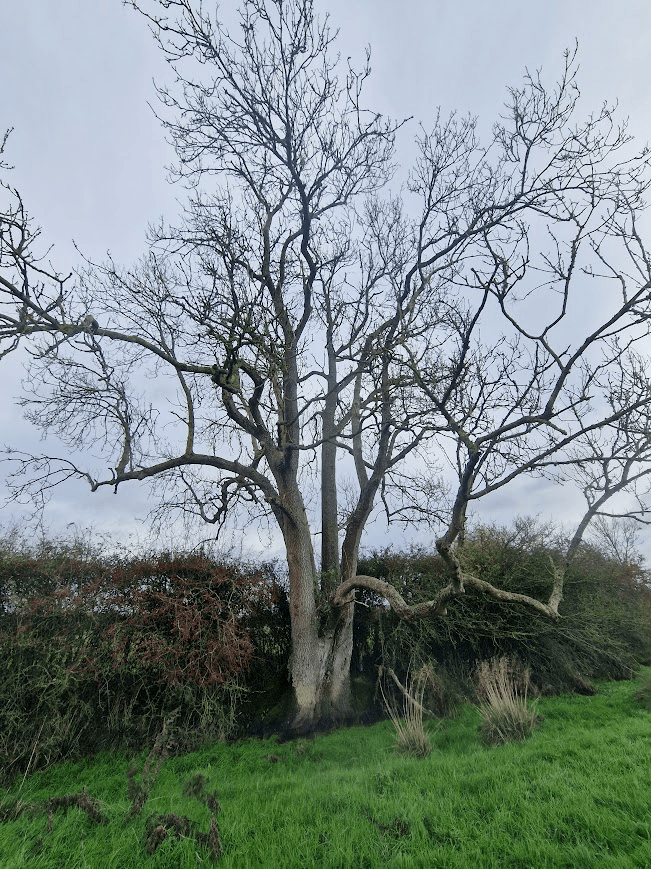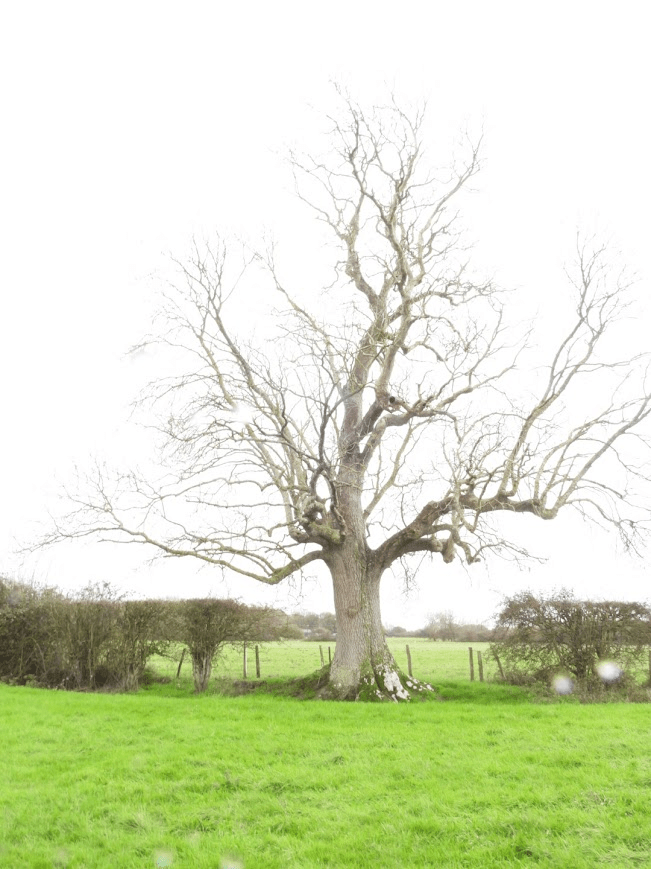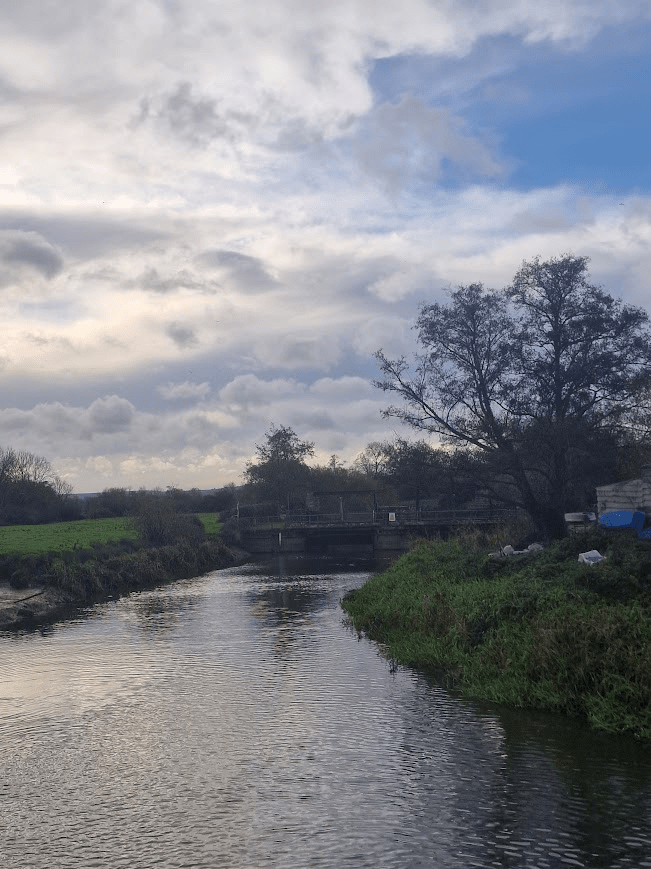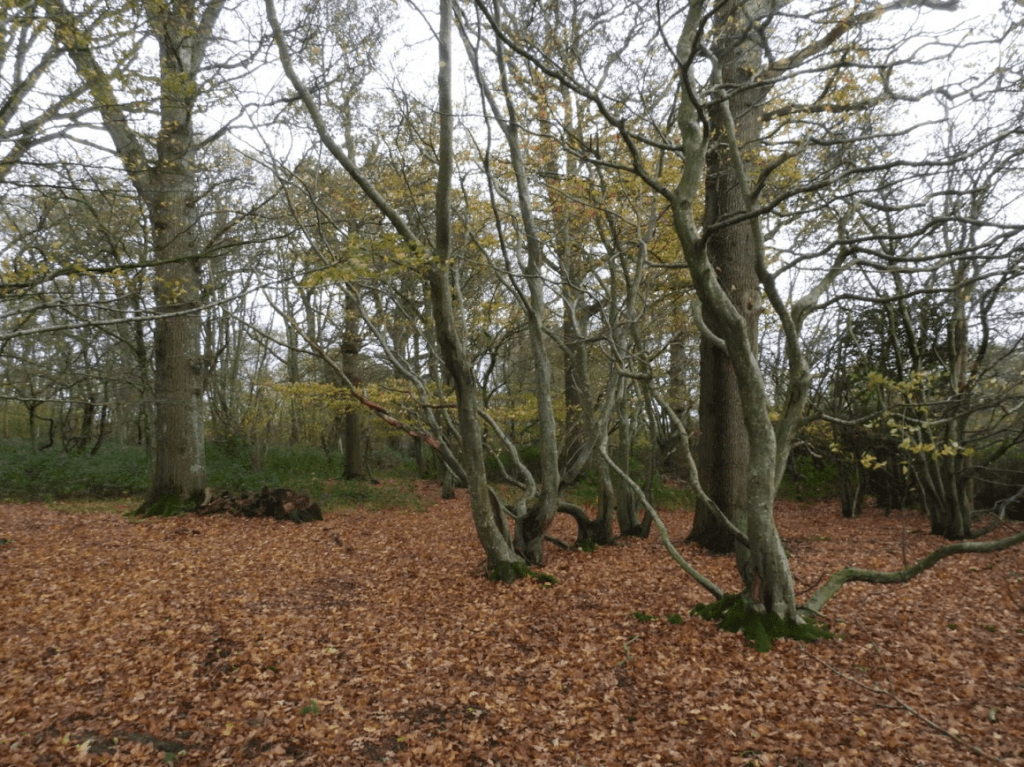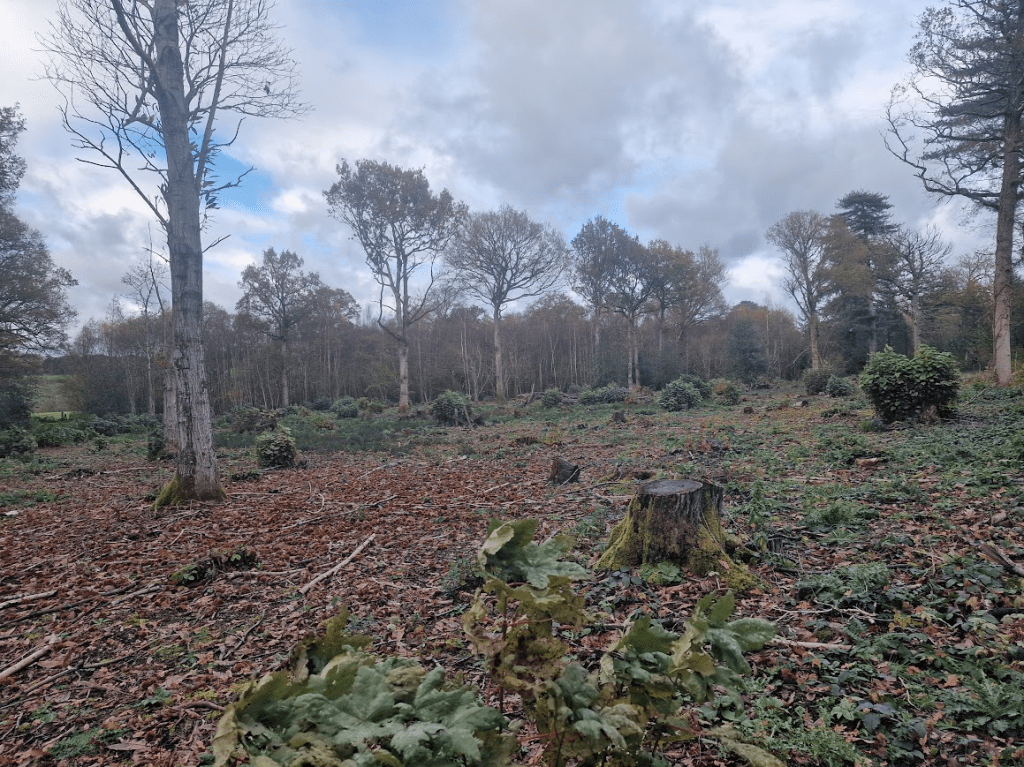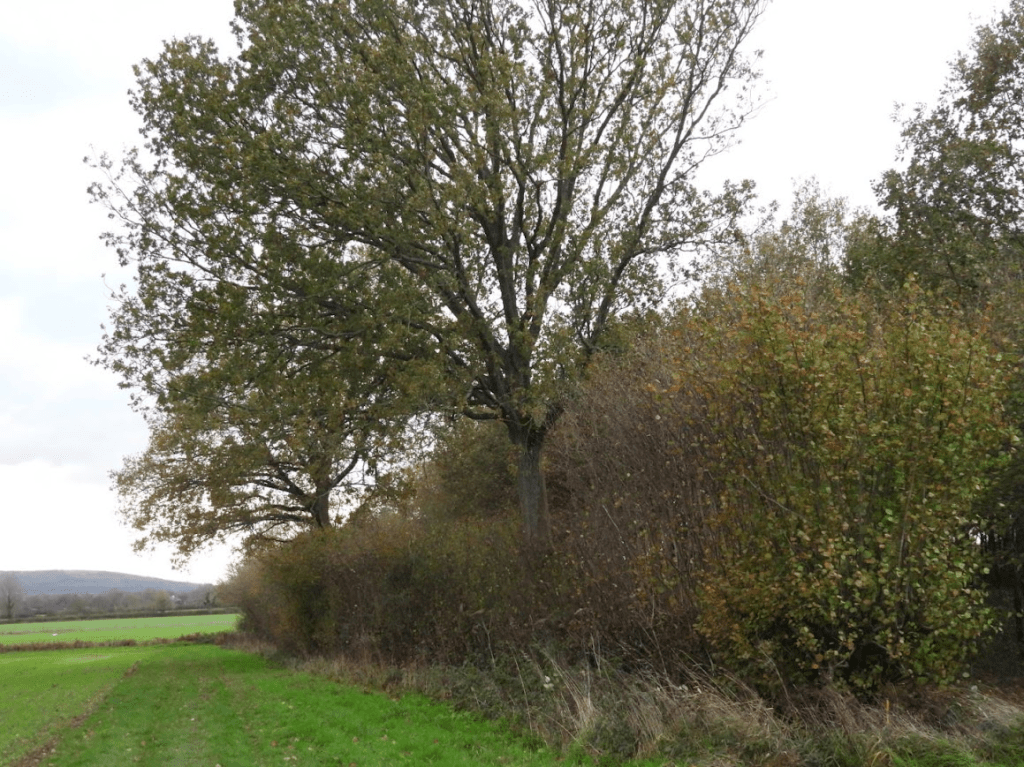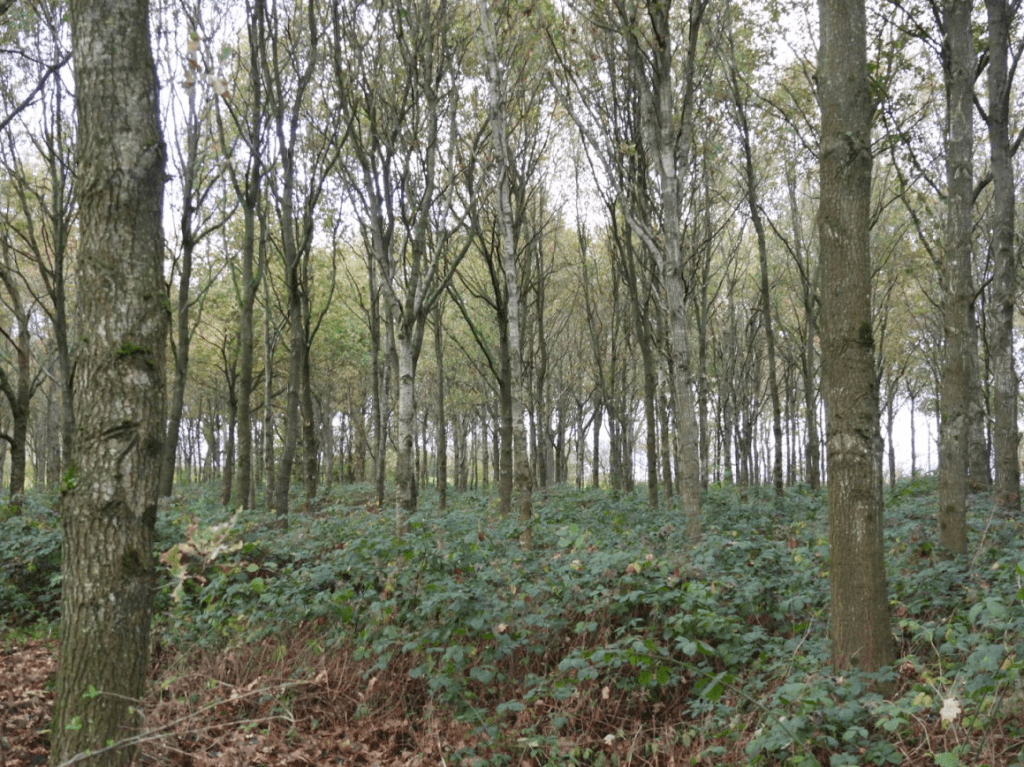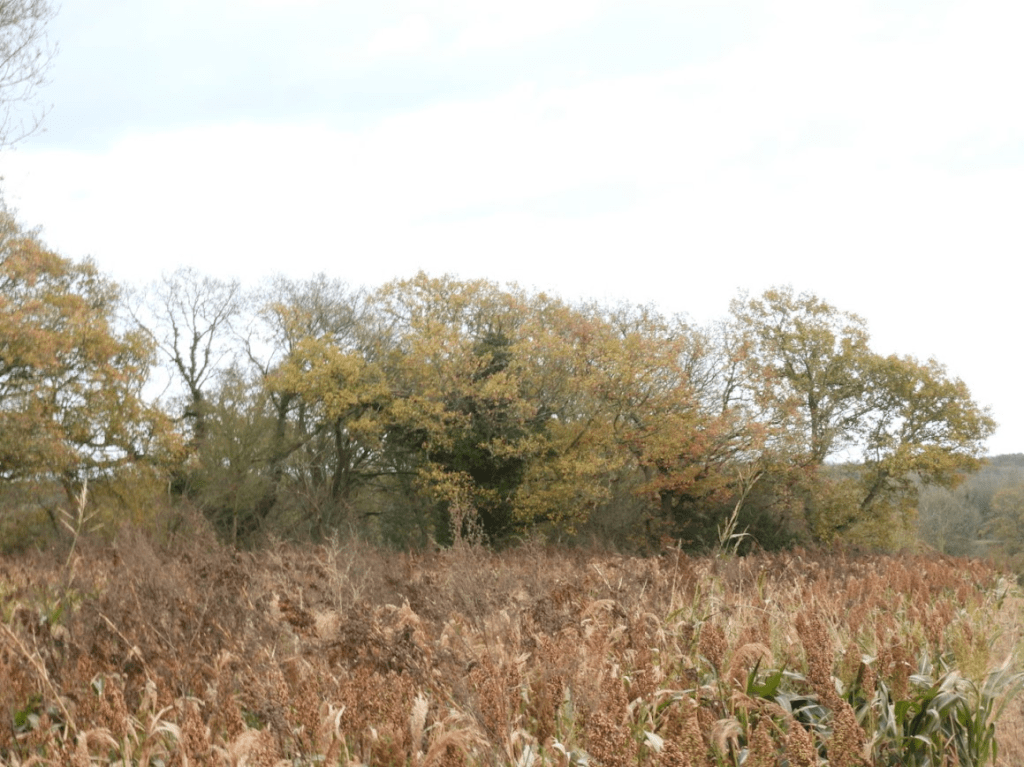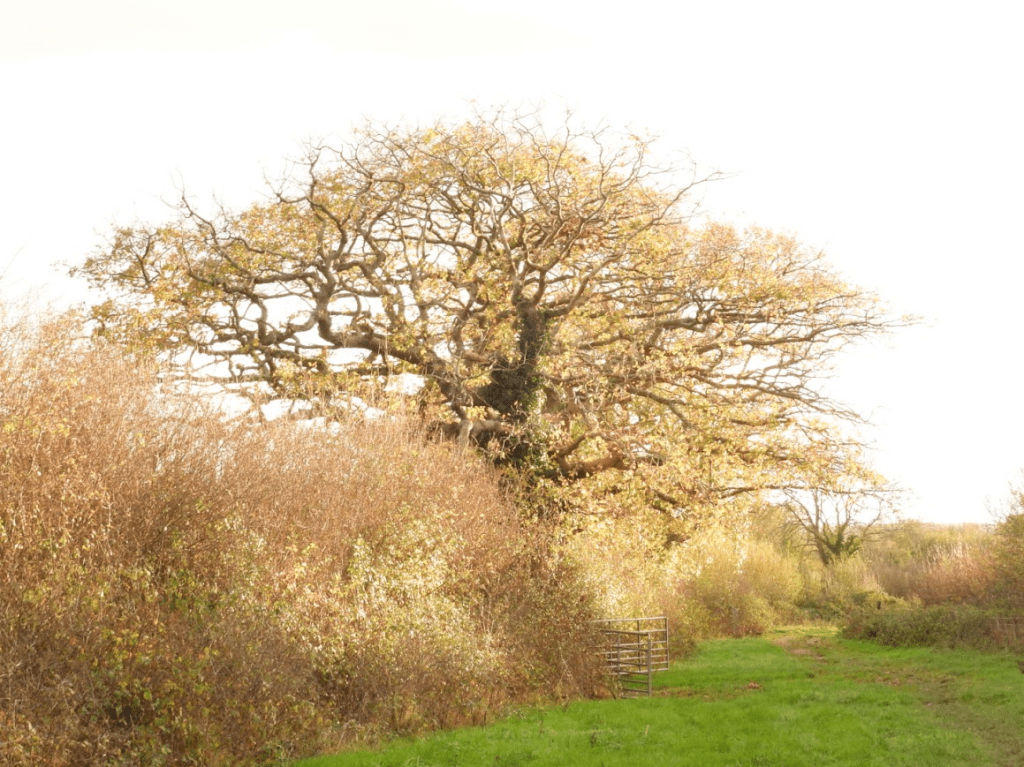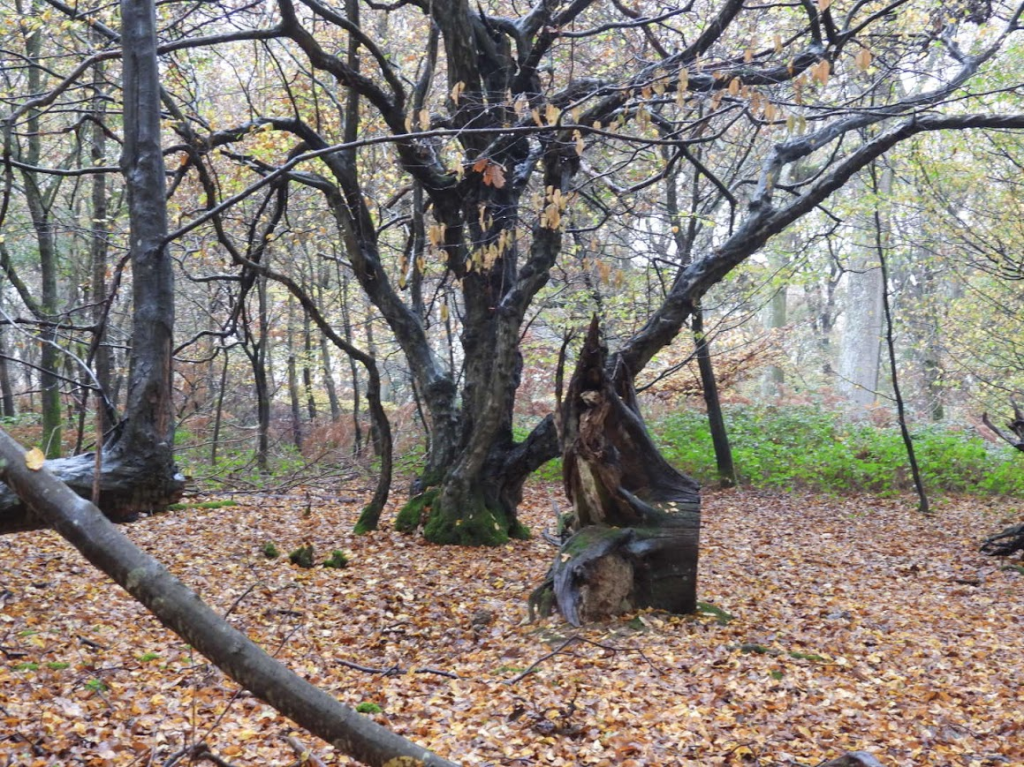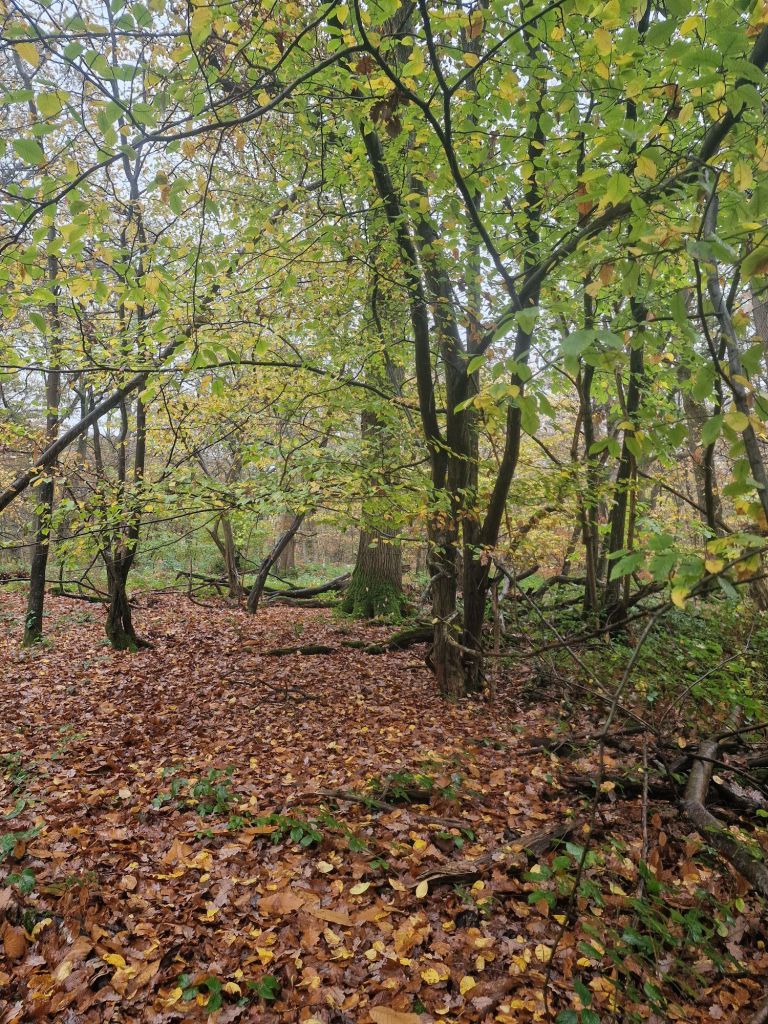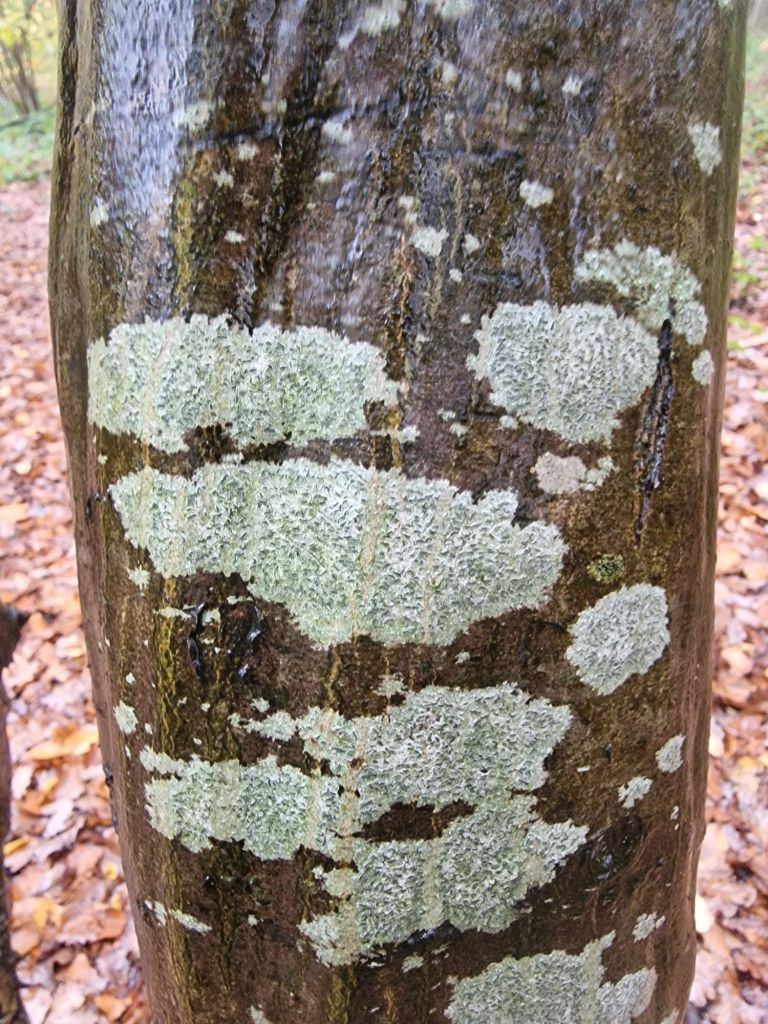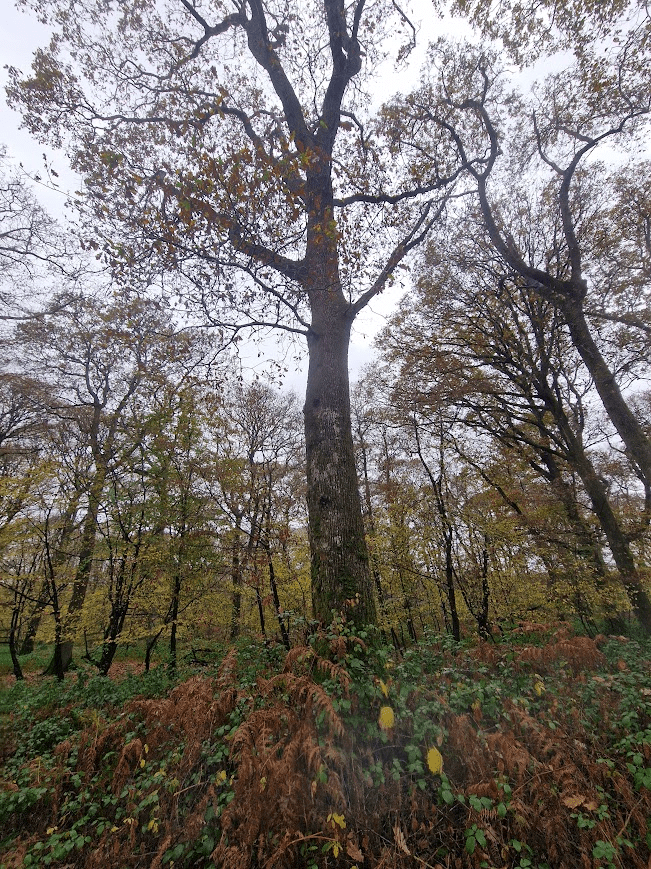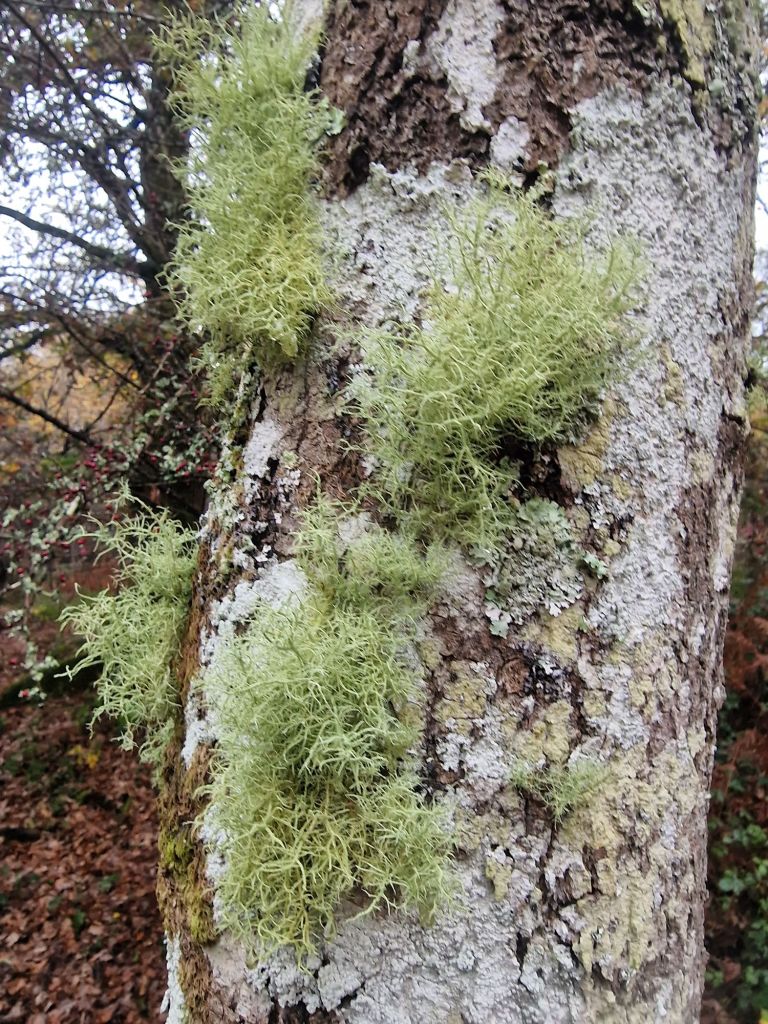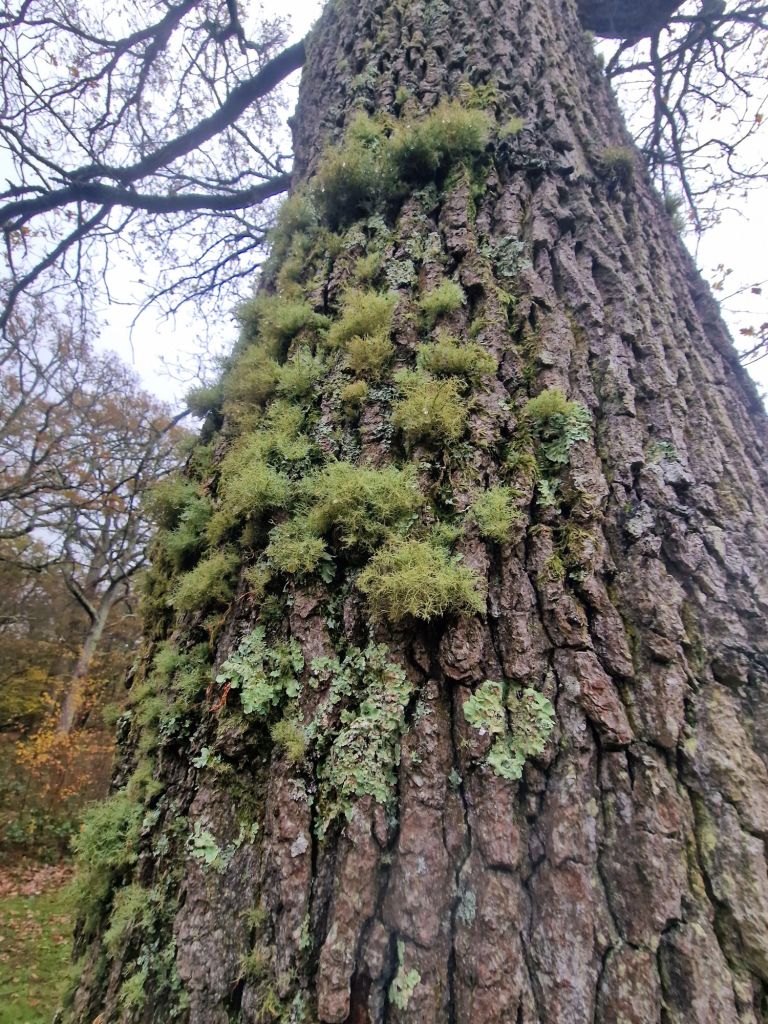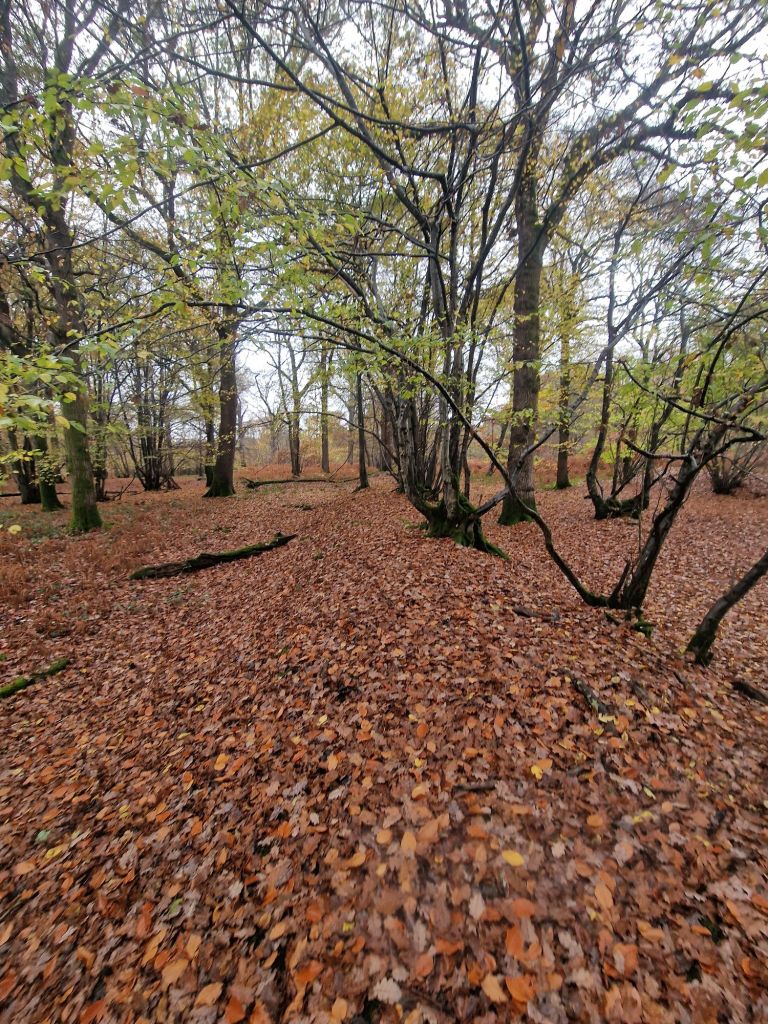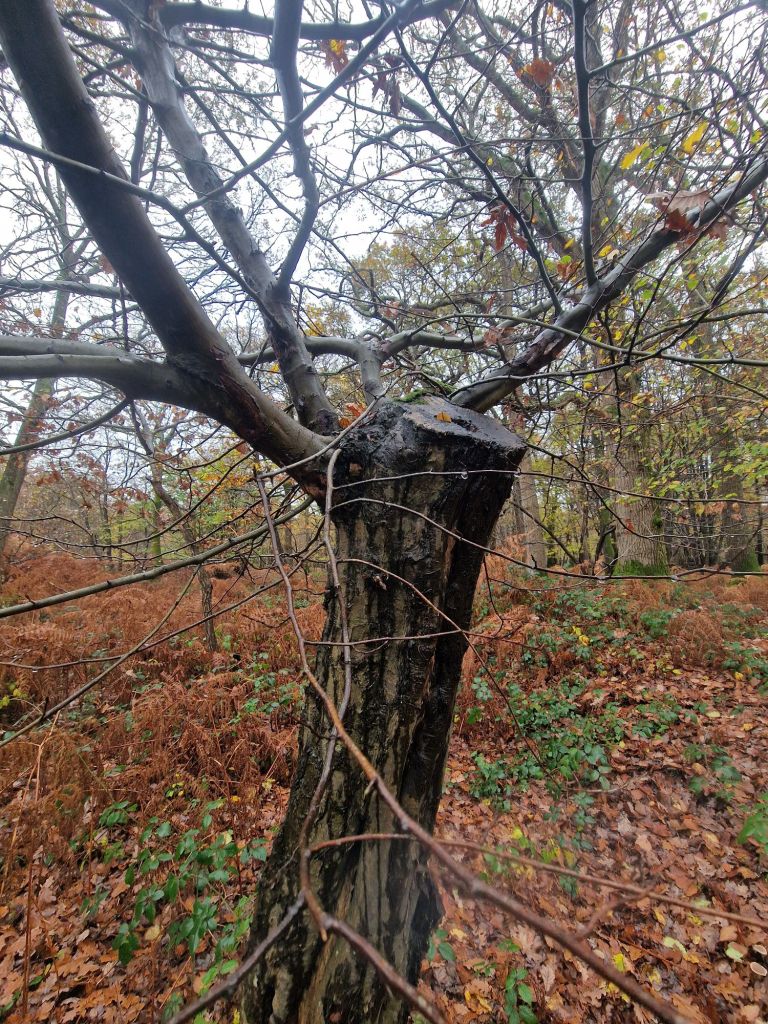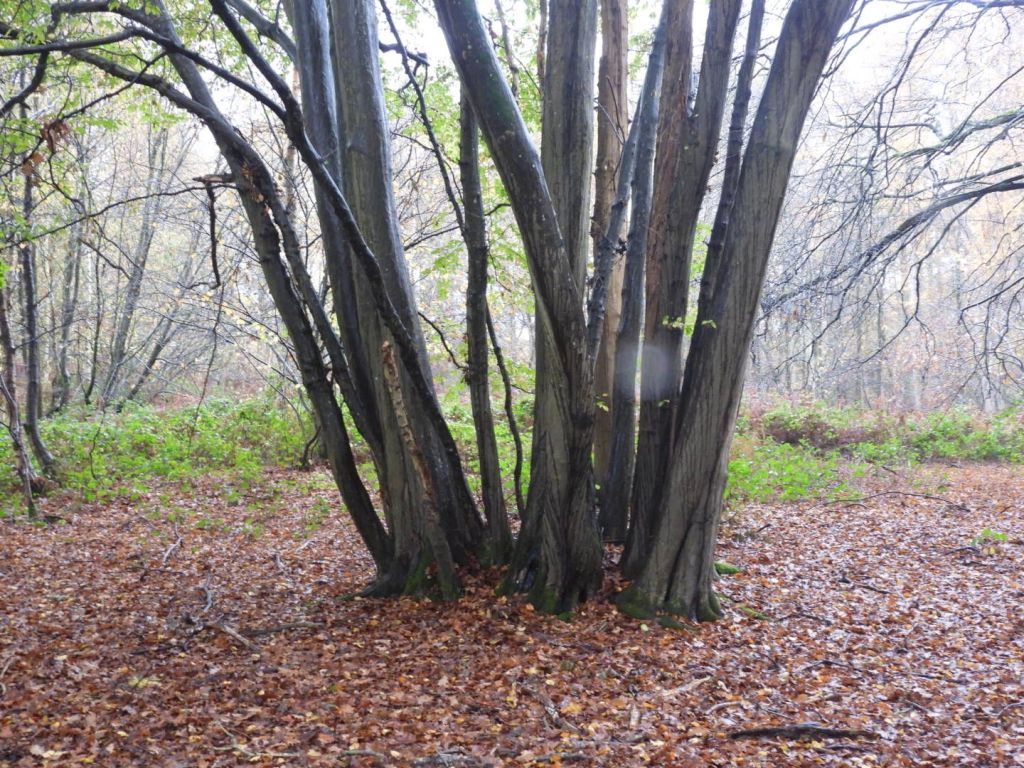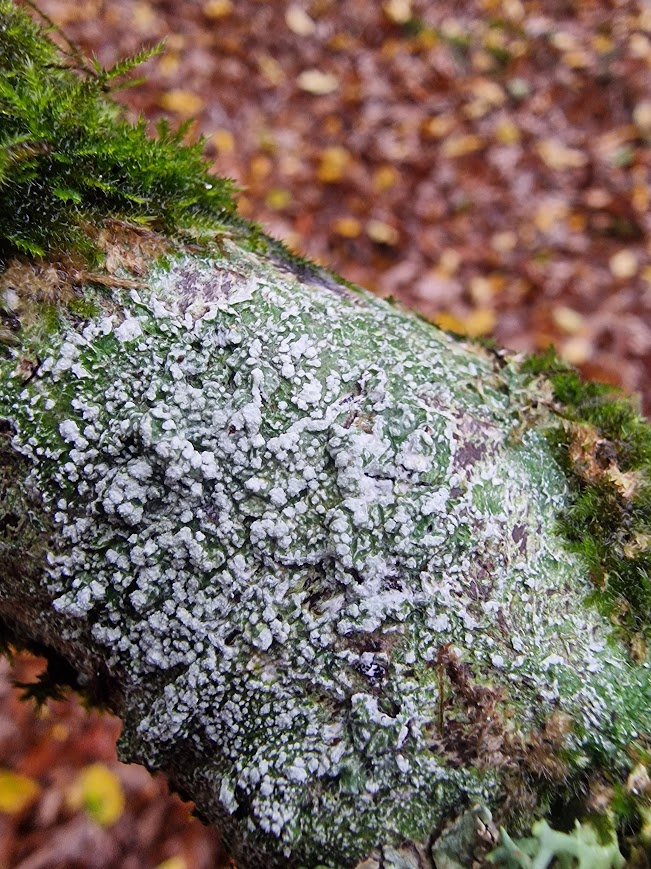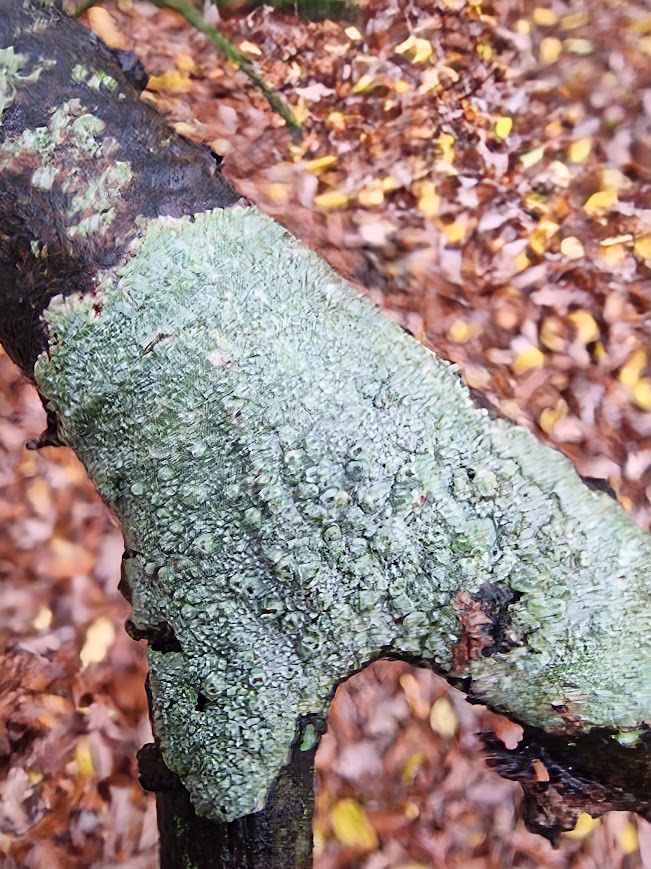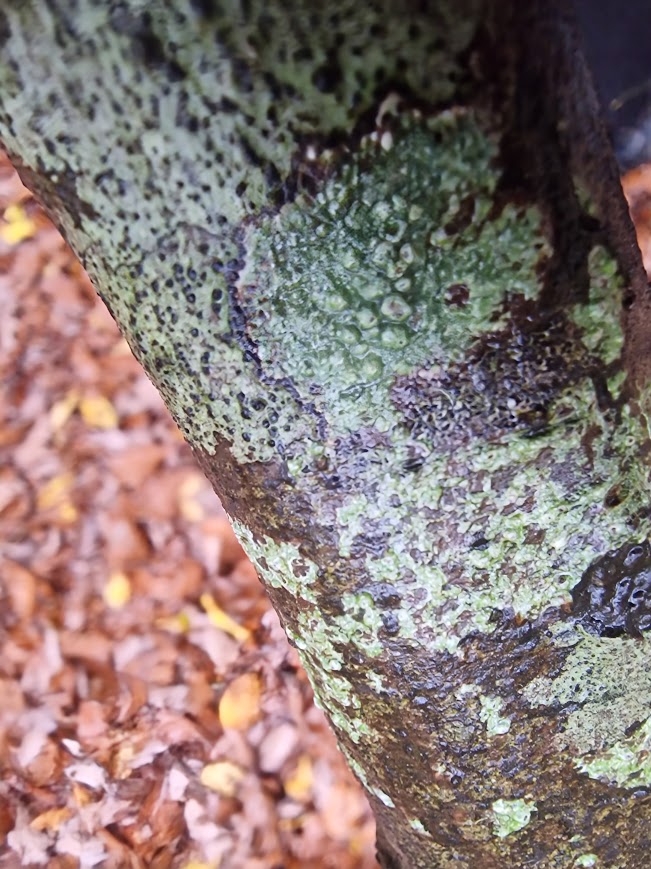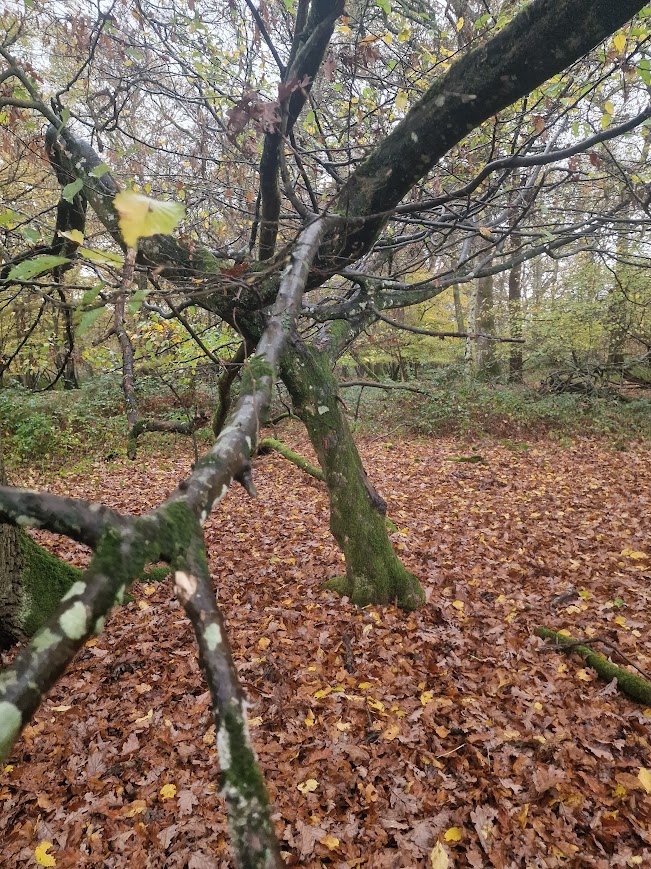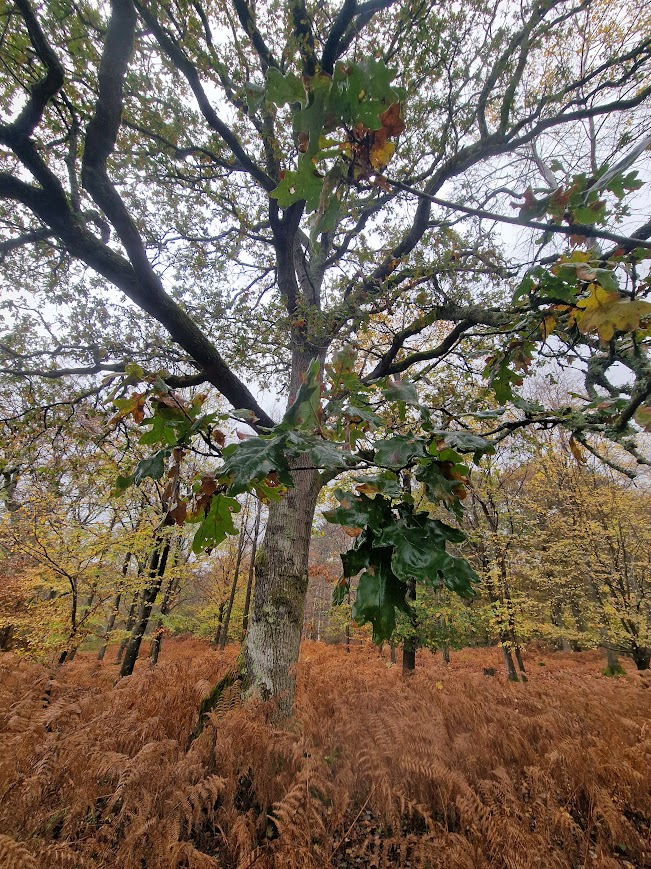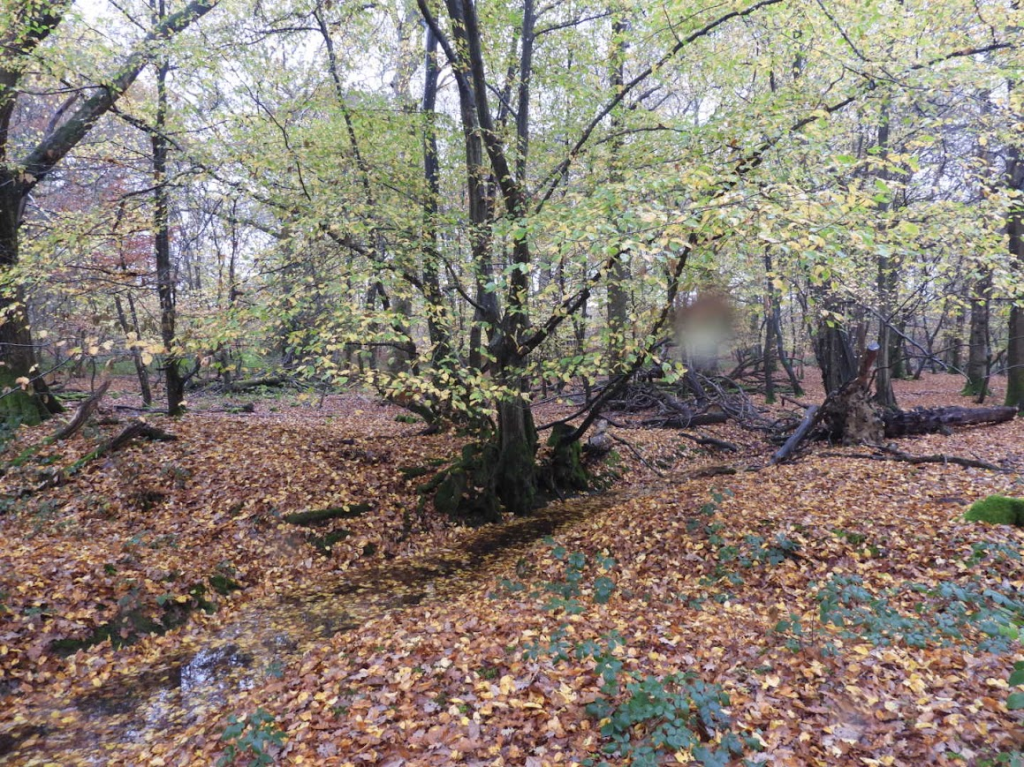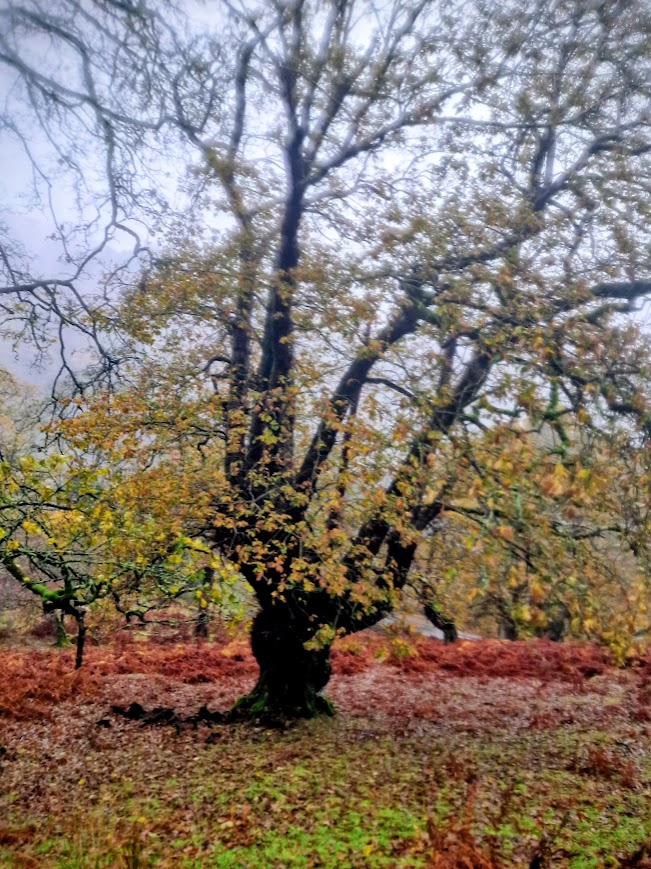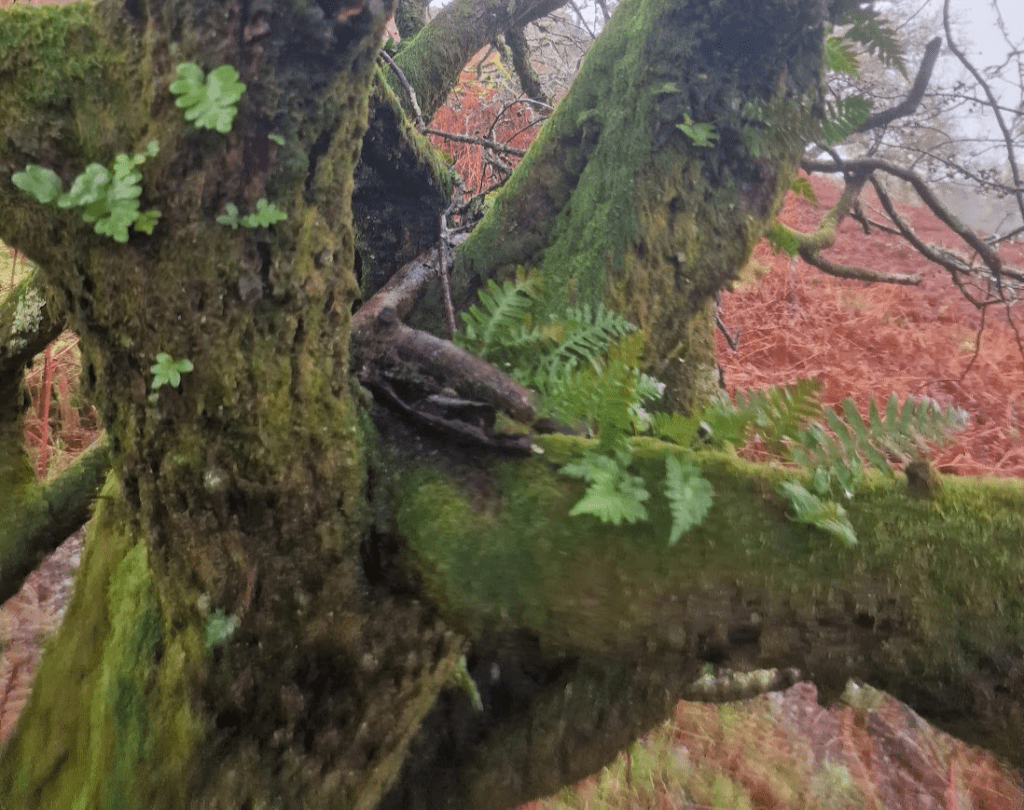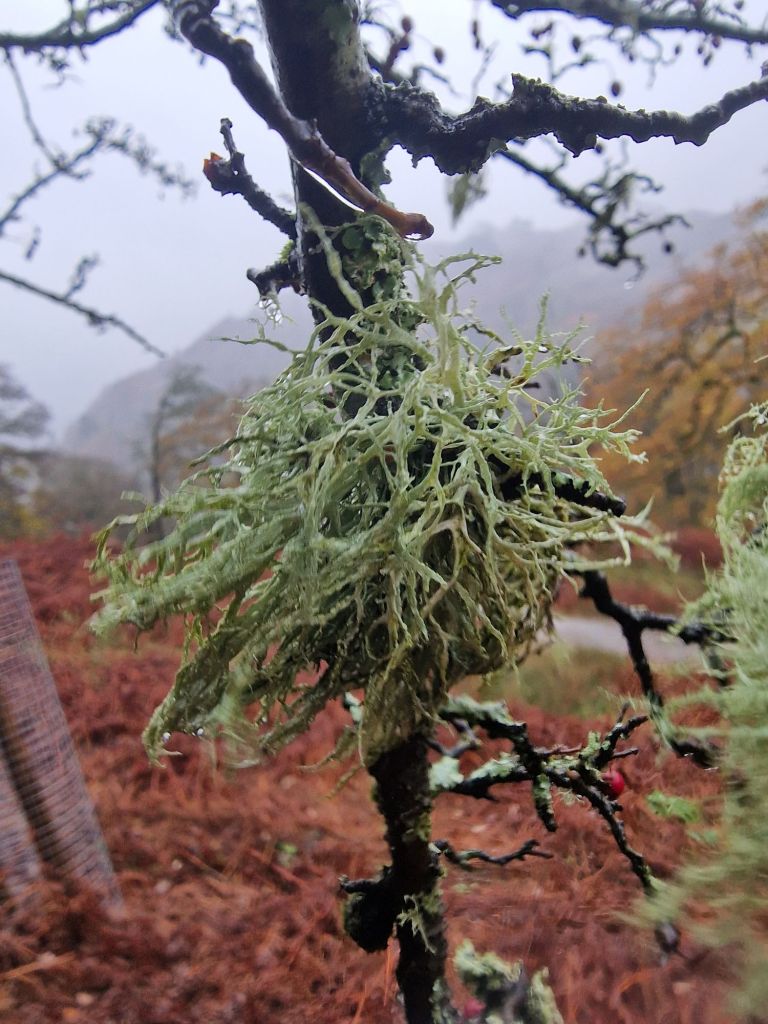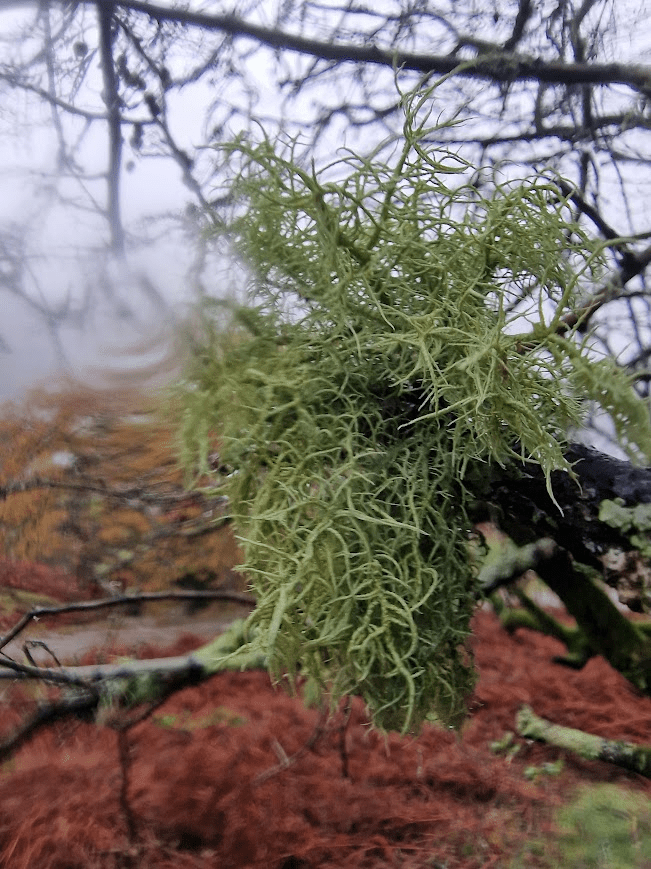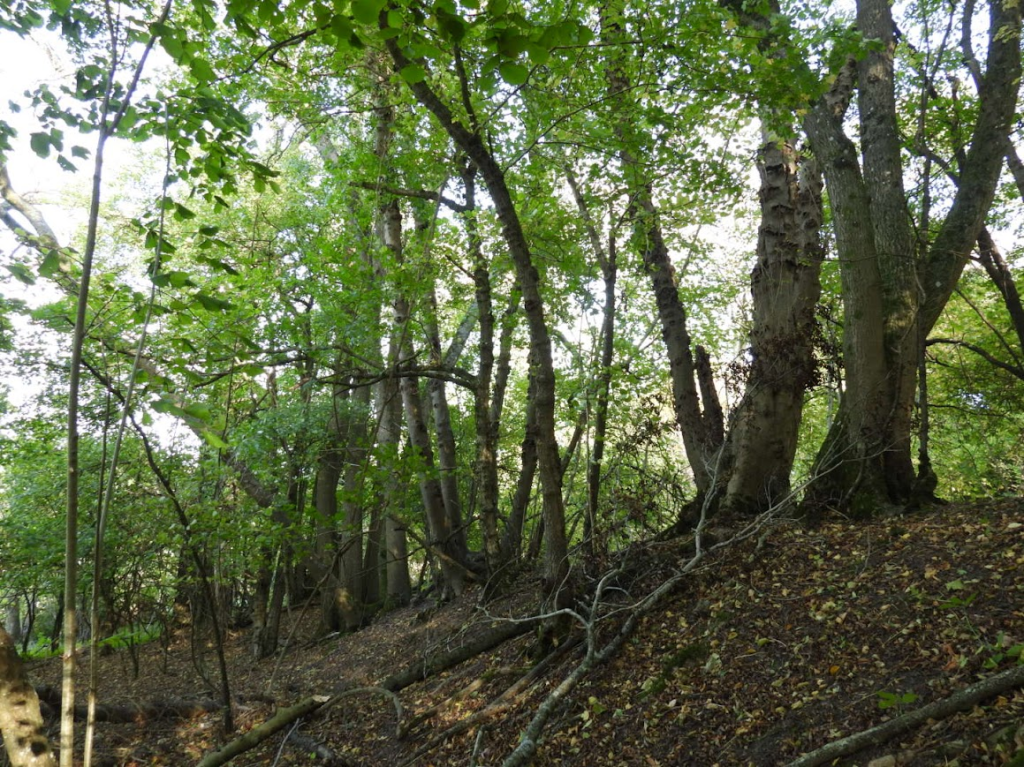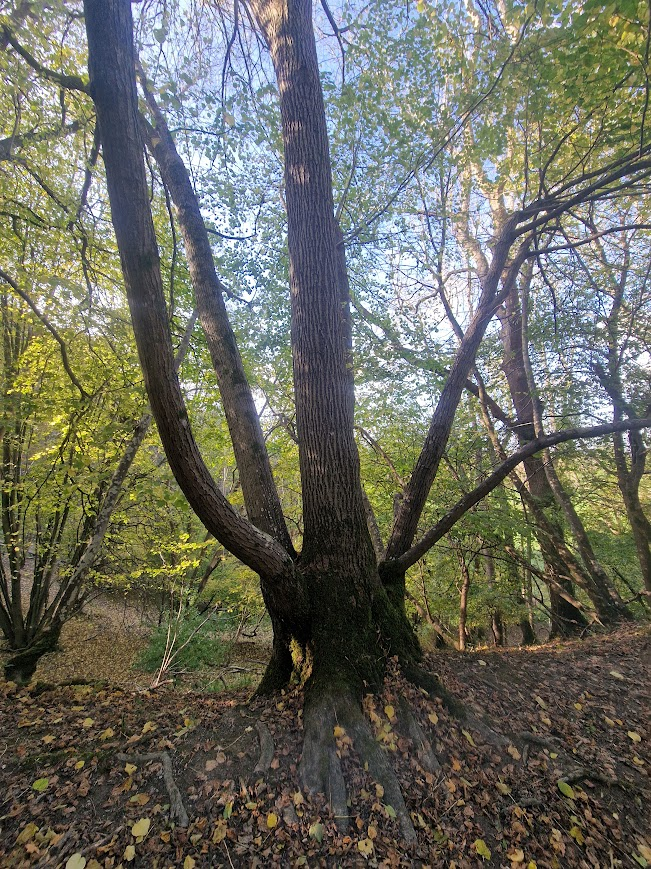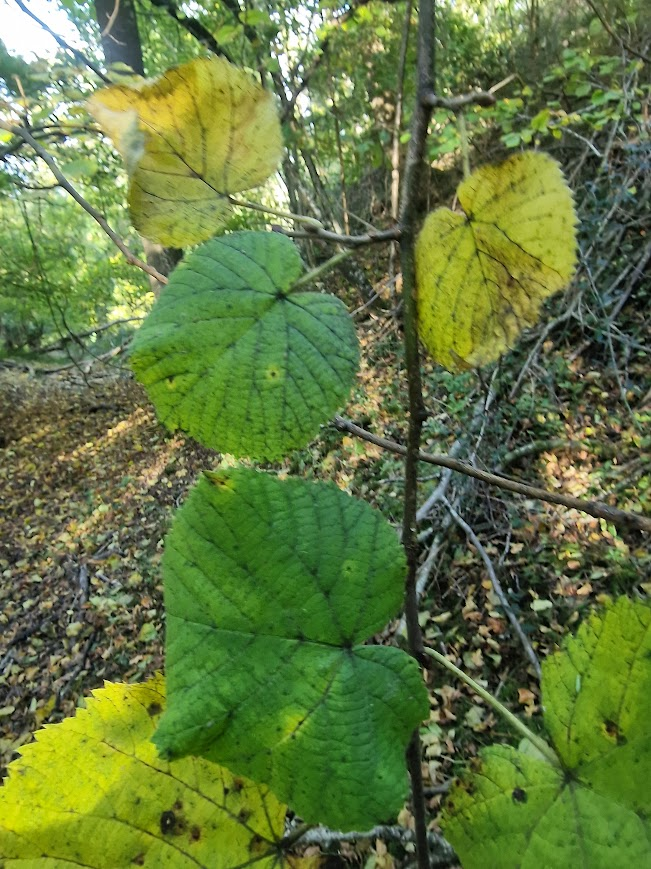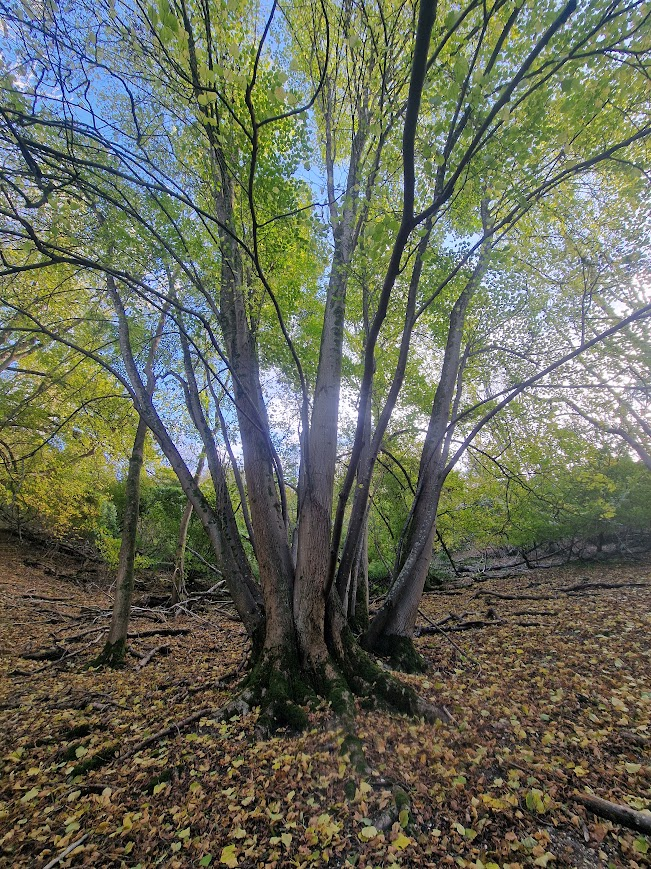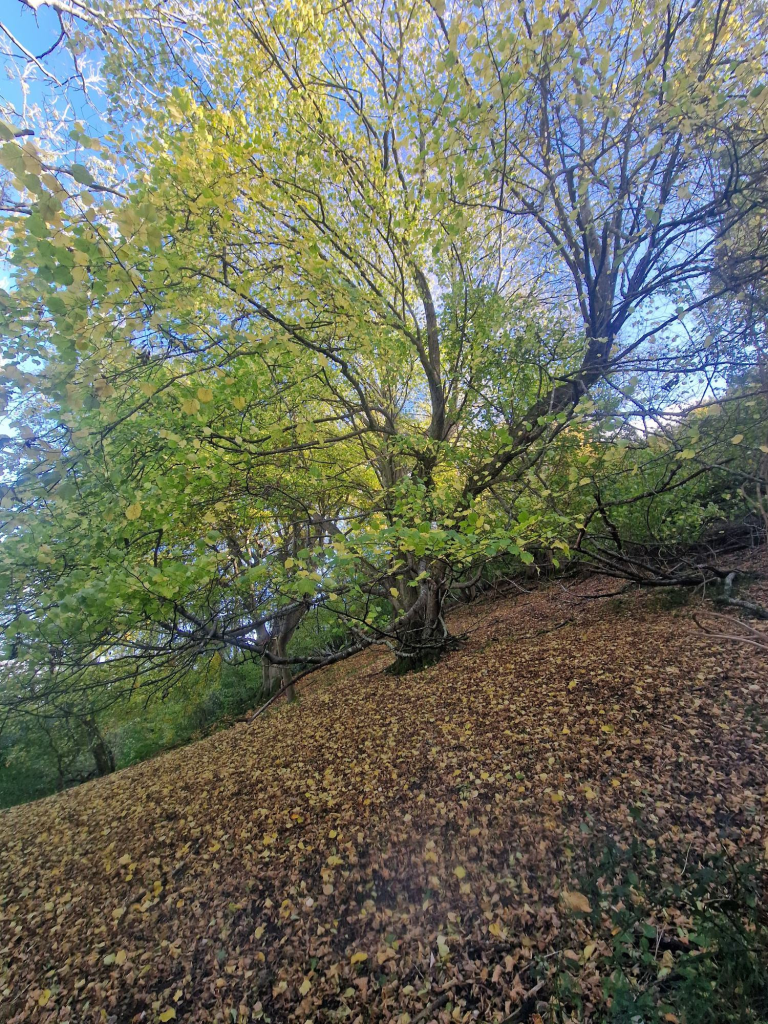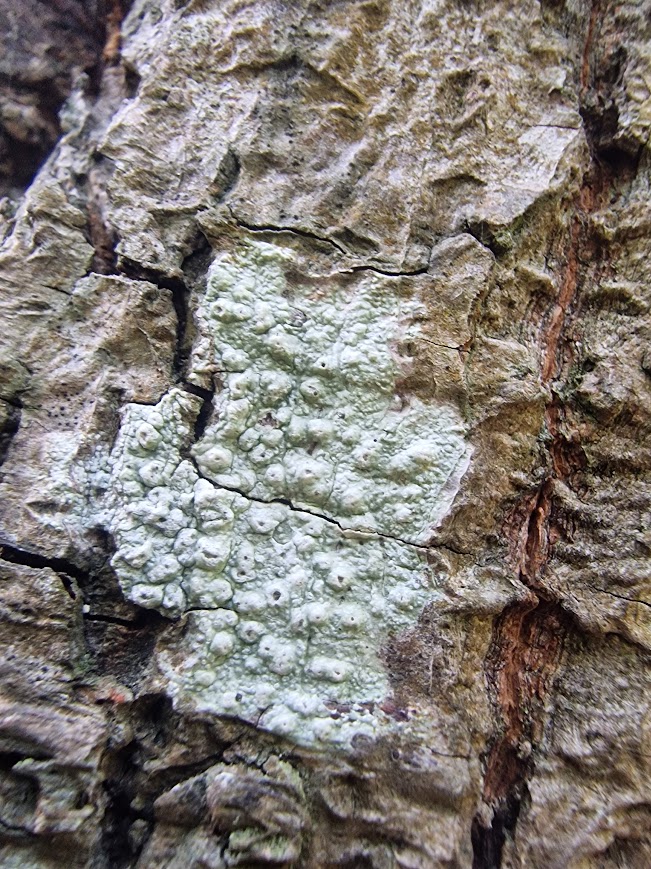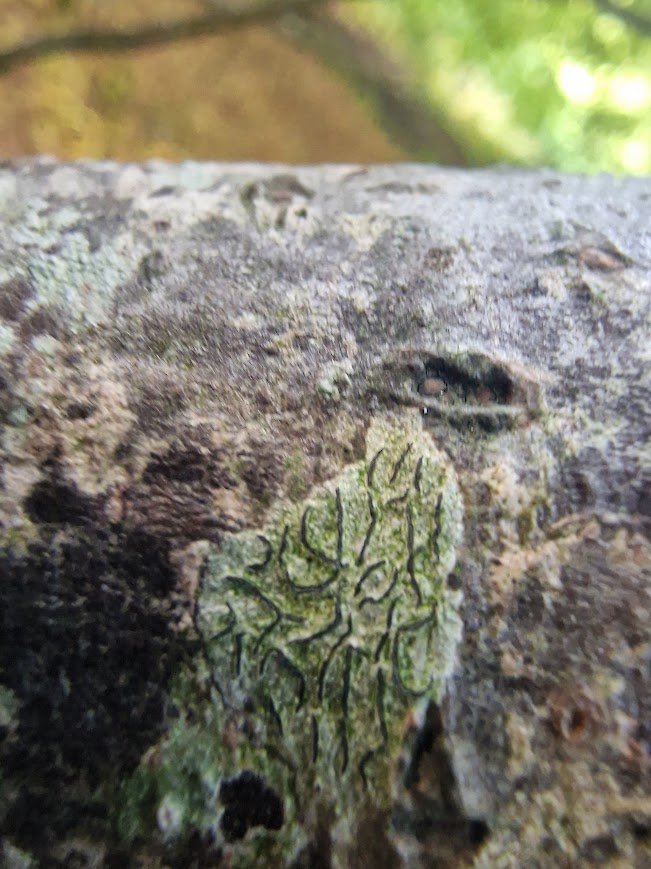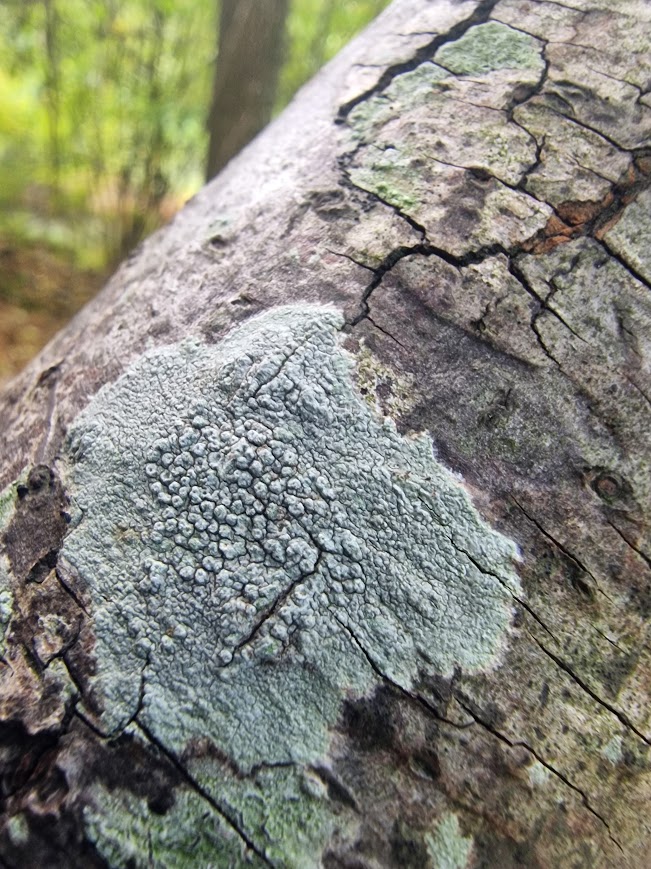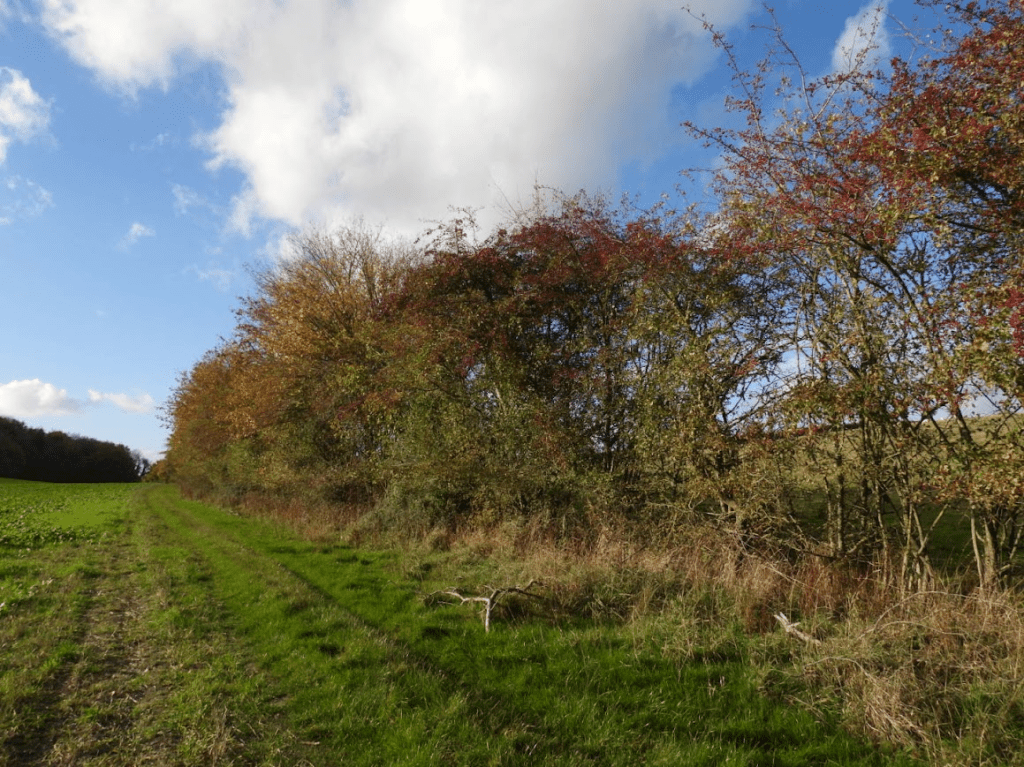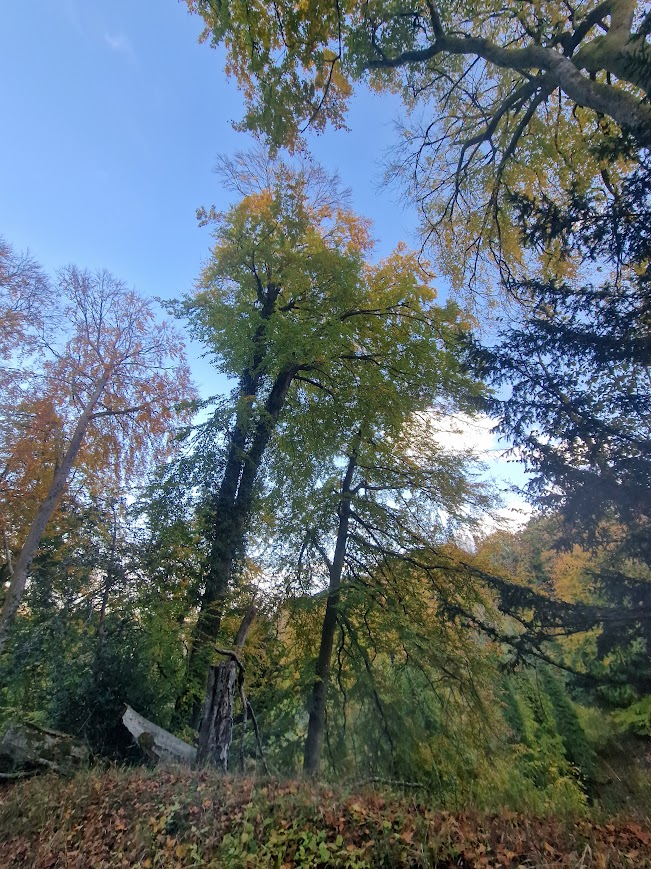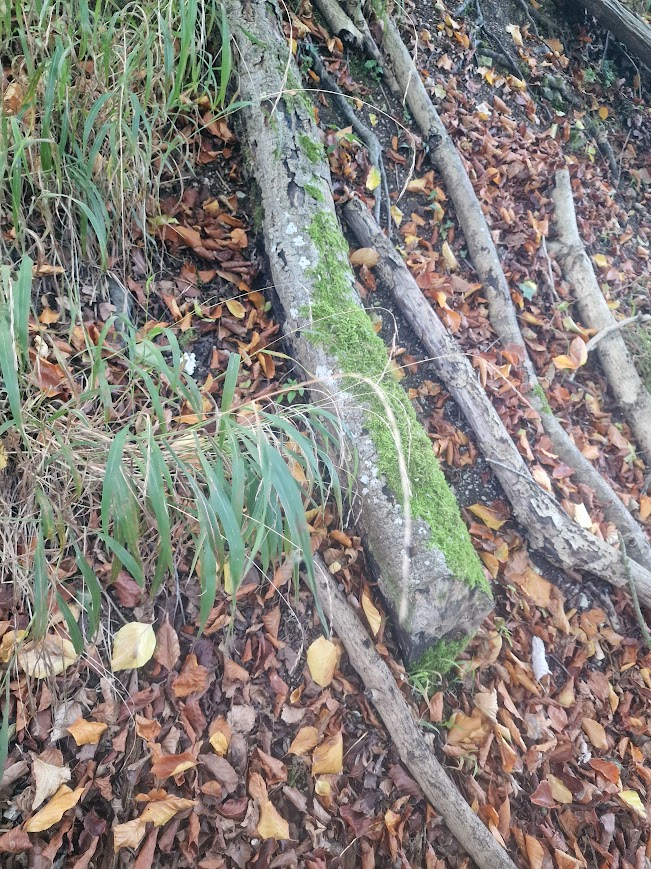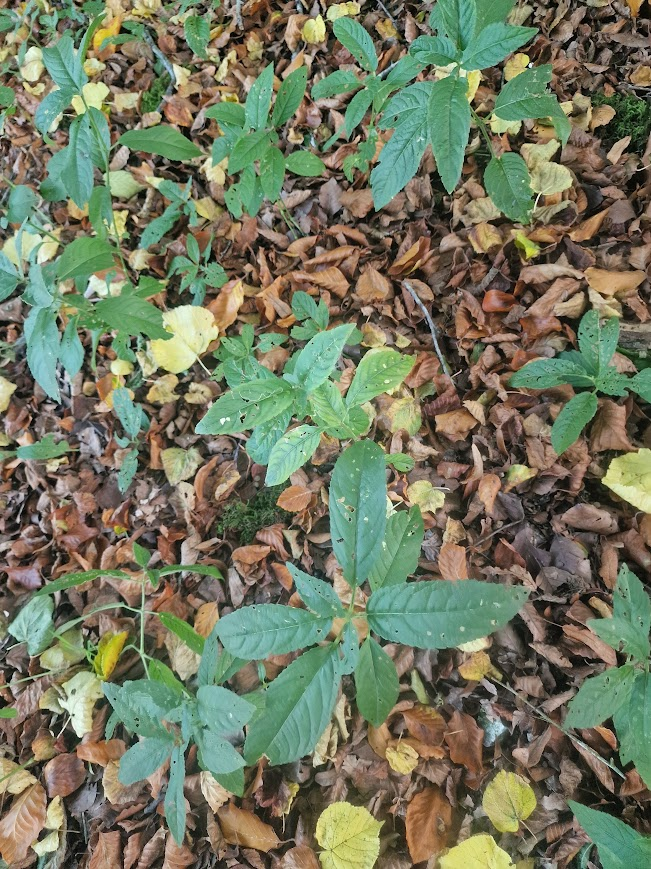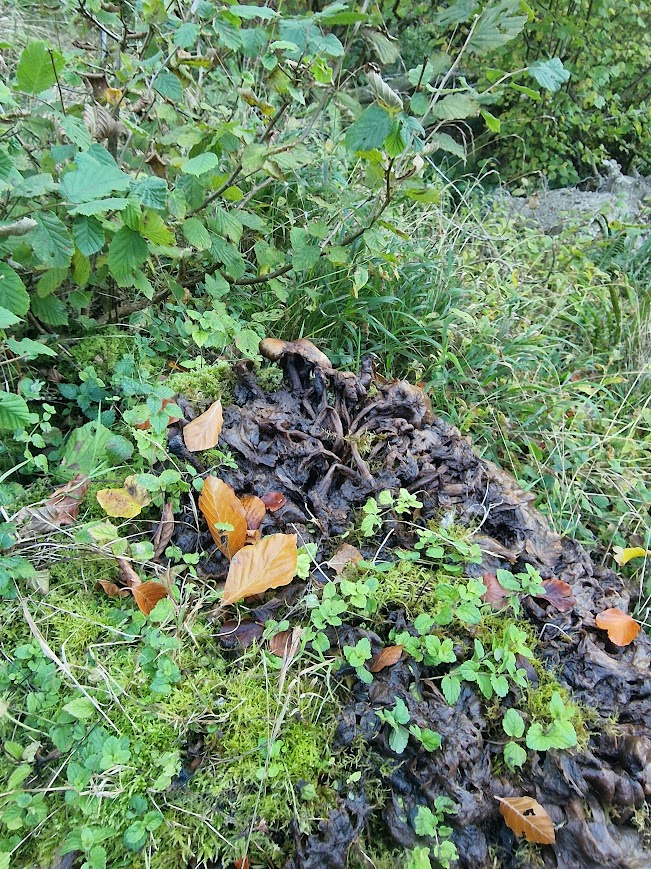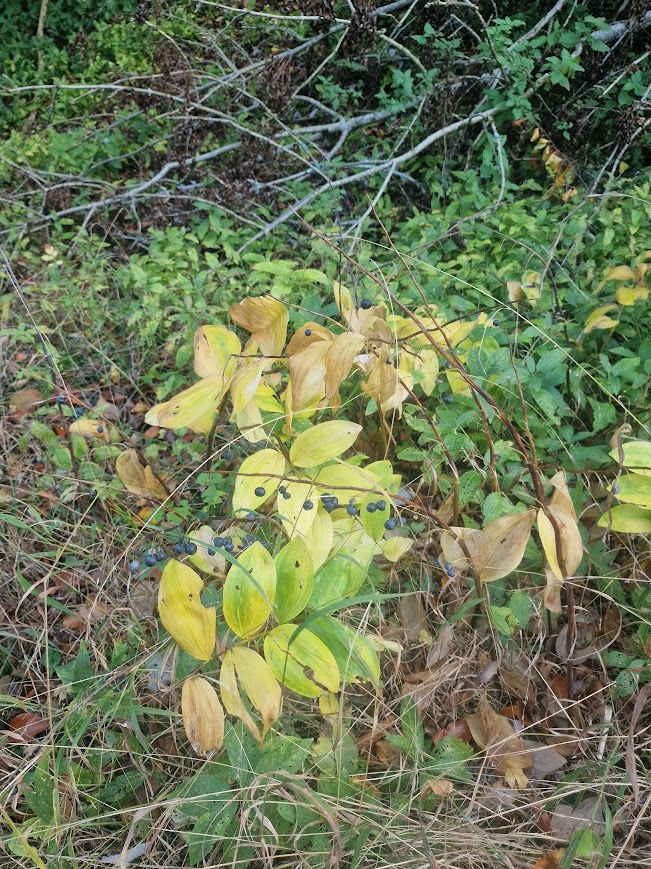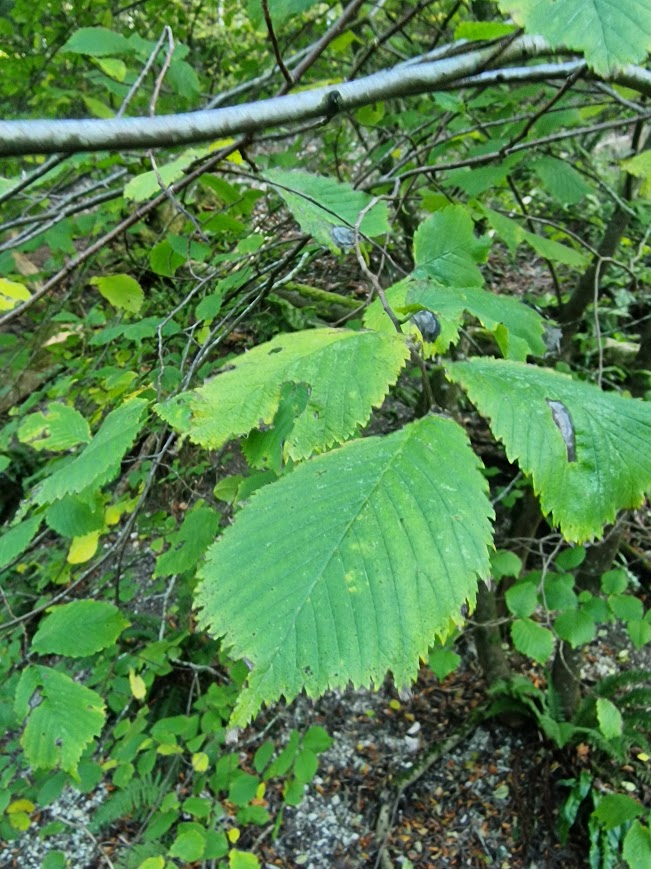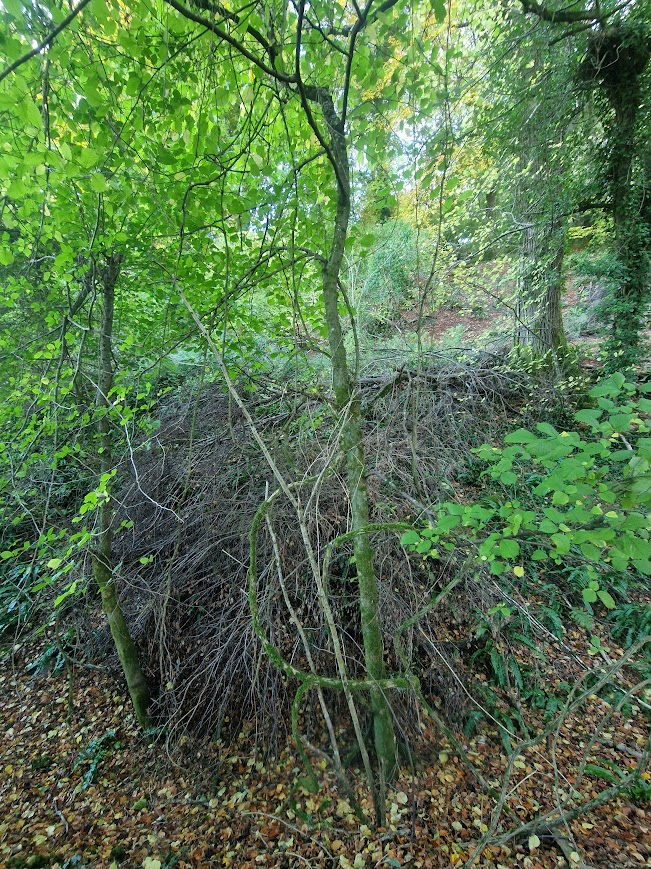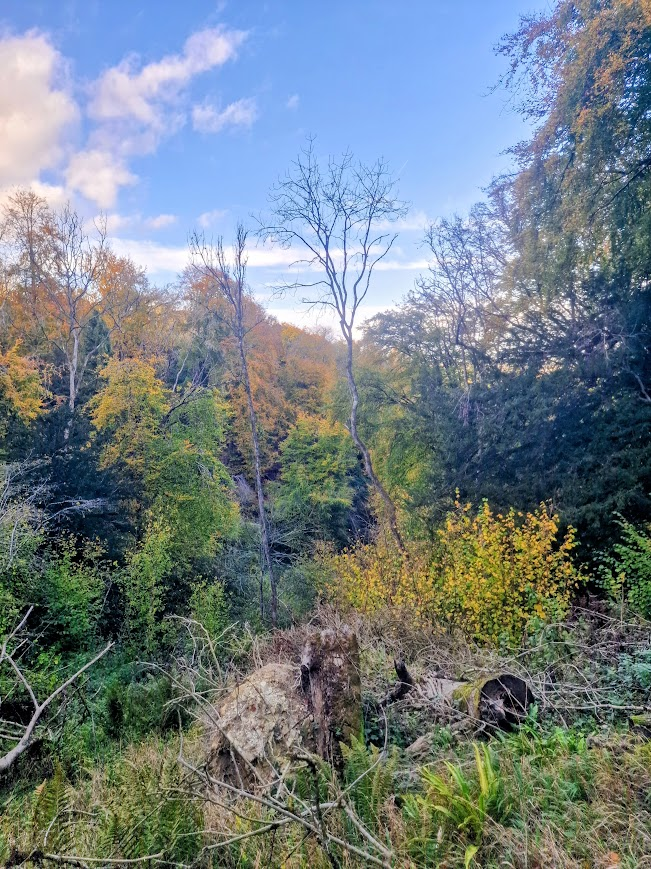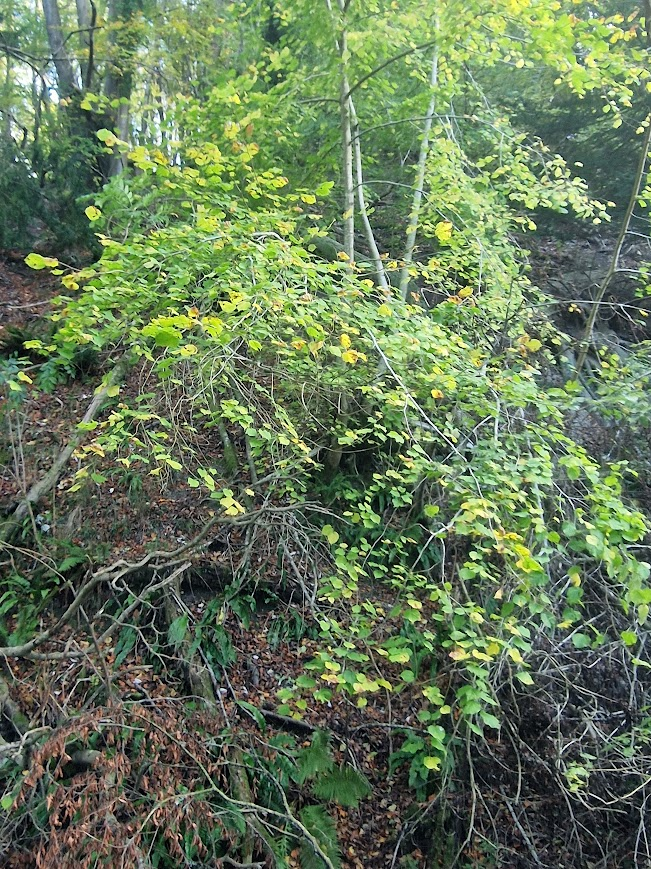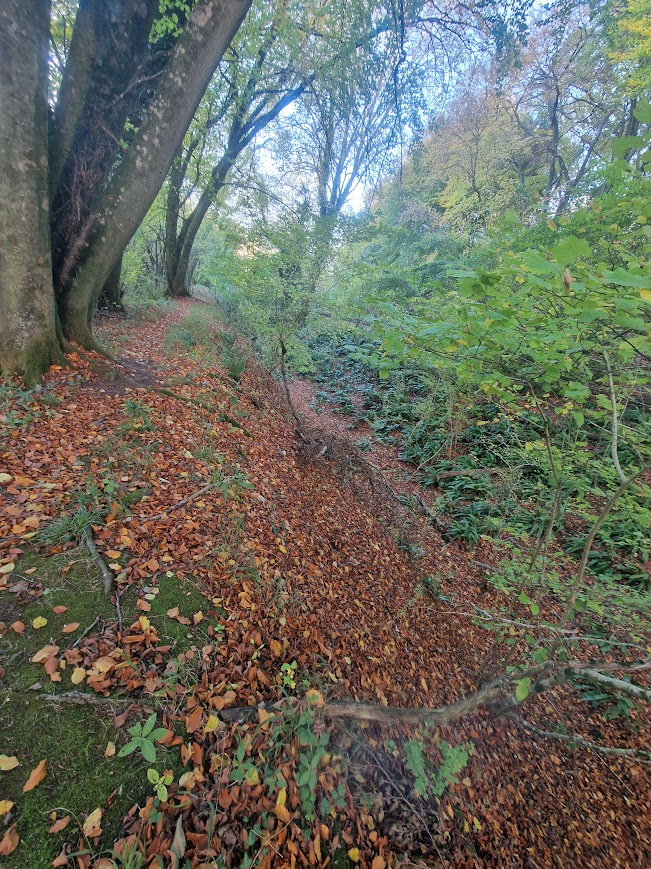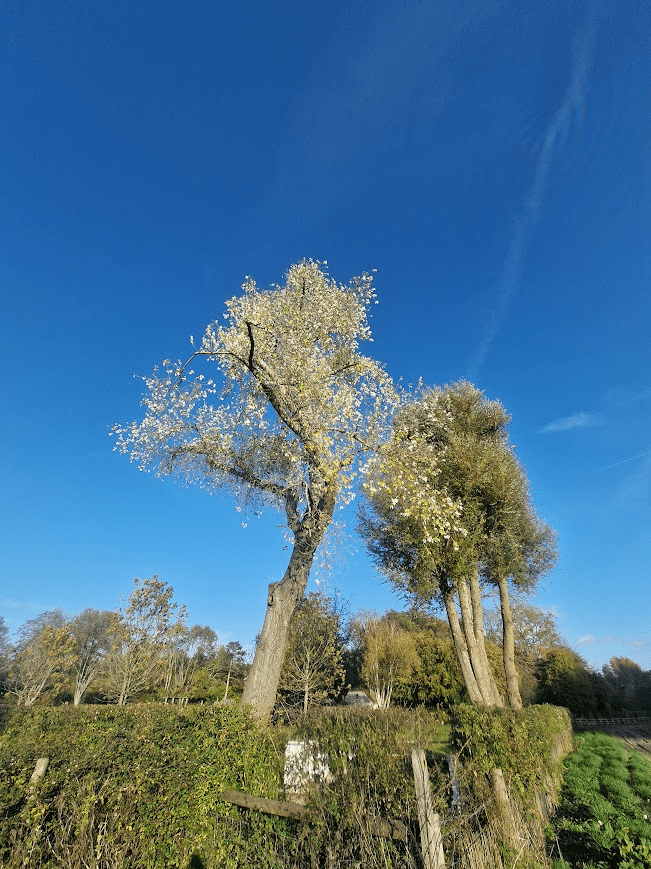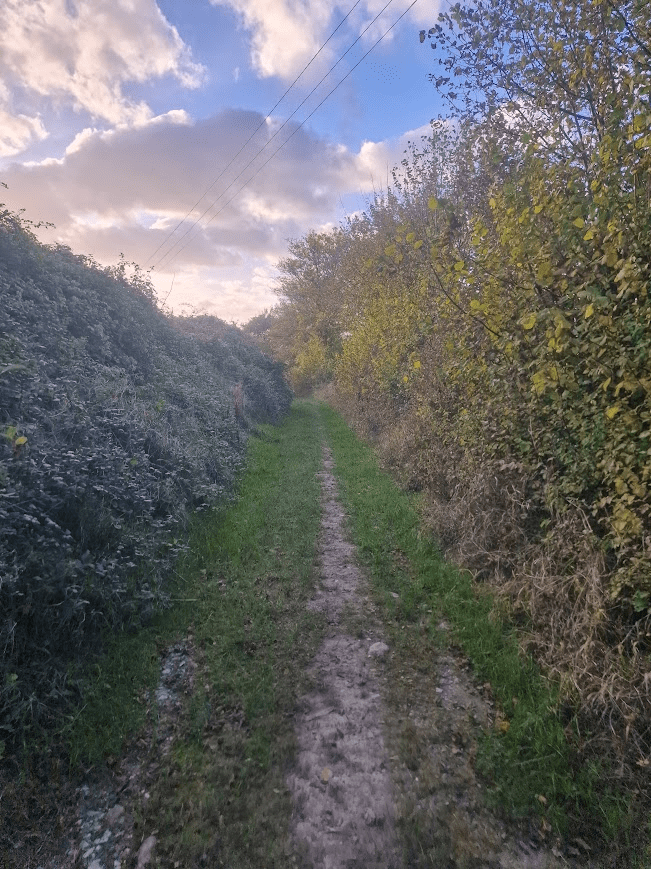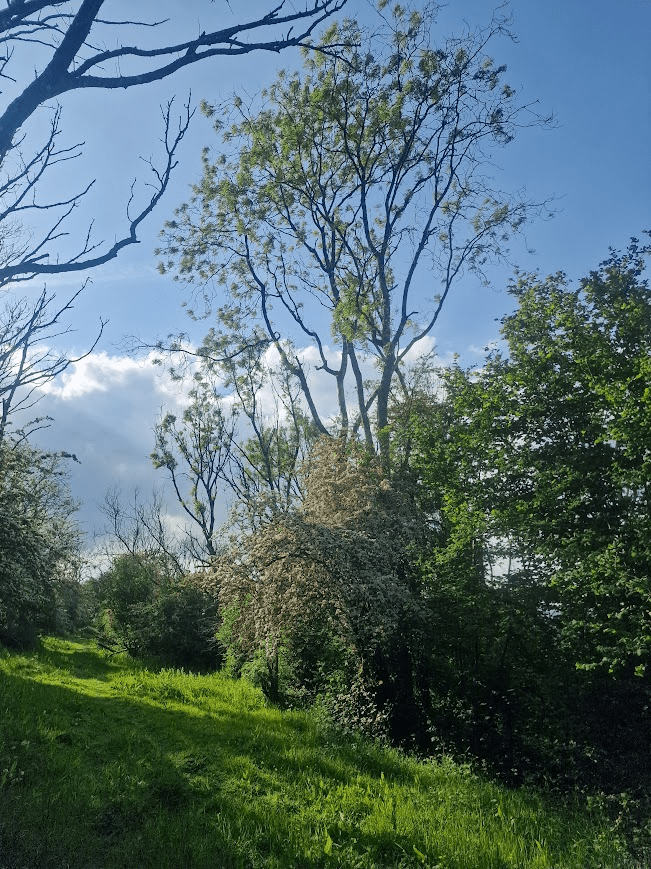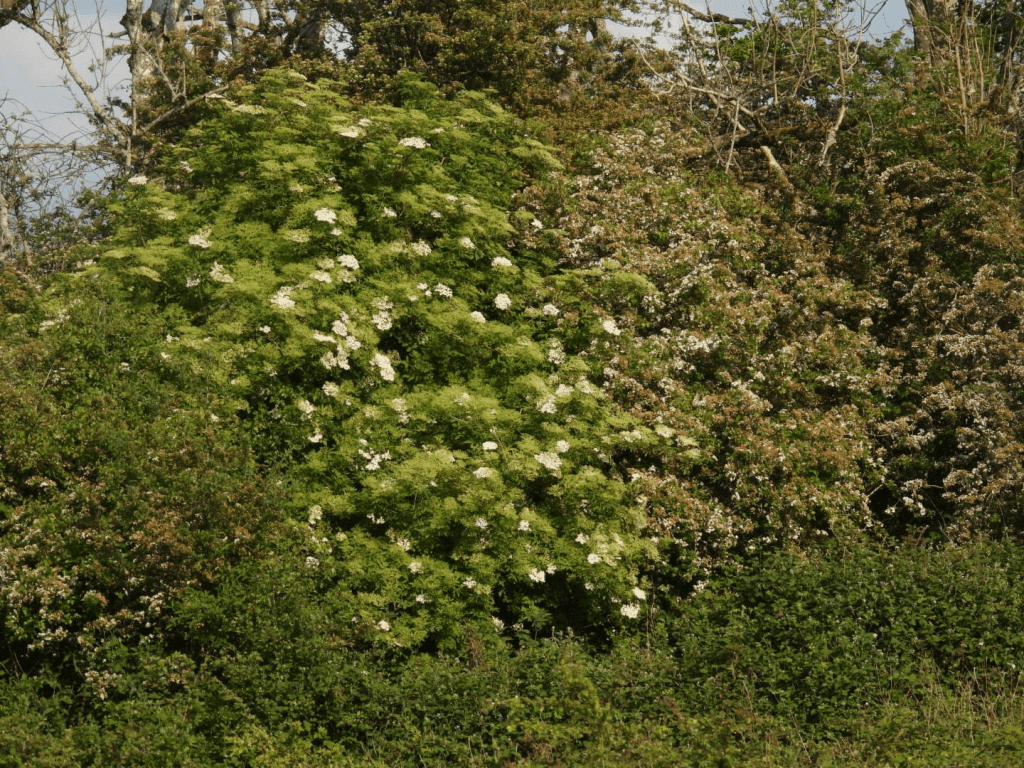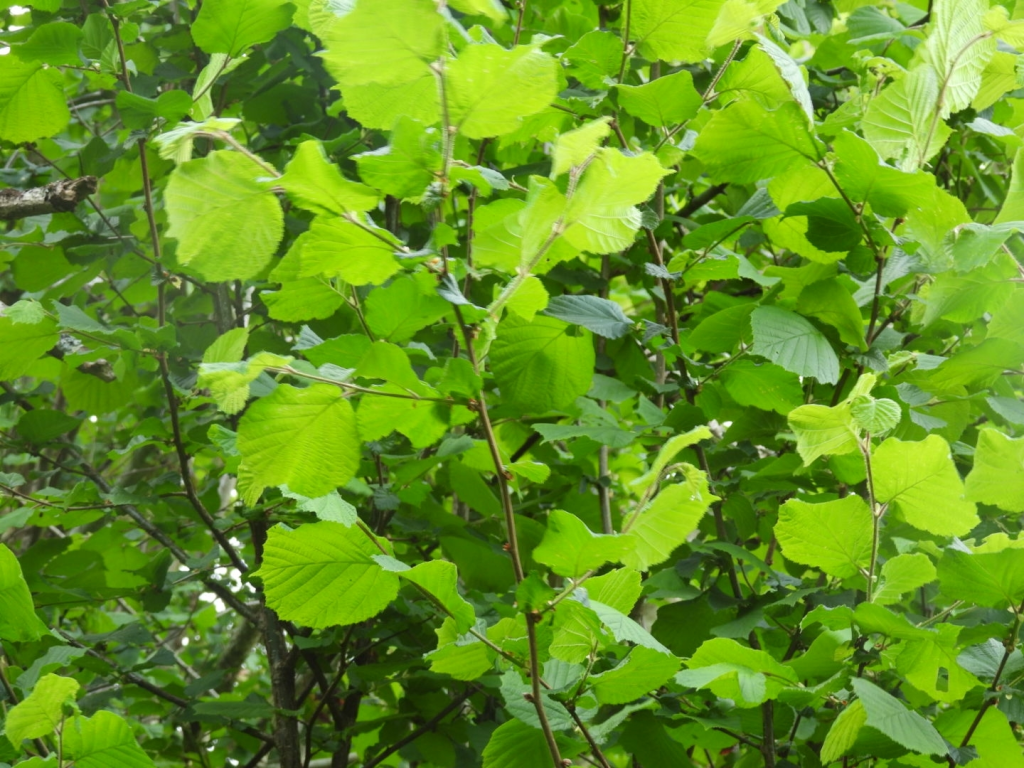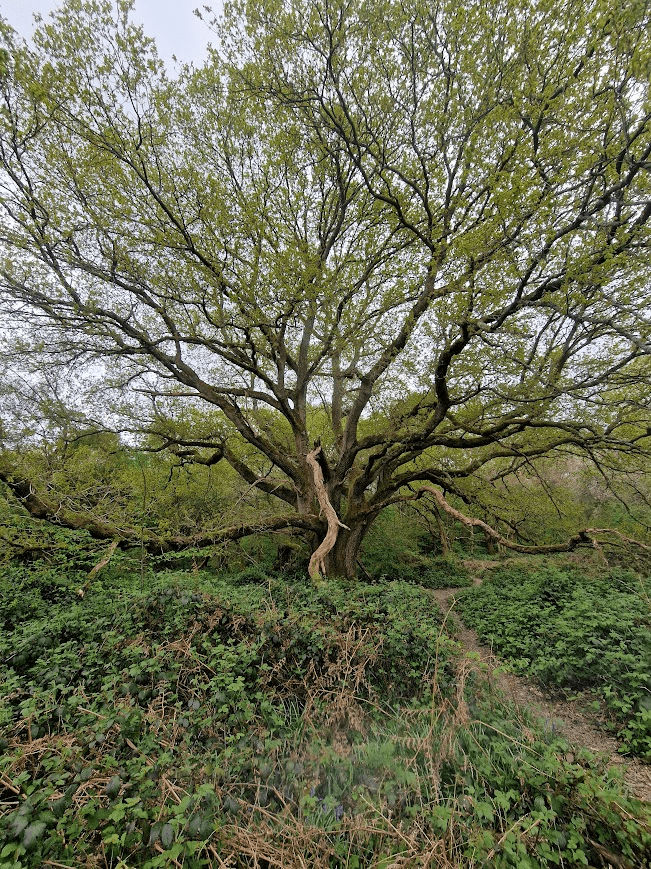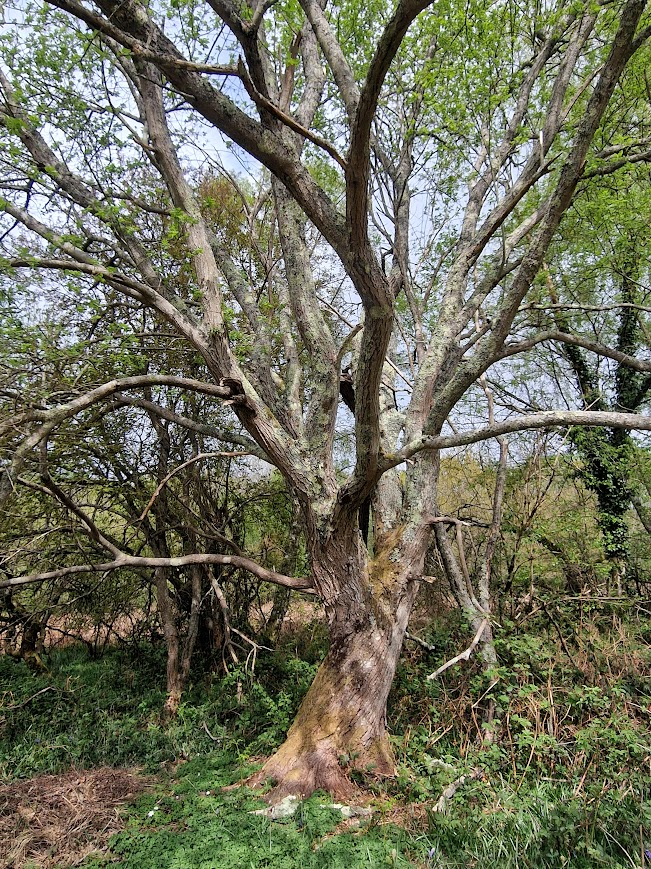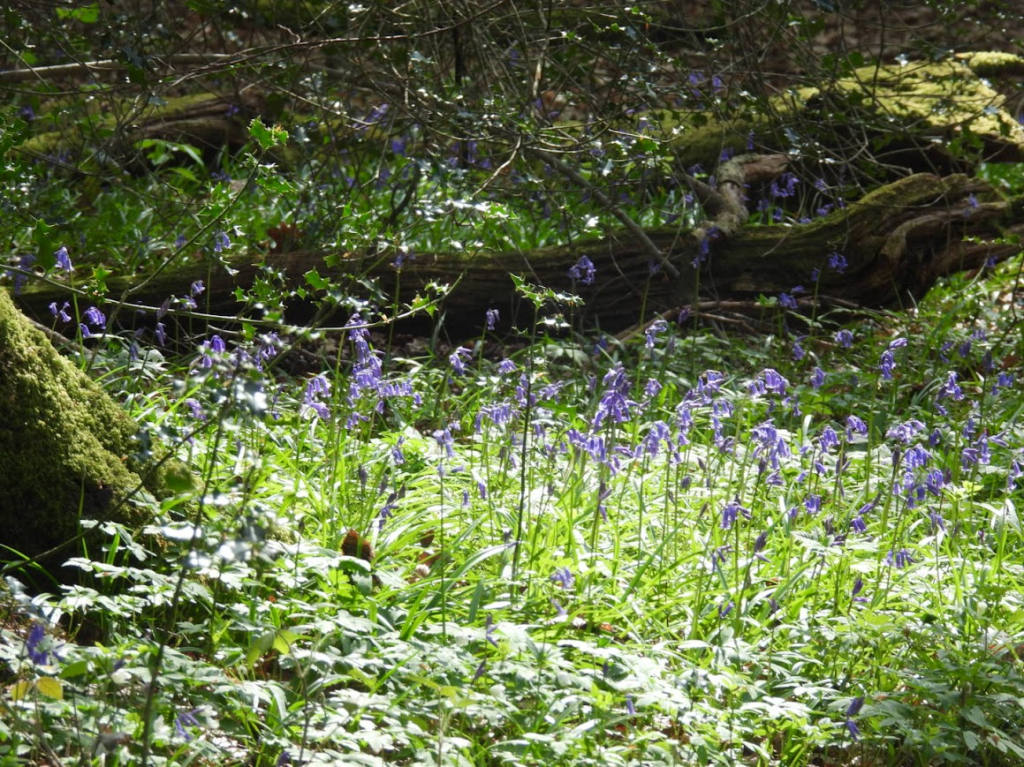
The viewable monumental trees of Fredville Park, Nonnington, Kent; the oldest trees (Majesty, Stately & Beauty) have no public access. 06.01.25

I reached Fredville Park from Brighton by train (4 trains: Brighton to Hamden Park, Hamden Park to Ashford International; Ashford International to Dover Priory, Dover Priory to Snowdown); three and half hours journey time. But it was well worth it; this is an outstanding medival deer park now ornamental parkland.

Originally given to Odo, Bishop of Bayeau and warrior knight, by William of Normandy (King William I, The Conqueror); it has been passed from aristocratic family to aristocratic family. It is still in private ownership. The fact that huge parts of England are still owned by the landed gentry, who inhereited or bought it from Norman Barons who were given land that wasn’t theirs, and they still prohibit the public from much of this land, is a national disgrace.
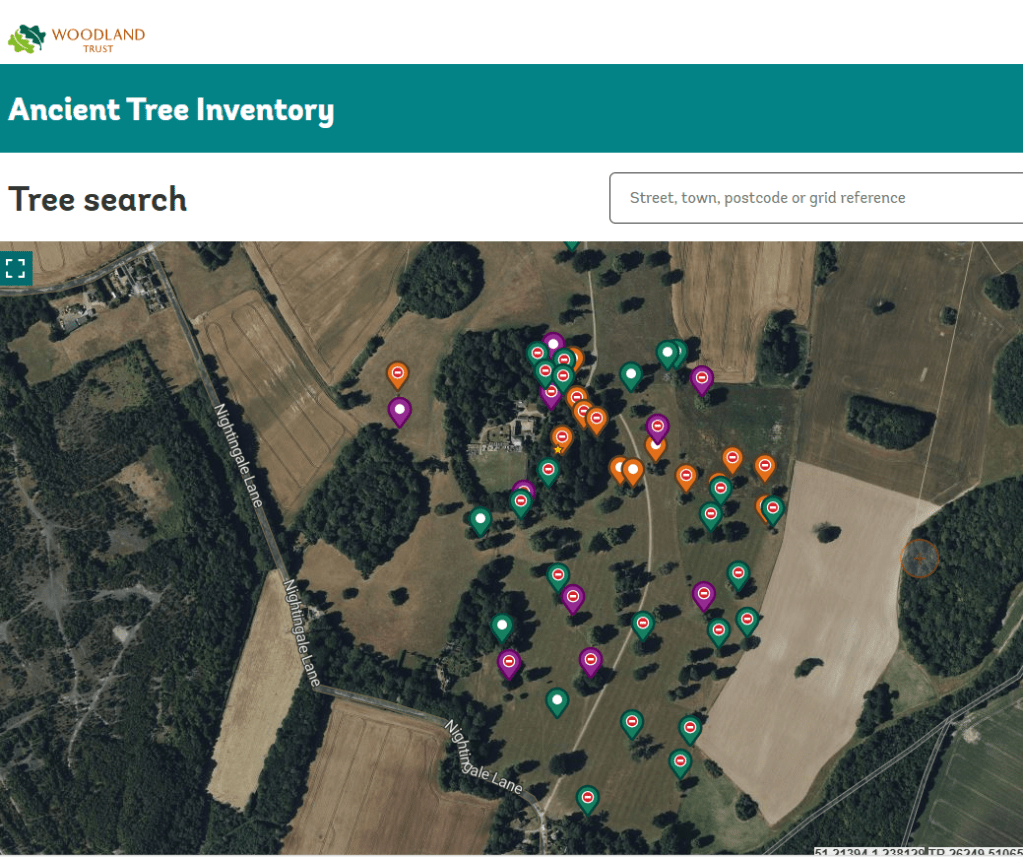
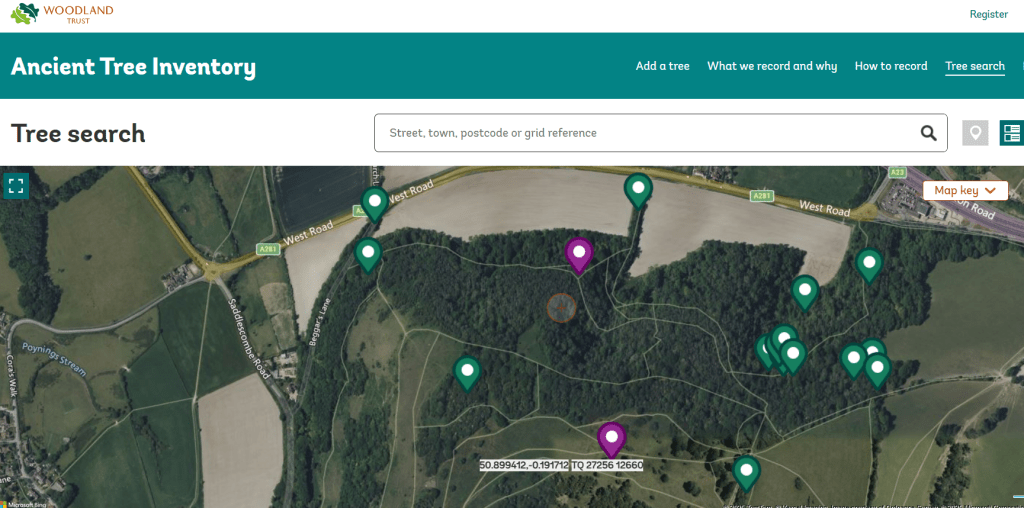
Map from the Woodland Trust Ancient Tree Inventory of notable, veteran and ancient trees in Fredville Park

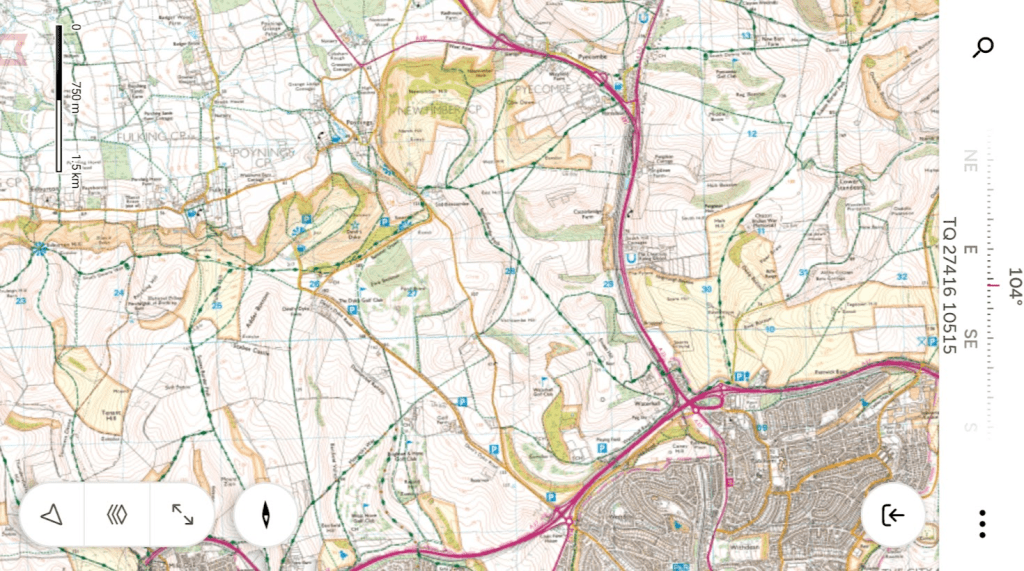
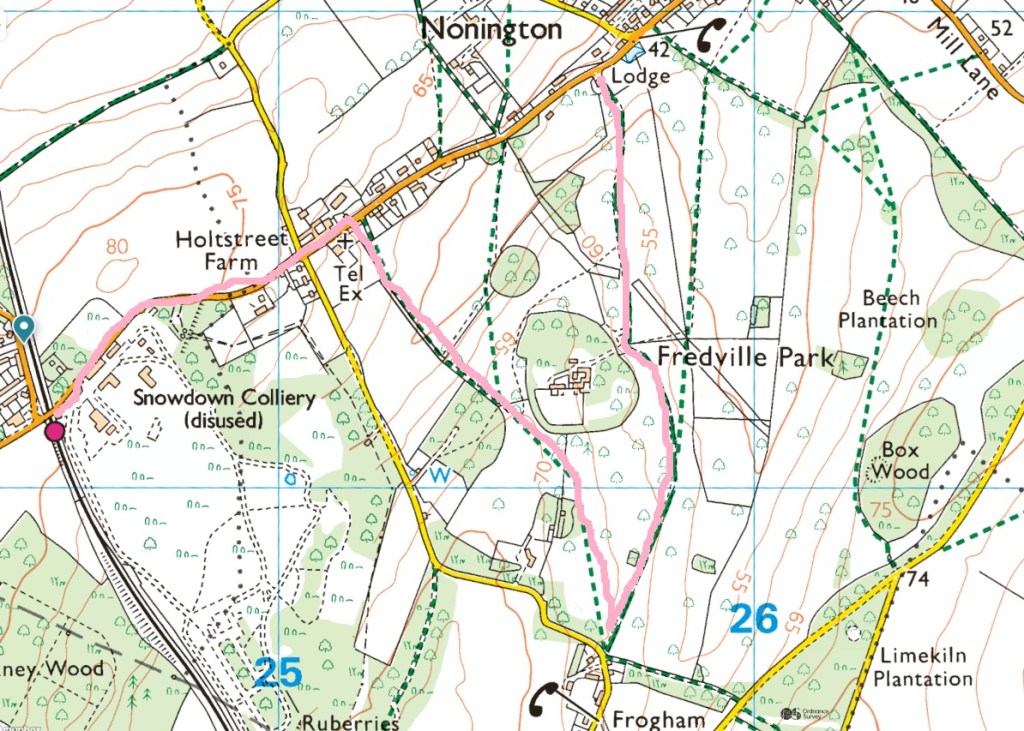
Ordnance Survey Map showing public access to Fredville Park

On the Woodland Trust Ancient Tree Inventory map all but the trees next to the footpaths are marked as “no public access” but except for the woodland around Fredville House, which is fenced, I roamed freely off the the paths and got close to many of the trees that the Woodland Trust says has no public access. Toward the end of the afternoon a stream of 4x4s drove up the road into Fredville House. They were a hunting party, of shootists and game keepers (as I had heard shotguns being used all afternoon, close by, but not in Fredville Park); none of them challenged me and I was clearly off the public footpaths.
Map from Monumental Trees in Fredville Park

It is not possible to see the three large ancient oak trees, “Majesty”, “Stately”, and ”Beauty”probably 500 years old, including “Majesty” or “The Fredville Oak”, believed to have the largest girth in England, because they are in the fenced of grounds of the former mansion. This is another example of precious natural assets that should be viewable by the public, being shut off to the public.

STATEMENT OF SIGNIFICANCE from The Kent Compendium of Historic Parks and Gardens for Dover Fredville Park (2017) Kent Garden Trust, Dover District Council, and Kent County Council, retrieved 07.12.25 https://www.kentgardenstrust.org.uk/wp-content/uploads/2024/10/Fredville-Park.pdf

Fredville Park has many parkland trees. ,,, Not far from the former mansion are the remains of a Spanish chestnut avenue, planted at least 250 years ago. Many of these trees are still in very good condition (2017).

The boundary of the C18 pleasure ground enclosure is intact and encompasses
the remaining historic structures including the walled kitchen garden, stables and ice house as well as potential archaeological remains of the mansion. Of particular note, within the immediate grounds of the former mansion, are three large ancient oak trees, probably 500 years old, and a mid-late C19 Wellingtonia. One of these oaks, named “Majesty” or “The Fredville Oak”, is believed to have the largest girth in England.

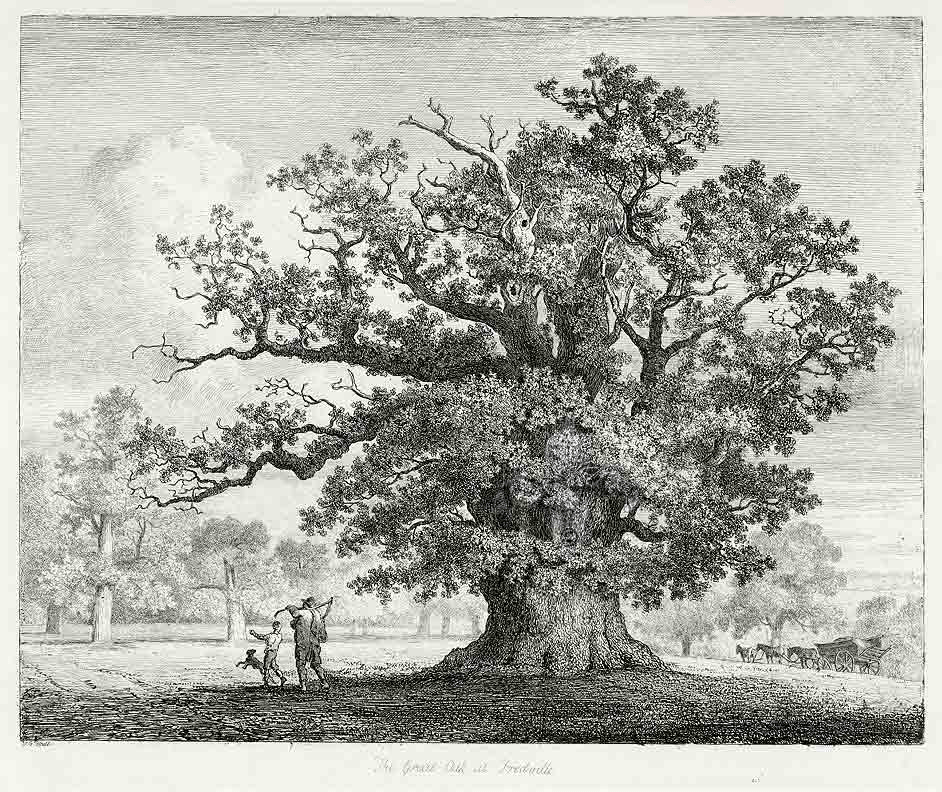
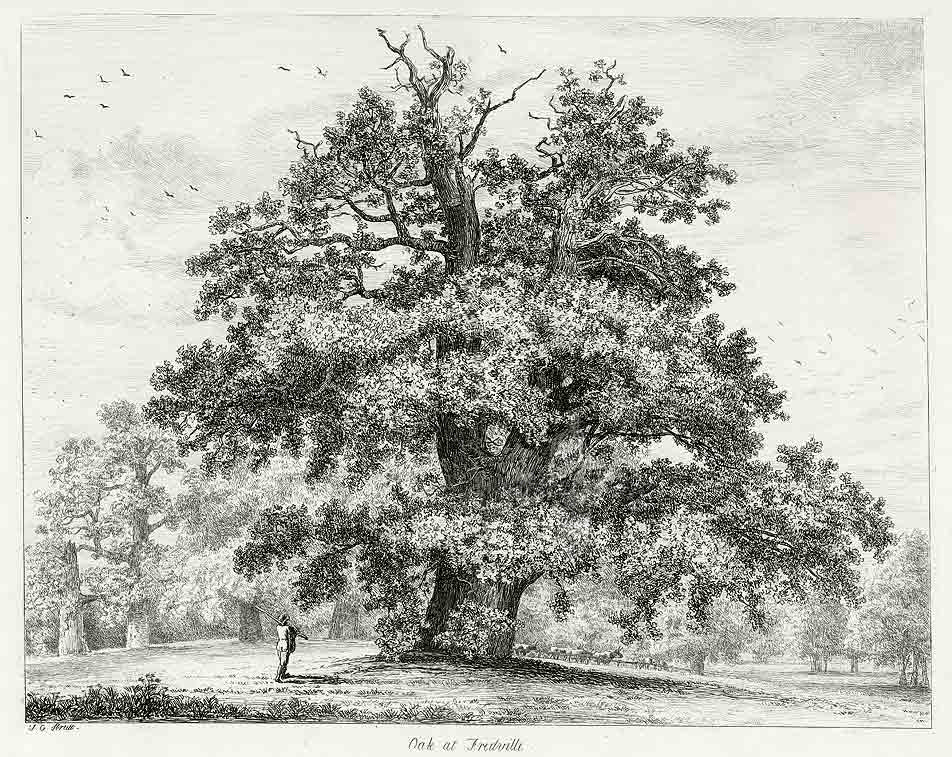
Here are some drawing of these trees from The Old Parish of Nonington – The  Fredville Estate – The Trees of Fredville Park. More photos and drawings can be seen atL

“The Majestie” or Great Oak at Fredville drawn from life by Jacob George Strutt for his Sylva Britannica in 1824 from The Old Parish of Nonington – The Fredville Estate – The Trees of Fredville Park.
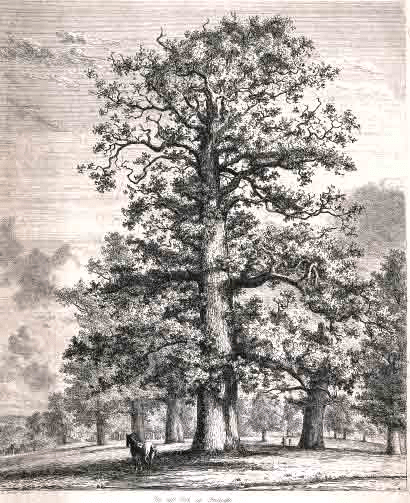
A tall oak at Fredville, believed to be “Stately”, drawn from life by Jacob George Strutt for his “Sylva Britannica in 1824 from The Old Parish of Nonington – The Fredville Estate – The Trees of Fredville Park.
Another tall oak at Fredville, believed to be “Beauty”, by Jacob George Strutt for his “Sylva Britannica in 1824 from The Old Parish of Nonington – The Fredville Estate – The Trees of Fredville Park.
The history of the estate:

CHRONOLOGY OF THE HISTORIC DEVELOPMENT from The Kent Compendium of Historic Parks and Gardens for Dover Fredville Park (2017) Kent Garden Trust, Dover District Council, and Kent County Council, retrieved 07.12.25 https://www.kentgardenstrust.org.uk/wp-content/uploads/2024/10/Fredville-Park.pdf

The origin of the name “Fredville” is not known for certain. Traditionally it is believed to be derived from the Old French: freide ville, meaning a cold place, vecause of its cold, wet, low position. It could, however, be derived from the Old English: frith, meaning the outskirts of a wooded area, plus vill, meaning a manor or settlement, giving “a manor next to the wooded area”.

Fredville House and park was originally part of Essewelle Manor. It is recorded in Domesday that in the time of Edward the Confessor it was held by a woman,  Molleve, but in 1086 it was held by Ralph de Courbepine from Bishop Odo. De Courbepine’s holdings passed to the Maminot family and in the late 1100’s to the Barony de Saye. By 1250 Essewelle had been divided into Esol and Freydevill. The spelling varied over the centuries: Frydewill (1338), Fredeule (1396),
Fredevyle (1407), Froydevyle (1430), ffredvile (1738).

Hasted lists the families who held Fredville from the Colkins, in the reign of Edward I, to the Boys, in the reign of Richard III. William Boys’ descendant, Major Boys, had many of his estates confiscated for being a Royalist, but Fredville remained in the Boys family until two of his sons sold it to Denzill, Lord Holles in 1673 in order to pay debts. In 1745, Thomas Holles sold it to Margaret, sister of Sir Brook Bridges, baronet of Goodnestone, which is nearby. Margaret Bridges married John Plumptre, a wool merchant of Nottinghamshire, in 1750, but they had no children. The estate passed to John Plumptre through the marriage. Margaret died in 1756 and her husband remarried in 1758 and had a son. John Plumptre rebuilt the manor as a Georgian house. Sir Brook Bridges’ daughter, Elizabeth, married the author Jane Austen’s brother, Edward.

Jane Austen’s letters (1796-1814) show that she was a regular visitor to the Bridges’ estate at Goodnestone and later to Edward’s new home at Godmersham. She was well acquainted with the Plumptres of nearby Fredville (Jane Austen letters to her sister Cassandra, September – October 1813 and March 1814). John Pemberton Plumptre was for a time a suitor of Jane’s niece Fanny. Jane Austen wrote “Anything is to be preferred or endured rather than marrying without Affection; and if his deficiencies of Manner &c &c strike you more than all his good qualities, if you continue to think strongly of them, give him up at once.” (Jane Austen letter to Fanny November 1814).

Fanny rejected John Pemberton. In the late 19th century the house was greatly enlarged, its 50 bedrooms accommodating the family of 11 children and the necessary staff. In 1921 Henry Western Plumptre built the much smaller “Little Fredville” nearby in the park as the family home and Fredville mansion was abandoned. It was requisitioned during WWII and occupied by a Canadian tank regiment. A fire destroyed most of the house in 1942 and after the war J H Plumptre, son of Henry Western, decided to demolish the building. Only the clock tower and some converted outbuildings now stand. The site remains in private ownership.

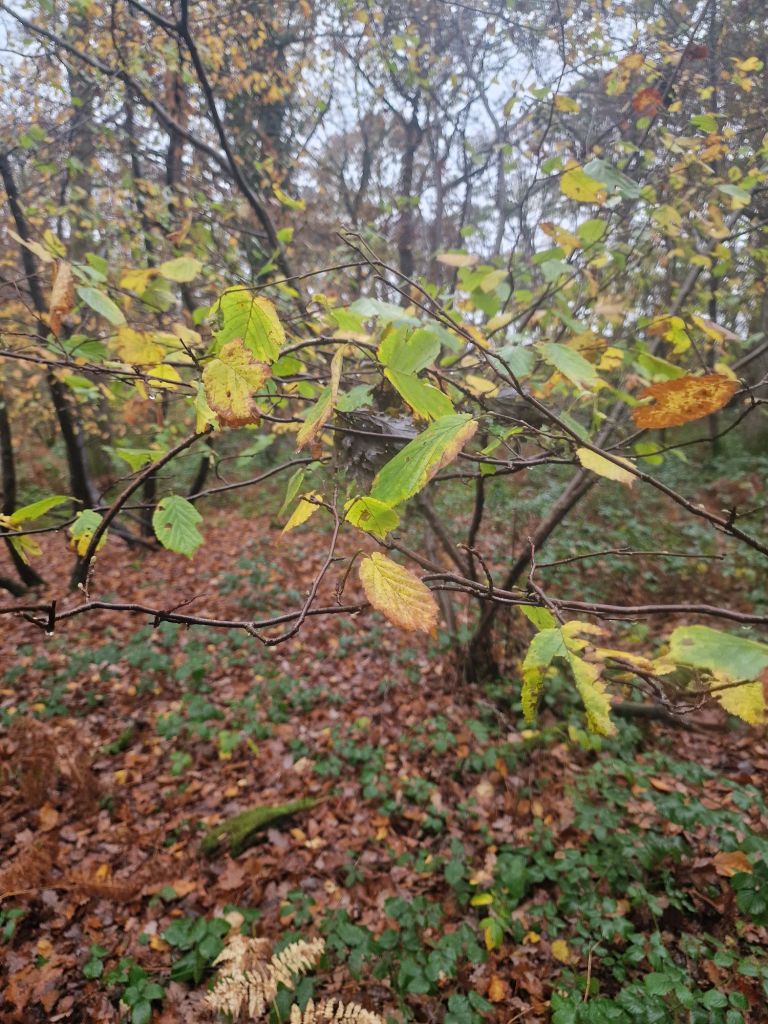
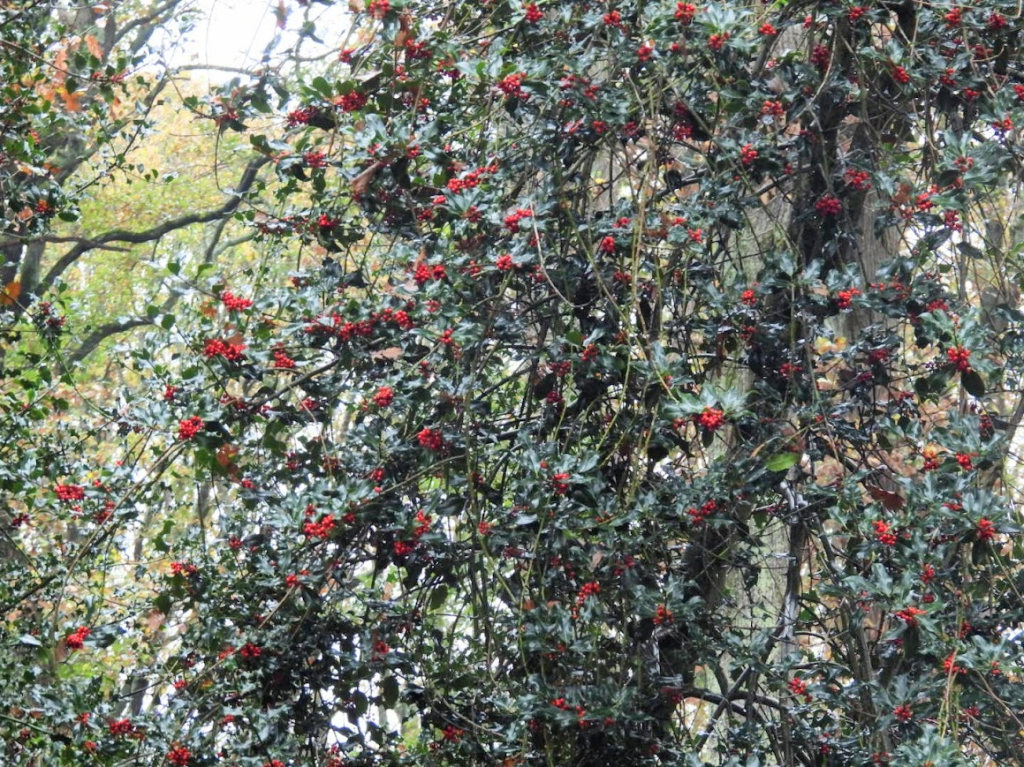
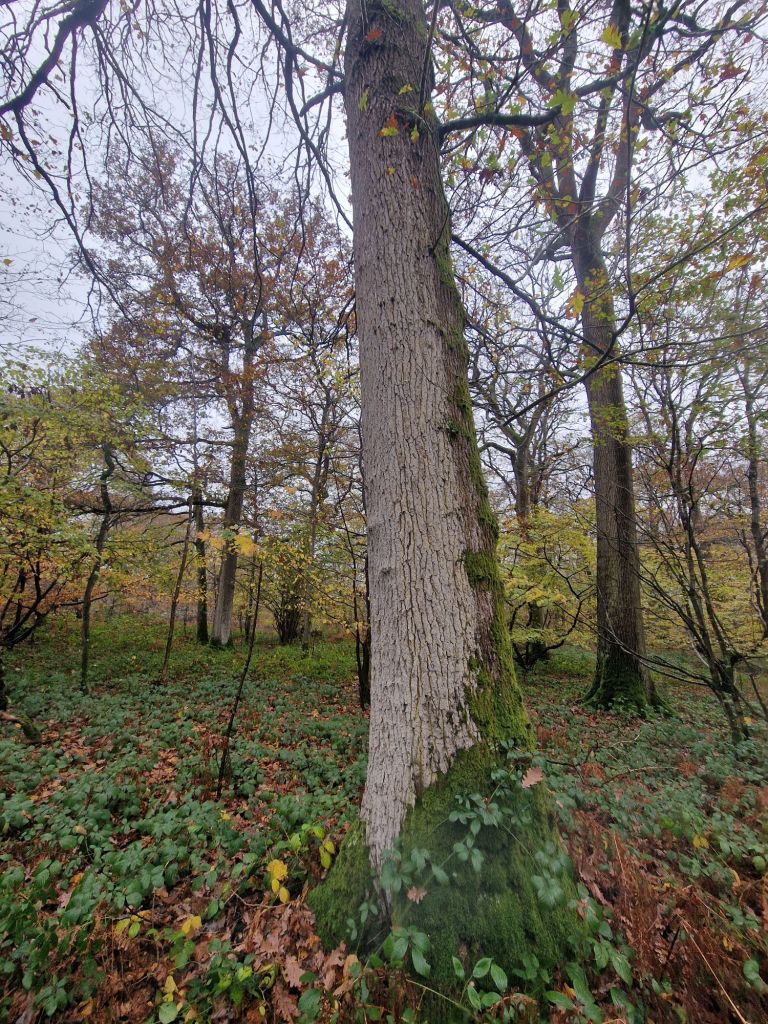
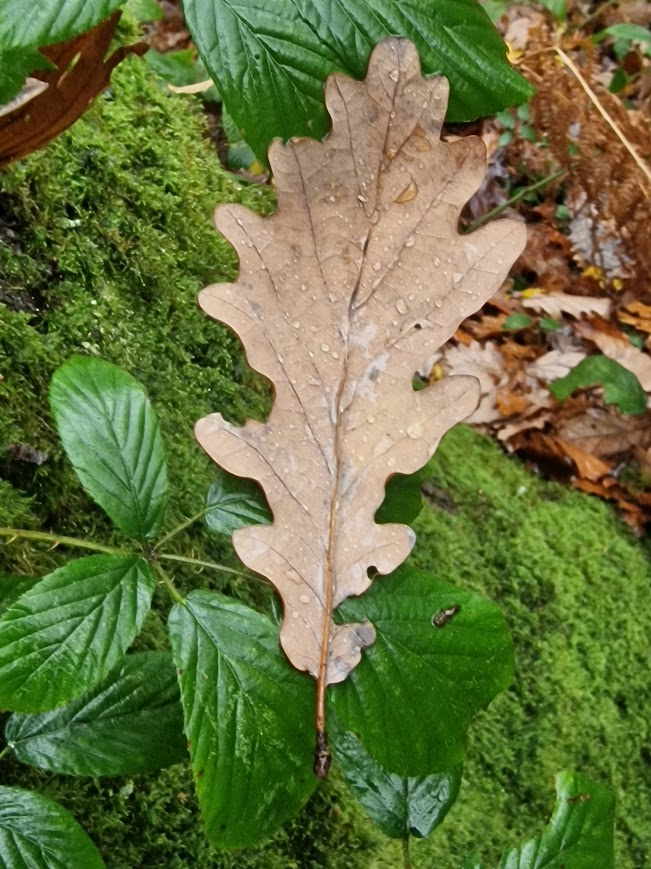
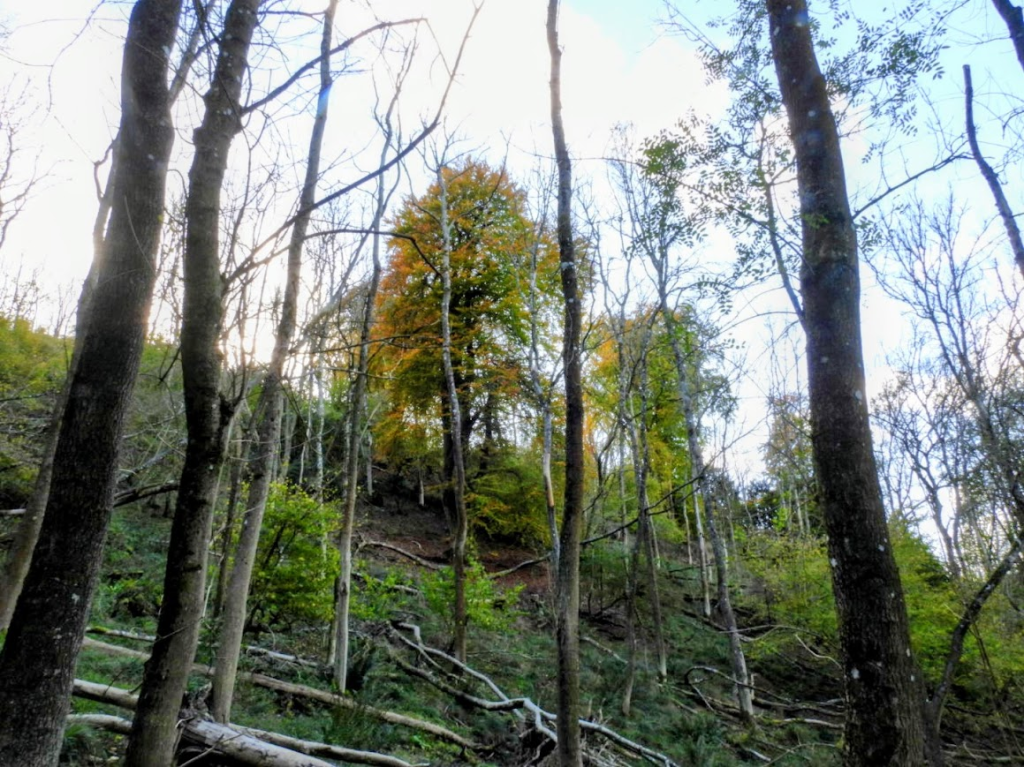
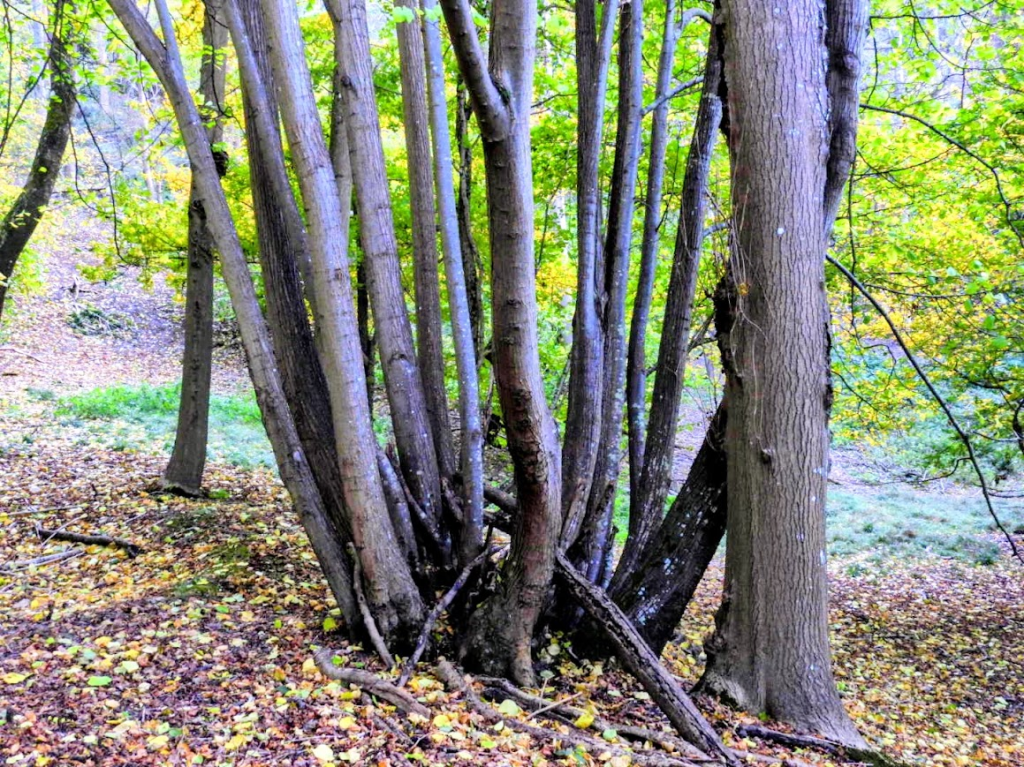
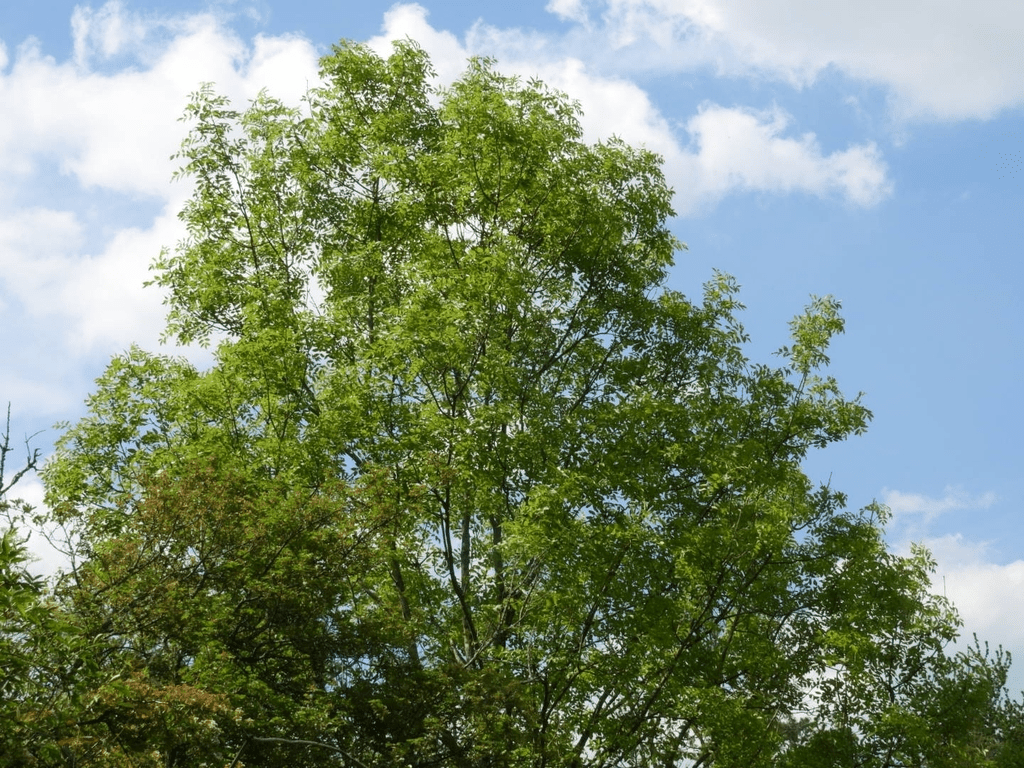
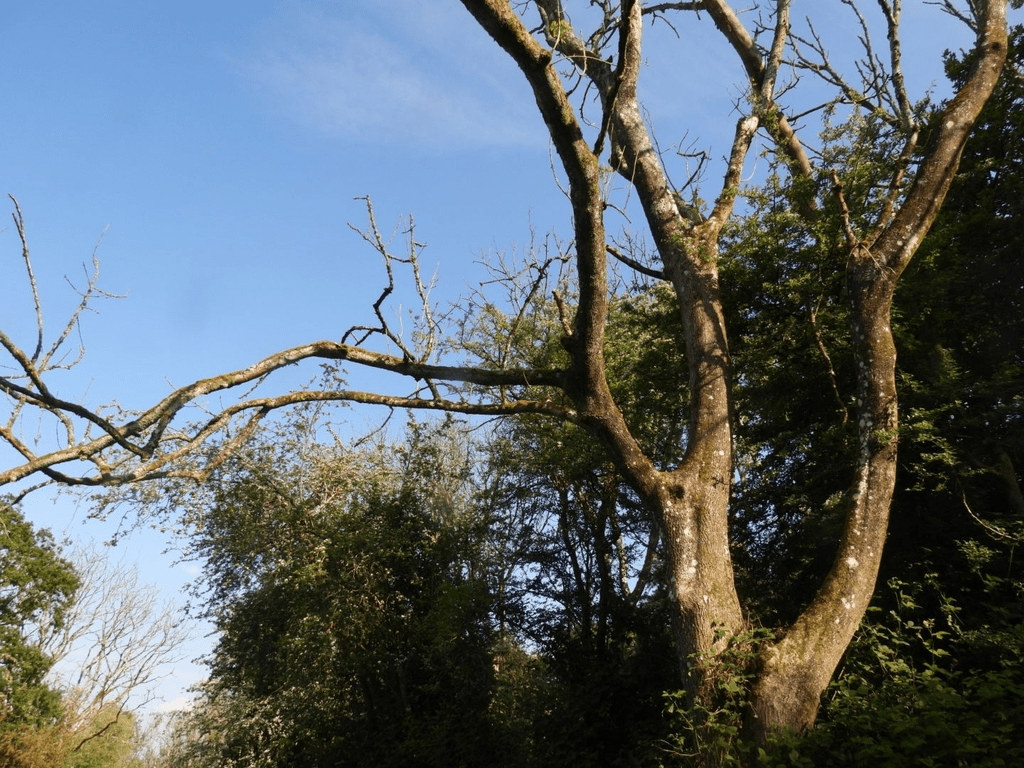
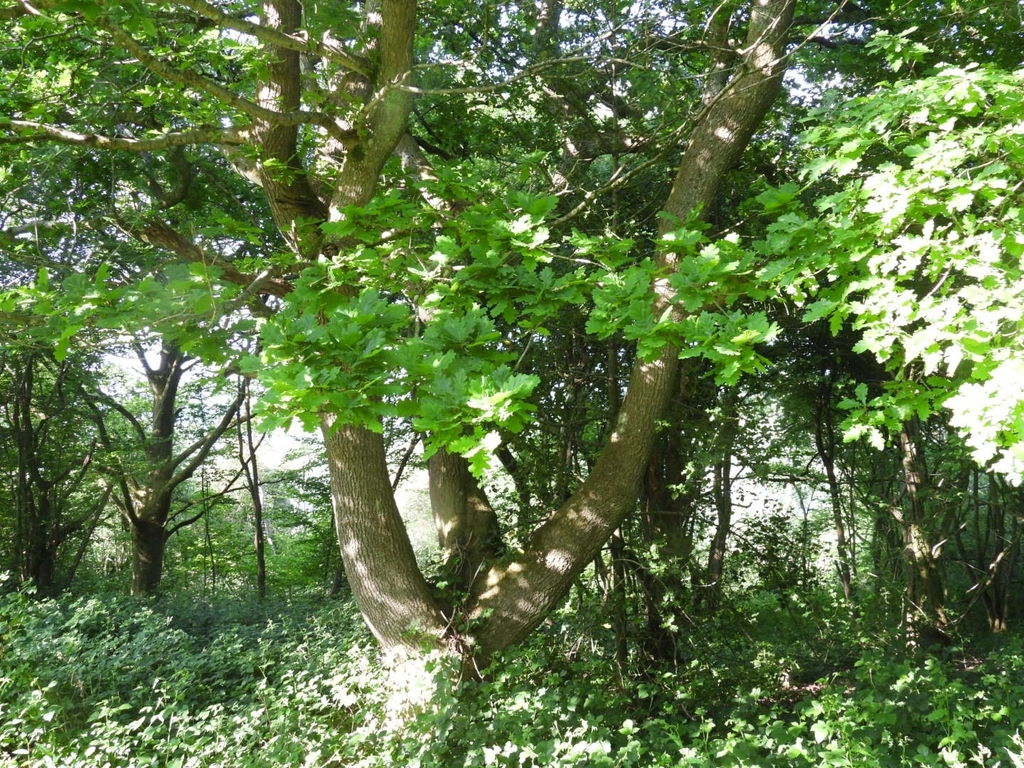
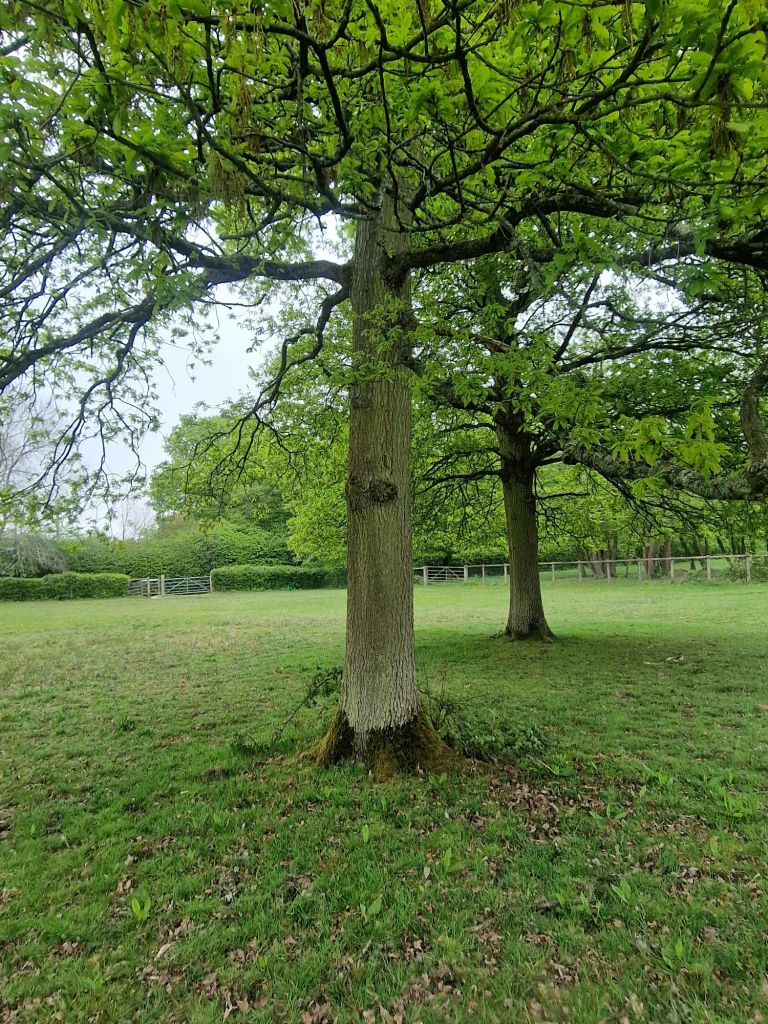
The visible trees of Fredville Park in the order that I saw them:

The parkland west of the wood surrounding Fredville House from outside the park

Roots and lower trunk of a felled Pedunculate Oak
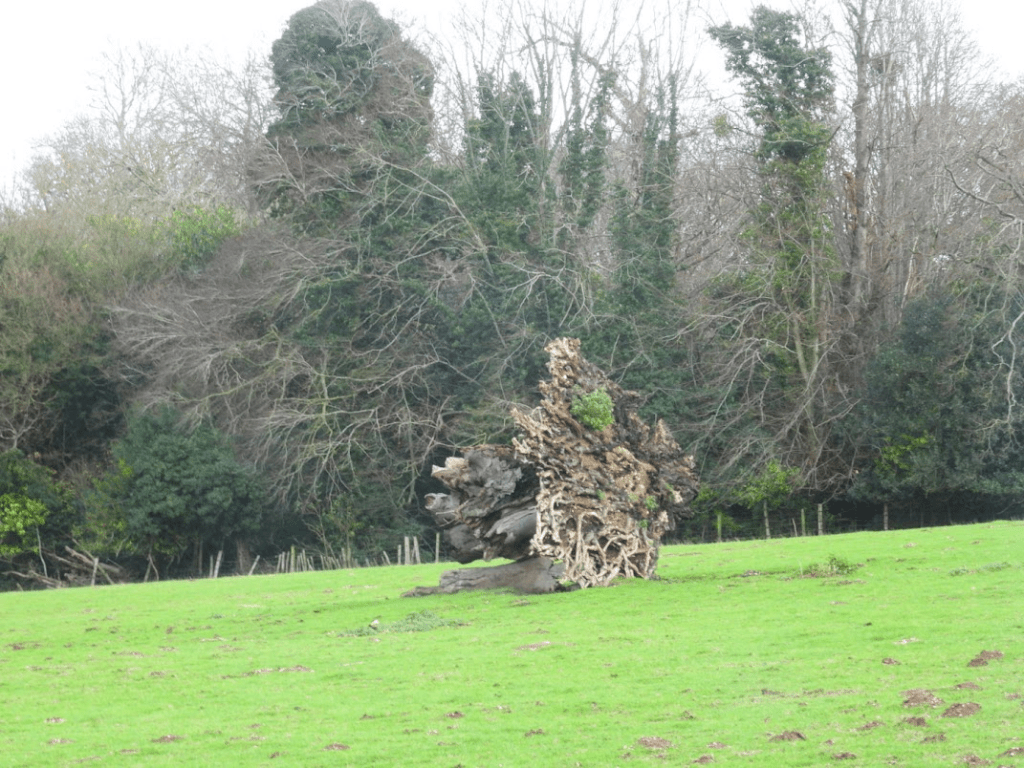
Rotting felled Pedunculate Oak
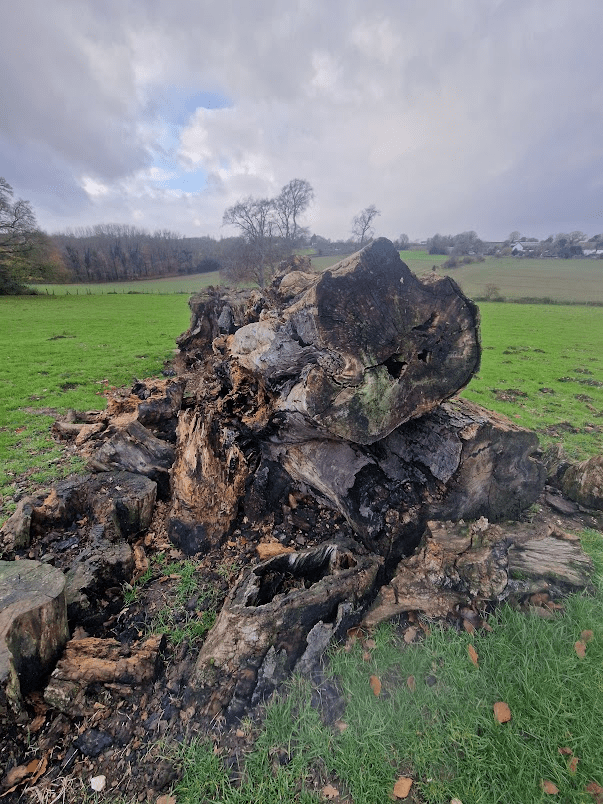
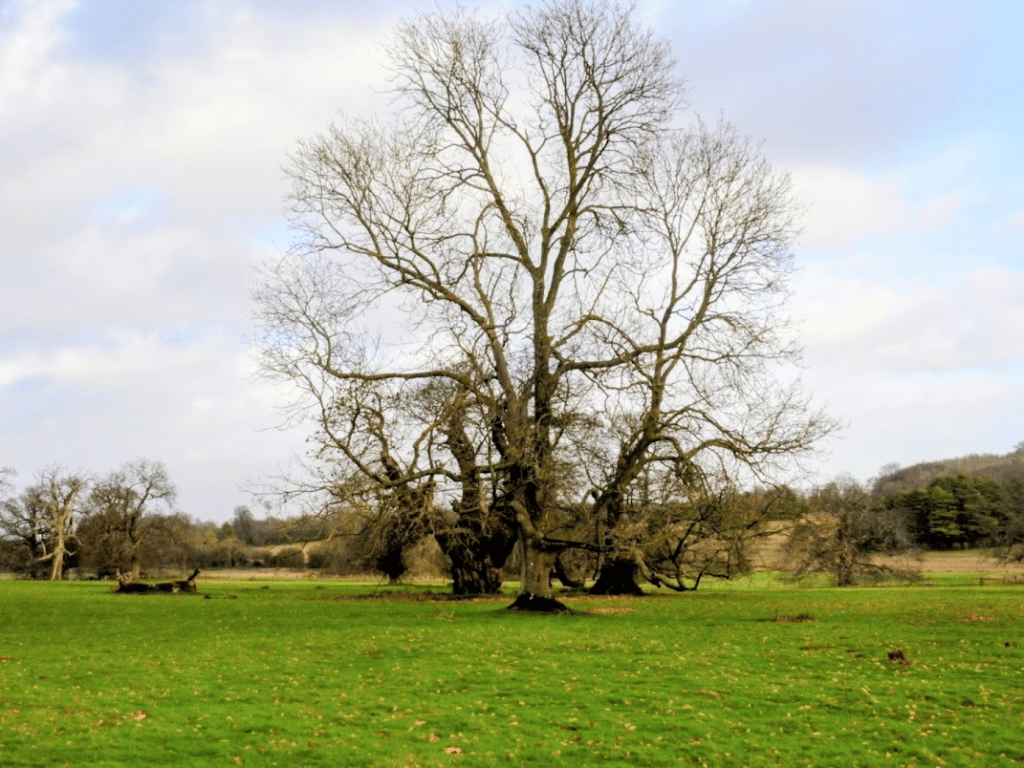
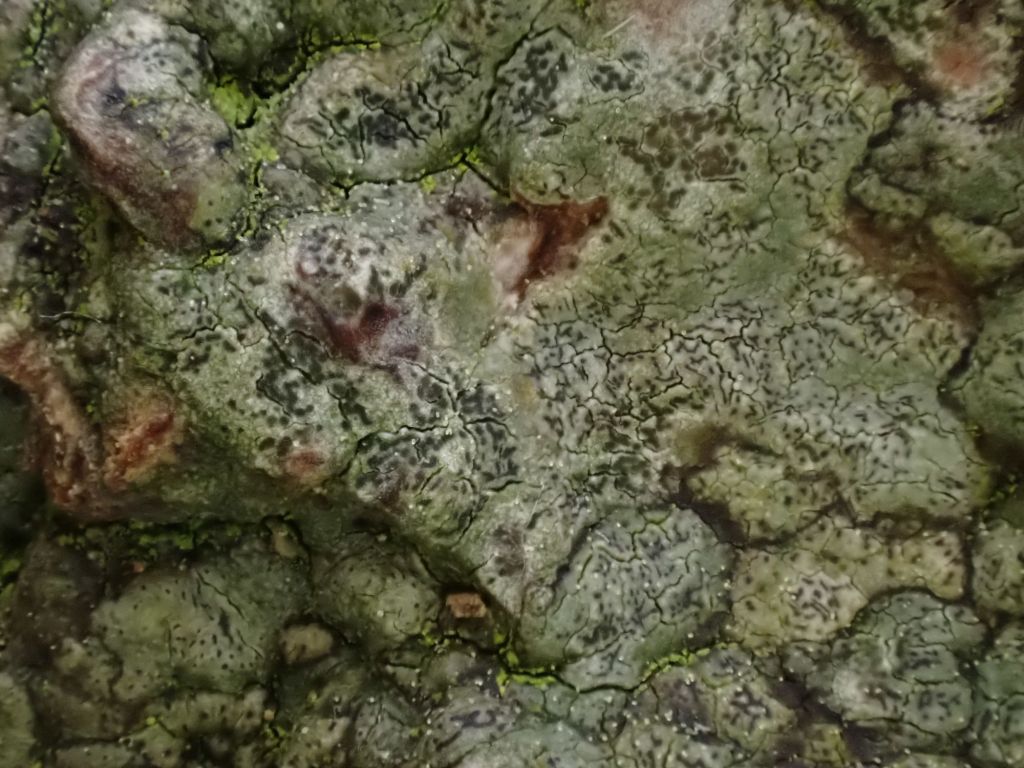
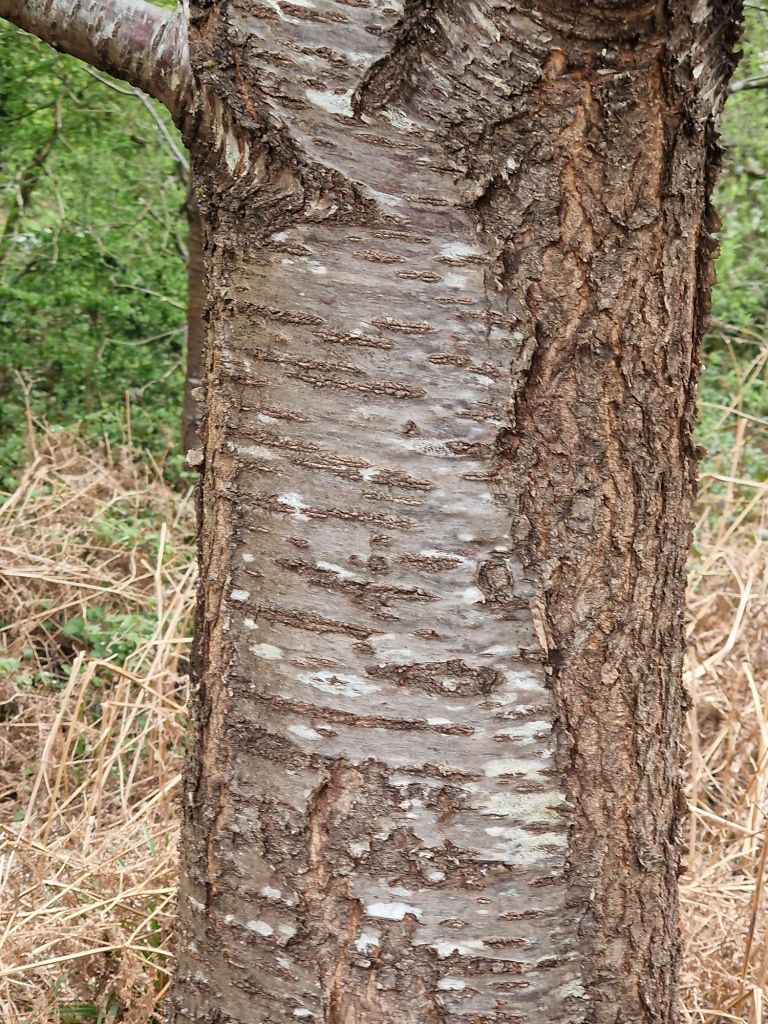
Texture of its bark
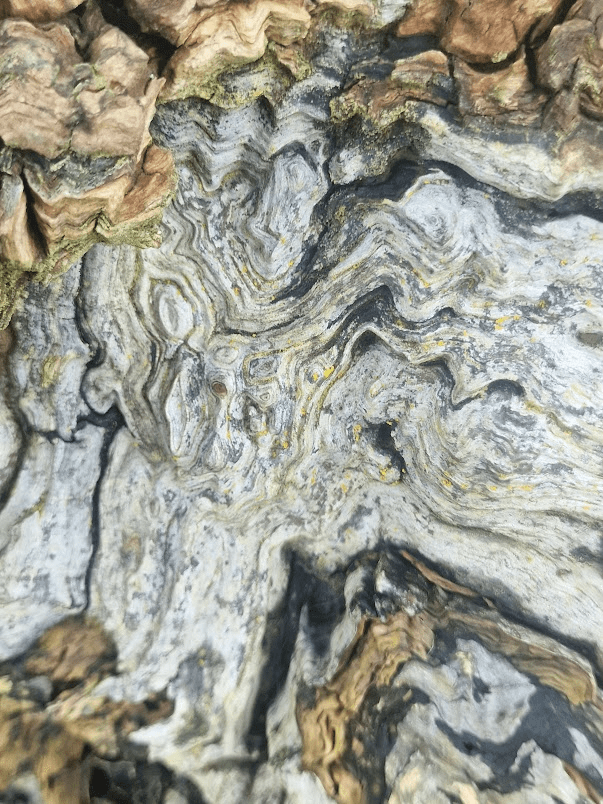
Fallen chestnut

With deliquesced Chicken of the Woods, Laetiporous sulphureus
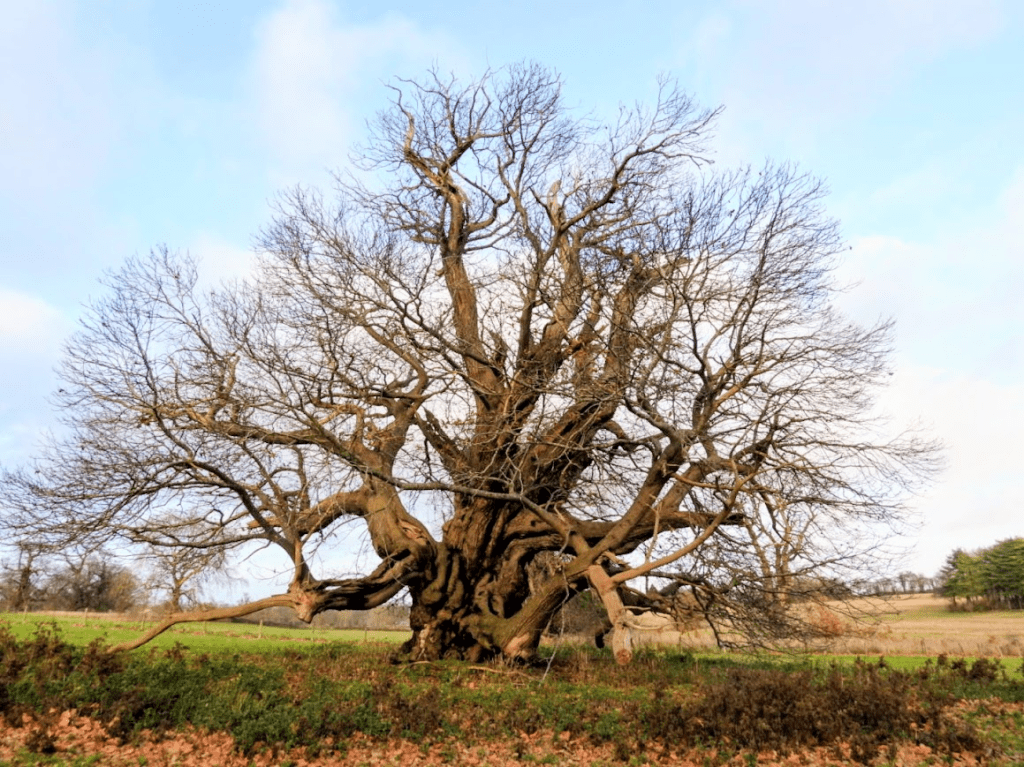
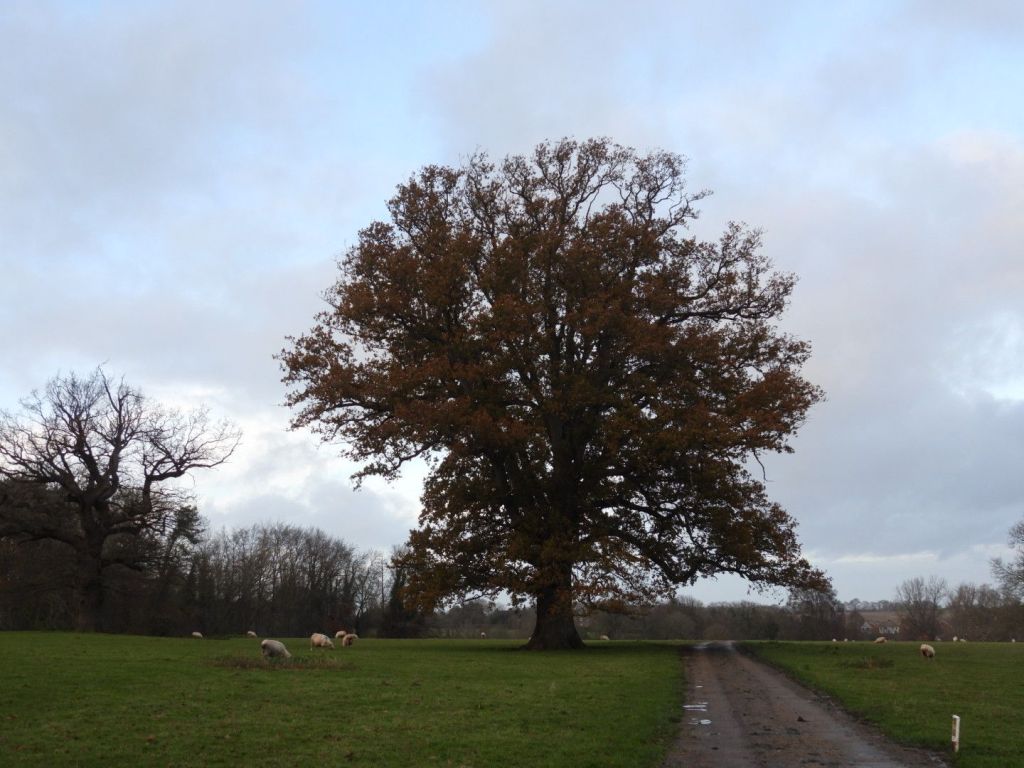
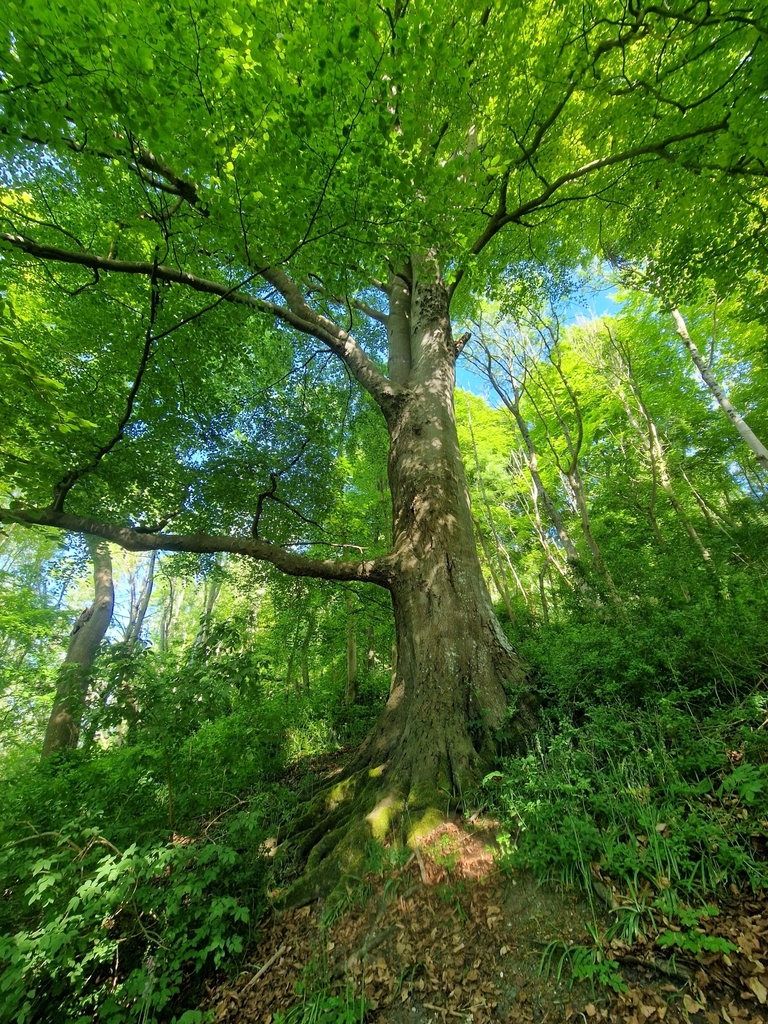
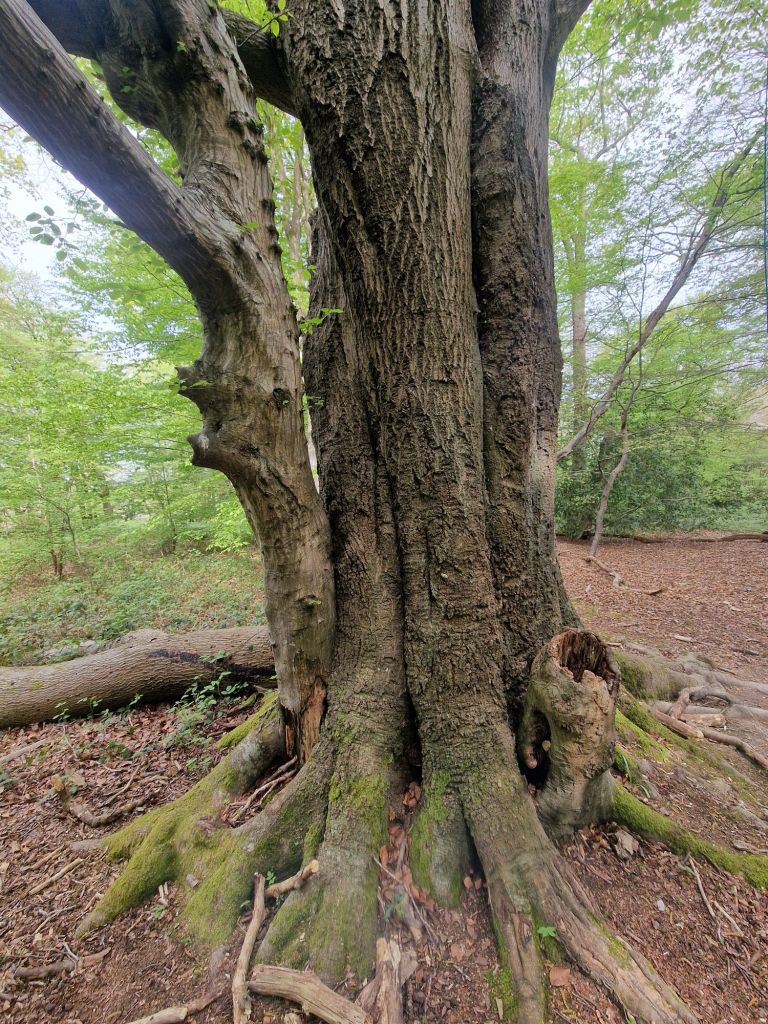
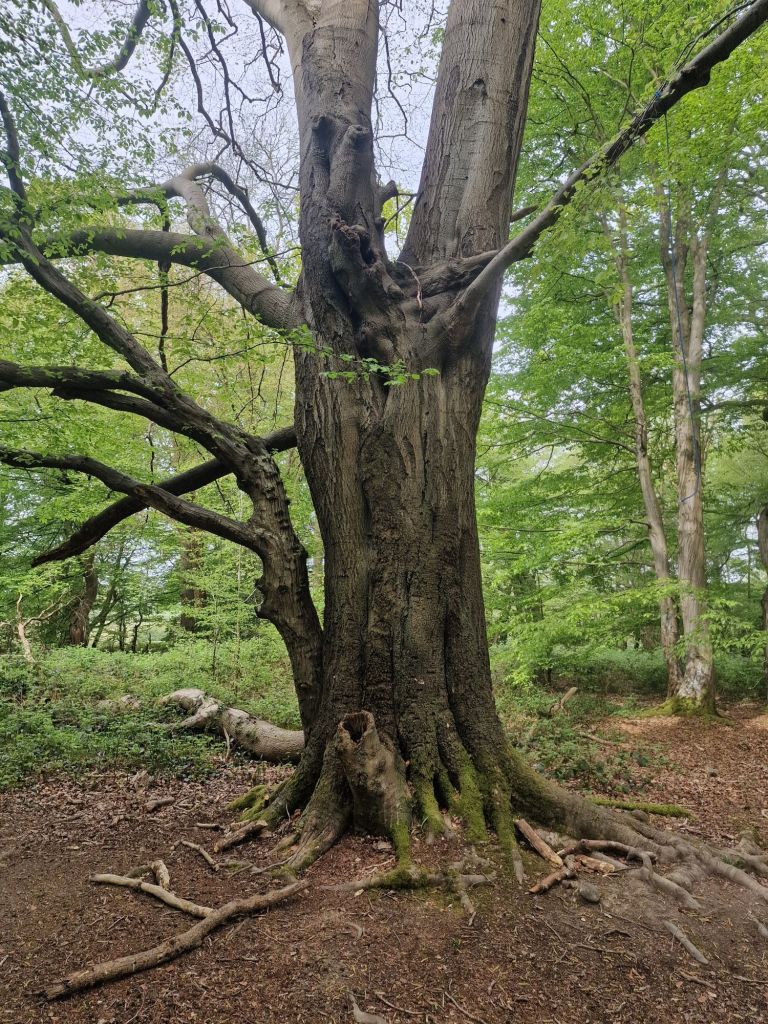
An ancient Beech
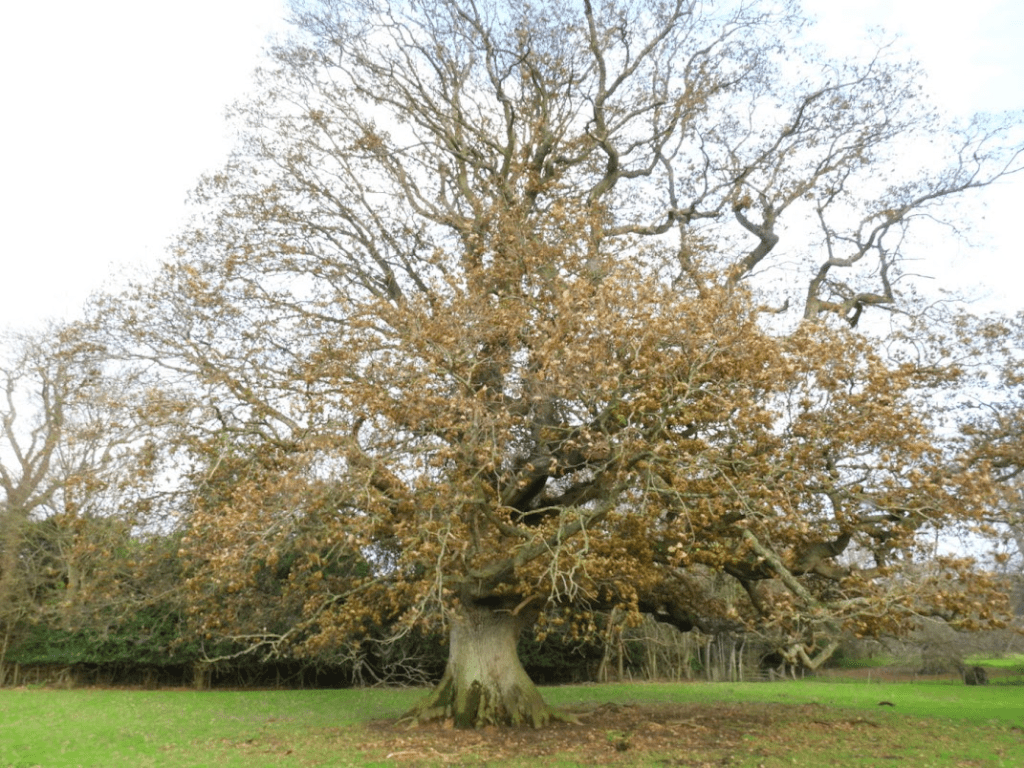
Notable Oriental Plane
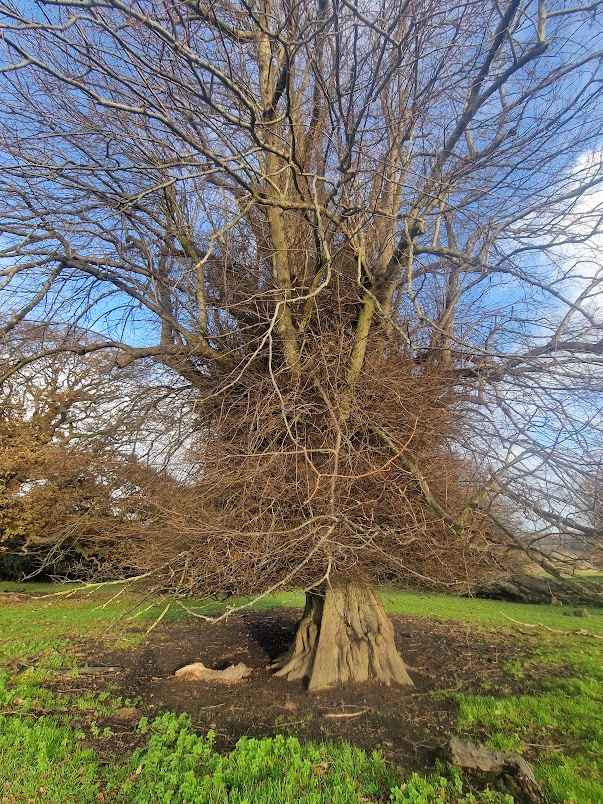
Fallen Pedunculate Oak

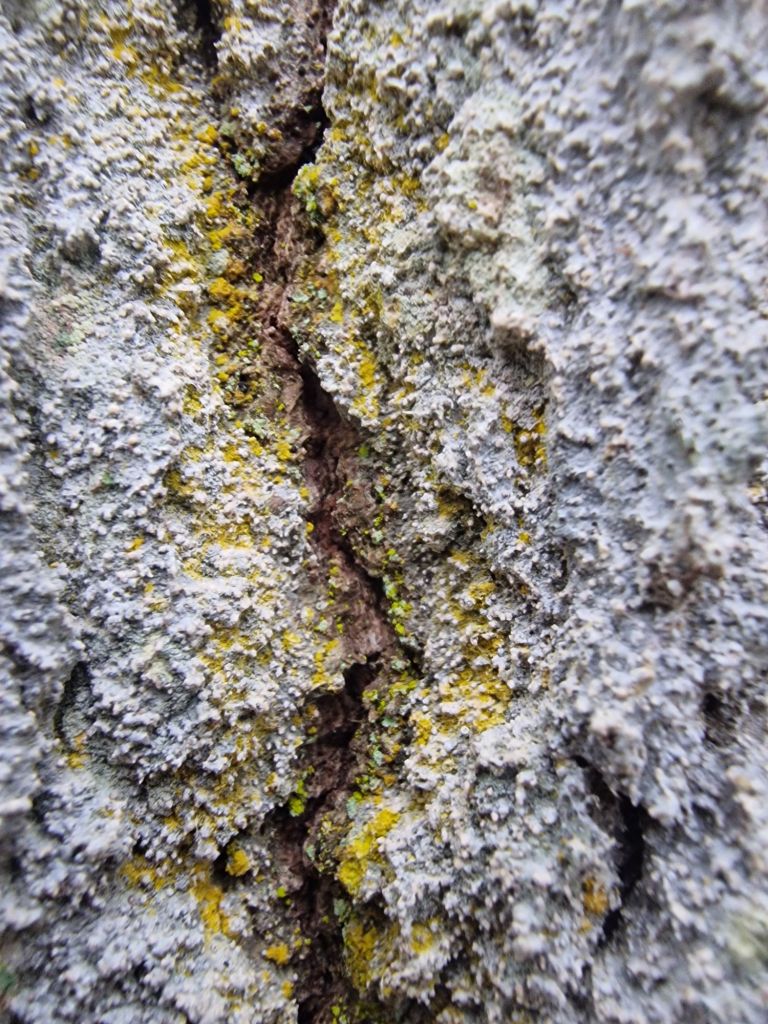
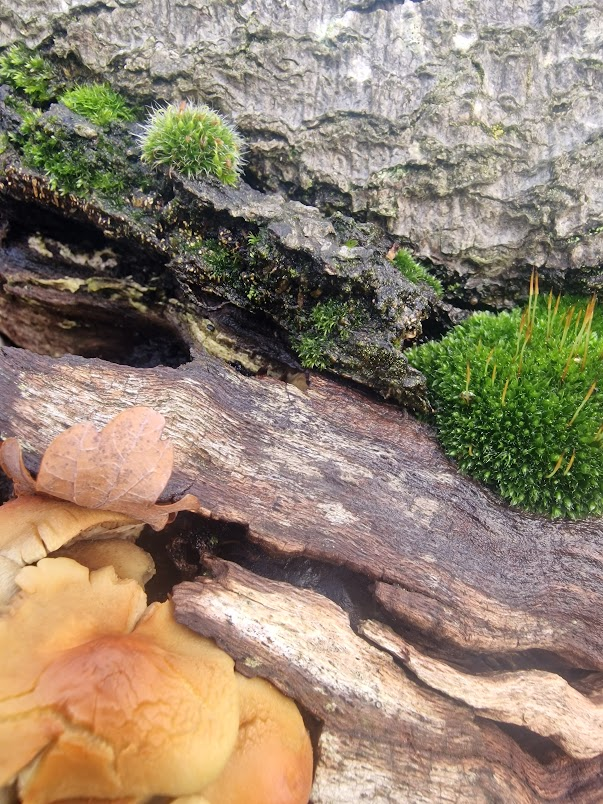
The fungus Hypholoma fasciculare and the mosses Ptychostomum capillare and Grimmia pulvinata, and unidentified lichens, on this tree’s decorticated trunk
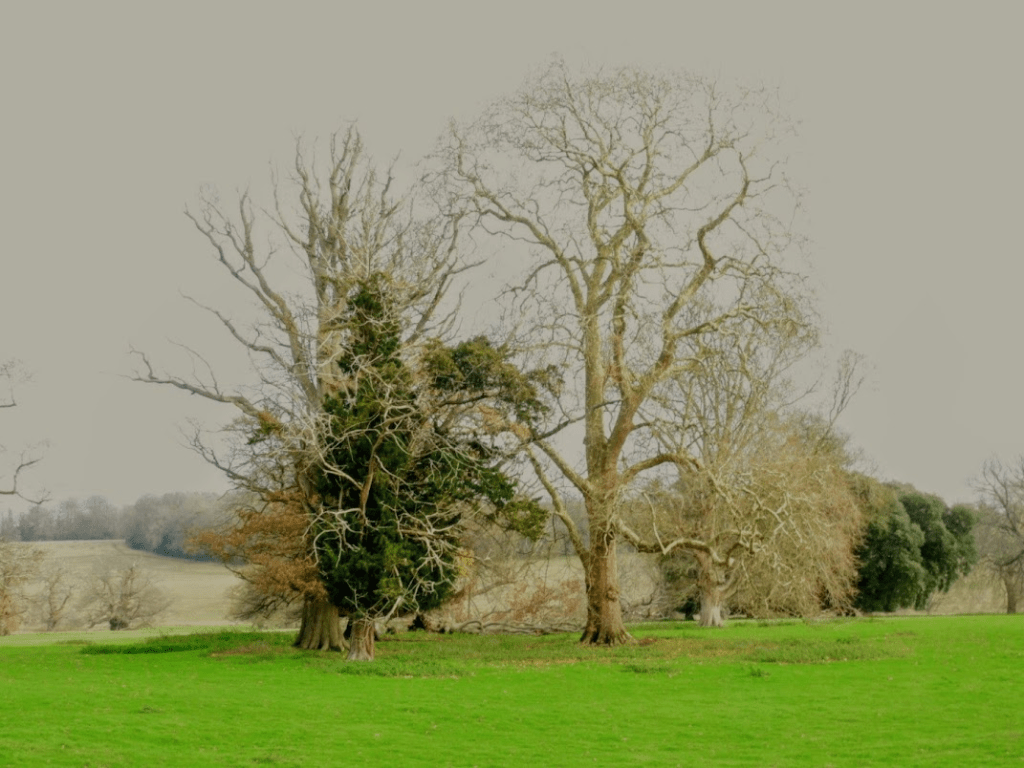
Yew, London Plane and Pedunculate Oak
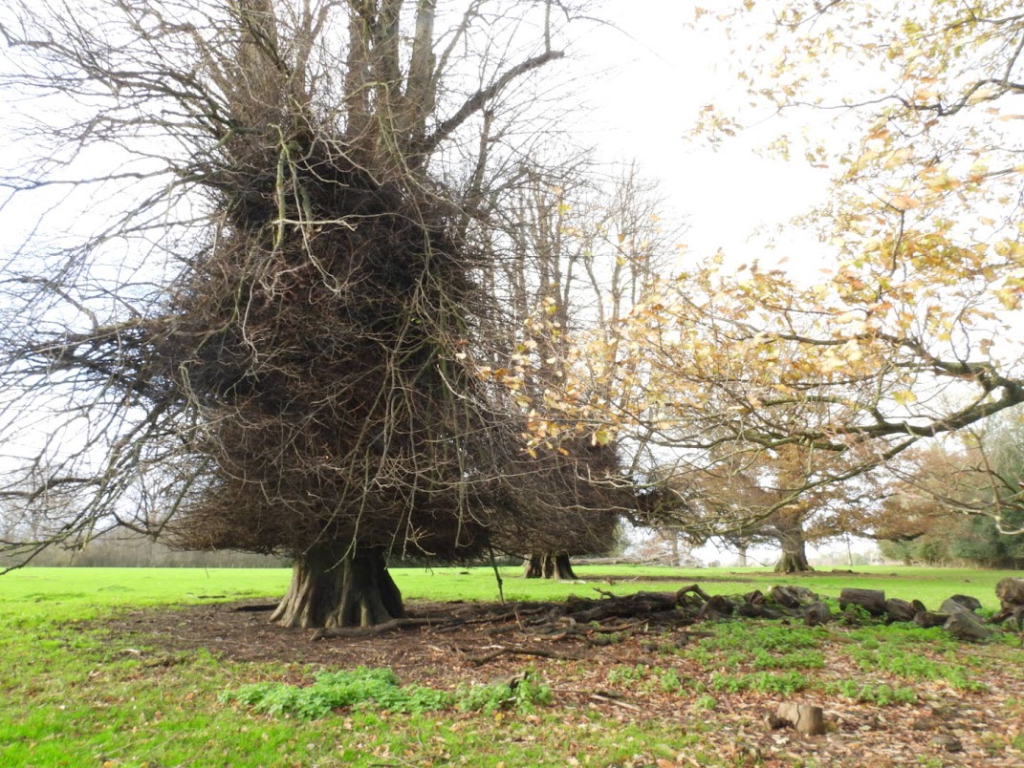
Oriental Plane
Fruit and leaf of Oriental Plane

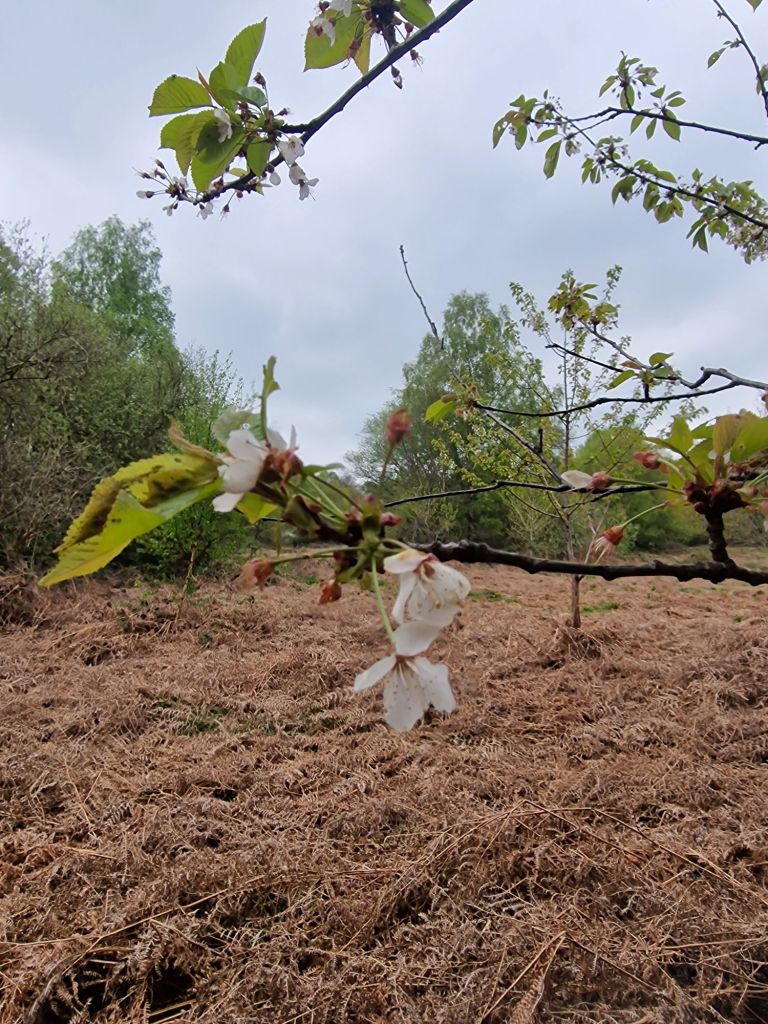
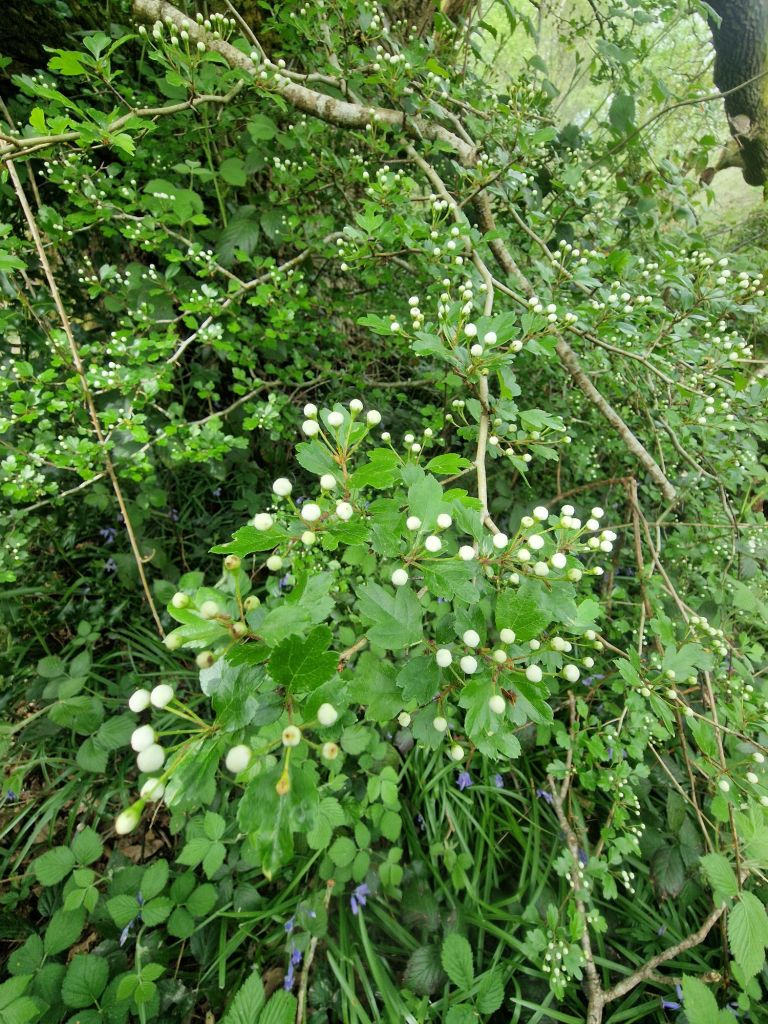
Hawthorn
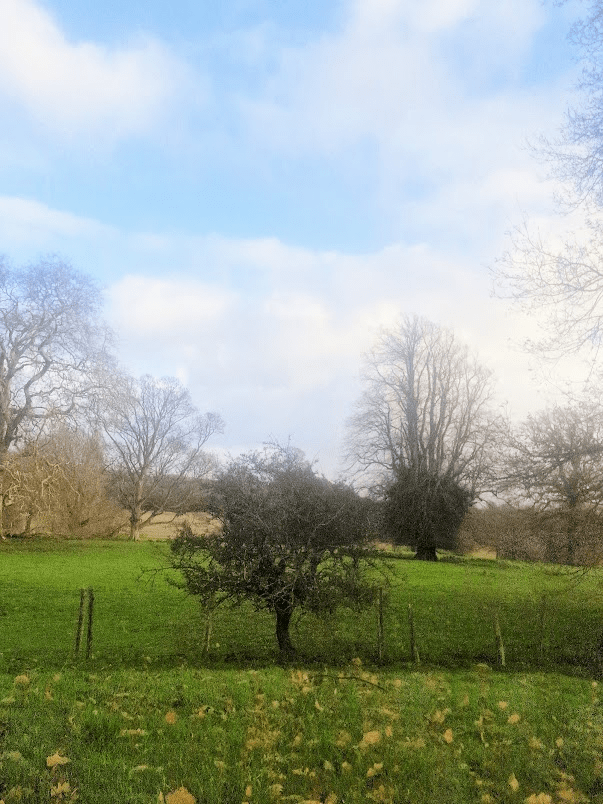
Pedunculate Oak in front of two Sweet Chestnuts

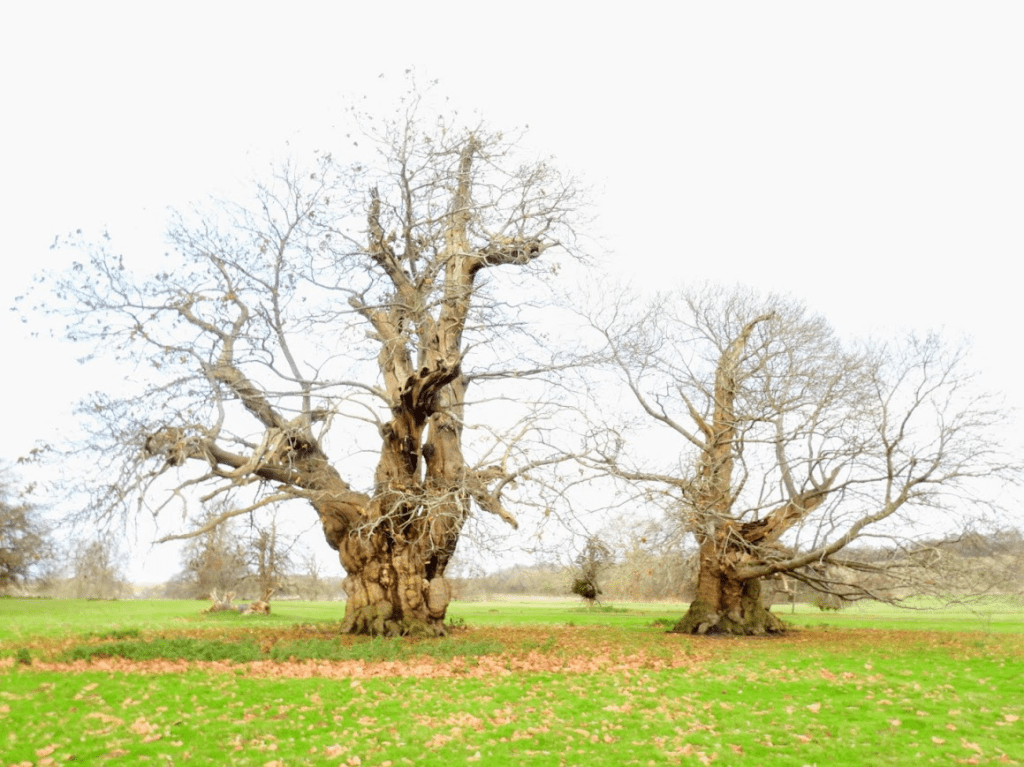
Ancient Sweet Chestnuts
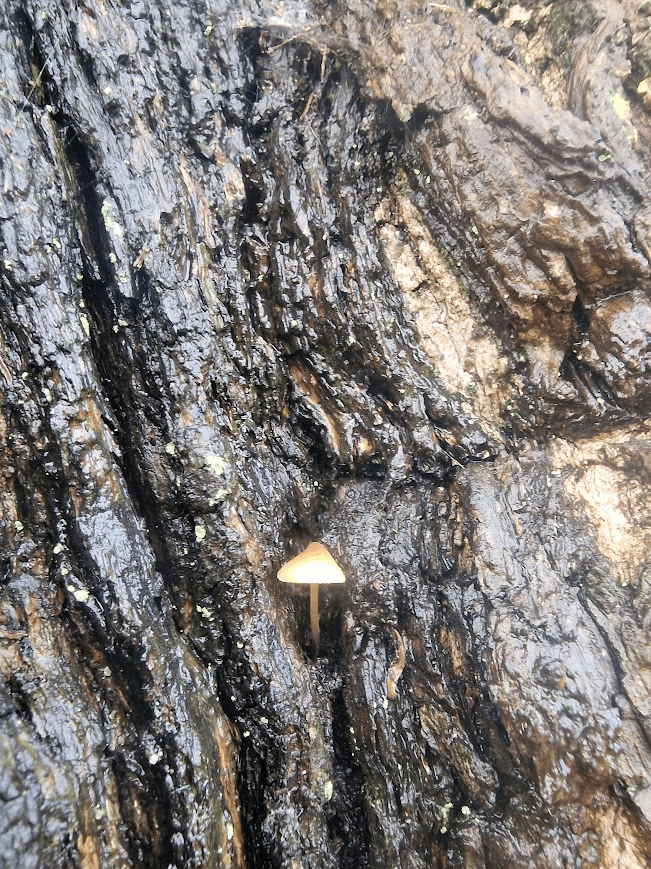
A Mycena sp. mushroom on the bark of one og these chestnuts
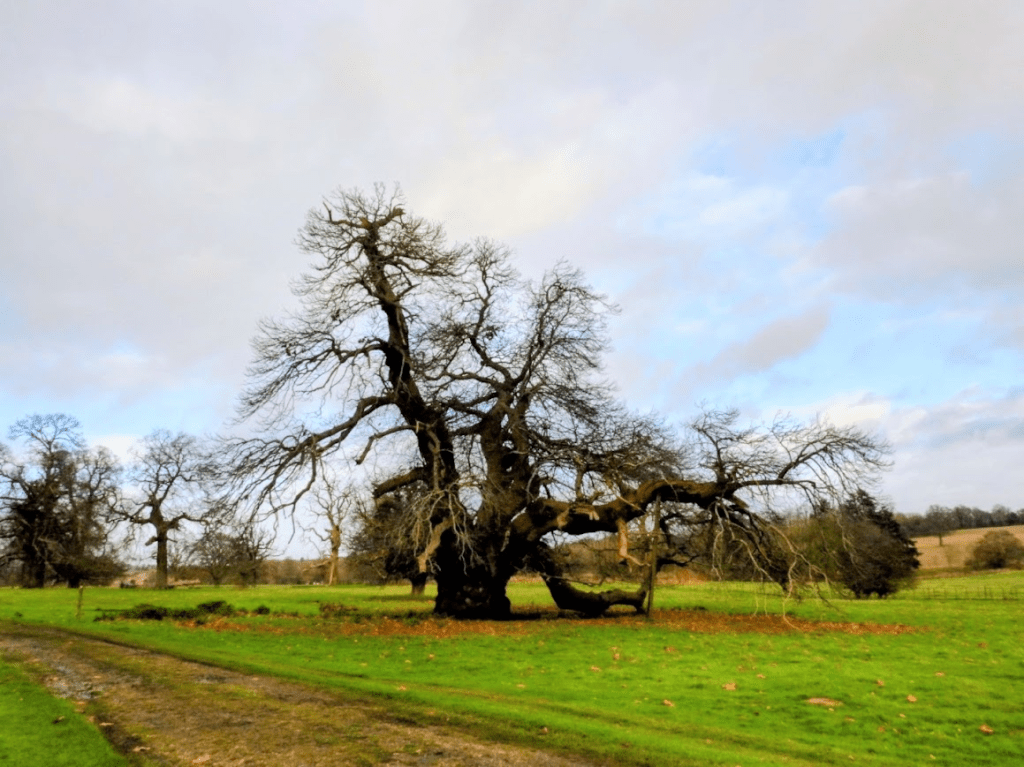
Ancient Sweet Chestnut
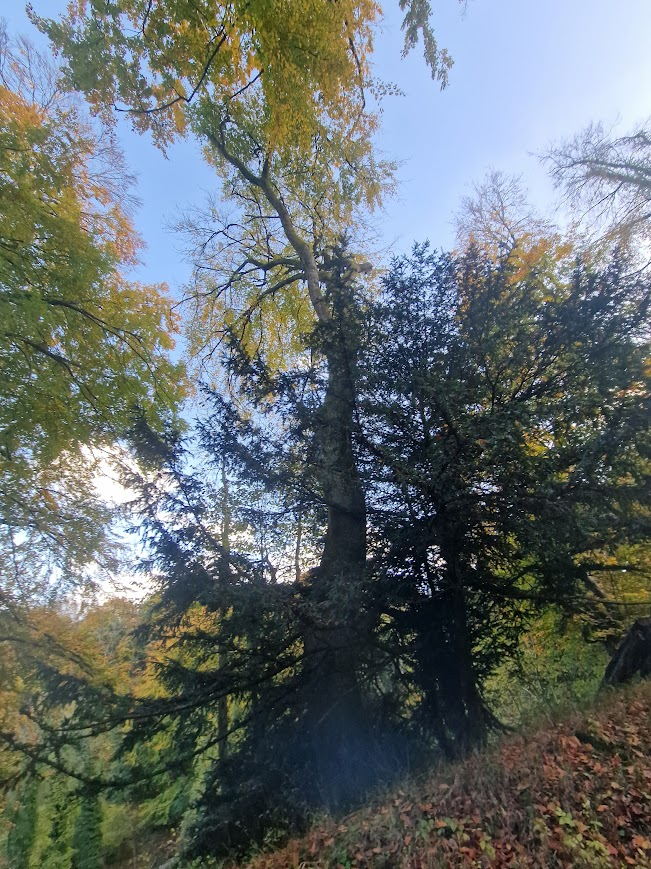
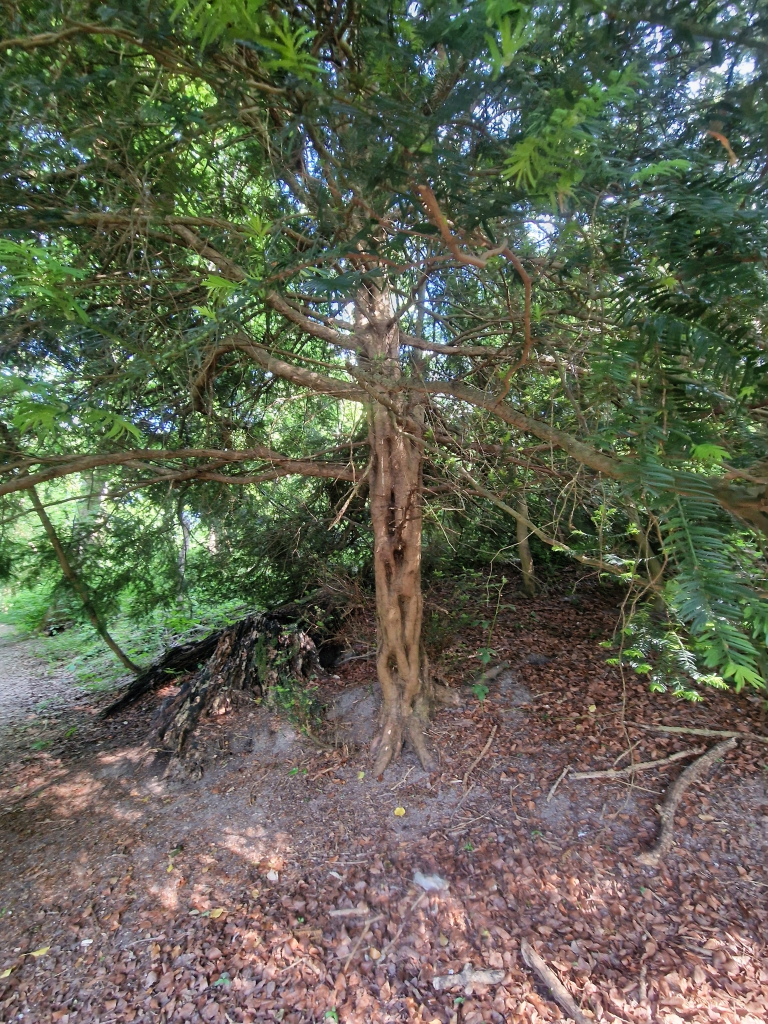
Ancient Yew

Hard to identify this as an ancient Yew, Taxus baccata, at first. It’s shape is nothing like the Yews of its native strongholds: chalk scarp-face woodland. It’s a pasture woodland Yew, sculpted by nibbling deer. Deer can tolerate Yew.
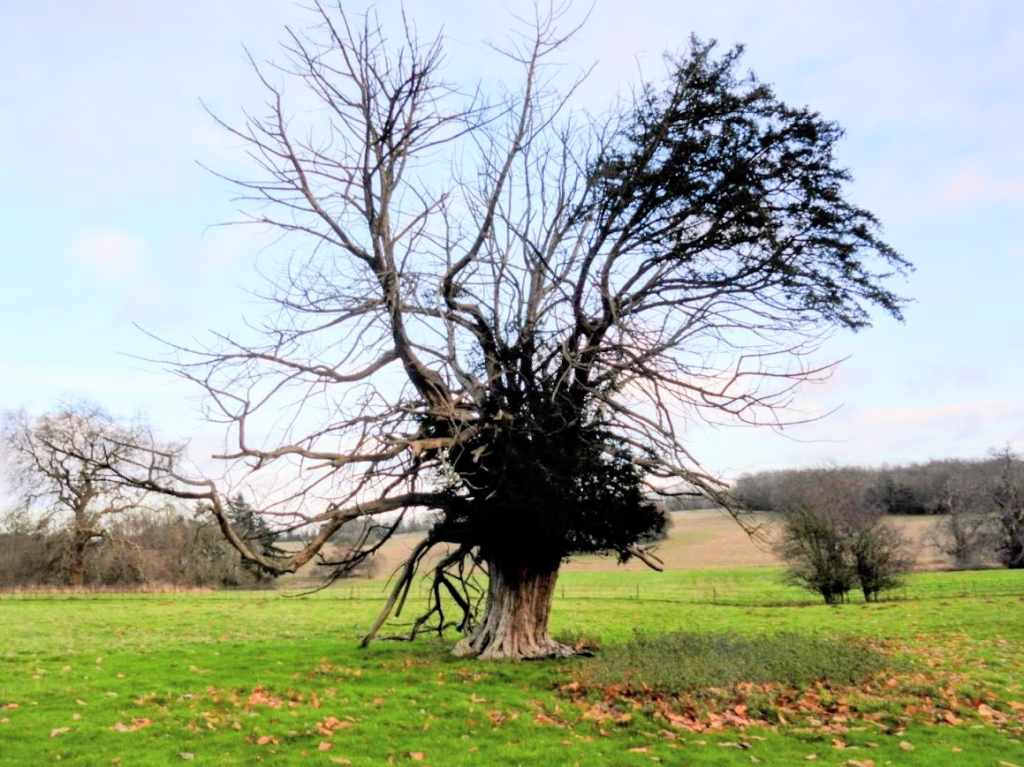
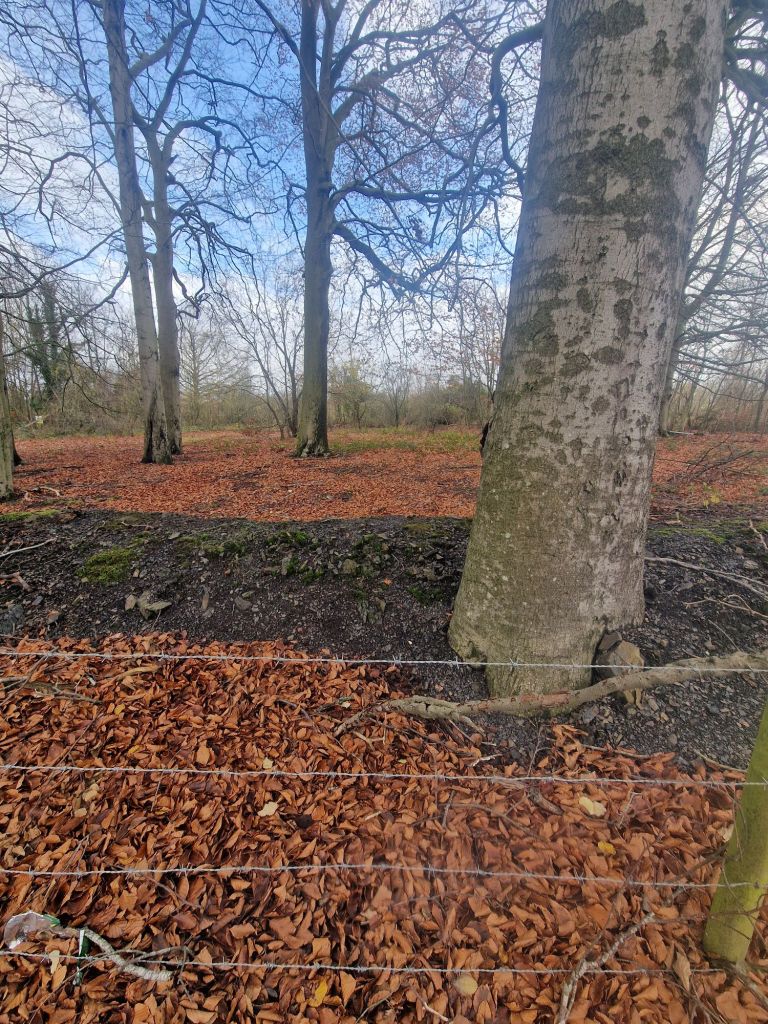
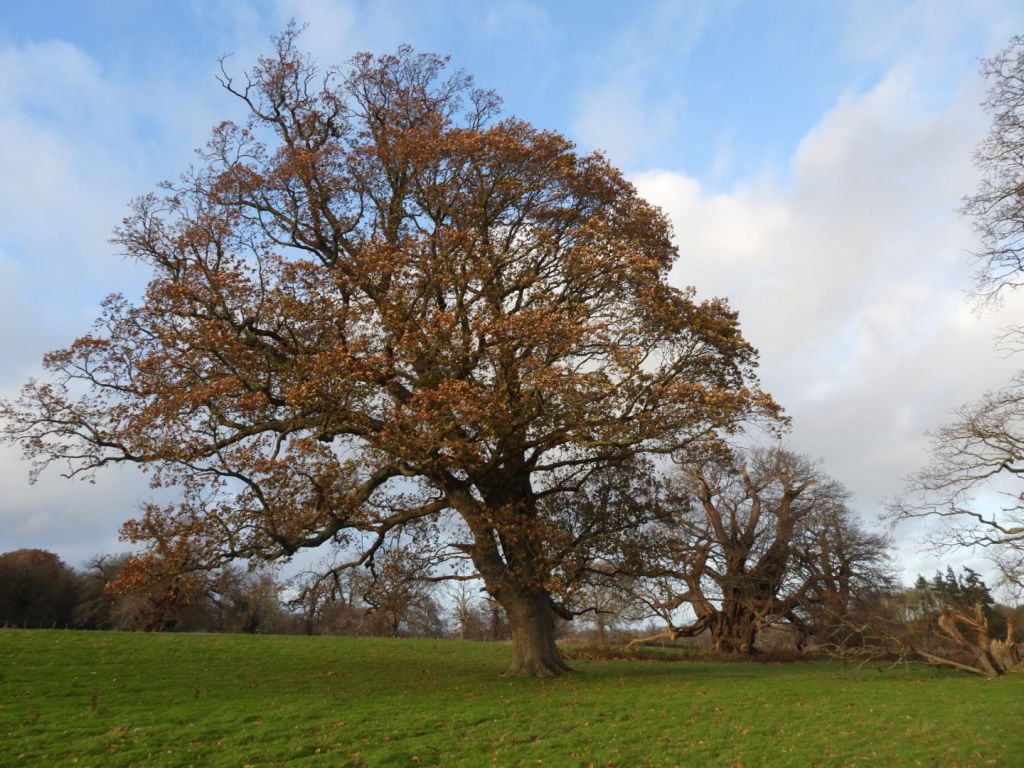
Pedunculate Oak
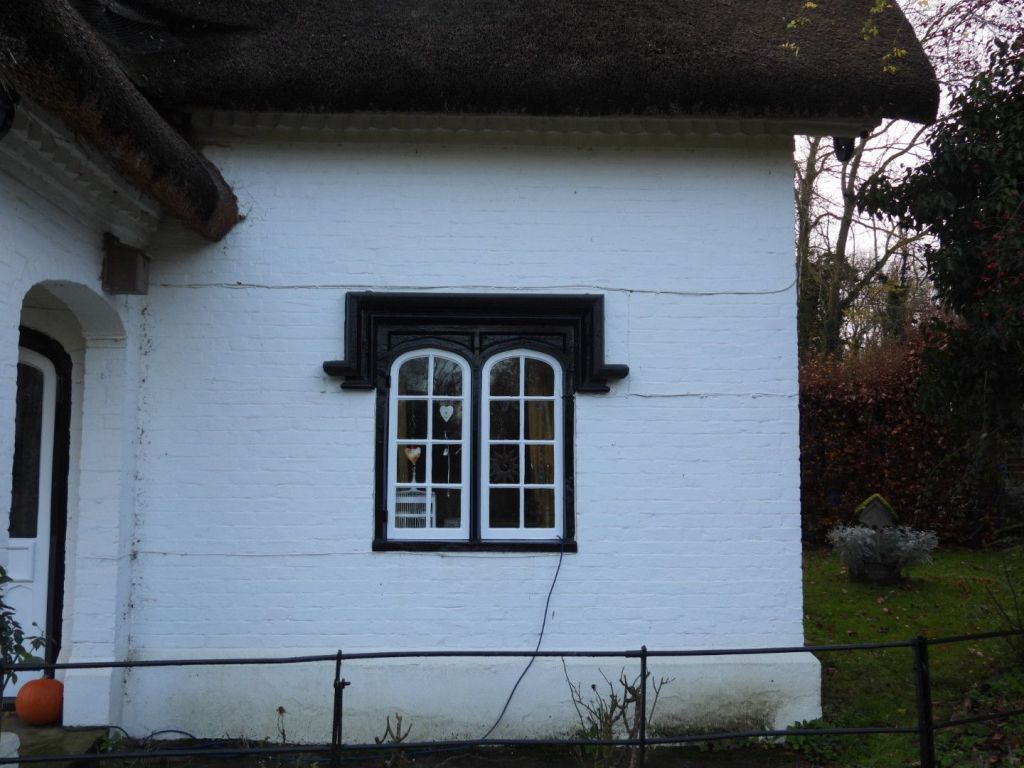
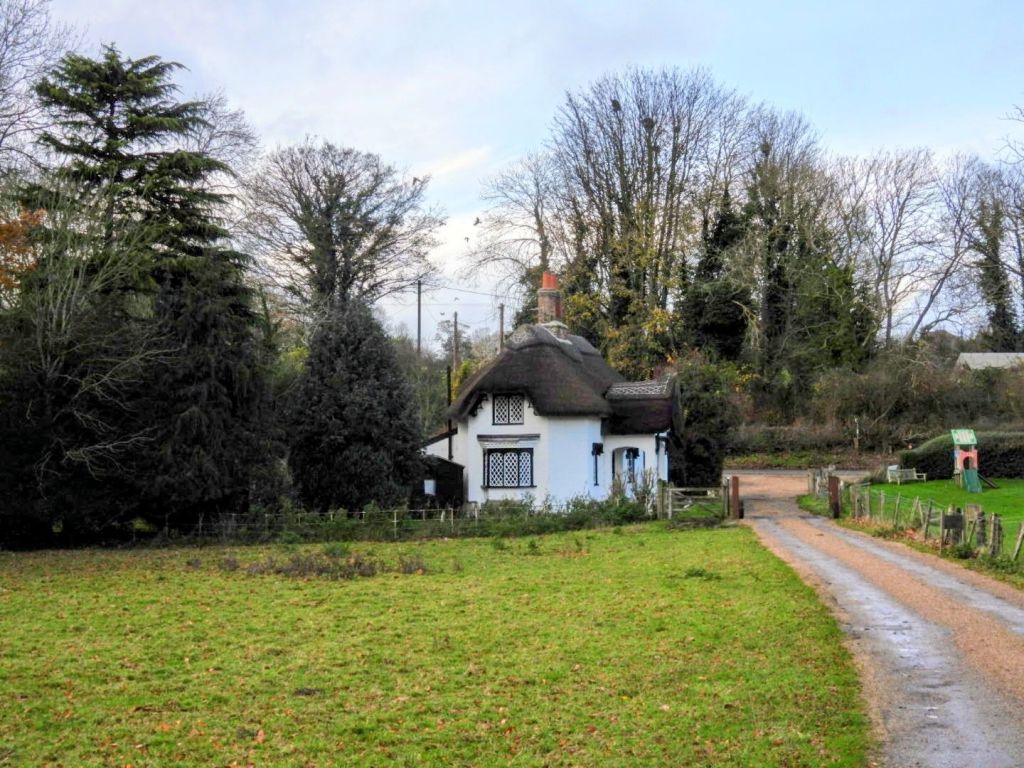
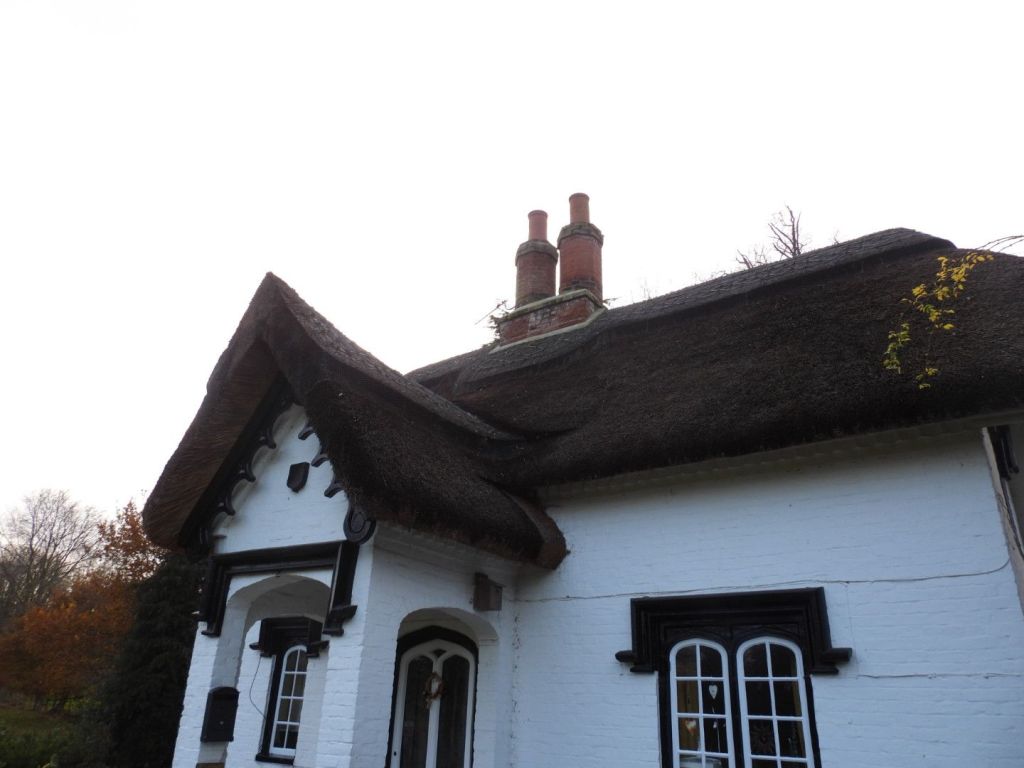
Lodge to Fredville Park

Historic England listing: Lodge to Fredville Park 11.10.63 II Gate lodge. Early C19. Painted brick with thatched roof. One storey and garret on plinth with dogtooth cornice to half-hipped roof with pierced bargeboards. Central stack with double polygonal flues. Single storey gabled porch with elliptical openings on all 3 sides, that to front with label hood. Arched 2 light wooden casements with label hoods either side of porch, with central four centred arched door with Gothick tracery. Canted bay with Gothick windows on left return front
A postscript

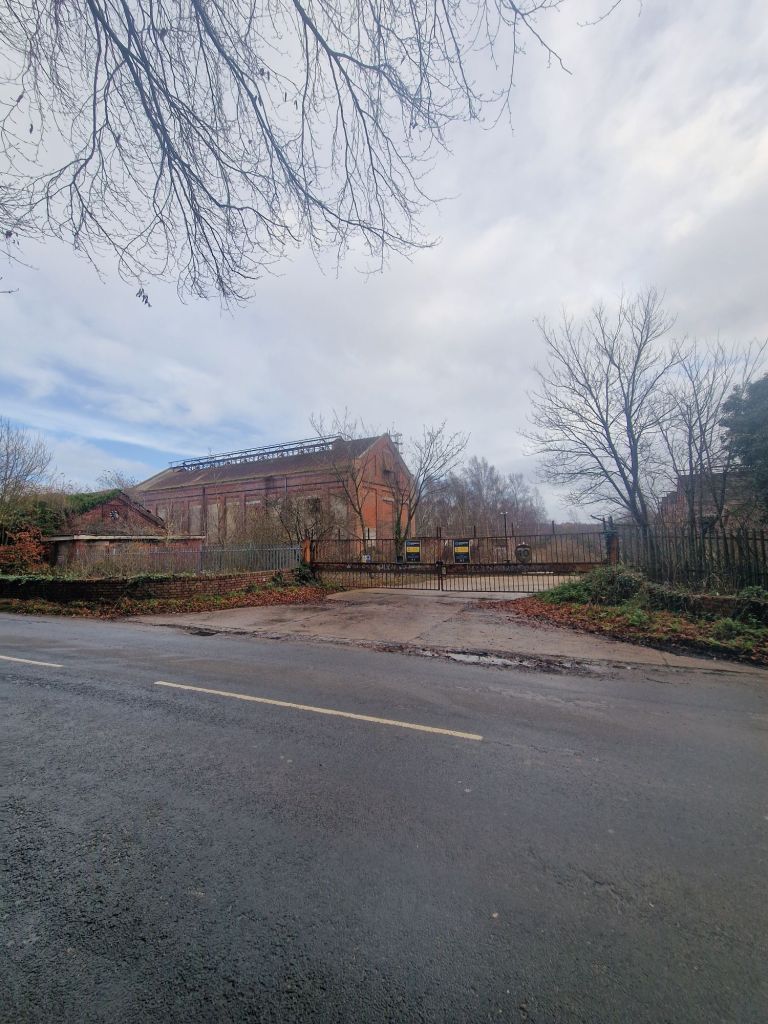
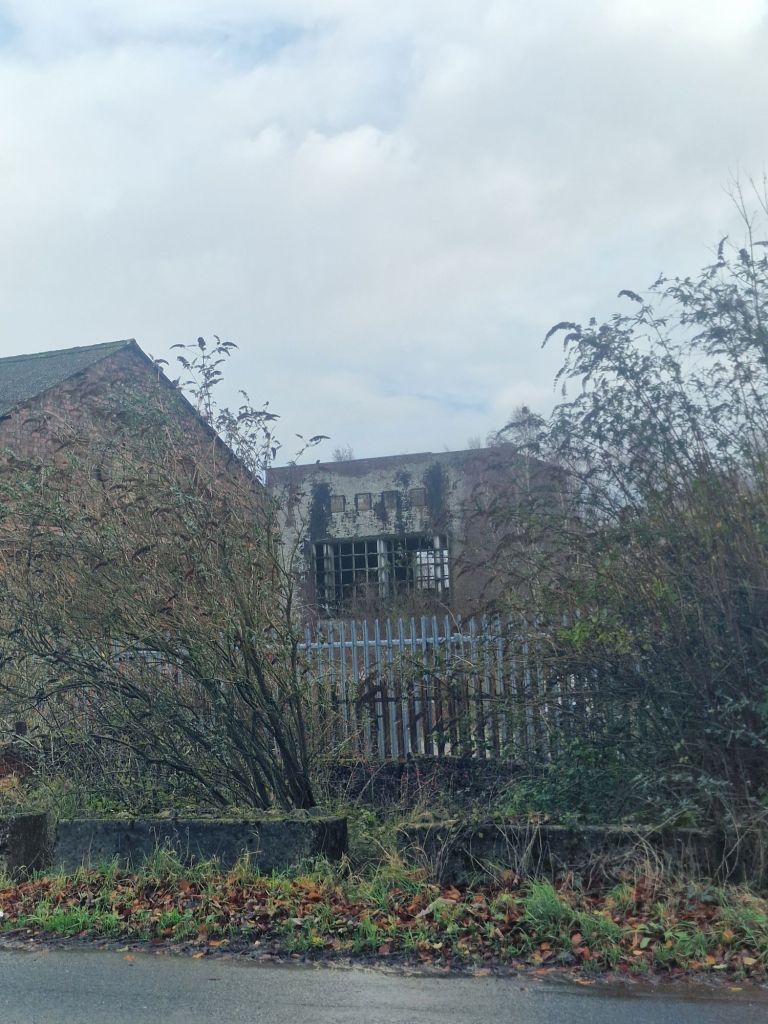
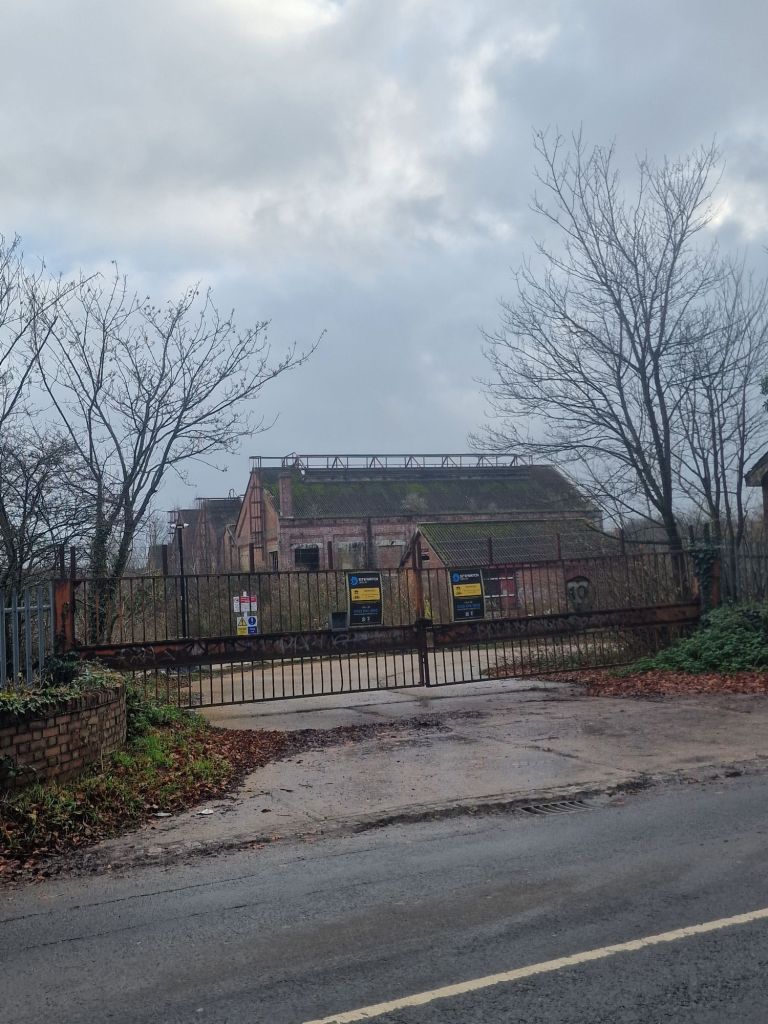
Right next to Fredville Park is the remains of the closed Snowdown Colliery.

The miners were on strike in 1984-85 and I remember well Brighton Trades unions collected food outside supermarkets to send to them. The strikers knew, as did we, that they were fighting the ruling class under Thatcher who wanted to close the pit. Forty years later, in 2025, a merchant banker has persuaded many working people in Kent that their enemy is migrants; but its the Tory ruling class that has impoverished them. The decline in class awareness and the ability of the ruling class to spin false narratives that are believed I find very sassy.  Wake up people.
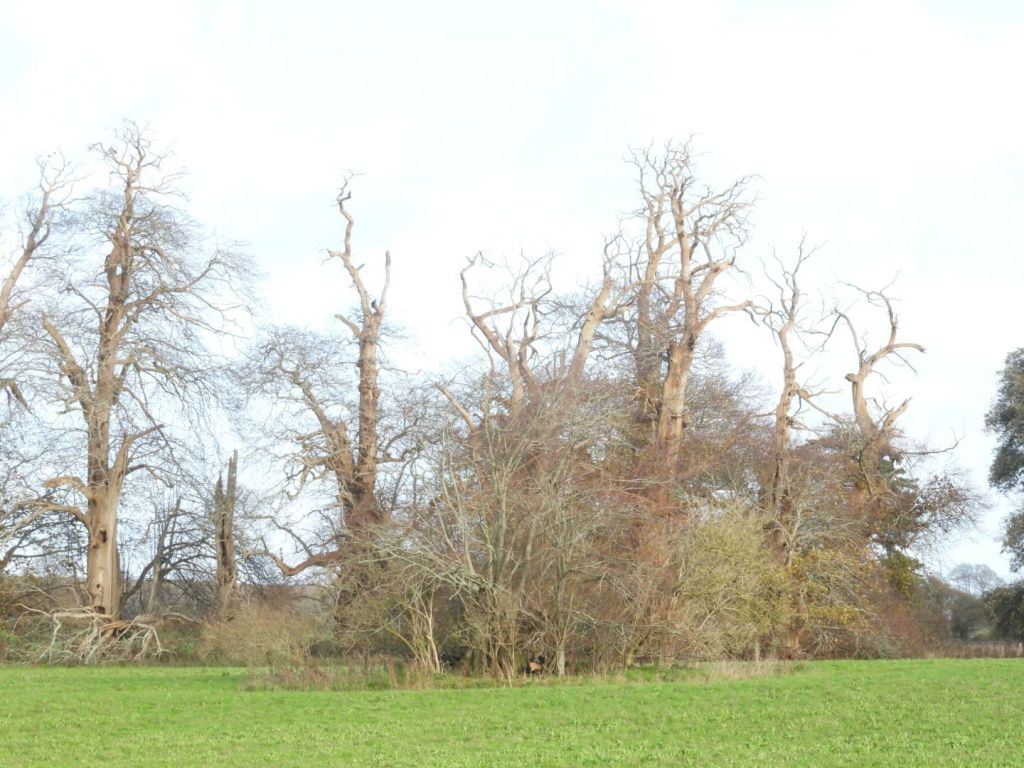
The degradation of the ancient Sweet Chestnuts trees of Halnaker Park, due to change of land use from pasture to intensive arable farming. 28.11.28

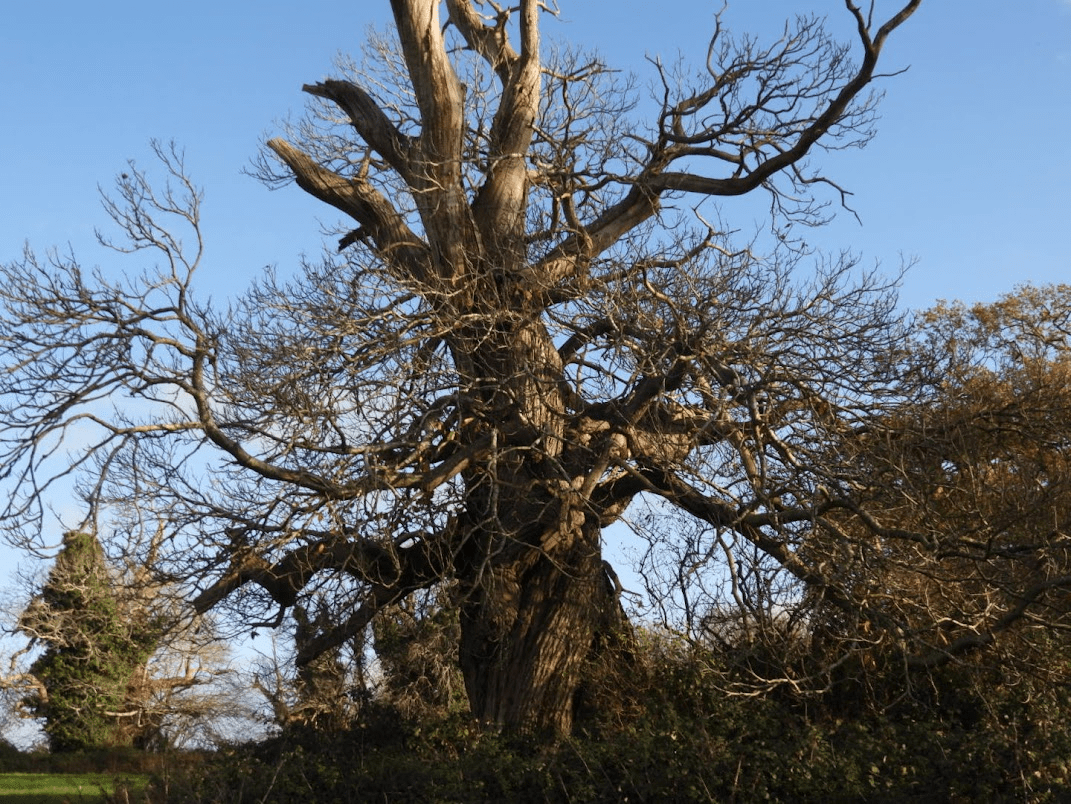
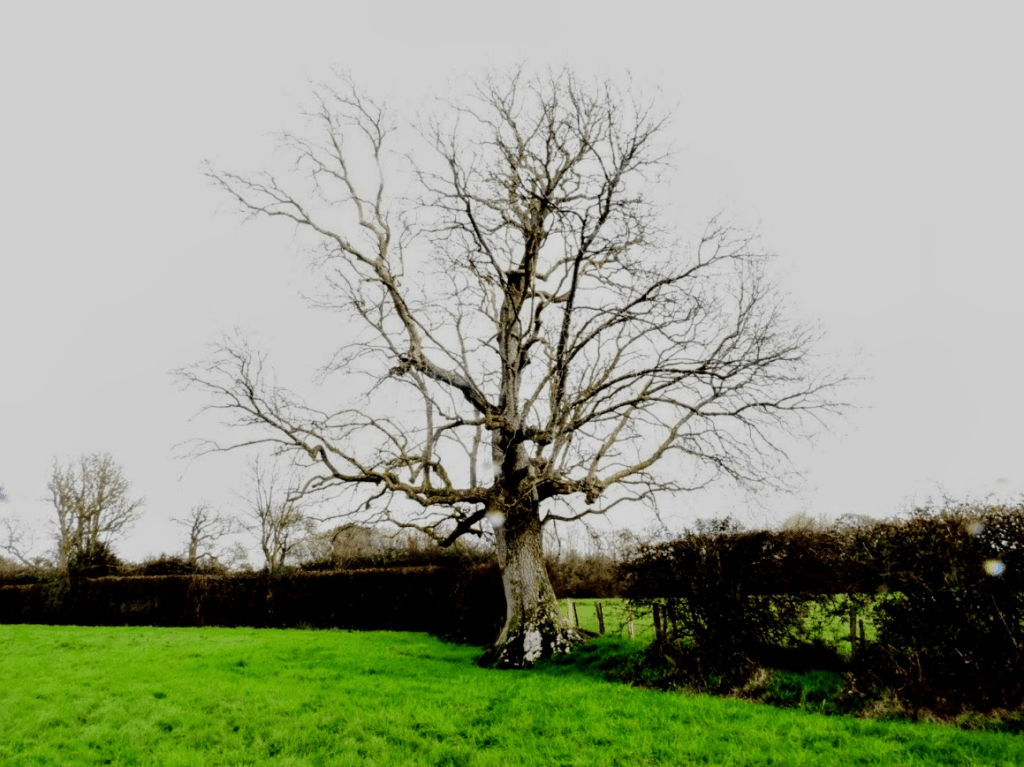
On a recent trip to the parish of Boxgrove, I walked up the footpath to the west of Halnaker Park, an ancient deer park. Most deer parks have mostly pollarded Oaks, but this one has mostly Sweet Chestnuts. Some other deer parks have Sweet Chestnuts too; such as Bushy, Richmond and Petworth; but in these Oaks domiate; at Halnaker Sweet Chestnut dominates. The Sweet Chestnuts in the park are magnificent; but close-up examination of those by the path revealed them to be in a parlous state.

My description of the other features of Boxgrove Parish, including the magnificent Boxgrove Parish Church, see Boxgrove Parish’s historic landscape & built environment; focusing on the painted & carved foliage in Boxgrove Priory Church of St Mary and St Blaise. 28.11.25

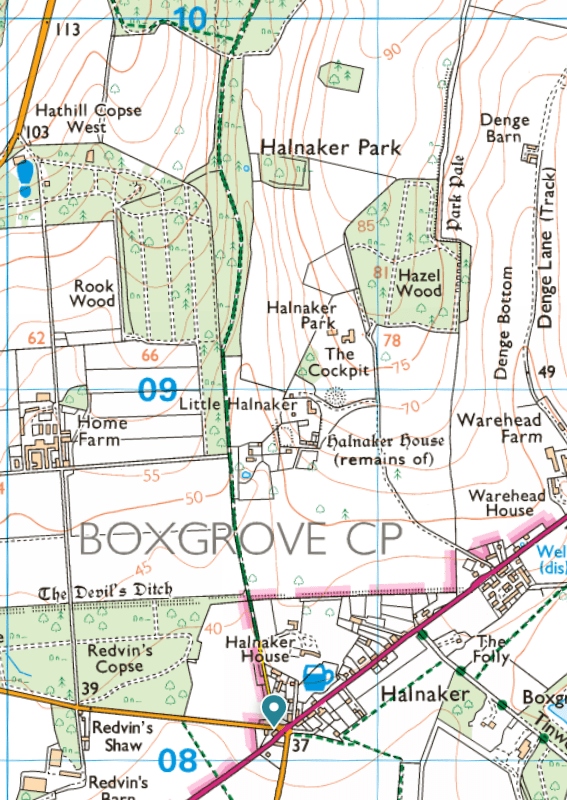
The Park of Halnaker possibly originated in a grant of free warren made in 1253 to Robert de St. John for his demesnes at Halnaker, Goodwood, and elsewhere, outside the limits of the forest. An inquiry as to the recent enlargement of the park by 60 acres was ordered in 1283, and it was said to contain 150 acres in 1329, and to be 2 leagues round in 1337. Hugh, elder son of Lord St. John, had licence in 1404 to inclose 300 acres of land and wood within the lordship of Halnaker and make a park, according to the metes begun by his father, but possibly did not avail himself of it, as the licence was renewed to Thomas and Elizabeth West in 1517. This may be the origin of Goodwood Park, which first appears in 1540, when it was part of the Halnaker estate, as it was also in 1561. In 1570 Halnaker Park was estimated to be 4 miles in compass and supported 800 deer. It continued to descend with the manor, but Goodwood Park was sold in 1584 by Lord Lumley to Henry and Elizabeth Walrond, who transferred it in 1597 to Thomas Cesar; he conveyed it in 1599 to Thomas Bennett, who in 1609 sold it to Sir Edward Fraunceis. The Earl of Northumberland in 1657 sold it, with ‘the house lately erected therein’, to John Caryll, who conveyed the park and mansion house to Anthony Kempe in 1675, and it subsequently came to the Comptons of East Lavant, from whom it was bought, about 1720, by the Duke of Richmond. from: http://www.british-history.ac.uk/ Quoted on https://boxgroveparishcouncil.gov.uk/about-boxgrove/halnaker/#:~:text=The%20PARK%20of%20Halnaker%20possibly,fn.

The importance of ancient deer parks is outlined in the University of Oxford’s Ancient Oaks of England Project Deer Parks: After the Norman conquest of England in 1066 deer parks became a ‘craze’ among the new nobility, who had taken over almost all the land held before by the Anglo-Saxons. While the Domesday Book in 1086 only recorded 37 deer parks, by around 1300 there may have been as many as 3,000. Every nobleman wanted a park and many had one, while great magnates and some bishops owned 10 or more and the king could boast as many as 80 to 100. It was all about hunting deer and having venison available for feasts. To be able to present guests with this ‘noble’ meat instead of the plain beef and pork that common people (sometimes) had was a serious matter of status.

A deer park was usually created in an area of the manor that was not under cultivation or occupied by hayfields or woods managed as coppice. It was called ‘waste’ (we would now say nature reserve) and often consisted of some open rough grassland or heath and pasture woodland. There were wild growing native trees, mainly oaks. These and some underwood or shrubs were necessary to provide for winter food and shelter. This became especially important with the introduction by the Normans of fallow deer from southern Europe to stock the parks. These animals would not survive the English winter otherwise.

The park was surrounded by a park pale, a ditch on the inside and an earth wall on the outside on top of which was a pale fence of cleft oak. The deer could not scale such a barrier from inside the park, but ‘deer leaps’ could lure them in from outside, a clever construction. … Also inside was usually a park or hunting lodge and if this building was moated we can often still recognize this moat as well as lines of the park pale in the form of lanes, field boundaries or even the earth wall of the park pale. We now know where most of these parks were even if few of these traces remain. By analyzing the position of ancient oaks in the landscape we can find out if they stood in a medieval deer park.
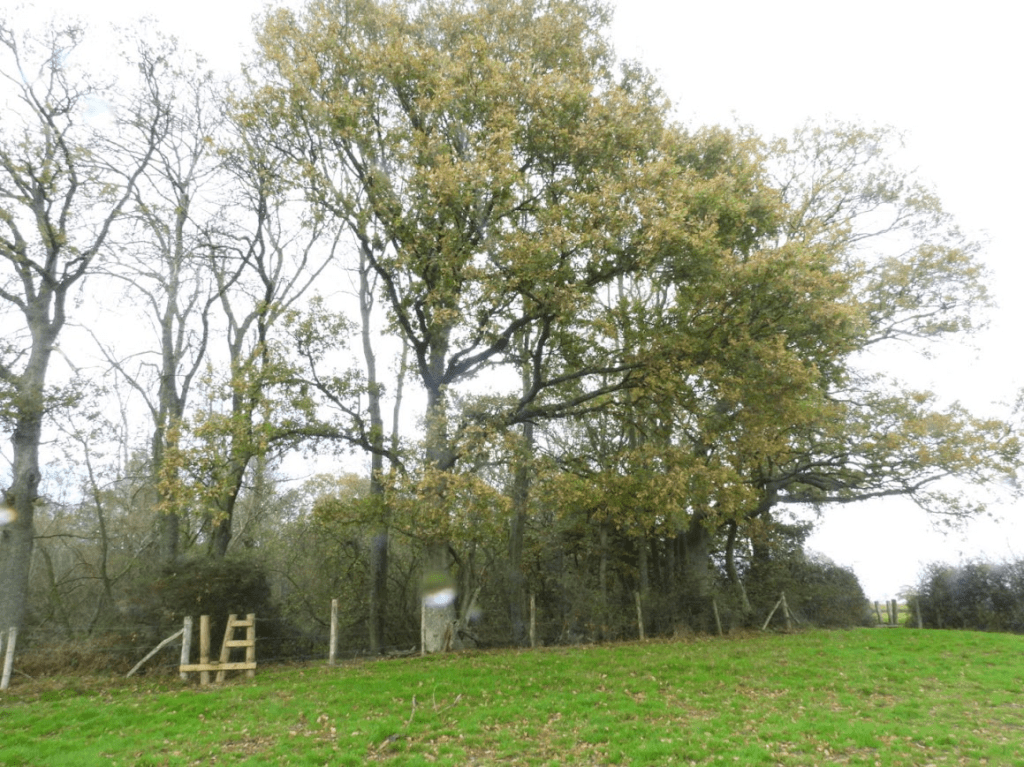
My research has established that medieval deer parks were by far the most important form of land use associated with ancient and veteran oaks in England. Some 35% of all oaks in England with a girth >5.99 m are associated with medieval deer parks and of 115 oaks with >9.00 m girth 60 once stood in those ancient deer parks. Of 23 ‘most important sites’ for ancient oaks I have so far identified, 20 were deer parks and 16 of these were medieval. There are many other landscape associations with ancient oaks and for a significant number of these trees the historical context remains unknown, lost in the mists of time. But the medieval deer parks are the main reason why England has so many of these venerable oaks. https://herbaria.plants.ox.ac.uk/bol/ancientoaksofengland/Deerparks
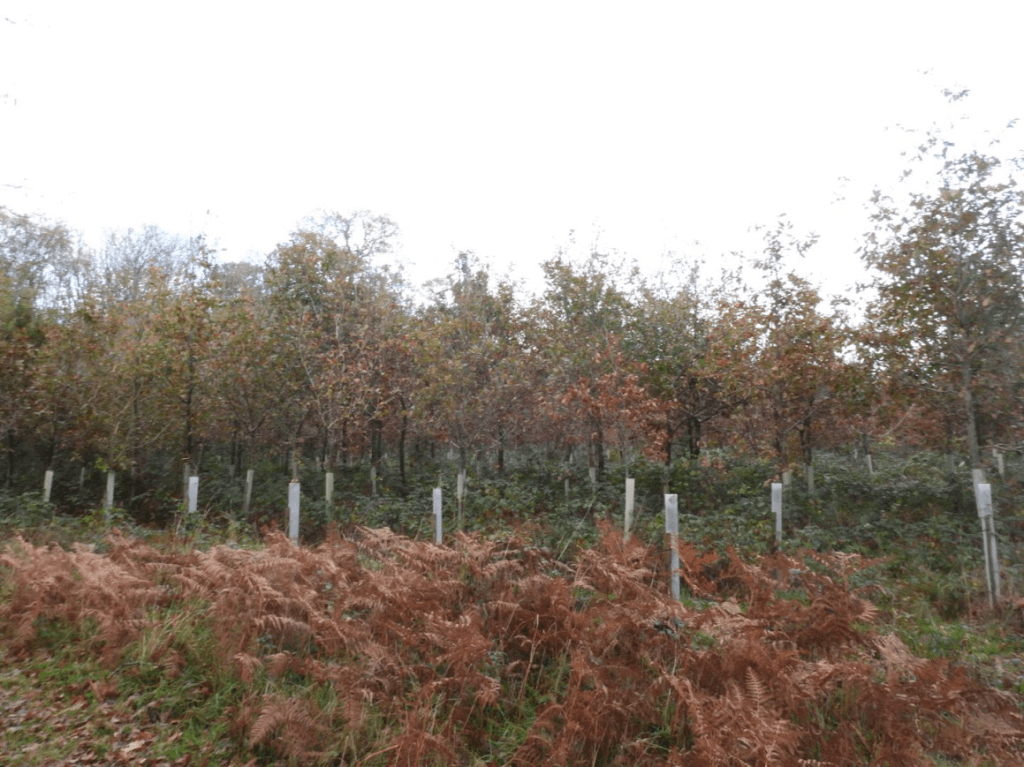
Typical location [of Sweet Chestnut]: Parkland, designed landscapes, fields, woodland (often found as coppice) and wood pasture. Occasionally avenues, street trees and gardens. Age: Sweet chestnut may be able to live for 1,000 years, although 600 may be more typical on many sites. All sweet chestnut will be ancient from 400 years onwards, although many will have ancient characteristics from around 300 years. Woodland Trust Sweet Chestnut

Jarman identifies seven types of British ‘sweet chestnut landscape’: ancient inclosures; ancient coppice woods; historic boundaries; historic gardens; historic deer parks and designed parklands; historic formal avenues; and more recent high forest and production coppice. R.A Jarman (2019) Sweet chestnut (Castanea sativa Mill.) in Britain: a multi-proxy approach to determine its origins and cultural significance; unpublished PhD Theses. University of Gloucester. https://eprints.glos.ac.uk/7484/1/Robin%20Jarman%20PhD%20Thesis%20Sweet%20chestnut%20in%20Britain.pdf retrieved 01/12/25 p. 2

Sweet Chestnuts Outside of woodland habitats, sweet chestnut performs a different ecological role, as in wood pastures and historic parklands, where stands of single or groups of ancient trees, stubs and stools support many veteran tree features (Lonsdale, 2013). Such trees sustain a wide diversity of scarce and sometimes endangered invertebrate and other animal species; and host a specialised flora, notably lichens, bryophytes and fungi. These trees and their associated communities are typically many centuries old and provide sites of high ‘ecological continuity’ (Rose, 1974 and 1976) in landscapes where these are rare. Johnson op. cit. p. 45

In that context of ecological continuity and antiquity, cultural significance is not a separate concept – humans can be considered as part of nature, and the ‘sweet chestnut scapes’ that were discovered and surveyed during this research reflect that: ancient inclosures, ancient coppice woods, historic boundaries, historic gardens, historic deer parks and designed parklands, historic formal avenues, and high forest and production coppice are all artefacts of management. Johnson op. cit. p.47

The Sweet Chestnuts in Halnaker Park are ca. 400 years old; they look very unlikely to make it to 600 years, let alone 1000 year.

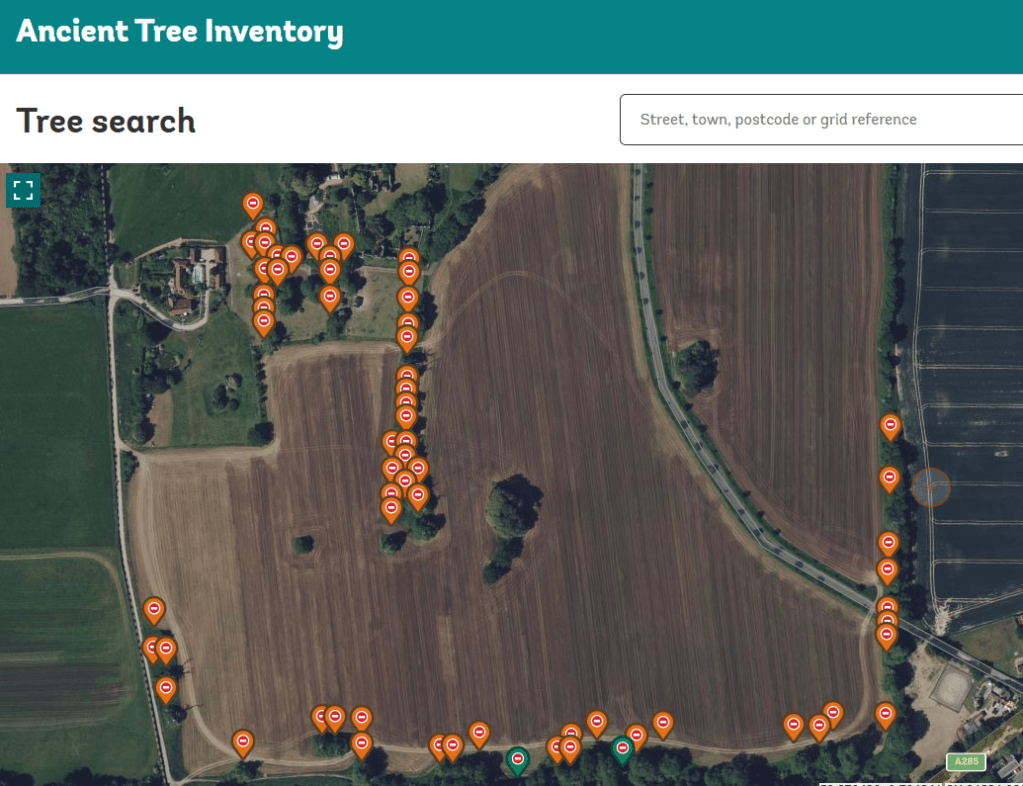
The Sweet Chestnuts are listed by the Woodland Trust Ancient Tree Inventory as all ancient.

Map: Woodland Trust Ancient Tree Inventory

They are pollarded, as was typical for trees in deer parks. These ancient Sweet Chestnuts are one of the most important natural assets of the parish of Boxgrove, West Sussex. These Sweet Chestnuts are biologically important and a benefit to the landscape.

(The 18th, 19th and 29th century practice of replanting semi natural ancient woodland with Sweet Chestnut, which was then coppiced for timber, was not a benefit to landscape of Sussex; but it was profitable.)

From Parks & Garden UK: Halnaker Park

(Parks & Gardens UK is the leading online resource for historic parks and gardens. It is an essential resource across multiple fields, from heritage preservation and academic research to personal enrichment and professional garden design).

The most impressive feature of the landscape [of Halnaker] is the mature Sweet Chestnut Trees. In essence, the landscape of Halnaker Park has changed little in 370 years, with the exception of changes in land use. More of the park is now under arable cultivation rather than grassland and pasture (as indicated by the field names in 1629).

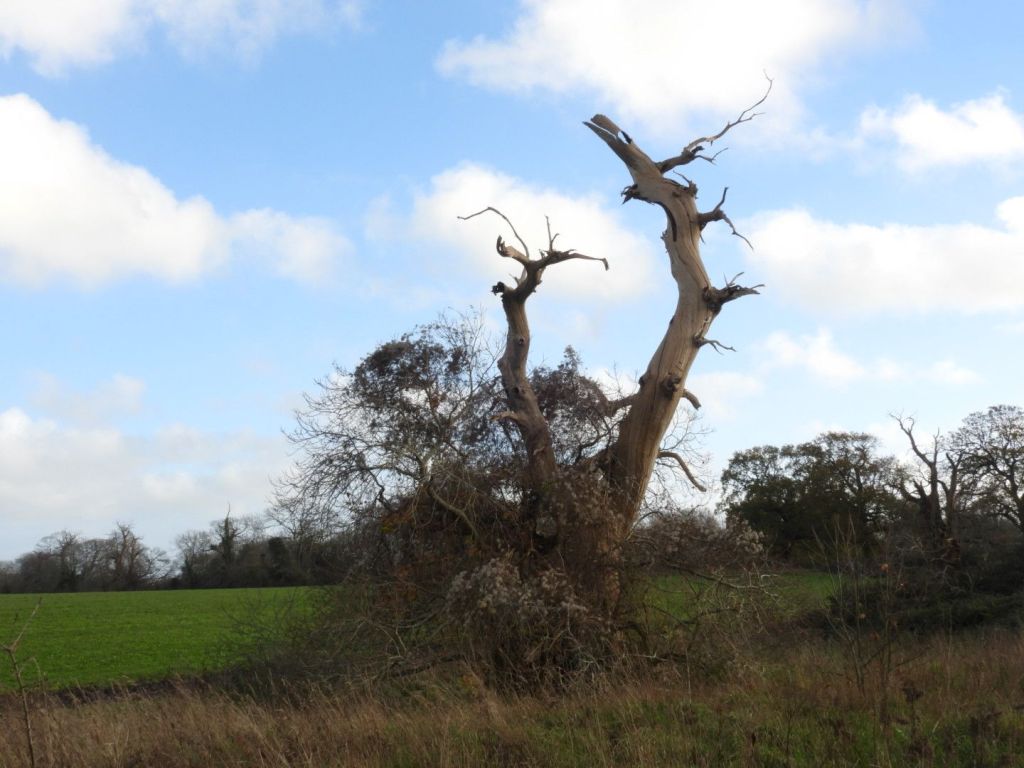
The most impressive feature of the landscape is the mature Sweet Chestnut Trees. There are 74 in total distributed along the lower southern boundary, in a block to the south-west of the ruins, in a long row to the south-east of the gate house entrance, and as isolated trees in the lower park. The trees are all in a poor state, with die back and bark loss. They are clearly very old. One has a girth of more than eight meters. ….

… [T]he names and location of woodland blocks in 1629 are similar to the current situation, that is: Haflewoode coppice (1629) = Hazel Wood Winkinge Woode = Ladys Winkins; Hoke Woode = Rook Wood; Harthill Wood = Hathill Copse West; Saley Coppice = Seely Copse

The gap or ride through the woodland to the northern boundary, apparent on maps of 1778, 1813, 1880 is still evident as Halnaker Gallop. The shape of the woodland blocks are almost identical to the 1880 map and very similar to the 1778 map. Many of the parkland trees and clumps on the 1880 map are still present today.

In essence, the landscape of Halnaker Park has changed little in 370 years, with the exception of changes in land use. More of the park is now under arable cultivation rather than grassland and pasture (as indicated by the field names in 1629).

The greatest threat to the historic landscape in the short term is the loss of the Sweet Chestnuts in the lower park. All the trees are showing signs of severe stress mainly due to agricultural activities, for example spray drift, ploughing too close to the tree base, or ring barking due to mechanical damage from equipment.

Returning the lower park to permanent pasture would reduce the stress on the trees and considerably enhance the setting of the ruins of Halnaker Park. https://www.parksandgardens.org/places/halnaker-park

This has not be done. The Lower Park is owned by the Goodwood Estate. All of the chestnuts are on their private land and there is no permissive access.

It is possible that the Goodwood Estate has not taken seriously the preservation of the precious natural assets of the Chestnut-planted deer park because of a prejudice against non-native trees, but as Jarman, et al., point out in (2019) Landscapes of sweet chestnut (Castanea sativa) in Britain – their ancient origins. Landscape History, 40(2), pp.5-40, there is a general consensus on the ecological importance of sweet chestnut in Britain. It can be concluded that, irrespective of whether it is ‘native’ or ‘alien’, the species performs an important ecological function in specific types of ancient semi-natural woodlands, notably in southern Britain where it does behave like the ‘honorary native’ that Rackham (in Rackham, O. (1980). Ancient Woodland) observed it to be. Johnson op. cit. p.47

What the Goodwood Estate says about stewardship: Nestled in the heart of rural West Sussex, the Goodwood Estate spans 11,000 acres, and has a great responsibility to protect, maintain and enhance its distinctive character and landscape. Ensuring that future generations can cherish Goodwood as we all do today.. Goodwood Sustainability

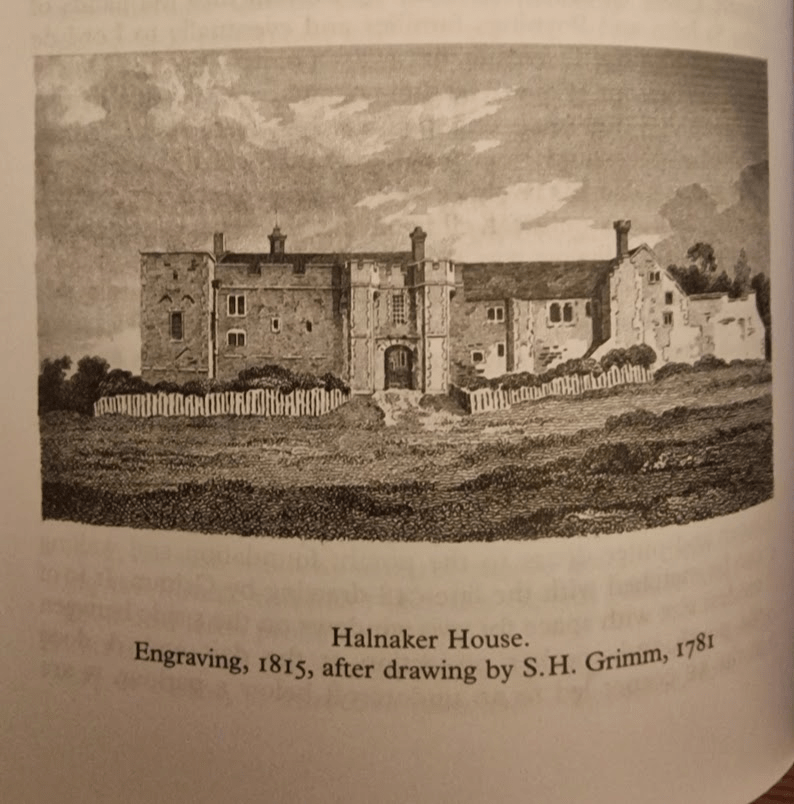
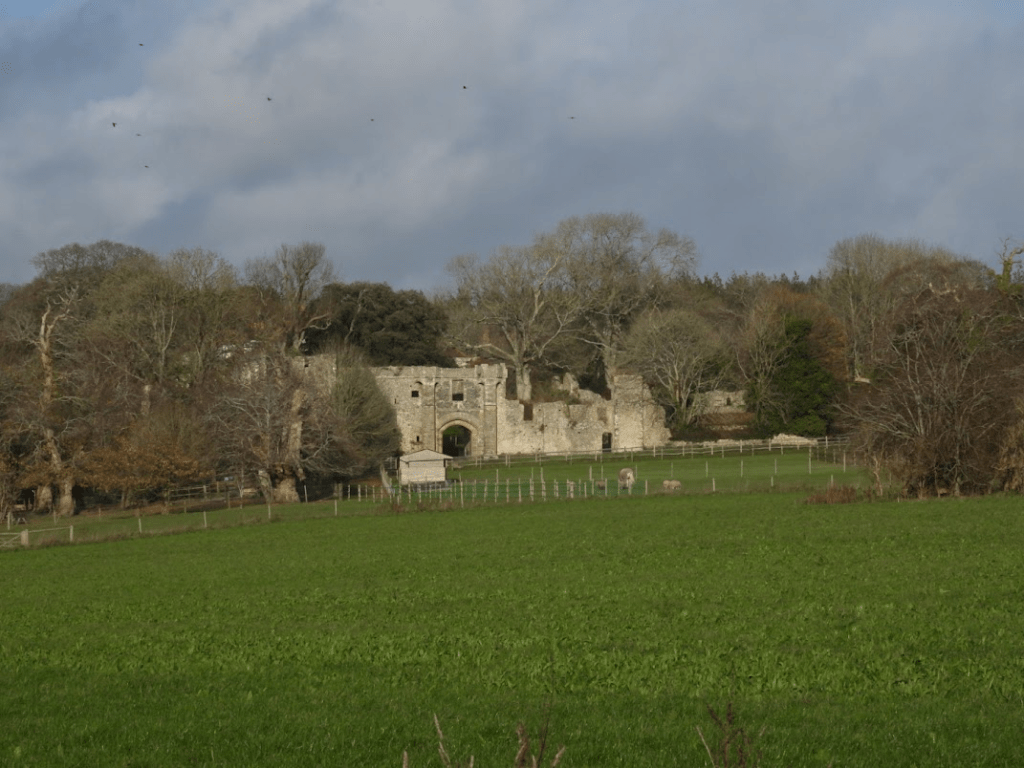
To the north are the remain of Halnaker House, again private with no permissive access. From Elizabeth Williamson, Tim Hudson, Jeremy Musson, Ian Nairn, Nikolaus Pevsner (2019) Sussex: West (Pevsner Architectural Guides: Buildings of England) pp. 409-401:HALNAKER HOUSE (ruins). Halnaker and Cowdray (q.v.) have remarkably similar history. Both were medieval houses given a wholesale remodelling in the C16 by owners who used up-to-date Renaissance ornament. Both became ruined about 1800. But where Cowdrav still impresses as architecture, too much has gone at Halnaker to make it more than a pretty, picturesque group of walls. This is not only the fault of the weather. Details were transplanted wholesale to Chichester, … It is a pity, for the complete Halnaker would have been very impressive.

It was begun by the de Haye family, the founders of Boxgrove Priory and came by descent into the hands of the St John and Poynings families and eventually to Lord de la Warr. The site faces south at the exact point where the Downs begin to rise out of the coastal plain, and consists of an irreg-lar retaining wall enclosing separate hall and chapel ranges. Closed at the south end by a nearly symmetrical C14 gatehouse and wings, achieving a semi-fortified, semi-regular effect which suited both the political climate and the visual inclinations of the C14. Halnaker was the type of Stokesay, not Bodiam. In the C16 the hall range was extended by a solar range that linked it to a chapel: work mainly done for Thomas West, Lord de la Warr (of the Renaissance chantry at Boxgrove and the Renaissance tombs at Broadwater …). The house became redundant when Goodwood was built but was not fully abandoned until the C19.

1781

2025

Ancient Oaks in the Low Weald. A walk along the hedgerows of Isfield to the Anchor Inn, and through Alder Coppice, Bushy Wood and Agmonds Wood. 19.10.25

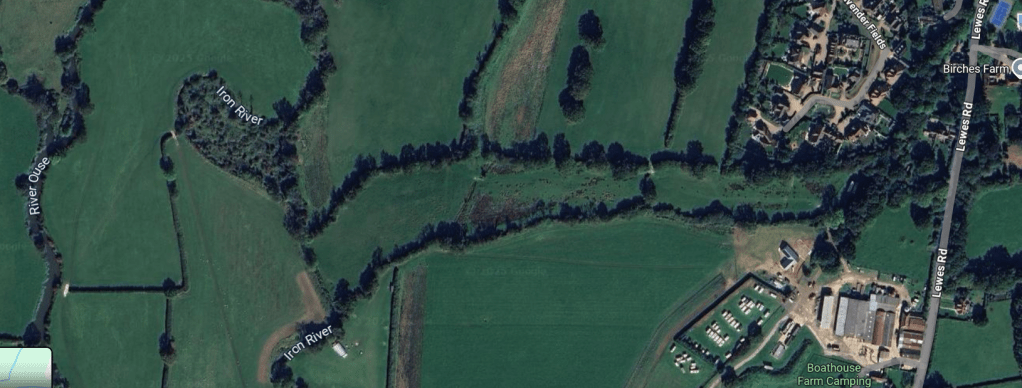
Google Maps

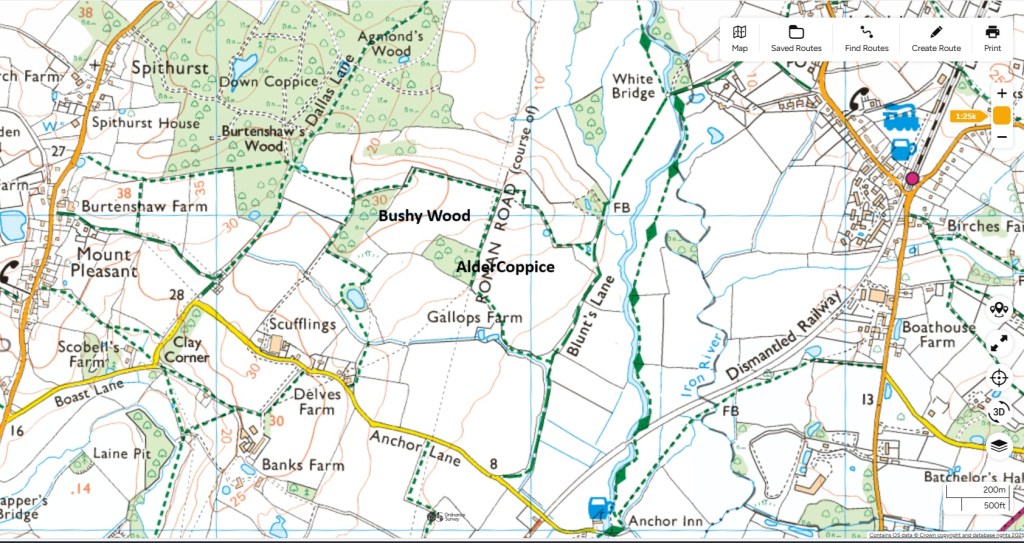
Alder Coppice, Bushy Wood and Agmonds Wood

Explore Ordnance Survey

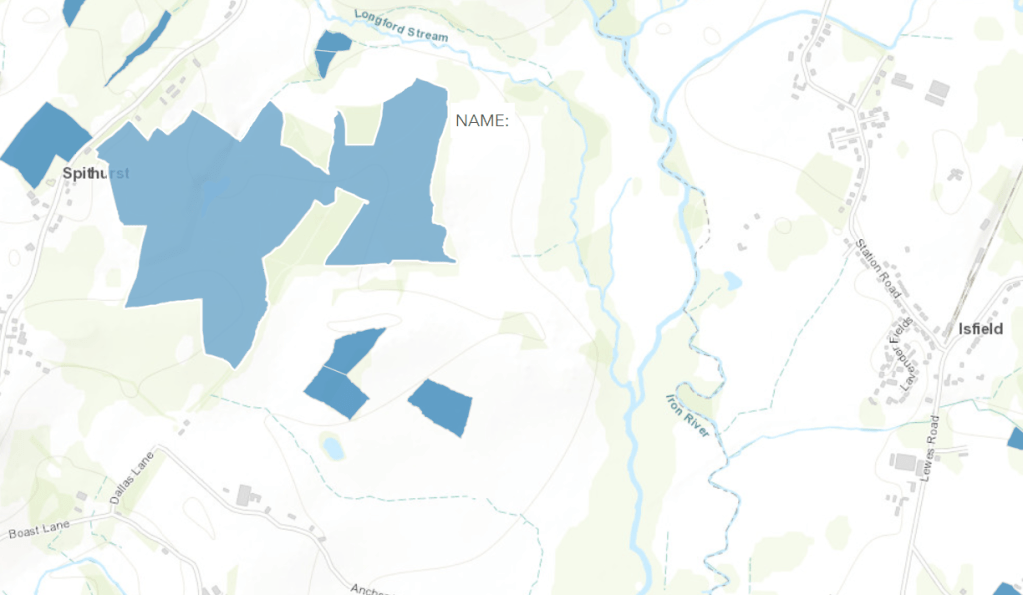
Nature England Ancient Woodland Map

The Brighton and Hove 29A bus from Brighton goes to Isfield once an hour.

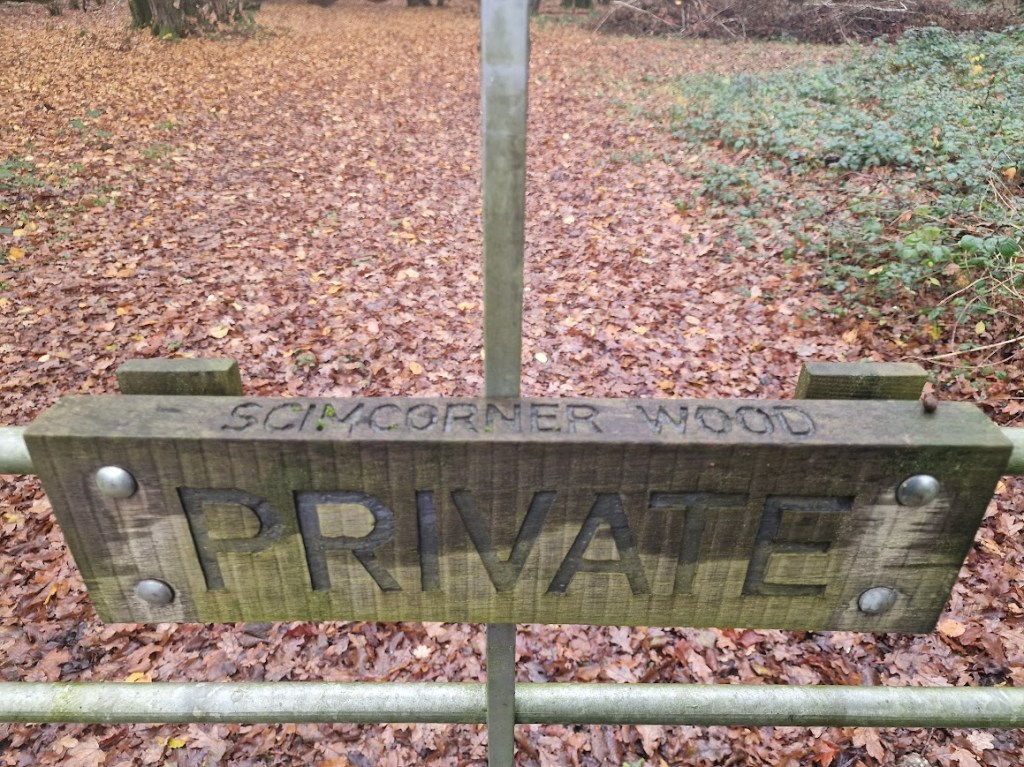
Before walking down the path to the Anchor Inn I walk past Skimcorner Wood (as named by Natural England on their ancient woodland database; but called Clay Hill Wood on the OS map)

It is a private woodland, and I could only see a little through a gate; but us clearly seminatural ancient woodland with Sessile Oak and Hornbeam; an unusual combination in Sussex.

The hedgerows from Isfield to the Anchor Inn on the River Ouse

There are many large Quercus robur in hedgerows and shaws along the path to the Anchor Inn

This hedgerow at right angles to the path to the Anchor Inn has superb Oaks.

Oaks in the hedgerow of the field just before the Anchor Inn

This one had much light and many lichens.

On this tree is the rarer lichen Pleurosticta acetabulum

The Ouse and the sluice gates (flood protection) between Barcombe Mills and the Anchor Inn

West of the Ouse

Bushy Wood

Bushy Wood is very disappointing. There are some quite nice maiden Quercus robur on the South Side if the wood.

But most of it has replanted Oaks for commercial purposes. It’s designated by Natural England as Replanted Ancient Woodland

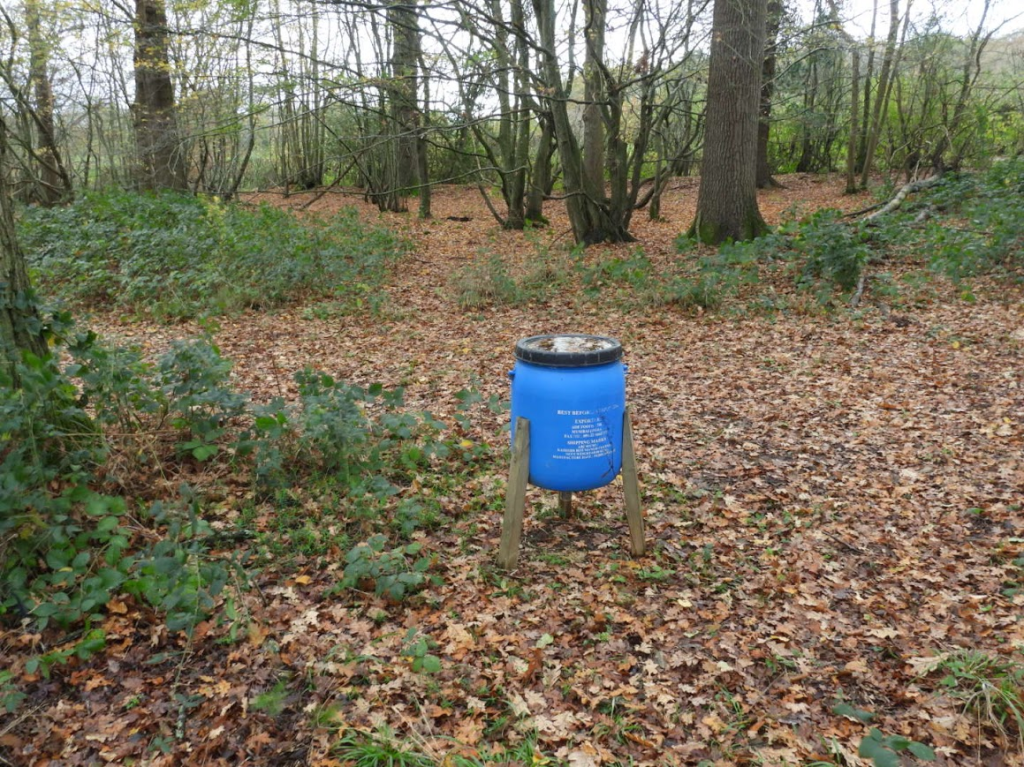
Sadly the Sutton and Newick Estates have pheasant shoots. This is a pheasant feeder. The deliterious effect of pheasant release to nature is well evidenced

In a tiny corner of this wood these beautiful hornbeams have been left.

Agmonds Wood

Here are a few maiden Pedunculate Oaks left in a sea of recently felled planted Sweet Chestnut.

A Red Kite over these Oaks at dusk

Alder Copse

Again replanted ancient woodland with a few old maidens round the edge

Gridiron planting of Pendunculate Oak. No. Alder! Horrible

Shaw between Agmond’s Wood and Alder Copse

Beautiful ancient Pedunculate Oak in this shaw

Hedgerow Oak on the bridle way back to the Anchor Inn

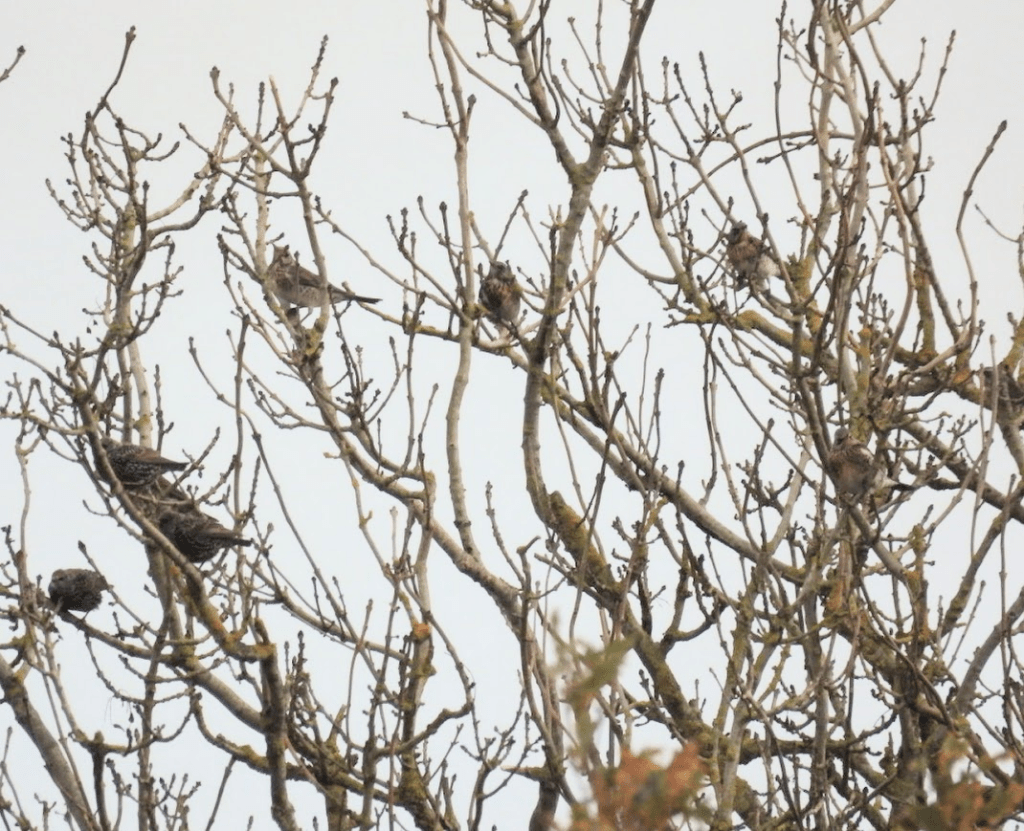
Roosting Starlings

You are much more likely to see ancient oaks in  hedgerows than ancient woodlands as the large  private owners of Sussex Estates see ancient woidland as an opportunity for cash cropping. However there are smaller average lanf owners who do try to conserve woodland, like the owner of Plashett Wood; except that is private with no public or permissive paths through it6i

Nature you can’t see. Private land, pheasant shooting, trespassing in an ancient wood and the right to roam.

I took the photos in this blog post to bring your attention to some marvellous things in nature, in Sussex, that are hidden from the public. I will not name the Sussex wood I trespassed in to take these photos.

If you go down to the woods today, you’re in for a big surprise: a third of England’s woodlands are owned by just a thousand landowners.

That’s the central finding of my new investigation into who owns England’s woods. The analysis also raises questions how private woods are used – with many of them kept off-limits to the general public in order to maintain them as pheasant shoots, despite receiving public subsidies. https://whoownsengland.org/2020/11/02/who-owns-englands-woods/ Guy Shrubsole accessed 16.11.15

The ownership of land in Sussex

Much land in Sussex is in private ownership and walking in significant amounts of that land is currently prohibited by signs denying public access; often this is associated with pheasant shooting. But pheasant shooting also effects land with public access as well as private land where shooting occurs. I recently walked through a public-access SSSI scarp-face ancient wood in West Sussex, adjoining a private wood used for pheasant shooting. I saw and heard many pheasants in this wood I was walking through. I had a lunchtime half pint of cider in the nearest pub to the wood, and in the pub there was a group of pheasant shootists there bragging (loudly) about how many pheasants they had shot. The existence of private woodland for pheasant shooting has a negative impact on much woodland – private and public.

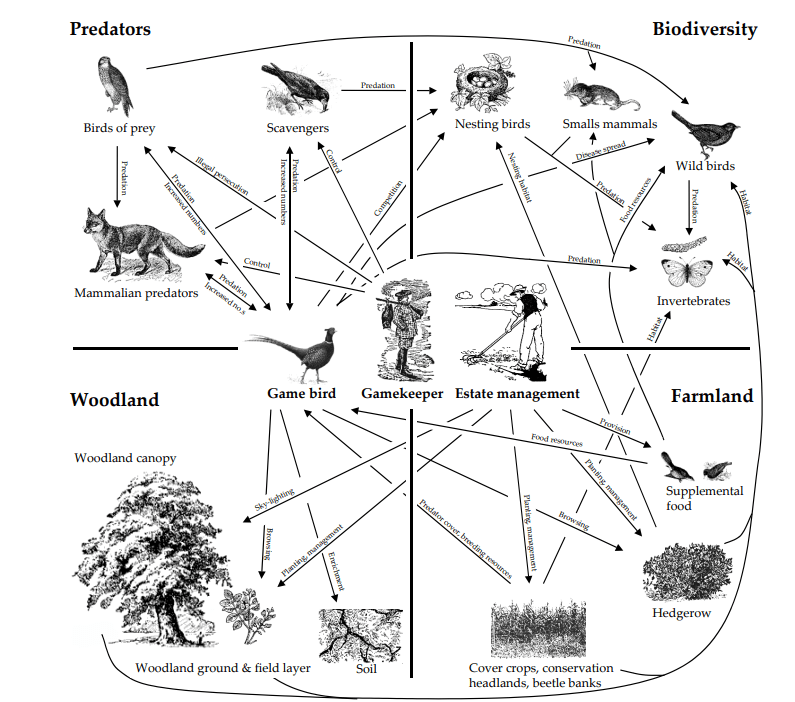
For many years, we have been concerned with the impacts of two of the most intensive forms of shooting: driven grouse, and the high-density release of Pheasants and Red-legged Partridge for shooting. Our studies have identified that various key practices are causing particular ecological harm, with implications for both biodiversity and the climate emergency. The big issues: the illegal killing of birds of prey, the use of lead ammunition, the burning of peatland habitats and the release of millions of non-native Pheasants and Red-legged Partridges into the natural environment. RSPB The Facts about Intensively-Managed Game-Bird Shooting. RSPB The facts about intensively-managed gamebird shooting

Many of the potential impacts of gamebird releasing are poorly studied and understood, and are often under-represented in the peer-reviewed scientific literature. A common theme emerging from these reviews is that the ecological impacts of gamebird releasing appear to be strongly polarised, with potential negative effects associated with the released birds (e.g. enhanced predator abundance and predation, increased disease transmission, altered habitat structure, reduced invertebrate abundance. Mason, L.R., Bricknell ,J.E., Smart, J. & Peach, W. J. (2020) The impacts of non-native gamebird releasein the UK: an updated evidence review. RSPB Research Report No, 66 RSPB Centre for Conservation Science, Sandy UK. Downloadable from RSBP Game bird shooting – laws and impact

Screenshot from Mason, et. al (2020)

Here is an indication of how much land is in public ownership in the Western (West Sussex) South Downs. Of the top five owners of land in Sussex by acreage owned, only one is a public body. (The wood that these photos were taken in is not in West Sussex). These data are from Guy Shrubsole & Anna Powell-Smith’s excellent Who Owns England: Who Owns the South Down https://whoownsengland.org/2018/02/16/who-owns-the-south-downs/ accessed 16.11.25

1) Viscount Cowdray – Cowdray Estate: 16,500 acres

 … the current 4th Viscount Cowdray … has donated £65,000 over the past decade to UKIP, the Conservatives and Vote Leave

2) Duke of Norfolk – Arundel & Angmering Estates: 16,000 acres

“Since William rose and Harold fell, / There have been Earls at Arundel.” So reads a plaque in the shadow of the magnificent Arundel Castle, stronghold of the Earls of Arundel, whose proximity to power down the centuries eventually also earned them the Dukedom of Norfolk. ..

“When the 15th Duke stood on the battlements of his newly repaired keep in 1910, he would have had the satisfaction of knowing that almost everything he could see in all directions belonged to him.” Although the Ducal estate is thought to have diminished in size since then, it is still… The Estate’s origins go back to the Norman Conquest.” 

3) National Trust properties across the South Downs: 15,151 acres

4) Baron Leconfield (Lord Egremont) – Leconfield (Petworth) Estate: 14,000 acres

…his family estate also includes 3,000 acres in Cumbria ….

5) Duke of Richmond – Goodwood Estate: 11,500 acres

As the [Independent, Sean O’Grady Thursday 30 July 2009. Earl of March: A glorious example of the landed classes; says [The Duke of Richmond] has “leverage[d] Goodwood’s formidable competitive advantages – the things that cannot be replicated elsewhere (except by other landed families, presumably): vast (and beautiful) space and a magnificent stately home”. But these modern businesses depend on owning land inherited down the centuries: “Even if they wanted to, it is difficult to imagine any company, oligarch or Middle Eastern princeling acquiring such an enormous chunk of southern England [nowadays].”

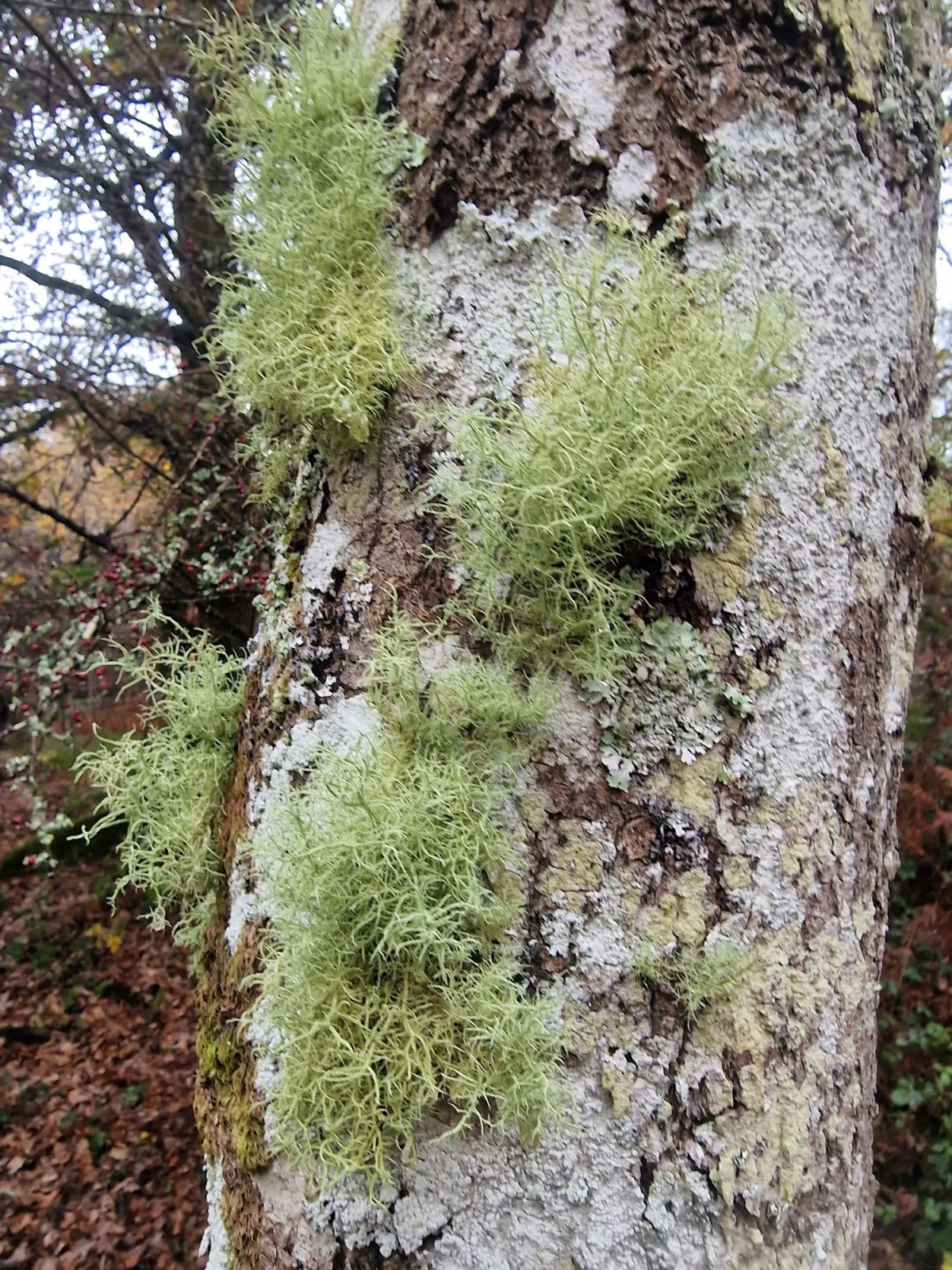
I have trespassed in an SSSI wood owned by one of the above, which the public are denied access to. It has outstanding and rare natural heritage, including this Usnea articulata String-of-Sausages Lichen, extremely rare in Sussex. This wood is regularly used for pheasant shooting. As I was walking around it I saw dead pheasants that had been left on the ground from a hunt of a few days before.

In an ideal world land would not be owned by individuals; but in the absence of a change to the ownership of land, I believe:

(1) there should be a right to roam on private land, as set out by the campaign The Right to Roam / About / What we are campaigning for (accessed 16.11.25)

(2) the ownership of land should be taxed through a Land Value Tax, see: Labour Land Campaign What is Land Value Tax (accessed 16.11.25)

I am not urging you to trespass. If you choose to trespass, please follow the guidelines from the Right To Roam that are cited at the end of this post

The wood that I trespassed a few days ago and its natural wonders

This woodland is a Site of Special Scientific Interest that is believed to have been continuously wooded since medieval times. The wood’s soil is clay; and the wood is dominated by sessile oak, pedunculate oak, hornbeam and hazel with some ash and alder, with an understory of holly and bramble. The hornbeam and hazel have been previously coppiced. The sign on the gate as well as saying the land is private warns of shooting occurring in the wood.
The rides are lined by goat willow, aspen, blackthorn, hawthorn and silver birch

There is a boundary bank and ditch planted mostly with coppiced hornbeam, that exactly follows the parish boundary shown on the OS map

Honrbeam

Sessile Oak and Hornbeam

Graphidaceae family lichen possibility Graphis scripta on a Hornbeam

Sessile Oak in “tall forest” woodland

Hazel

Holly

Sessile Oak, with a sheet of the lichen Dendrographa decolorans on the dry side of the tree

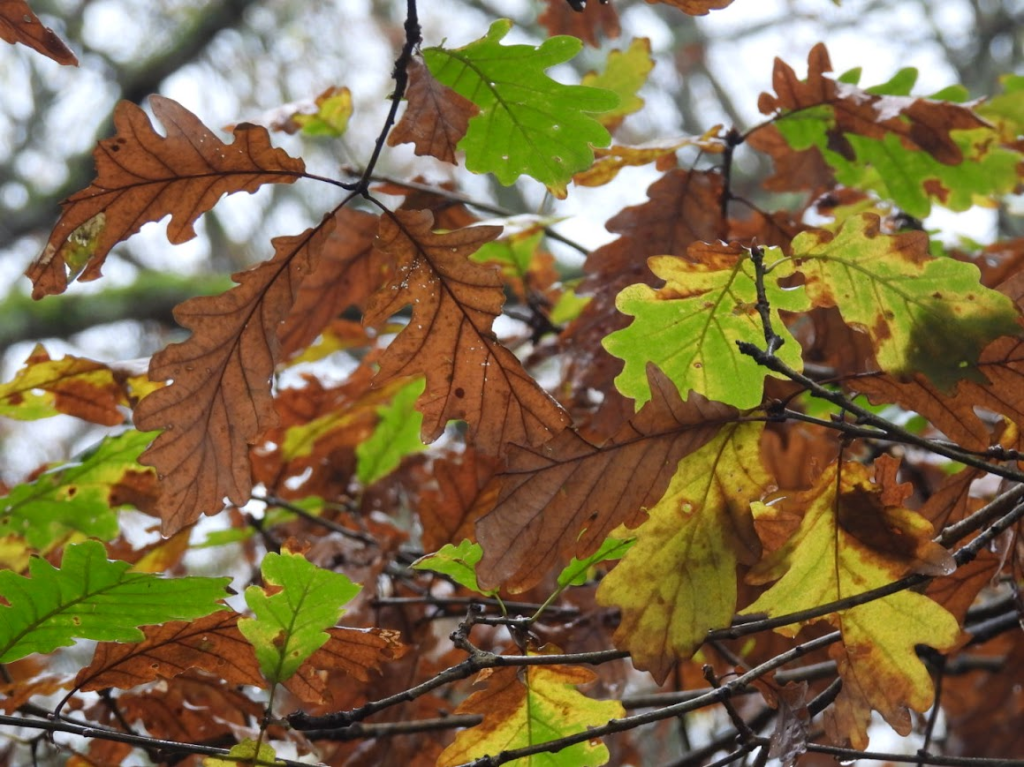
Sessile Oak leaf on the base of the tree above

The lichens Lecanactis abietina (an old tree lichen) and a Chrysothrix sp. (Gold Dust Lichens) on a Sessile Oak

Coppiced Hornbeam

Clouded Funnel fungi

Sessile Oak

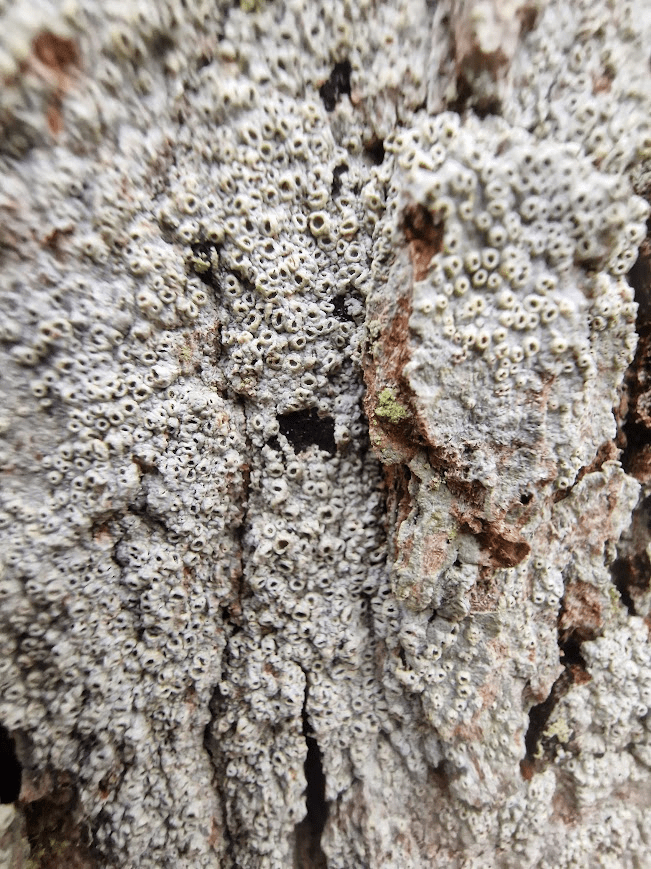
Bark Barnacle Lichen on Sessile Oak

Brnacle lichen is found mainly on the bark of living trees in ancient woods, and it is indicative of longstanding woodland conditions. Woodland Trust Bark Barnacle Lichen

Sessile Oak covered in Usnea cornuta

Parish boundary bank with coppiced Hornbeam

A recently pollarded young Hornbeam – showing continuity of ancient woodland management practices

Coppiced Hornbeam

A Hornbeam with a range of Pertusaria spp. Hornbeams often have many genus Pertusaria and family Graphidaceae

Lepra (formerly Pertusaria) amara, Pertusaria pertusa and Pertusaria leioplaca. Terrestrial molluscs love eating the apothecia of Pertusaria. L. leioplaca seems their favourite; it must be their caviar.

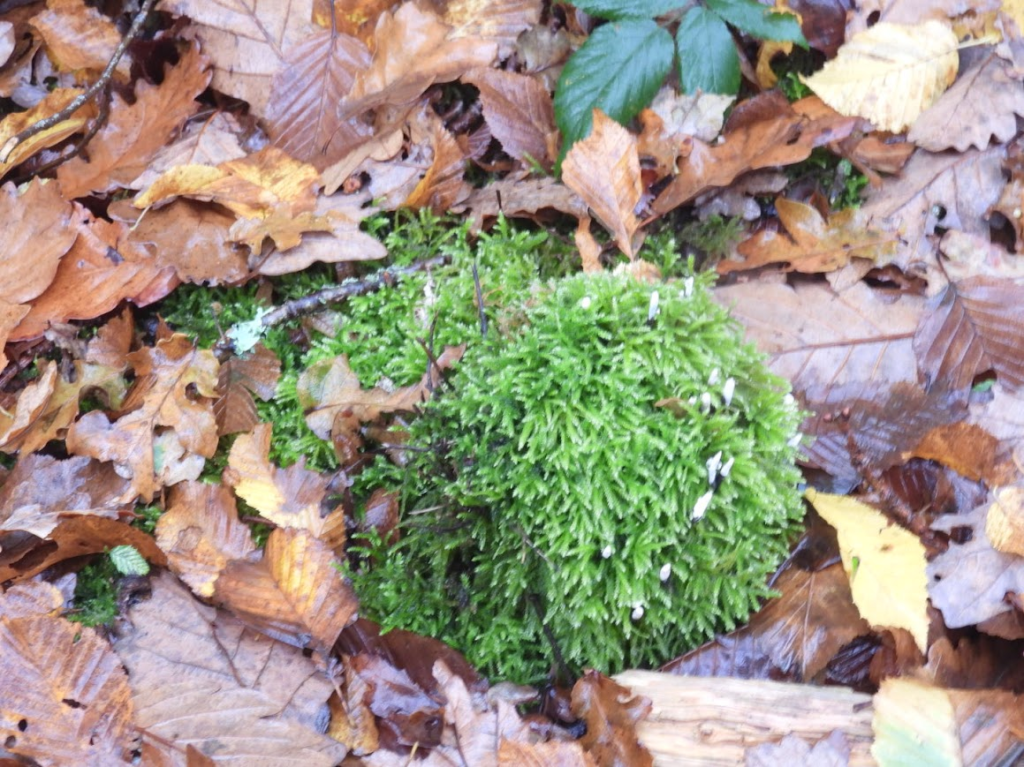
Ball of Common Striated Feathermoss with Candlesnuff fungus,

Pedunculate Oak

Alder by a stream

Ash

Wild Privet

From Right To Roam:

You’ve all seen signs claiming ‘Trespassers Will Be Prosecuted’.  They’re a lie. 
In the UK, ‘trespass’ is a civil offence, provided you don’t infringe certain conditions. You cannot face criminal prosecution simply for being on someone else’s land without permission (or away from a designated Right of Way, open access land or land where any bylaws permit public access). The dispute is solely between you and the landowner, and the police cannot get involved.
That landowner could theoretically take you to civil court. But they’d have to know who you are, and it would most likely be a waste of their time.
 
Likewise, any ‘damages’ would have to be proportionate to the damage you’ve caused, which if you follow our principles of trespass below, should be zero.

However, the legal situation changes if you do any the following when trespassing on land: 

  • Cause damage to property
  • Disrupt lawful activity
  • Conduct yourself in a threatening or abusive fashion
  • Bring a vehicle, intending to reside & cause damage
    • Enter land with special restrictions* (see below)

 That would be classed as ‘criminal trespass’, which is a criminal offence, leaving you potentially subject to police enforcement

*Important Note: there are certain sites with special trespass designations which do make your mere unauthorised presence a criminal offence. The penalty for violation can be serious. Mostly, these are common sense. Avoid military sites, essential infrastructure (e.g. railways, airports, nuclear facilities) and stay away from the sorts of places the King might be having a cup of tea (or the Prime Minister hosting an illegal party).

Right to Roam follow some key principles when accessing land without permission. We do not condone actions which break these rules, as these will simply undermine our campaign.

  • Take responsibility for your own actions
  • Respect people’s privacy, domestic property and gardens
  • Don’t walk where crops are growing (stick to field margins or use alternative routes)
  • Avoid places that don’t feel like open countryside (e.g. have buildings or machinery)
  • Respect livestock and other animals kept on the land such as ponies and horses (i.e. avoid closed paddocks). Remember that cattle – especially bulls or cows with calves – can be dangerous 
  • Care for nature (avoid fires, wildlife disturbance or damage to flora)

Since civil trespass (i.e. simply existing on land) is not a criminal offence it is especially important that it does not become associated with criminal activity. Damage nothing. Disrupt no lawful activity. Peacefully enjoy what you came to experience.

Voices from the seventieth century

The gentrye are all round stand up now, stand up now
The gentrye
are all round stand up now
The gentrye are all round on each side the are found
Their wisdom so profound to cheat us of our ground
.

The Diggers Song, Gerald Winstanley, 1650 True Levellers (Diggers)

An unexpected visit to Rydal Water. Ancient pollarded Sessile Oaks and a sinking isle. 04.11.25

On this Tuesday, I was expecting to go to the southern Borrowdale woods that I hadn’t been able to see the day before, due to the bus being cancelled all day due to flooding. But the bus to Seatoller was still cancelled again due to flooding, so I decided to take the bus to Ambleside to change busses for Skelwith Bridge, where there was some interesting woods; but the bus to Skelwith Bridge was also cancelled due to flooding. The only place I could go to to see some woods, was to take the bus that goes back to Keswick and get off at Rydal.

Rydal has Wordsworth’s House, the famous Rydal Falls and some unnamed broadleaf woodlands that I had noted on the OS map that could be interesting. Some of the most beautiful trees  I have seen have been in woods unnamed on maps.

First, I visited the National Trust’s Dora’s Field; a field named by William Wordsworth after his daughter who died at a young age.

Next to Rydal Church stands a field known locally as ‘The Rashfield’. This was originally a wet field where rushes (“rashes”) grew and it later became known as  ‘Dora’s Field’. The field was purchased in 1825 by William Wordsworth.  

Provoked by the threat of eviction by his landlady Lady Anne Le Fleming who planned to replace the Wordsworth family with a member of her own family, Wordsworth bought the Rashfield, drained it and declared that he intended to build on it.  … but Lady Anne withdrew the threat of eviction & Wordsworth remained at Rydal Mount until his death there in 1850.

Having already lost two children in infancy Wordsworth and his wife suffered a third blow when Dora, her father’s favourite, died aged 43 of tuberculosis in 1847. The poet never recovered from the loss of this daughter and, after Dora’s death Wordsworth, his wife Mary, sister Dorothy and a gardener planted the daffodils as a permanent memorial. A Rydal Guide: Dora’s Field

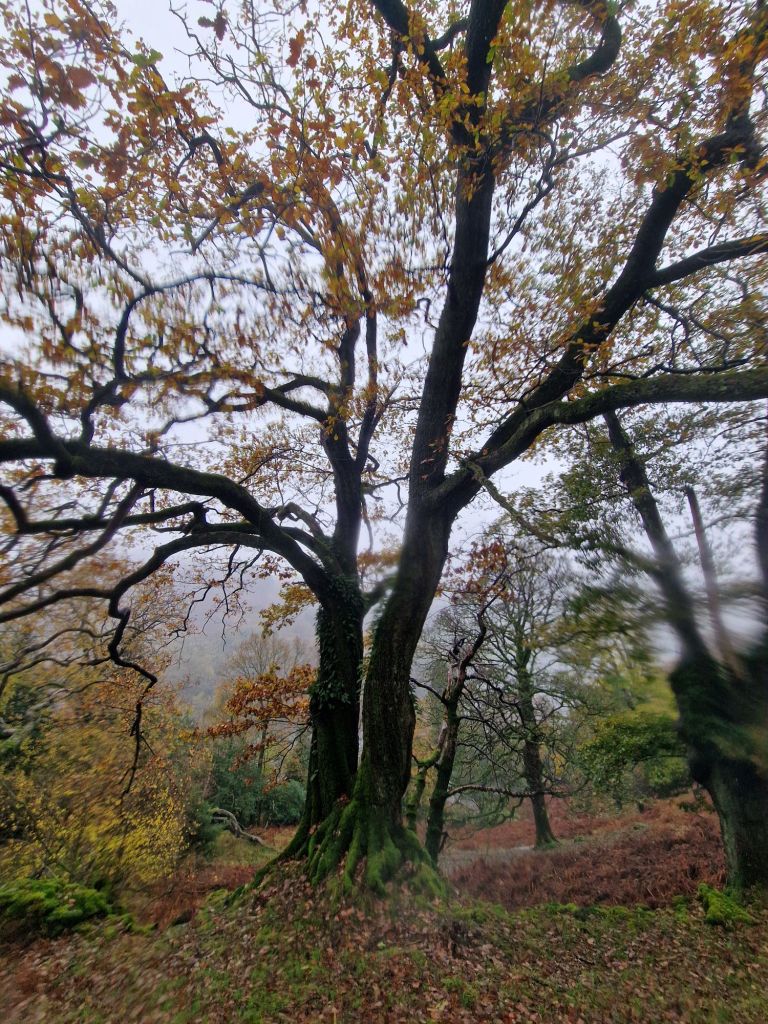
Dora’s field contained some beautiful coppiced and pollarded Sessile Oaks

Then I walked about 500m to visit the Rydal Falls; in the woodland behind Rydal Hall. A few meters aways is Rydal Mount, the “cottage” in which Wordsworth lived. Rydal Falls and Rydal Mount were very popular destination for Victorian tourists

There is not anywhere in England a drive so full of that mingled natural and human interest which makes scenery so impressive. It is well-nigh impossible for sensitive minds not to feel something of ‘the light that never was on sea or land’ as they pass the thresholds of the good and great, whose thoughts have helped our England to be pure. In this coach drive to Keswick they not only go by the homes of the thinkers and poets and philosophers, but their foreheads feel the wind and rain that gave such freshness to the seers of the last generation; the sunlight on lake or mountain head that filled their minds with glory fills ours today. The woods and waterfalls that speak to us upon our way spoke also to them. We can in fancy see their familiar forms upon the road, and, as in eastern travels the ‘weli’ or way-side tomb made the journey’s stage rememberable [sic], so we find in this pilgrim stage through poet-land that the great dead lend it a kind of solemn sweetness, and the dust of two laureates hallows the wonder-giving way. Rawnsley, A Coach-Drive at the Lakes : Windermere To Keswick (1891) , pp. 3–4 quoted in Christopher Donaldson, Ian N. Gregory, Patricia Murrieta-Flores, Mapping ‘Wordsworthshire’: A GIS Study of Literary Tourism in Victorian Lakeland, Journal of Victorian Culture, Volume 20, Issue 3, 1 September 2015, Pages 287–307.

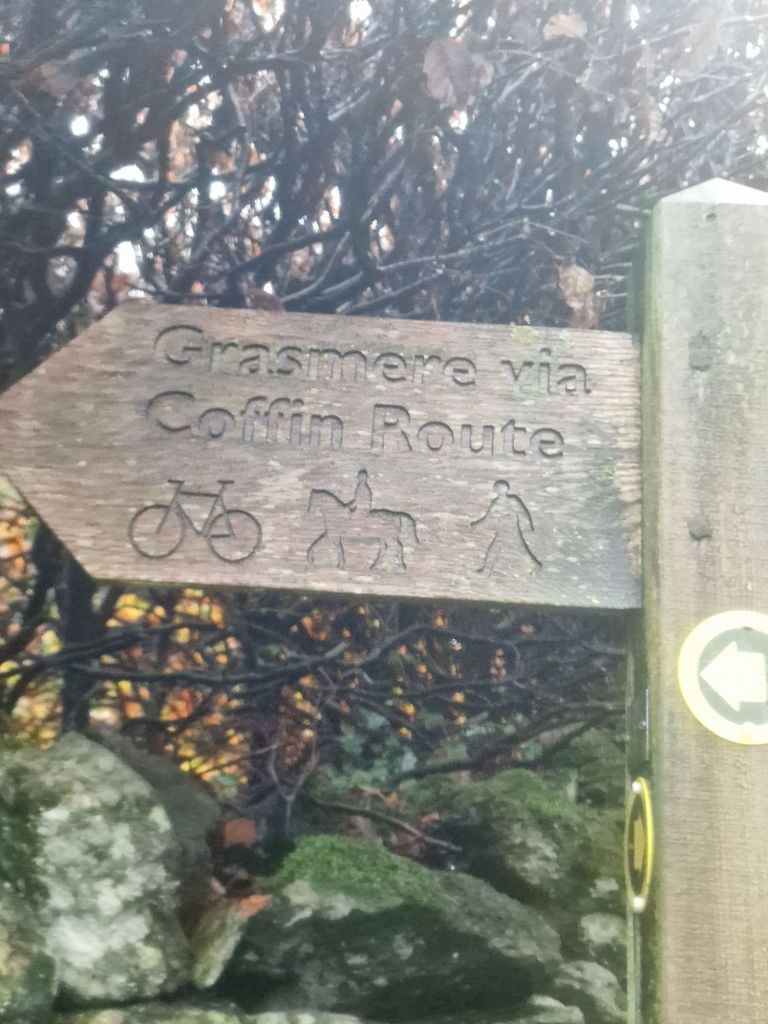
I then took the Coffin Road above Rydal Mount through the unnamed woods.

at a higher-level running through the meadows of Rydal Park and across the slopes of Nab Scar, is an … [old] track. It dates back a very long time and is called locally, the Coffin Road, due to the fact that the only consecrated ground for burial in the area was the grave yard at St Oswalds in Grasmere and it was therefore used to convey coffins on their final journey. Visit the Lake District – Ambleside to Grasmere – ‘The Coffin Route’

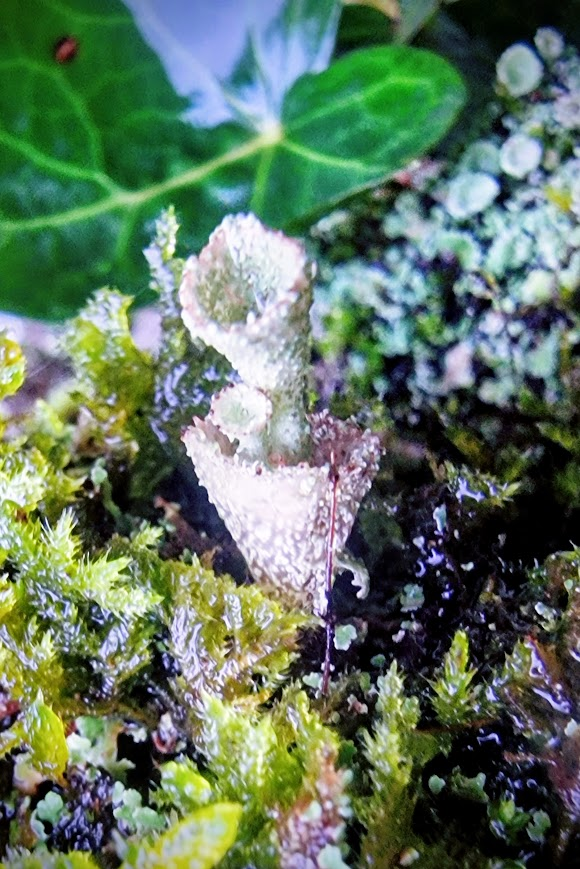
On a drystone wall next to the beginning of the route was this multi-cup “Pixie Cup” Cladonia sp. lichen, possibly C. chlorophaea s.l. (one of the C. chlorophaea aggregate). It was a veritable “Pixie Champagne Fountain”. Maybe a Pixie Wedding occurred there.

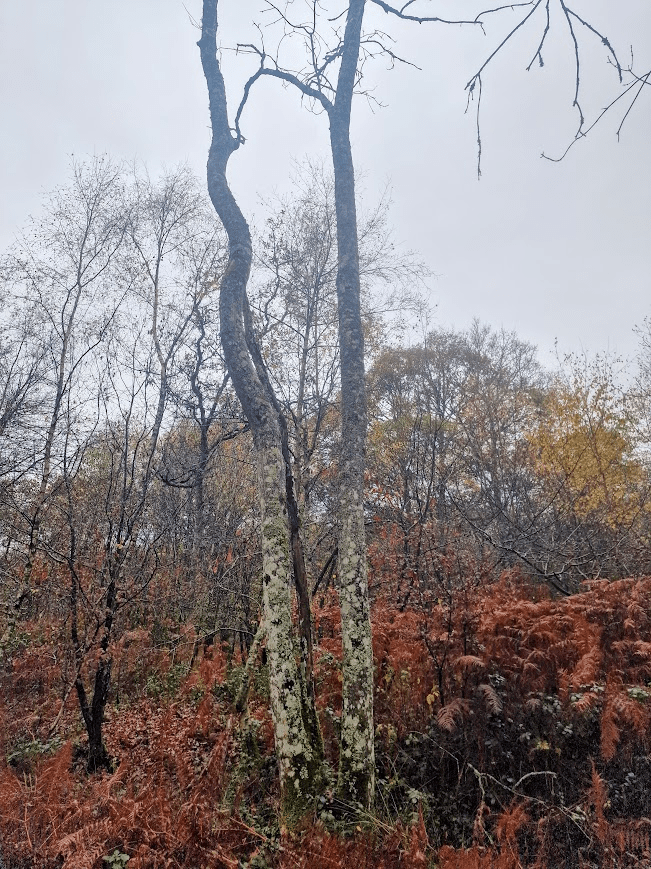
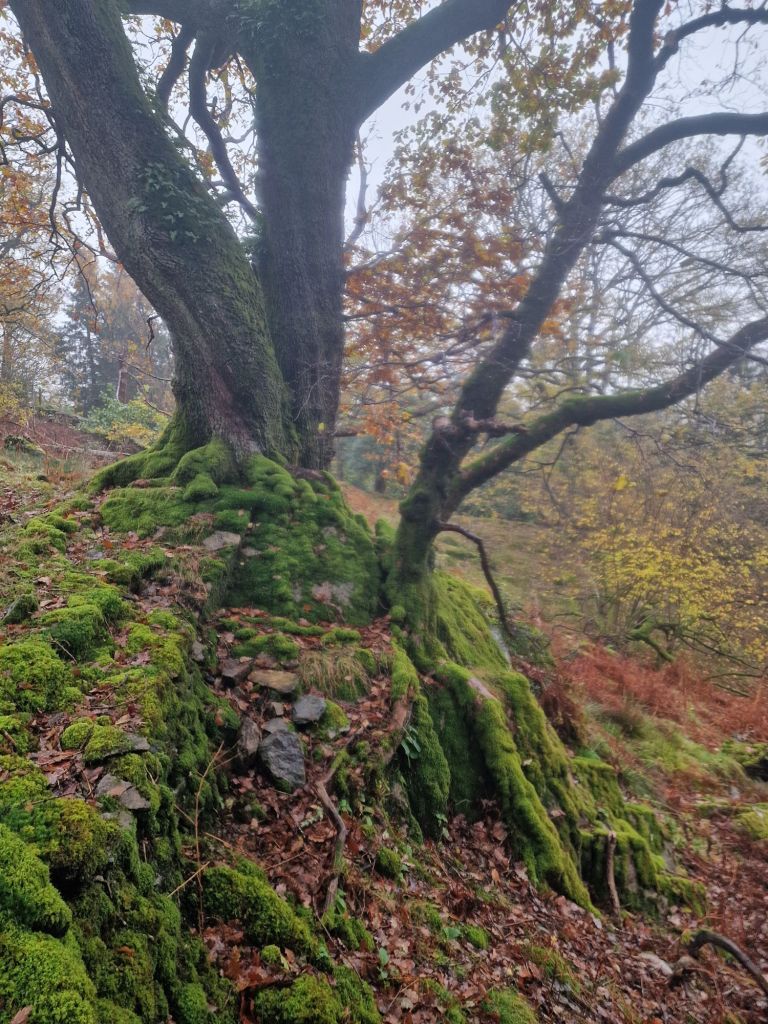
The pollarded Sessile Oaks the wood unnamed on the OS map; this looks like pasture woodland but I can find out nothing about this woodland on line

This Hawthorn had epiphytic Polypody fern

and some beautiful epiphytic lichens

Ramalina farinacea

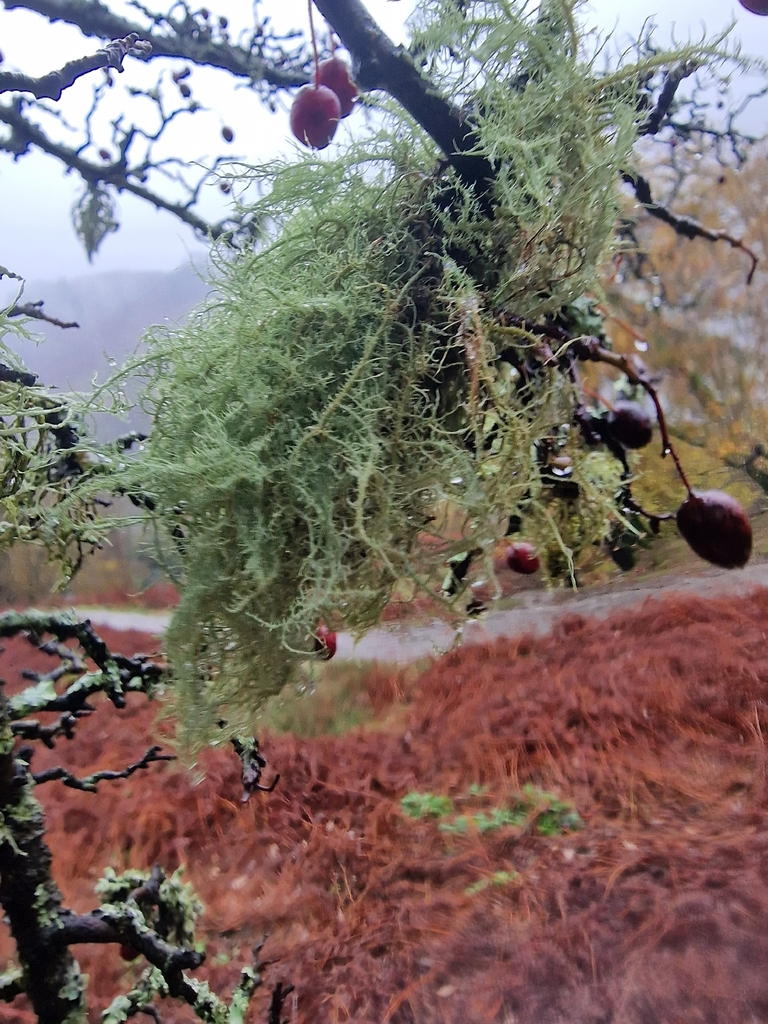
Ramalina farinacea above can look very similar to Usnea (beard) lichens; the way to spot R arinacea is that it has prominent flour-like (farine (French) flour in farinacea) blobs (soredia) on its lobes; Usneas mostly mostly don’t have soredia, but some do, like Usnea subfloridana. Lichen are just hard.

Usnea subfloridana

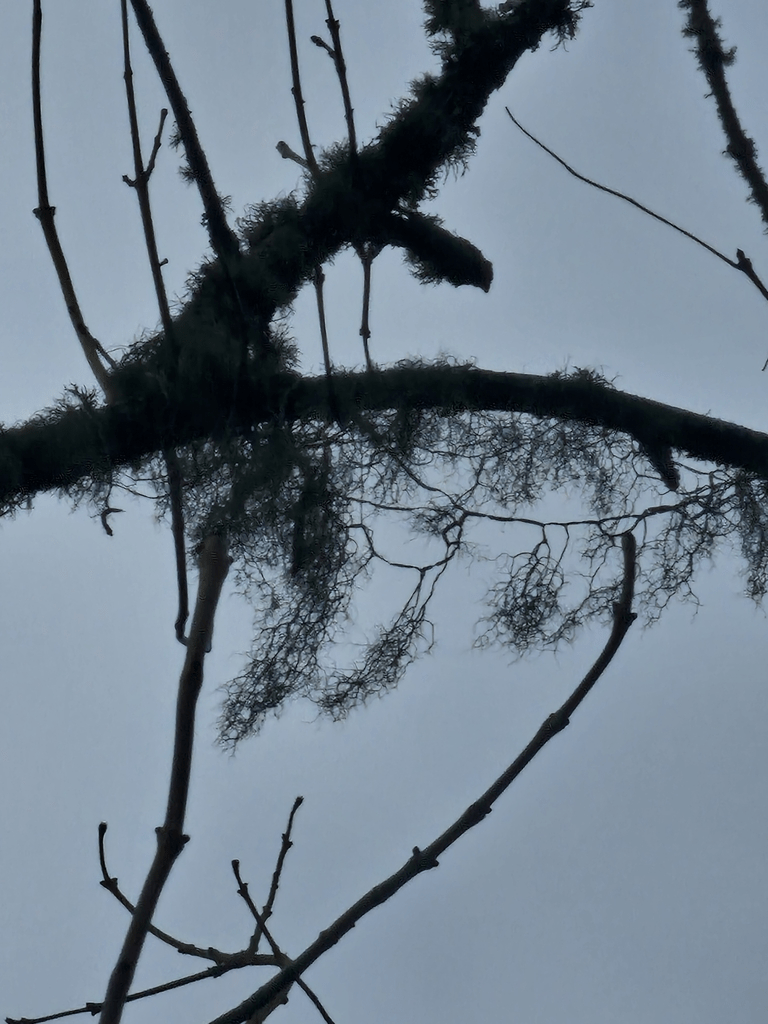
Usnea ceratina

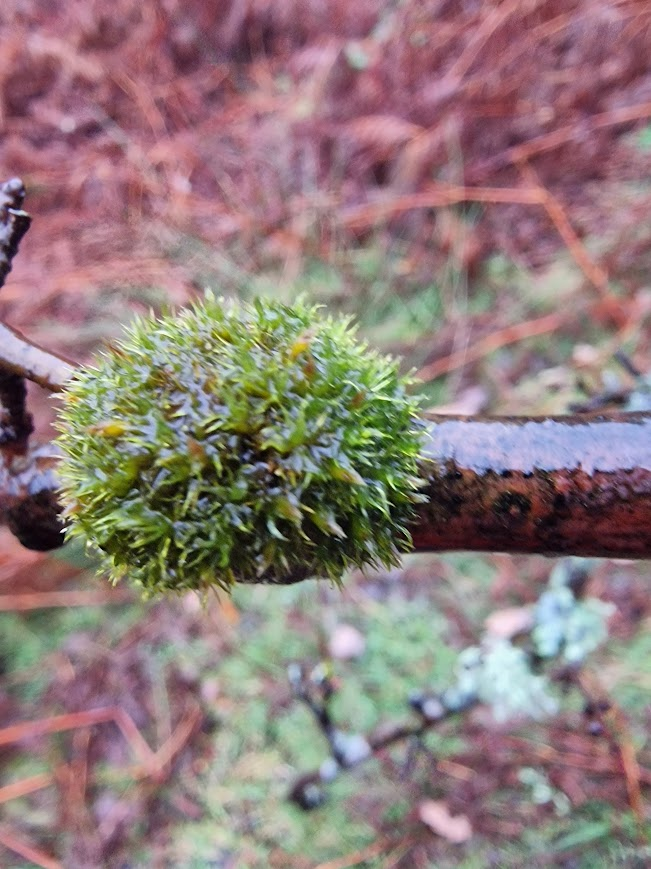
and this rain-soaked moss, Ulota bruchii. Bruch’s Pincushion

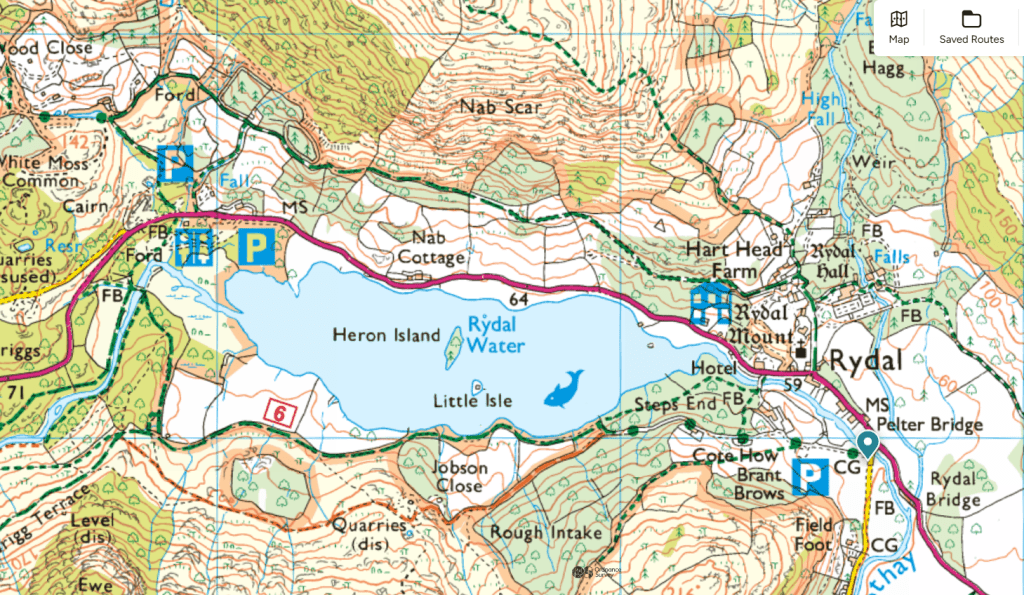
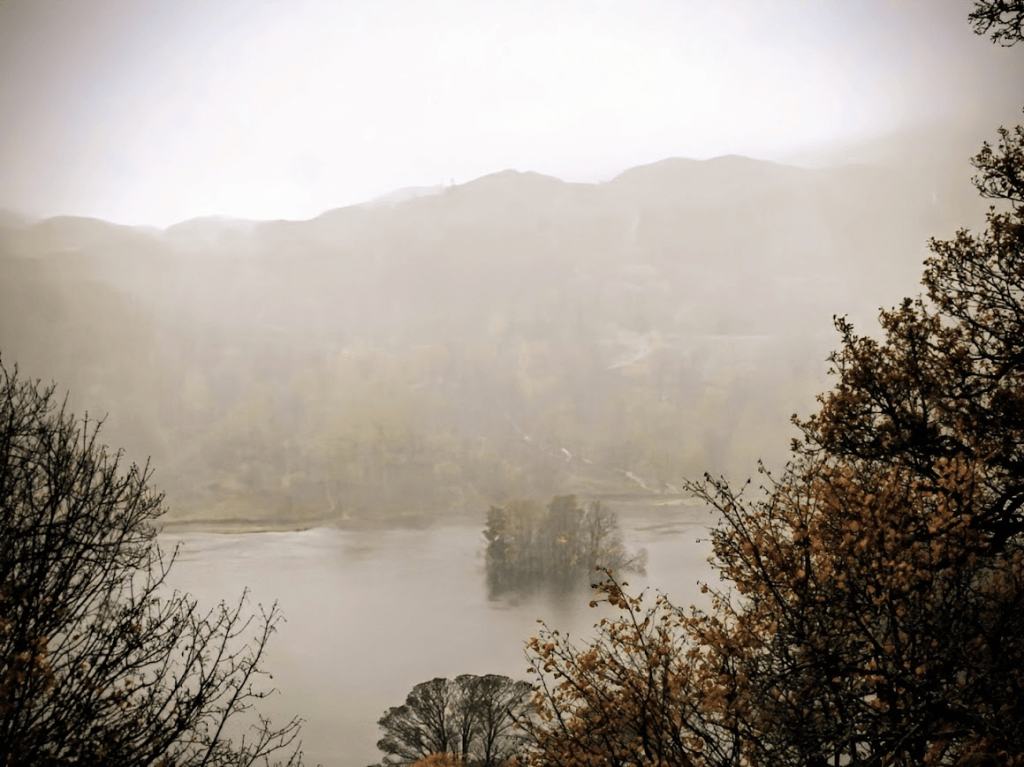
From the path it appeared as if Little Isle in Rydal Water was being engulfed by the rising water of the lake, like the medieval French legend of Ys, which was engulfed by the sea and rises occasionally; beautifully evoked in Debussy’s La Cathedrále Engloutie prelude Click: La Cathedrále Engloutie to listen.

I then walked on further west, along a dry stone wall above woodland (unnamed) under the fell Lord Crag, with fabulous views of Rydal Water

The very red apothecia (fruiting bodies) of this Peltigera sp. lichen, poss. P. horizontalis, really stood out on a dark and rainy afternoon on the very wet dry stone wall

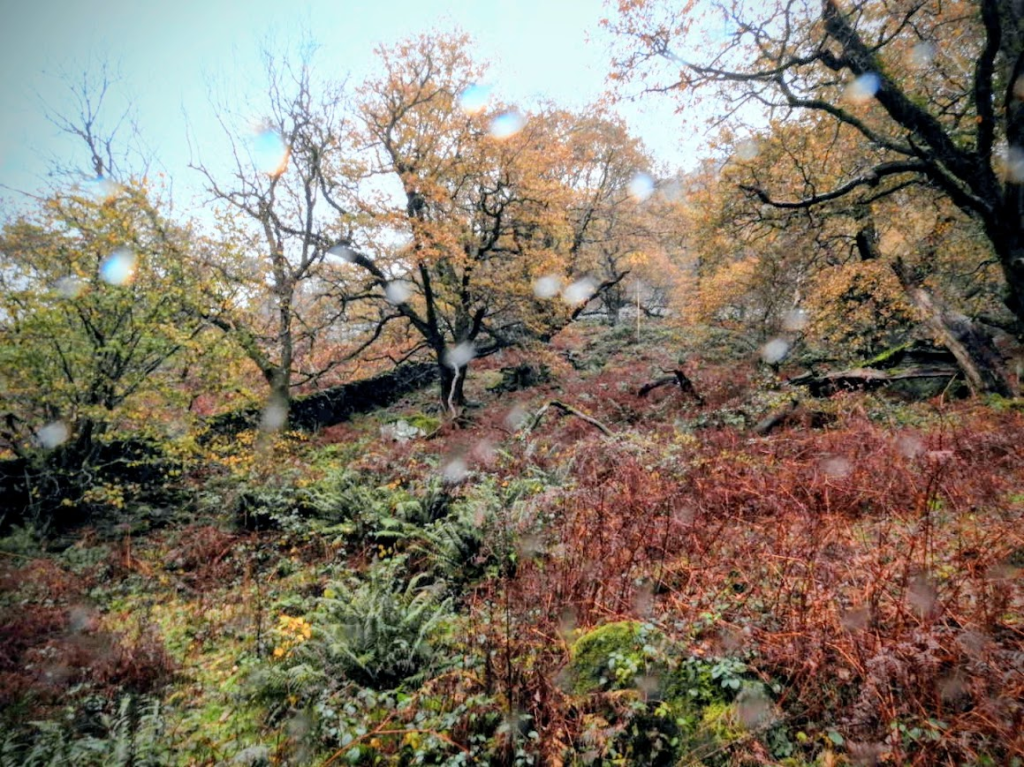
Looking up Lord Crag, pollarded Sessile Oaks. The spots are rain drops on my camera lens

Theses lonely oaks on the foothills of Lords appear “wild”; but pollarding is a human intervention; so even these “wild” veteran trees have been managed across time.

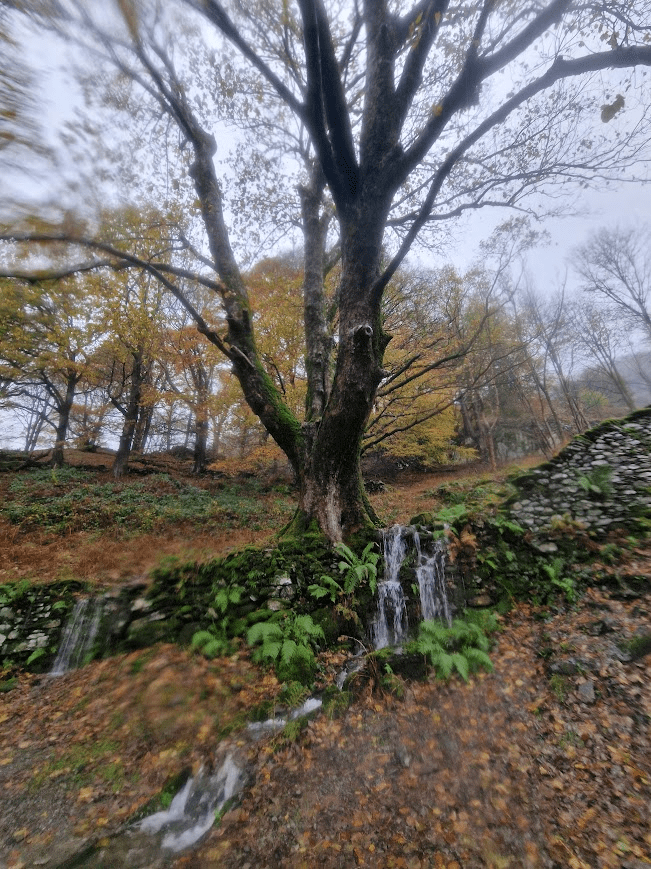
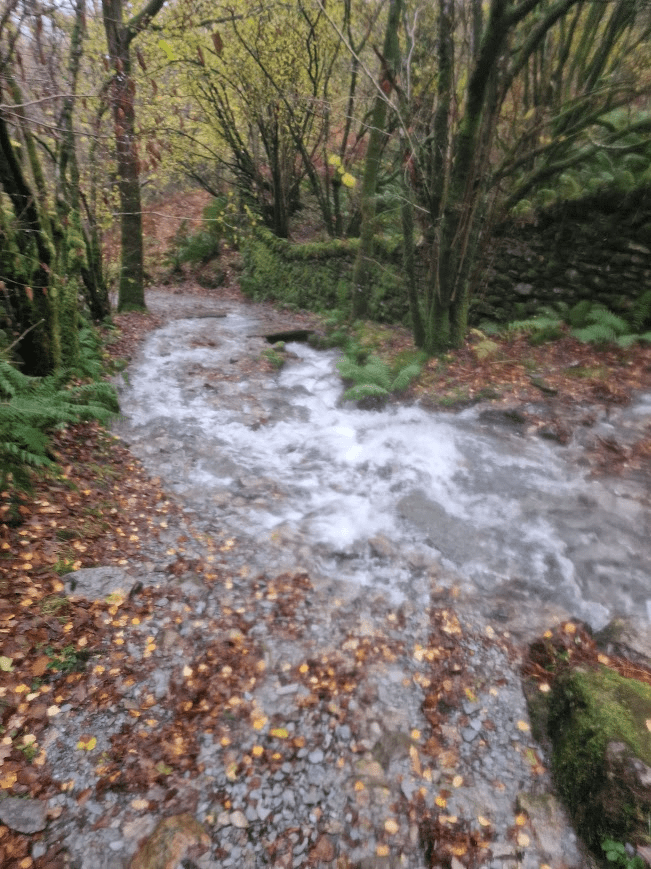
Water pouring over a dry stone wall. It rained all day this Tuesday as it did the day and weekend before

This is the public footpath down to Rydal Water not a waterfall

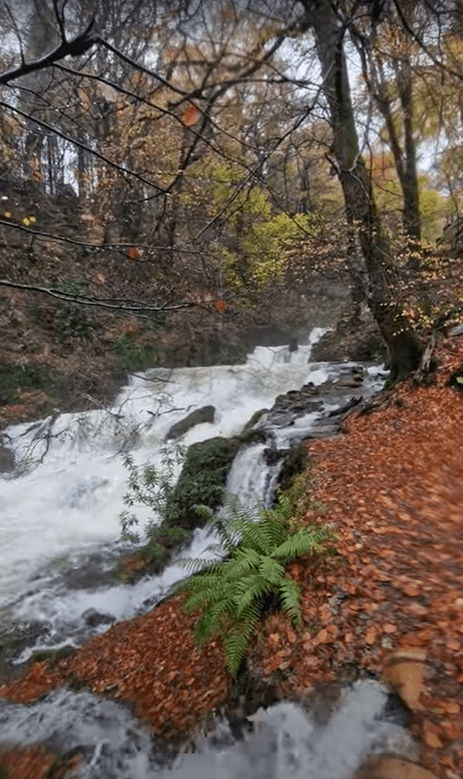
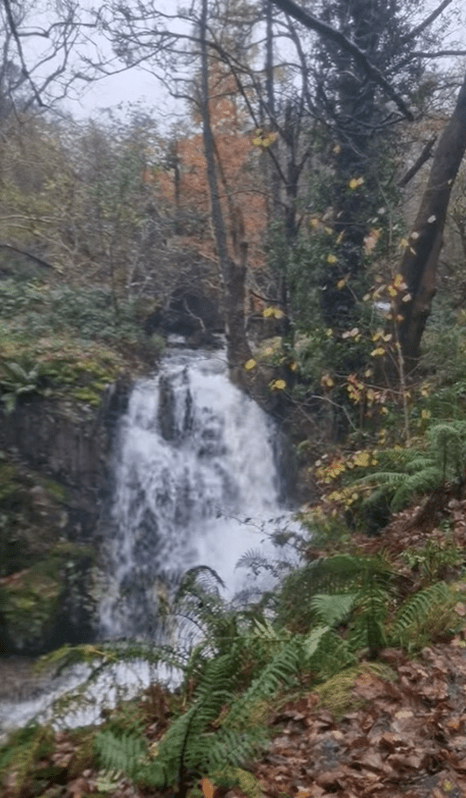
This is a unnamed waterfall just marked on the OS map as “fall”

From the car park next to the waterfall I got the bus back to Keswick

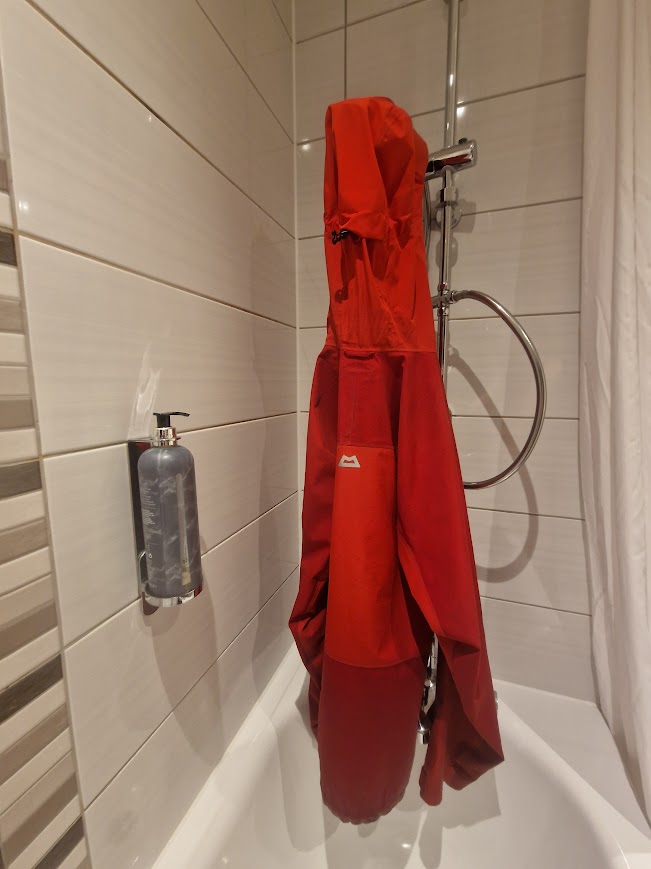
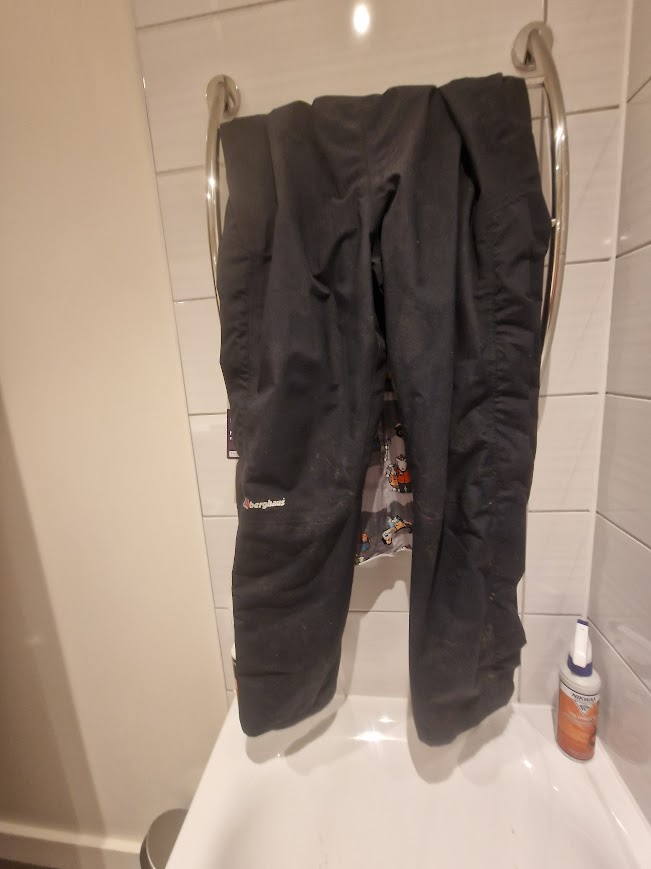
My waterproof trousers and jacket, that had given up repelling water, drying in the hotel room bathroom; after being sprayed with Durable Water Repellent. Durable Water Repellent is available in nearly the gazillion outdoor shops in Ambleside (where I bought mine) and Keswick

Large-leaved Lime and Wych Elm at Casey’s Copse and Rook Clift, nr. South Harting, West Sussex. Part I 28.10.25

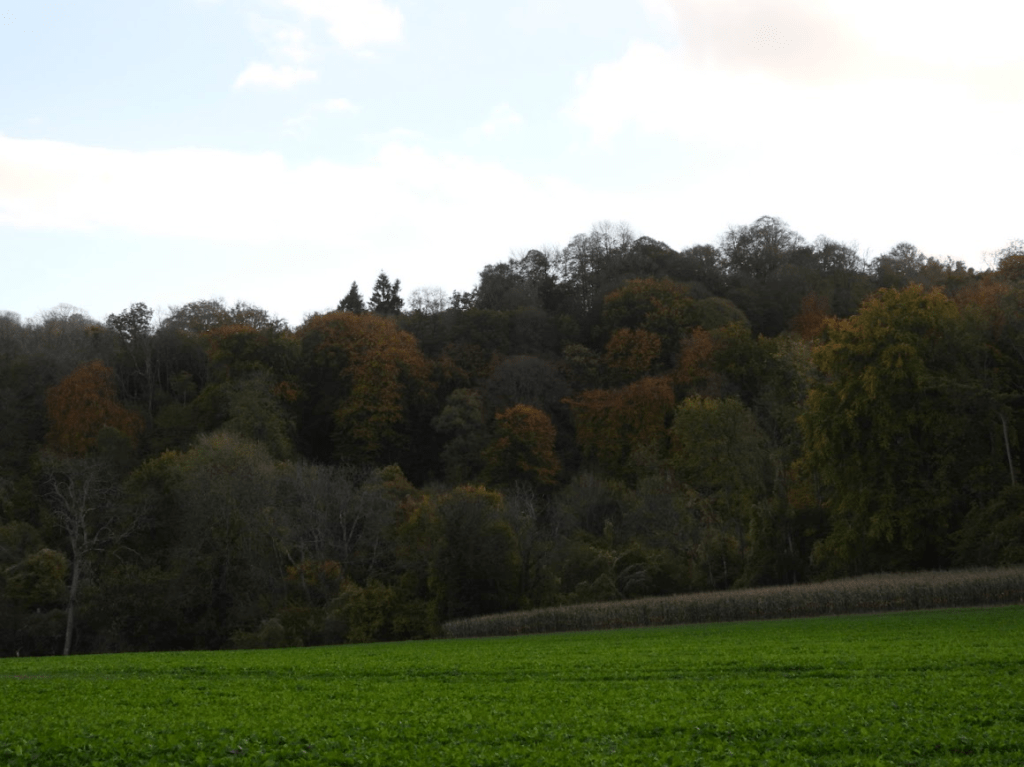
Casey’s Copse from footpath

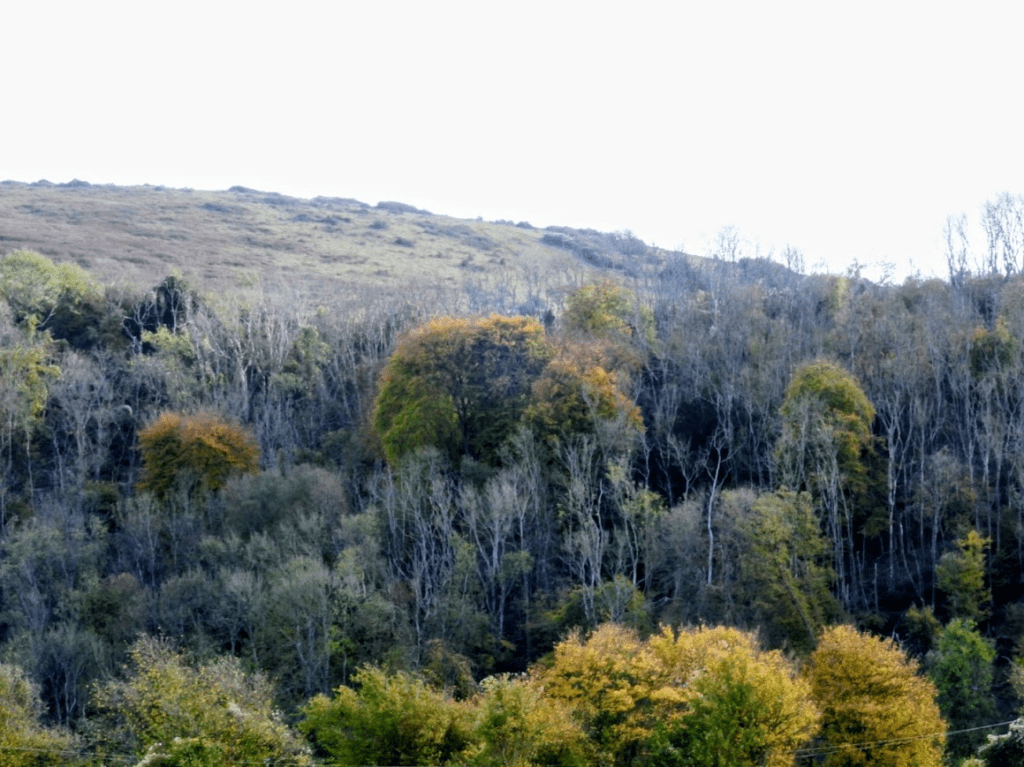
Rooks Clift from footpath

I have visited Casey’s Copse and Rook Clift several times this year; in the Spring, the Summer and now the Autumn. Theses sites were new discoveries for me this year. They will join my list of favourite sites in Sussex, that I love so much, I visit them every season every hear e.g. The Mens, Ebernoe Common, Eridge Rocks, Eridge Park, Newtimber Holt. I first visited Casey’s Copse with a friend who knew the site.

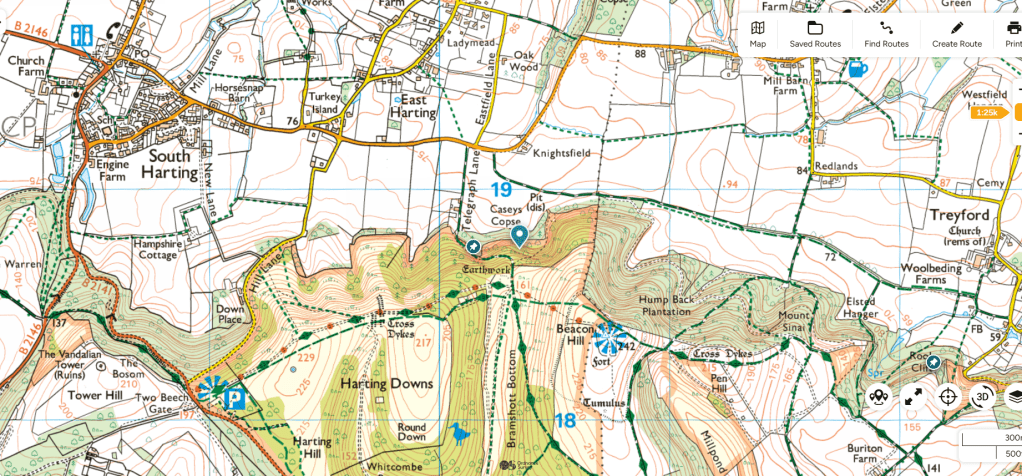
OS Maps © Crown copyright as accessed 22/10/25

I reached these woods by bus and train. I get the train to Chichester and then the 54 bus to South Harting. The South Harting bus only goes 5 times a day; so careful planning is needed! It is about an hour walk from South Harting to the bottom of Rooks Clift; I walk along the footpaths and trackways along the flat arable fields of the scarp foot (from road just before Knightsfield). It is possible to reach Rooks Clift along he South Downs Way, but that takes about three hours as the walk is extremely undulating. The 54 bus will drop you off where the B2141 crosses the South Downs Way; whilst it is not an official stop most drivers will drop you off there.

These sites are west South Downs escarpment ancient woodland. Some of these western scarp wood appear to be very old, possibly primary, from such evidence is available. South-East of East Harting ancient woodland (with Ash, Wych Elm and Large Leaved Lime …) occur. Francis Rose (1995) The Habitats and Vegetation of Sussex. The Booth Museum of Natural History, Brighton Borough Council p.9

Rose’s comment that these scarp woods are possibly primary, suggested that this woodland may have been part of the “wildwood” that covered the Downs until the dip slope woods were cleared for sheep farming, from the neolithic (ca. 5000-4000 BCE) onwards. see: Peter Brandon (1998) The South Downs

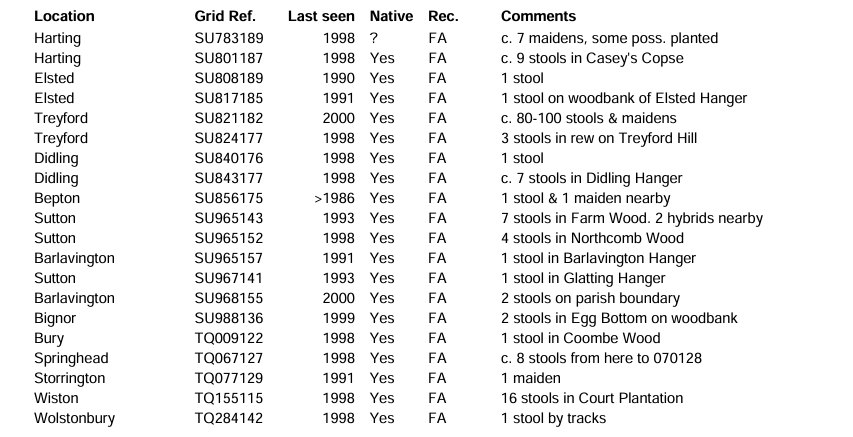
Until the late 1980s Large-leaved Lime was regarded as introduced in Sussex, but is now thought by Francis Rose and others to be native on the downland scarp in West Sussex. … Since 1987, when coppiced T. platyphyllos stools were discovered at Springhead as detailed in Briggs (1990), around 30 sites have been found on the scarp in Hampshire and W. Sussex. Most trees are within ancient copses surrounded by wood banks towards the foot of the scarp. Some border old tracks and a number perch upon ancient parish boundaries. The Sussex Rare Plant Register of Scarce & Threatened Vascular Plants, Charophytes, Bryophytes and Lichens (2001) Mary Briggs, Paul Harmes and Alan Knapp et. al pp. 100-101 Available on line Sussex Botanical Recording Society

List of native Large-Leaved Limes from the Sussex Rare Plant Register:

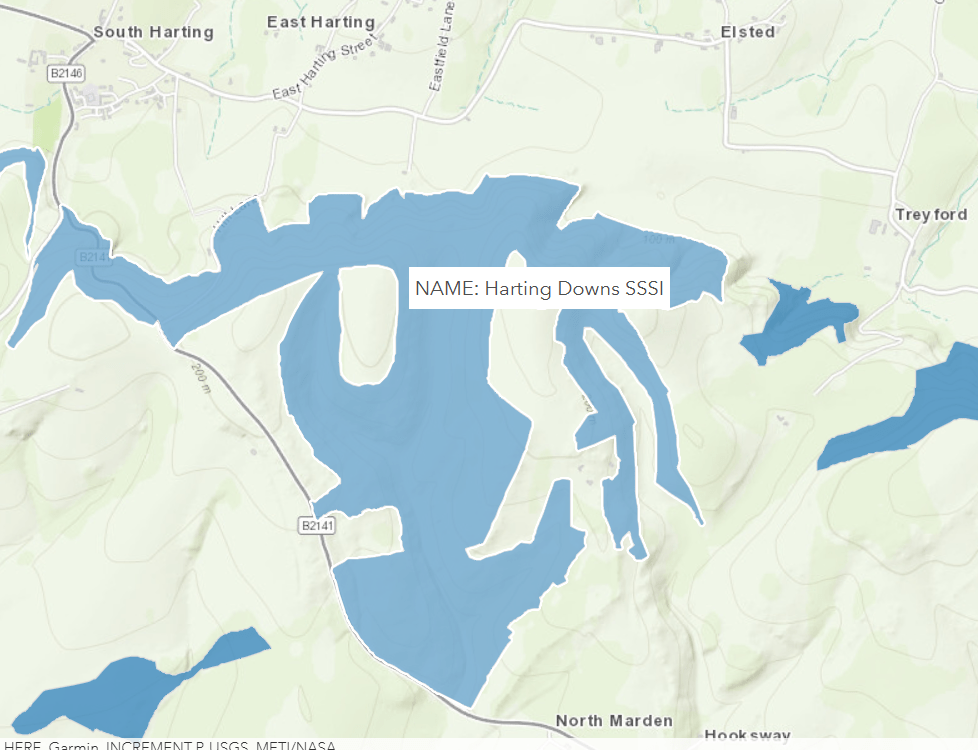
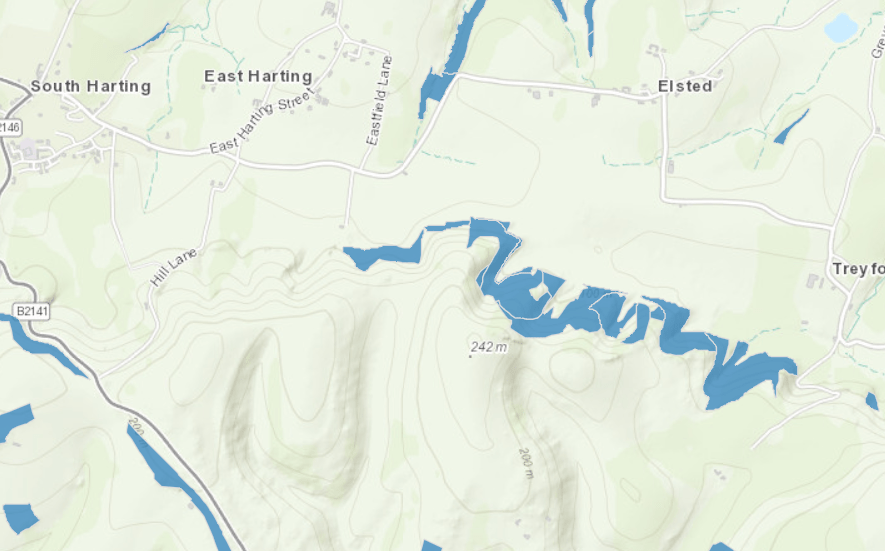
Map from Natural England Open Data Sites of Special Scientific Interest England

Casey’s Copse is within the Harting Down SSSI; Rook Clift is its own SSSI, just to the east of Harting Down SSSI near Treyford

The SSSI citation for Harting Down does not mention the presence of Large-Leaved Lime; but the citation was last revised in 1980; 45 years ago. Many SSSI specifications are very old now, and don’t represent current knowledge of sites. The Rooks Clift citation is much more accurate, and is more recent (1997); although it misses out the huge amount of Solomon’s Seal on the slopes of the stream valley.

From South Harting SSSI specification: Longer-established woodland occurs throughout the site, with a varied composition according to soil type and aspect. Beech Fagus sylvatica is common and becomes dominant on the scarp-face and valley sides. Oak Quercus robur and ash occur with yew on the deeper valley loams. The ground flora is quite sparse beneath the densest canopies, but
elsewhere includes bramble Rubus fruticosus, ivy Hedera helix, dog’s mercury Mercurialis perennis and false-brome Brachypodium sylvaticum.

From the Rook Clift SSSI specification Rook Clift is a small wooded combe on the scarp slope of the South Downs. The soils are predominantly calcareous in nature, overlying the chalk of the Downs. Deeper soils occur at the foot of the slope, and also the course of a stream, arising within the wood. This site is an ancient woodland which remains in a semi-natural condition. Large leaved lime Tilia platyphyllos dominates the canopy, together with ash Fraxinus excelsior and some beech Fagus sylvatica. Large leaved lime is a nationally scarce tree, with its natural range concentrated on the limestones of the Wye Valley and Peak District. Thus the high concentration of mature coppice stools, occurring on chalk, make this site nationally important and unique within West Sussex and the South Downs Natural Area. The canopy of large leaved lime, together with some beech casts a heavy shade, and as a result the shrub layer is poorly developed with scattered whitebeam Sorbus aria and yewTaxus baccata.

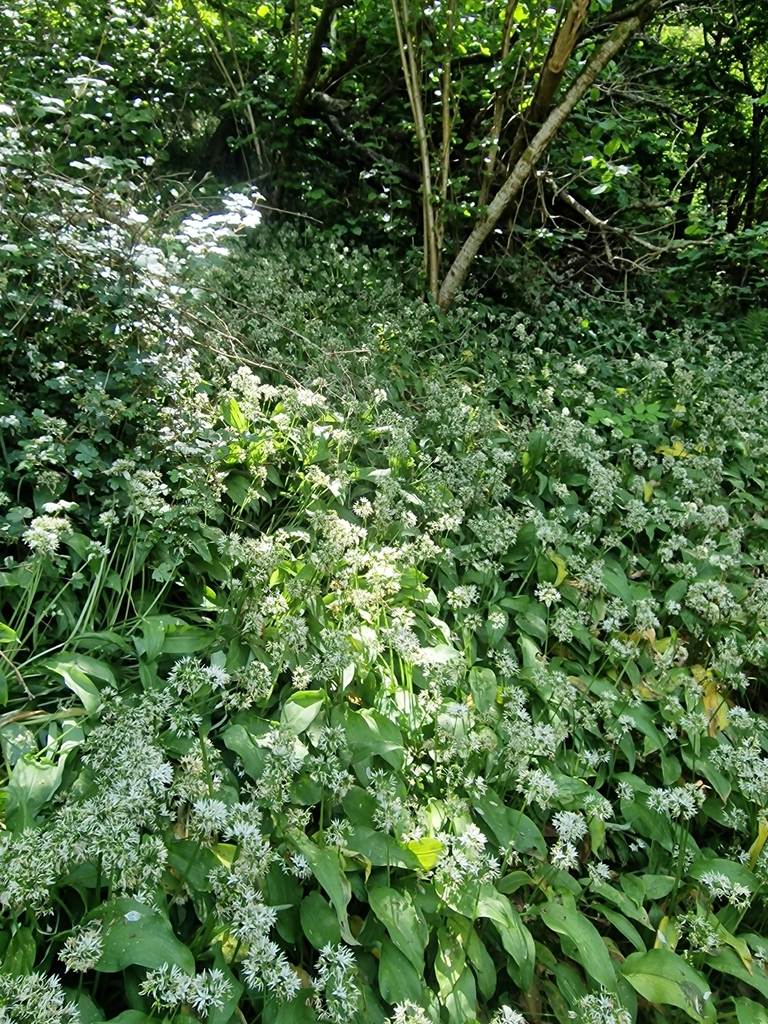
The field layer is dominated by vernal species such as ramsons Allium
ursinum and bluebell Endymion non-scripta, or shade tolerant species including dog’s mercury Mercurialis perennis, spurge laurel Daphne laureola and sanicle Sanicula europaea. The steep sided valley around the steam is more open with a canopy dominated by ash and wych elm Ulmus glabra. Here the field and ground layers are more developed with stands of hart’s tongue fern Phyllitis scolopendrium and soft shield fern Polystichum setiferum abundant, and opposite-leaved golden-saxifrage Chrysosplenium oppositifolium common along the stream side.

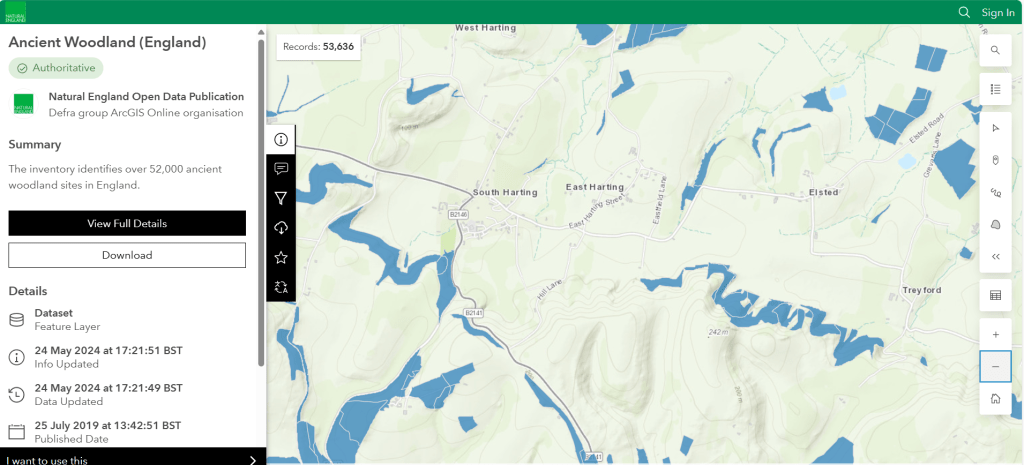
Both Casey’s Copse and Rooks Clift are designated by Nature England as ancient and semi-natural woodland. Looking at the Nature England ancient woodlands maps, it is clear that ancient woodland on the South Downs is mostly confined to the escarpments. There is much woodland in the Harting Down SSSI, but the dip slope woodland is not ancient.

Map from Natural England Open Data Ancient Woodland

Looking up to the scape-slope woodland before reaching Casey’s Copse, green-orange Beech and dark green Yew stand out from the dying Ash.

Casey’s Copse

The boundary bank at the scarp foot of mostly coppiced Ash. Scarp foot coppiced Ash seems to be less effected by Ash dieback than the maidens on the scarp slopes. Features like this tell us that most ancient woodland included much human intervention

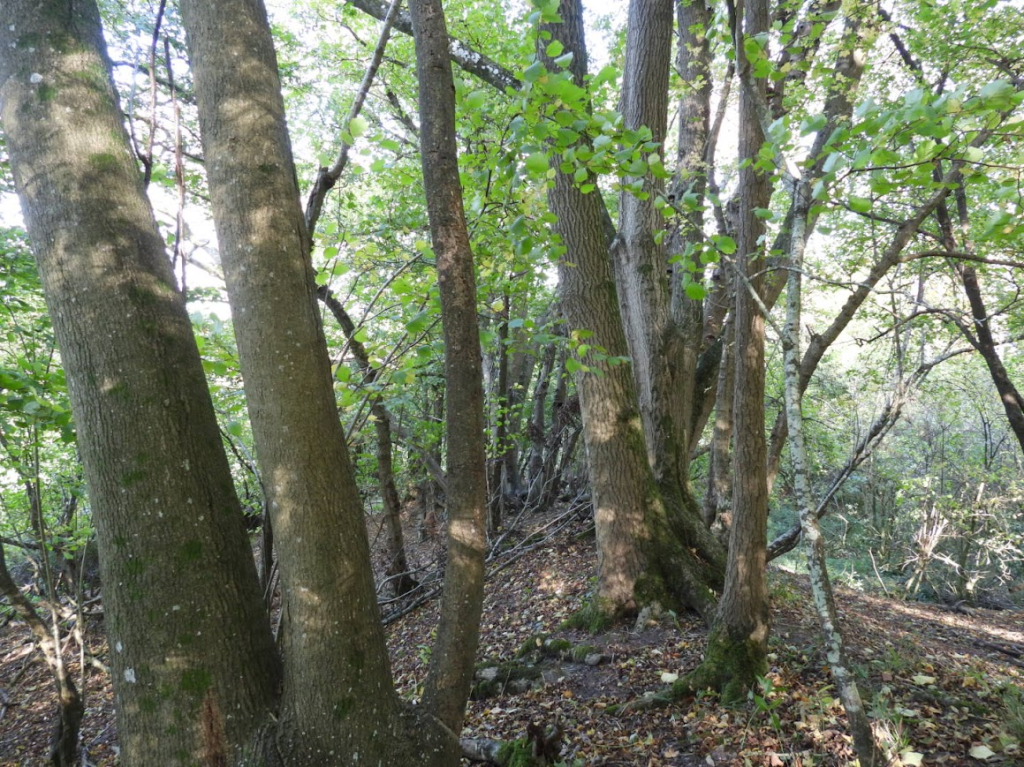
Some of the coppiced Large-Leaved Limes:

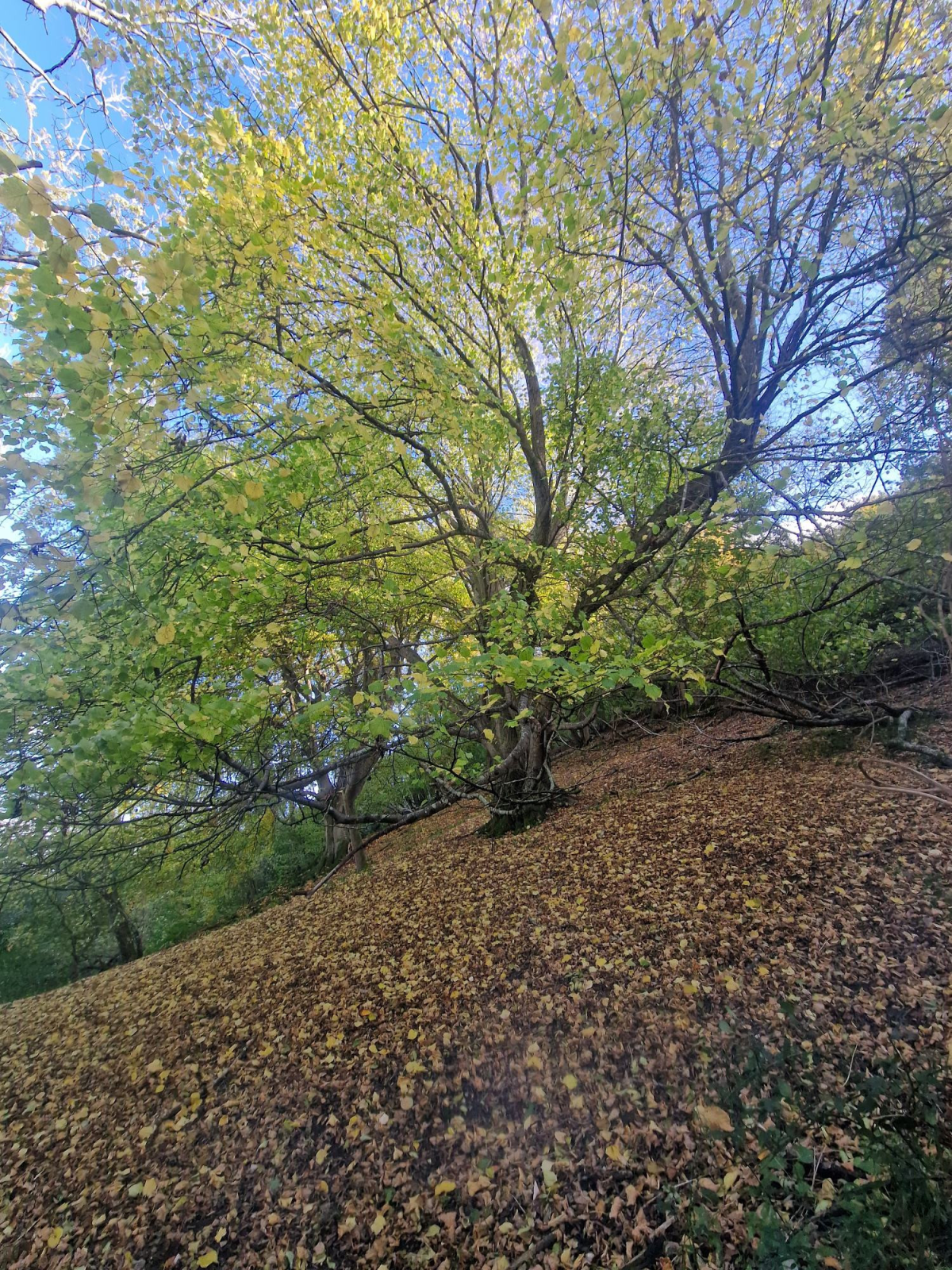
Looking through dead/dying Ash maidens toward Beech:

Coppiced lime with a maiden Ash next to it

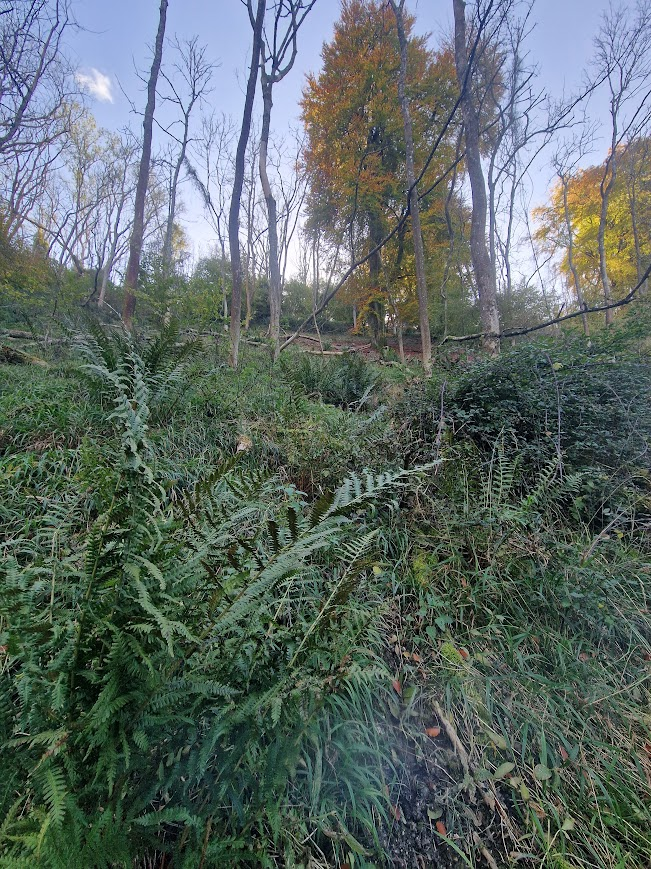
Looking though Soft Shield Fern at Beech

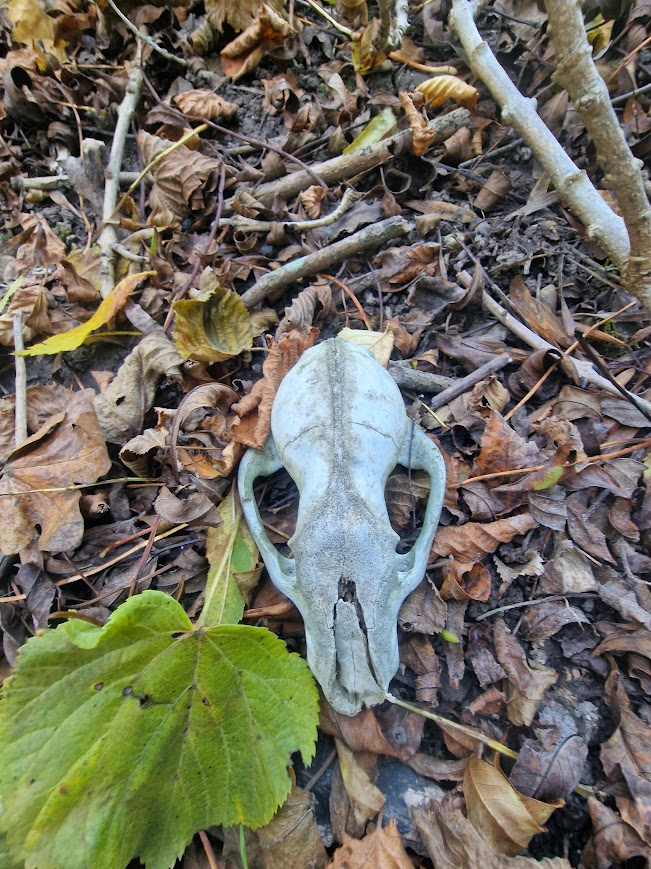
A Fox Skull next to a Long-leaved Lime leaf. In English folklore Long-Leaved Limes are associated with love, fertility, and justice. I hope the fox had lots of cubs!

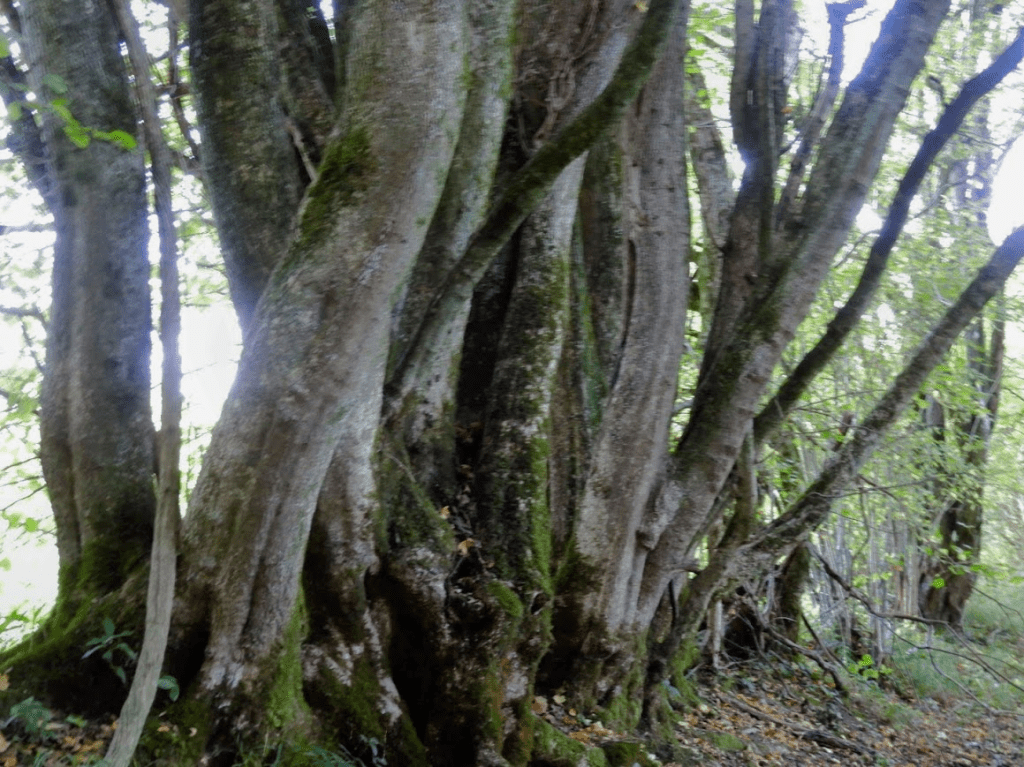
A seemingly very ancient coppiced Long-Leaved Lime

Some of the lichens on this lime: Pertusaria leioplaca, Graphis scripta s.l. (Writing Lichen); Pertusaria pertusa (Pepper Pot Witing). All of these are common on smooth-barked trees like Beech, Sweet Chestnut and Lime

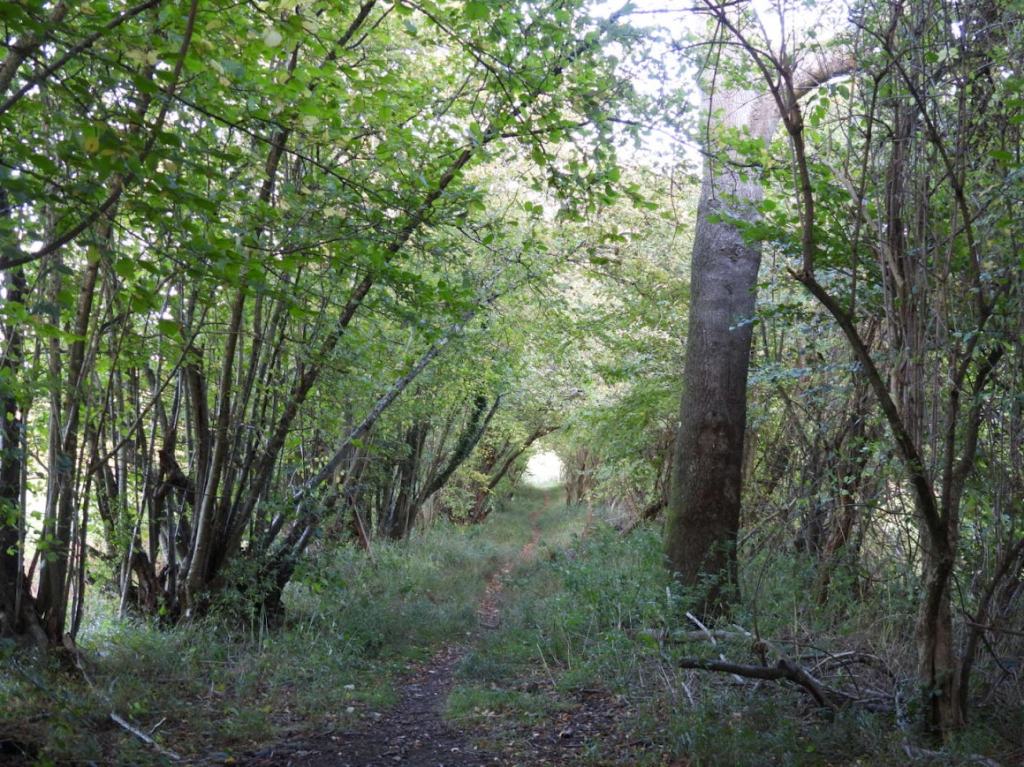
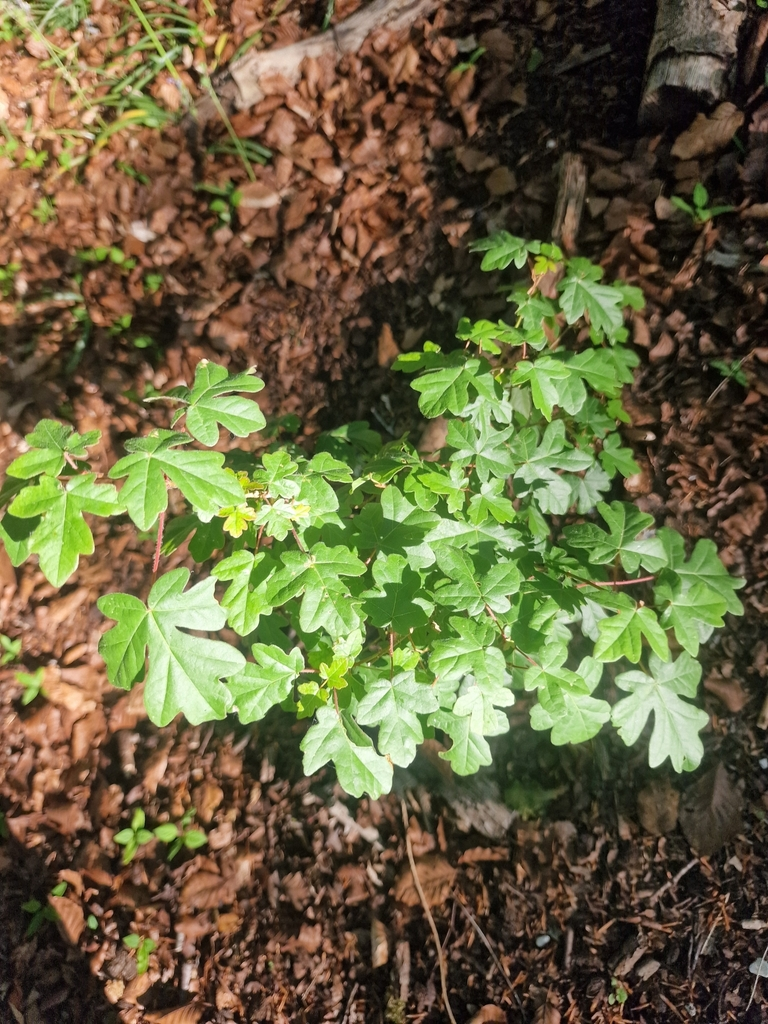
Walking along a hollow-way trackway at the foot of the downs, on gault clay. Trees: Hawthorn, Field Maple, Hazel

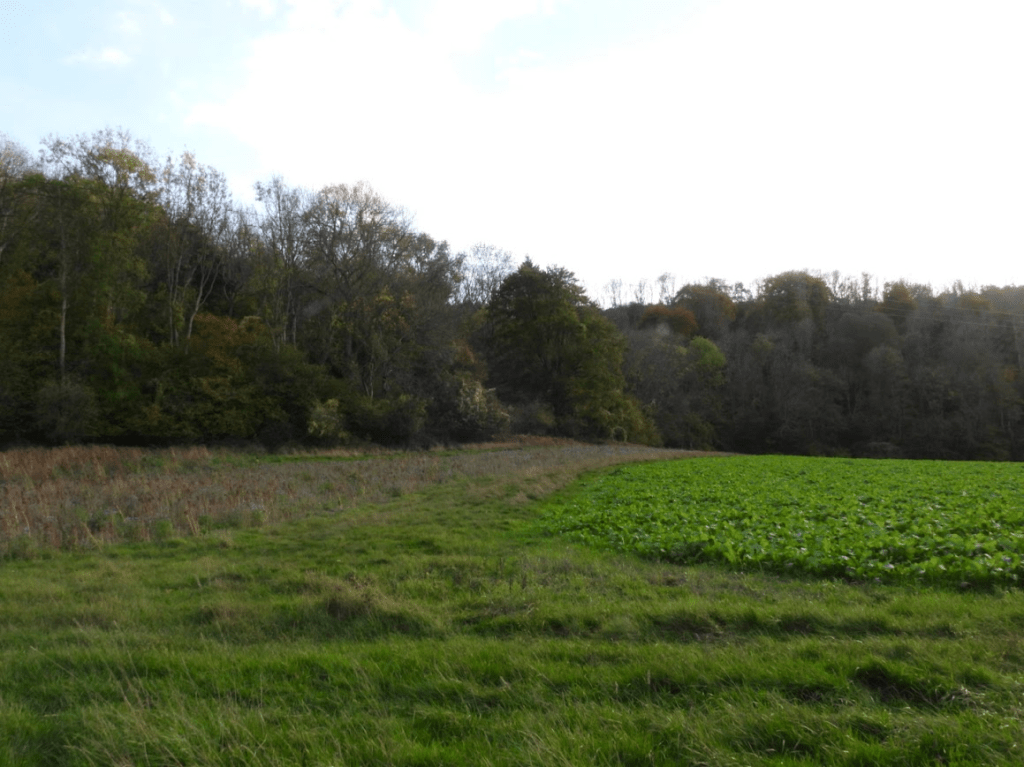
Hedgerow, from when the hollow-way ends.

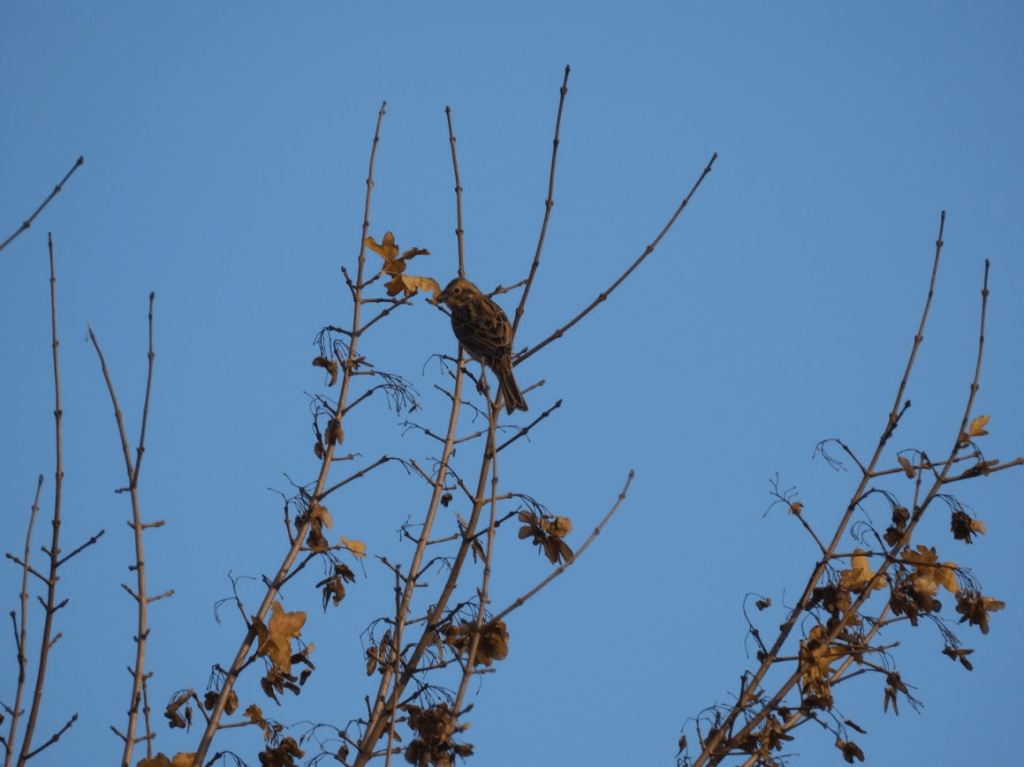
One of a flock of about eight Yellow Hammers in the hedgerow

Path to the base of the bostal up Rooks Clift

Coppiced Ash along the path

Rooks Clift

Trackway up the north side pf the clift (variant of cleft, geographical: meaning a fissure or break)

Beech on the edge of the steep slope into the valley (clift) formed by a stream fed by a chalk spring

Yew

Soft Shield Fern

Beech

False Brome

Dogs Mercury

Fungus (probably Armillaira sp.) in the process of deliquescing

Going down the south side of the clift

Solomon’s Seal – extremely abundant

At this point if I had turned south and walked on I would have come to the grove of ca. 80 Long-Leaved Limes; but if I had done that I would have had to have walked back to South Harting as it got dark; that did not feel safe, so I am returning to Rook Clift on Saturday – watch out for Part II of this post!!!

Wych Elm

young Wych Elm tree (leaves to left; leaves on right, Hazel))

View from the south side f Rooks Clift to the north side: Beech and dying Ash

Hazel

Sunken trackway bedside the path on south side of clift

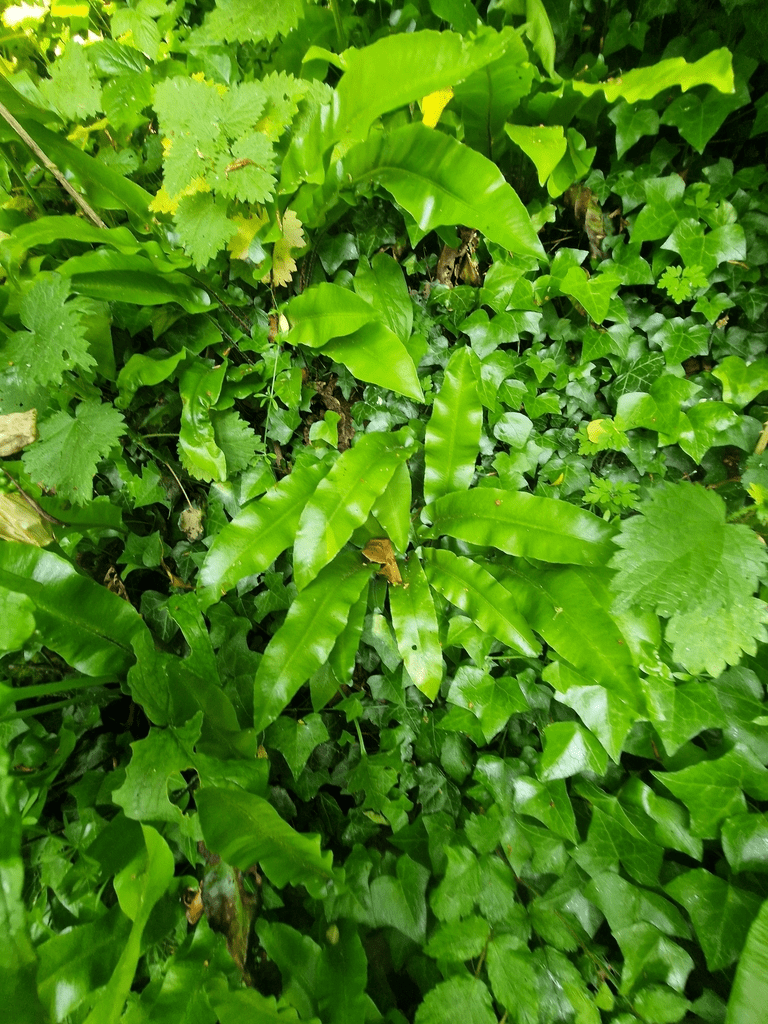
full of Harts-tongue Fern; extremely abundant, as in many South Downs hanger woods

Bank of sunken trackway with coppiced Beech

Back to the scarp foot path

White Poplar

Getting dark – back along the hedged trackway

Getting darker -past a field of Sunflowers

Terrible photo of a Raven at dusk

For most of the afternoon I had heard Ravens kwaaking overhead; it gave Rooks Clift a more Poe-like Ravens Clift feel!

Vascular plants and Lichens at Newtimber Holt, South Downs scarp face ancient woodland, West Sussex, nr. Brighton. 17.05.25

Newtimber Holt is a small but very biological interesting area of ancient woodland on Newtimber Hill. It is owned by the National Trust and managed by Saddlescombe Farm. It is probably the most interesting chalk scarp face ancient wood along the eastern South Downs. It is easily reachable by Stagecoach bus 17 stops Newtimber, Redhouse Farm or Newtimber, Beggar’s Lane Stagecoach 17 Timetable

When we think of ancient woodland, many people may think about our Temperate Rain Forest (Atlantic Woodland) in northwest Scotland, north Wales of the West Country. Or we may think of our nationally famous medieval royal deer parks, e.g. the New Forest, Hatfield Forest, or Windsor Great Park (pasture woodland).

Or if we’re in Sussex, we may think of our High Weald ancient Ghyll Woods, which have microclimates similar to Atlantic woodland; or Sussex’s medieval deer parks (pasture woodland) e.g. Parham Park, or the (very rare) chalk dry valley woods, e.g., East Dean Park Wood (itself once a Medieval deer park) or the very rare dip slope ancient woodland of Pad’s Wood. Or perhaps we may think the numerous small ancient woods, some tiny, relict stands, of the Sussex Low Weald; although much ancient woodland in the Low Weald has been lost to development, especially new housing, especially in the Brighton to Crawley corridor of Hassocks, Burgess Hill and Haywards Heath.

The ancient woodland of the scarp slopes of the South Downs relicts of the former wider woodland that covered the South Downs, which was cleared and then grazed by sheep in the distant past, are probably least known ancient woodland in the UK. When we think of the Down’s we think of its historic sheep gazed short calcareous grassland that supports rare vascular plants and invertebrates; it is biologically magnificent and of national ecological importance, and itself rare now that business arable and pastoral farming has taken so much of the short grassland. But “23% of the South Downs National Park is covered by woodland, [but only half of this [11.5%] has been there for over 400 years [ancient woodland]. “ Trees of the South Downs

Only 4% of the South Downs is calcareous short grassland;  almost exactly the same percentage as when the national park came into being. When we think of the South Downs we think of rolling hills of short calcareous grassland; but very little of it is that; most of it is farmed arable land, and 23% is woodland (with only half of that being ancient woodland).

It is important to separate ancient woodland from ancient trees. Woodland classed as Ancient Semi-Natural Woodland, which are mainly made up of trees and other vascular plants native to the site, that have constantly regenerated for over 500 years, some have very few or no ancient trees; they are just areas that have been wooded continuously since at least 1600. Very few trees in ancient woodland are themselves ancient; although some might be.

Many notable, veteran, and ancient trees can be found not in ancient woods but in pasture, former deer parks or hedges. For example, many of the most ancient Pendunculate Oaks, Quercus robur, of the Low Weald are in grazing pasture, probably relicts of former woodland that was cleared for pasture and left for shelter for livestock, or planted as field, parish or other boundaries in hedgerows

At Newtimber Holt there are some magnificent ancient trees in ancient Woodland

This post attempts to refocus our attention  on the ancient woodland of the scarp faces of the South Downs. There are areas of ancient woodland on the dip slopes of South Downs in West Sussex; but most of these are replanted ancient woodland, replanted with conifers or Sweet Chestnut. There are a few notable exceptions, such as Pads Wood (private), which is still ancient and semi-natural woodland.

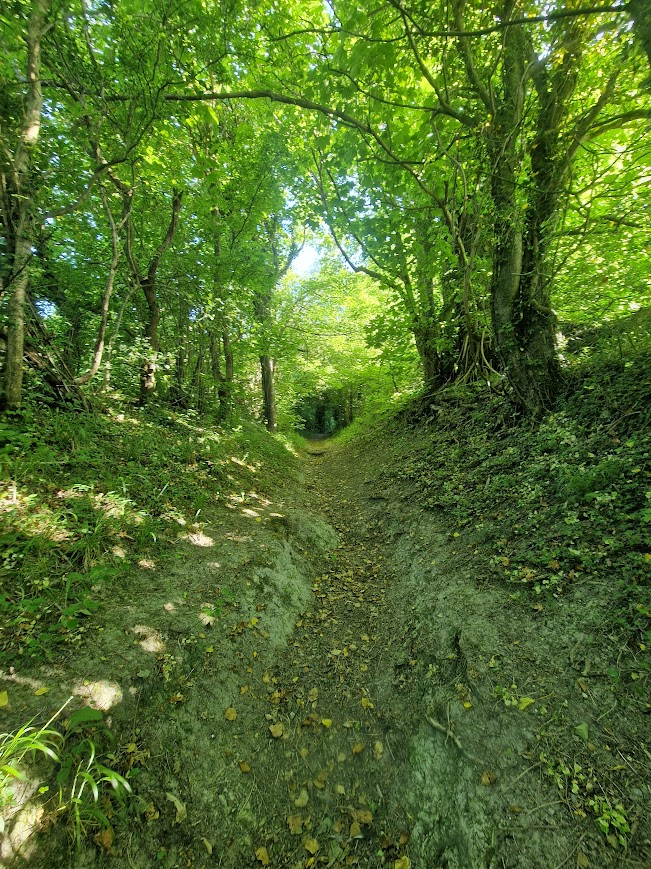
An ancient Drovers Route through Newtimber Holt

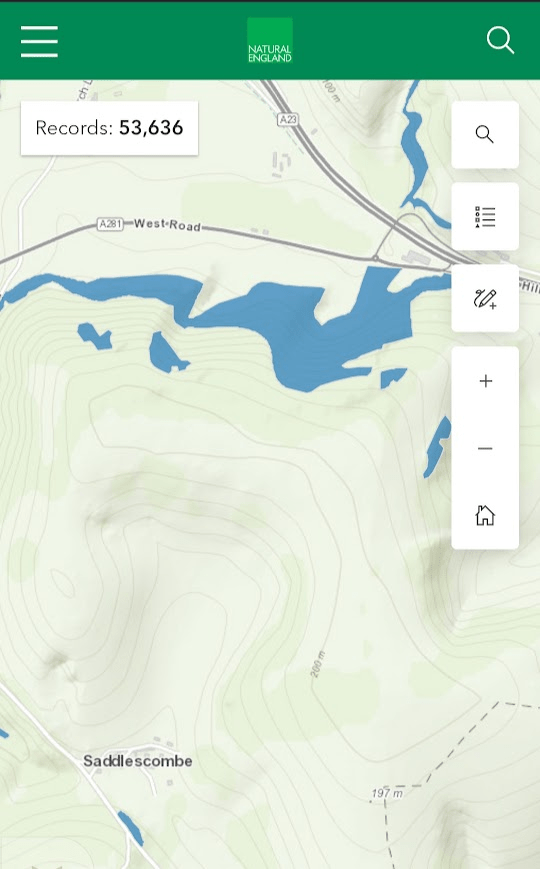
Natural England’s, Ancient Woodland map

from: https://naturalengland-defra.opendata.arcgis.com/datasets/a14064ca50e242c4a92d020764a6d9df

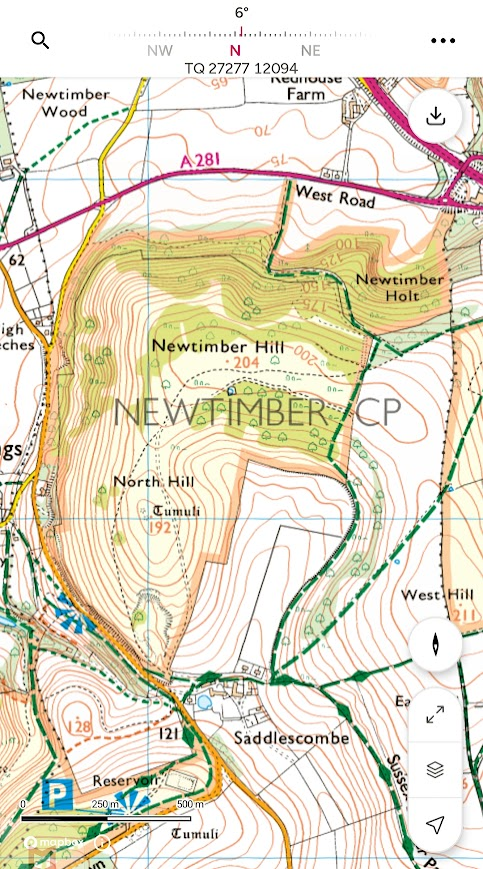
Screen captures Ordnance Survey Map App and Nature England Ancient Woodland online map © Crown Copyright

Ancient Woodland Indicator Vascular Plants at Newtimber Halt

Ancient Woodland Indicator Vascular Plants are listed in Francis Rose Indicators of ancient woodland – the use of vascular plants in evaluating ancient woods for nature conservation, British Wildlife 10.4 April 1999

Acer campestre Field Maple

Allium ursinum Ramsons

Asplenium scolopendrium Hart’s-tongue Fern

Hyacinthoides non-scripta Bluebell

Ilex aquifolium European Holly

Lamium galeobdolon Yellow Archangel

Melica uniflora Wood Melick

Mercurialis perennis Dog’s Mercury

Polystichum setiferum Soft Shield Fern

Sanicula europaea Sanicle

Ulmus glabra Wych Elm

Veronica montana Wood Speedwell

Other vascular plants

Fragaria vesca Wild Strawberry

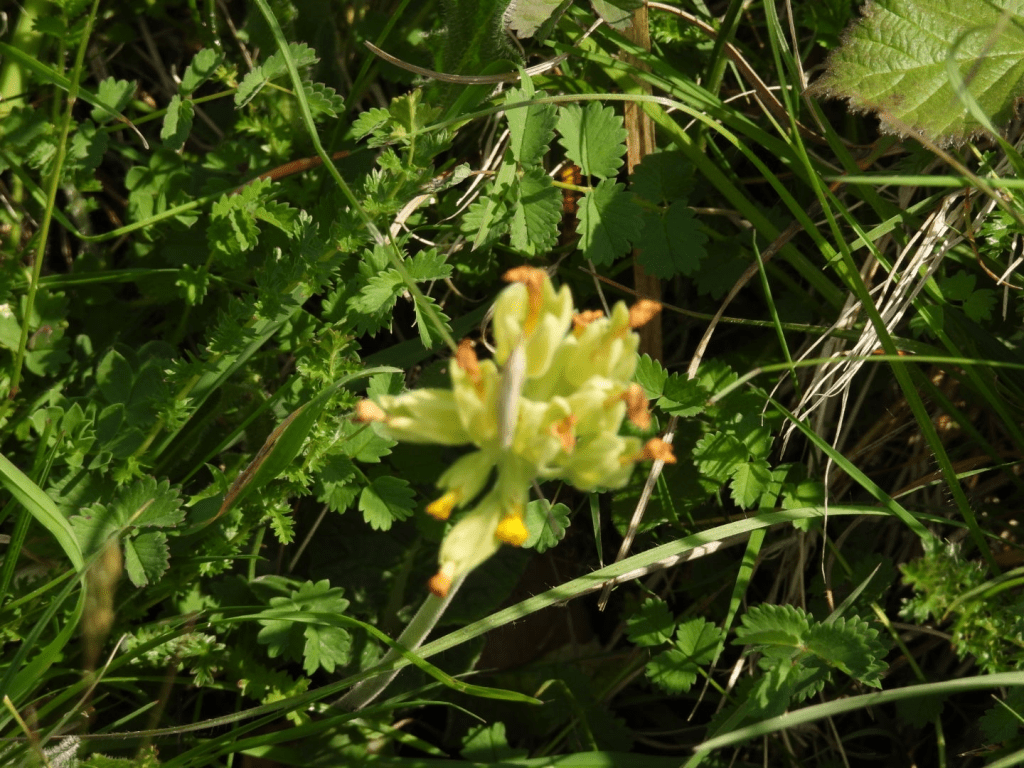
Primula veris Cowslip

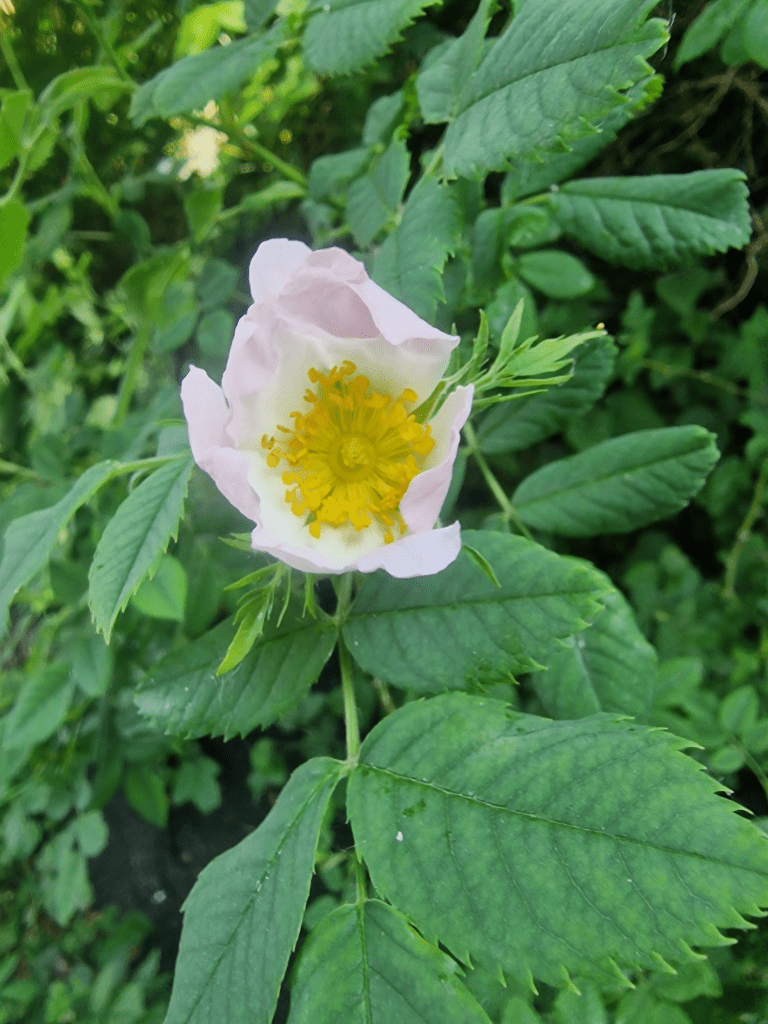
Rosa canina Dog-Rose

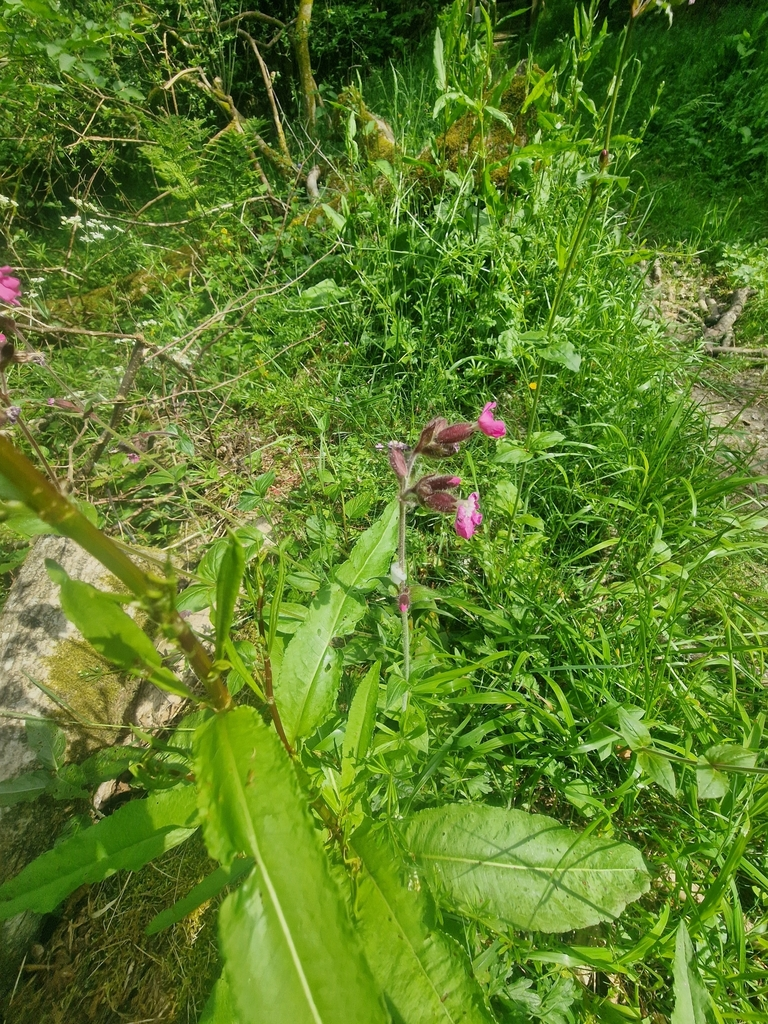
Silene dioica Red Campion

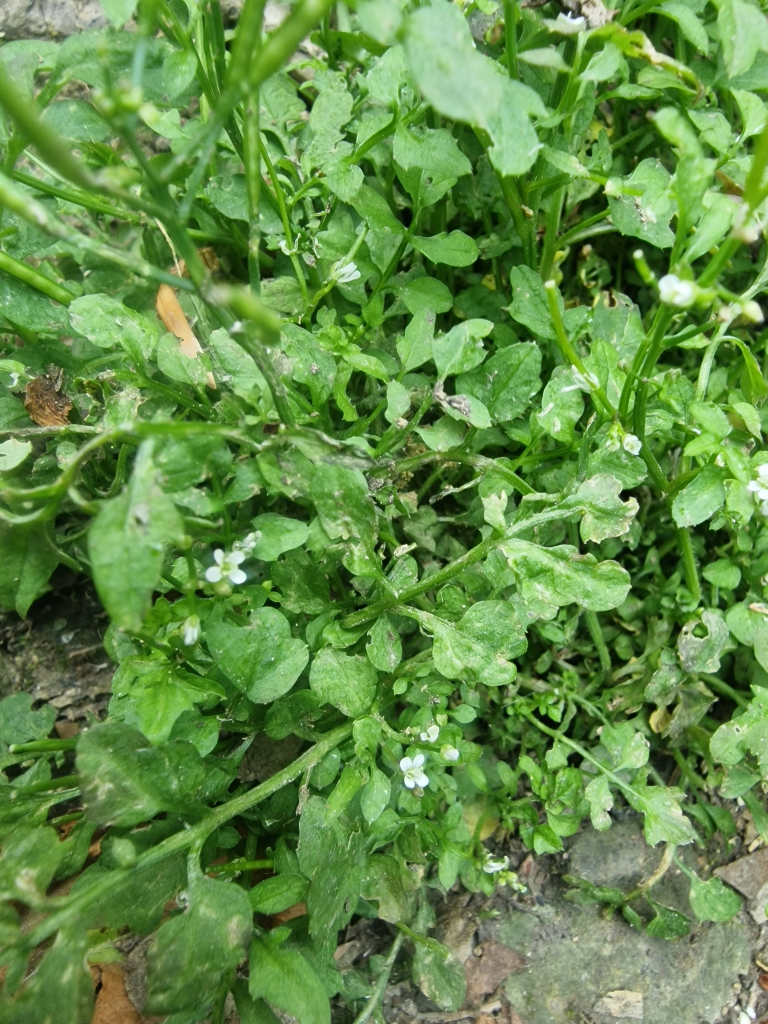
Cardamine flexuosa Wavy Bittercress

Geum urbanum Wood Avens

Ajuga reptans Bugle

Geranium robertianum Herb Robert

Genus Rubus Brambles

Lithospermum officinale Common Gromwell

Veronica chamaedrys Germander Speedwell

Sanguisorba minor Salad Burnet

A view of a woodland glade in Newtimber Holt

Arum maculatum Cuckoo-Pint

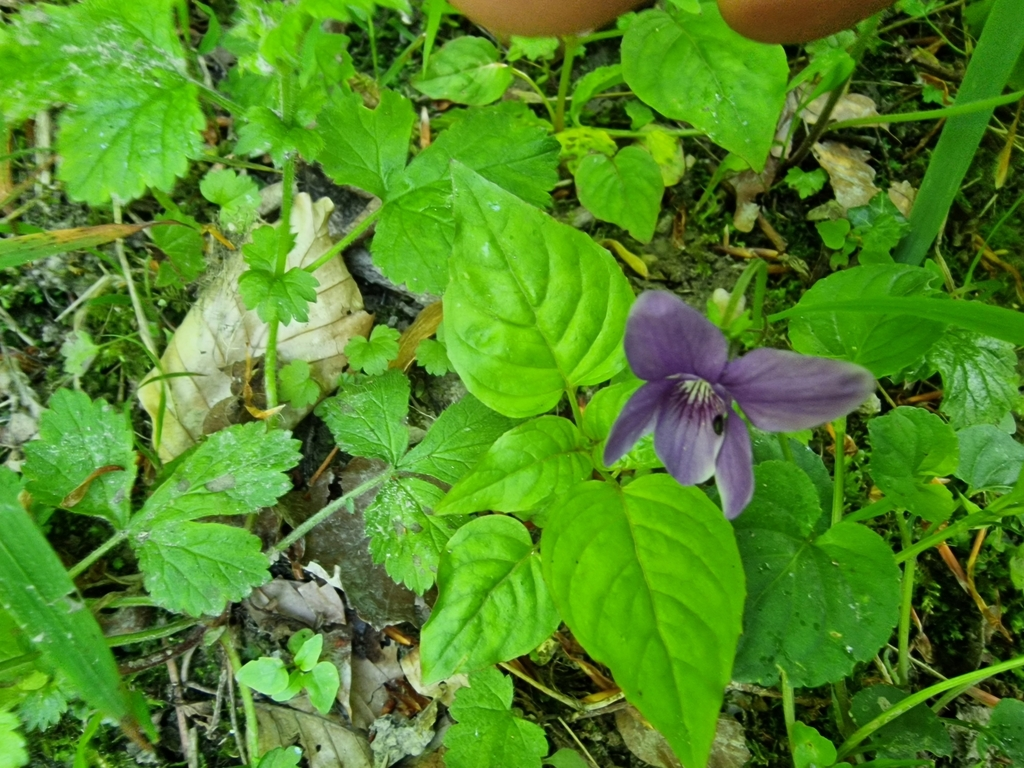
Viola riviniana Common Dog-Violet

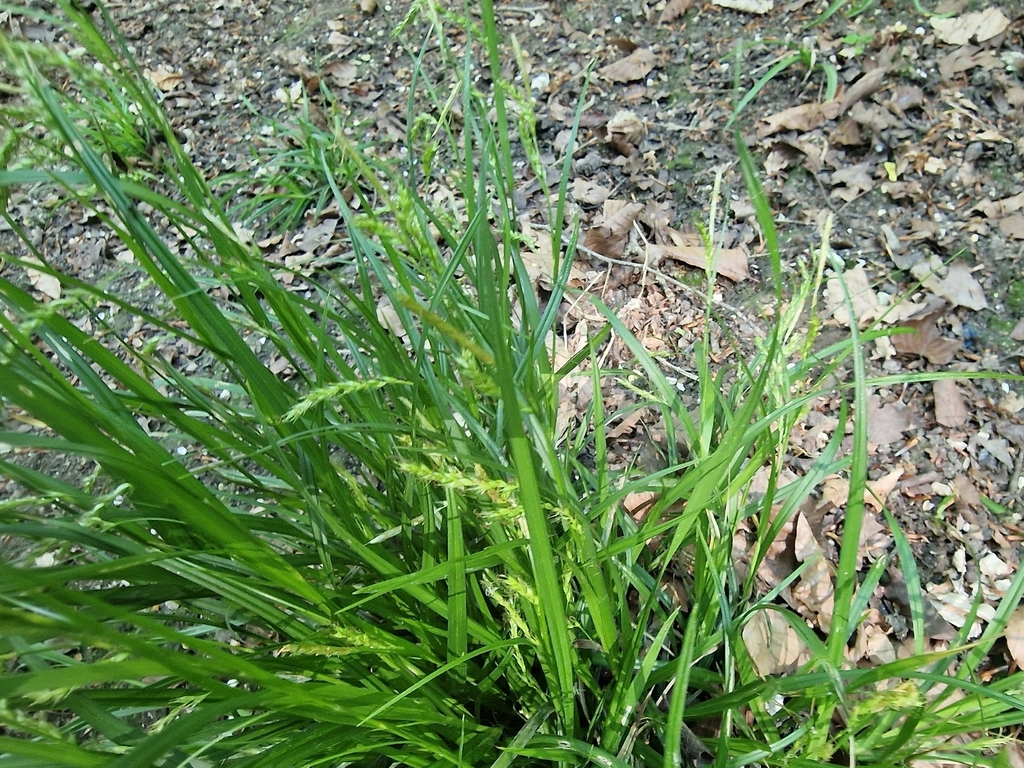
Carex sylvatica Wood Sedge

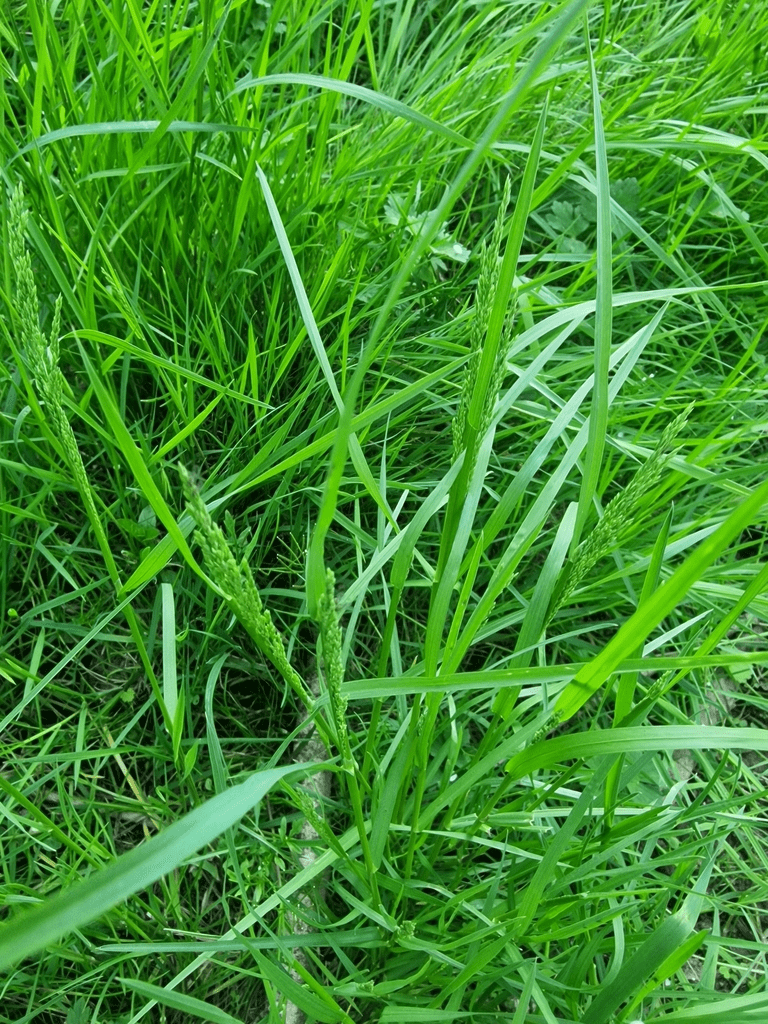
Poa trivialis Rough Meadow-Grass

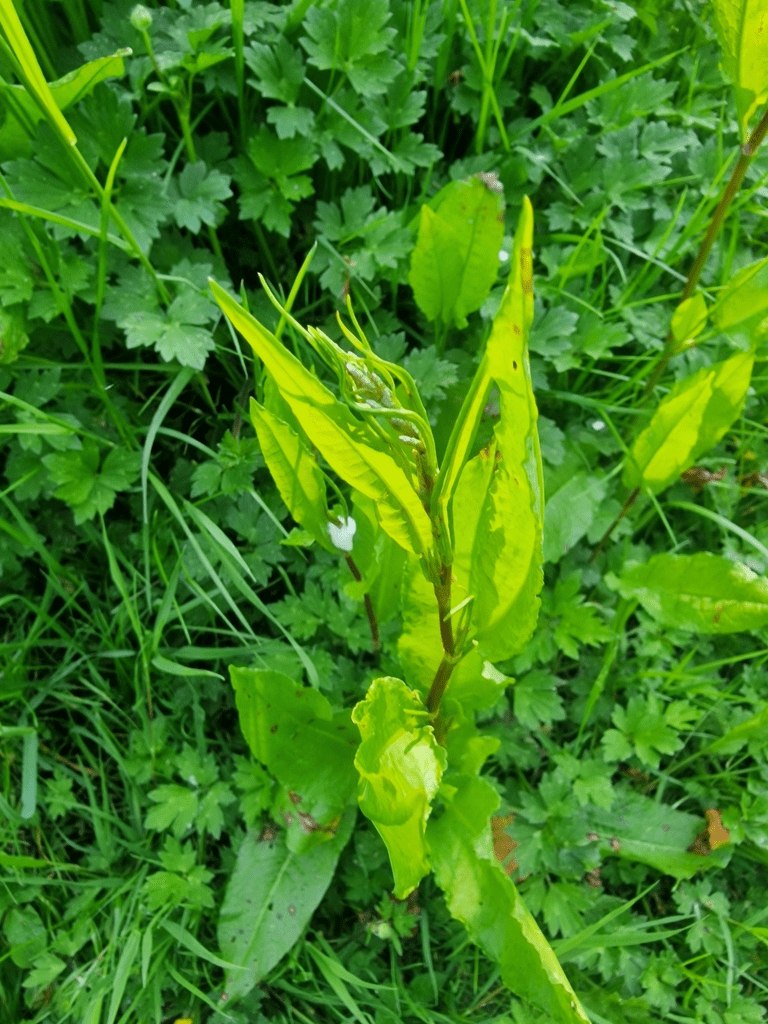
Rumex sanguineus Wood Dock

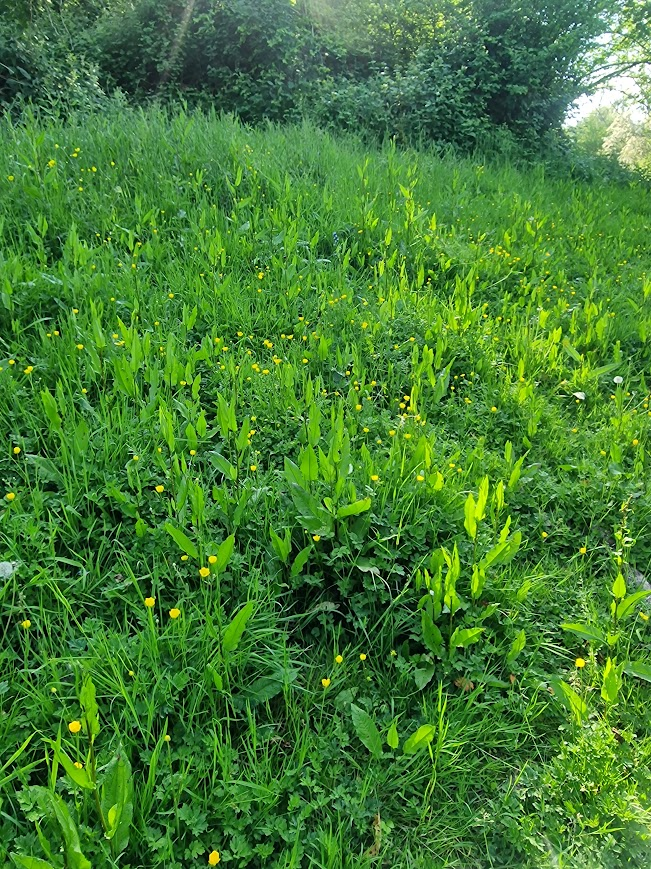
Ranunculus repens Creeping Buttercup

Creeping Buttercup, Wood Dock and Rough Meadow Grass

Trees

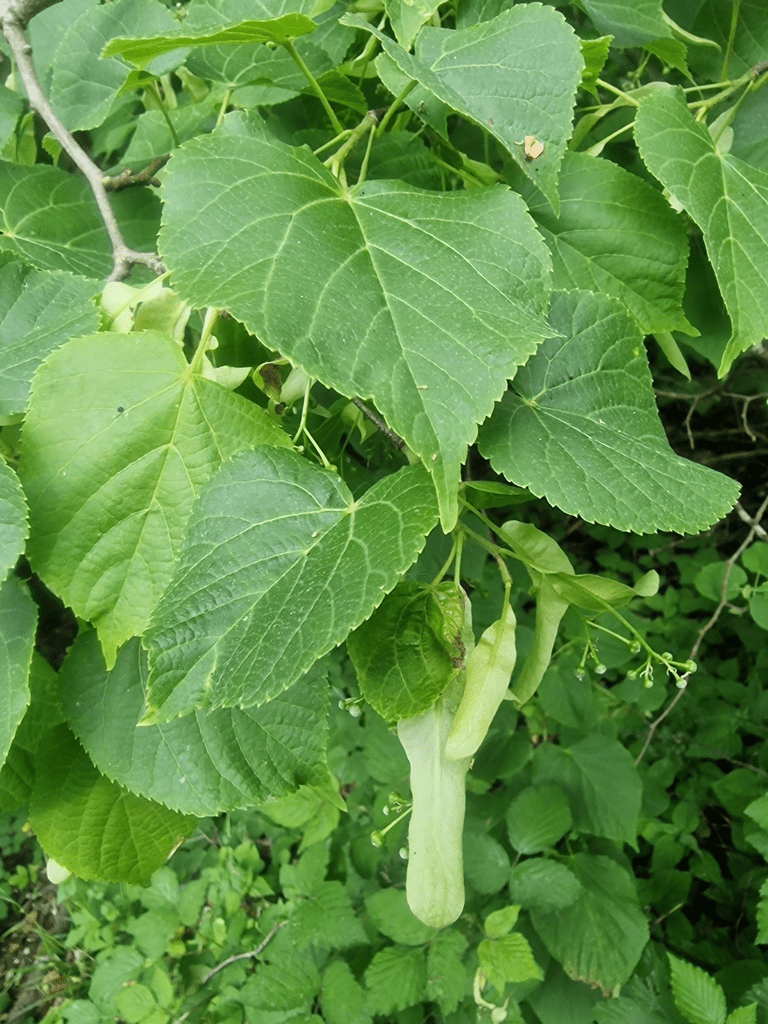
Tilia platyphyllos Large-leaved Lime

Large leaved lime is the rarest [of the Limes] and although planted for several hundred years most ancient trees are confined to woodland coppice on chalk or limestone soils. Woodland Trust Ancient Tree Inventory

The Woodland Trust Ancient Tree Inventory, shows these veteran (green flags) at Newtimber Hold.

To search the Ancient Tree Inventory for you area, click here.

Screen shot of https://ati.woodlandtrust.org.uk/tree-search/?v=2775353&ml=map&z=16&nwLat=50.90261902476064&nwLng=-0.20810587989501528&seLat=50.89620438008731&seLng=-0.1753185568969684

Fraxinus excelsior Ash

Quercus robur English Oak

Sambucus, nigra Elder and Hawthorn, Crataegus monpgyna

Corylus avellana Hazel

Taxus baccata English Yew

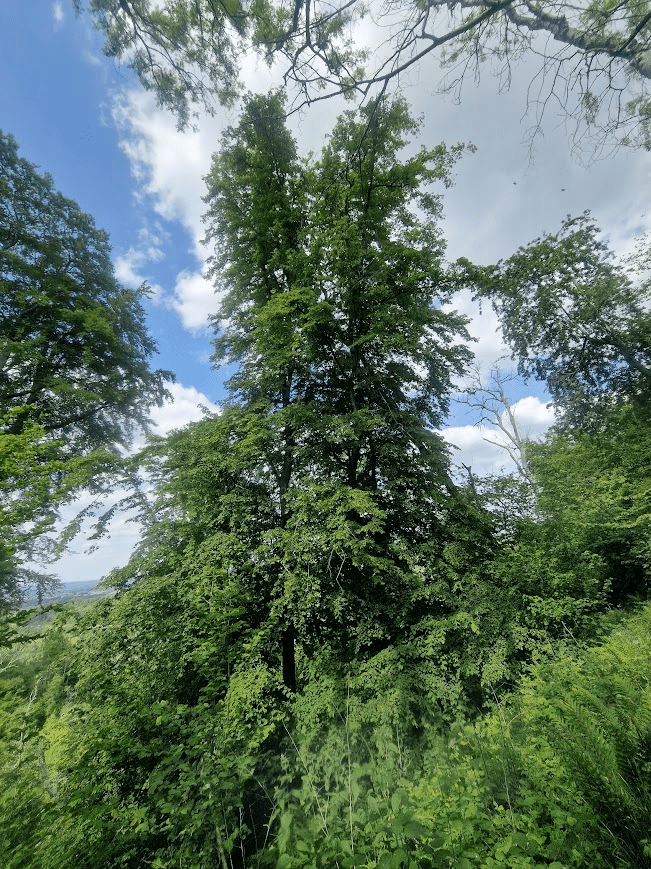
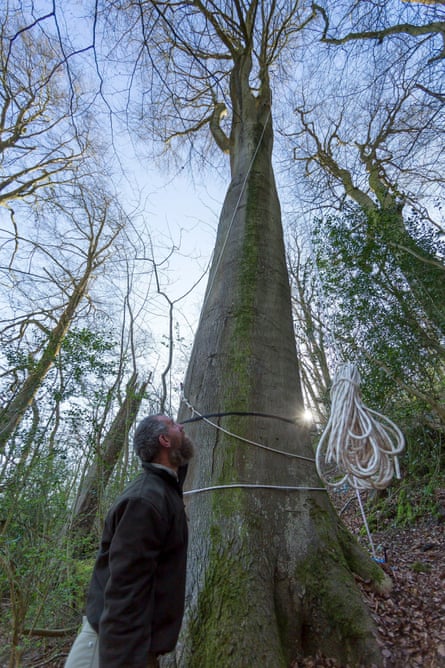
Fagus sylvatica Beech There are several veteran Beech at Newtimber

 144ft beech in Sussex named Britain’s tallest native tree

A beech tree on the South Downs in West Sussex is thought to be almost 200 years old and beat the previous champion by 3ft

A beech tree standing 144ft (44 metres) high has been declared the tallest native tree in Britain.

The tree, which is thought to be almost 200 years old, stands in Newtimber Woods on the National Trust’s Devil’s Dyke Estate in West Sussex, in the South Downs landscape.

The discovery of a new record for the tallest native tree title was made by Owen Johnson, the honourable registrar for the Tree Register, a charity which holds records of more than 200,000 exceptional trees in Britain and Ireland.

He was alerted to the possible new champion, one of a clump of trees planted together which has achieved its great height by continued competition to reach the light and being allowed to grow unmanaged for 90 years, by dendrologist Peter Bourne.

Beech tree standing 144 feet (44 metres) high has been declared the tallest native tree in Britain
The full height of Britain’s champion native tree. Photograph: John Miller/National Trust/PA

Dr Johnson said: “I didn’t quite believe Peter when he said the tallest tree in the woods could be 44 metres tall as I know the South Downs so well. When I finally got around to visiting I found my scepticism entirely unjustified. Guardian 15.04.2915 Press Association

Lichens

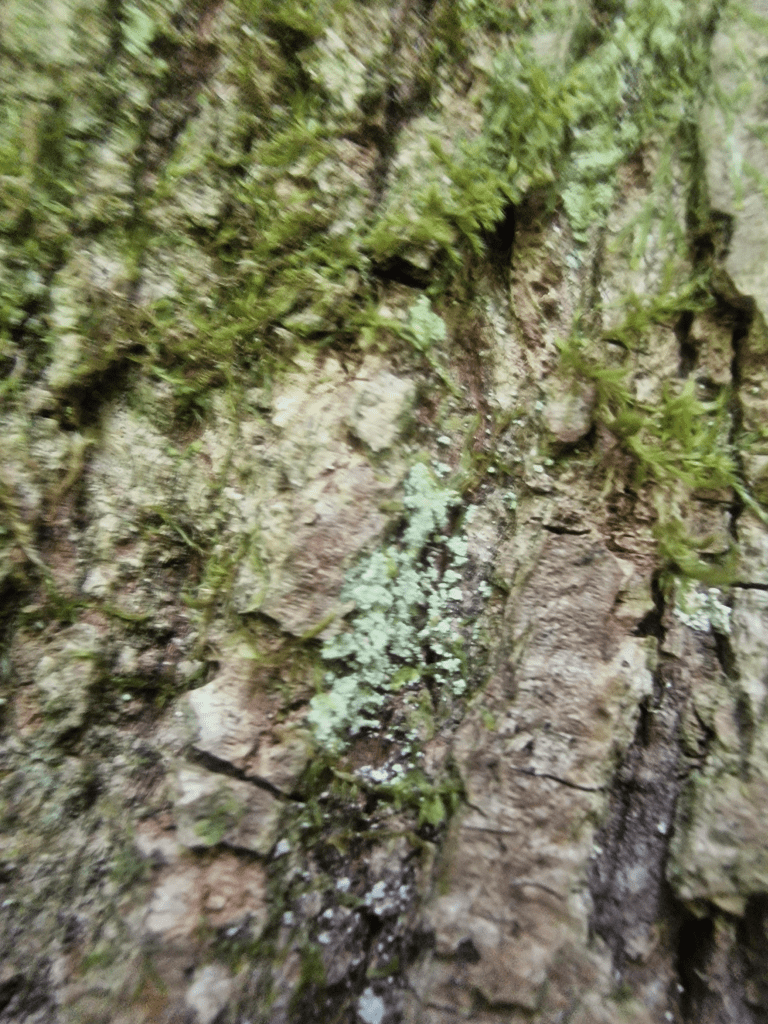
On Large Leaved Lime

Lepraria finkii Fluffy Dust Lichen

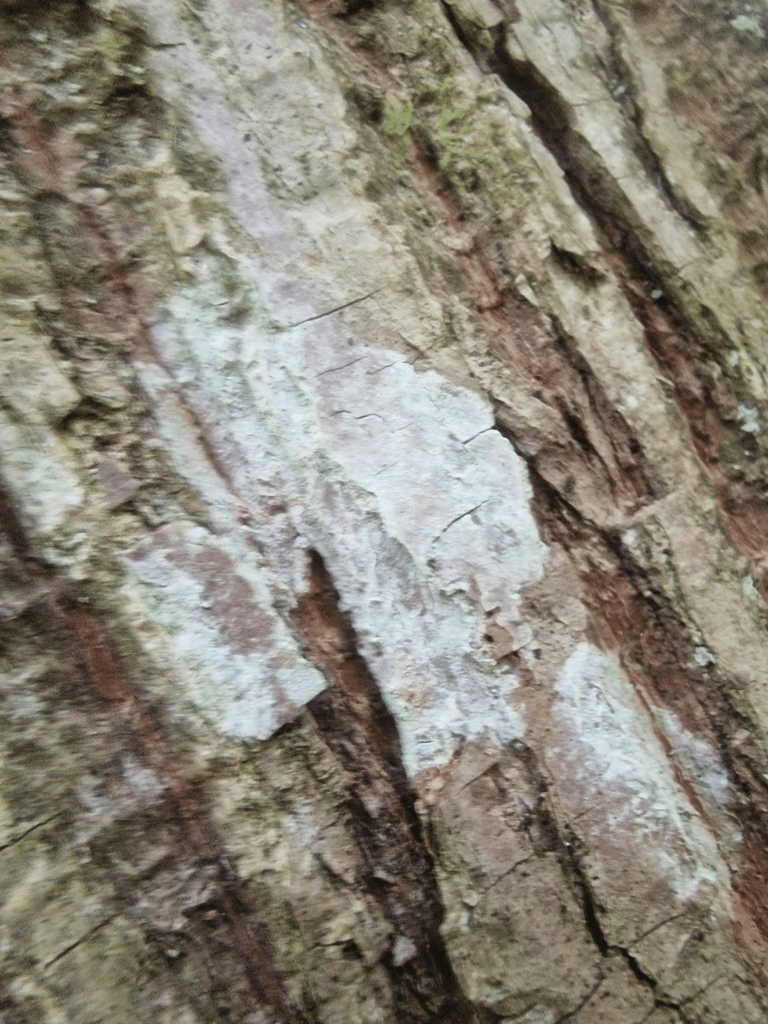
Phlyctis argena Whitewash Lichen

On Beech

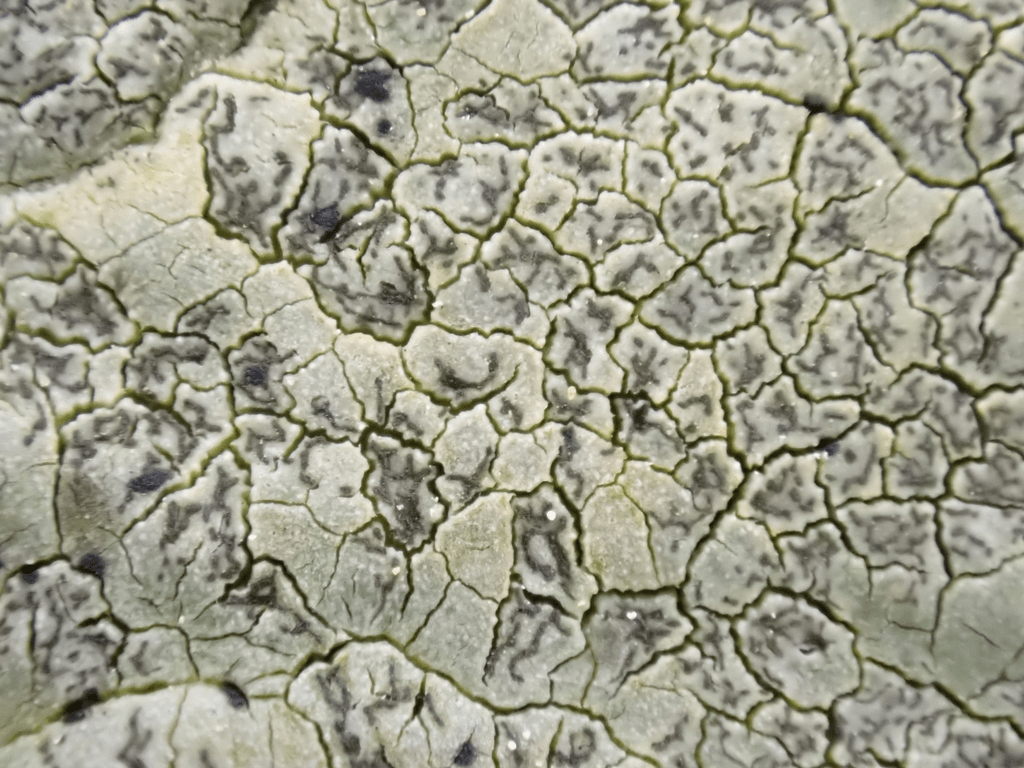
Enterographa crassa

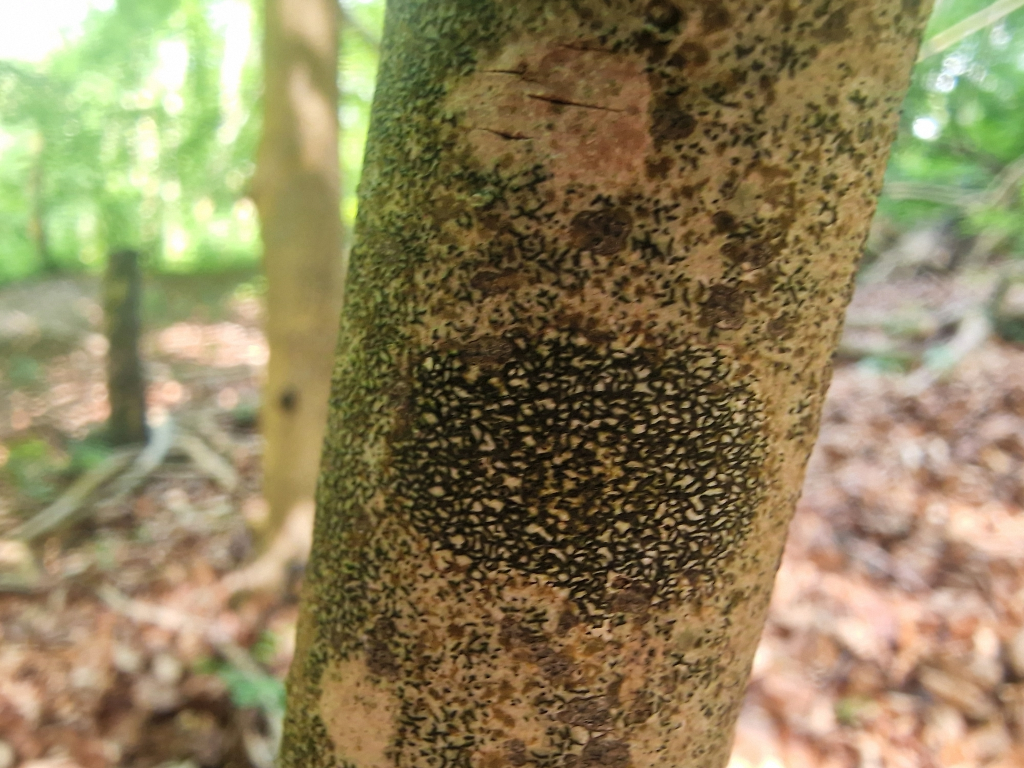
Enterographa crassa is often found in the bases of old beech trees, but it is very difficult to see as it is very small. Their Apothecia (fruiting bodies, in this species, tiny black dots are usually very numerous, brown-black, deeply immersed, without a rim, minutely punctiform or ± broadly elliptical in surface view, 0.1–0.25 × 0.05–0.1 mm, often in dotted or thread-like lines British Lichen Society Enterographa crassa

Cladonia caespiticia Stubby-stalked Cladonia

Fuscidea lightfootii

Lecidella elaeochroma Lecidella Lichen

Xanthoria parietina Golden Shield Lichen

On Ash

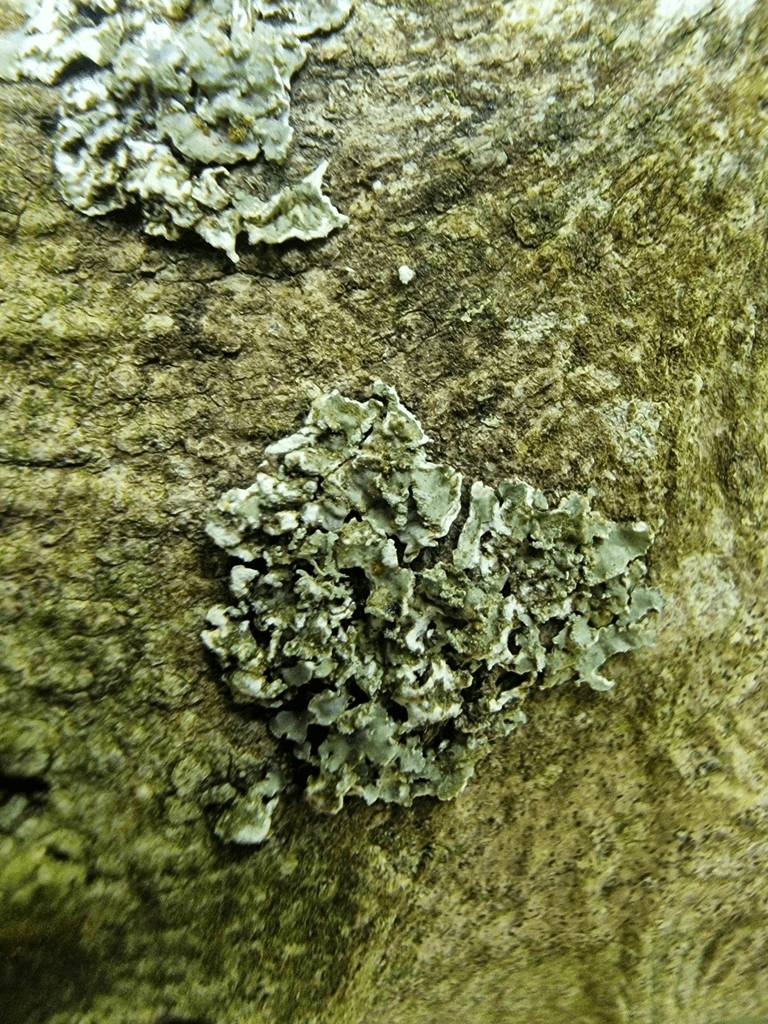
Flavoparmelia caperata Common Greenshield Lichen

Parmotrema perlatum Black Stone Flower

Punctelia jeckeri Powdered Speckled Shield Lichen

Hypotrachyna afrorevoluta

Parmelia sulcata Netted Shield Lichen

On Hazel

Probably Graphis scripta Common Script Lichen; very common on Hazel and other smooth-barked trees. The Graphidaceae (script lichen) family can only be definitively identified to species level with microscopy of spores.

Arthonia atra

Unknown Tree

Punctelia subrudecta Powdered Speckled Shield Lichen

A Pin-Head lichen, ancient trees, and spring flowers at Marstakes Common, South Chailey. 22.04.25

“Markstakes Common is a small nature reserve with a mix of landscapes; grassland, ancient woodland, wood pasture and mire. Past use is likely to have been bracken harvesting, rough pasturage and ad hoc extraction of timber” Friends of Markstakes Common

I first visited Marstakes Common in the winter of 2022: Markstakes Common & Chailey Commons. Tress, Fungi, Bryophytes, Lichen and Slime Molds. 06.12.22

Marstakes us a wonderful location with much biological interest; this post focusses only on lichens and vascular plants.

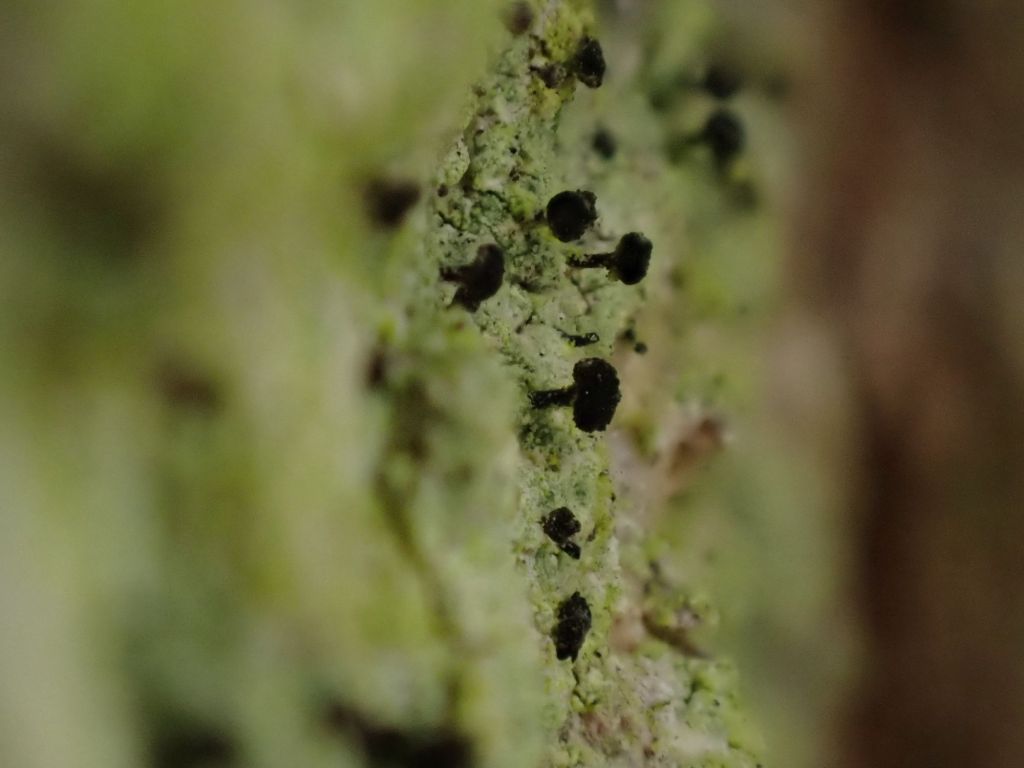
The most interesting thing I saw was Calicium viride; a pin lichen, growing on Oak. I saw it just outside the boundary of the commons in ancient woodland between   It’s apotothecia is ca. 1-2mm long and is pin shaped. Theoretically “common” but incredibly difficult to see. On acid barked broad leaved trees in ancient woodland. Look out for bright green granular thallus – looks like Psilolechia lucida, but P. lucida on grows on rocks. So, if you see something like P. lucida on a tree, it might be C. viride. Pin 1-2mm long so probably need 20x hand lens or macro camera.

Soon after entering Marstakes Common, I saw a huge ancient birch, Fagus sylvatica. On it was the tiny lichen, Enterographa crassa

A distinctive species often dominating large areas of trunk in pure mosaics of small interlocking waxy brown thalli, spotted with small dot like apothecia, which often line up in dendritic patterns. Very common in south western and Irish woodlands on humid shaded trunks. Rare to the north and east” British Lichen Society Enterographa crassa

Enterographa crassa is very difficult to see, as it is the colour of bark. It often occurs in large patches. It’s tiny apotothecia form in lines that look like lirrelate apothecia (writing-like apothecia), but they are lines of dots 0.1-0.2mm across.

Marstakes has many beautiful trees, including  Ancient Oaks, Birches, Hornbeam, Wild Cherry and Midland Hawthorn. Hornbeam (when in the middle of woods, not a boundary tree), Midland Hawthorns and Wild Cherry are ancient woodland indicator plants.

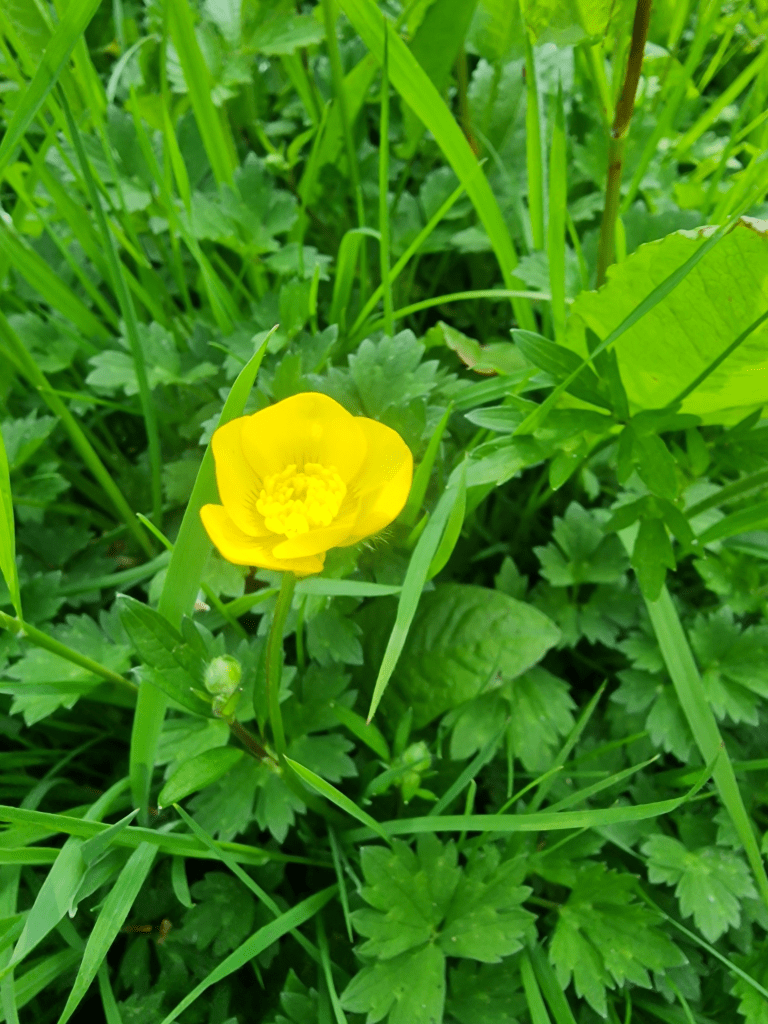
Wild Cherry (Gean), Prunus avium

Ancient Hornbeam, Carpinus betulus

Midland Hawthorn, Crataegus laevigata, with Bluebells, Hyacinthoides non-scripta, another Ancient Woodland Indicator Plants

Flowers of another Midland Hawthorn

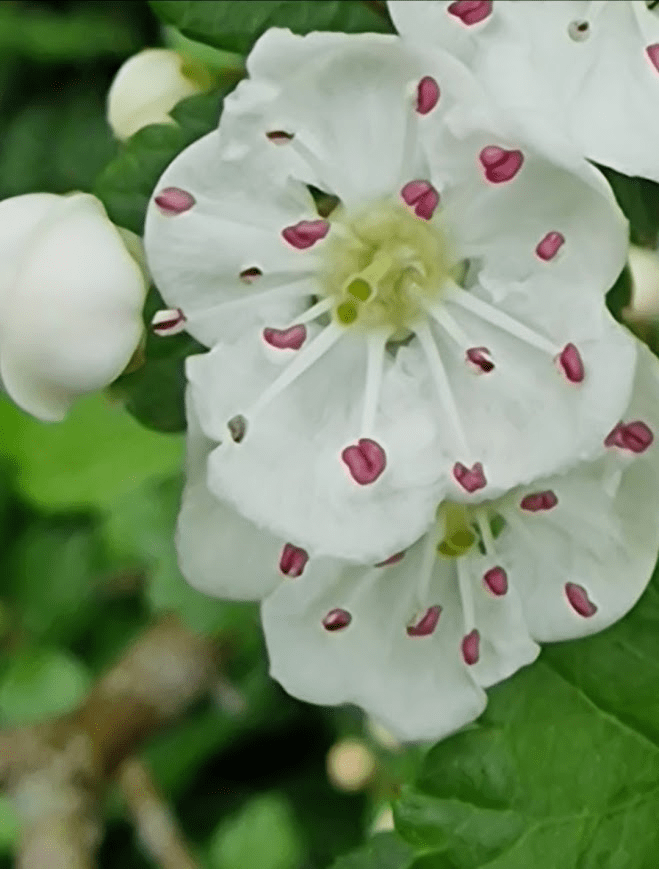
Midland Hawthorn has two styles; ordinary Hawthorn only has one. A style of an flower is an organ of variable length that connects the ovary to the stigma. 

A stunning ancient Pendunculate Oak

and a huge Goat Willow, Salix caprea

Marstakes Common and its adjacent wood Grantham’s Rough; had a variety of ancient woodland indicator plants

Bluebells, Hyacinthoides non-scripta

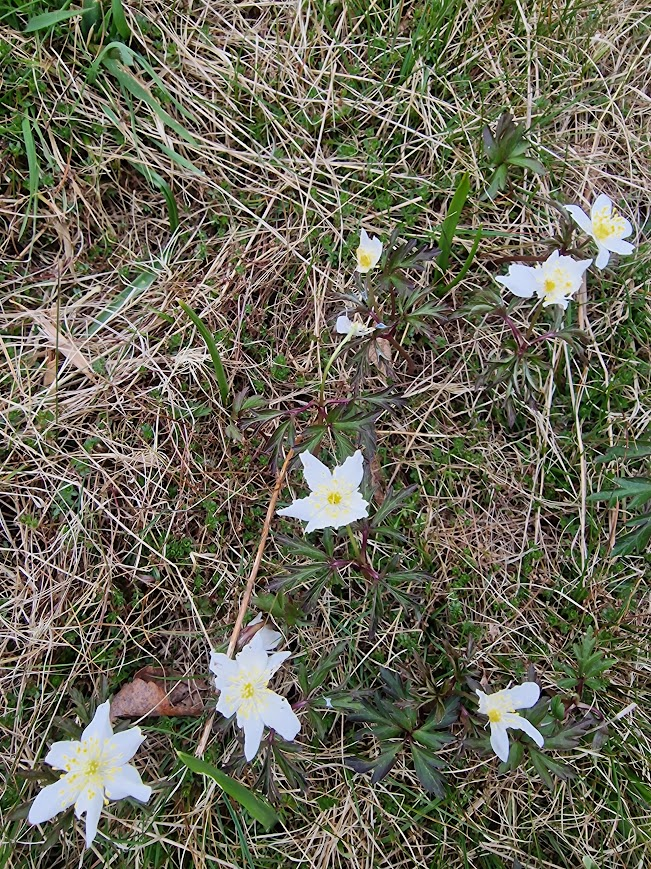
Wood Anemone, Anemonoides nemorosa

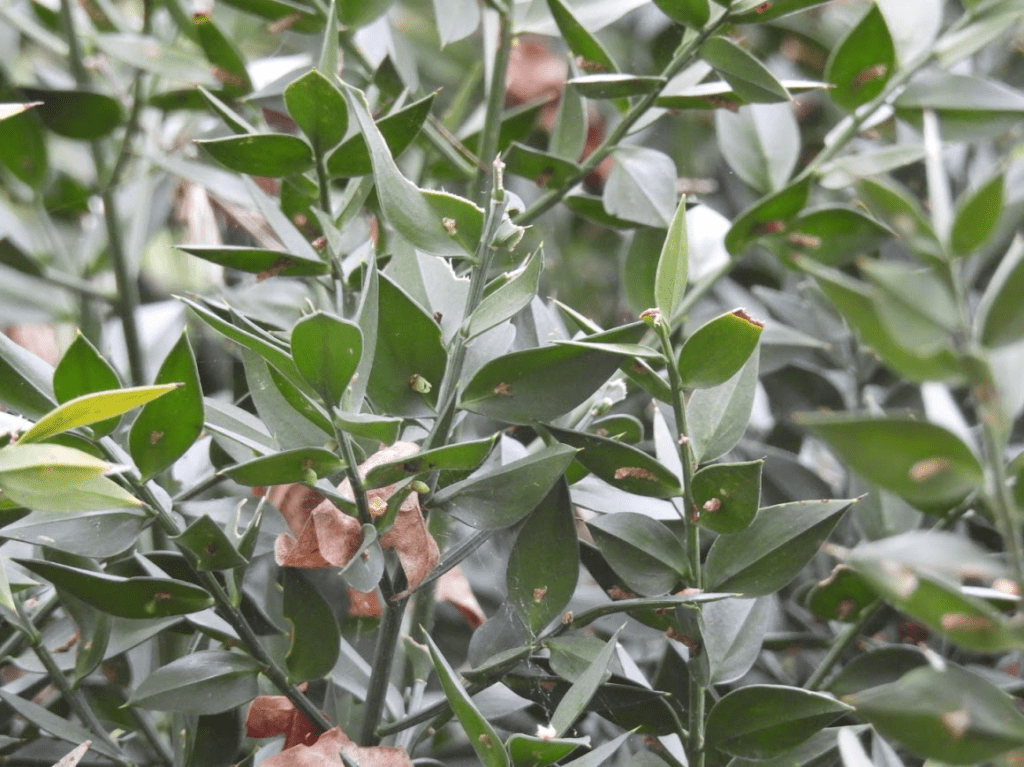
Bitchers Broom, Ruscus aculeatus

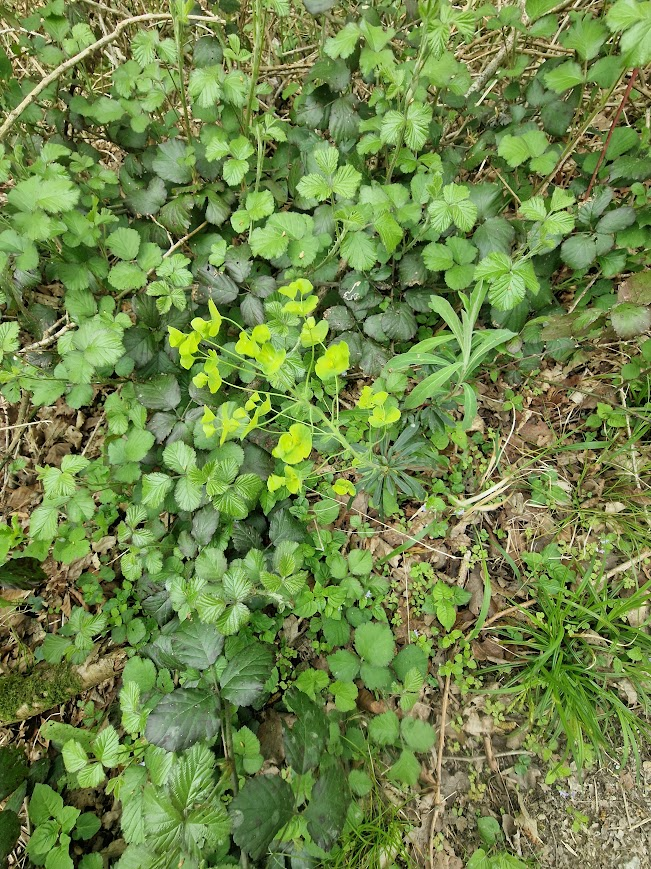
and Wood Spurge, Euphorbia amygdaloides

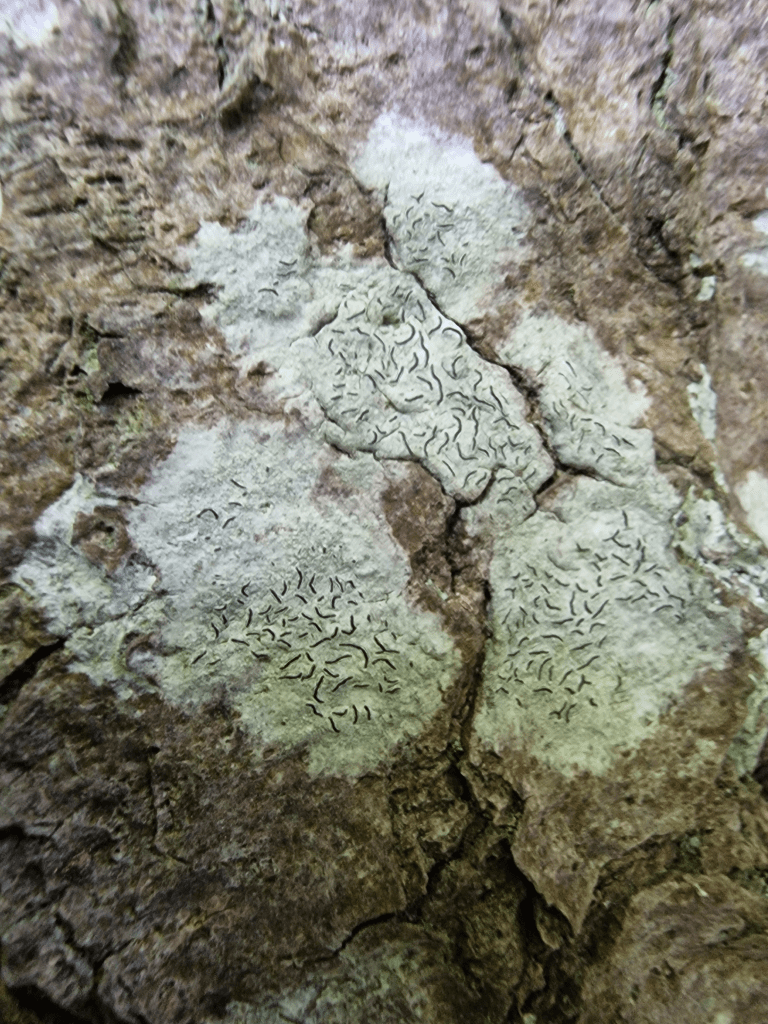
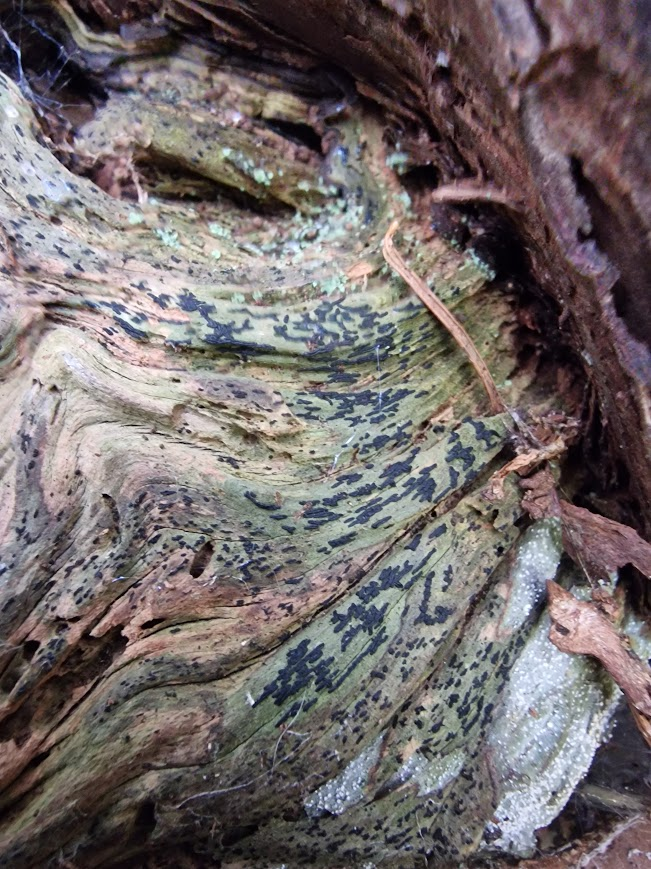
A fabulous ancient Yew, Taxus baccata; with the lichens Zwackhia prosodea & Opegrapha vermicellifera. St. Giles’ Church, Coldwaltham, West Sussex, 17.03.25

On the way to Hesworth Common, Fittleworth, to undertake a recce for a lichen walk there on Saturday, I took a detour to Coldwaltham from Pulborough (a four mile walk there and back to Pulborough). I went because I knew there was an ancient yew there; famous for being 3000 years old. It is clearly not 3000 years old, but it is a very old yew. I though it was an good candidate to have Zwackhia prosodea growing on it. I have seen Z. prosodea, growing on the ancient yew in East Chilton’s churchyard; it is a very characteristic lichen. I searched the British Lichen Society’s database: there are 174 records of the lichen in East and West Sussex; none of them on this yew; despite the churchyard being surveyed by Francis Rose in 1992.

But it was there!

A very southern lichen of dry bark on veteran trees, mainly Oak, often in mildly nutrient enriched habitats. Characterised by the bulky tall curved to serpentine lirellae with the disk a persistent slit and the dry bark habitat. British Lichen Society – Zwackhia prosodea

The churchyard at Coldwaltham contains a slightly controversial yew tree – slightly controversial because on occasions when experts have suggested the tree may not be quite as old as people believed it to be there has sometimes been a bit of a backlash from the villagers. Part of the reason for this is that the ancient tree is sometimes cited as evidence for a much older church on the current site. Another may be that some people claim that the tree as one of the oldest in the country – either way, it’s a magnificent being. It certainly looks pretty ancient. West Sussex Info Coldwaltham

Entry in the Ancient Yew Group register: Tree ID: 366 Yews recorded: Ancient 7m+ Tree girth: 1049cm Girth height: at 15cm Tree sex: female Source of earliest mention: 1885: Measured by Rev. W.H. Starling (1958 E.W. Swanton)

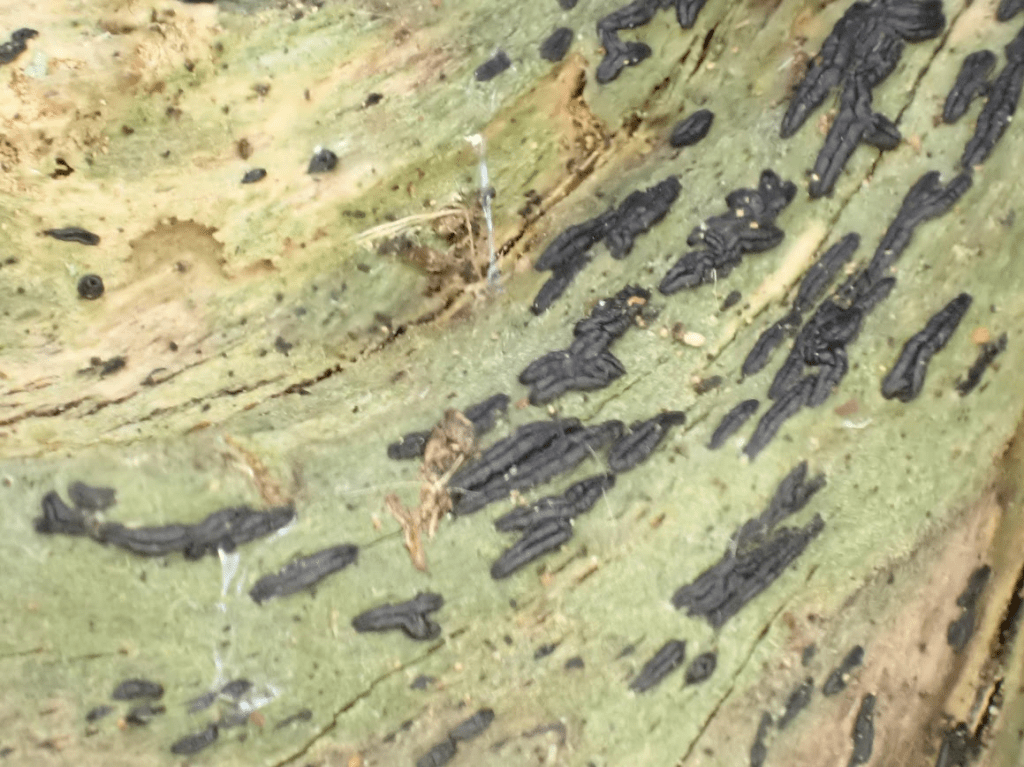
Under the Zwackhia prosodea was the lichen Opegrapha vermicellifera

Occurs in shaded, dry recesses of basic-barked trees, rare on rock. Smooth greyish thallus, usually sterile with small, prominent pycnidia with white or pale grey pruina. Pycnidia semi-immersed when young, chestnut brown with pale ostiole.  Dorset Lichens – Opegrapha vermicellifera

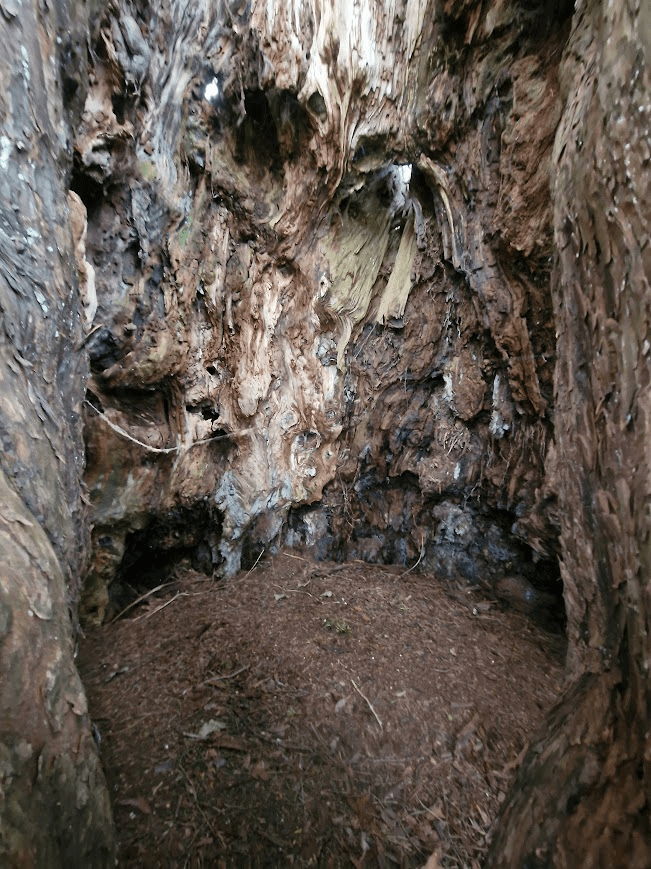
The Yew was hollow inside