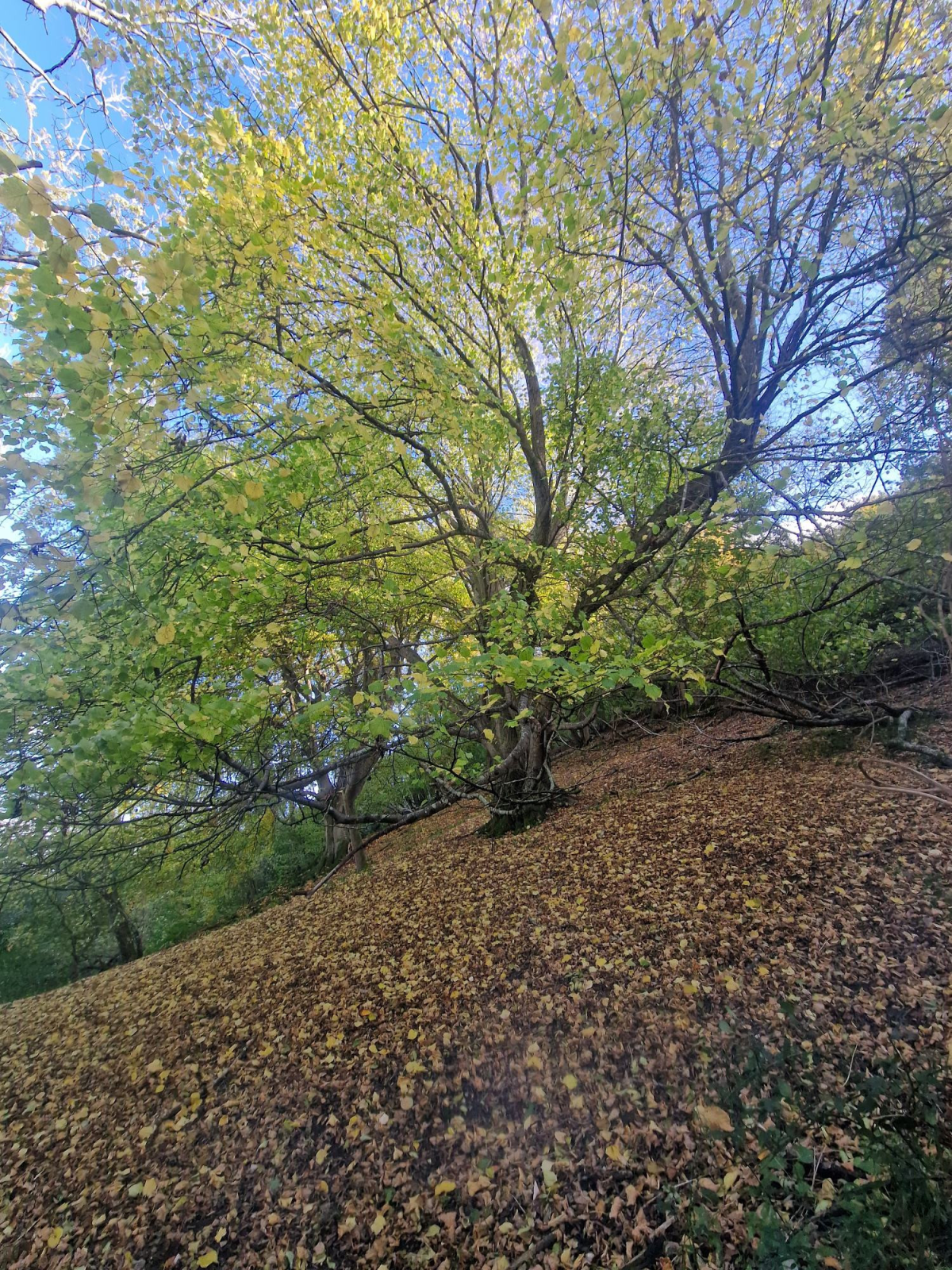
Casey’s Copse from footpath
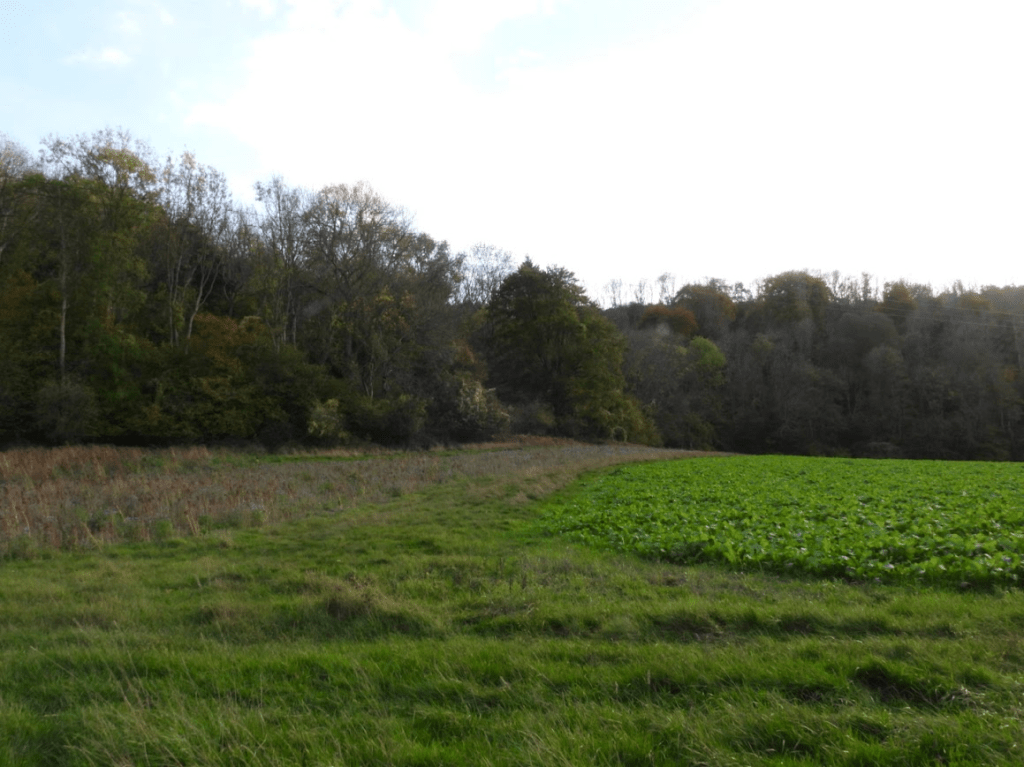
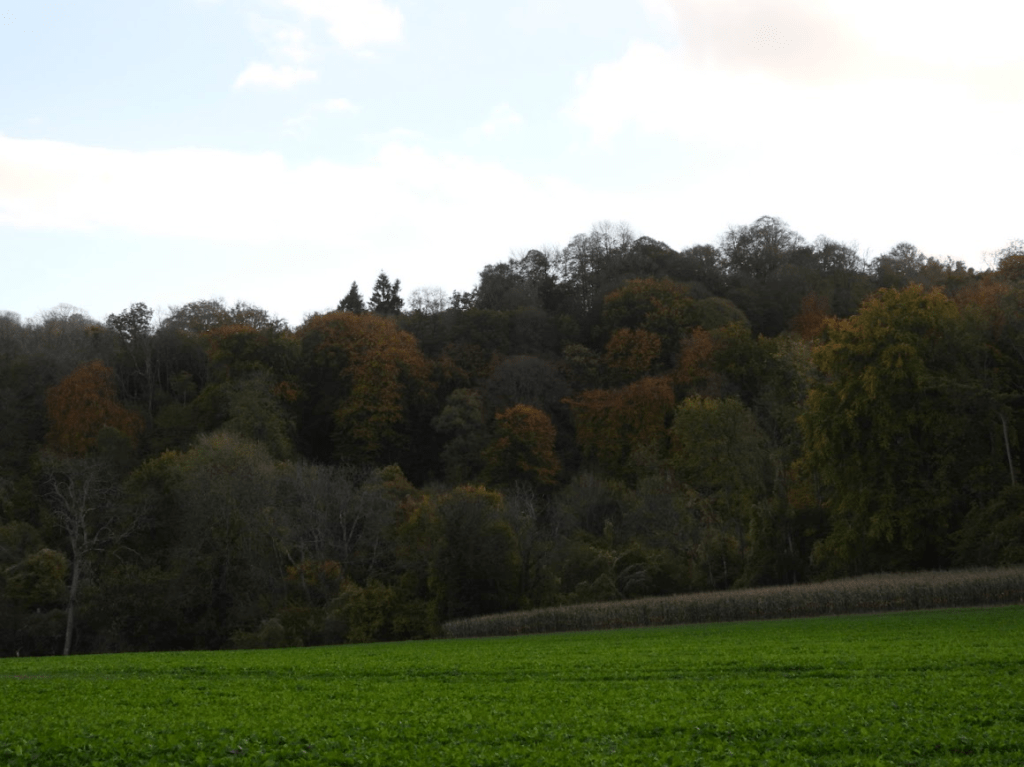
Rooks Clift from footpath
I have visited Casey’s Copse and Rook Clift several times this year; in the Spring, the Summer and now the Autumn. Theses sites were new discoveries for me this year. They will join my list of favourite sites in Sussex, that I love so much, I visit them every season every hear e.g. The Mens, Ebernoe Common, Eridge Rocks, Eridge Park, Newtimber Holt. I first visited Casey’s Copse with a friend who knew the site.
OS Maps © Crown copyright as accessed 22/10/25
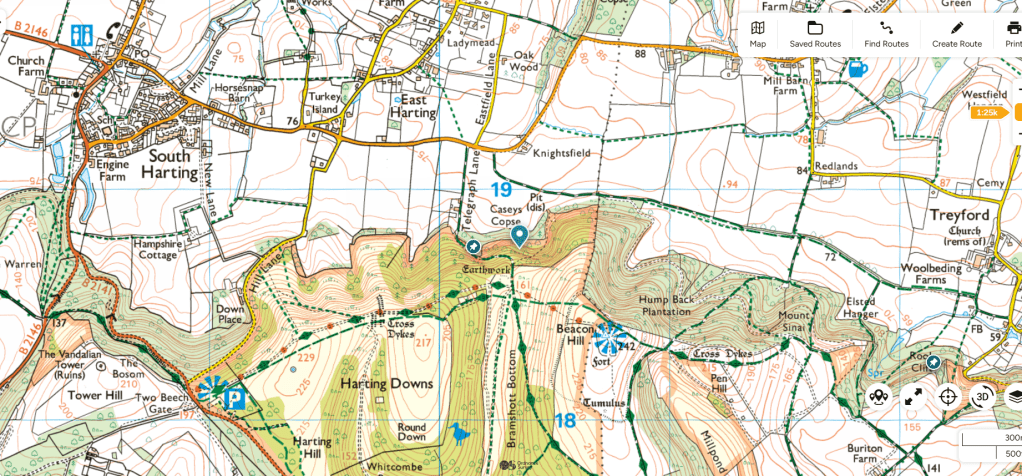
I reached these woods by bus and train. I get the train to Chichester and then the 54 bus to South Harting. The South Harting bus only goes 5 times a day; so careful planning is needed! It is about an hour walk from South Harting to the bottom of Rooks Clift; I walk along the footpaths and trackways along the flat arable fields of the scarp foot (from road just before Knightsfield). It is possible to reach Rooks Clift along he South Downs Way, but that takes about three hours as the walk is extremely undulating. The 54 bus will drop you off where the B2141 crosses the South Downs Way; whilst it is not an official stop most drivers will drop you off there.
These sites are west South Downs escarpment ancient woodland. Some of these western scarp wood appear to be very old, possibly primary, from such evidence is available. South-East of East Harting ancient woodland (with Ash, Wych Elm and Large Leaved Lime …) occur. Francis Rose (1995) The Habitats and Vegetation of Sussex. The Booth Museum of Natural History, Brighton Borough Council p.9
Rose’s comment that these scarp woods are possibly primary, suggested that this woodland may have been part of the “wildwood” that covered the Downs until the dip slope woods were cleared for sheep farming, from the neolithic (ca. 5000-4000 BCE) onwards. see: Peter Brandon (1998) The South Downs
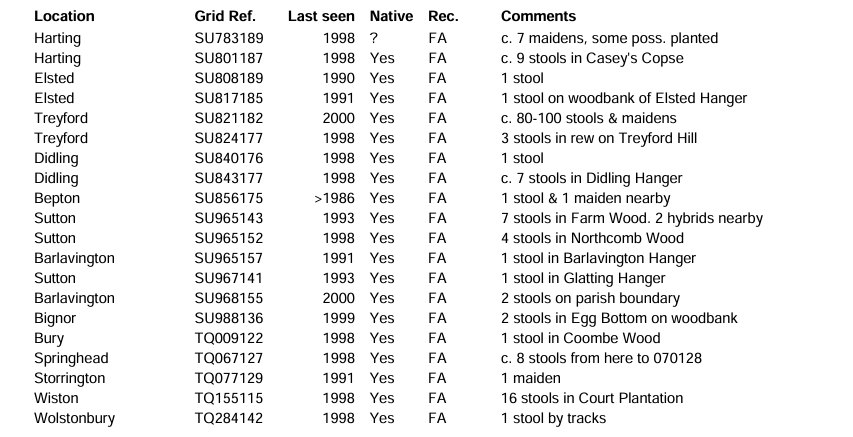
Until the late 1980s Large-leaved Lime was regarded as introduced in Sussex, but is now thought by Francis Rose and others to be native on the downland scarp in West Sussex. … Since 1987, when coppiced T. platyphyllos stools were discovered at Springhead as detailed in Briggs (1990), around 30 sites have been found on the scarp in Hampshire and W. Sussex. Most trees are within ancient copses surrounded by wood banks towards the foot of the scarp. Some border old tracks and a number perch upon ancient parish boundaries. The Sussex Rare Plant Register of Scarce & Threatened Vascular Plants, Charophytes, Bryophytes and Lichens (2001) Mary Briggs, Paul Harmes and Alan Knapp et. al pp. 100-101 Available on line Sussex Botanical Recording Society
List of native Large-Leaved Limes from the Sussex Rare Plant Register:
Map from Natural England Open Data Sites of Special Scientific Interest England
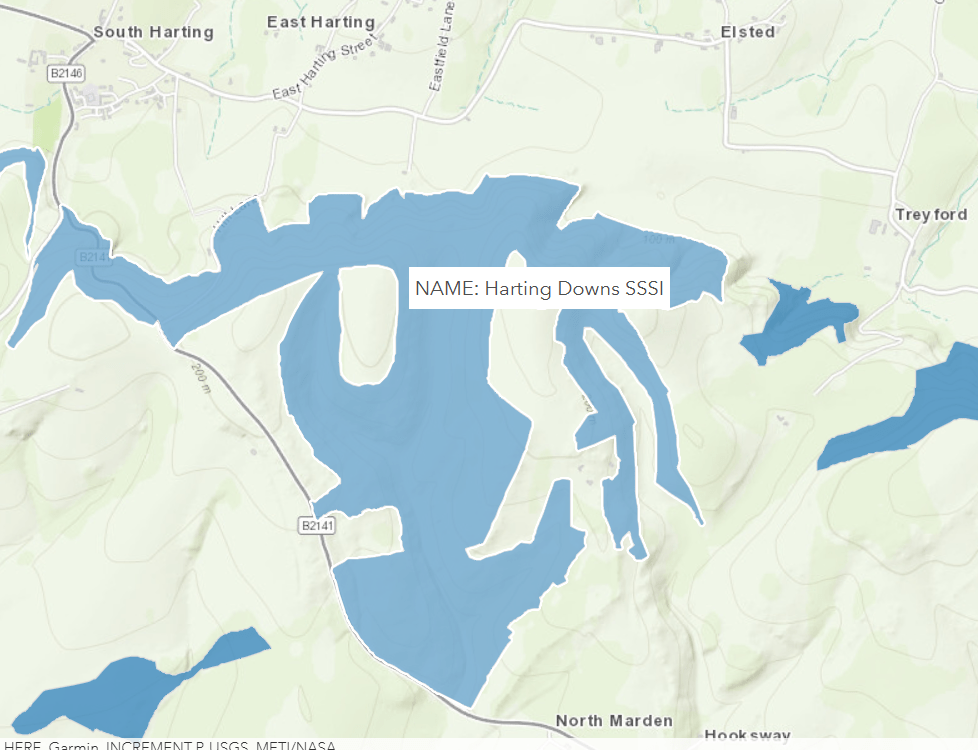
Casey’s Copse is within the Harting Down SSSI; Rook Clift is its own SSSI, just to the east of Harting Down SSSI near Treyford
The SSSI citation for Harting Down does not mention the presence of Large-Leaved Lime; but the citation was last revised in 1980; 45 years ago. Many SSSI specifications are very old now, and don’t represent current knowledge of sites. The Rooks Clift citation is much more accurate, and is more recent (1997); although it misses out the huge amount of Solomon’s Seal on the slopes of the stream valley.
From South Harting SSSI specification: Longer-established woodland occurs throughout the site, with a varied composition according to soil type and aspect. Beech Fagus sylvatica is common and becomes dominant on the scarp-face and valley sides. Oak Quercus robur and ash occur with yew on the deeper valley loams. The ground flora is quite sparse beneath the densest canopies, but
elsewhere includes bramble Rubus fruticosus, ivy Hedera helix, dog’s mercury Mercurialis perennis and false-brome Brachypodium sylvaticum.
From the Rook Clift SSSI specification Rook Clift is a small wooded combe on the scarp slope of the South Downs. The soils are predominantly calcareous in nature, overlying the chalk of the Downs. Deeper soils occur at the foot of the slope, and also the course of a stream, arising within the wood. This site is an ancient woodland which remains in a semi-natural condition. Large leaved lime Tilia platyphyllos dominates the canopy, together with ash Fraxinus excelsior and some beech Fagus sylvatica. Large leaved lime is a nationally scarce tree, with its natural range concentrated on the limestones of the Wye Valley and Peak District. Thus the high concentration of mature coppice stools, occurring on chalk, make this site nationally important and unique within West Sussex and the South Downs Natural Area. The canopy of large leaved lime, together with some beech casts a heavy shade, and as a result the shrub layer is poorly developed with scattered whitebeam Sorbus aria and yewTaxus baccata.
The field layer is dominated by vernal species such as ramsons Allium
ursinum and bluebell Endymion non-scripta, or shade tolerant species including dog’s mercury Mercurialis perennis, spurge laurel Daphne laureola and sanicle Sanicula europaea. The steep sided valley around the steam is more open with a canopy dominated by ash and wych elm Ulmus glabra. Here the field and ground layers are more developed with stands of hart’s tongue fern Phyllitis scolopendrium and soft shield fern Polystichum setiferum abundant, and opposite-leaved golden-saxifrage Chrysosplenium oppositifolium common along the stream side.
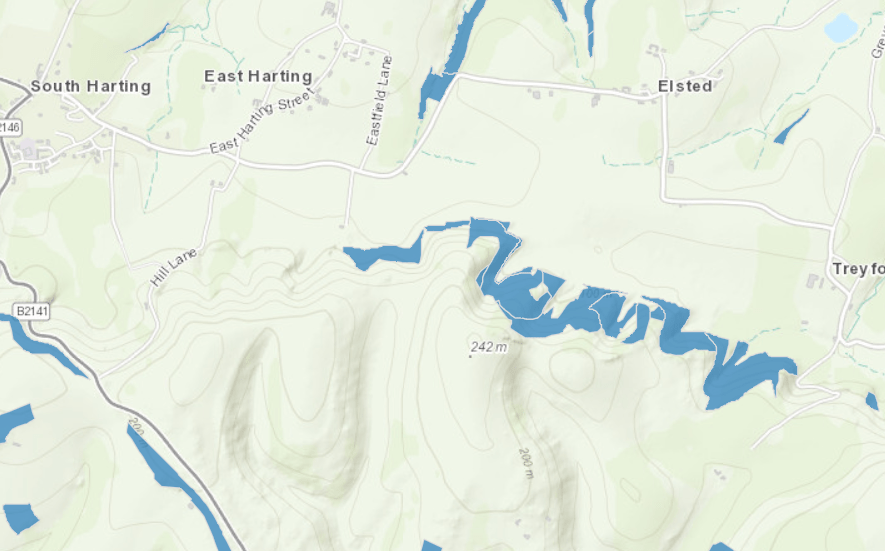
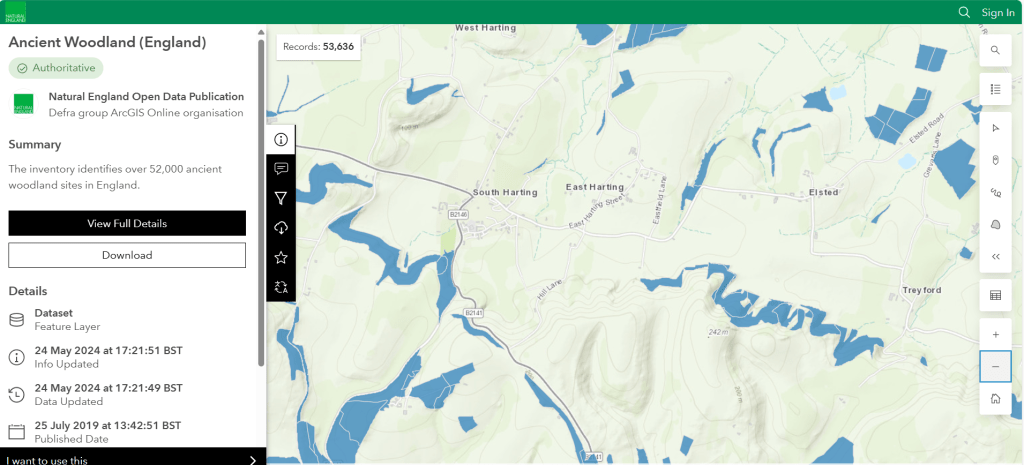
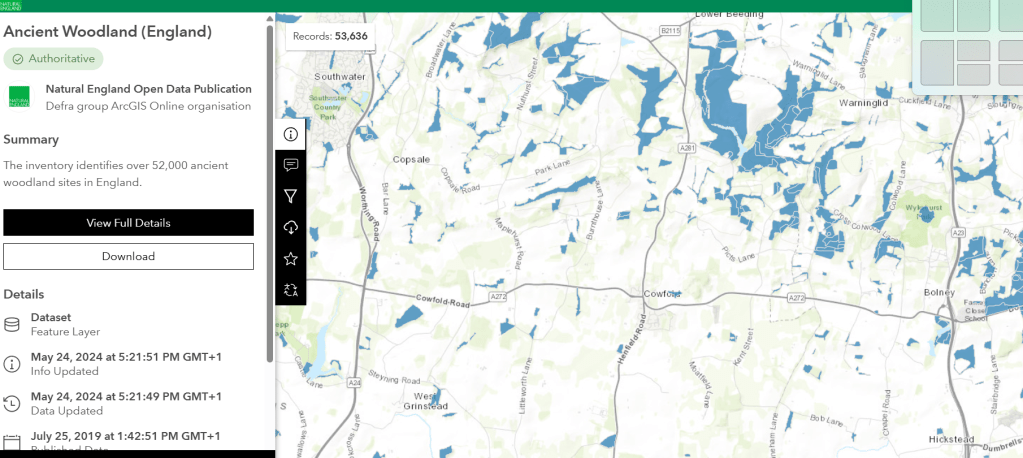
Both Casey’s Copse and Rooks Clift are designated by Nature England as ancient and semi-natural woodland. Looking at the Nature England ancient woodlands maps, it is clear that ancient woodland on the South Downs is mostly confined to the escarpments. There is much woodland in the Harting Down SSSI, but the dip slope woodland is not ancient.
Map from Natural England Open Data Ancient Woodland
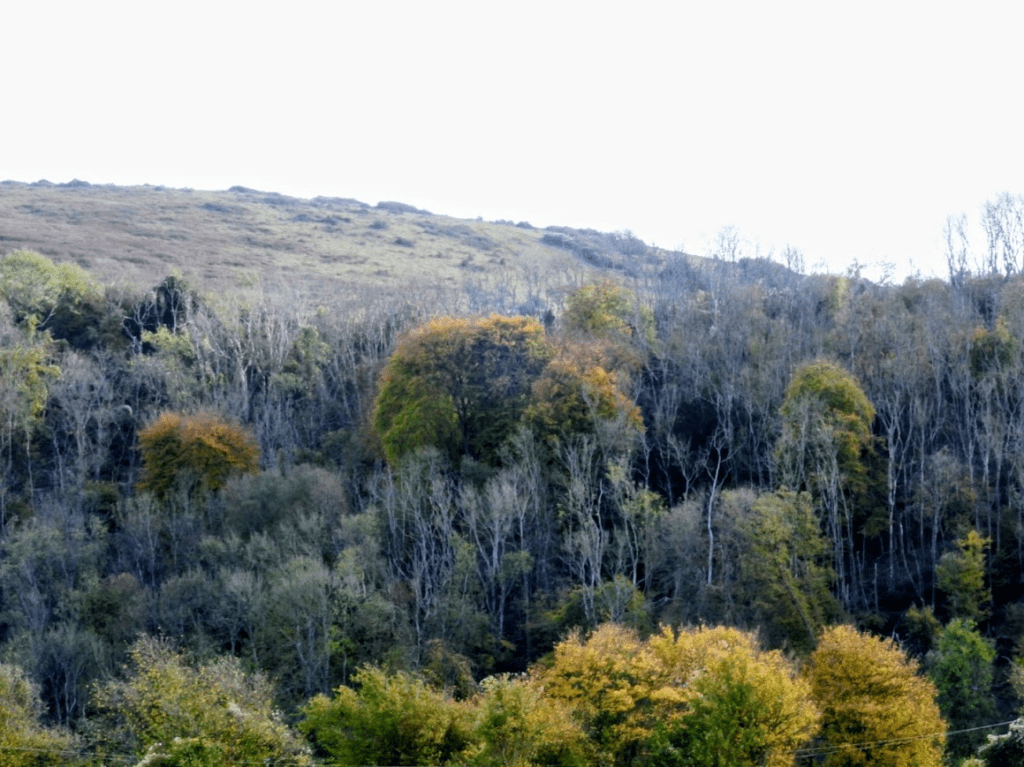
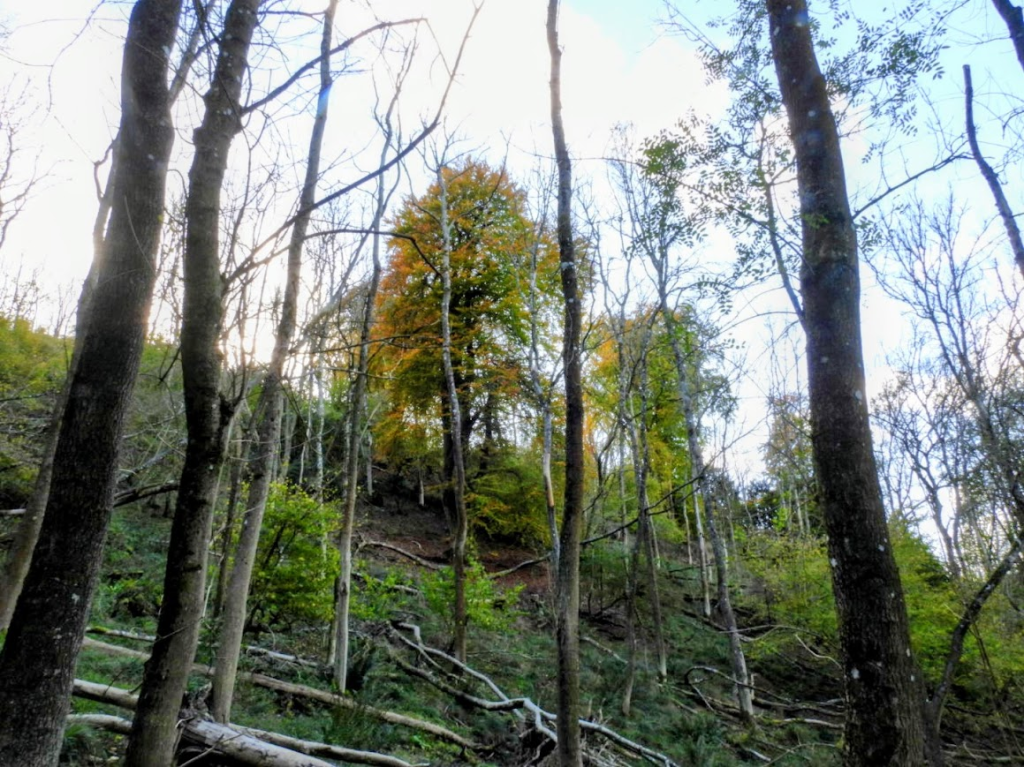
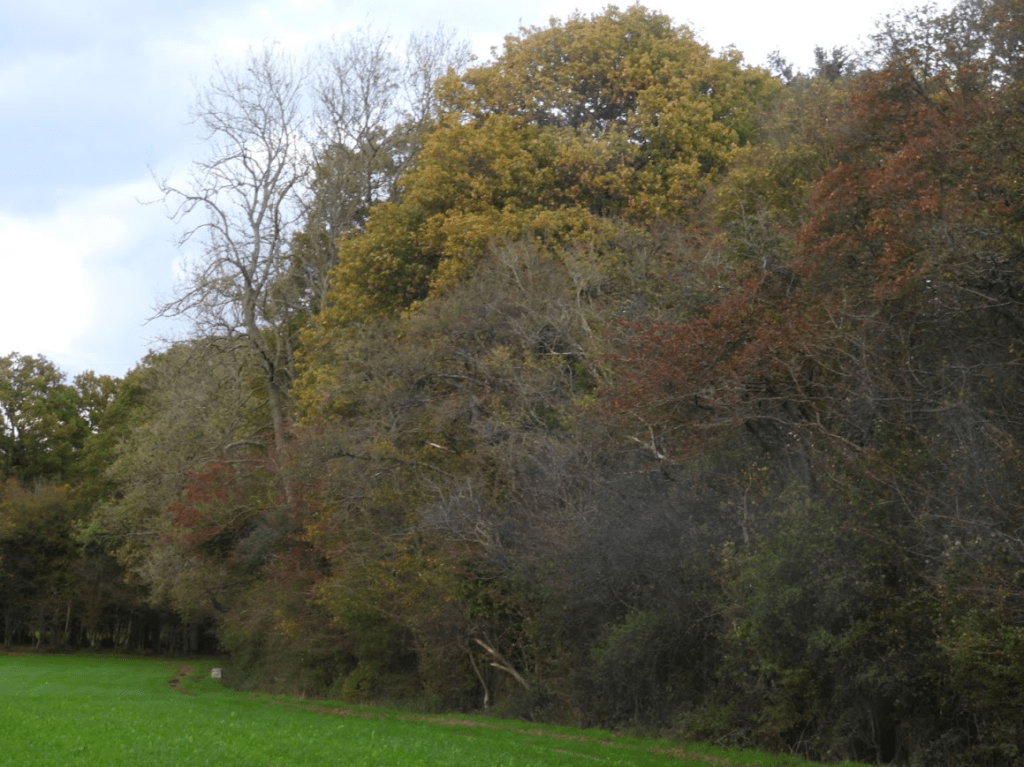
Looking up to the scape-slope woodland before reaching Casey’s Copse, green-orange Beech and dark green Yew stand out from the dying Ash.
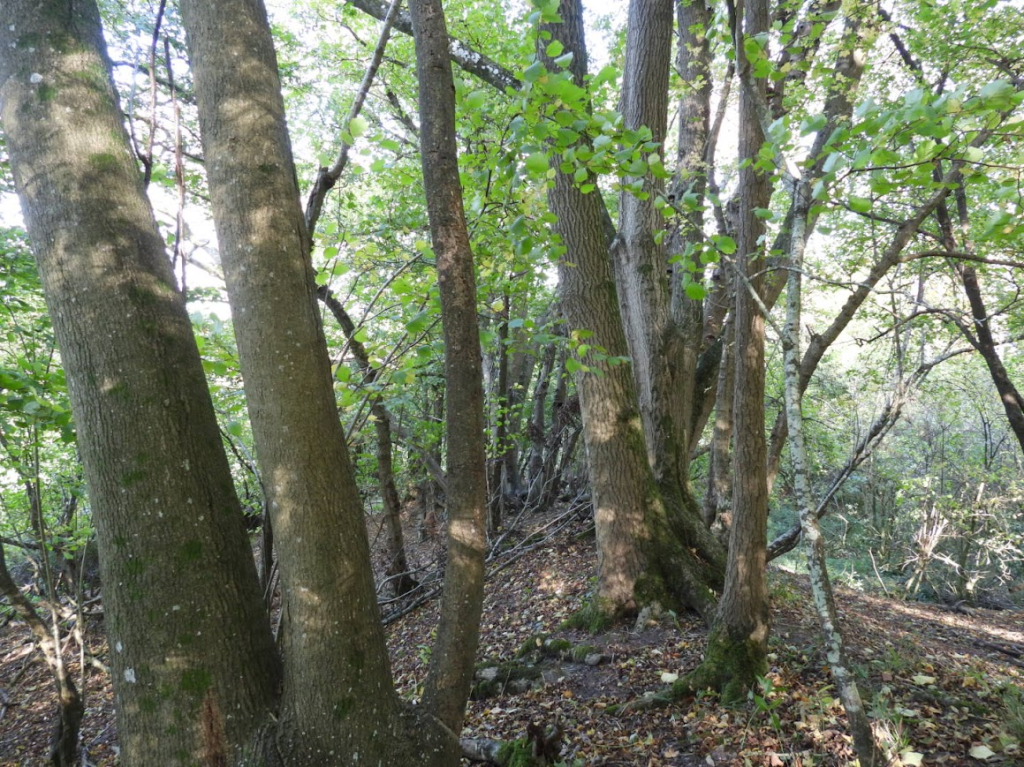
Casey’s Copse
The boundary bank at the scarp foot of mostly coppiced Ash. Scarp foot coppiced Ash seems to be less effected by Ash dieback than the maidens on the scarp slopes. Features like this tell us that most ancient woodland included much human intervention
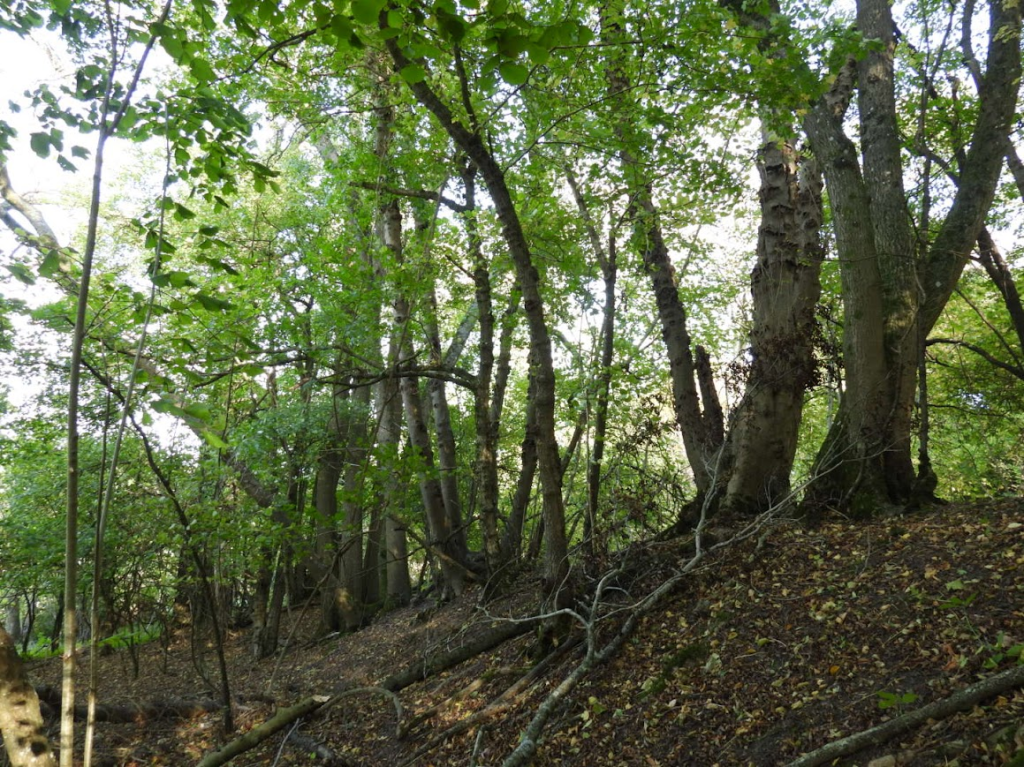
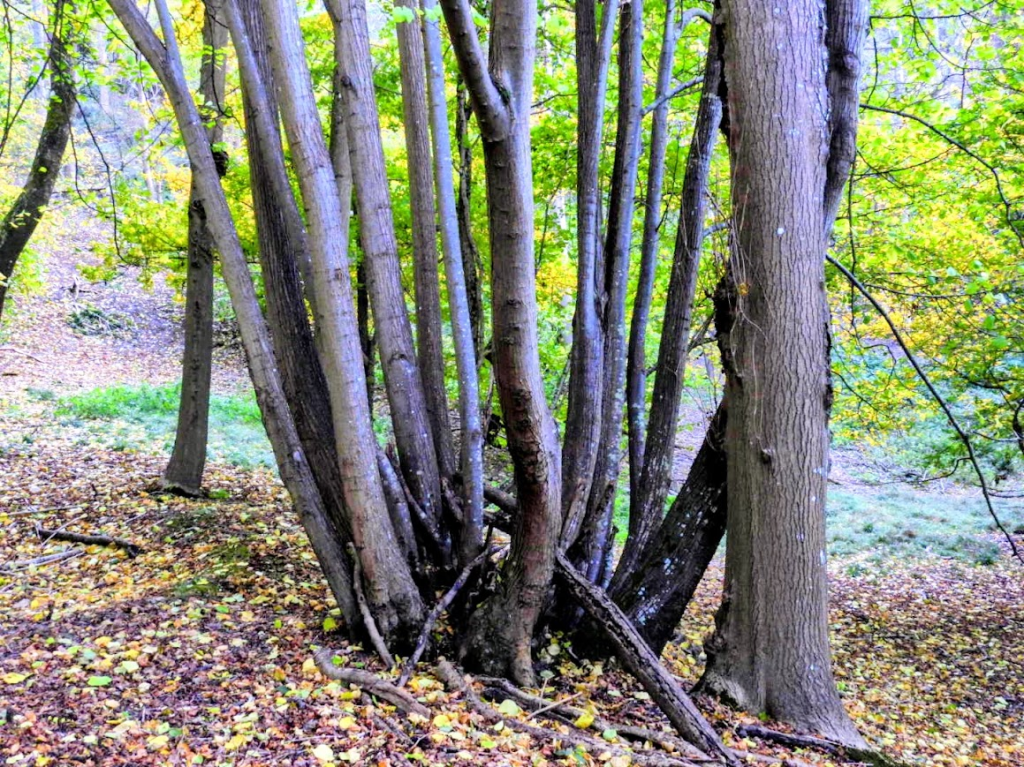
Some of the coppiced Large-Leaved Limes:
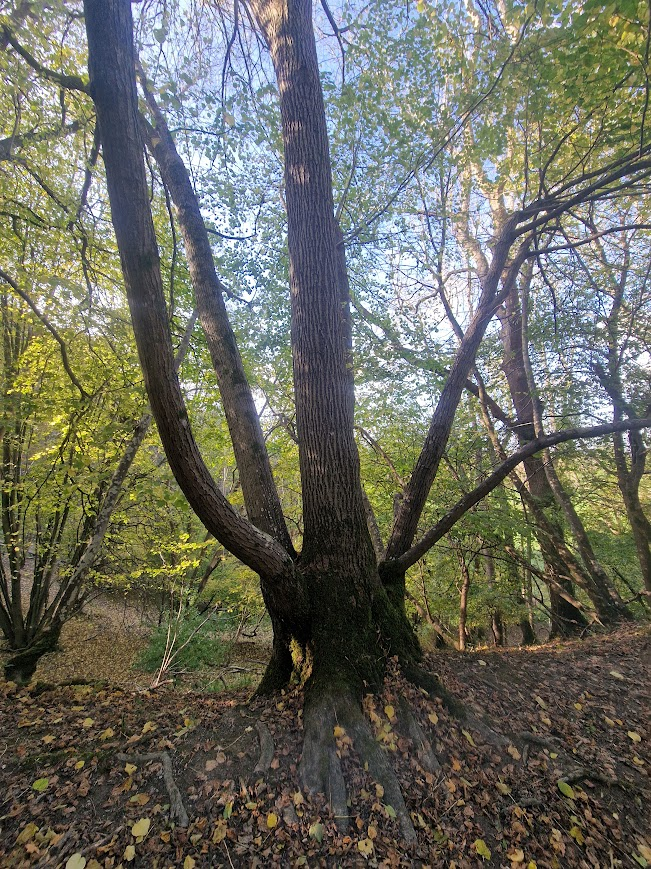
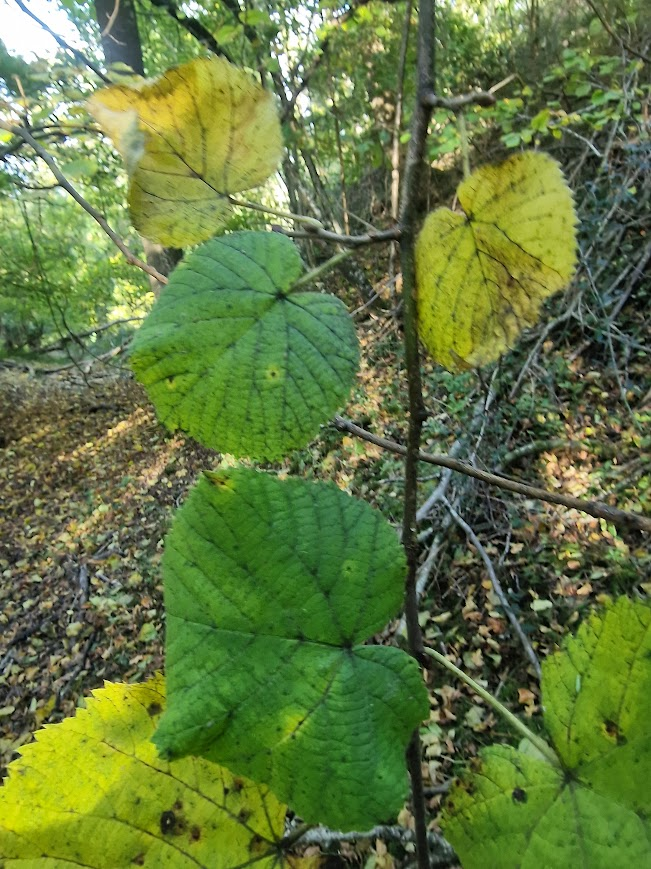

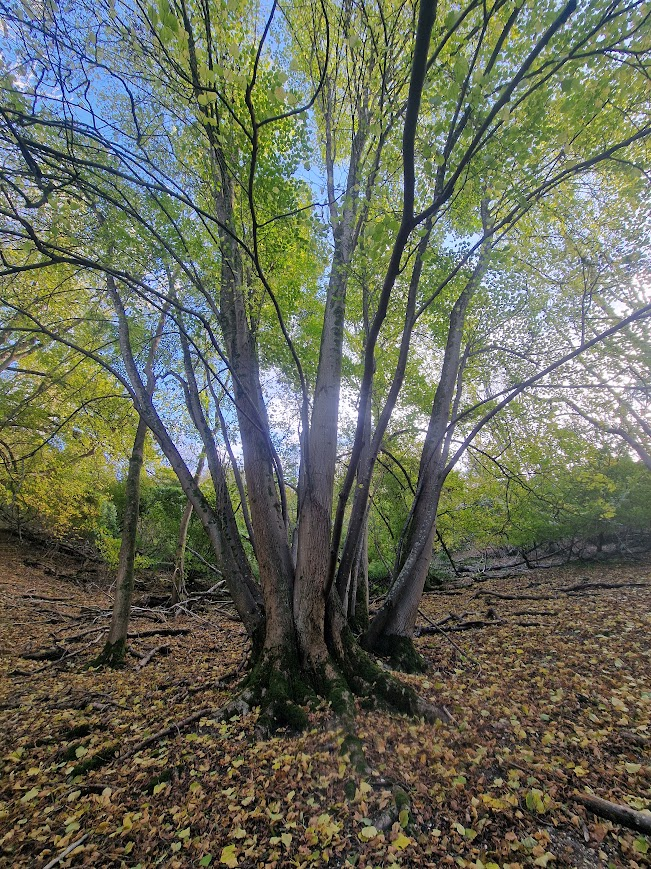
Looking through dead/dying Ash maidens toward Beech:
Coppiced lime with a maiden Ash next to it
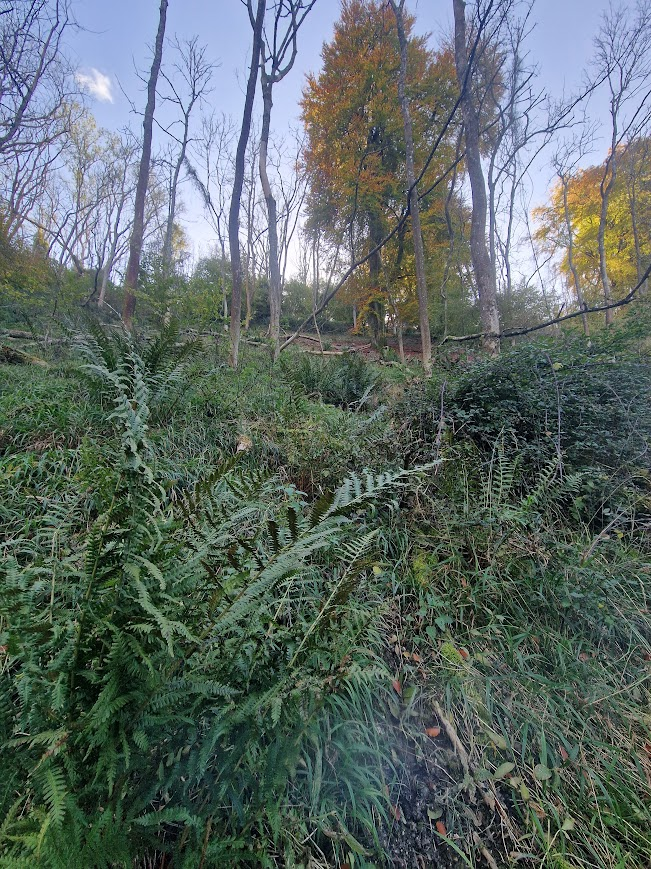
Looking though Soft Shield Fern at Beech
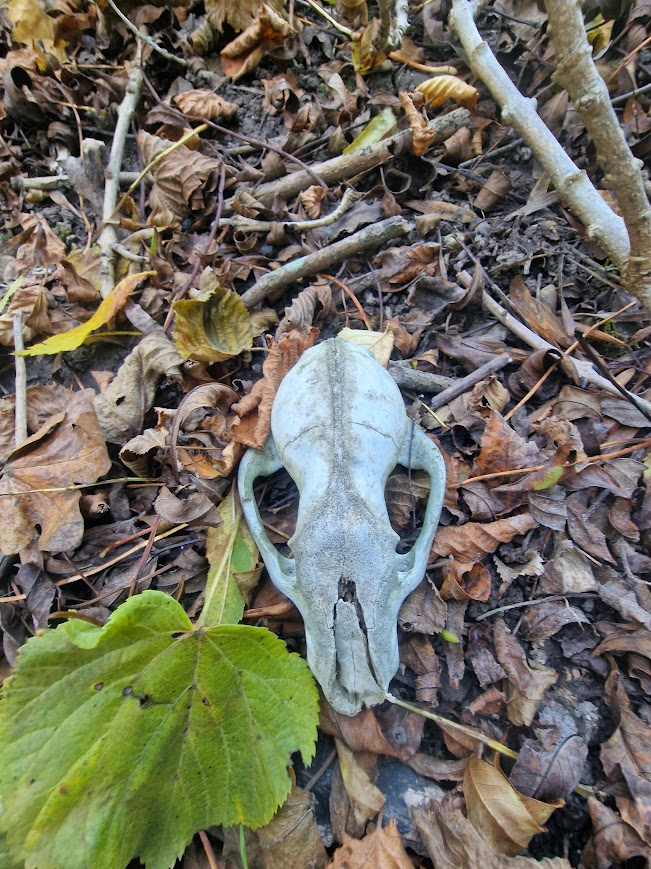
A Fox Skull next to a Long-leaved Lime leaf. In English folklore Long-Leaved Limes are associated with love, fertility, and justice. I hope the fox had lots of cubs!
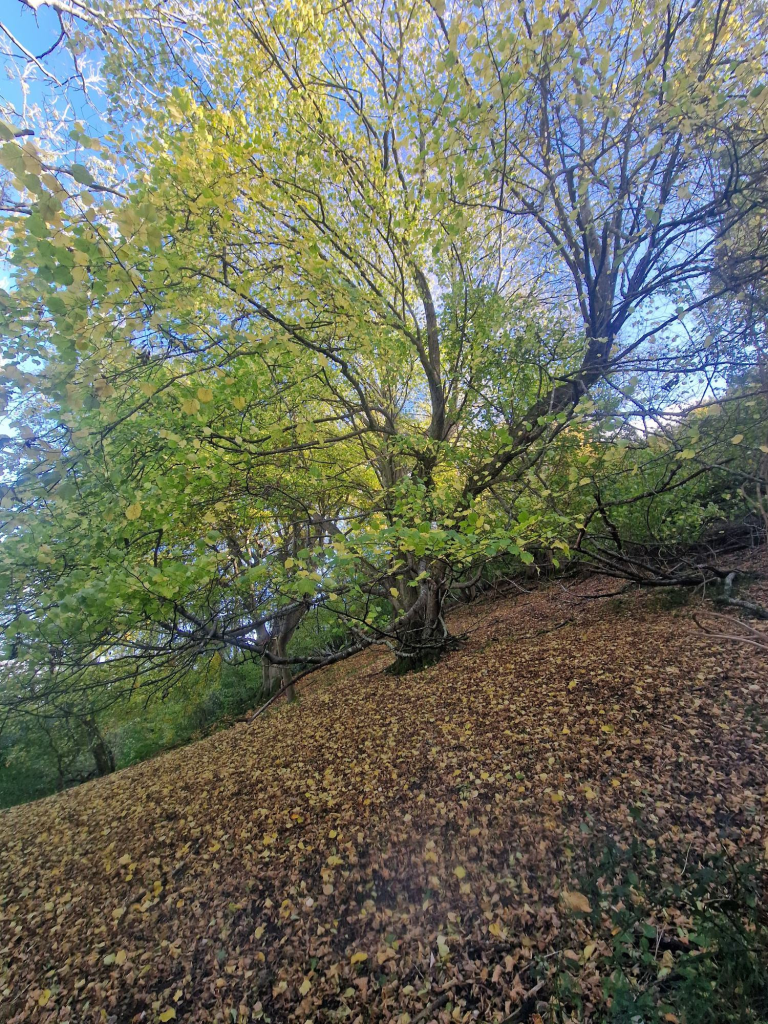
A seemingly very ancient coppiced Long-Leaved Lime

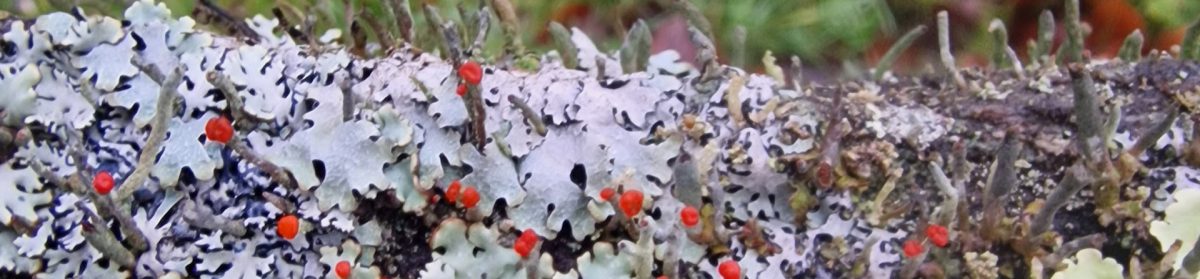
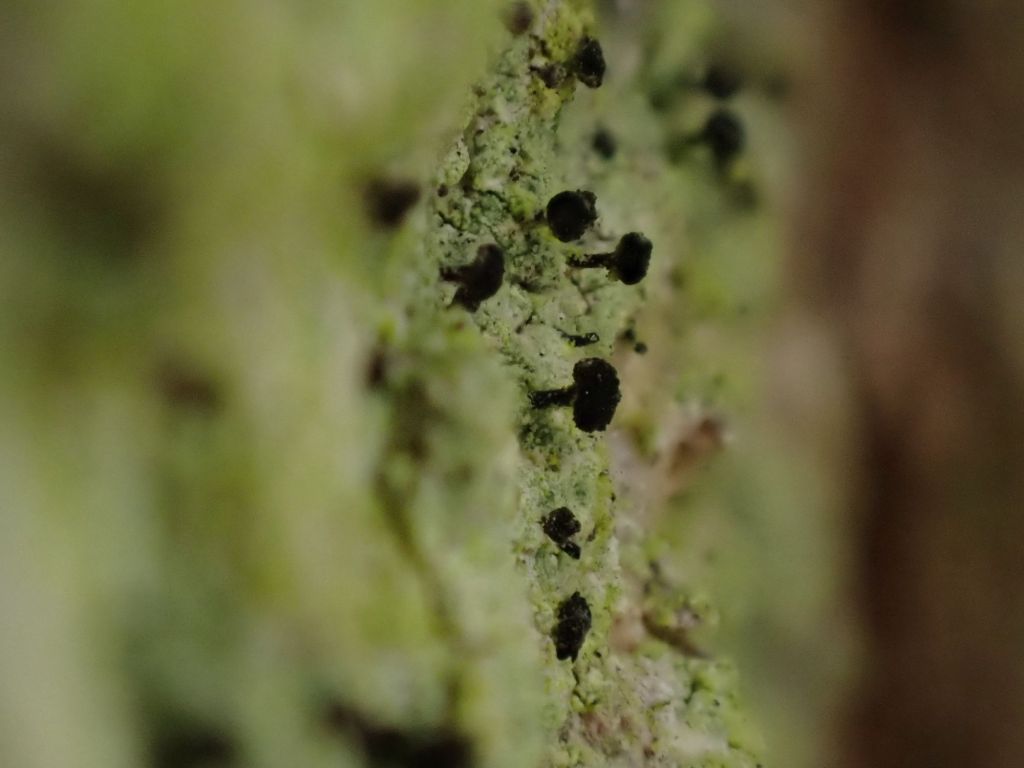
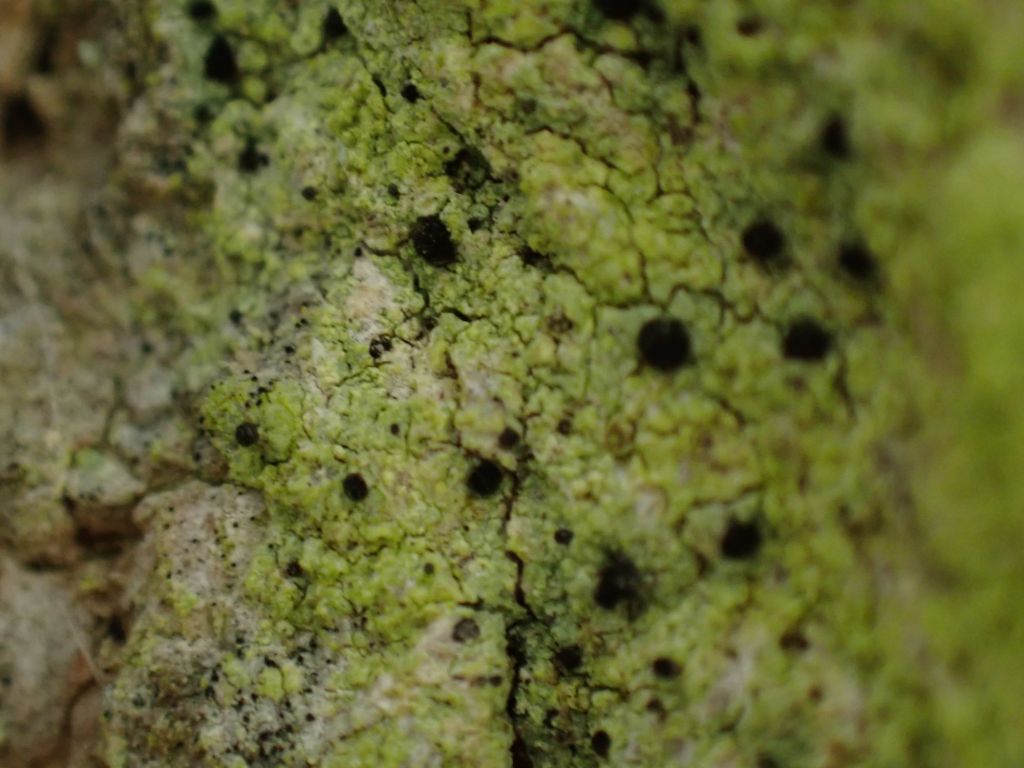
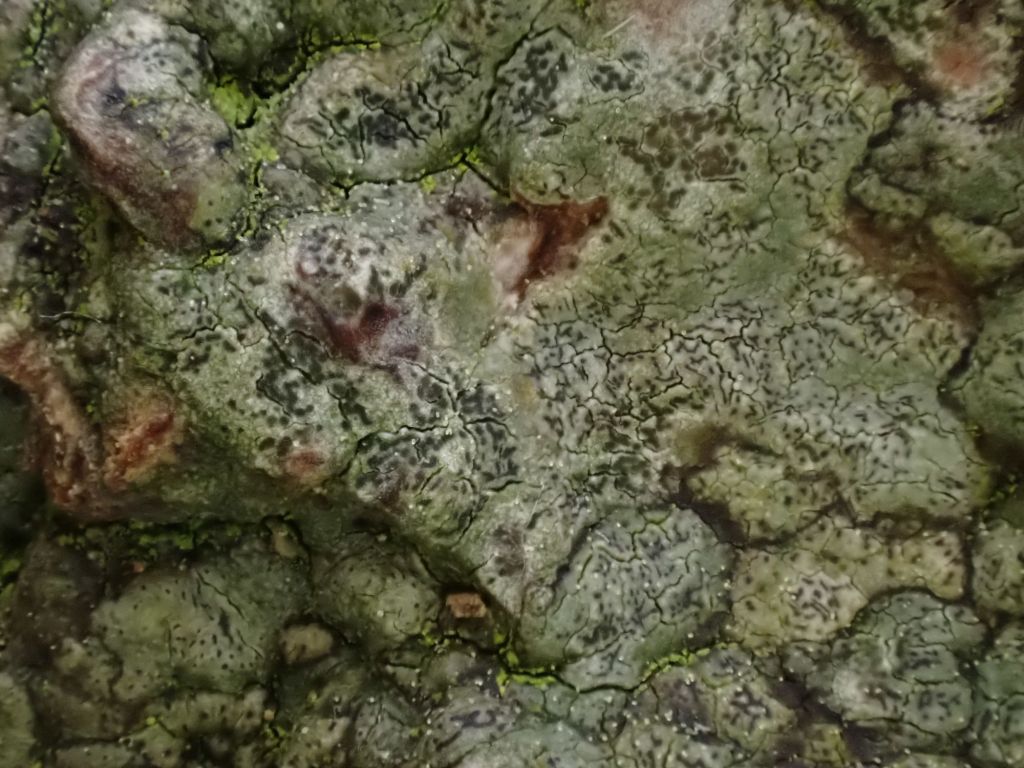
Some of the lichens on this lime: Pertusaria leioplaca, Graphis scripta s.l. (Writing Lichen); Pertusaria pertusa (Pepper Pot Witing). All of these are common on smooth-barked trees like Beech, Sweet Chestnut and Lime
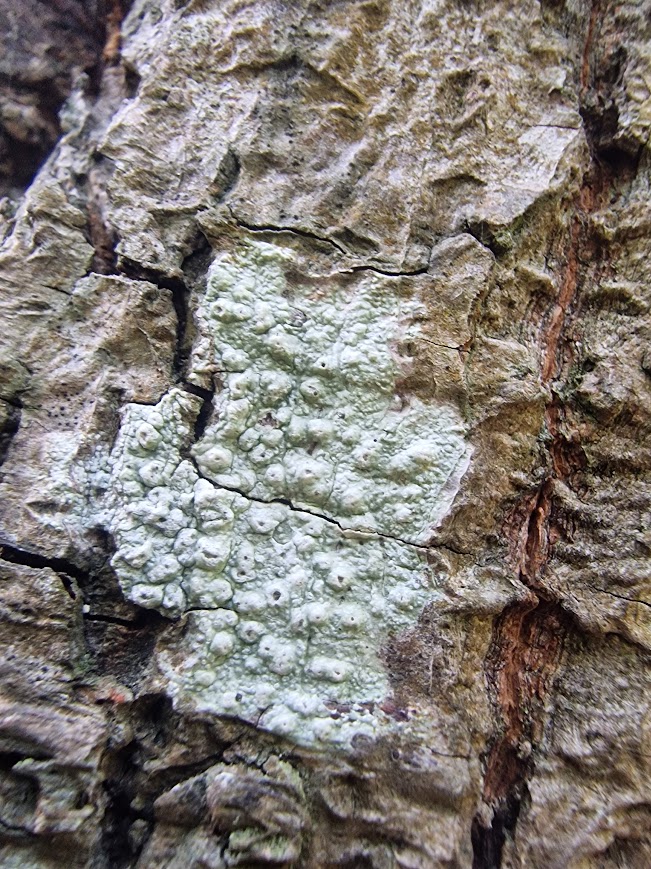
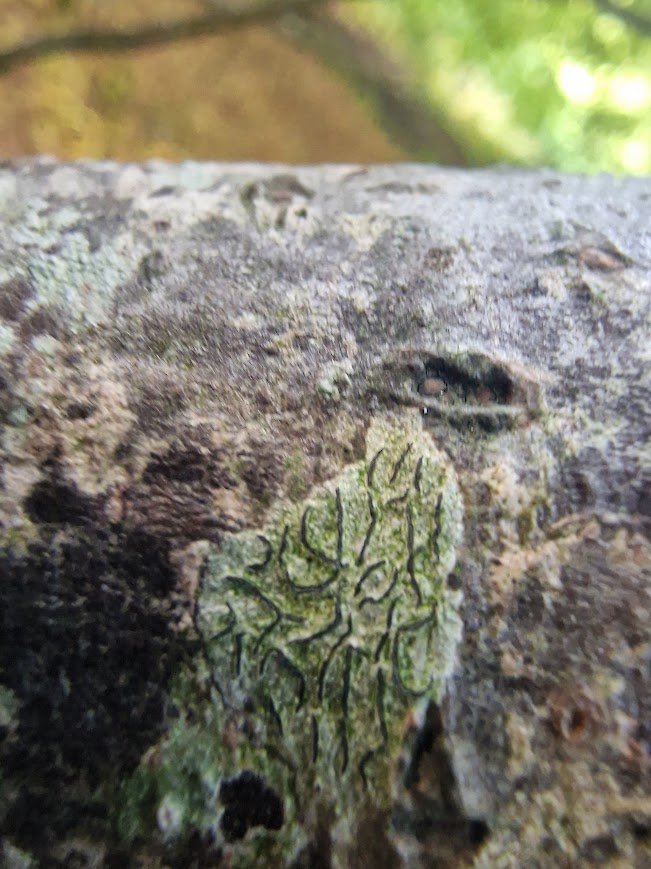
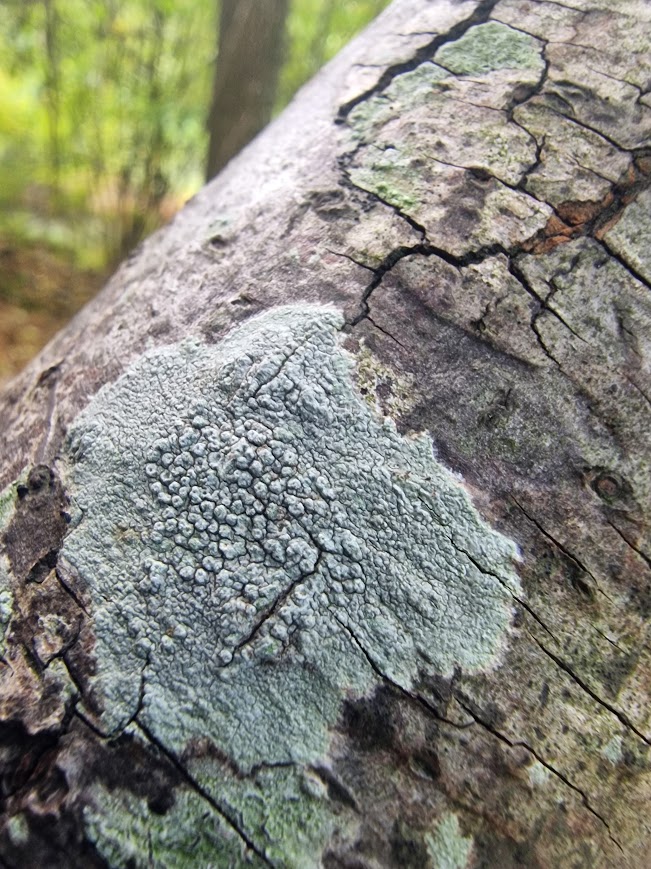
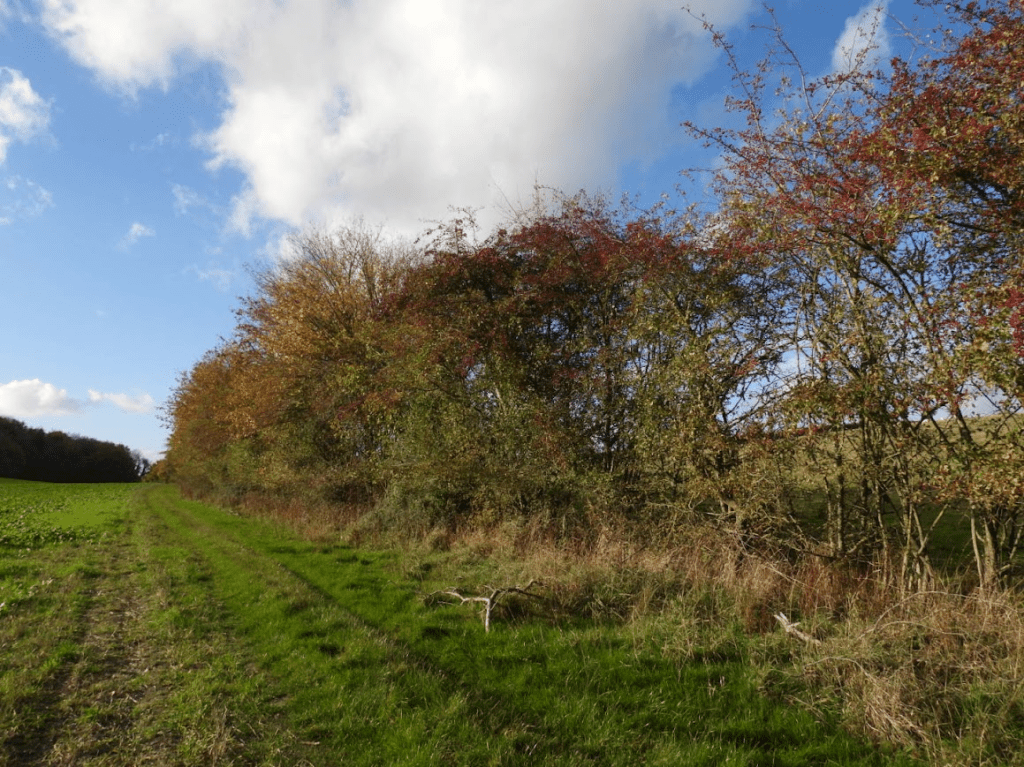
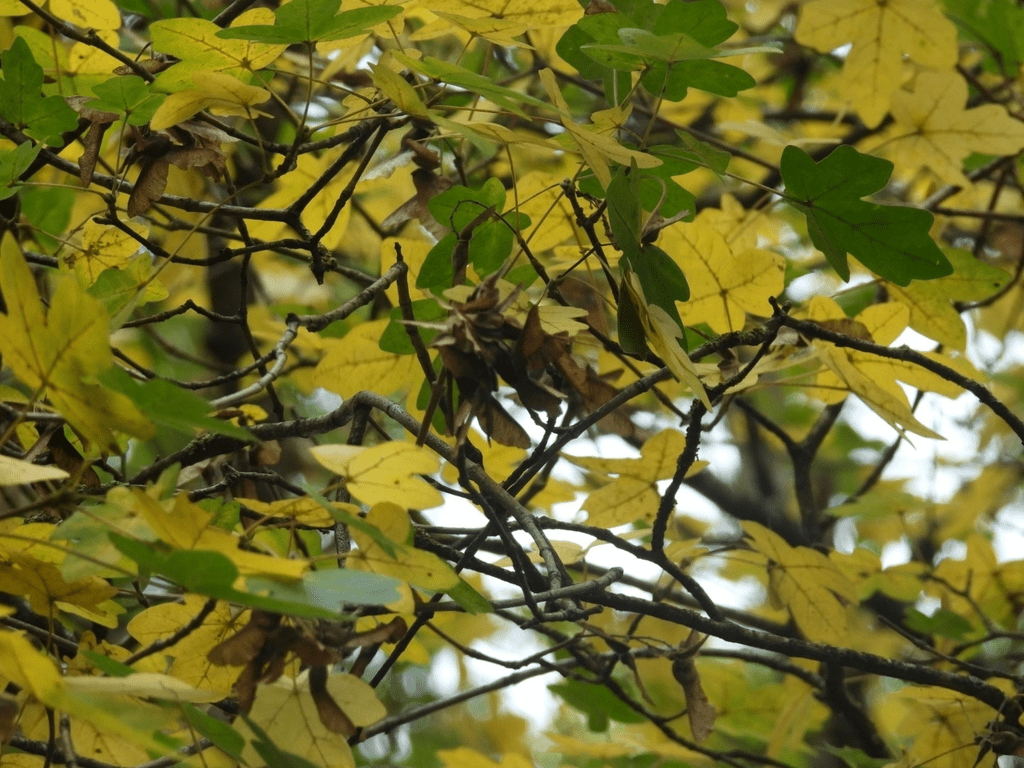
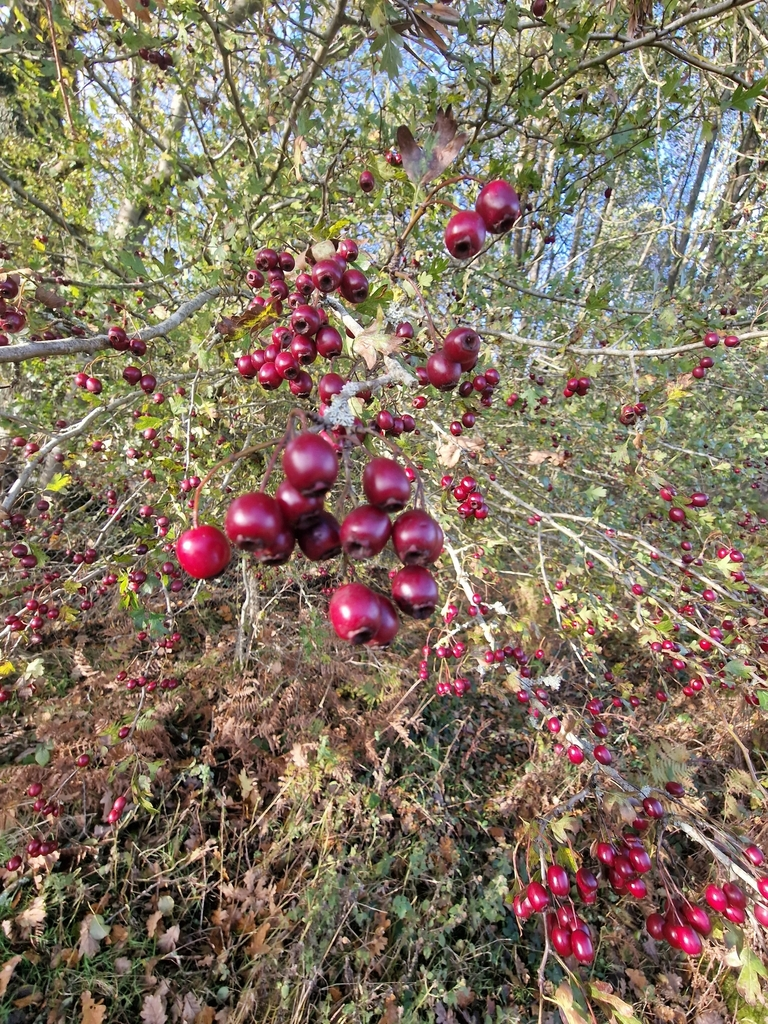
Walking along a hollow-way trackway at the foot of the downs, on gault clay. Trees: Hawthorn, Field Maple, Hazel

Hedgerow, from when the hollow-way ends.
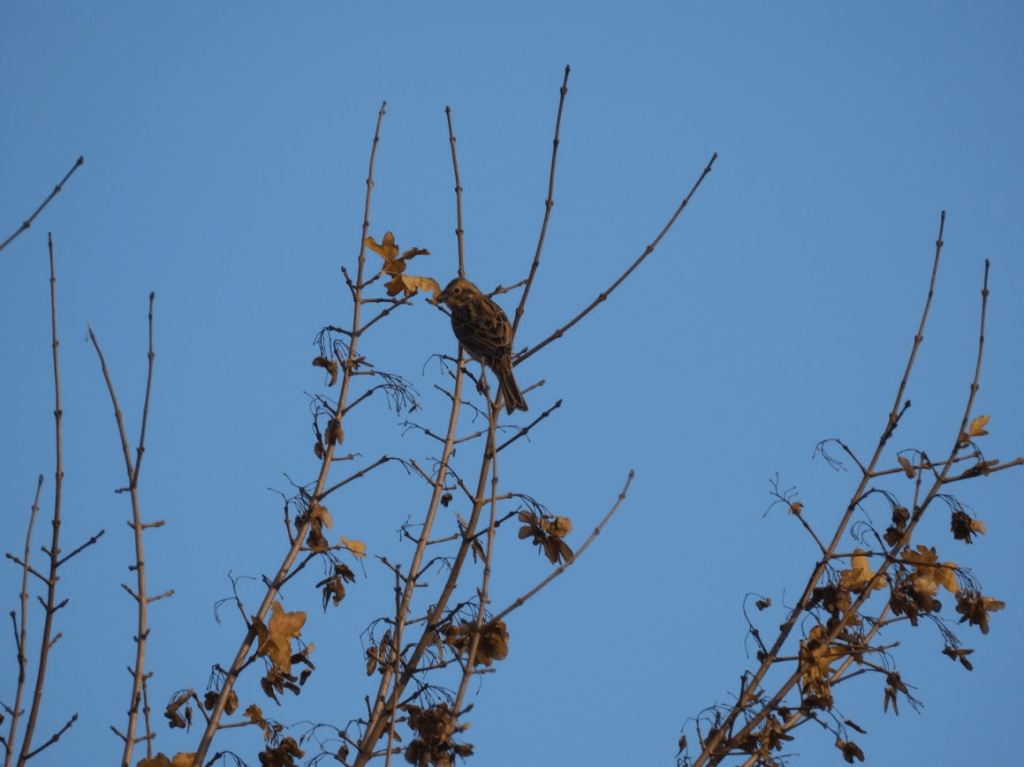
One of a flock of about eight Yellow Hammers in the hedgerow
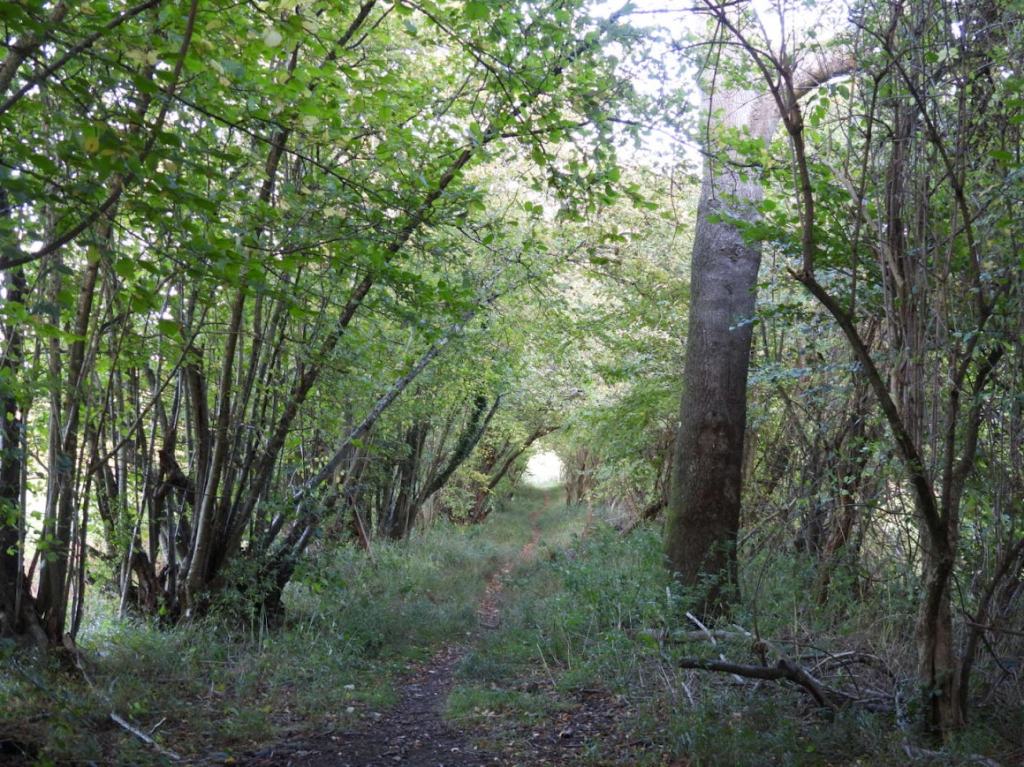
Path to the base of the bostal up Rooks Clift
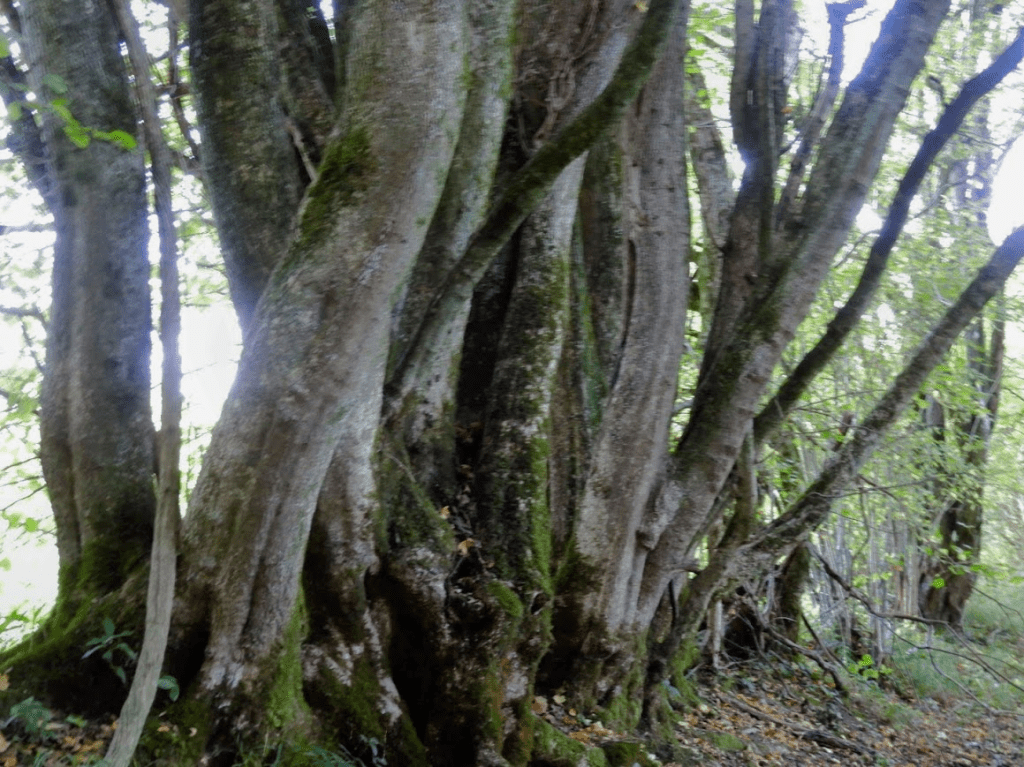
Coppiced Ash along the path
Rooks Clift
Trackway up the north side pf the clift (variant of cleft, geographical: meaning a fissure or break)
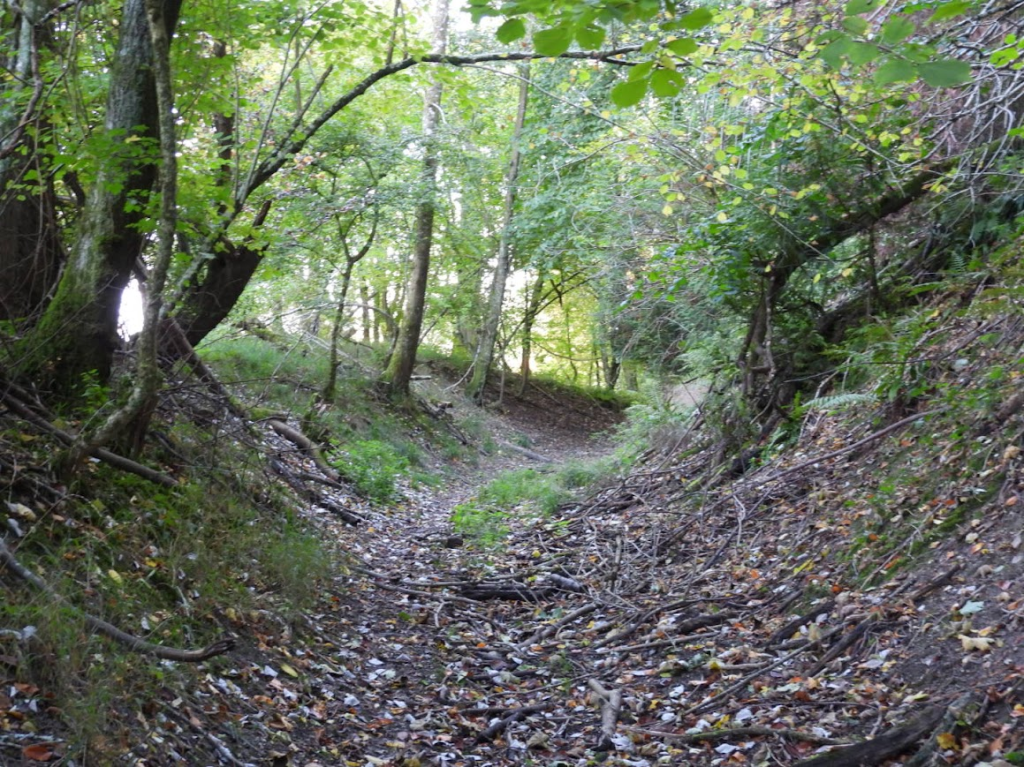
Beech on the edge of the steep slope into the valley (clift) formed by a stream fed by a chalk spring
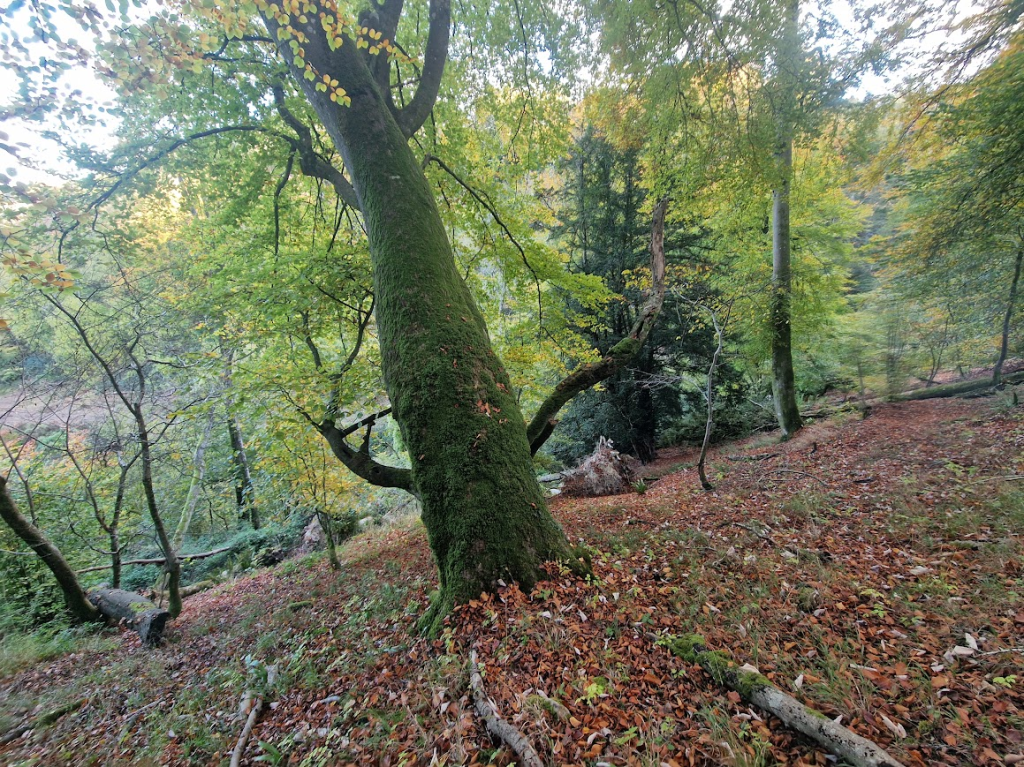
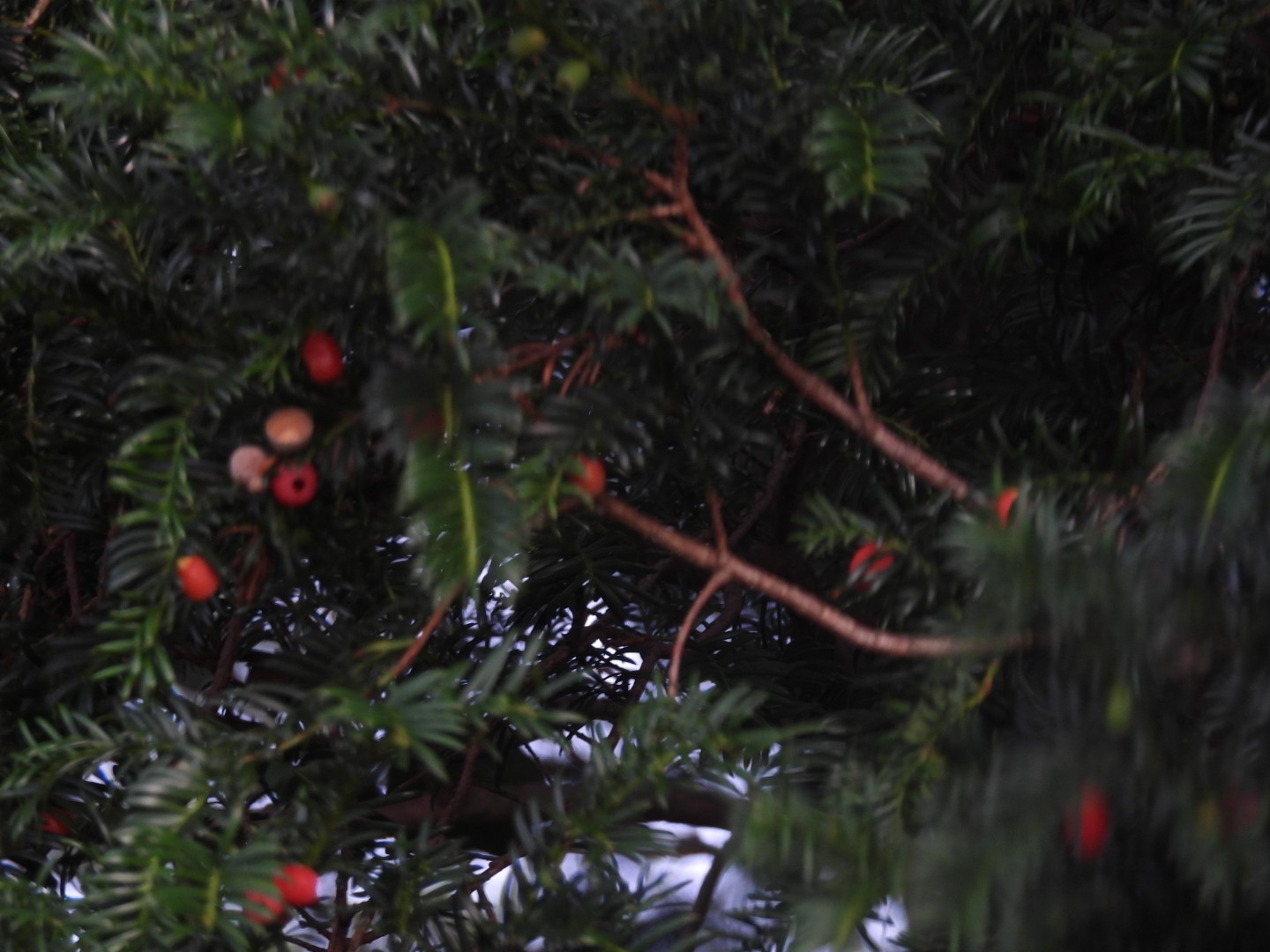
Yew
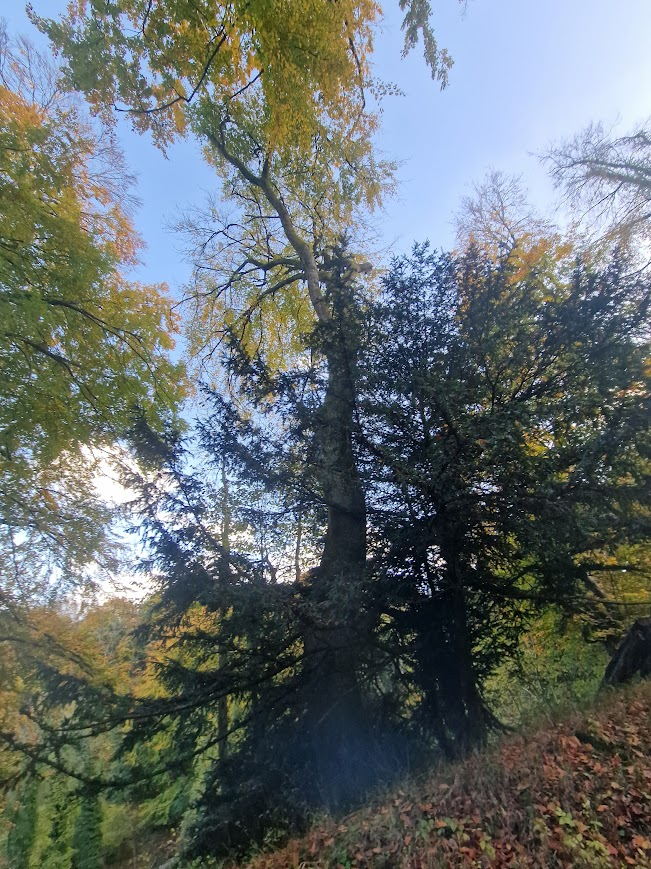
Soft Shield Fern
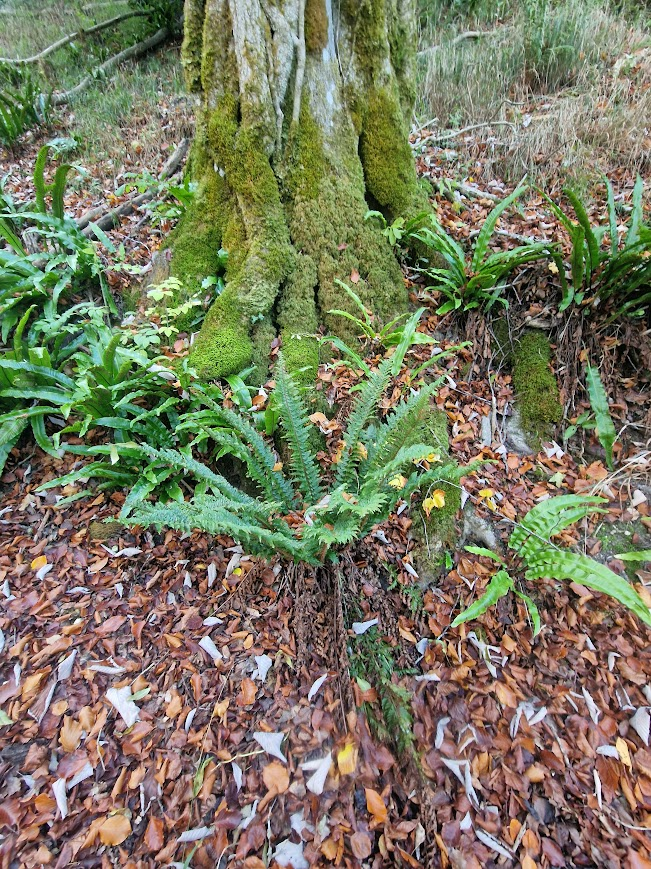
Beech
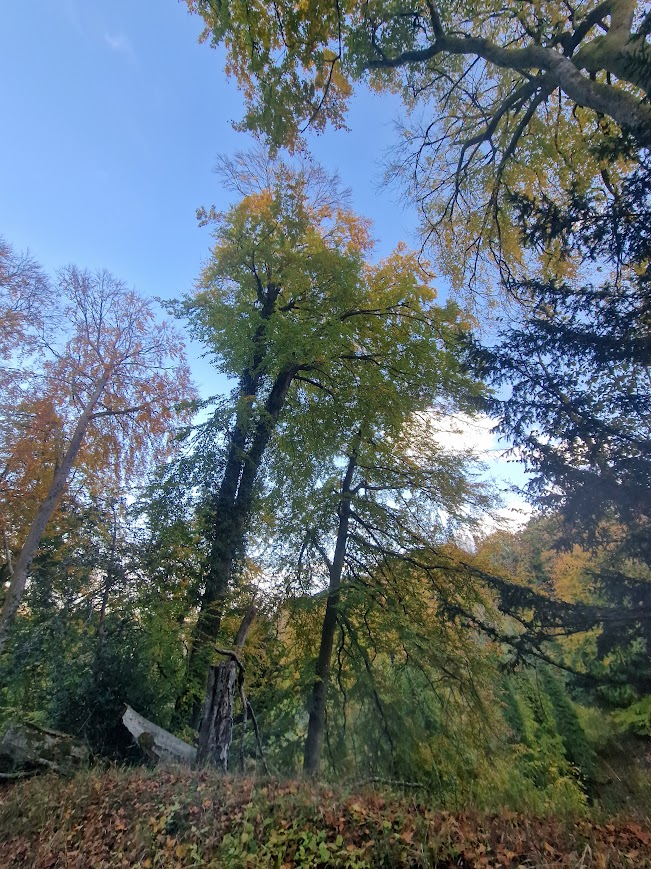
False Brome
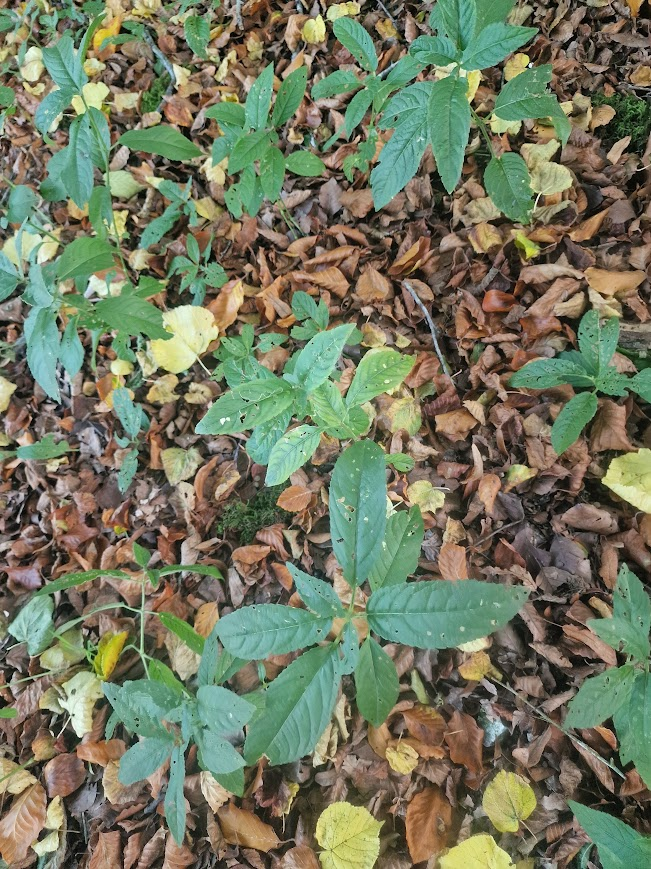
Dogs Mercury
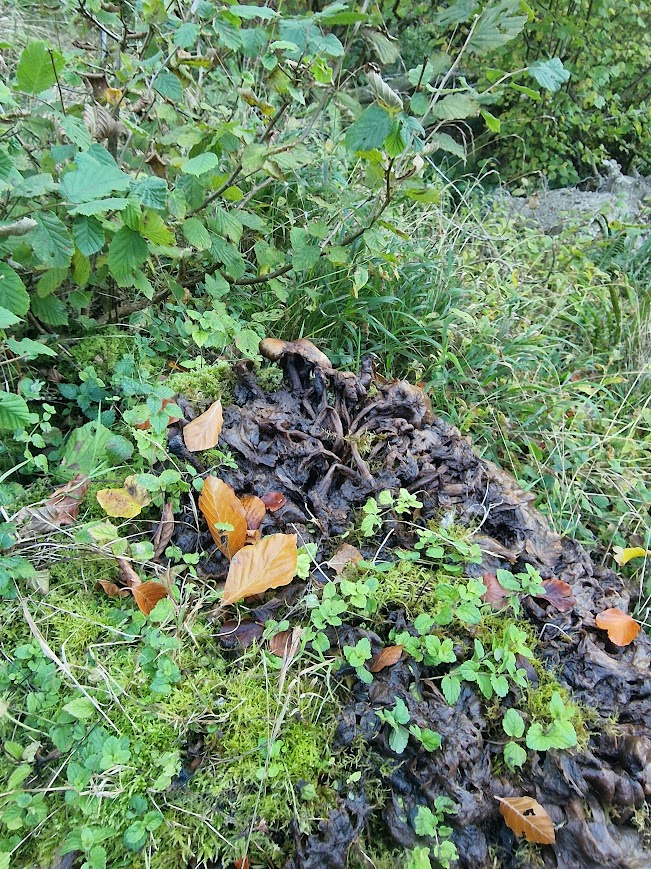
Fungus (probably Armillaira sp.) in the process of deliquescing
Going down the south side of the clift
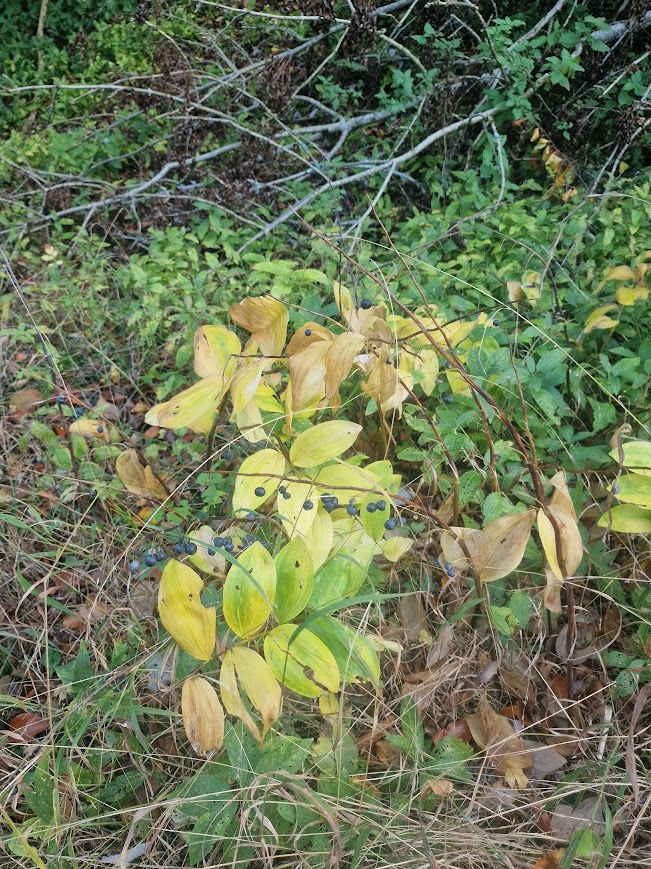
Solomon’s Seal – extremely abundant
At this point if I had turned south and walked on I would have come to the grove of ca. 80 Long-Leaved Limes; but if I had done that I would have had to have walked back to South Harting as it got dark; that did not feel safe, so I am returning to Rook Clift on Saturday – watch out for Part II of this post!!!
Wych Elm
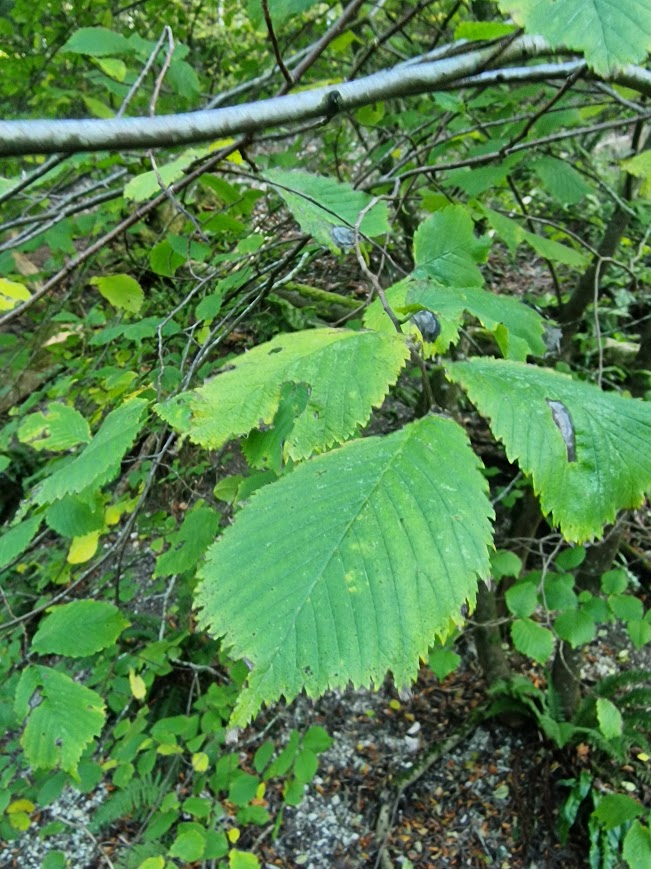
young Wych Elm tree (leaves to left; leaves on right, Hazel))
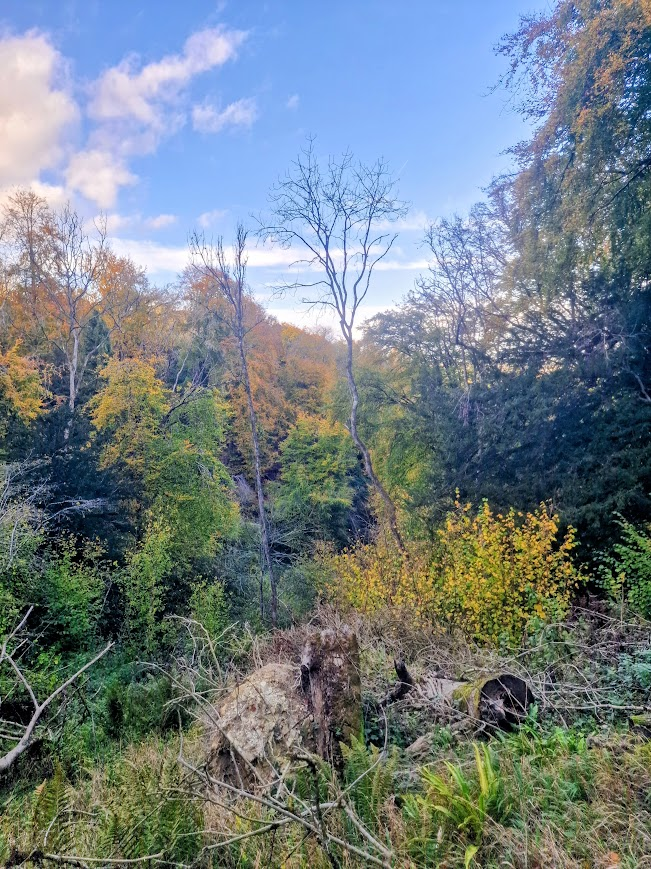
View from the south side f Rooks Clift to the north side: Beech and dying Ash
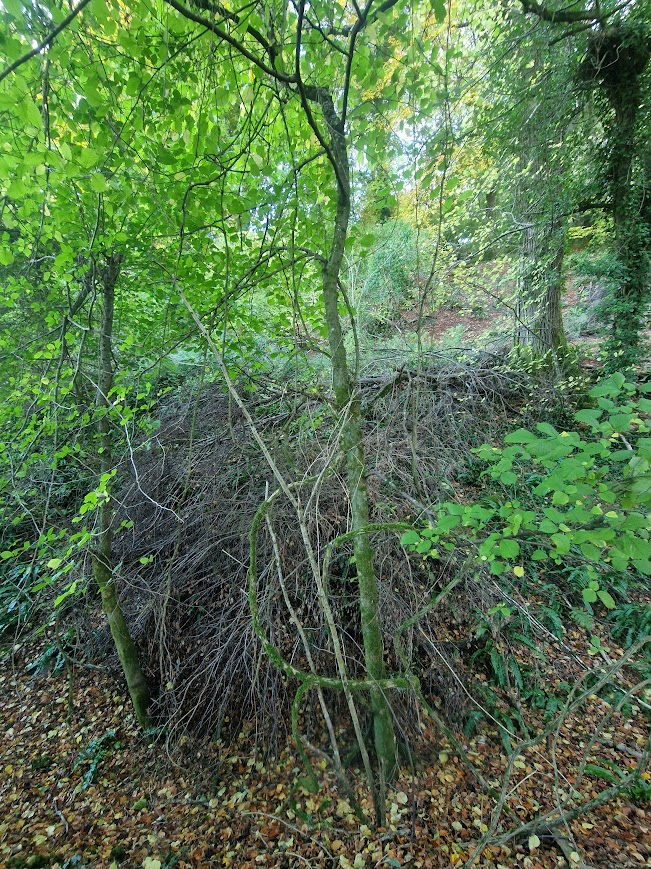
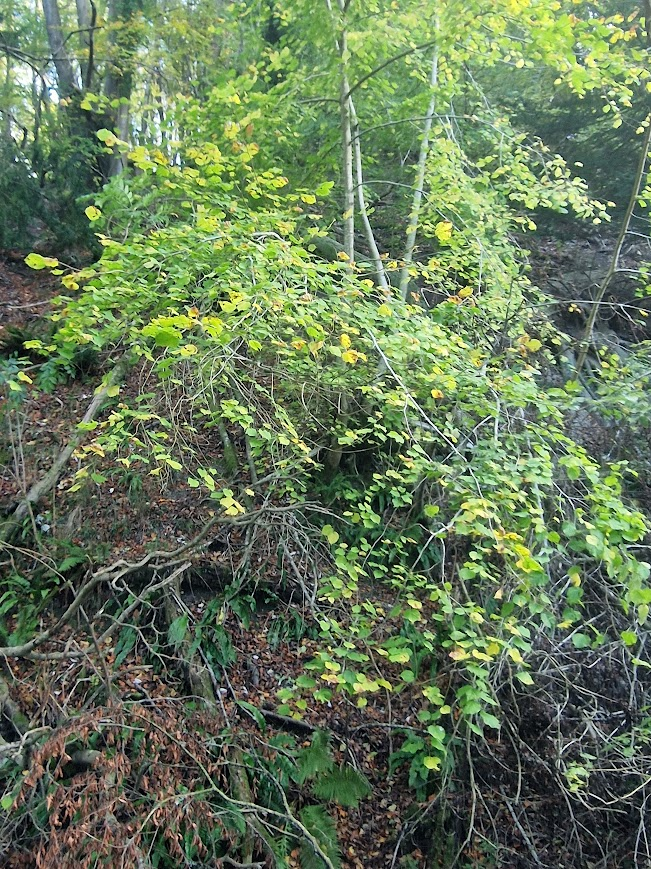
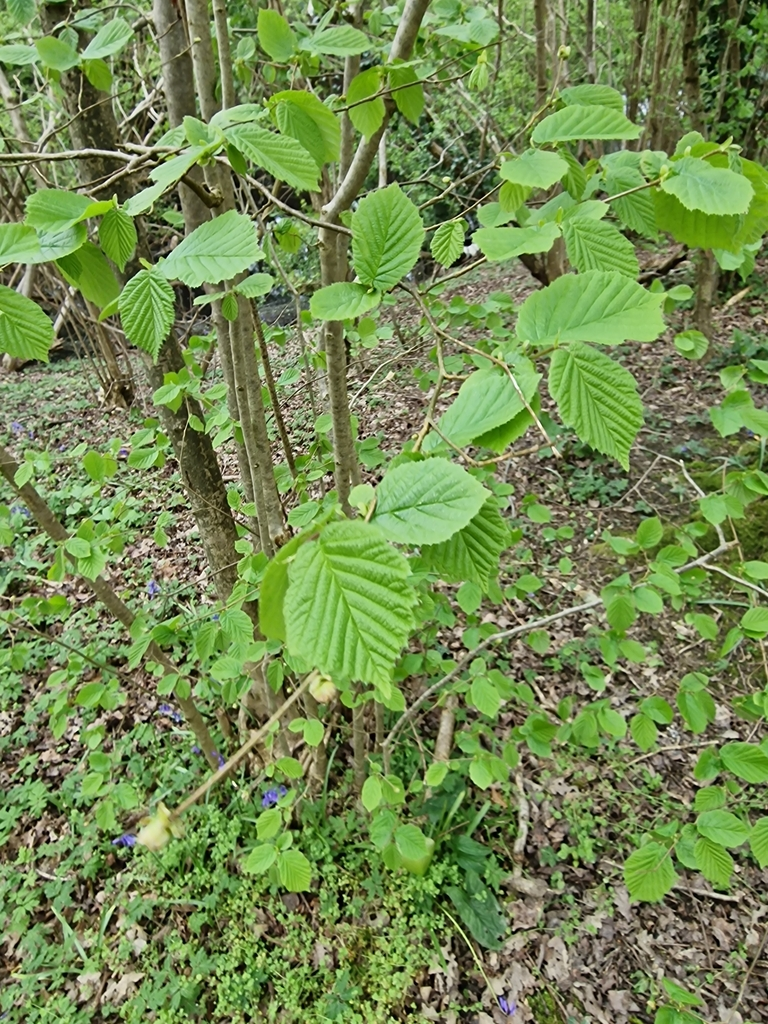
Hazel
Sunken trackway bedside the path on south side of clift

full of Harts-tongue Fern; extremely abundant, as in many South Downs hanger woods
Bank of sunken trackway with coppiced Beech
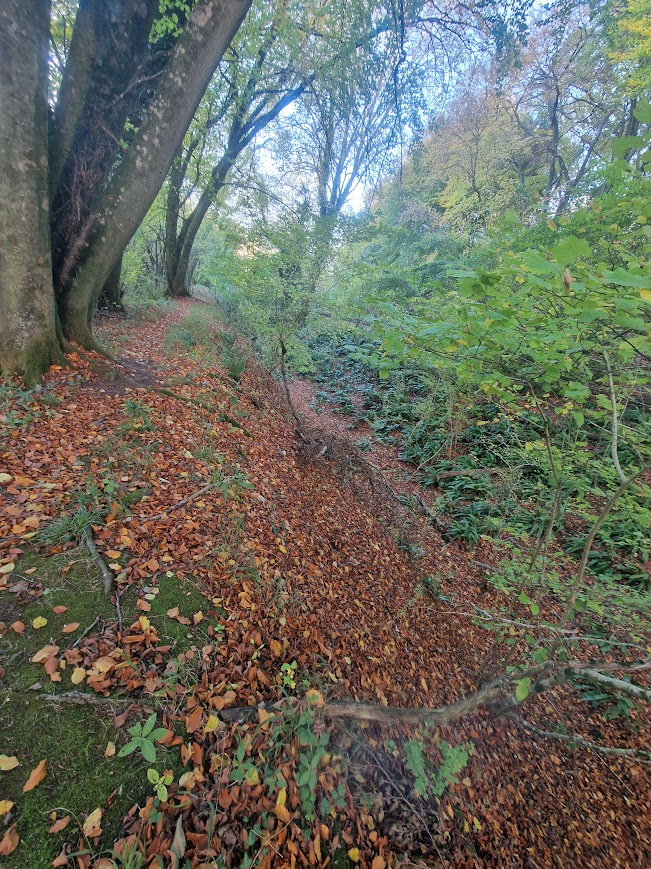
Back to the scarp foot path
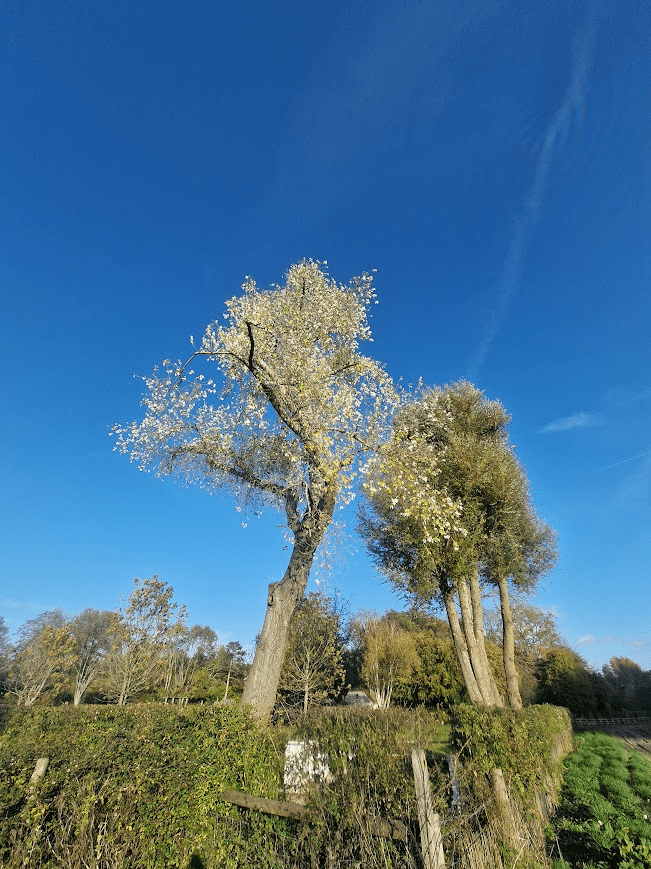
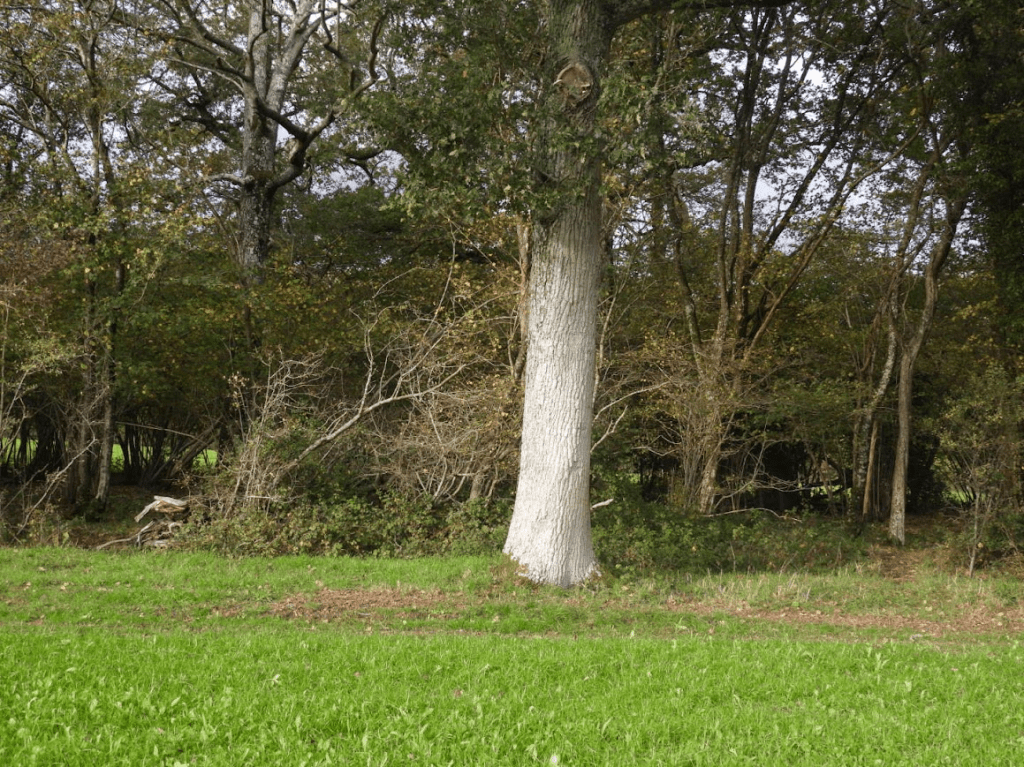
White Poplar
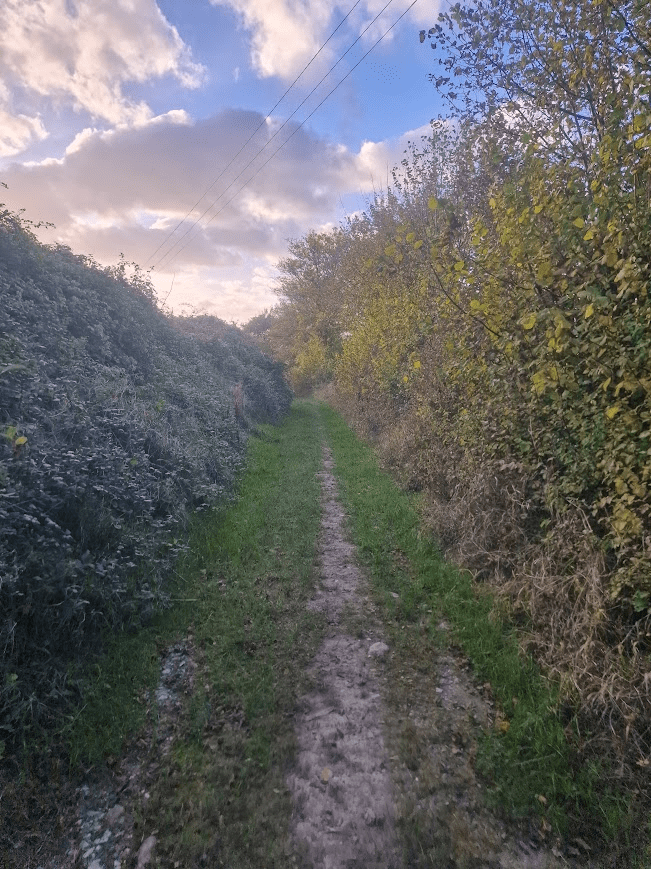
Getting dark – back along the hedged trackway
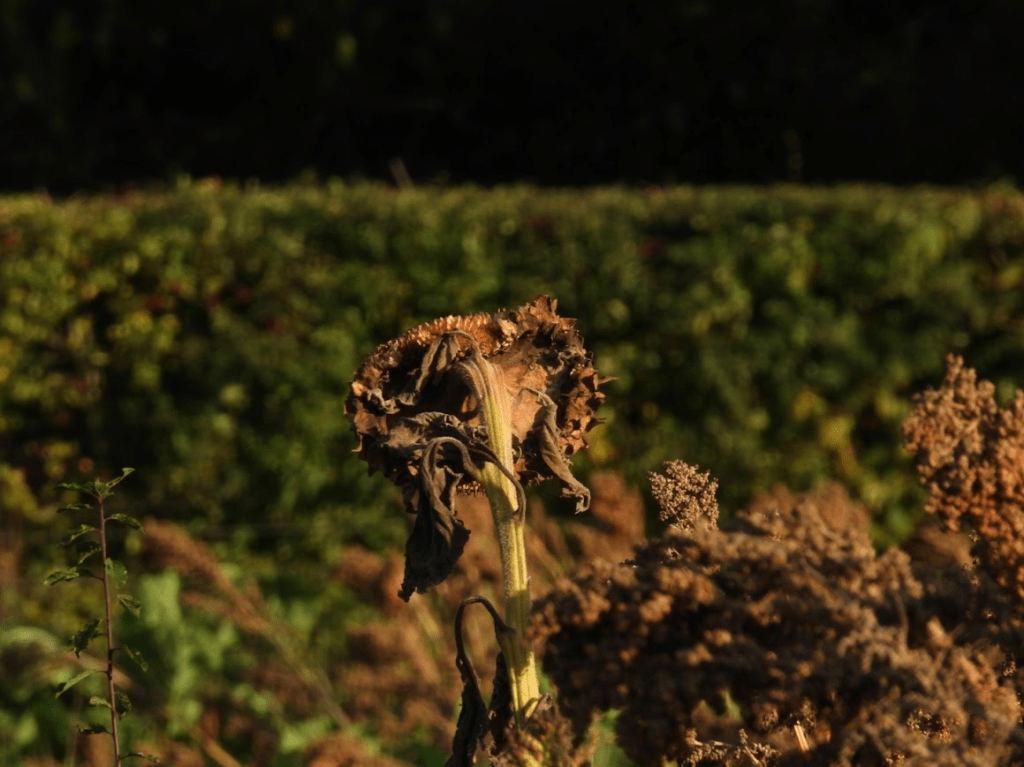
Getting darker -past a field of Sunflowers
Terrible photo of a Raven at dusk

For most of the afternoon I had heard Ravens kwaaking overhead; it gave Rooks Clift a more Poe-like Ravens Clift feel!




 Sim's Nature Notes