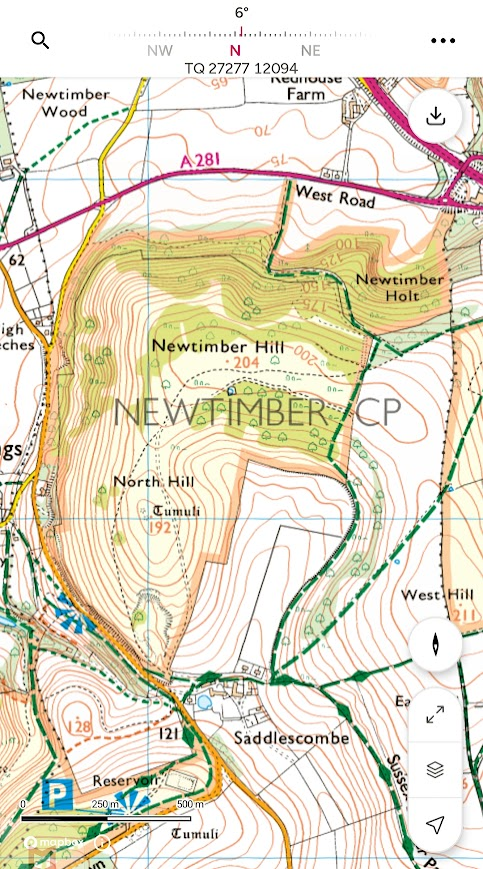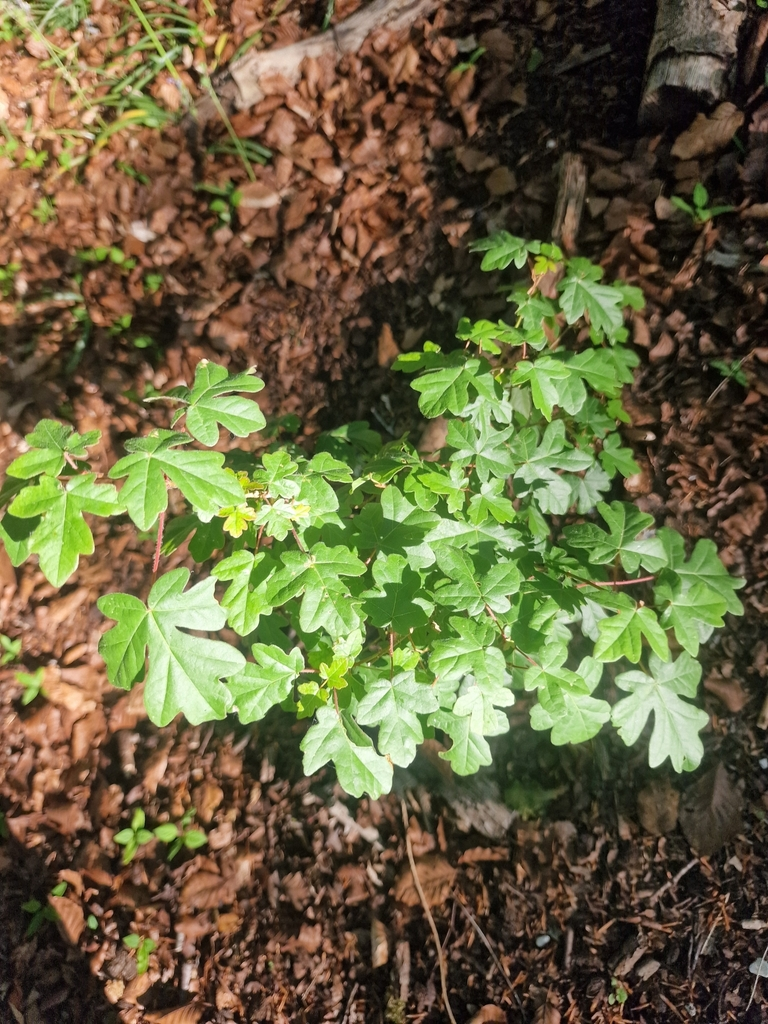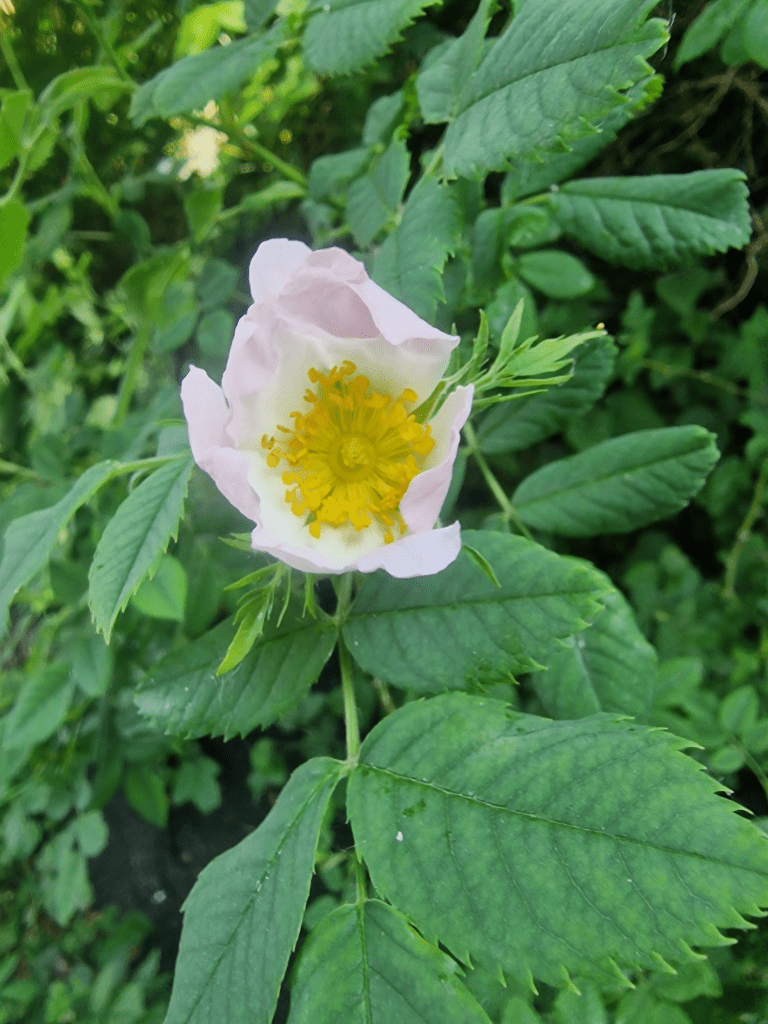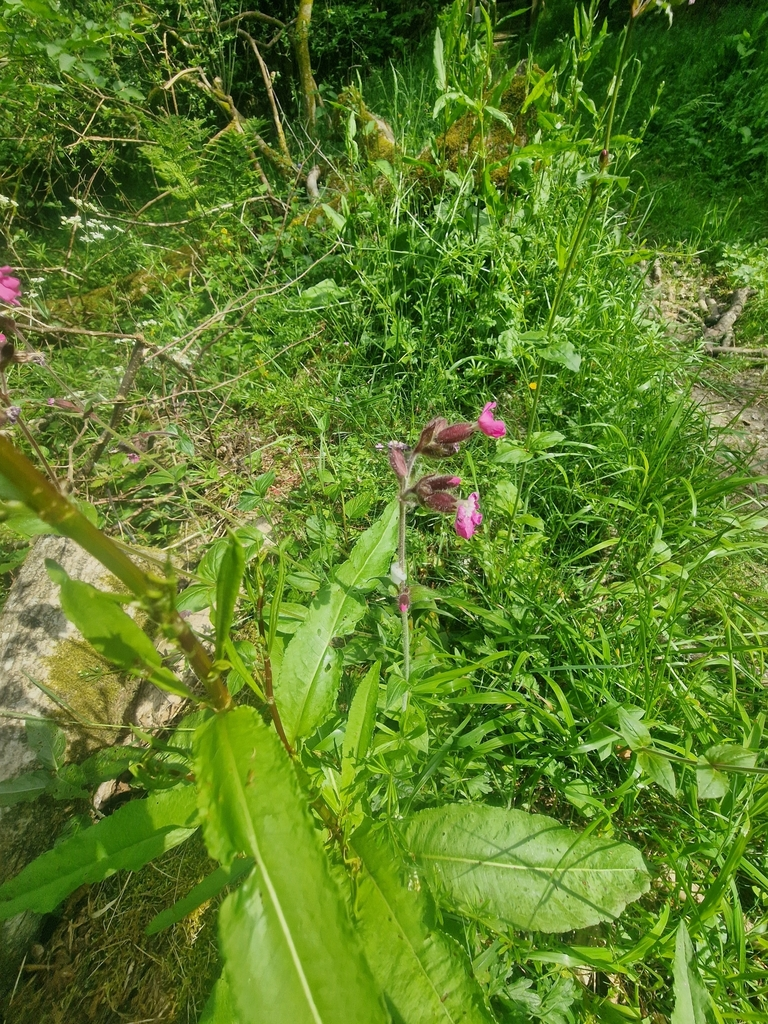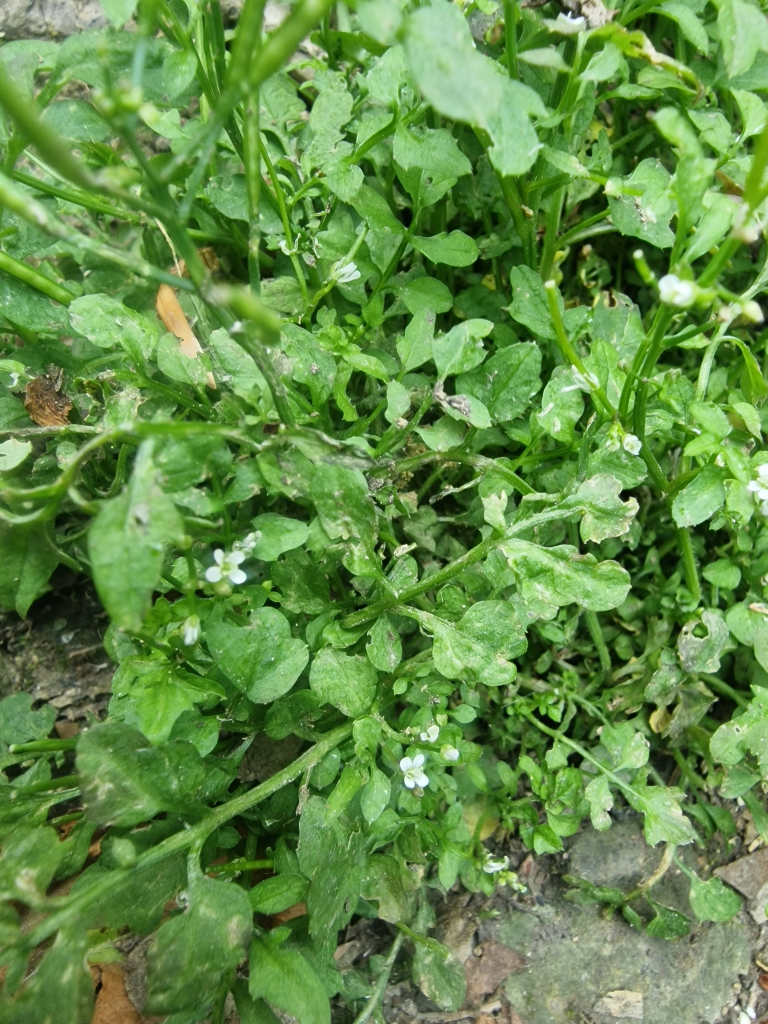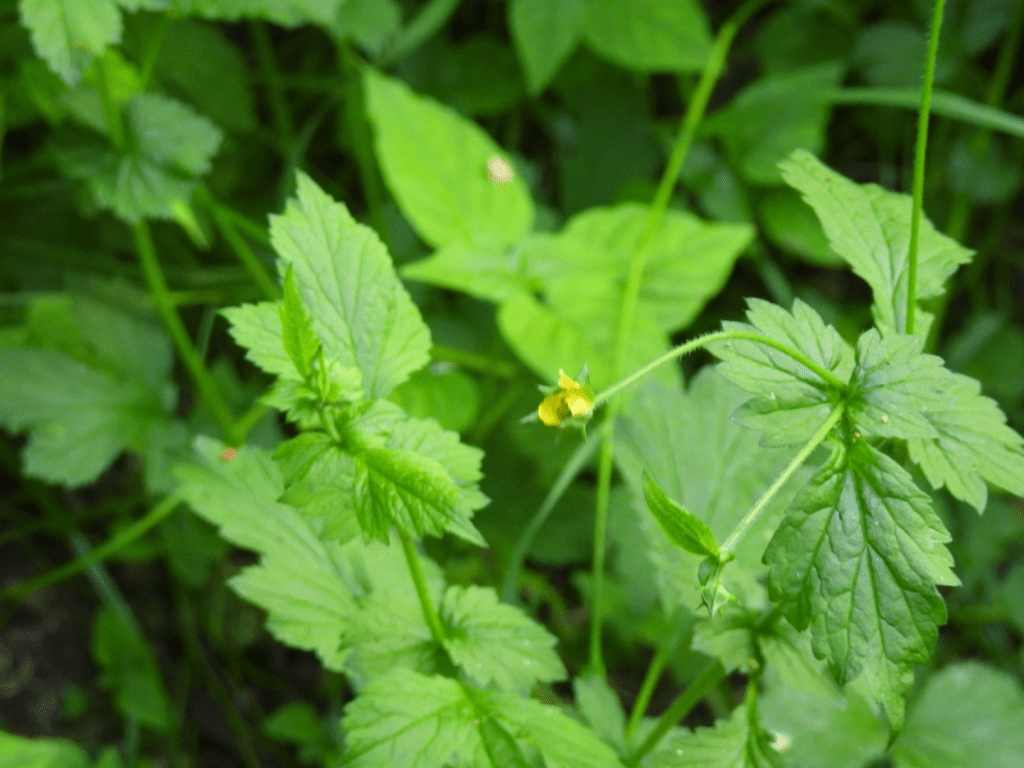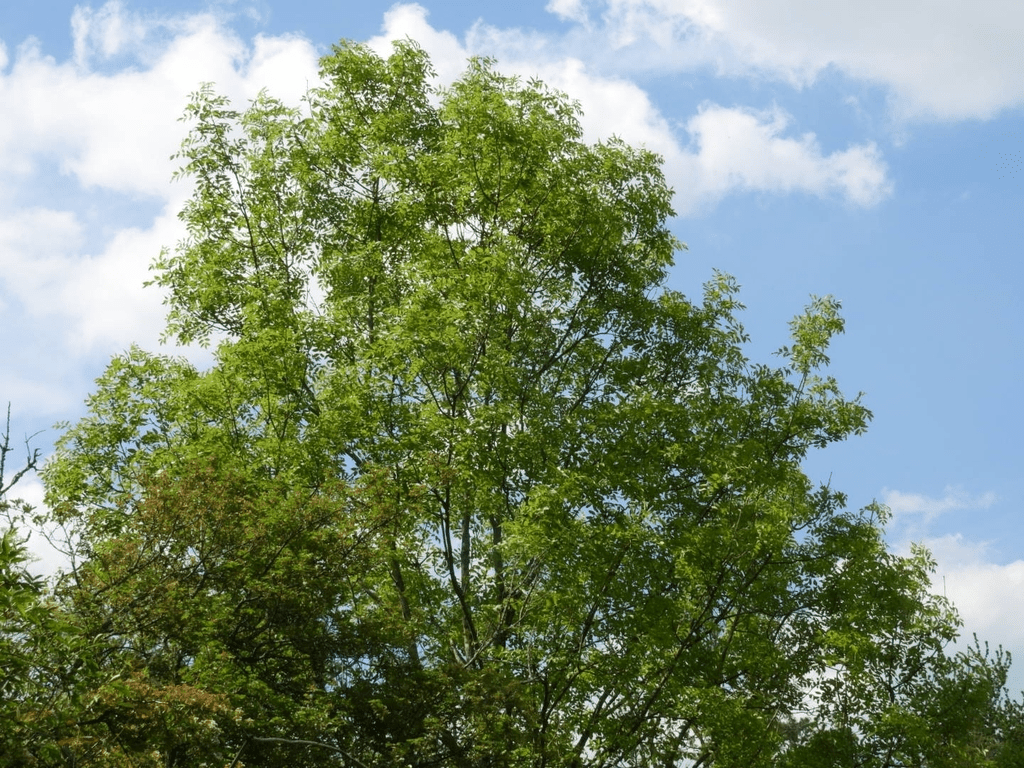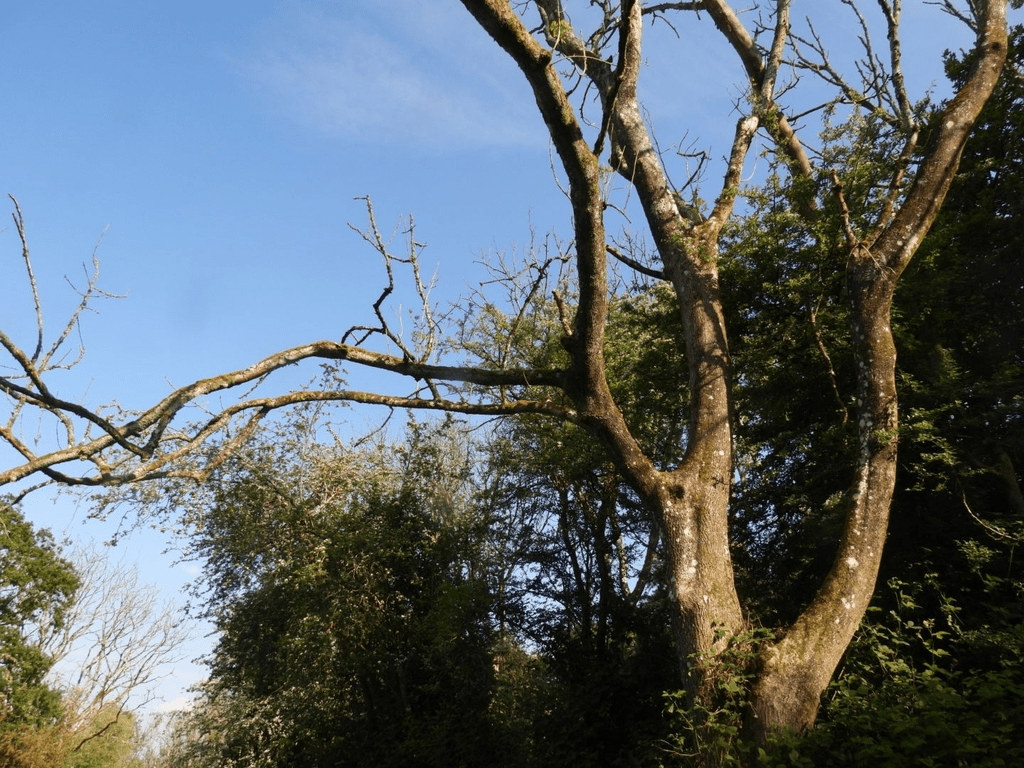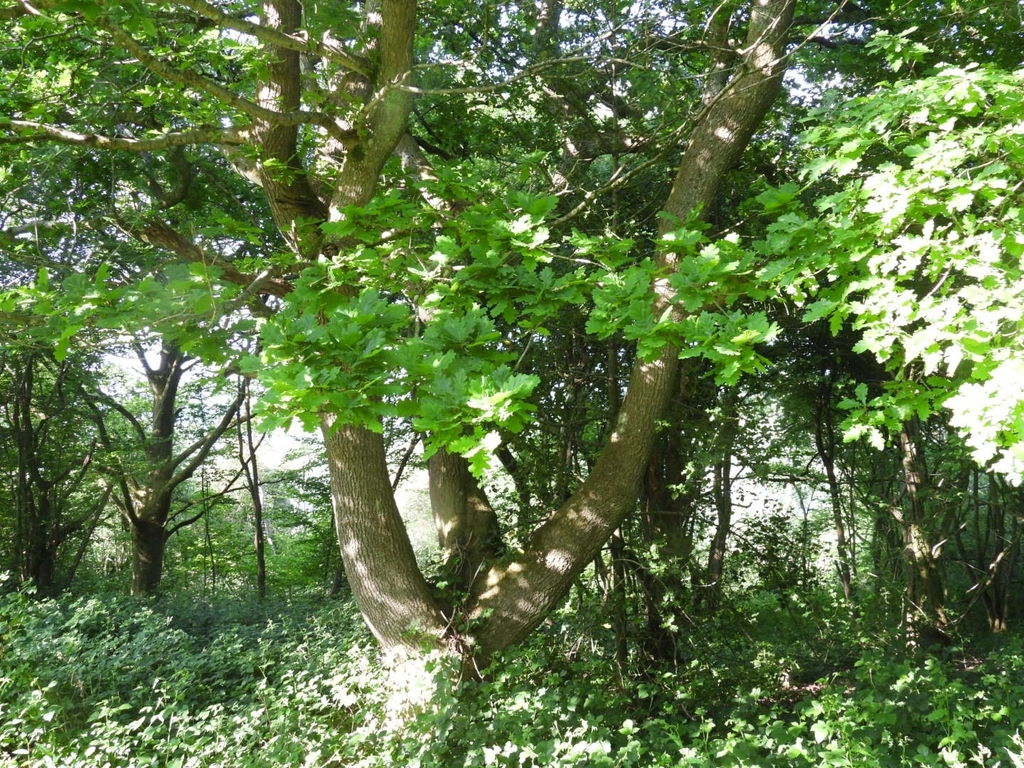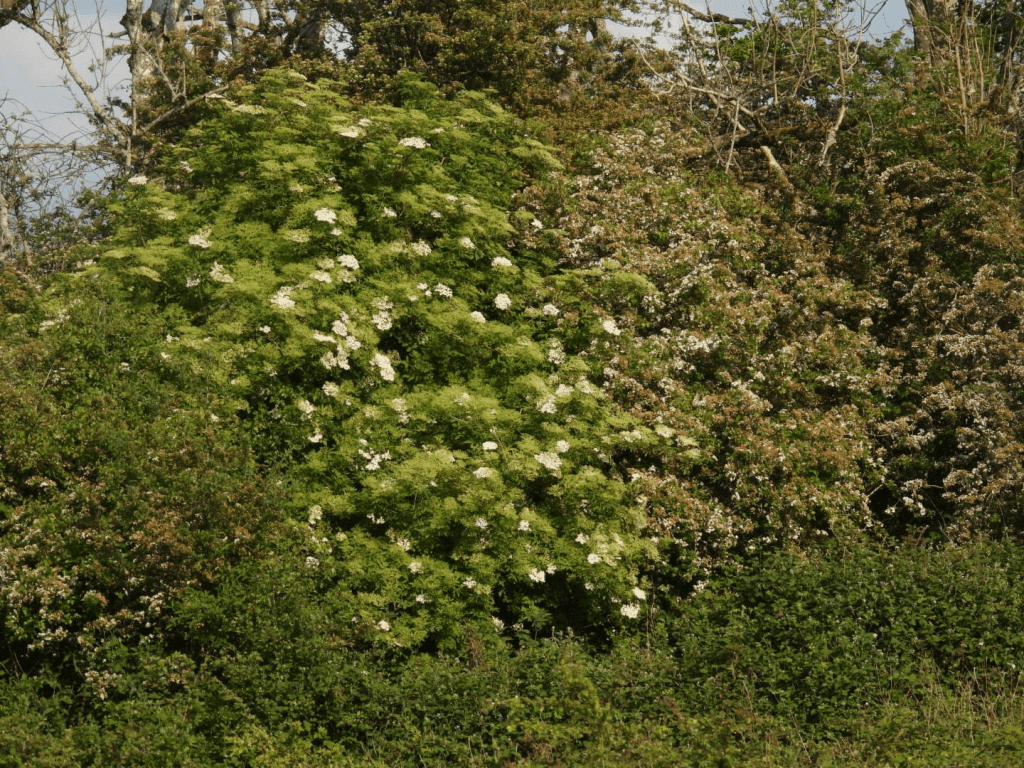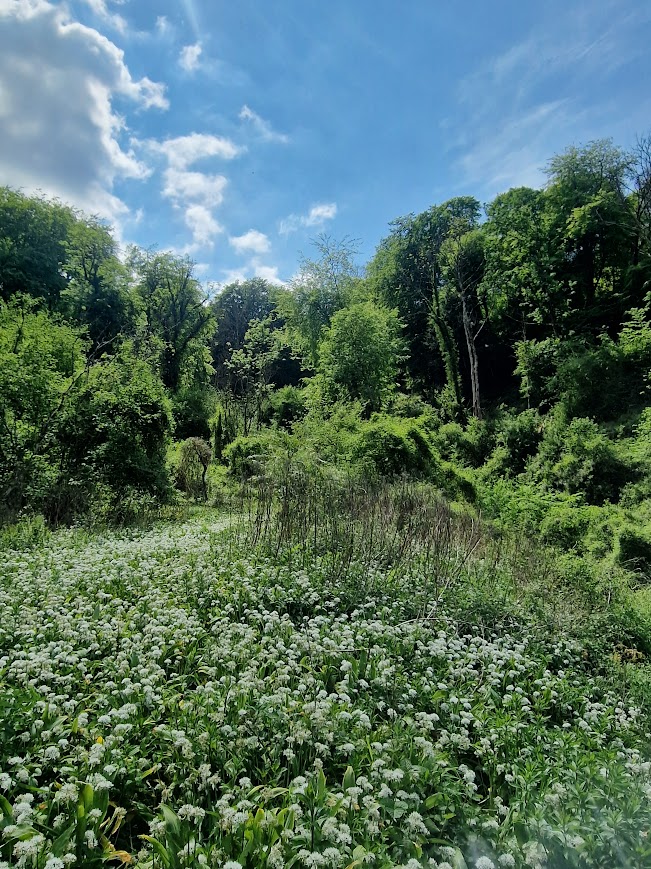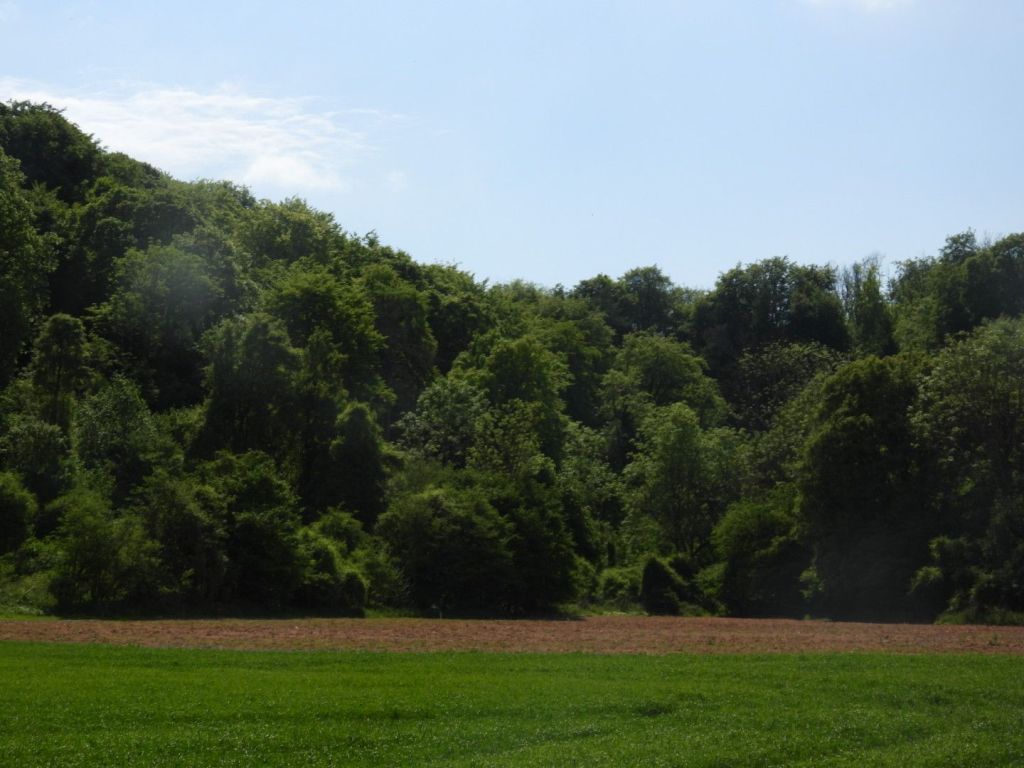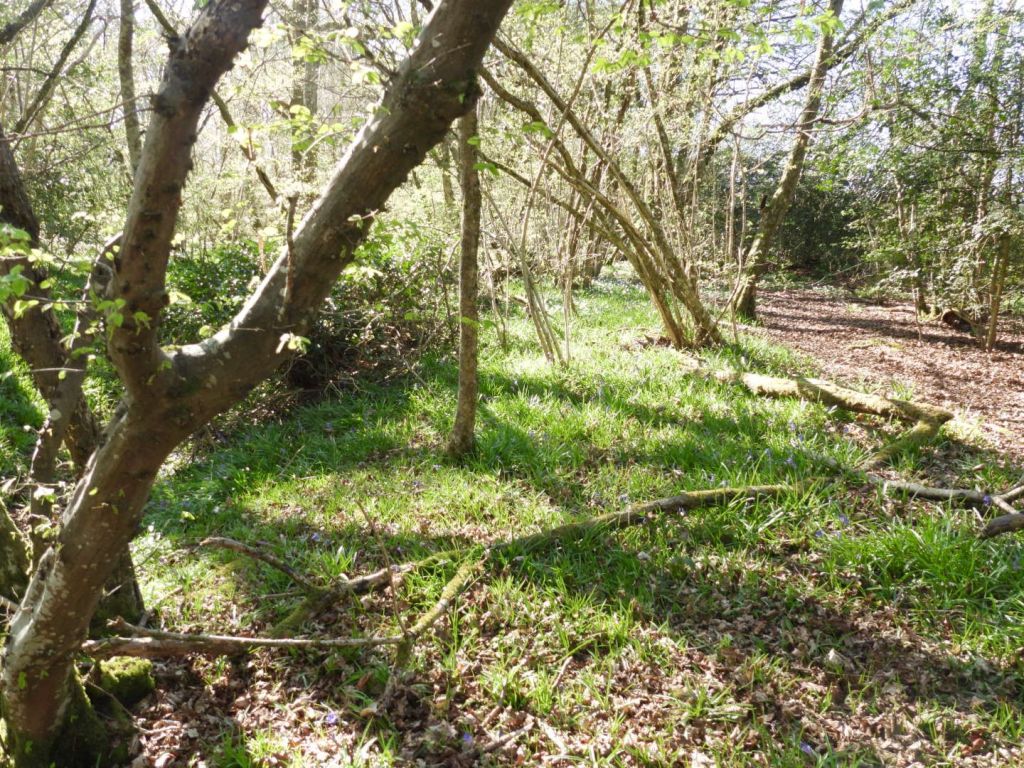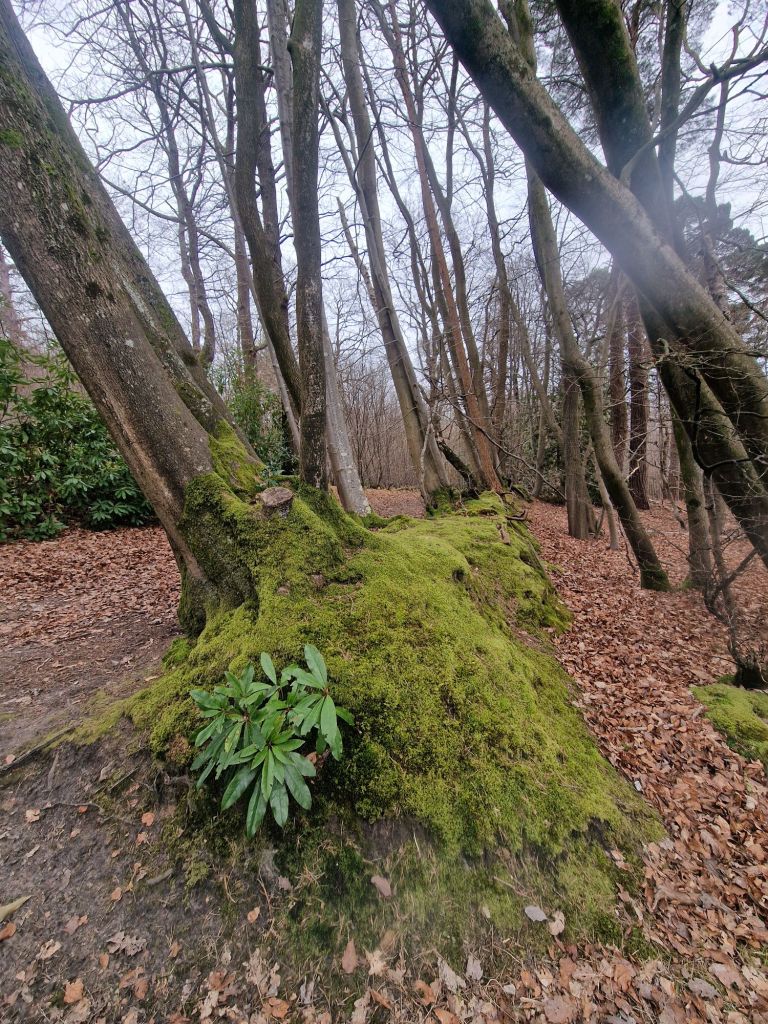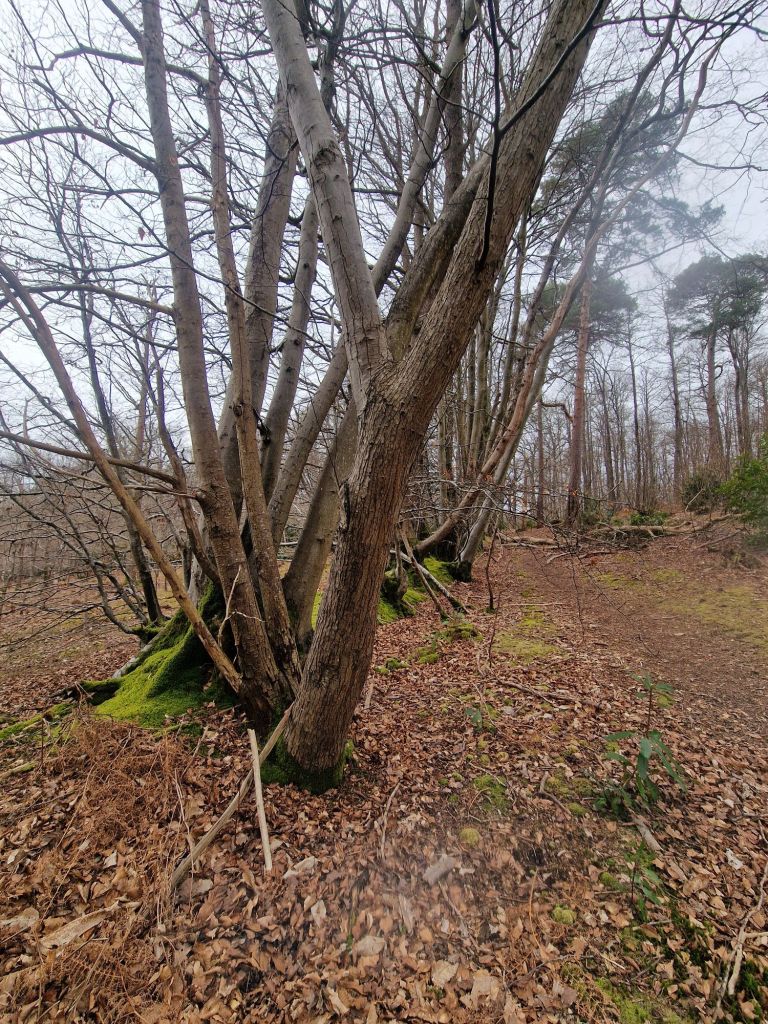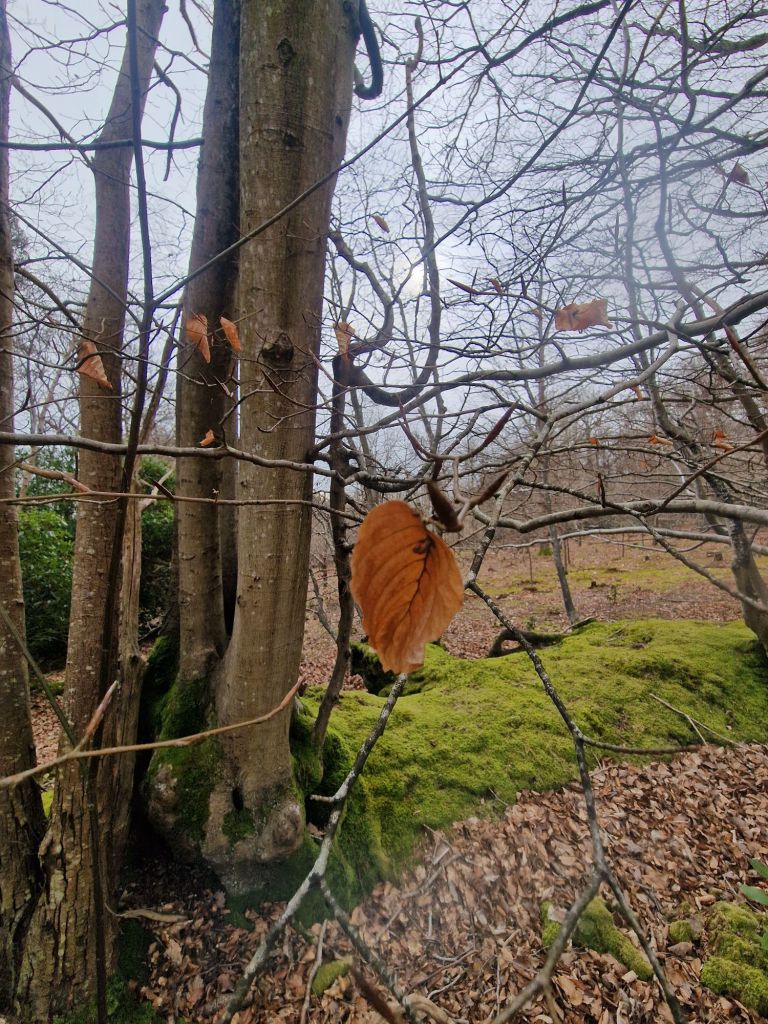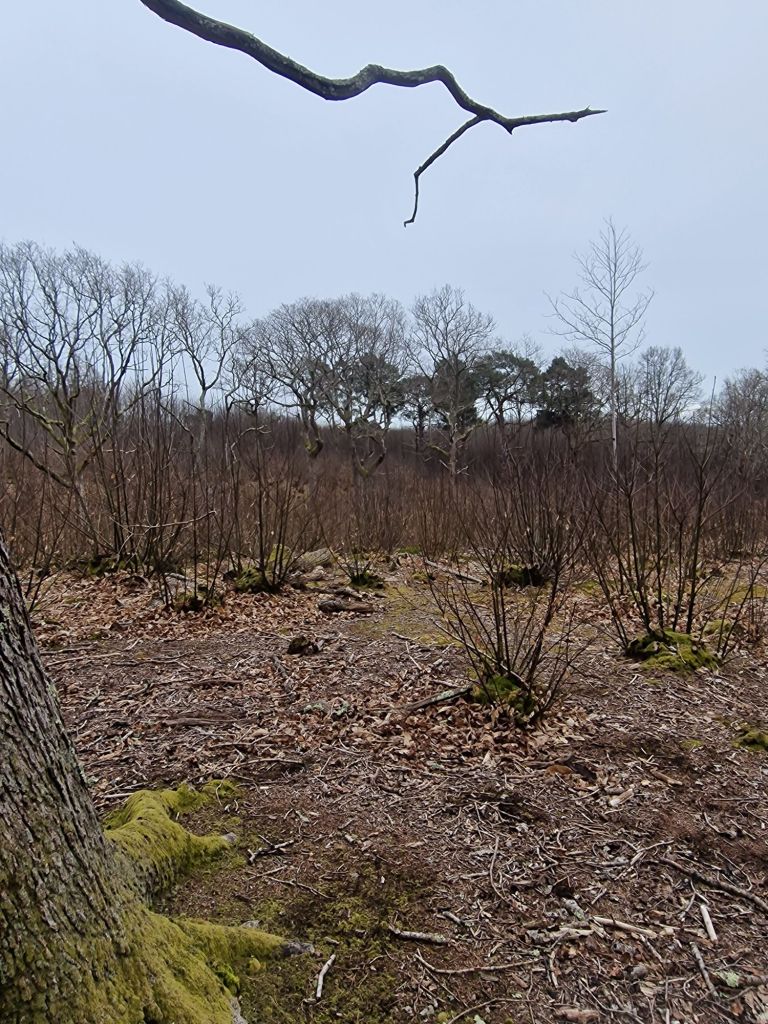
This is the most beautiful area of downland ancient woodland I have ever visited. It is a “hanger wood”; a wood of the steep slopes of an escarpment. Ancient woodland is much rarer on the South Downs than in the Low and High Wealds of Sussex, due to historic sheep gazing; although the short calcareous grassland that supports rare vascular plants and invertebrates because of that grazing is biologically magnificent and of national ecological importance. Sadly, short calcareous grassland makes up only 4% of the South Downs.
Most of the remaining ancient woodland of the South Downs is on the scarp face of the Downs; such as at Newtimber Holt, and the scarp from Steyning to just south of Washington, and Rooks Clift. Although there are some very rare examples of chalk dry valley ancient woodland e.g. East Dean Park Wood SSSI (in the Goodwood Estate, private) and dip slope ancient woodland e.g. Pads Wood SSSI (in the Uppark Estate, private)
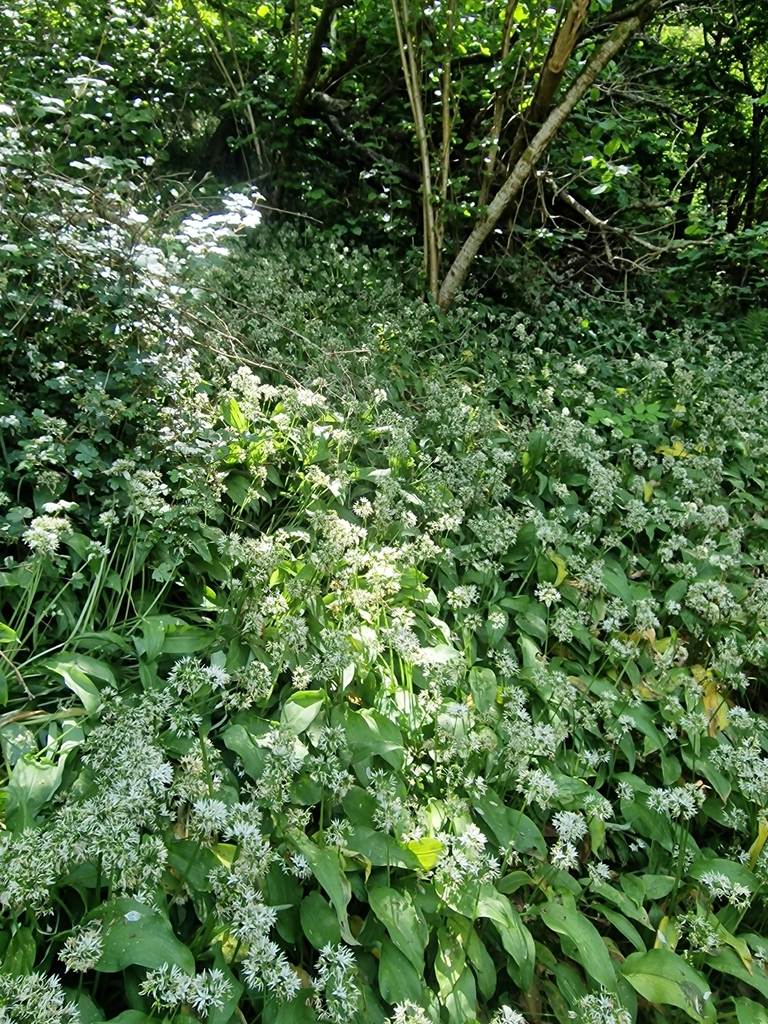
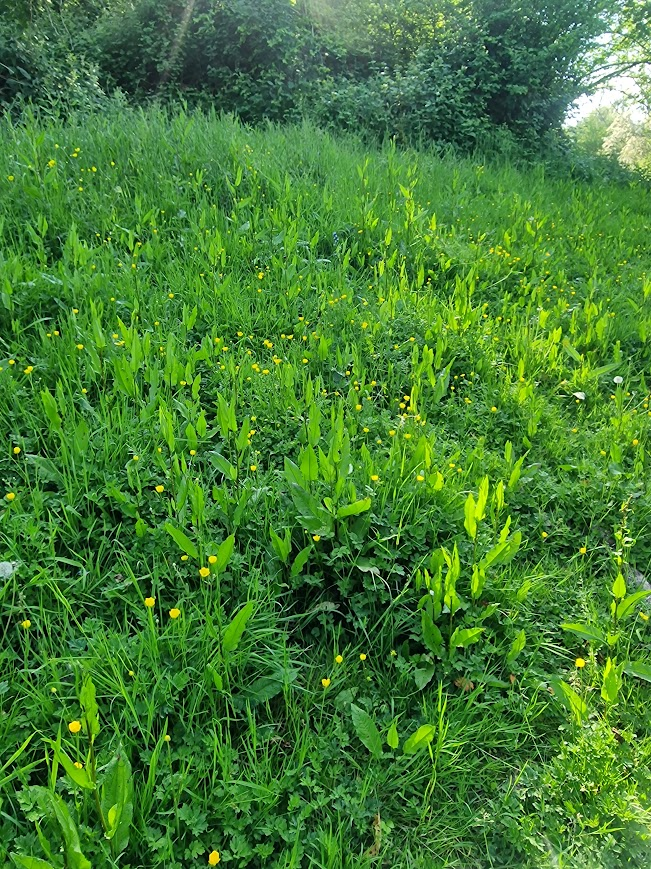
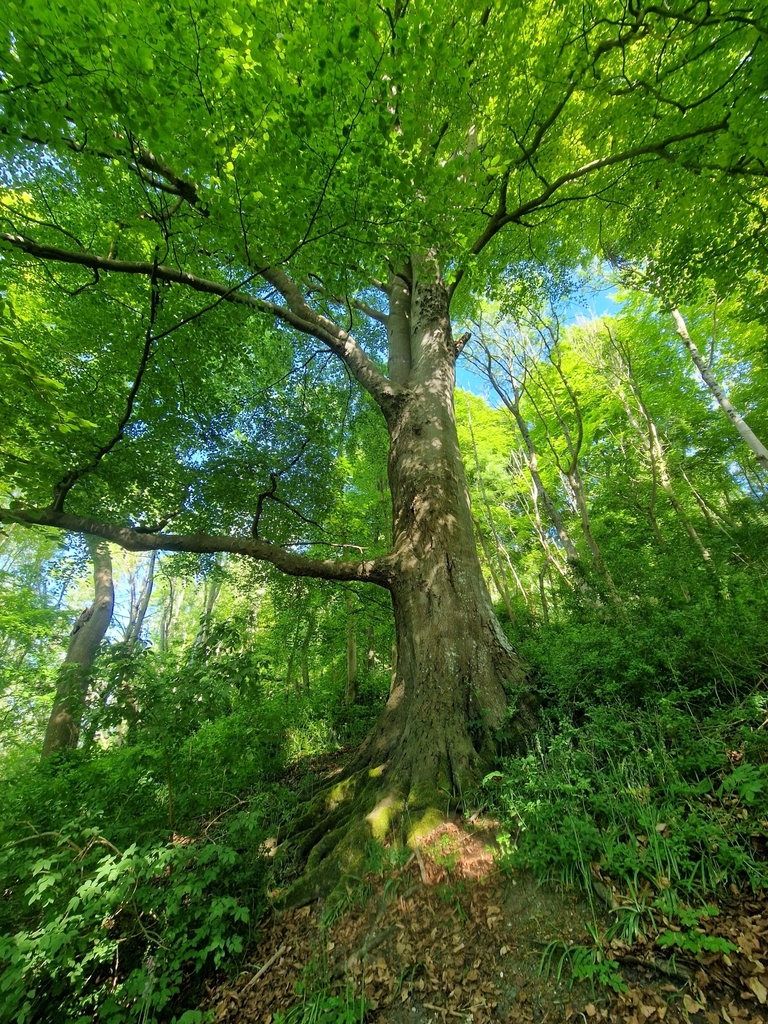
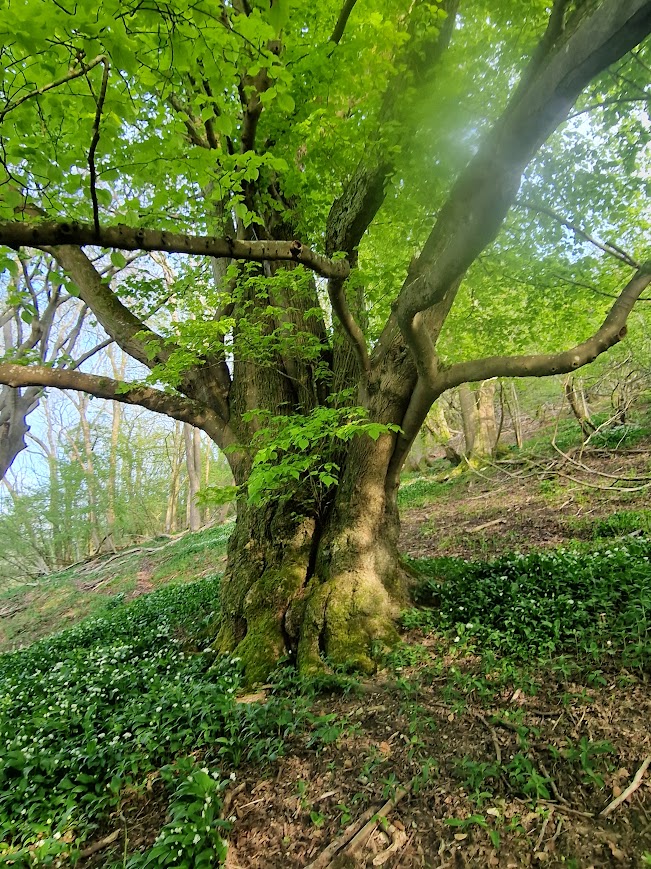
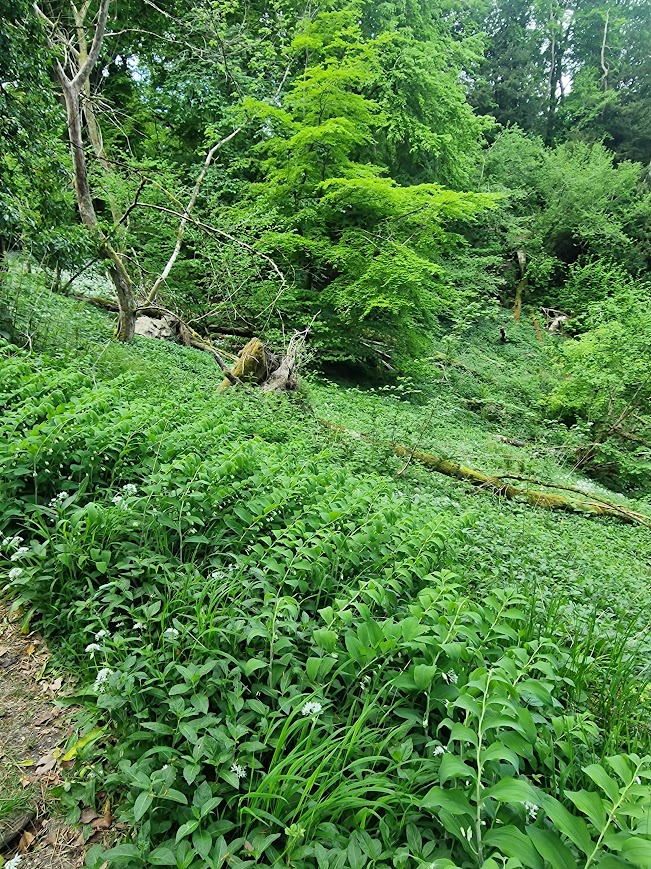
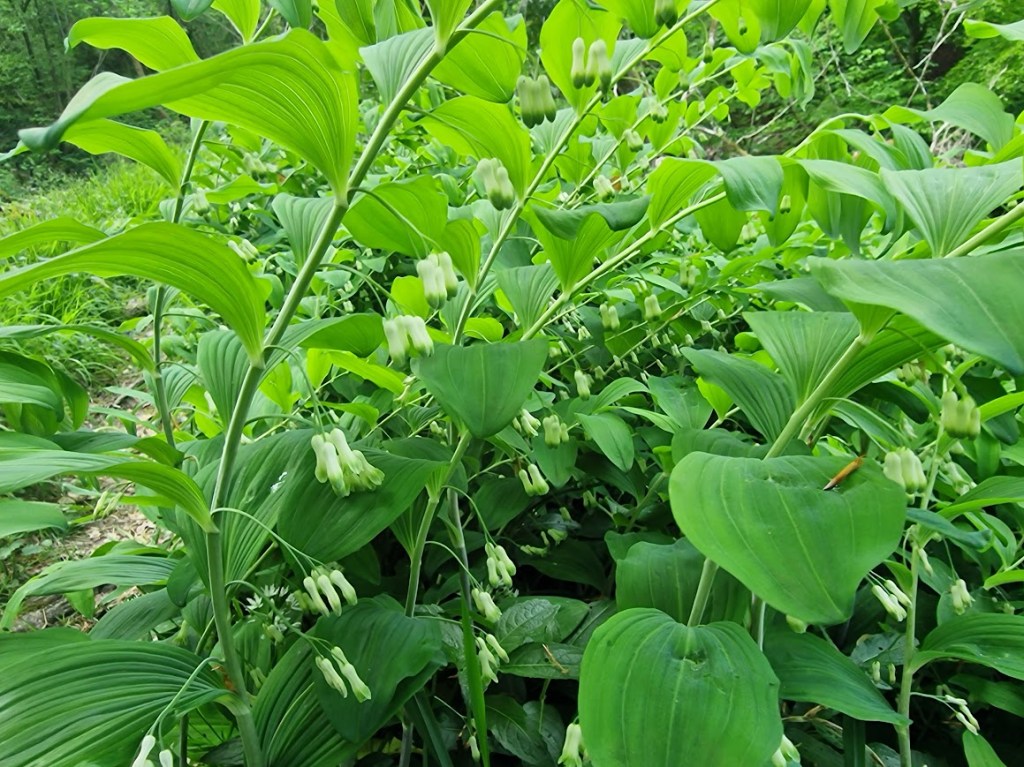
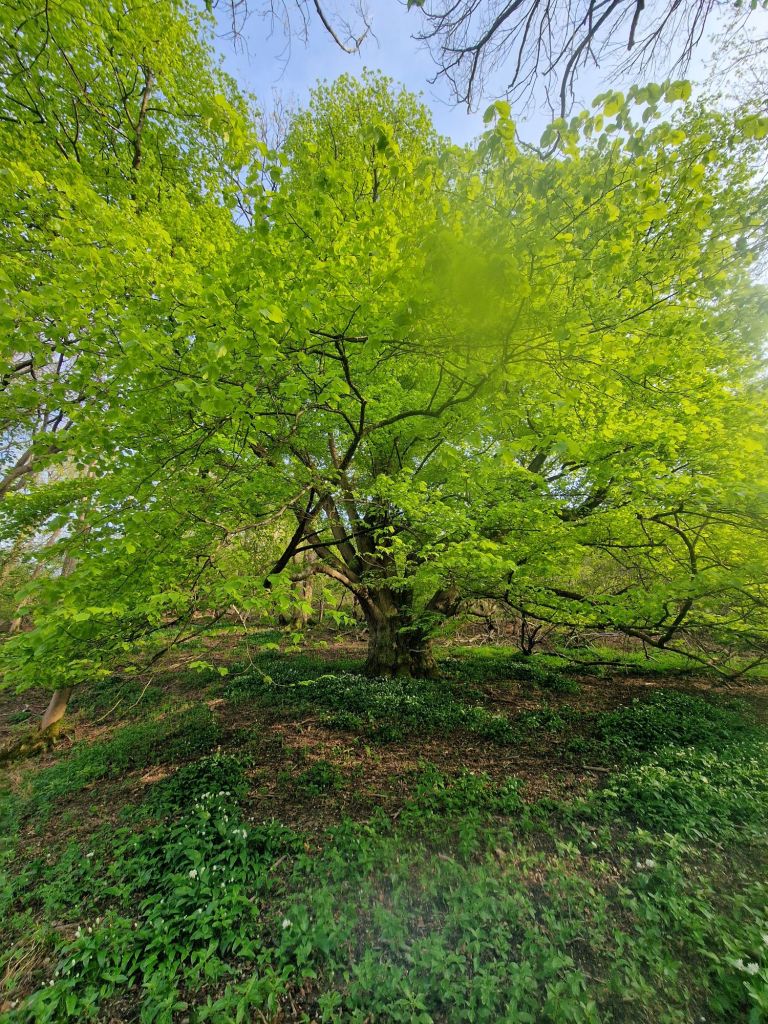
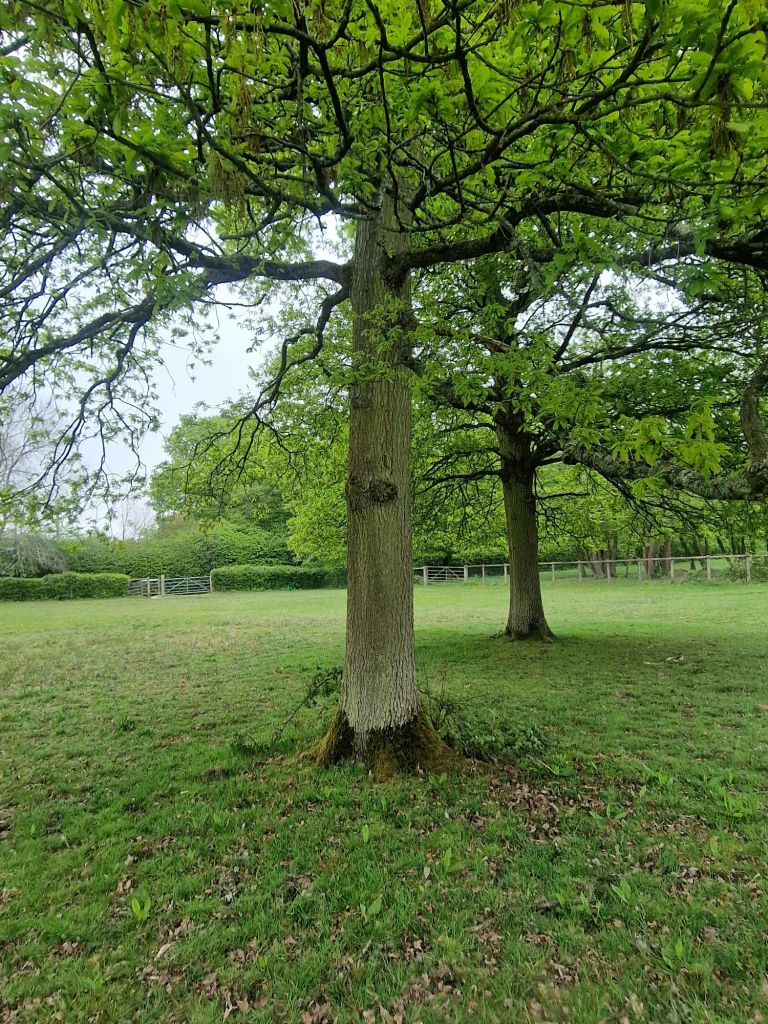
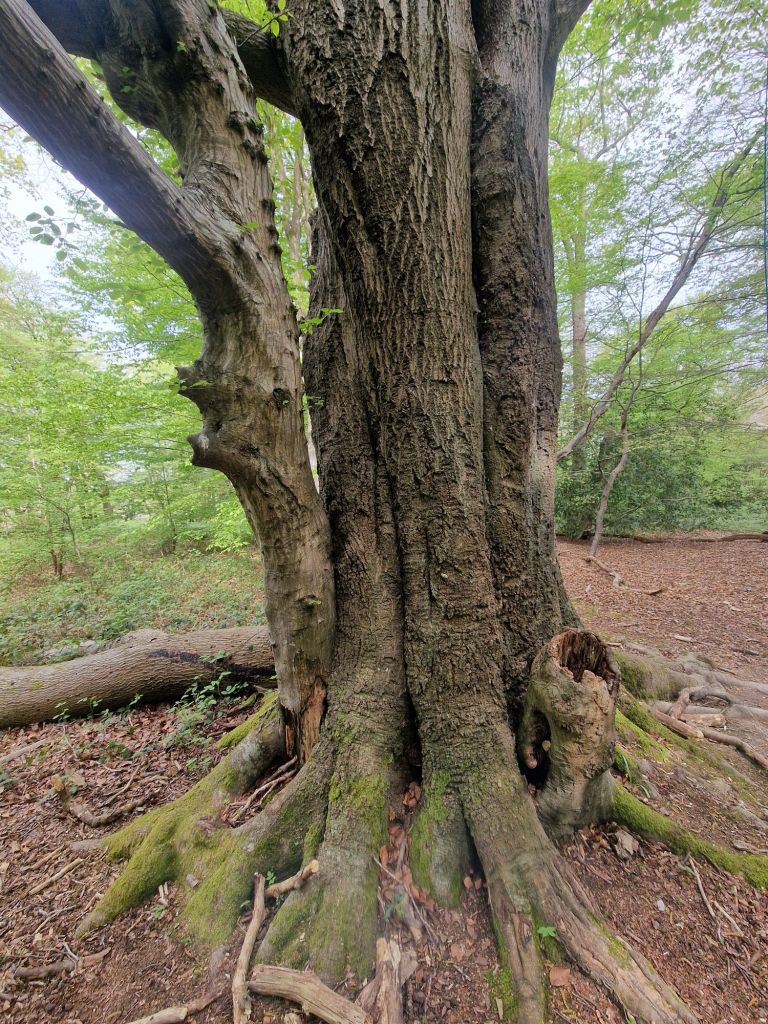
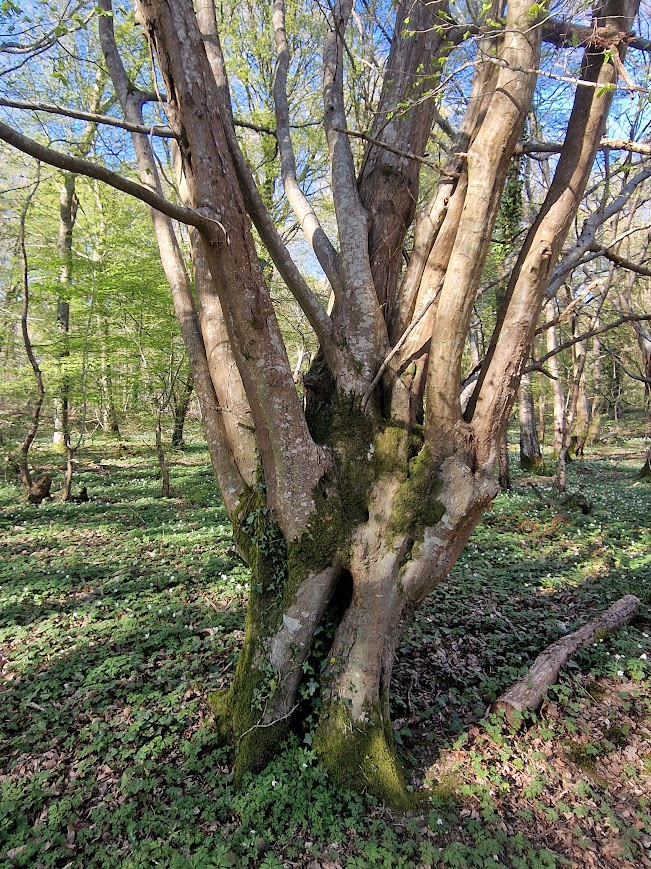
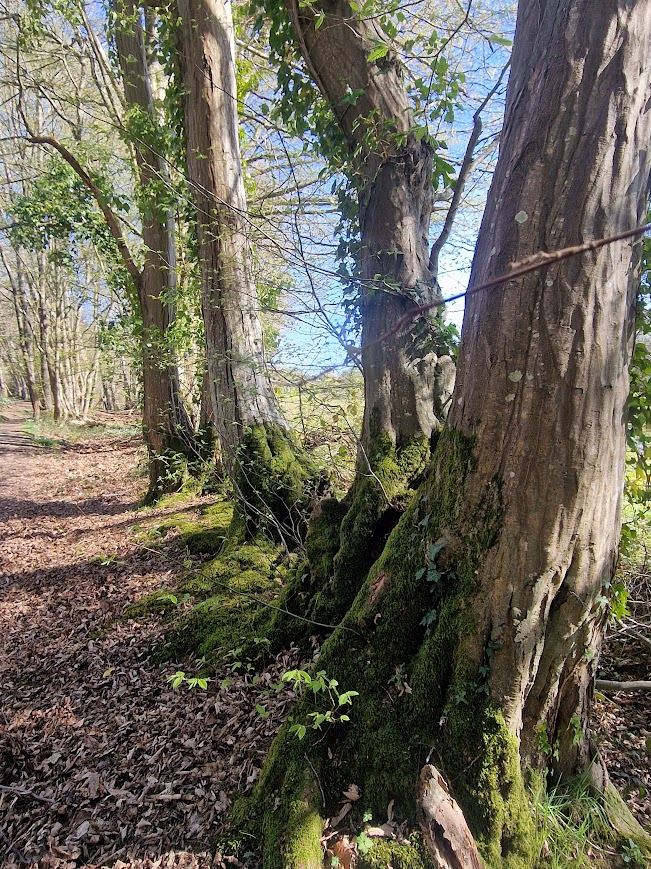
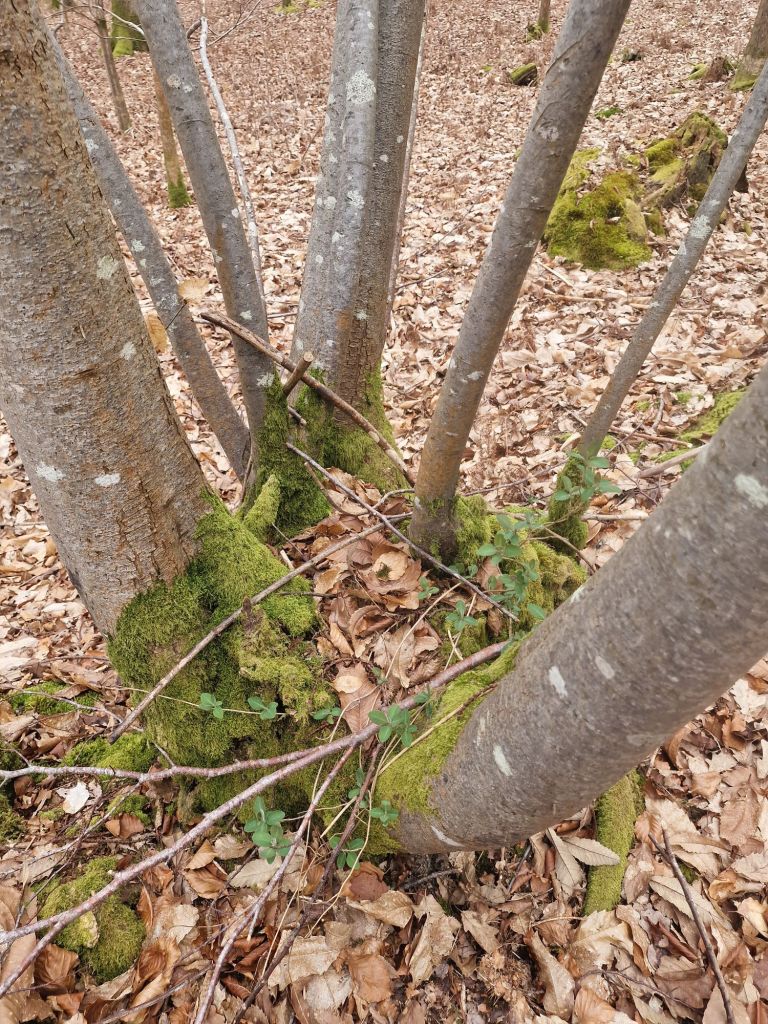
The extent of the coppiced Large-Leaved Lime, and ground flora including abundant Solomon’s Seal and Ramsons was extraordinary.
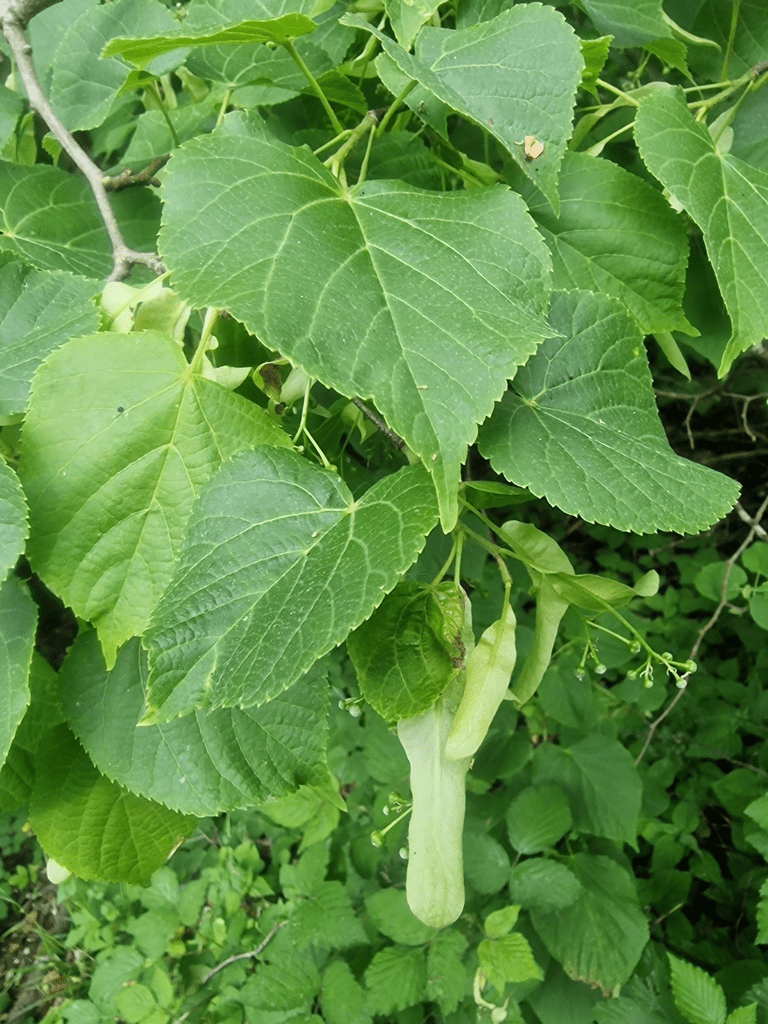
Large Leaved Lime, Tilia platyphyllos
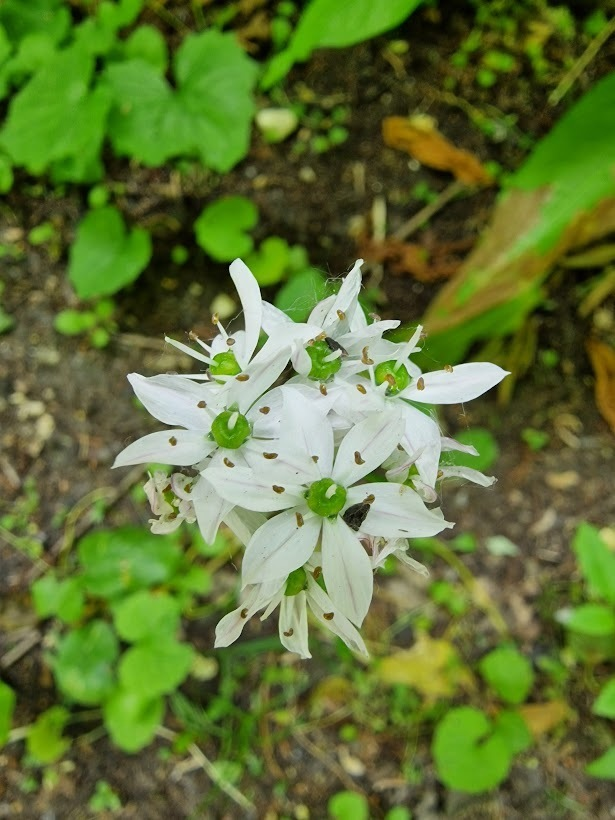
Ramsons, Allium ursinum, and Solomon’s Seal, Polygonatum multiflorum
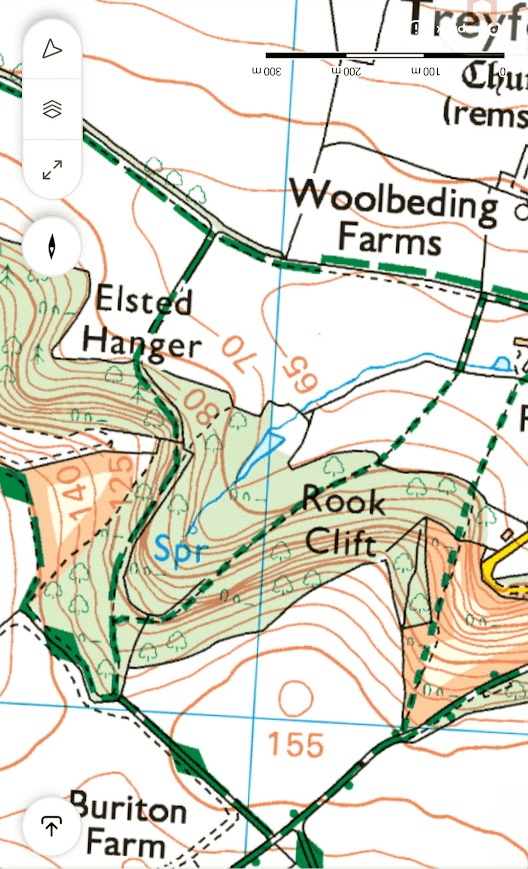
Rook Clift is a small wooded combe on the scarp slope of the South Downs. … This site is an ancient woodland which remains in a semi-natural condition. Large leaved lime Tilia platyphyllos dominates the canopy, together with ash Fraxinus excelsior and some beech Fagus sylvatica. Large leaved lime is a nationally scarce tree, with its natural range concentrated on the limestones of the Wye Valley and Peak District. Thus the high concentration of mature coppice stools, occurring on chalk, make this site nationally important and unique within West Sussex and the South Downs Natural Area.
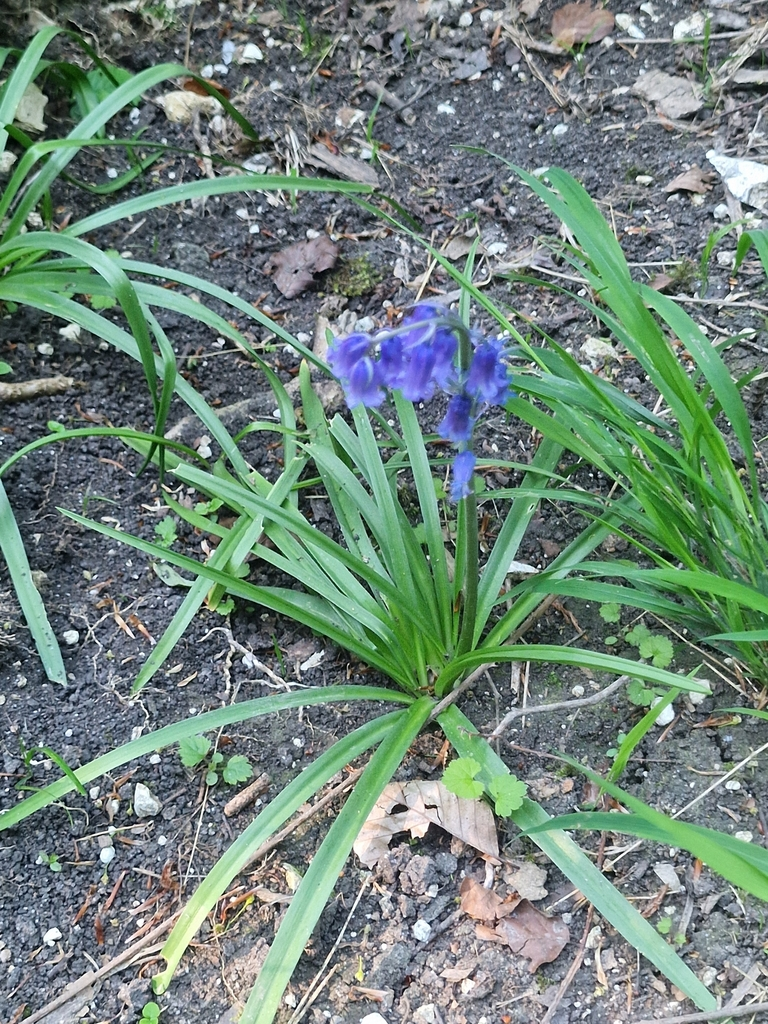
… The field layer is dominated by vernal species such as ramsons Allium ursinum and bluebell Endymion non-scripta, or shade tolerant species including dog’s mercury Mercurialis perennis, spurge laurel Daphne laureola and sanicle Sanicula europaea.
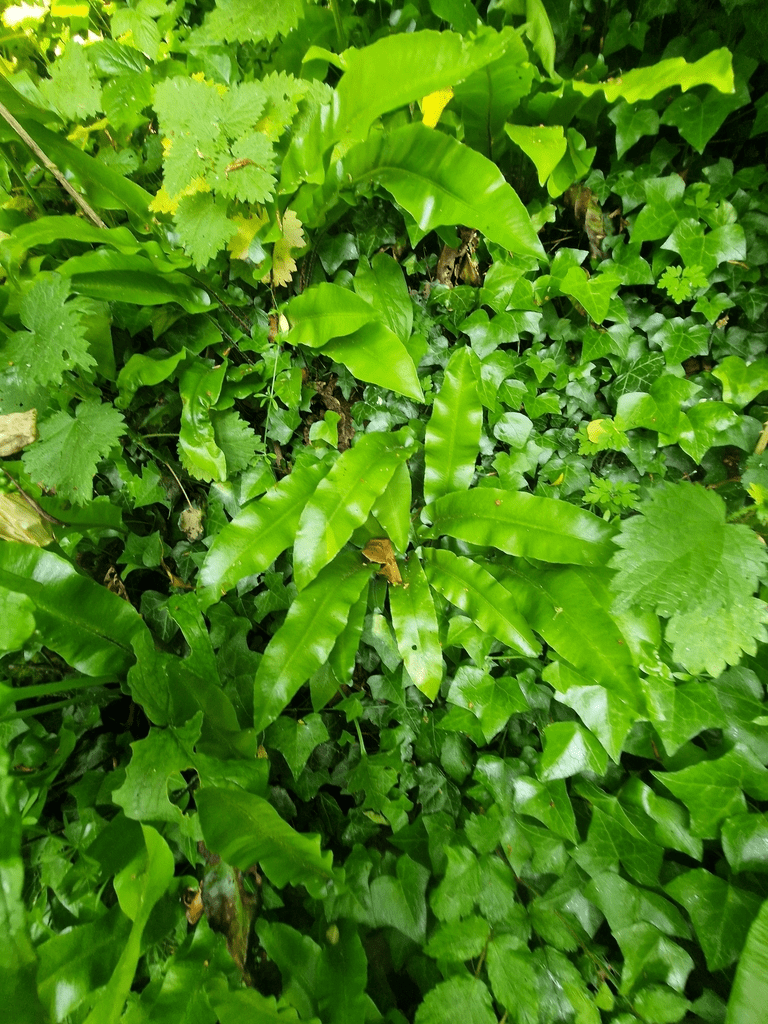
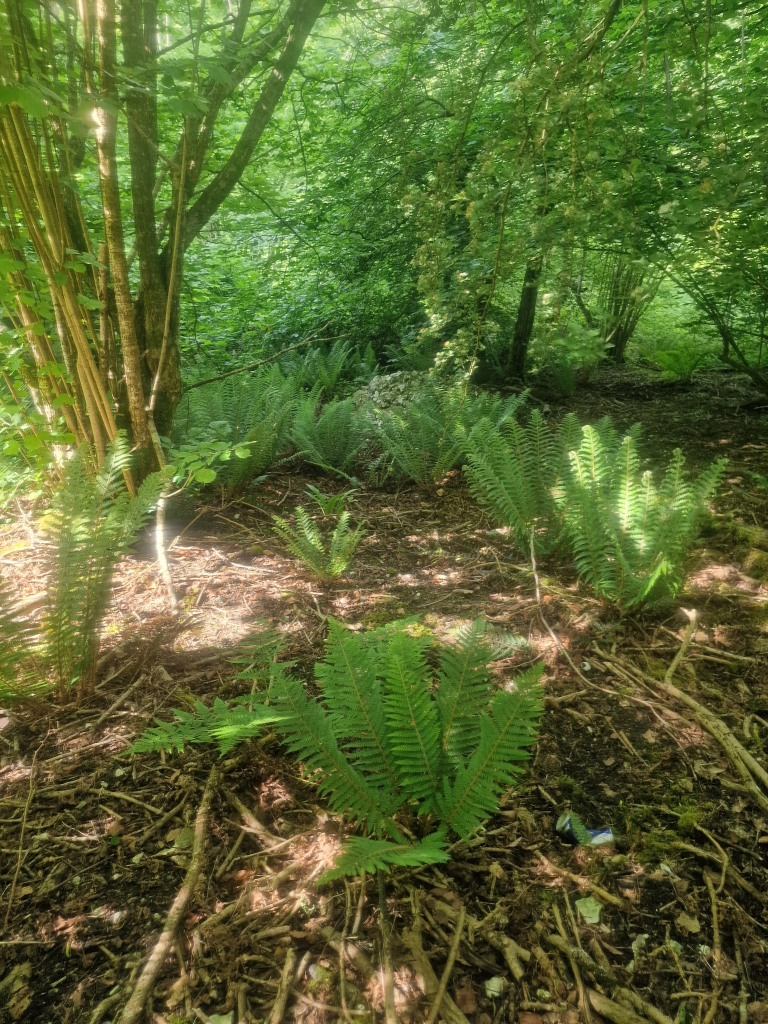
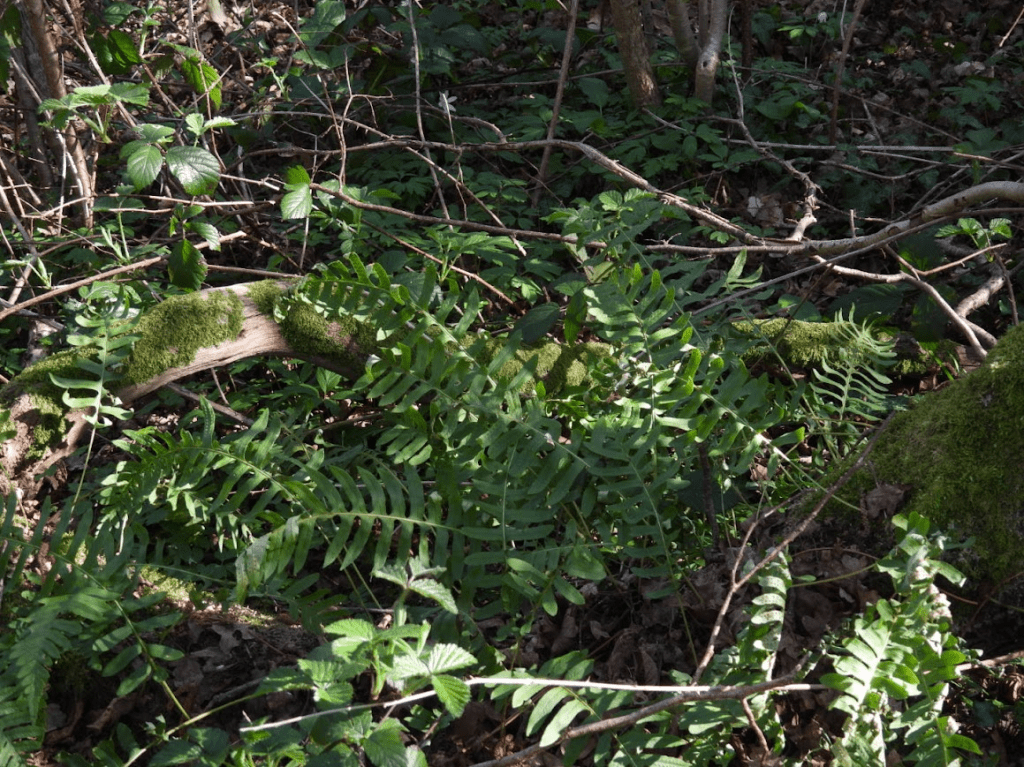
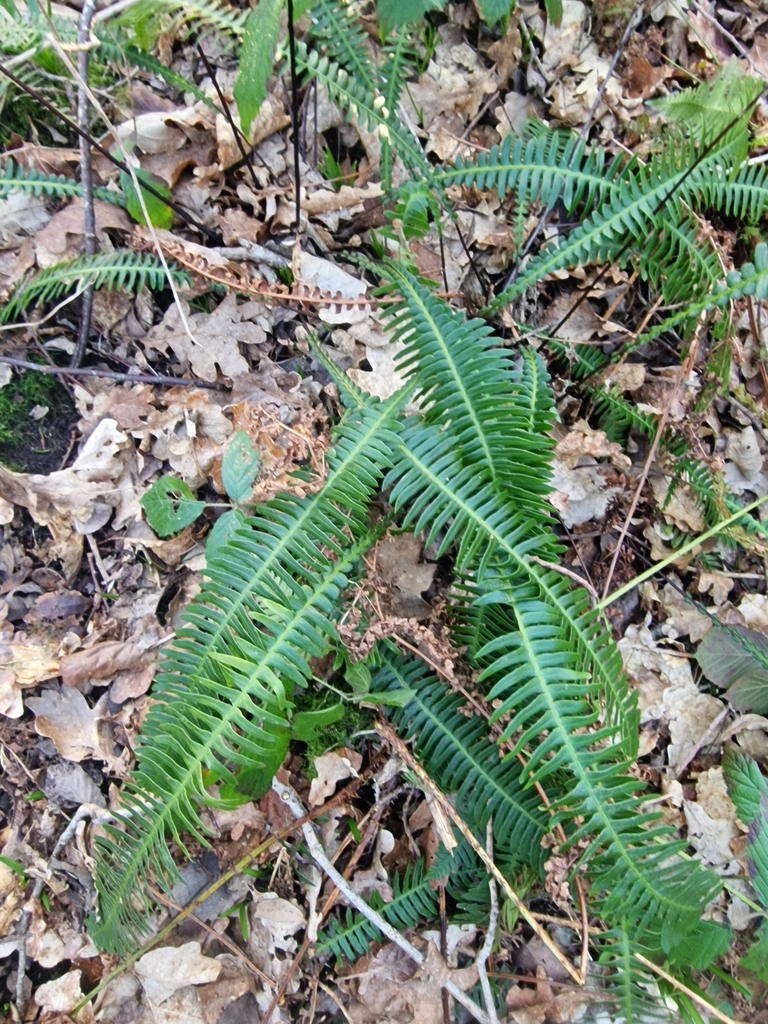
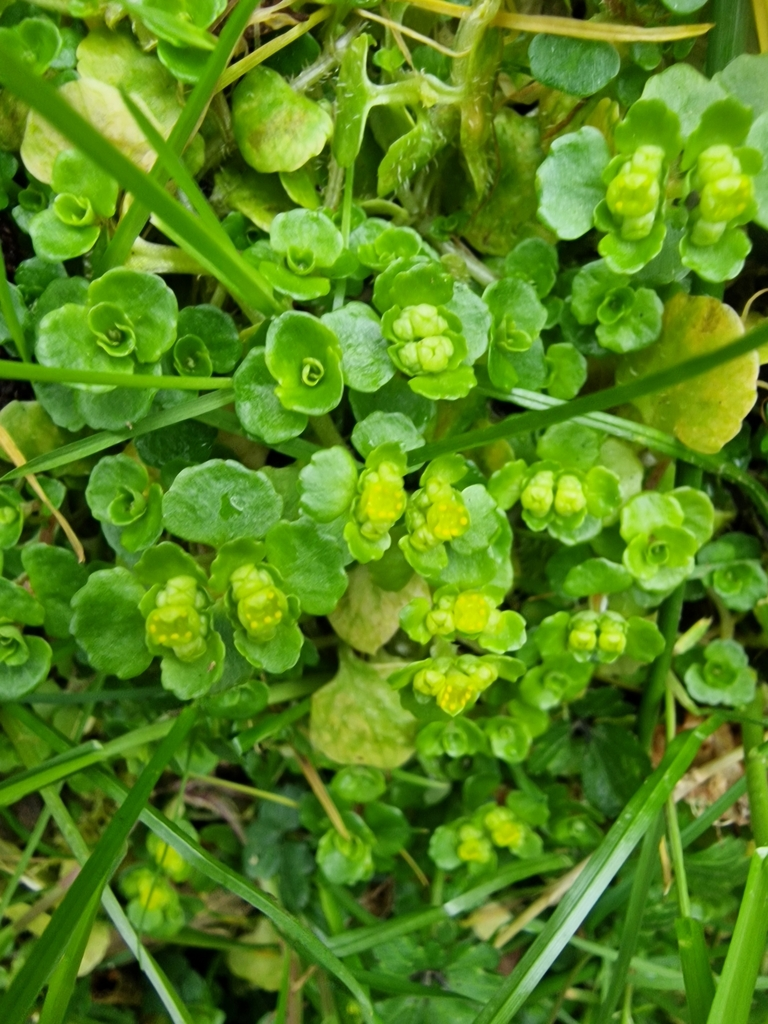
The steep sided valley around the steam is more open with a canopy dominated by ash and wych elm Ulmus glabra. Here the field and ground layers are more developed with stands of hart’s tongue fern Phyllitis scolopendrium and soft shield fern Polystichum setiferum abundant, and opposite-leaved golden-saxifrage Chrysosplenium oppositifolium common the stream side. Helicodonta obvoluta and several which are indicative of ancient woodlandRooks Clift Nature England SSSI specification
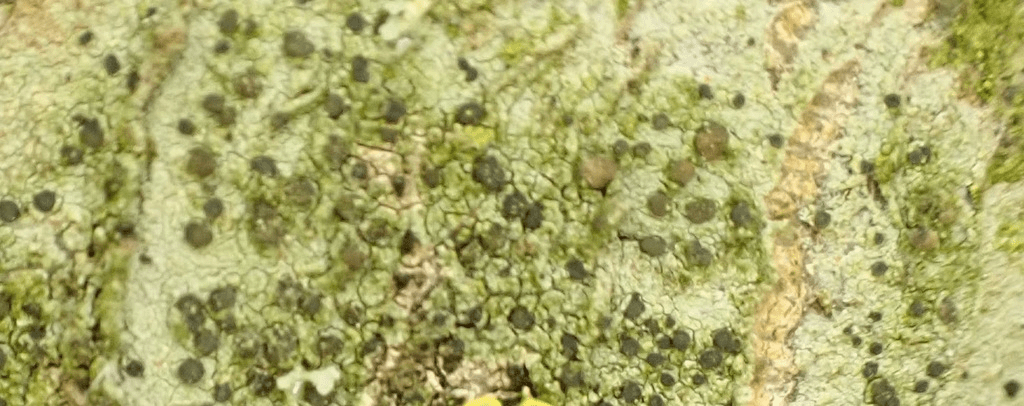
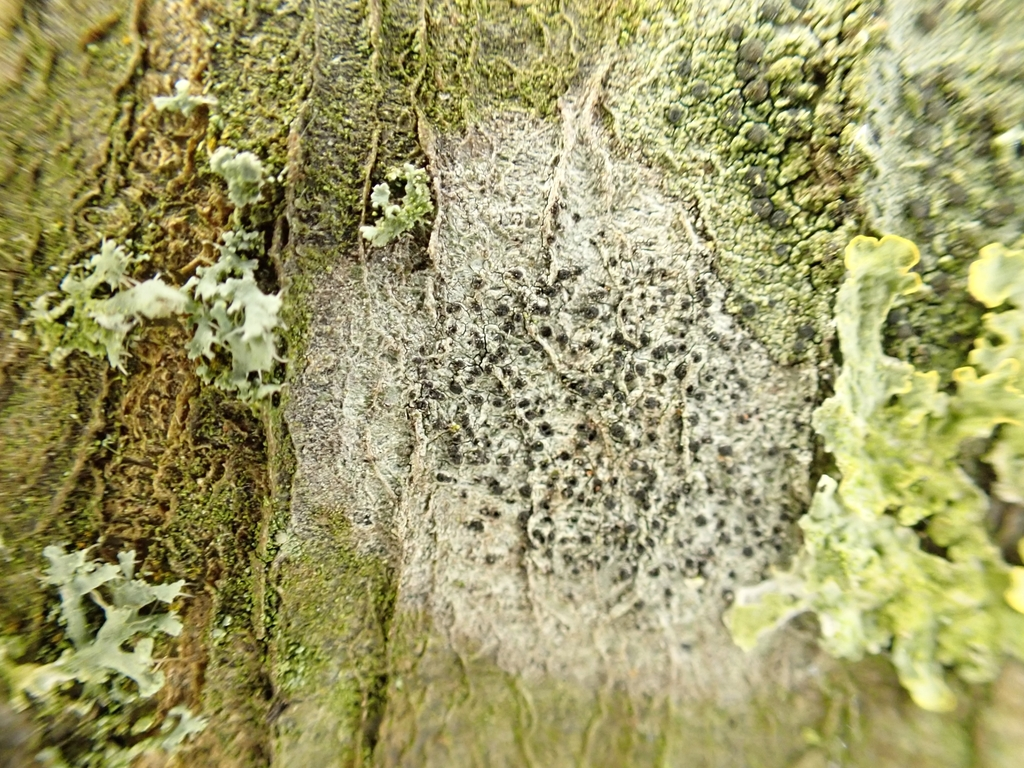
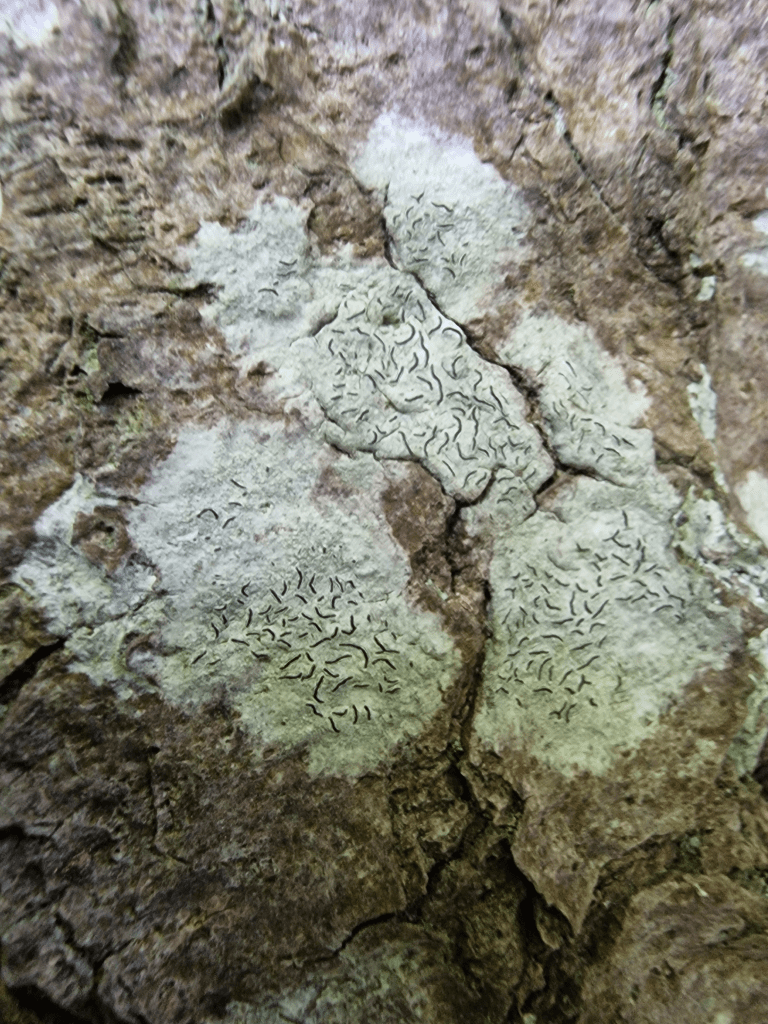
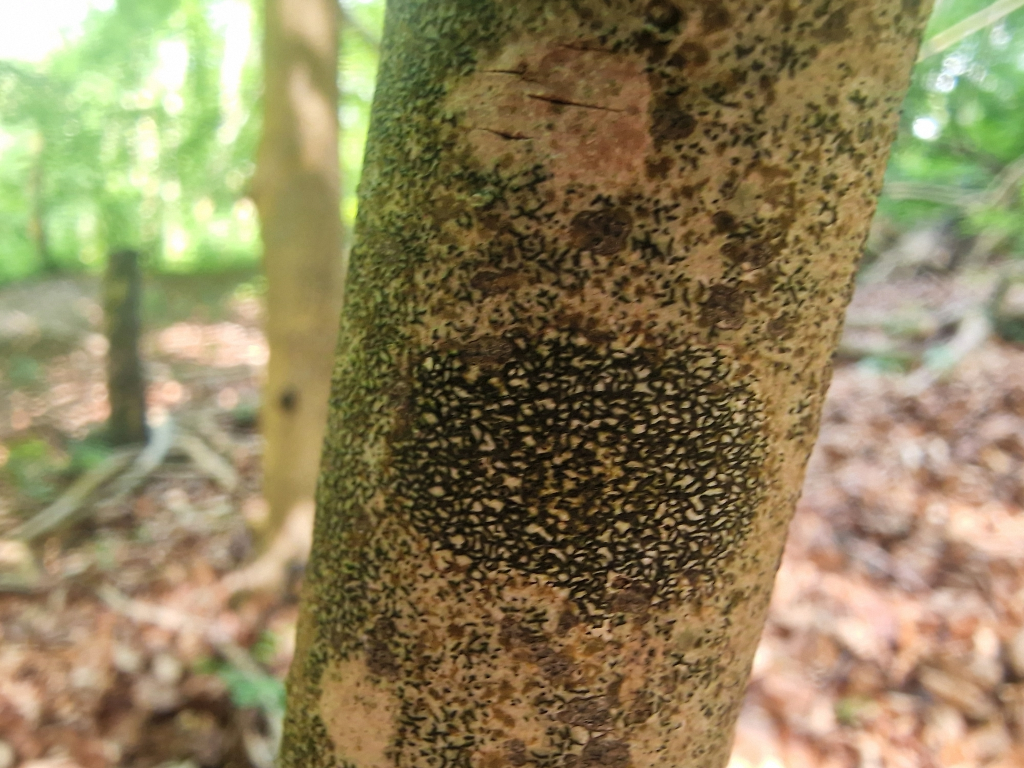
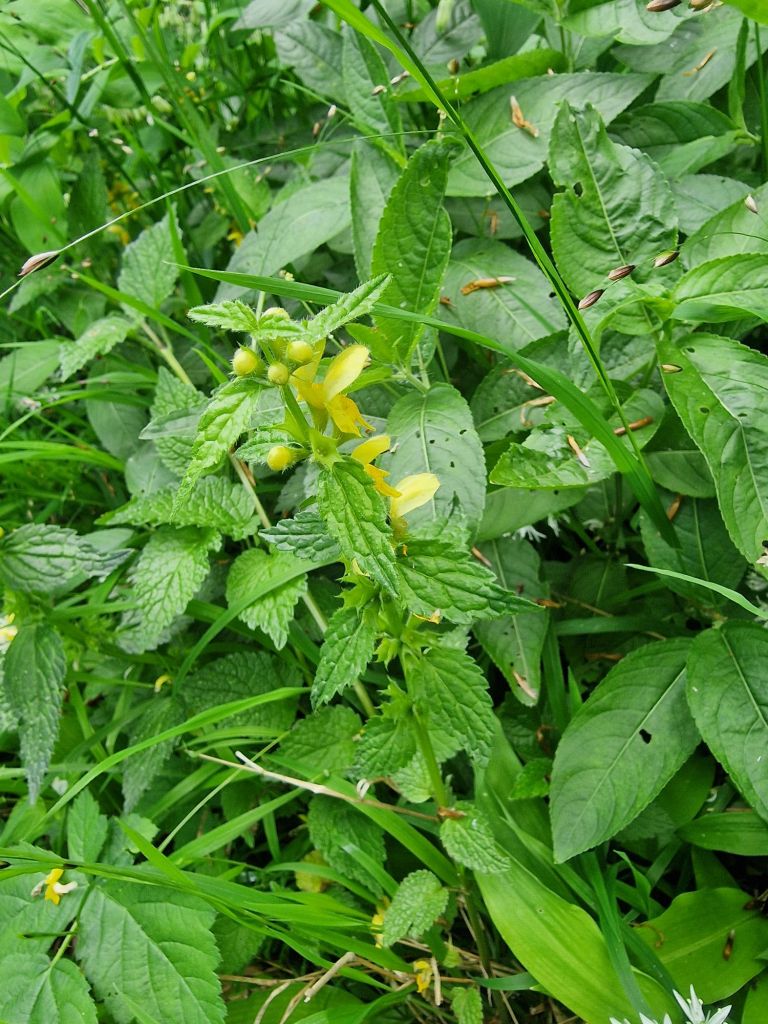
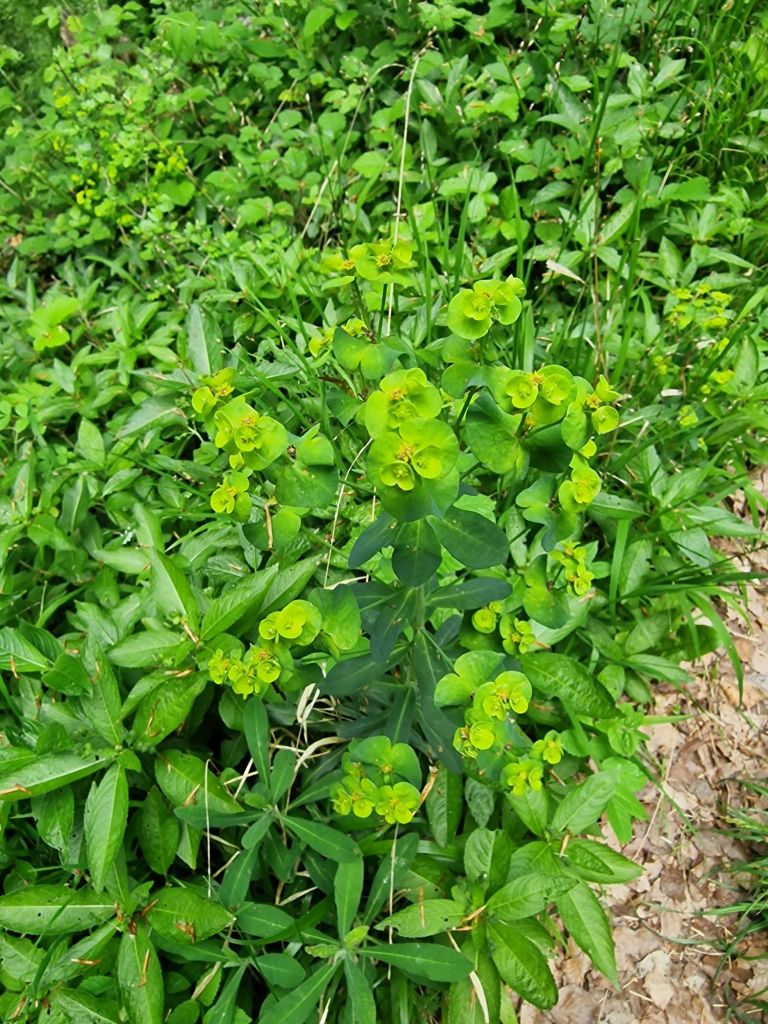
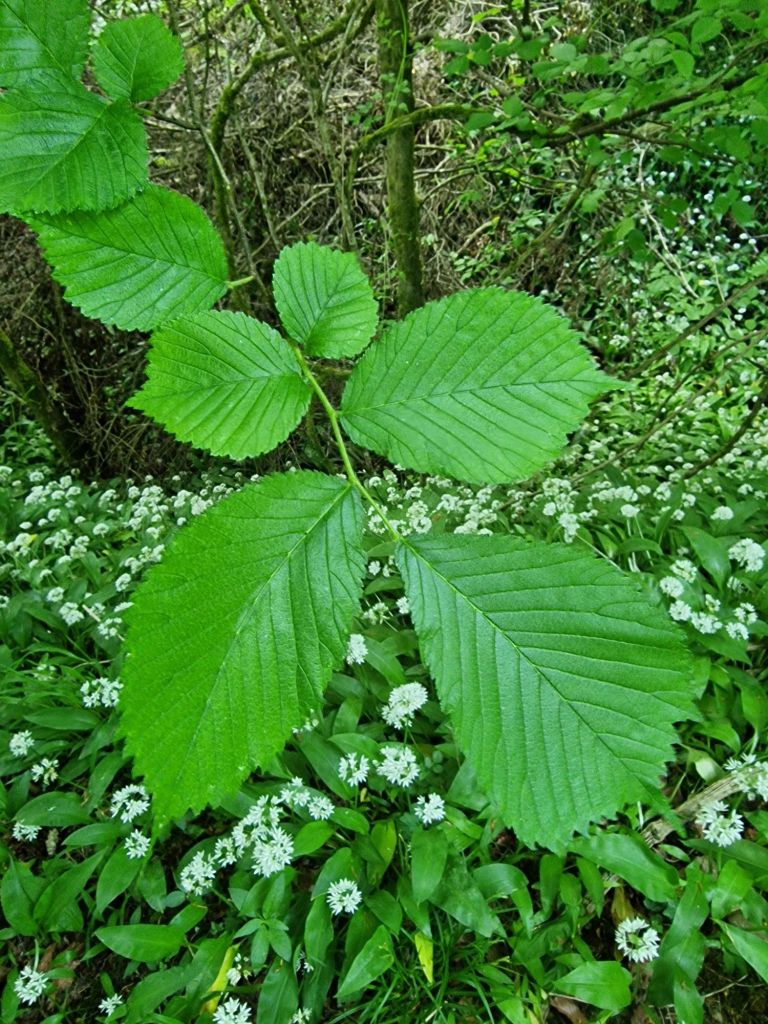
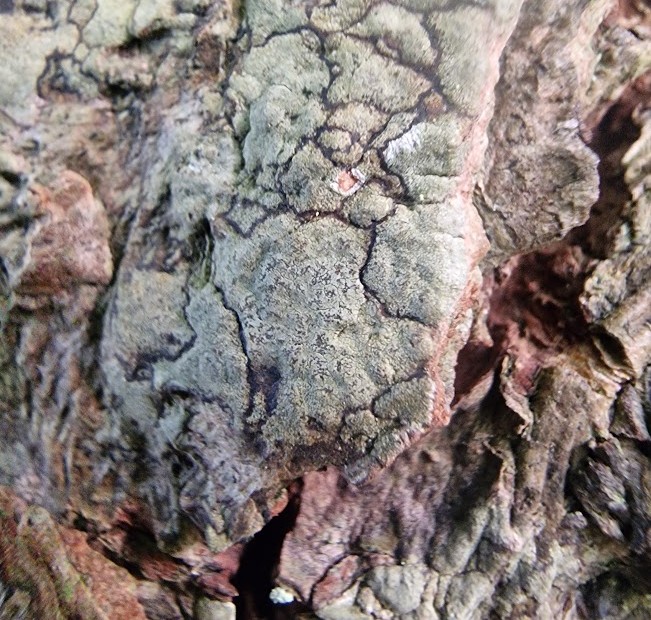
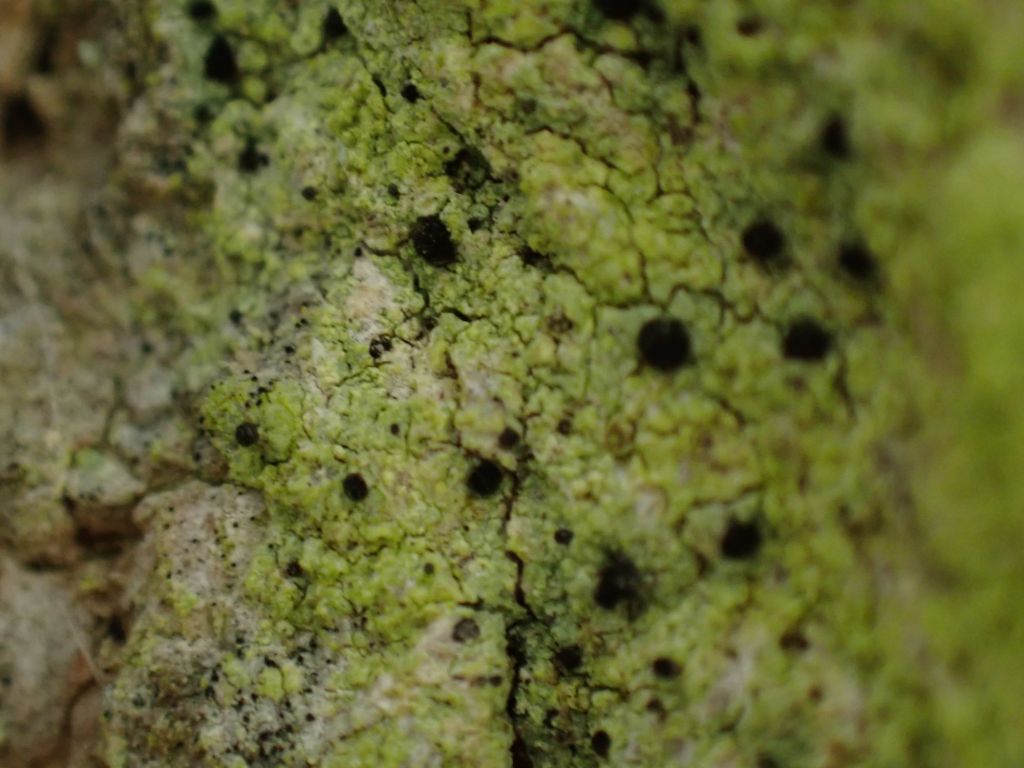
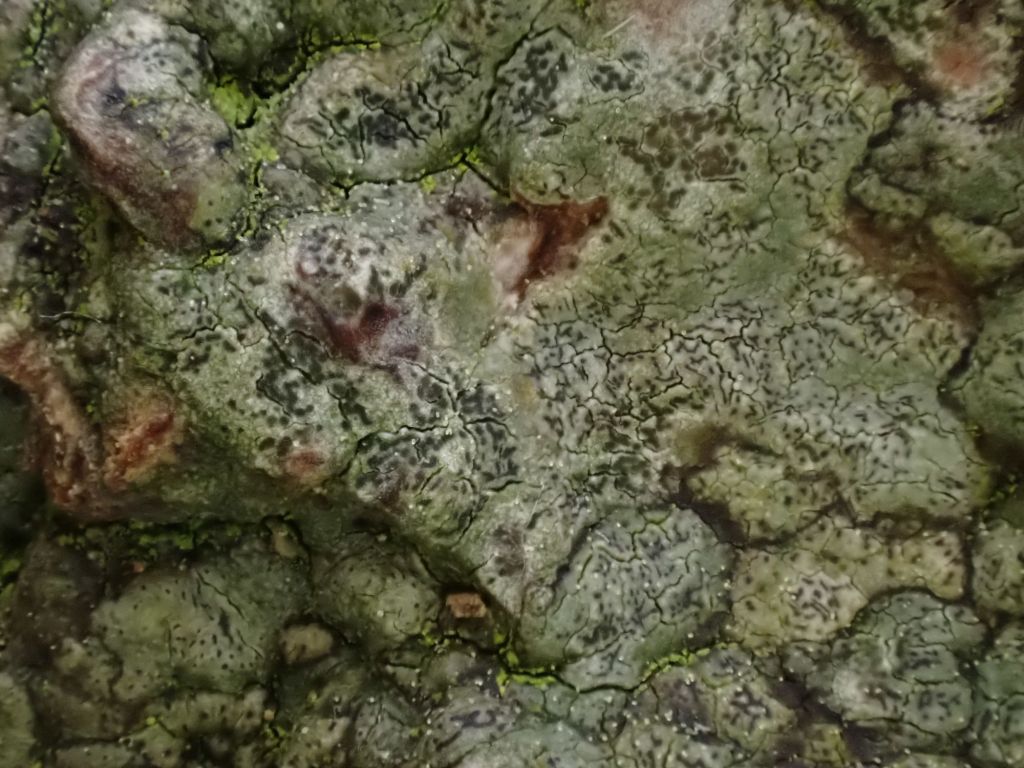
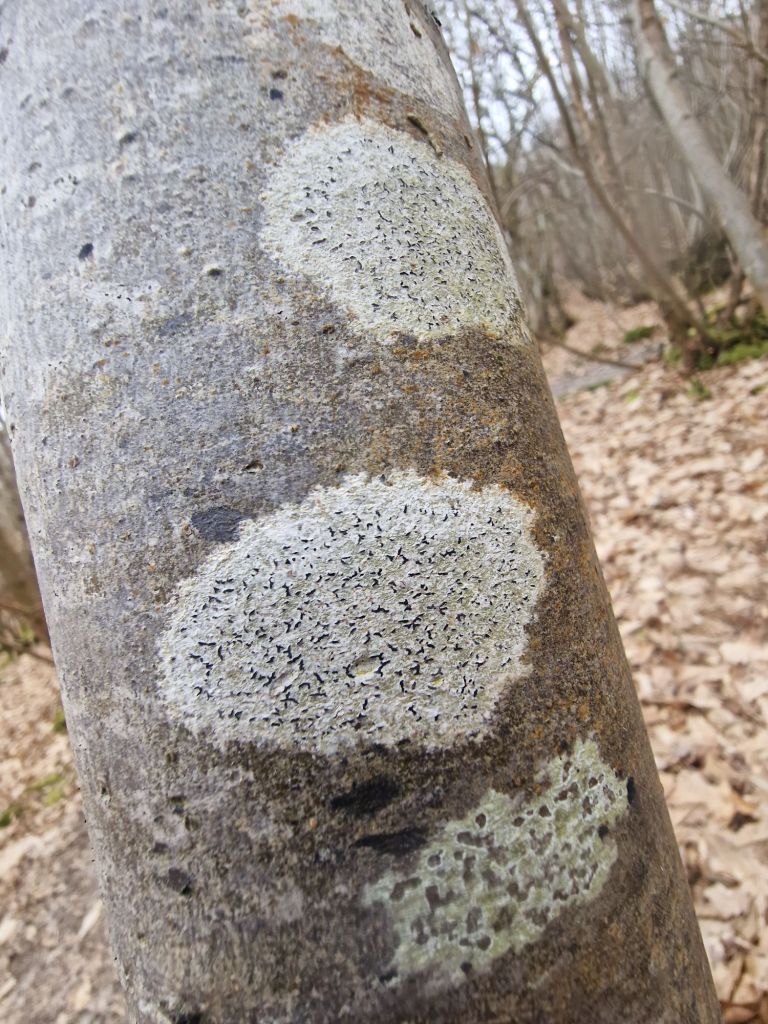
There are many ancient woodland indicator species in Rooks Clift. Aside from Large-Leaved Lime, Ramsons, and Solomons Seal, I saw Yellow Archangel, Wood Spurge, Wych Elm, and Enterographa Crassa (a relatively common lichen in old Southern woodlands, but on the indices of Ecological Continuity for Scotland). The wood also has Spurge-Laurel; but I didn’t find any.
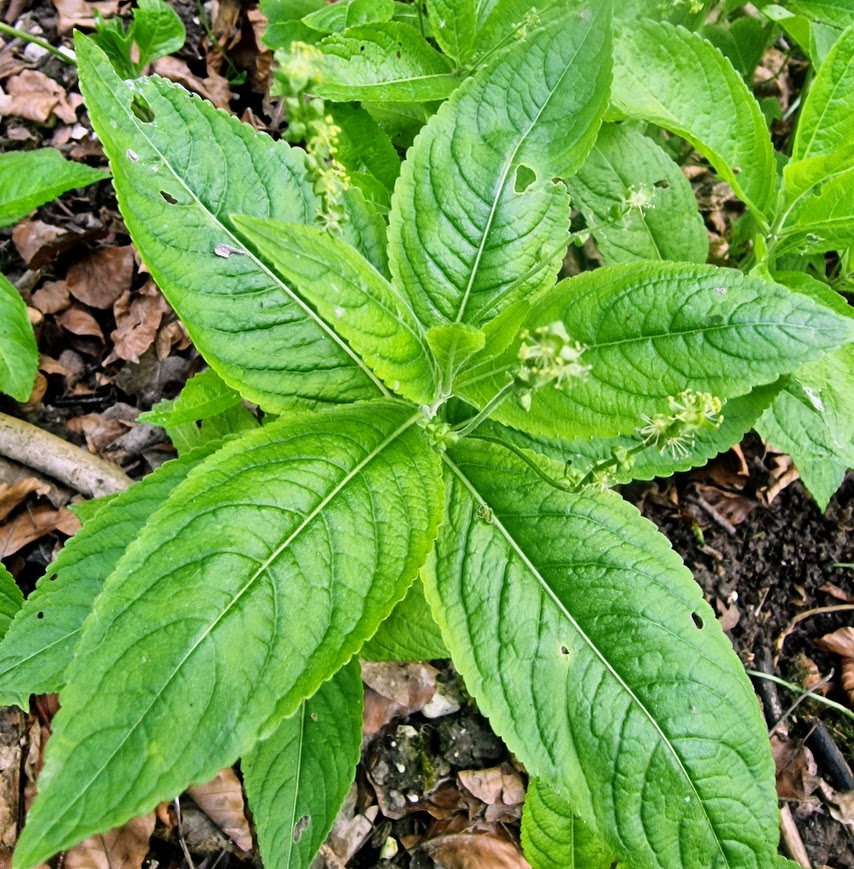
Yellow Archangel, Lamium galeobdolon
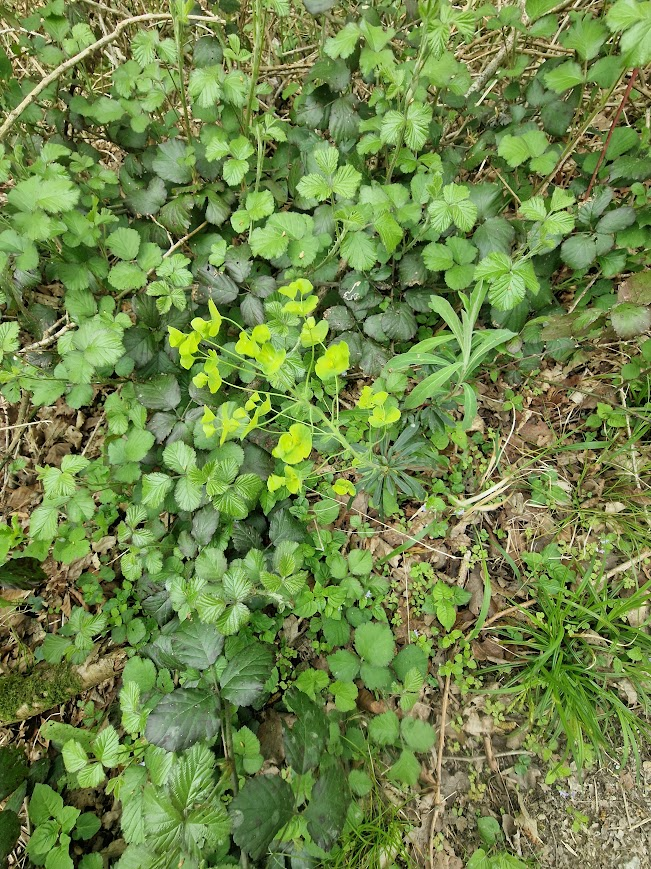
Wood Spurge, Euphorbia amygdaloides
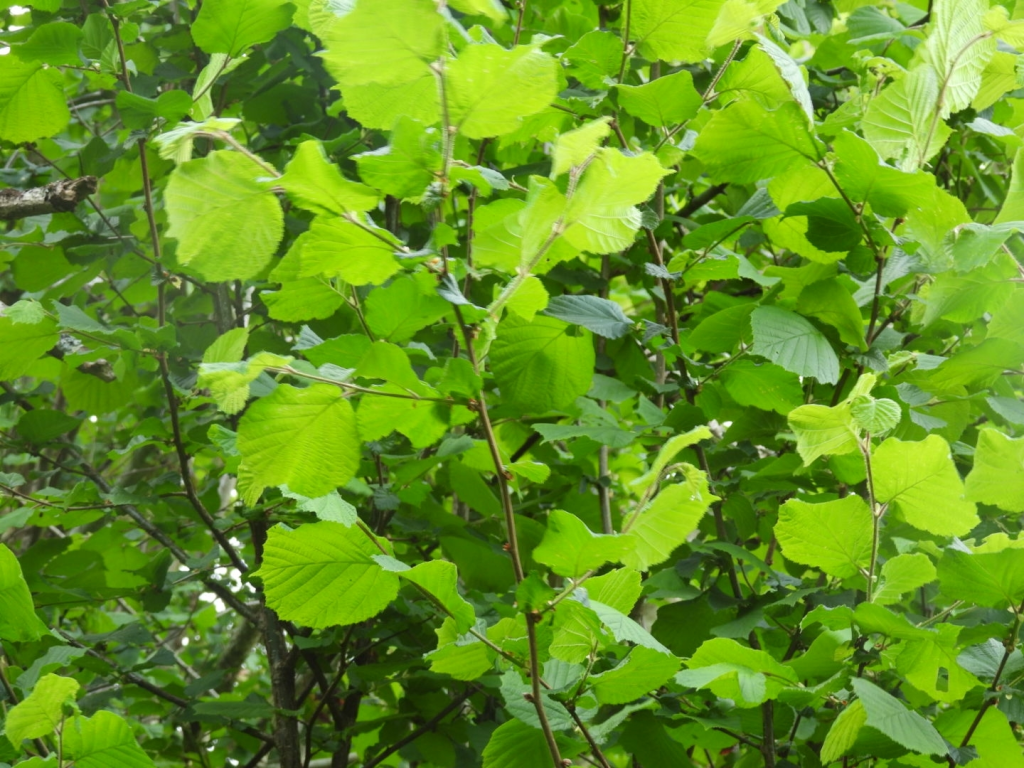
Wych Elm, Ulmus glabra
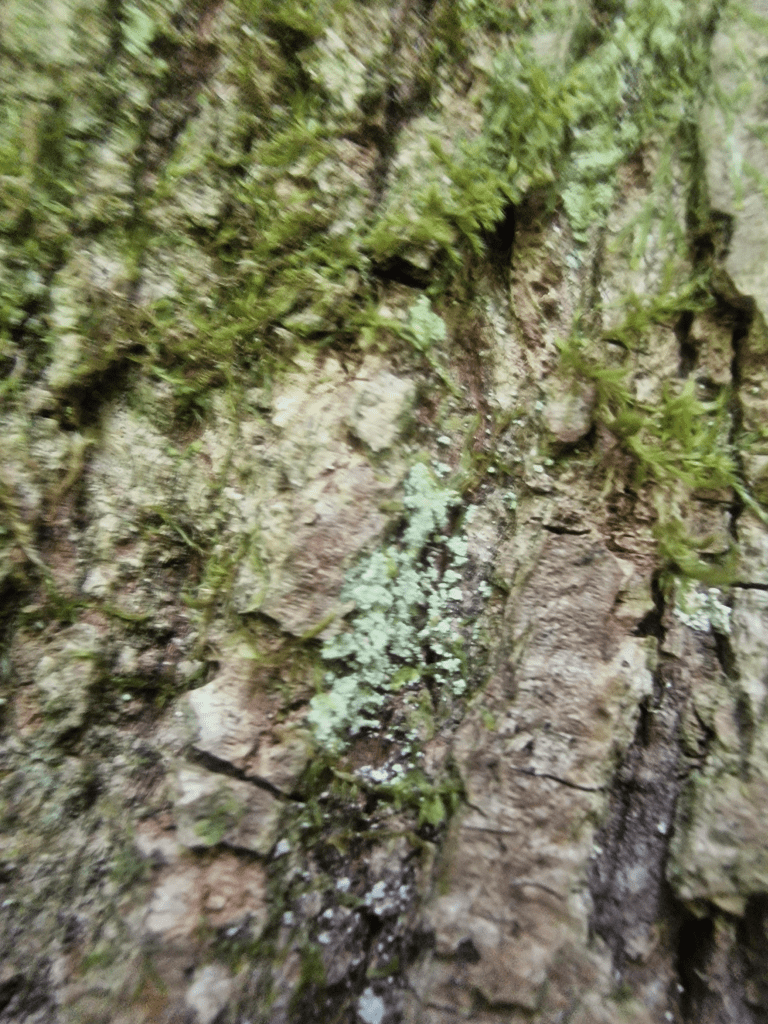
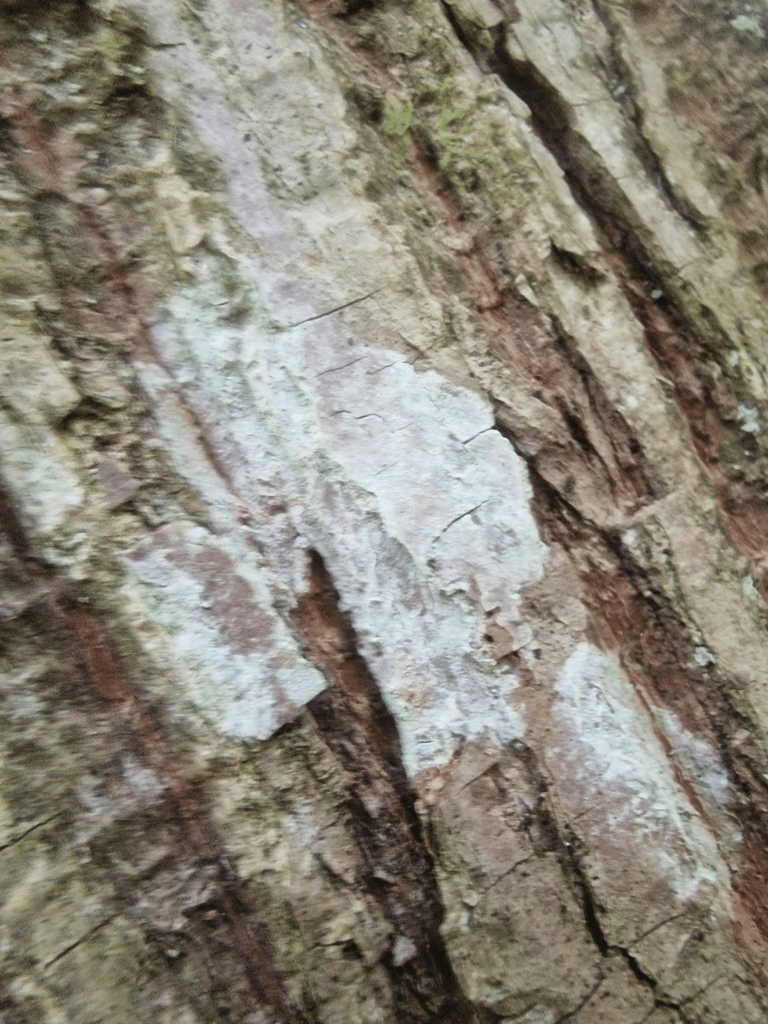
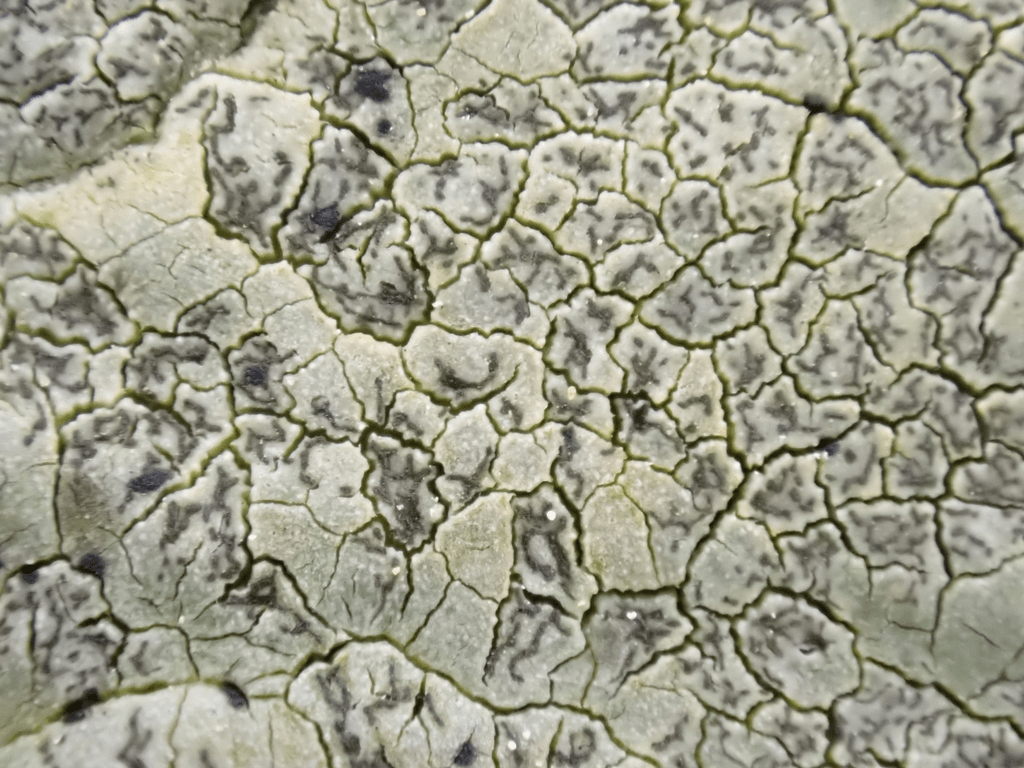
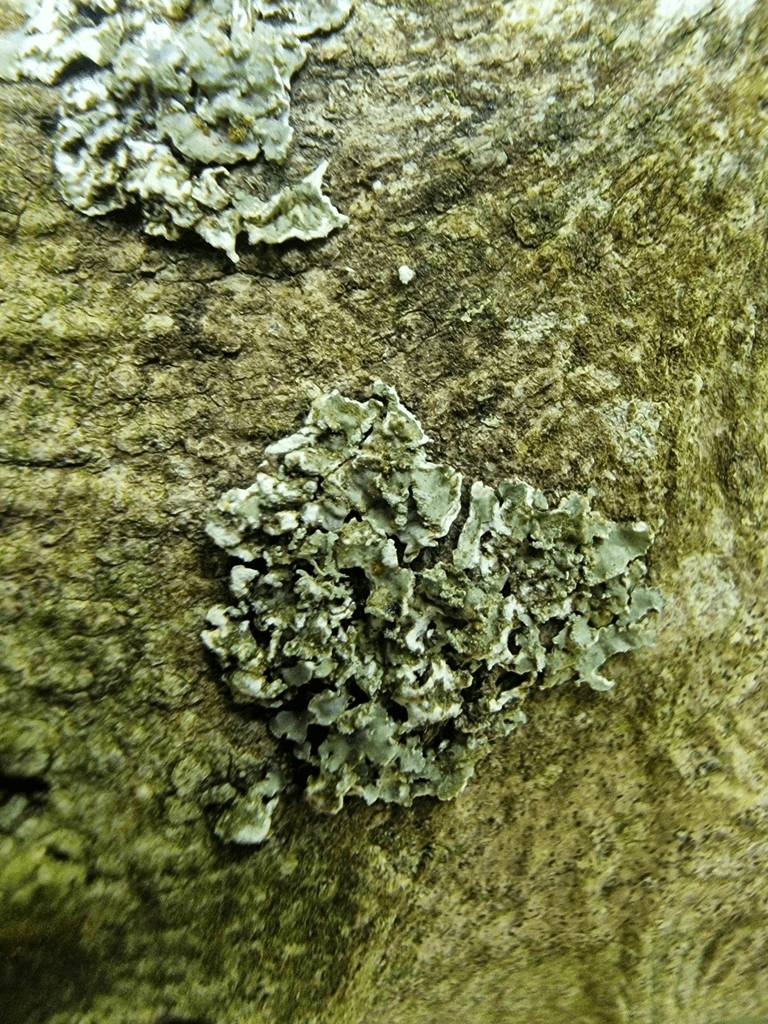
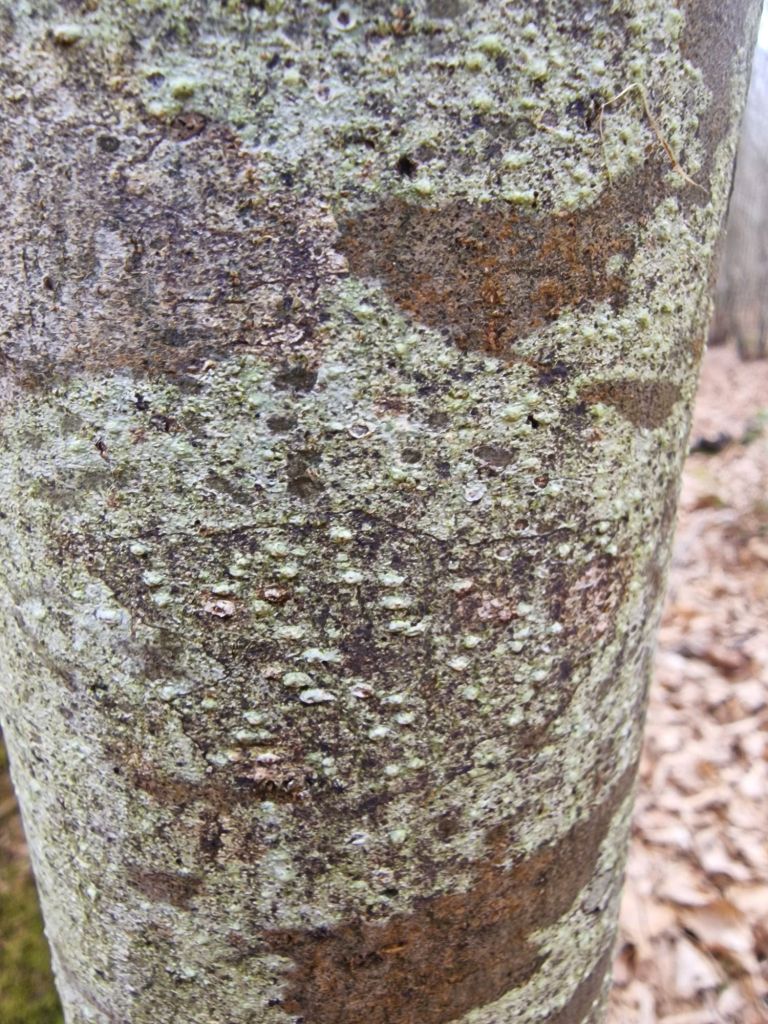
Enterographa crassa lichen
on Large Leaved Lime
Dog’s Mercury, Mercurialis perennis
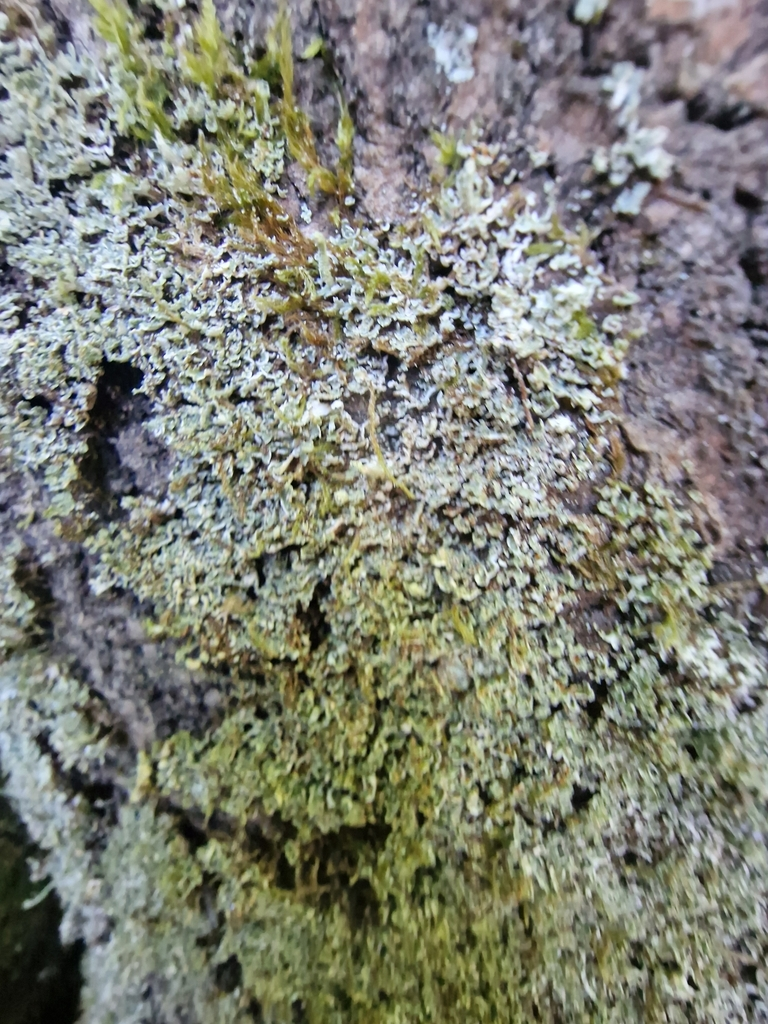
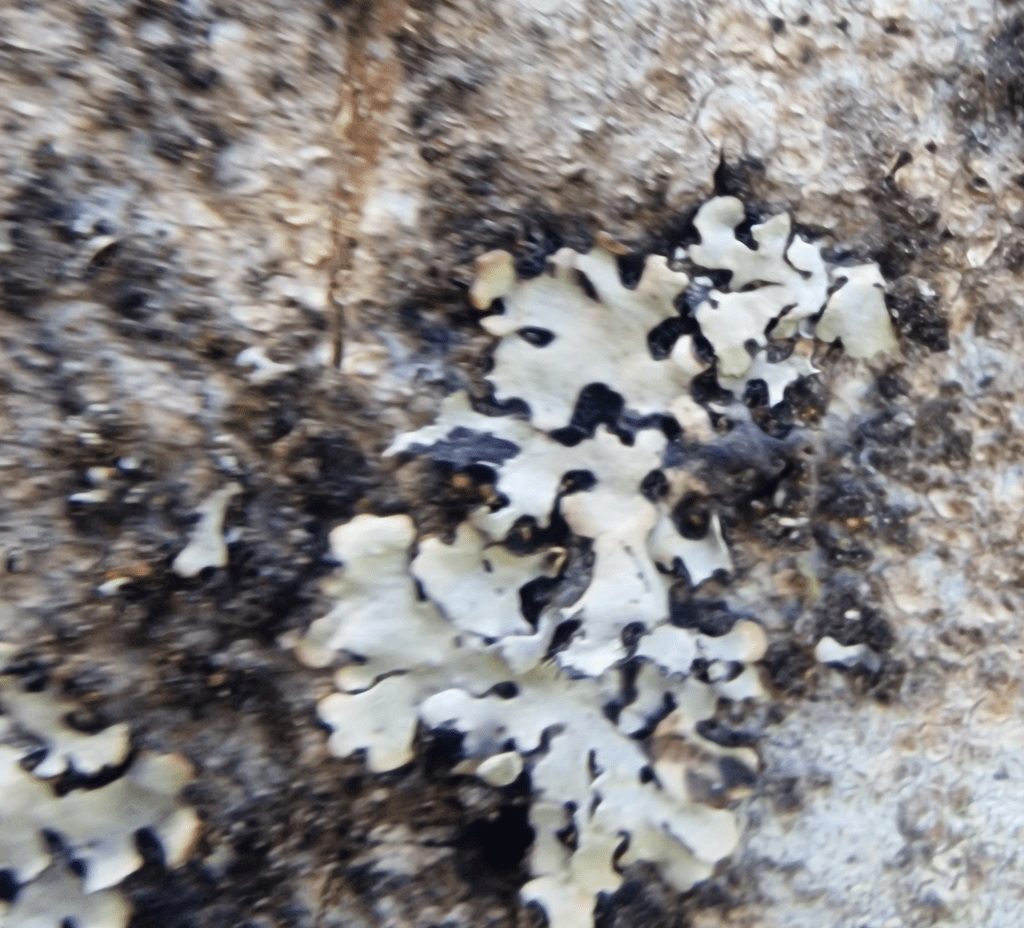
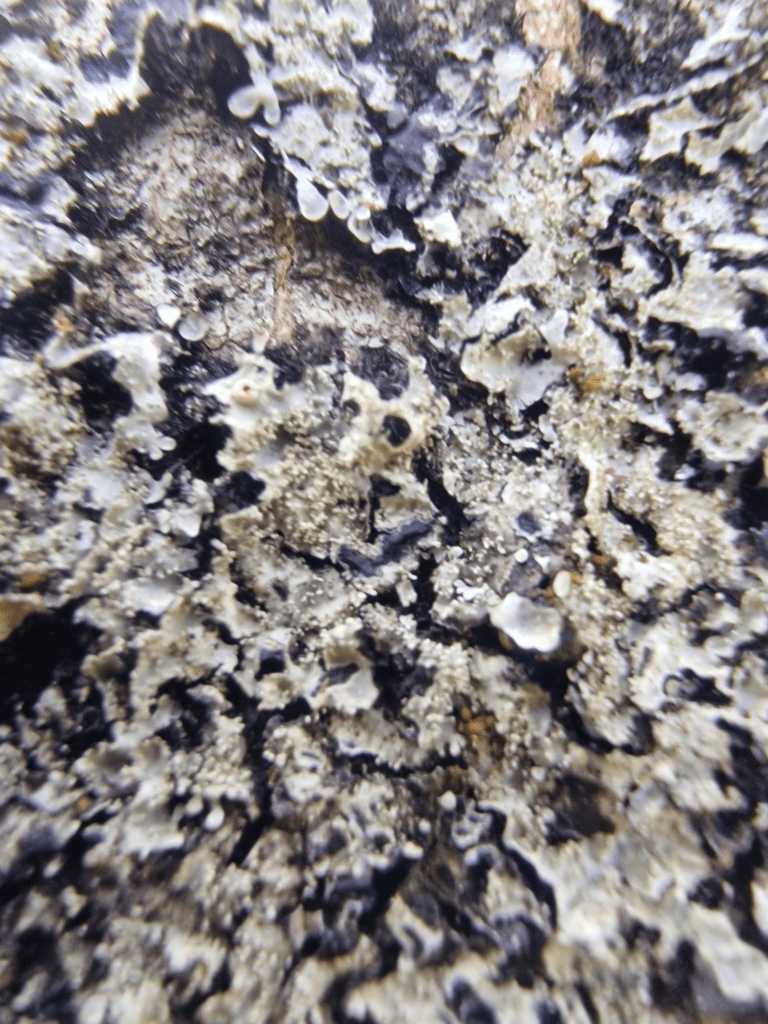
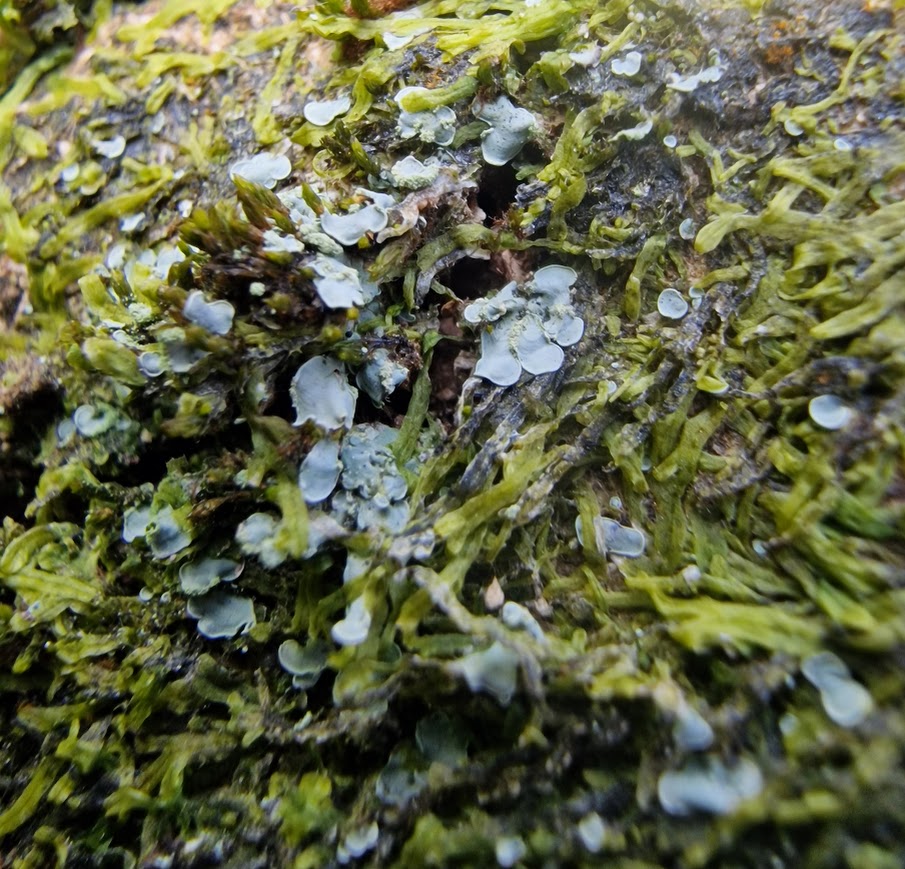
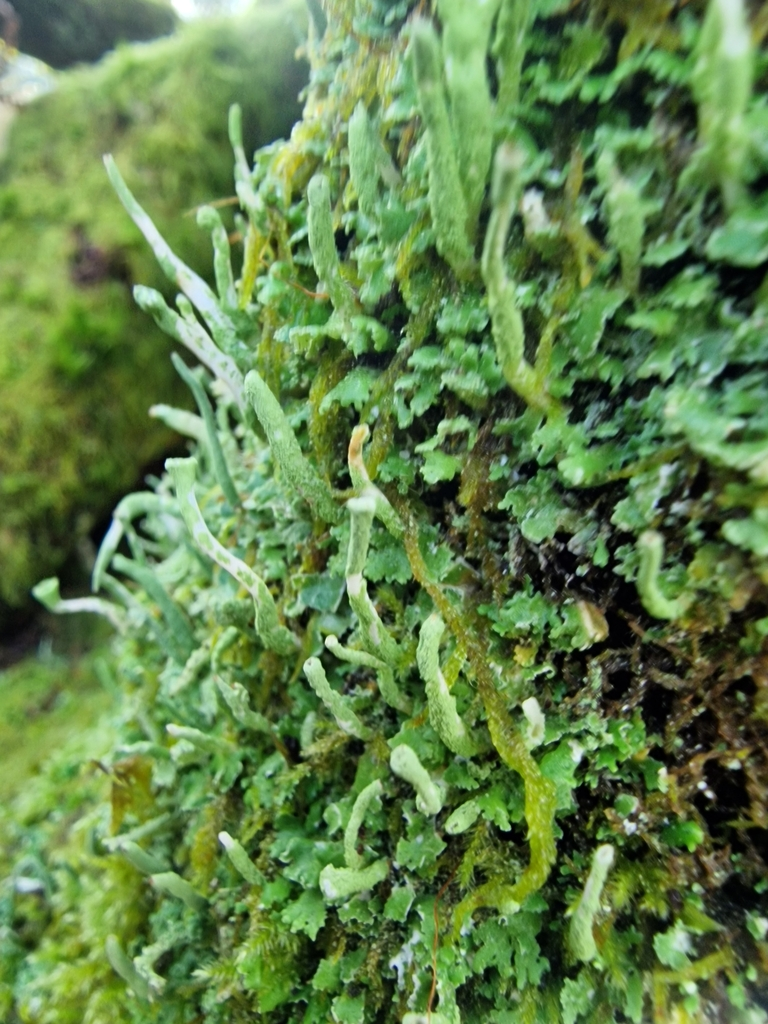
Eld Ear Lichen, Normandina pulchella, on the liverwort Forked Veilwort, Metzgeria furcata. Elf Ear lichen always grows on bryophytes (mosses and liverworts)
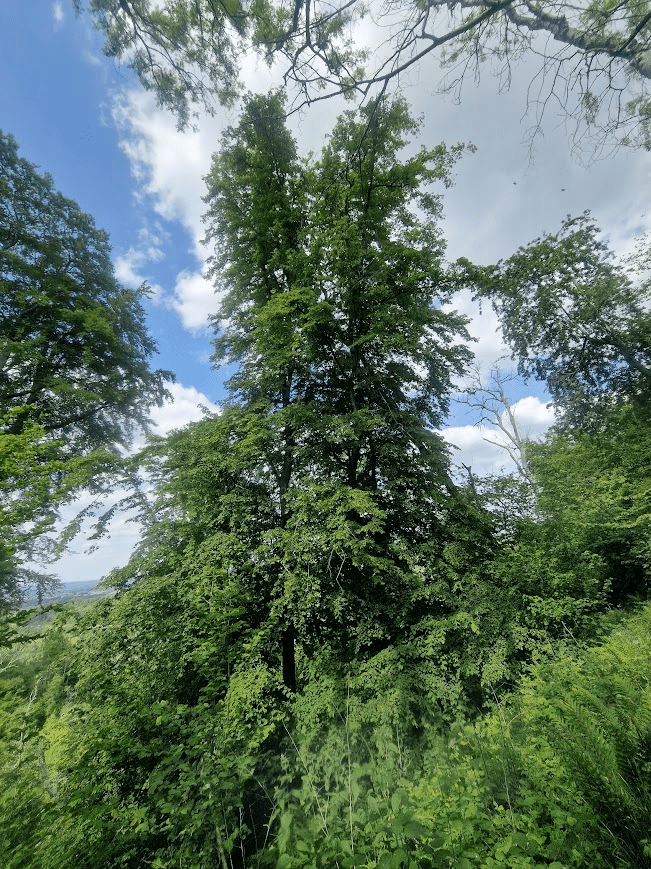
Looking up at Rooks Clift from the Greensand fields of the Low Weald.
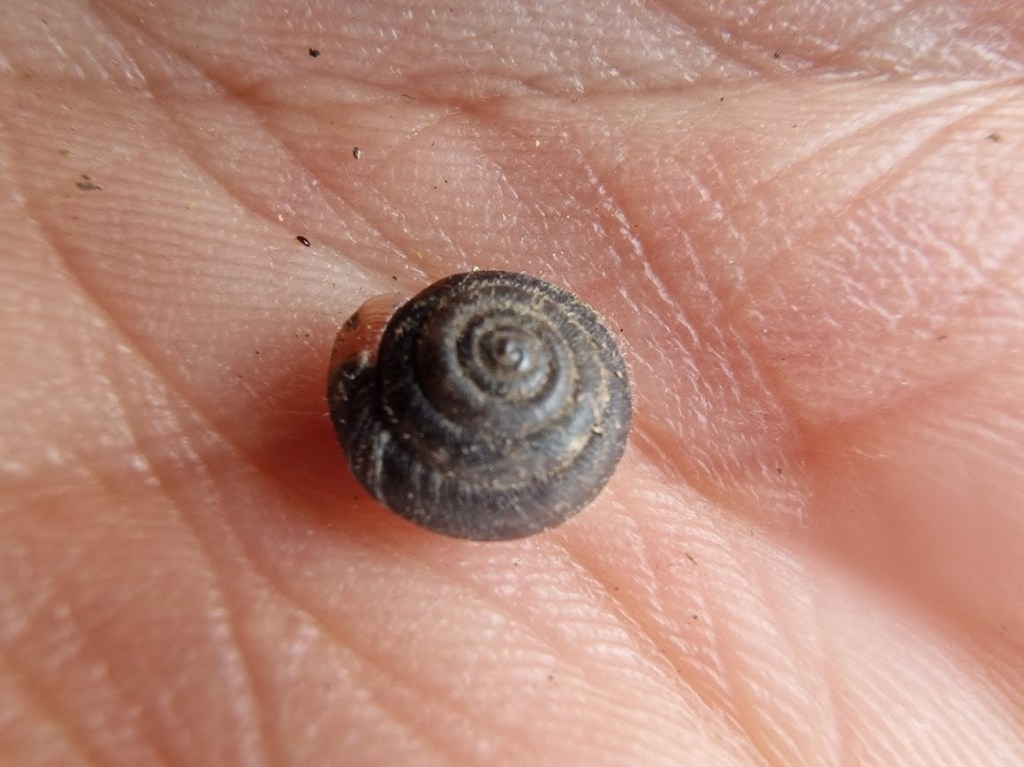
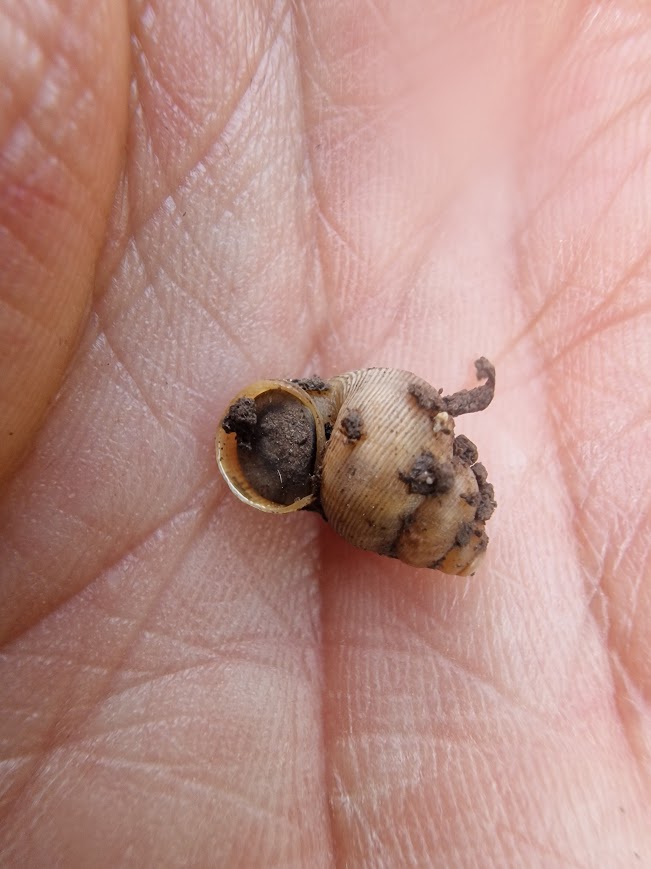
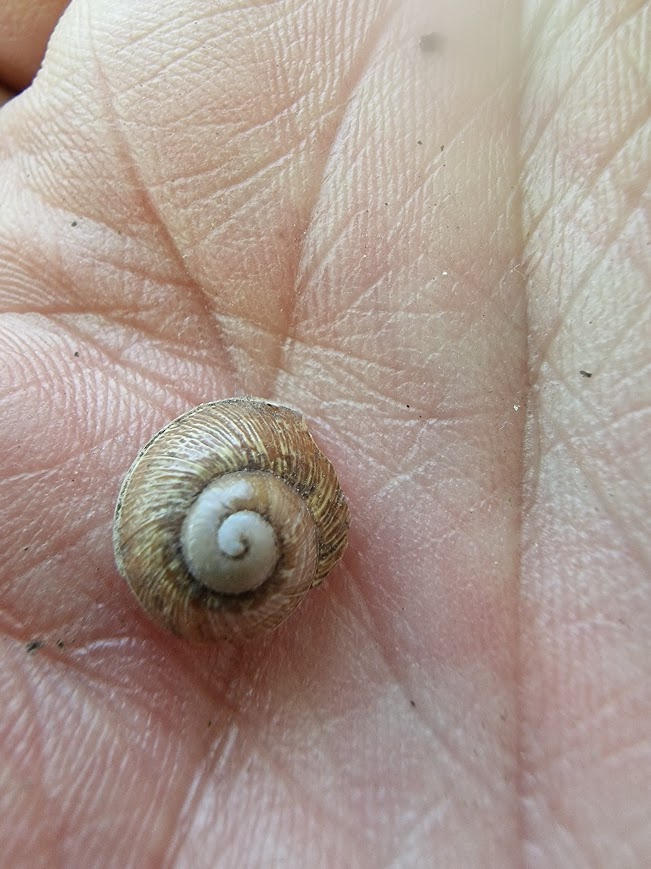
This wood also supports a rich mollusc fauna including the Red Data Book species Helicodonta obvoluta and several which are indicative of ancient woodland. [SSSI specification]. On a visit the week before, focussed on molluscs, with a friend and mollusc expert, we didn’t find Helicodonta obvoluta, but we did find these common snails:
Hairy Snail, Trochulus hispidus Genus Hemicycla; Round-mouthed Snail Pomatias elegans
Possibly Macrogastra ventricosain the family Clausiliidae, the door snails
Looking up to Rooks Clift from the farmland at the bottom (lower greensand of the Low Weald)
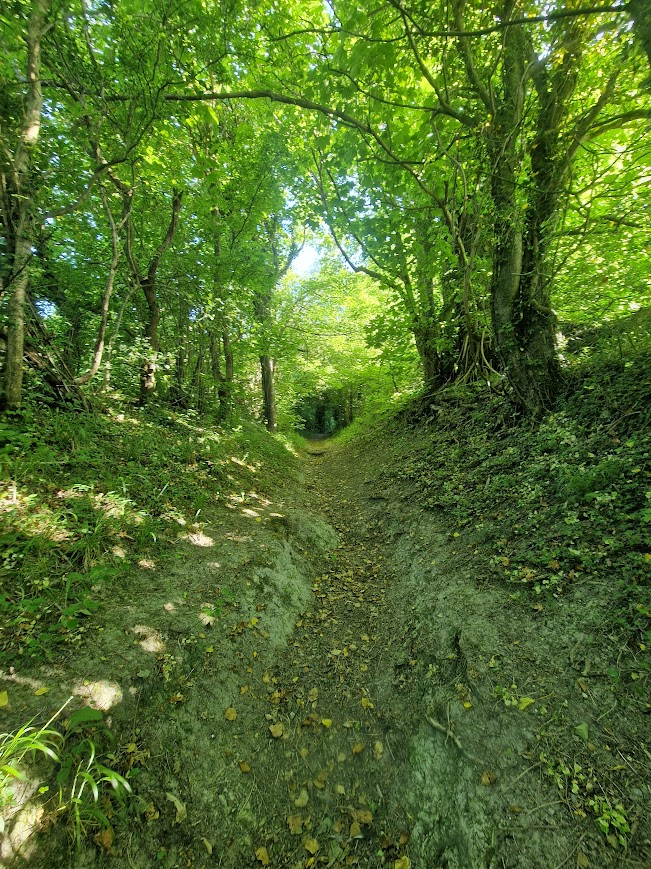
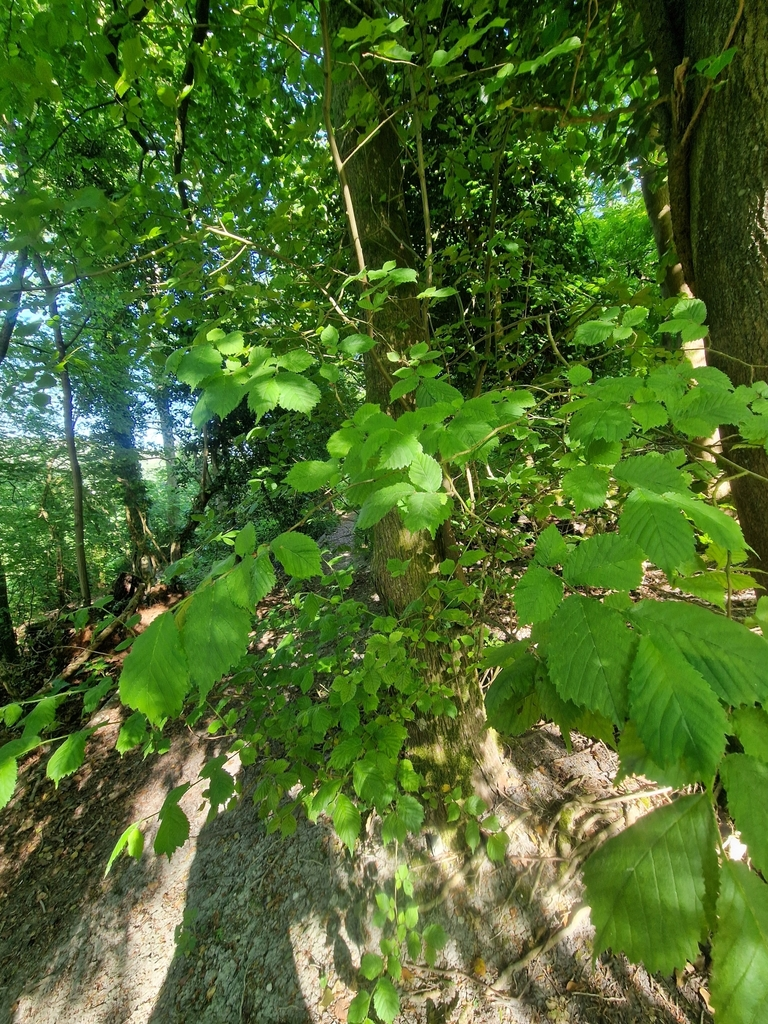
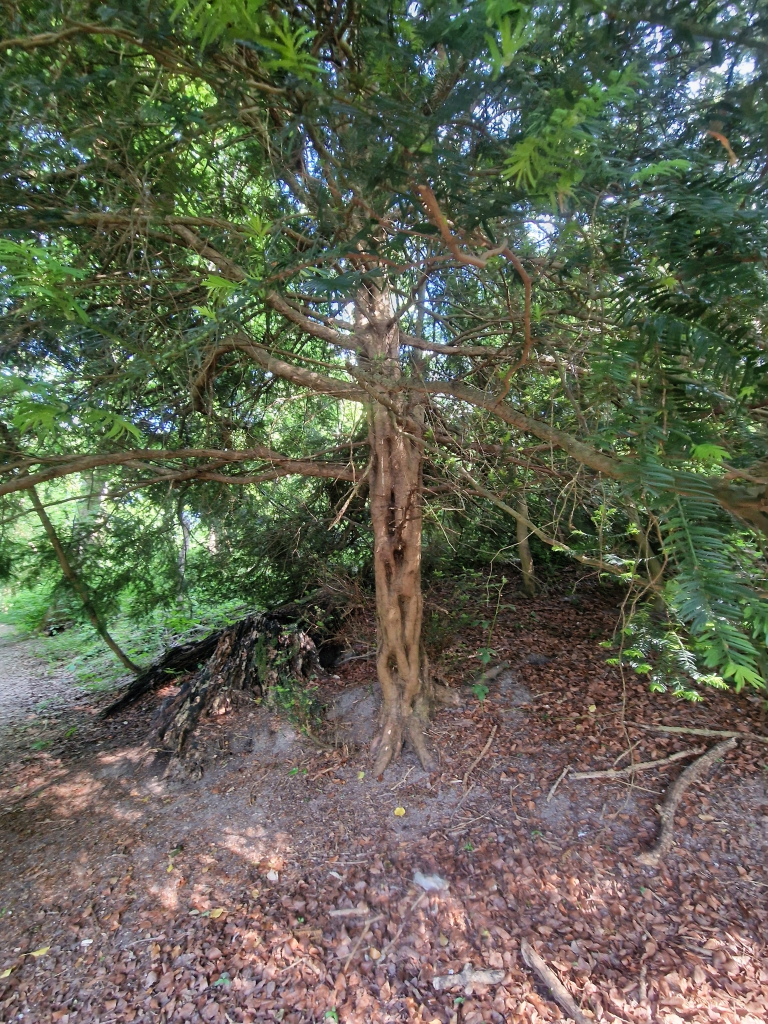
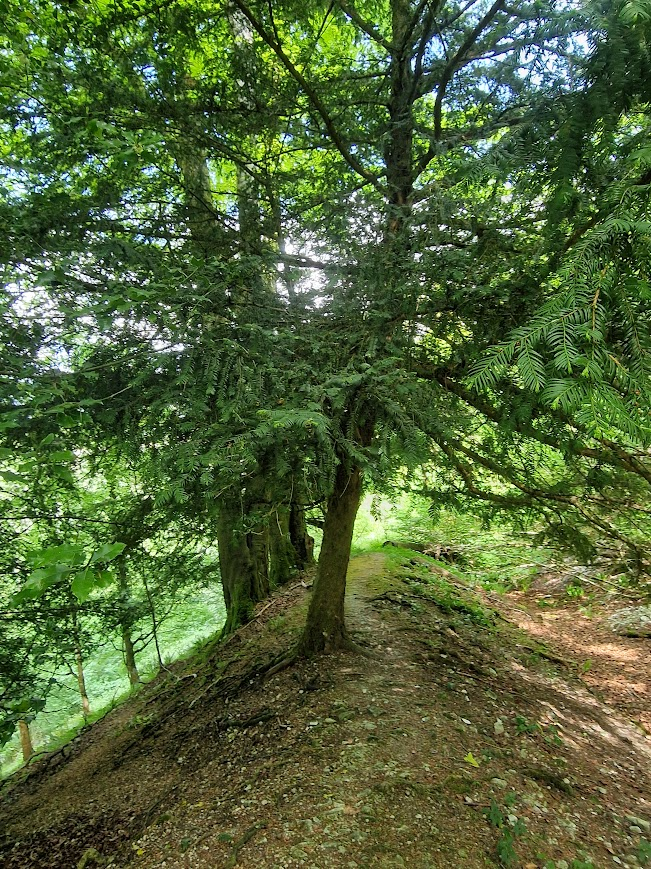
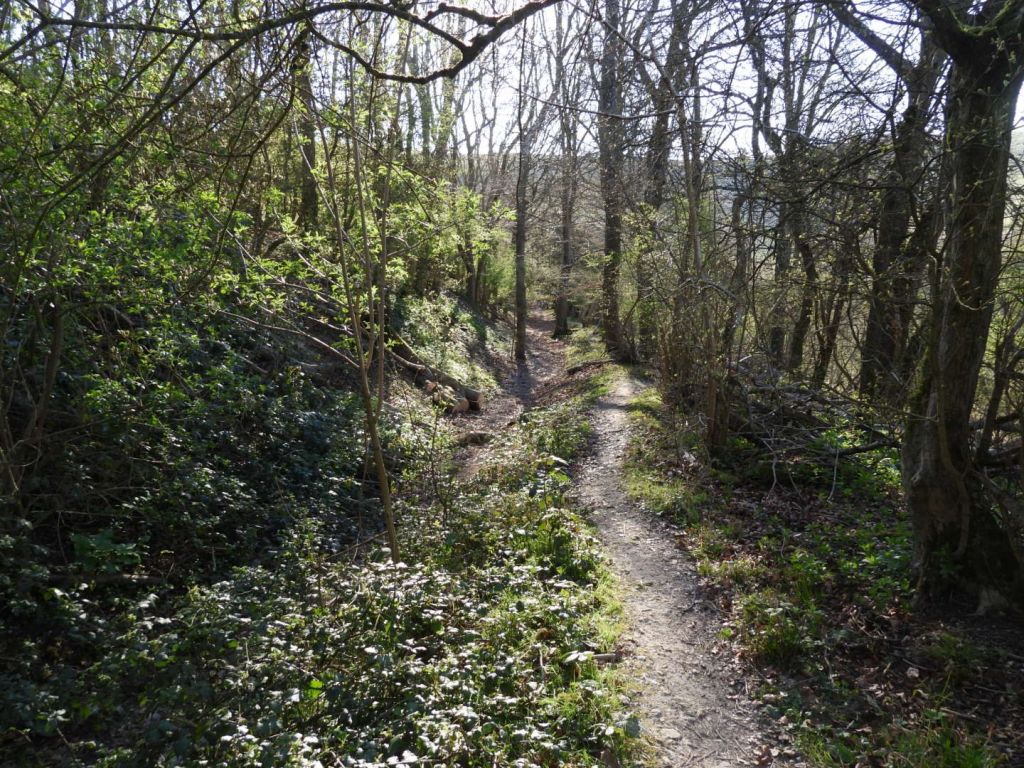
Looking down the footpath, with native Yew Taxus baccata, a native South Downs Tree. The path follows a ancient bostal, a Sussex dialect word referring to medieval track running up the scarp slops in the South Downs, typically diagonally to reduce the gradient.
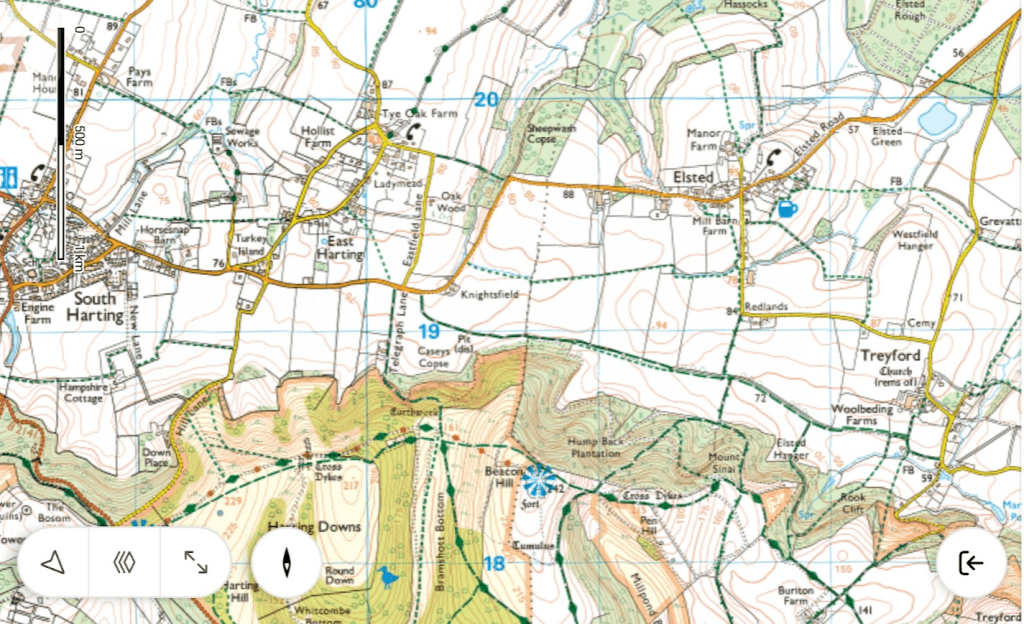
Location: near South Harting, West Sussex, between Chichester and Petersfield
I got to Rook Clift by public transport. Train to Chichester then Stagecoach bus to South Harting 54 Bus Timetable It is a very irregular bus service with only 5 busses a day; so plan carefully!
“Markstakes Common is a small nature reserve with a mix of landscapes; grassland, ancient woodland, wood pasture and mire. Past use is likely to have been bracken harvesting, rough pasturage and ad hoc extraction of timber” Friends of Markstakes Common
Marstakes us a wonderful location with much biological interest; this post focusses only on lichens and vascular plants.
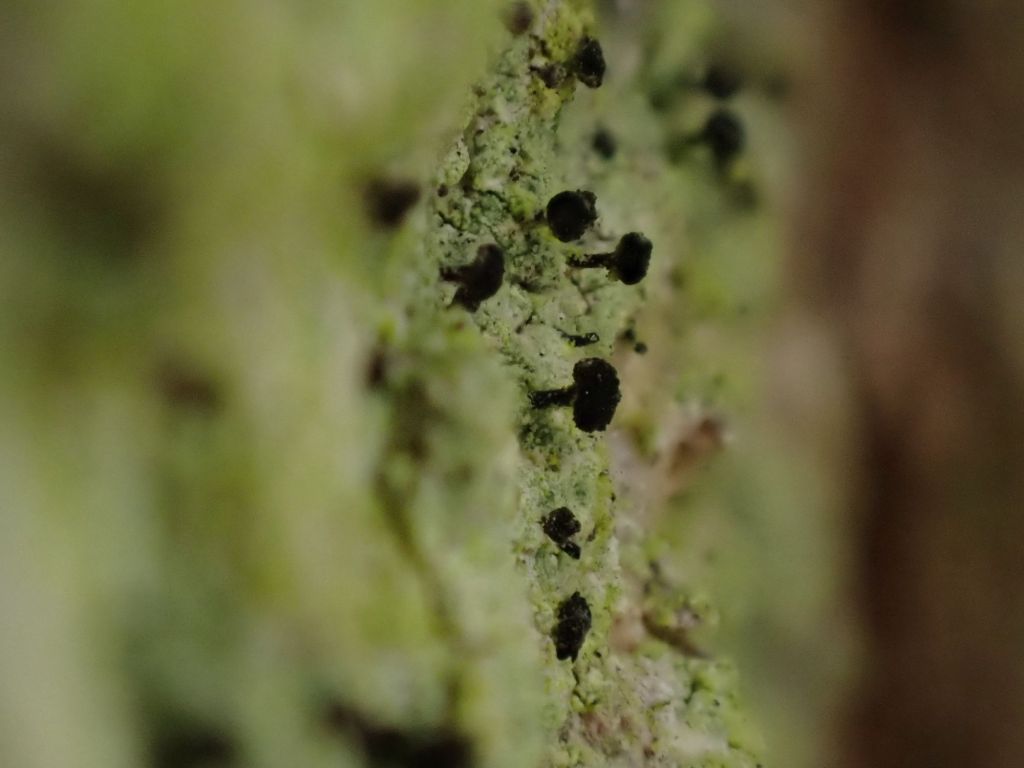
The most interesting thing I saw was Calicium viride; a pin lichen, growing on Oak. I saw it just outside the boundary of the commons in ancient woodland between It’s apotothecia is ca. 1-2mm long and is pin shaped. Theoretically “common” but incredibly difficult to see. On acid barked broad leaved trees in ancient woodland. Look out for bright green granular thallus – looks like Psilolechia lucida, but P. lucida on grows on rocks. So, if you see something like P. lucida on a tree, it might be C. viride. Pin 1-2mm long so probably need 20x hand lens or macro camera.
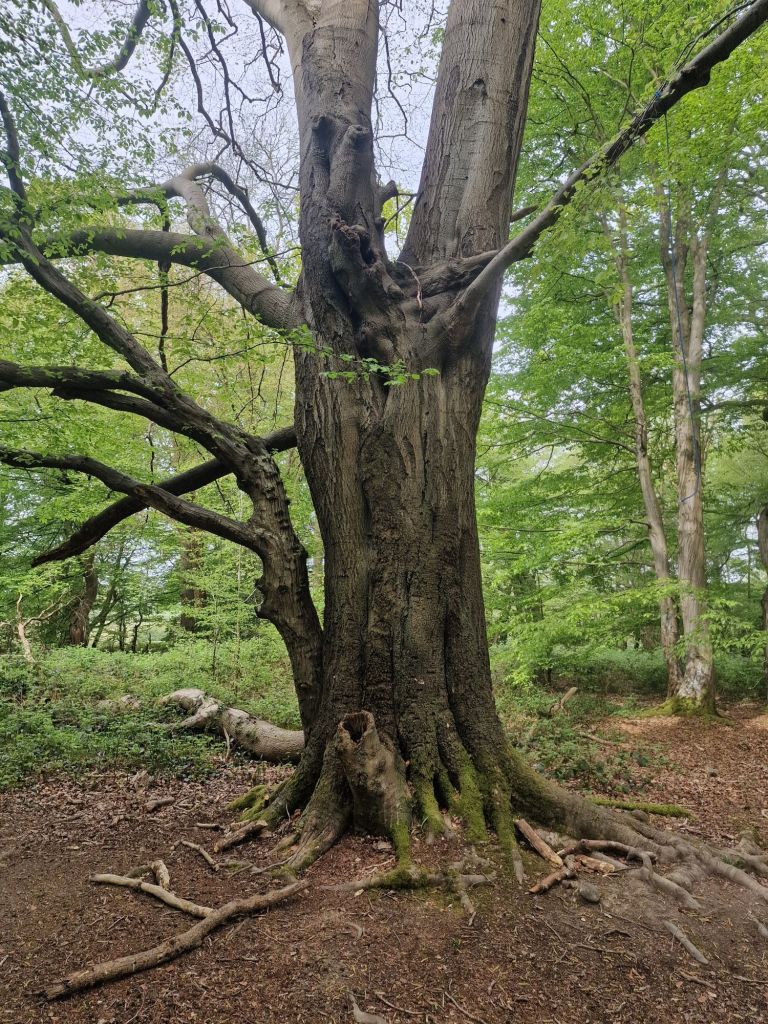
Soon after entering Marstakes Common, I saw a huge ancient birch, Fagus sylvatica. On it was the tiny lichen, Enterographa crassa
“A distinctive species often dominating large areas of trunk in pure mosaics of small interlocking waxy brown thalli, spotted with small dot like apothecia, which often line up in dendritic patterns. Very common in south western and Irish woodlands on humid shaded trunks. Rare to the north and east”British Lichen Society Enterographa crassa
Enterographa crassa is very difficult to see, as it is the colour of bark. It often occurs in large patches. It’s tiny apotothecia form in lines that look like lirrelate apothecia (writing-like apothecia), but they are lines of dots 0.1-0.2mm across.
Marstakes has many beautiful trees, including Ancient Oaks, Birches, Hornbeam, Wild Cherry and Midland Hawthorn. Hornbeam (when in the middle of woods, not a boundary tree), Midland Hawthorns and Wild Cherry are ancient woodland indicator plants.
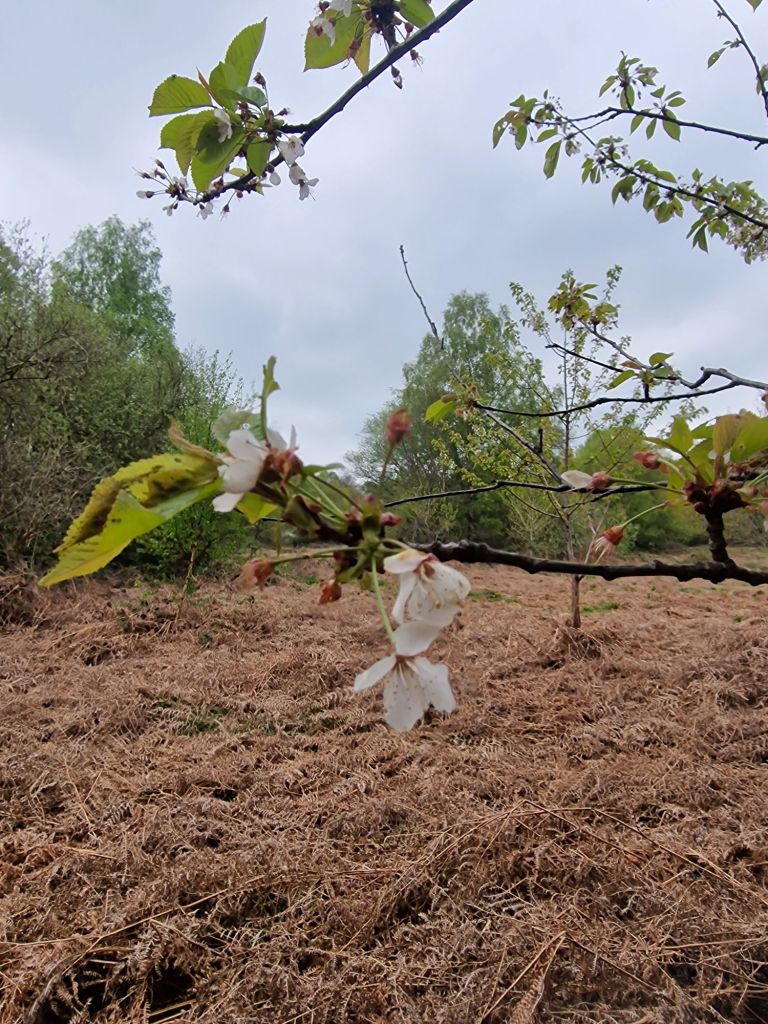
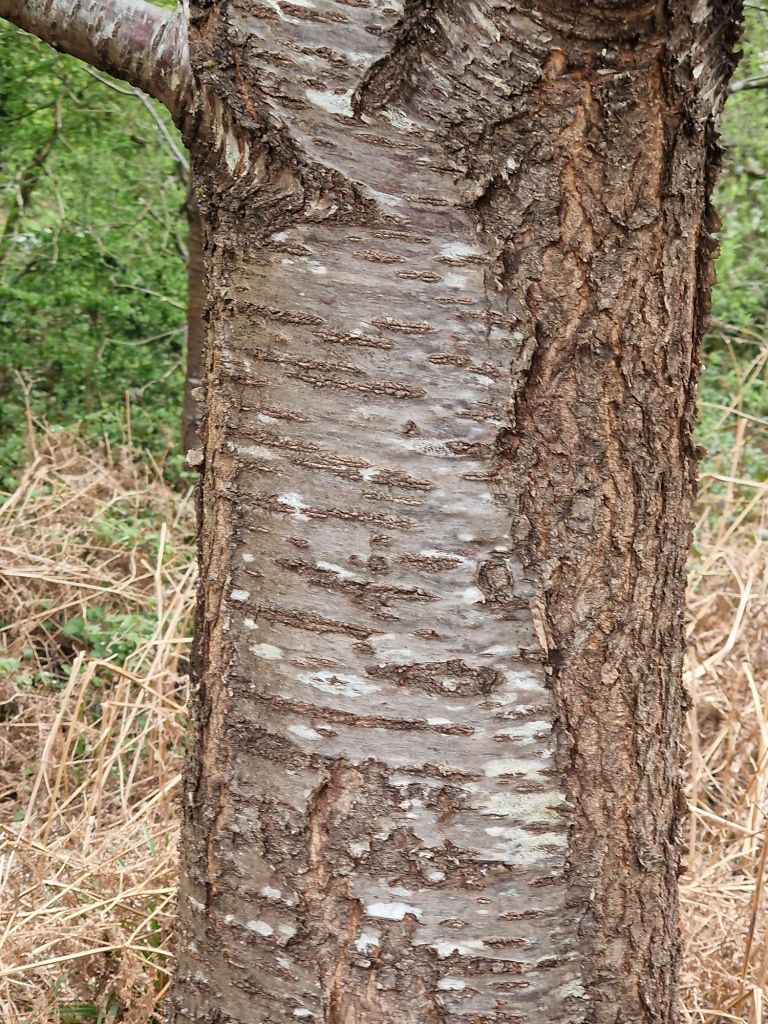
Wild Cherry (Gean), Prunus avium
Ancient Hornbeam, Carpinus betulus
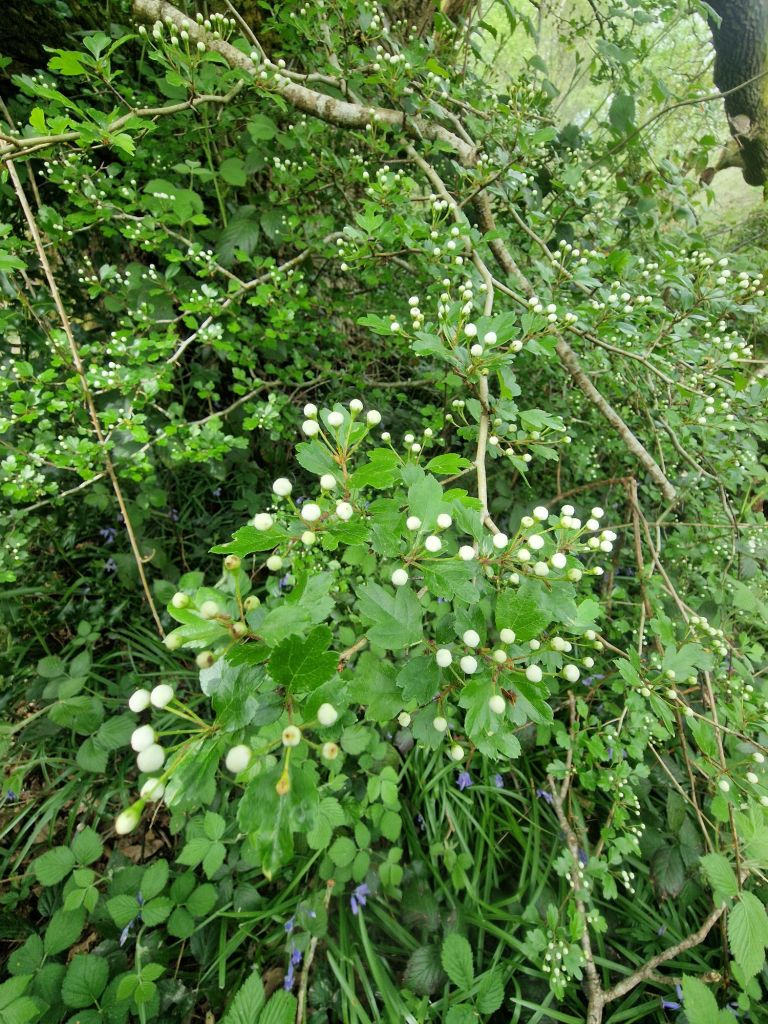
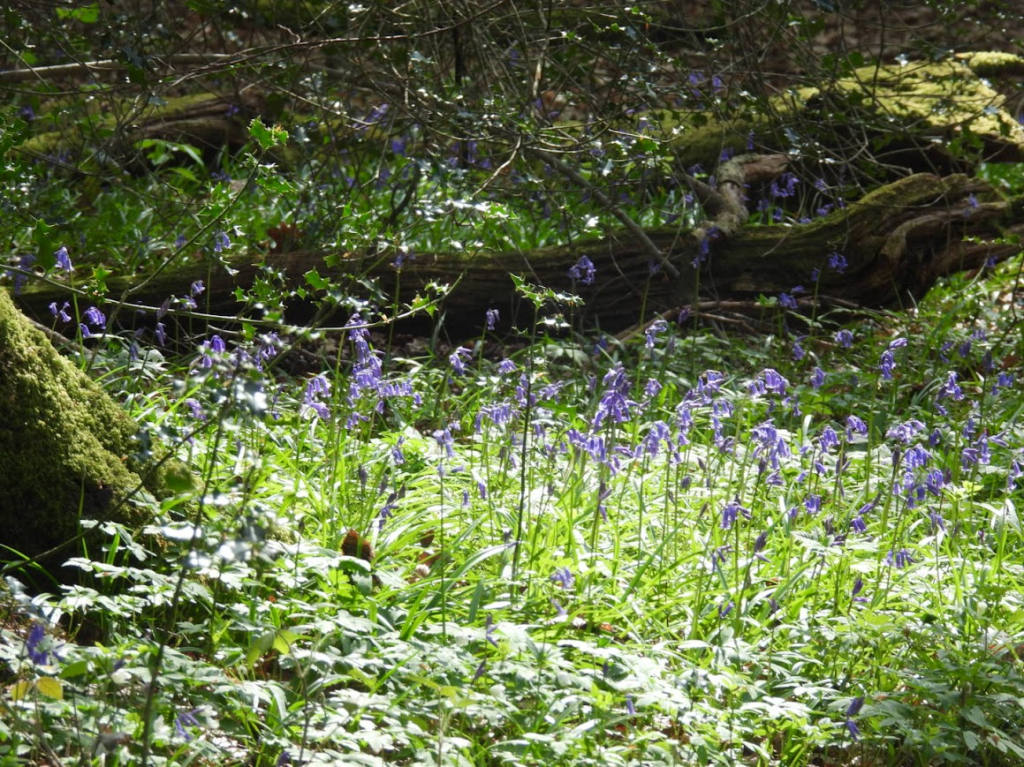
Midland Hawthorn, Crataegus laevigata, with Bluebells, Hyacinthoides non-scripta, another Ancient Woodland Indicator Plants
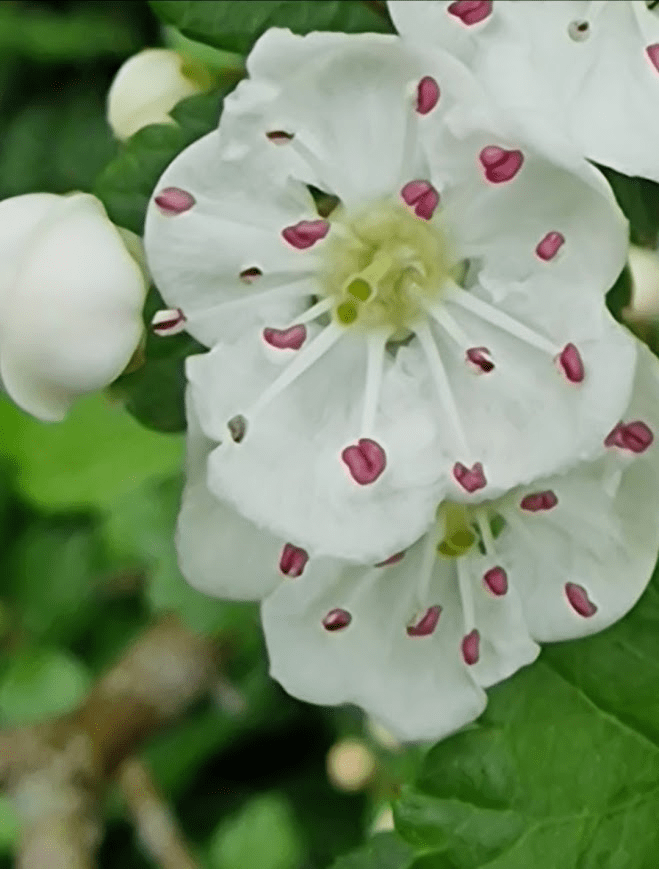
Flowers of another Midland Hawthorn
Midland Hawthorn has two styles; ordinary Hawthorn only has one. A style of an flower is an organ of variable length that connects the ovary to the stigma.
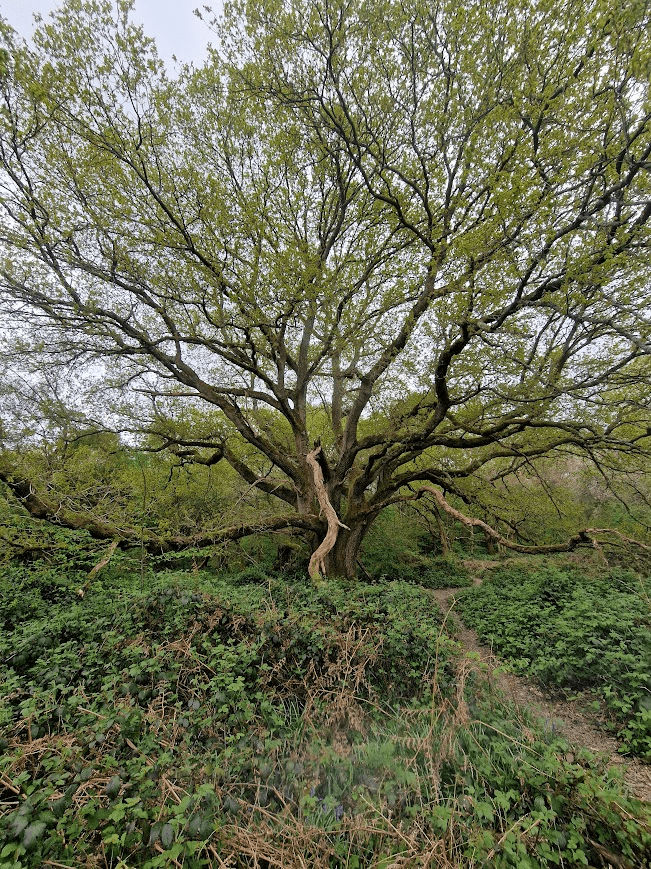
A stunning ancient Pendunculate Oak
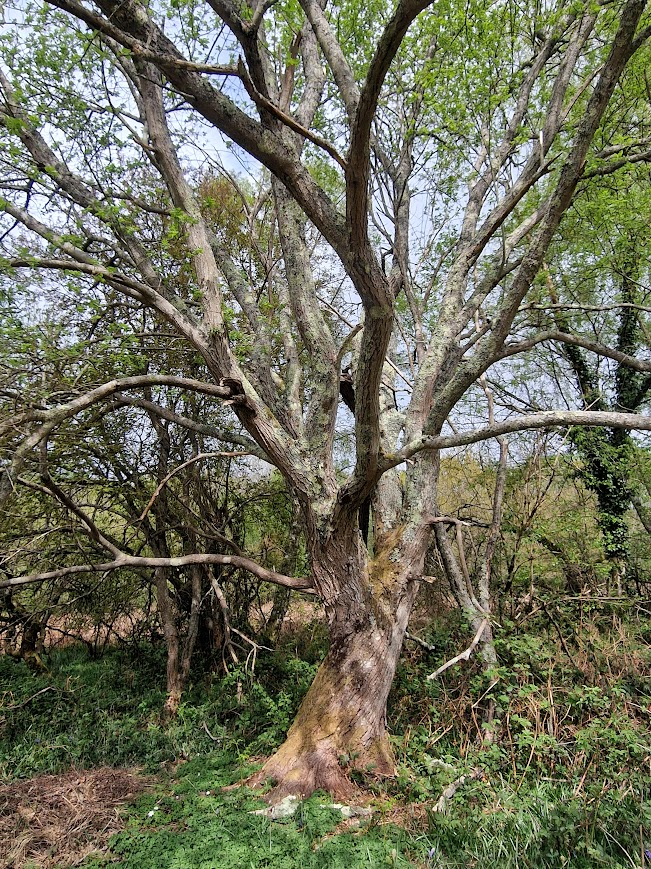
and a huge Goat Willow, Salix caprea
Marstakes Common and its adjacent wood Grantham’s Rough; had a variety of ancient woodland indicator plants
Home to myth and legend, where folk tales began. It fuelled our ancestors and still houses thousands of species. Ancient woodland has grown and adapted with native wildlife, yet what remains only covers 2.5% of the UK.Woodland Trust
This afternoon I walked through the ancient woodland of Butcher’s Wood (Woodland Trust), Lag Wood (private but with permissive access), both just south of Hassocks and Newer Copse (Wolstonbury Hill, National Trust) near Clayton. I am a volunteer with the Woodland Trust and Action for Rural Sussex’s Lost Woods of the Low Weald and Downs project and my particular biological interest is the lichens of woods, and I lead introduction to lichen walks. But in spring, my attention is drawn to the beauty of wild plants in ancient woodland.
This post is written for the general public; especially those new to wild plant identification.
All these woods are a short walk from Hassocks Rail Station or the Jack and Jill bus stop at Clayton (Metrobus 270, 271, 272, 273)
Butcher’s Wood and Lag Wood are woods of the Low Weald (and their underlying geology is the clay of the Gault Formation). Newer Copse, Wolstonbury Hill, is woodland of the South Downs (chalk of the West Melbury Marly Chalk Formation). Underlying geology determines soil type, and this affects which plants grow where. You can find out the geology of anywhere in the the UK by using the British Geology Survey Geology Viewer Viewer
Butcher’s Wood
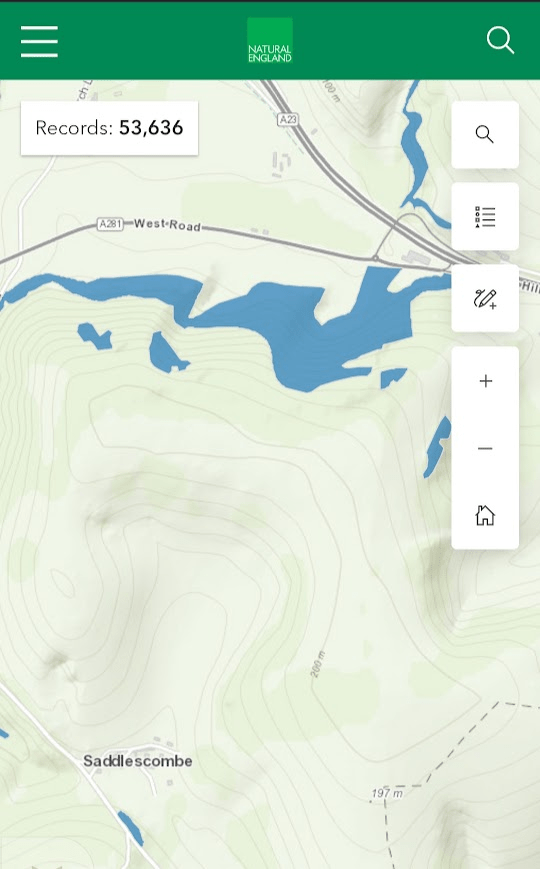
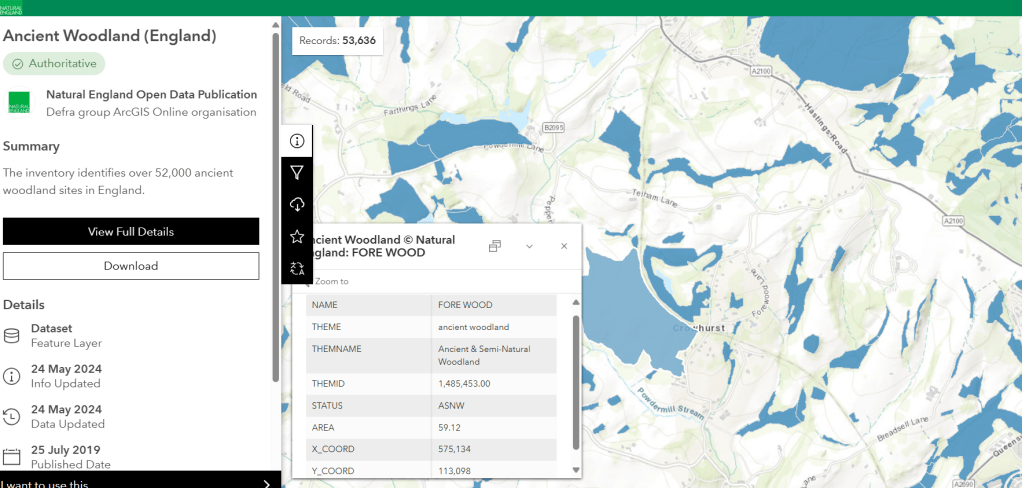
I could find out if I was in ancient woodland simply by consulting Natural England’s index of ancient woodland; it’s map of ancient woodland can be explored here: Natural England Ancient Woodland; and these three woods are indeed Ancient Woodland (Ancient semi-natural woodland (ASNW))
Natural England classifies ancient woodland thus:
Firstly, woodland can be calassified as Ancient Semi-Natural Woodland; mainly made up of trees and shrubs native to the site, usually arising from natural regeneration. They are areas that have been wooded continuously since at least 1600. This does not mean the trees in ancient woodland are themselves ancient; although some might be.
Moreover, ancient trees can be found not in woods. Ancient Pendunculate Oaks, Quercus robur, can be found in Low Weald grazing pasture and hedge rows. These are probably relics of former woodland that was cleared for pasture and left for shelter for livestock or for ield boundaries.
The oldest trees in Sussex are polllarded pasture Oaks in ancient medieval Deer Parks; those in the Low Weald include Danny Park south of Hurspierpoint and Plashett Park north of Ringmer. There is only limited public access by public footpath to these parks
Alternatively, Natural Englsnd designates ancient woodland as Plantations on Ancient Woodland Sights (or Ancient Replanted Woodland) – replanted with conifer or broadleaved trees (e.g. Sweet Chestnut, Castanea sativa) that retain ancient woodland features, such as undisturbed soil, ground flora and fungi
Another way of determining whether you are in ancient woodland, without looking at the Natural England ancient woodland maps, is to look at the plants growing in the woodland you are walking through. Certain plants indicate that the wood you are walking through may be ancient; as these plants take a bery long time to establish themselves in woods.
This post illustrates the Ancient Woodland Indicator Plants that I found in Butcher’s Wood, Lag Wood and Newer Copse today. Ancient Woodland Indicator Plants are listed in Indicators Of Ancient Woodland – the use of vascular plants in evaluating ancient woods for nature conservation. Francis Rose, British Wildlife 10.4 April 1999, Pages 241-251. At the end of this post is a full list of the ancient woodland indicator plants listed by Rose
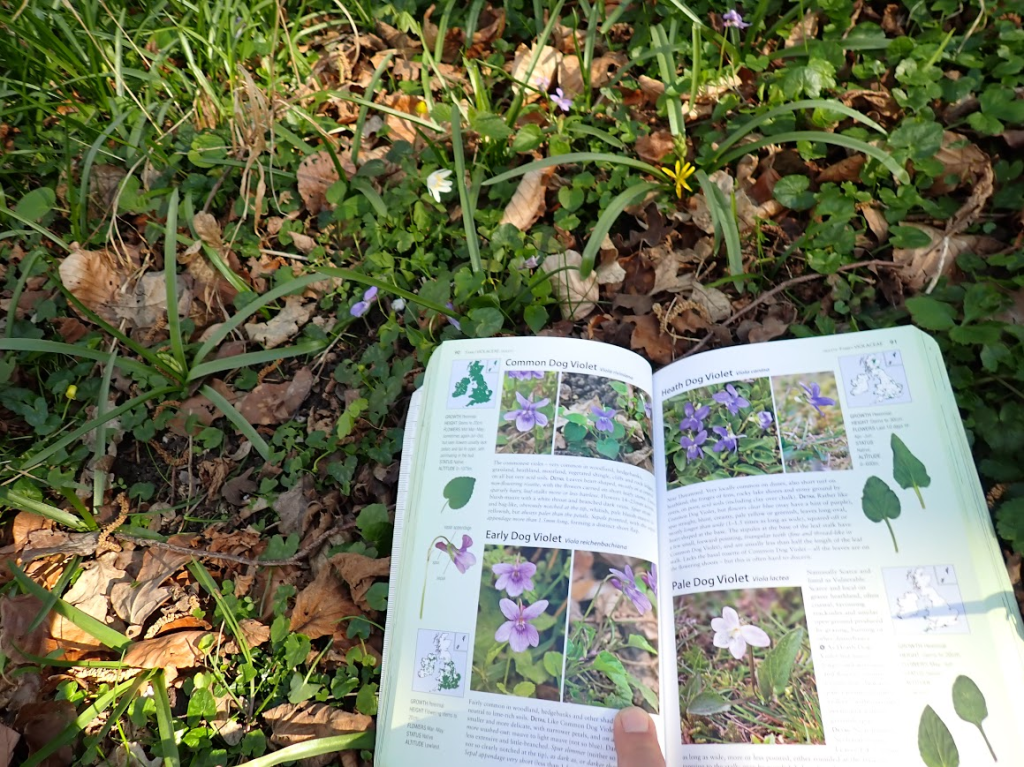
Resources that can help you identify wild plants:
Harrap’s Wild Flowers is an excellent and easy-to-use field guide, that uses photos with key identification features. Simon Harrap: Harrap’s Wild Flowers A Field Guide to the Wild Flowersof Britain & Ireland ( 2nd edition 2015)
This also useful for identification and has the added advantage that it records your observations if you want to. Saved onservations are checked by others and records which reach “Research Grade” are submitted to county recorders and if agreed they will be added to the National Biodiversity Network Atlas . There are questions about the reliability of Research Grade verification; but iNaturalist is extremely useful for community projects as your records can be seen by anyone; and can be seen in “projects” e.g. the Henfield Nature Challenge . As you progress with identification, I would recommend that you use iRecord, as your plant records will automatically be seen and checked by the County Recorders for vascular plants and if verified they will be added to the Botanical Society of Britain and Ireland’s database and could appear in the next edition of the Sussex Plant Atlas. iRecord
N.B. AI photo identification gets things wrong at times; always check an AI identification with a field guide or an expert botanist (if you know one!)
All of the photos in this post were taken today (07.04.25) in Butcher’s Wood, Lag Wood or Newer Copse; except for some examples of other indicator plants that can be found in other Low Weald woods (Butcher’s Broom and Wild Service Trees). All the photos in the post were taken by me.
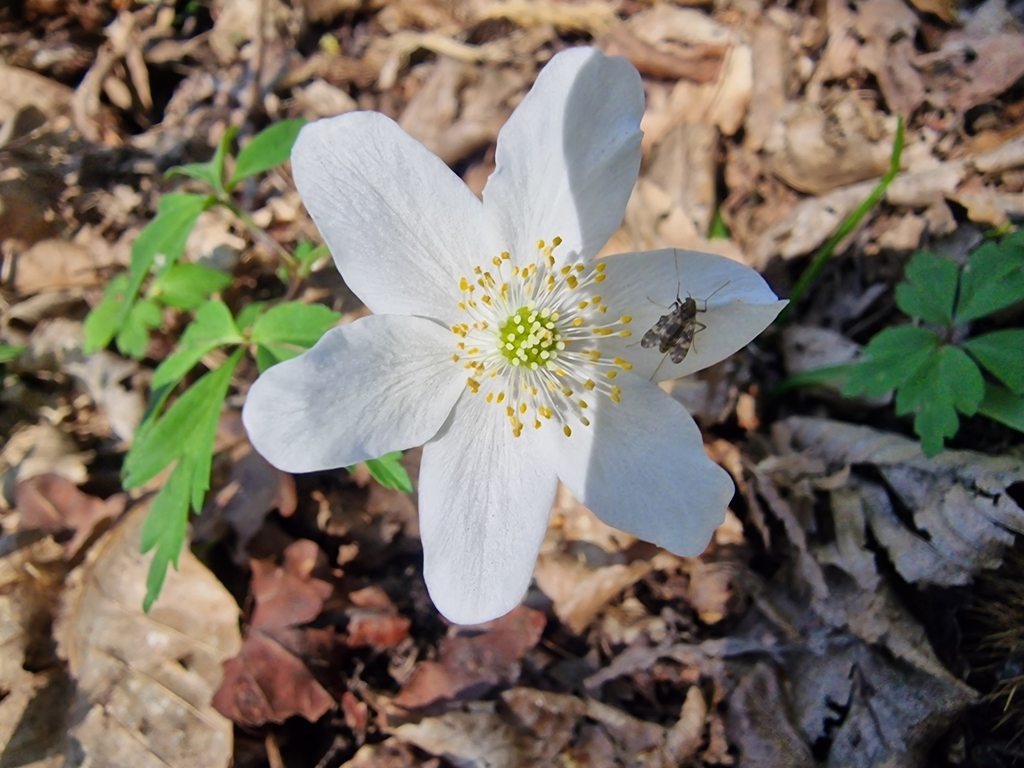
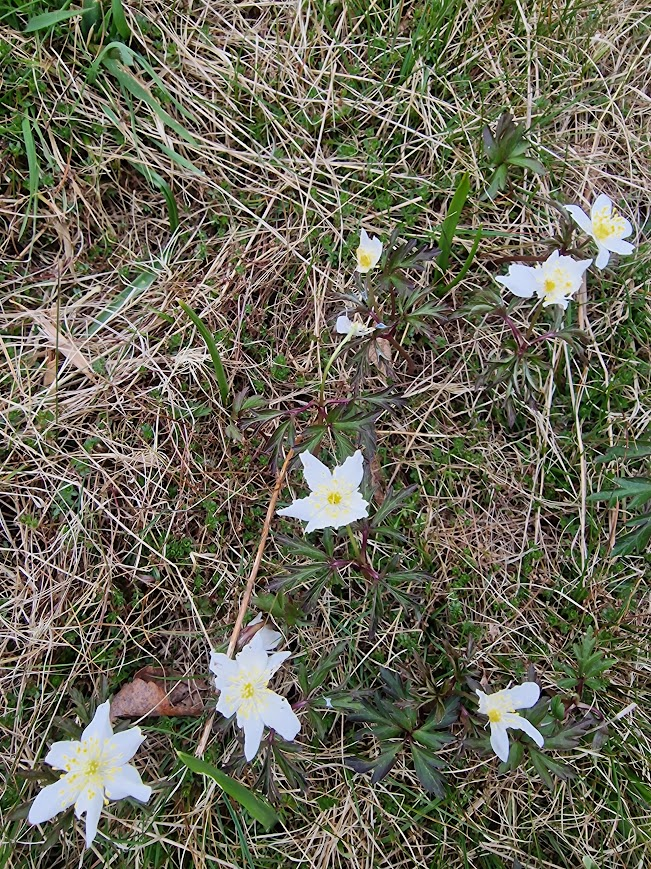
Wood Anemones turn their flowers to the direction of the sun. The yellow flowers are Lesser Celandine, Ficaria verna. It is not an ancient woodland indicator plant but is a very common flowering plant in woodland; and is one of the first flowers to bloom in spring, and so is very important to pollinating insects.
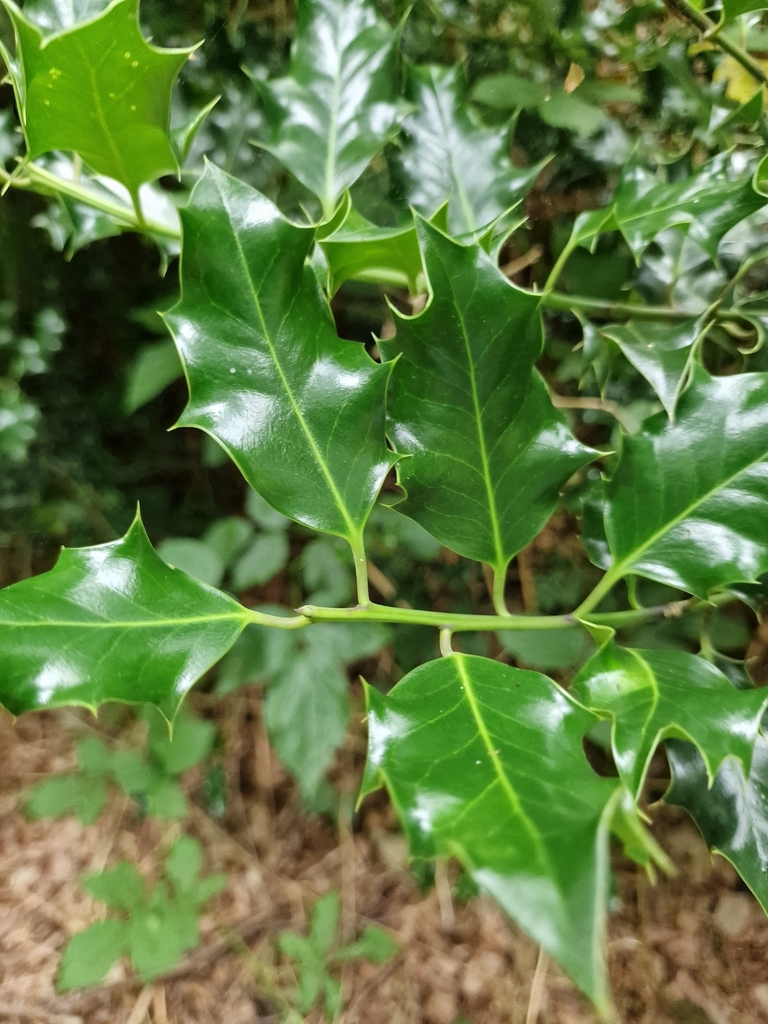
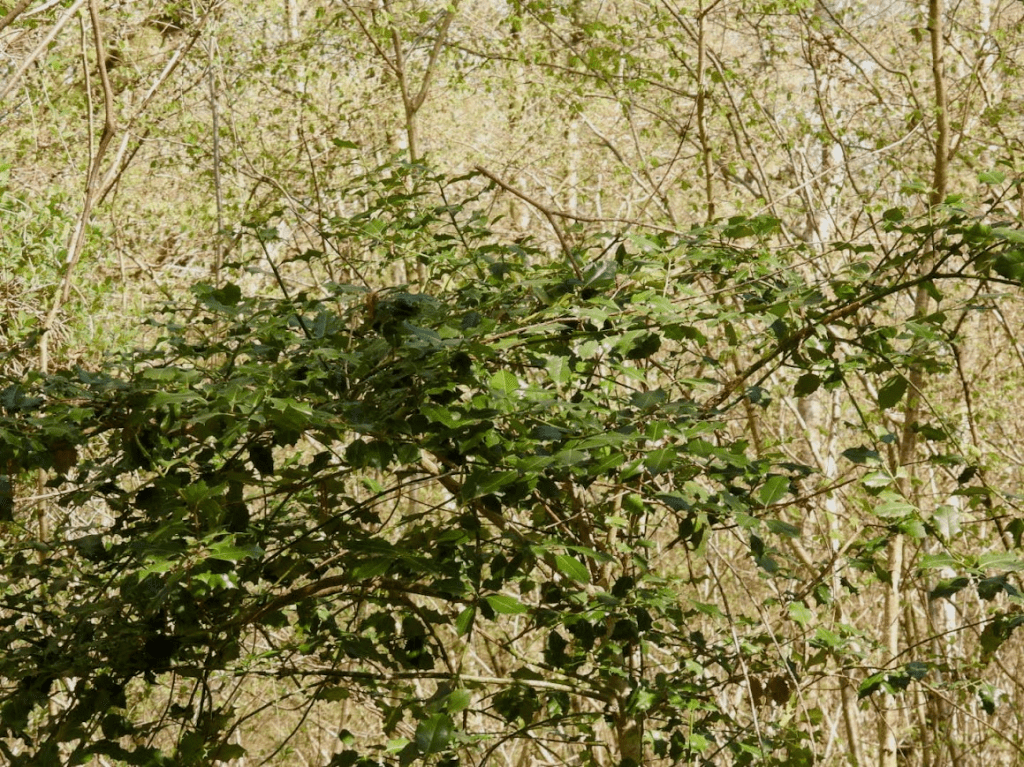
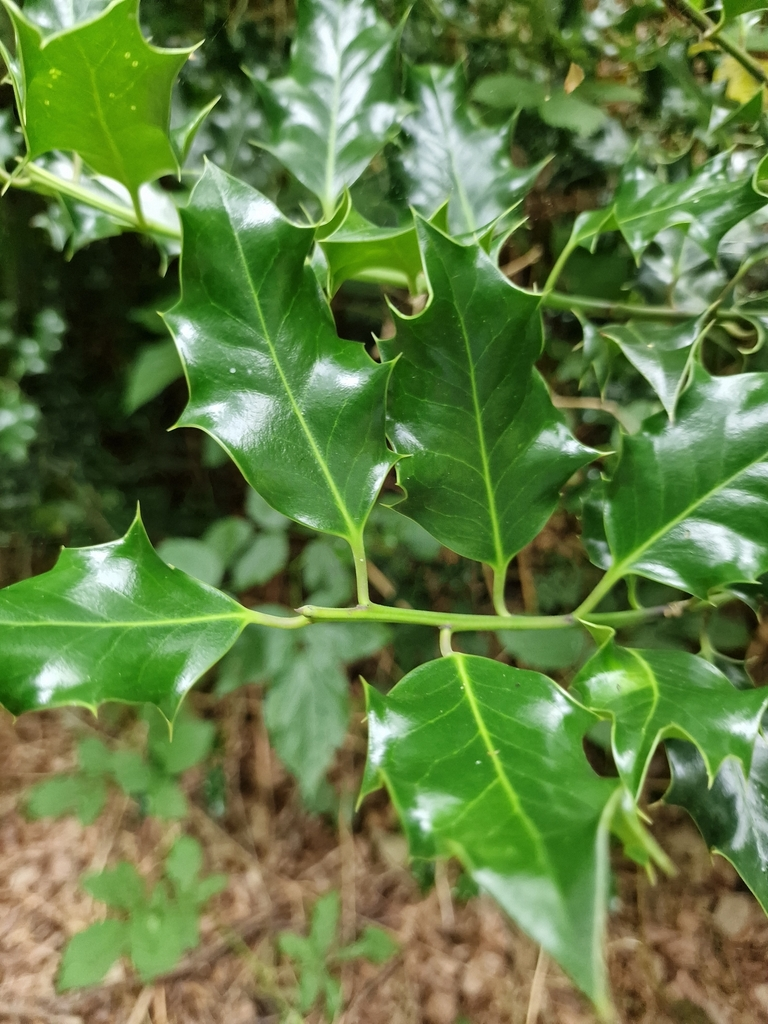
Ilex aquifolium European Holly
An ancient pollarded Carpinus betulus, European Hornbeam, within Lag Wood. Rose makes it clear in his list that Carpinus betulus should only be considered an ancient woodland indicator only if they occur well within the wood and do not appear to have been planted.
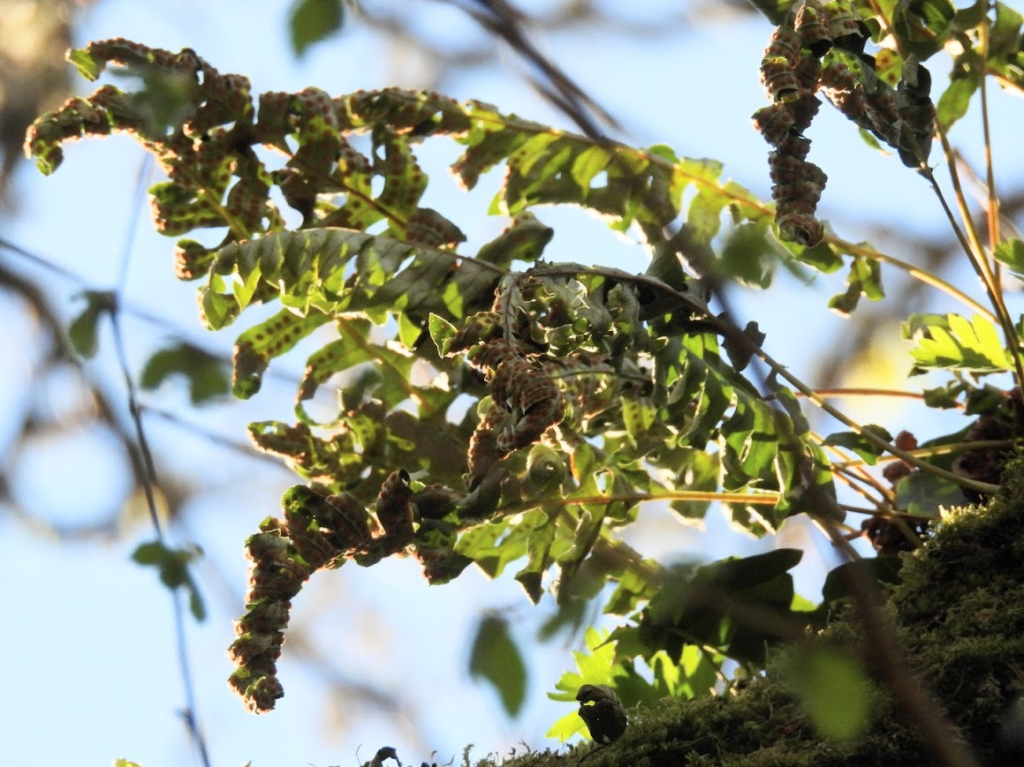
Polypodium sp., Polypody Fern (Lag Wood)
The exact species of polypodies is only determinable by microscopic inspection of their spore; but all species of Polypody Ferns are ancient woodland indicators.
This epiphytic Polypody was growing at the top of a Pendunculate Oak, Quercus robur. It looks a bit shrivelled due to the lack of rain of late, and it is being exposed to the full sun while the Oak has no leaves. A branch had fallen from this tree, with Polypody on it; this look more like what Polypody typically looks like
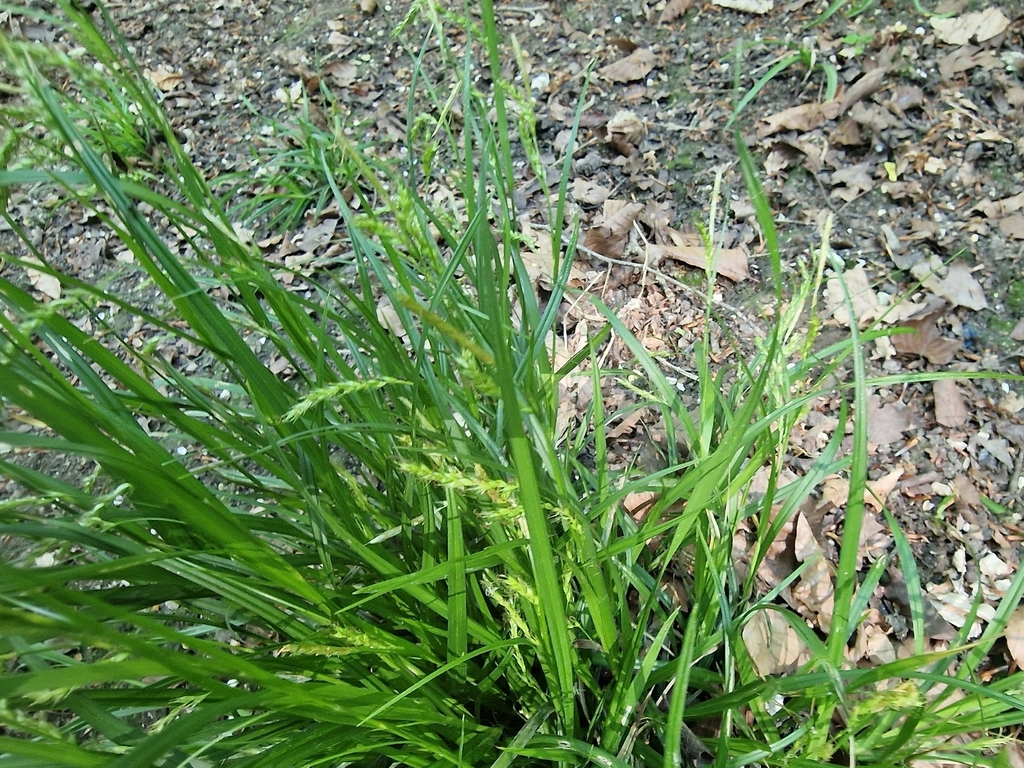
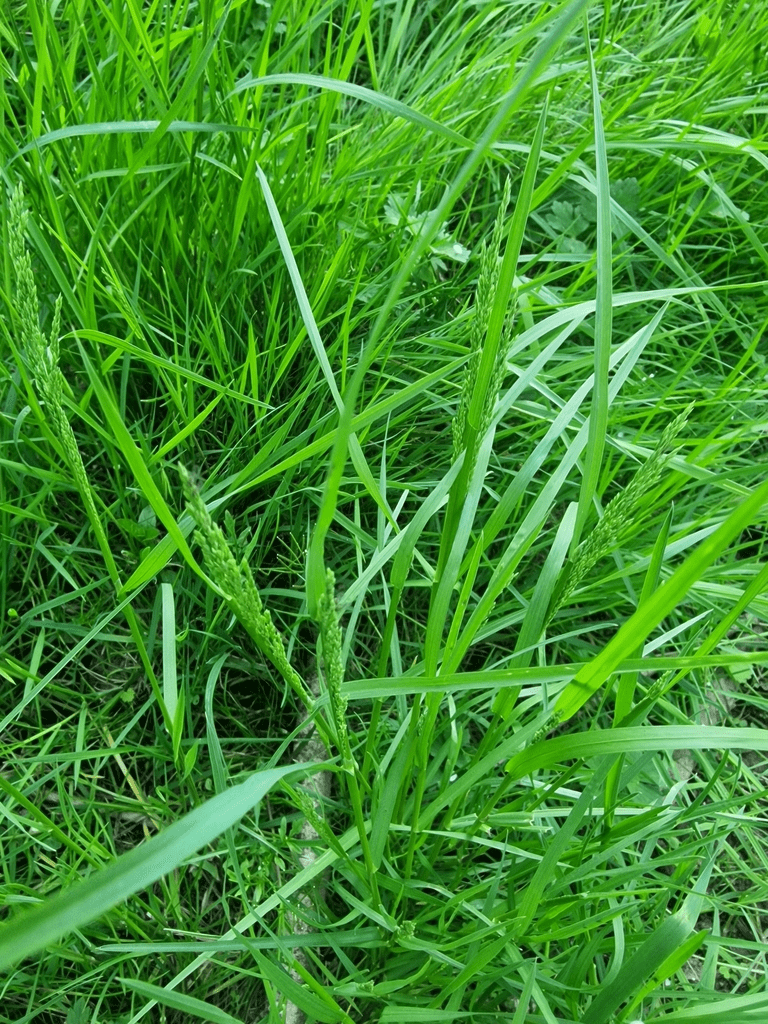
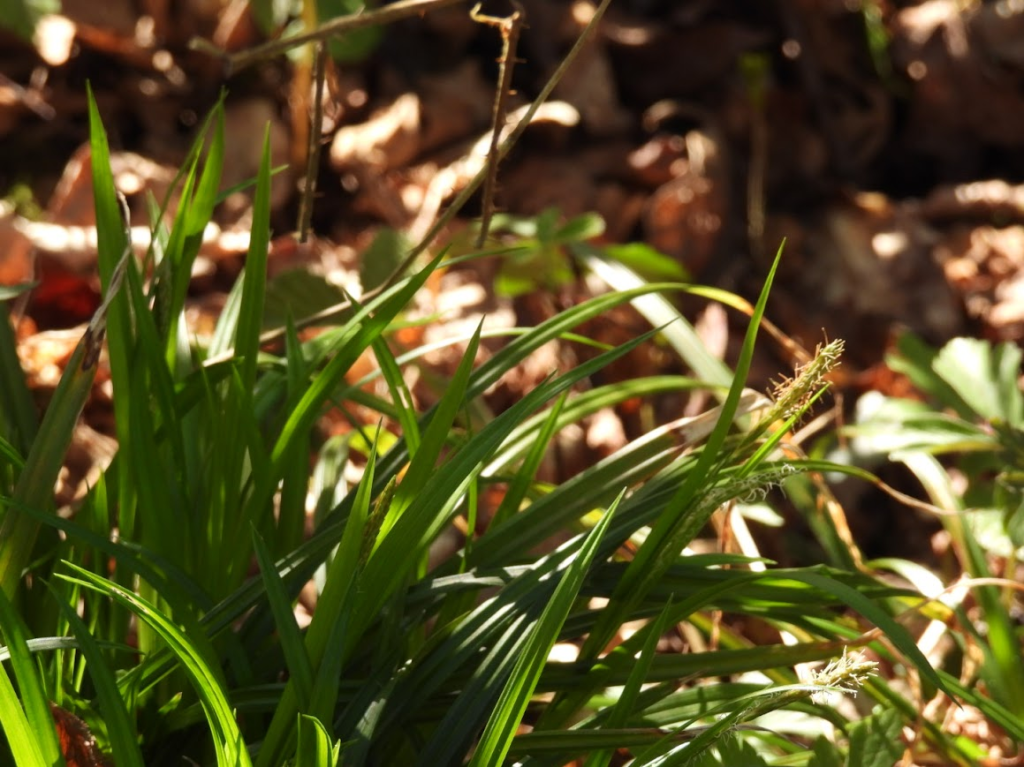
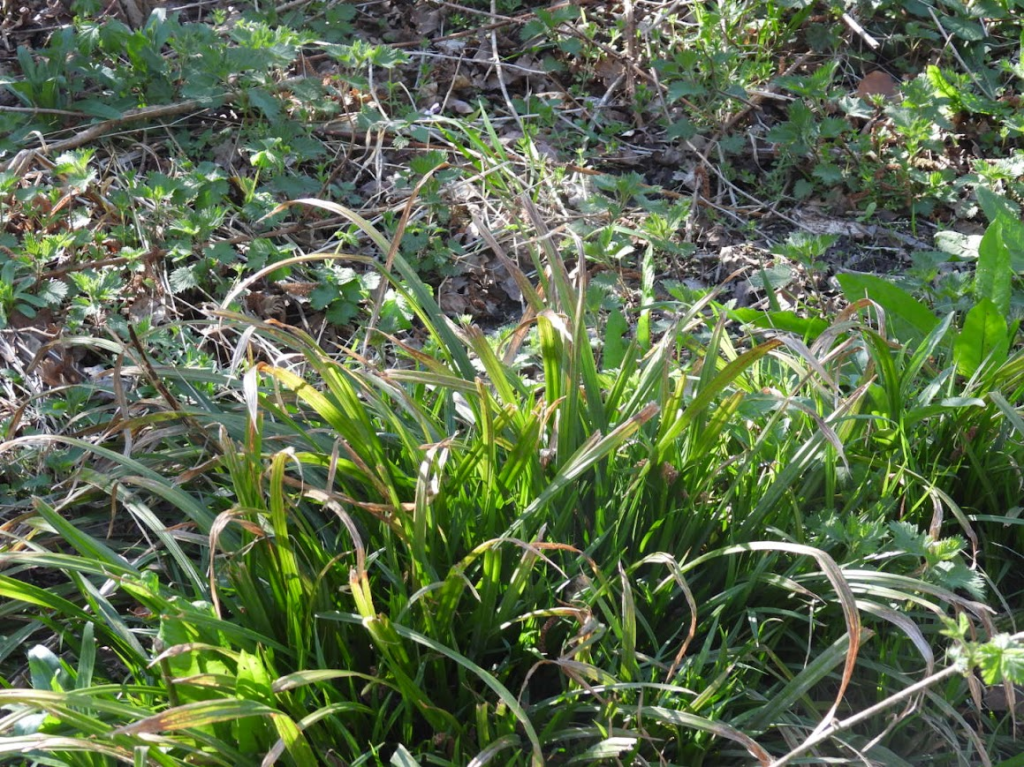
Carex sylvatica, Wood-sedge (Butcher’s Wood)
Carex pendula, Pendulous sedge (Lag Wood)
Theses sedges are a feature of Low Weald woodland, because clay is a soil type which retains water and these sedges grow in wet woodland.
In Lag Wood an ancient field boundary can be seen, consisting of a bank and coppiced Hornbeam. Ancient (medieval) field and wood boundaries often indicate that woodland is ancient.
Ancient woodland has not been “wild” since the delopment of agriculture; since the Neolithic Revolution, between 3100 and 2900 BC. Ancient woodlands have been coppiced and pollarded for 1000s of years. The beauty and biodiversity of these woods comes from sensitive, appropriate human management.
Newer Copse (Wolstonbury Hill), South Downs
Many of the ancient woodland indicator plants of the clay Low Weald and found growing on chalk Downland and vice versa.
I saw Bluebells, Wood Anemones and Holly, in Newer Copse, but I also saw Early-Dog Violets, Moschatel, Yellow Archangel, Soft Shield Fern and Dog’s Mercury; all ancient woodland indicator plants. On other occasions, I have seen Ransoms, Spurge-Laurel Early Purple Orchids and Spurge-Laurel here, also ancient woodland indicator plants.
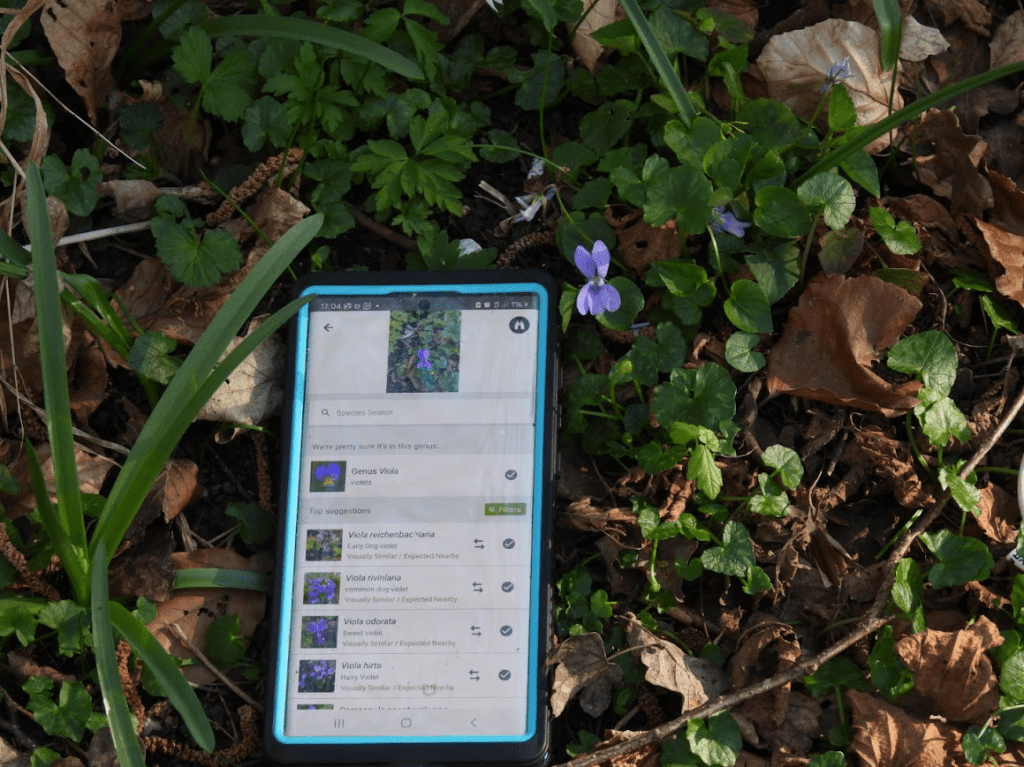
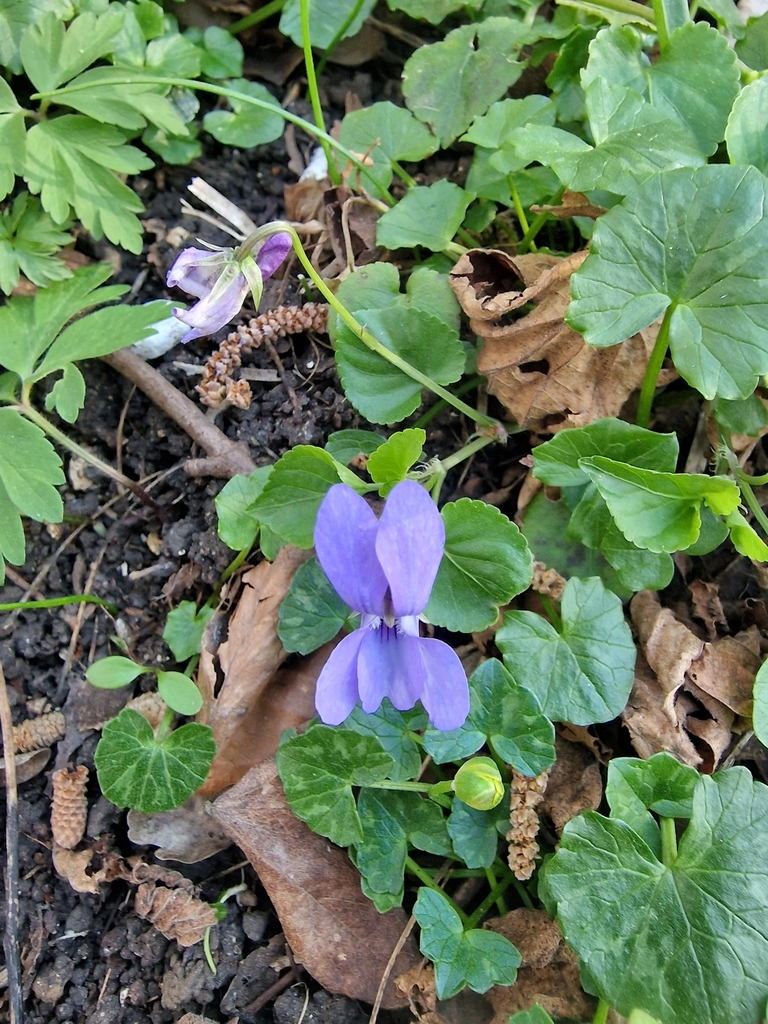
Viola reichenbachiana Early-Dog Violets
Early Dog Violets are difficult to separate from Common Dog Violets; the Early Dog-violet has a darker purple spur behind the petals. PlantLife: Early Dog Violet
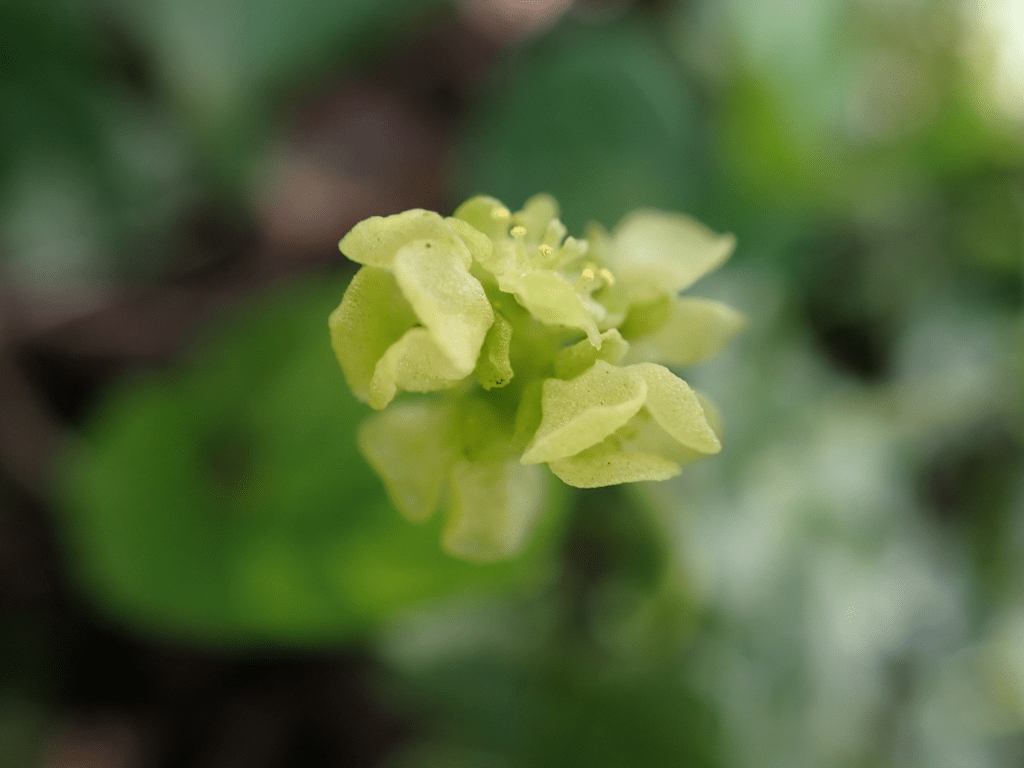
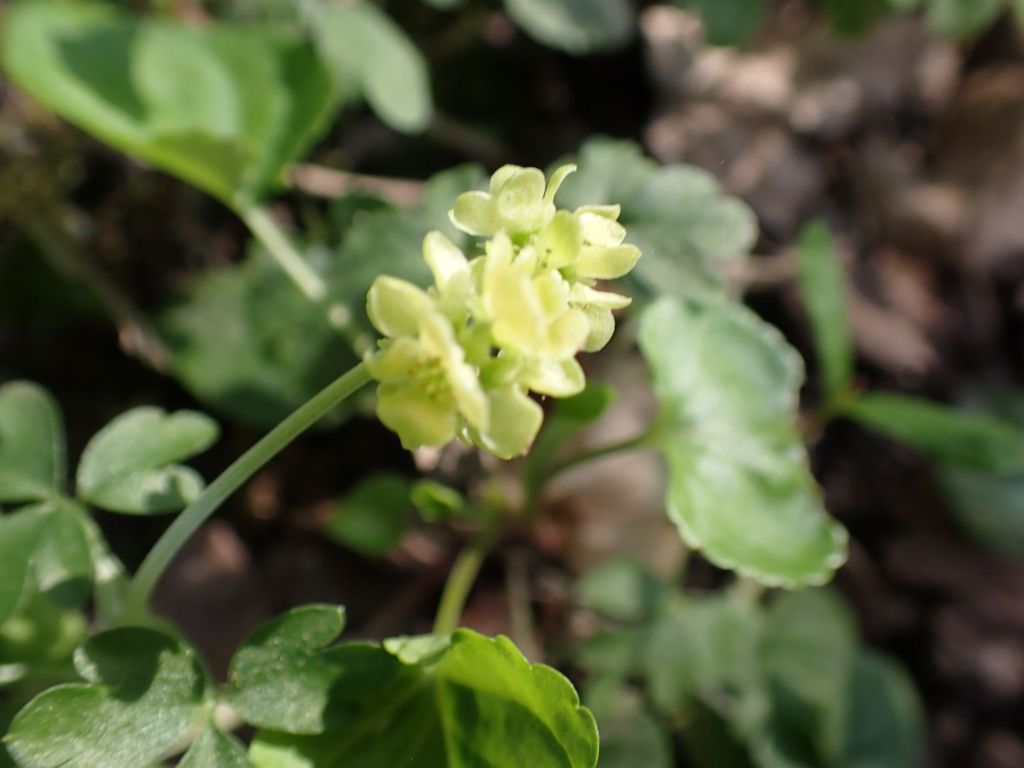
Adoxa moschatellina Moschatel or Townhall Clock
These are very small; and easy to overlook
Laminate galeobdomon Yellow Archangel, not yet in flower.
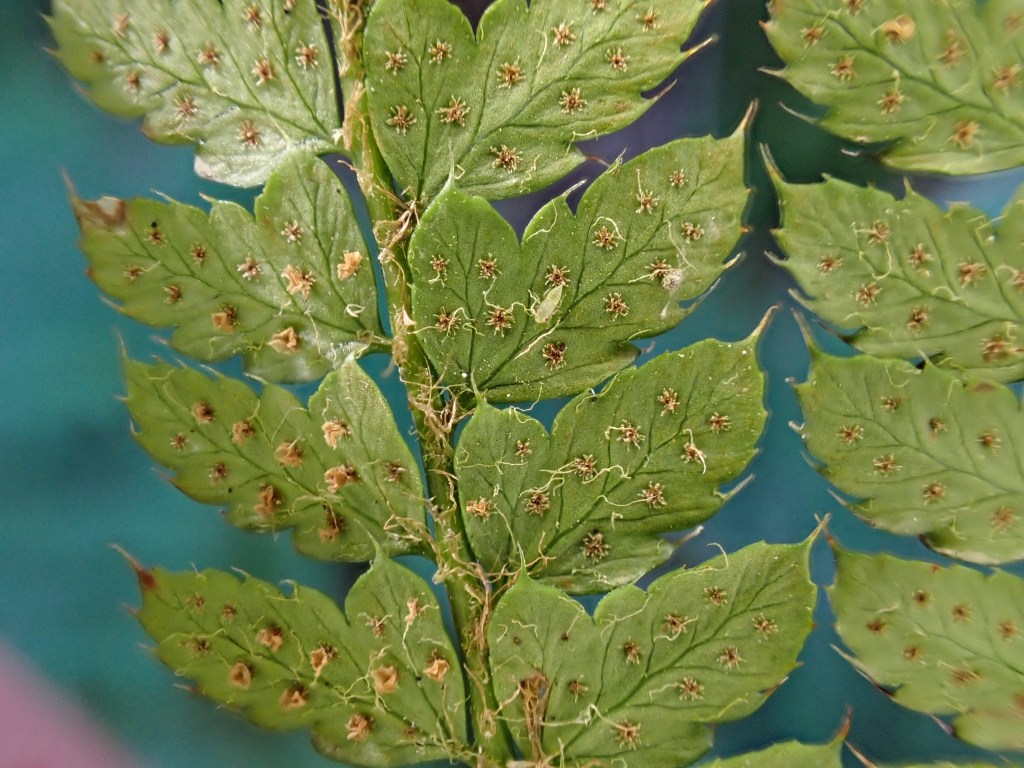
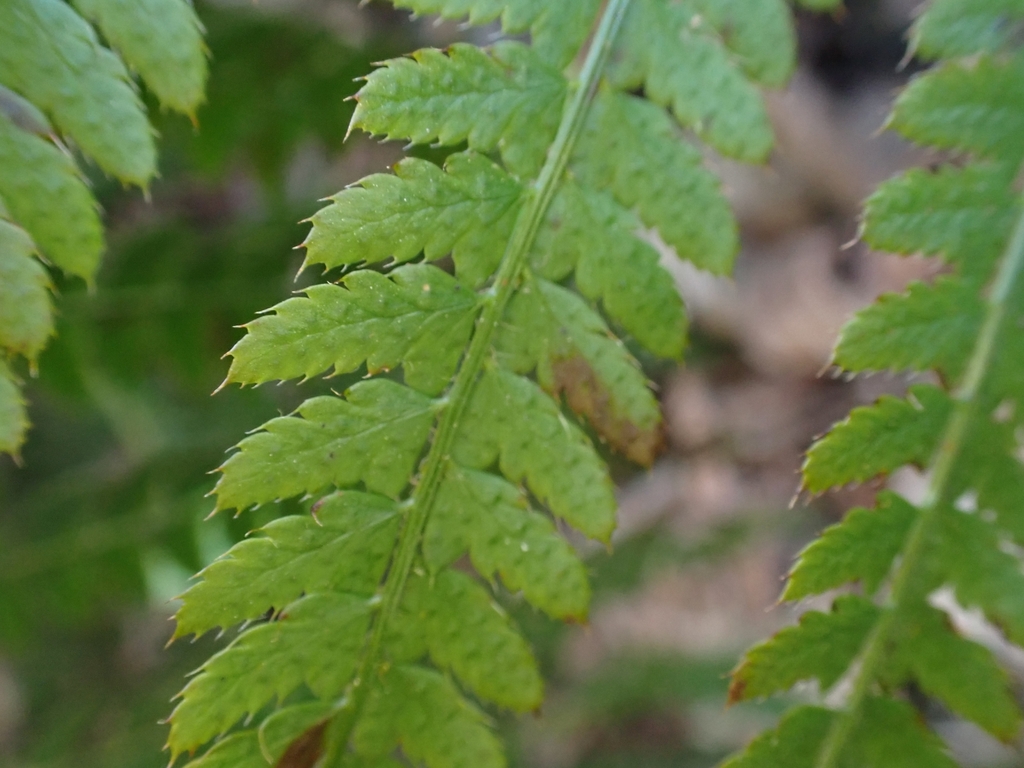
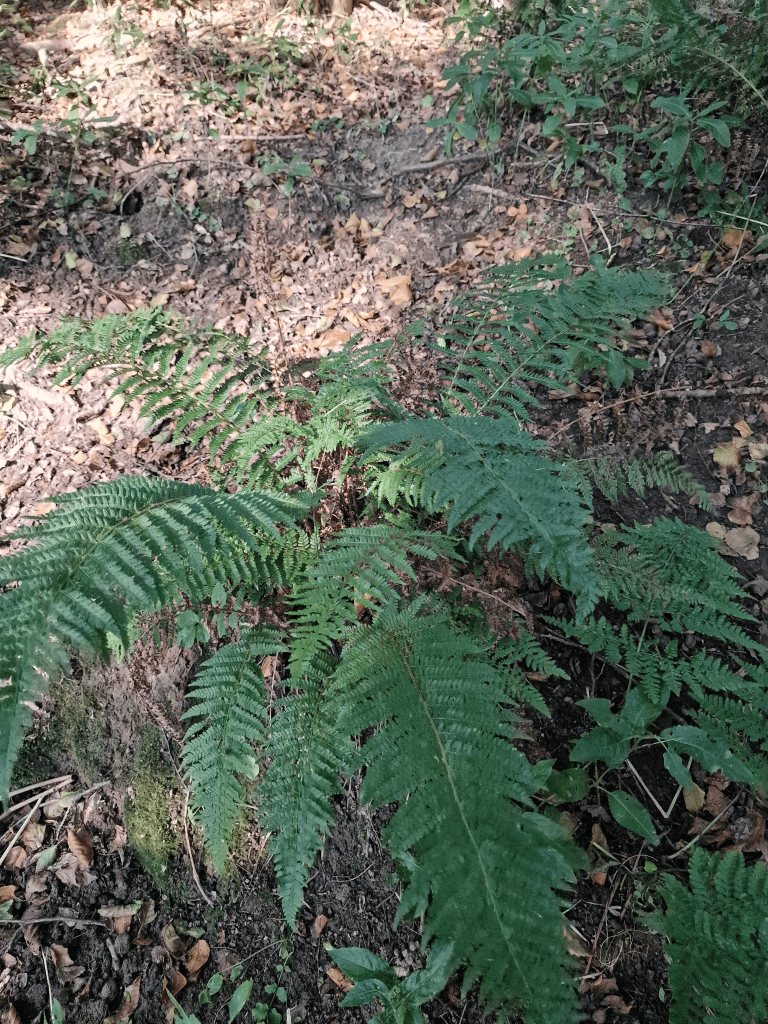
Polystichum setiferum, Soft Shield-fern
Ferns are difficult to identify, and differentiating between Soft and Hard Shield Fern is very difficult. But both species are indicators of ancient woodland. The shield ferns have this characteristic “thumb” on the leaflets of the fronds and the spores cover both the leaflets and the thumb – you can just about make this out in one or two of the leaflet British Wild Plants Polystichum setiferum
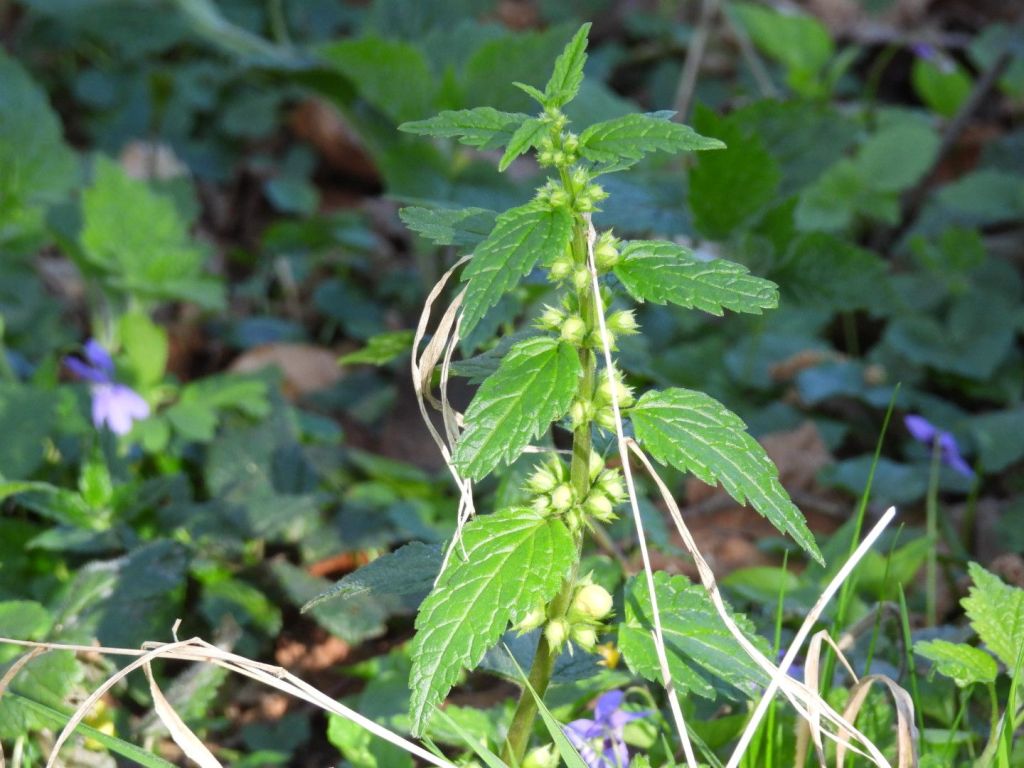
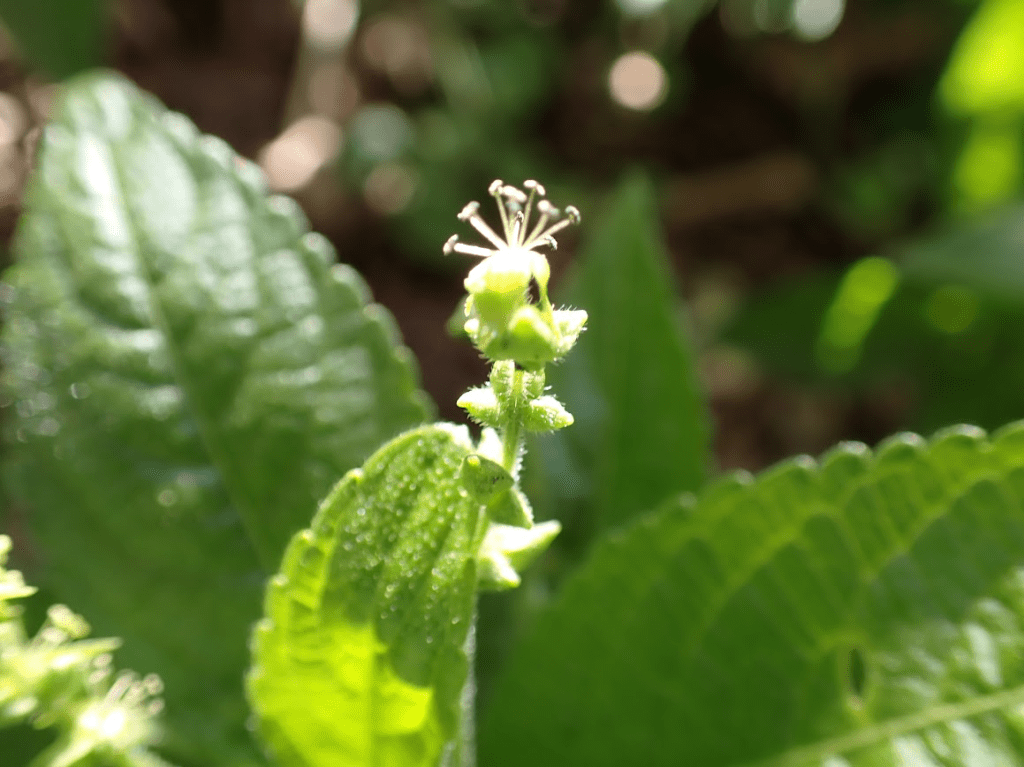
Mercurialis perennis Dog’s Mercury
This is a greatly magnified photo; the flowers of Dog’s Mercury are VERY small!
Dog’s Mercury with no magnification.
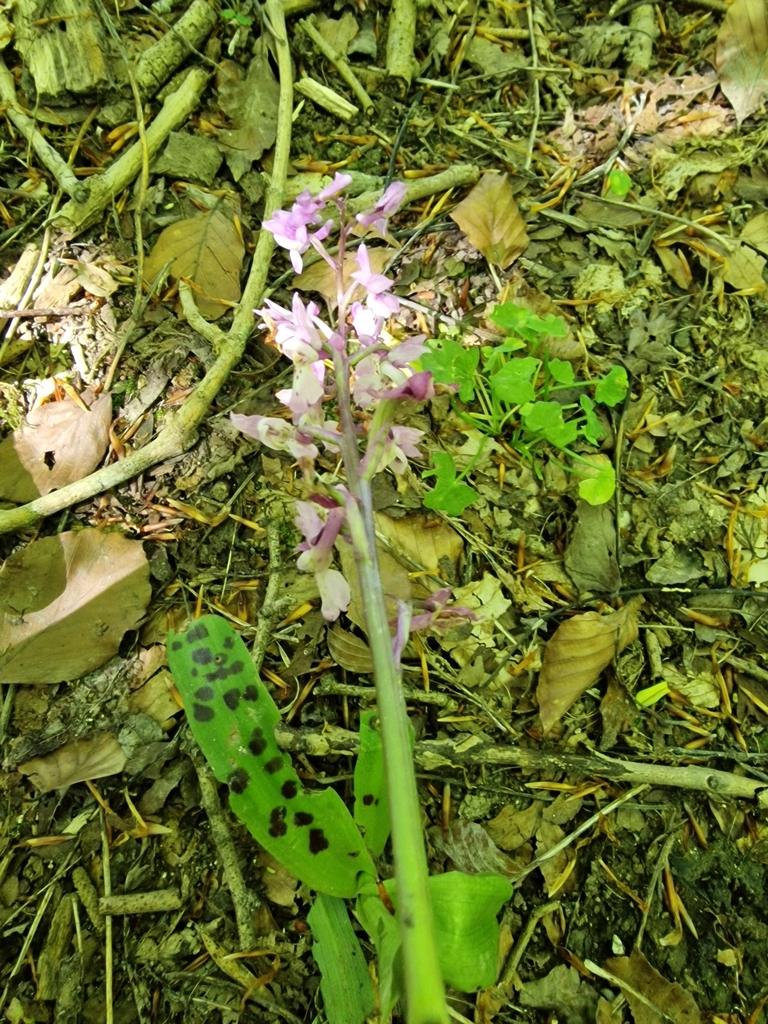
Orchis mascula Early Purple Orchid May 24, 2024 Newer Copse (Wolstonbury Hill)
Allium ursinum Ramsons or Wild Garlic 30 May 2023 Newer Copse (Wolstonbury Hill)
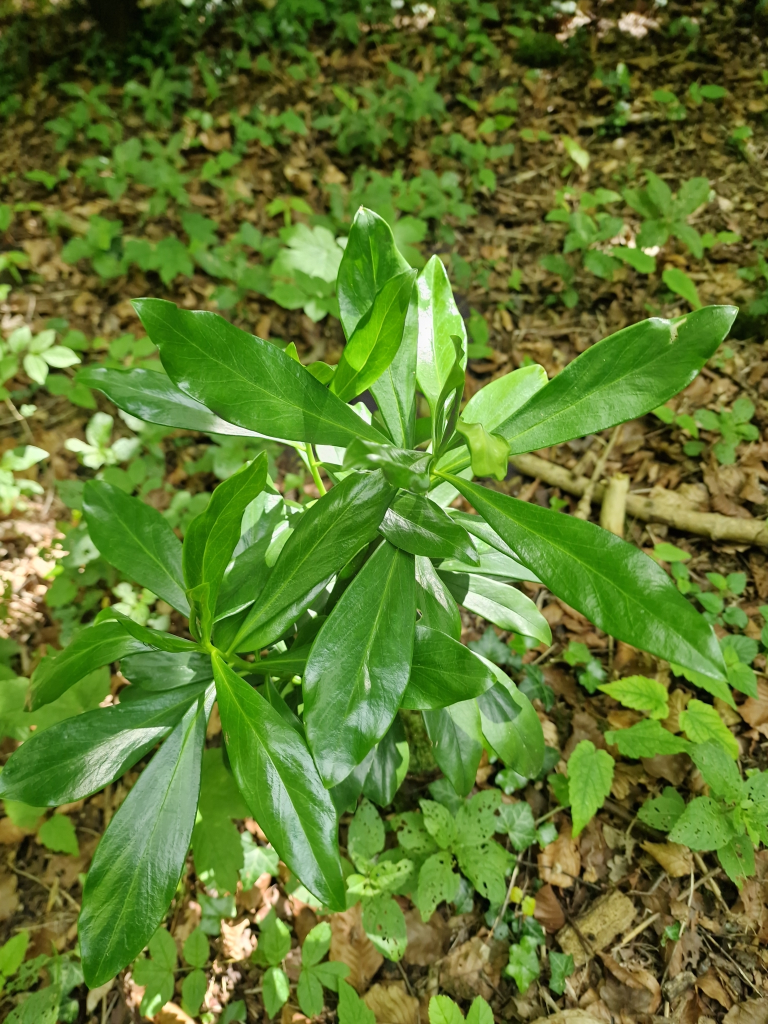
Daphne laureola Spurge-Laurel May 24, 2024 Newer Copse (Wolstonbury Hill)
Spurge-Laurel is neither a spurge nor a laurel; it flowers shortly after Christmas.
Newer Copse has a hollowway bostal running up Wolstonbury Hill. Bostals are ancient drover tracks, that generally go up the scarp (steep) slopes of Downs diagonally. It is a Sussex dialect word.
Other Low Weald ancient woodland indicator plants.
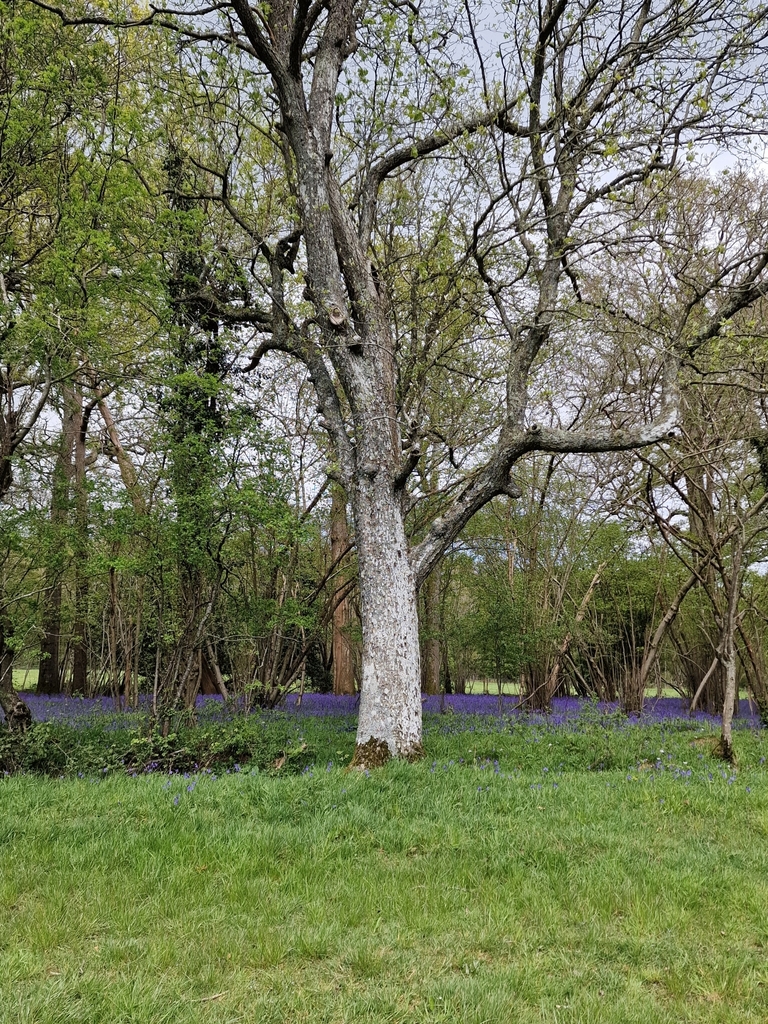
I have seen both Butcher’s Broom and Wild Service Trees in Low Weald woods; but not in Butchers Wood or Lag Wood
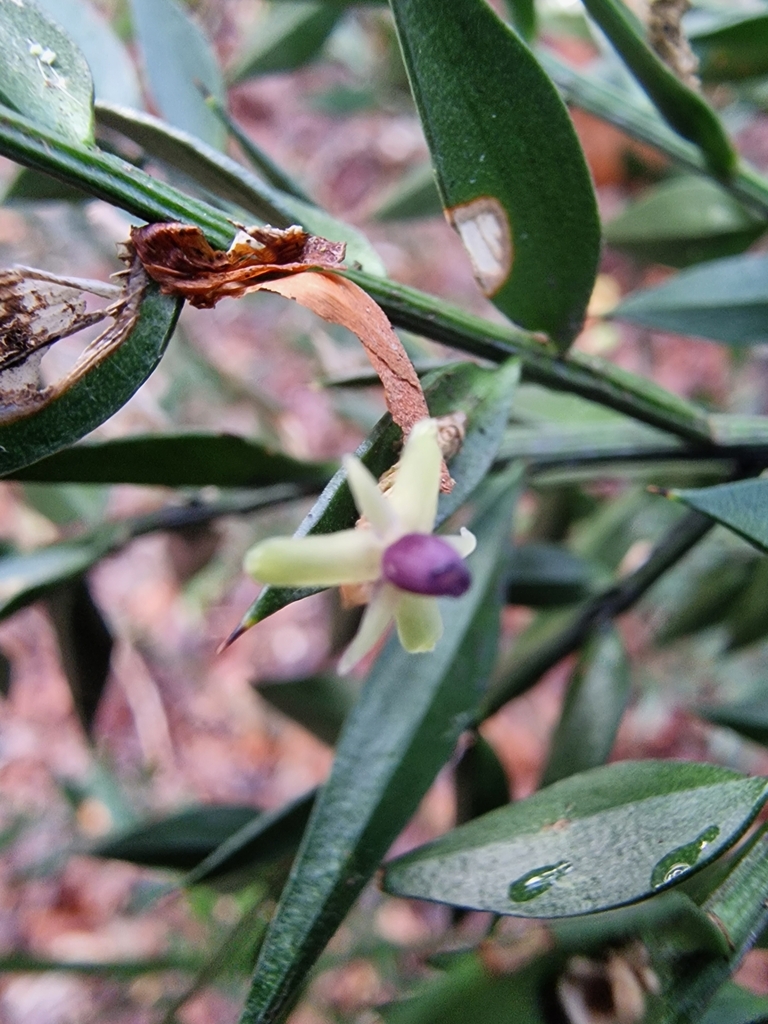
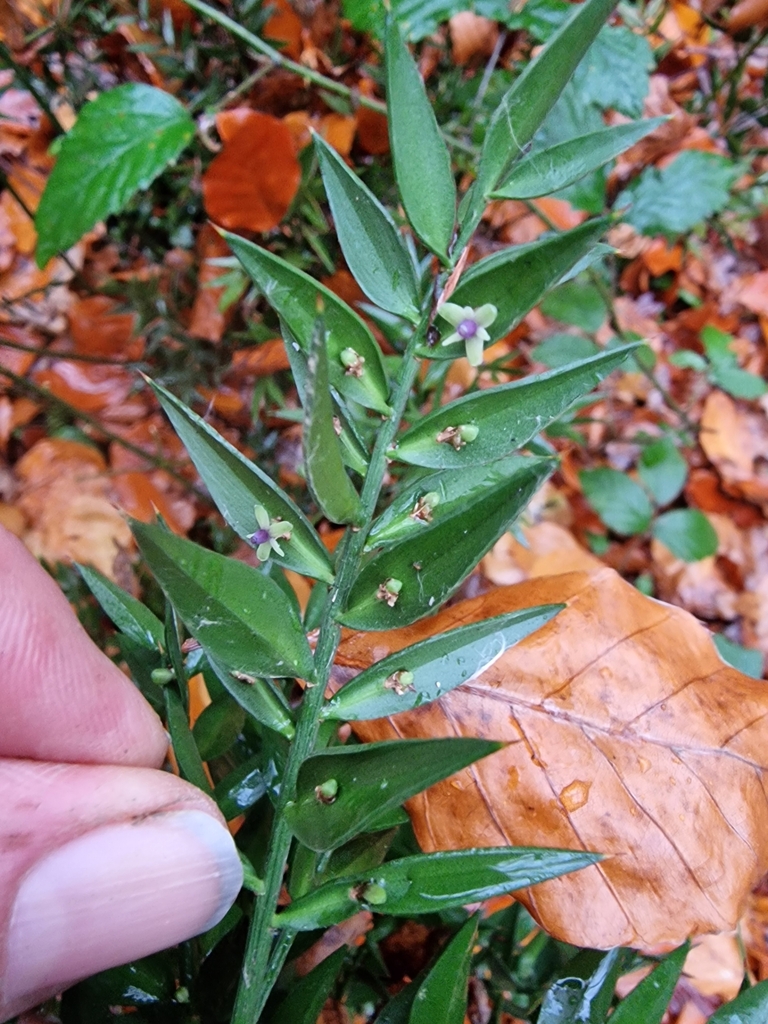
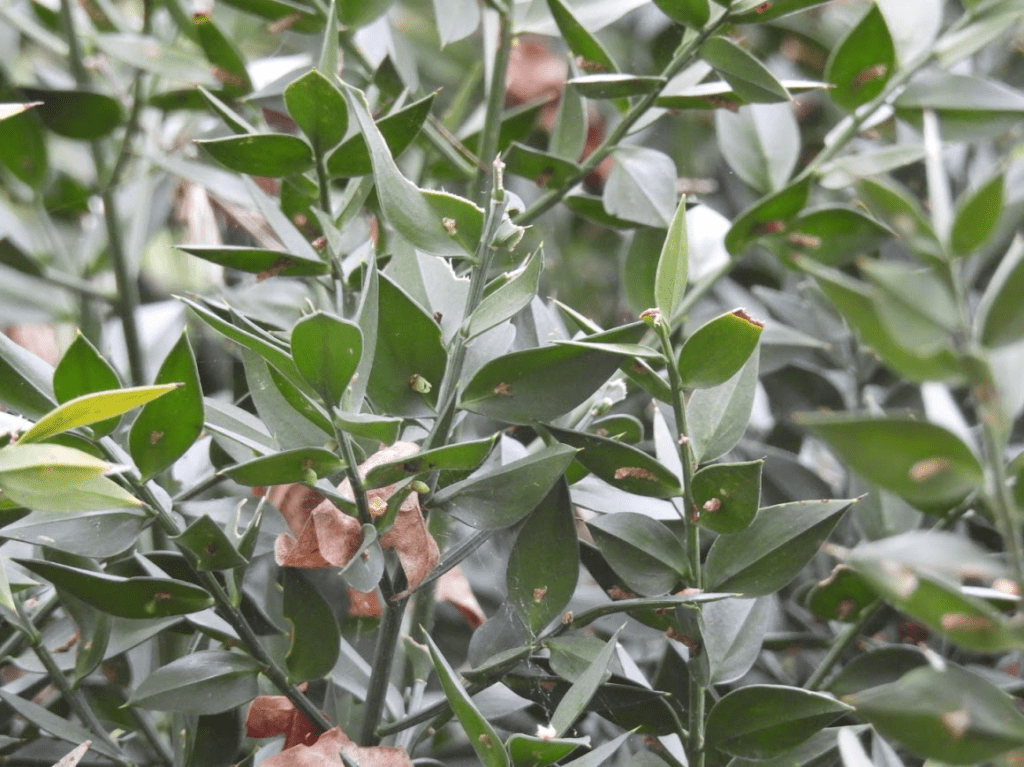
Ruscus aculeatus Butcher’s-Broom, Ebernoe Common
Butchers broom is uncommon in southern UK and gets rarer the further north you go. … [it] is rare on the chalk.
Butchers broom is known as an ‘ancient woodland indicator’. This is because it doesn’t colonise new habitats or spread easily to new woods; where it is growing, the wood has usually been there for a very long time.
Butchers broom is quite unlike any other British plant. It is a short evergreen bush growing up to about two feet high and all the leaves end in a pointed spike; one of its old English names is ‘knee holly’. In early spring, the tiny, pale green six-petalled flowers sit in the middle of the leaf and show that these leaves are, technically, flattened stems.
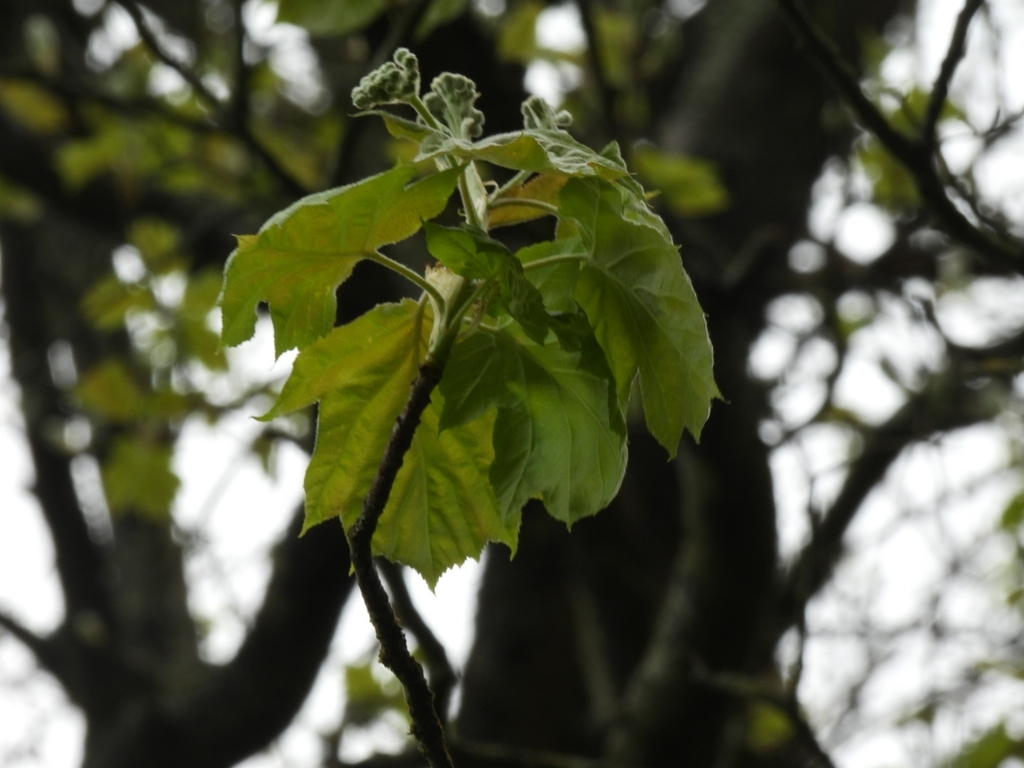
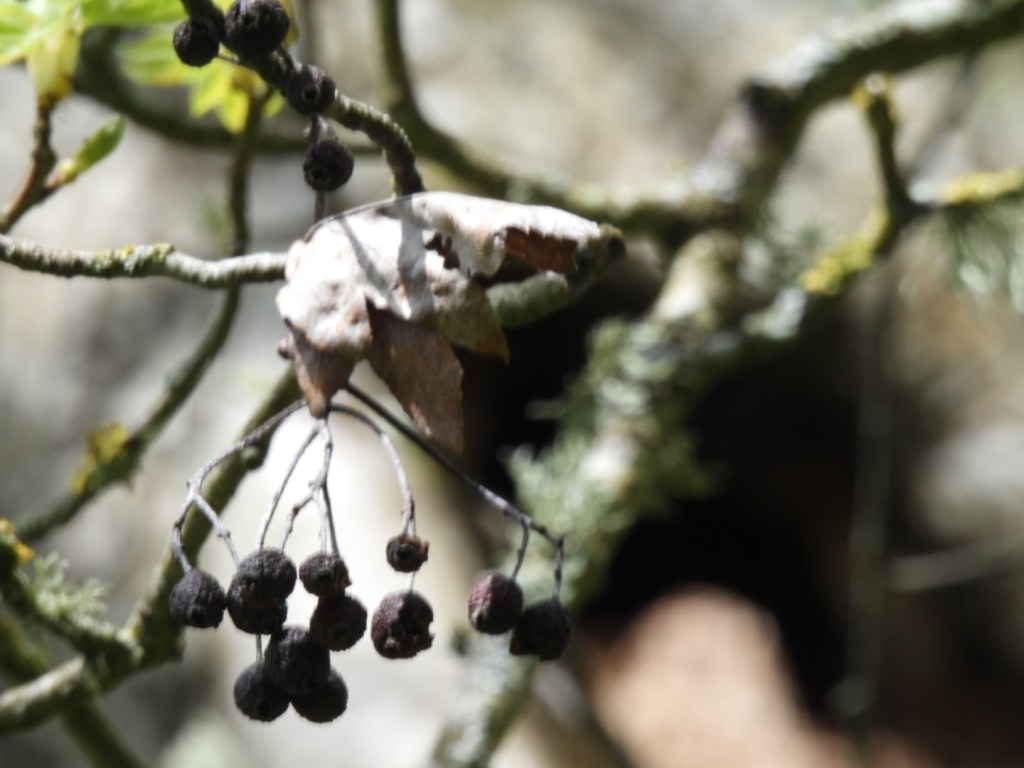
A true springtime stunner, it’s not so long ago that you could find wild-service fruit at a market. These days it’s rare and hard to find but it’s still a favourite with wildlife like the wood pigeon, whose gut softens its seeds for propagation.
* Consider these species only if they occur well within the wood and do not appear to have been planted.
It should be noted that when calculating Ancient Woodland Indicator Plants scores:
A high AWVP score is a reliable indication of natural diversity.
It also indicates ancient woodland, but does not on its own constitute proof.
Some woods which are undoubtedly ancient have a low AWVP score. Study of other components of the woodland biodiversity such as lichens, or invertebrates in rotting wood, may give clearer indications of ancient woodland status. Quite often, ancient sites that are rich in AWVP’s will be poor in lichens and rotting wood invertebrates and vice-versa.
Not all indicator species are strictly limited to ancient woodlands. For example, where secondary woodland adjoins older woodland, it will acquire species associated with older woods much more quickly than isolated secondary woods.
Plants which are also cultivated in gardens (e.g. Wild Daffodil) should be used with great caution.
Certain woodlands can credibly be established as being ‘ancient’ through the study of old historical records such as maps and estate records. Observations of landscape features such as banks, ditches and other topographical features within a wood will also give clues to previous land use. By surveying a number of these ‘proven’ ancient woodlands, species which are usually confined to this type of habitat can be identified. From: Countryside Information Ancient Woodland Indicator Species
This post illustrates the species of Ancient Woodland Indicator Plants that I found in Fore Wood that are listed in Indicators Of Ancient Woodland – the use of vascular plants in evaluating ancient woods for nature conservation. Francis Rose, British Wildlife 10.4 April 1999, Pages 241-251
Natural England classifies ancient woodland as either:
(a) (ASNW) Ancient Semi-Natural Woodland mainly made up of trees and shrubs native to the site, usually arising from natural regeneration
or
(b) (PAWS) Plantations on Ancient Woodland Sights (or Ancient Replanted Woodland) – replanted with conifer or broadleaved trees (e.g. Sweet Chestnut, Castanea sativa) that retain ancient woodland features, such as undisturbed soil, ground flora and fungi
Fore Wood is designated by Natural England as Ancient Semi-Natural Woodland, but it does have some small areas of planted Sweet Chestnut which the RSPB is removing.
Fore Wood is managed by the RSPB:
Fore Wood is a stretch of peaceful woodland near Crowhurst, dotted by gyhlls – steep-sided little ravines in the sandstone where rare ferns grow and wildlife thrives. In the spring, Fore Wood is a riot of Bluebells and Wood Anemones, with Early Purple Orchids adding to the show, an ideal place for East Sussex walks.
This ancient woodland is a mix of Hornbeam, oak and Sweet Chestnut trees. We carefully manage the woodland for the benefit of the wildlife using coppicing – a traditional woodland management practice. RSPB Fore Wood
Fore Wood is designated as a Site of Special Scientific Interest: SSSI citation
Here are the Ancient Woodland Indicator Plants that I saw:
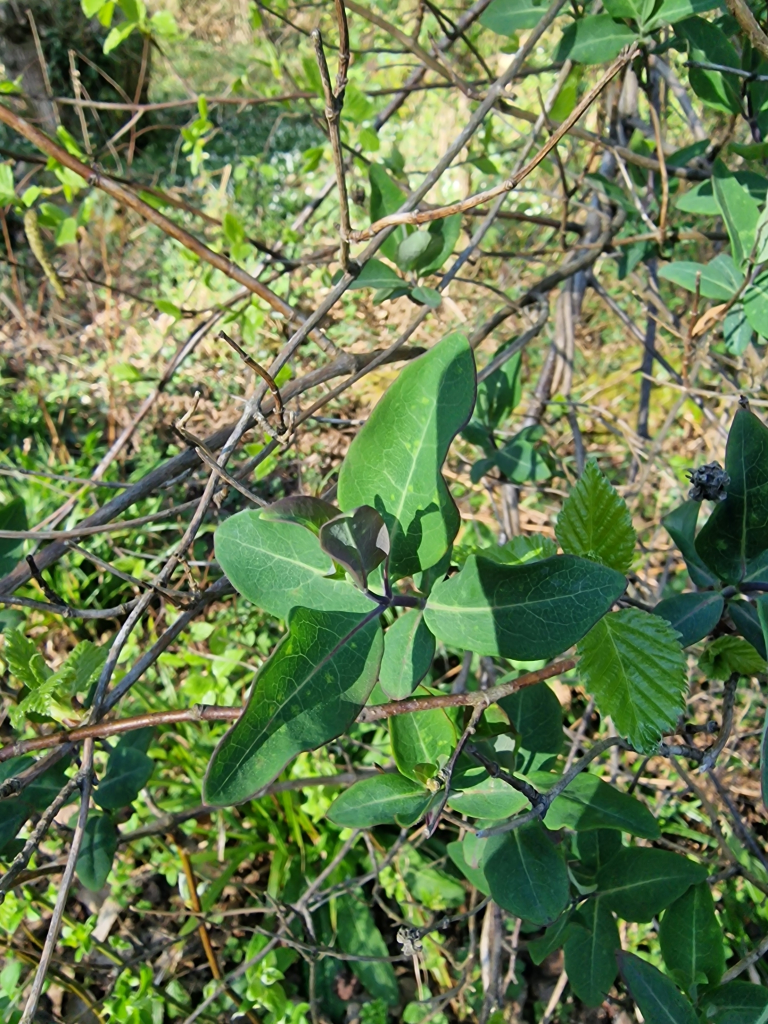
Lonicera periclymenum Honeysuckle
Oxalis acetosella Wood-Sorrel
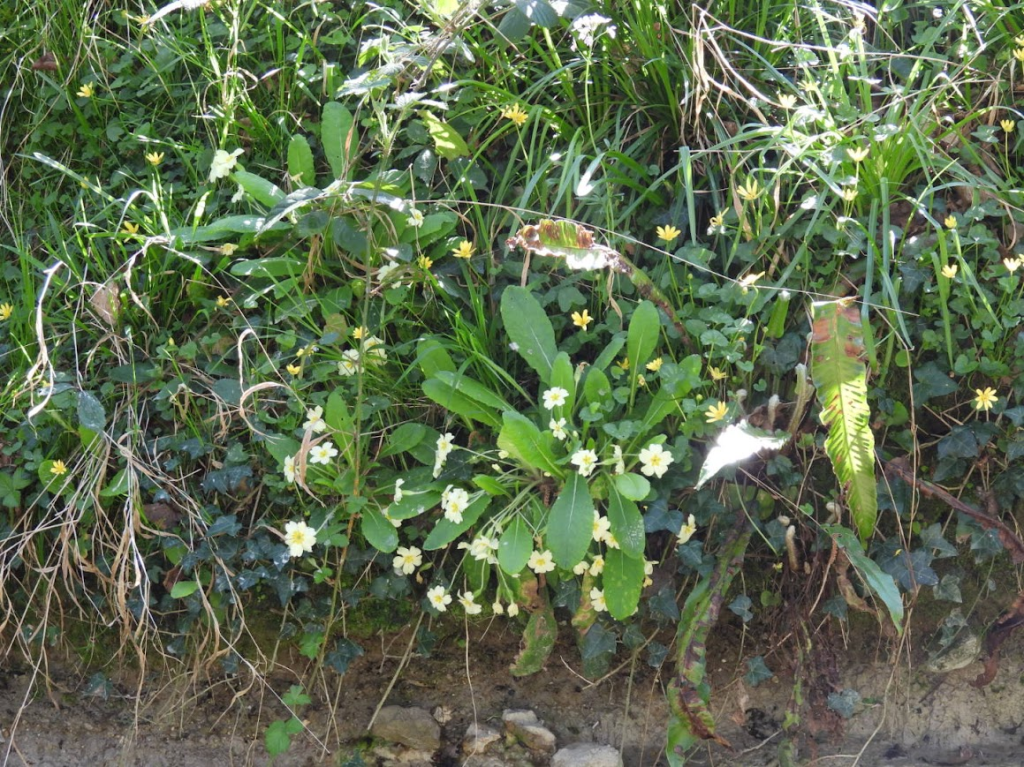
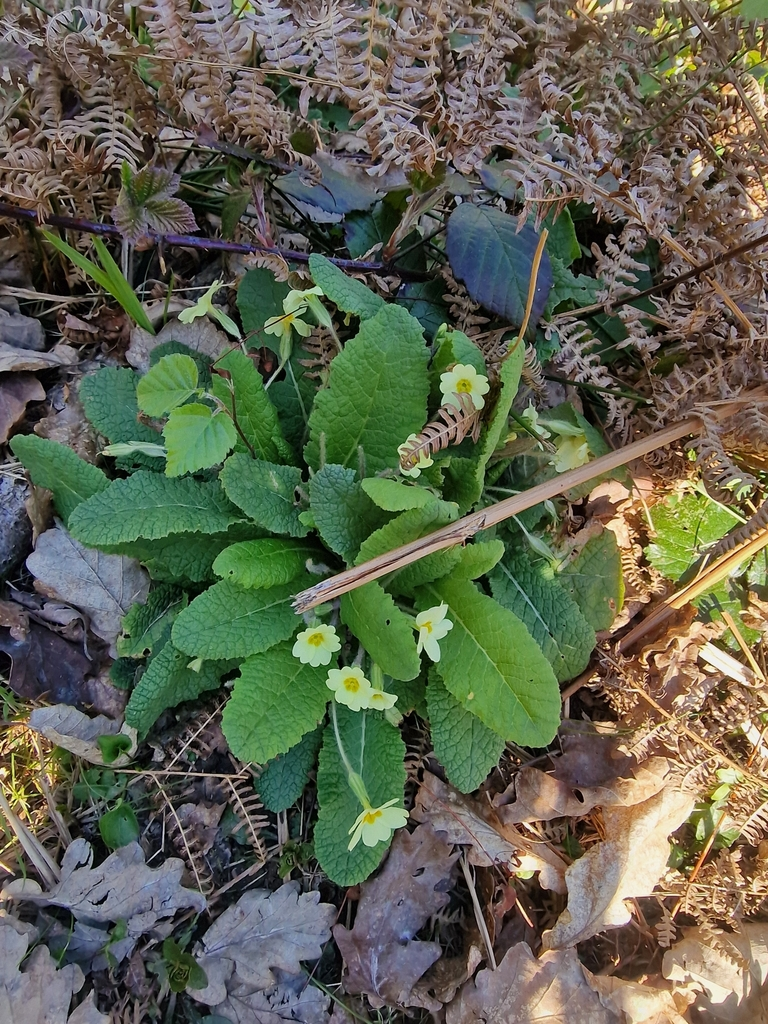
Primula vulgaris Primrose
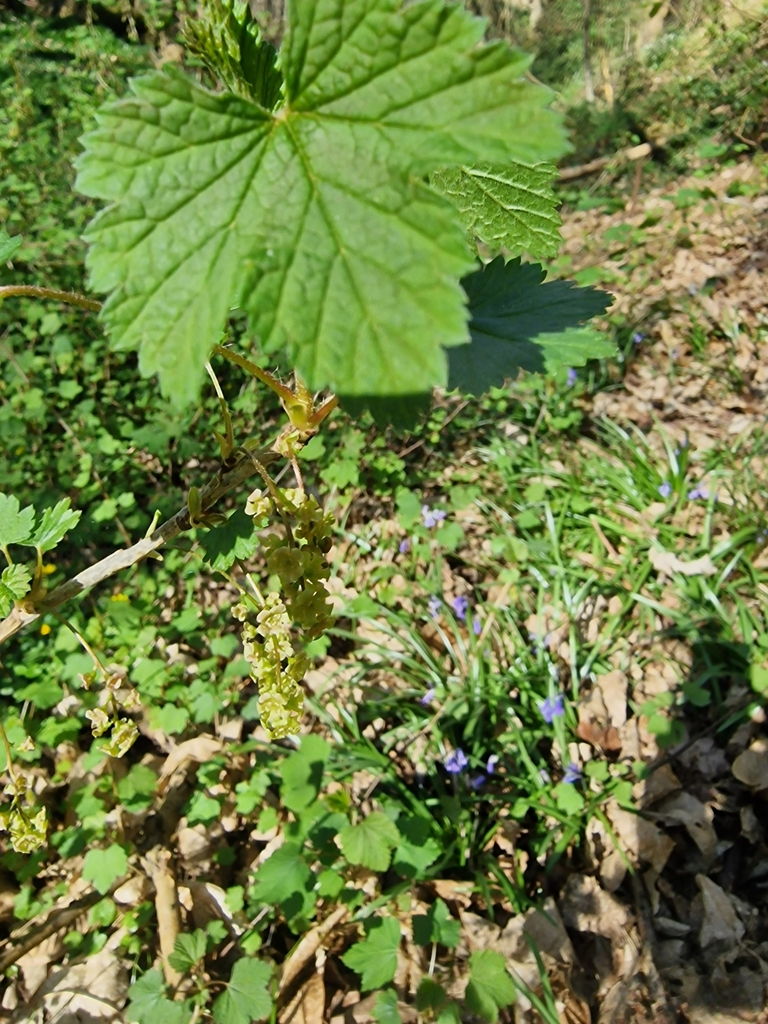
Ribes rubrum Red Currant, by one of the ghylls
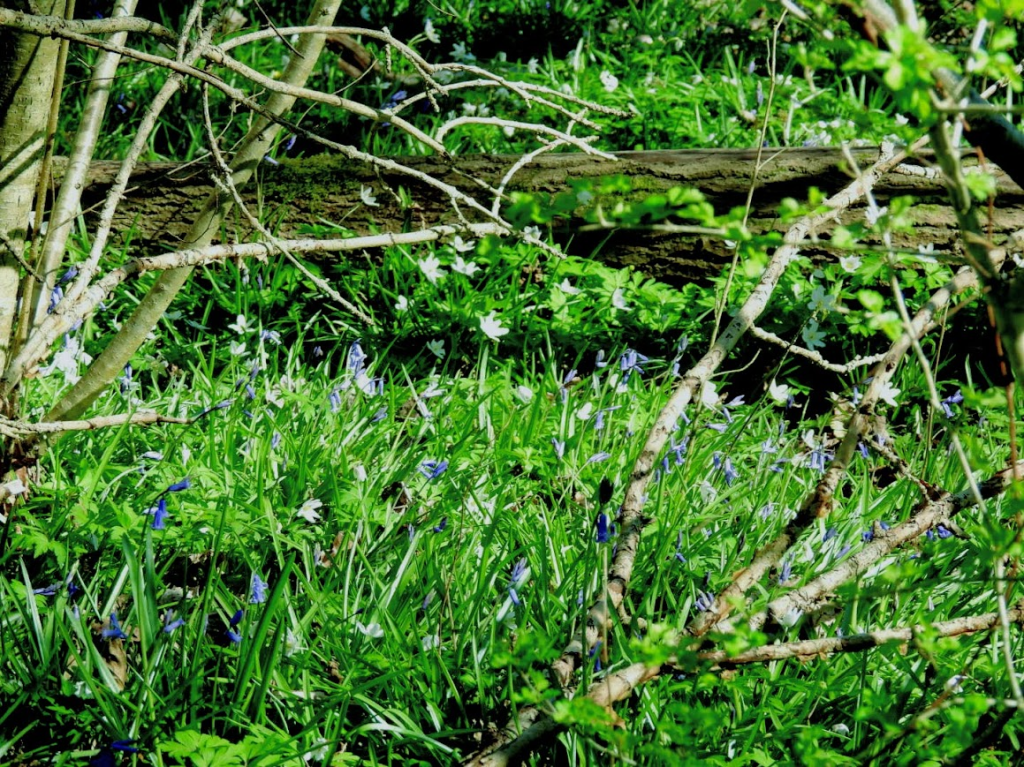
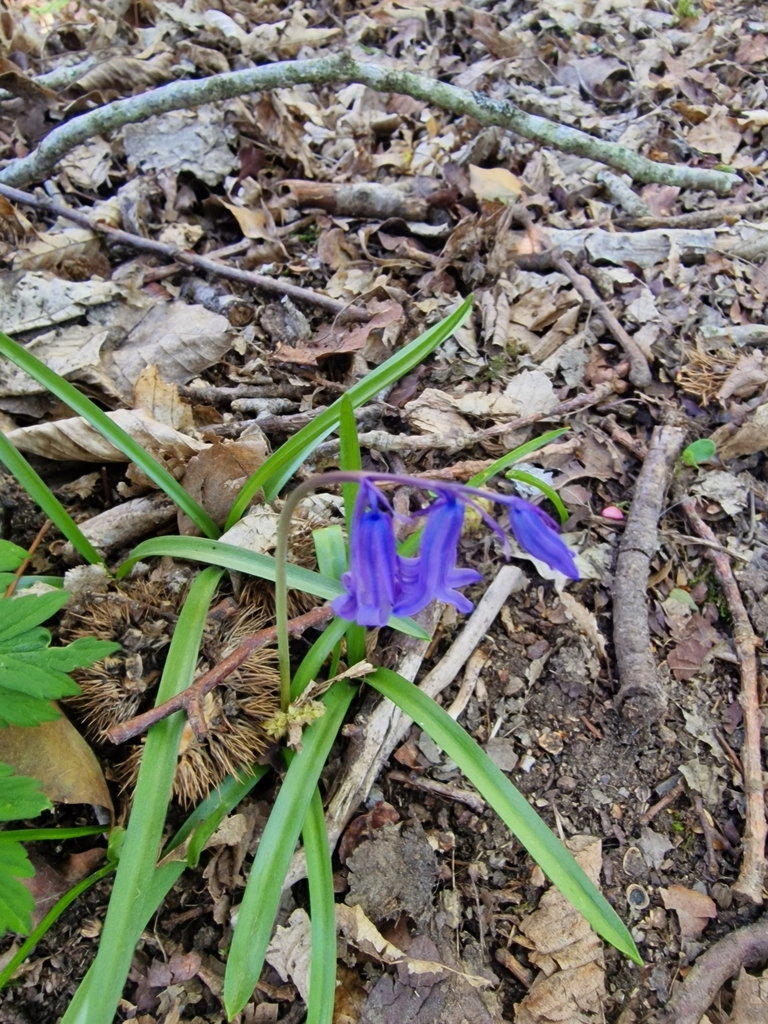
Hyacinthoides non-scripta Bluebell
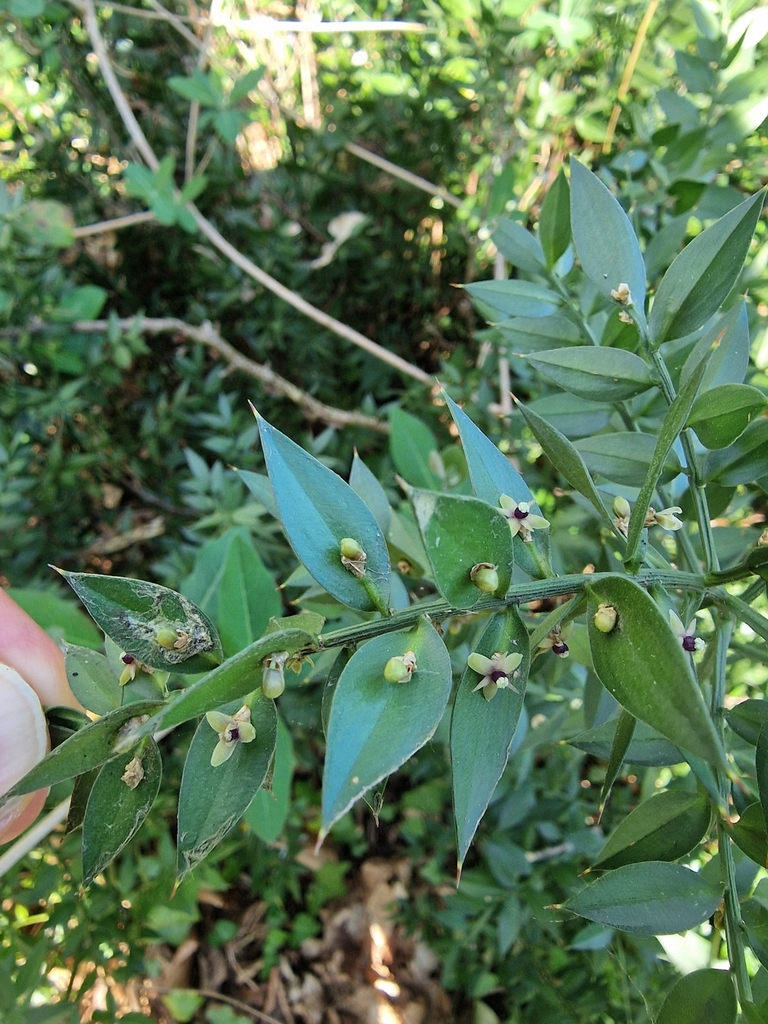
Ruscus aculeatus Butcher’s-Broom
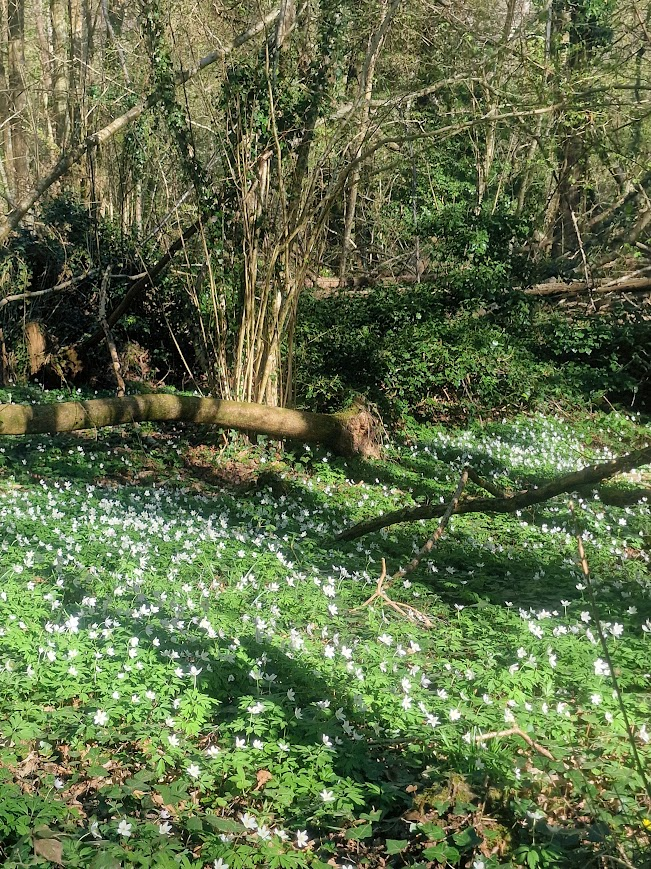
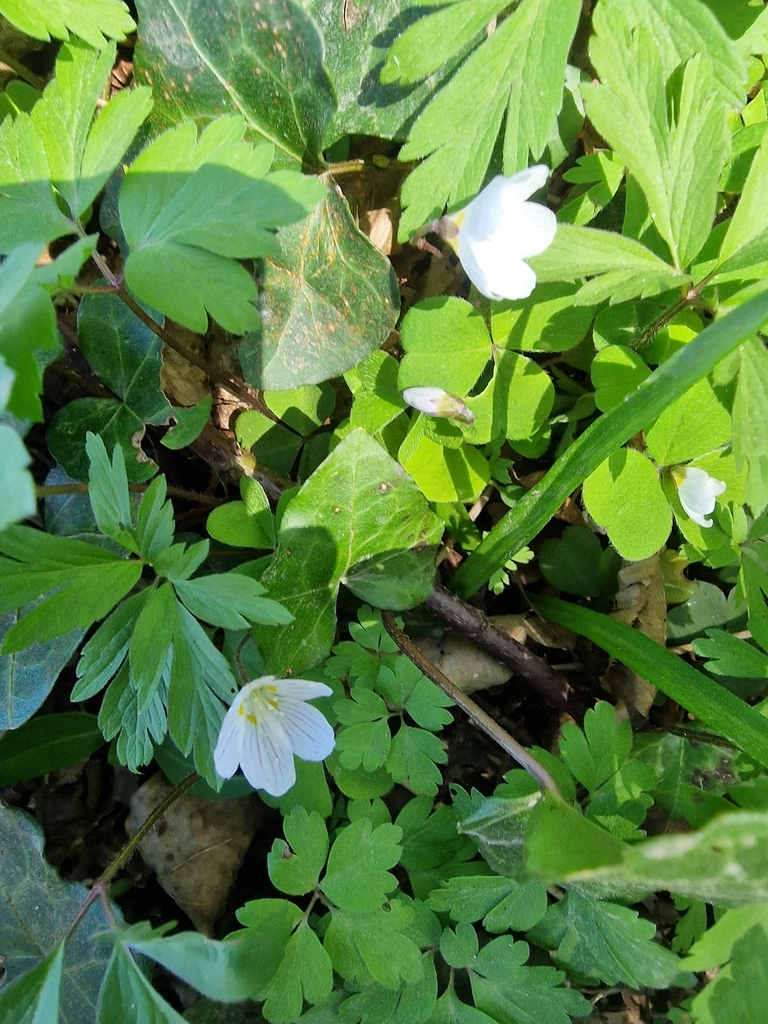
Anemonoides nemorosa Wood Anemone
with Psectrotanypus varius a species of non biting midge.
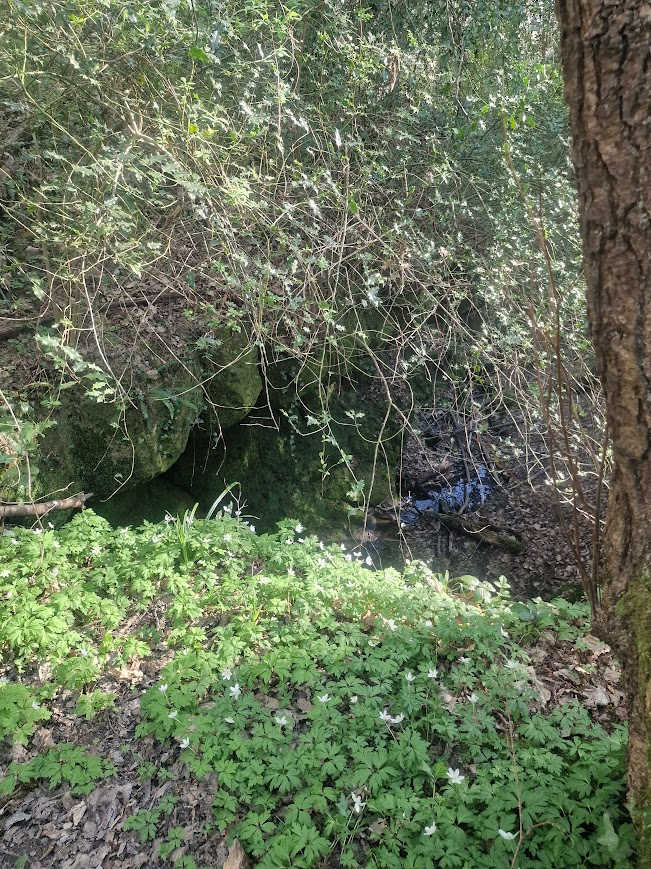
By one of the ghylls; Opposite-leaved Golden-Saxifrage is mostly a plant of damp stream/ghyll sides, or wet flushes
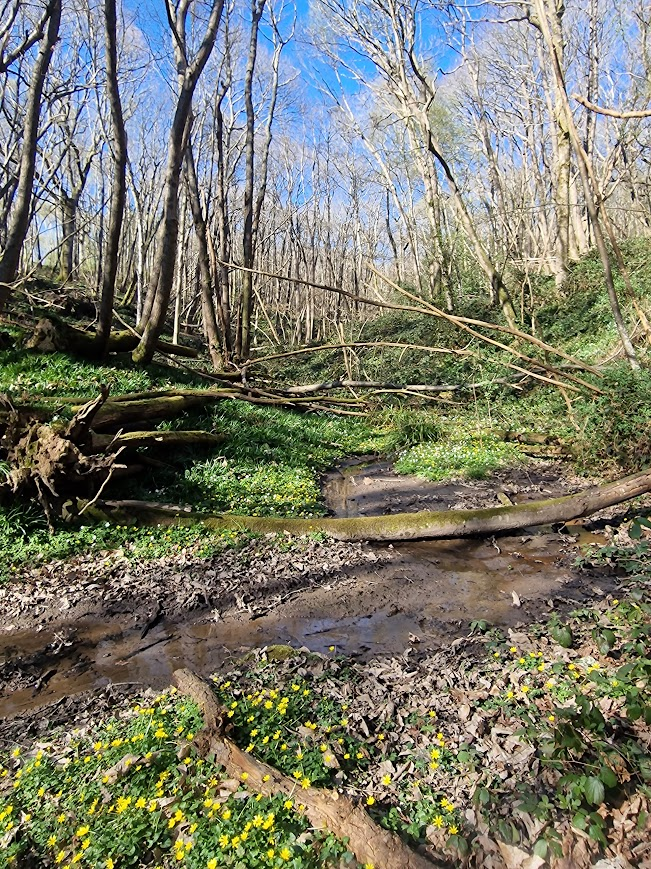
A view of one of the ghylls with Lesser Celandine, Ficaria verna. Lesser Celandine is not an AWVP indicator but it is a very important early source of pollen for pollinators. There are two ghyll is Fire Wood – this one has shallow sides
but the other ghyll has much steeper sides and is more typical of the upper reaches of ghylls in High Weald Ghyll Woods, like Fore Wood.
Ardingly Sandrock can be seen in this photograph. Where the porous Ardingly Sandrock meets the impervious Wadhurst Clay springs are formed that feed the ghylls. Global heating is a great threat to the survival of the internationaly important ghyll wood habitat of the High Weald.
In the south-east of England mean annual temperatures have increased by approximately 1.7°C over the past 50 years,(UKCIP 2013). Average rainfall remained unchanged during the same period, but patterns of precipitation did change with mean rainfall levels decreasing in the spring and summer months, but increasing in the autumn and winter. Over the same period the average annual and seasonal levels of relative humidity fell by up to 5% in the south and east of England (UKCIP 2013). The presence of regionally and nationally important vascular and non-vascular plant communities within the Wealden ghylls is attributed to the cool, humid microclimatic conditions associated with the ghyll valleys (Paton 1956, Ratcliffe 1968, Rose and Patmore 1997). The rising temperature levels coupled with the existence within the ghyll woodlands is closely related to a cool, humid ghyll microclimate.
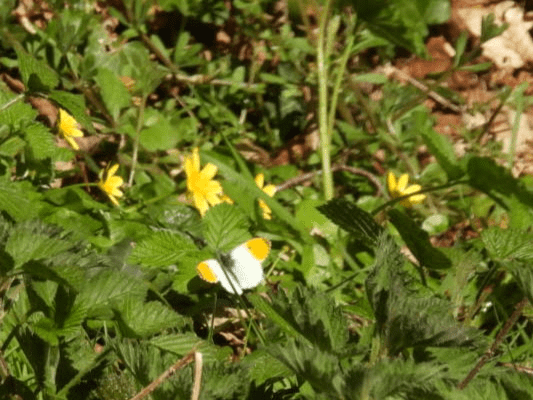
Orange-Tip Butterfly, Anthocharis cardamines, a butterfly of damp places, on Lesser Celandine
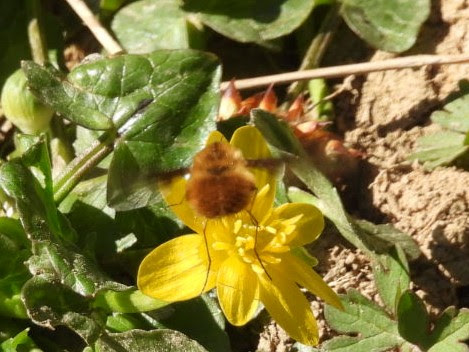
Bee-Flies and Orange Tip Butterflies are some of the earliest pollinators to appear in spring; but they have finished in the adult flying form by May/June; although Orange Tip Butterflies sometimes have a second brrod
An ancient pollarded Carpinus betulus European Hornbeam within the wood. Rose makes it clear in his list that Carpinus betulus should only be considered an AWVP indicator only if they occur well within the wood and do not appear to have been planted.
Theses Hornbeams form a boundary around the wood; whilst theses trees as species can not be considered as AWVP indicators; the structure of the ancient boundary (raised bank with coppiced trees) is probably an indicator of ancient woodland.
This is Francis Rose’s list of Ancient Woodland Indicator Plants (AWVP) for South East Woodland
* Consider these species only if they occur well within the wood and do not appear to have been planted.
It should be noted that when calculating Ancient Woodland Indicator Plants scores:
A high AWVP score is a reliable indication of natural diversity.
It also indicates ancient woodland, but does not on its own constitute proof.
Some woods which are undoubtedly ancient have a low AWVP score. Study of other components of the woodland biodiversity such as lichens, or invertebrates in rotting wood, may give clearer indications of ancient woodland status. Quite often, ancient sites that are rich in AWVP’s will be poor in lichens and rotting wood invertebrates and vice-versa.
Not all indicator species are strictly limited to ancient woodlands. For example, where secondary woodland adjoins older woodland, it will acquire species associated with older woods much more quickly than isolated secondary woods.
Plants which are also cultivated in gardens (e.g. Wild Daffodil) should be used with great caution.
Certain woodlands can credibly be established as being ‘ancient’ through the study of old historical records such as maps and estate records. Observations of landscape features such as banks, ditches and other topographical features within a wood will also give clues to previous land use. By surveying a number of these ‘proven’ ancient woodlands, species which are usually confined to this type of habitat can be identified. From: Countryside Information Ancient Woodland Indicator Species
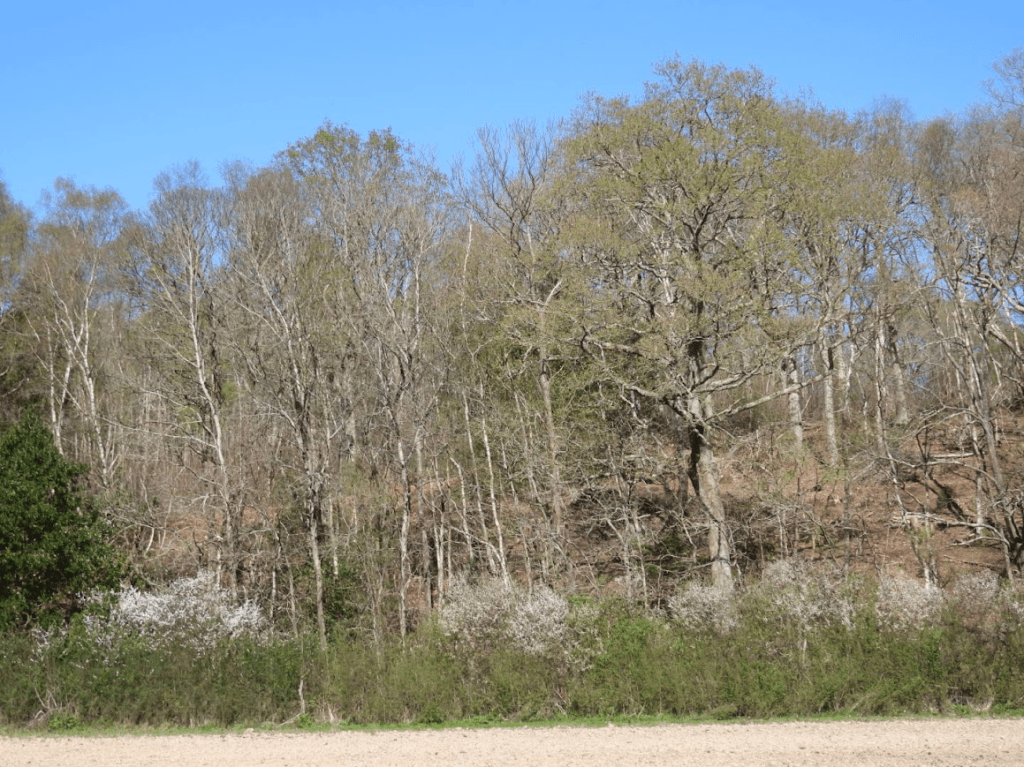
The edge of Fore Wood, with Blackthorn, Prunus spinosa, in blook, and behind Pedunculate Oak, Quercus robur, Silver Birch, Betula pendula and Holly, Ilex aquifolium
any area that’s been wooded continuously since at least 1600 AD. It includes:
plantations on ancient woodland sites – replanted with conifer or broadleaved trees that retain ancient woodland features, such as undisturbed soil, ground flora and fungi
ancient semi-natural woodland mainly made up of trees and shrubs native to the site, usually arising from natural regeneration
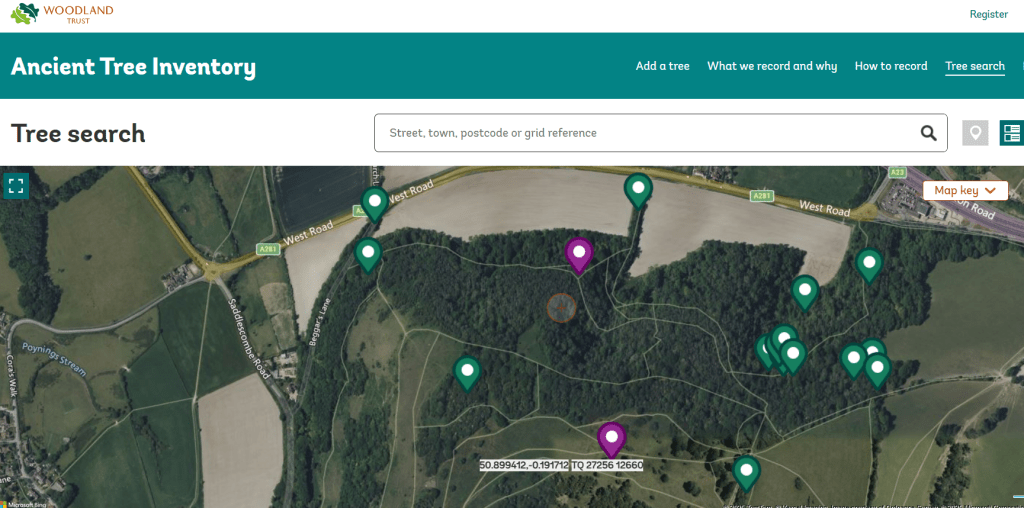
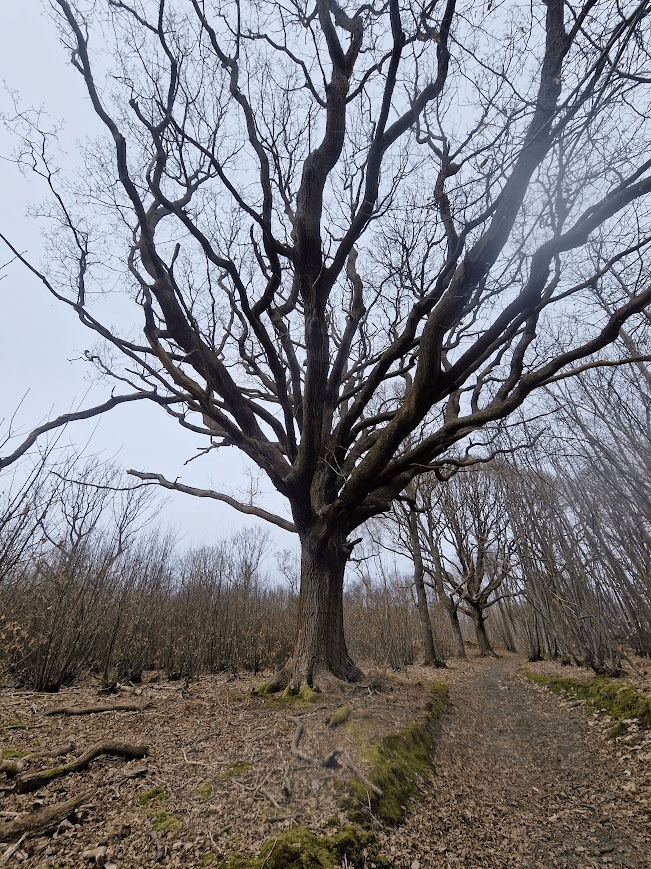
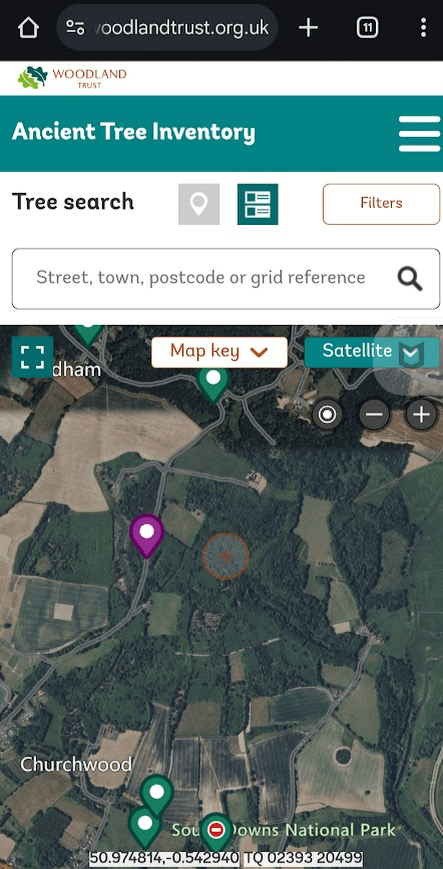
There is only one Ancient, Veteran or Notable tree listed in Fittleworth Wood in the Woodland Trust Ancient Tree Inventory; the “notable” Quercus robur above
but there are other Oaks, Quercus robur, and Beech, Fagus sylvatica, amongst the mostly replanted Sweet Chestnut
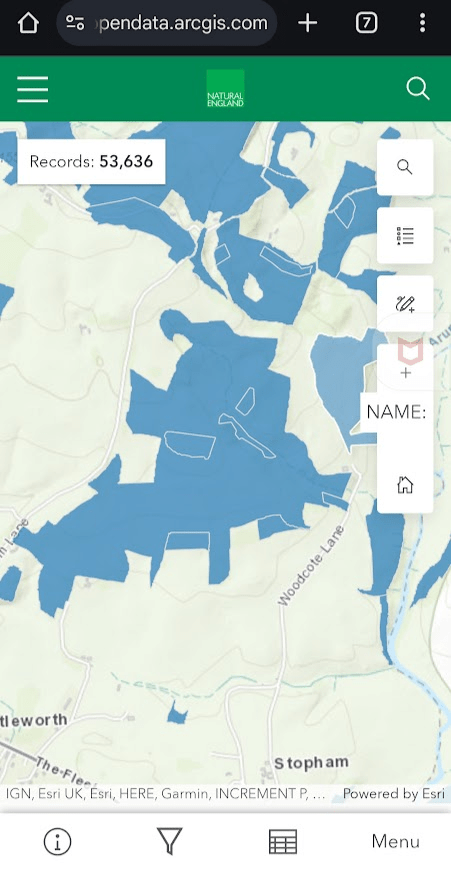
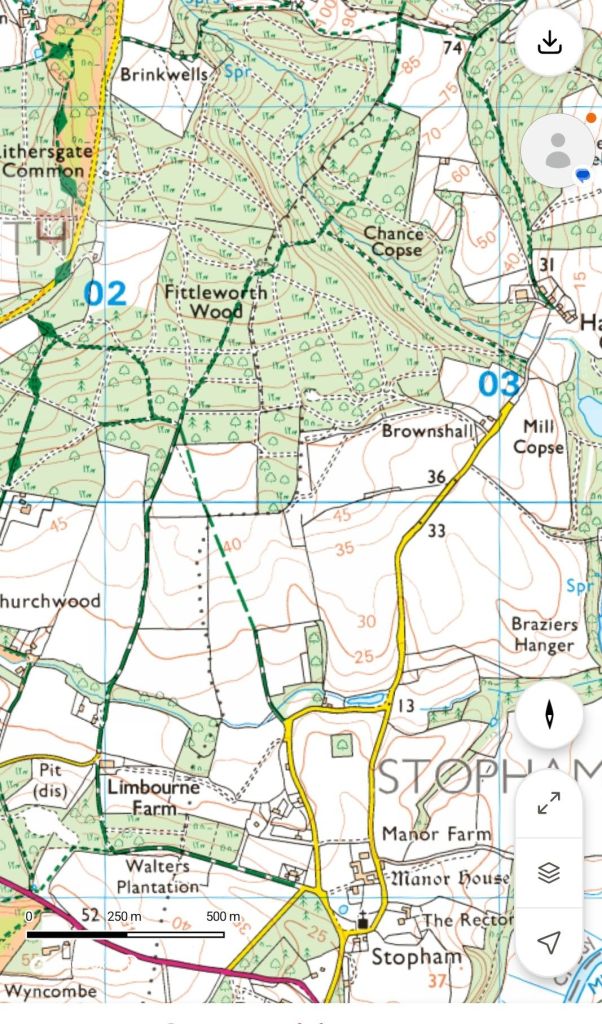
Fittleworth Forest is designated by Natural England as mostly ancient semi-natural woodland, with compartments of replanted ancient woodland
The smaller compartments are listed as Replanted Ancient Woodland; but all of the woodland looked to have been replanted to me, with a few relics of older trees.
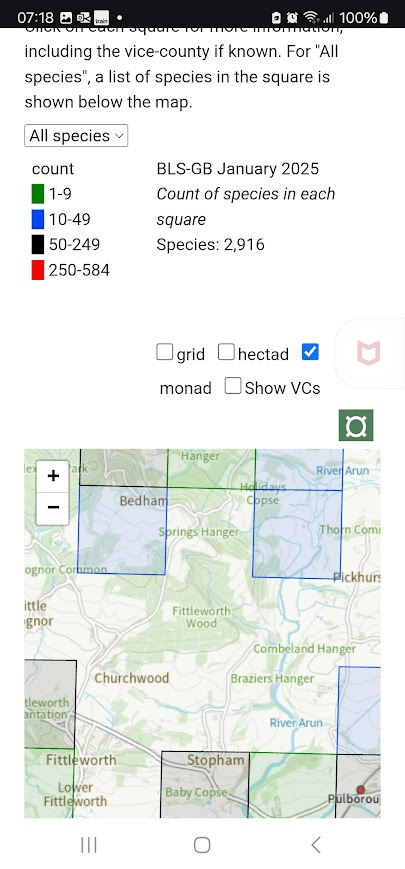
The British Lichen Society has no records for the monads (1k x 1k squares) of Fittleworth Forest
which suggests that it has not been of wood of significance for lichenologists; although there are many monads with no records, not because there of little lichenological interest but because there are very few lichen recorders.
Some of the most beautiful tree relics – of the times before replanting occurred – are some ancient boundary banks of Oak, Quercus robur and Beech, Fagus sylvatica. Theses banks and trees are also a propitious habitat for bryophytes (mosses and liverworts)
There are some more notable Pendunculate Oak surviving amongst the huge area of coppiced Sweet Chestnut Castanea sativa
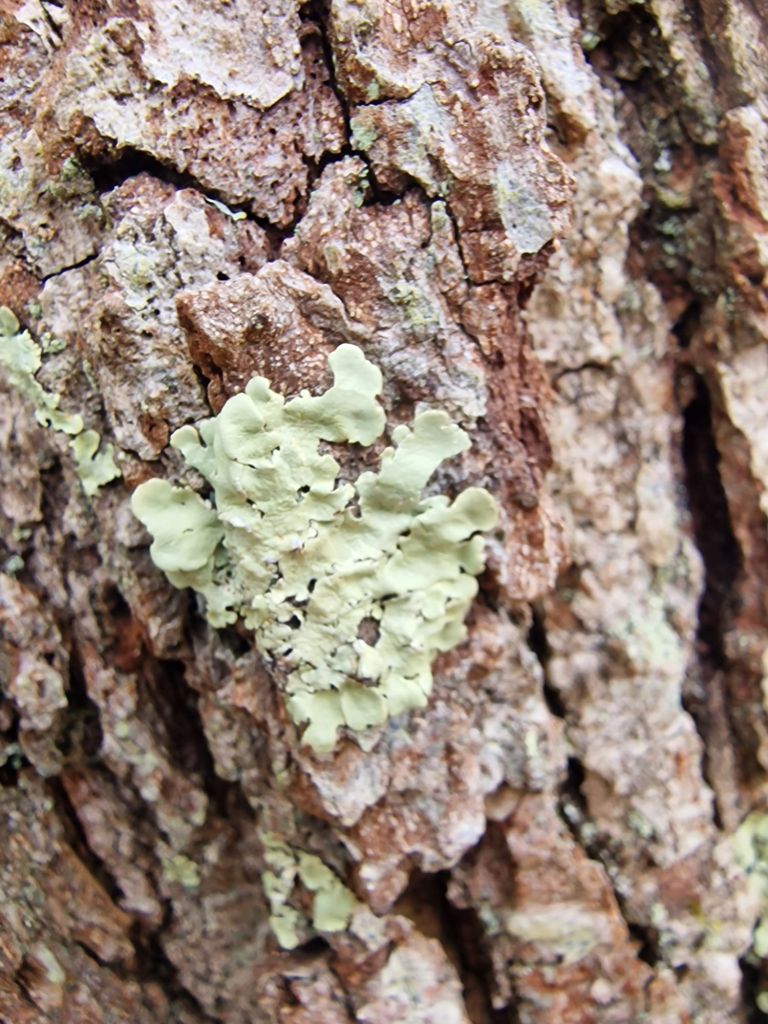
These Oaks are richer in terms lichens than the Sweet Chestnut; although very old stools of felled coppiced Sweet Chestnut can have rich assemblages of Cladonia spp. lichens; but the Sweet Chestnut in Fittleworth wood is to too young to have much lichen diversity, with only Cladonia coniocraea evident:
Many of the Oaks have much Common Greenshield Lichen, Flavoparmelia caperata.
Flavoparmelia caperata is in the Parmelion community of lichens that demonstrate that a tree is probably older than 50 years.
Young coppiced Sweet Chestnut mostly have Pertusaria spp., especially Pertusaria leioplaca, and Graphidaceae family lichens e.g. Graphis sctipta sensu lato.
Sweet Chestnut
Pertusaria leioplaca
Probably Graphis scripta s.l.
Script lichens are of the Graphidion community and start growing toward the end of the first year of a trunk’s life. The Graphidaceae family require spore microscopy to identify to species level.
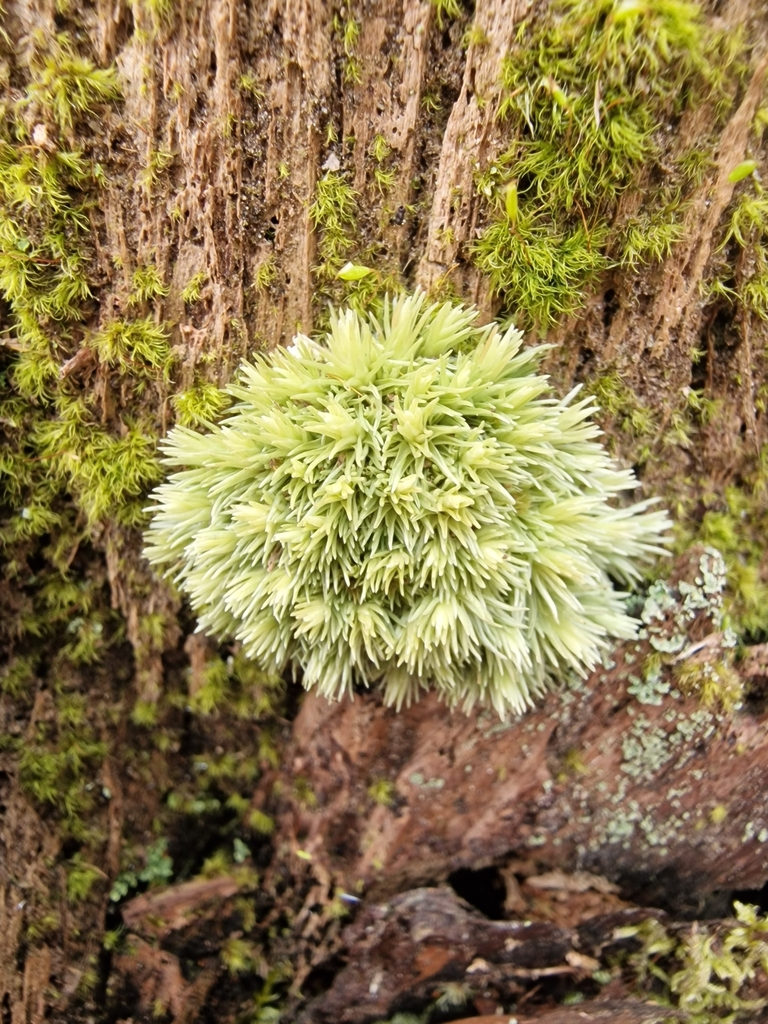
Amongst the sweet chestnut there were a lot of Leucobryum spp. mosses
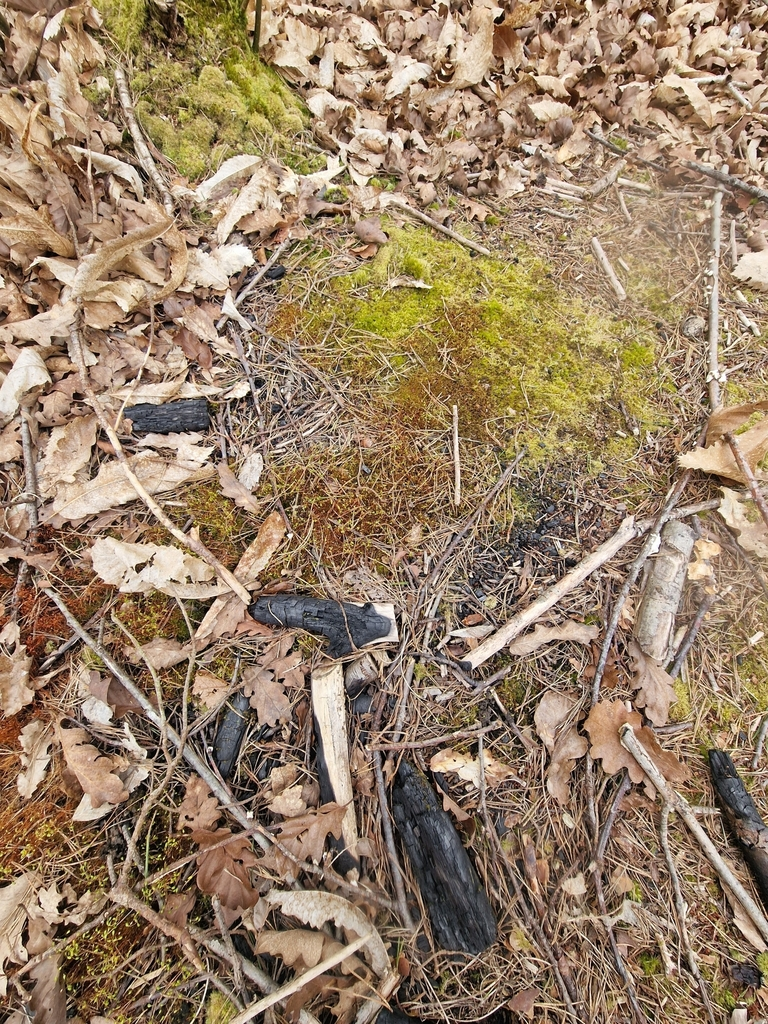
And where felled trees had been and burnt, there were areas of Funaria hygrometrica Bonfire Moss, as would be expected.
Funaria hygrometrica
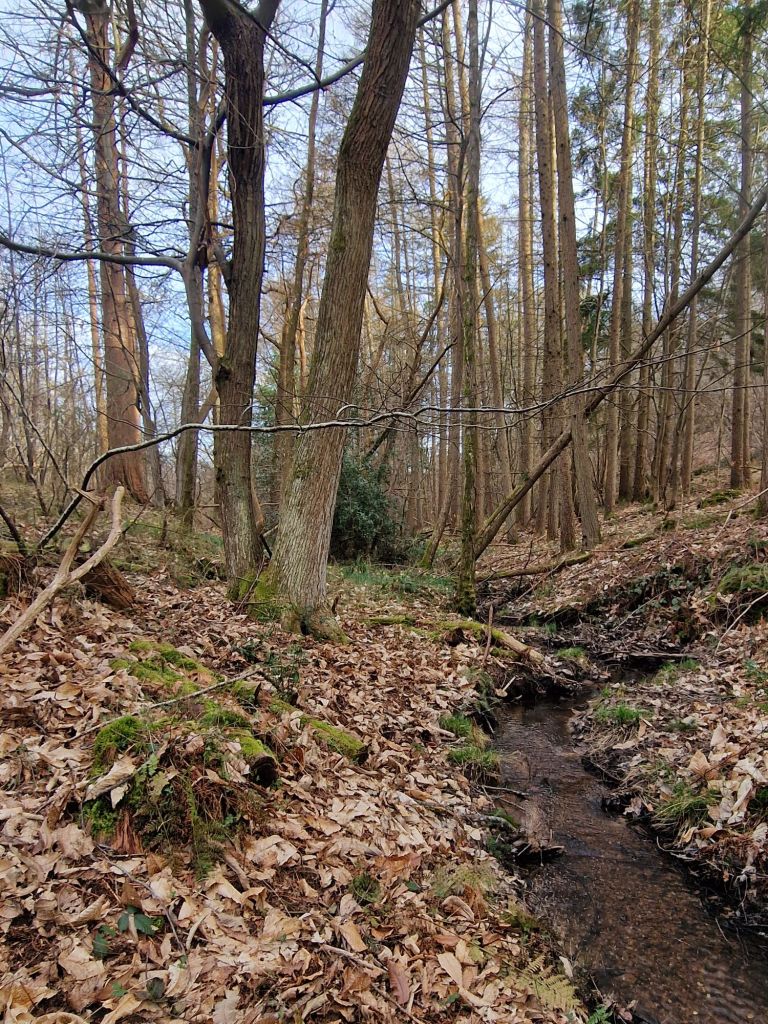
As I moved eastwards, and down from the higher ground of Fittleworth Wood, into the valley of Chance Copse, the ground flora seemed much more indicative of ancient woodland soil despite the presence still of much replanted woodland, but not dominated by Sweet Chestnut. Large amounts of replanted Sweet Chestnut does not seem propitious for the growth of ancient woodland ground flora from the seed bank of ancient woodland soil.
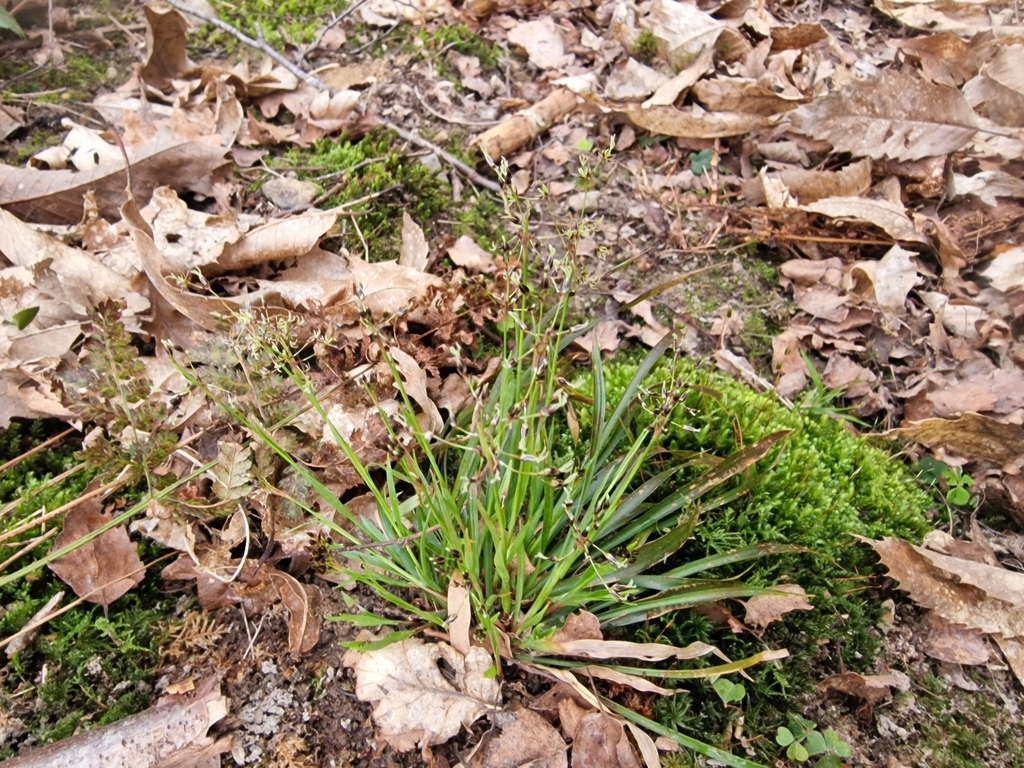
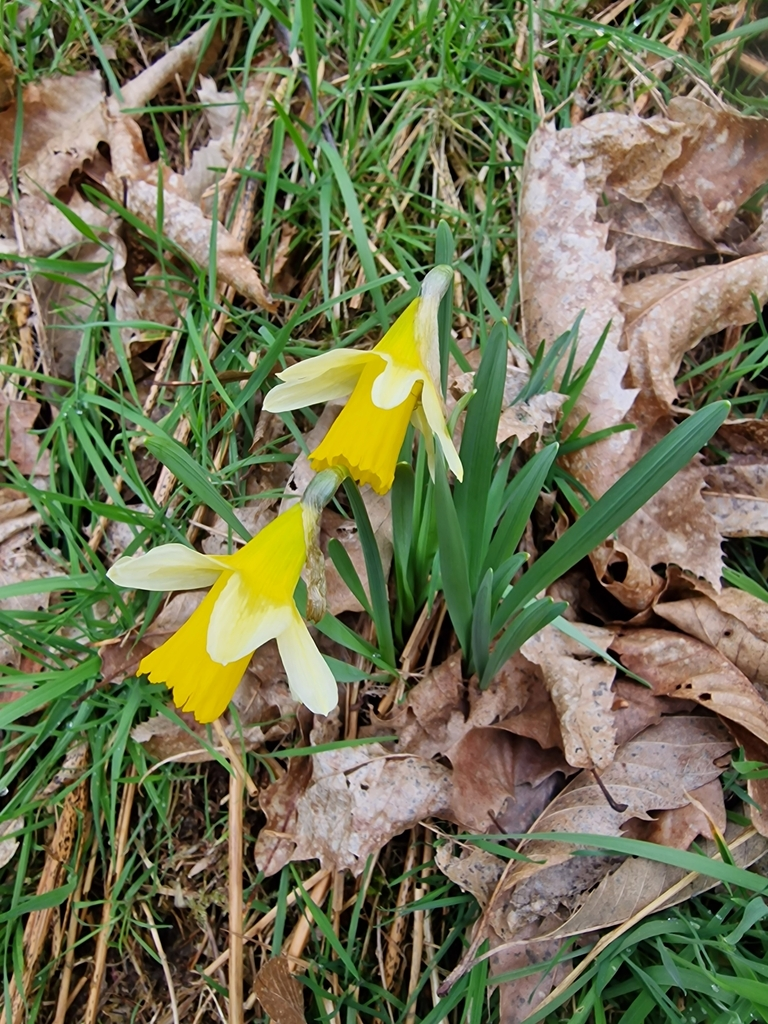
Plants like Hairy Woodrush, Luzula pilosa; Wildlife Daffodil, Narcissus pseudonarcissus and Primrose, Primula vulgaris in Chance Wood are ancient woodland indictor plants; these were absent in Fittleworth Wood.
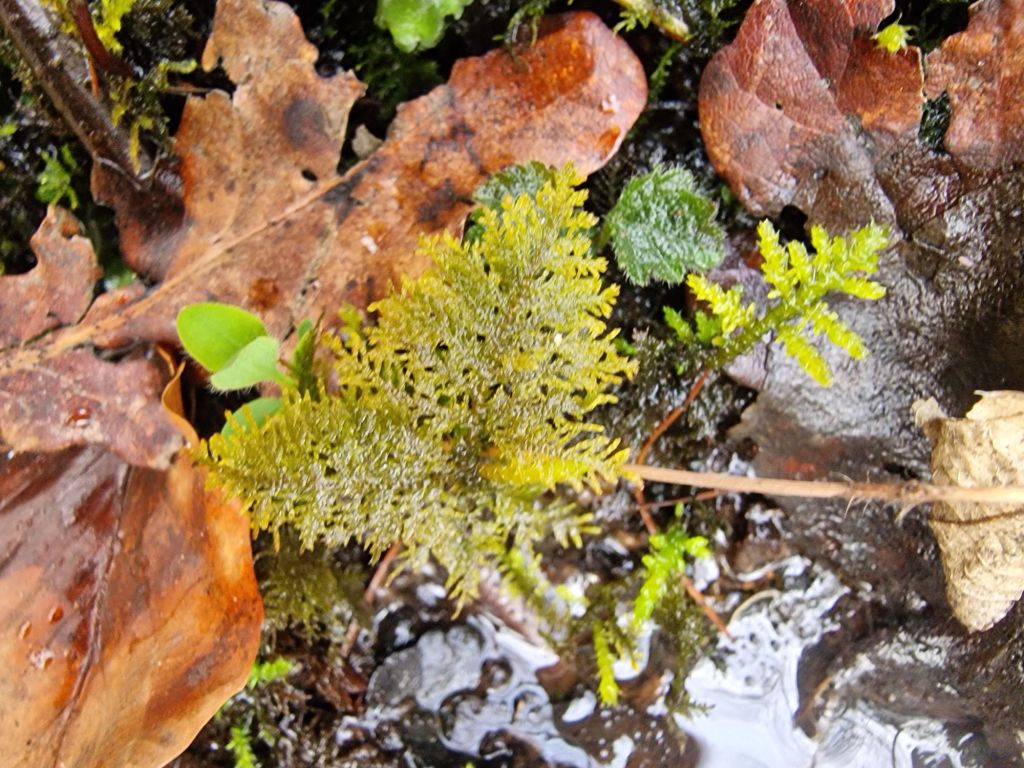
The banks of the stream in Chance Copse have many wet flushes arising from springs in the greensand; these are probably a good habitat for rare bryophytes, but I had little time as it was getting dark by the time I got to Chance Corpse I only found a few common bryophytes: