I often lead introduction to lichen walks – either for community nature organisations; the Lost Woods of the Low Weald and South Downs (Woodland Trust); Changing Chalk (National Trust and Lewes Railway Land Wildlife Trust) or RSPB Pagham Harbour, or my own free lichen walks, see: Lichen Walks
I love doing them. I am a lichen enthusiast, definitely not a lichen expert, and I have a real love of engaging local communities in nature, particularly in lichens.
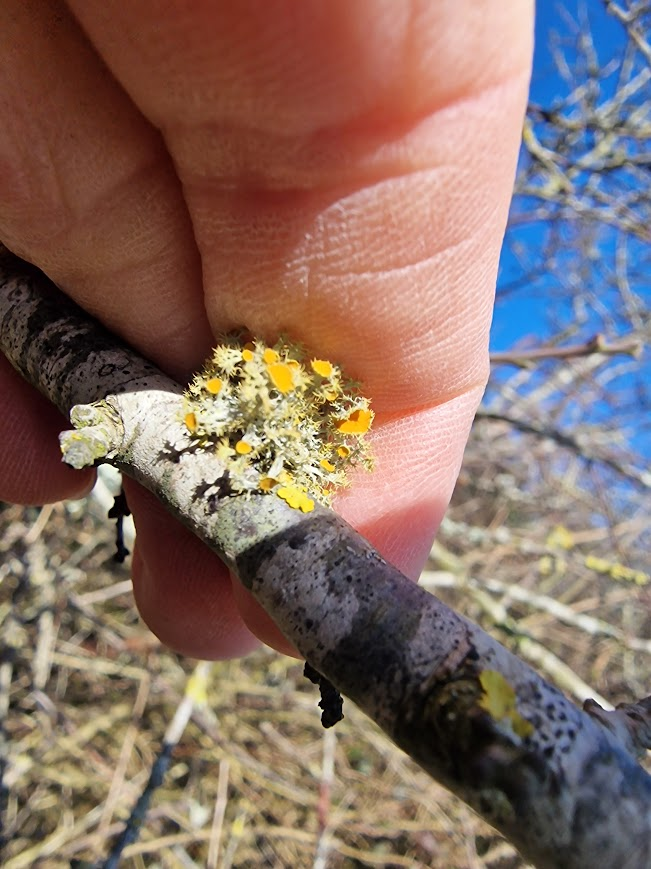
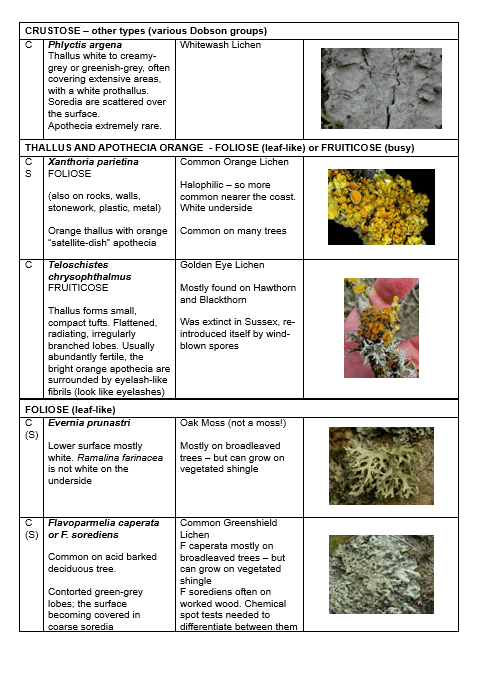
On Saturday I co-led a walk with a bryologist at a local nature reserve in West Hove. It is a downland site; with many Hawthorns, Blackthorns, Elder, and some Pedunculate Oaks, and a Sycamores, and a Walnut. It is a prime possible site for Golden-Eye Lichens, which have reintroduced themselves in Sussex, after being deemed extinct in Sussex, see 12 Golden-Eye Lichens on one Hawthorn. The resurgence of the once-thought-extinct Teloschistes chrysophthalmus on the South Downs. 06.04.24 I said that if we look hard we will probably find one there; and one of the participants found one on a Hawthorn.
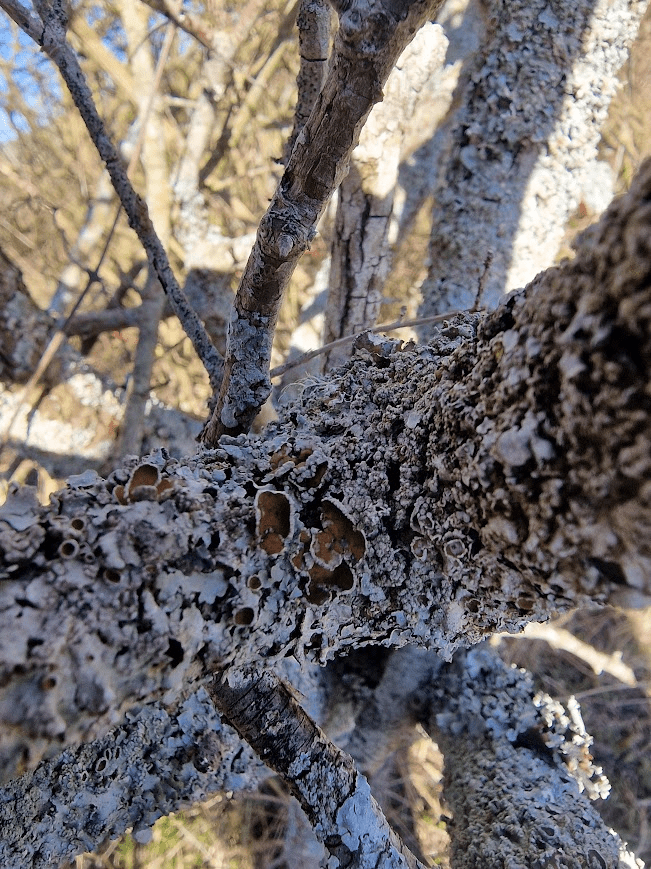
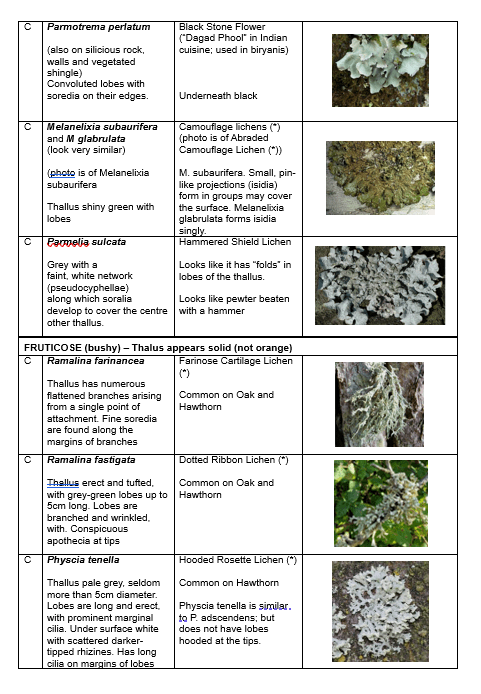
One of the participants also found a very interesting fertile lichen on a branch of an Elder. I was ensure whether this was Punctelia subrudecta or Parmelia Sulcata; but chemical reagent spot tests confirmed that is was Parmelia Sulcata
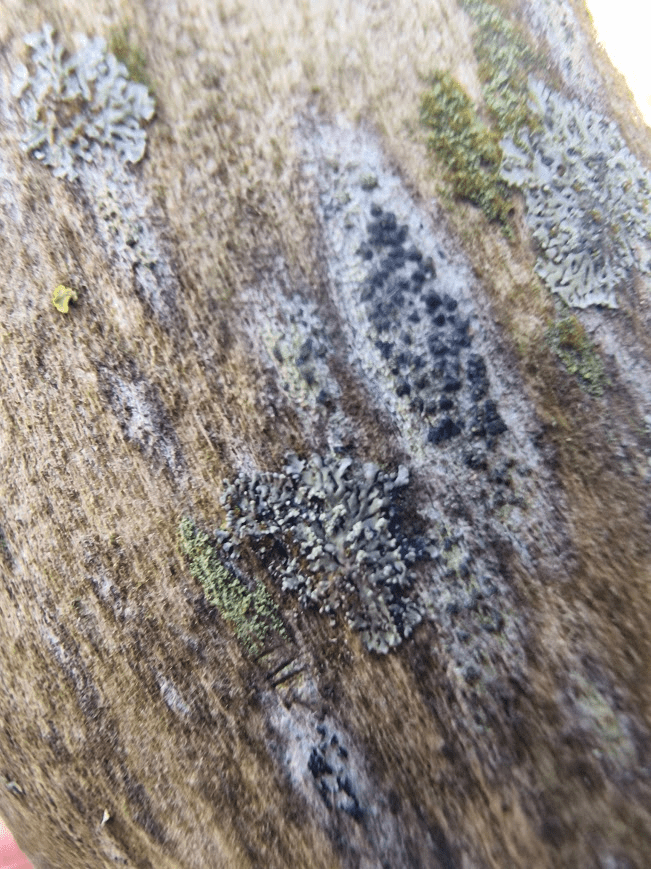
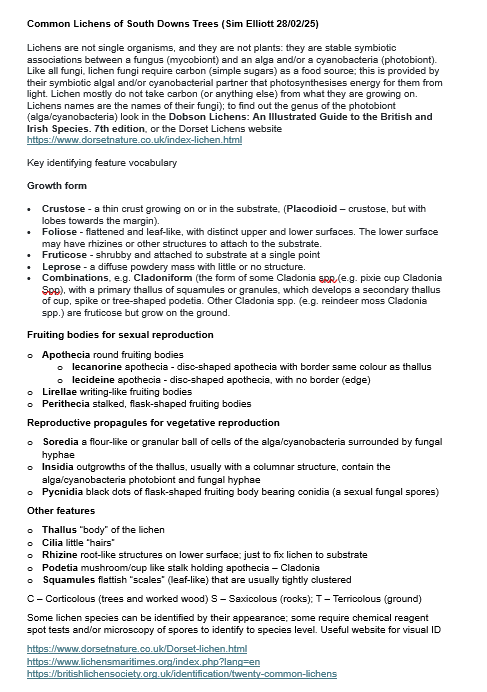
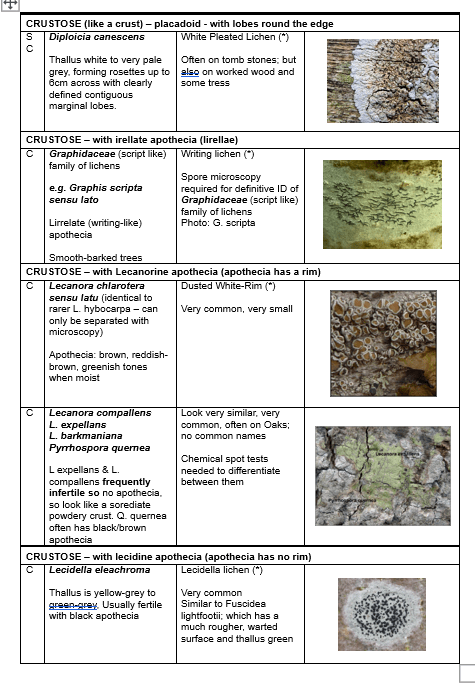
On Sunday morning, I led a similar walk in an East Brighton. I always start with a brief introduction of lichen growth forms and the morphology of lichens, as these are key to identification. (I have copied the handout I use below). The vocabulary of lichens is hard, and mostly in scientific Latin. But it is heart warming when a participant, complete new to lichens, after an hour of lichen looking, can spot a tiny Hyperphyscia adglutinata that I hadn’t seen, next to a Lecidella elaeochroma, that she identified. She didn’t know what the lichen was but said: “Are those soredia on it.” Give people a hand lens and a bit of information and magic occurs!
Here is my handout
 Sim's Nature Notes