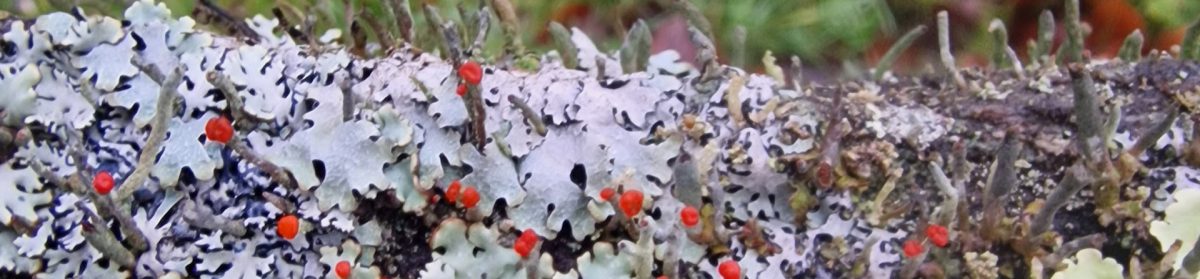
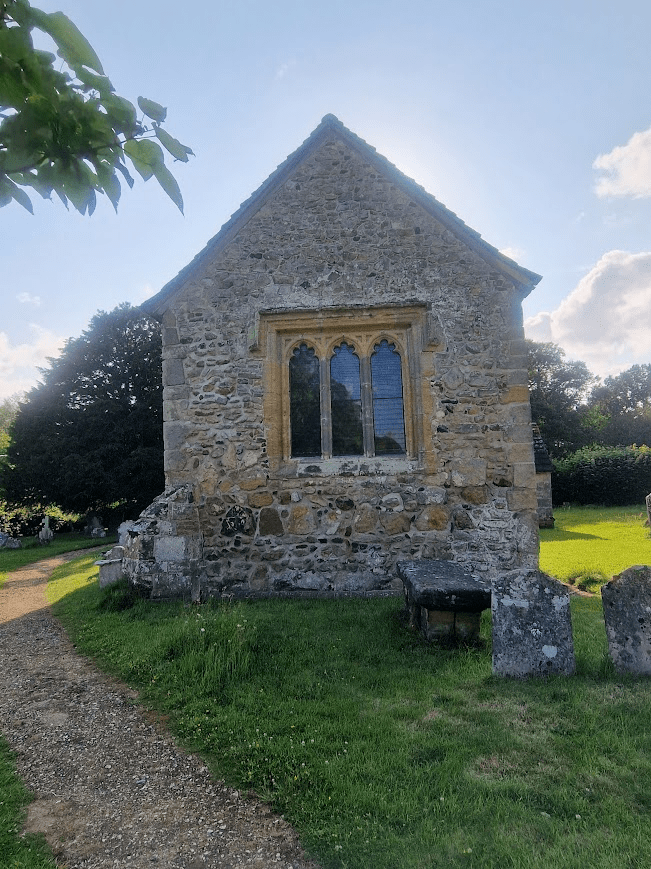
My interest in this church was peaked by this listing in the Sussex Rare Plant Register (which also includes lichens)
Lecanactis hemisphaerica [now Paralecanographa grumulosa], Churchyard Lecanactis
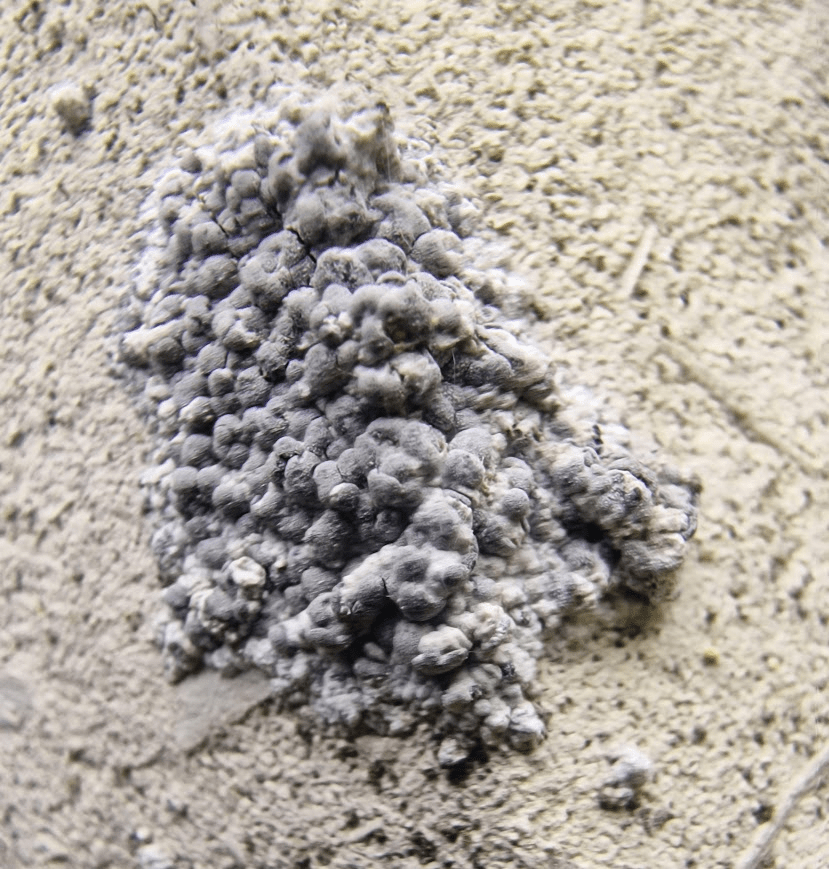
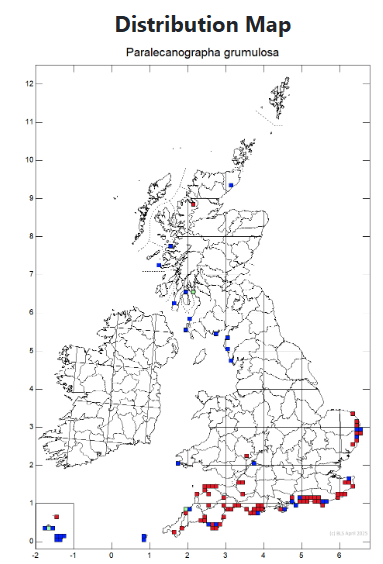
This species, which usually occurs on window ledges on the north side of churches, was first found in Sussex by Francis Rose and Peter James on mortar on Pagham Church in 1990. Since then, it has been found at several other sites in Sussex. Its British headquarters is south-eastern England.
Location / Grid ref. / Last seen
West Thorney Church SU769024 1990
Boxgrove Priory SU907075 1990
Pagham Churchyard SZ883976 1993
Bramber Churchyard TQ186106 2001
Hamsey Church TQ413121 2001
Rodmell Church TQ421062 1990
Pevensey Castle TQ644048 1990
Camber Castle TQ921184 1997
I had never heard if this lichen, so I looked it up. It is now called Paralecanographa grumulosa and it is considered Nationally Scarce by the British Lichen Society
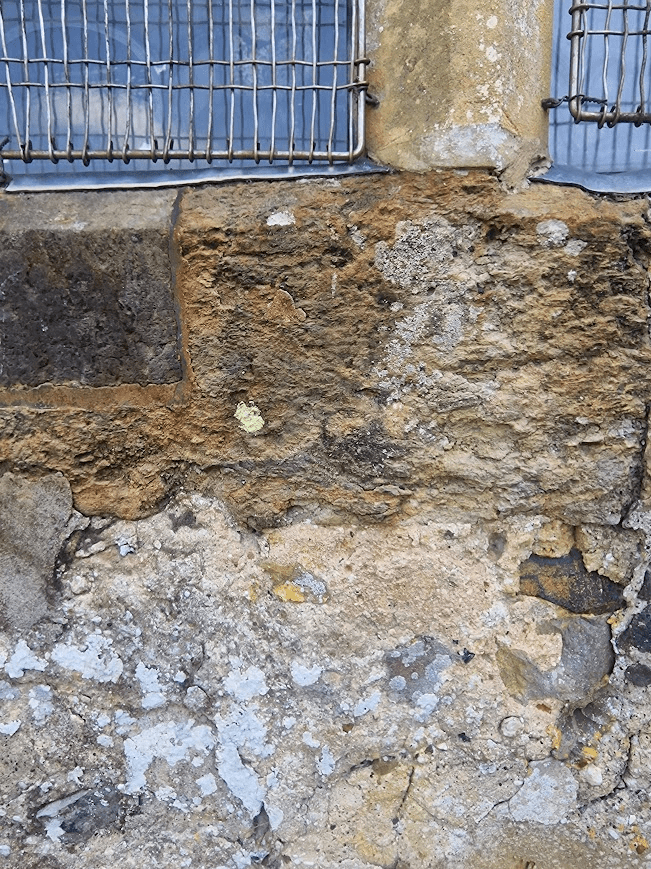
There are many more interesting lichens on the walls of this church. I have detailed some of them here. This is very far from a complete survey of the lichens of the church; these are just what I found on a two-hour visit.
North Wall

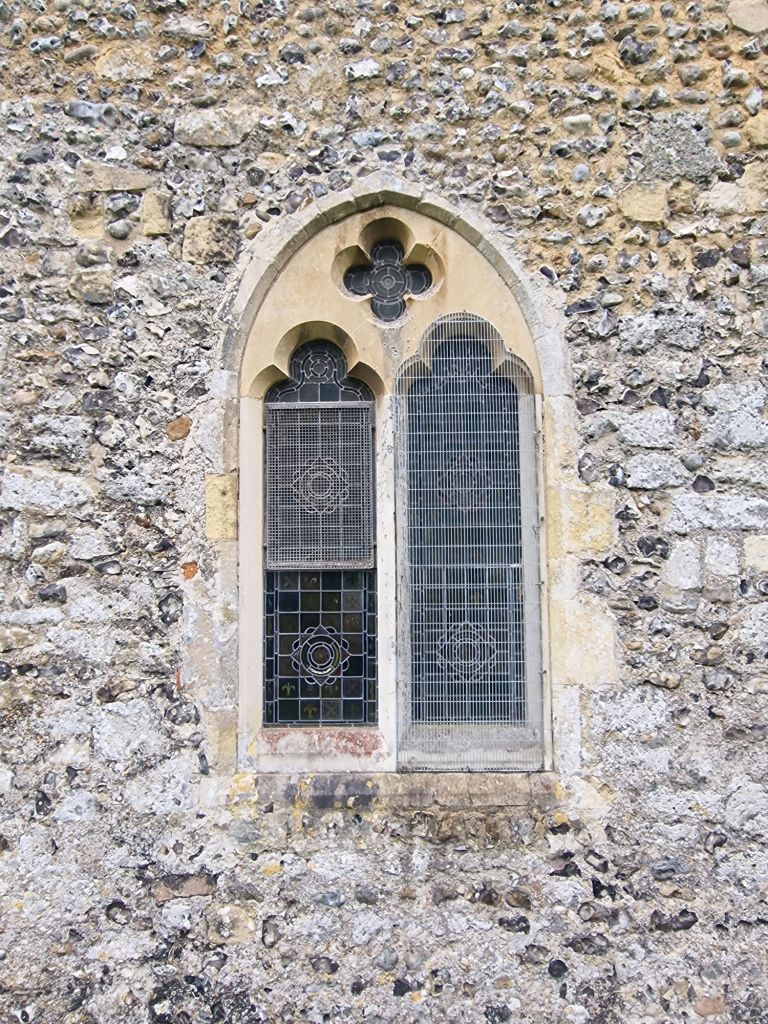
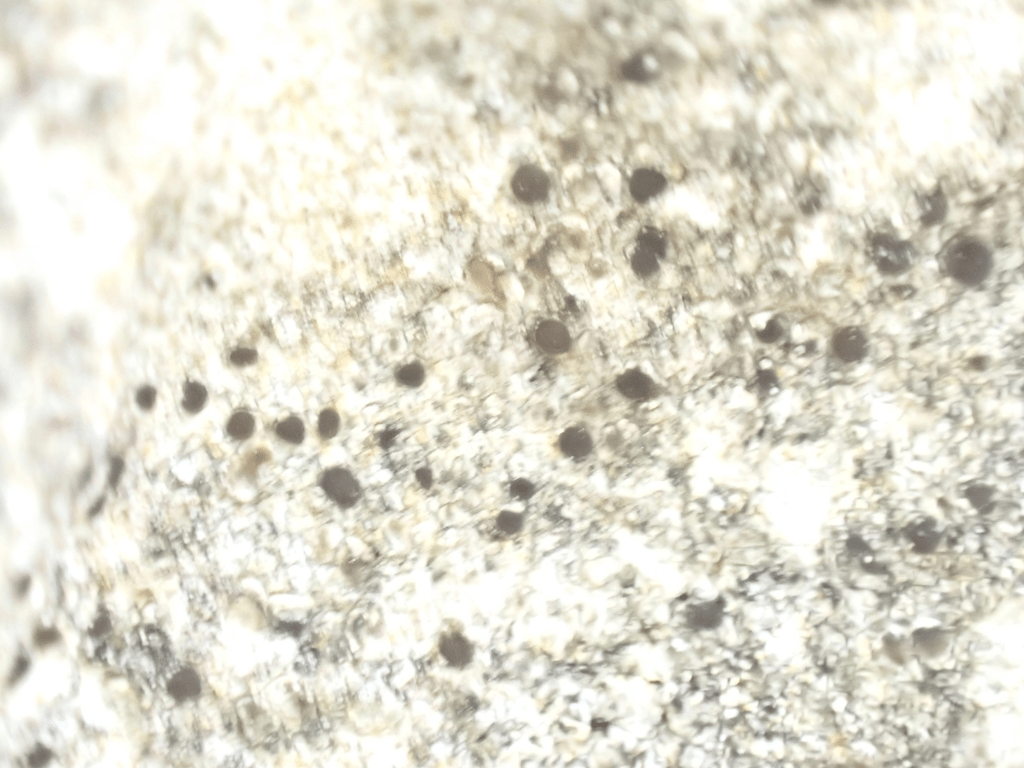
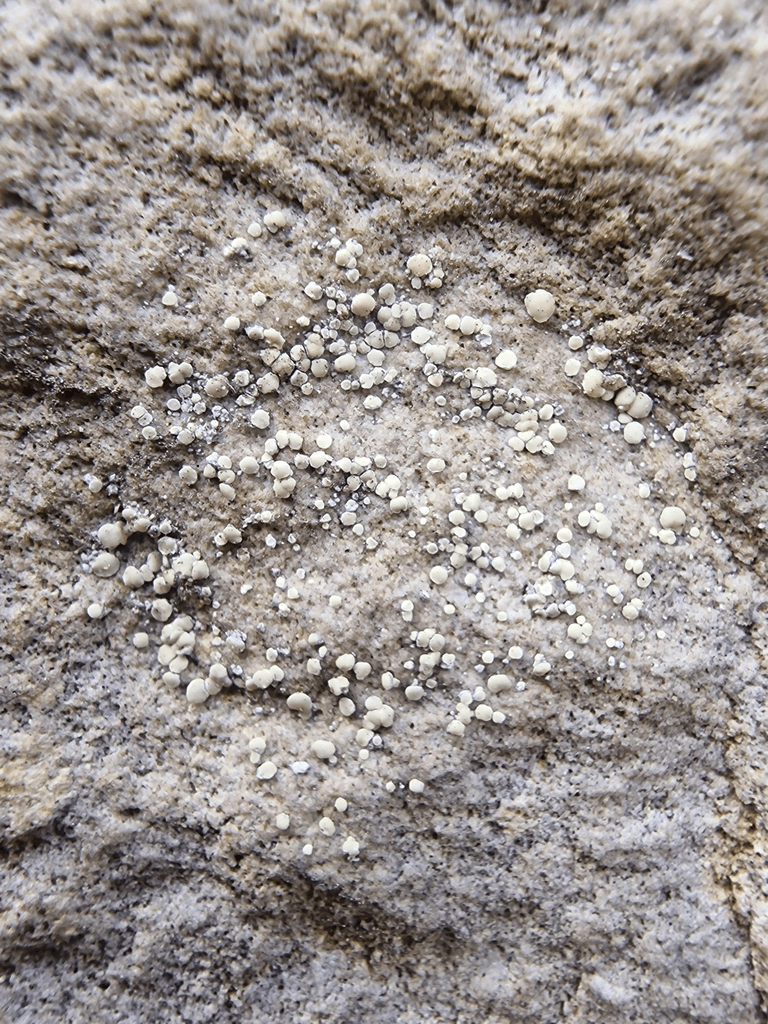
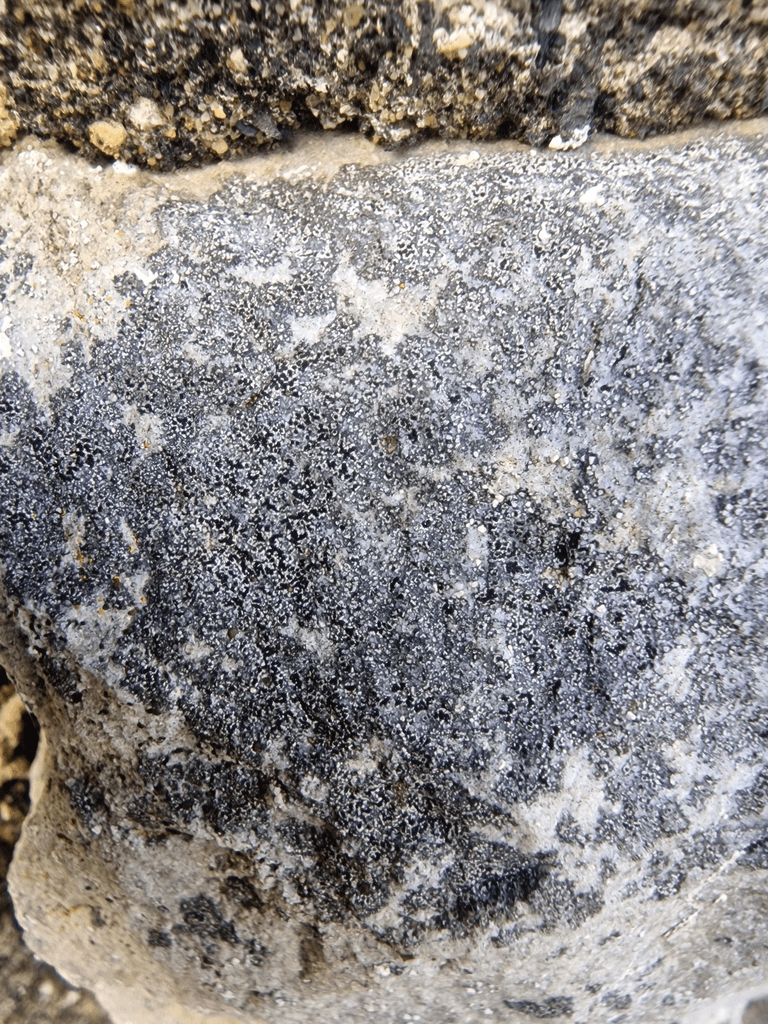
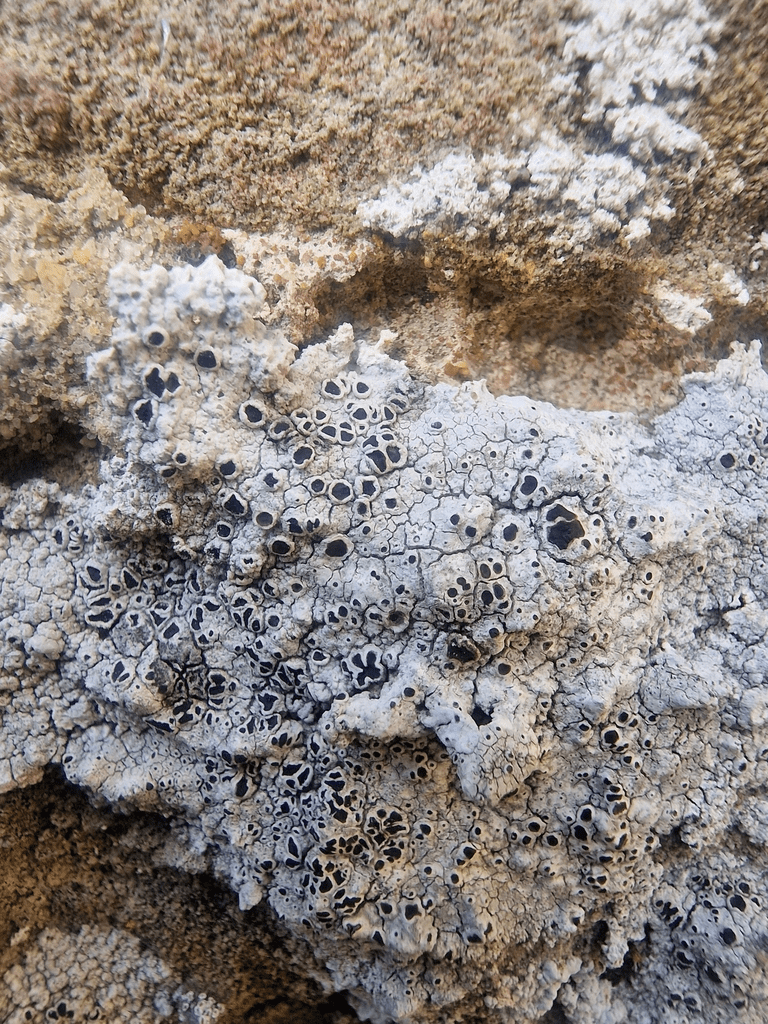
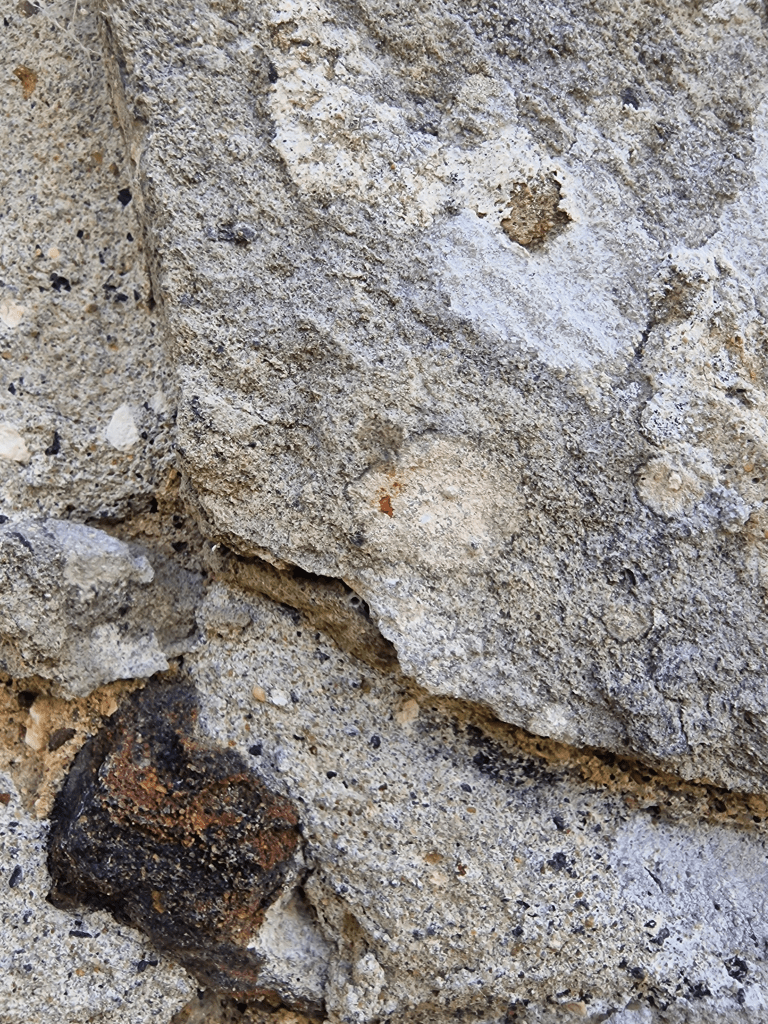
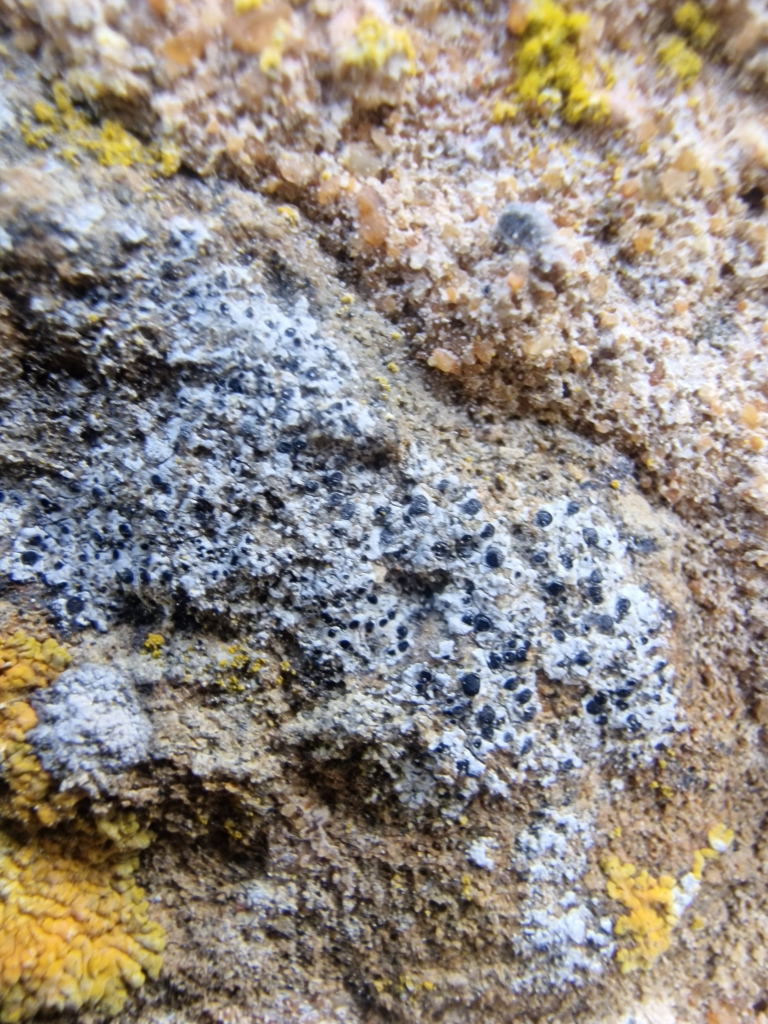
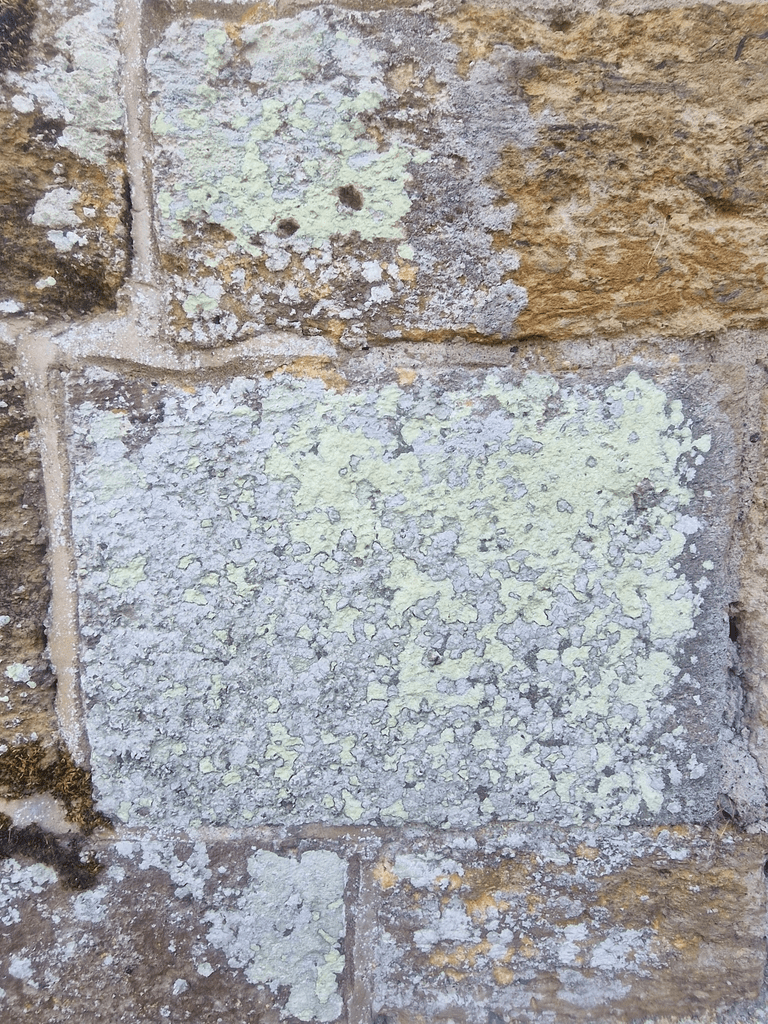
Paralecanographa grumulosa in the surrounds of windows of north walls of churches.

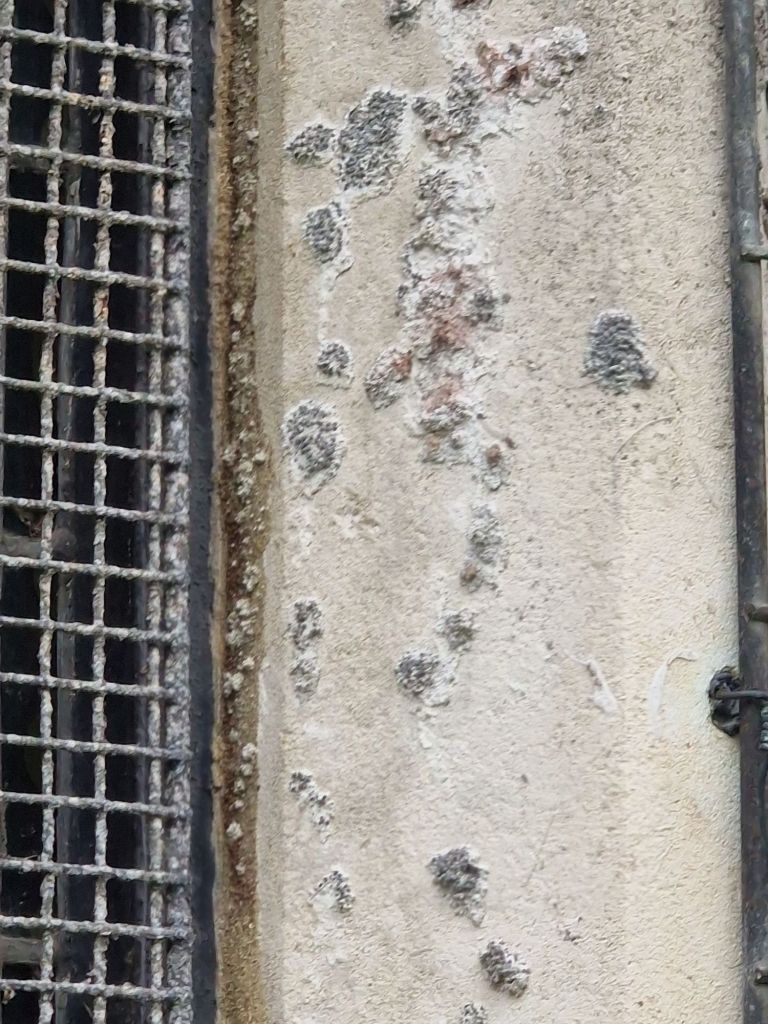
The fact that its apothecia were large, roundish and elongate, black, and partially immersed. with grey pruina (see description in Dorset Lichens) made it obvious that this was P. grumulosa, even though I had never seen it before, as the description of its apothecia is unlike any other lichen I know. However, I did do a chemical reagent test, and a tiny drop of sodium hypochlorite turned its thallus red.
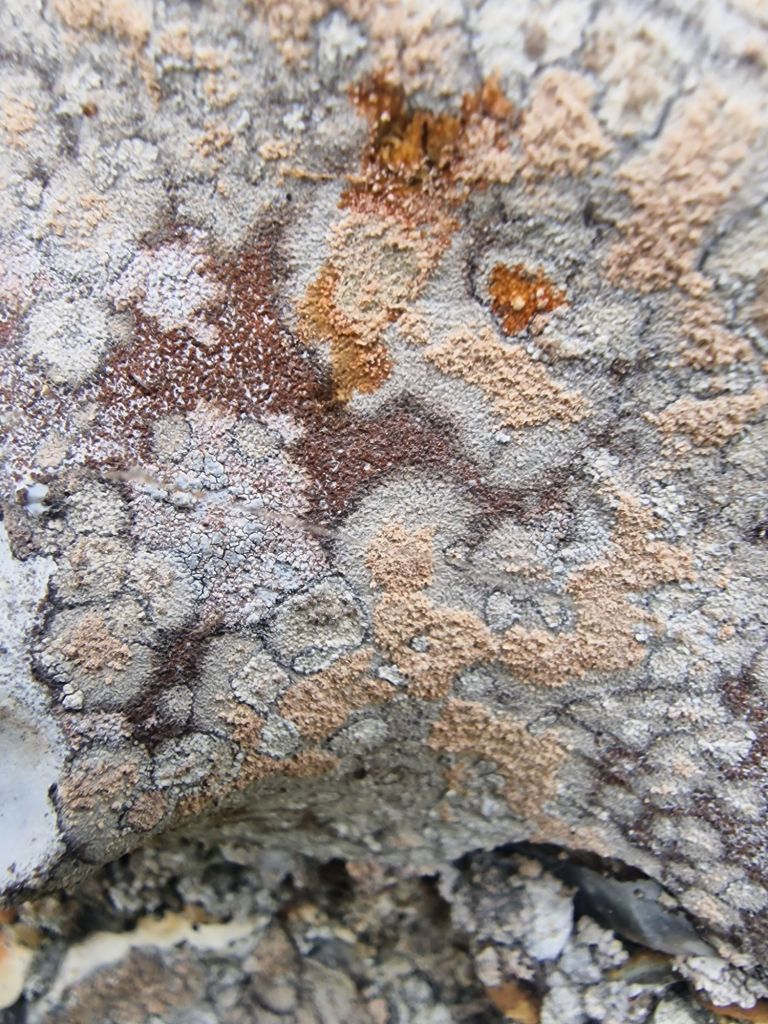
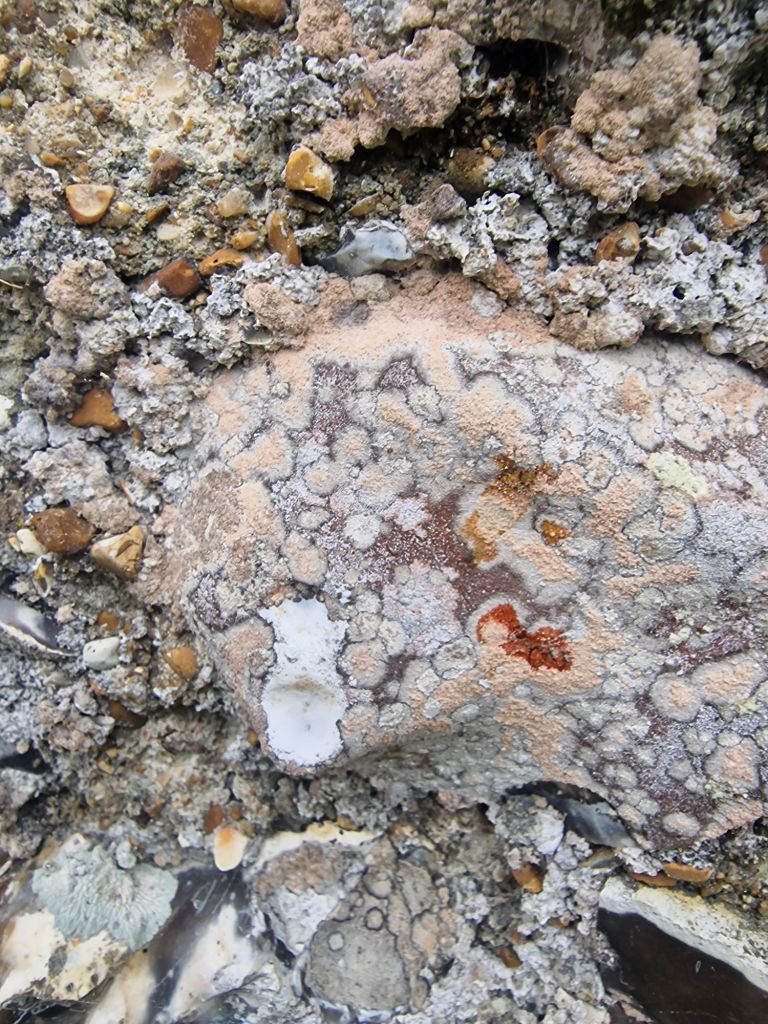
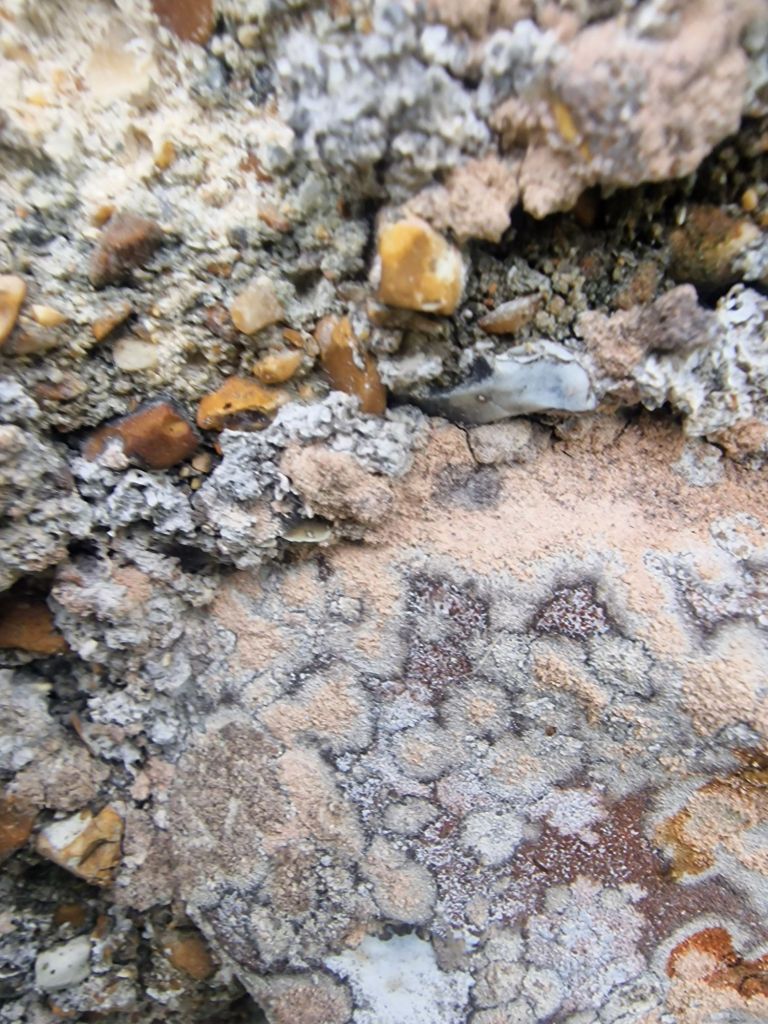
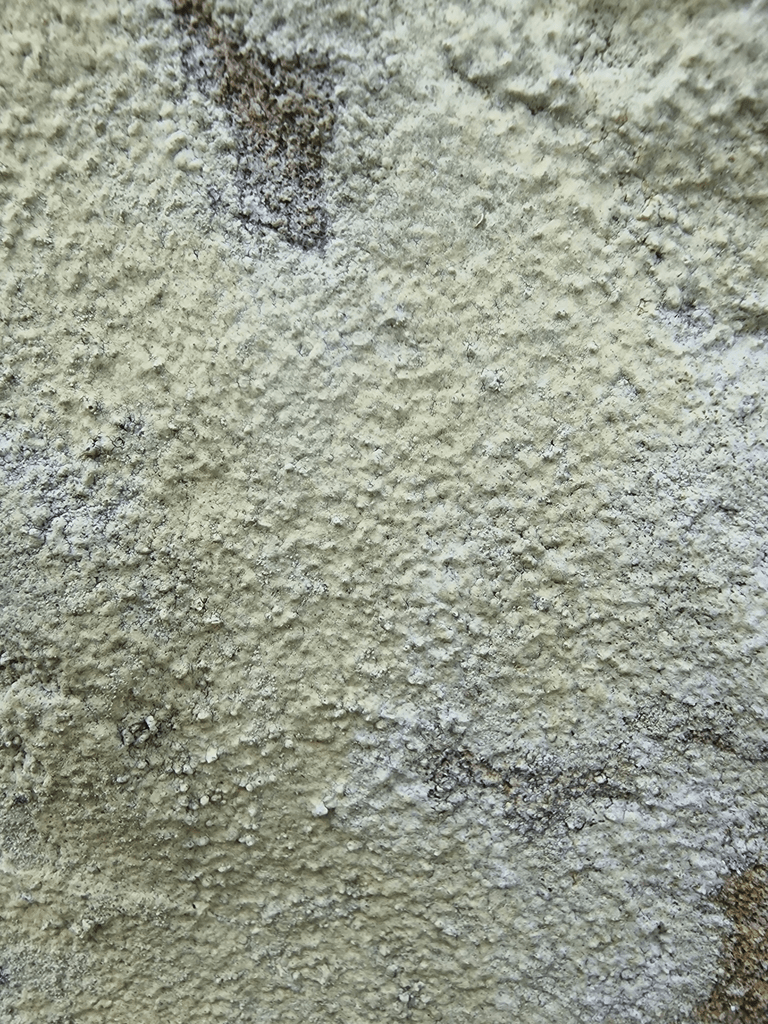
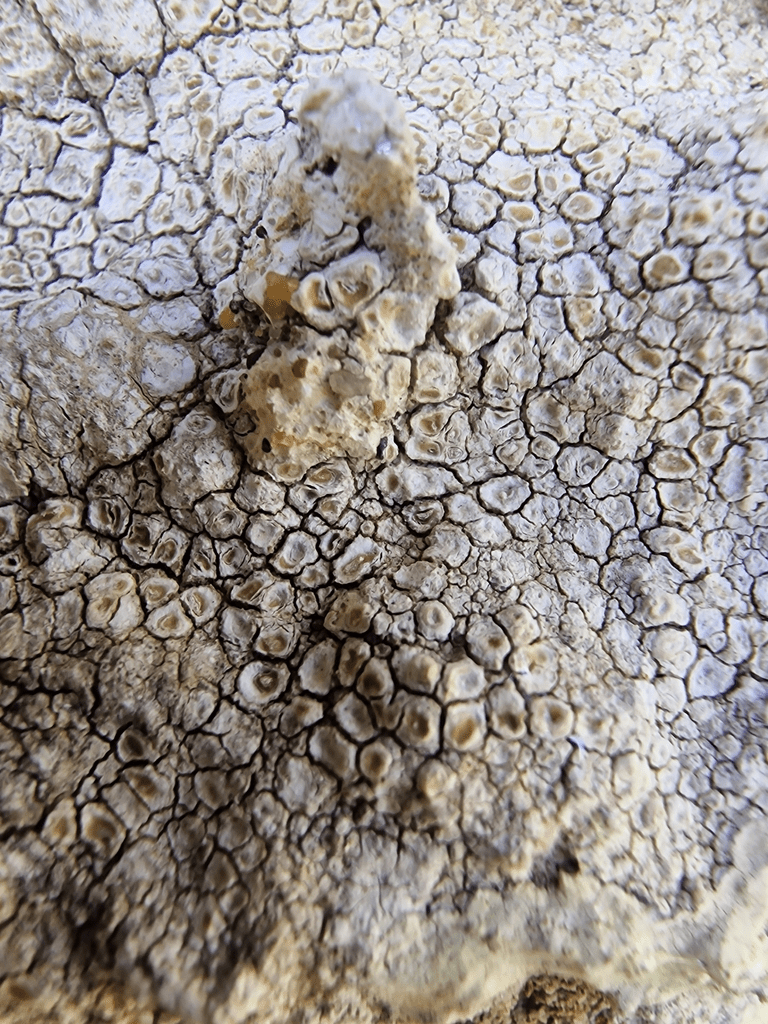
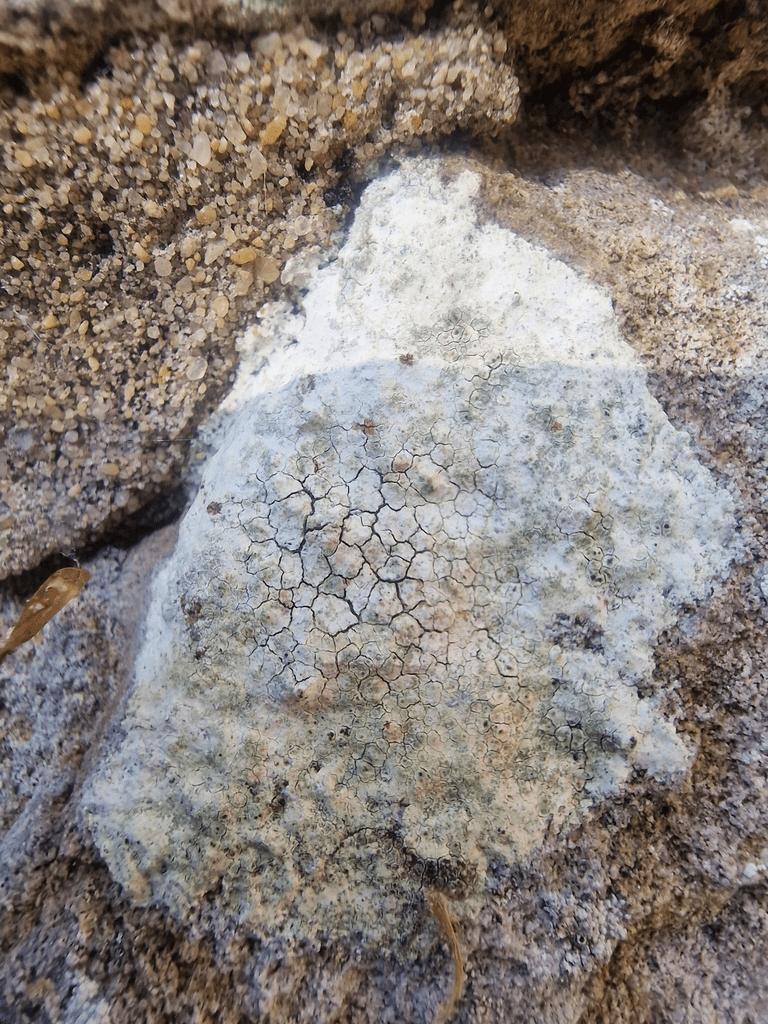
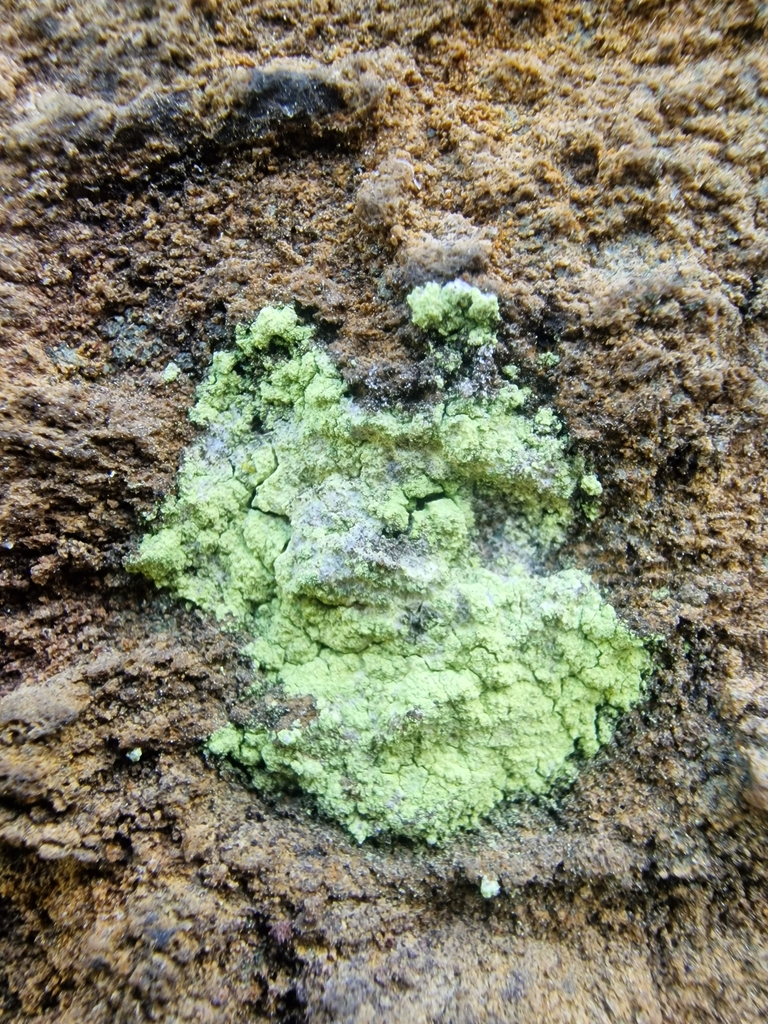
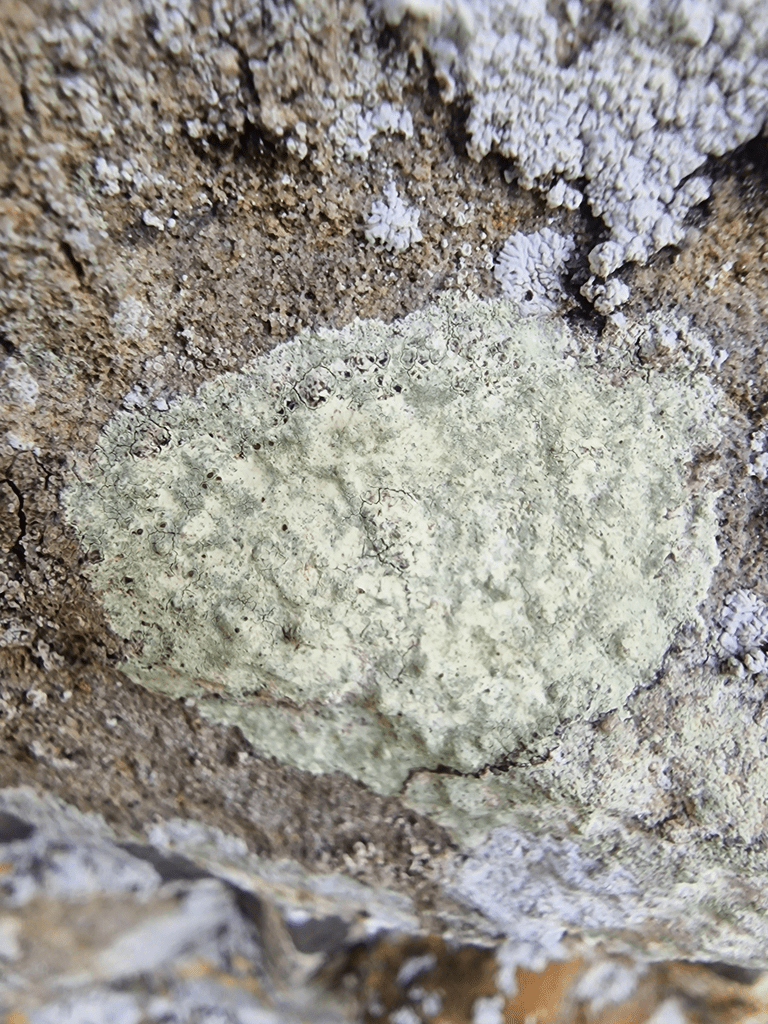
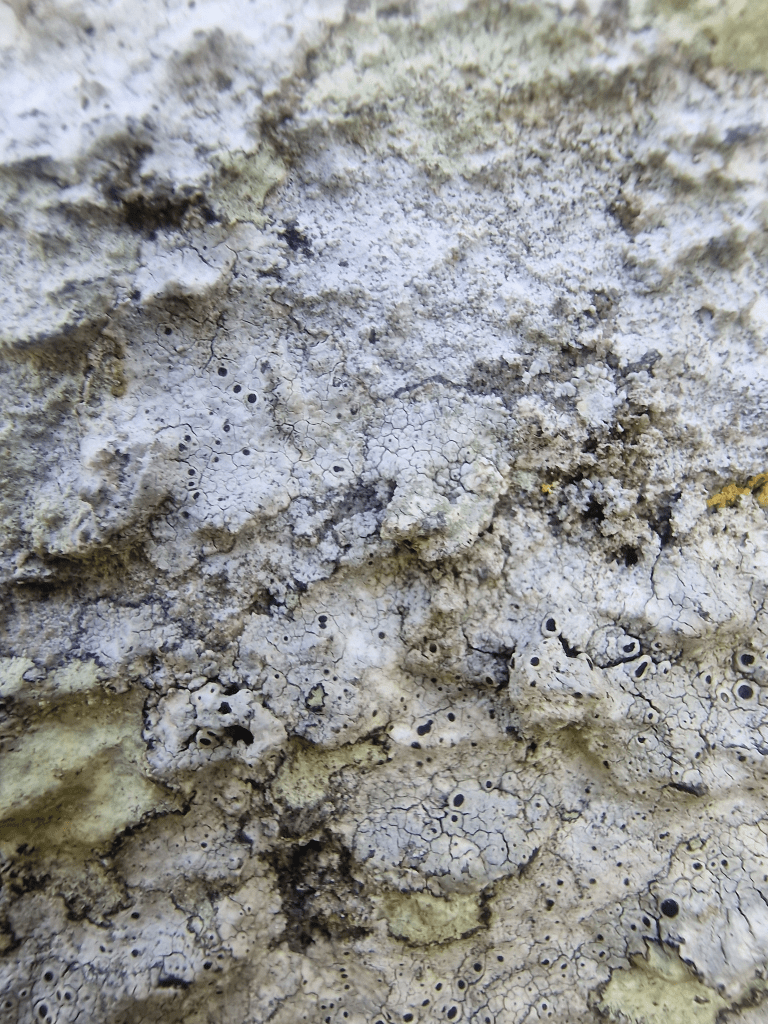
Also on the north wall was another rare lichen: Ingaderia vandenboomii. Rare, on vertical coastal siliceous rocks and on north facing church walls. BLS conservation evaluation: Least Concern but Nationally Scarce
When its thin, sightly uneven thallus is white-pink it is fairly easy to spot by overall appearance; but the thallus is not always white-pink. However, a tiny drop of sodium hypochlorite turned its thallus instantly red
Xanthoria parietina Golden Shield Lichen
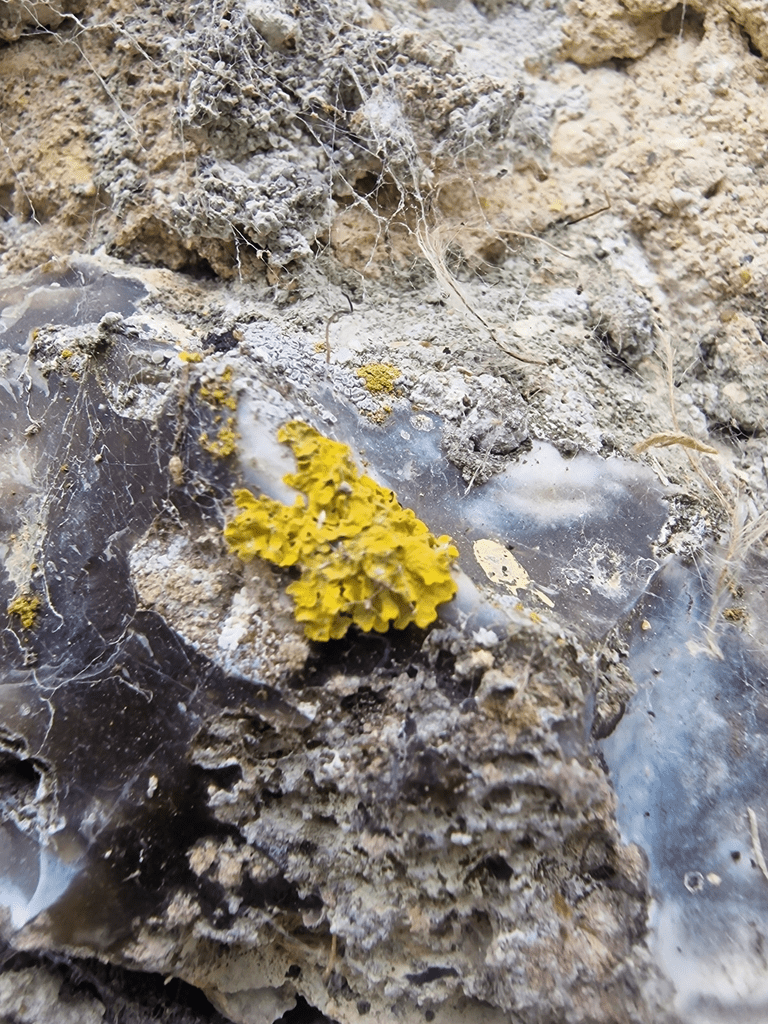
Tephromela atra Black-eye Lichen
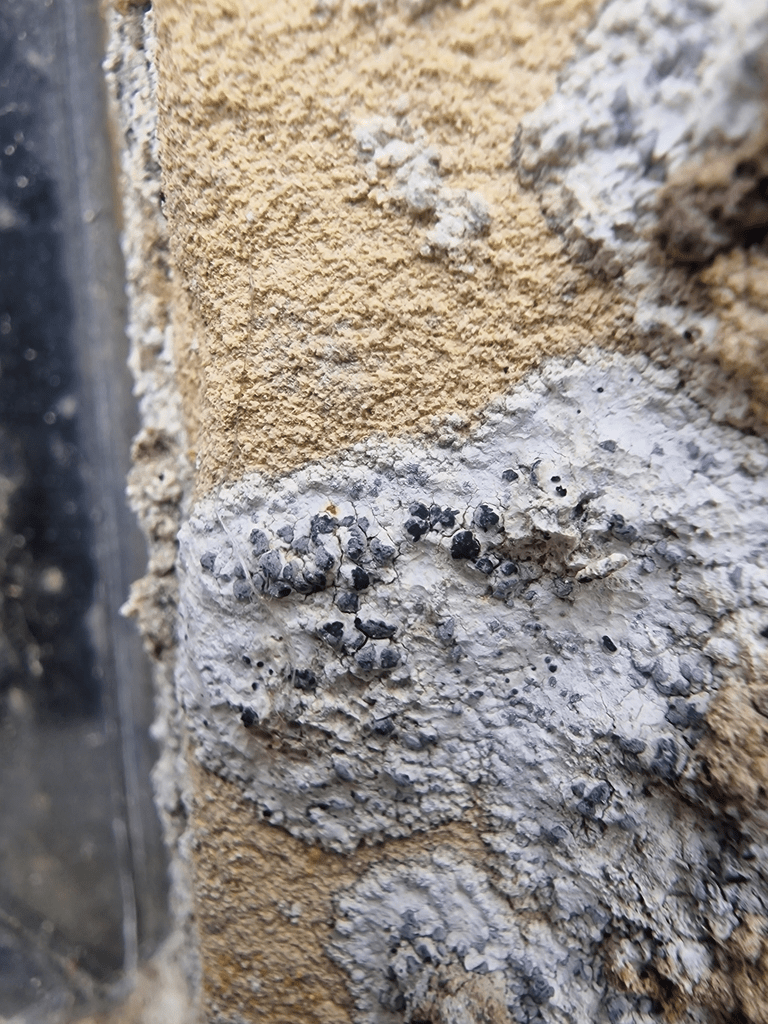
Myriolecis dispersa Mortar Rim Lichen
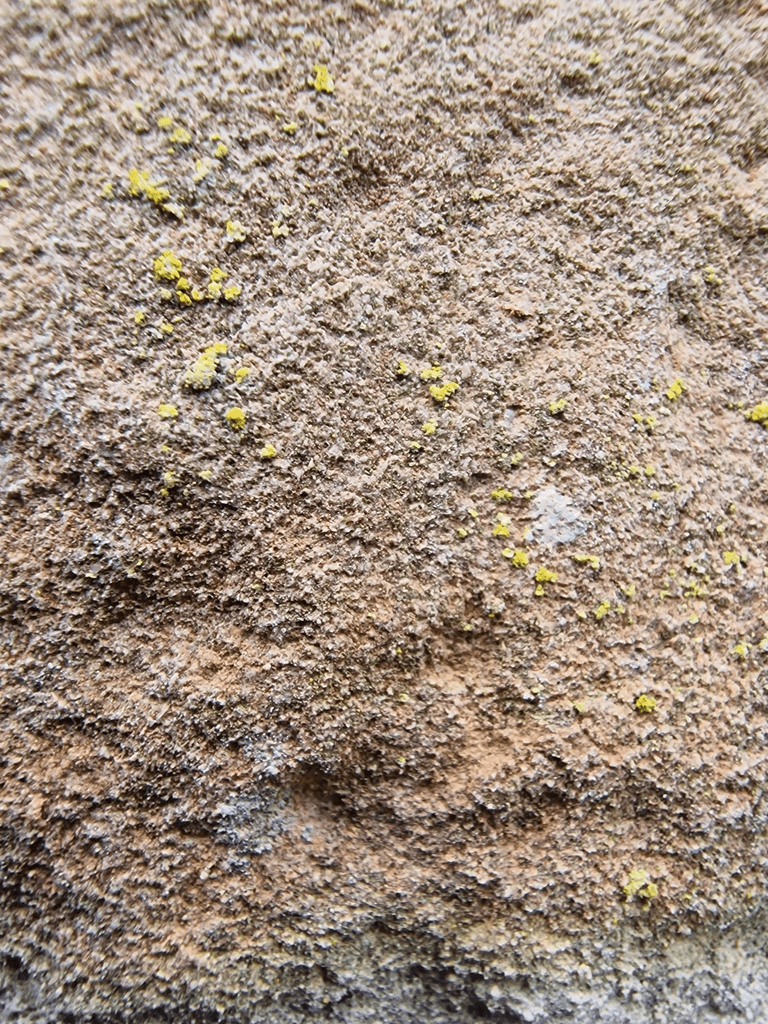
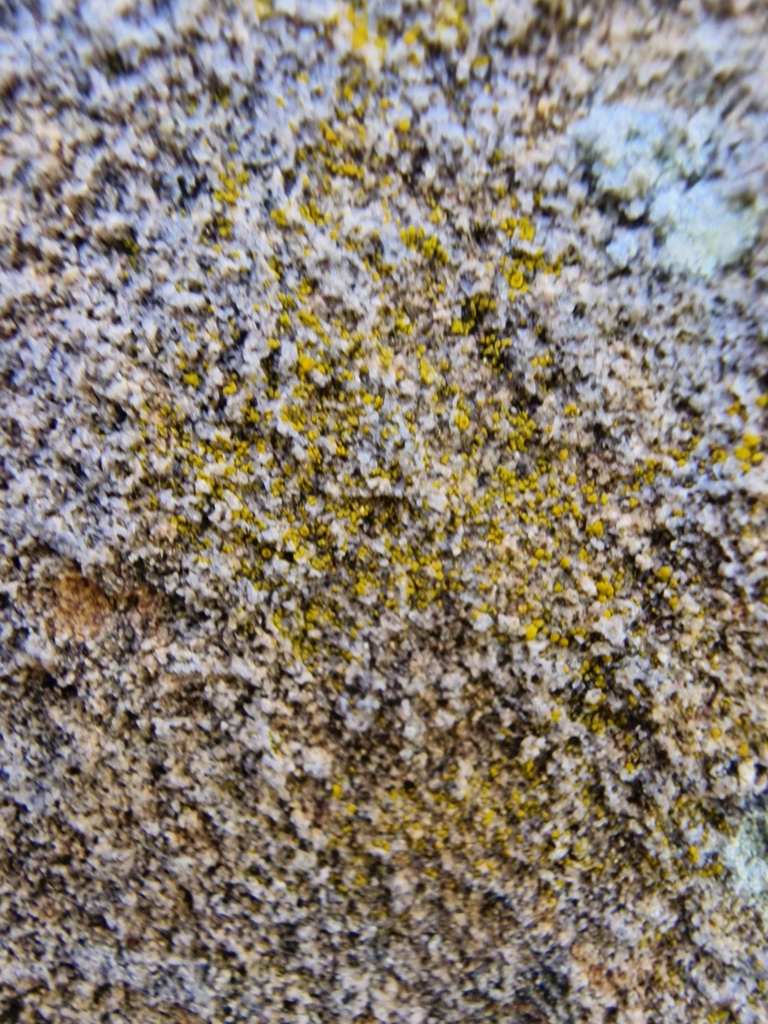
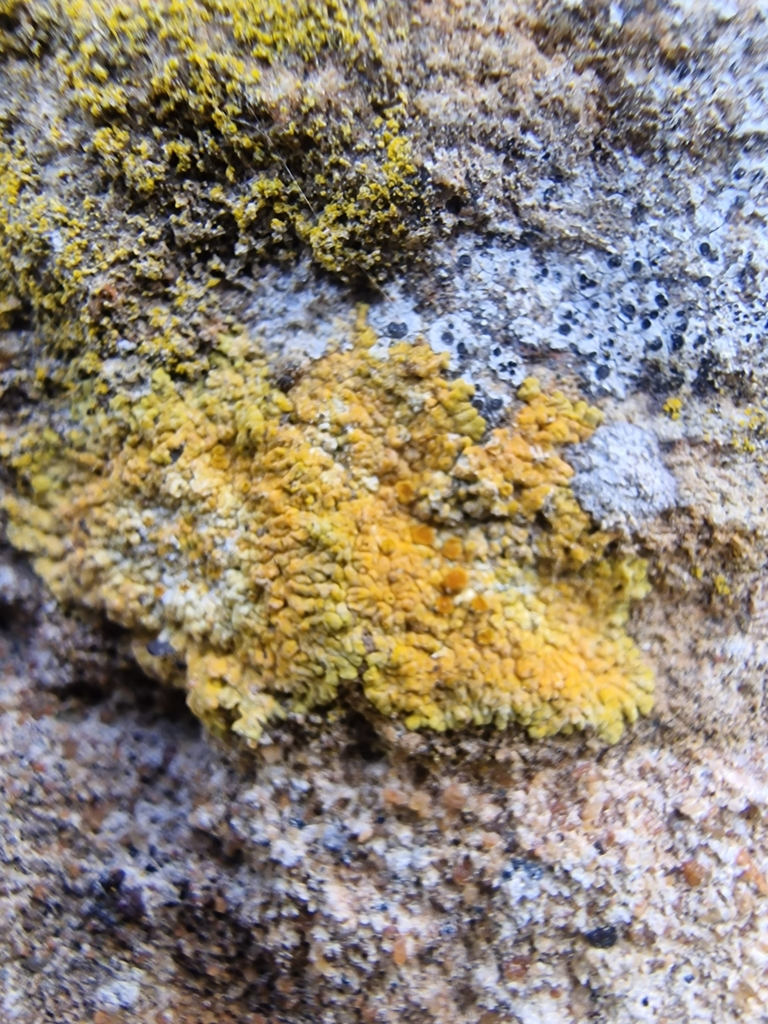
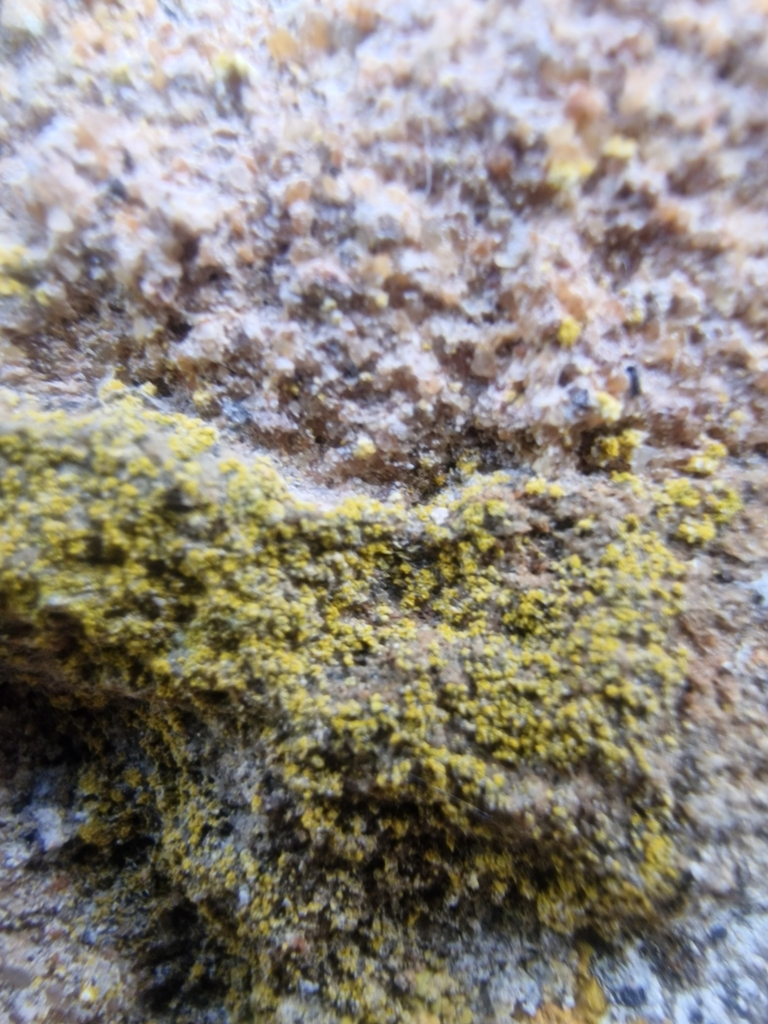
Variospora flavescens Limestone Lobed Firedot
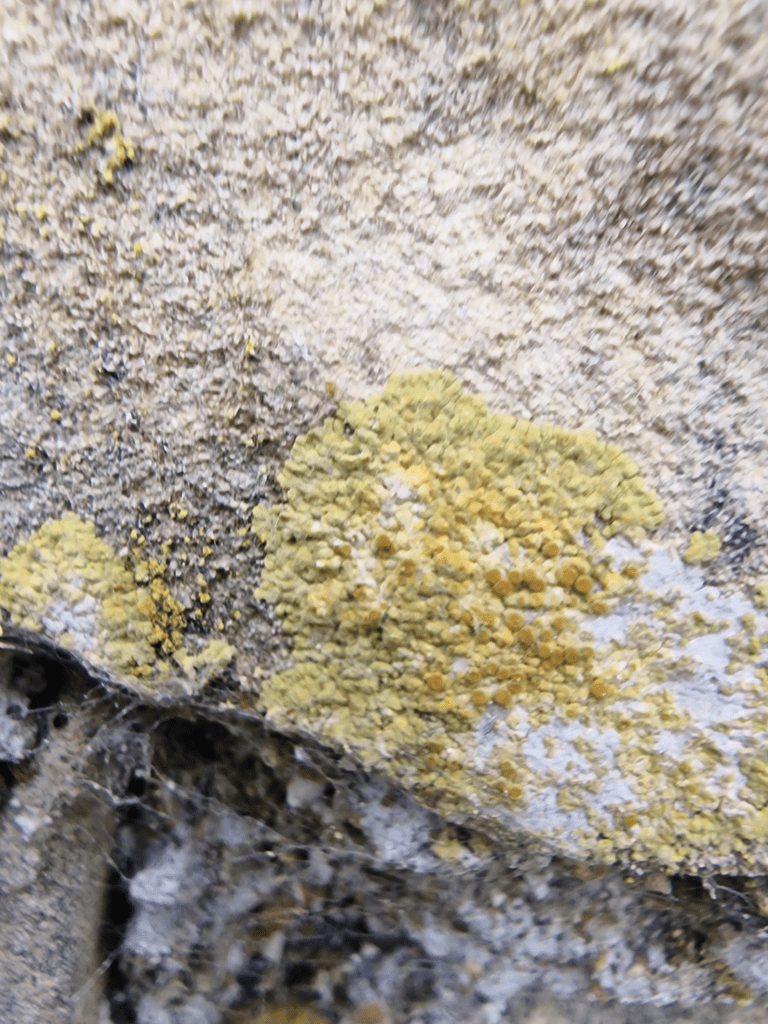
West Wall
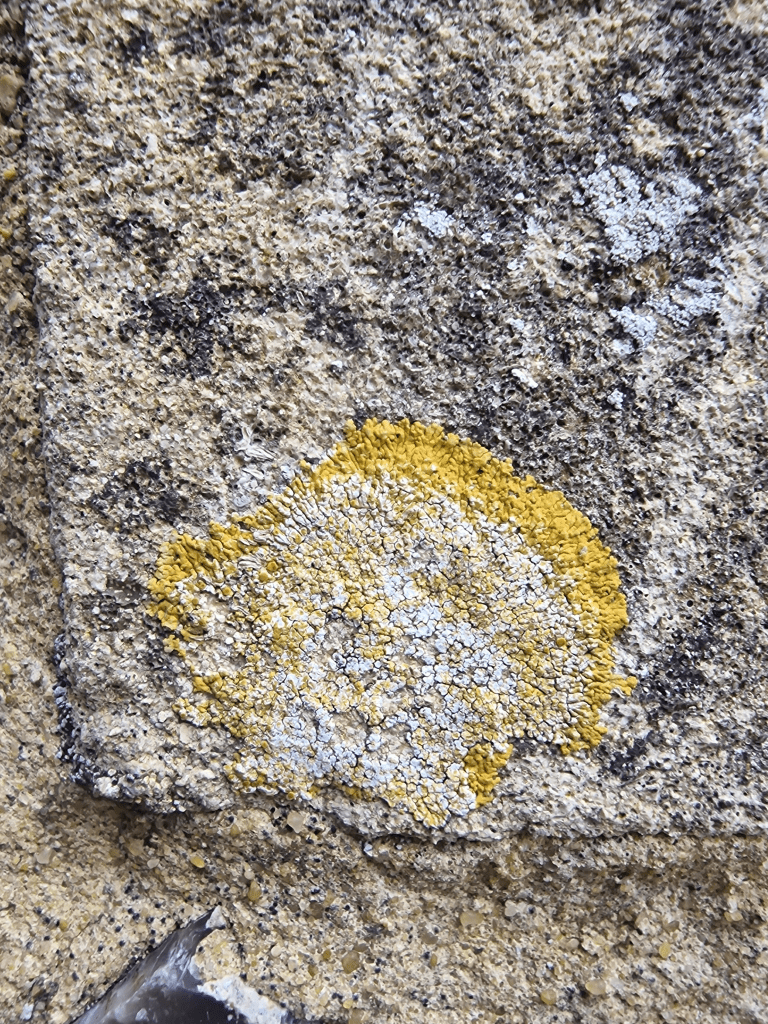
Variospora flavescens Limestone Lobed Firedot
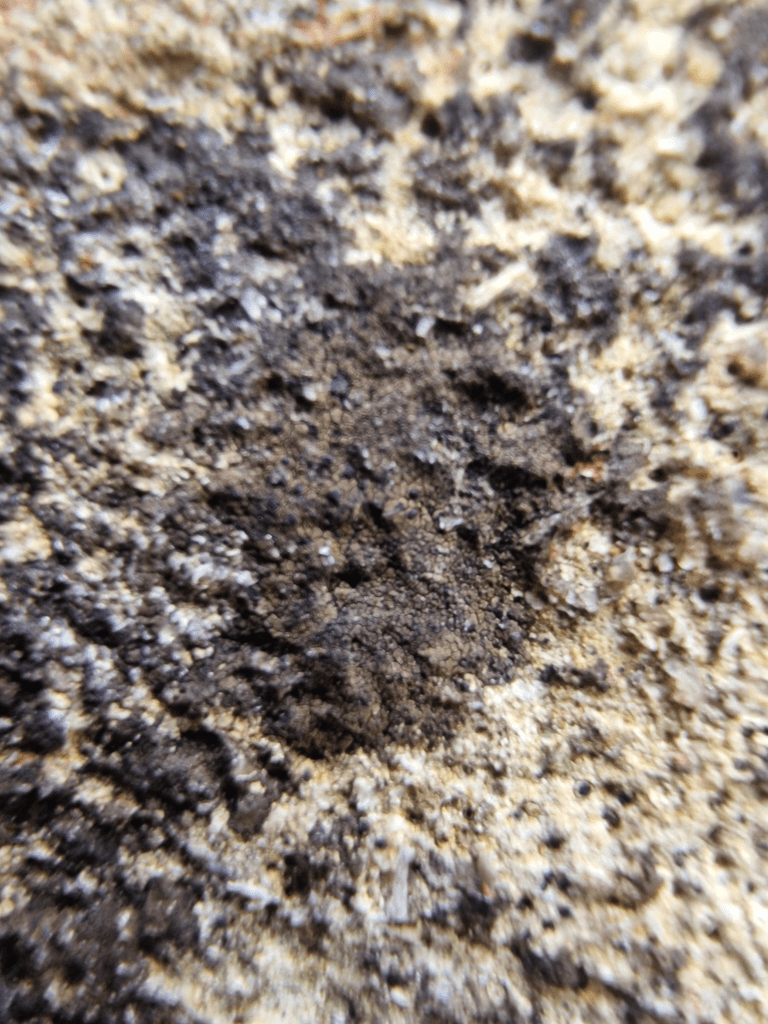
Verrucaria nigrescens
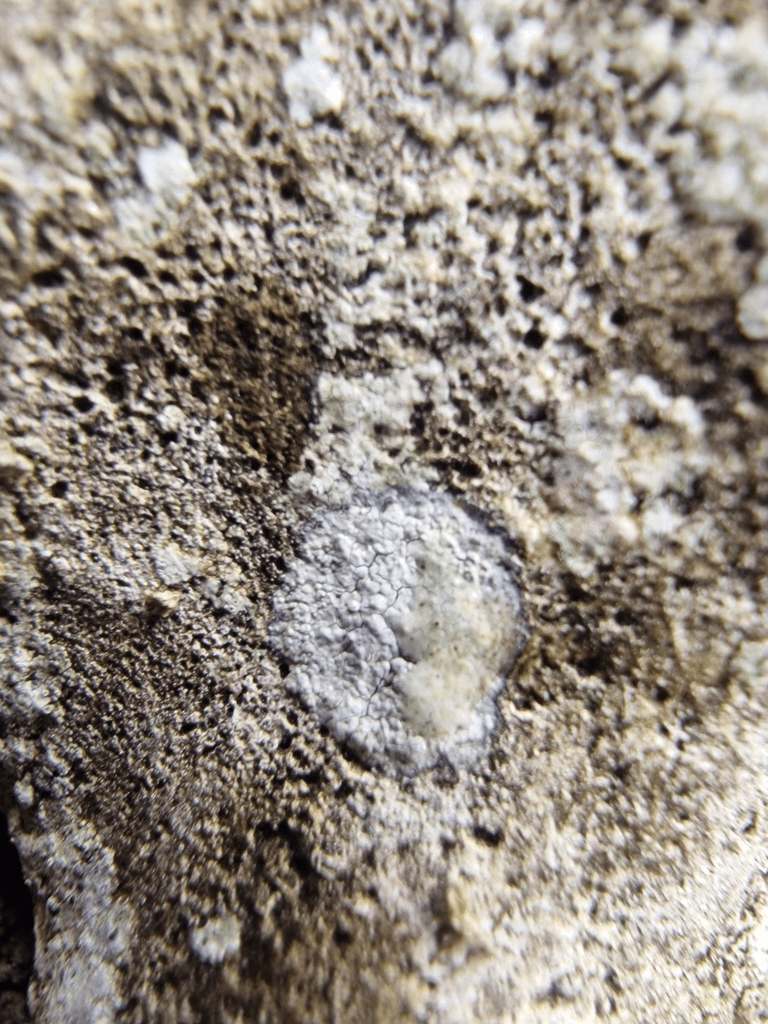
Myriolecis albescens
South Wall
Verrucaria viridula
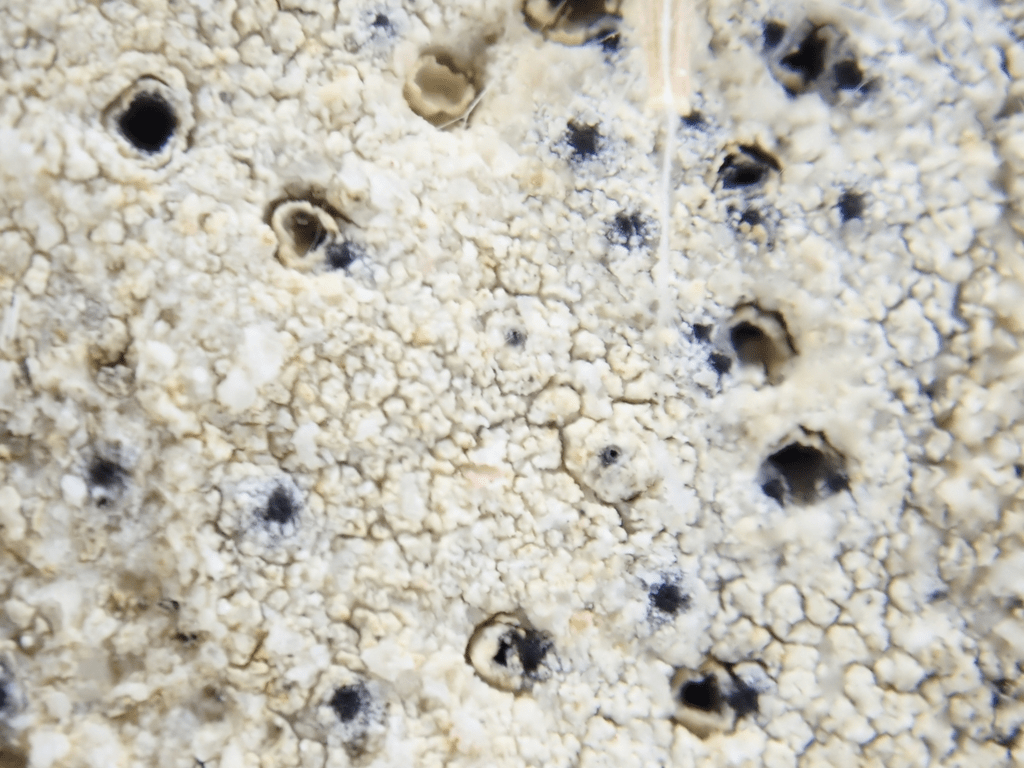
Myriolecis albescens
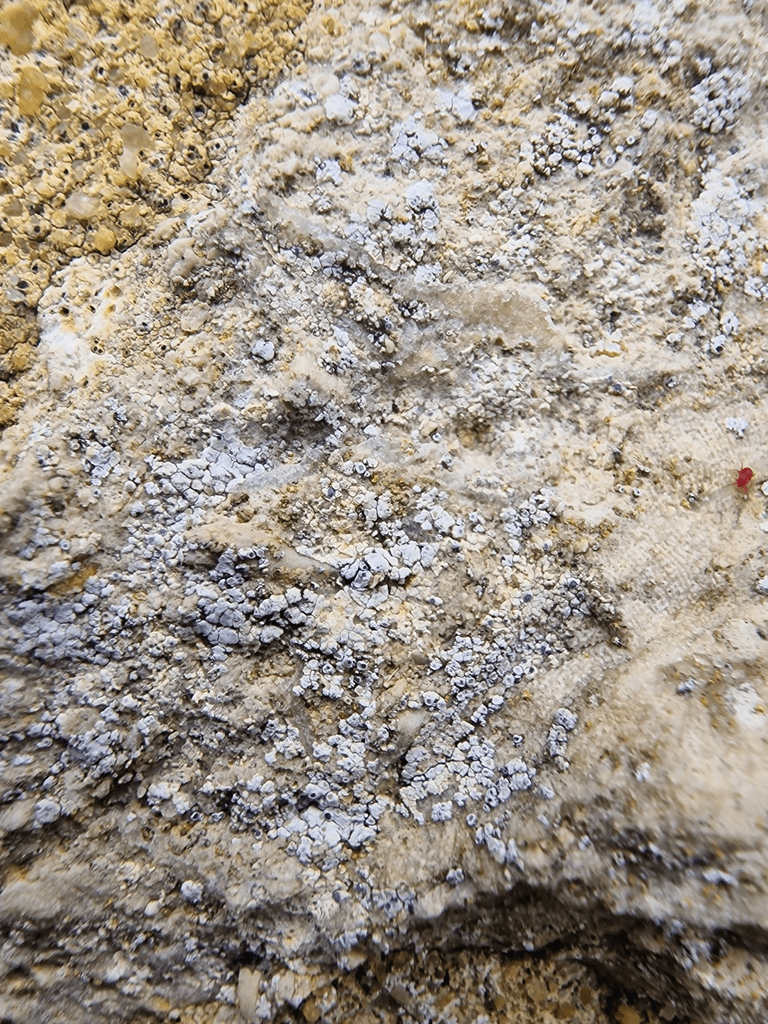
Variospora flavescens Limestone Lobed Firedot
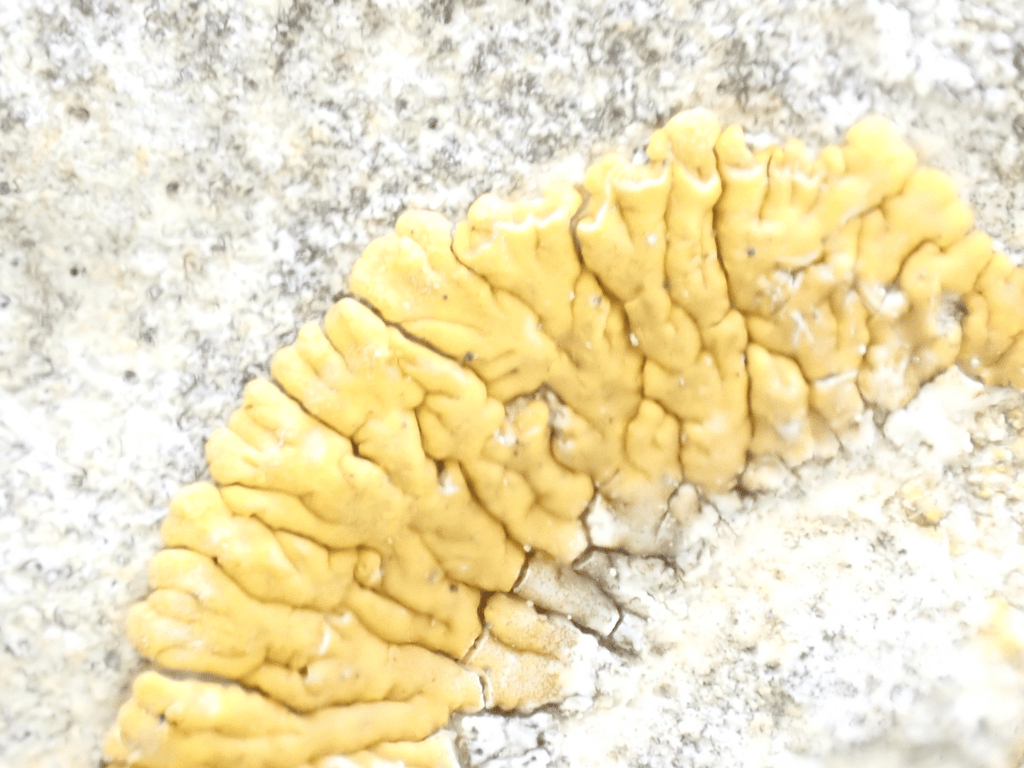
Clauzadea monticola
East Wall
Sarcogyne regularis Frosted Grain-spored Lichen

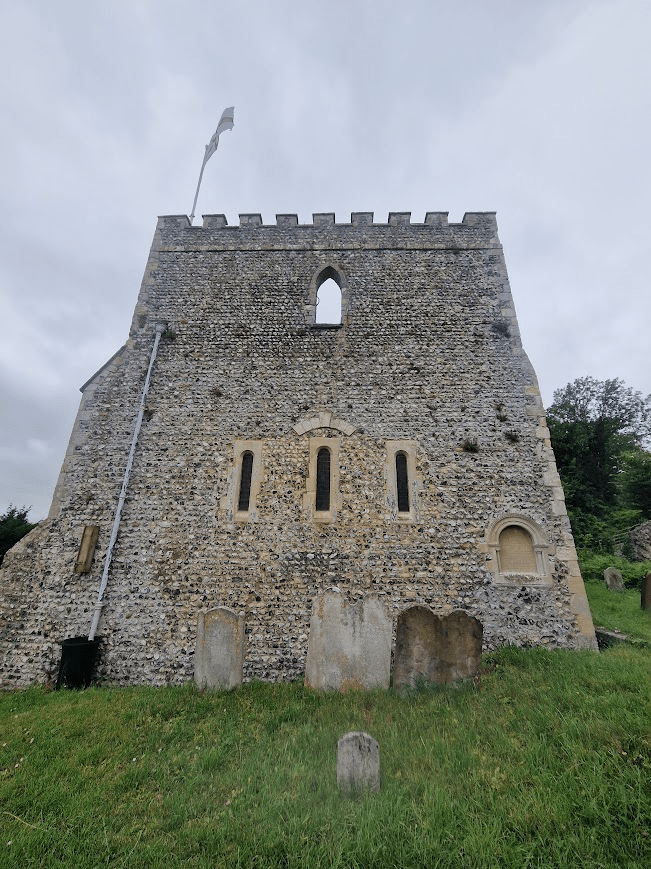
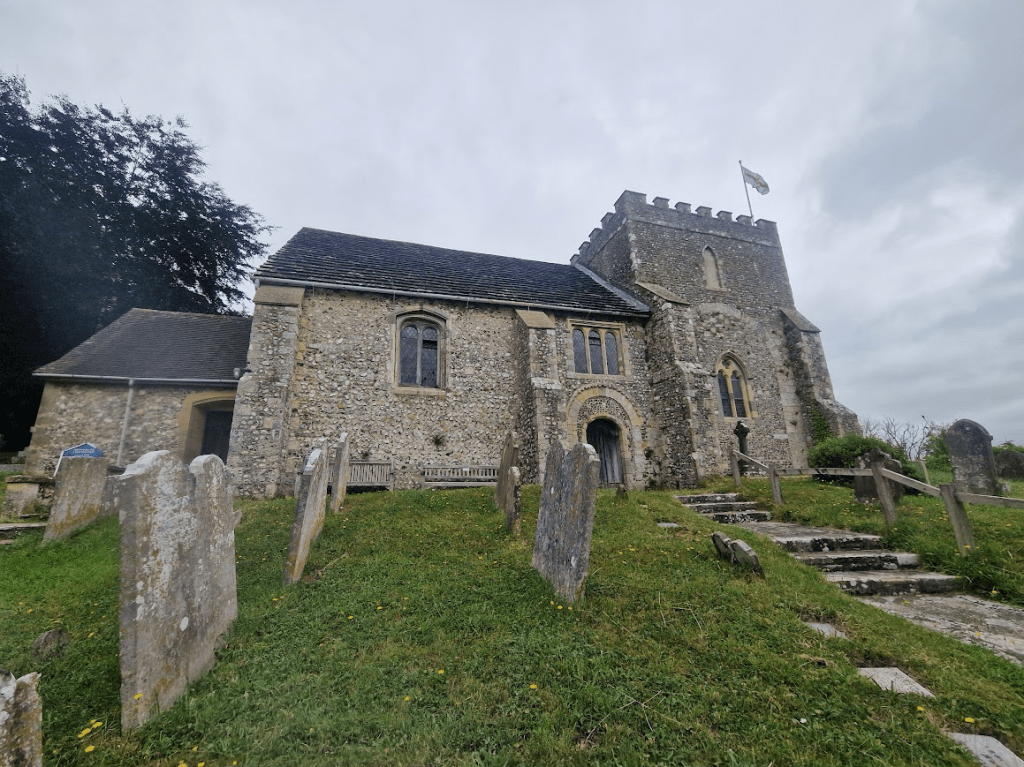
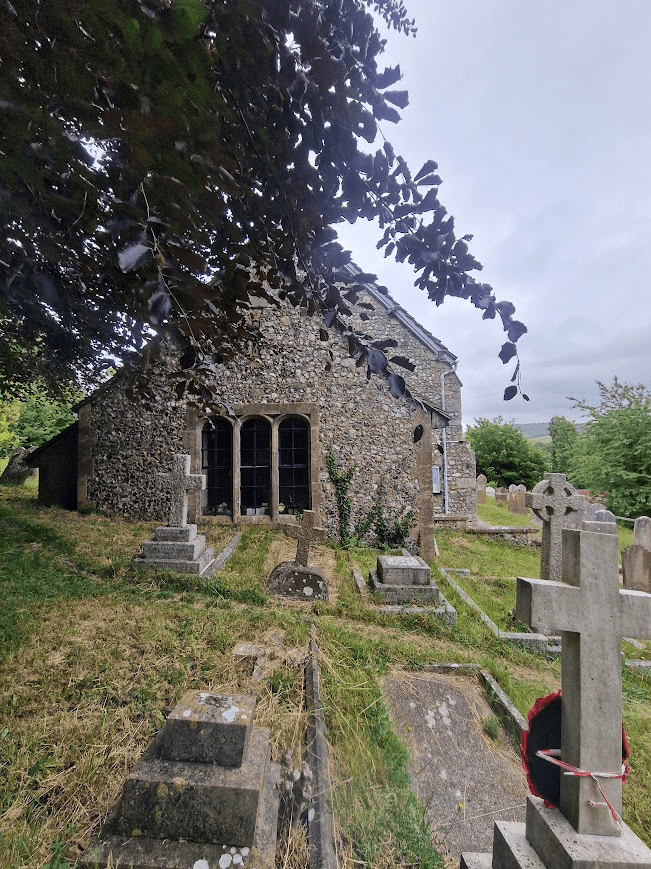
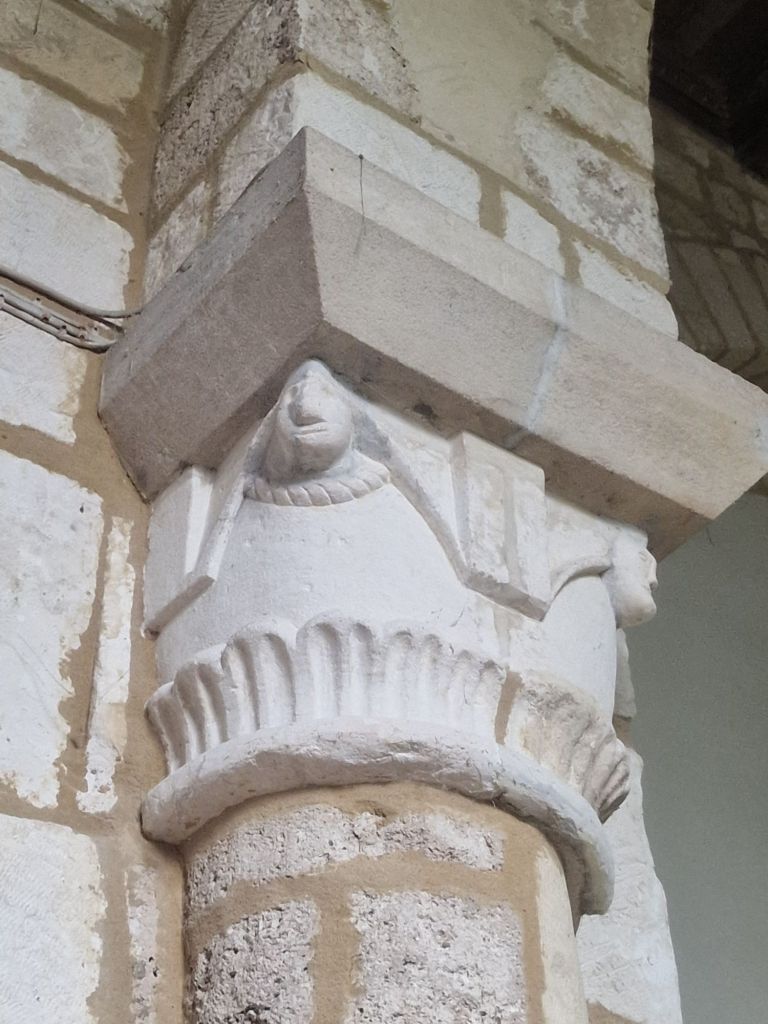
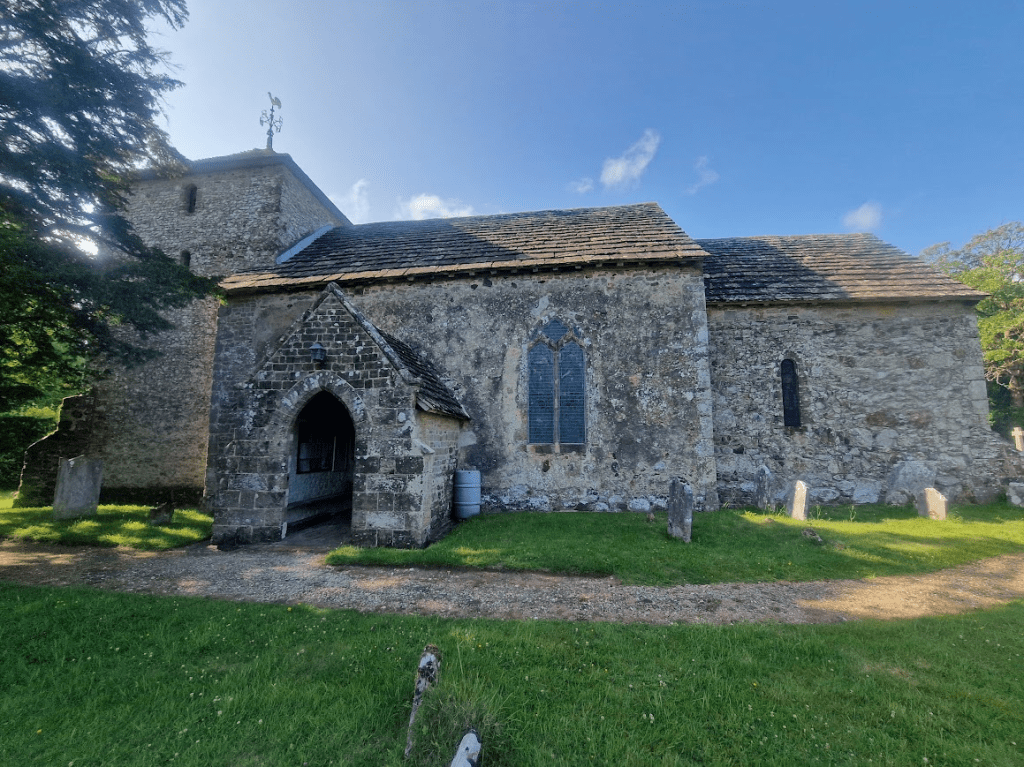
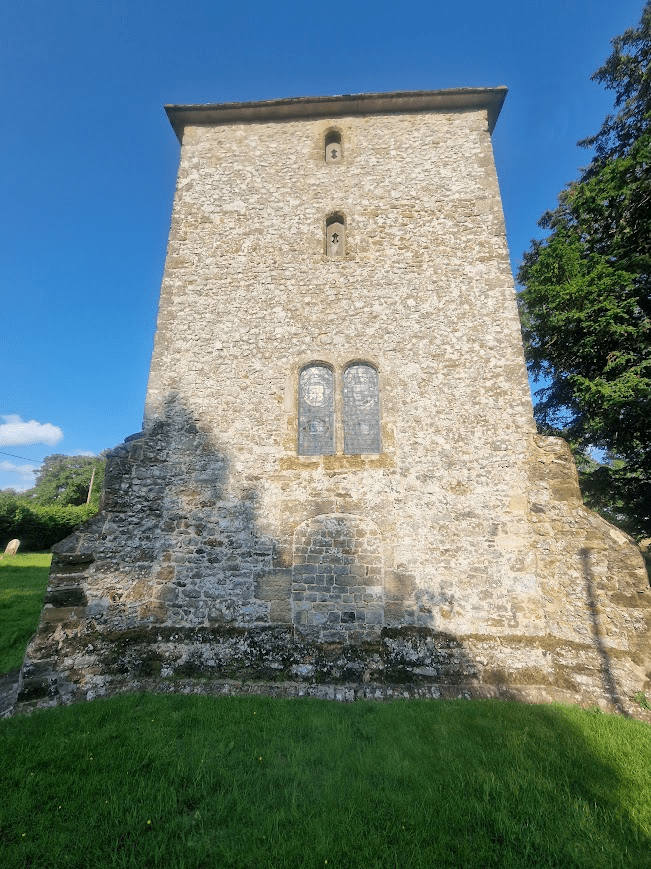
Even if you are not interested in lichens, St Nicholas is a very beautiful example of early norman architecture sited in a spectacular location next to the ruined Norman Bramber Castle
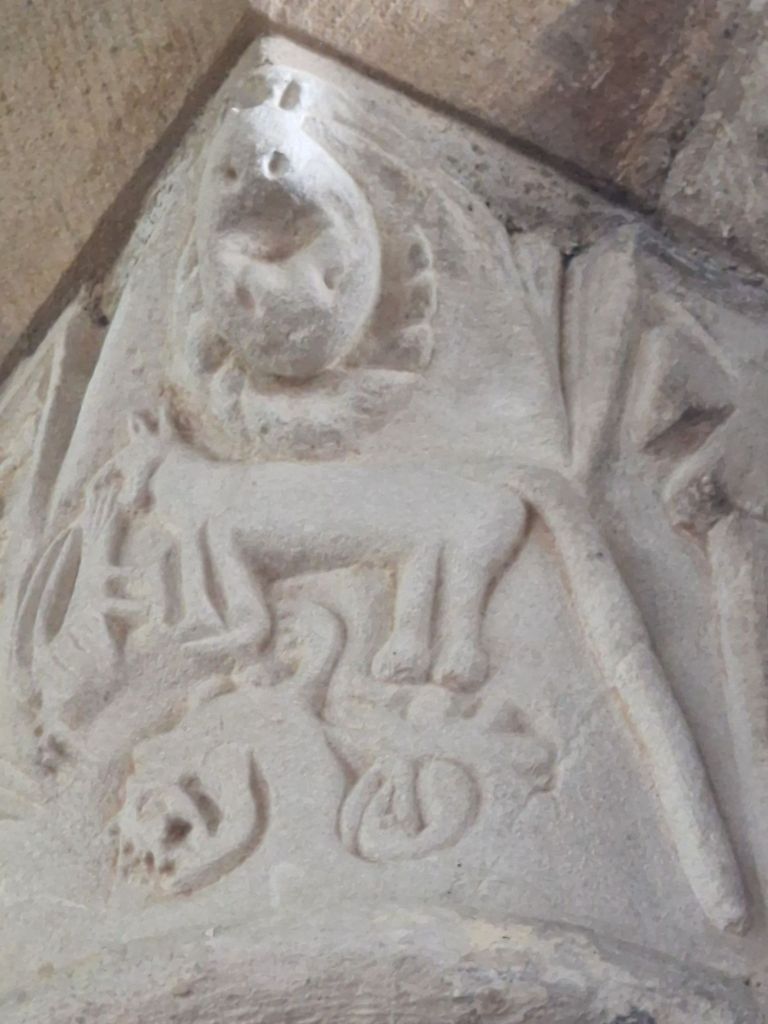
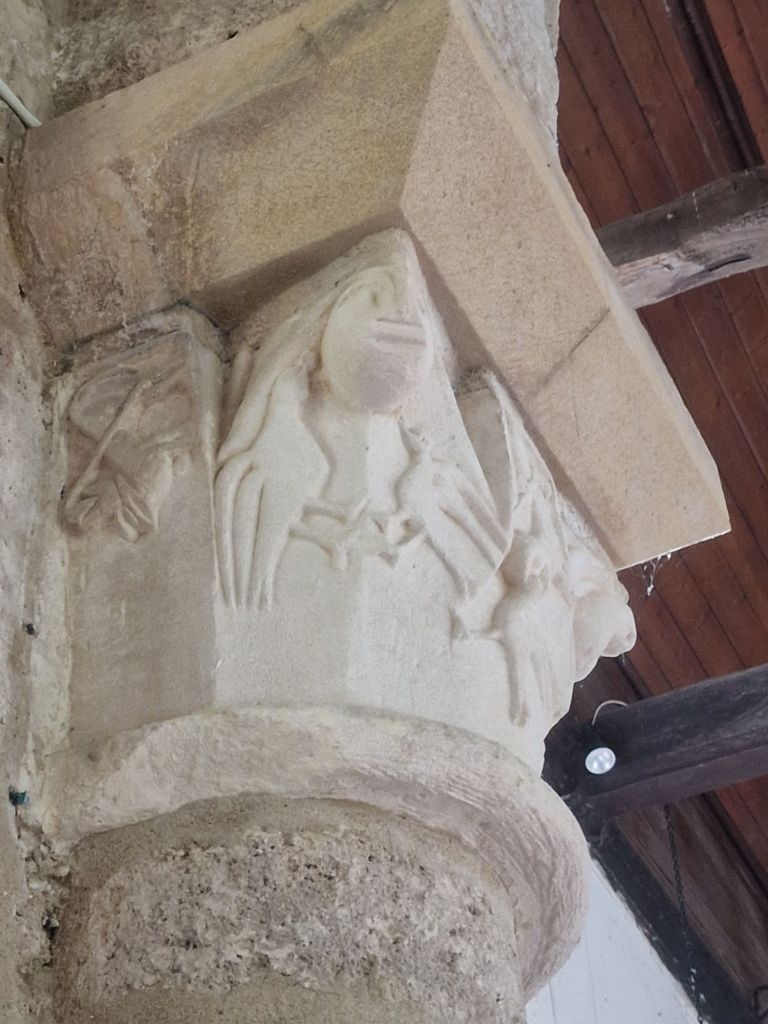
Bramber church stands on the same mound as the ruined castle and William de Braose, Lord of the Rape of Bramber, founded both. … The finest C11 work is in the crossing .. The capitals are carved with volutes, heads and in one case the story of the fox and geese. George Zarnecki (Zarnecki (1951) sees their flat carving, which is subordinated to the shape of the capitals, as further evidence of their C11 date. Bramber St. Nicholas’ Sussex Parish Churches


 Sim's Nature Notes