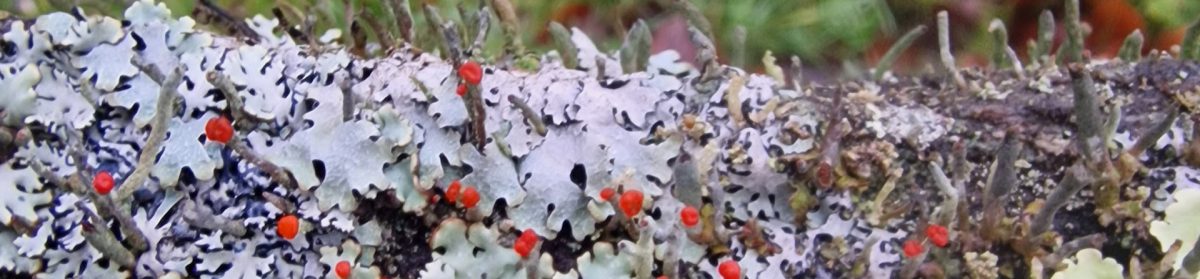
Today I decided to walk though Longfield Wood, Laughton Common, Brickhust Wood, Laughton Common Wood and Bowen Wood in the Broyle; but I didn’t have time in the end to visit Bowen Wood; as I spent a long-time in the unnamed trackway (probably for transporting cattle and pigs to grazing and mast (beech nuts and acorns) through which I passed. I initially thought it was just as access path to Longfield Wood. When you find something beautiful and fascinating, that you hadn’t planned and weren’t expected to see, it a real joy. I got to the Broyle of the half-hourly bus 28 from Brighton
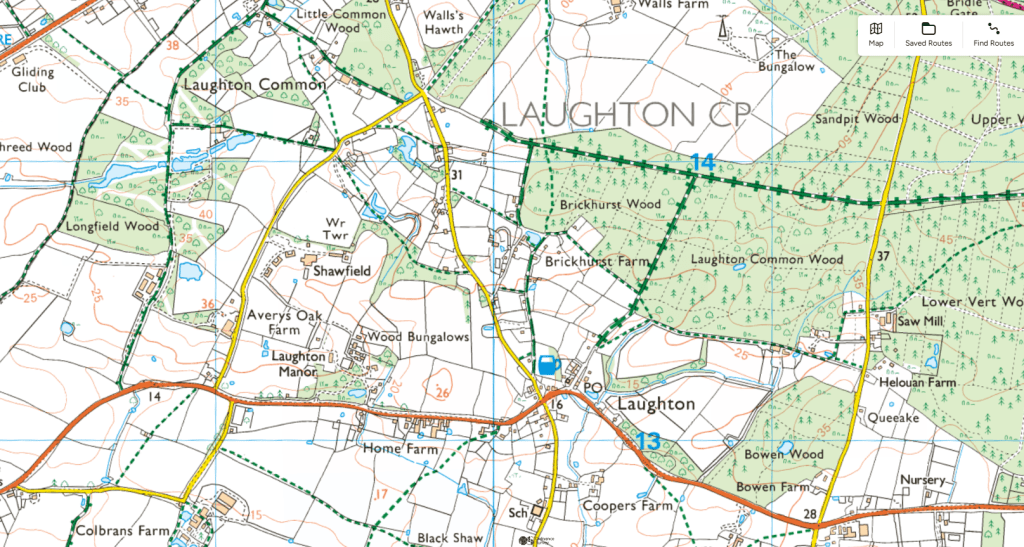
The Boyle was both a deer park and common land, given over by the landowner to local commoner’s use (grazing, pannage, taking timber for building, firewood, and clay for making bricks)
By the second half of the 13th century further assarting [convert woodland to arable use] in the southern part of the manor was restricted, and the remaining forest there was emparked. Three deer-parks (Plashett, Ringmer and Moor Parks) were reserved to the demesne [a piece of land attached to a manor and retained by the owner for their own use] but the Broyle, although also impaled and used as a deer park, served in addition as the common for the tenants in the southern part of the manor. Its functions at this time, described in custumals [medieval documents that stipulates the economic, political, and social customs of a manor] of 1285 and 1331, included the provision of grazing for the tenants’ cattle, beech mast and acorns for their pigs, timber and daub for their houses, firewood for their hearths and clay for their pottery. The Broyle Enclosure, 1767–71 in SUSSEX ARCHAEOLOGICAL COLLECTIONS 138 (2000), 165–89. The full article can be read at: https://archaeologydataservice.ac.uk/archiveDS/archiveDownload?t=arch-285-1/dissemination/pdf/vol_138/11_Kay.pdf
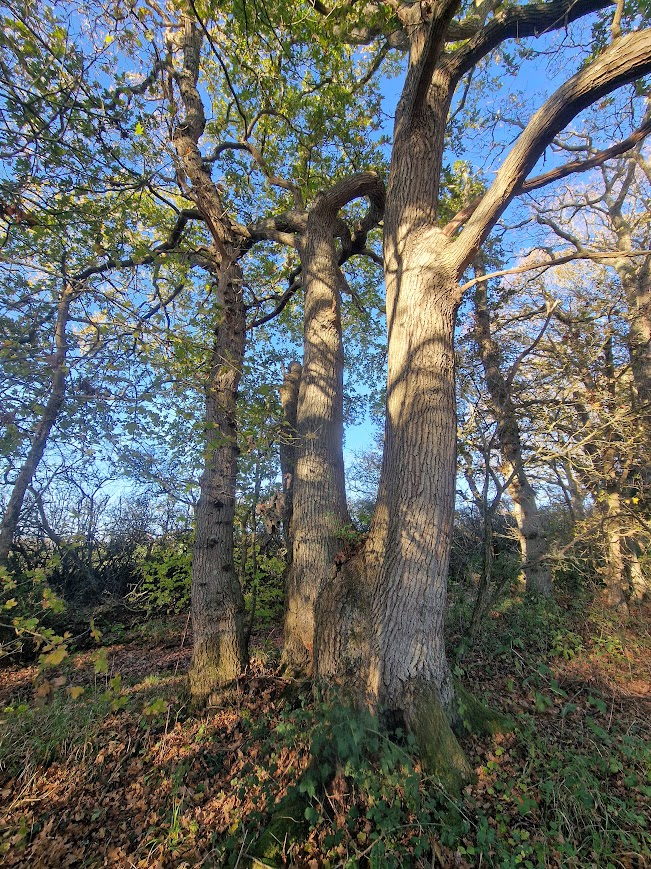
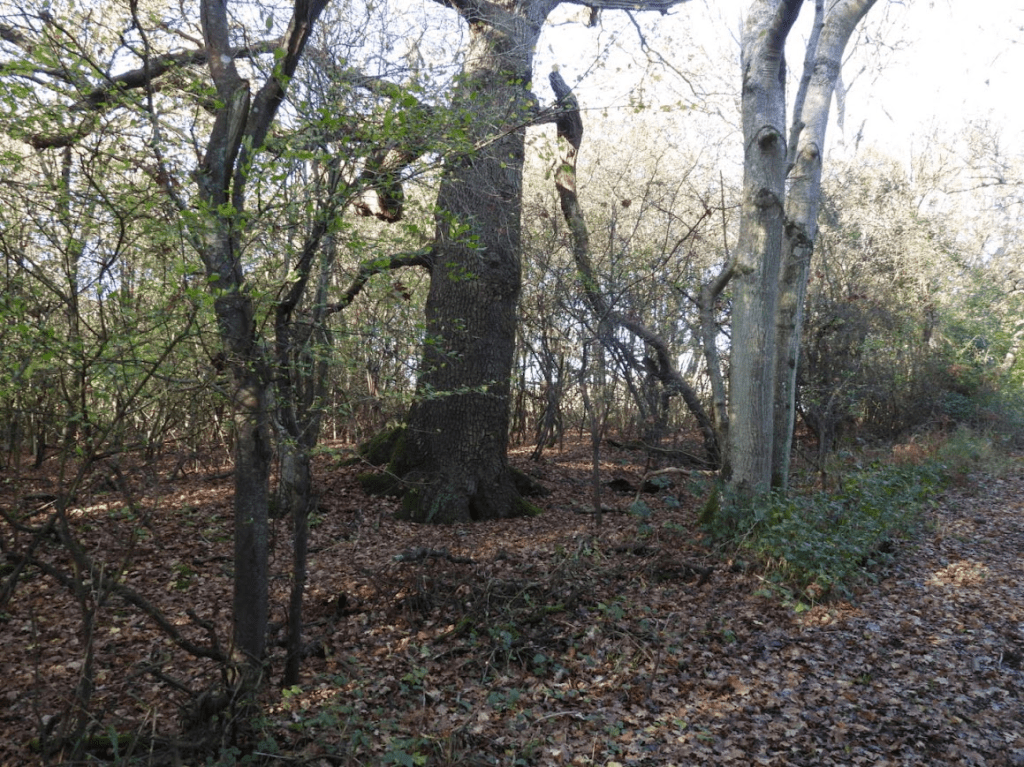
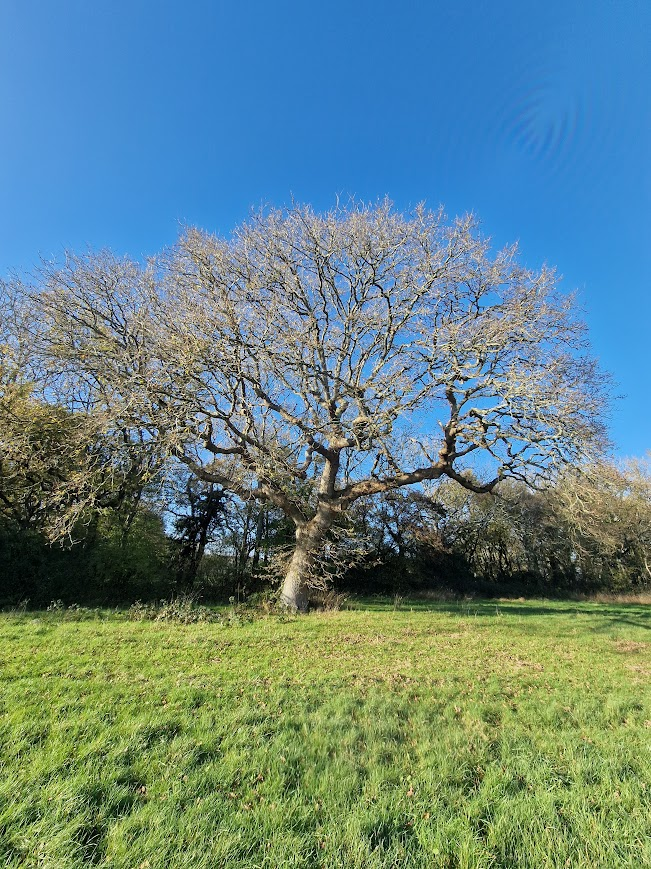
Coppiced Pedunculate Oaks, Field Maple and Midland Thorn along the Trackway
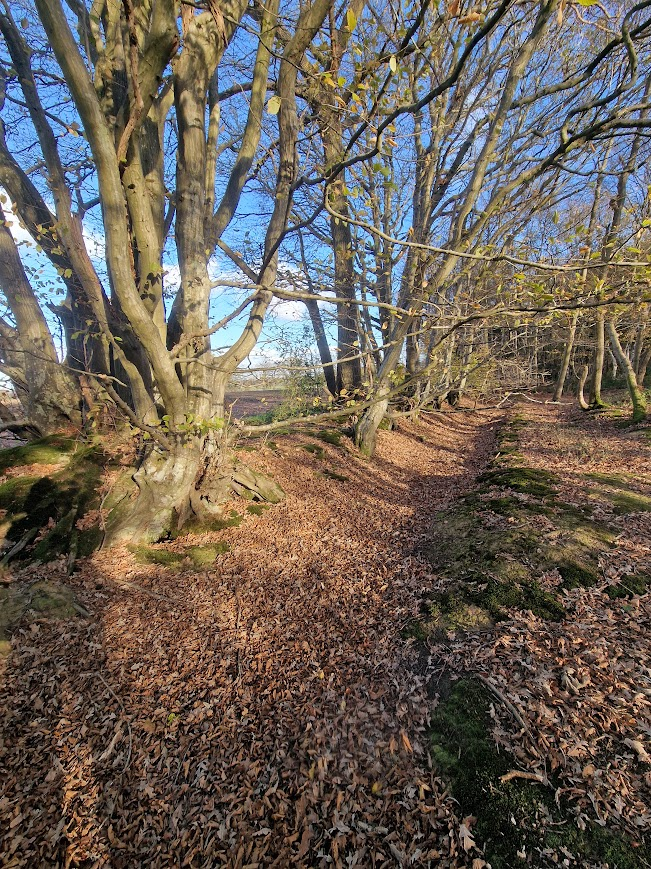
I stumbled across the trackway accidentally. I thought initially that there was a boundary bank on the east of the public footpath; then I noted that there was a trackway between that bank and another bank, further to the east, that I couldn’t seen until I walked over the bank to the right of me into the trackway.
Coppiced Pedunculate Oak is not common in Sussex; but where you see it is coppiced because it is part of a boundary.
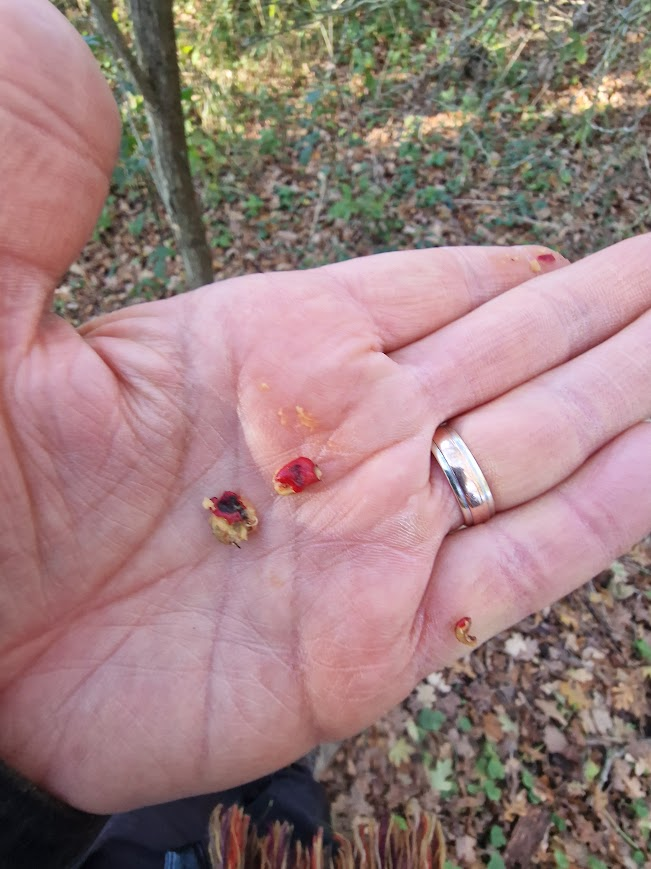
Midland Thorn, an ancient woodland indicator species
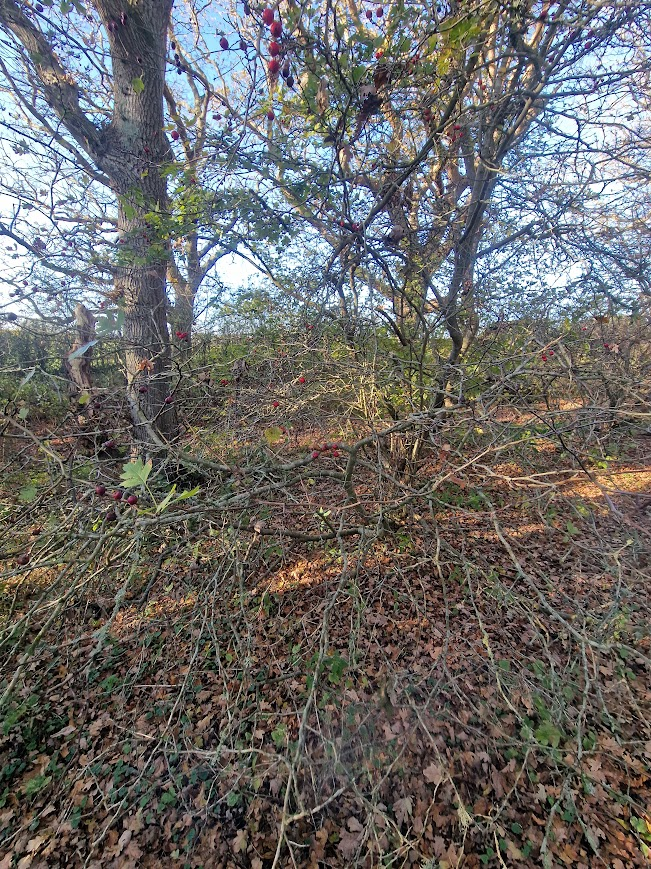
with two pips (seeds)
Field Maples
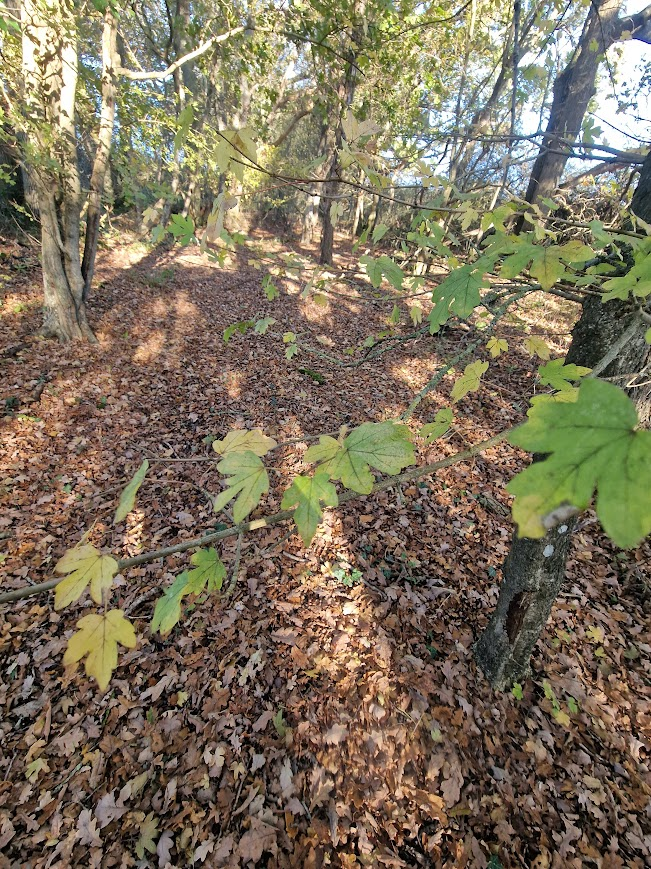
I imagined cows and pigs going up the trackway to Longford Wood
Longford Wood
and the pasture woodland of Laughton Common
Laughton Common

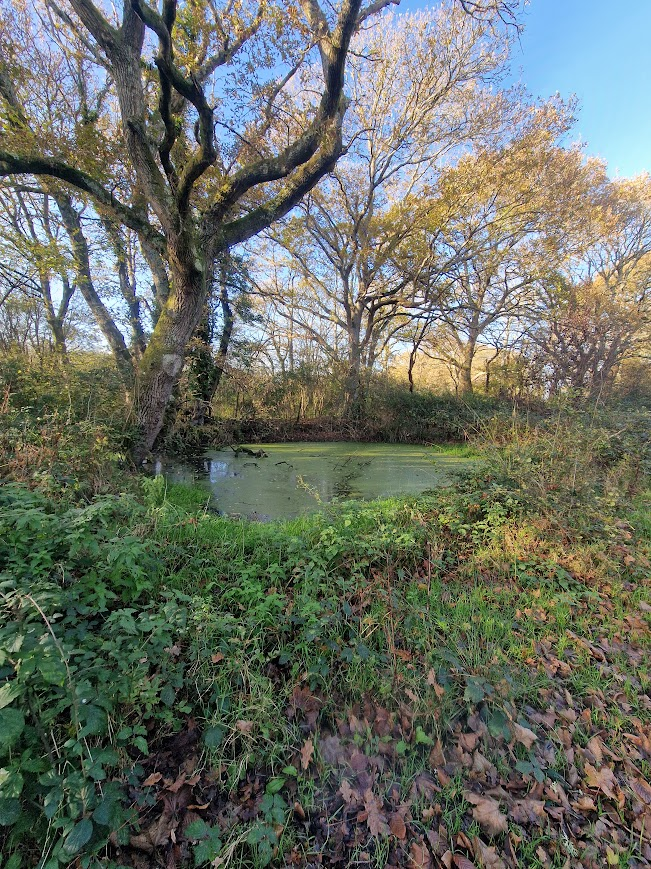
There were many pools like this; probably a relict of clay removal by commoners to make bricks
The enclosure of the Broyle, a large deer-park that also served as the main area
of common land for the parishes of Ringmer, Glynde and South Malling, was
brought about by a private Act of Parliament of 1767. This was the first
Parliamentary Enclosure Act in the county of Sussex and one of the largest.
The enclosure was hotly contested and an unusual amount of background
information has survived, allowing insight into the exercise of power and
influence in this 18th-century rural community and identification of the
interest-groups promoting and opposing enclosure. John E. Kay The Broyle Enclosure, 1767–71 in SUSSEX ARCHAEOLOGICAL COLLECTIONS 138 (2000), 165–89.
Brickhurst Wood
Probable named after the clay that was taken as a common right to make bricks. Track with boundary bank with Pedunculate Oak going into wood;
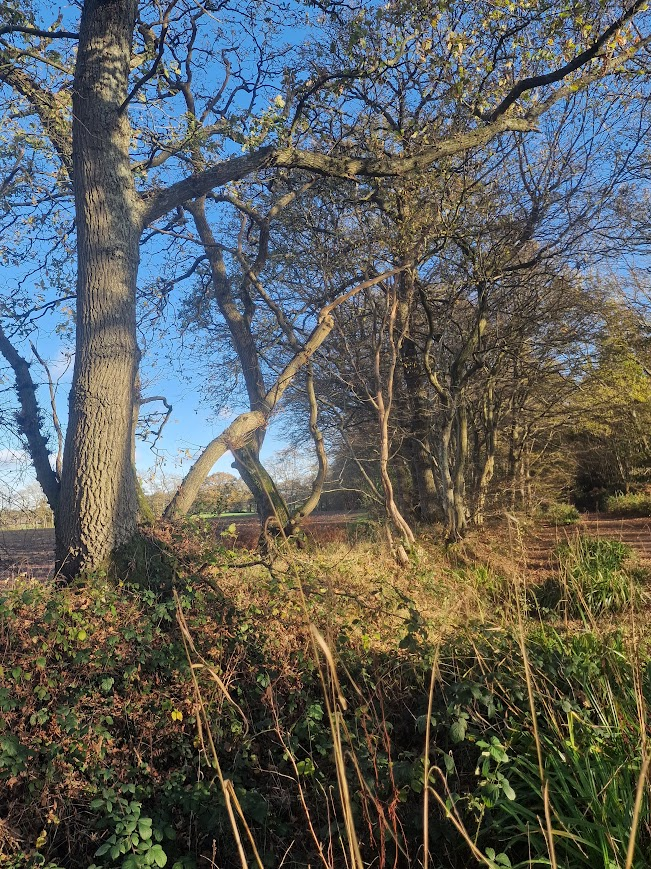
the boundary bank persist with Hornbeam all along the edge of the wood in the wood
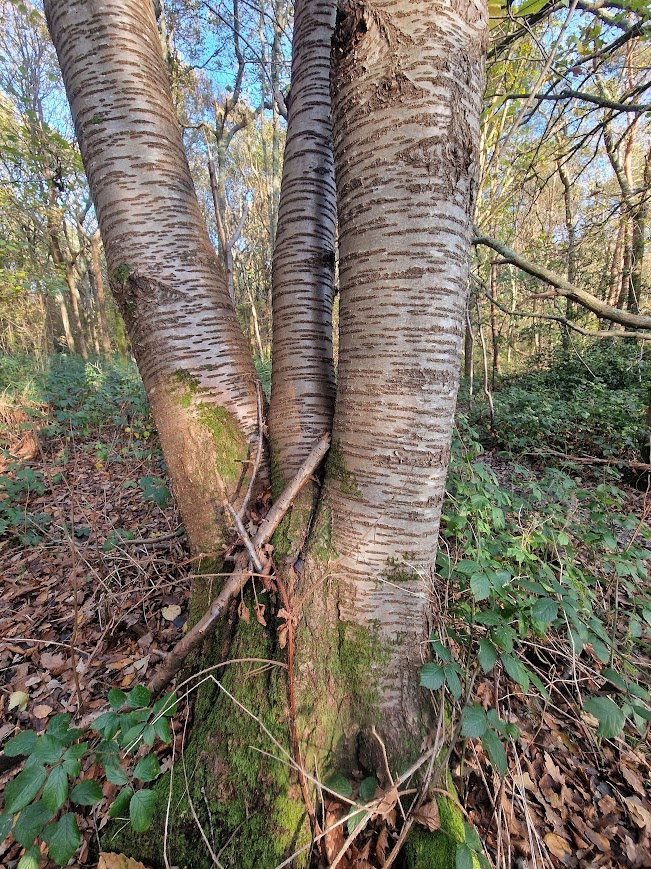
Wild Cherry; ancient woodland indicator species
The impact of the enclosure.
The impact of the enclosure on the local economy must have been considerable. …old John Dicker the park-keeper found himself out of a place. John and Jane Dicker and five of their children are found in the parish workhouse in April 1771, and continued to receive parish relief through the early 1770s.62 The long established local brickmaking industry based on clay dug from the Broyle seems to have ceased forthwith and not resumed for another half-century. The brickmaker Thomas Crowhurst moved from the Broyleside Howells Bank Farmhouse to Swingate Cottage by the Plashett Park, but soon afterwards left the parish. William Wisdom tells us that his father, a Glynde carpenter, used to have his timber from the Broyle prior to 1766,64 and he and the other local carpenters and woodmen will presumably also have had to seek wood and work elsewhere after the bonanza [for the Lord of the Manner, the Duke of Dorest] of that year. John E. Kay The Broyle Enclosure, 1767–71 in SUSSEX ARCHAEOLOGICAL COLLECTIONS 138 (2000), 165–89.
E.P. Thompson called it [enclosure] a plain enough case of class robbery. Peter Linebaugh (2014) Stop, Thief! : The Commons, Enclosures, And Resistance . pp144-145
 Sim's Nature Notes