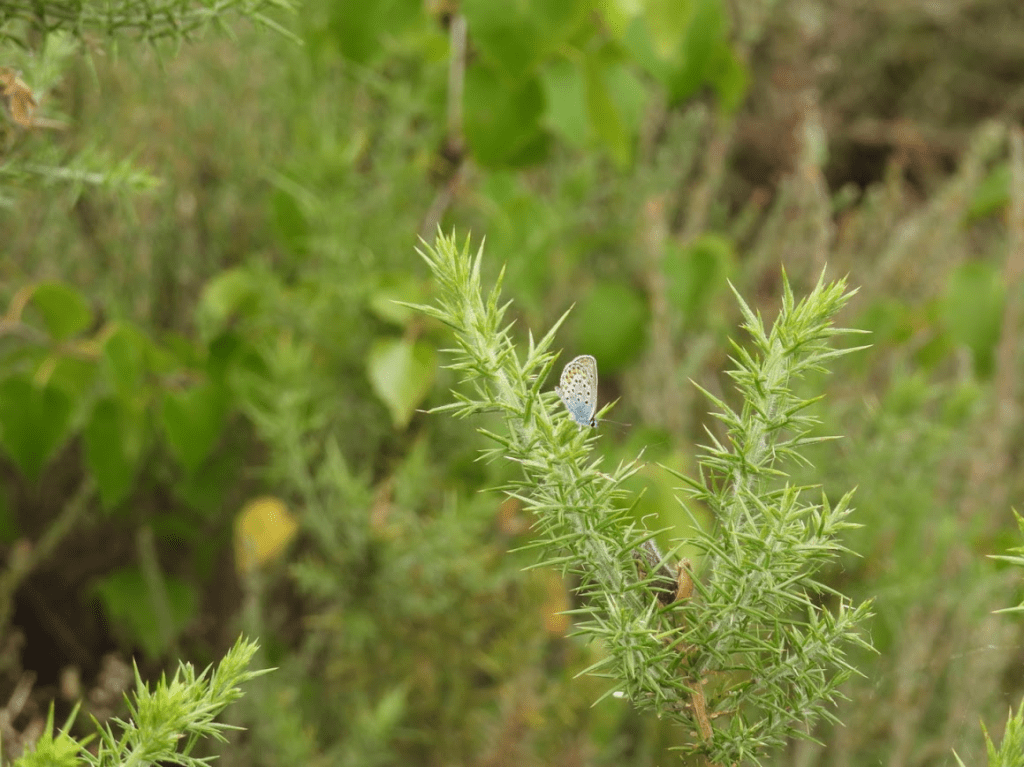
I make an annual pilgrimage to see the Silver Studded Blue butterflies at Iping Common. The Silver-Studded Blue, Plebejus argus, fly from the beginning of June to the middle of August; so there is only a small time window to see them each year. In Sussex they are entirely restricted to heathland. I get to Iping by public transport: I take the train from Brighton to Chichester ; the bus (60) from Chichester to Midhurst and then the bus 92 from Midhurst to Iping Common. Silver-Studded Blues can be seen only be seen at Chapel Common, Iping Common, Stedham Common and Ashdown Forest (camp Hill).
But in addition to Silver-studied blues I saw a plethora of other insects: other butterflies & moths, bees, wasps, flies, grasshoppers & dragonflies at Iping Common and Iping Village
The sandy soils of the Lowland Heaths (commons) of the greensand of Western Sussex (and Surrey and Hampshire) provide an extremely propitious habitat for insects, particularly mining solitary bees and wasps
Butterflies and Moths (order Lepidoptera)
Plebejus argus Silver-studded Blue
Distribution map from Michael Blencowe and Neil Hume, 2017, The Butterflies of Sussex: A Twenty-First Century Atlas p.278
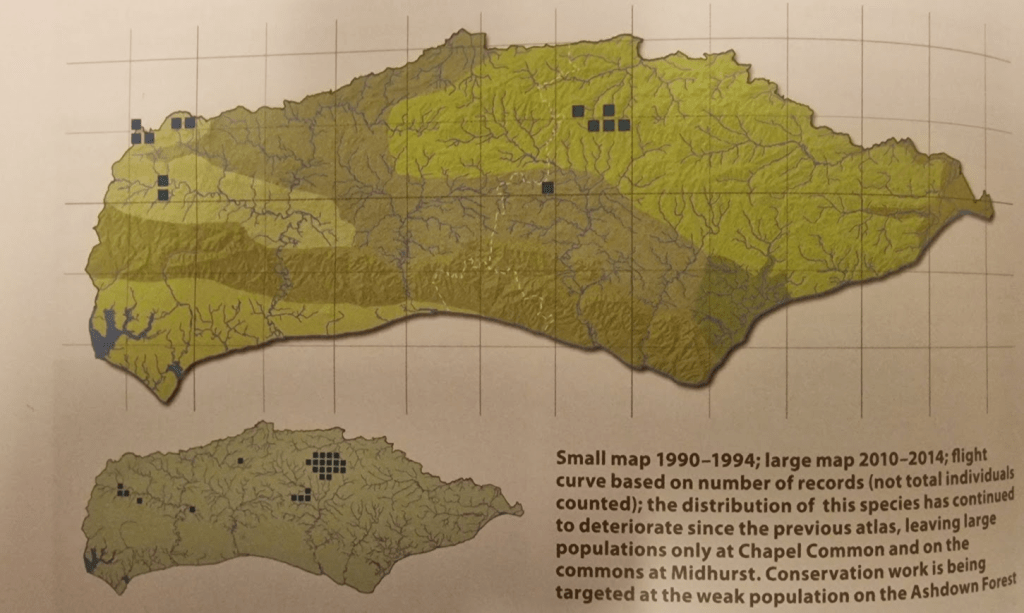
The Silver-studded Blue is now the only species of butterfly which is intimately associated with the heathlands of Sussex, being part of an iconic fauna which includes the Nightjar, Dartford Warbler and Adder. Despite a huge contraction in its range, through decades of habitat loss and neglect, this colonial species remains numerous in its last remaining strongholds. It has become emblematic of attempts to restore and reconnect the remnants of our lowland heaths and provides an excellent indicator species for such recovery programmes. Michael Blencowe and Neil Hume, 2017,The Butterflies of Sussex: A Twenty-First Century Atlas p.278
- Section 41 species of principal importance under the NERC Act in England
- GB Red List (2022): Vulnerable
- Protected under Schedule 5 of the 1981 Wildlife and Countryside Act (for sale only
I saw about 40 individuals
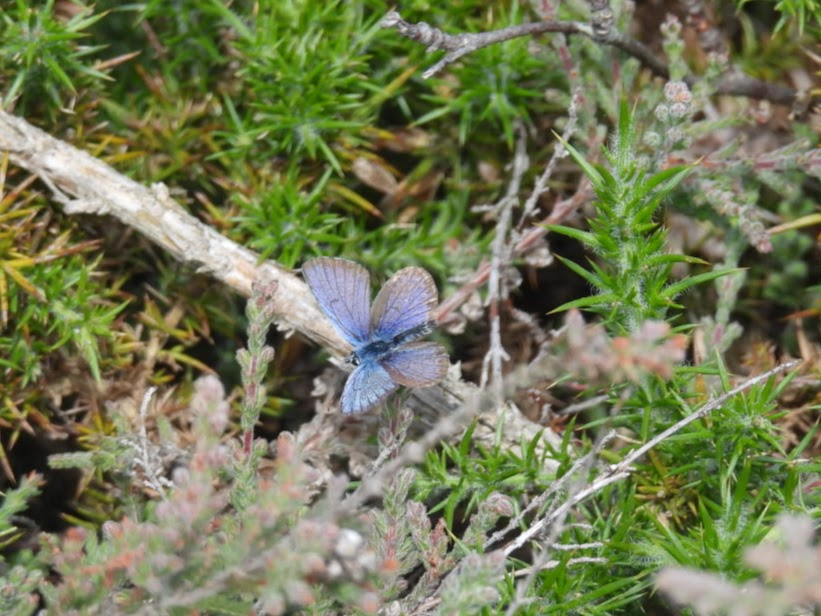
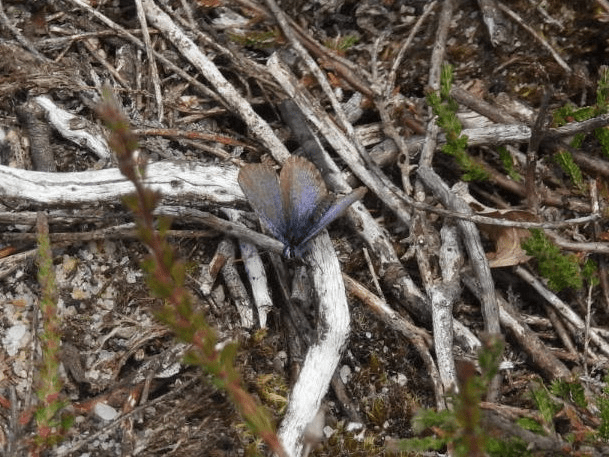
Male
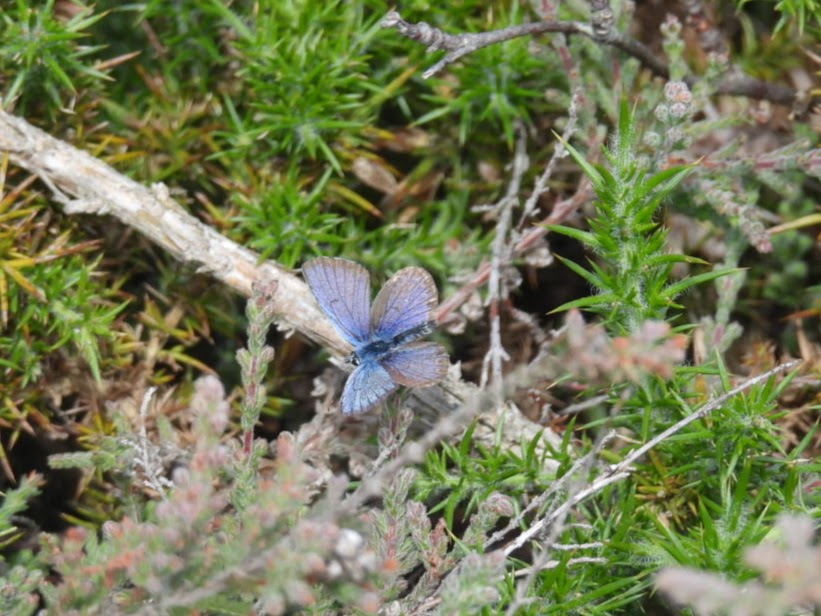
Female
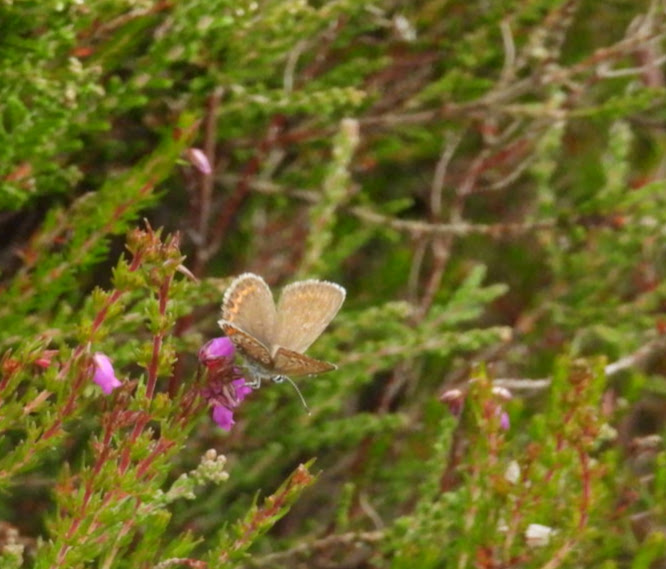
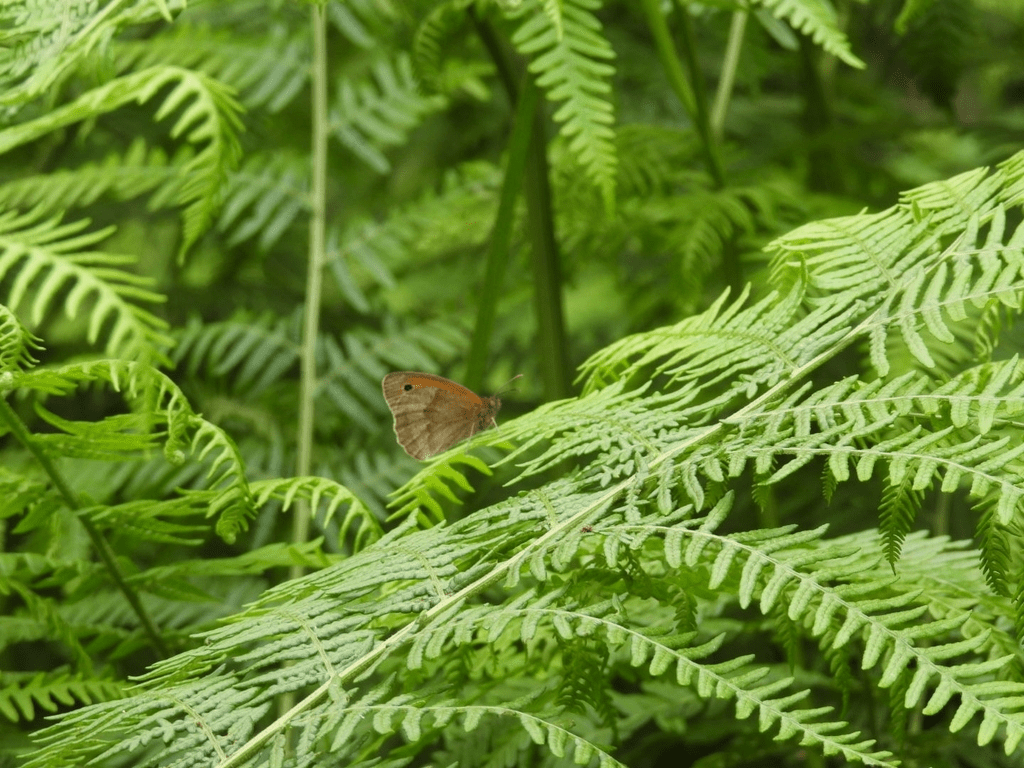
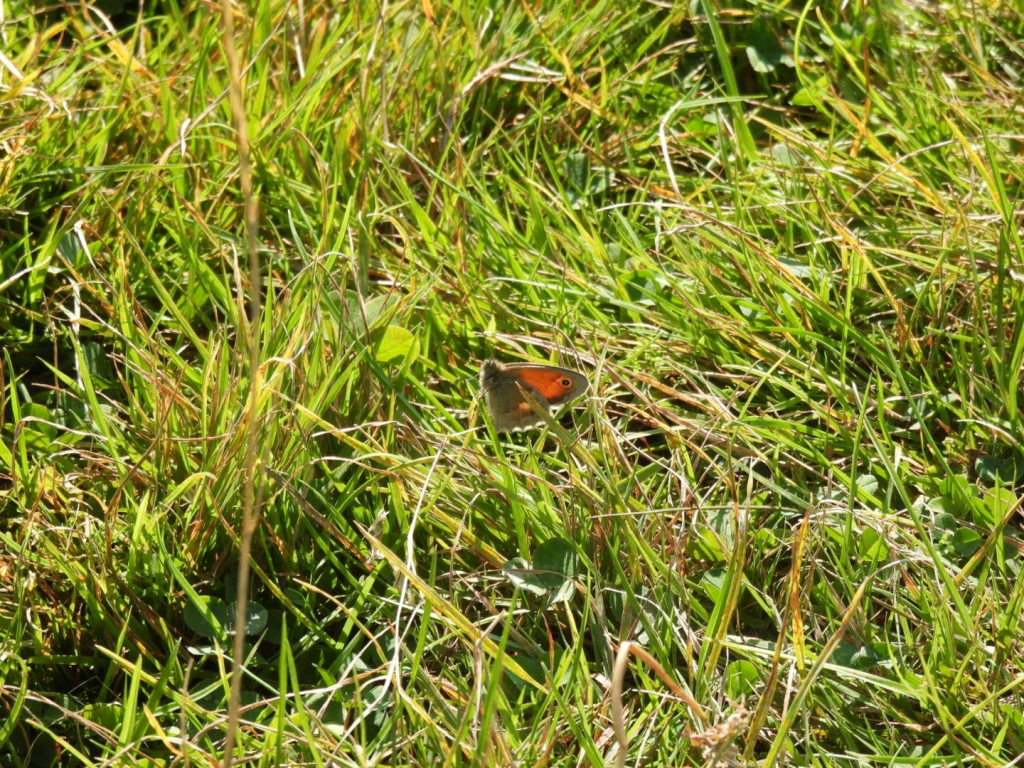
Maniola jurtina Meadow Brown
Aricia agestis Brown Argus

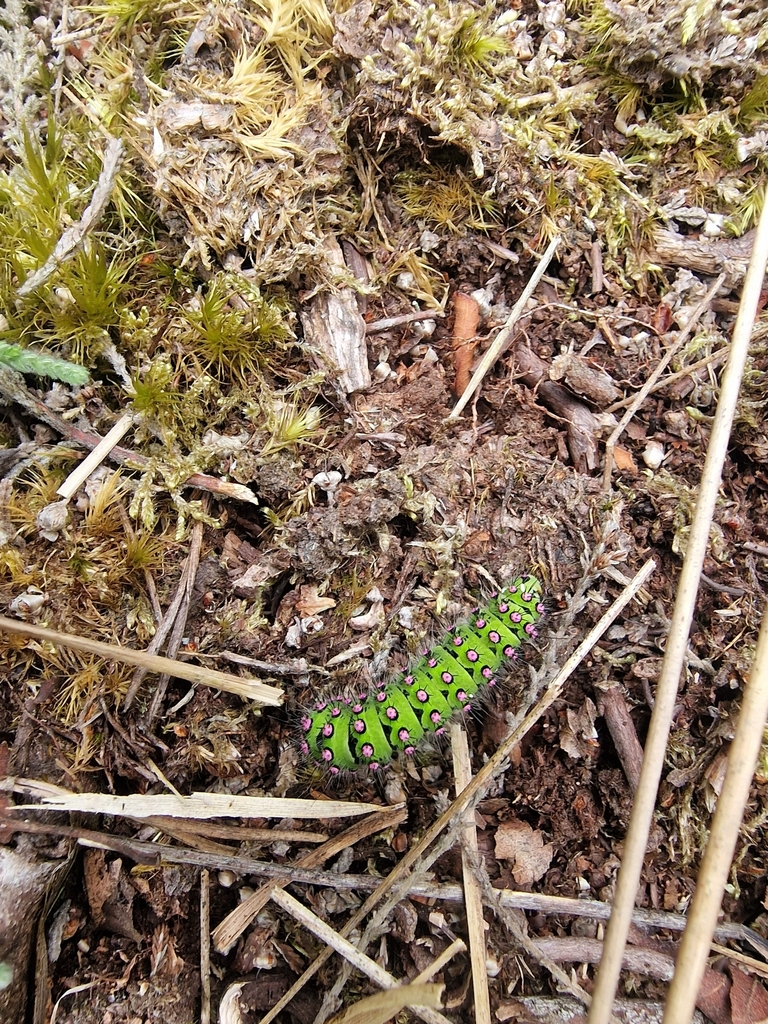
Saturnia pavonia Emperor Moth
Solitary Wasps (order Hymenoptera)
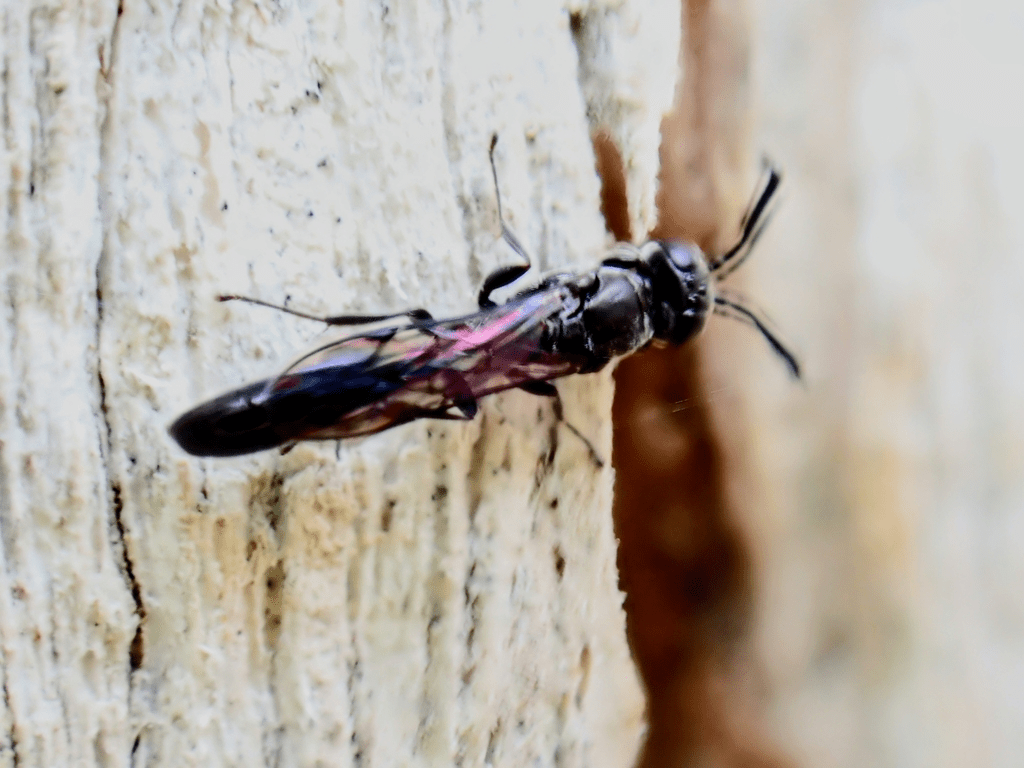
Astata boops Shieldbug Digger Wasp
A parasitoid wasp Reuter used it [parasitoid] to describe the strategy where the parasite develops in or on the body of a single host individual, eventually killing that host, while the adult is free-living. Godfray, H. C. J. 1994 Parasitoids : behavioral and evolutionary ecology
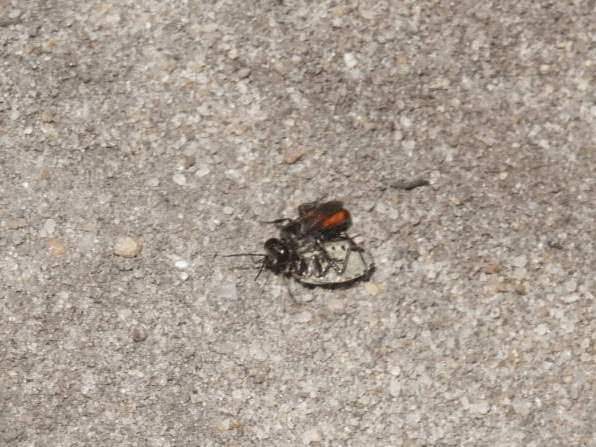
Mainly sandy localities, such as inland heaths and coastal dunes. Flight period: Univoltine [one brood]; June to August. Prey collected Nymphs of pentatomid bugs [Shield Bugs or Stink Bugs] (Heteroptera). Nesting biology: According to Tsuneki (cited by Lomholdt, 1975-76) the nest is a burrow about 10 cm long terminating in one to three cells, which are placed one after the other as simple dilations of the tunnel. There are sometimes side branches, so that the nest may have as many as 12 cells. The female wasp flies the prey to the nest, where it is stored near the sealed nest entrance until there is sufficient to provision several cells. The egg is laid on the first stored bug in each cell. BWARS Astata boops
Hedychrum sp. A Jewel-Wasp, either H. nobile or H niemelai
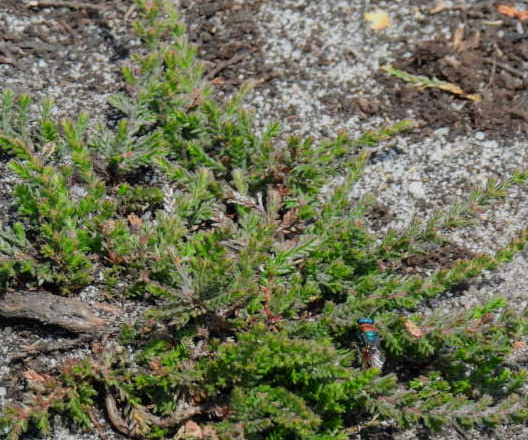
Recorded from Cornwall to Kent and north to Oxfordshire, Norfolk and Lincolnshire. Also found in Jersey. … The name Hedychrum niemelai has been applied to both H. neimelai and H. nobile in the past. … Separation of specimens is difficult, but possible. Habitat: Open sandy localities: lowland heaths, coastal dunes, cliffs with sandy deposits, and other disturbed locations, for example sandpits, footpaths and railway cuttings. Adults fly in bright sunshine around nesting sites of the hosts and feed at the nectaries and extra-floral nectaries of flowering plants. Flight period: Probably univoltine; mainly during July and August, but also during June and September and rarely during May. BWARS Hedychrum niemelai
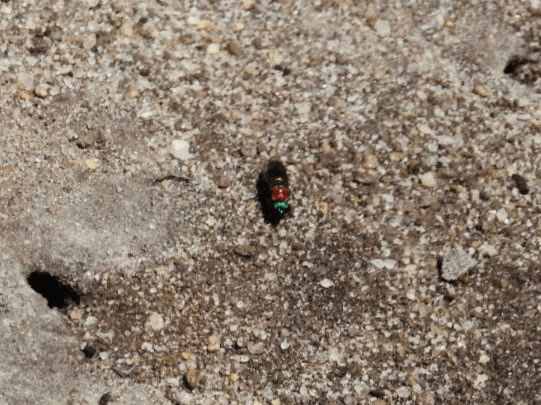
Hedychrum nobile (Scopoli) was a species new to Great Britain in 2016 when first recognised in south-east England from specimens dating back to 1998 and 2003. It has been moving northwards throughout Britain over the past 24 years and has successfully colonised eastern and central England. This brood-parasitic chrysidid wasp continues to spread northwards into the East and West Midlands following the distribution of its preferred host, Cerceris arenaria [Sand Tailed Digger Wasp – see below] (L.). In total, 57 specimens of this new colonist have been identified from the West Midlands during field sampling undertaken in 2022. …
Despite the morphological and habitat-specific similarities between H. nobile, H. niemelai and H. rutilans all species exhibit differences in their ecology and parasitic biology. As brood parasites, jewel-wasps will seek out the nesting cells of a specific host before entering into their underground chambers to lay an egg hidden within the walls of the cell. On hatching, the brood parasite’s egg develops into a parasitoid larva that consumes and subsequently destroys the mature larva or prepupa of its host (Polidori et al., 2010). Jewel-wasps are heavily armoured to carry out this clepto-parasitism and can adopt a rolled up defensive posture when threatened or disturbed (Fig. 2d) (Bolton & Gauld, 1988; Early, 2015). Aaron Bhambra 2023 The Range Expansion Of The Noble Jewel-Wasp, Hedychrum Nobile (Hymenoptera: Chrysididae), A Recent Colonist To Great Britain The British Journal of Entomology and Natural History 36: 2023
Genus Ammophila Thread-waisted Sand Wasps, possibly Ammophila sabulosam Red-belted Sand Wasp
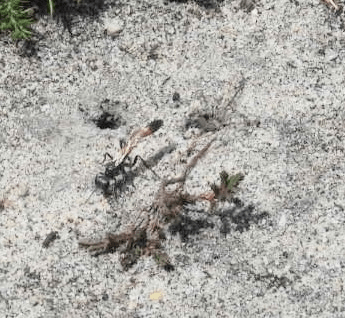
Habitat: This wasp inhabits heathland, dunes and other coastal areas. Flight periodJune-September. Nesting biology A detailed study of the behaviour and ecology of marked A. sabulosa females has been made at a Breckland heathland site (Field, 1992). Nests usually occur at relatively low densities. Normally, a female digs a short burrow, ending in a horizontal cell, in bare or sparsely vegetated sand. Later, she temporarily closes the nest entrance using sand and tiny stones, then hunts for lepidopteran caterpillars in vegetation. About half of all cells are provisioned with just one large caterpillar, which is carried back on foot as it is sometimes more than ten times as heavy as the wasp. Other cells are provisioned with two to five smaller caterpillars (see Olberg, 1959). An egg is laid on the first caterpillar provisioned and rarely hatches before permanent closure of the nest burrow. After the last caterpillar has been interred the wasp permanently closes the burrow with a much deeper plug of sand, and camouflages the entrance with debris so that it is invisible to the human eye. All nests are unicellular. The whole nesting cycle, from searching for a digging site to closing the nest permanently after provisioning, takes an average of eight to ten hours of activity. Marked females each dug and provisioned up to ten nests during a summer. One of the most interesting aspects of this species’ behaviour is that almost all females, as well as digging their own burrows and hunting for prey, parasitise the freshly provisioned nests of other A. sabulosa. When a female detects a conspecific’s nest she digs through the closure plug and enters. If the nest is empty, she quickly comes out and re-closes it; but if it contains prey, she either steals one of the prey items, or eats the host’s egg, replacing it with her own (brood parasitism). Some 28% of eggs laid in their own nests are later destroyed by conspecific brood-parasites and prey thieves. Some nests are brood-parasitised up to four times, each time by a different female. Miltogrammine flies (Metopia spp.) destroy another 5% of A. sabulosa eggs, so that overall only about two-thirds survive to hatch. BWARS Ammophila sabulosa
Philanthus triangulum European Beewolf
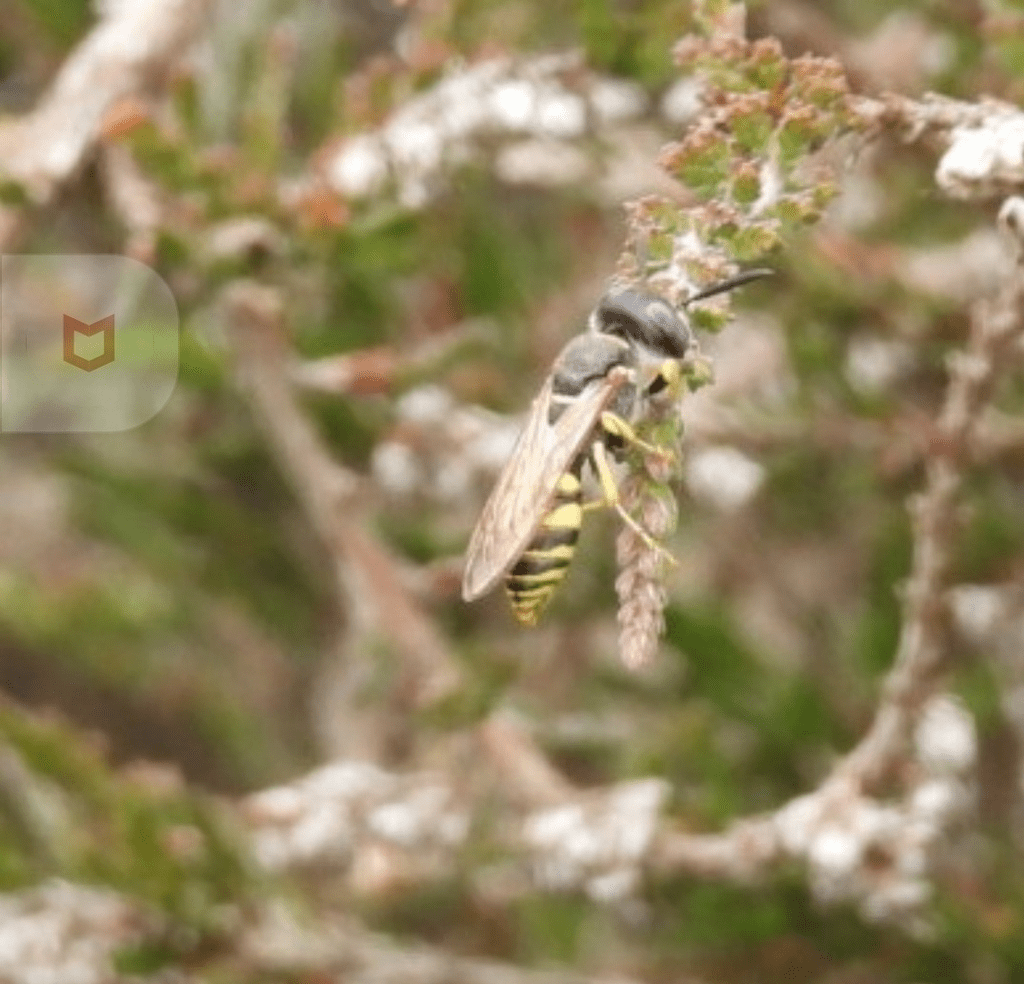
Less than 20 years ago, this magnificent wasp, commonly known as the ‘bee wolf’ or ‘bee-killer’ was considered to be one of the great aculeate rarities in Britain. Records for the last few years indicate that currently the species is locally common to abundant in a steadily increasing number of sites in southern England, with a single record for north Wales (Else, 1993a, 1995a,b,e).
Habitat: Generally, sand dunes and lowland heaths. However, nesting aggregations have recently been found in a park in Ipswich, Suffolk, and on the Battersea Bridge roundabout, Greater London. Flight period: From early July to mid-September. In England there appears to be a single brood, but in central Europe a second generation is known (Lomholdt, 1975).
Prey collected: The major prey species throughout the world range of this wasp is the worker honey bee (Apis mellifera), and in some regions the wasp may greatly reduce the local populations (El-Borollosy, Wafa & El-Hefny, 1972). There are, however, reports of other bees being utilised: for example in Britain, Andrena flavipes and Lasioglossum zonulus (Smith, 1851a), and a Nomada sp. (C O’Toole, pers. comm.).
Nesting biology: This wasp nests in both level sandy exposures and in vertical soil faces. Some nesting aggregations may number as many as 15,000 burrows (Else 1995a,b). The main nest burrow may be up to 1 m in length, with 3-34 short lateral burrows at the end, each terminating in a cell (Lomholdt, 1975). The prey is paralysed by being stung through the articular membranes immediately behind the front legs (Rathmayer, 1962). Returning females, clutching the prey with their legs, often hover above the nest burrow before slowly descending to it. BWARS Philanthus triangulum
Flies (order Diptera)
Thyridanthrax fenestratus Mottled Bee-Fly
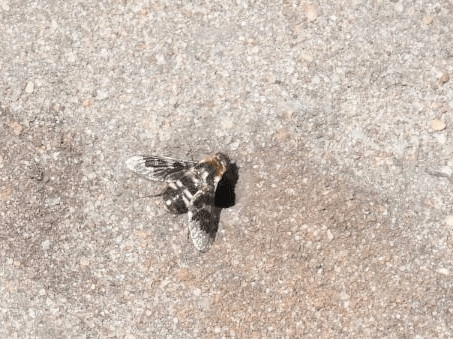
The Mottled Bee-Fly (Thyridanthrax fenestratus) is not something you see everyday. .. The Mottled Bee-Fly requires sandy or gravelly locations as it relies on the host wasp which creates its burrows in these areas. Damage to the burrows of the host wasp and loss of suitable habitats for the wasp has meant the Bee-Fly has previously been under threat. The Mottled Bee-Fly is a parasitoid of the sand wasp (Ammophila pubescens) or of the caterpillars gathered by the wasp for its larvae. This means that the bee-fly larvae develop inside either the larvae of the sand wasp or inside the caterpillars that the wasp collects; the host dies as a result of the development of the bee-fly. This is a ‘thermophilous’ (heat-loving) species, and occurs only in warm areas so this warm path in the summer sun was ideal. The adults feed on nectar, so a source of flowers is essential and the combination of heather and gravel or sand is the perfect combination. M. J Creighton 2015 New Forest Bee-Fly, Southampton Natural History Society
Solitary Bees (order Hymenoptera)
Anthophora bimaculata Green-eyed Flower Bee
Anthophora bimaculata is restricted to southern England, with the most northerly record being from Norfolk. In Sussex, A. bimaculata is strongly associated with the sandy soils of the Lower Greensand and the High Weald south of Tunbridge Wells. It is also frequently found along the coast between Peacehaven and Beachy Head, and between Pevensey Bay and the dunes at Camber Sands. ... It can be abundant in locations with sandy deposits. James Power, 2024, The Butterflies of Sussex: p.278
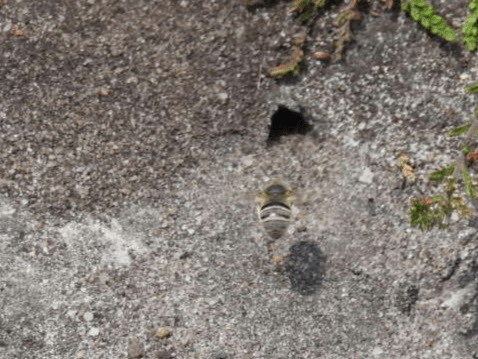
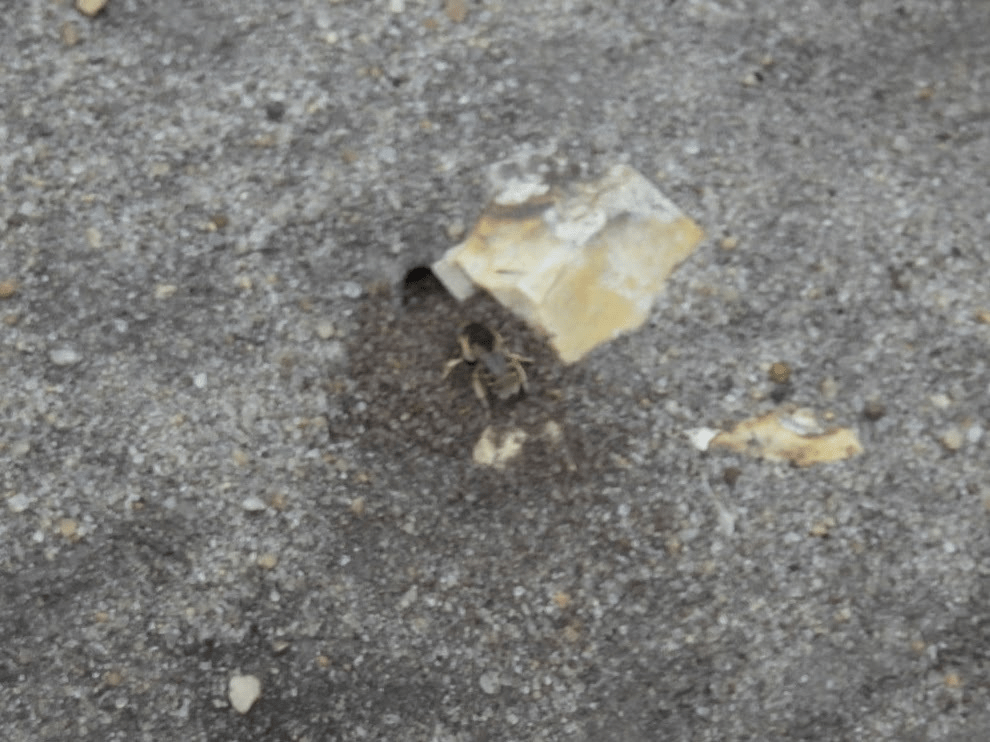
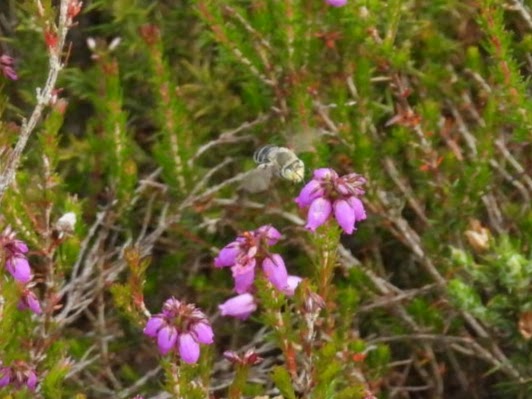
Andrena flavipes Yellow-legged Mining Bee
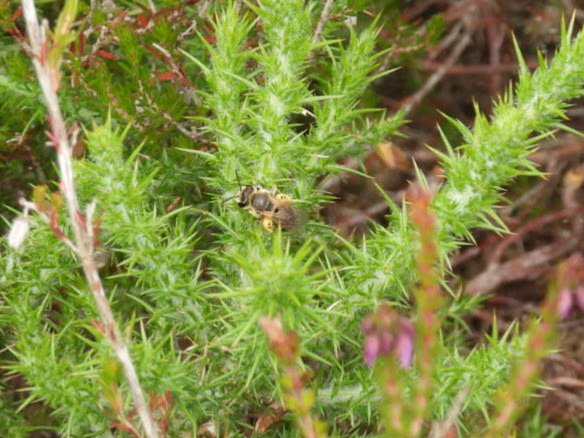
Andrena flavipes has increased in abundance in recent years and is now the most frequently recorded solitary bee in the county. It is ubiquitous, occurring in just about every area. it is found on chalk grasslands, meadows and pasture, coastal habitats, heathlands and open woodlands, as well as in gardens and parks.
A. flavipes often establishes dense aggregations that can cover a wide area, especially on south-facing dopes and banks. Edward Saunders, writing in 1879, reported finding a large colony sited “in a bank by the side of the road near Hollington”. The larger aggregations can contain thousands of individual bees, with hundreds of nests sited close together. The brood cells can be as much as 23 cm below ground.
Males often patrol rapidly just above the nest site, zigzagging rapidly as they search for a female before pouncing to mate. Both sexes mate several times during the flight season.
A. flavipes brood cells are targeted by Nomada fucata. This is one of a small number of species targeted by the bee-fly Bombylius discolor. Female flies mix their eggs with dust that has been gathered into a special chamber, coating the eggs with the dust before flicking them onto an area of ground being used by nesting bees. On hatching from an egg, a fly larva will attempt to locate an open cell and wait until the bee larva is almost fully developed. At this point the developing fly latches onto its host to feed on its fluids before pupating and emerging as an adult fly. James Power, 2024, The Butterflies of Sussex: p.242-243
Grasshoppers (order Orthoptera)
Myrmeleotettix maculatus Mottled Grasshopper
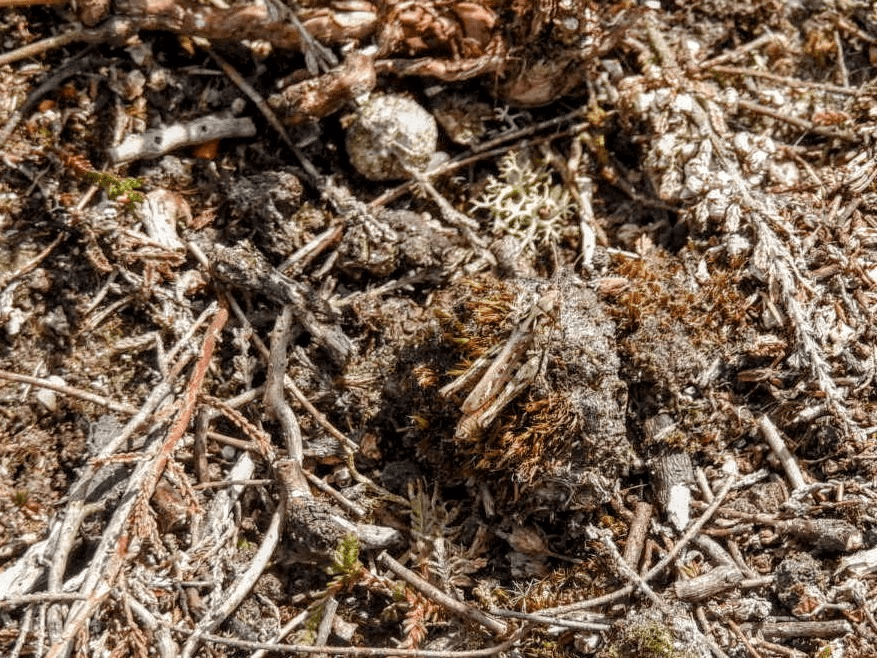
The species feeds on grasses, but also mosses and herbs. Myrmeleotettix maculatus colonizes especially gappy sandy grasslands, sandy open woodlands, more rarely also stony calcareous grasslands, dry moorland with open peat spots or stony pastures in the mountains. Myrmeleotettix maculatus can be found, for example, in the Valais still at 2500 meters above sea level! Myrmeleotettix maculatus is very early adult from early or mid-June and can still be observed in early October. The eggs are deposited according to literature superficially into the loose substrate. Orthoptera and their ecology Myrmeleotettix maculatus
Dragonflies (order Odonata)
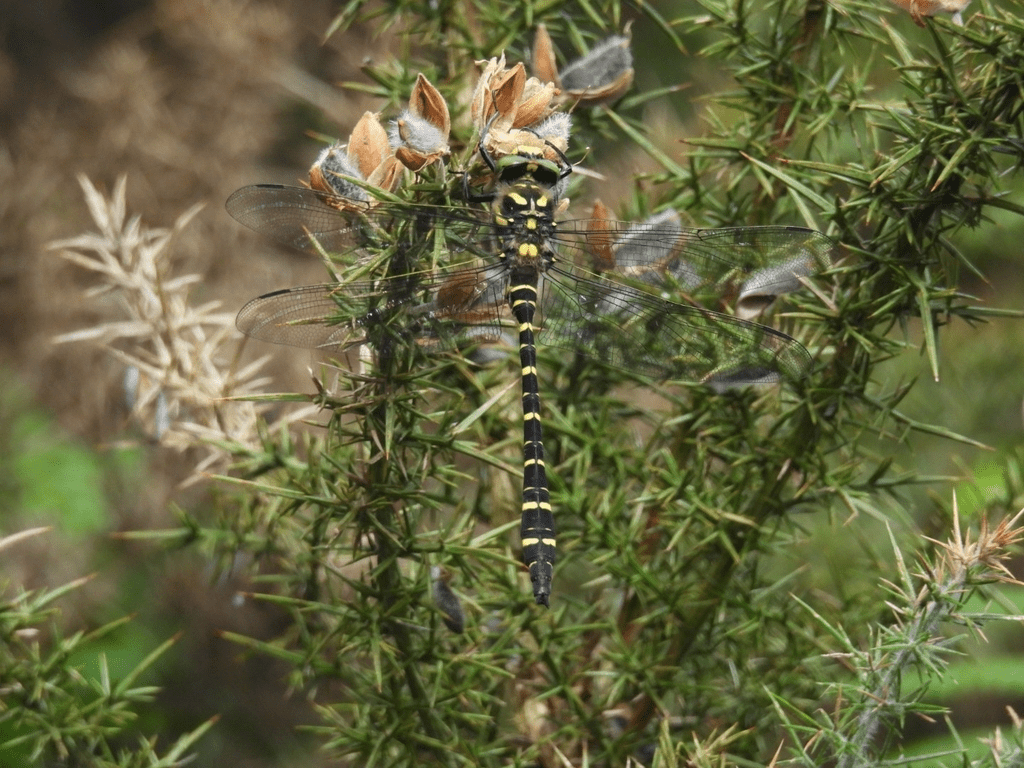
Cordulegaster boltonii Golden-ringed Dragonfly
Libellula depressa Broad-bodied Chaser
Along the Rover Rother at Iping Village
Dragonflies (order Odonata)
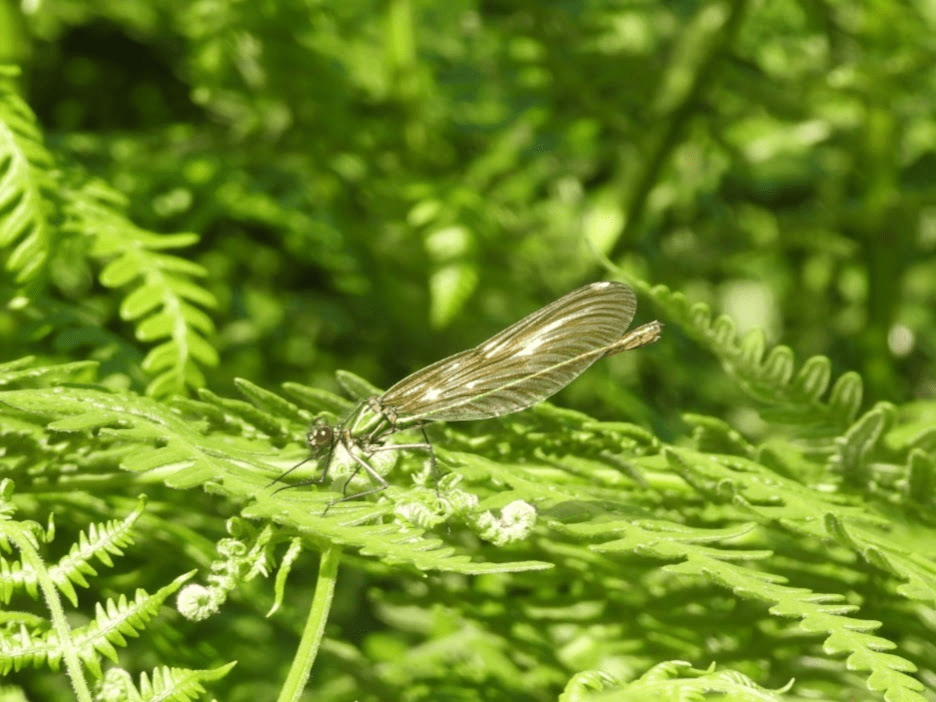
As I was walking along the bank of the River Rother from Chithurst to Iping, about 50-100 Beautiful Demoiselles flew around me as I walked through the bracken (on the footpath) on which they were perched. Quite an extraordinary sight.
Mainly found along streams and rivers, particularly those with sand or gravel bottoms. The males rest on bank side vegetation waiting for females. British Dragonfly Society Beautiful Demoiselle
The River Rother of the West Sussex flows from west to east from Empshott in Hampshire, England, to Stopham in West Sussex, where it joins the River Arun. It runs though
Calopteryx virgo Beautiful Demoiselle
Female
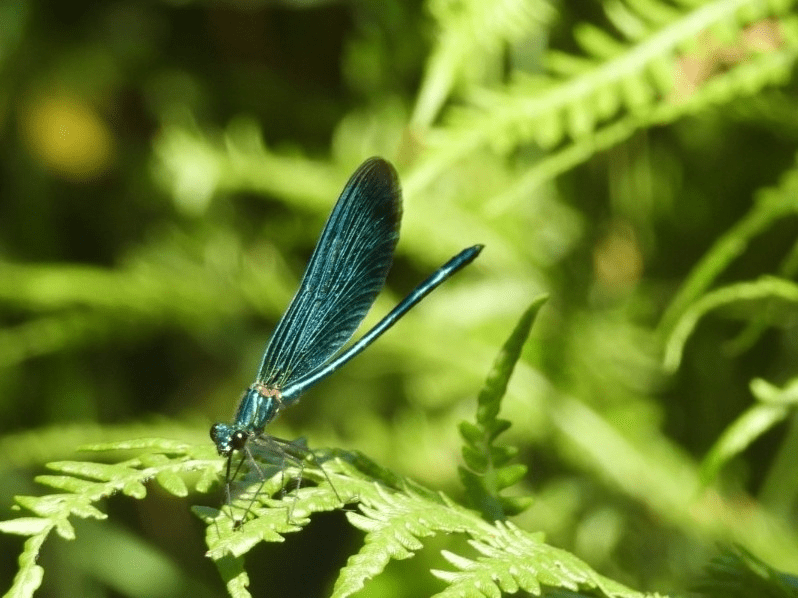
Male
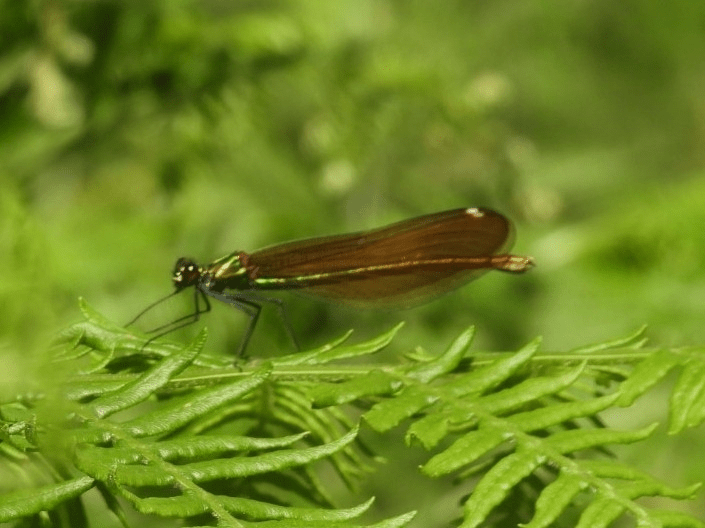
Calopteryx splendens Banded Demoiselle
Butterflies and Moths (order Lepidoptera)
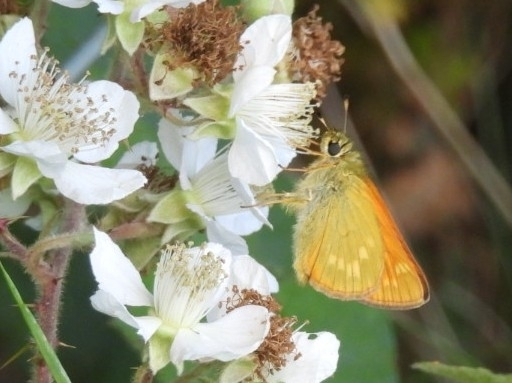
Ochlodes sylvanus Large Skipper
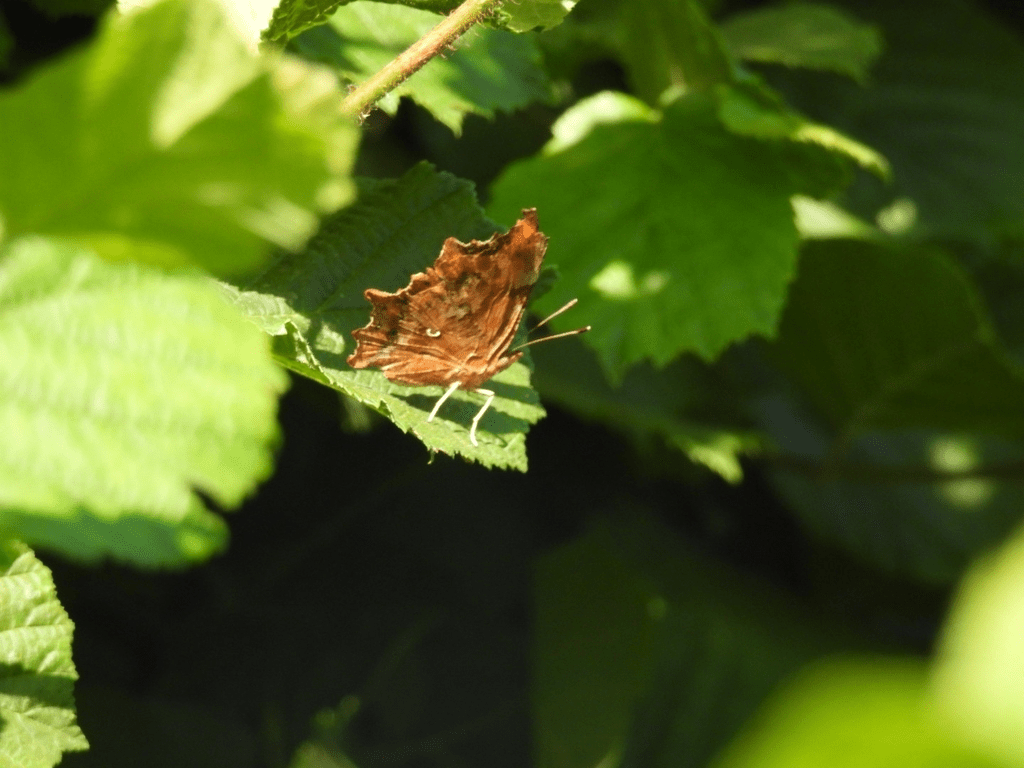
Polygonia c-album European Comma
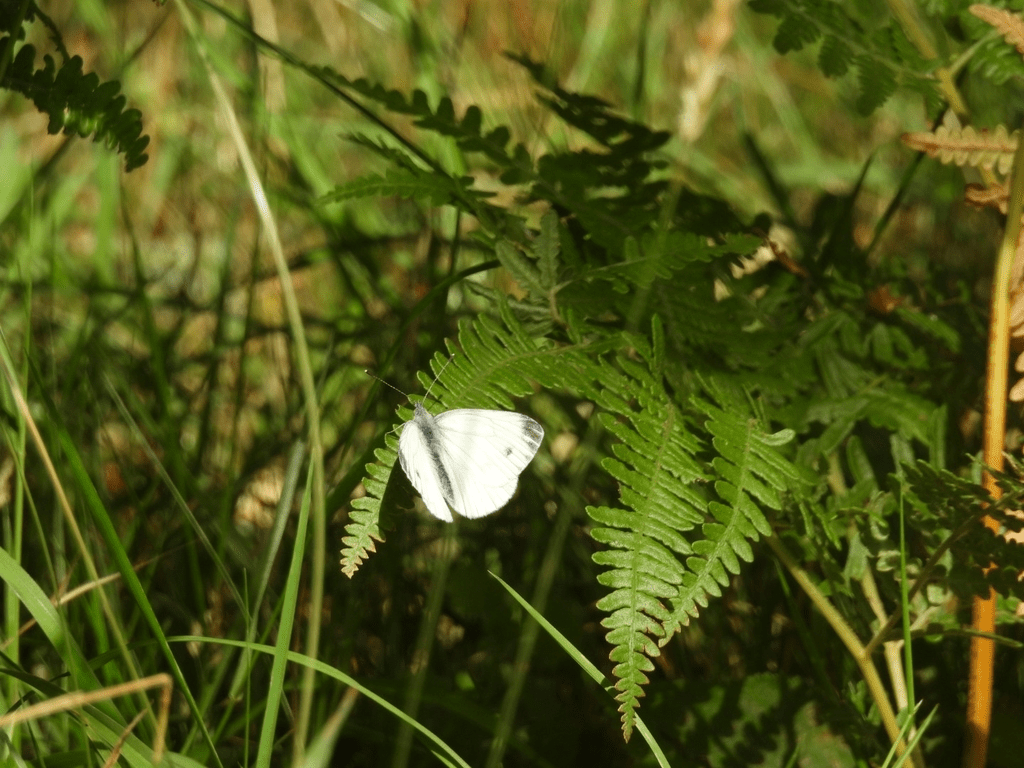
Pieris napi Green-veined White
 Sim's Nature Notes