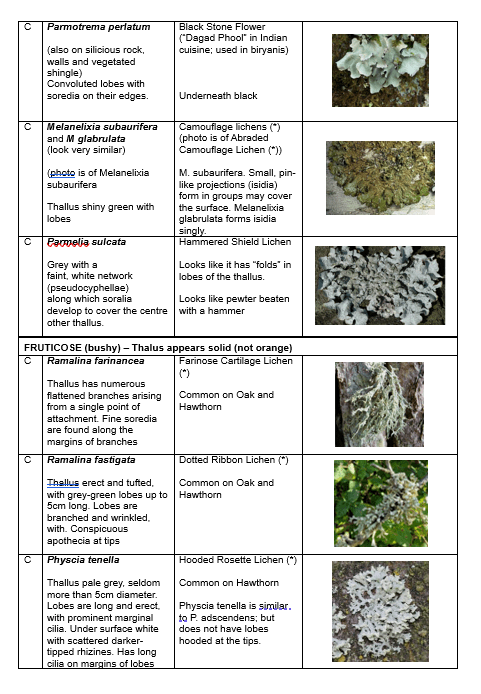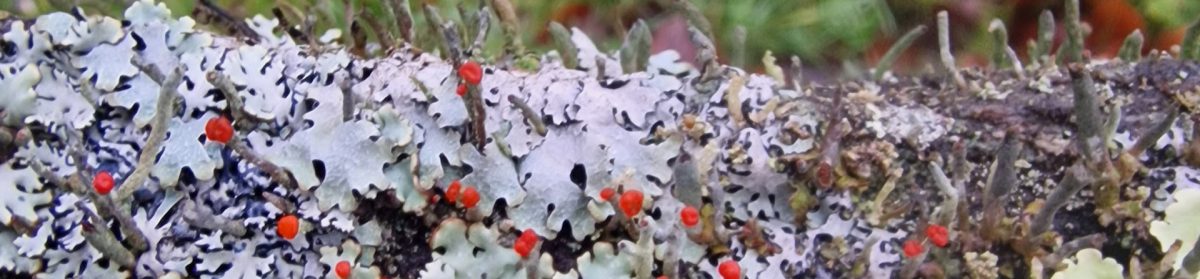
Hesworth Common, Fittleworth. A Lost Woods of the Low Weald and Downs lichen walk. 22.03.25

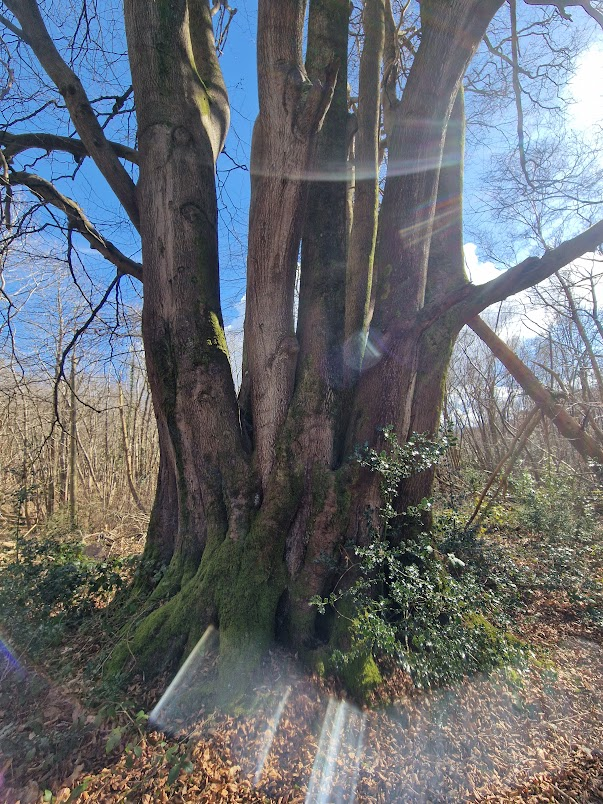
On Saturday 22.03.25 I led a Lost Woods of the Low Weald and Downs lichen walk for the Sussex Wildlife Trust Storrington and Arun Valley Regional Group at Hesworth Common, Fittleworth. The common is owned and managed by Fittleworth Community & Parish Council who gave their permission to hold the walk there.

Here are some of the lichens we saw:

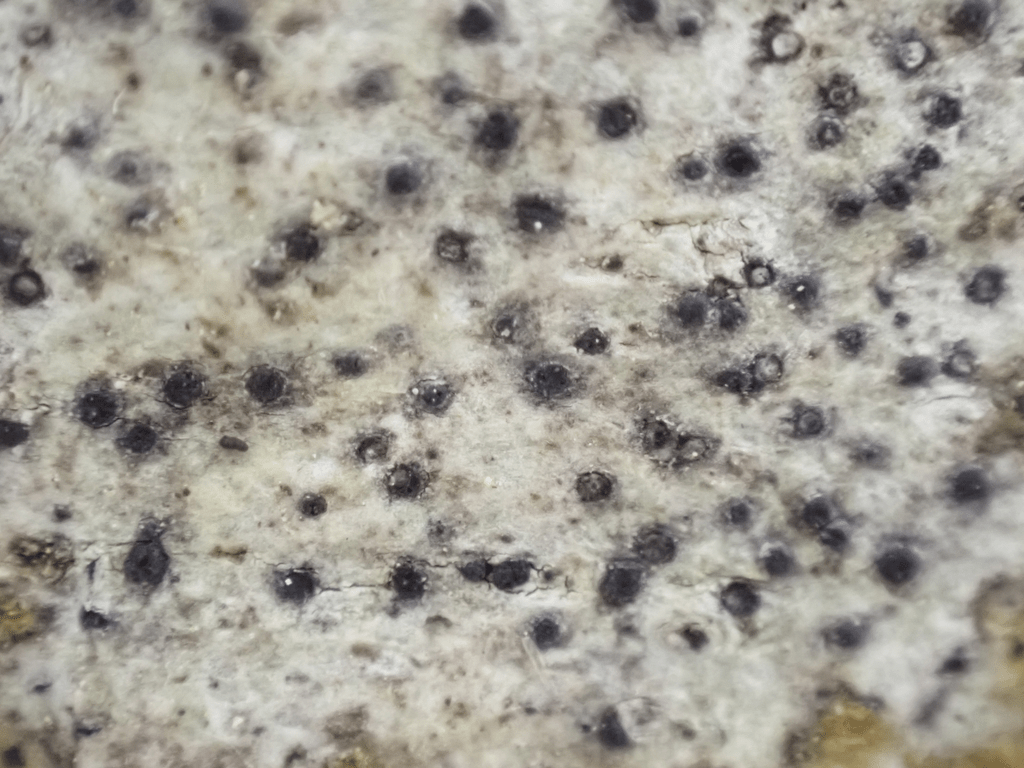
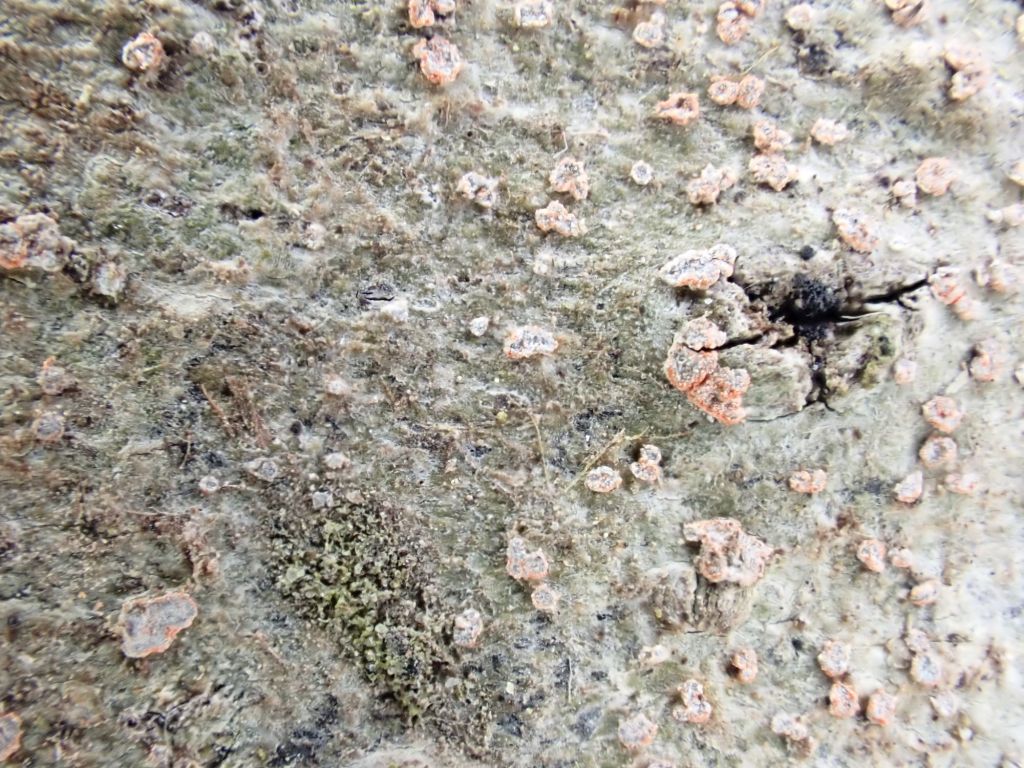
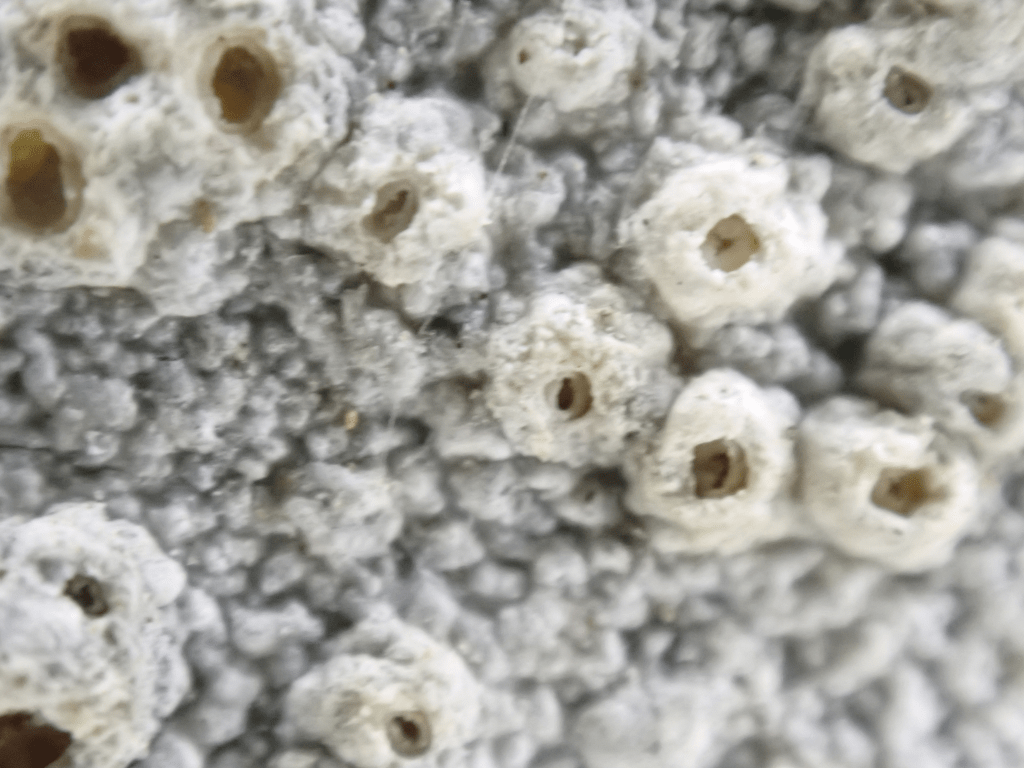
Hypogyny tubulosa Powder-headed Tube Lichen, on Pendunculate Oak
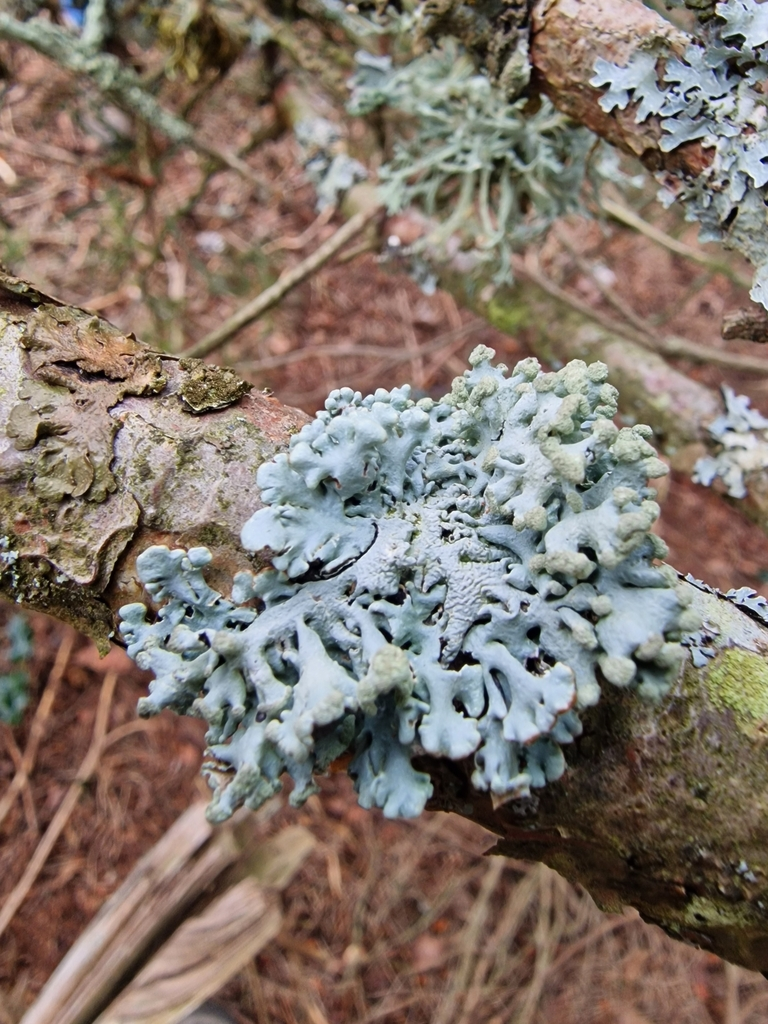
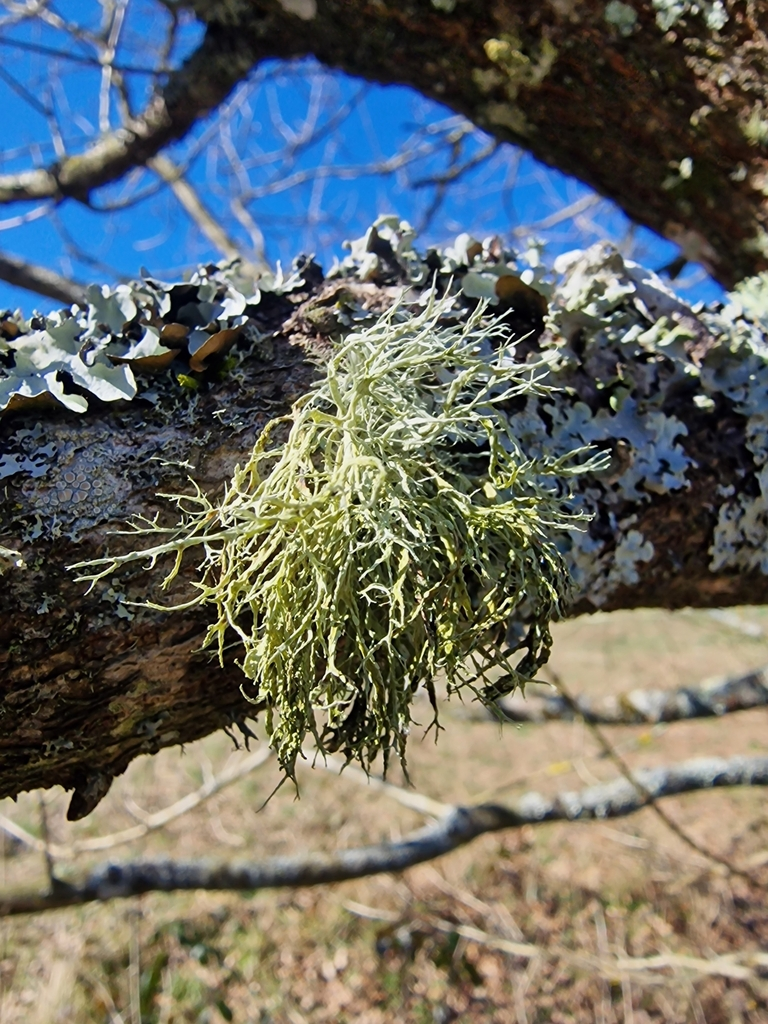
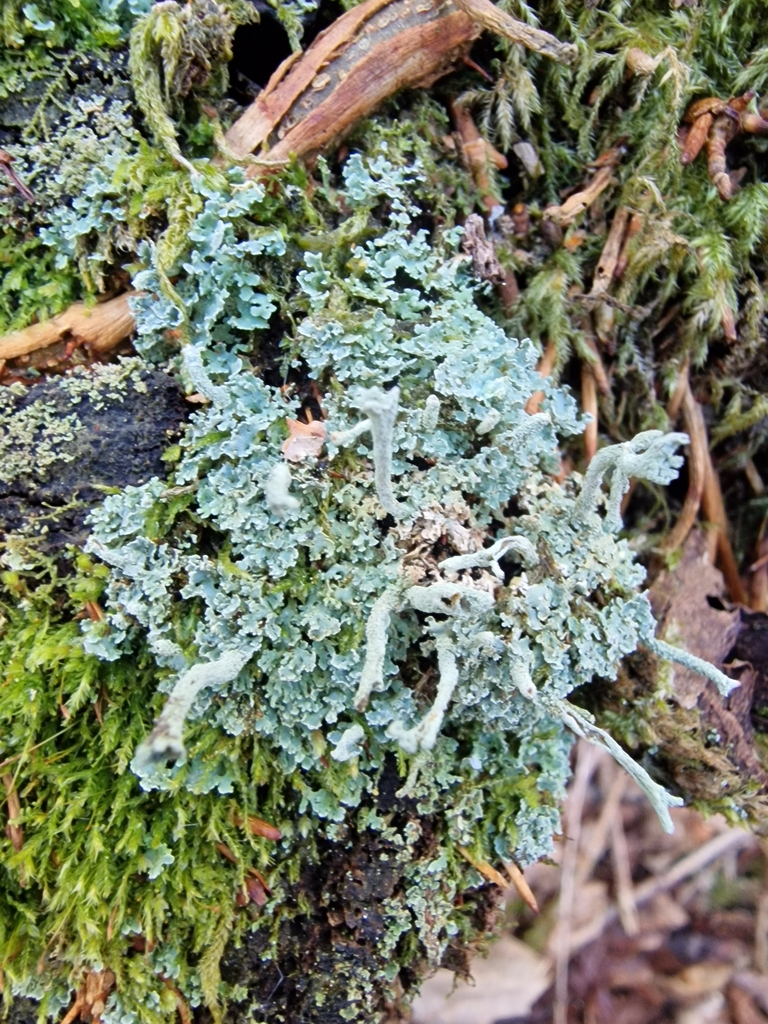
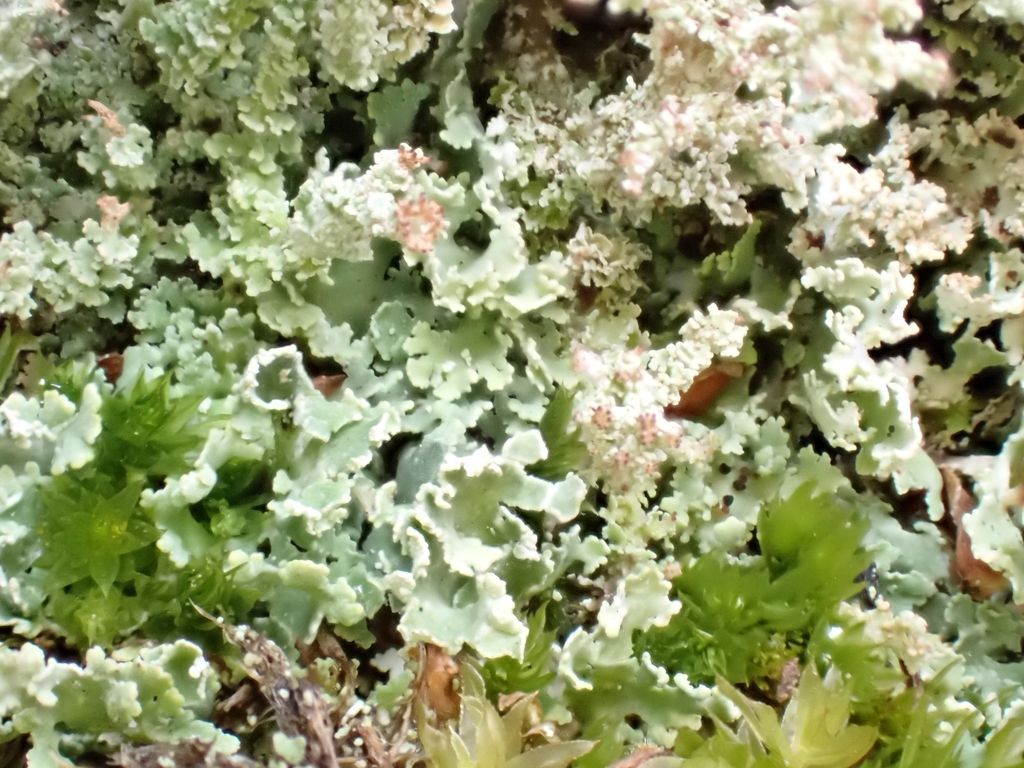
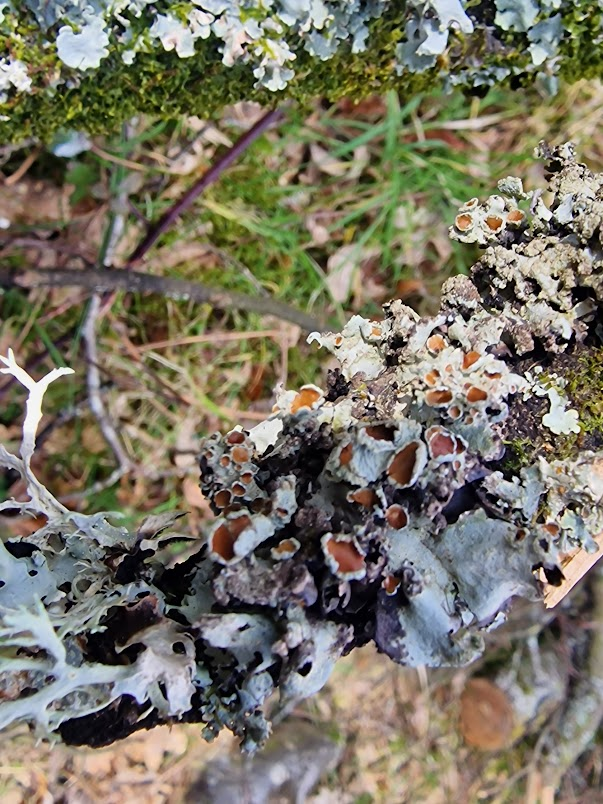
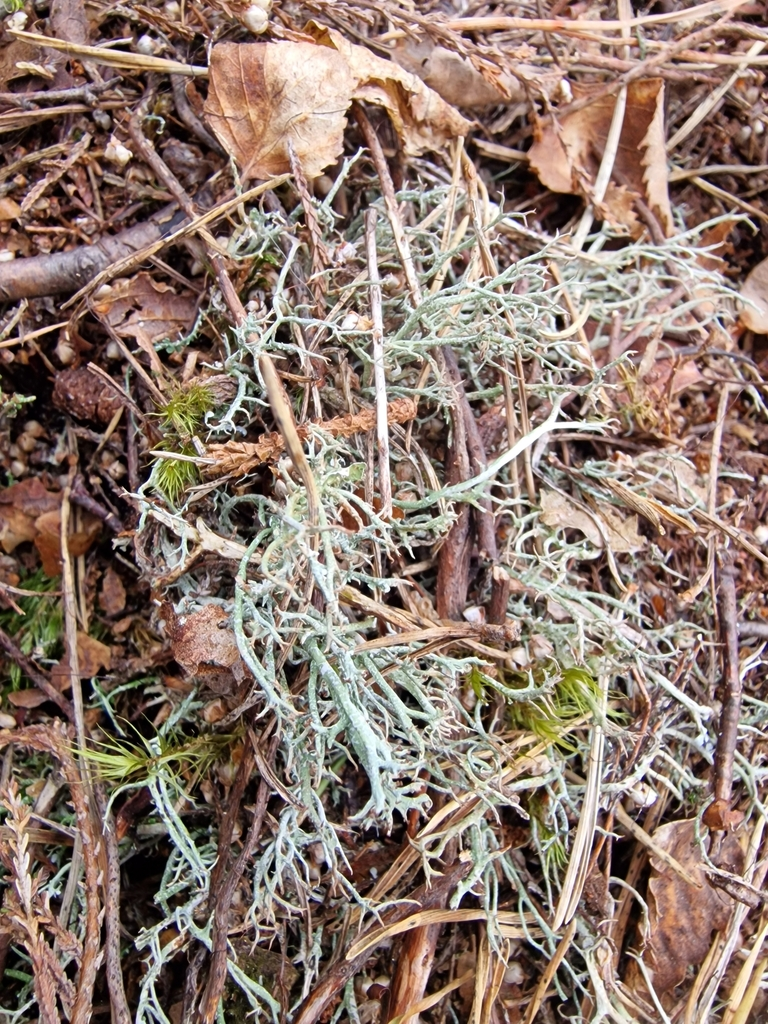
Cladonia furcata Many-forked Cladonia; growing on the ground of the heathland
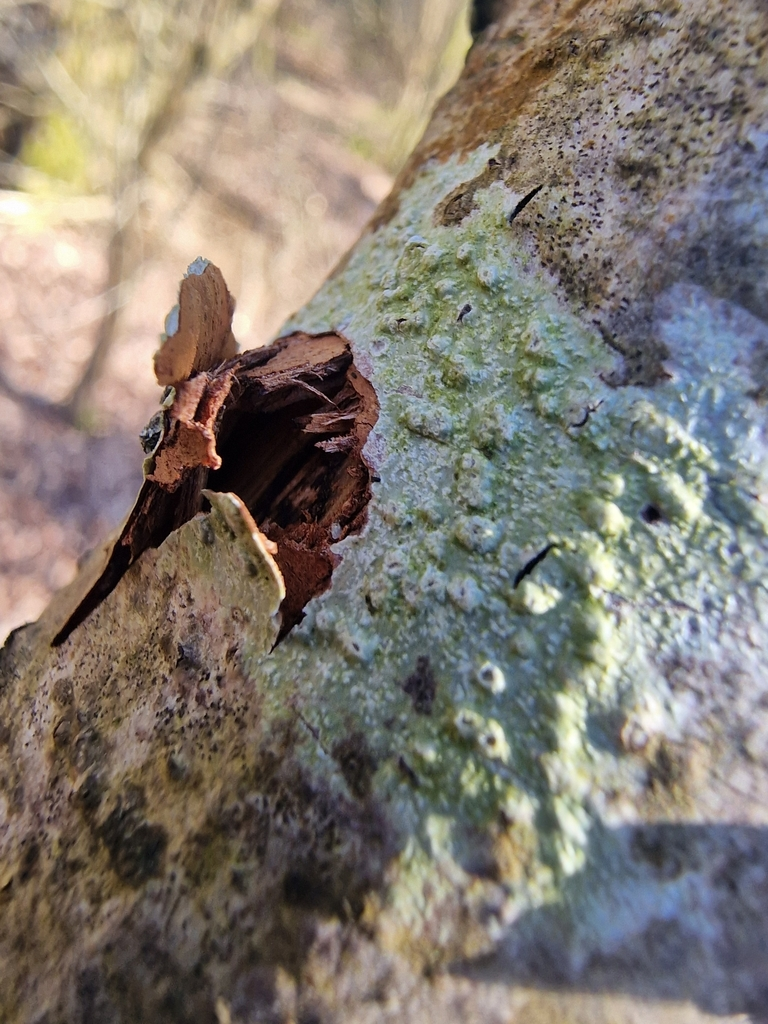
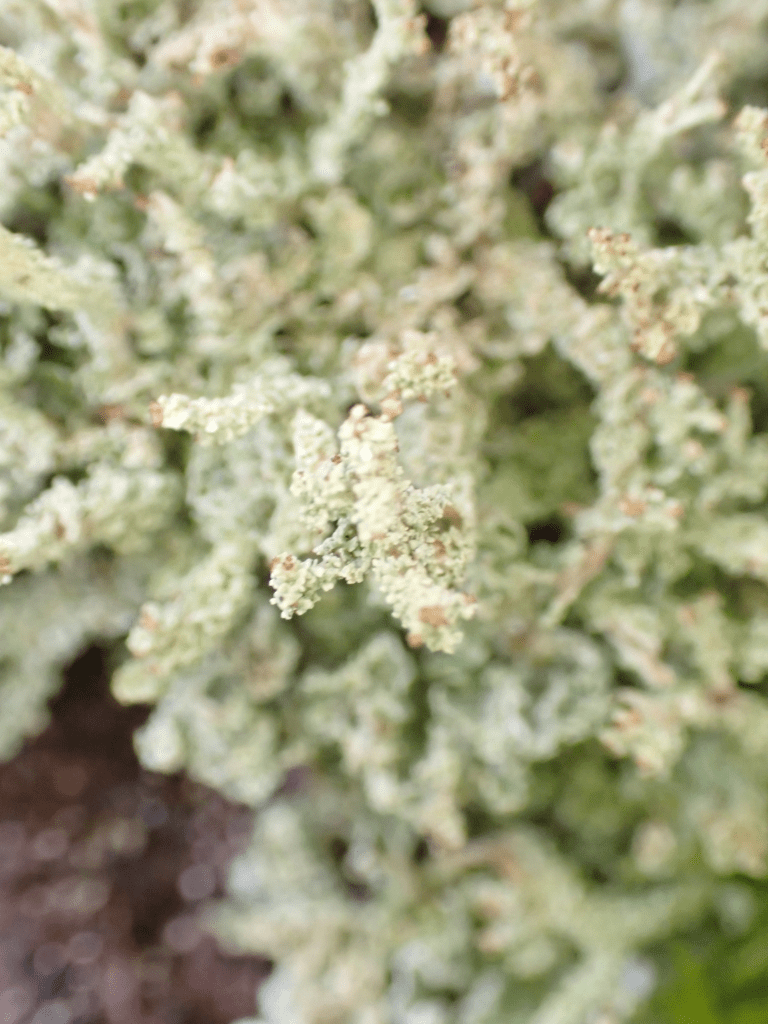
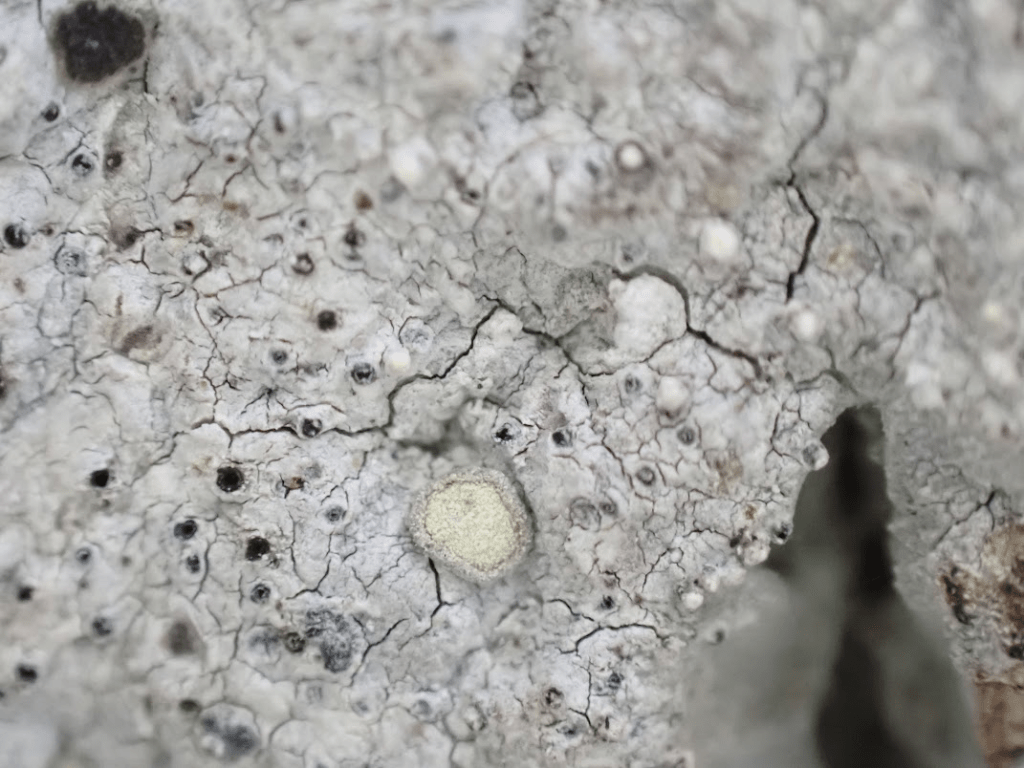
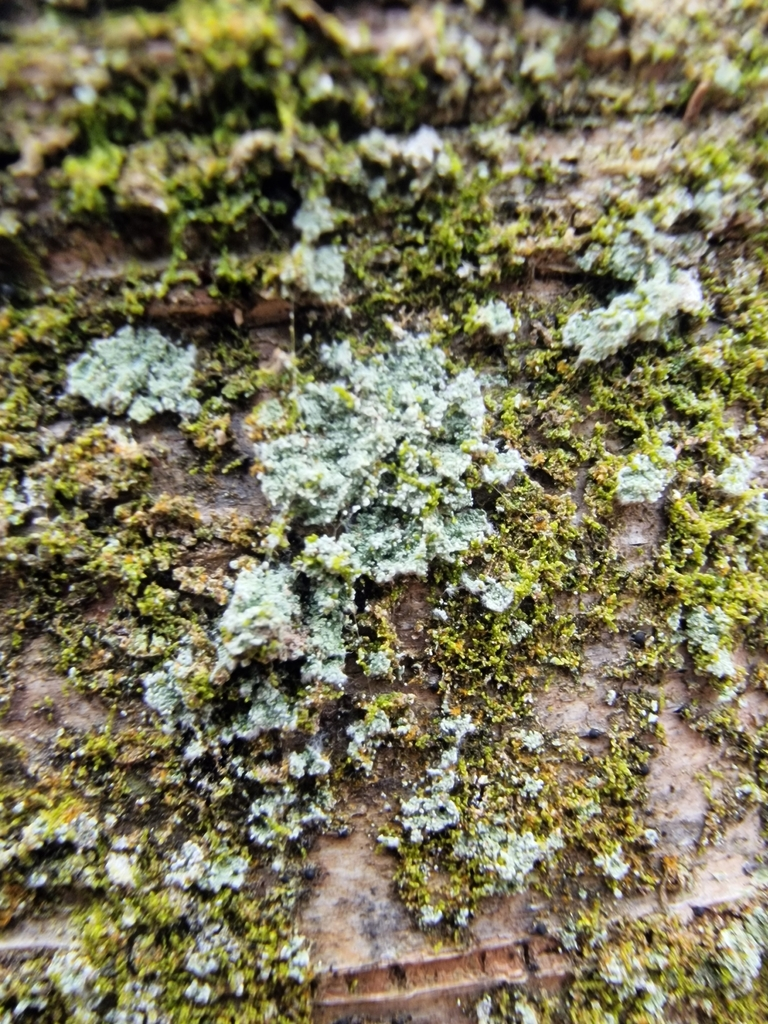
Lepraria finkii Fluffy Dust Lichen
For more lichens at Hesworth Common, see: The diversity of lichens on a Pendunculate Oak, Quercus robur, at Hesworth Common, Fittleworth 11.03.25
Lag Wood. A Lost Woods of the Low Weald and South Downs lichen walk. 20.03.25

On Thursday 20.03.25 I led a walk for the Lost Woods of the Low Weald and South Downs at Lag Wood; this is a private wood, and the owner gave us permission to do so, and she accompanied us. This was part of the National Lottery Open Week; an opportunity for The National Lottery-funded projects to give lottery players a reward; so all the participants had to bring a lottery ticket or scratch card that they had bought!

Here are a few of the many the lichens we saw.:

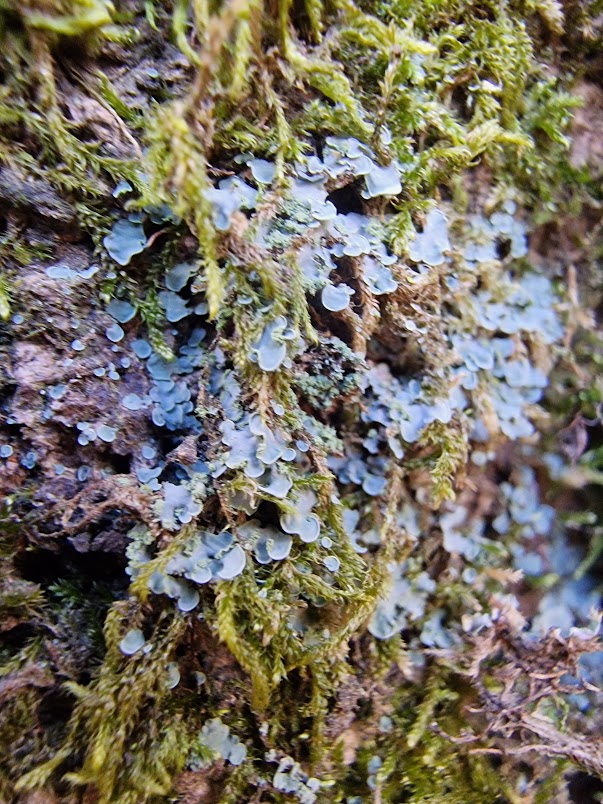
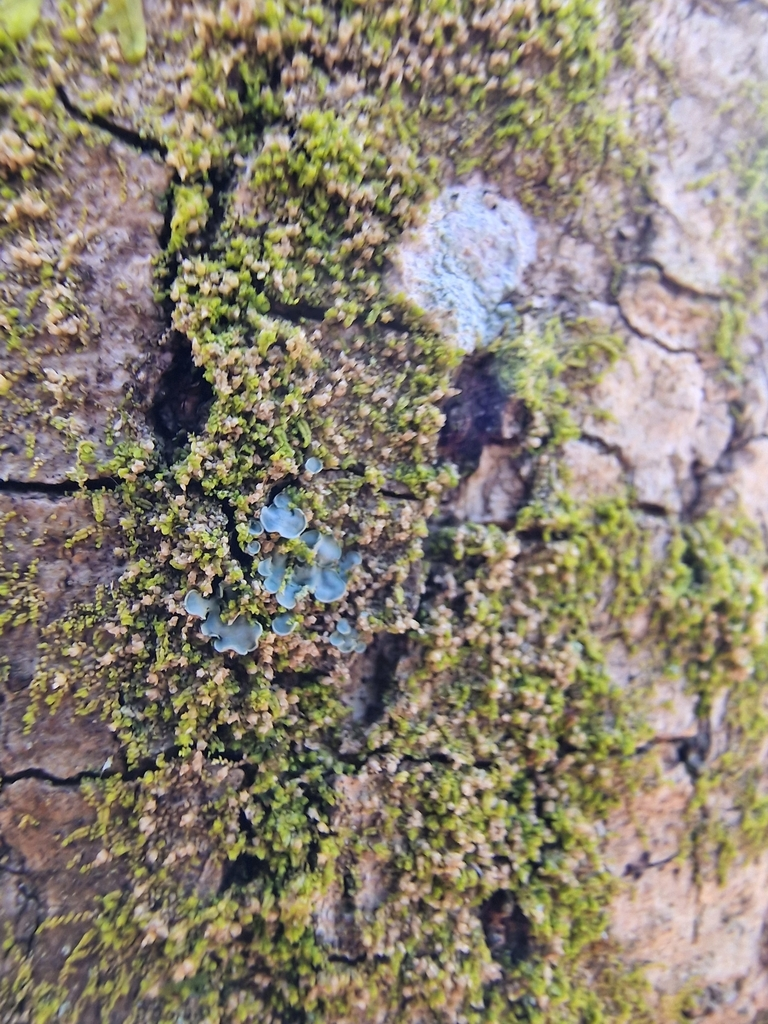
Normandina pulchella, Elf Ear lichen, growing on Myriocoleopsis minutissima Minute Pouncewort on Ash

Lecanora chlarotera on Pedunculate Oak

Amandinea punctata, Tiny Button Lichen on Hornbeam. Very similar to Lecidella eleachroma; separatable by chemical reagent spot test

Ramalina farinacea on Pedunculate Oak

Pertusaria leioplaca on Hornbeam

Lichens at Sussex Wildlife Trust’s Selwyns Wood, Cross-in-Hand. 14.03.25

On Friday, I visited Selwyns Wood to help their volunteers identify the lichens in the site. The list of what we found is at the end of this post

It was particularly pleasing to see Coniocarpon cinnabarinum, previously Arthonia cinnaborina, an old woodland indicator species. I see this lichen rarely; not because it is particularly rare, but because it is very difficult to see. “Can be common in old woodlands on shaded, smooth bark of young trees and branches” Dorset Lichens. This lichen is named after Cinnabar, the red ore of mercury.

Another lichen that was good to see was Thelotrema lepadinum, Bark Barnacles, an indicator of ancient woodland

Both of these lichens are indicators of ancient woodland even though they weren’t growing on ancient tress; both were on relatively recent on Sweet Chestnut, Castanea sativa.

In the area of heathland, as one would expect, there were Cladonia spp. growing on lignum, including Cladonia polydactyla

Cladonia caespiticia

and Cladonia squamosa 

On the side of an enormous bundle-planted Beech, there was Elf Ear lichen, Normandina pulchella

These are the lichens that we saw.

Lecidella eleachroma
Fuscidea lightfootii
Flavoparmelia caperata
Parmelia sulcata
Parmotrema perlatum
Ramalina farinacea
Ramalina fastigiata
Lecanora chlarotera
Pyrrhospora quernea
Graphis scripta s. l.
Anthonia atra s.l.
Pertusaria pertusa
Pertusaria hymenea
Pertusaria leioplaca
Thelotrema lepadinum
Normandina pulchella
Coniocarpon cinnabarinum
Cladonia squamosa
Cladonia coniocraea
Cladonia caespiticia
Cladonia polydactyla
Lepraria finkii
Lepraria incana
Lepraria vouauxii
Melanelixia glabratula
Phlyctis argena
Xanthoria parietina
Lecanactis abietina

A Lichen Walk at Cow Wood, Handcross. 10.03.25. Highlight: Fertile Hypotrachyna revoluta

I led a free lichen walk at Cow Wood (Nymans Woodland), Handcross on Monday. To find out about my next free lichen walk see: Sim’s Lichen Walks

Cow Wood is a stunning high weald ghyll wood, a Site of Special Scientific Interest, which is of great importance for Atlantic bryophytes typically found in Atlantic Woodland, see SSSI citation.

We saw many interesting lichens, including sheets of Lecanactis abieitina covering whole sides of many Pedunculate Oaks, Quercus robur.

Lecanactis abietina with its “frothy beer cup” (Francis Rose) apothecia:

One of the participants spotted fertile Hypotrachyna revoluta sensu lato, with abundant apothecia. British Lichen Society: apothecia rare:

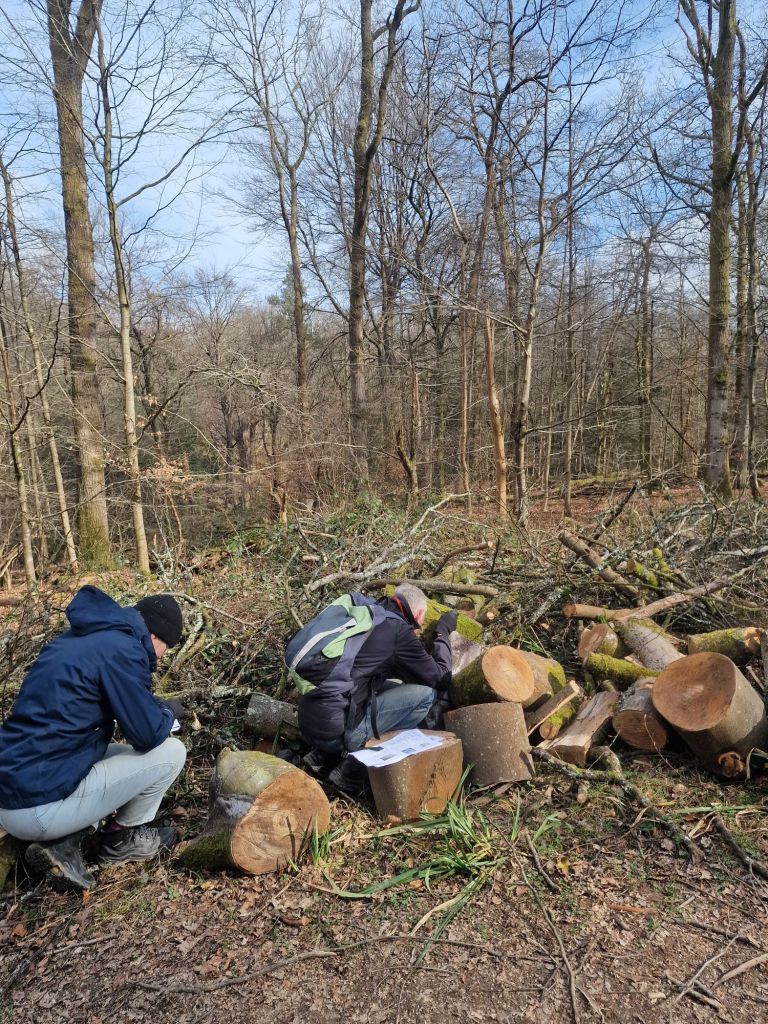
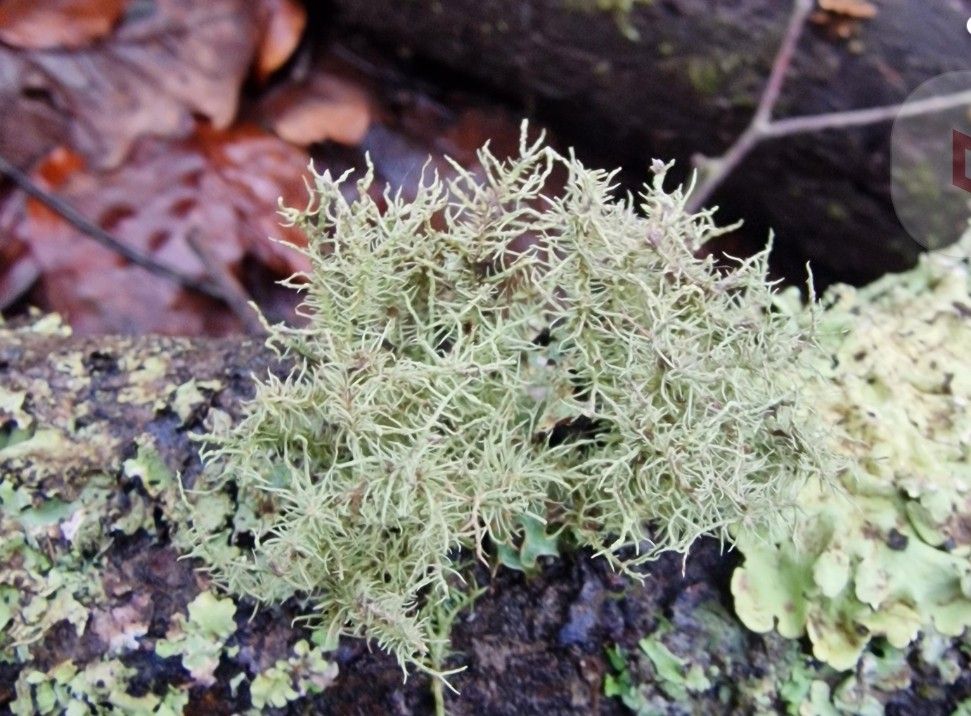
We looked at a log pile of felled trees, covered in Ramalina farinacea, Evernia prunastri, Ramalina fastigiata, Parmotrema perlalatum and Flavoparmelia caperata. I knew from my recce of Cow Wood that there was some Usnea cornuta in this log pile – not much! – but the participants found it:

There is some Tunbridge Filmy Fern,  Hymenophyllum tunbrigense,  at Cow Wood; we found some that had the Cladonia caespiticia growing on it. I have never seen this combination before:

If you want to join my next free lichen walk,  Saturday 12th April, RSPB Broadwater Warren, nr. Tunbridge Wells, email me: simeon[dot]elliott[at]proton[dot].me

Two days; two introduction to lichen walks; some magic moments. Saturday & Sunday 01 & 02/03/35

I often lead introduction to lichen walks – either for community nature organisations; the Lost Woods of the Low Weald and South Downs (Woodland Trust); Changing Chalk (National Trust and Lewes Railway Land Wildlife Trust) or RSPB Pagham Harbour, or my own free lichen walks, see: Lichen Walks

I love doing them. I am a lichen enthusiast, definitely not a lichen expert, and I have a real love of engaging local communities in nature, particularly in lichens.

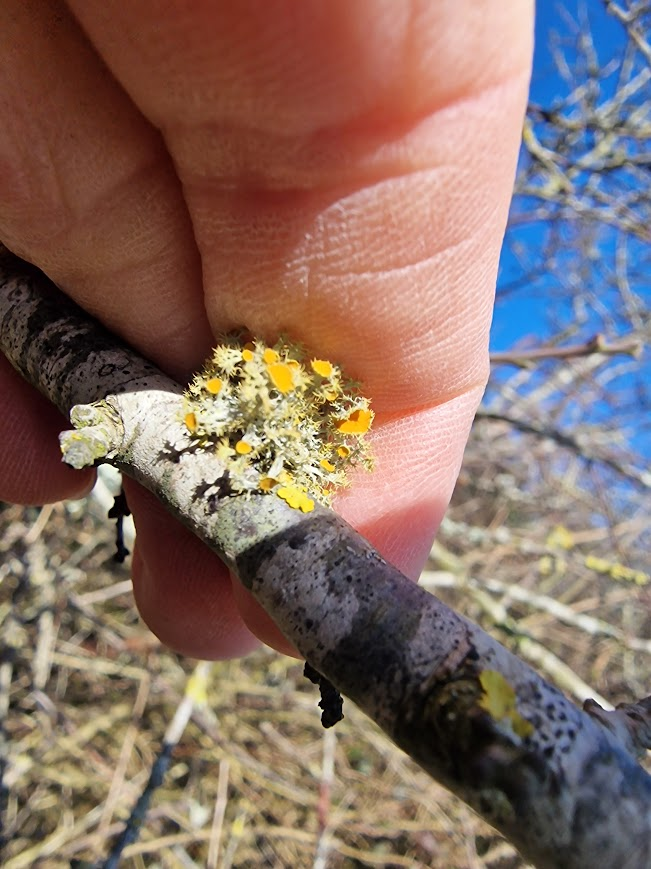
On Saturday I co-led a walk with a bryologist at a local nature reserve in West Hove. It is a downland site; with many Hawthorns, Blackthorns, Elder, and some Pedunculate Oaks, and a Sycamores, and a Walnut. It is a prime possible site for Golden-Eye Lichens, which have reintroduced themselves in Sussex, after being deemed extinct in Sussex, see 12 Golden-Eye Lichens on one Hawthorn. The resurgence of the once-thought-extinct Teloschistes chrysophthalmus on the South Downs. 06.04.24 I said that if we look hard we will probably find one there; and one of the participants found one on a Hawthorn.

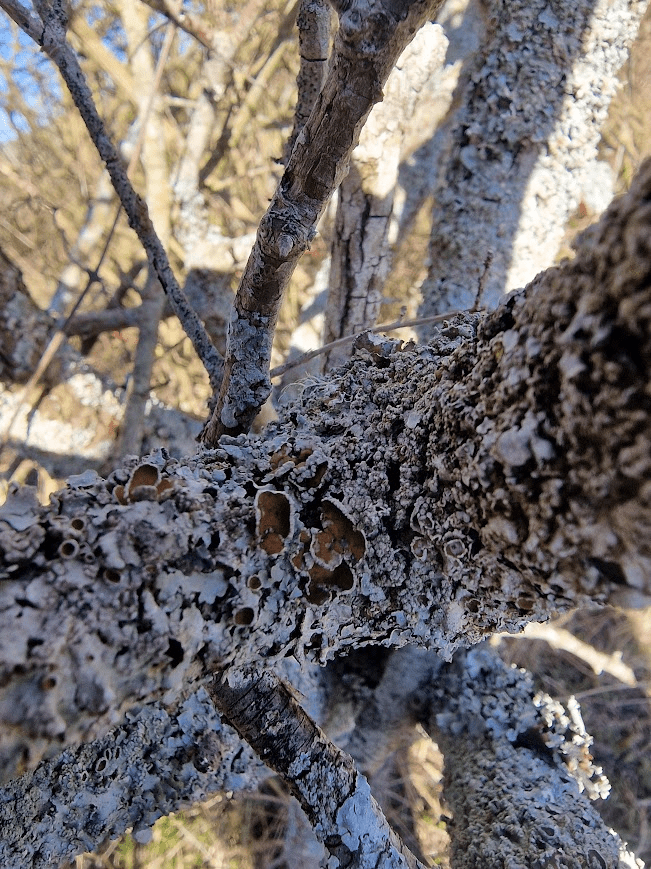
One of the participants also found a very interesting fertile lichen on a branch of an Elder. I was ensure whether this was Punctelia subrudecta or Parmelia Sulcata; but chemical reagent spot tests confirmed that is was Parmelia Sulcata

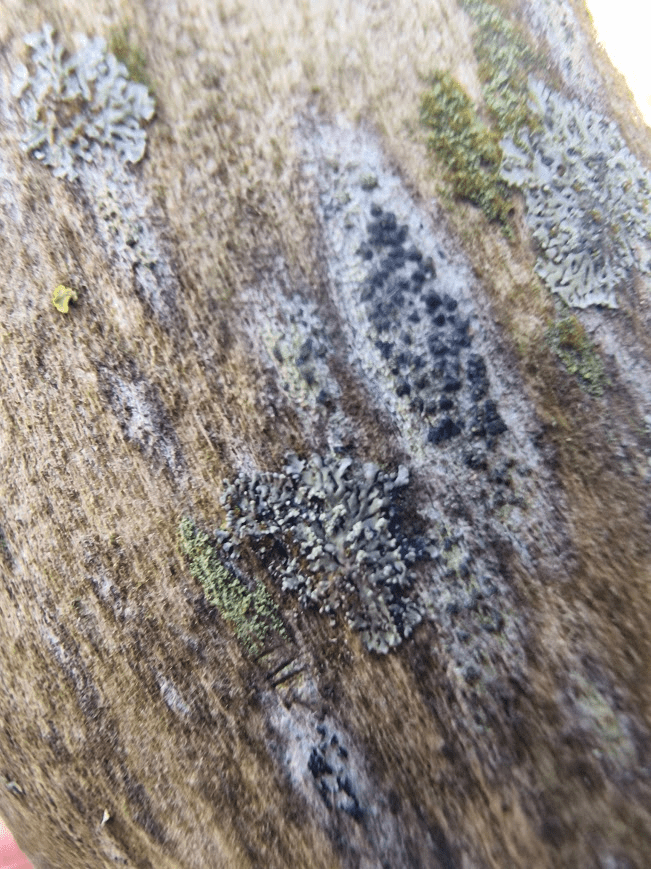
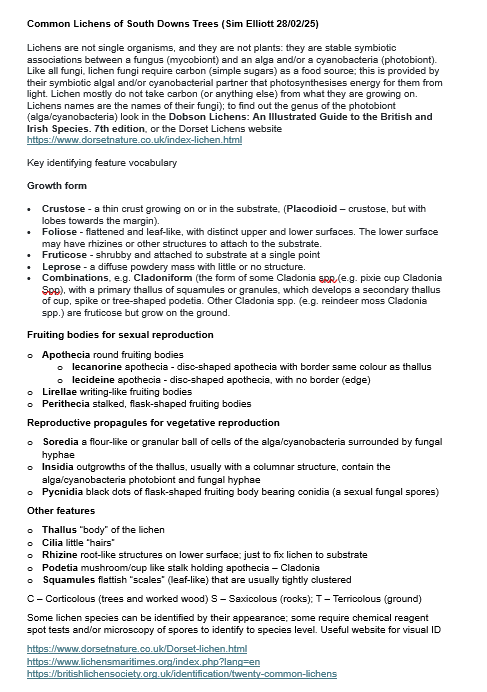
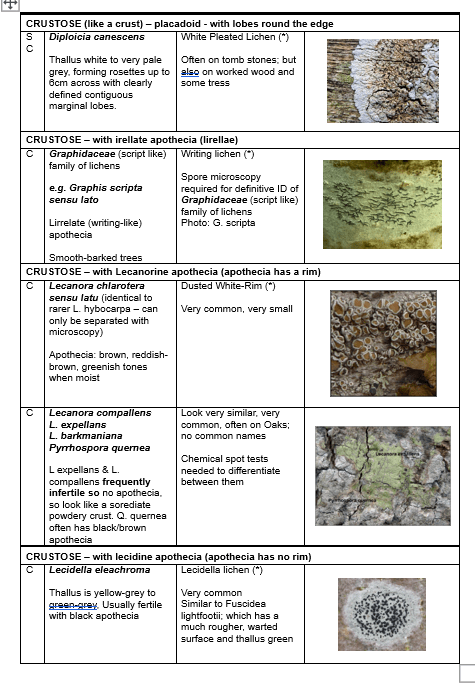
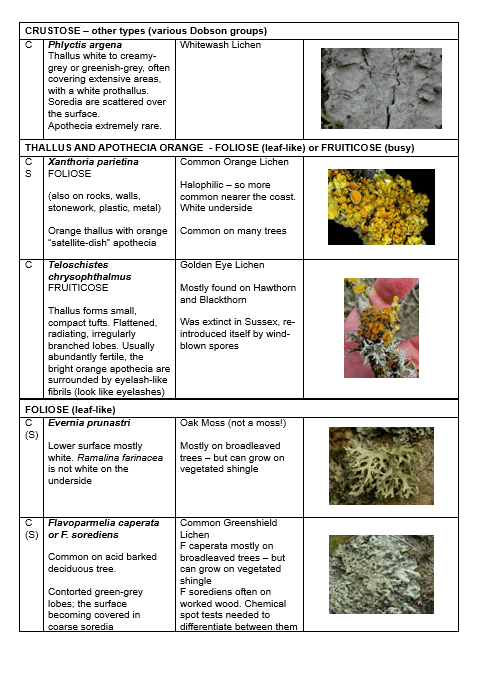
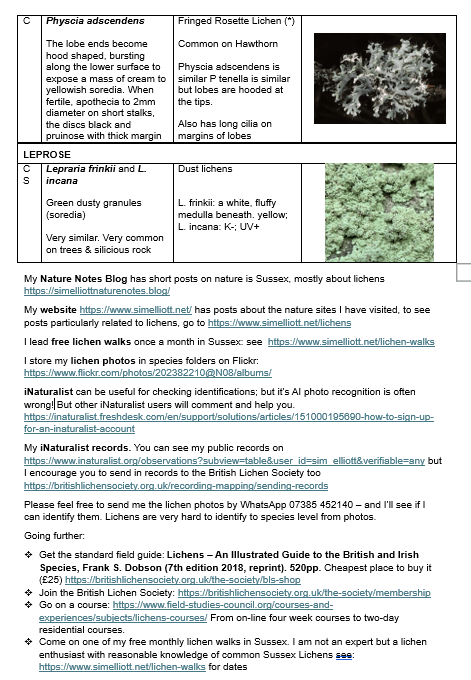
On Sunday morning, I led a similar walk in an East Brighton. I always start with a brief introduction of lichen growth forms and the morphology of lichens, as these are key to identification. (I have copied the handout I use below). The vocabulary of lichens is hard, and mostly in scientific Latin. But it is heart warming when a participant, complete new to lichens, after an hour of lichen looking, can spot a tiny Hyperphyscia adglutinata that I hadn’t seen, next to a Lecidella elaeochroma, that she identified. She didn’t know what the lichen was but said: “Are those soredia on it.” Give people a hand lens and a bit of information and magic occurs!

Here is my handout