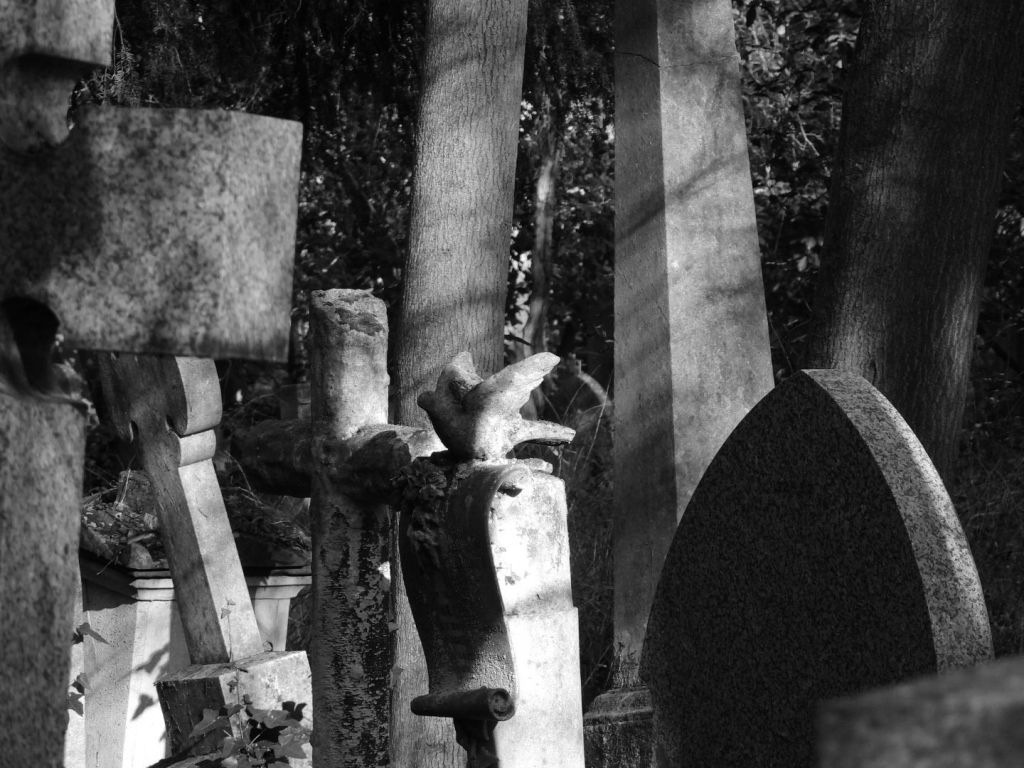
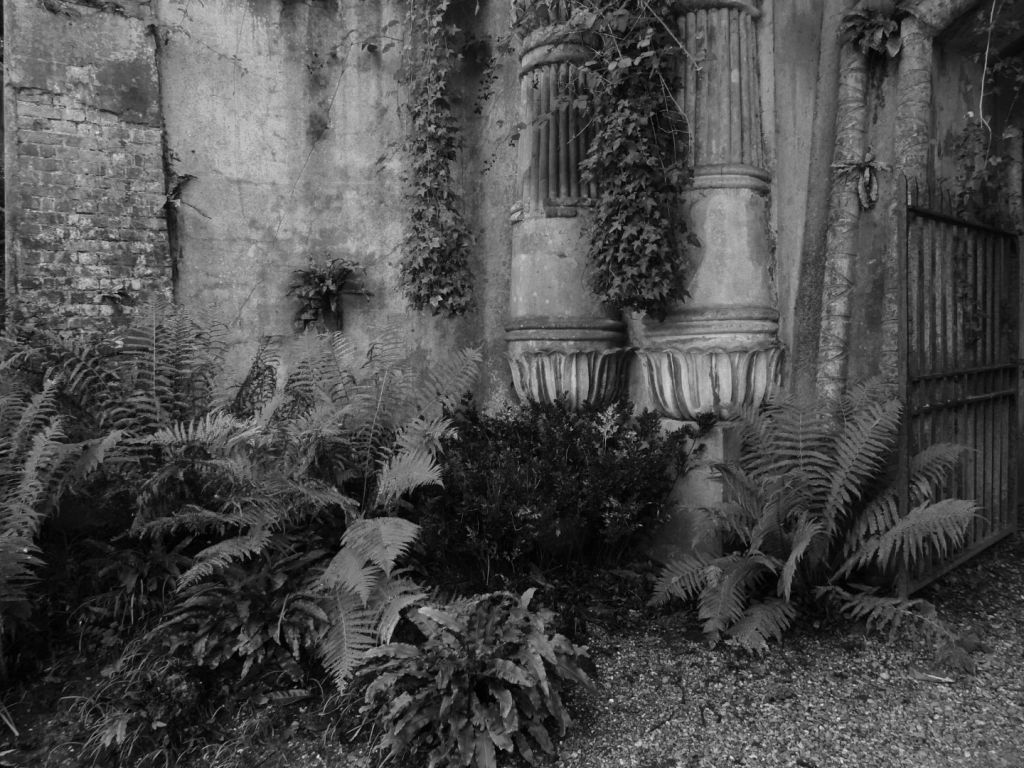
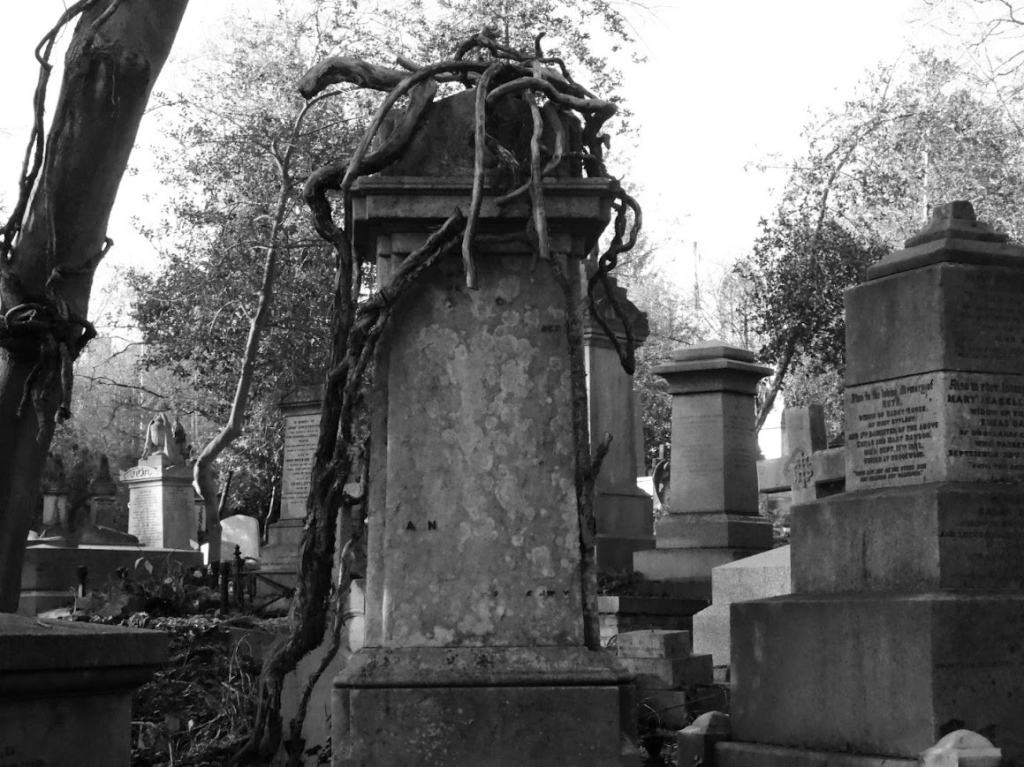
I reached Highgate Cemetery by taking the tube (Victoria Line) to Archway and then walking up Highgate Hill through Waterlow Park. You need to book a ticket to visit Highgate Cemetery, see: https://highgatecemetery.org/
Weather: 10 degrees; overcast; southerly wind of 35mph.
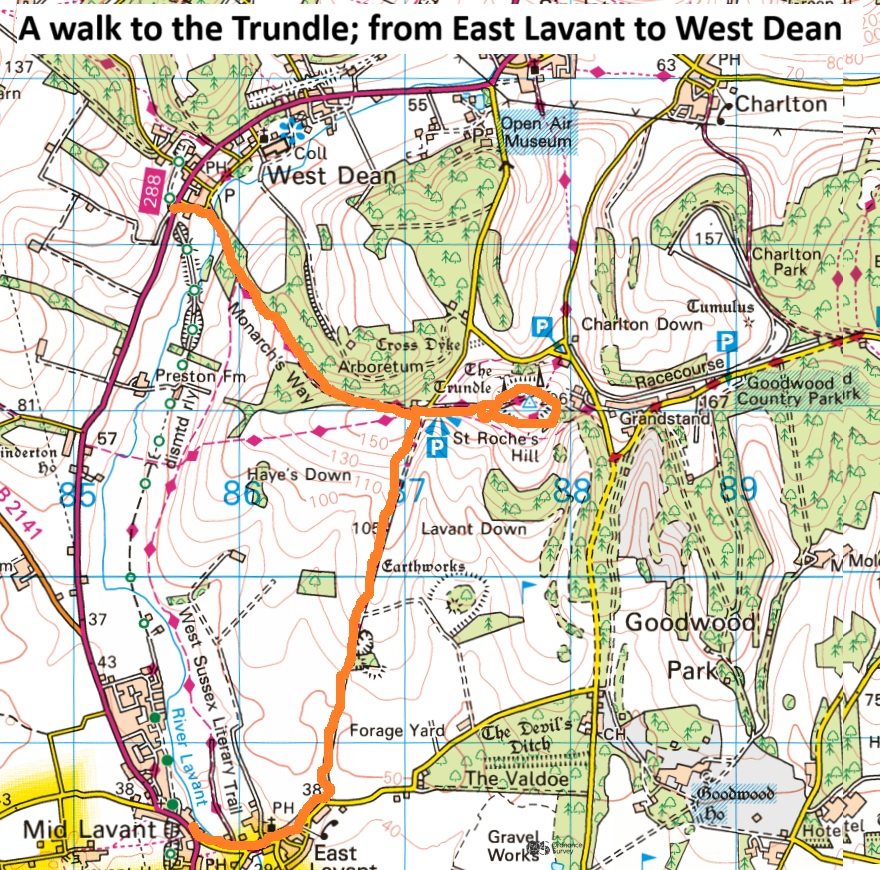
8.28 km; 3:24 hours; elevation gain: 186m
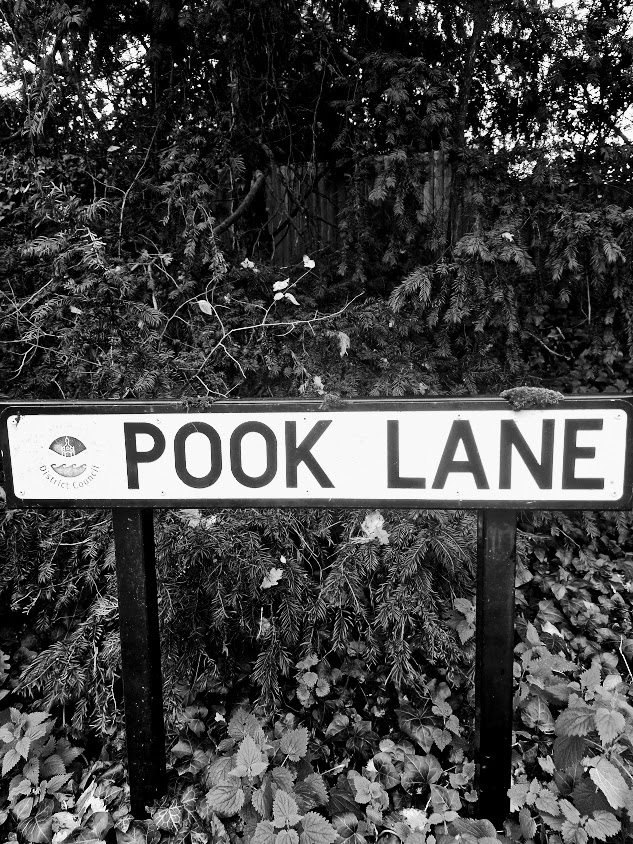
‘Puck’ or ‘Pook’ is a Sussex dialect word, derived from the Saxon word ‘Puca’, meaning a Goblin or Fairy.
East Lavant, or Loventone in the Domesday Book (1086), which along with Mid Lavant and West Lavant, make up the village of Lavant.
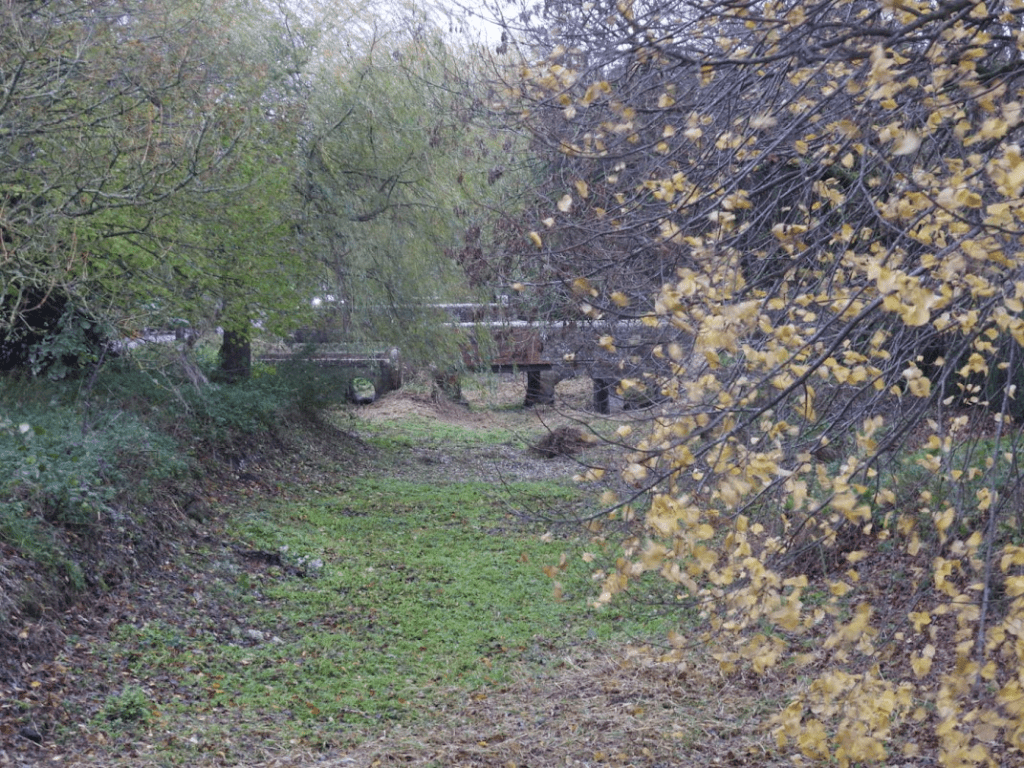
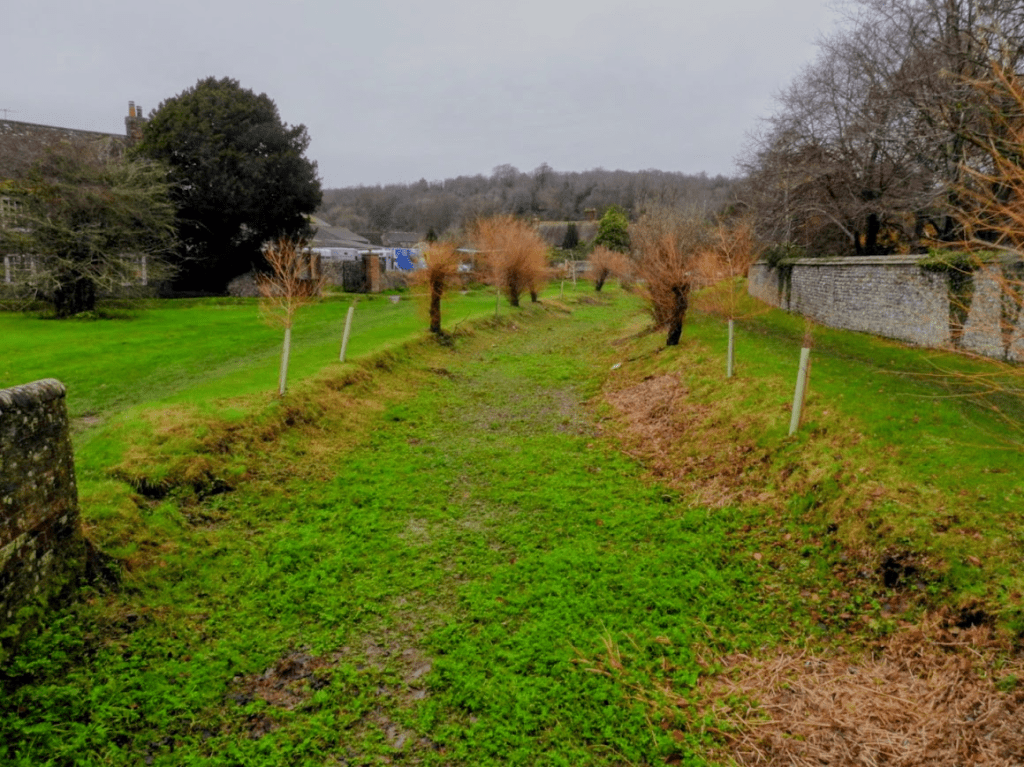
The River Lavant is a chalk stream winterbourne (a river that is dry during the summer months). It rises from a spring at East Dean and flows to Chichester. From east of Chichester its natural course was south to the sea at Pagham, but the Romans diverted it to flow around the southern walls of Chichester. Currently there is no water in it, there should be, as the draught from February to October of this year has lowered the water level in the chalk aquifer,
The Trundle is an Iron Age hillfort on St Roche’s Hill. It was built on the site of a causewayed enclosure. There was a chapel dedicated St Roche within the hillfort. It was demolished some time in the C16. A windmill, which burned down in 1773, is known to have existed on the hill. There was an open-air masonic lodge that included the Duke of Richmond, the Duke of Montagu, and Lord Baltimore which met at the top of the hill between 1717 and 1757. There was at one time a gibbet on the Trundle.
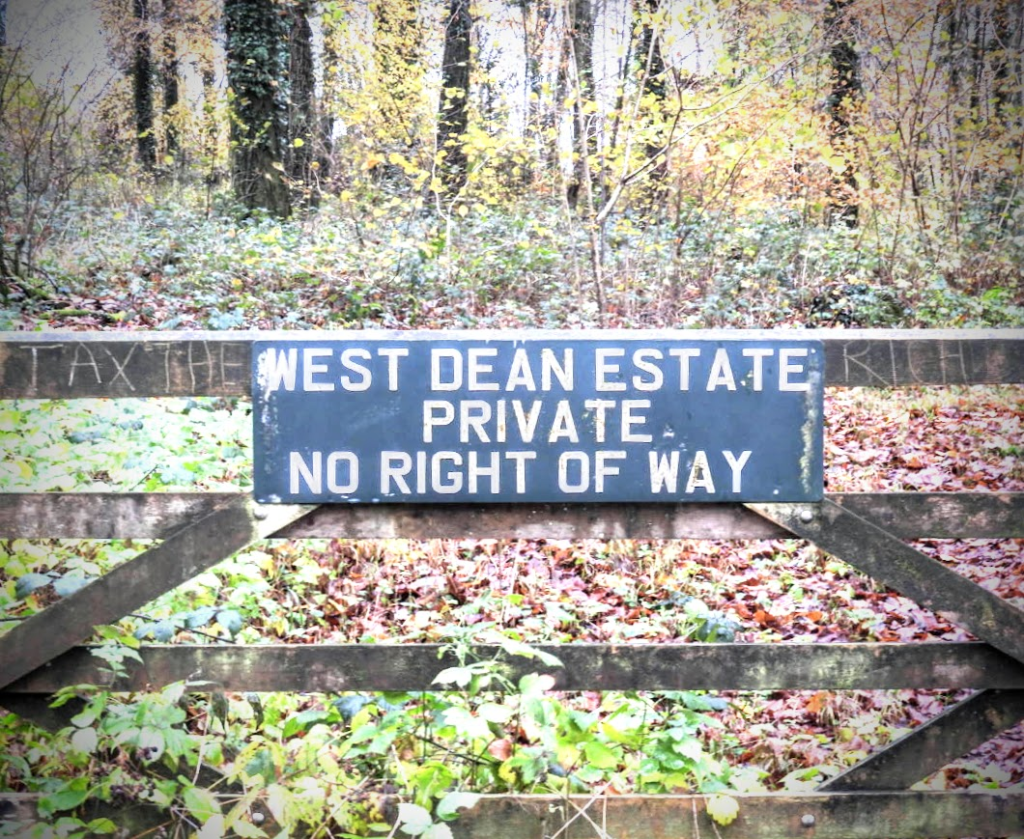
East Dean is in a valley in the South Down. In AD 689, Nunna, King of the South Saxons, gave 20 hides of land at “Hugabeorgum and Dene” to Eadberht, Bishop of Selsey. “Dene” has been identified as East Dean. In his will of AD 899 King Alfred the Great left East Dean to his youngest son Æthelweard (AD c. 880 – 920 or 922). The remains of a small deserted Medieval settlement have been found in East Dean Park. The buildings were 14th- and 16th-century.













 Sim's Nature Notes