Alder Coppice, Bushy Wood and Agmonds Wood
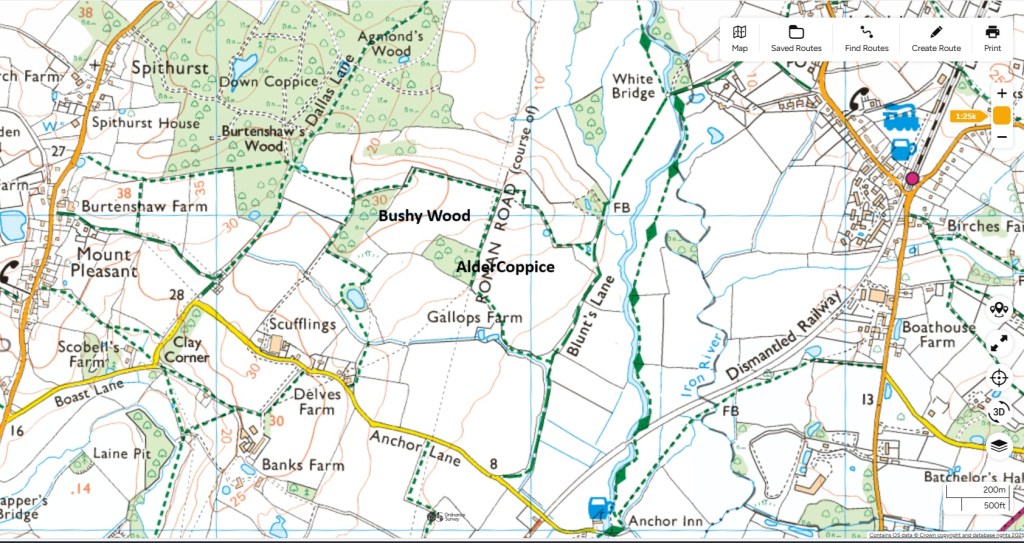
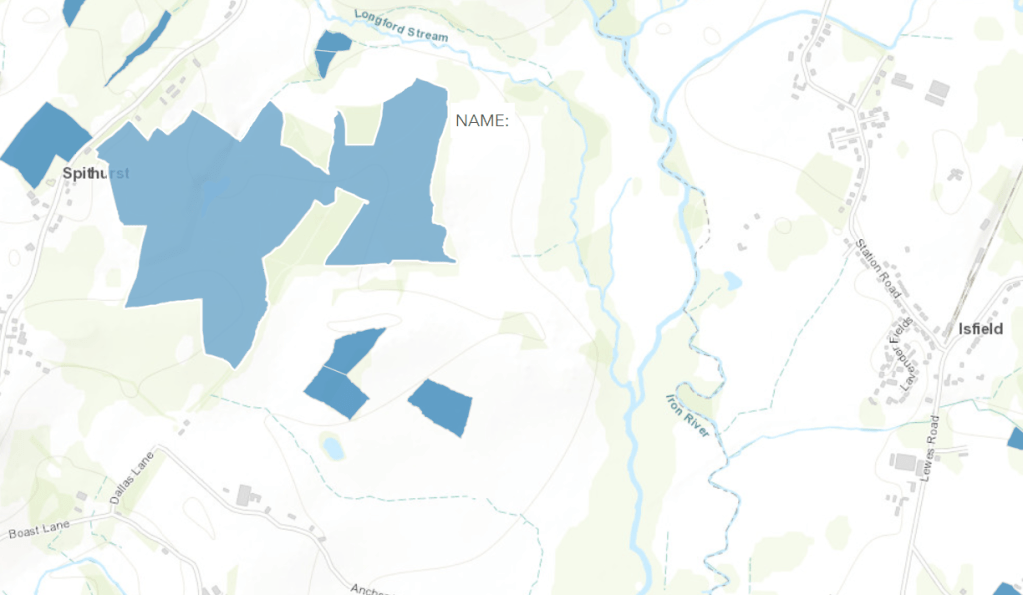
Nature England Ancient Woodland Map
The Brighton and Hove 29A bus from Brighton goes to Isfield once an hour.
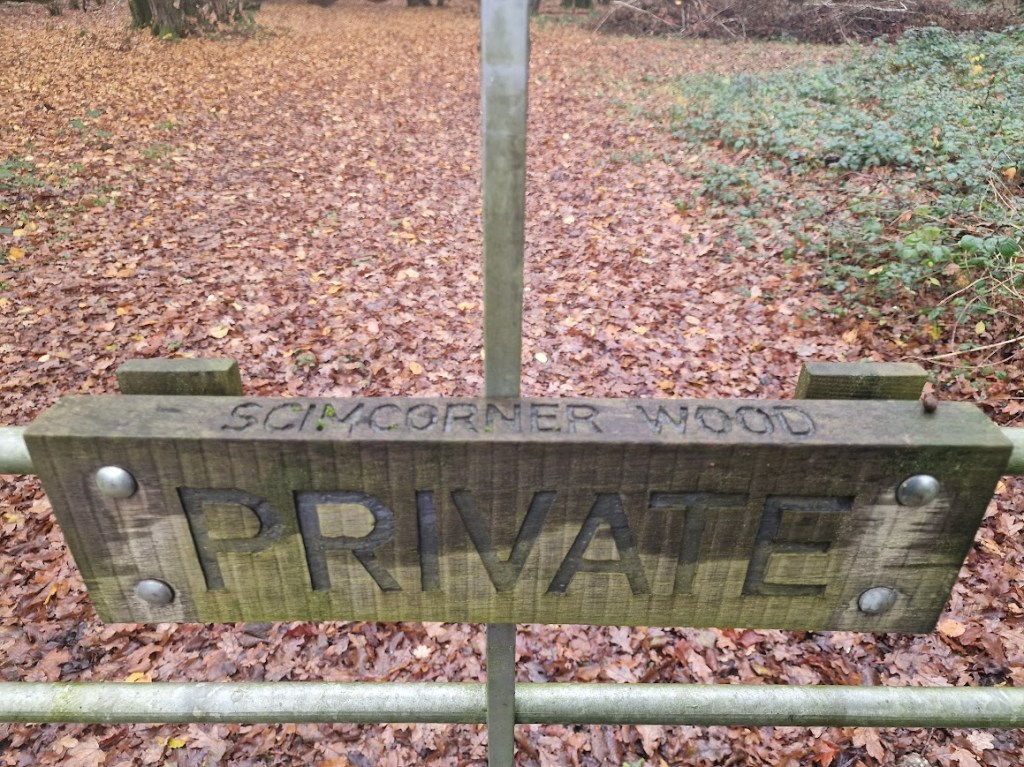
Before walking down the path to the Anchor Inn I walk past Skimcorner Wood (as named by Natural England on their ancient woodland database; but called Clay Hill Wood on the OS map)
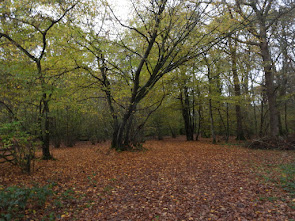
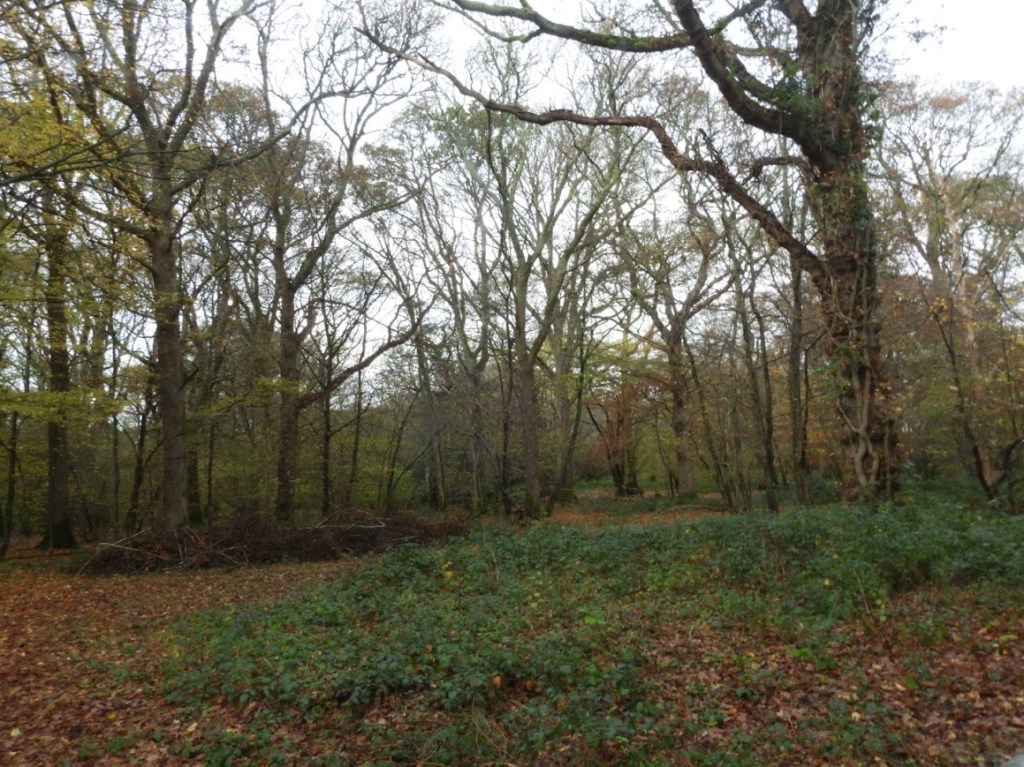
It is a private woodland, and I could only see a little through a gate; but us clearly seminatural ancient woodland with Sessile Oak and Hornbeam; an unusual combination in Sussex.
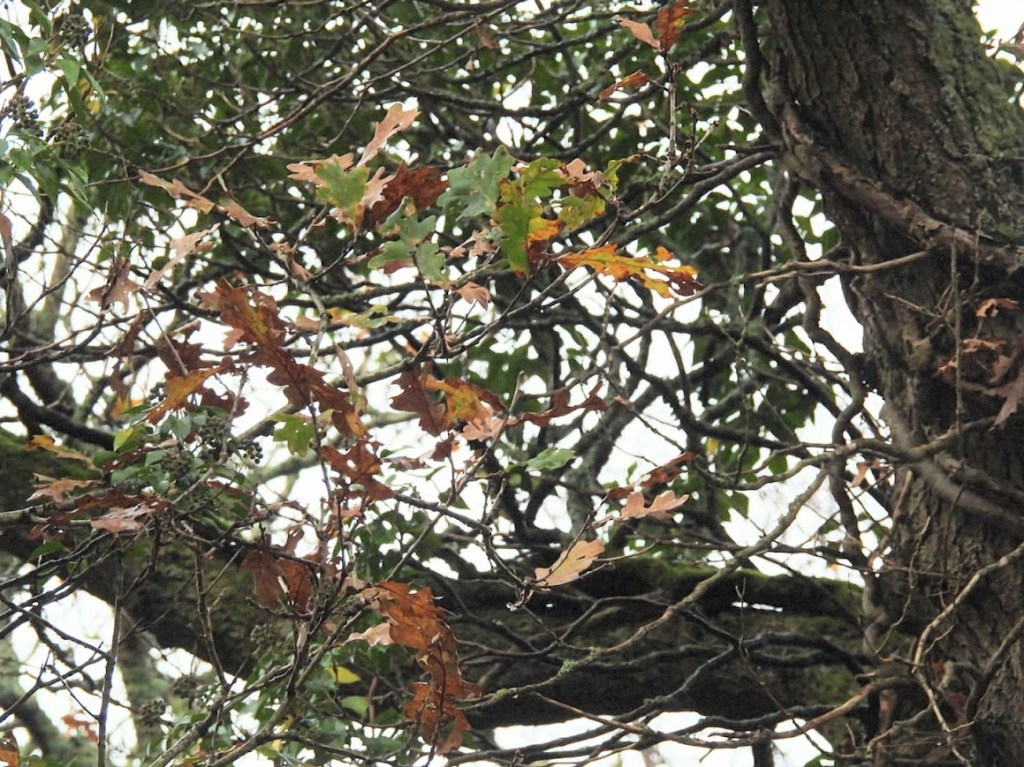
The hedgerows from Isfield to the Anchor Inn on the River Ouse
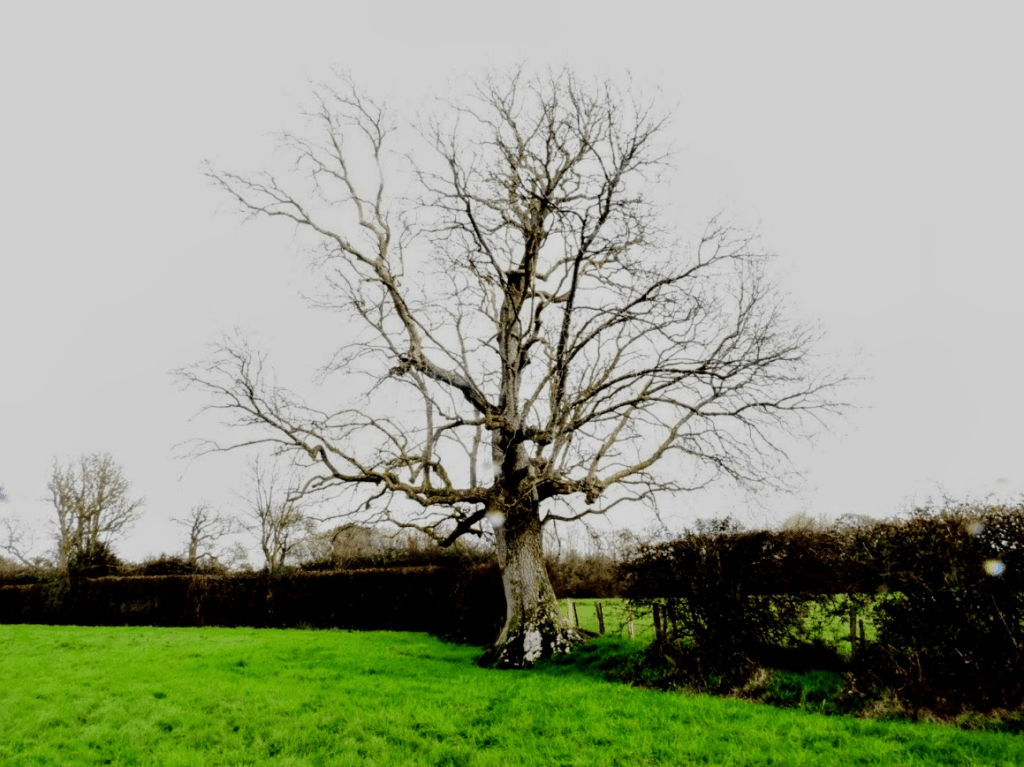
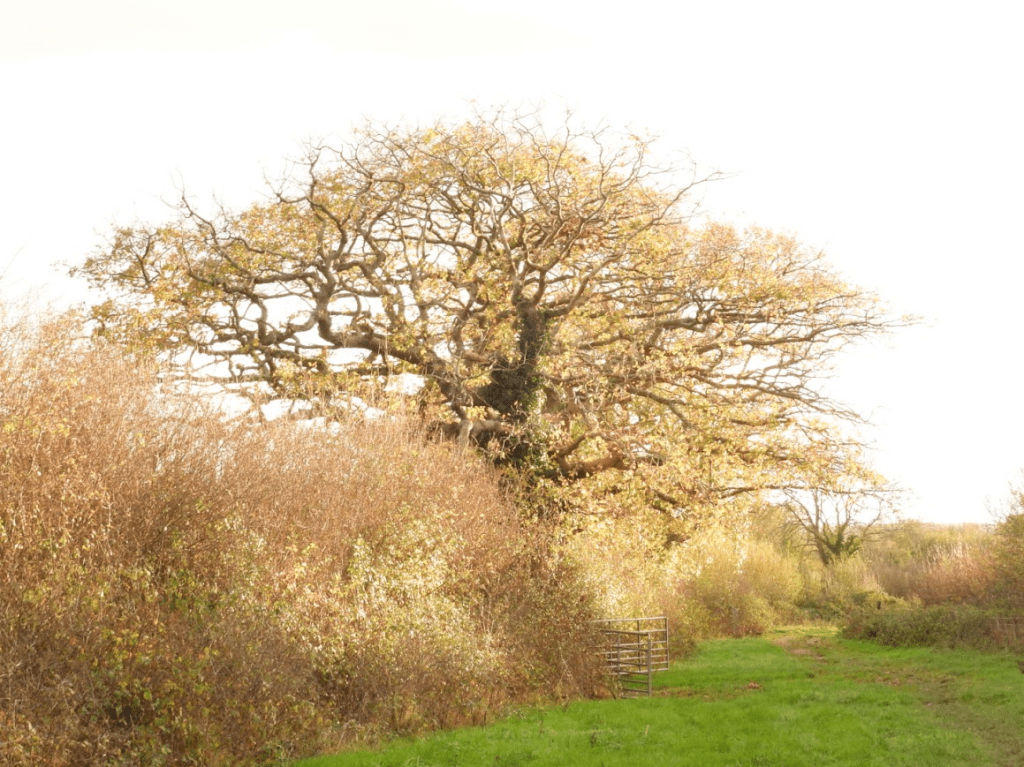
There are many large Quercus robur in hedgerows and shaws along the path to the Anchor Inn
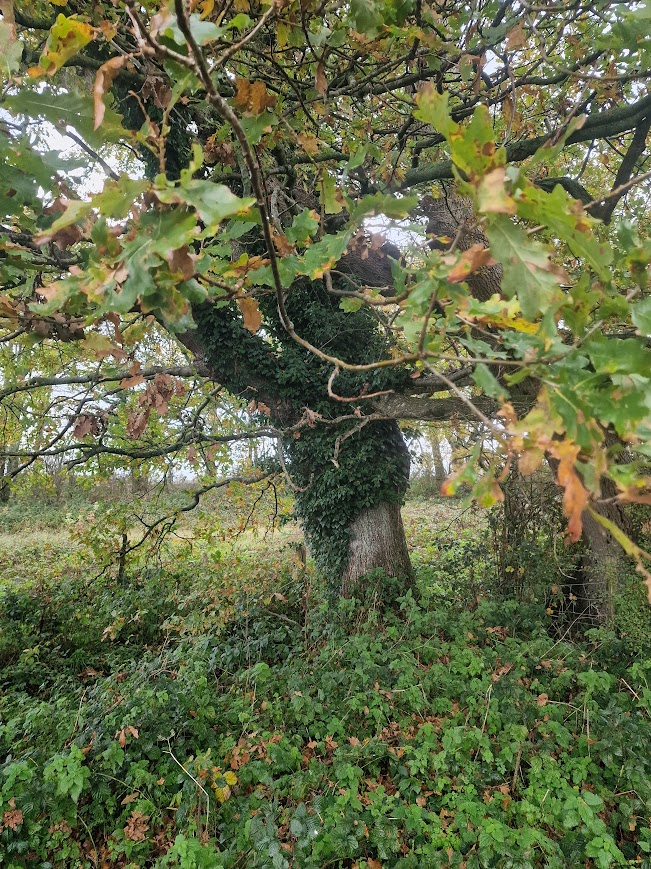
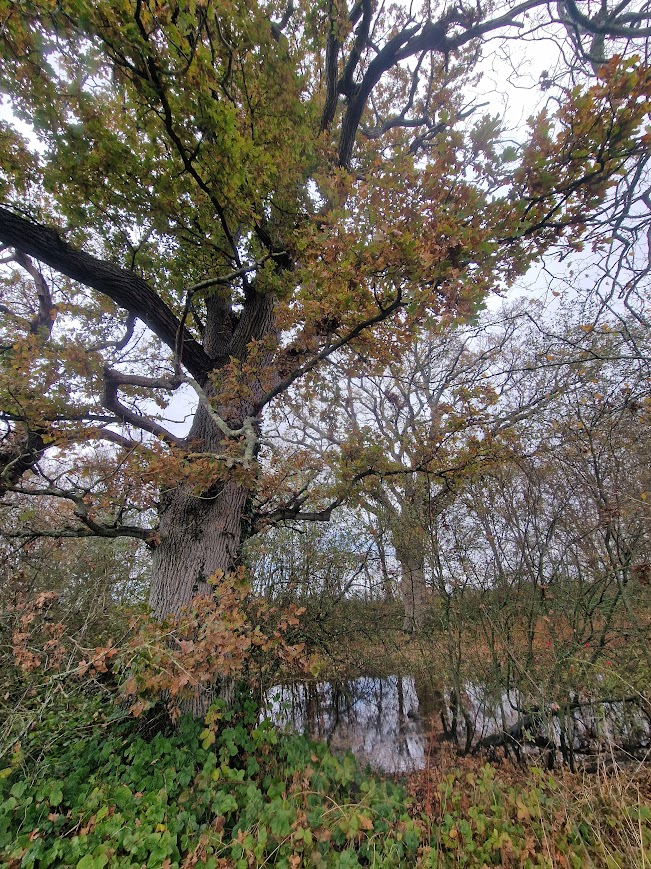
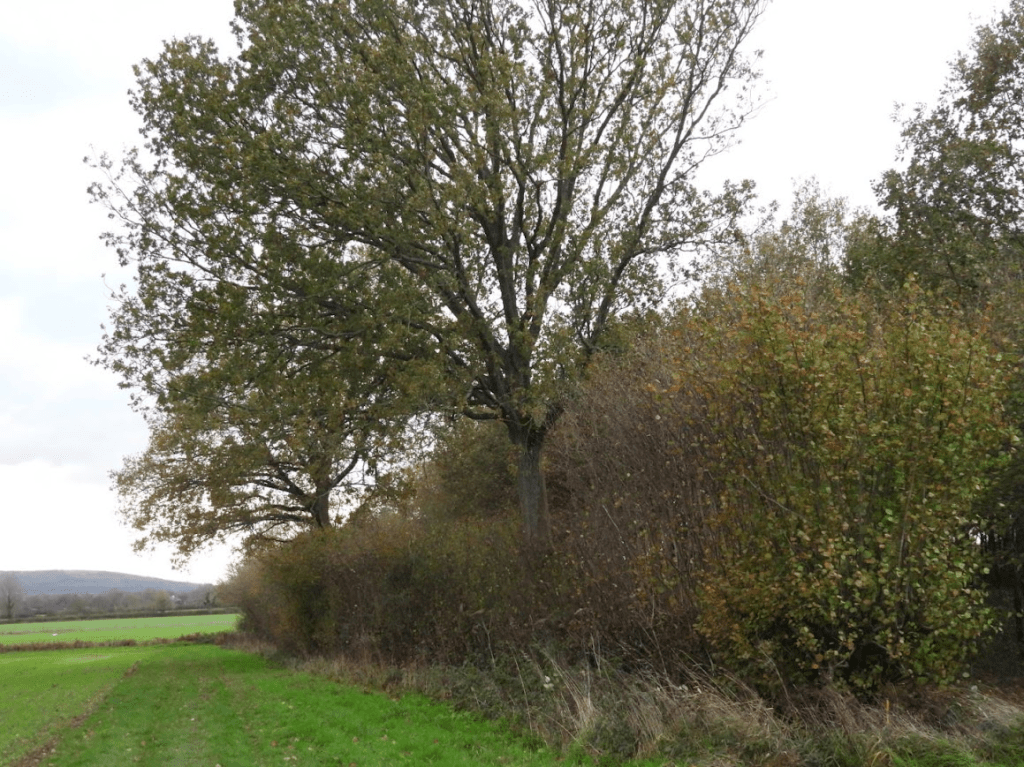
This hedgerow at right angles to the path to the Anchor Inn has superb Oaks.
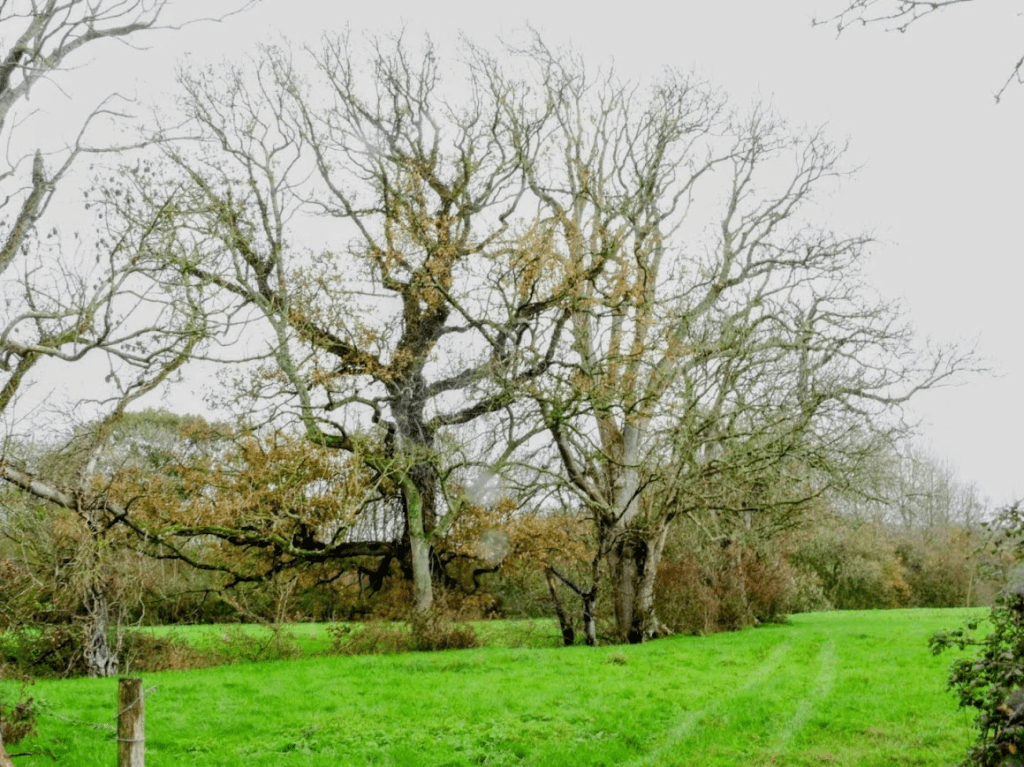
Oaks in the hedgerow of the field just before the Anchor Inn
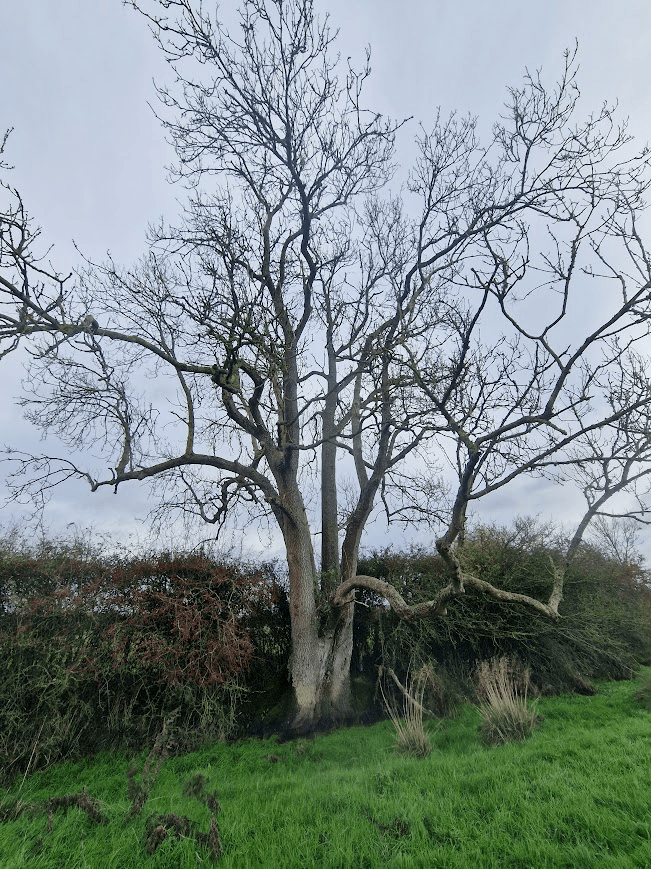
This one had much light and many lichens.
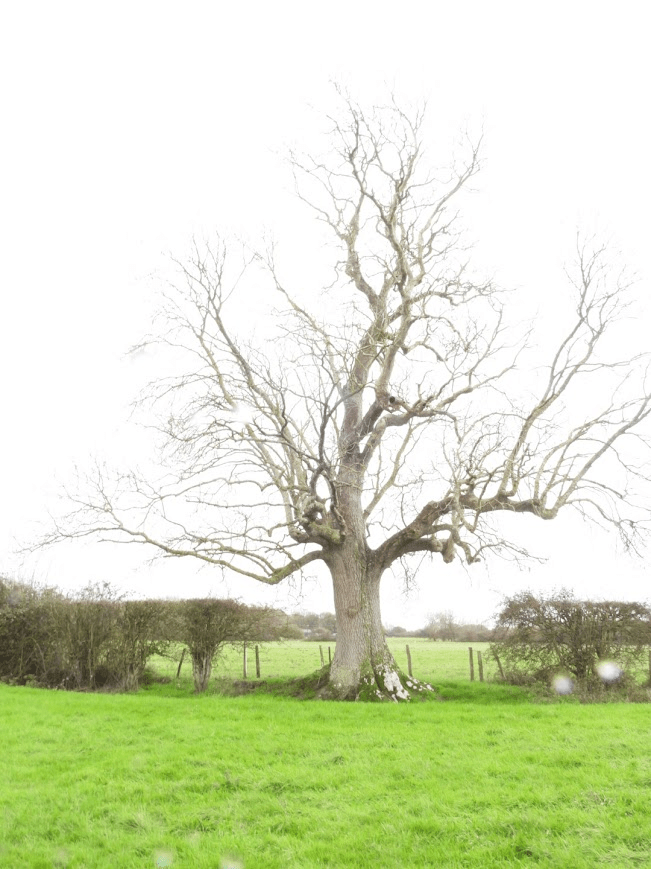
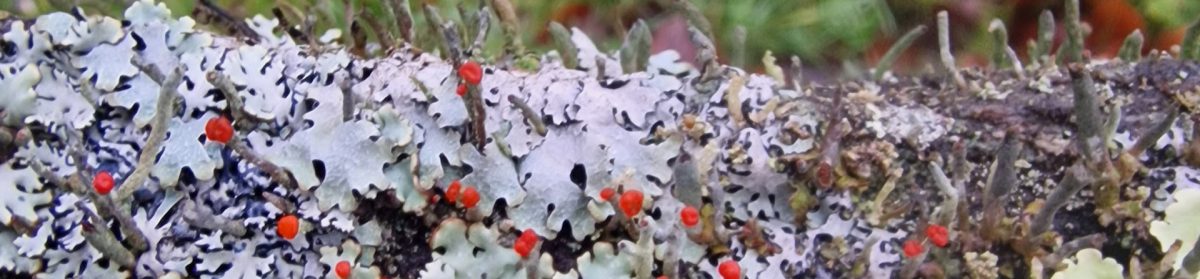
On this tree is the rarer lichen Pleurosticta acetabulum

The Ouse and the sluice gates (flood protection) between Barcombe Mills and the Anchor Inn
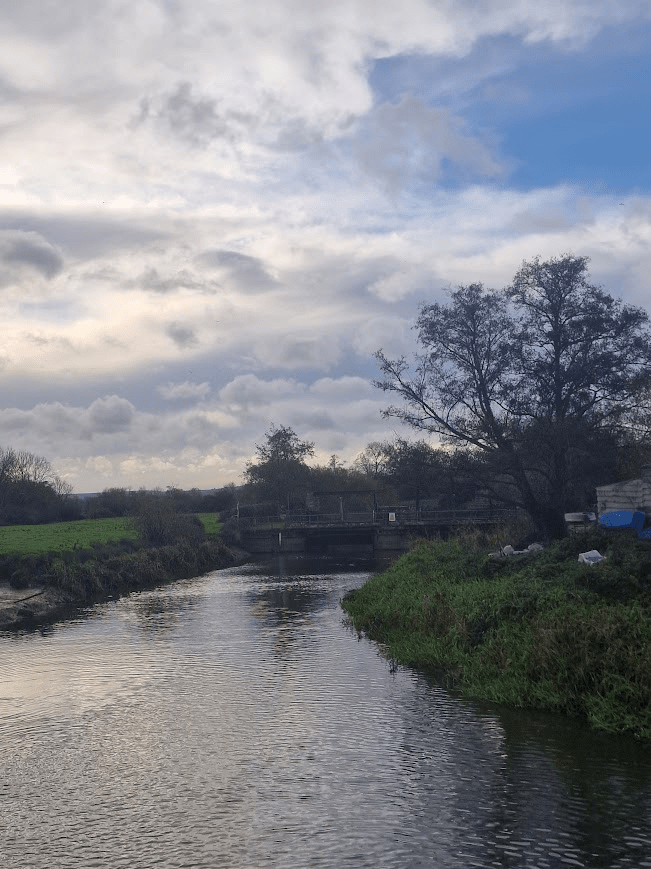
West of the Ouse
Bushy Wood
Bushy Wood is very disappointing. There are some quite nice maiden Quercus robur on the South Side if the wood.
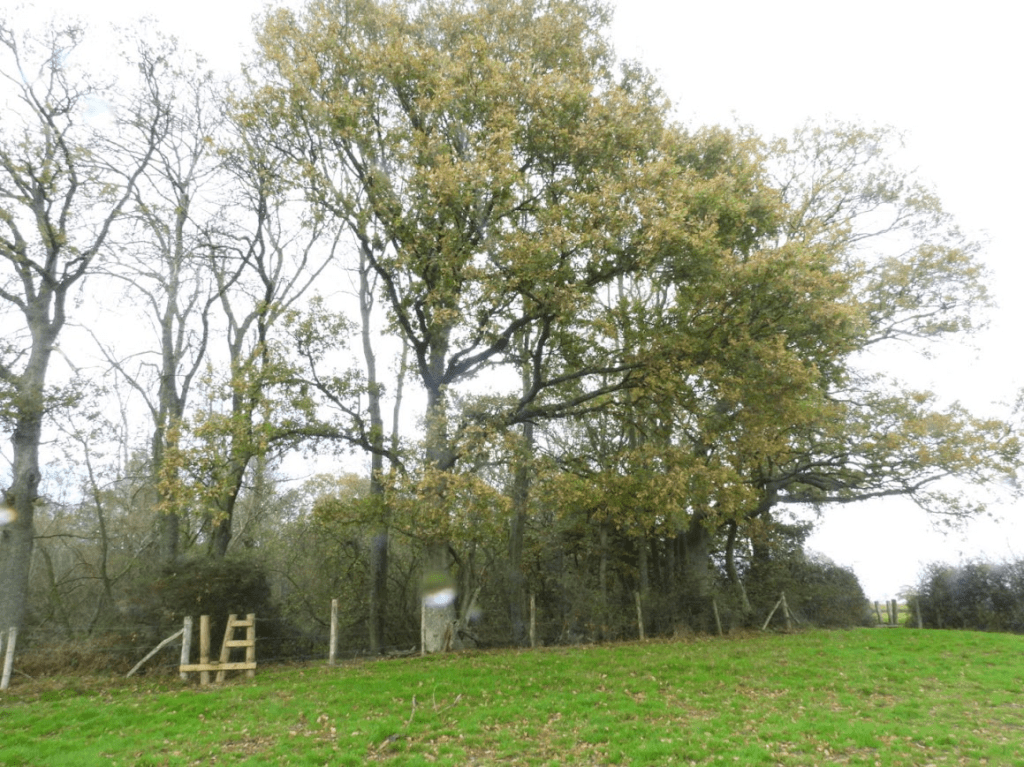
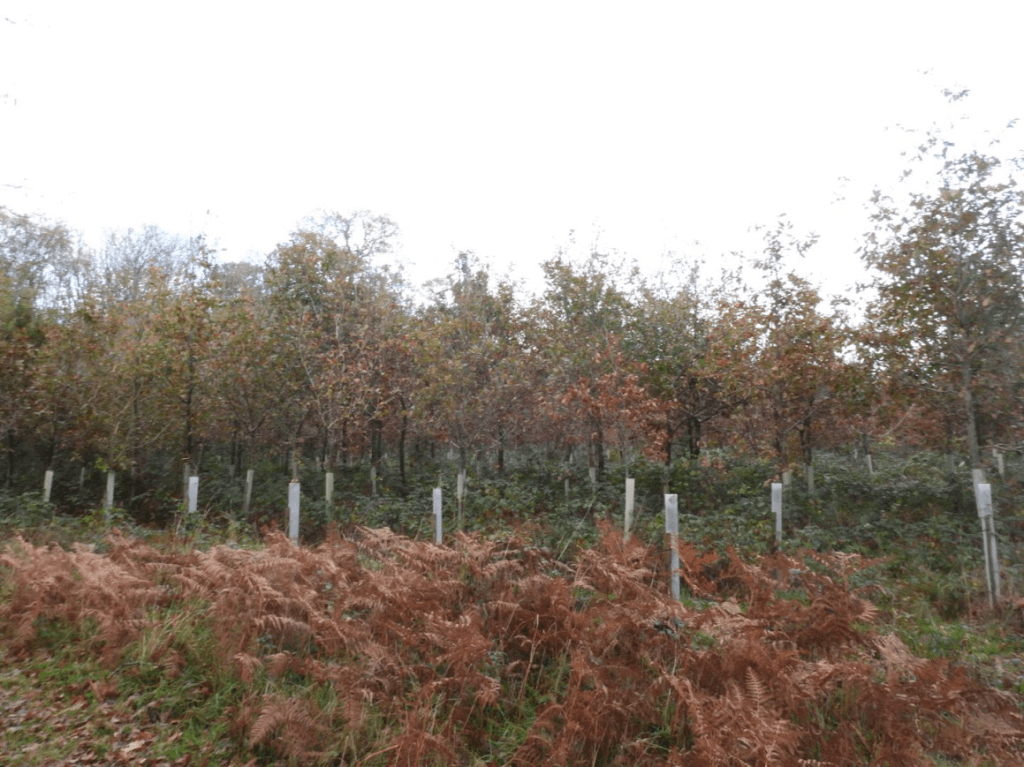
But most of it has replanted Oaks for commercial purposes. It’s designated by Natural England as Replanted Ancient Woodland
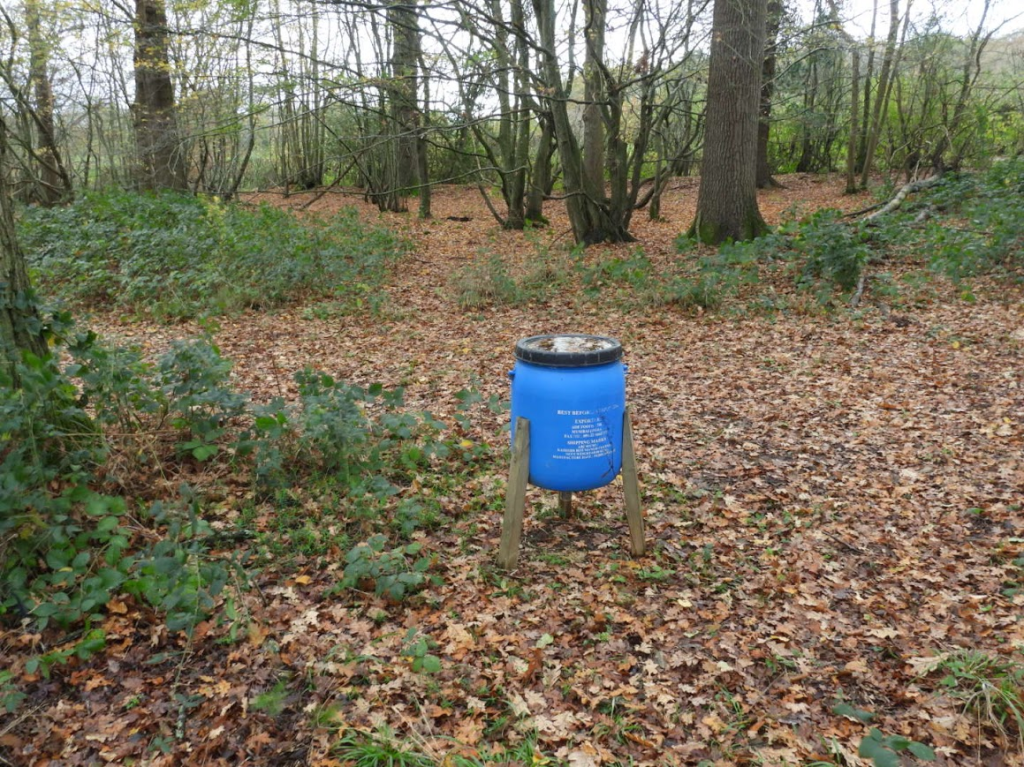
Sadly the Sutton and Newick Estates have pheasant shoots. This is a pheasant feeder. The deliterious effect of pheasant release to nature is well evidenced
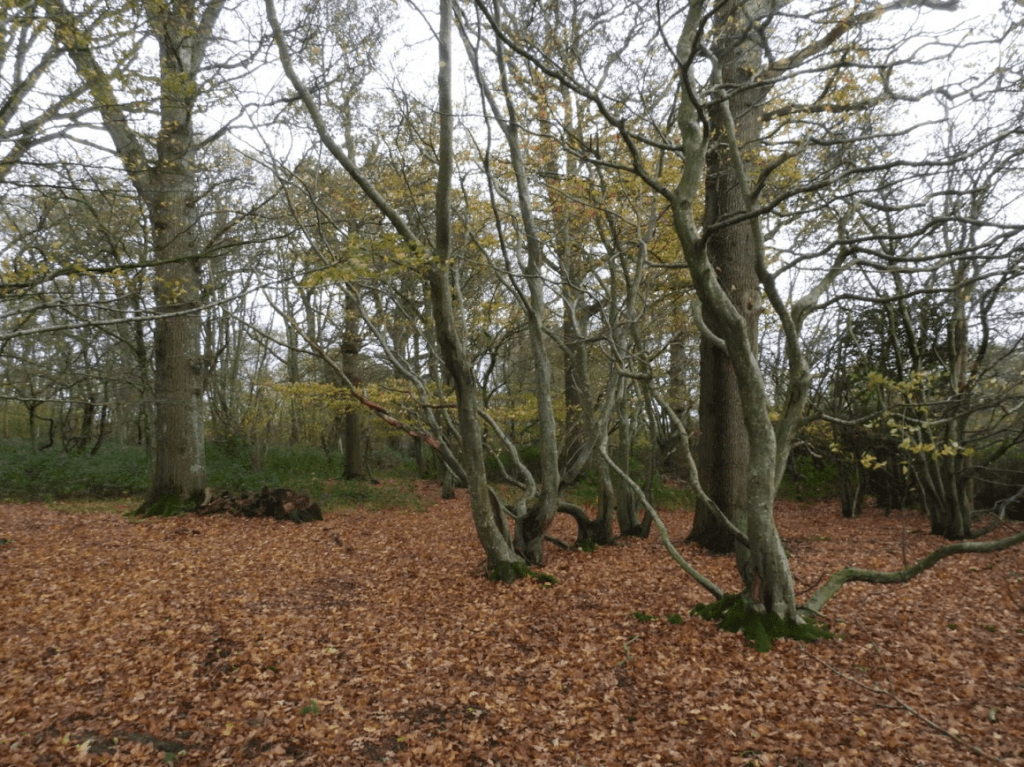
In a tiny corner of this wood these beautiful hornbeams have been left.
Agmonds Wood
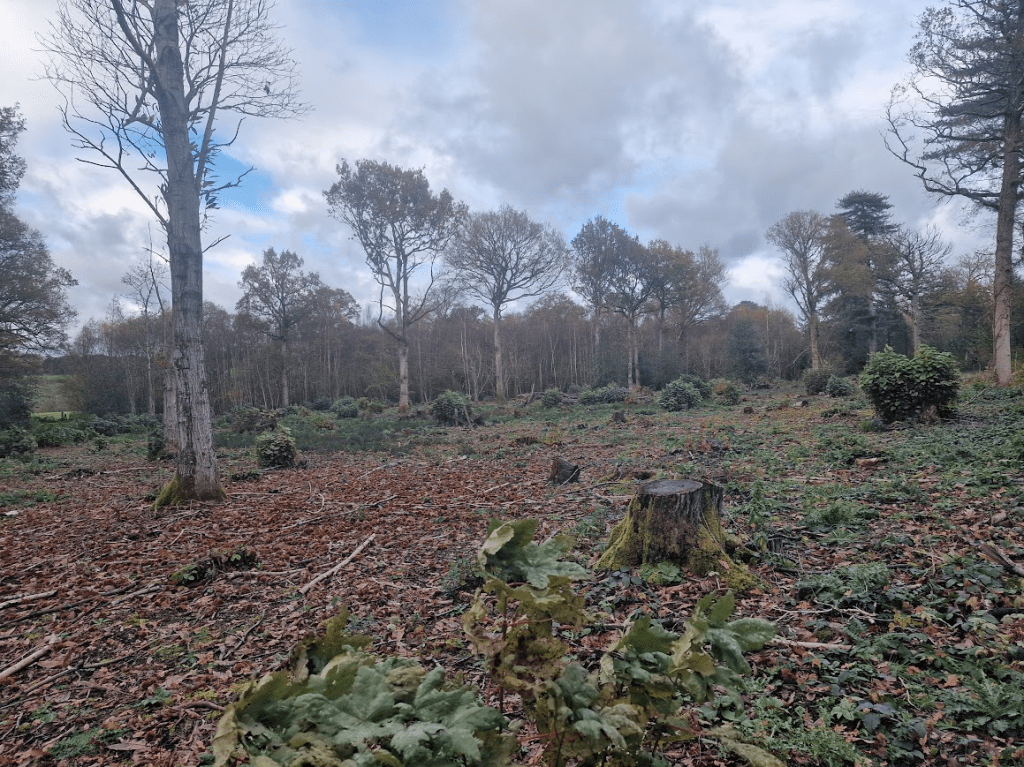
Here are a few maiden Pedunculate Oaks left in a sea of recently felled planted Sweet Chestnut.
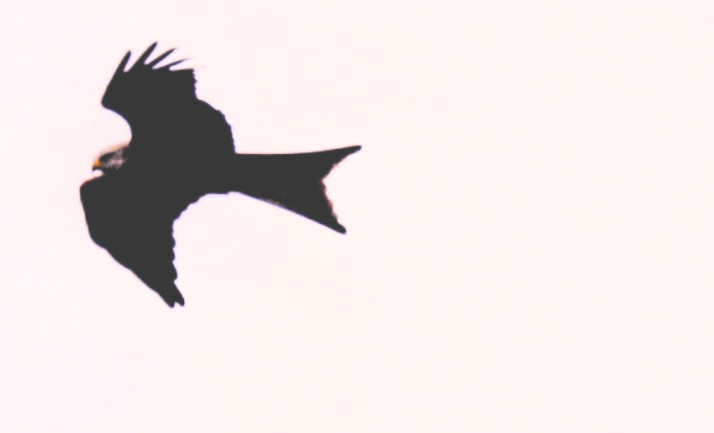
A Red Kite over these Oaks at dusk
Alder Copse
Again replanted ancient woodland with a few old maidens round the edge
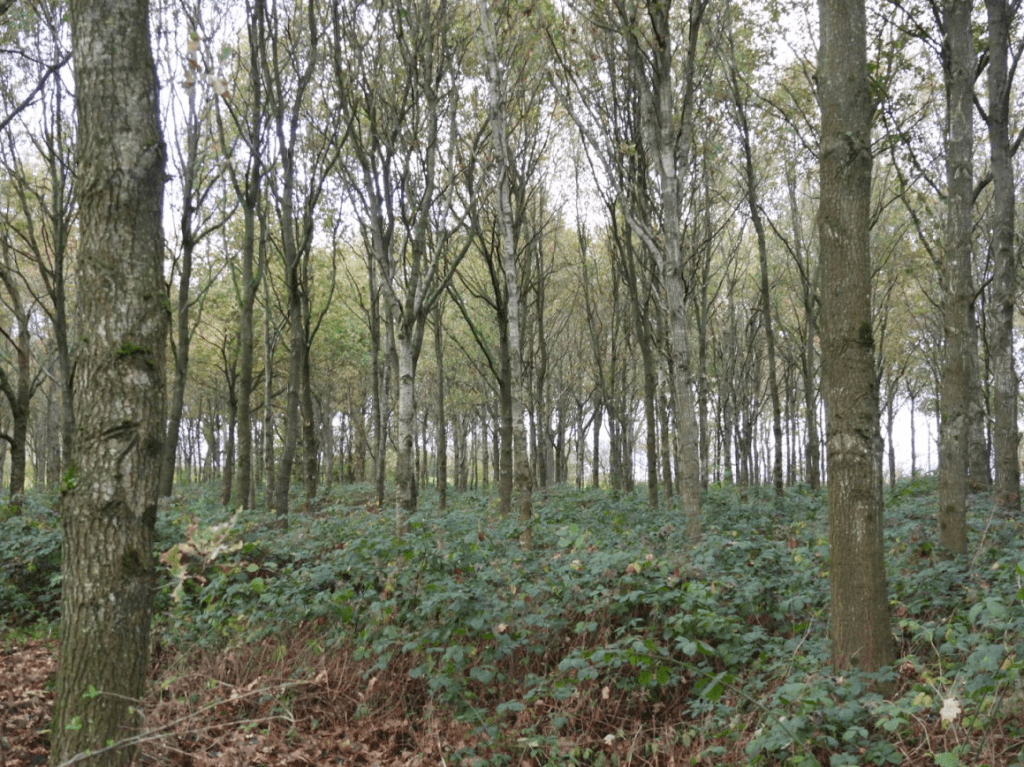
Gridiron planting of Pendunculate Oak. No. Alder! Horrible
Shaw between Agmond’s Wood and Alder Copse
Beautiful ancient Pedunculate Oak in this shaw
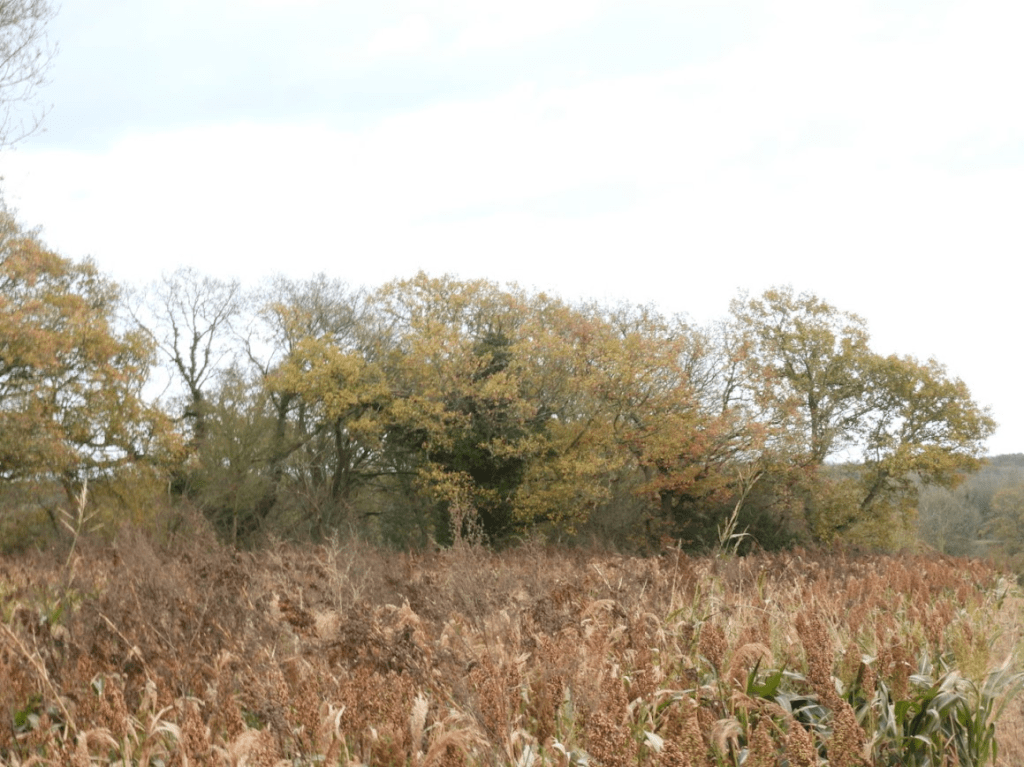
Hedgerow Oak on the bridle way back to the Anchor Inn
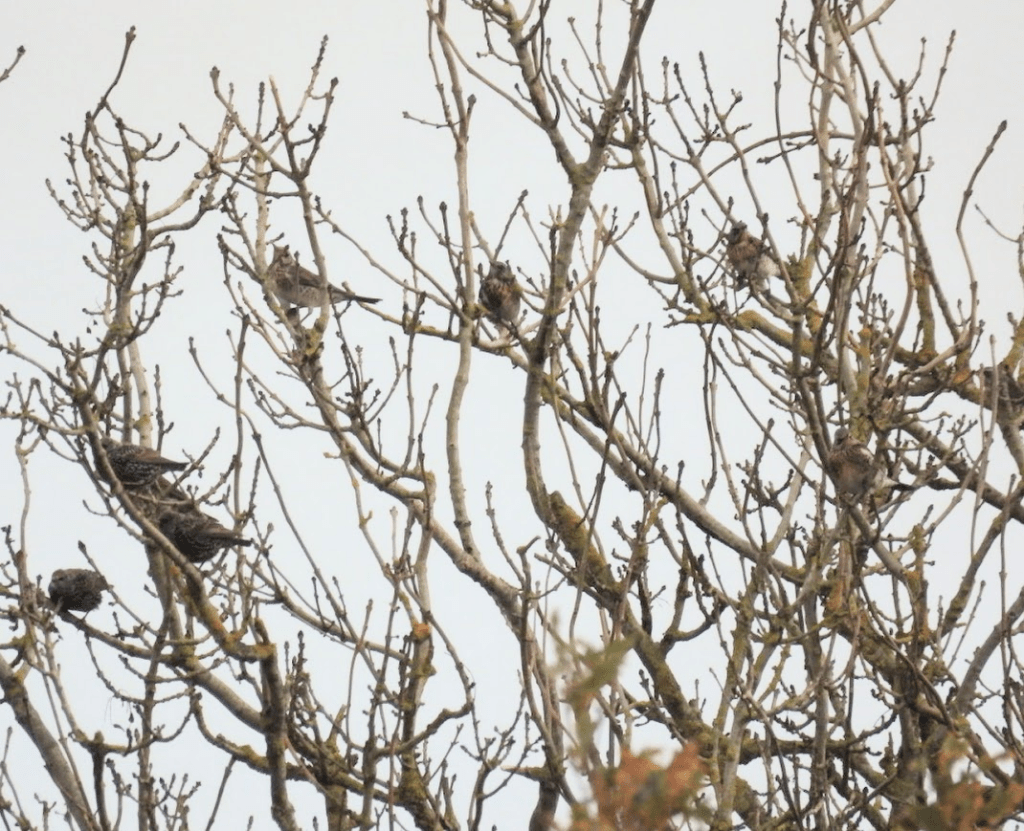
Roosting Starlings
You are much more likely to see ancient oaks in hedgerows than ancient woodlands as the large private owners of Sussex Estates see ancient woidland as an opportunity for cash cropping. However there are smaller average lanf owners who do try to conserve woodland, like the owner of Plashett Wood; except that is private with no public or permissive paths through it6i
 Sim's Nature Notes