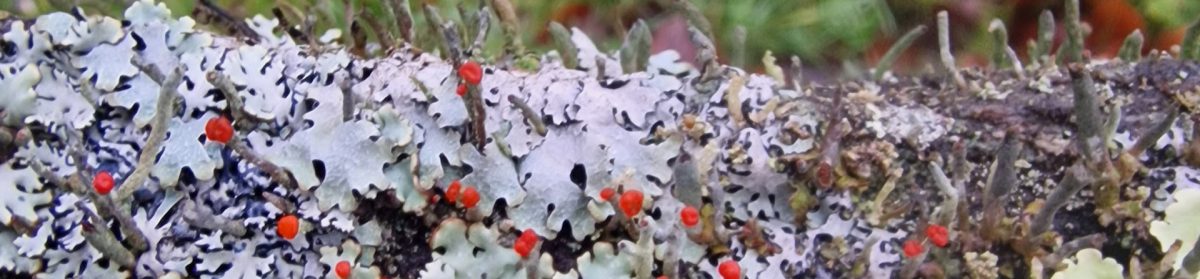
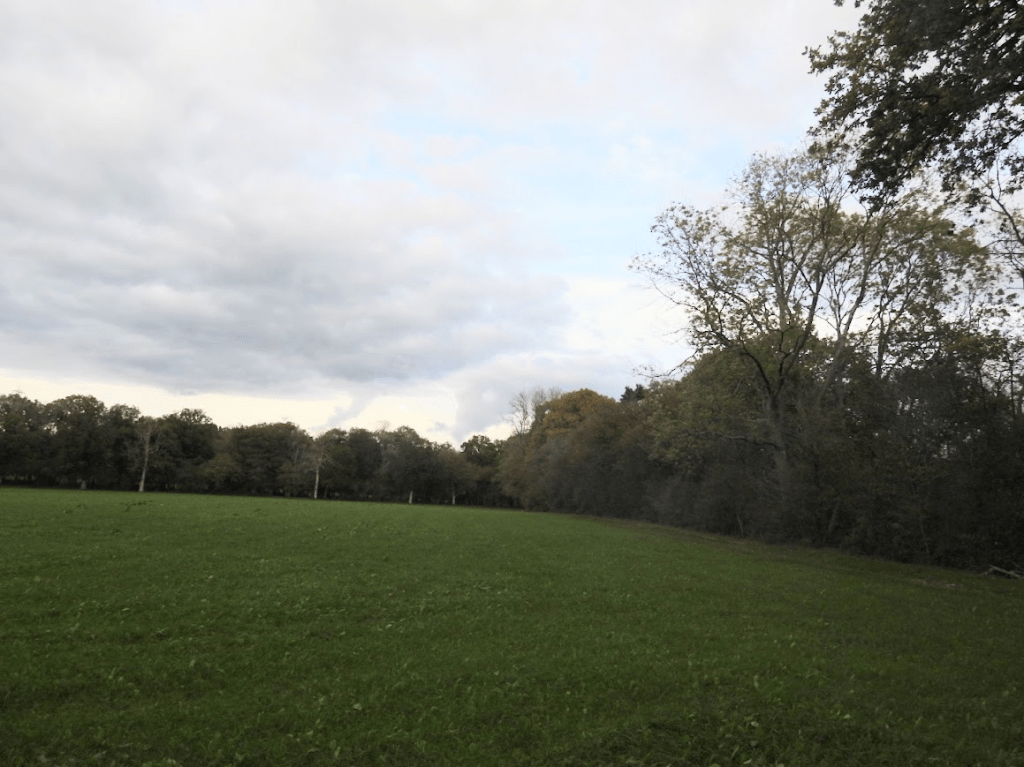
Above: South-facing edge of the east-west rectangle and the weest facing edge of the north rectangle of the L-shaped unnamed shaw
Below: Shaw shown with pink line. OS Maps © Crown copyright as accessed 22/10/25
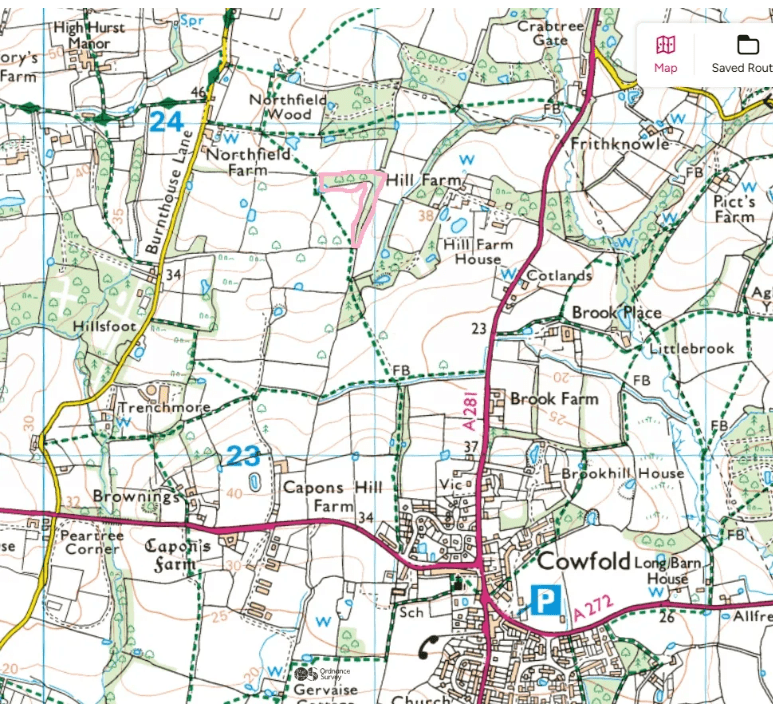
This shaw has no name. I visit it frequently because it has a special charm; it encapsulates the essence of the small parcels of ancient woodland in the Low Weald; a landscape that has preserved its medieval patten of fields, hedgerows, shaws and woodlands. To get to it I walk through Bushygrove and Bakers shaws, named shaws of a similar character to this unnamed shaw. I take the 17 bus from Brighton to Cowfold to reach it.
A shaw is a strip of woodland usually between 5 and 15 metres wide. Shaws mostly form boundaries between fields. They are usually composed of semi-natural woodland and often have diverse woodland ground vegetation similar to other semi-natural woodlands in the area. In the Low Weald shaws may be the relicts of former larger woods, or they may have developed from narrower hedgerows. A look at the Natural England map of ancient woodland shows how many shaws in West Sussex are semi-natural ancient woodland
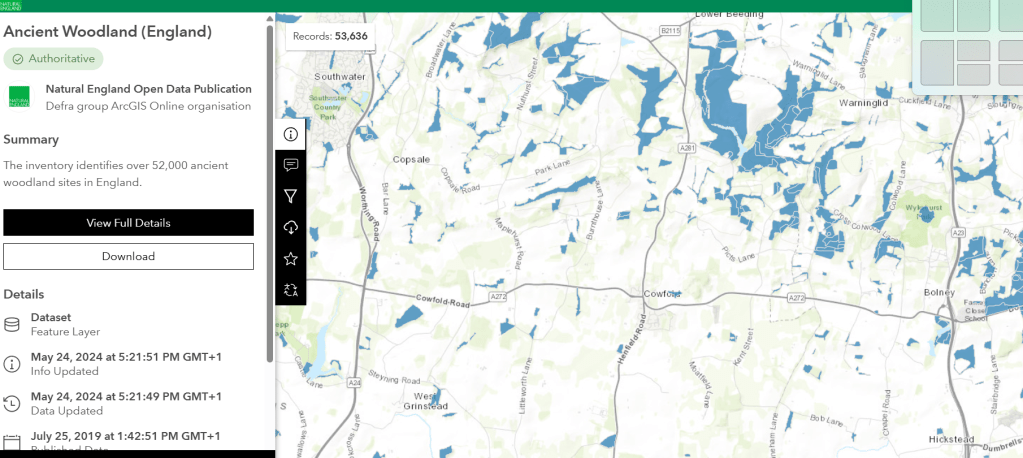
Map from DEFRA Open Data Ancient Woodland
All sections of text in italics are quotations; sources given at the end of the quotes.
Most of the Wealden hedgerows – including shaws (narrow belts of woodland remaining when fields have been cut from woodlands) – are likely to date from the time of medieval assarts (fields derived from the general, unplanned clearance of woodlands and unenclosed commons by individuals). In Mid Sussex, as elsewhere in the Weald, there are relatively few hedgerows stemming from the formal enclosure of fields. The Weald appears to have a significant proportion of species rich/ancient hedgerows, revealed by the frequency of indicator species such as field maple, spindle and hazel. However, the data is not yet available to assess with any degree of accuracy the number, length and type of hedgerows in Sussex and its Districts. Mid Sussex District Council (2005) A Landscape Character Assessment For Mid Sussex.
Shaws are important relicts of long-lost woodland: In 1210 Beeding Manor had outlying farms in Cowfold and in 1256 the Bishop of Chichester’s chase extended down the whole East side of Cowfold Parish across to the Southwest corner and from there to near the centre of the northern boundary of the Parish. By 1257 the Cowfold tenants, customary and free, formed a distinct group. A large proportion of the Parish was woodland or orchards and remained so until the mid 18th century. Cowfold Parish Council. (2024) Cowfold Neighbourhood Plan 2019-2031. p.9
I am writing this post to “big-up” the biological importance of small, especially unnamed, shaws: to draw attention to the beauty of small patches of woodland. They are greatly under threat from development. There are many new housing development in-between the South Downs north of Brighton and the High Weald, in the Low Weald, transacted by the A281 (Pyecombe to Horsham) and the A273 (Pyecombe to Haywards Heath. As I travel on the 17 bus on the A281 or the buses 270,271, or 272 on the A273, I see the continuous building of new housing, and plans for housing are continually presented to planning authorities e.g. The Argus (21/02/25) Plans for dozens of homes near Cowfold are revealed
Sussex sits between two immovable features—the coast of the English channel and Greater London. In many places, it is the only ribbon of truly green land preventing unbroken concrete from connecting the two. … we have a legal commitment to net zero, but we are building homes in the middle of nowhere whose occupants are wholly reliant on a car to go anywhere. Andrew Griffith MP Arundel and South Downs Hansard Housing Developments: West Sussex Volume 679: debated on Monday 7 September 2020
The Low Weald lacks the higher level of protection of the South Downs, which is a National Park, and the High Weald, a National Landscape (area of outstanding natural beauty), not that that necessarily offers between protection in practice to the South Downs and High Weald
I became aware of this shaw from a map of Wild Service Trees

in Dave Bang’s excellent book.(2018) The Land of the Brighton Line: A Field Guide to the Middle Sussex and Southeast Surrey Weald 018 ISBN: 978095486382
This unnamed shaw has large maiden trees – Wild Service, Pedunculate Oak, and Ash – with an understory of Field Maple, Hazel, Hawthorn, Wild Cherry and Midland Thorn. Wild Service, Midland Thorn and Wild Cherry are ancient woodland indicators.
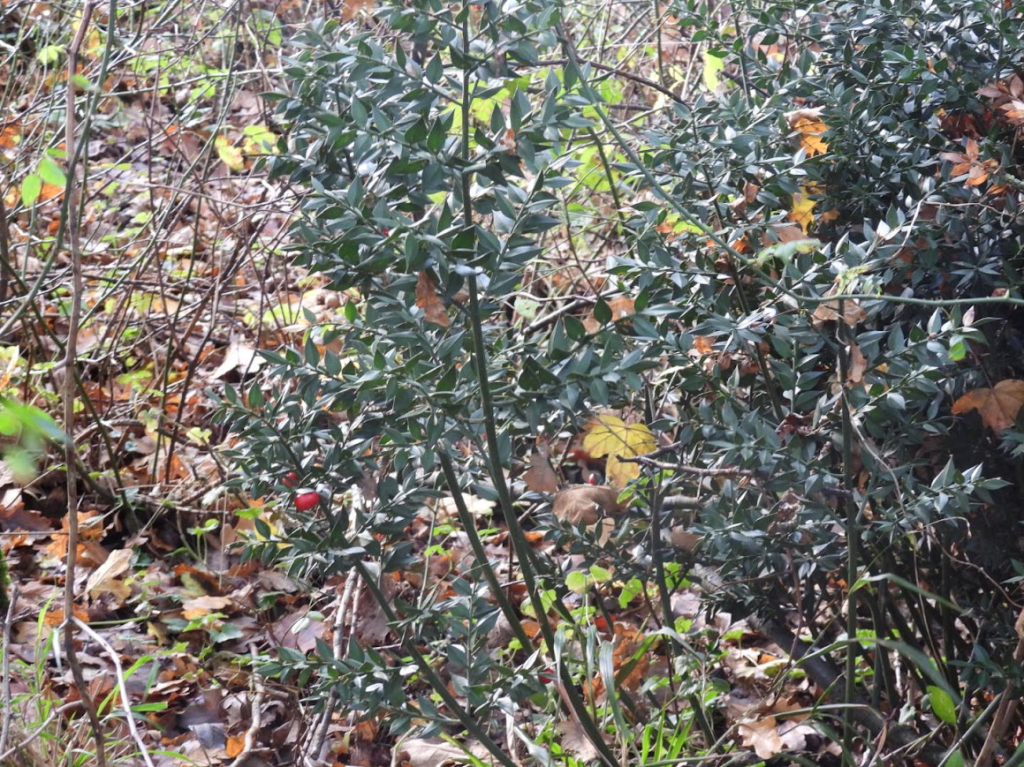
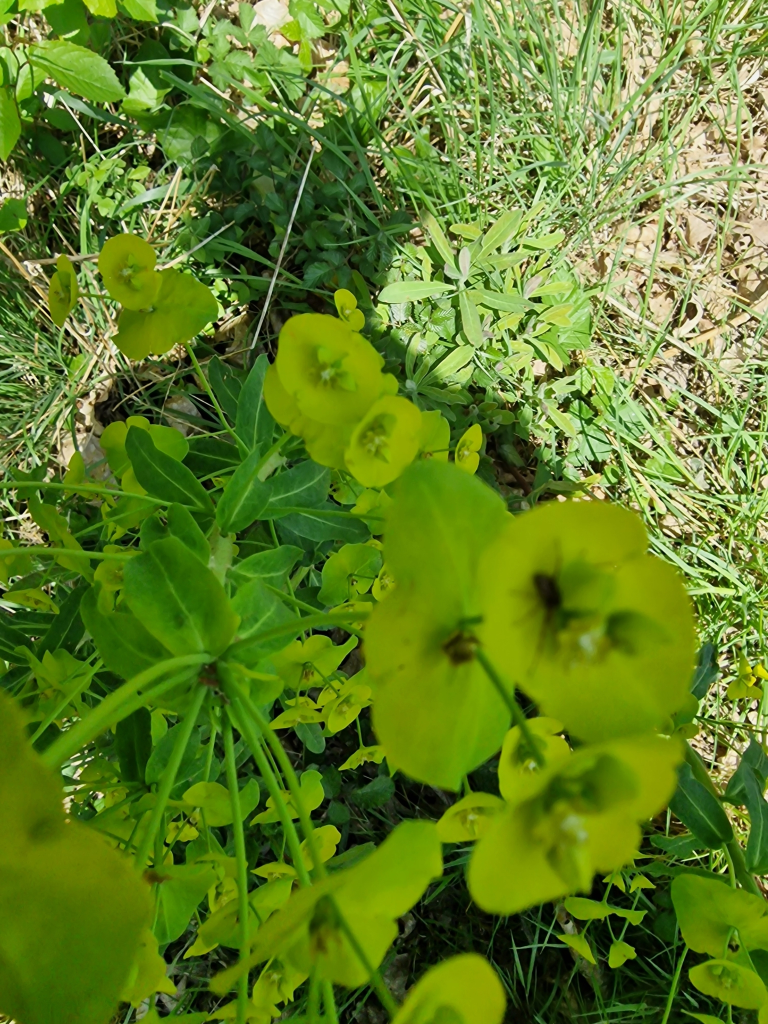
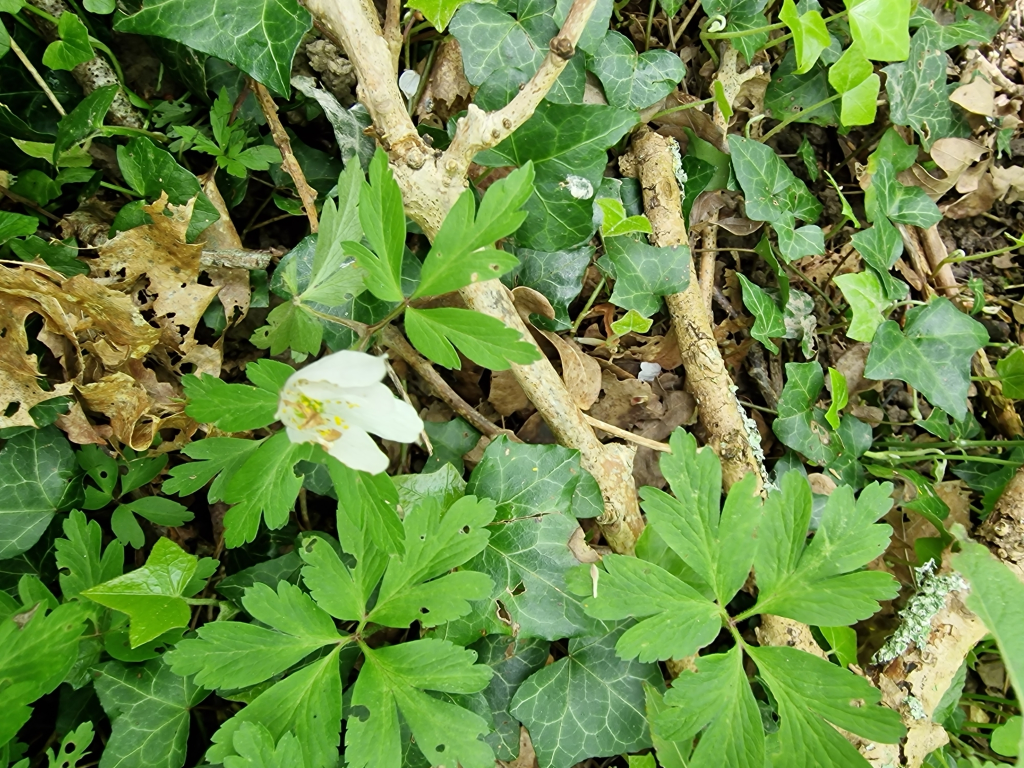
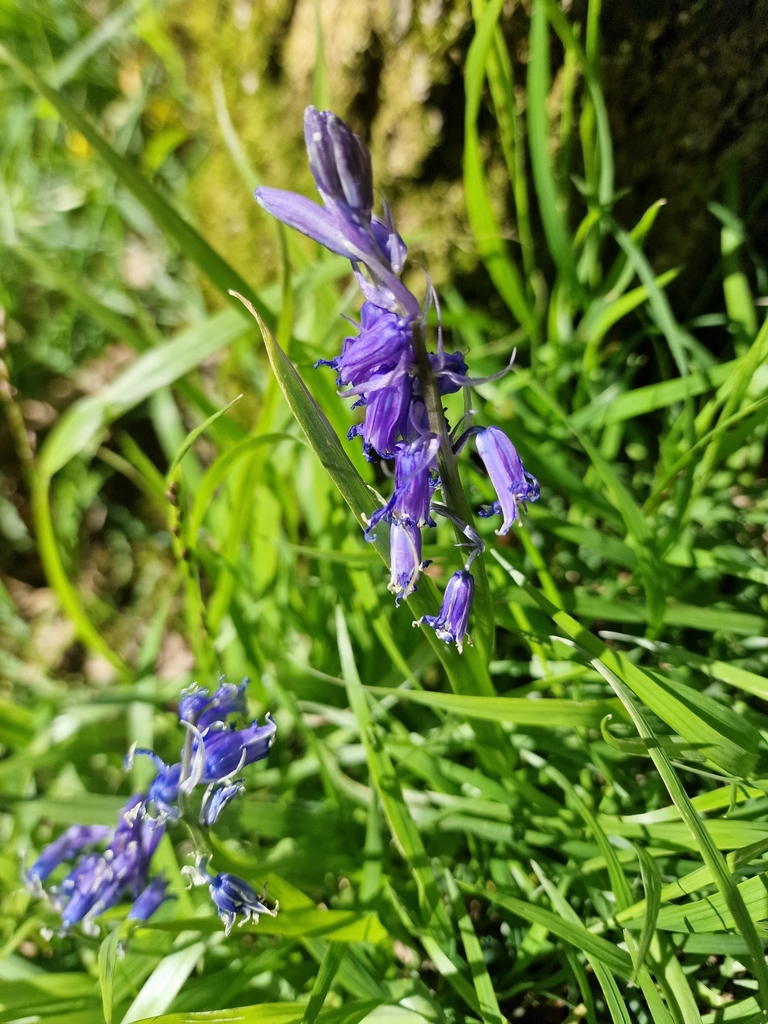
It’s ground flora includes the ancient woodland indicators Bluebells and Wood Anemone, in the Spring, and Butchers Broom, all year round. In a nearby stand Spurge-Laurel and Wood Spurge can be found.
This blog does not attempt to be a full survey of the vascular plants in this shaw; it is just the things I found particularly noticeable.
Ancient Woodland Indicators visible in Autumn
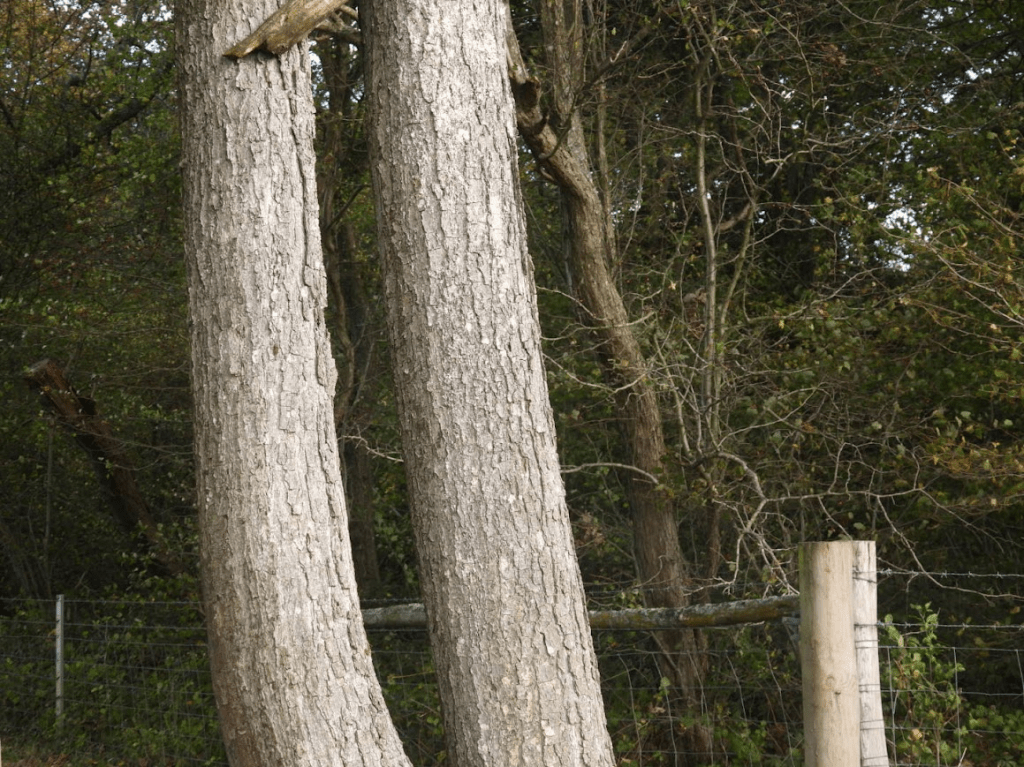
Sorbus torminalis Wild Service Tree
Trunk. This trunk of a maiden Wild Service Tree is covered in lichen so it hard to see the trunks morphology

Most Wild Service Trees have few lichens from my experience, but on the side which gets most light this tree had abundant lichens.
This trunk in the shaw shows the typical bark of Wild Service Tress; many Wild Service Trees in the Low Weald have been coppiced into two trunks. (e.g. the large Wild Service Tree in Furzefield Wood nr. West Grinstead and the numerous Wild Service Trees of West Wood nr. Burgess Hil)
Leaves and fruit
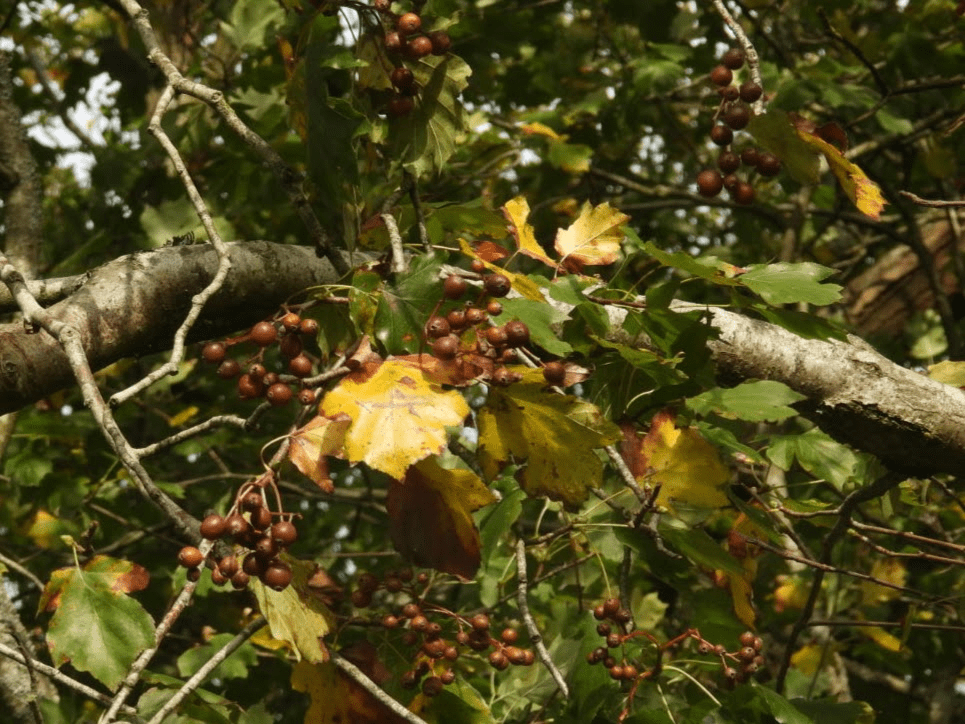
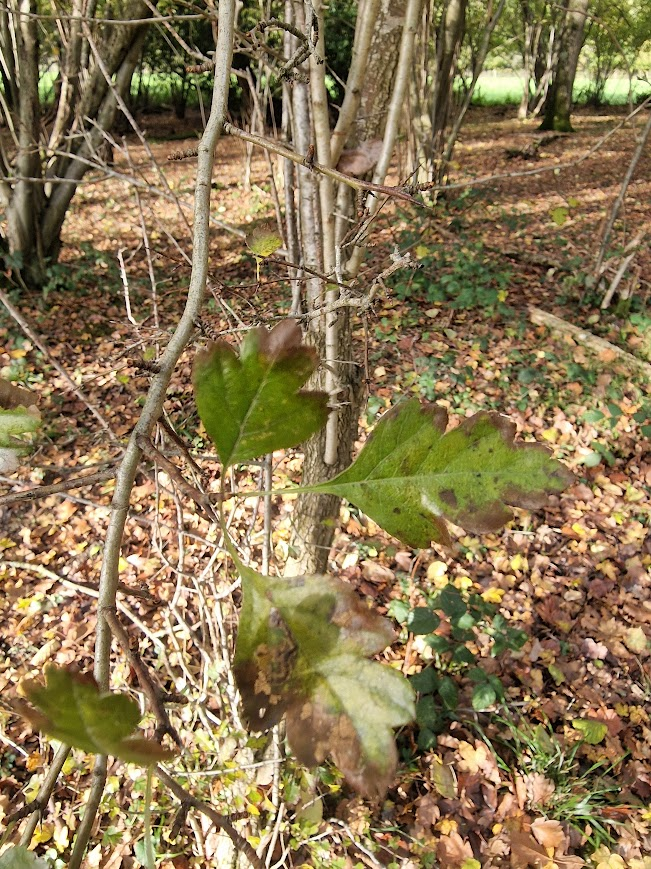
Crataegus laevigata, Midland Thorn
Trunk and leaves
Fruit
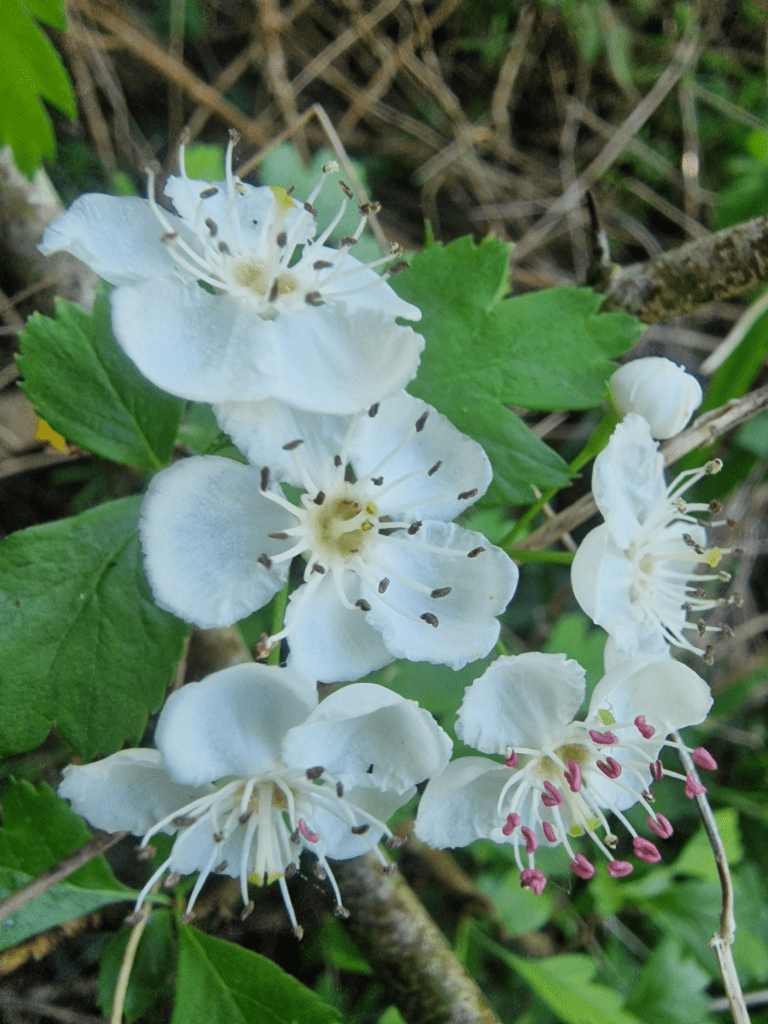
Midland Thorn has two (or more) seeds in their haws, whereas Hawthorns have only one

This Midland Thorn Flower on 29/04/25; with twin stigmas
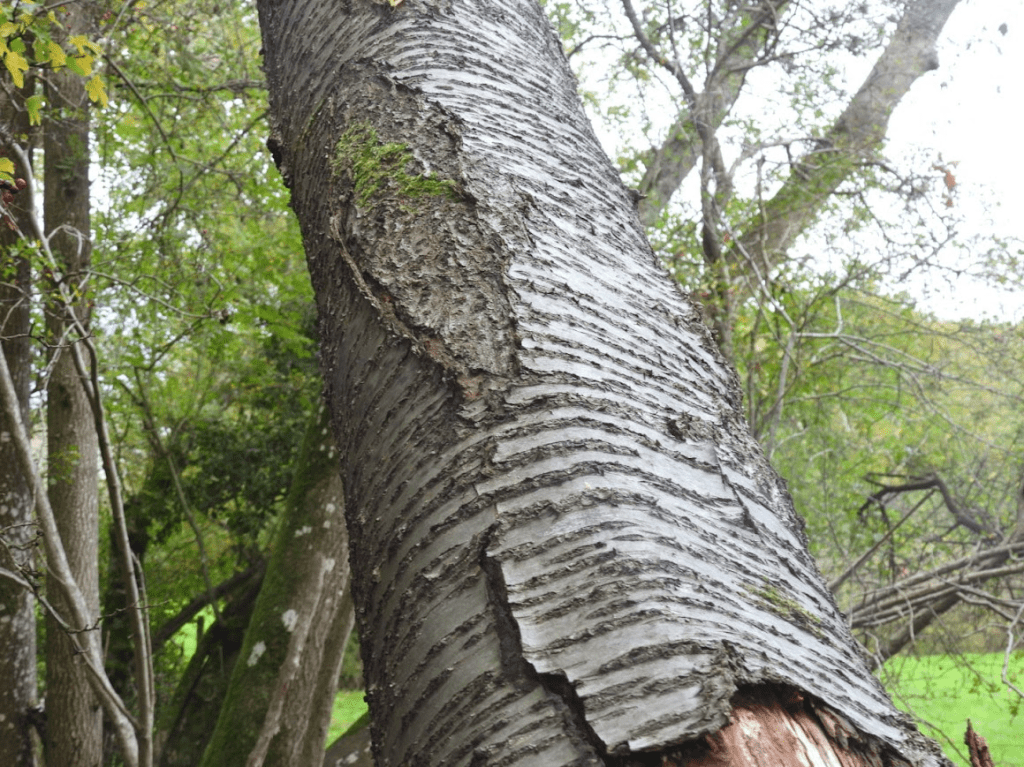
Prunus avium Wild Cherry
Wild Cherries can be identified just by their trunk morphology which is so characteristic. However, in spring their white flowers are very characteristic; and in summer so are their berries. However, ripe berries are almost immediately eaten by birds; if you are lucky enough to see them, they make a very nice fruity snack on a walk
This species mostly develops single, straight trunks with a thin, smooth purplish-grey bark that becomes grey-brown with horizontal fissuring and peeling when old. Tree species | European Atlas of Forest Tree Species – Prunus avium
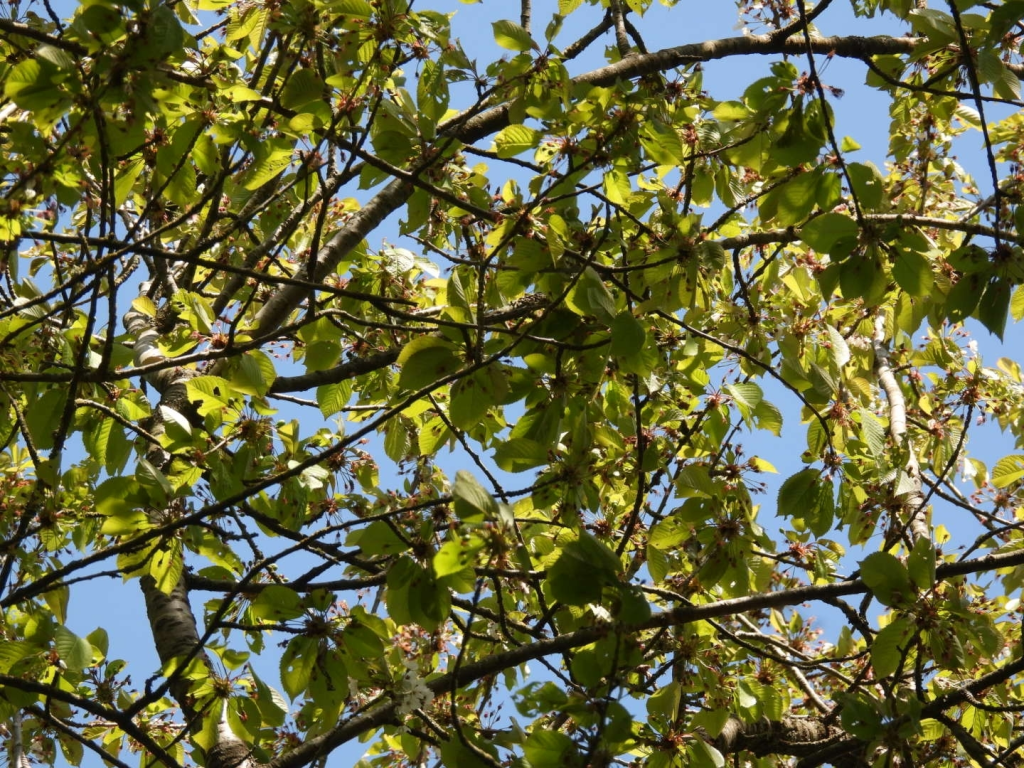
Wild Cherry flowers from a tree in Baker’s Shaw; 400m south of this (unnamed shaw) in the Spring
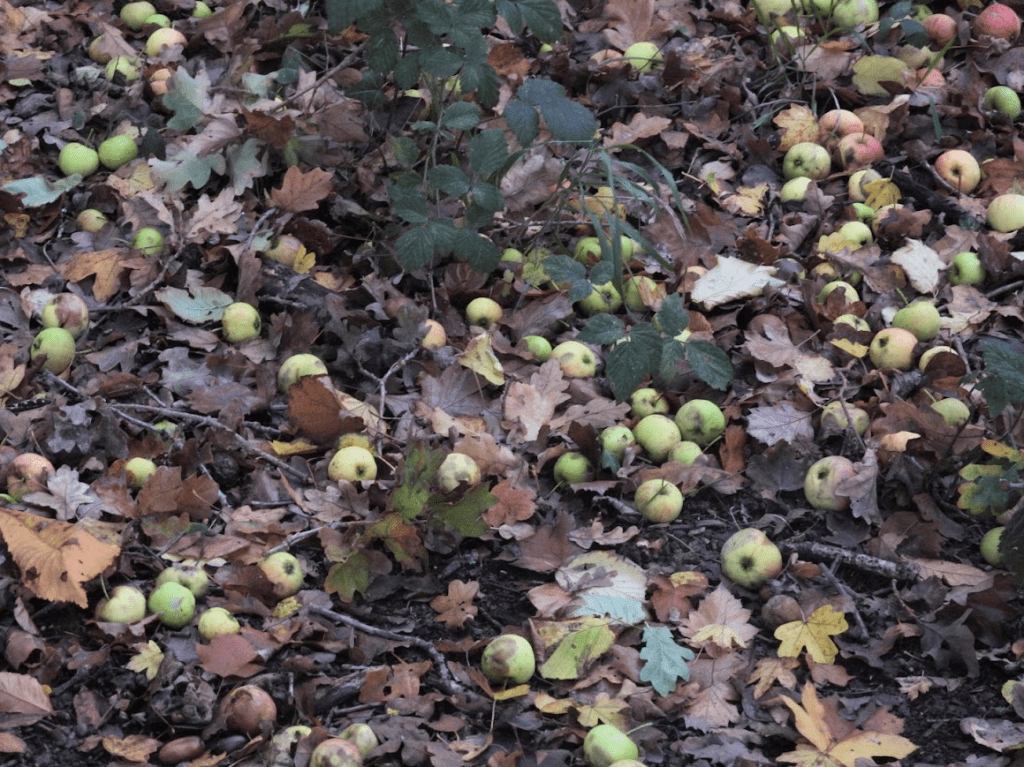
Malus sylvestris, Crab Apple – Fruit.
Theses crab apples trees were in Bushygrove Shaw. Crab Apples are easiest to identify in Autumn when their fruits are on the forest floor; just look up and you’ll see the tree(s) they came from. This autumn is a “mast year” when fruits from trees are abundant.
Ruscus aculeatus Butchers Broom
Butchers broom is a shrub which grows under trees in ancient woodlands; it’s leaves and flowers are very characteristic. Butcher’s broom leaves are not true leaves but are actually flattened stems called cladodes, with sharp spikes on the ends of the cladodes. Its flowers bloom in very early spring; and female flowers produce berries in Summer, which persist into Autumn
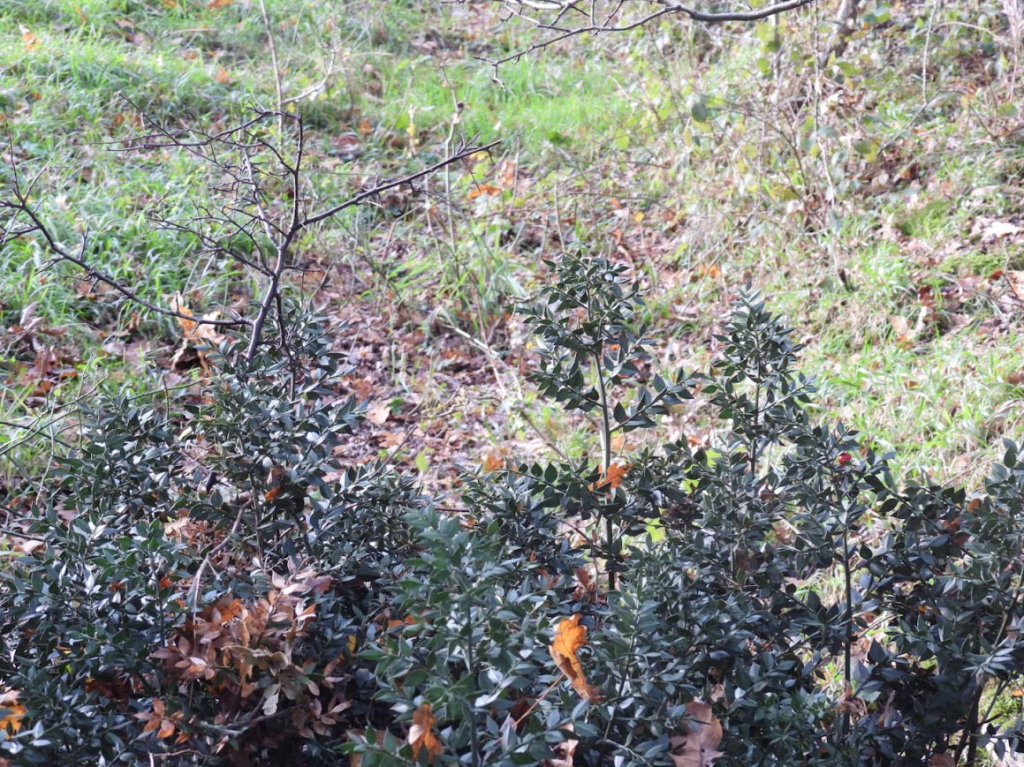
Butchers broom is known as an ‘ancient woodland indicator’. This is because it doesn’t colonise new habitats or spread easily to new woods; where it is growing, the wood has usually been there for a very long time. … Look beneath the deciduous trees, even in the more shaded areas.
Butchers broom is quite unlike any other British plant. It is a short evergreen bush growing up to about two feet high and all the leaves end in a pointed spike; one of its old English names is ‘knee holly’. In early spring, the tiny, pale green six-petalled flowers sit in the middle of the leaf and show that these leaves are, technically, flattened stems.
Butchers broom was used to scour butcher’s blocks until the nineteenth century. The spiky leaves seem ideal for getting into the cuts of old wooden blocks to clean them. New Forest National Park Butchers Broom
Fruit:
Ancient Woodland Indicators seen on other visits:
Euphorbia amygdaloides Wood Spurge seen on 29.08.24 in Baker’s Shaw; 400m south of this (unnamed shaw)
Anemonoides nemorosa Wood Anemone 16.04.25
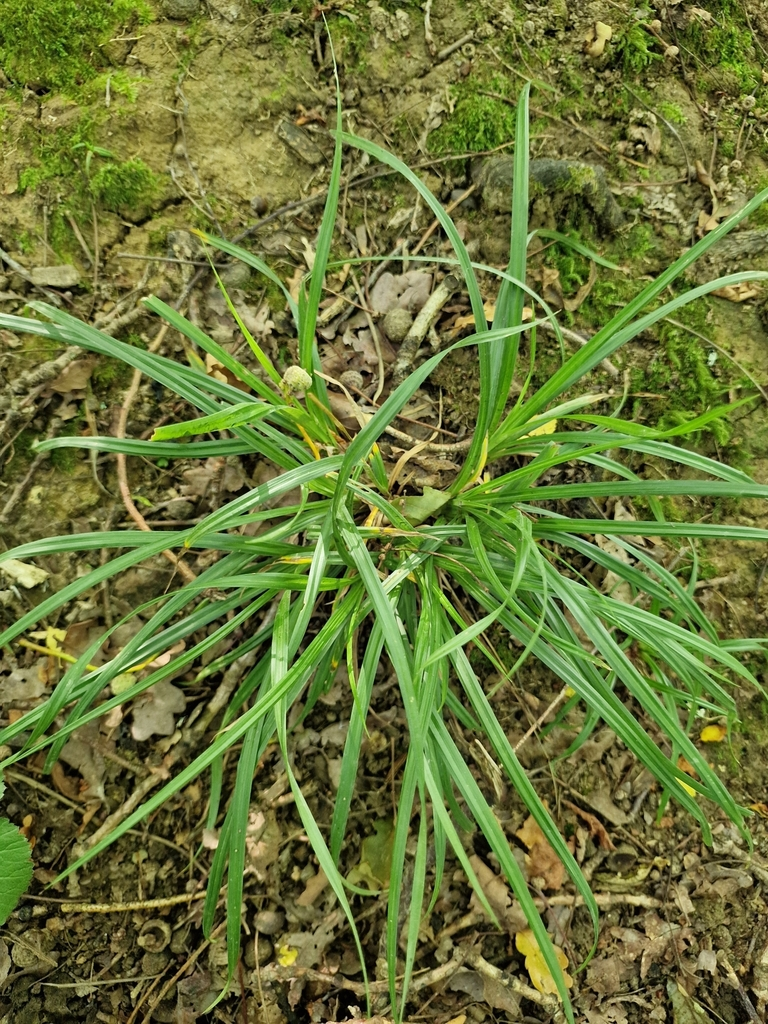
Carex sylvatica Wood Sedge – seen on 29.08.24 in Baker’s Shaw; 400m south of this (unnamed shaw)
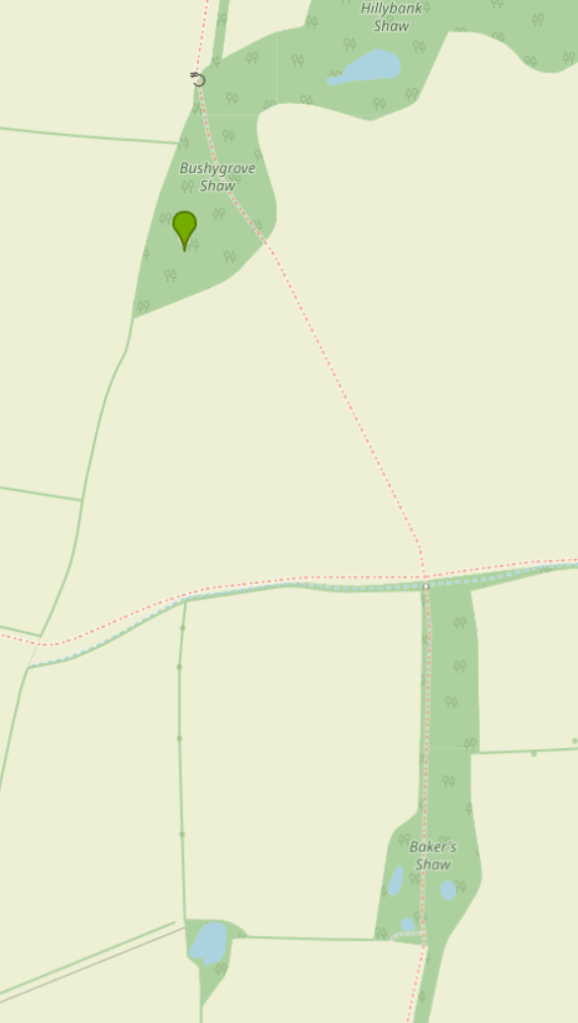
The locations of Bushygrove and Baker’s Shaws
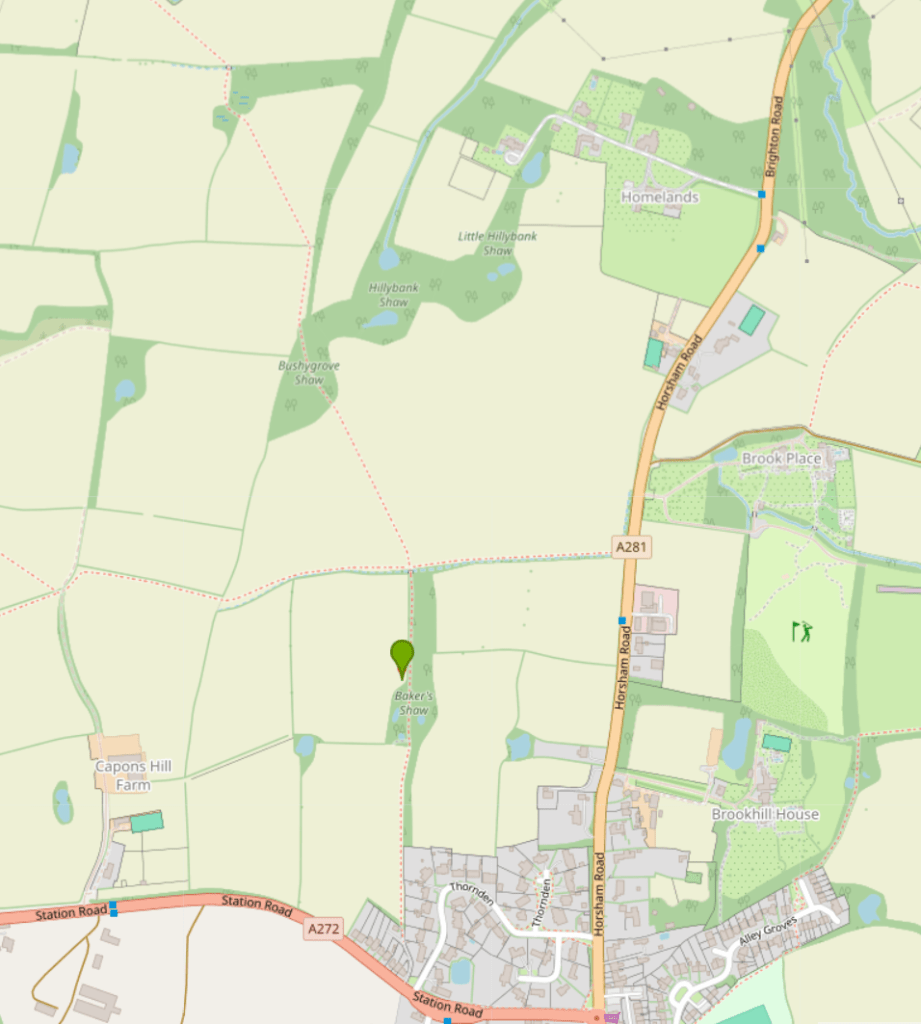
Map above from iNaturalist community. Observation of Euphorbia amygdaloides from Cowfold, Sussex observed on 29/08. Exported from https://www.inaturalist.org on 25.10.25 showing Bushygrove and Bakers Shaw
Detail of Bushygrove and Bakers Shaw
Hyacinthoides non-scripta Bluebell in Spring 29.04.25
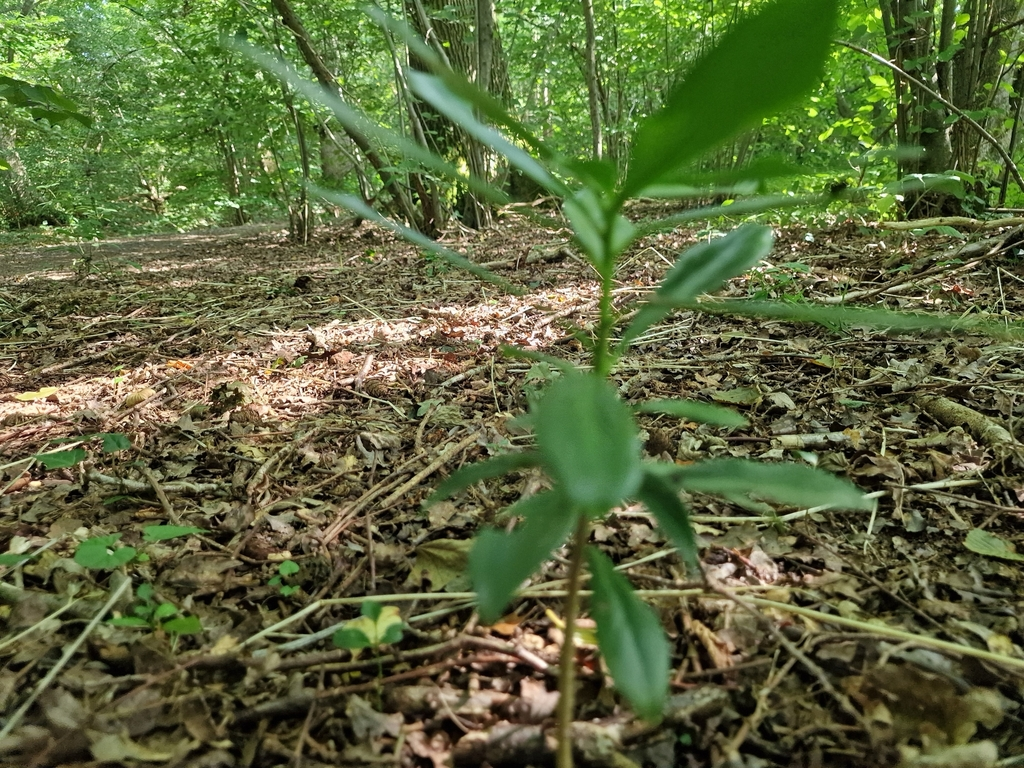
Daphne laureola Spurge-Laurel
In Baker’s Shaw; 400m south of this (unnamed shaw)
Mercurialis perennis Dog’s Mercury – viewed 29.04.25

Other vascular plants in the Shaw
The large maidens, with “white” lichen-covered bark, are Ash, Pedunculate Oak (and Wild Service)
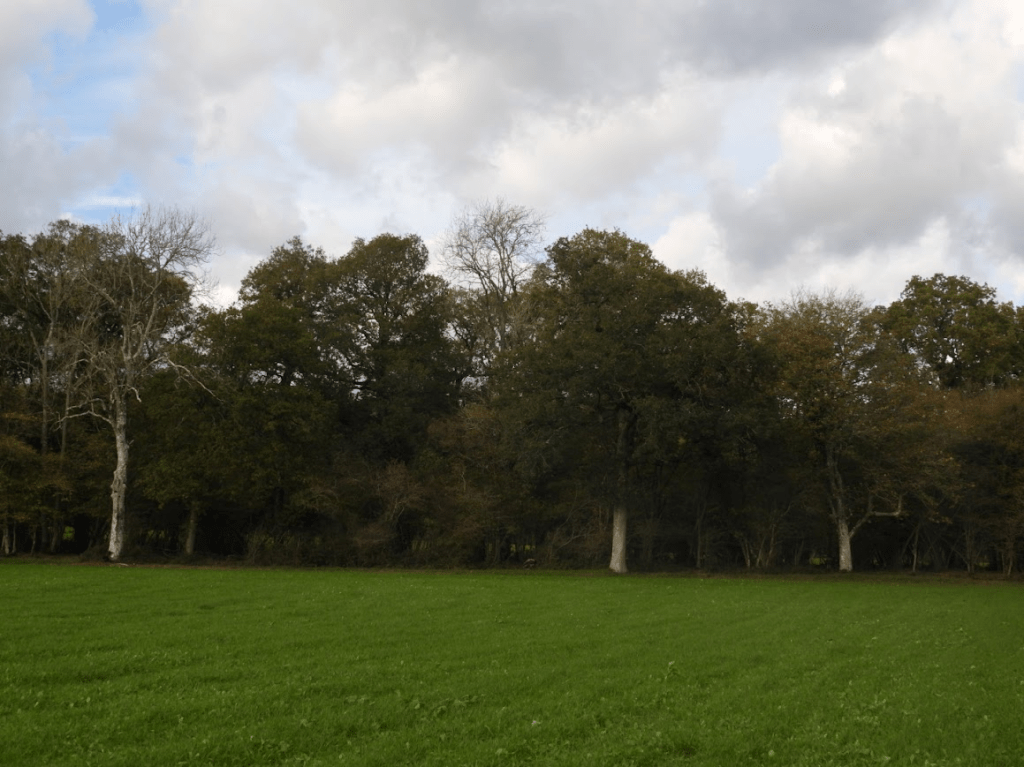
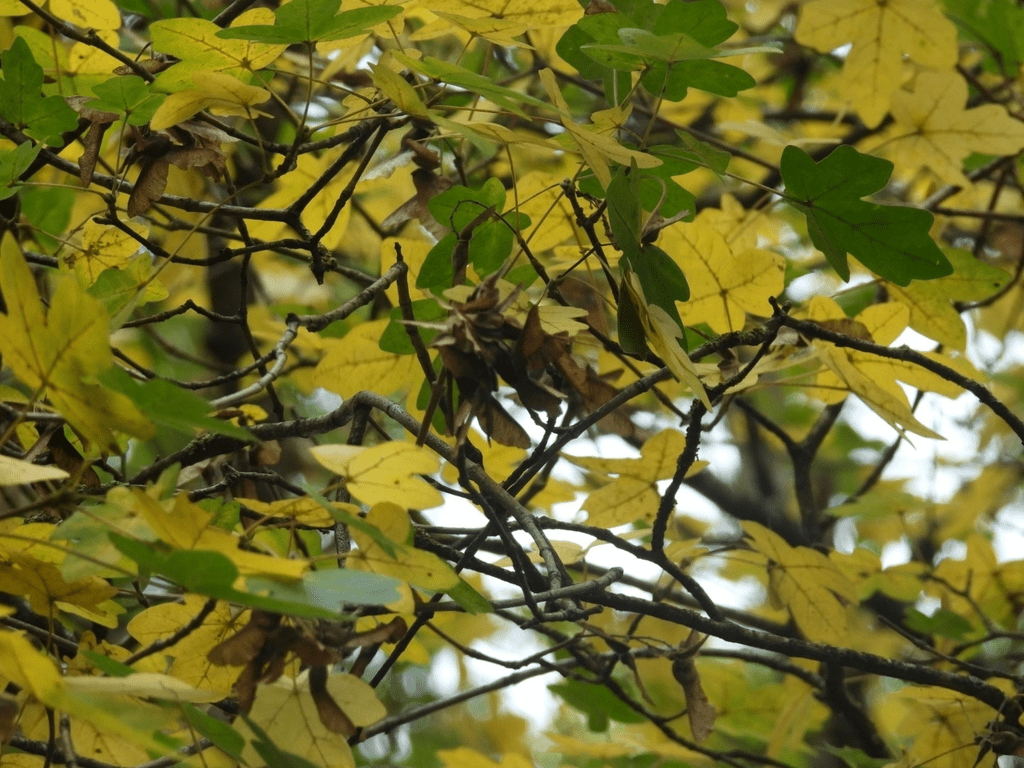
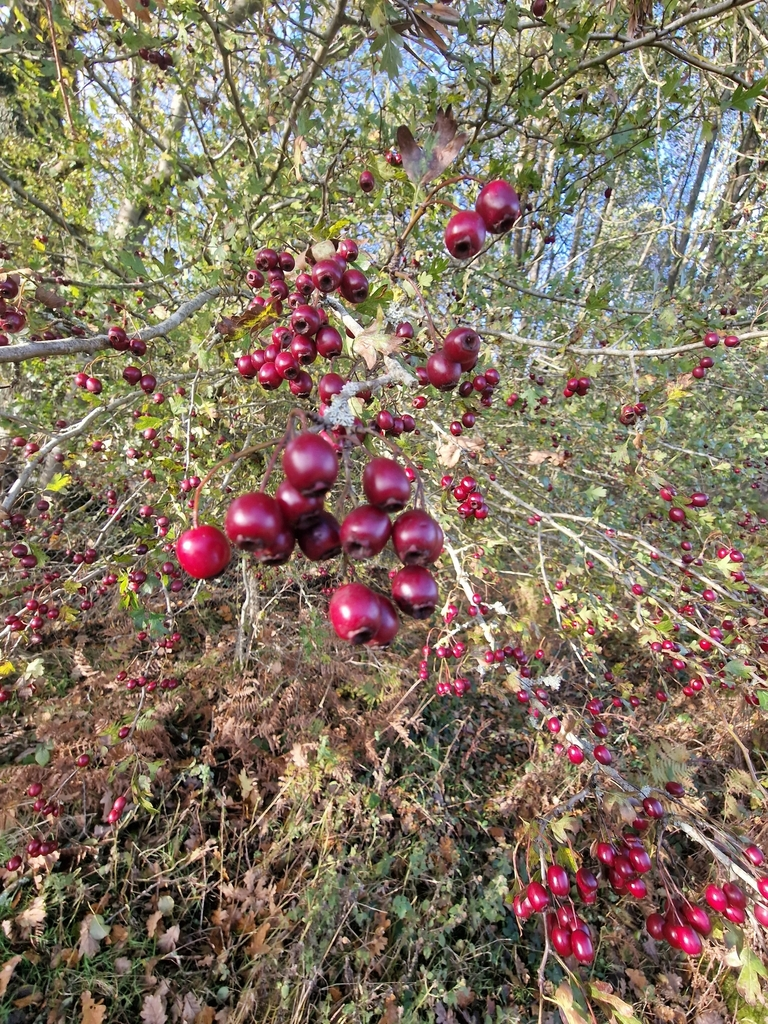
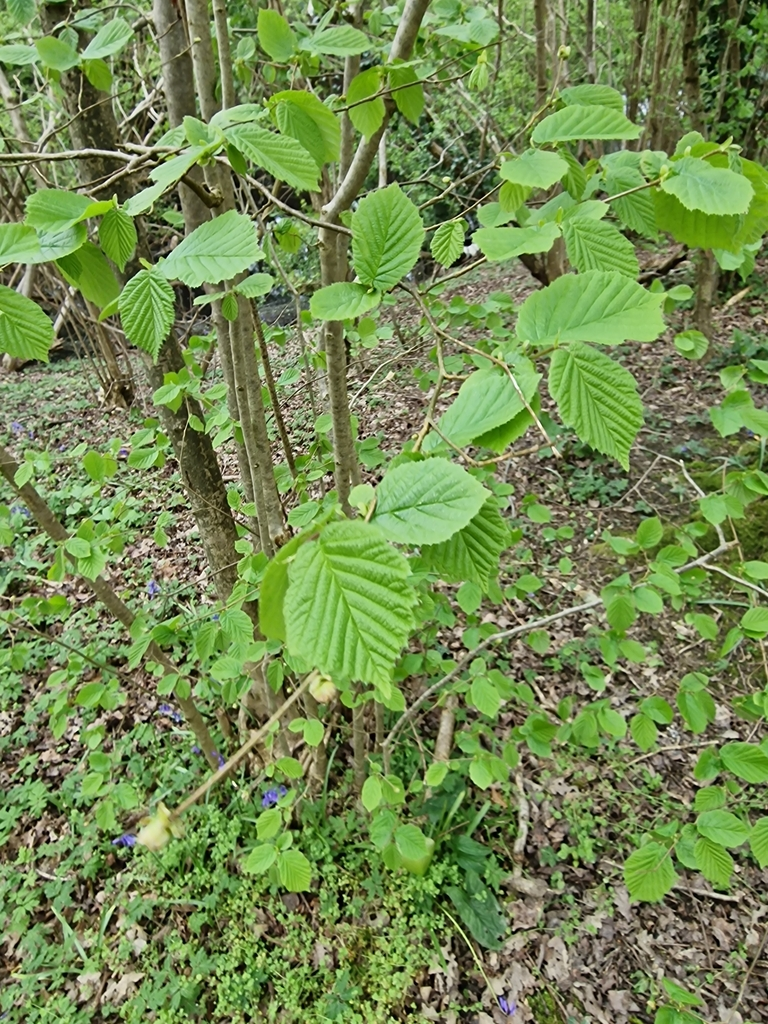
The understory is Hawthorn, Field Maple, Hazel, Holly (and Midland Thorne)
Quercus robur Pedunculate Oak
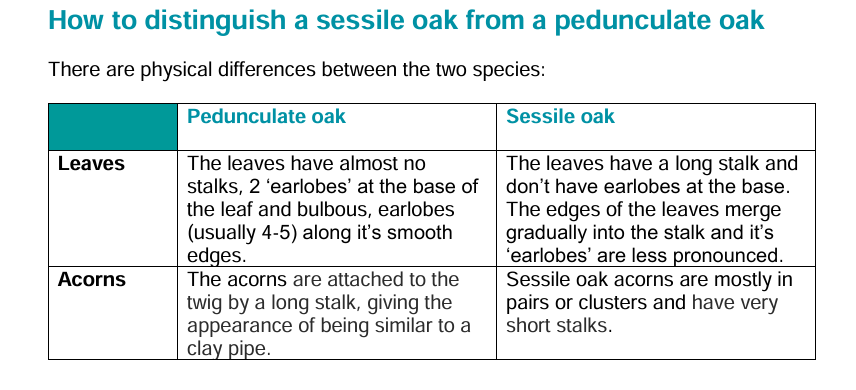
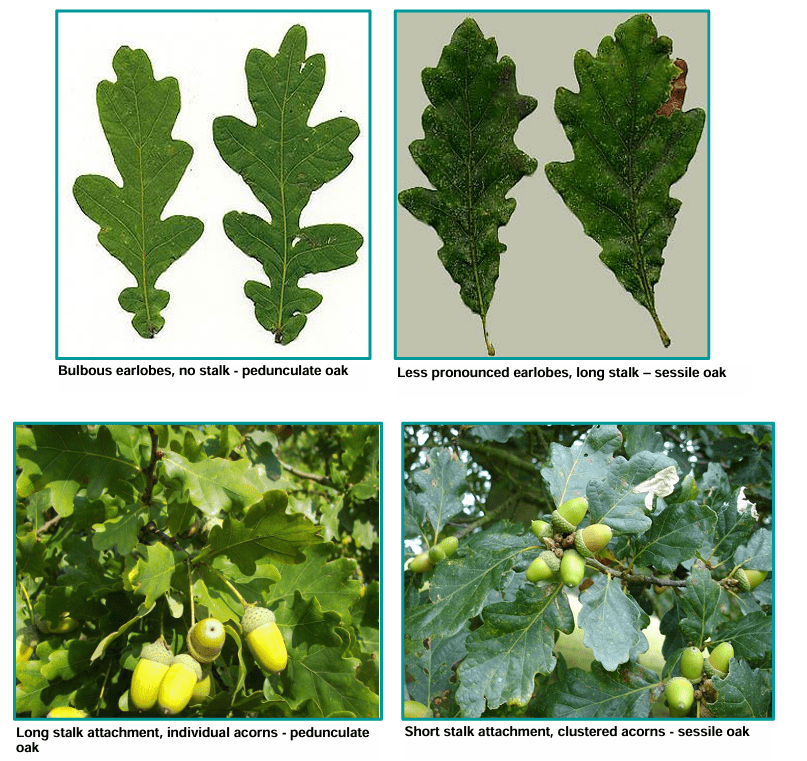
Pedunculate Oaks leaves and acorns in autumn are very distinctive. In some areas of the Low Weald, especially on the Greensand Ridge there are Sessile Oaks, e.g. at Rakes Hanger, near Liss (hanger in West Sussex)
A useful guide from Natural Resources Wales
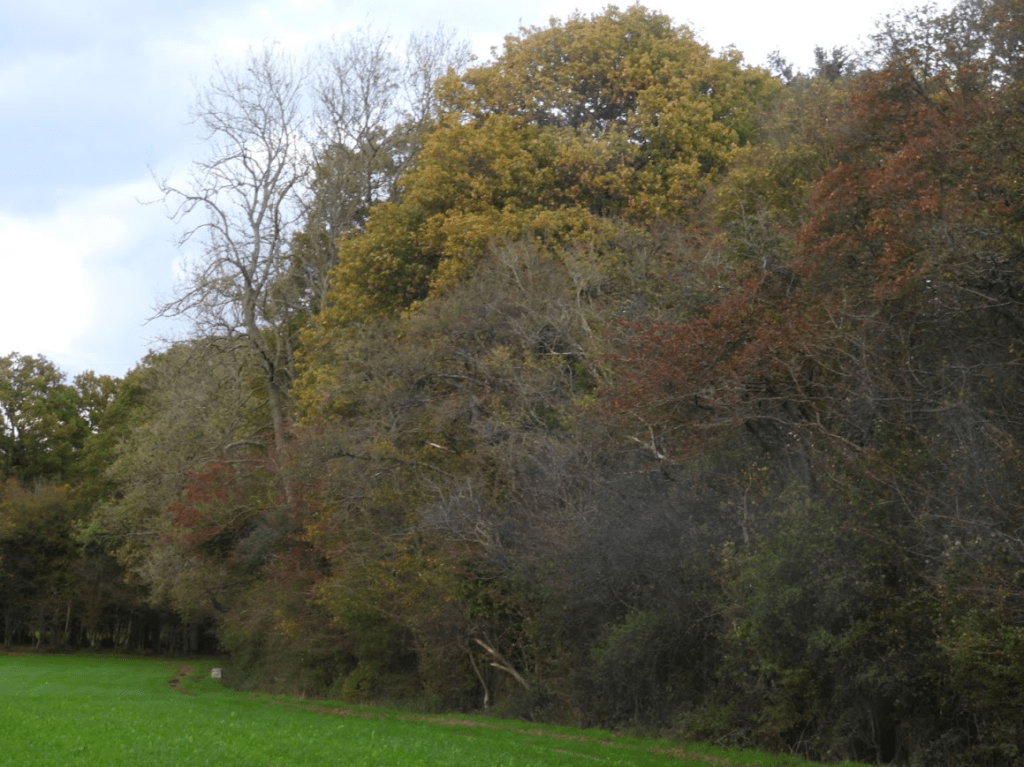
Pedunculate Oak; tree with yellow-brown leaves
Trunk of Pedunculate Oak. The sides of trunks which receive most light are often covered in lichens. This maiden Oak is on the edge of the shaw
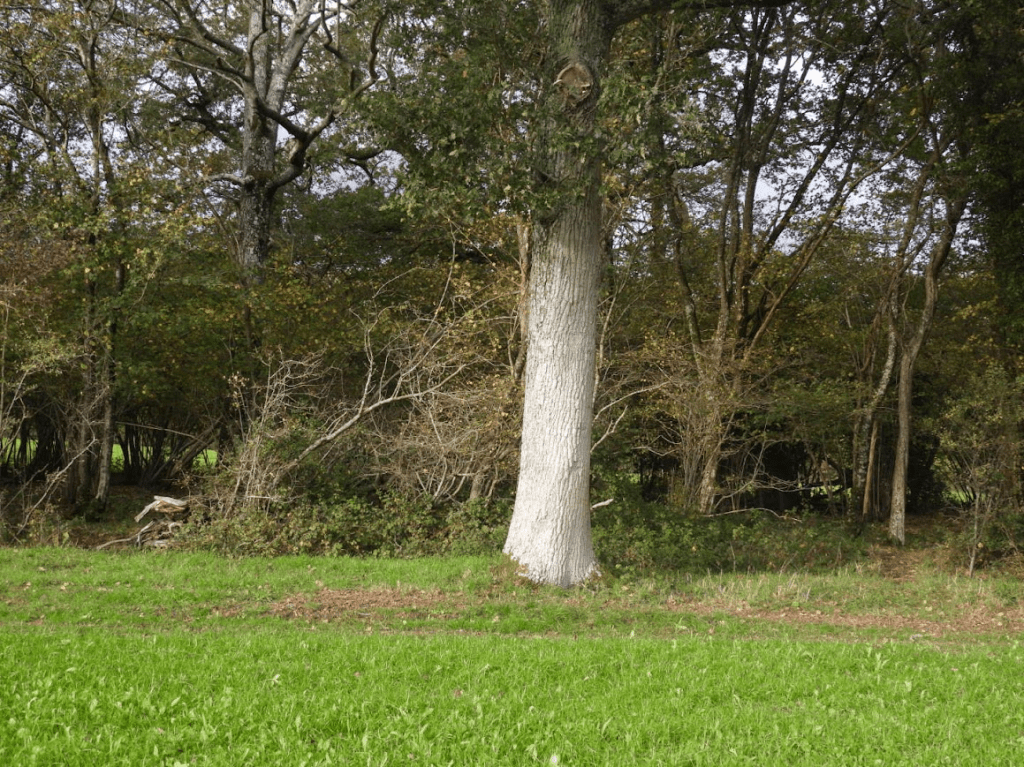
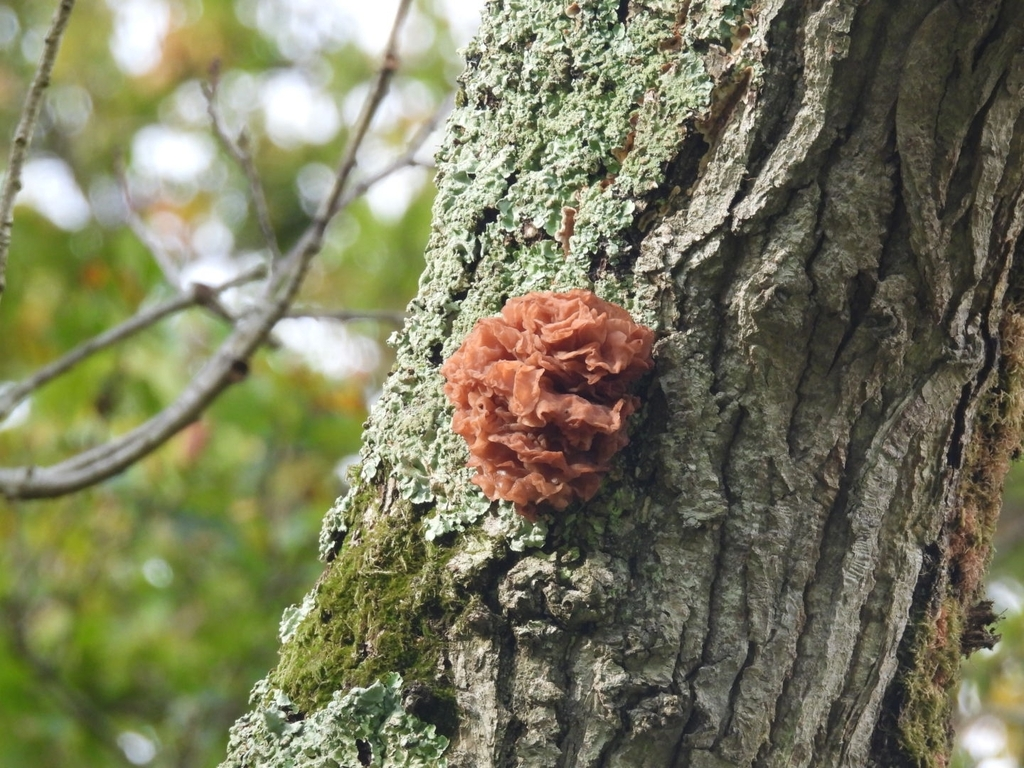
This Oak also has a beautiful fingus growing on it:
Phaeotremella foliacea Leafy Brain
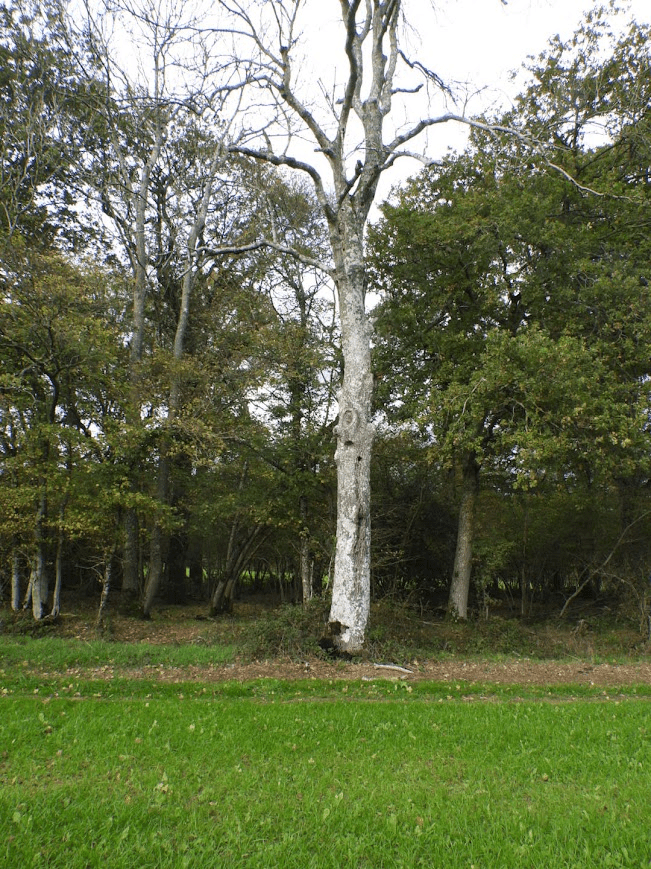
Fraxinus excelsior Ash
This maiden Ash, on the edge of the Shaw, is typical of an Ash with Ash Dieback Disease, with no leaves (in October, whilst Ash is deciduous, you would except to see some leaves)
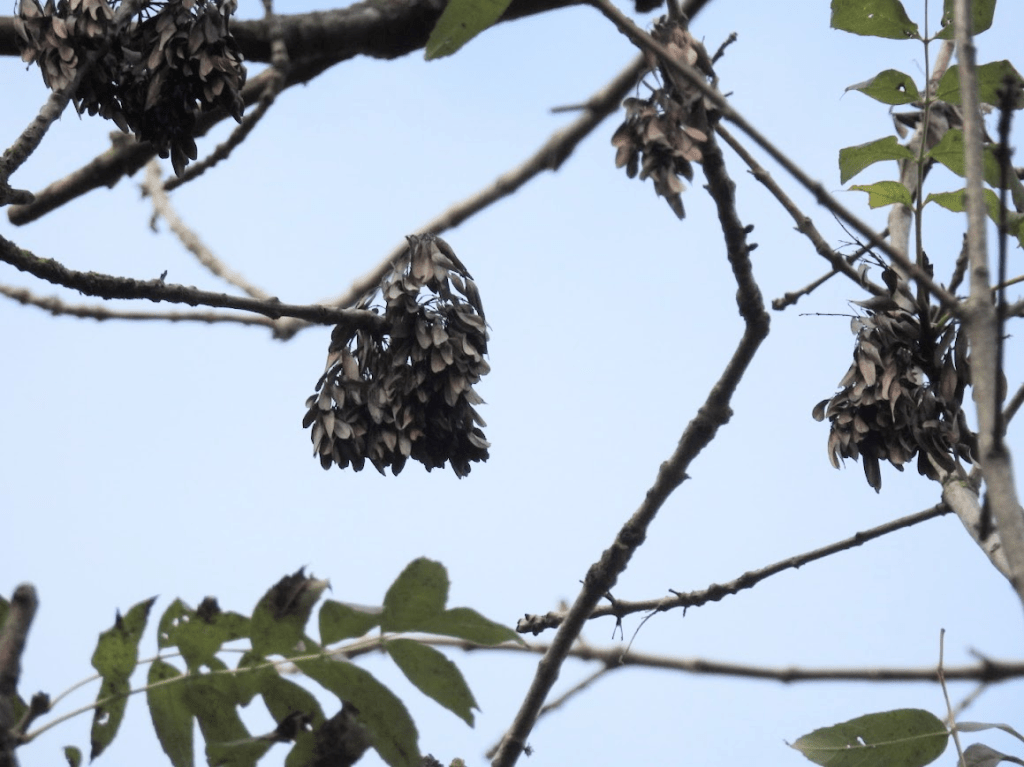
When Ash has leaves their leaves are very characteristic; as are their samaras.
Samaras are the winged, single-seeded fruits, commonly called “ash keys, that can be seen in Autumn and Winter within the shaw were healthier Ash showing these features:
Ash is an extremely important tree for lichens; it is the tree species with the second highest diversity of lichens, according to the British Lichen Society
Ash dieback will kill up to 80% of ash trees across the UK. At a cost of billions, the effects will be staggering. It will change the landscape forever and threaten many species which rely on ash.
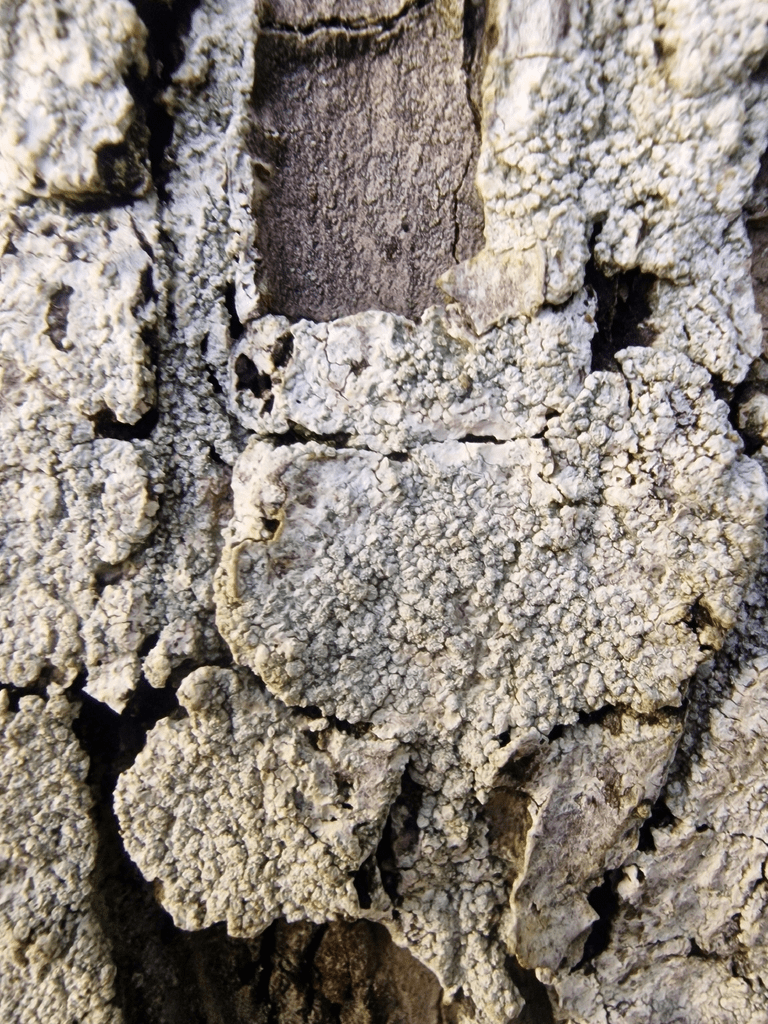
Varicellaria hemisphaerica is a rare UK lichen, and it is on the Ash on the south-facing edge of the shaw; this Ash is dying
Acer campestris, Field Maple
Crataegus monogyna, Hawthorn
Corylus avellana Hazel
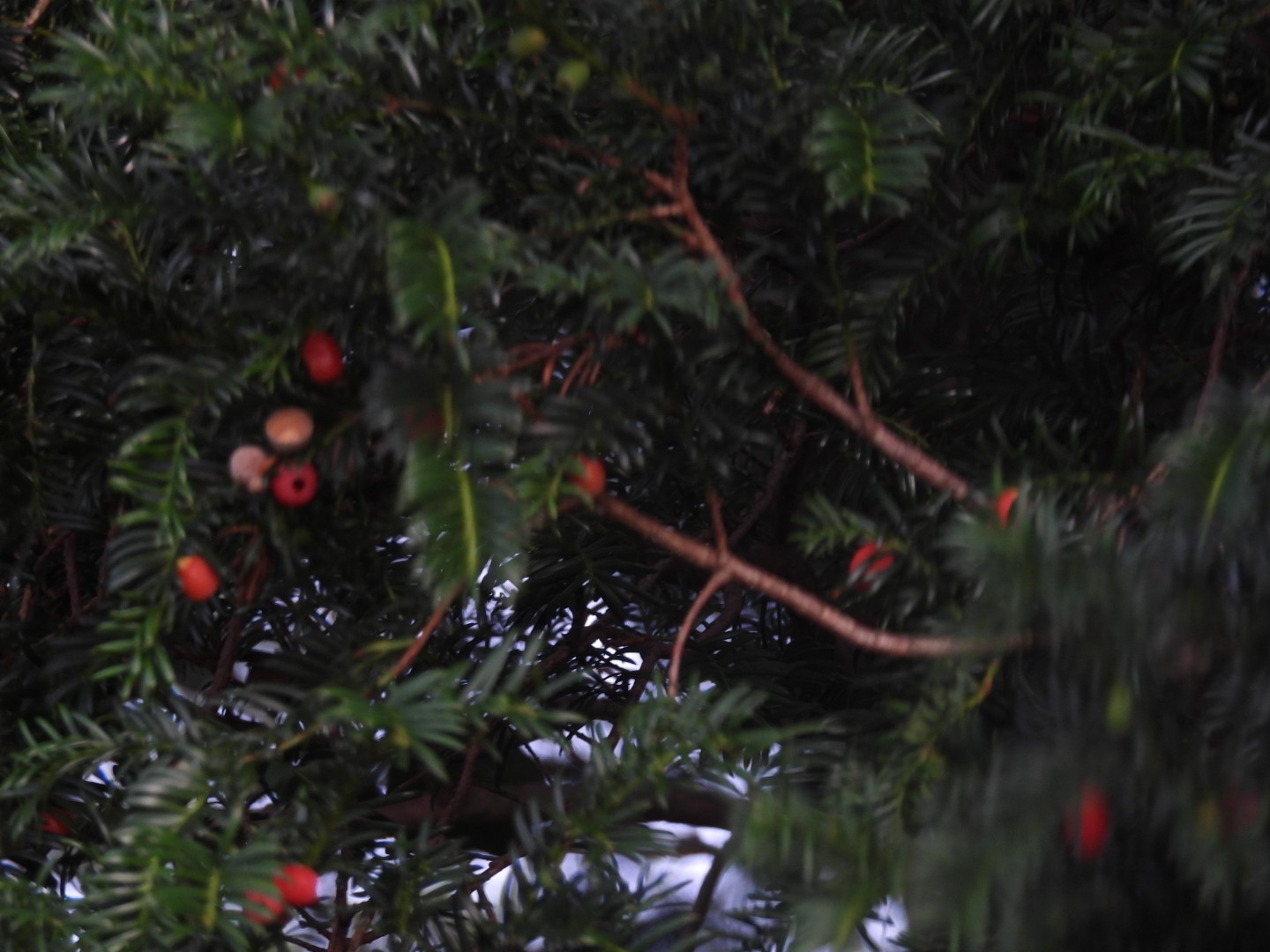
Taxus baccata English Yew, in Baker’s Shaw
 Sim's Nature Notes