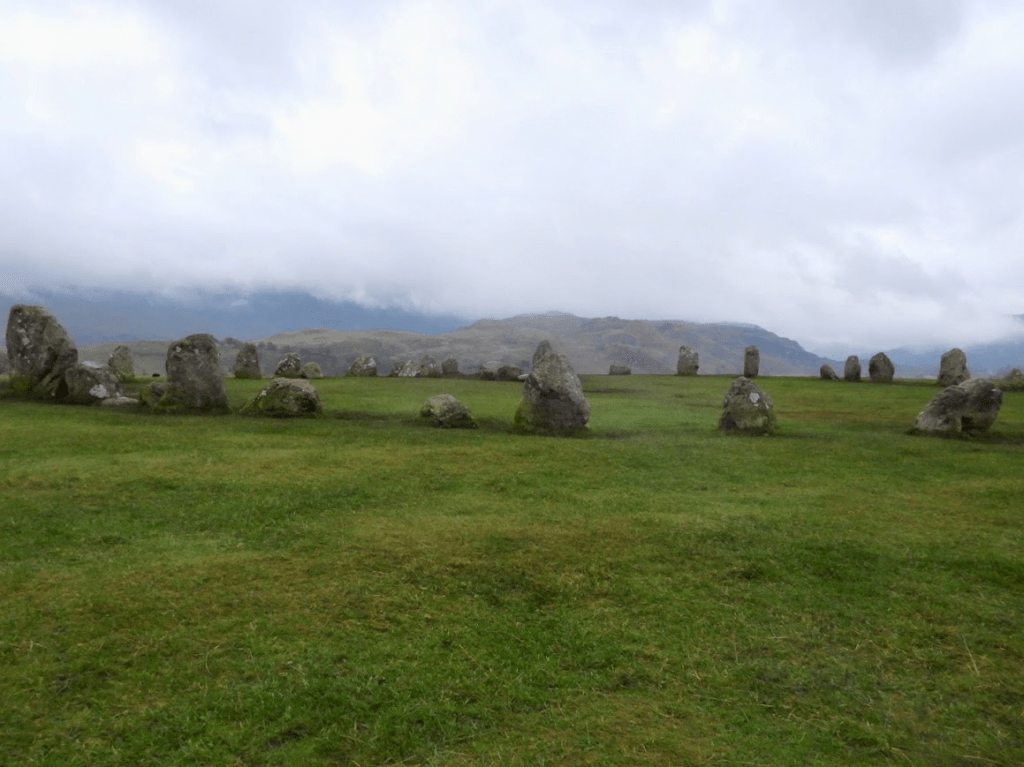
The Castlerigg Stone Circle is 2 miles from the centre of Keswick. I took the bus bus to the nearest bus stop then had to walk a mile along a narrow lane to reach the stones
There are few stone circles in Britain in such a dramatic setting as that of Castlerigg, which overlooks the Thirlmere Valley with the mountains of High Seat and Helvellyn as a backdrop. … Thought to have been constructed about 3000 BC, it is potentially one of the earliest in the country. … Although there are more than 300 stone circles in Britain, the great majority of them are Bronze Age burial monuments (dating from about 2000–800 BC) containing cremations in central pits or beneath small central cairns. By contrast, their Neolithic forebears, such as Castlerigg, Swinside in the southern part of the Lake District, and Long Meg and her Daughters in the Eden Valley, do not contain formal burials. The Neolithic stone circles also differ from those of the later Bronze Age in their generally larger size and often flattened circular shape – as is found at Castlerigg – comprising an open circle of many large stones. Castlerigg is about 97½ ft (30 metres) in diameter, and formerly comprised 42 stones. There are now only 38 stones, which vary in height from 3¼ ft (1 metre) to 7½ ft (2.3 metres).
Neolithic stone circles typically have an entrance and at least one outlying stone. The entrance at Castlerigg, on the north side of the circle, is flanked by two massive upright stones, and the outlier is presently to the west-south-west of the stone circle, on the west side of the field adjacent to a stile; this stone has been moved from its original position. It has been suggested that such outlying stones had astronomical significance – alignments with planets or stars – although examination of those in early stone circles elsewhere in Britain has shown that there are no consistent orientations for them. English Heritage Castlerigg Stone Circle
I arrived at the stone circle just as the sun was rising, I thought I’d have the stones to myself; how wrong I was!
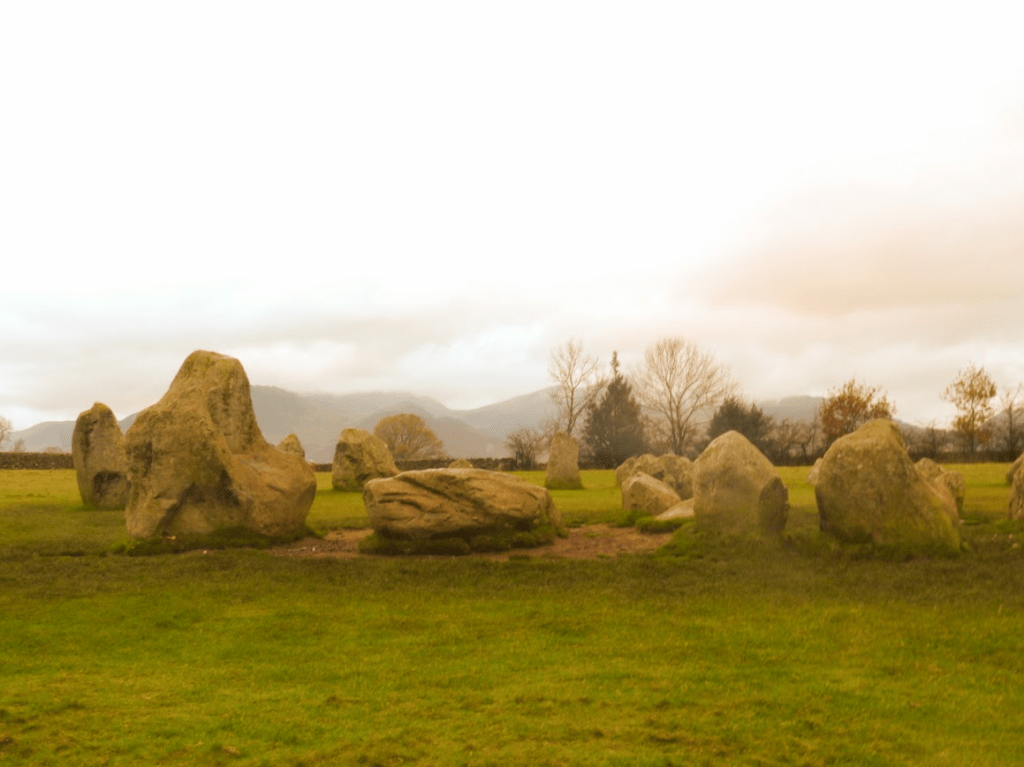
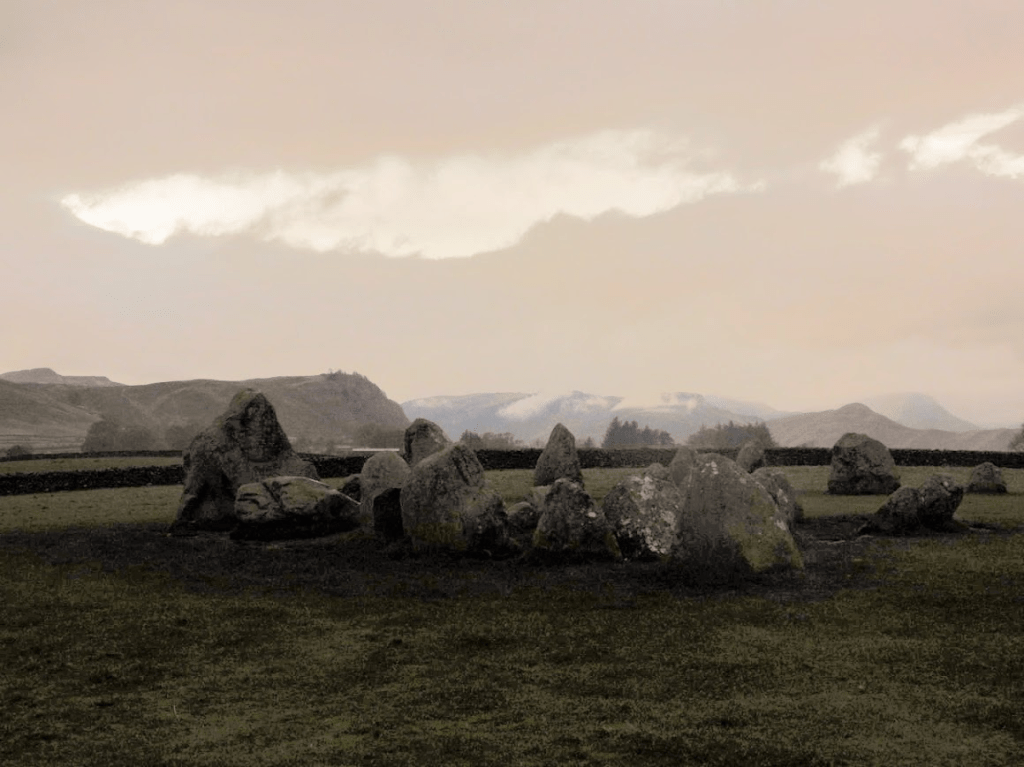
More sun!
Some of the lichens on the dry stone walls on the tiny lane to Castlerigg .
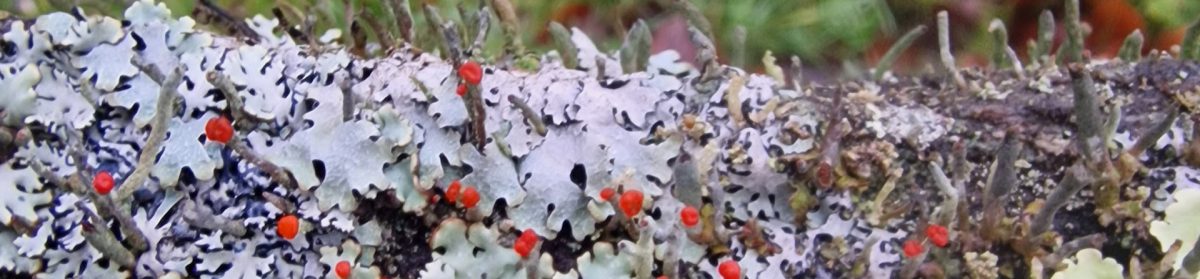
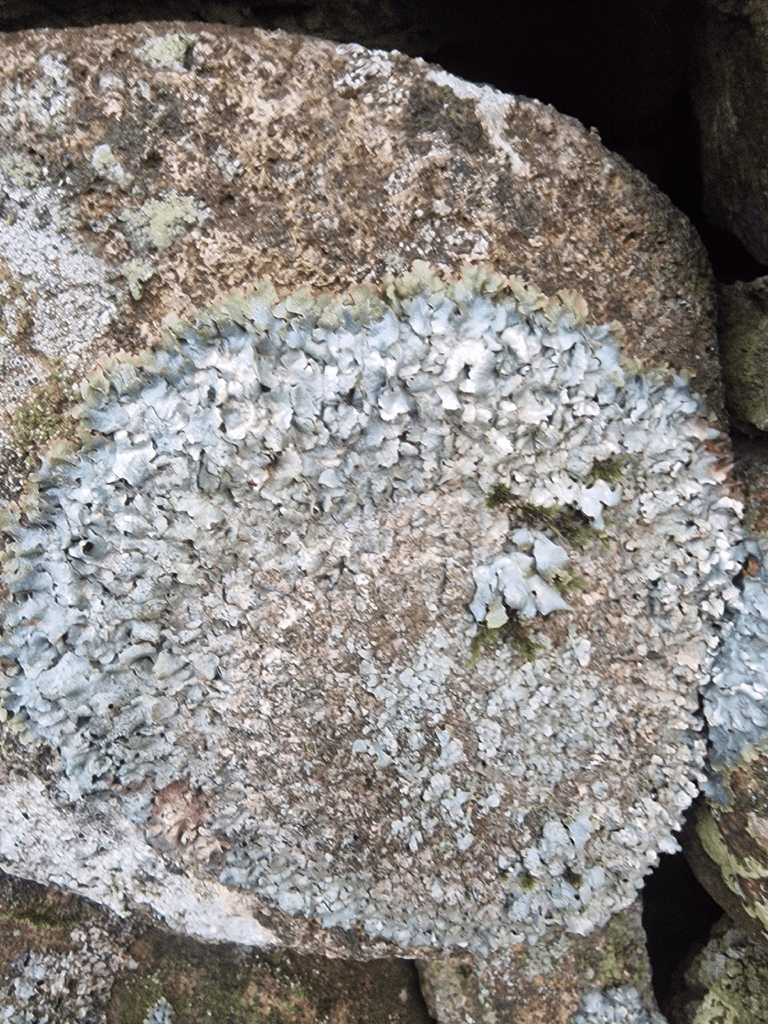
Parmelia saxatilis Salted Shield Lichen
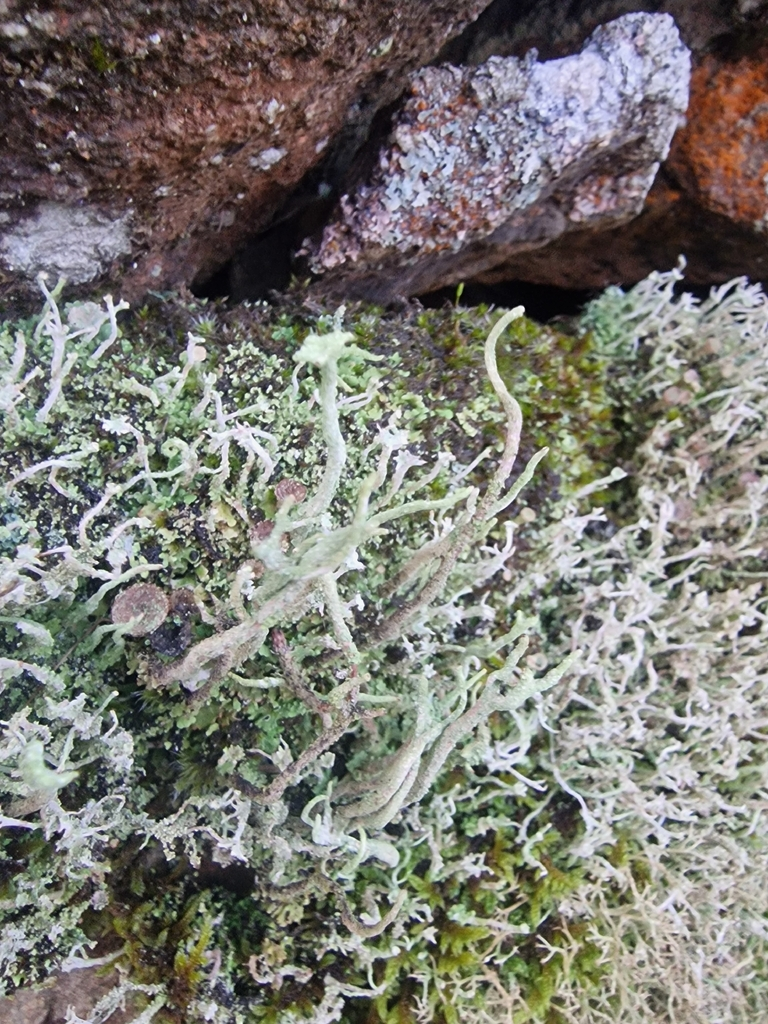
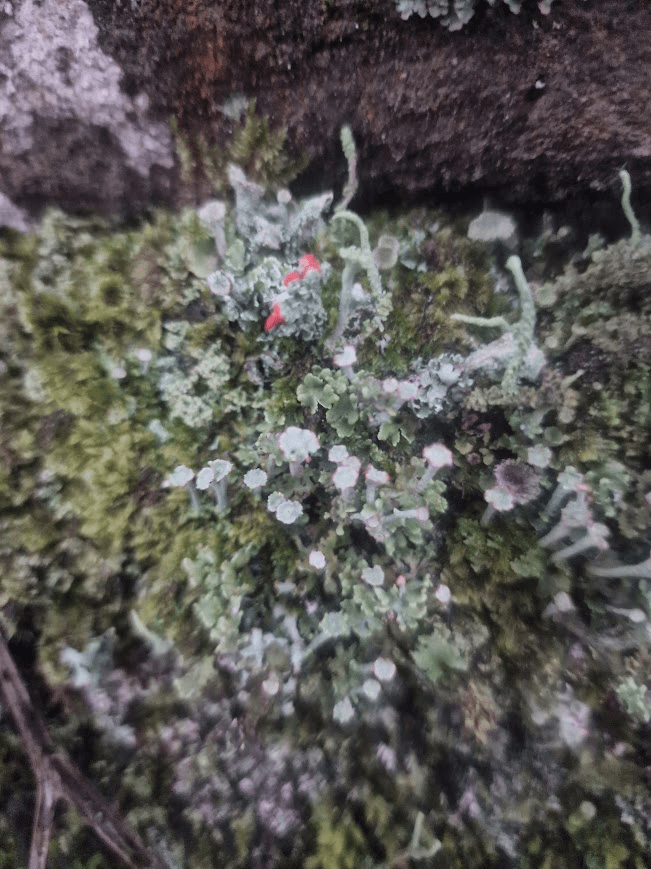
Cladonia polydactyla
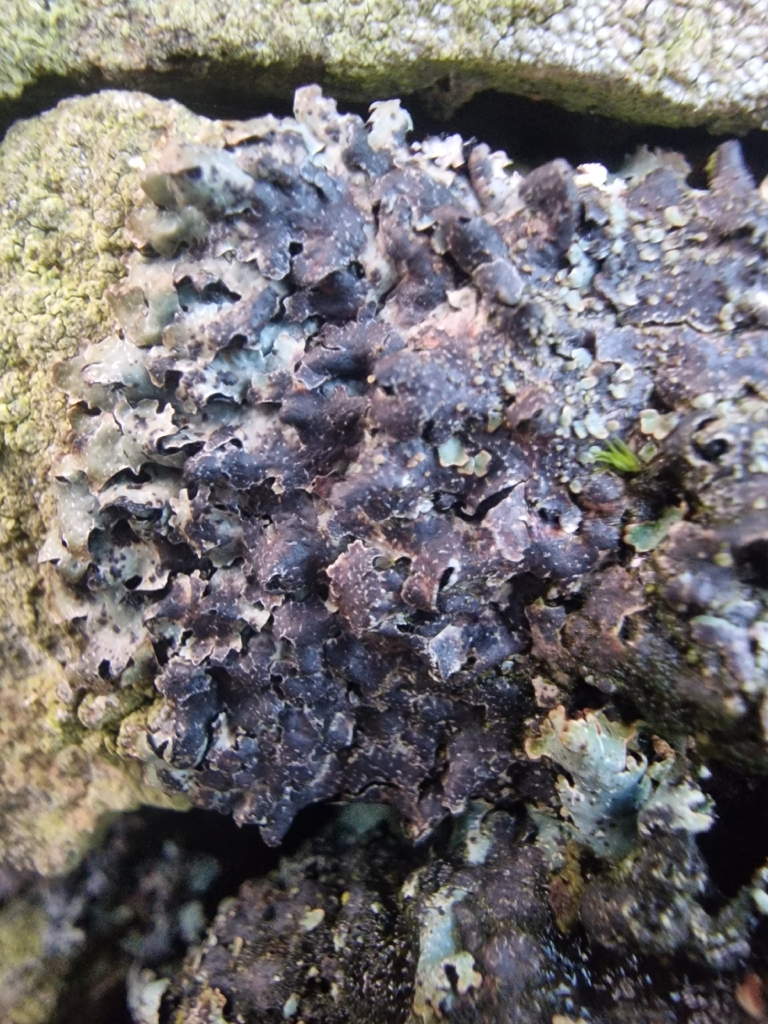
Parmelia omphalodes Smoky Crottle
P. omphalodes was called dark crottle by Scots tweed makers. Gaelic “crotal”: lichens for red/brown dyes.
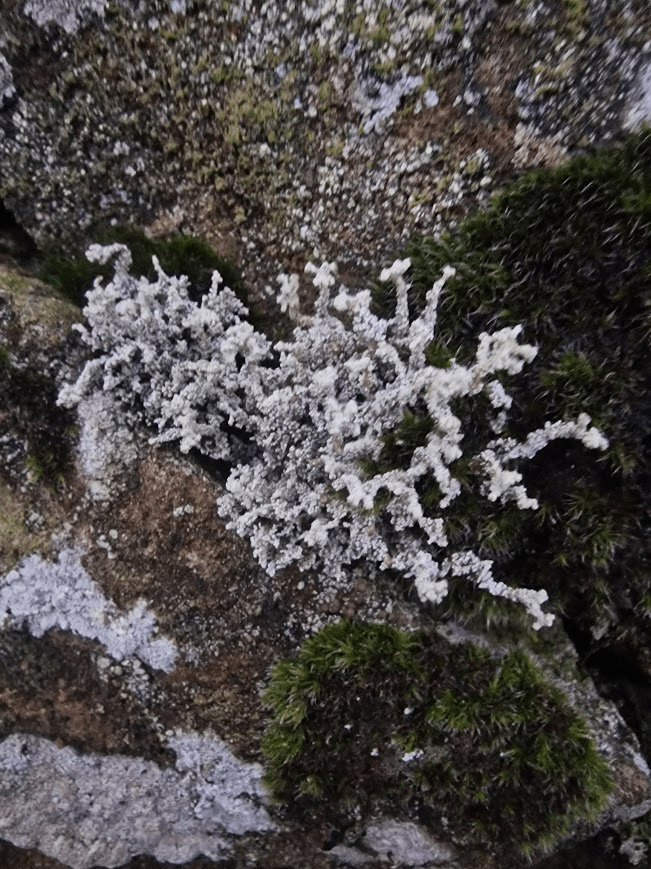
Stereocaulon vesuvianum
Stereocaulon vesuvianum is a common lichen of upland silicious rock, often on dry stone walls, and I associate it with holidays in the North West. l hadn’t seen it till the last day of my holiday – the last day of my holiday. So I can go home content now! Its pseudopotetia (sticky-up bits) could make you think it’s a Cladonia species
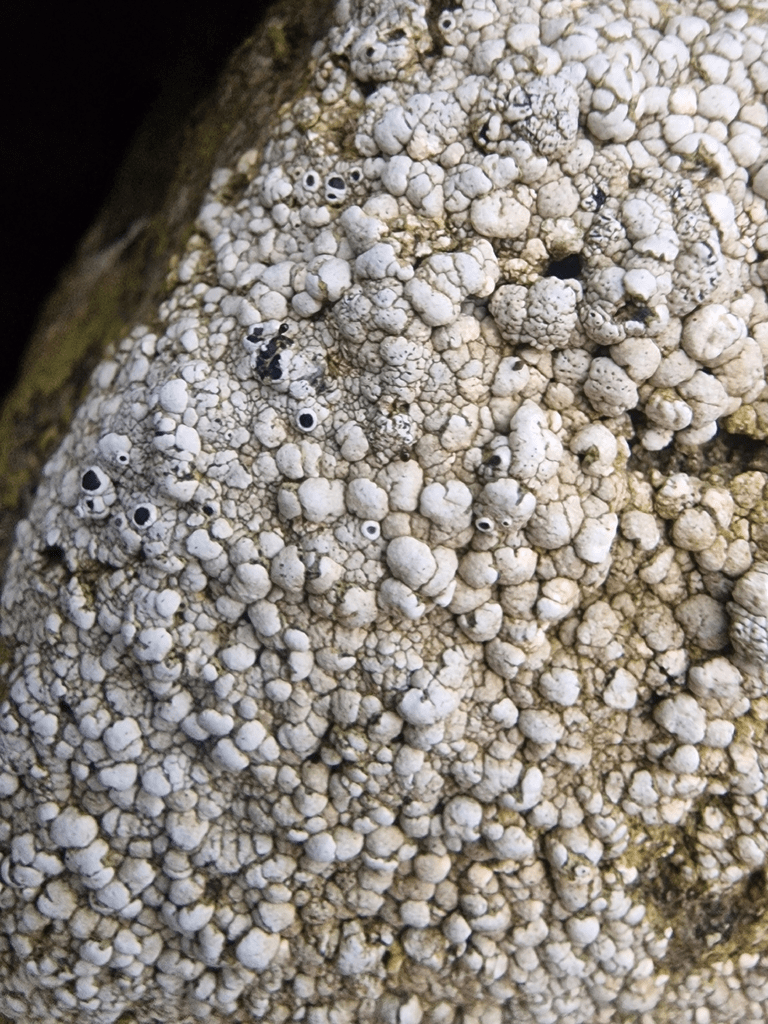
Tephromela atra Black-eye Lichen
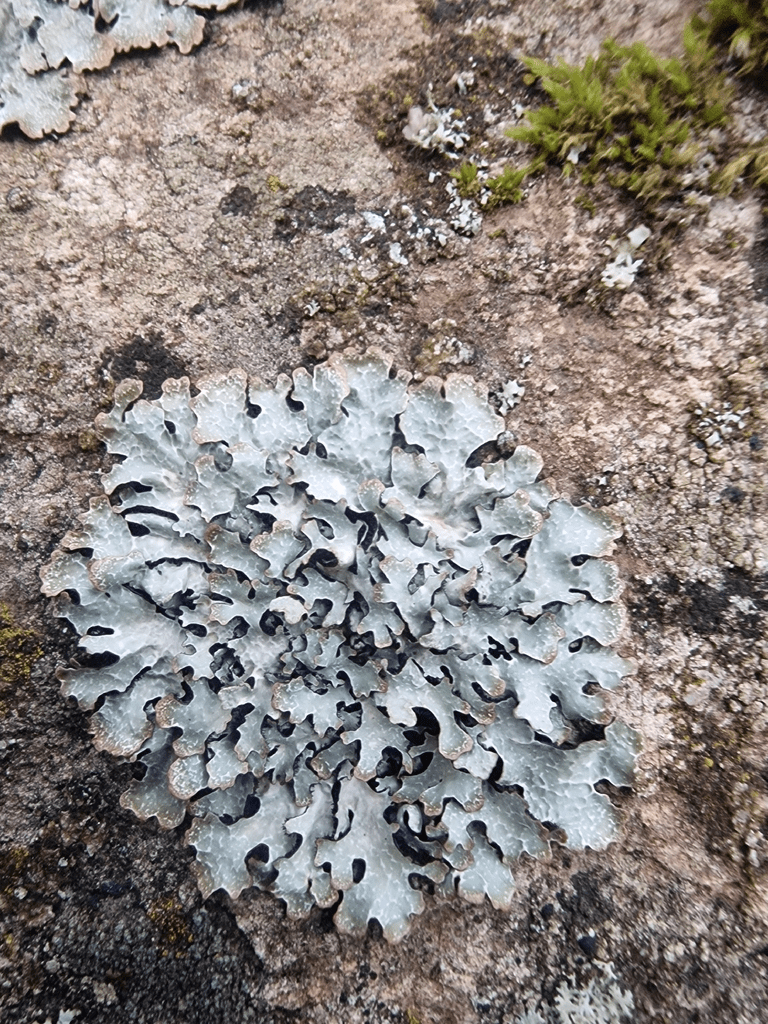
Parmelia sulcata Hammered Shield Lichen
 Sim's Nature Notes