Nunhead train station is next door to Nunhead Cemetery, Linden Grove, SE15, so it is easy to get to.
Perhaps the least known, but most attractive, of the great Victorian Cemeteries of London. Consecrated in 1840, it is one of the seven great Victorian cemeteries established in a ring around the outskirts of London. It contains examples of the magnificent monuments erected in memory of the most eminent citizens of the day, which contrast sharply with the small, simple headstones marking common, or public, burials. It’s formal avenue of towering limes and the Gothic gloom of the original Victorian planting gives way to paths which recall the country lanes of a bygone era Nunhead Cemetery – Friends of Nunhead Cemetery
The burial grounds were laid out as a lawn cemetery with a linked scheme of gently curving hard paths, boundary plantings and scattered clumps of trees. Most of the original path system survives (2010) and although many memorials are overgrown with scrub, ivy and saplings, specimen trees from the original planting survive including holm oak, lime, plane, yew, beech and a gingko. Nunhead Cemetery (All Saints) , Non Civil Parish – 1000824 | Historic England
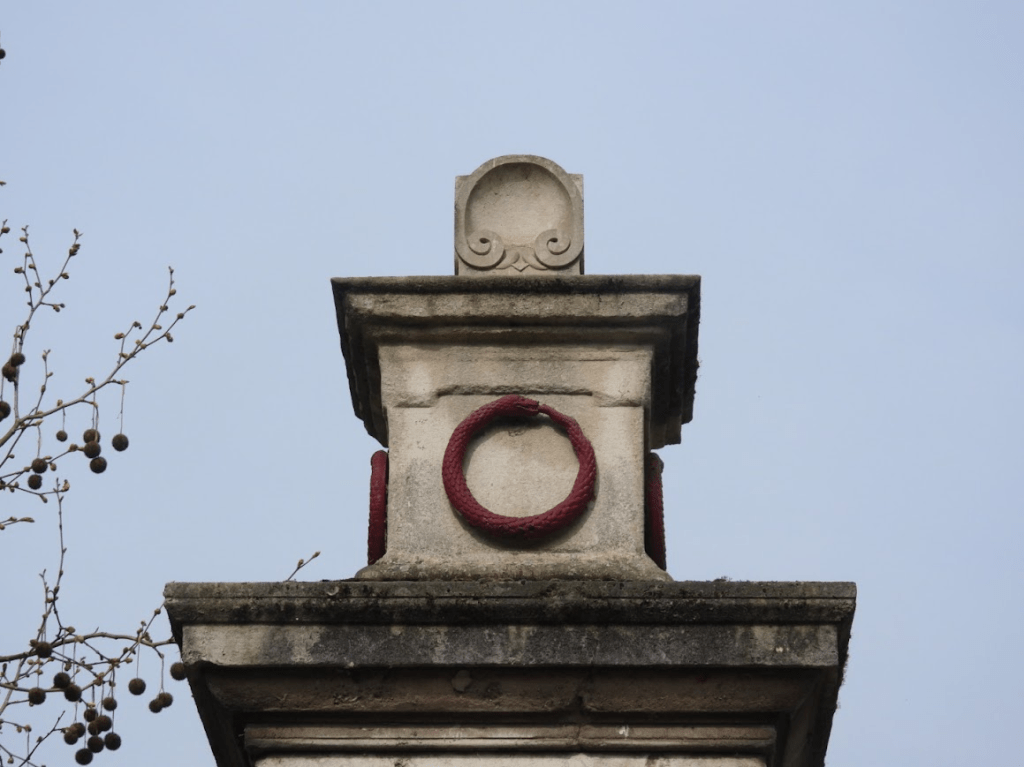
The first symbol you see arriving at Nunhead are serpents (ouroboroi) eating their own tails, representing eternal life, in its logo, at the top of the pillars of the main entrance to the cemetery.
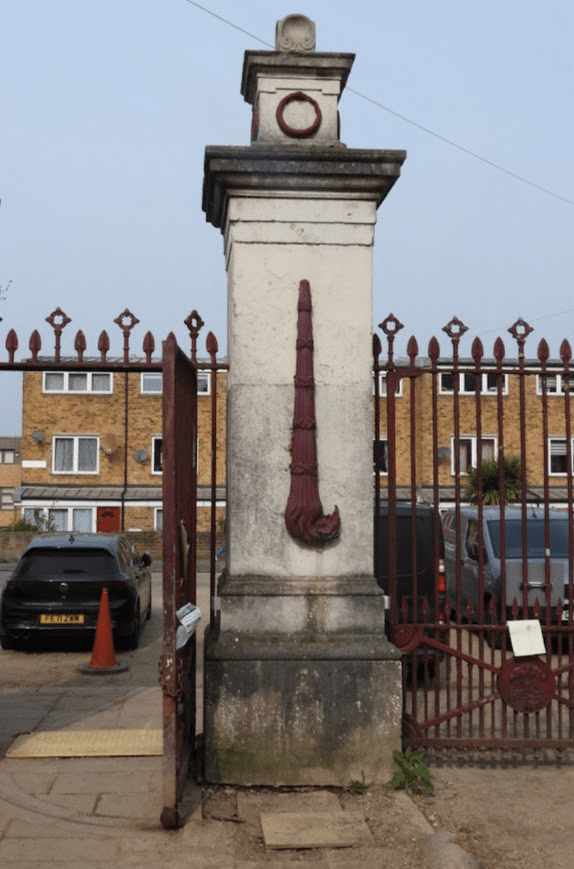
Since Roman times, the inverted torch has been a symbol of death https://pittsburghcemeteries.wordpress.com/2015/10/08/the-inverted-torch/
The inverted torch symbolizes death, and the burning flame, which would normally be extinguished when the torch was turned upside down due to a lack of oxygen, symbolizes the flame of eternal life and the Christian belief in resurrection. The soul of the deceased continues to exist in the next realm. Call Me Taphy Engraved: But the Soul Burns On…
The Friends on Nunhead Cemetery incorporates the ouroboros in their logo
But whilst ouroboroi may be used at Nunhead as a symbol of Christian resurrection, the origin of ouroboroi is pre-Christian.The first known use of an Ouroboros is on one of the shrines enclosing the sarcophagus of Tutankhamun
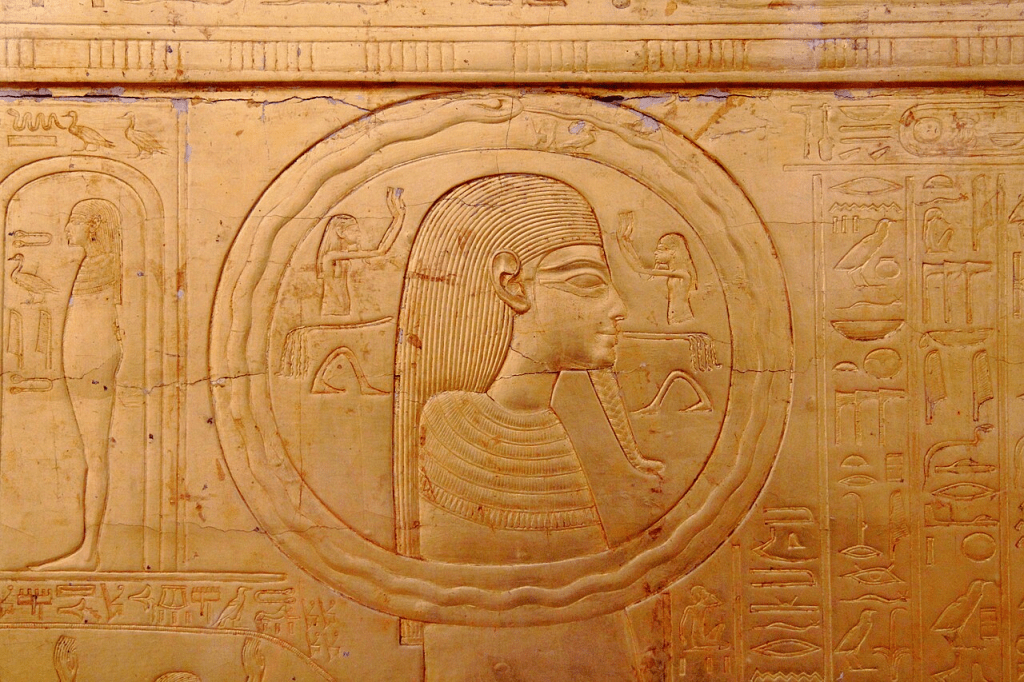
From Djehouty, CC BY-SA 4.0 https://creativecommons.org/licenses/by-sa/4.0, via Wikimedia Commons
The Oroboros is a key symbol in Gnosticism and Alchemy. A dragon-like ouroboros represented in a late medieval Byzantine alchemical manuscript written in Greek. Theodoros Pelekanos, Crete, 1478 (vellum)
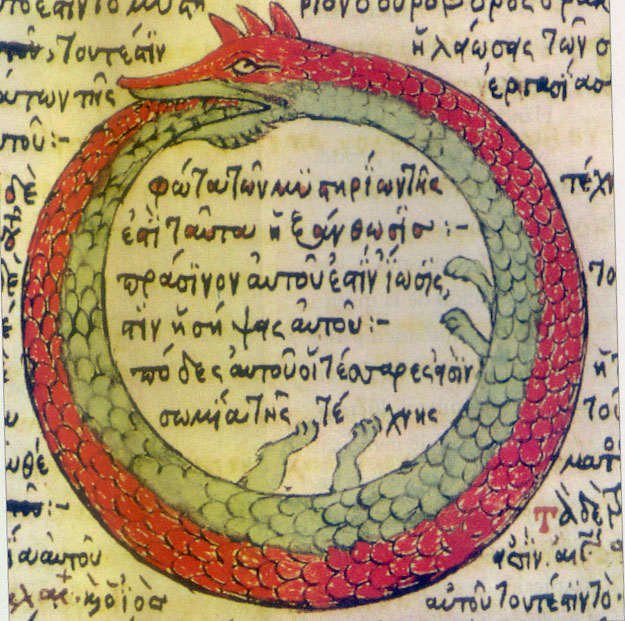
Anonymous medieval illuminator; uploader Carlos Adanero, Public domain, via Wikimedia Commons
Whist Ouroboroi are often interpreted as representing eternal life, they also represent the transmigration of souls (from snakes’ ability to shed their skins) The snake biting its own tail is a fertility symbol in some religions: the tail is a phallic symbol and the mouth is a womb-like symbol. The Ouroboros is not traditionally a Christian symbol; it originated in ancient Egyptian iconography and Greek magical traditions. While sometimes adopted by Christian mystics to symbolize God’s eternity, it is primarily associated with Gnosticism, alchemy, and esoteric philosophies
The East Lodge House. Two matching lodges to east and west, designed by Bunning c1840 and listed grade II, were built in neo-classical style inside the grounds adjacent to the gates. The two-storey lodges built from yellow brick face onto the main drive, steps leading up to the central doors on the first floors. Nunhead Cemetery (All Saints) , Non Civil Parish – 1000824 | Historic England
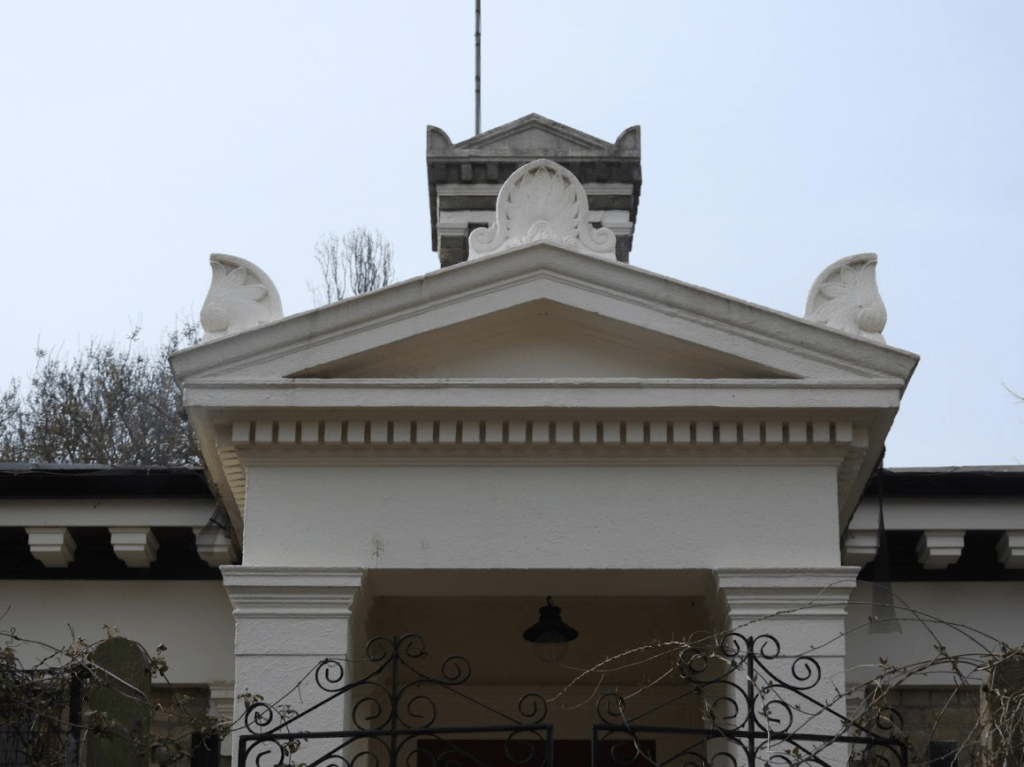
The three projections from the pediment are highly stylised leaves.
The Avenue of Limes is a defining feature of the cemetery, leading from the entrance to the Anglican Chapel. These are probably Common Lime (Tilia x europaea)
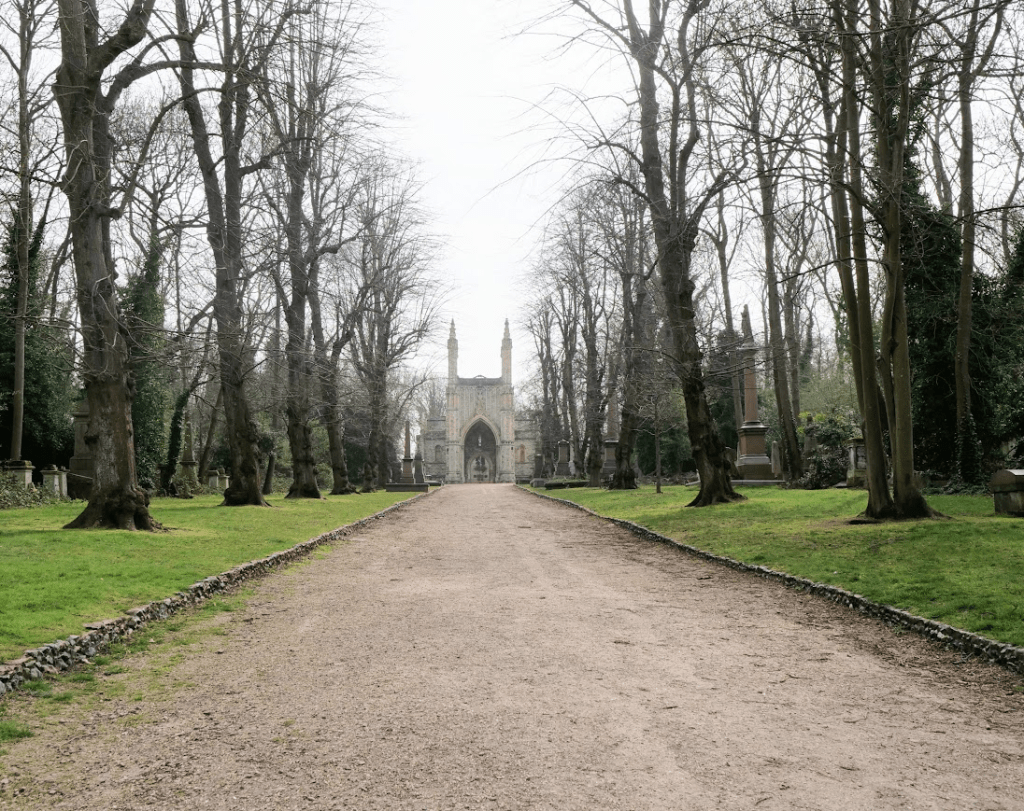
It leads main entrance gate is located on Linden Grove.
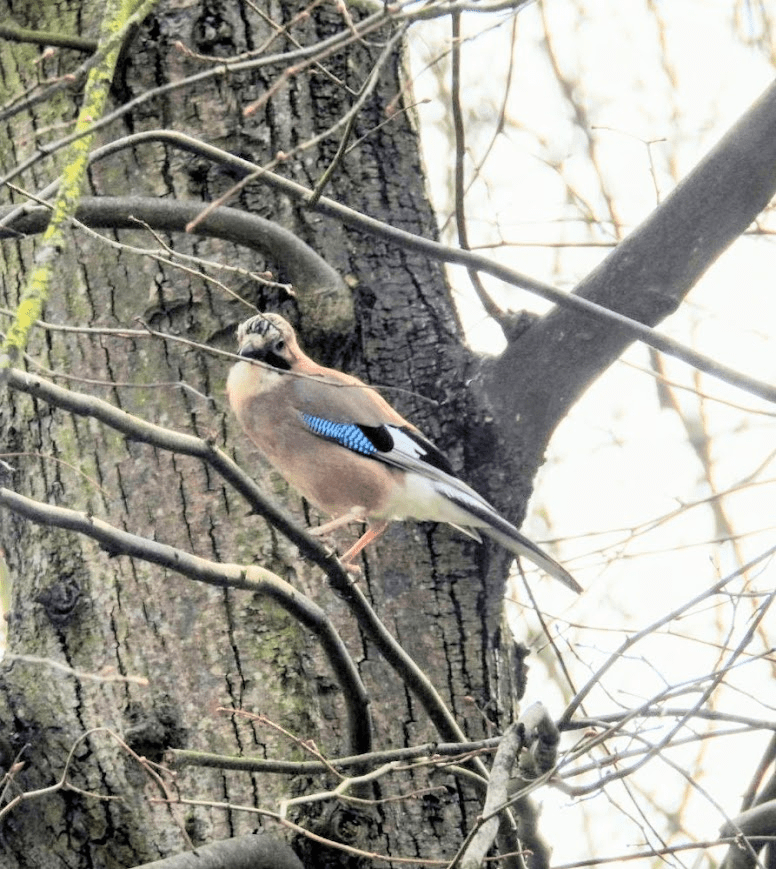
In one of the Limes was a Jay
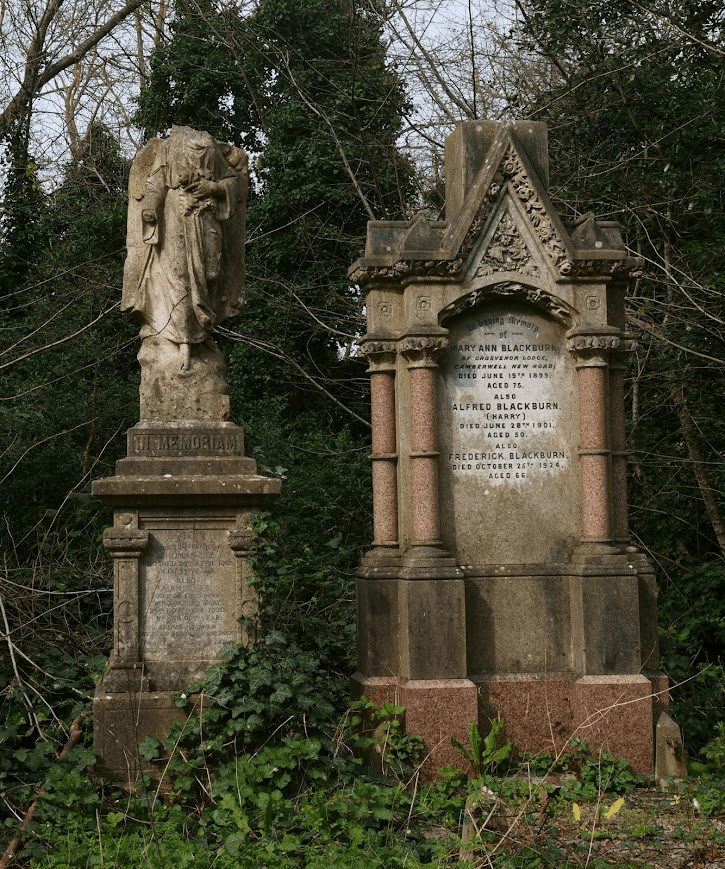
Two typical Victorian monuments:
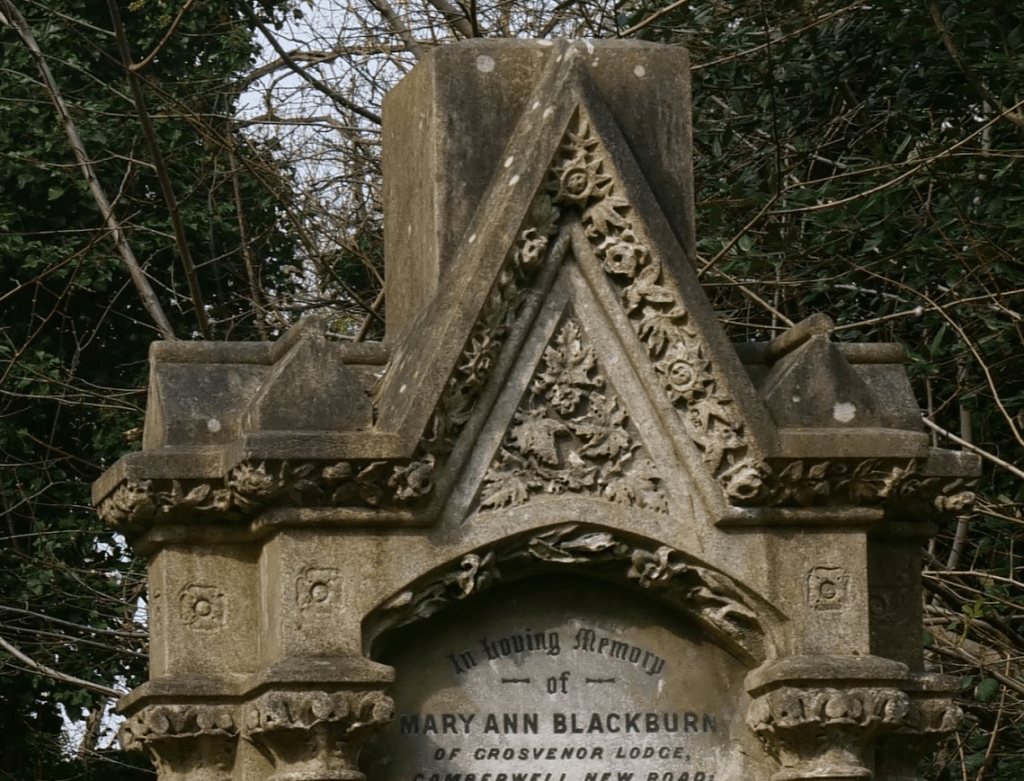
Detail. The triangle at the top of the Gothic memorial is decorated with symbolic foliage
There are many planted Yews in the cemetry (and some self-seeded Yew)
Yew trees, darker and older in reputation, carried associations of immortality and eternal life. Frequently planted in churchyards in Britain, the yew’s longevity made it both sentinel and witness, a tree that outlived generations of the dead beneath it. The Language of the Dead: Victorian Mourning Flowers and the Gardens of Grief | by Kittie Paranormal | Feb, 2026 | Medium
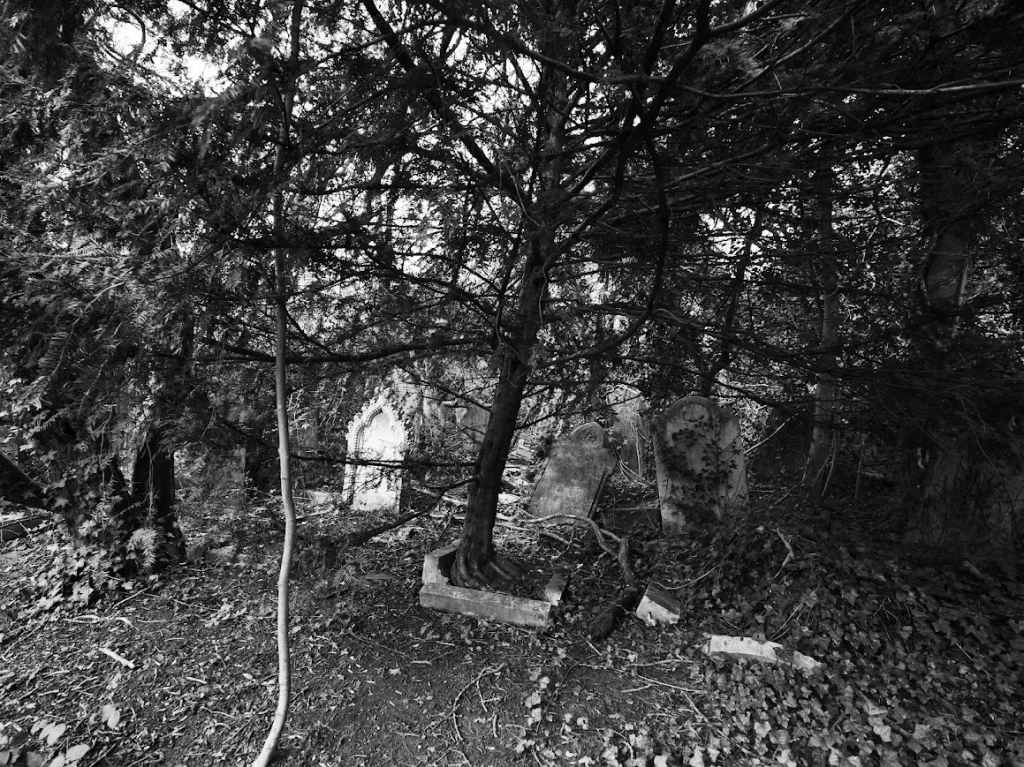
Many of the graves and memorials are covered in Ivy.
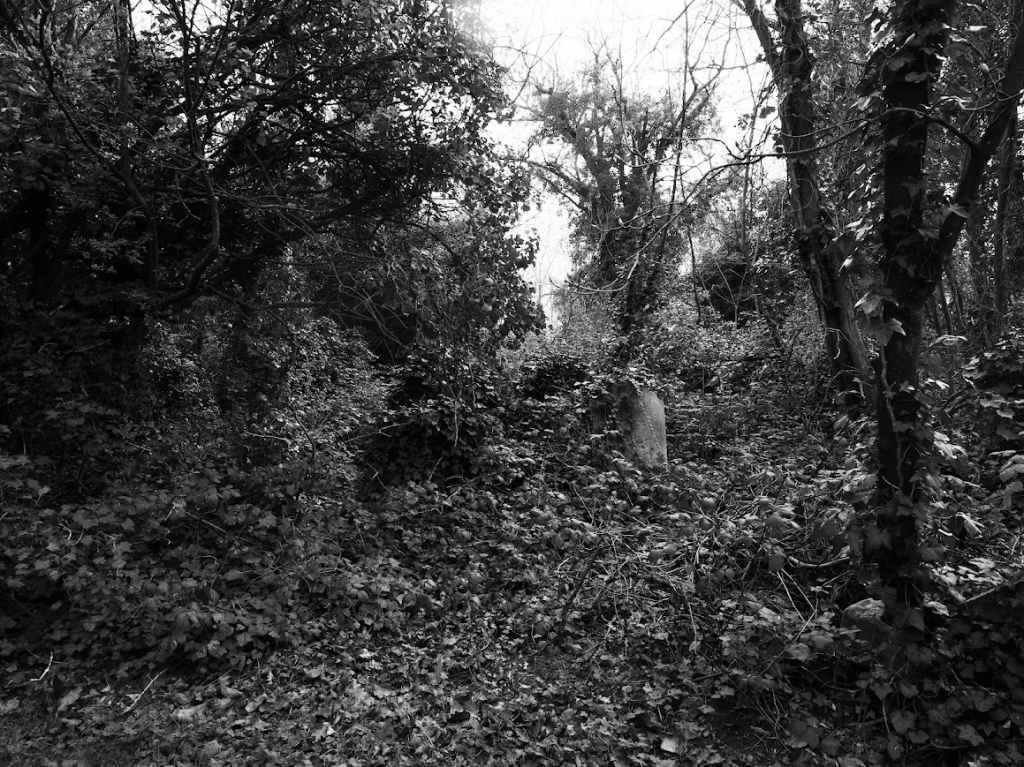
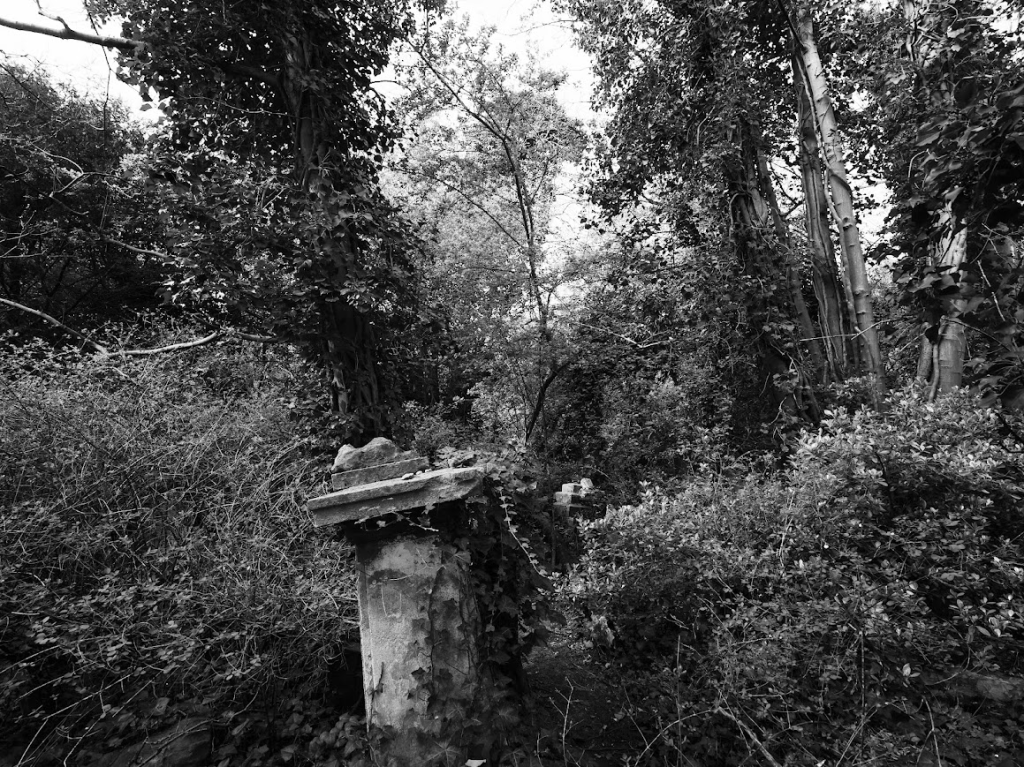
Ivy, clinging stubbornly to stone, symbolized attachment and eternal connection. Even in decay, it held fast. In Victorian cemeteries, these plants were not chosen randomly. They were messages rooted in soil. The Language of the Dead: Victorian Mourning Flowers and the Gardens of Grief | by Kittie Paranormal | Feb, 2026 | Medium
Whilst Yew and Ivy may have been planted the very overgrown nature of the cemetery now is not probably what its Victorian designers intended. Nunhead Cemetery was originally called the Cemetery of All Saints. It was designed by the architect James Bunstone Bunning, who later became architect to the City of London. His vision was for a garden cemetery, with a mix of lawn, tree-lined avenues and winding paths.
After the cemetery became full, its owner, the London Cemetery Company, faced spiralling maintenance costs. In 1969, the company ceased trading and Nunhead Cemetery closed its gates.Vandalism and decay meant many of Nunhead’s buildings and monuments were seriously damaged. Other parts of the cemetery became very overgrown, as nature reclaimed the space.To avoid the site being sold to developers, Southwark Council bought the cemetery in 1975. Since then the council and Friends of Nunhead Cemetery have worked together on maintenance.
Over time, parts of the cemetery have been restored, … The Anglican Chapel, damaged by Second World War bombs and then by an arson attack, has been stabilised.
But wandering off the main pathways can leave visitors feeling like they’ve stumbled into a woodland wilderness. One scientist has recorded more than 200 different insect species in the cemetery, including a number of rare beetles.Bird watchers have also noted dozens of different species in the grounds – among them tawny owls, wrens and the green parakeets familiar to south Londoners.
In 2003, Nunhead Cemetery was designated as a Local Nature Reserve. Nunhead Cemetery | London Museum
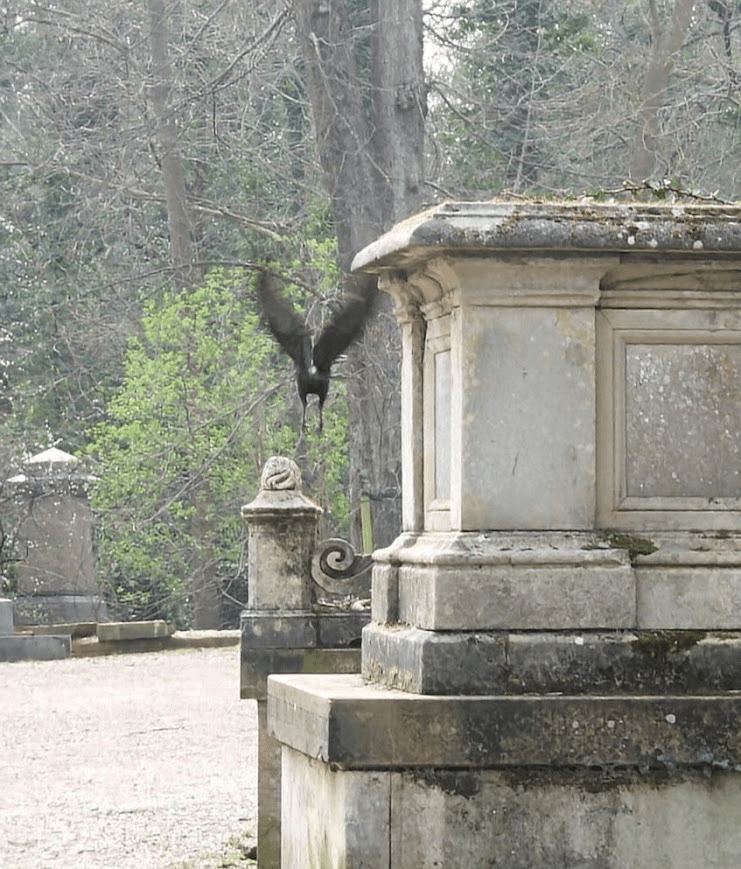
A Crow taking off
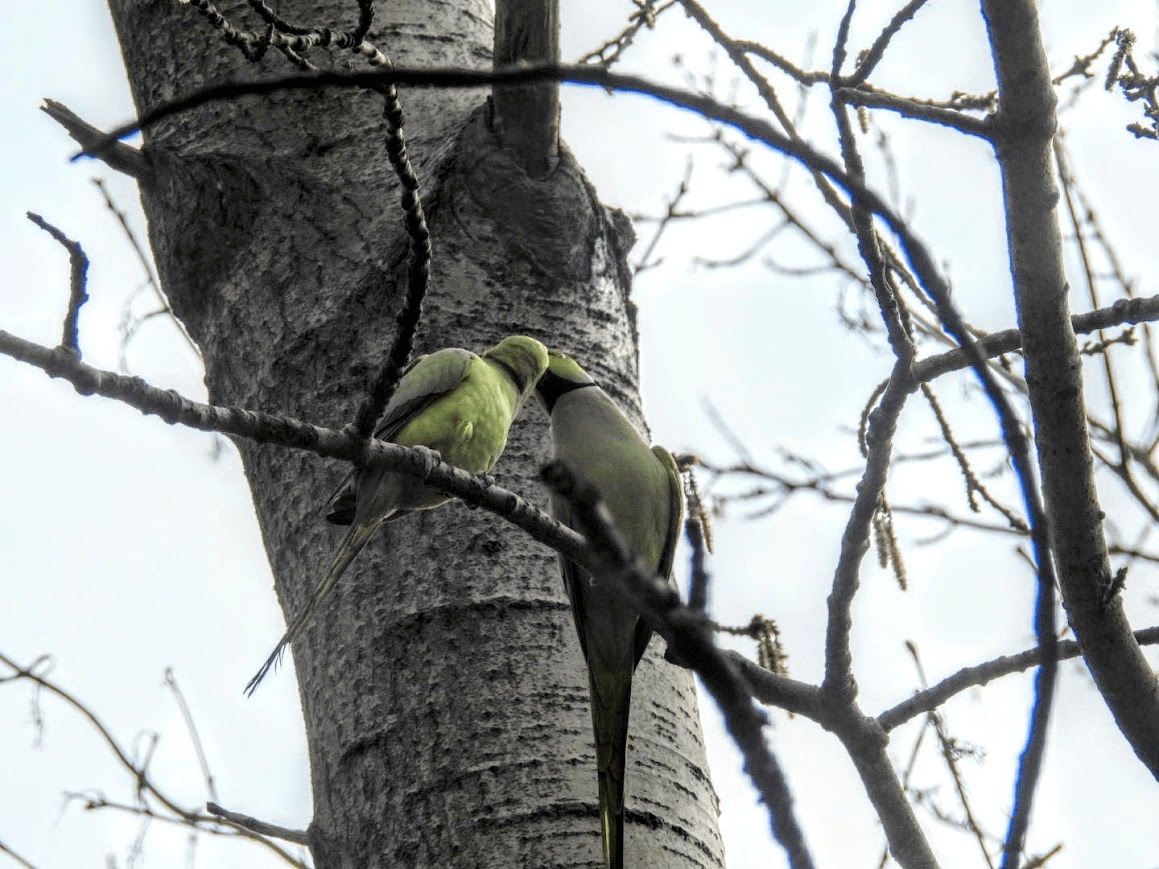
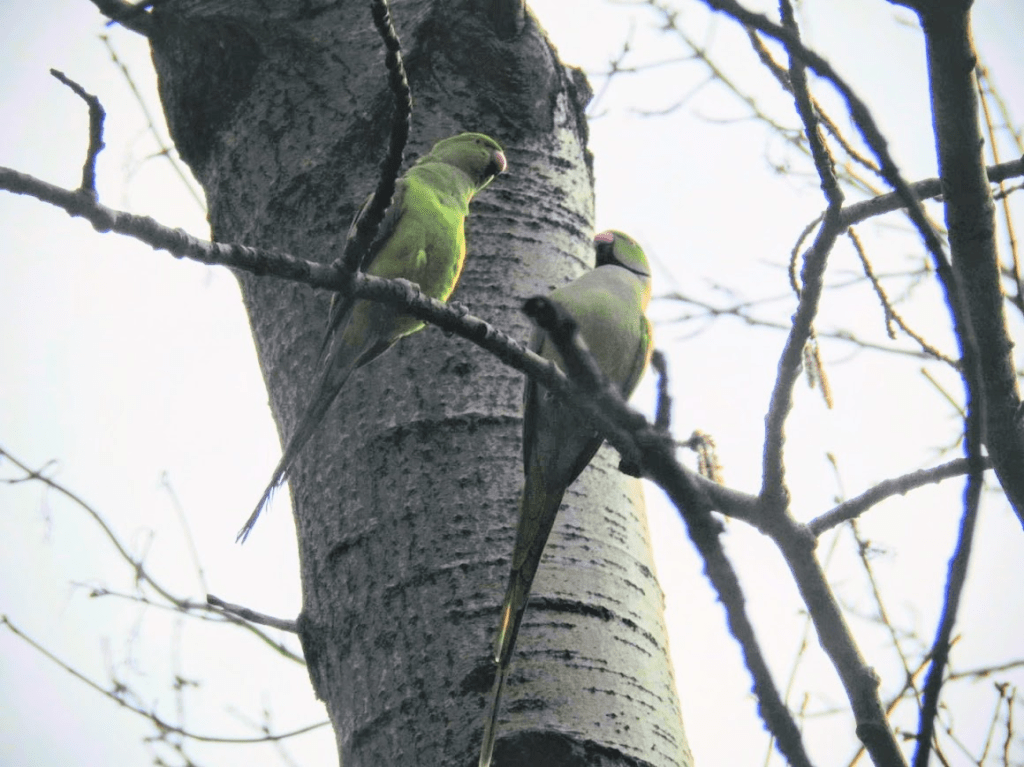
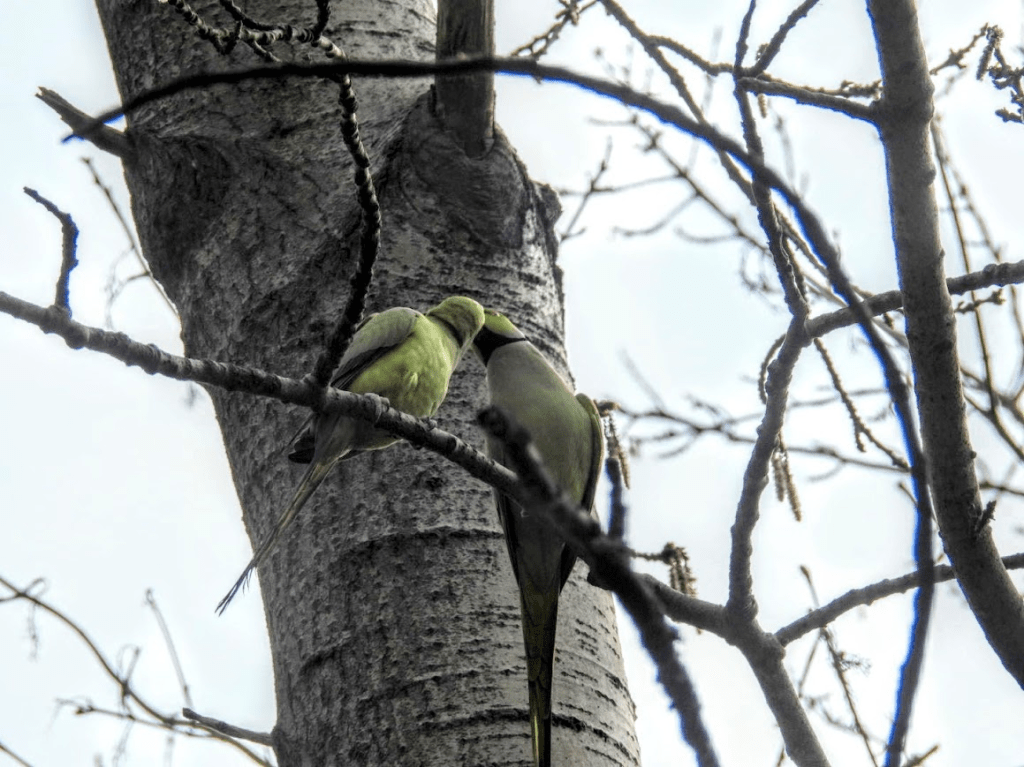
Love amongst the Ring-Necked (Green) Parakeets
The Anglican Chapel uses much foliage decoration.
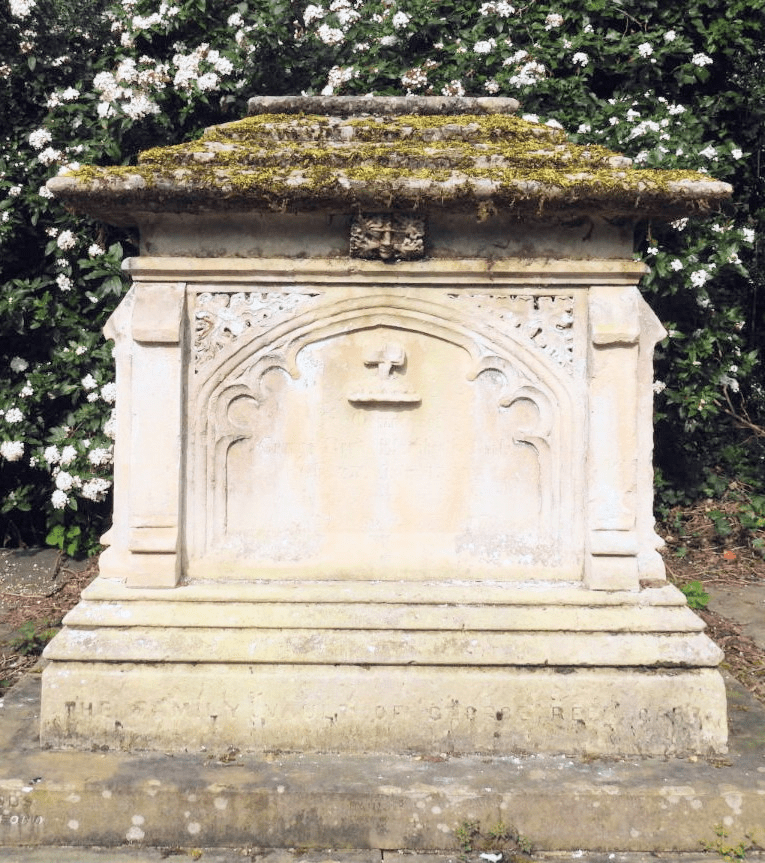
Chest tomb with a foliate head.
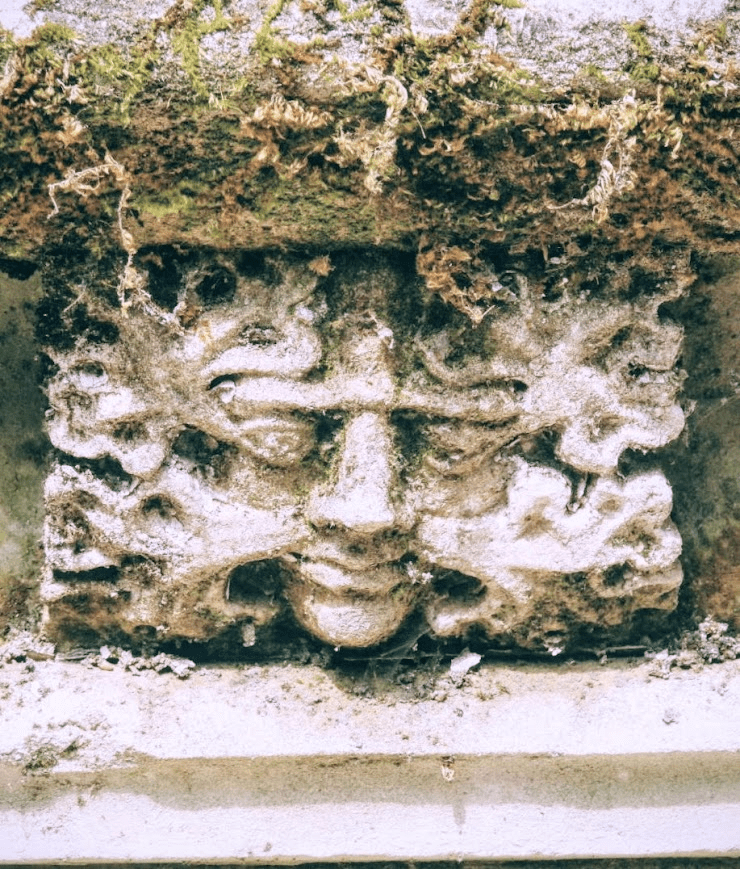
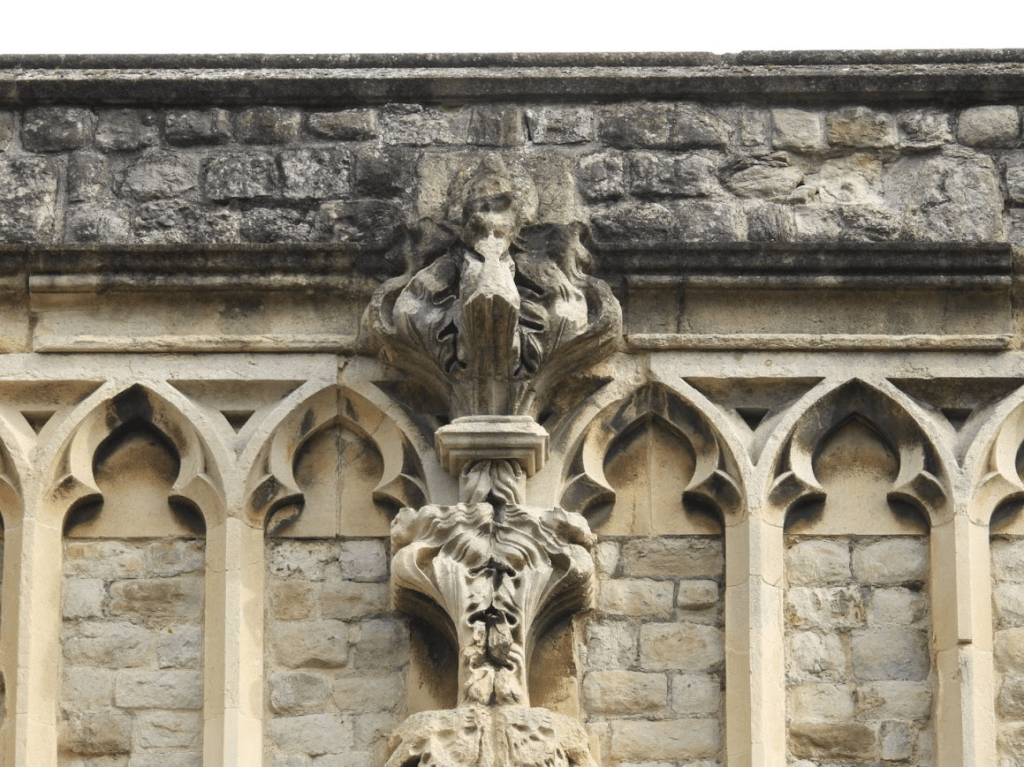
High-up round the top of the Anglican Chapel there are a serious of grotesques; one of them appears to be anpther foliate head:
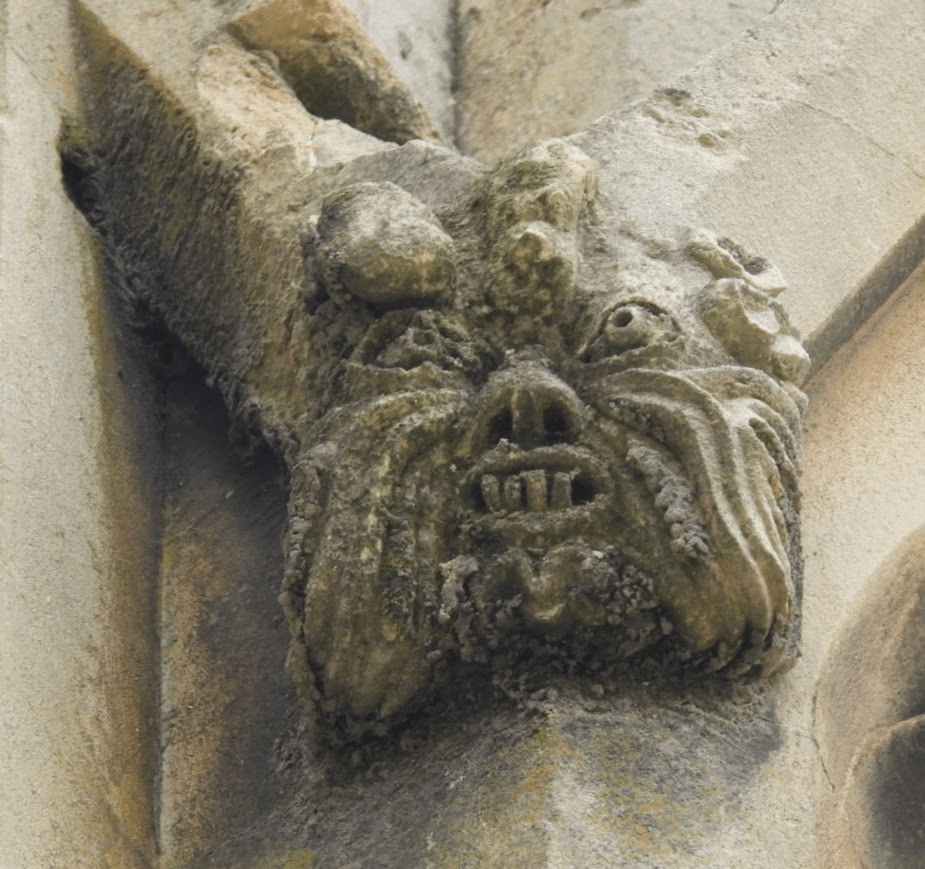
Whilst foliate heads are world-wide symbols; and are pre-Christian, it is likely that a foliate head on a tomb is a UK cemetery was intended as a Christian symbol: “disgorging foliate head motif” was part of a new repertoire imported into England from northern France after the Norman conquest. It is a Christian/Judaic-derived motif relating to the legends and medieval hagiographies of the Quest of Seth – the three twigs/seeds/kernels planted below the tongue of post-fall Adam by his son Seth (provided by the angel of mercy responsible for guarding Eden) shoot forth, bringing new life to humankind. The Christian history of the Green Man motif | Folklore and mythology | The Guardian
Field Elm
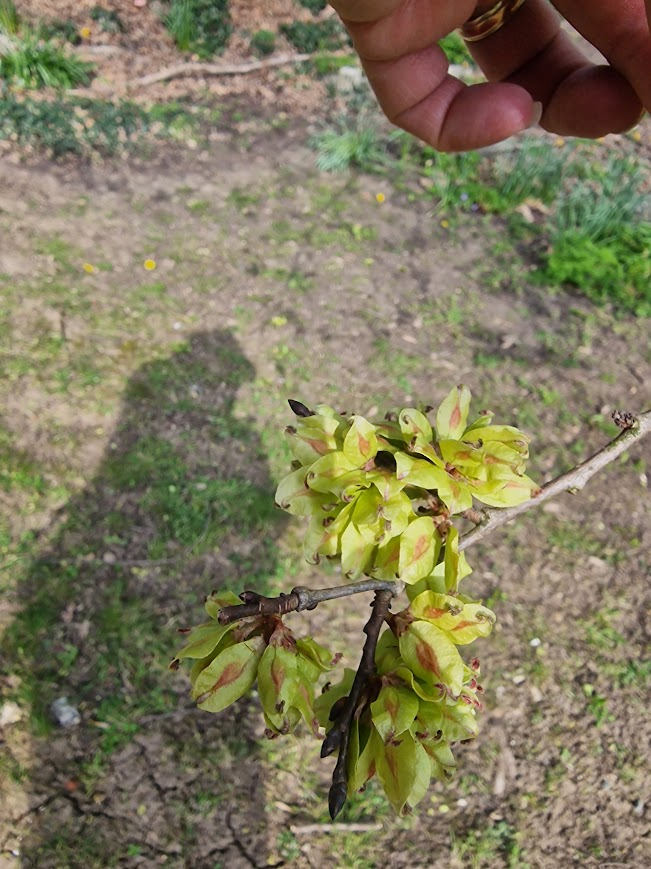
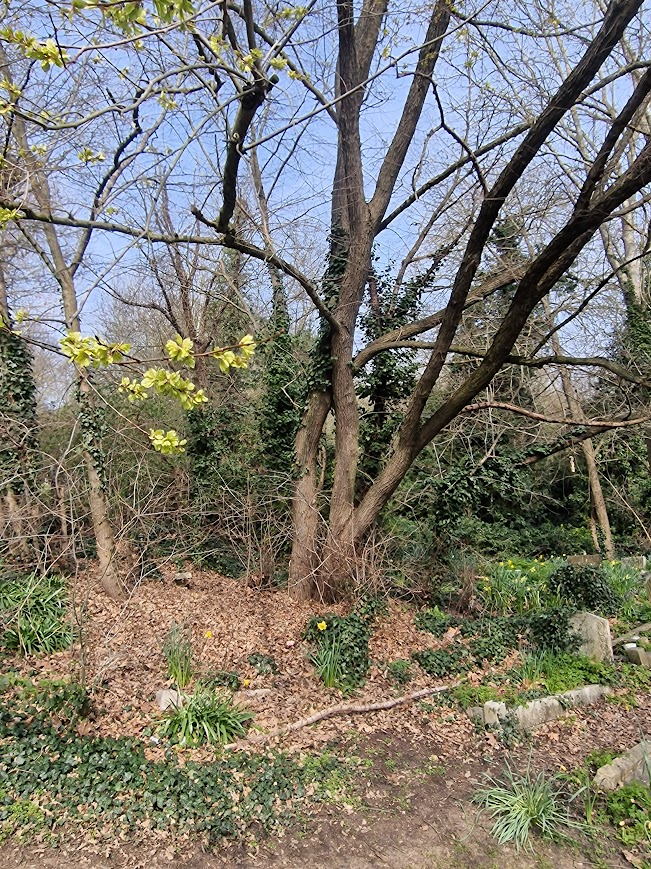
Apparently there are still approximately 4,000 Elms in Greater London. It is estimated that there are approximately 8.4 million trees in Greater London.
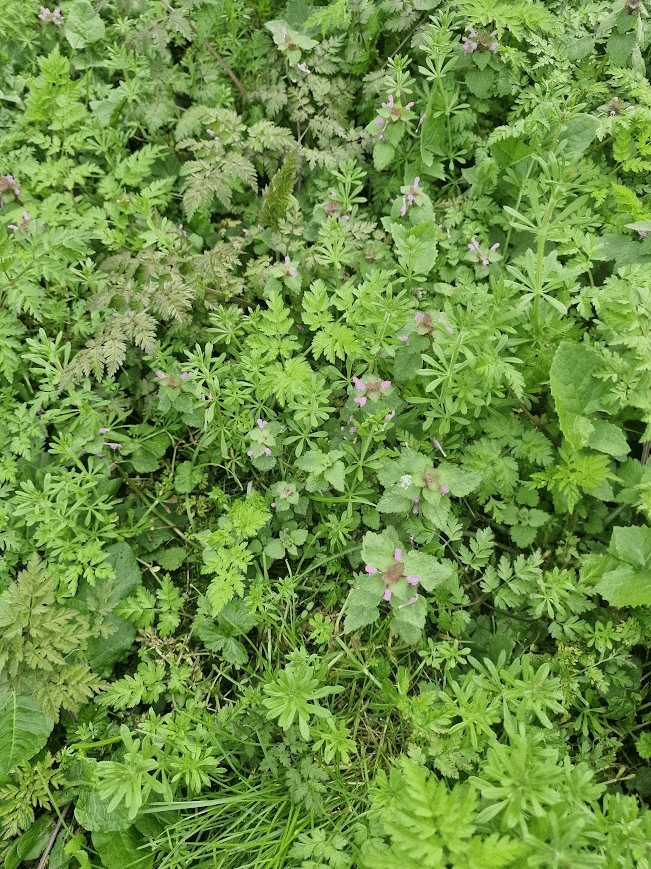
Red Dead Nettle
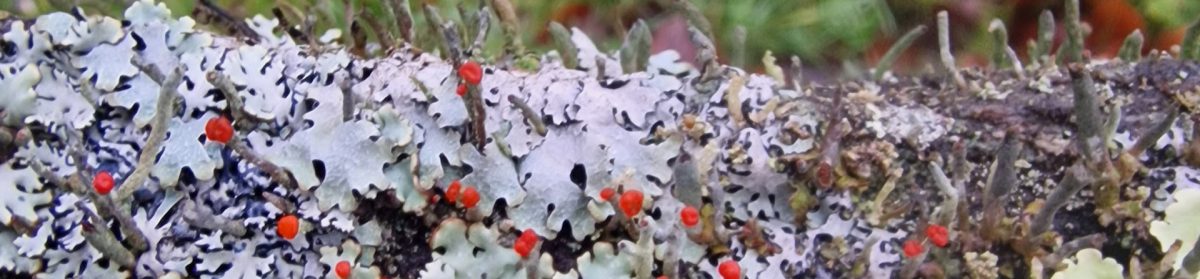
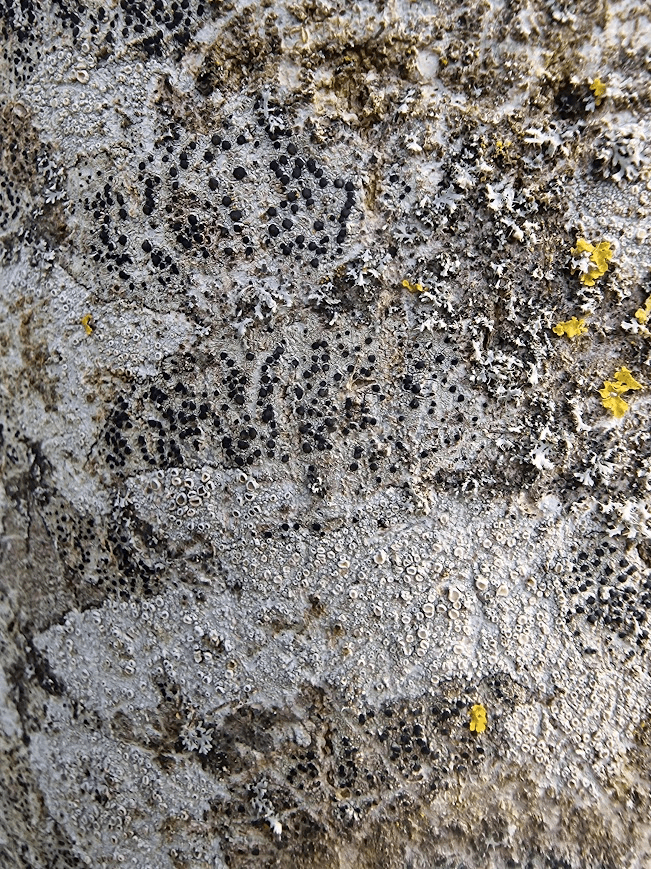
These Sycamore trees were covered in lichens, mainly Lecanora chlarotera, Lecidella eleachroma and Xanthoria partietina
Palm on tombstone
The palm branch is a symbol of victory, triumph, peace and eternal life originating in the ancient Near East and the Mediterranean world. Gravestone Symbols- Meaning and Inspiration | Stoneletters
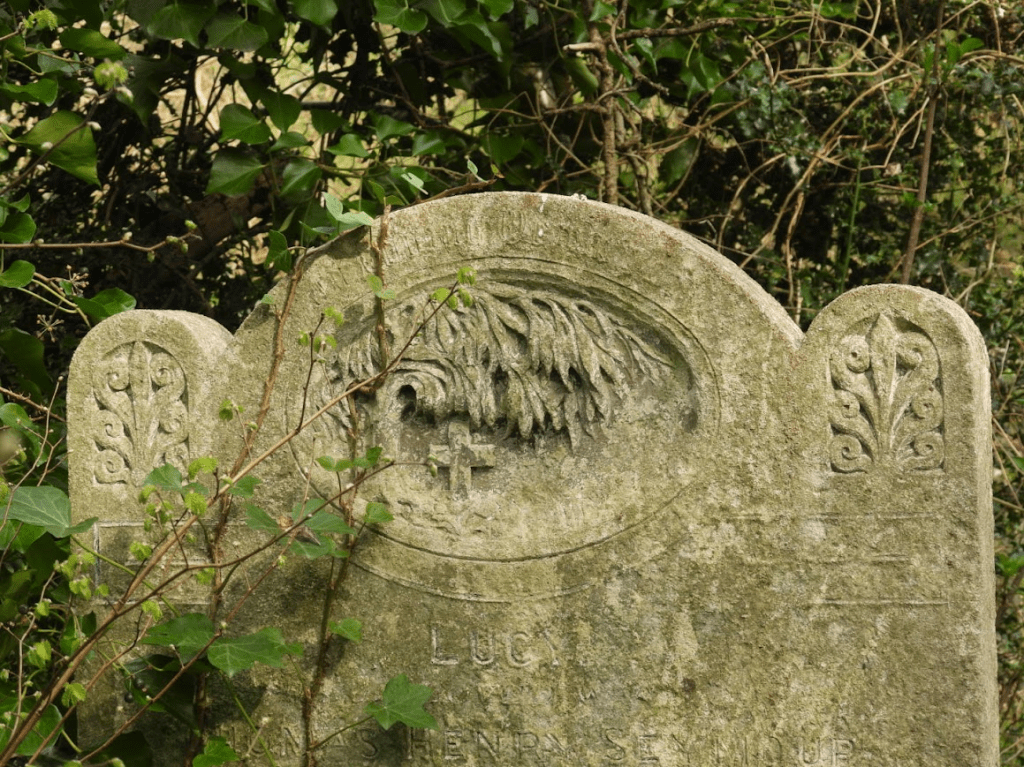
Fern on tombstone
Ferns symbolise sincerity and solitude, because they can be found in remote places. The Symbolism of Victorian Funerary Art – Undercliffe Cemetery
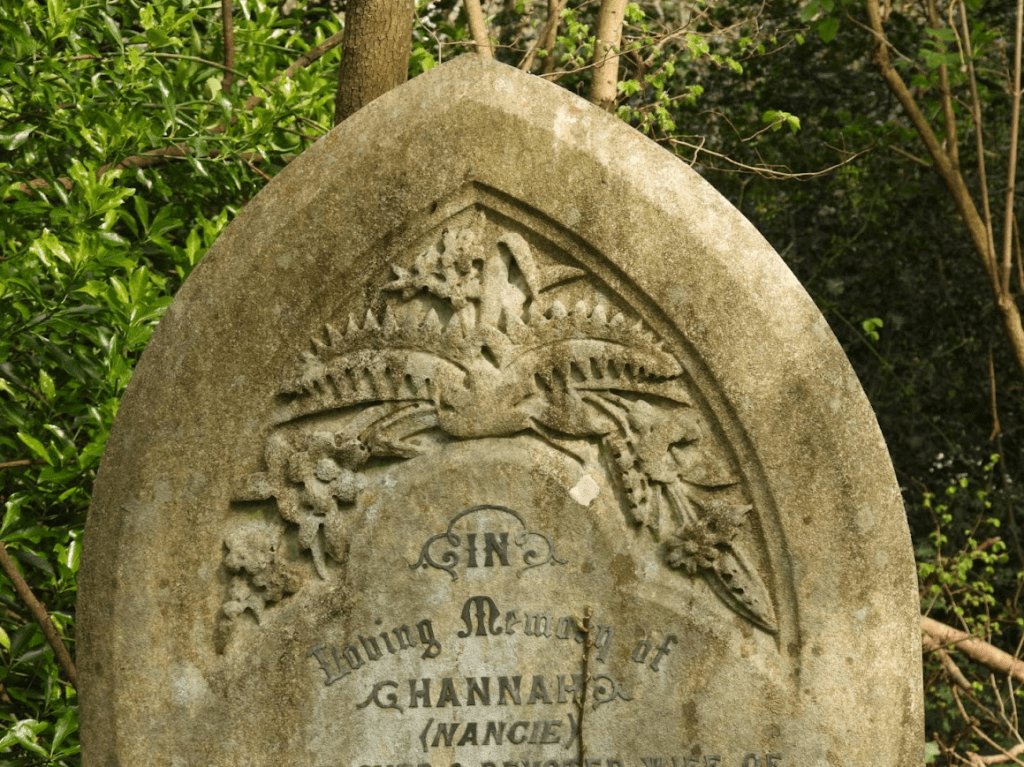
Sunflowers or Six-Spoked Wheels on a grave stone?
In the Catholic tradition, the sunflower symbolises devotion to the Catholic Church. In this tradition, the sun represents God’s divine light and the flower thus represents a striving toward God. Although Sunflowers face the sun when young, they permanently face east when fully grown, and this corresponds with the direction that Christian graves are orientated, towards the rising sun. Flower symbols and meanings on gravestones | Stoneletters
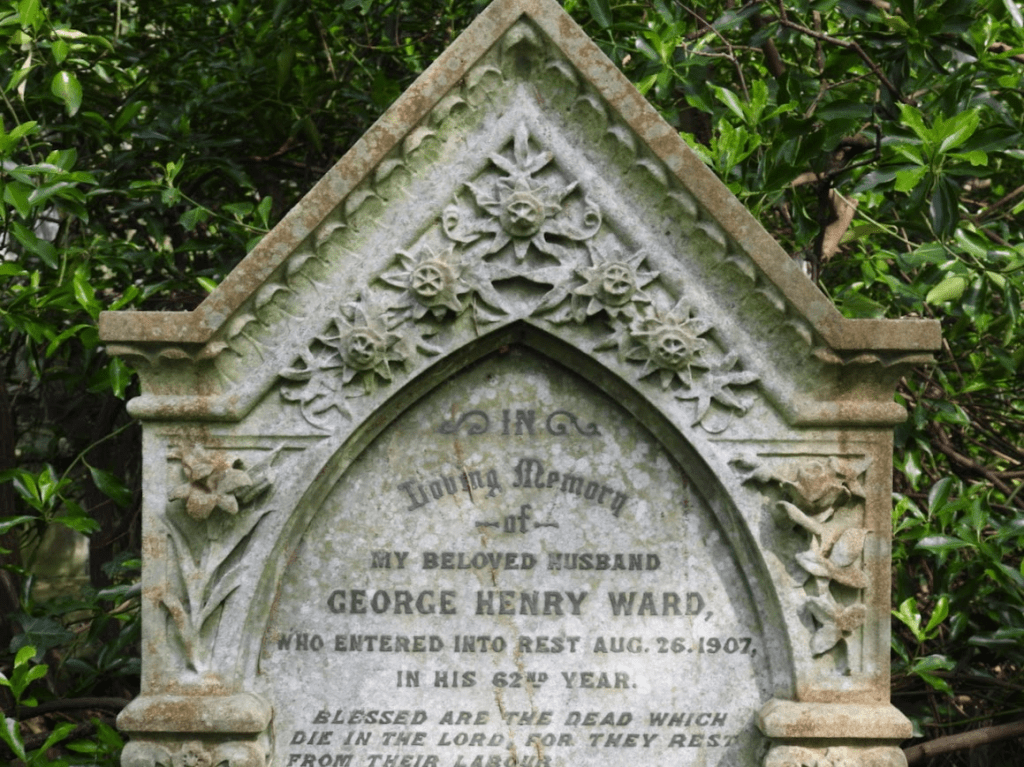
Dharma wheel (Dharmachakra) symbol: The dharma wheel, or dharmachakra in Sanskrit, is one of the oldest symbols of Buddhism. Around the globe, it is used to represent Buddhism in the same way that a cross represents Christianity. https://www.learnreligions.com/the-dharma-wheel-449956
And on my way out of the cemetery I saw a Crow prancing
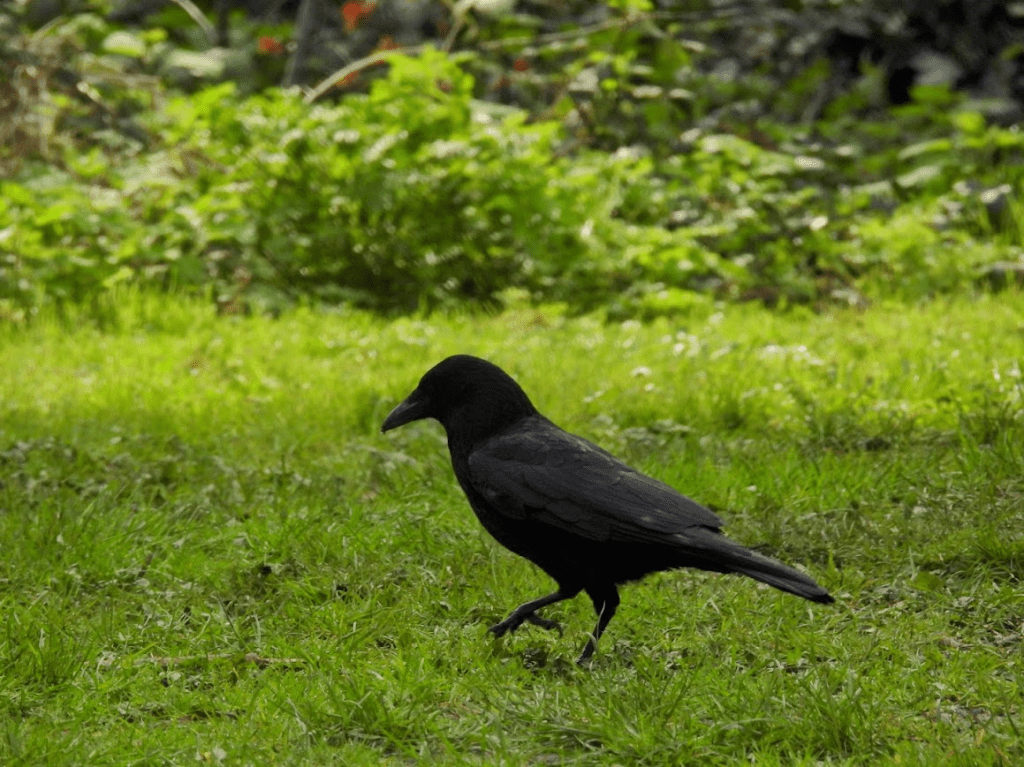
From their cleverness and adaptability to their association with transformation and psychic abilities, crows hold a special place in our collective consciousness. See: Crow Symbolism and Meaning: Exploring the Wise Bird | HowStuffWorks
 Sim's Nature Notes