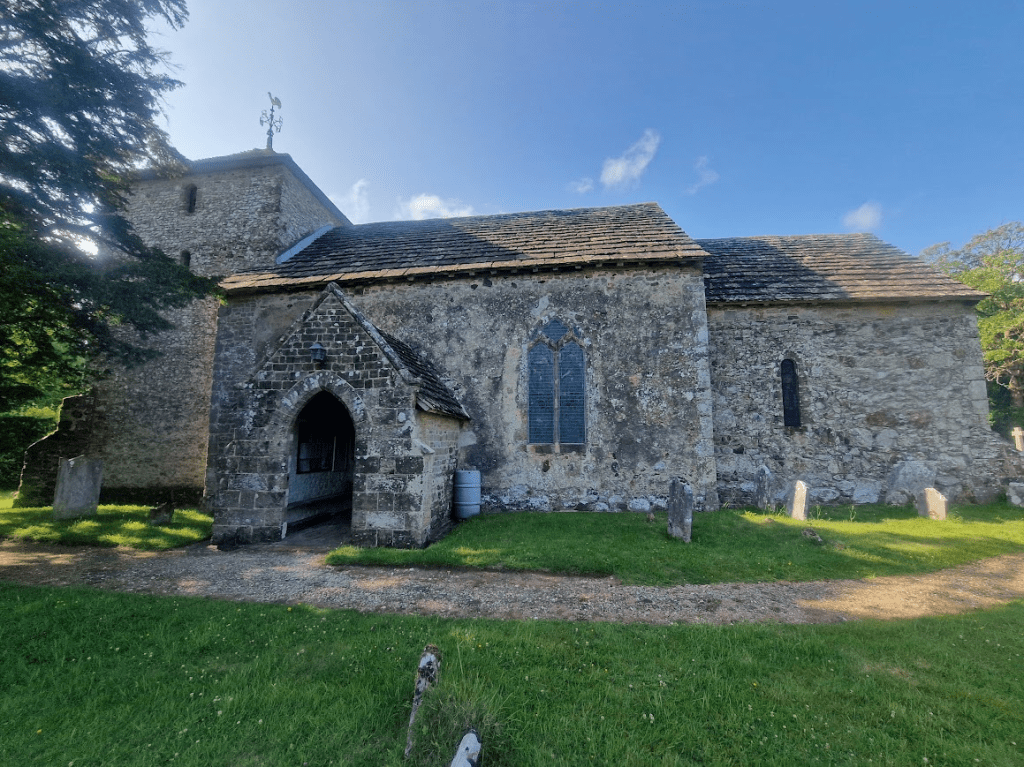
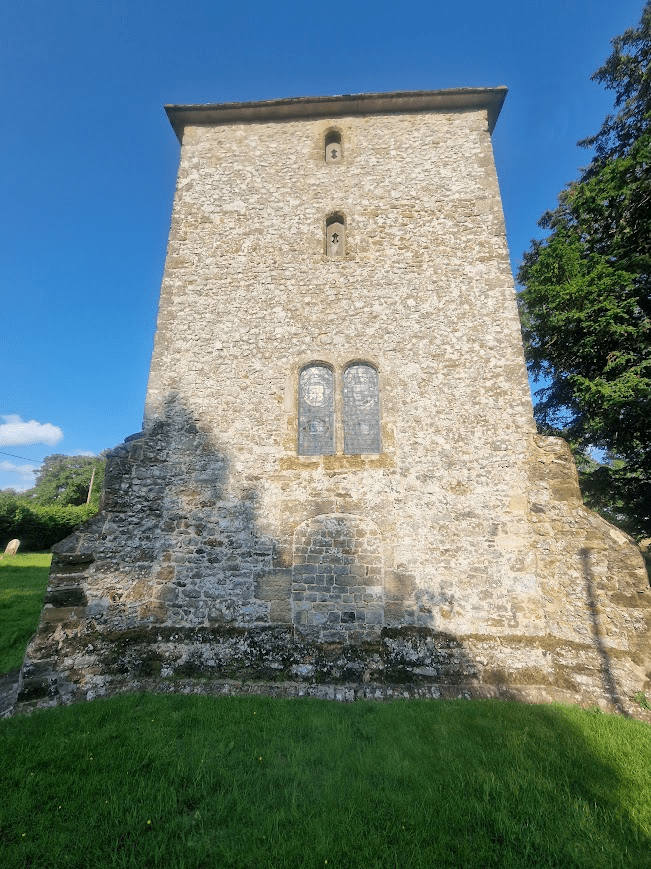
Francis Rose considered St Mary’s to be one of the best churches in Sussex for lichens. At present Stopham Church has the highest score, with over 130 lichens present Rose 1995 The Habitats and Vegetation of Sussex p.27. I didn’t have much time today for a good look today as I stopped off for just two hours in my journey back home from leading a bird walk; my total fell well short of 130!
The church stands on high ground near the confluence of the Arun and the Rother. Most houses are nearby, well away from the fine mainly C15 bridge (no longer used by through traffic), where the risk of flooding was too great.Sussex Parish Churches: Stopham
Churchyards are of supreme importance for lichen conservation, particularly where there are no natural outcrops of rock.Of the 2000 British species, over a third have been found in churchyards and more than 600 have been found growing on churchyard stone in lowland England.Many are scarce and some seldom, if ever, occur in other habitats. Many churchyards are found to have well over 100 species.Churchyards provide an excellent environment for the study of lichen biology and colonisation.British Lichen Society Churchyard Lichens
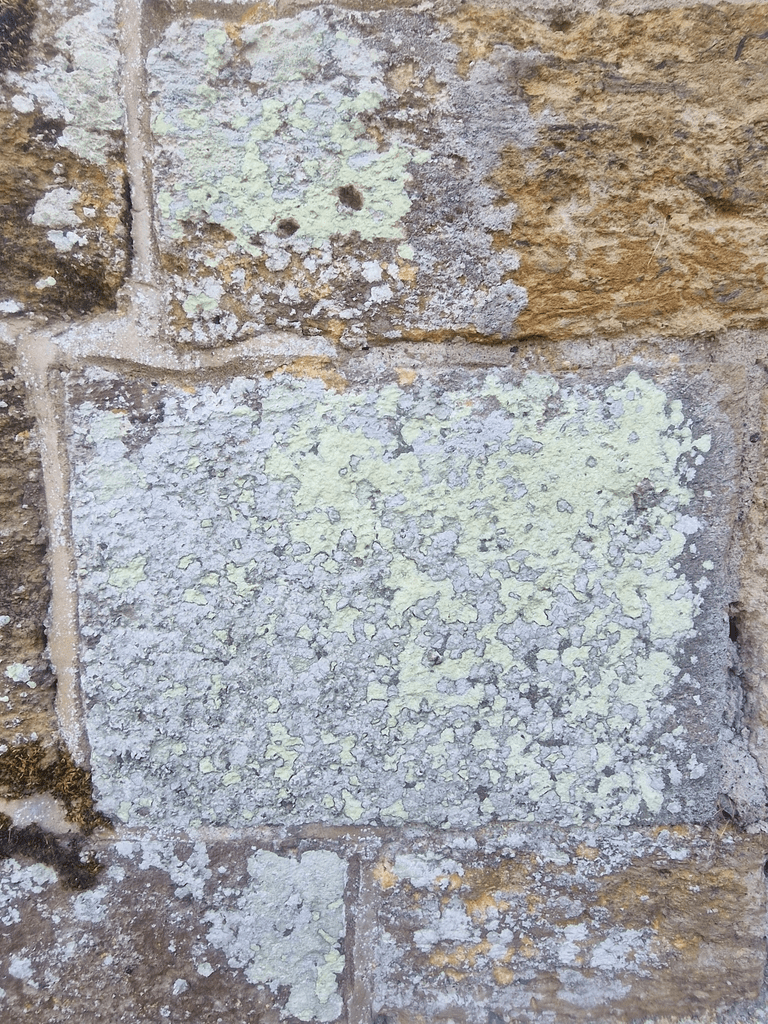
South-facing wall
Lecanora polytropa Granite-speck Rim Lichen
Haematomma ochroleucum
Porpidia soredizodes
Myriolecis albescens
Candelariella vitellina Common Goldspeck
West-facing Wall
Myriolecis albescens
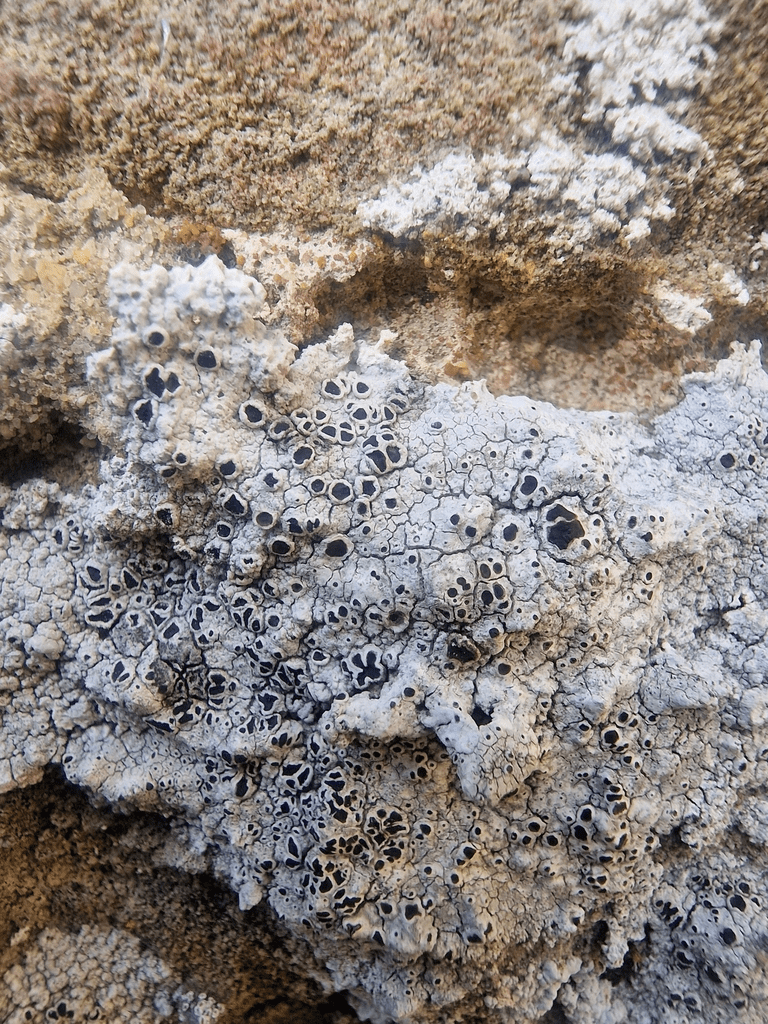
Tephromela atra Black-eye Lichen
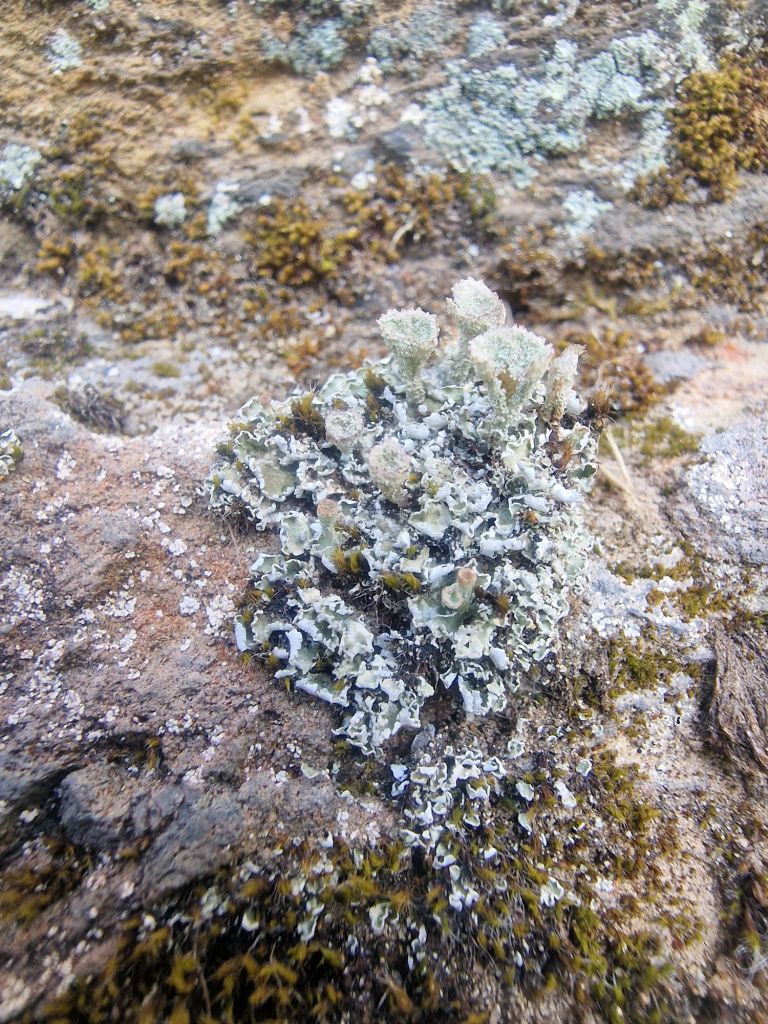
Cladonia chlorophaea
Cladonia pyxidata
North-facing Wall
Ingaderia vandenboomii
Psilolechia lucida Sulphur Dust Lichen
Glaucomaria sulphurea
Variospora flavescens Limestone Lobed Firedot
Diplotomma alboatrum
Leproplaca chrysodeta
East-facing wall
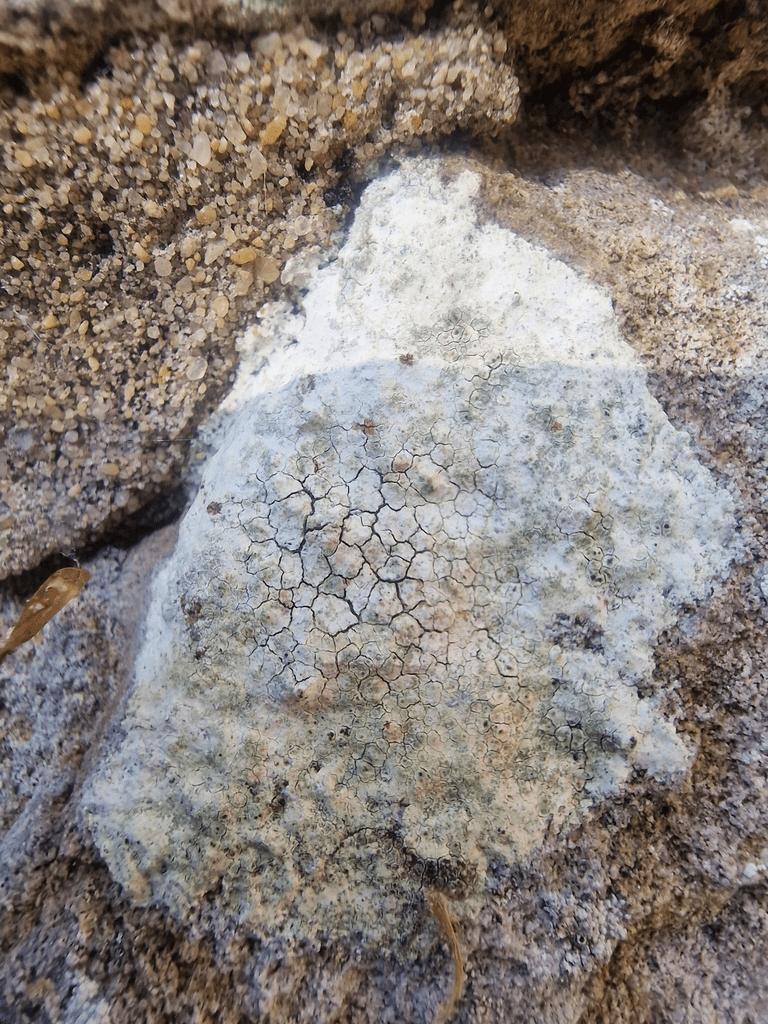
Circinaria calcarea Calcareous Rimmed Lichen
Tephromela atra being parasitised by Glaucomaria sulphurea
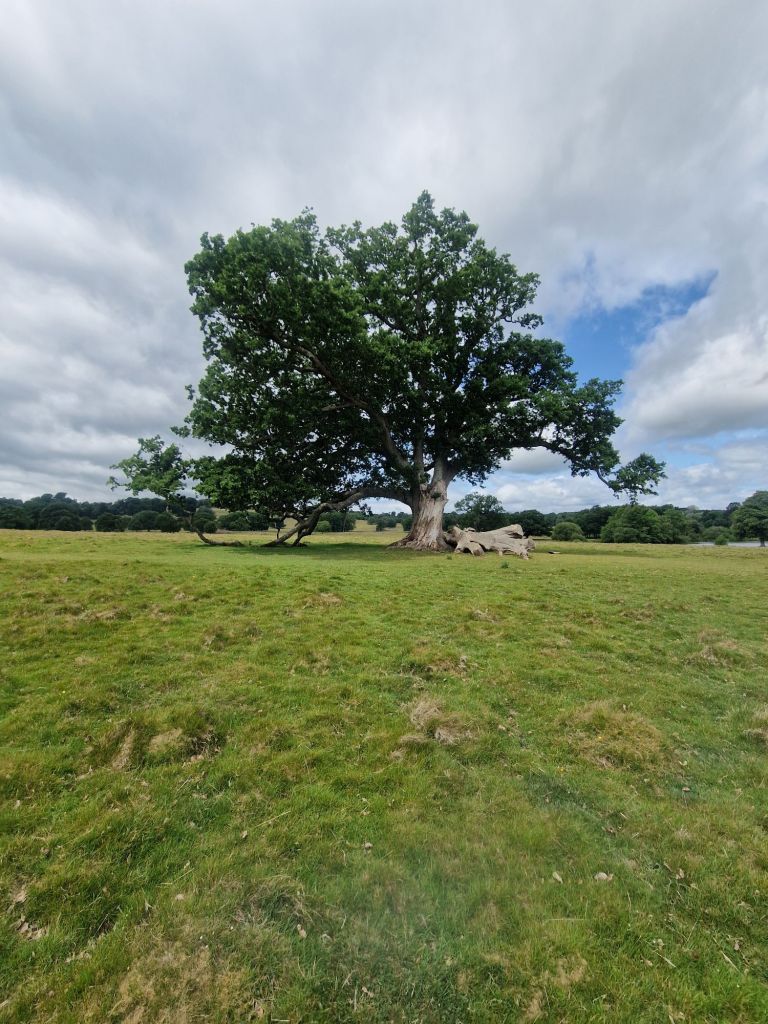
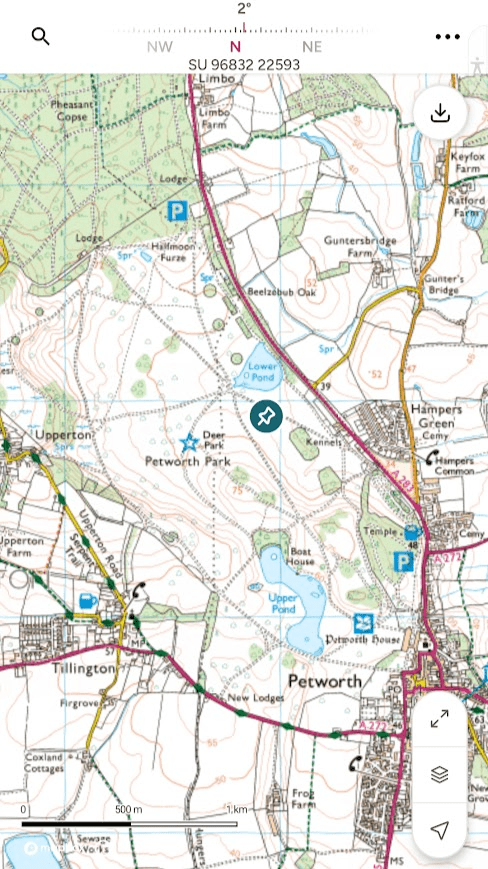
All the photos in the post were taken by me on one day (10.06.25). apart from the Great Spotted Woodpeckers, all the species photographed in this blog were living on, in or under a single Pendunculate oak at SU 96936 22927
I approached this Oak from a distance, walking through the pasture woodland of Petworth Park. Wood pasture is classified as a mosaic habitat valued for individual park-like trees particularly veteran and ancient, and the fauna, flora and fungi it supports, including a number of species that only occur in wood pasture and parkland. Grazing animals are fundamental to the habitats existence and many sites are also important historic landscapes. Woodland Trust Wood Pasture
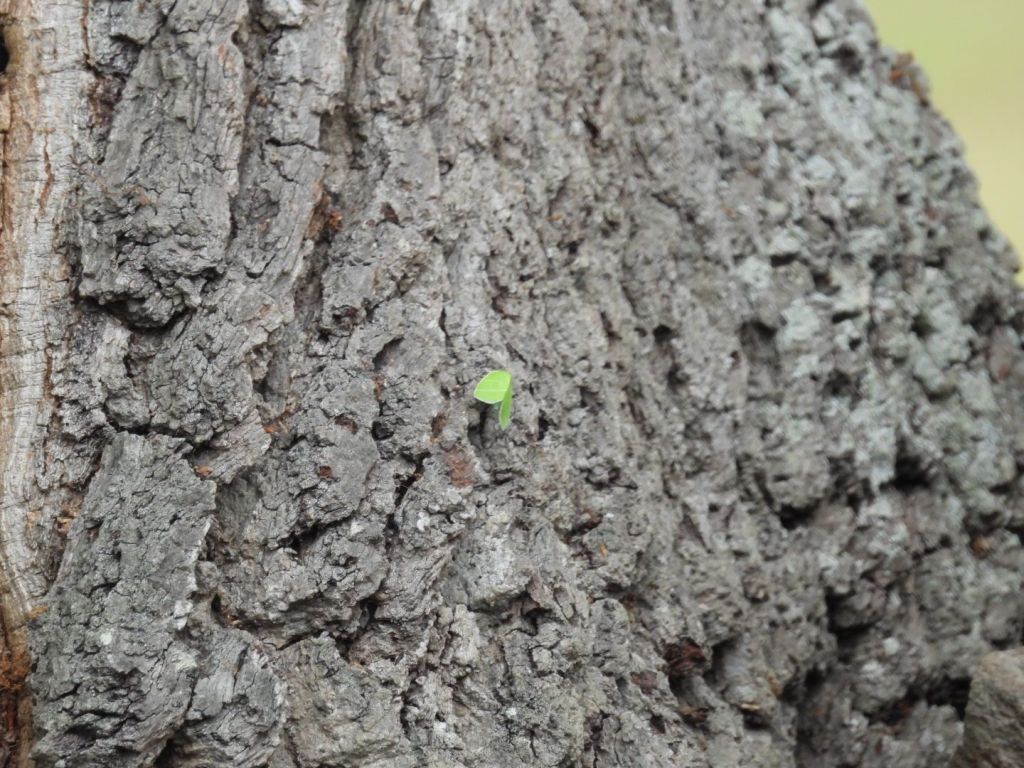
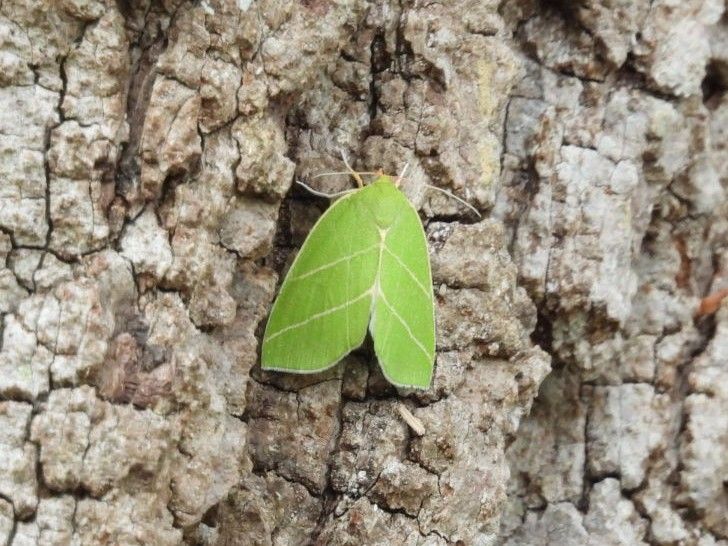
As I got near, I realised that there was a bright green shape on the trunk, highlighted by the grey of the oak’s trunk. As I got closer I realised it was a beautiful moth.
I used the Obsidenity App to make a preliminary identification in the field as I hadn’t seen this species of moth before. I then checked this identification in my field guide later. I used Obsidentify for all the invertebrates I saw around this Oak, and checked the observations with field guides at home. It is a Scarce Silver-lines Moth, Bena bicolorana. The caterpillars feed on the leaves of oak (Quercus).
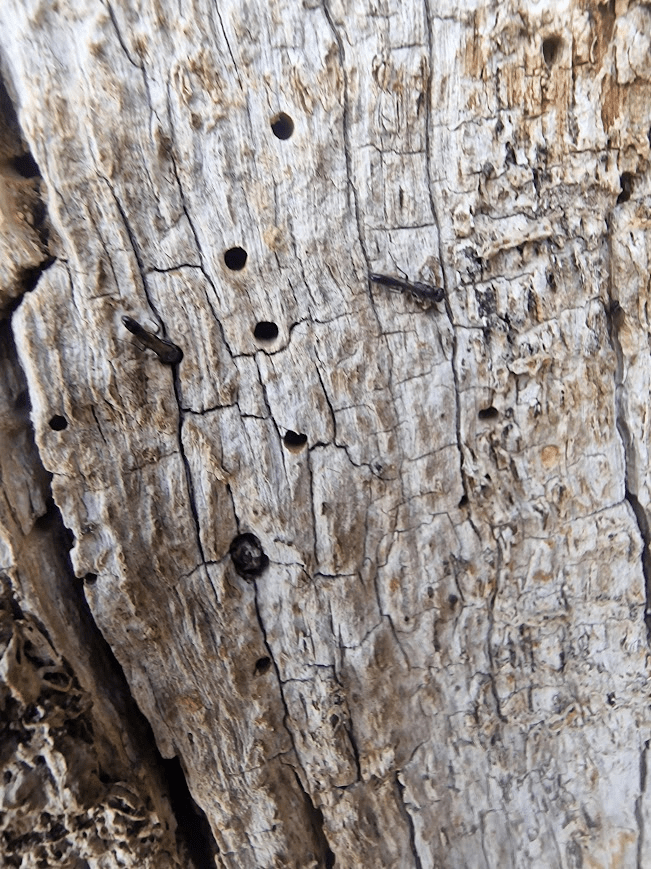
When I reached the Oak I could see that part of it was dead; this part appeared to have been killed, probably by heart-rot fungi. This is the way most Quercus robur die, but the process of dying is long. The decorticated decomposing heart wood had many holes.
Most of the known species dependent on oak trees are invertebrates, and a majority of these interact with the fungi in the tree in some way. Many make their homes and find their food where heart-rot decay fungi have been in action, leaving partially decayed material that is physically broken down by insects, creating mounds of composting wood mulch that creates further habitat for other invertebrates.Oaks and fungi in the UK. R. Wright, J. Finch & N. Brown. 31/05/2022
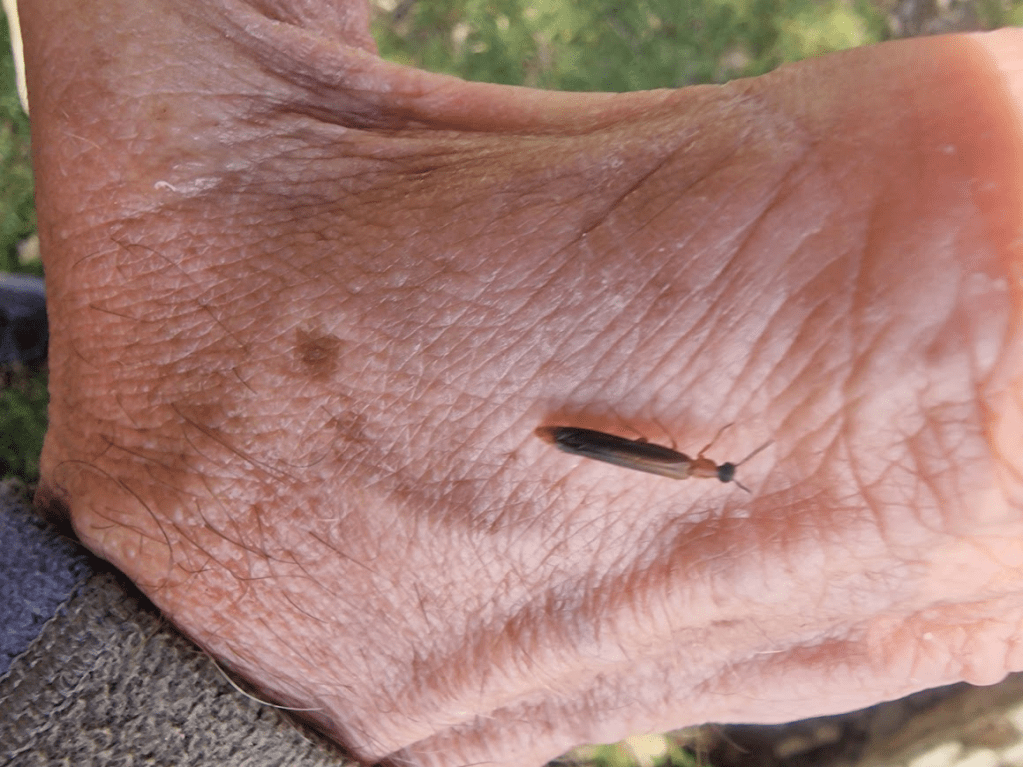
An insect landed on my hand. A believe it is a Lymexylon navale. A beetle belonging to the family Lymexylidae. The size of this beetle can vary a lot, between 8-15mm. Its yellow with black head and orange pronotum. The larval development take place in fresh oak wood in parts lost the bark. Saproxylic beetles
Saprolyxic organisms, especially insects, that are directly or indirectly dependent on dead or decaying wood for at least part of their lifecycle. Buglife: Saprolyxic Invertebrates
Lymexylon navale, commonly known as the ship-timber beetle, is a type of wood-boring beetle that is associated with wood structures, including ships, houses, and trees. Specifically, its larvae are wood-boring and can damage both sapwood and heartwood in living and decaying trees, as well as timber structures like ships.
An uncommon beetle in Britain it is which is currently designated as Red Data Book 2 (vulnerable).Nature Spot Lymexylon navale
The larvae of Lymexylon navale bore into wood, which can weaken and damage ship and other wooden structures. Lymexylidae, including Lymexylon navale, have a symbiotic relationship with certain fungi. The larvae create tunnels in the wood, and the fungi grow within these tunnels, providing a food source for the larvae. Ship-timber beetles have been found in ancient shipwrecks, indicating their long-standing association with human-made wooden structures. Lymexylidae also play a role in the ecosystem by helping to break down wood and are an important food source for other animals. Sources: Sônia A. CasariLarva of Atractocerus Brasiliensis (Lepeletier & Audinet-Serville, 1825) (Lymexylidae, Atractocerinae) Universidade de São Paulo, Museu de Zoologia , São Paulo, São Paulo, Brazil; Cletus P. Kurtzman, Christie J. Robnett (2013) Alloascoidea hylecoeti gen. nov., comb. nov., Alloascoidea africana comb. nov., Ascoidea tarda sp. nov., and Nadsonia starkeyi-henricii comb. nov., new members of the Saccharomycotina (Ascomycota). FEMS Yeast Research 13: 423–432. doi: 10.1111/1567-1364.12044 (published in Spanish and English) and Piper, Ross 2007 Extraordinary animals : an encyclopaedia of curious and unusual animals.
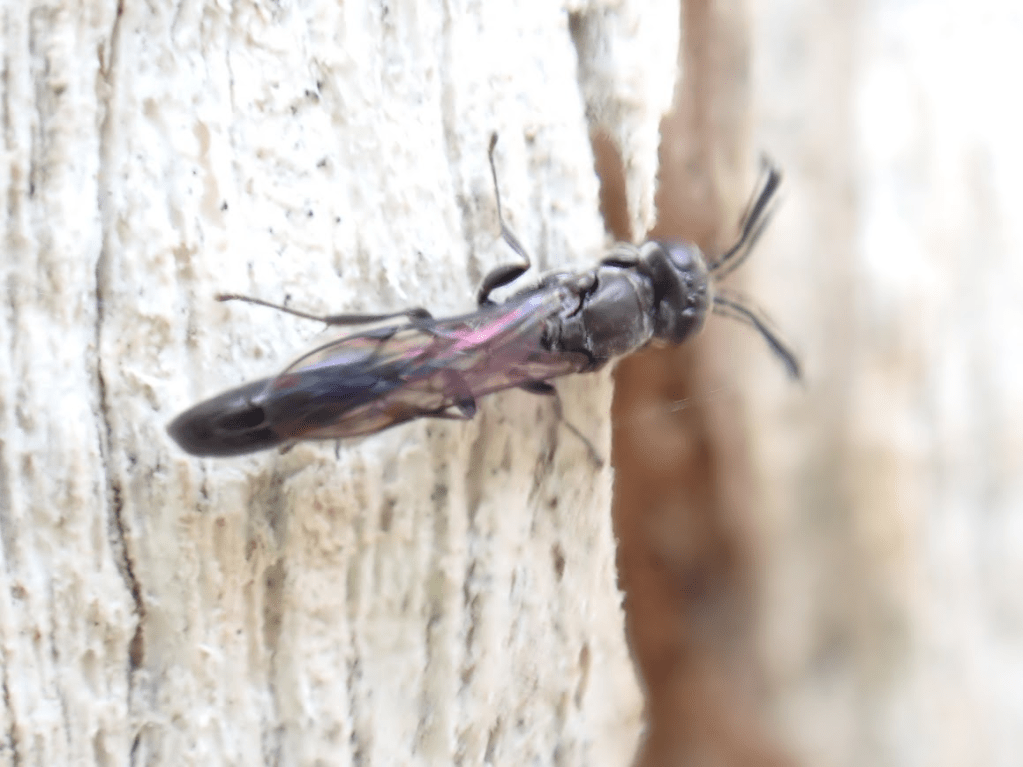
This Lymexylon navale (and its many mates) may have made the holes into which I saw, what I believe to be Trypoxylon attenuatum.
A widely distributed species recorded from much of Britain, including the Scilly Isles and the Channel Islands. … Has been recorded from a variety of habitats including woodland, parkland, gravel pits, sandy sites, chalk grassland and heathland. … On the wing between mid-May and mid-September… Nest burrows are stocked with small spiders such as Tetragnatha (Tetragnathidae) (Lomholdt, 1984).Nests are constructed in pre-existing cavities. Richards (1980). … Richards (1980) gives a generalised overview of Trypoxylon nesting sites such as “Anobium burrows, cut stems, hollow roots, rarely in small holes in vertical earth-faces”, but T. attenuatum seems to nest “exclusively in hollow plant stems” (Lomholdt, 1984). Nests are constructed in cavities 2-4 mm in diameter (Tormos et al., 2005).Bees Wasps and Ants Recording Society Trypoxylon attenuatum..
So it sounds as if Oaks may not be a typical nesting sites for this solitary wasp.
I then moved on to looking at lichens – the primary purpose of my trip to Petworth Park.
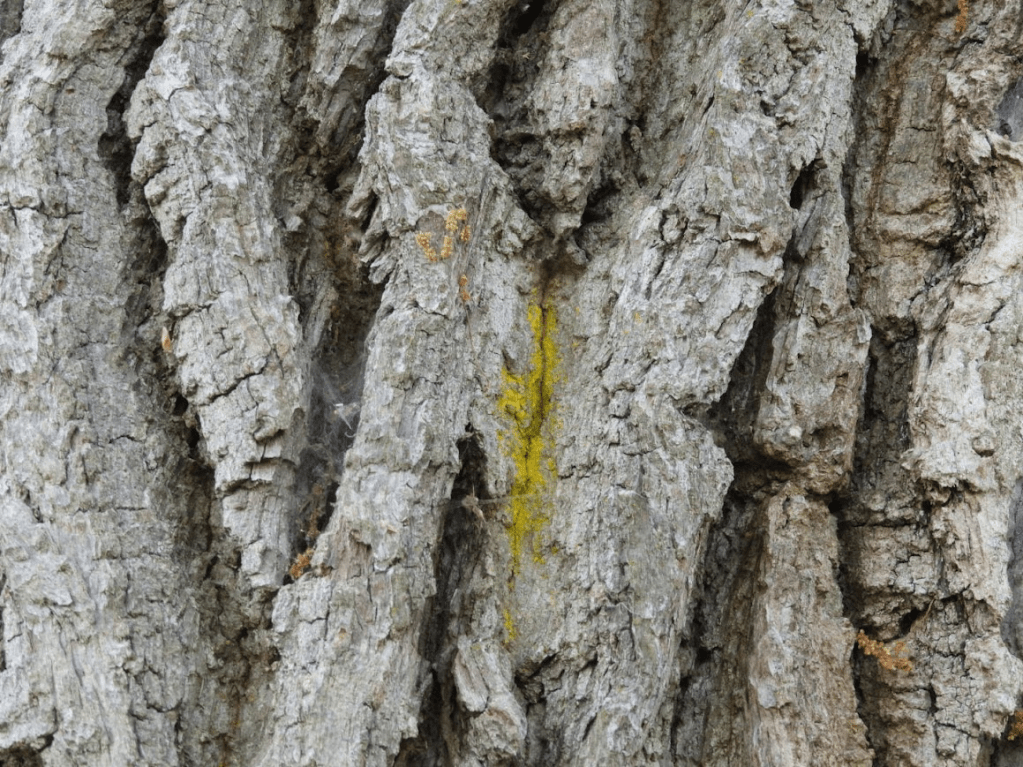
First I saw Gold Dust Lichen, Chrysothrix candelaris
I initially got very excited because I thought it may be the rare pin lichen Chaenotheca chrysocephala; which had been recorded on a specific Quercus robur nearby, but it wasn’t!
When I was looking at lichens on the bark I saw two more invertebrates. One on the bark next to a lichen I was examining, and one which fell on my jumper.
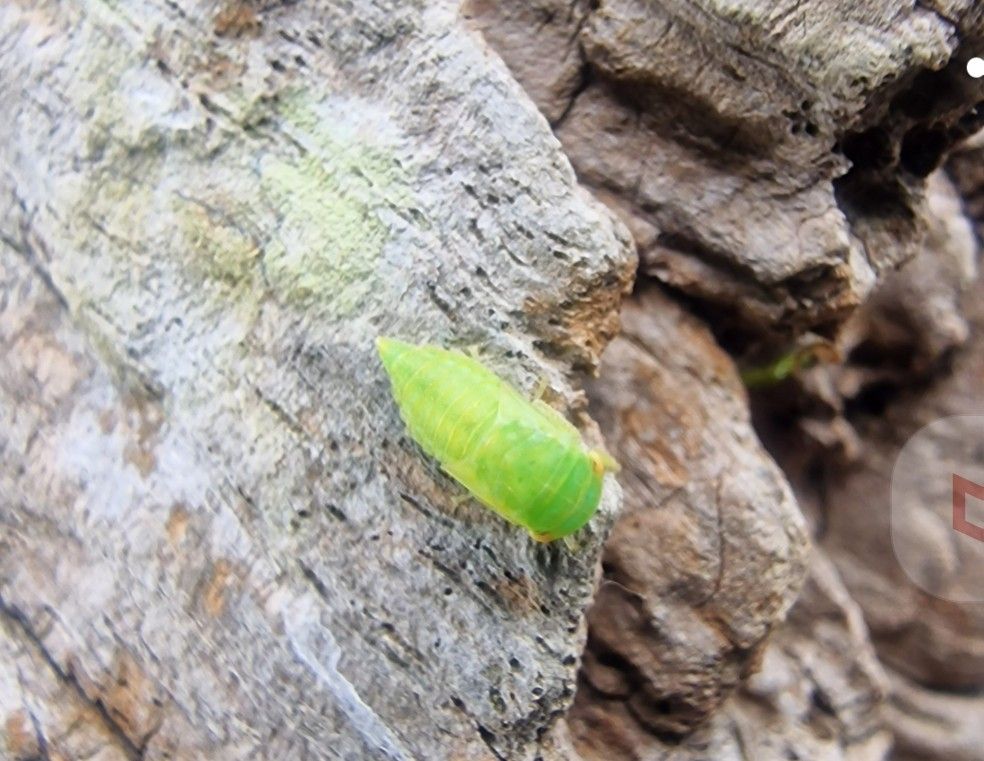
The one on the bark was Oak Leafhopper nymph, Iassus lanio. Leafhoppers are [sap sucking] insects belonging to the family Cicadellidae in the order Hemiptera. They are recognized by their piercing-sucking mouthparts and by the presence of rows of spine-like setae (hairs) in their hind tibiae. Dietich Leaferhopper Lab
The relatively short and broad form of this genus is characteristic; the head is wide (equal to the width of the pronotum) and the sides of the pronotum are shorter than the eye.In I. lanio the forewings vary in colour from green to pale brown and the vertex, pronotum and scutellum are heavily dark-mottled. The vertex is rounded and uniformly narrow from above. …common on oak across the UK.Adult: June to OctoberLength 6.5-8 mmBritish Bugs: Iassus lanio
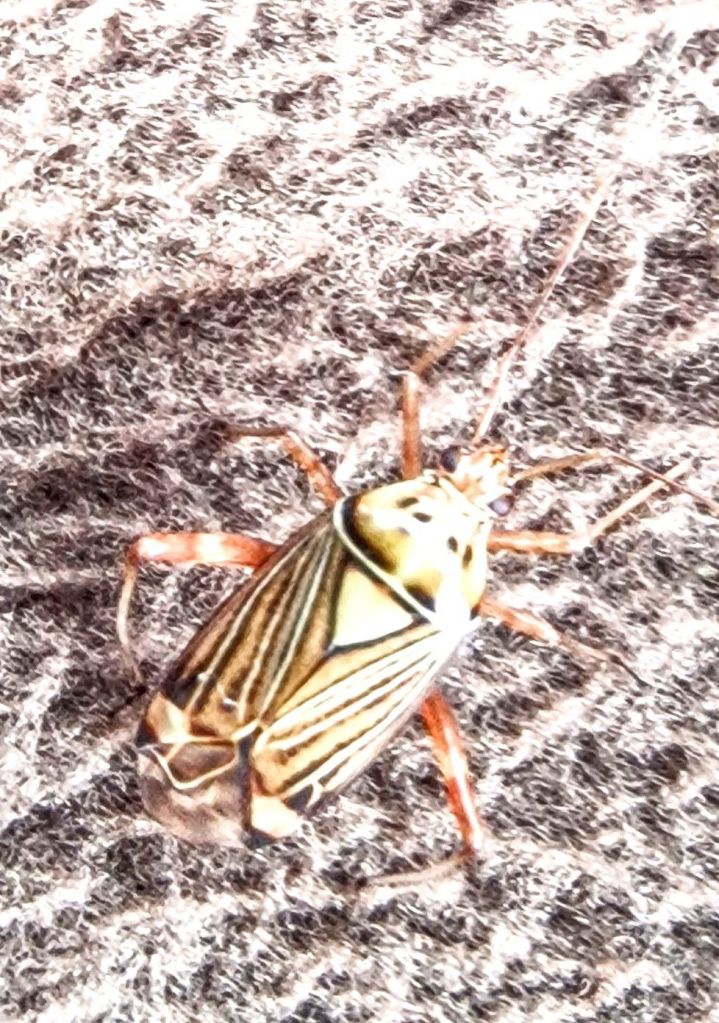
The insect that fell on my jumper:
was a Striped Oak Bug, Rhabdomiris striatellus
A very striking bug which is frequently found on or near oak across Britain, but particularly in the south. Females are usually paler then males. The only possible confusion risk is the larger and more elongate Miris striatus, which has a completely yellow/orange cuneus and an entirely dark head. Overwintered eggs hatch in April, the larvae feeding on unripe catkins and becoming adult from mid-May onwards. Adult: May-JulyBritish Bugs: Rhabdomiris striatellus
There were many lichens on the Oak; here are few of them:
Physconia grisea Grey Frost Lichen
Dendrographa decolorans.
Thin whitish, lilac-grey or pinkish-grey thallus. When the surface (fungal hyphae) of the thallus is scratched, its photobiont (an alga of the orange Trentepohlia) is revealed.
Evernia prunastri. The vernacular name of this lichen is Oak Moss; even though it is not a moss! It is very common on Oaks, but it is common on other trees too.
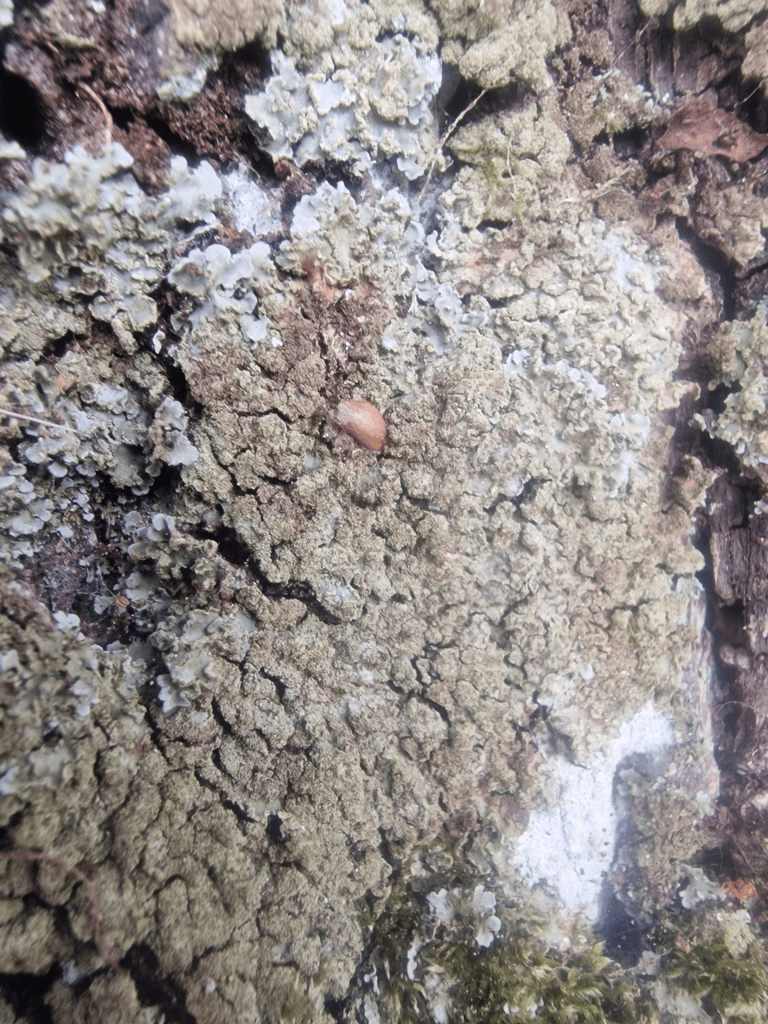
Most of the lichens on this oak were of the Mature Mesic Bark Community (Pertusarietum amarae); shade tolerant communities on rougher bark, with Pertusaria species dominant. They are particularly characteristic of Beech and Ash, but also on less damp Oak bark. The basic community is composed of widespread species particularly Pertusaria s. lat. speciesBritish Lichen Society Lichen Communities
Pertusaria pertusa Sometimes called Pepper Pot lichen, for obvious reasons.
Pertusaria flavida; the orange part of this photo, which can only be identified (by turning orange) with UV light and/or a chemical spot reagent test, which reacts to lichen substances (mostly secondary metabolites). I did both the UV and the reagebts tests in the filed
Lepra amara The vernacular name of this lichen is Bitter Wart Lichen, because it tastes very butter if licked. I do not lick it to confirm its identification!
As I was identifying these lichens I head a Crow, Corvus corone, directly above my head. When I looked up a parent crow was feeding a juvenile. Here is the juvenile
Crows can nest almost anywhere, but they prefers well-covered trees with broad branches and solid tree forks, like Oaks
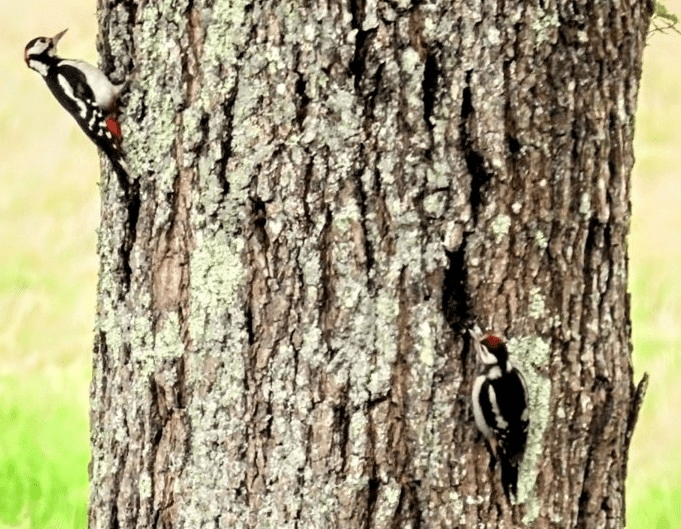
Crows are not the only birds to use Oaks. Earlier in the day I saw two Great Spotted Woodpeckers, Dendrocopos major, drumming on the trunk of another Pendunculate Oak. Great spotted woodpeckers can be found across mainland Britain, but are limited to the west of Ireland. Mature broadleaved woodland is prime habitatWoodland Trust Great Spotted Woodpeckers
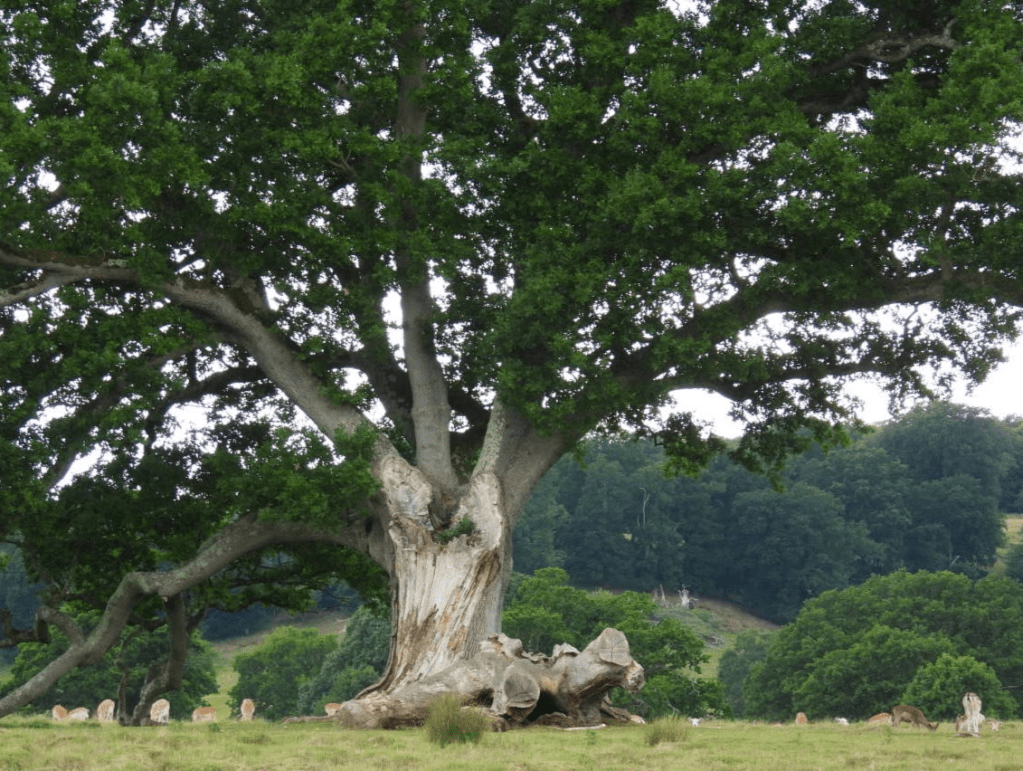
At this point I walked into Petworth to get a coffee. When I came back I could see Fallow Deer under the tree. A social, elegant species with a signature speckled coat and mighty palmate antlers. First introduced by the Romans, fallow deer became extinct in Britain until they were reintroduced before the Norman Conquest around the year 1,000.Woodland Trust Fallow Deer
The herd of Fallow Deer have been at Petworth Park, according to the National Trust, for 500 years. The magnificent herd of fallow deer have called Petworth Park home for over 500 years; they were reportedly hunted by Henry VIII on his visit to Petworth in the 1520s.National Trust Petworth Park. There were probably Fallow Deer in the park since the land was gifted by Henry I (the fourth son of William the Conqueror) to Joscelin de Louvain, a Norman feudal baron. The pasture oaks of the deer park have provided shade for Fallow Deer for nearly 1000 years; this ancient oak has been shading deer for probably 400 years. The Fallow Deer I saw today are johnny-come-latelys!
LEAF stands for Laboratory Extension and Fieldwork. I would really recommend the British Lichen Society’s courses, for dates of courses see British Lichen Society Latest News It was a fabulously enjoyable and informative course. Tutors: Nicola Bacciu, Pat Wolseley, Fred Gibson and Lindsay Mahon
I travelled to Taunton from Brighton on 29.05, and kindly got a lift from one of the course participants to Nettlecombe Court. The court and its parkland is on the fringes of the Brendon Hills, within the Exmoor National Park, Sommerset,
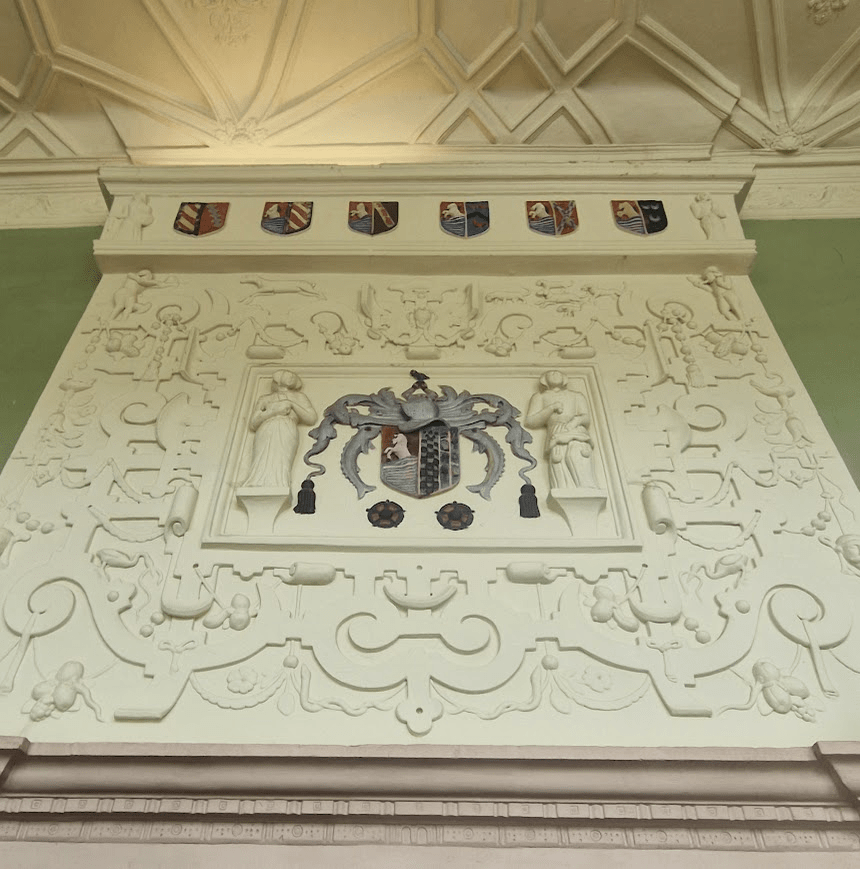
Its a Grade I listed building, see Nettlecombe Court for Historic England’s listing; with a Late medieval hall, cross passage and wing, a 1599 entrance front, porch, great hall and parlour, a circa 1641 addition to rear of great hall, a 1703-7 South West front extended and staircase added in angle, and plasterwork on stair added in 1753.
The court is surrounded by 60 hectares of parkland, once a part of the estate. The park surrounding the house is Grade II listed on the National Register of Historic Parks and Gardens.
In 1066 Nettlecombe was held by Godwin, son of Harold. In 1086 the Domesday Survey described it as held by the King for a knight’s fee. It was granted by the King to Hugh de Ralegh in 1160 and the grant of free warren was made to Simon de Ralegh in 1304. In 1440 the then owner, also Simon de Ralegh, died childless, leaving the estate to his nephew, Thomas Whalesborough. Thomas’ son, Edmund, died during his father’s lifetime and the estate descended to Edmund’s sister, Elizabeth, who was married to John Trevelyan of Cornwall. Since 1440, the Trevelyan family has kept a record of the management of the estate, now held in the Somerset Record Office, Taunton. The first mention of a park at Nettlecombe appears in a survey of 1532, recorded as being of 80 acres (c 33ha) in a later survey of 1556, and deer were first recorded in 1593. Although deer parks are known to have existed at Nettlecombe since the late C16, the first conclusive evidence of a designed landscape appears in an engraving, published in 1787, The park was enlarged with the addition of the Great Park in 1755 and South Park in 1792. National Register of Historic Parks and Gardens Listing
Here are Lichens we saw (all photos taken by me; Lichens marked * were new-tom-me and were identified by the tutors, Nicola Bacciu, Pat Worsley, Fred Gibson and/or Lindsay Mahon)
One of the main learning points for me was considering lichen communities
The Lobarion pulmonariae community
The Lobarion pulmonaria is composed mainly of large foliose lichens and robust bryophytes and appears to be the natural forest climax community on mature hardwood trees with barks of pH 5.0-6.0 in western Europe outside areas with Mediterranean climates. It is now very much fragmented in distribution due to the felling and management of primeval forests, drainage and various forms of pollution. In drier areas it tends to be confined either to sheltered glades in more open forests where there is more light, or to the upper boughs of trees. James, P.W., Hawksworth, D.L. & Rose, F. (1977) Lichen communities in the British Isles: a preliminary conspectus. In: Lichen Ecology (ed. M.R.D. Seaward): 295-413. Academic Press, London.
Old forest and parkland – (the Lobarion pulmonariae alliance)
The Lobarion pulmonariae alliance includes a mixture of bryophytes and lichens found on basic barked trees more than 150-200 years old, mainly Ash and Oak, but sometimes on Lime, Maple and Sycamore. It is a characteristic community of ancient woodland and parkland and contains many local and rare species.
The large leafy Lobaria pulmonaria and Ricasolia virens are both present and although rare, they locally form luxuriant colonies in ancient woodlands where they are both found fertile. Leptogium lichenoides and Peltigera horizontalis occur rather frequently, but other large leafy lichens with a blue-green photobiont such as Ricasolia amplissima, Nephroma laevigatum, Pannaria conoplea, Parmeliella triptophylla, Peltigera collina, Sticta limbata and S. sylvatica are all now rare. There are many small, crust-forming species associated with this community including Bacidia biatorina, Catinaria atropurpurea, Coenogonium luteum, Gyalecta truncigena, Leptogium teretiusculum, Biatora epixanthoides, Mycobilimbia pilularis, Thelopsis corticola, Pachyphiale carneola, Rinodina roboris and Thelopsis rubella, plus the rarer Agonimia allobata, A. octospora, Lecania chlorotiza, Piccolia ochrophora, Porina coralloidea, P. rosei, Strigula jamesii, S. phaea and Wadeana dendrographa. Bryophytes associated with this community include Homalothecium sericeum, Leptodon smithii, Leucodon sciuroides, Metzgeria furcata, Tortula laevipila and Zygodon baumgartneri. British Lichen Society Document. John Skinner et al. 2024 Revised FG 2025Rev. 1.2 EPIPHYTIC LICHEN COMMUNITIES NETTLECOMBE – June 2025
We saw most of the following lichens on Quercus petraea and asingle Q. cerris in Nettlecomb. In Sussex, where I live, this community is only found in a few places, viz. Paddockurst Estate, Eridge Park, East Dean Park Wood , Parham Park, Ashburnham Park and Pads Wood, but only Eridge Park, still has Lobaria pulmonaria itself.
Lobaria pulmonaria
Parmotrema crinitum *
Arthonia vinosa *
Gyalecta truncigena *
Aquacidia viridifarinosa *
Mature Mesic Bark Community (Pertusarietum amarae)
The Pertusarietum amarae are shade tolerant communities on rougher bark, with Pertusaria species dominant. They are particularly characteristic of Beech and Ash, but also on less damp Oak bark. The basic community is composed of widespread species particularly Pertusaria s. lat. species: Pertusaria albescens, Lepra amara (Pertusaria amara f amara), Pertusaria flavida, Pertusaria hymenea and Pertusaria pertusa along with Phlyctis argena and Ochrolechia subviridis. This is a common community in drier areas but gets displaced by moss dominated communities in strongly oceanic areas. Within old growth stands it can be rich in old woodland species including Arthonia vinosa, Cliostomum flavidulum, Mycoporum antecellens, Phaeographis dendritica, Lepra multipuncta (Pertusaria multipuncta) and Thelotrema lepadinum. The rare taxa include Reichlingia zwackhii (Arthonia zwackhii), Melaspilea amota, Stictographa lentiginosa (Melaspilea lentiginosa), Lepra pulvinata (Pertusaria amara f. pulvinata), Pertusaria pustalata, Varicellaria velata (Pertusaria velata) and Phaeographis lyellii.British Lichen Society Lichen Communities
We saw these lichens on a Nothofagus fusca and mostly Quercus petraea at Nettlecombe. In Sussex this community can be seen at Eridge Park, Parham Park, Petworth Park, Wadhurst Park and Buxted Park in particular
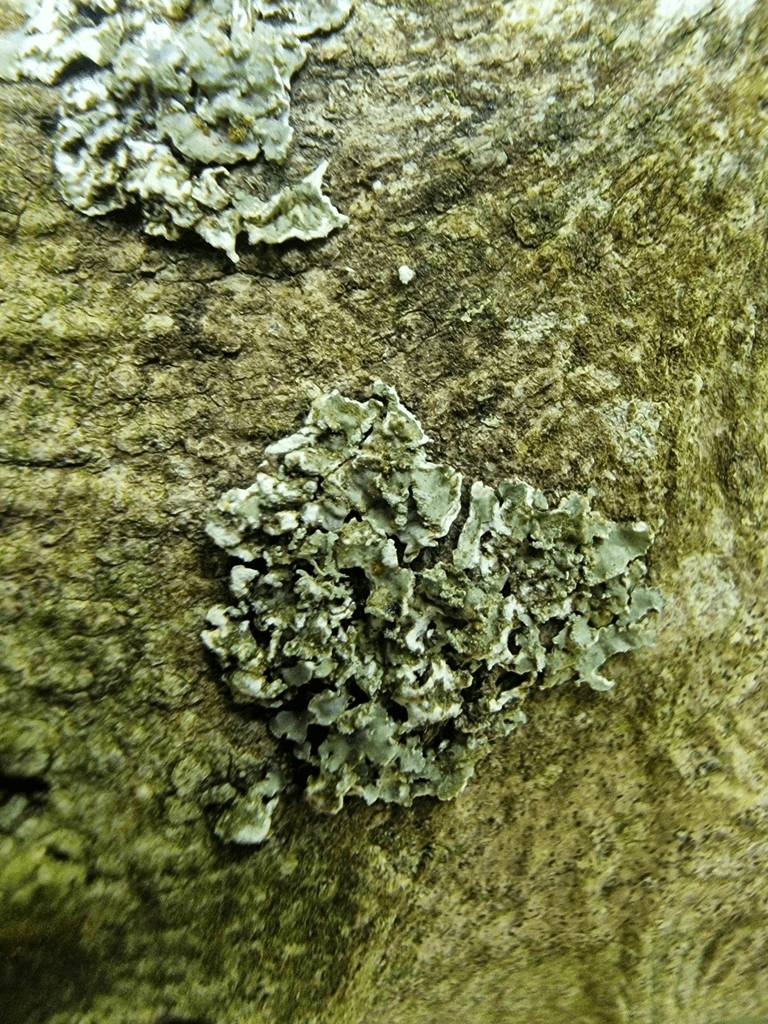
Pertusaria hemisphaerica
This Pentatoma rufipes Forest Bug fell onto my bag whilst standing under the Nothofagus fusca
Pertusaria coronata *
Lepra corallina *
Pertusaria flavida *
Ochrolechia androgyna *
Opegrapha vulgata
Thelotrema lueckingii *
On decorticated lignum (Quercus pretera)
Calicium glaucellum *
Twig flora community Lecanora chlarotera-Arthonia radiata– the Lecanoretum subfuscae In open grown wood pasture and parkland the canopy is well lit and the twig flora is well developed. The most frequent species are Arthonia radiata, Lecanora chlarotera, L. hybocarpa and Lecidella elaeochroma, with Evernia prunastri, Fuscidea lightfootii, Hypogymnia physodes, H. tubulosa, Melanelixia subaurifera, Parmelia sulcata, Punctelia subrudecta and Physcia aipolia also present. In more exposed sites the presence of Melanohalea laciniatula, Physcia tenella, Xanthoria parietina and X. polycarpa indicates slight levels of ammonia or nitrogen enrichment British Lichen Society Document. John Skinner et al. 2024 Revised FG 2025Rev. 1.2 EPIPHYTIC LICHEN COMMUNITIES NETTLECOMBE – June 2025
We saw these lichens in the orchard at Nettlecombe. This is a very familiar community to me, as it is the community on Hawthorn and younger trees in Sussex
Physcia aipolia
Hypotrachyna revoluta (with Ramalina fastigiata)
Hypotrachyna afrorevoluta
Glaucomaria carpinea
Ramalina fastigiata with Xanthoria parietina
We also saw Ramalina farinacea,Lecanora hybocarpa,Lecidella eleachroma,Usnea cornuta; but I did not photo these.
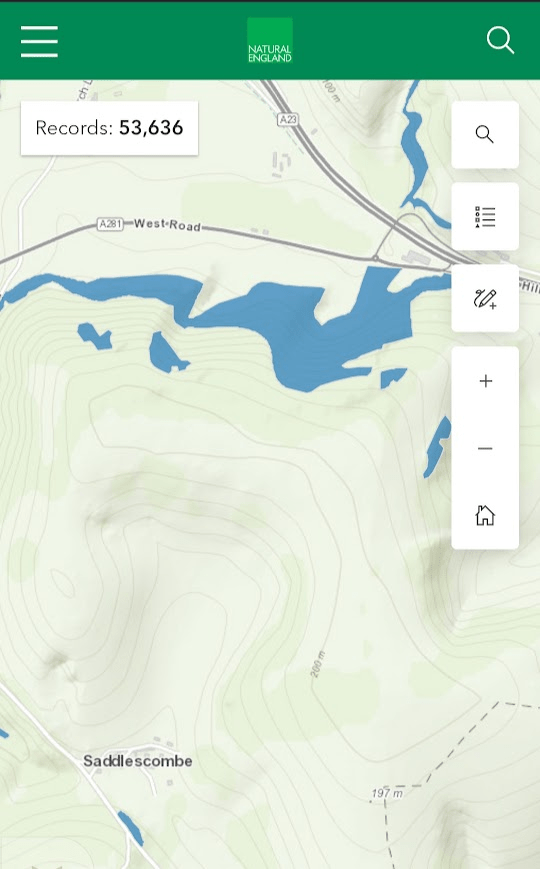
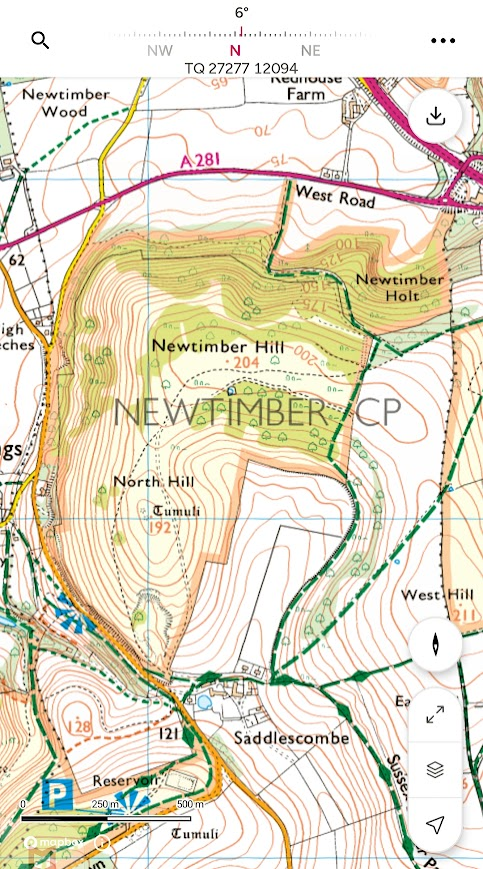
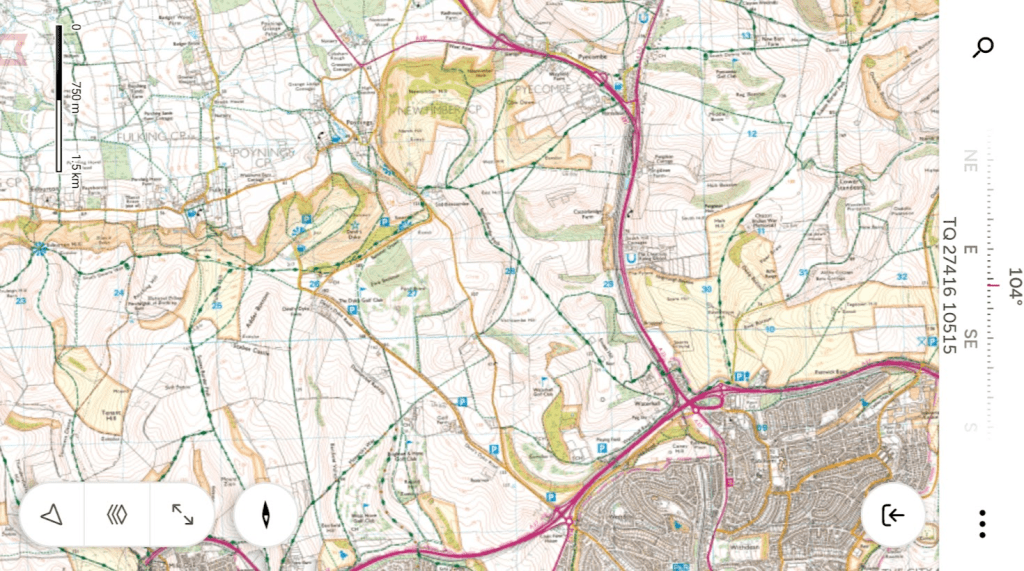
Newtimber Holt is a small but very biological interesting area of ancient woodland on Newtimber Hill. It is owned by the National Trust and managed by Saddlescombe Farm. It is probably the most interesting chalk scarp face ancient wood along the eastern South Downs. It is easily reachable by Stagecoach bus 17 stops Newtimber, Redhouse Farm or Newtimber, Beggar’s Lane Stagecoach 17 Timetable
When we think of ancient woodland, many people may think about our Temperate Rain Forest (Atlantic Woodland) in northwest Scotland, north Wales of the West Country. Or we may think of our nationally famous medieval royal deer parks, e.g. the New Forest, Hatfield Forest, or Windsor Great Park (pasture woodland).
Or if we’re in Sussex, we may think of our High Weald ancient Ghyll Woods, which have microclimates similar to Atlantic woodland; or Sussex’s medieval deer parks (pasture woodland) e.g. Parham Park, or the (very rare) chalk dry valley woods, e.g., East Dean Park Wood (itself once a Medieval deer park) or the very rare dip slope ancient woodland of Pad’s Wood. Or perhaps we may think the numerous small ancient woods, some tiny, relict stands, of the Sussex Low Weald; although much ancient woodland in the Low Weald has been lost to development, especially new housing, especially in the Brighton to Crawley corridor of Hassocks, Burgess Hill and Haywards Heath.
The ancient woodland of the scarp slopes of the South Downs relicts of the former wider woodland that covered the South Downs, which was cleared and then grazed by sheep in the distant past, are probably least known ancient woodland in the UK. When we think of the Down’s we think of its historic sheep gazed short calcareous grassland that supports rare vascular plants and invertebrates; it is biologically magnificent and of national ecological importance, and itself rare now that business arable and pastoral farming has taken so much of the short grassland. But “23% of the South Downs National Park is covered by woodland, [but only half of this [11.5%] has been there for over 400 years [ancient woodland]. “Trees of the South Downs
Only 4% of the South Downs is calcareous short grassland; almost exactly the same percentage as when the national park came into being. When we think of the South Downs we think of rolling hills of short calcareous grassland; but very little of it is that; most of it is farmed arable land, and 23% is woodland (with only half of that being ancient woodland).
It is important to separate ancient woodland from ancient trees. Woodland classed as Ancient Semi-Natural Woodland, which are mainly made up of trees and other vascular plants native to the site, that have constantly regenerated for over 500 years, some have very few or no ancient trees; they are just areas that have been wooded continuously since at least 1600. Very few trees in ancient woodland are themselves ancient; although some might be.
Many notable, veteran, and ancient trees can be found not in ancient woods but in pasture, former deer parks or hedges. For example, many of the most ancient Pendunculate Oaks, Quercus robur, of the Low Weald are in grazing pasture, probably relicts of former woodland that was cleared for pasture and left for shelter for livestock, or planted as field, parish or other boundaries in hedgerows
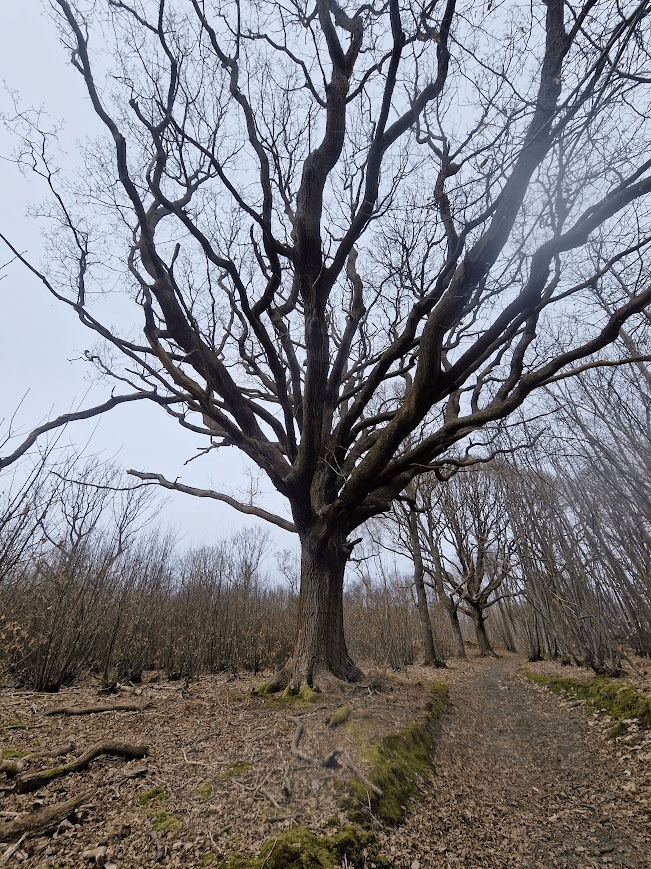
At Newtimber Holt there are some magnificent ancient trees in ancient Woodland
This post attempts to refocus our attention on the ancient woodland of the scarp faces of the South Downs. There are areas of ancient woodland on the dip slopes of South Downs in West Sussex; but most of these are replanted ancient woodland, replanted with conifers or Sweet Chestnut. There are a few notable exceptions, such as Pads Wood (private), which is still ancient and semi-natural woodland.
Ancient Woodland Indicator Vascular Plants at Newtimber Halt
Ancient Woodland Indicator Vascular Plants are listed in Francis Rose Indicators of ancient woodland – the use of vascular plants in evaluating ancient woods for nature conservation, British Wildlife 10.4 April 1999
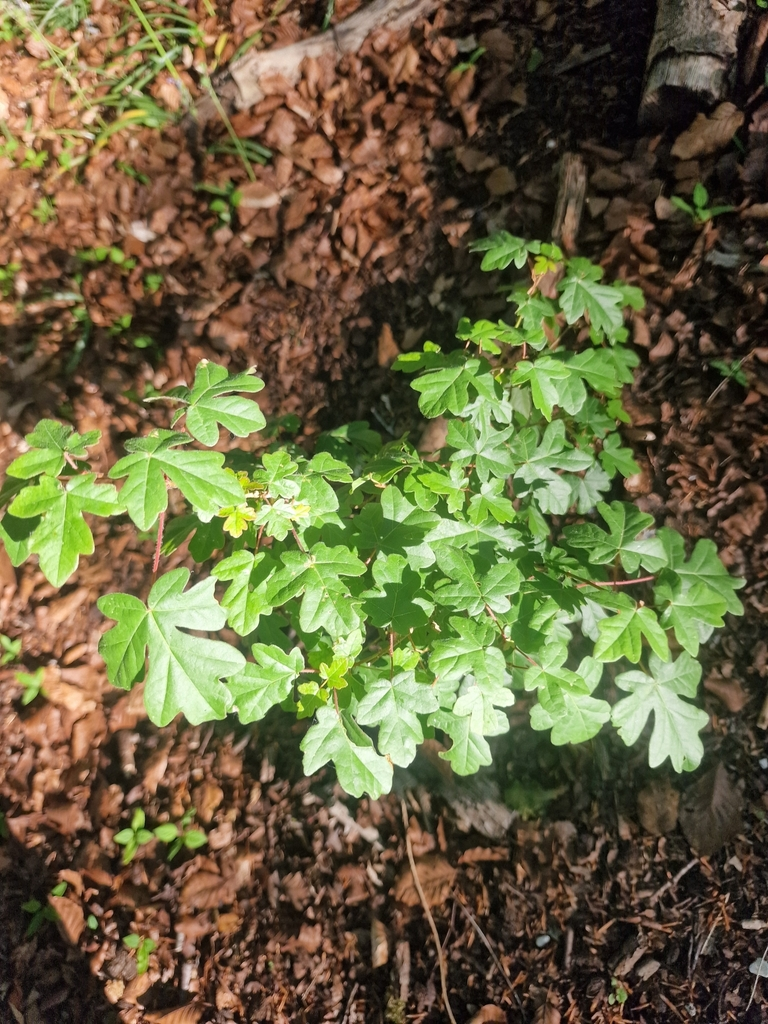
Acer campestre Field Maple
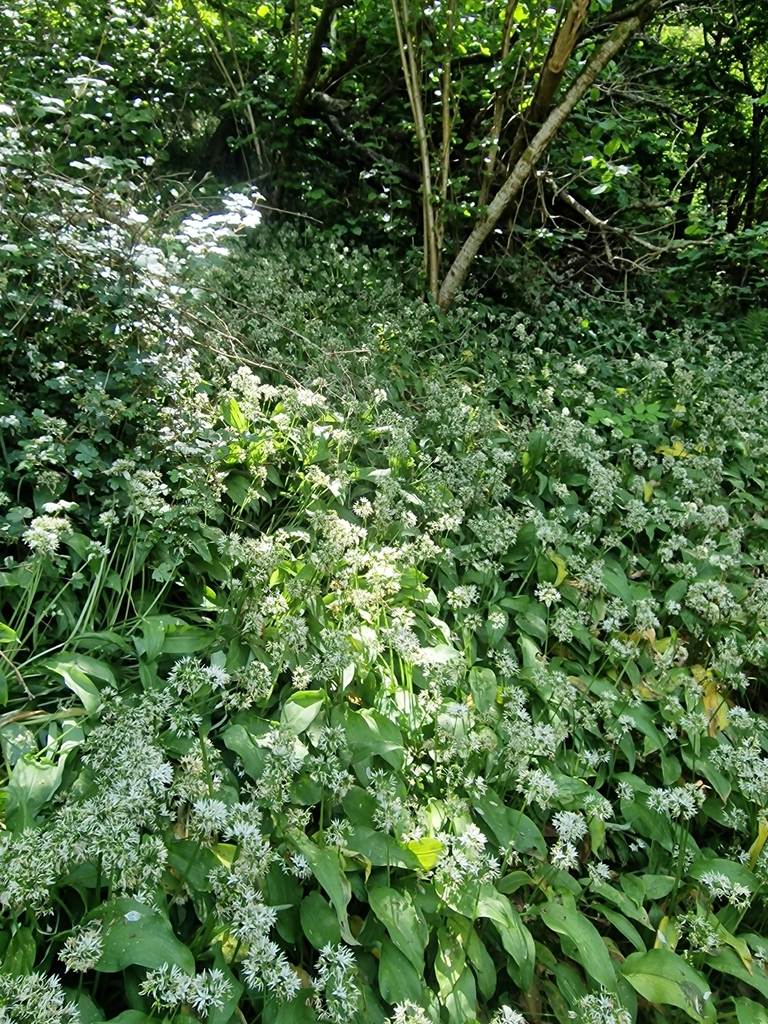
Allium ursinum Ramsons
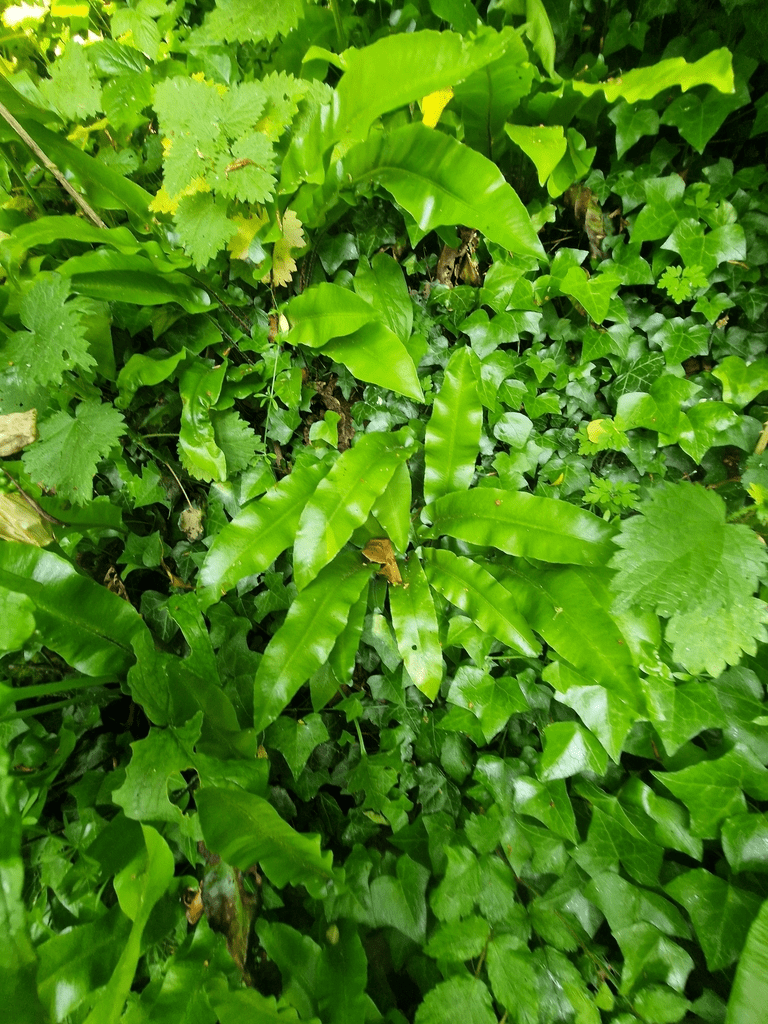
Asplenium scolopendrium Hart’s-tongue Fern
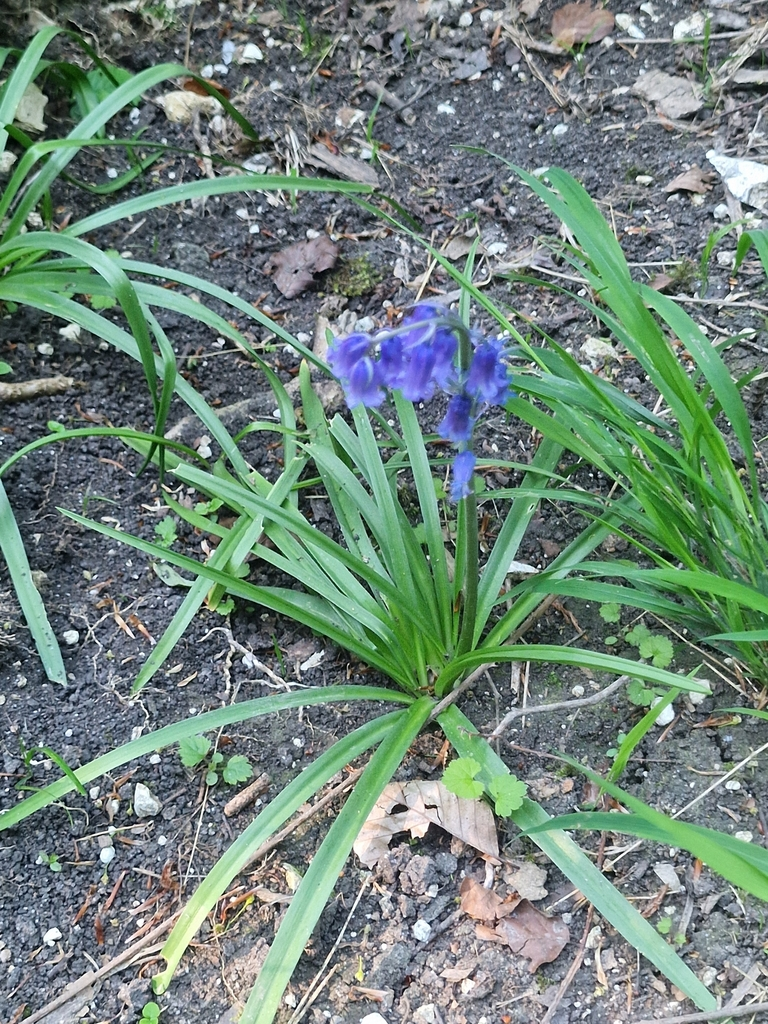
Hyacinthoides non-scripta Bluebell
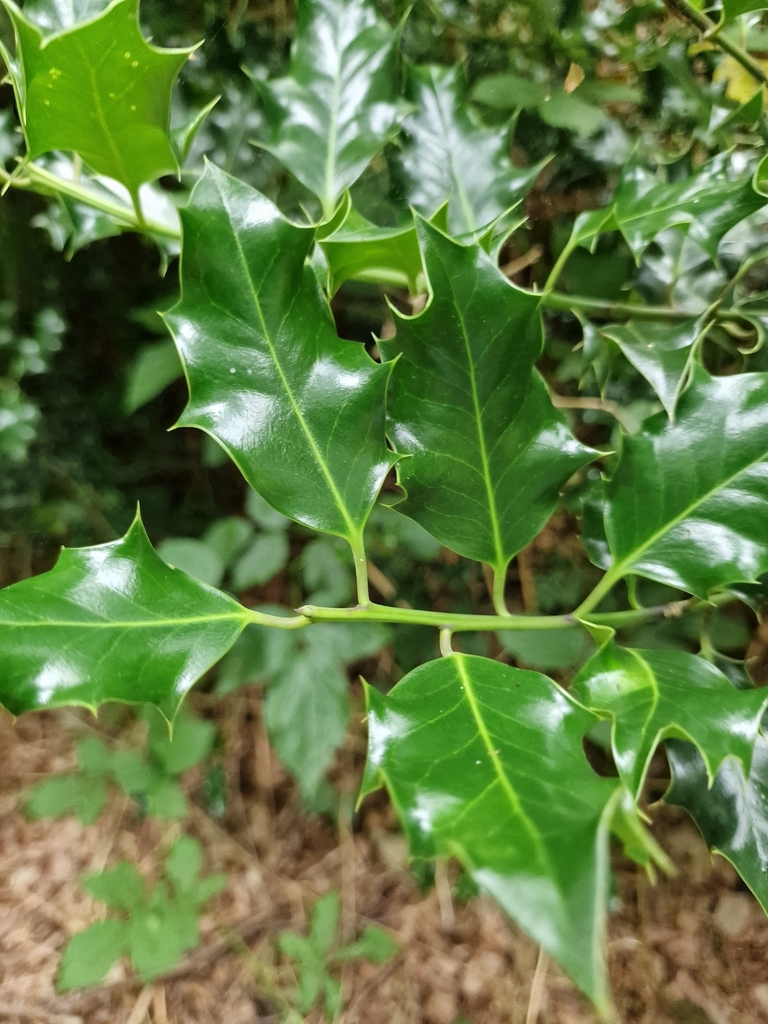
Ilex aquifolium European Holly
Lamium galeobdolon Yellow Archangel
Melica uniflora Wood Melick
Mercurialis perennis Dog’s Mercury
Polystichum setiferum Soft Shield Fern
Sanicula europaea Sanicle
Ulmus glabra Wych Elm
Veronica montana Wood Speedwell
Other vascular plants
Fragaria vesca Wild Strawberry
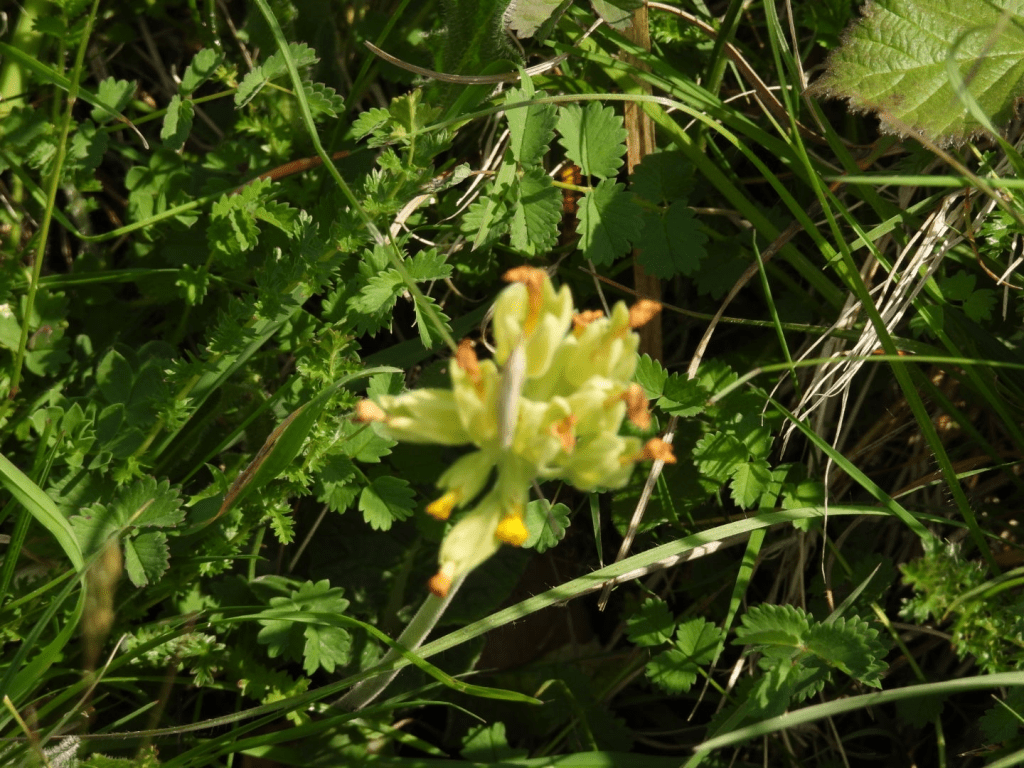
Primula veris Cowslip
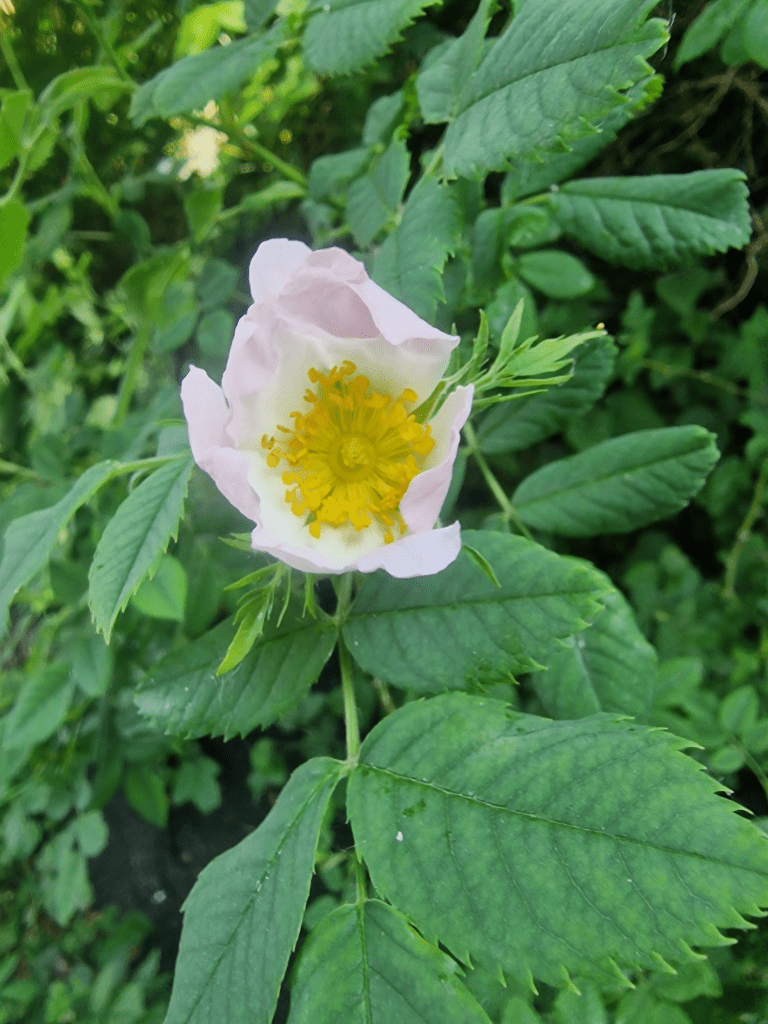
Rosa canina Dog-Rose
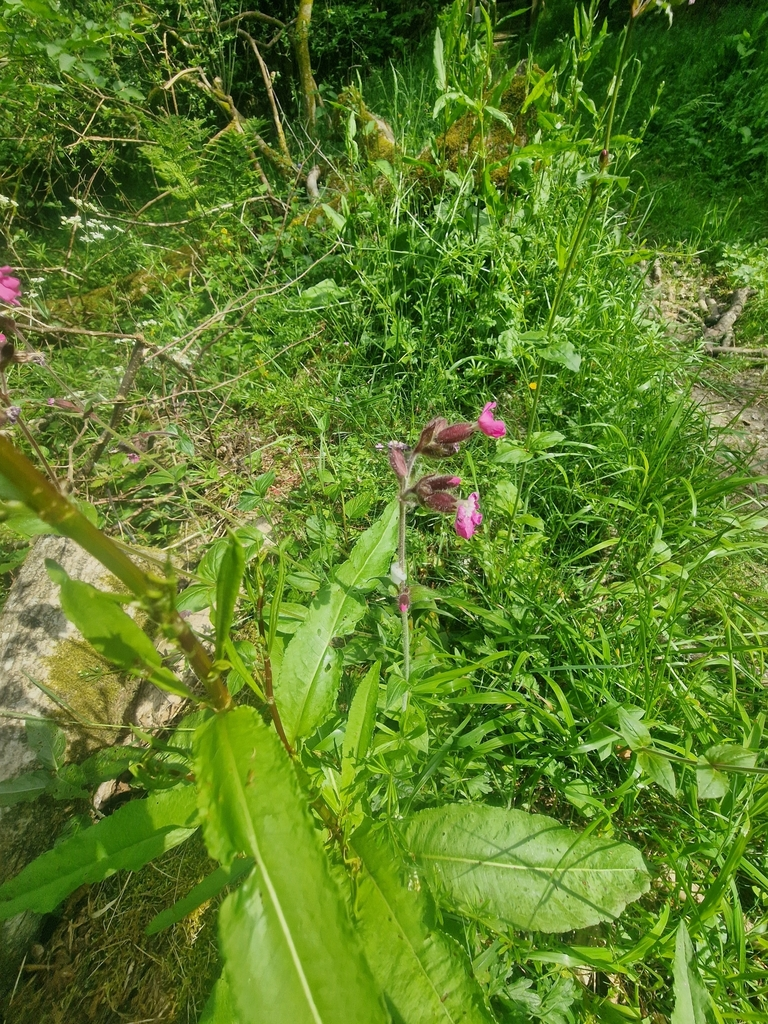
Silene dioica Red Campion
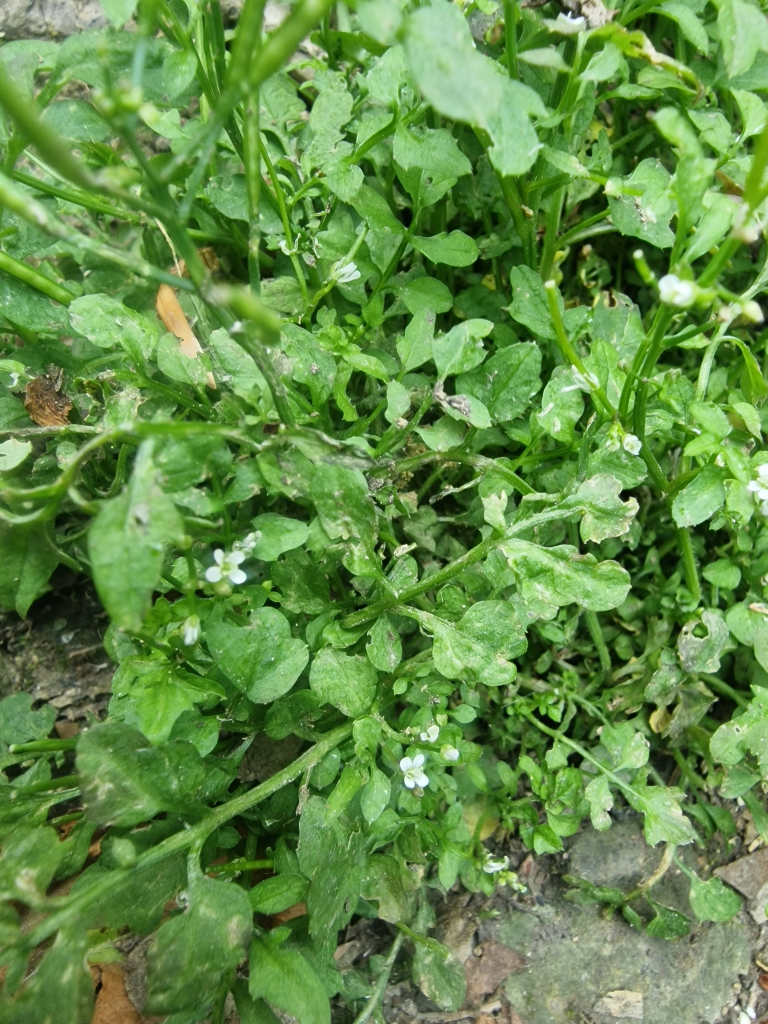
Cardamine flexuosa Wavy Bittercress
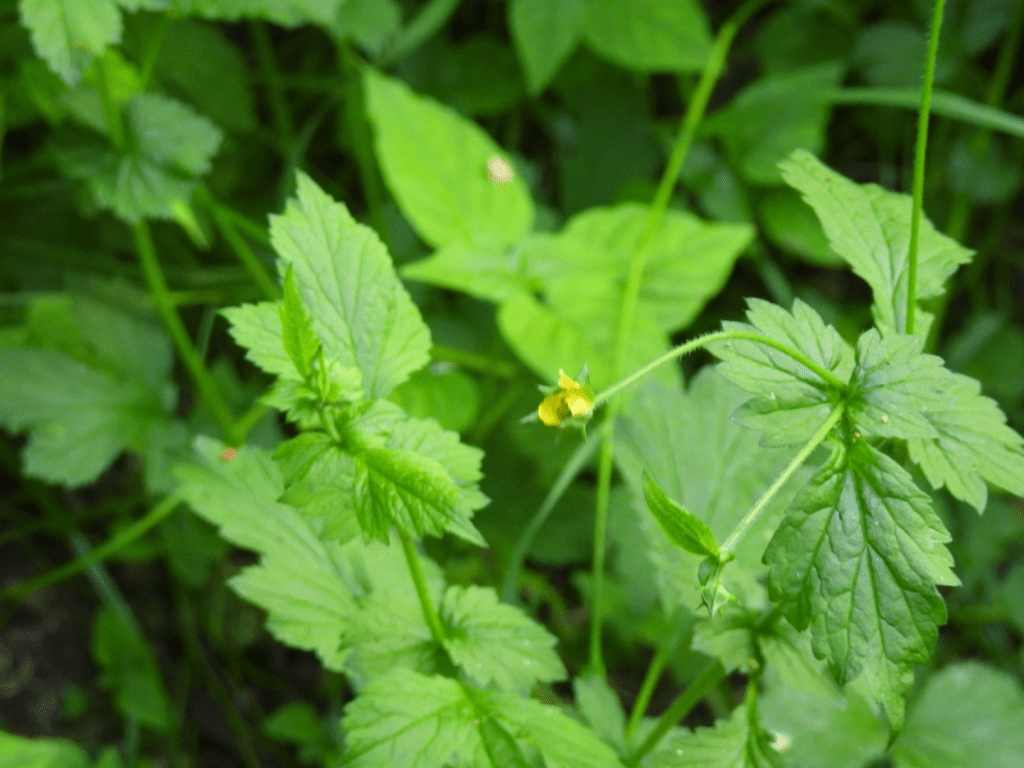
Geum urbanum Wood Avens
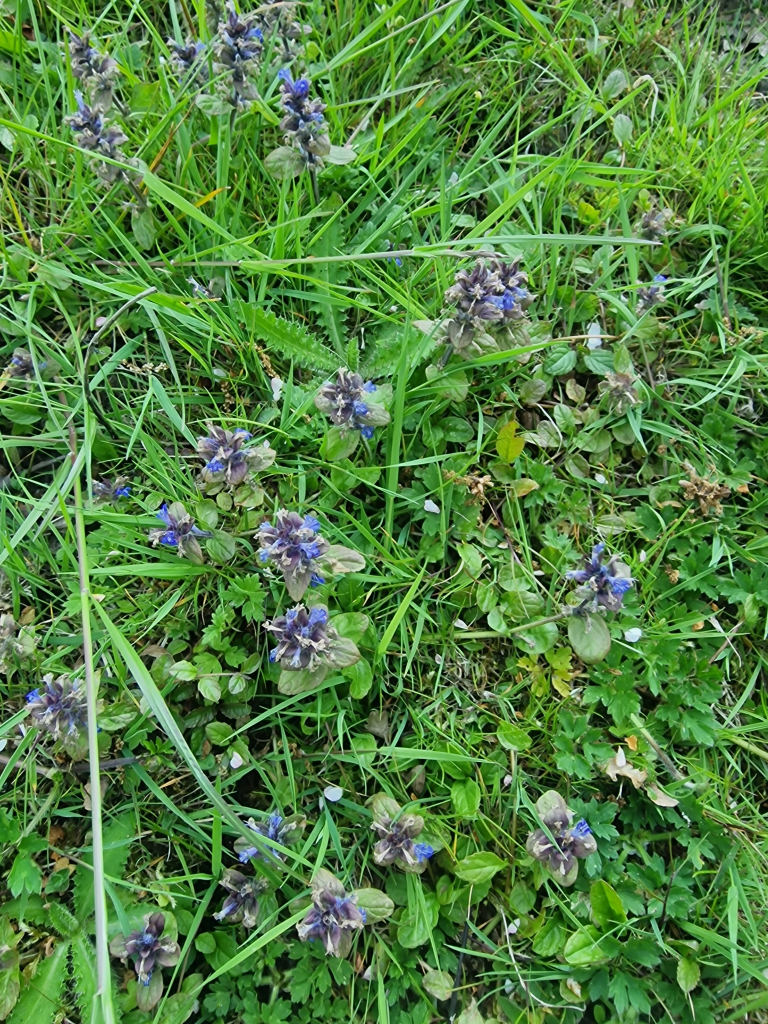
Ajuga reptans Bugle
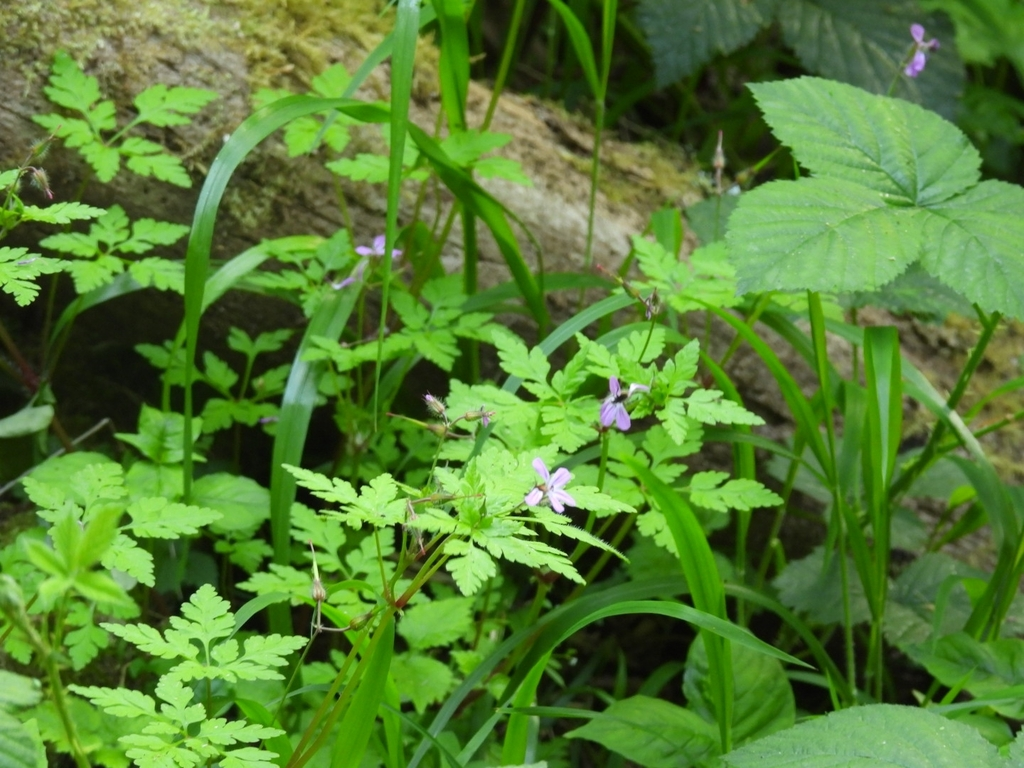
Geranium robertianum Herb Robert
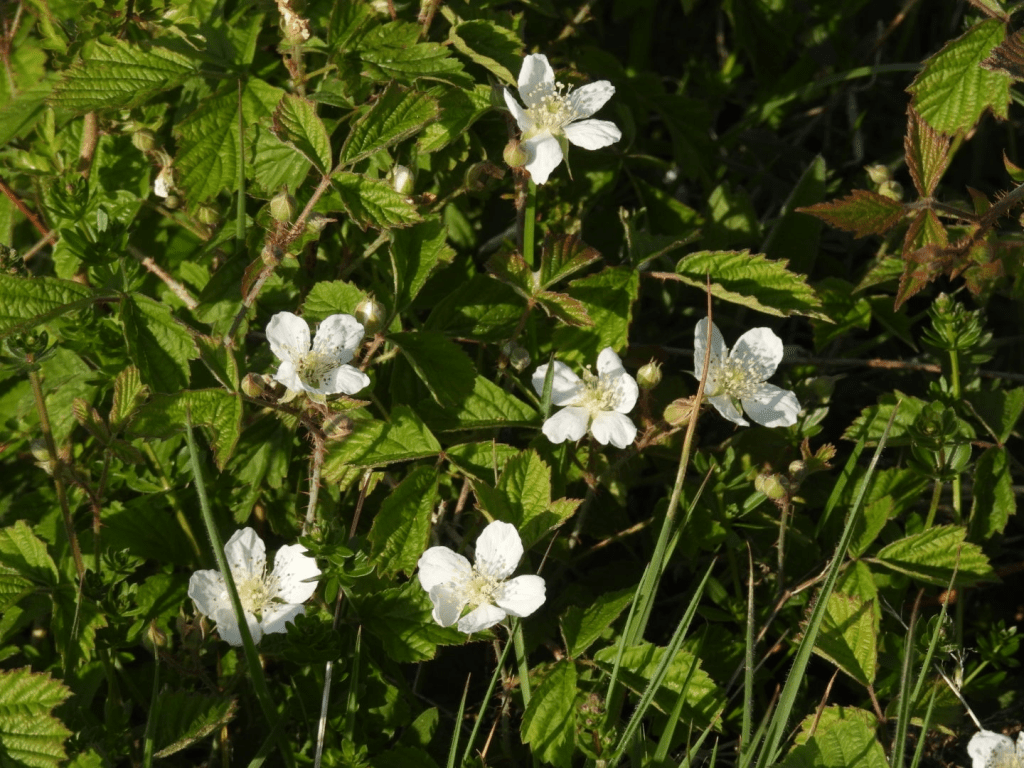
Genus Rubus Brambles
Lithospermum officinale Common Gromwell
Veronica chamaedrys Germander Speedwell
Sanguisorba minor Salad Burnet
A view of a woodland glade in Newtimber Holt
Arum maculatum Cuckoo-Pint
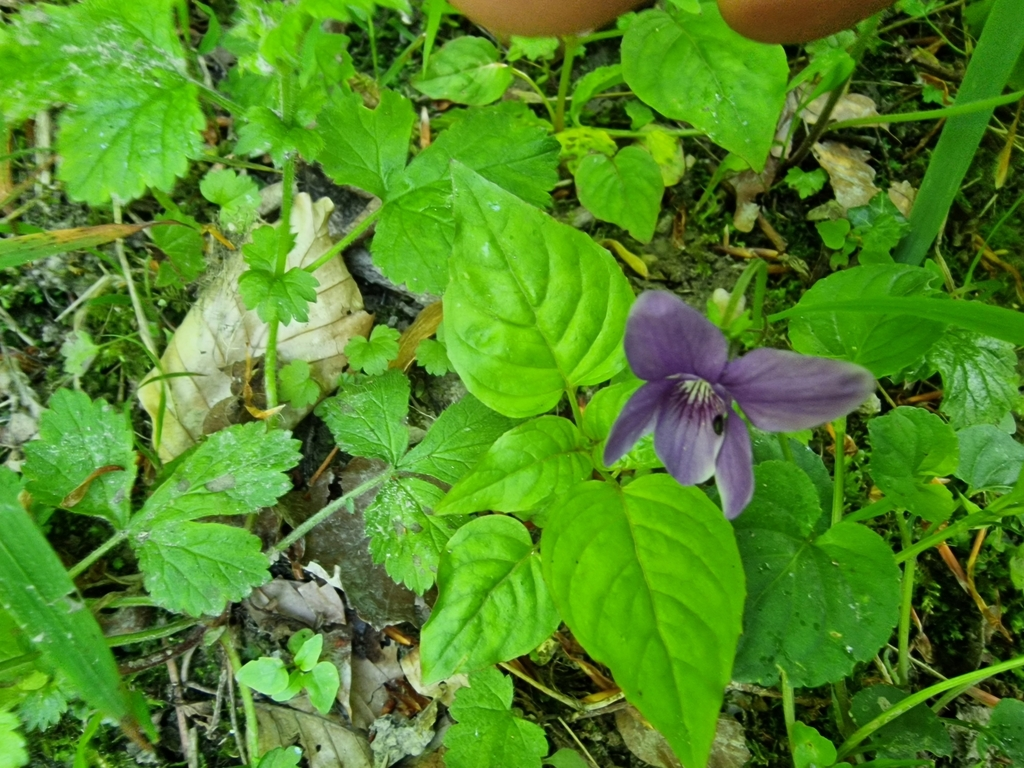
Viola riviniana Common Dog-Violet
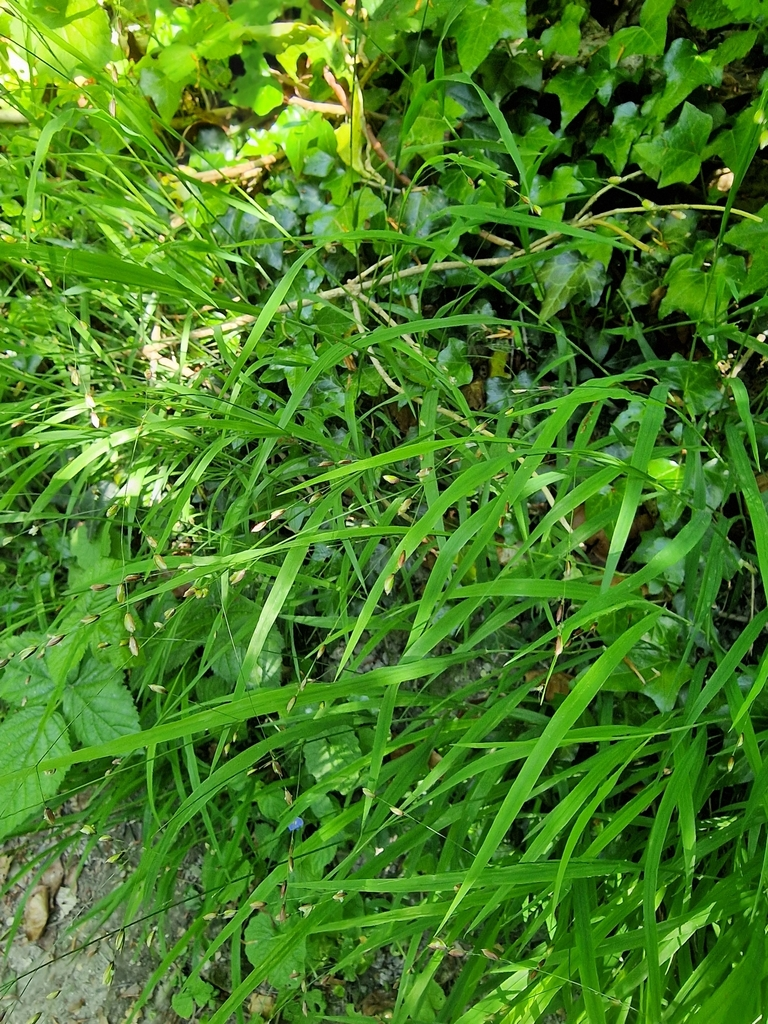
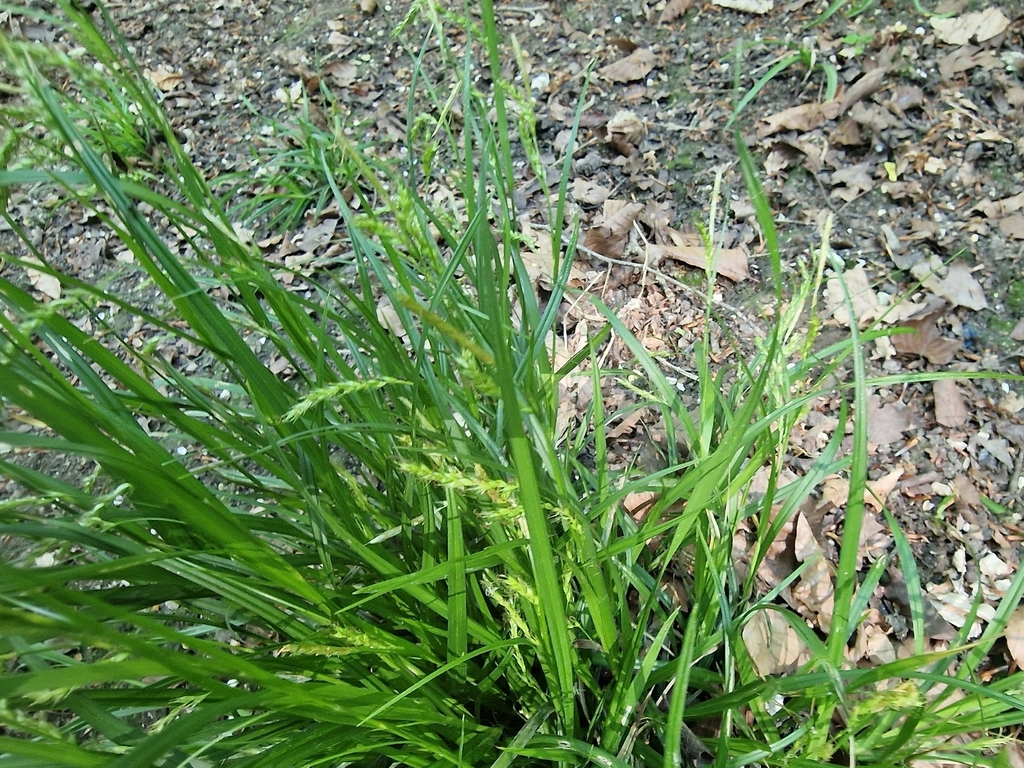
Carex sylvatica Wood Sedge
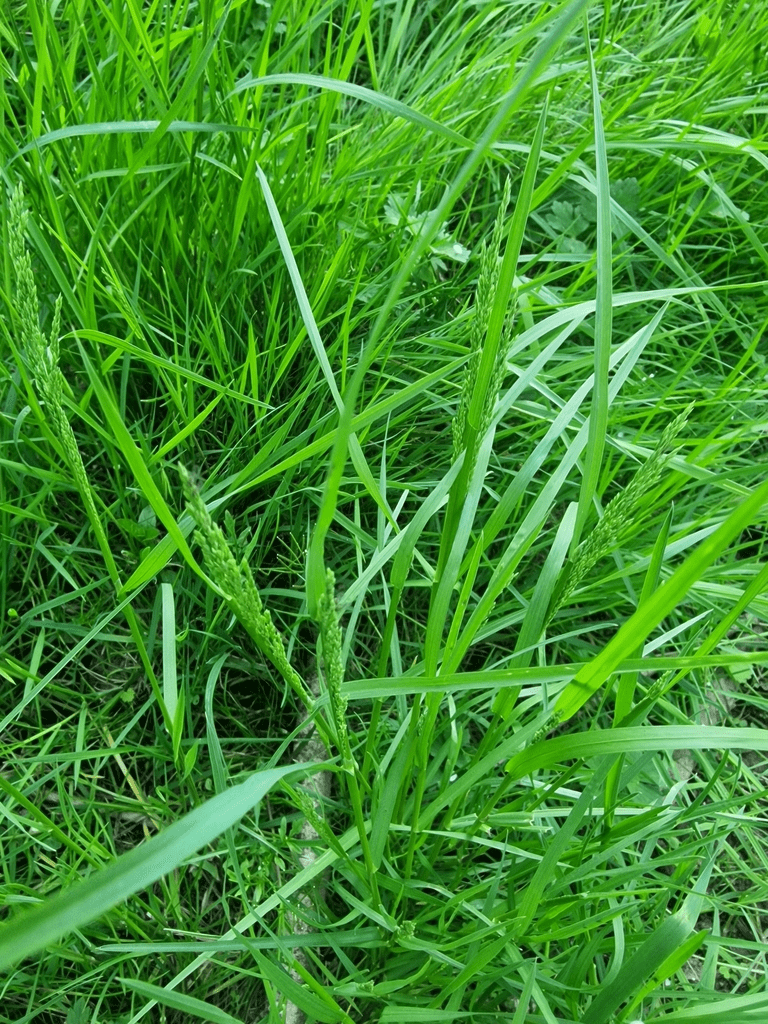
Poa trivialis Rough Meadow-Grass
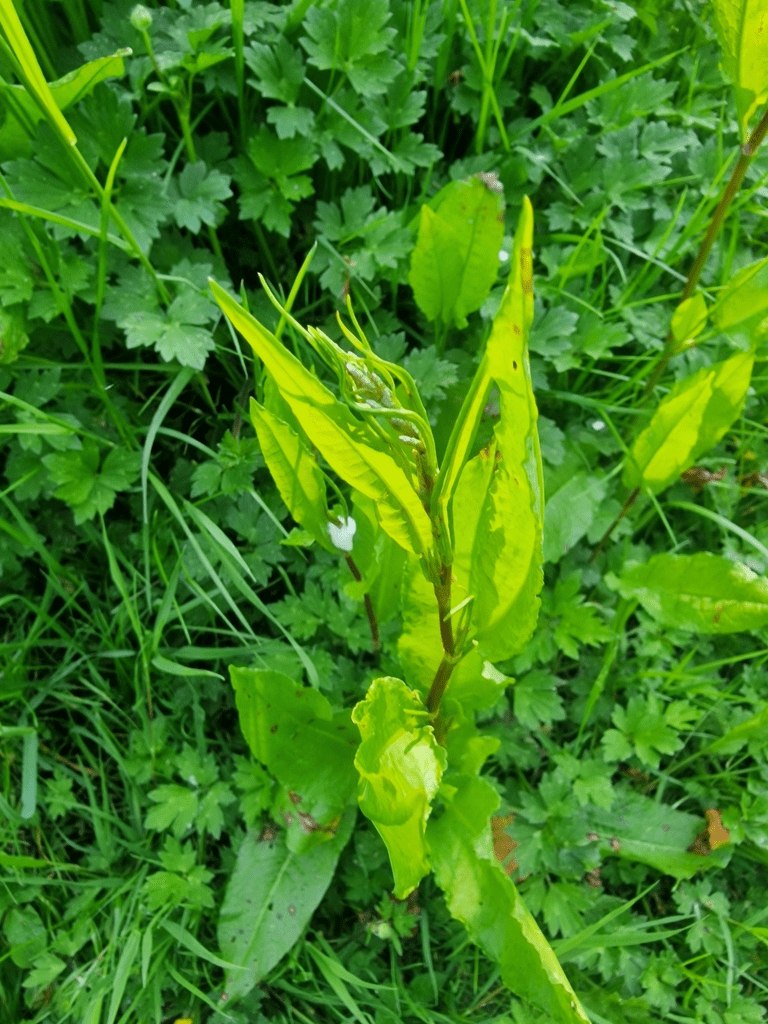
Rumex sanguineus Wood Dock
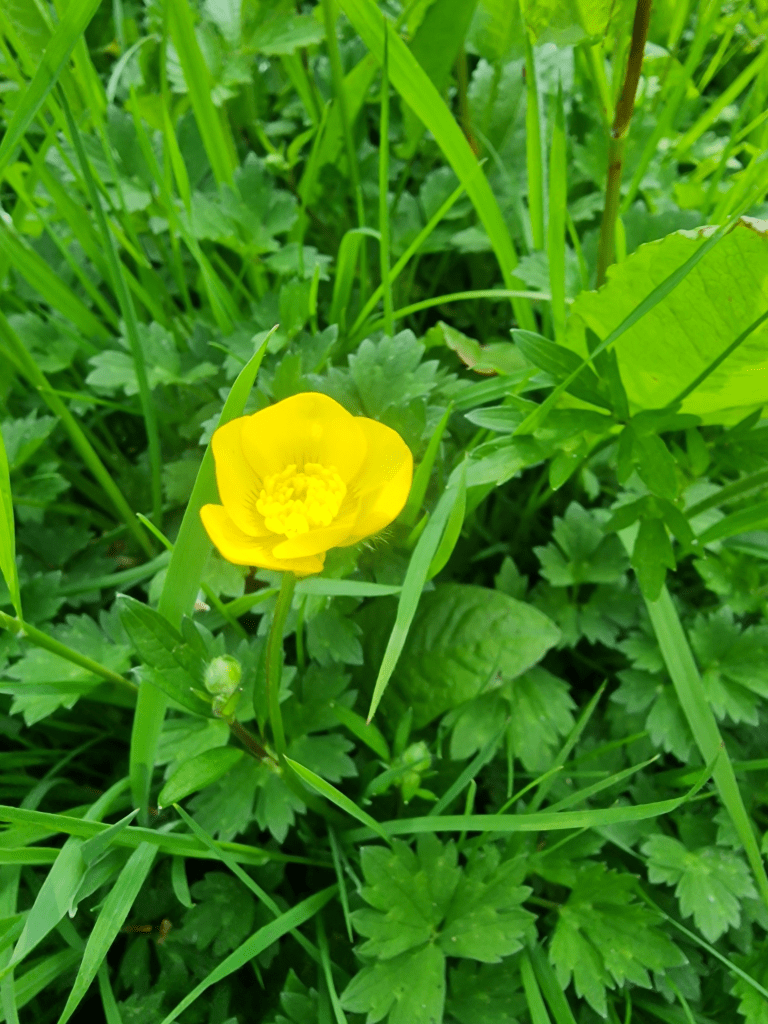
Ranunculus repens Creeping Buttercup
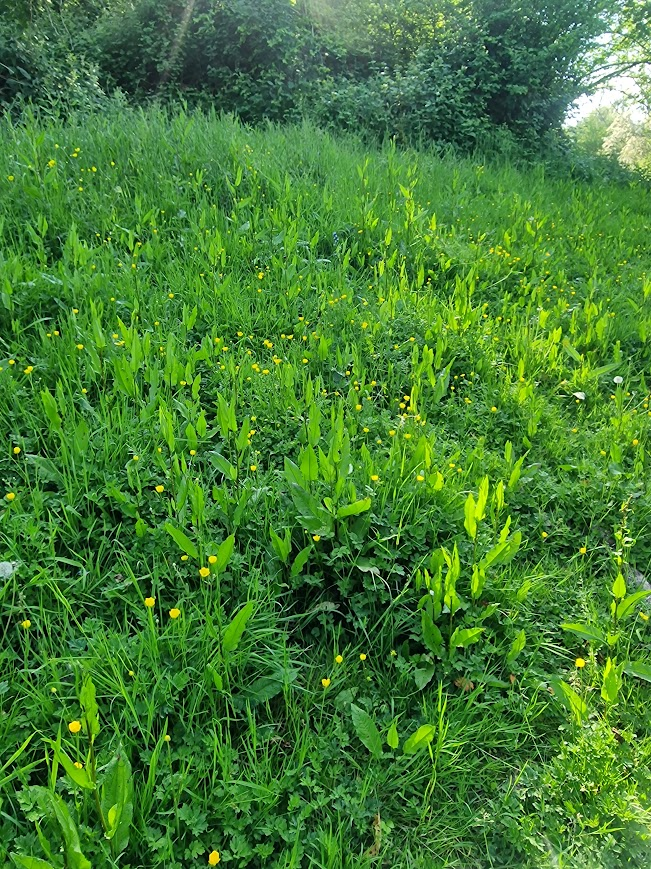
Creeping Buttercup, Wood Dock and Rough Meadow Grass
Trees
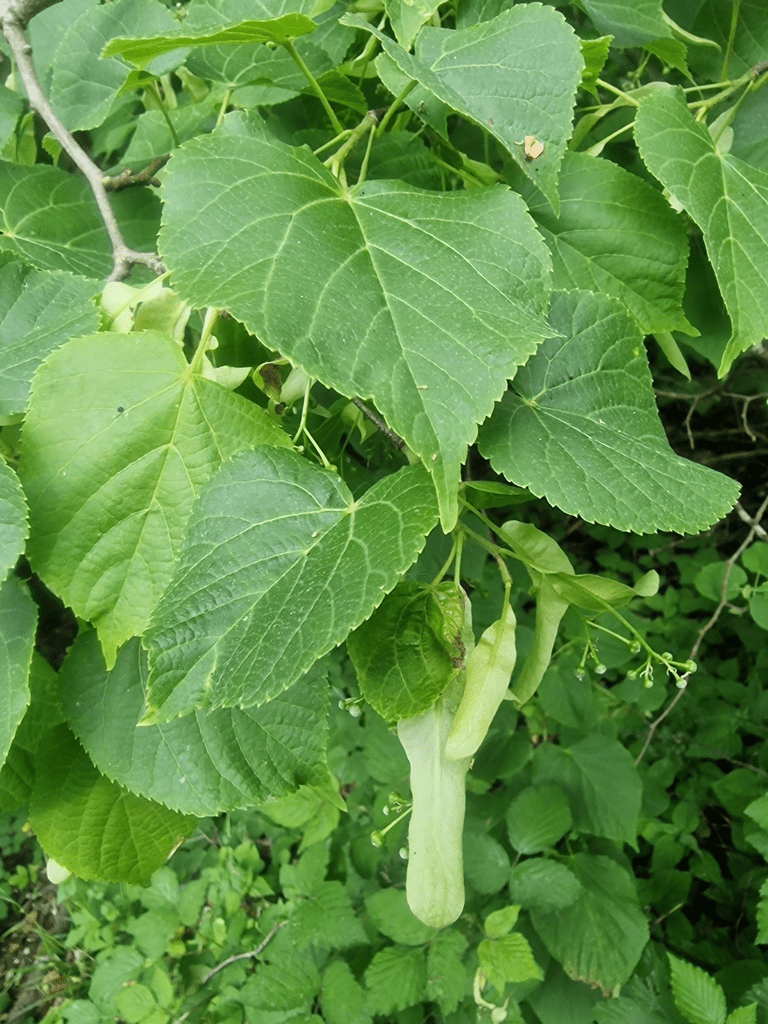
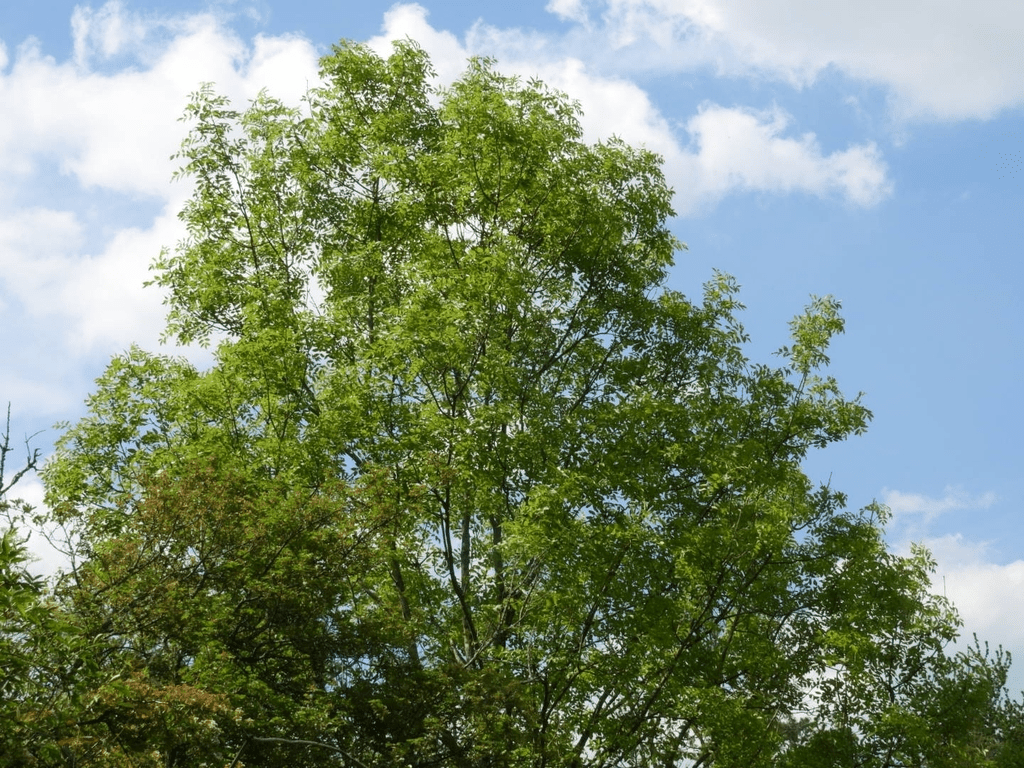
Tilia platyphyllos Large-leaved Lime
Large leaved lime is the rarest [of the Limes] and although planted for several hundred years most ancient trees are confined to woodland coppice on chalk or limestone soils. Woodland Trust Ancient Tree Inventory
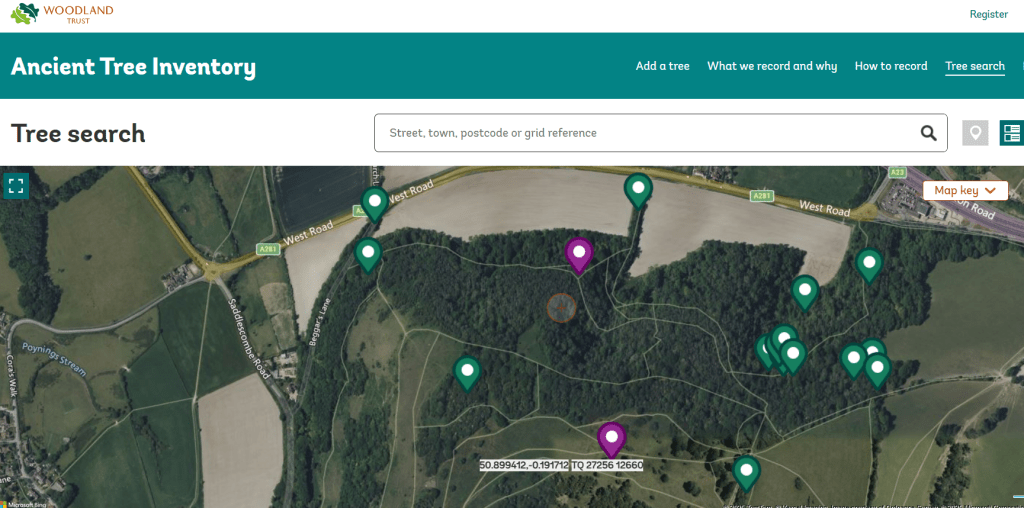
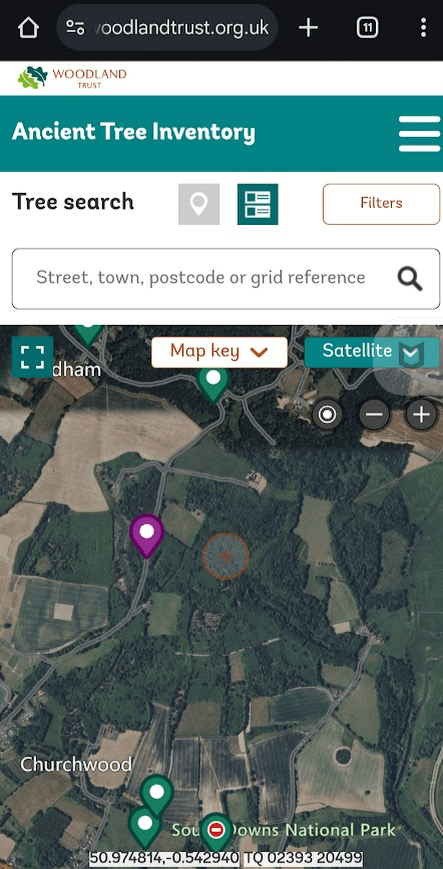
The Woodland Trust Ancient Tree Inventory, shows these veteran (green flags) at Newtimber Hold.
To search the Ancient Tree Inventory for you area, click here.
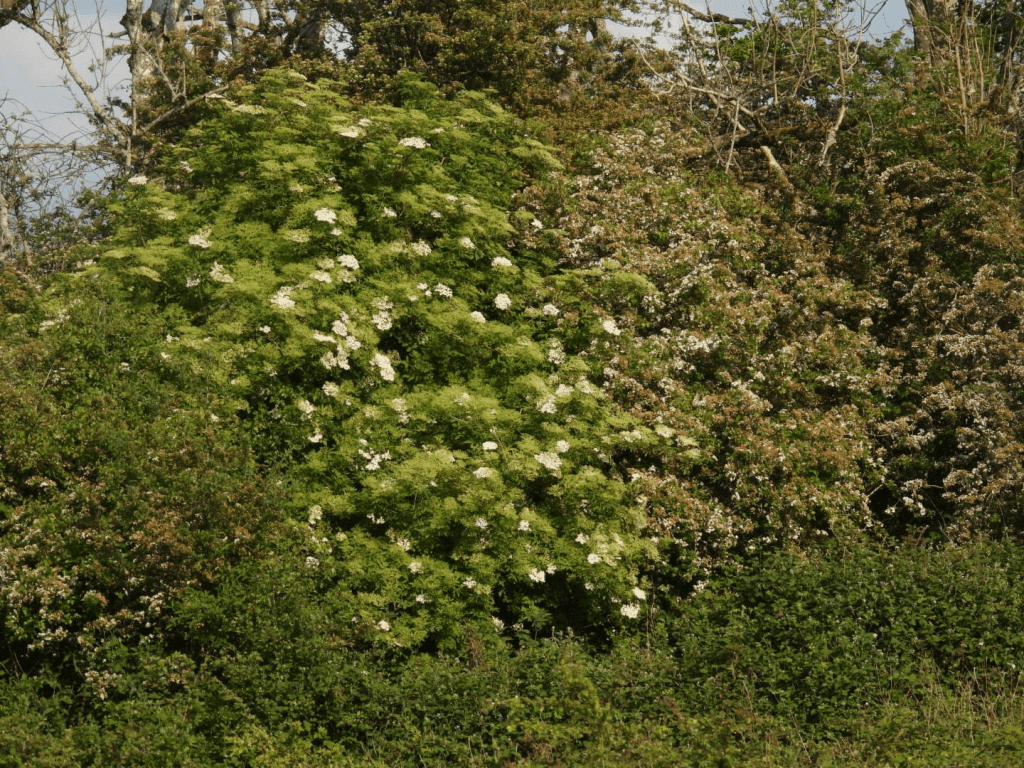
Sambucus, nigra Elder and Hawthorn, Crataegus monpgyna
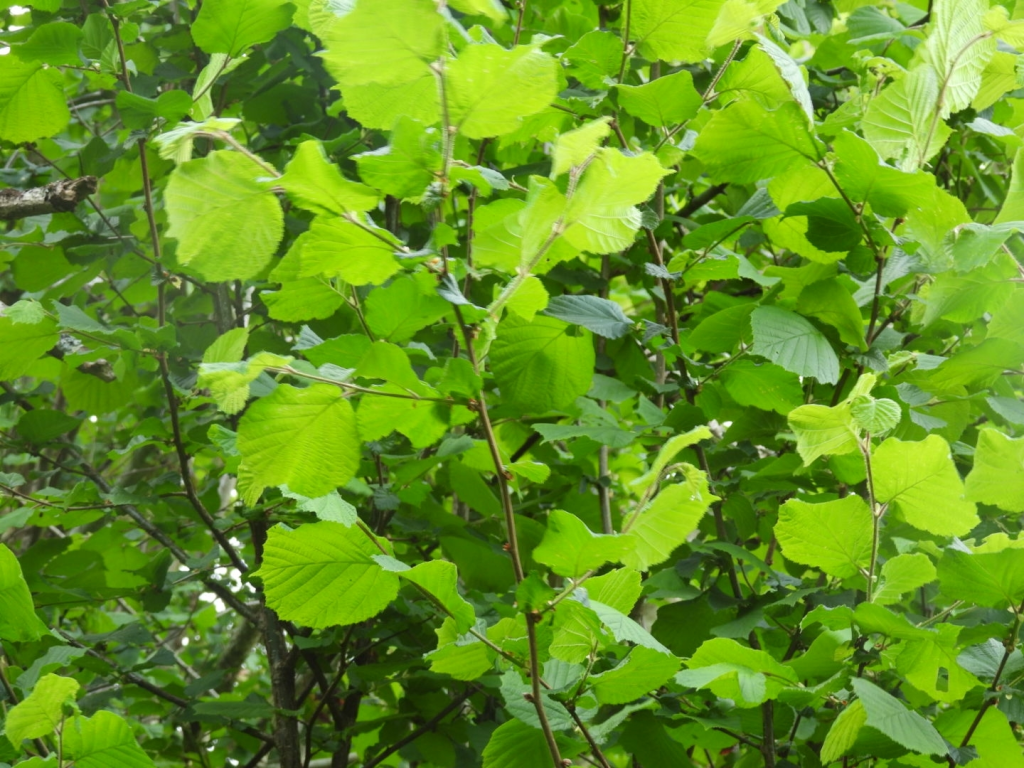
Corylus avellana Hazel
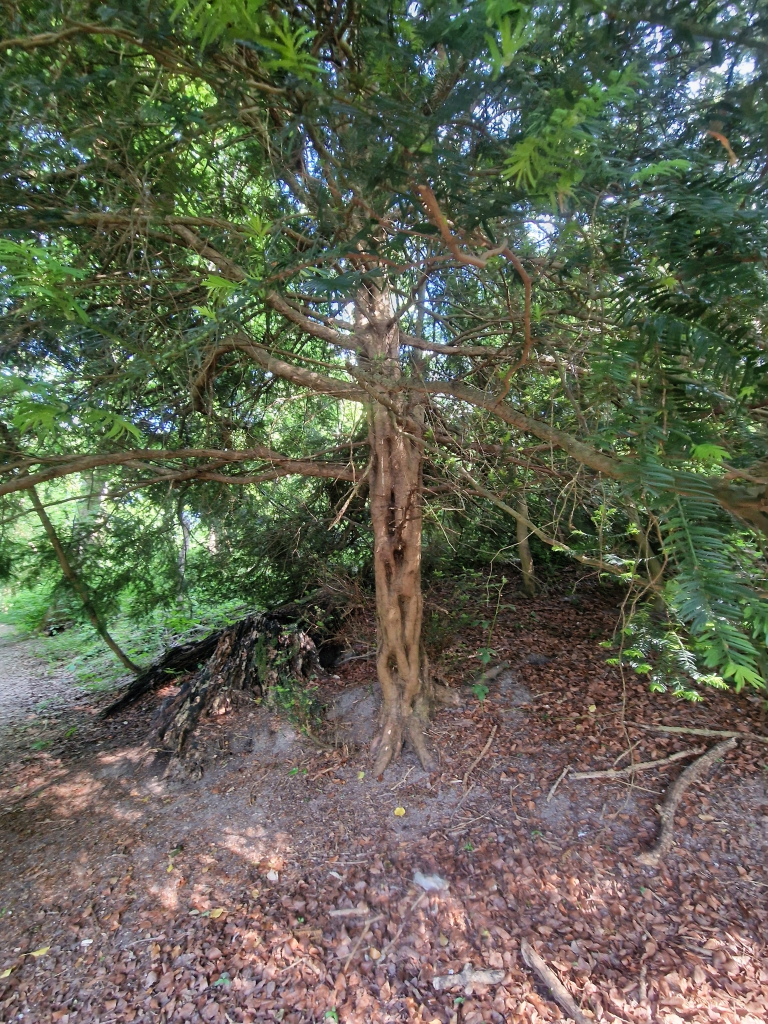
Taxus baccata English Yew
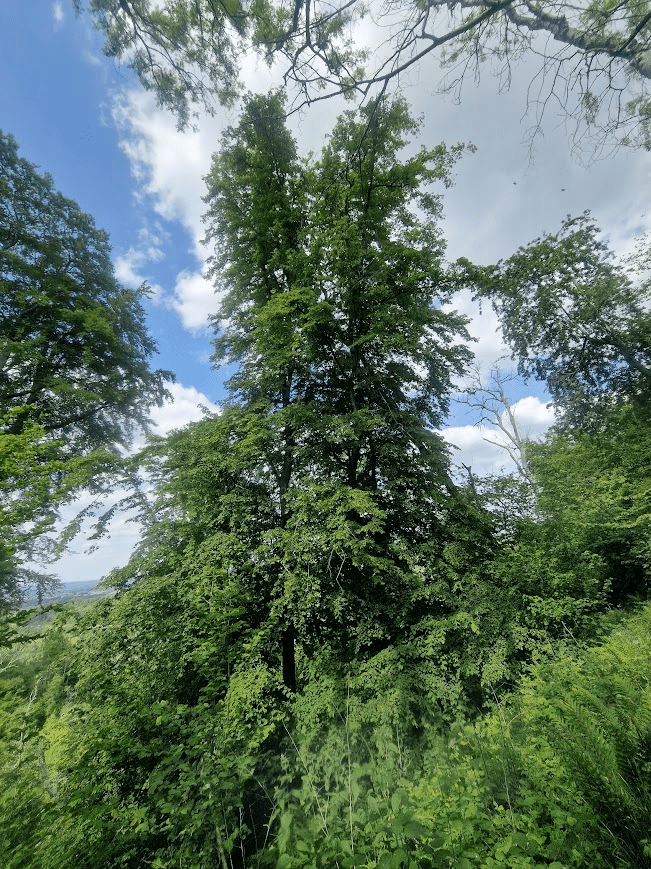
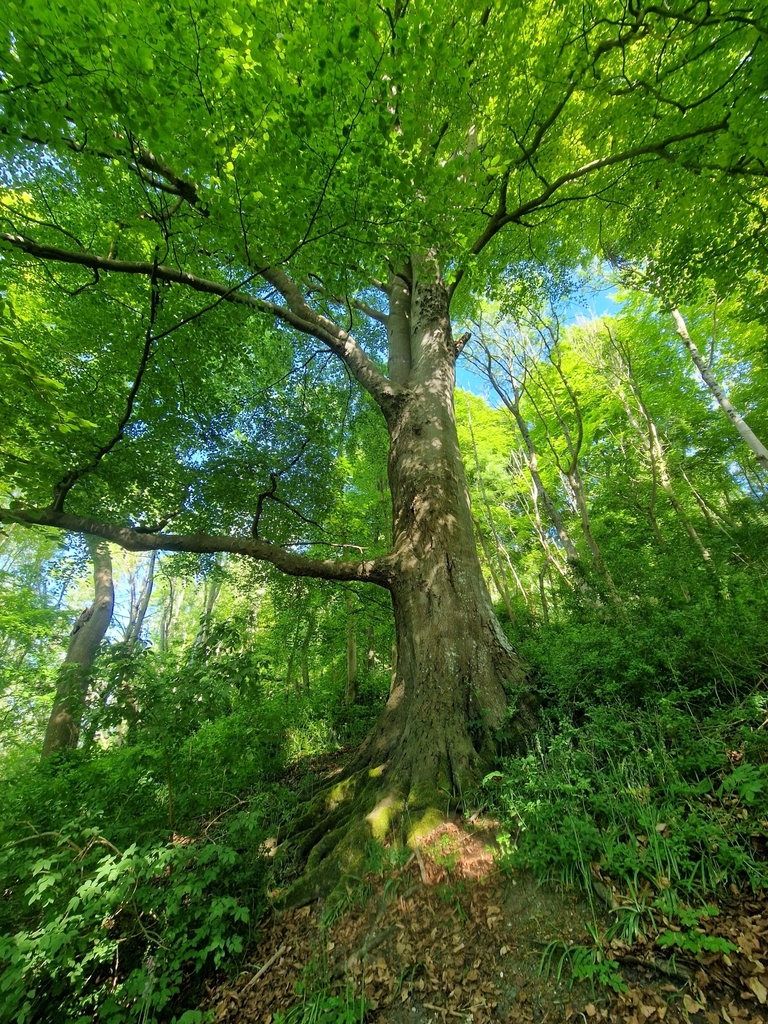
Fagus sylvatica Beech There are several veteran Beech at Newtimber
144ft beech in Sussex named Britain’s tallest native tree
A beech tree on the South Downs in West Sussex is thought to be almost 200 years old and beat the previous champion by 3ft
A beech tree standing 144ft (44 metres) high has been declared the tallest native tree in Britain.
The tree, which is thought to be almost 200 years old, stands in Newtimber Woods on the National Trust’s Devil’s Dyke Estate in West Sussex, in the South Downs landscape.
The discovery of a new record for the tallest native tree title was made by Owen Johnson, the honourable registrar for the Tree Register, a charity which holds records of more than 200,000 exceptional trees in Britain and Ireland.
He was alerted to the possible new champion, one of a clump of trees planted together which has achieved its great height by continued competition to reach the light and being allowed to grow unmanaged for 90 years, by dendrologist Peter Bourne.
The full height of Britain’s champion native tree. Photograph: John Miller/National Trust/PA
Dr Johnson said: “I didn’t quite believe Peter when he said the tallest tree in the woods could be 44 metres tall as I know the South Downs so well. When I finally got around to visiting I found my scepticism entirely unjustified. Guardian 15.04.2915 Press Association
Lichens
On Large Leaved Lime
Lepraria finkii Fluffy Dust Lichen
Phlyctis argena Whitewash Lichen
On Beech
Enterographa crassa
Enterographa crassa is often found in the bases of old beech trees, but it is very difficult to see as it is very small. Their Apothecia (fruiting bodies, in this species, tiny black dots are usually very numerous, brown-black, deeply immersed, without a rim, minutely punctiform or ± broadly elliptical in surface view, 0.1–0.25 × 0.05–0.1 mm, often in dotted or thread-like linesBritish Lichen Society Enterographa crassa
Cladonia caespiticia Stubby-stalked Cladonia
Fuscidea lightfootii
Lecidella elaeochroma Lecidella Lichen
Xanthoria parietina Golden Shield Lichen
On Ash
Flavoparmelia caperata Common Greenshield Lichen
Parmotrema perlatum Black Stone Flower
Punctelia jeckeri Powdered Speckled Shield Lichen
Hypotrachyna afrorevoluta
Parmelia sulcata Netted Shield Lichen
On Hazel
Probably Graphis scripta Common Script Lichen; very common on Hazel and other smooth-barked trees. The Graphidaceae (script lichen) family can only be definitively identified to species level with microscopy of spores.
any area that’s been wooded continuously since at least 1600 AD. It includes:
plantations on ancient woodland sites – replanted with conifer or broadleaved trees that retain ancient woodland features, such as undisturbed soil, ground flora and fungi
ancient semi-natural woodland mainly made up of trees and shrubs native to the site, usually arising from natural regeneration
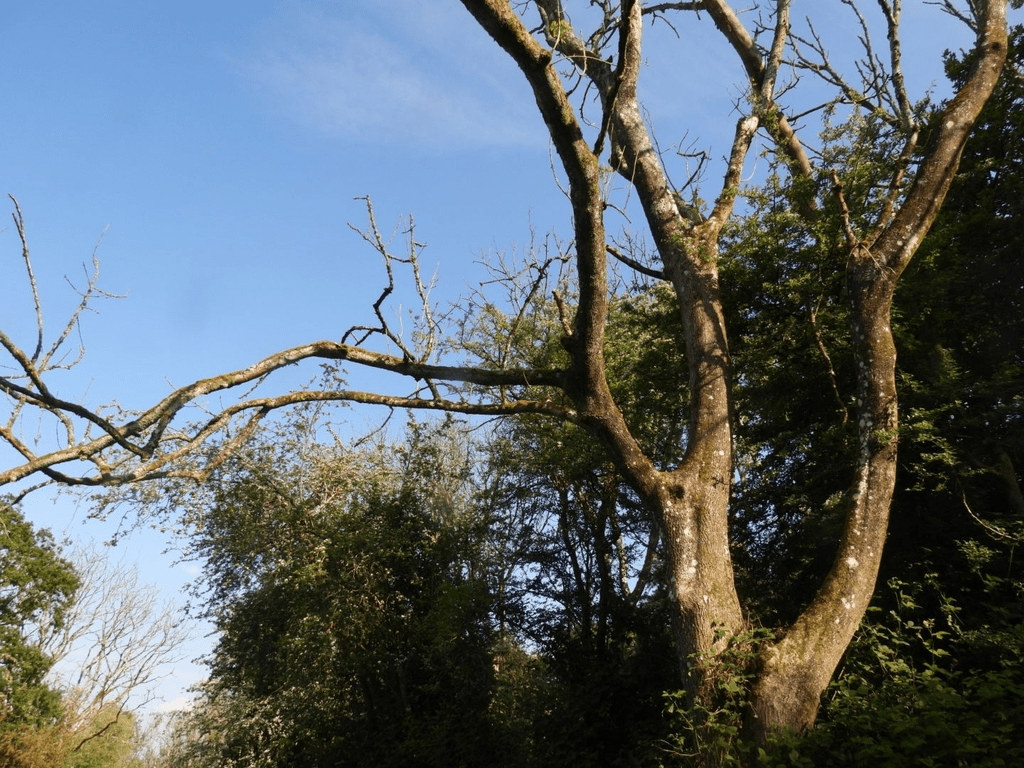
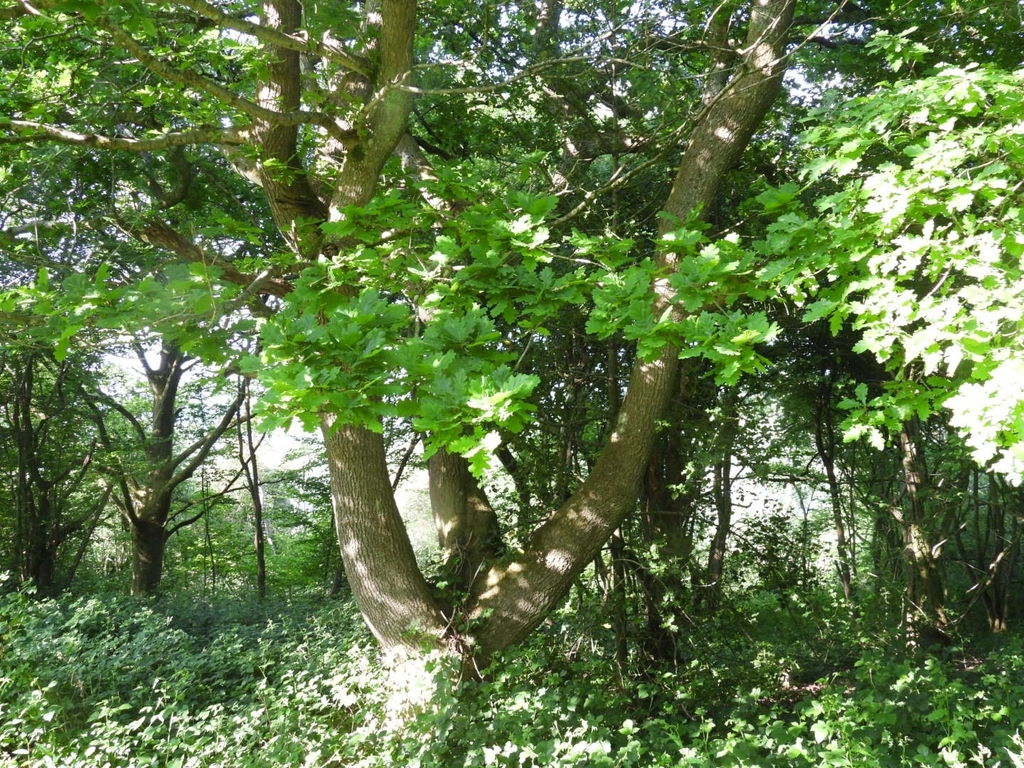
There is only one Ancient, Veteran or Notable tree listed in Fittleworth Wood in the Woodland Trust Ancient Tree Inventory; the “notable” Quercus robur above
but there are other Oaks, Quercus robur, and Beech, Fagus sylvatica, amongst the mostly replanted Sweet Chestnut
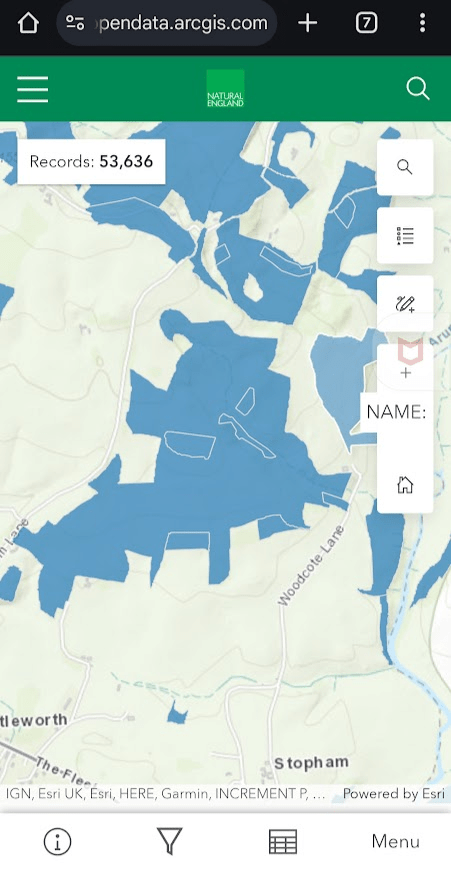
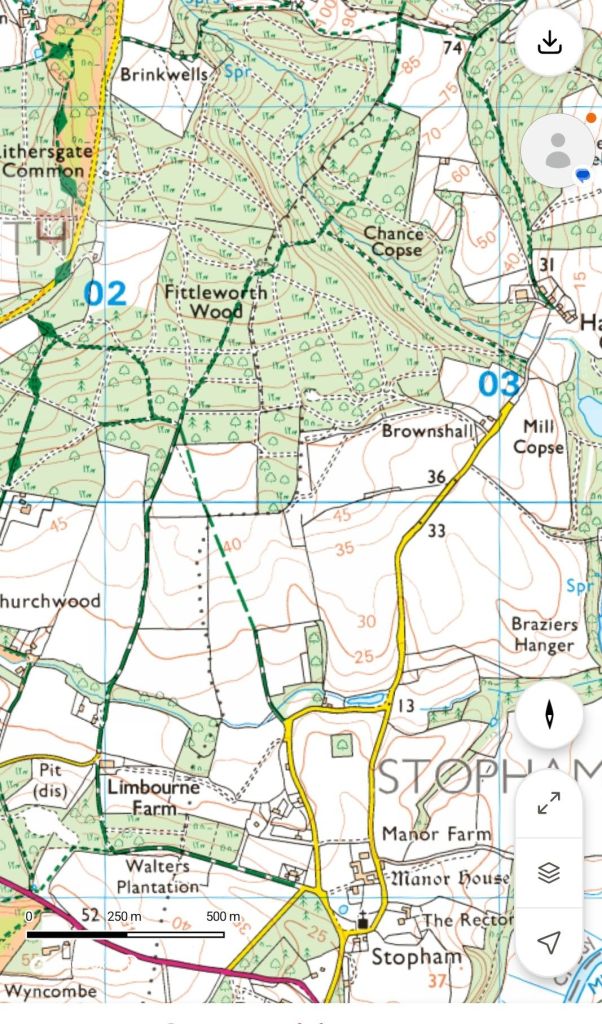
Fittleworth Forest is designated by Natural England as mostly ancient semi-natural woodland, with compartments of replanted ancient woodland
The smaller compartments are listed as Replanted Ancient Woodland; but all of the woodland looked to have been replanted to me, with a few relics of older trees.
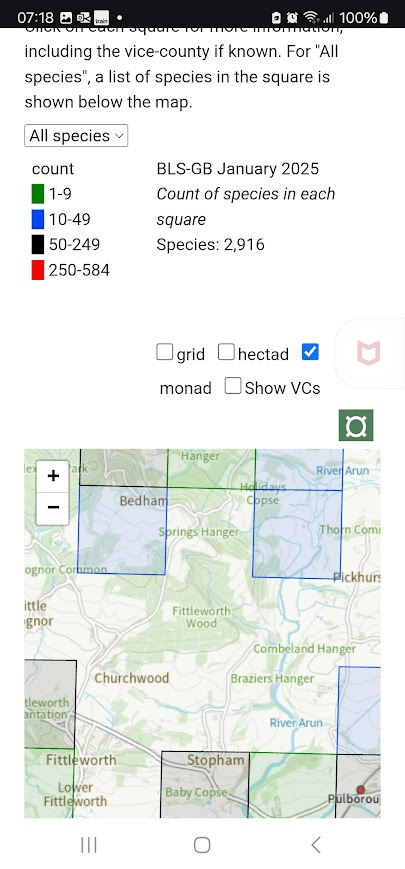
The British Lichen Society has no records for the monads (1k x 1k squares) of Fittleworth Forest
which suggests that it has not been of wood of significance for lichenologists; although there are many monads with no records, not because there of little lichenological interest but because there are very few lichen recorders.
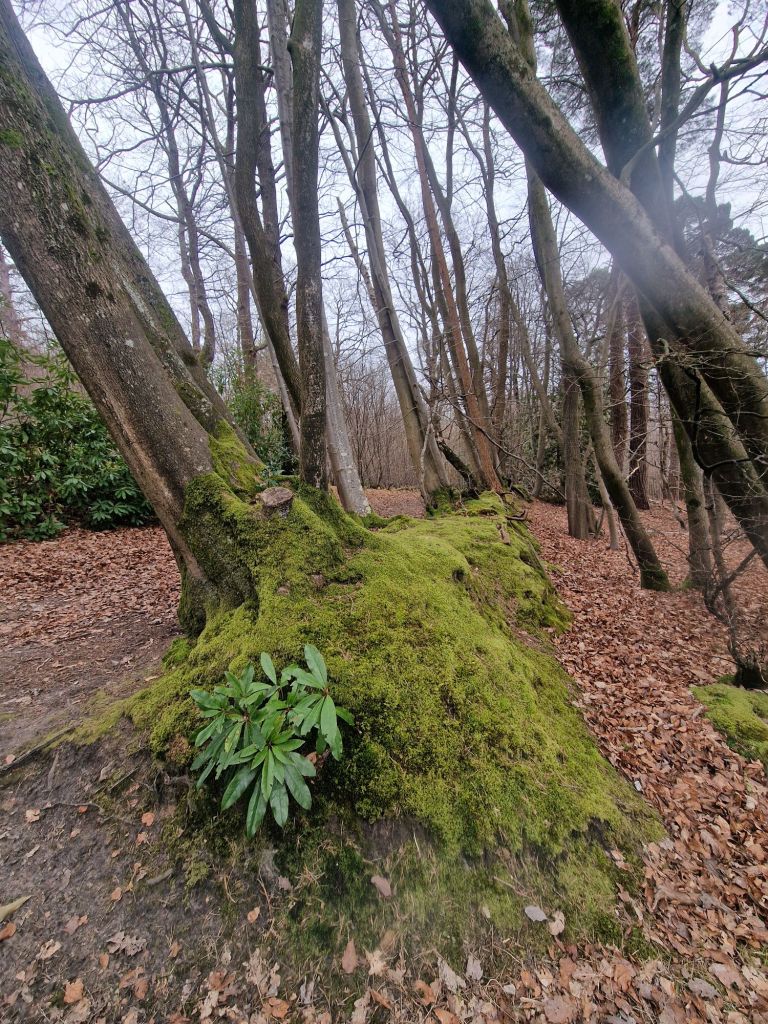
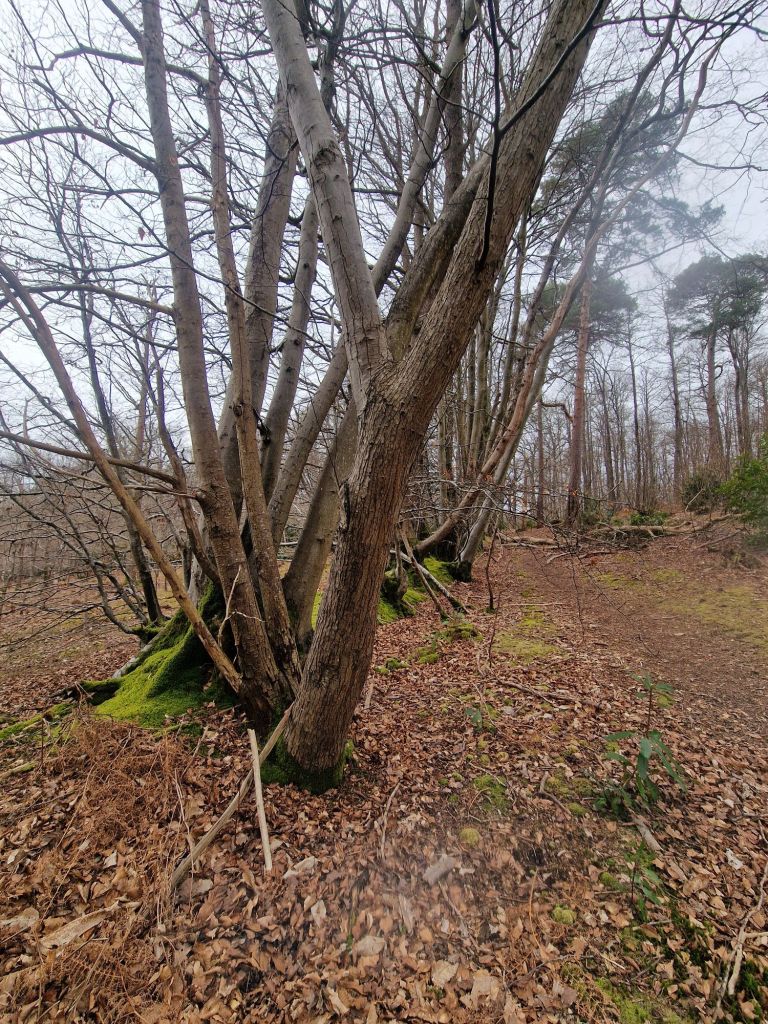
Some of the most beautiful tree relics – of the times before replanting occurred – are some ancient boundary banks of Oak, Quercus robur and Beech, Fagus sylvatica. Theses banks and trees are also a propitious habitat for bryophytes (mosses and liverworts)
There are some more notable Pendunculate Oak surviving amongst the huge area of coppiced Sweet Chestnut Castanea sativa
These Oaks are richer in terms lichens than the Sweet Chestnut; although very old stools of felled coppiced Sweet Chestnut can have rich assemblages of Cladonia spp. lichens; but the Sweet Chestnut in Fittleworth wood is to too young to have much lichen diversity, with only Cladonia coniocraea evident:
Many of the Oaks have much Common Greenshield Lichen, Flavoparmelia caperata.
Flavoparmelia caperata is in the Parmelion community of lichens that demonstrate that a tree is probably older than 50 years.
Young coppiced Sweet Chestnut mostly have Pertusaria spp., especially Pertusaria leioplaca, and Graphidaceae family lichens e.g. Graphis sctipta sensu lato.
Sweet Chestnut
Pertusaria leioplaca
Probably Graphis scripta s.l.
Script lichens are of the Graphidion community and start growing toward the end of the first year of a trunk’s life. The Graphidaceae family require spore microscopy to identify to species level.
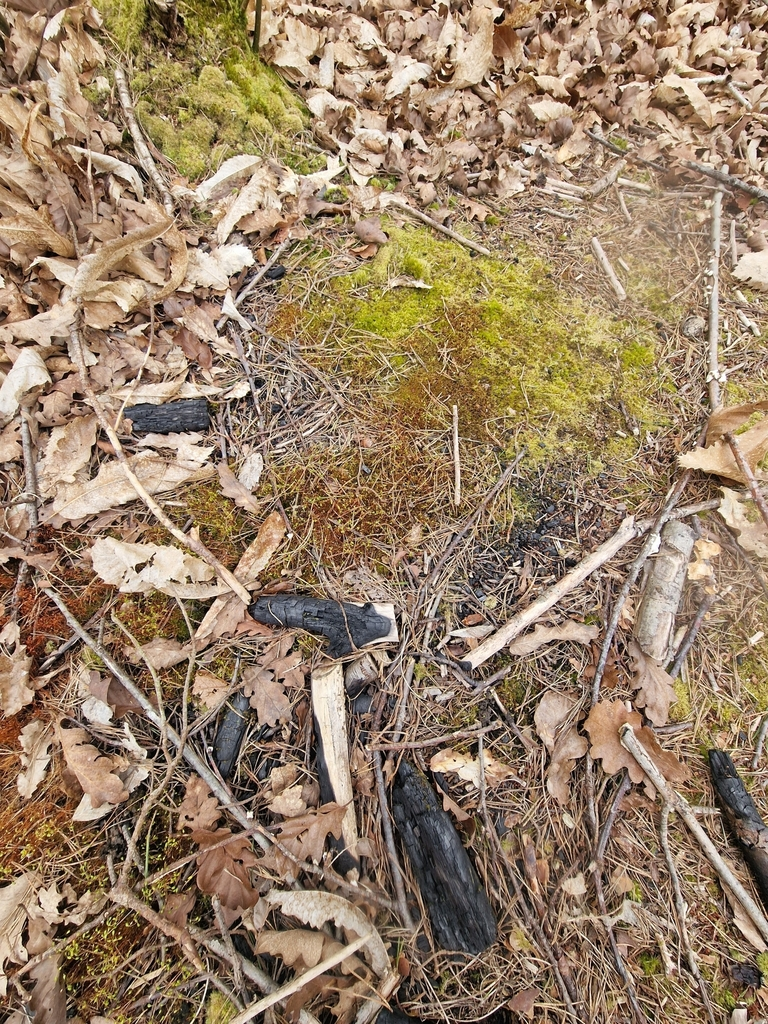
Amongst the sweet chestnut there were a lot of Leucobryum spp. mosses
And where felled trees had been and burnt, there were areas of Funaria hygrometrica Bonfire Moss, as would be expected.
Funaria hygrometrica
As I moved eastwards, and down from the higher ground of Fittleworth Wood, into the valley of Chance Copse, the ground flora seemed much more indicative of ancient woodland soil despite the presence still of much replanted woodland, but not dominated by Sweet Chestnut. Large amounts of replanted Sweet Chestnut does not seem propitious for the growth of ancient woodland ground flora from the seed bank of ancient woodland soil.
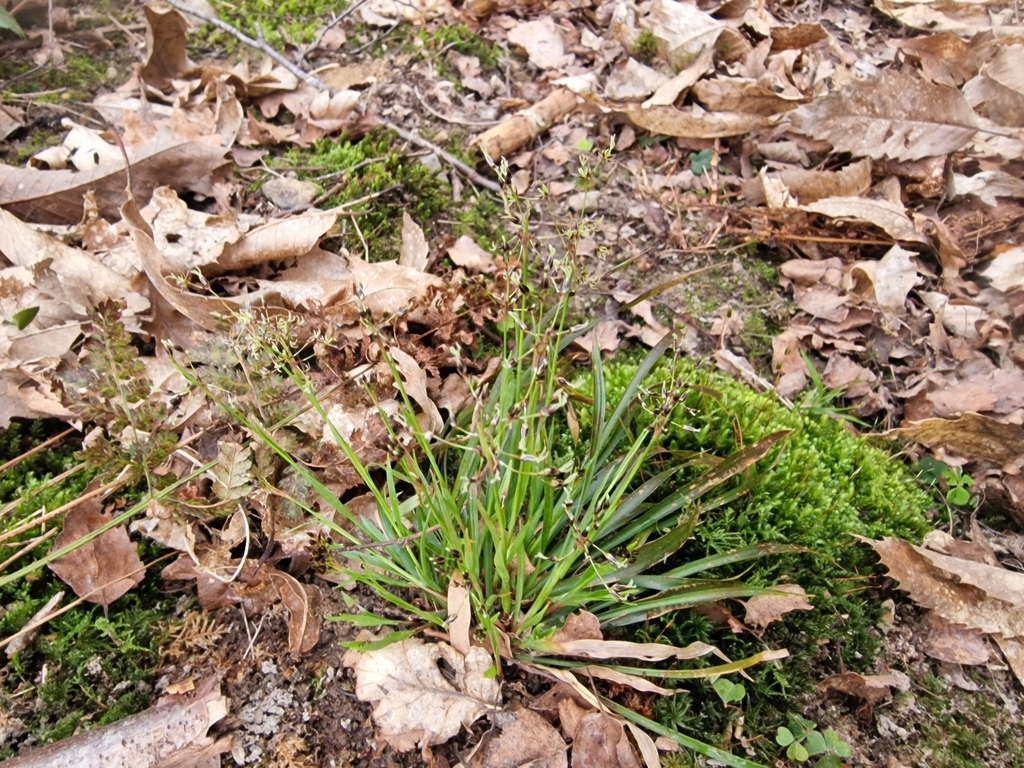
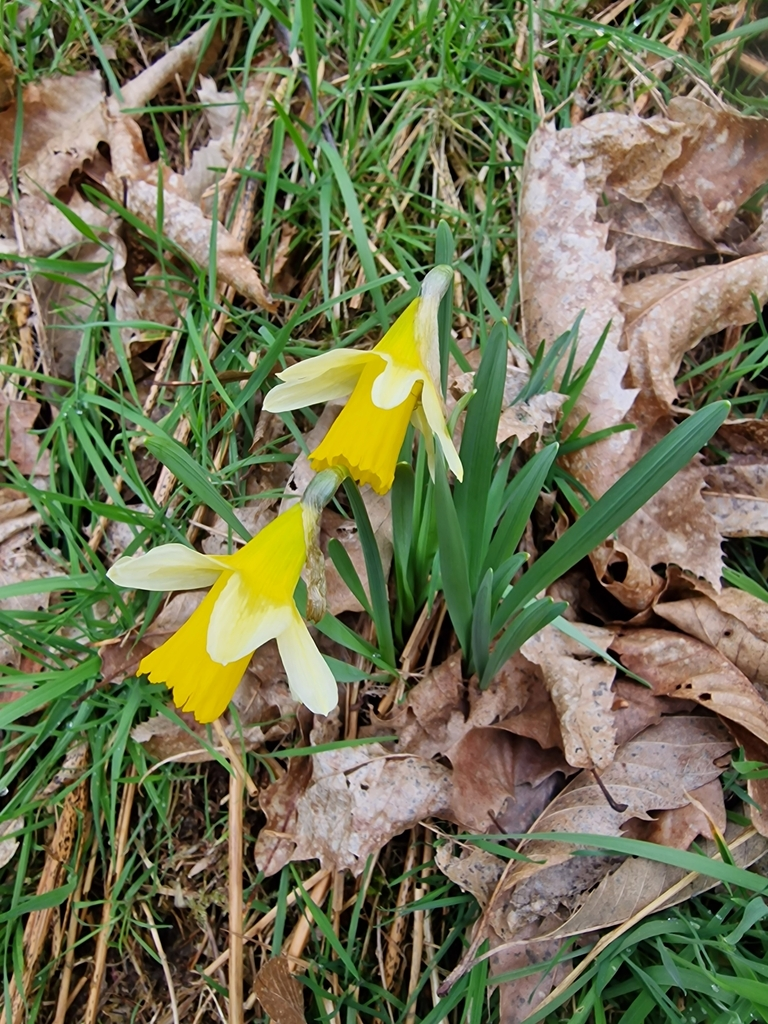
Plants like Hairy Woodrush, Luzula pilosa; Wildlife Daffodil, Narcissus pseudonarcissus and Primrose, Primula vulgaris in Chance Wood are ancient woodland indictor plants; these were absent in Fittleworth Wood.
The banks of the stream in Chance Copse have many wet flushes arising from springs in the greensand; these are probably a good habitat for rare bryophytes, but I had little time as it was getting dark by the time I got to Chance Corpse I only found a few common bryophytes:
On Saturday 22.03.25 I led a Lost Woods of the Low Weald and Downs lichen walk for the Sussex Wildlife Trust Storrington and Arun Valley Regional Group at Hesworth Common, Fittleworth. The common is owned and managed by Fittleworth Community & Parish Council who gave their permission to hold the walk there.
Here are some of the lichens we saw:
Hypogyny tubulosa Powder-headed Tube Lichen, on Pendunculate Oak
Cladonia furcata Many-forked Cladonia; growing on the ground of the heathland
On Thursday 20.03.25 I led a walk for the Lost Woods of the Low Weald and South Downs at Lag Wood; this is a private wood, and the owner gave us permission to do so, and she accompanied us. This was part of the National Lottery Open Week; an opportunity for The National Lottery-funded projects to give lottery players a reward; so all the participants had to bring a lottery ticket or scratch card that they had bought!
Here are a few of the many the lichens we saw.:
Normandina pulchella, Elf Ear lichen, growing on Myriocoleopsis minutissima Minute Pouncewort on Ash
Lecanora chlarotera on Pedunculate Oak
Amandinea punctata, Tiny Button Lichen on Hornbeam. Very similar to Lecidella eleachroma; separatable by chemical reagent spot test
I met with representatives from the Sussex Wildlife Trust’s Storrington and Arun Valley Region Group to plan the route and risk assessment for a community introduction to lichens walk on Saturday.
We saw some lovely common lichens, see below, and some rarer lichens like Cladonia foliacea, Summer Snow (named thus because the white underside of its squamules turn up when desiccated).
Common lichens are really important on introduction walks; as those are the lichens people are likely to see when they are walking through the countryside on their own. Moreover, knowledge of common lichens is ecologically useful. Common lichens can be used as markers of ecological wellbeing: the effects of climate change, and the outcomes of habitat management of the site, on lichen abundance, if people re-survey and note increases or deceases in abundance of common lichens.
To be able to recognise a common lichen and know its name, even if it’s just a vernacular English name, it is necessary to recognise it’s growth form (crustose, foliose, fruiticose, leprose and cladoniform) and the names of their parts e.g. thallus [body], apothecia [fruiting body of fungal spores], soredia [sexual propagules of fungal hyphae and alga/cyanobacterium cells], podetia [tube on a Cladonia], etc. This is the starting point for a love of lichens; add in a hand lens, and you are a budding amateur lichenologist.
Hemsworth Common has trees (mosyly Pendunculate Oak, Silver Birch, Scots Pine) on which there are many corticolous (tree living) lichens, and lowland heath, dominated by heathers and Billbury, amongst which grow many terriculous (ground living) lichens, especially Cladonia species
Two common lichens:
The VERY common Common Greenshield Lichen! Flavoparmelia caperata. But with apothecia, which is rare.
Evernia prunastri, Oak Moss Lichen – not a moss!
And a slightly rarer lichen, but one that really stands out on the bark of a tree: Chrysothrix candelaris, Gold Dust Lichen
and a rarer one:
Cladonia foliacea, Summer Snow
After the joint walk, I stayed on and continued surveying and found a Pendunculate Oak with a particular rich diversity of common lichens:
Lecidella eleachroma (black apothecia) and Lecanora carpinea.
Physcia aipolia (black apothecia) and Ramalina farinacea (with floury soredia on its lobes (straps))
Naetrocymbe punctiformis (central lichen with invisible thallus) this is very hard to identify
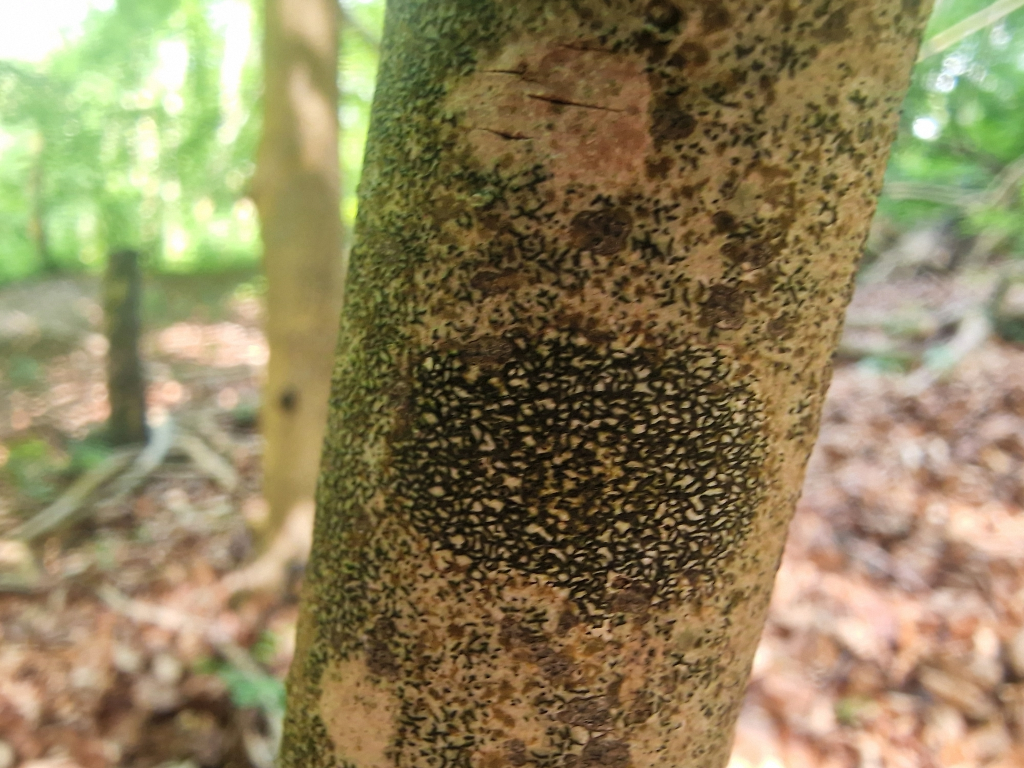
On the way to Hesworth Common, Fittleworth, to undertake a recce for a lichen walk there on Saturday, I took a detour to Coldwaltham from Pulborough (a four mile walk there and back to Pulborough). I went because I knew there was an ancient yew there; famous for being 3000 years old. It is clearly not 3000 years old, but it is a very old yew. I though it was an good candidate to have Zwackhia prosodea growing on it. I have seen Z. prosodea, growing on the ancient yew in East Chilton’s churchyard; it is a very characteristic lichen. I searched the British Lichen Society’s database: there are 174 records of the lichen in East and West Sussex; none of them on this yew; despite the churchyard being surveyed by Francis Rose in 1992.
But it was there!
A very southern lichen of dry bark on veteran trees, mainly Oak, often in mildly nutrient enriched habitats. Characterised by the bulky tall curved to serpentine lirellae with the disk a persistent slit and the dry bark habitat. British Lichen Society – Zwackhia prosodea
The churchyard at Coldwaltham contains a slightly controversial yew tree – slightly controversial because on occasions when experts have suggested the tree may not be quite as old as people believed it to be there has sometimes been a bit of a backlash from the villagers. Part of the reason for this is that the ancient tree is sometimes cited as evidence for a much older church on the current site. Another may be that some people claim that the tree as one of theoldest in the country – either way, it’s a magnificent being. It certainly looks pretty ancient.West Sussex Info Coldwaltham
Entry in the Ancient Yew Groupregister:Tree ID: 366 Yews recorded: Ancient 7m+ Tree girth: 1049cm Girth height: at 15cm Tree sex: femaleSource of earliest mention: 1885: Measured by Rev. W.H. Starling (1958 E.W. Swanton)
Under the Zwackhia prosodea was the lichen Opegrapha vermicellifera
Occurs in shaded, dry recesses of basic-barked trees, rare on rock. Smooth greyish thallus, usually sterile with small, prominent pycnidia with white or pale grey pruina. Pycnidia semi-immersed when young, chestnut brown with pale ostiole. Dorset Lichens – Opegrapha vermicellifera
On Friday, I visited Selwyns Wood to help their volunteers identify the lichens in the site. The list of what we found is at the end of this post
It was particularly pleasing to see Coniocarpon cinnabarinum, previously Arthonia cinnaborina, an old woodland indicator species. I see this lichen rarely; not because it is particularly rare, but because it is very difficult to see. “Can be common in old woodlands on shaded, smooth bark of young trees and branches” Dorset Lichens. This lichen is named after Cinnabar, the red ore of mercury.
Another lichen that was good to see was Thelotrema lepadinum, Bark Barnacles, an indicator of ancient woodland
Both of these lichens are indicators of ancient woodland even though they weren’t growing on ancient tress; both were on relatively recent on Sweet Chestnut, Castanea sativa.
In the area of heathland, as one would expect, there were Cladonia spp. growing on lignum, including Cladonia polydactyla
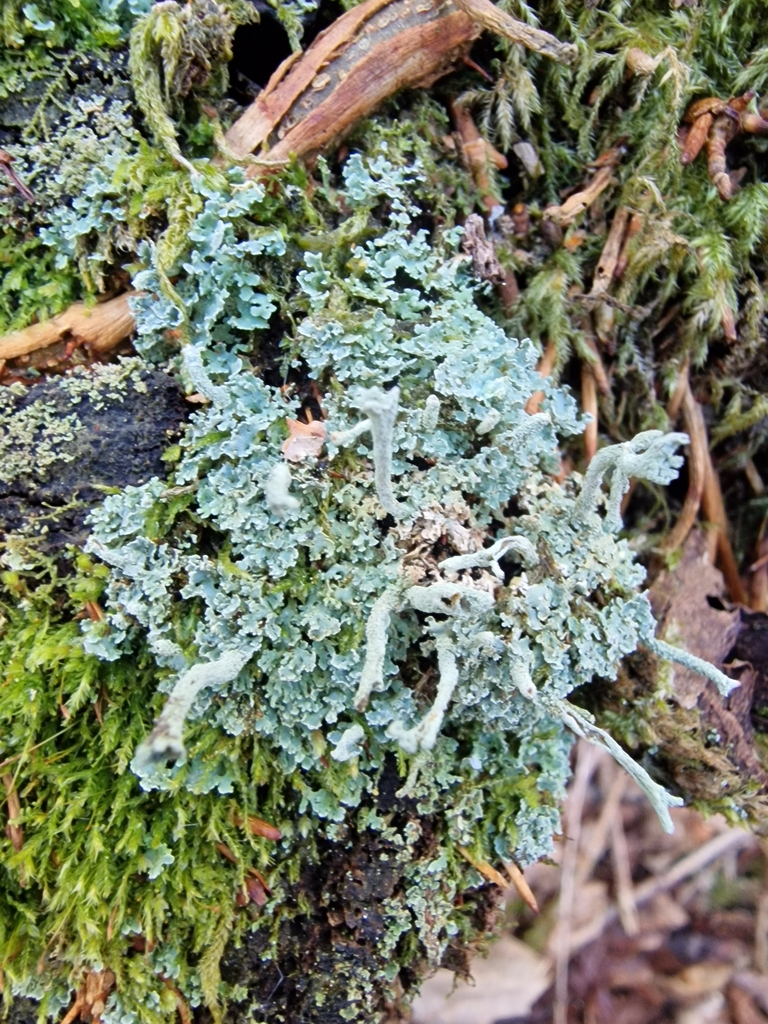
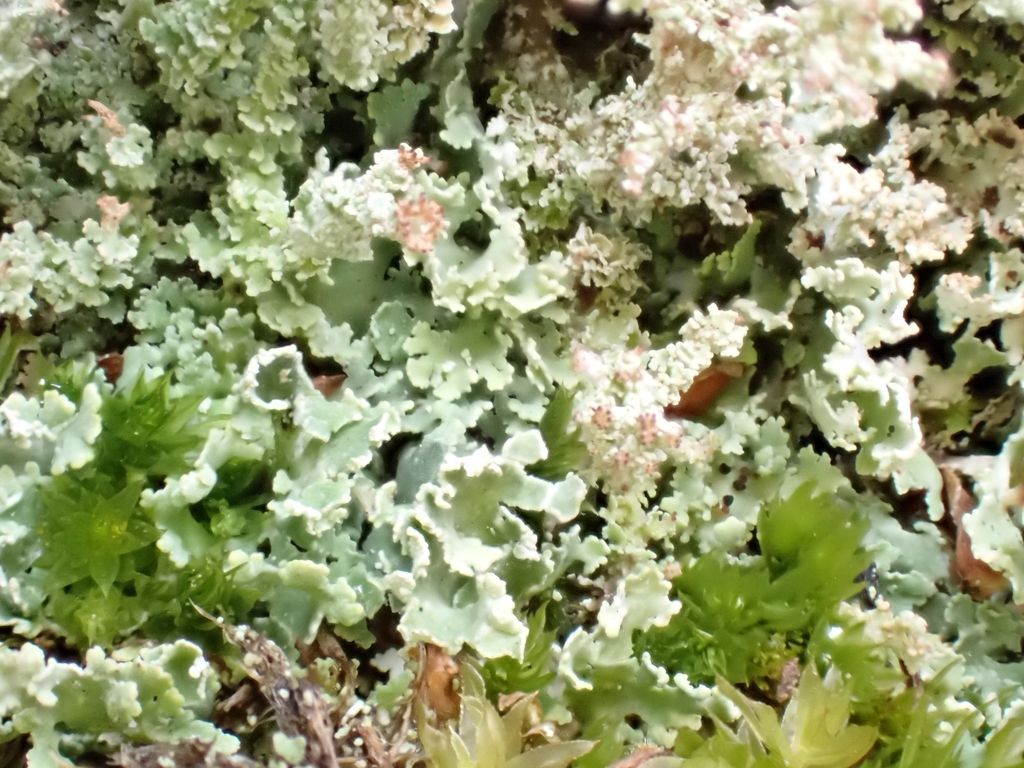
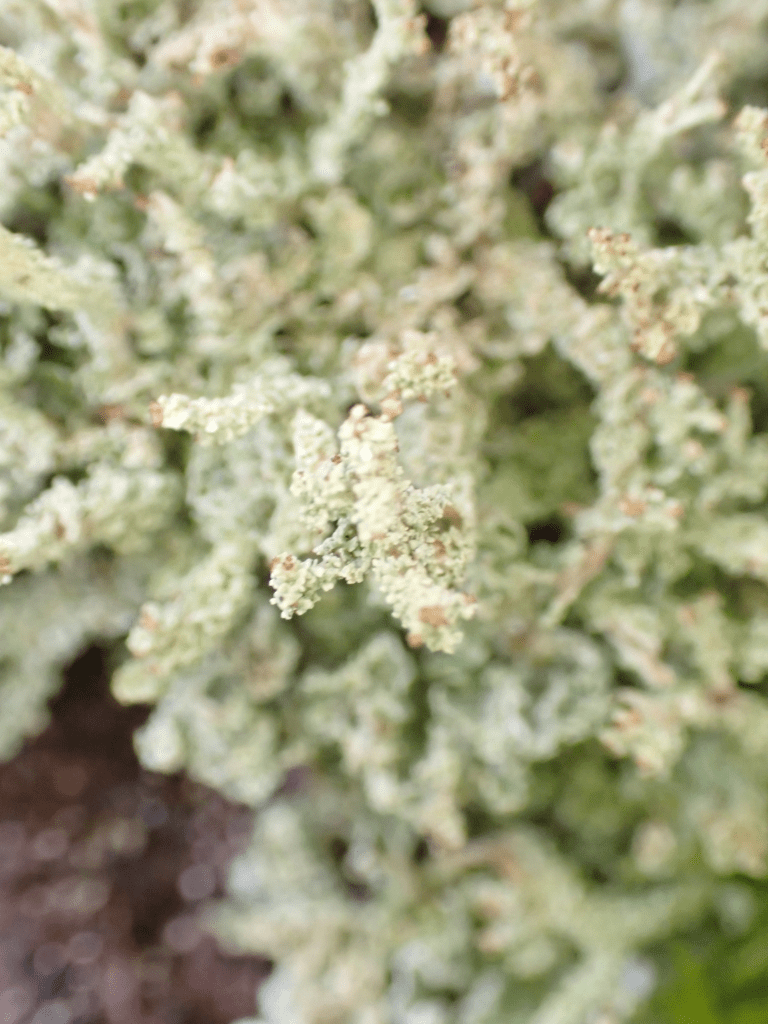
Cladonia caespiticia
and Cladonia squamosa
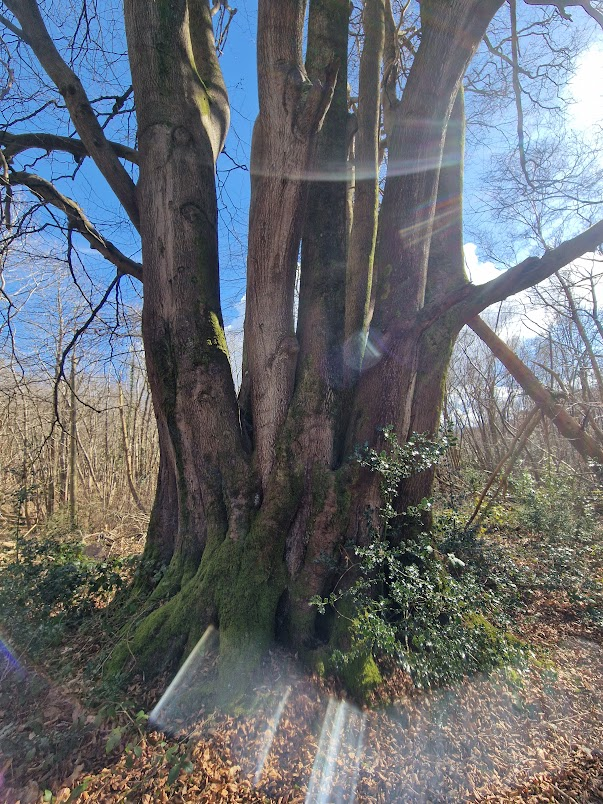
On the side of an enormous bundle-planted Beech, there was Elf Ear lichen, Normandina pulchella













 Sim's Nature Notes