I started at Horseshoe Plantation, east of Birling Gap, Seven Sisters, East Sussex, as it considered a very good location for Butterflies, see Michael Blencowe & Neil Hulme (2017) The Butterflies of Sussex: A Twenty-First Century Atlas. I saw lots of Bumble Bees but I did not photograph them, I focussed on Butterflies, solitary bees and “small” insects
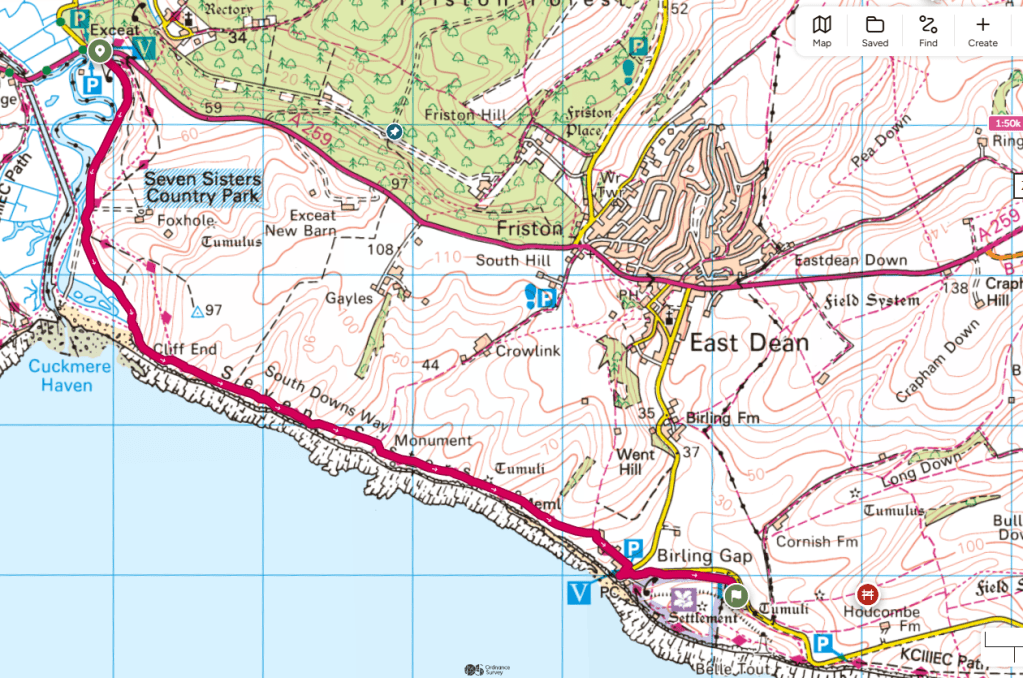
I reached Horseshoe Plantation by taking the 13X bus to Birling Gap (every two hours on weekdays; once an hour weekends). I returned to Brighton from Cuckmere Haven on the 12X bus (every 20 minutes)
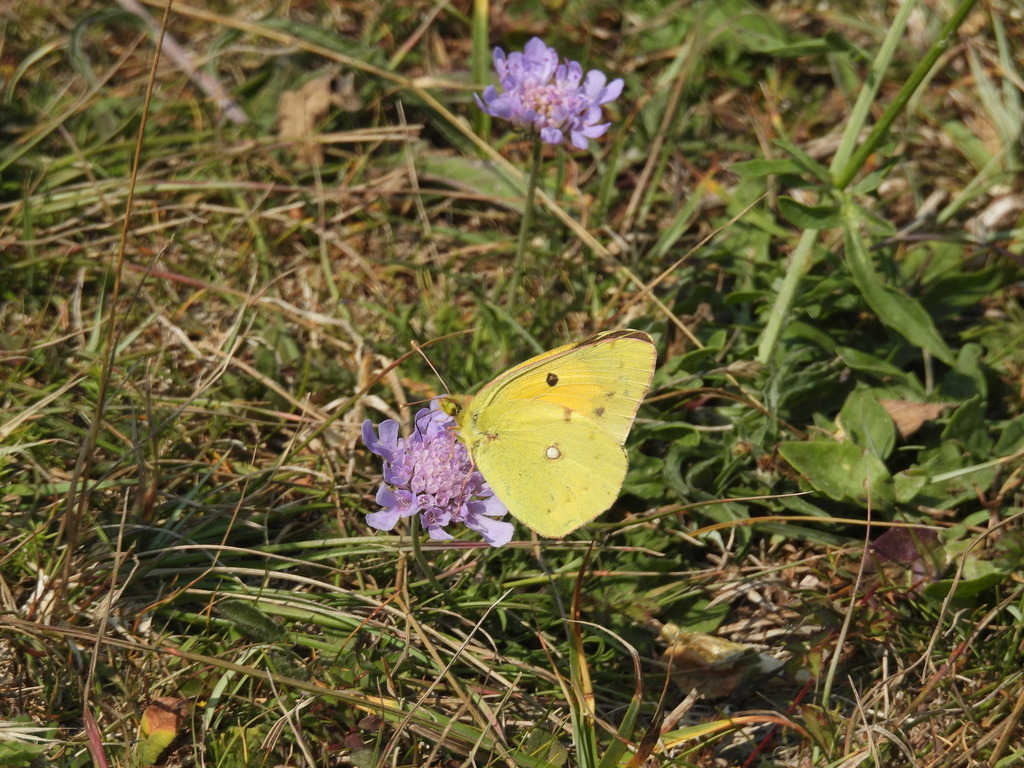
Clouded Yellow, Colias croceu, on Small Scabious, Scabiosa columbaria
It’s always a good Butterfly day when you see a Clouded Yellow! They are migratory European butterflies and a regular visitor to Britain and Ireland. Although some of these golden-yellow butterflies are seen every year, the species is famous for occasional mass immigrations and subsequent breeding, which are fondly and long remembered as ”Clouded Yellow Years”. Clouded Yellow | Butterfly Conservation
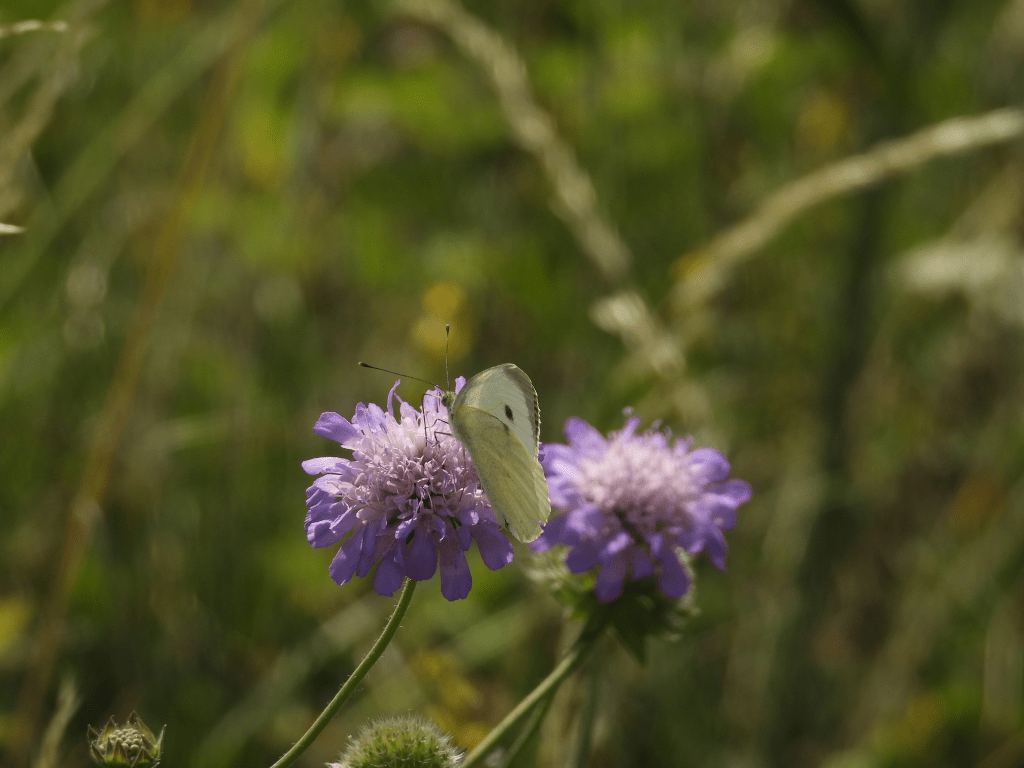
Large White, Pieris brassicae, on Small Scabious, Scabiosa columbaria
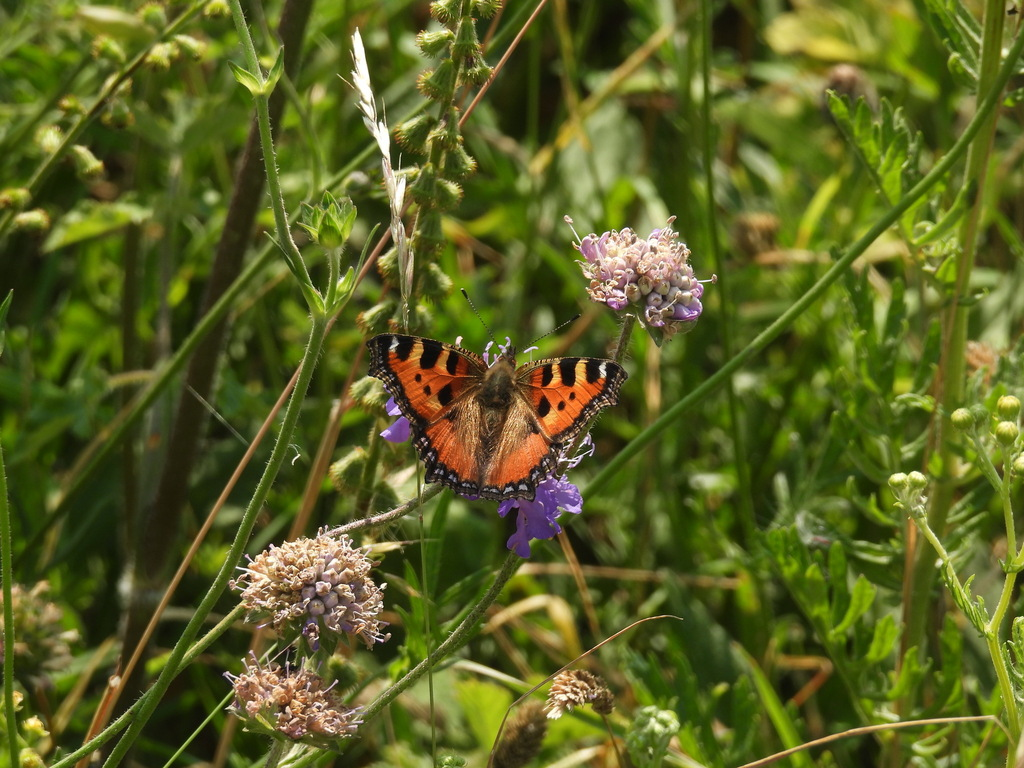
Small Tortoiseshell, Aglais urticae, on Small Scabious, Scabiosa columbaria
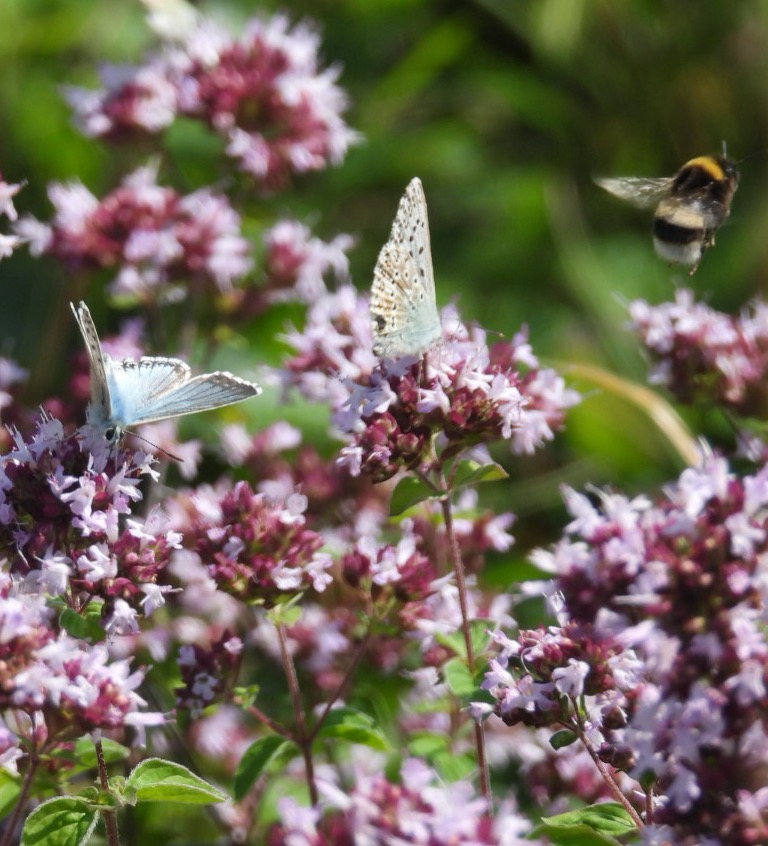
Chalkhill Blues, Polyommatus coridon on Wild Marjoram, Origanum vulgare, with bumble bee
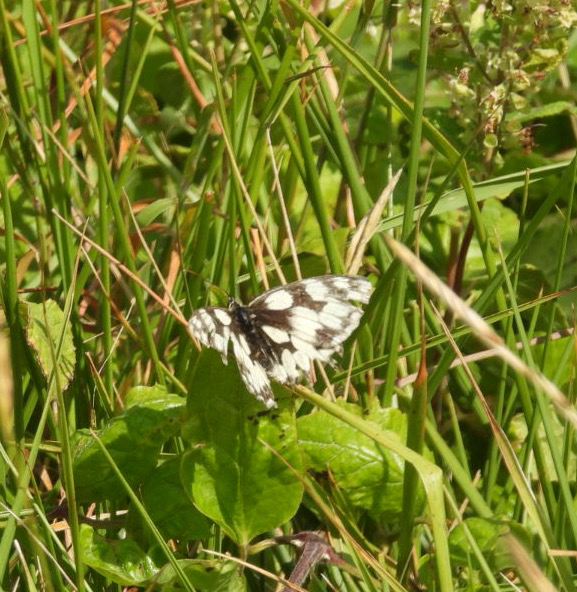
Marbled White, Melanargia galathea on Bramble, Rubus sp.
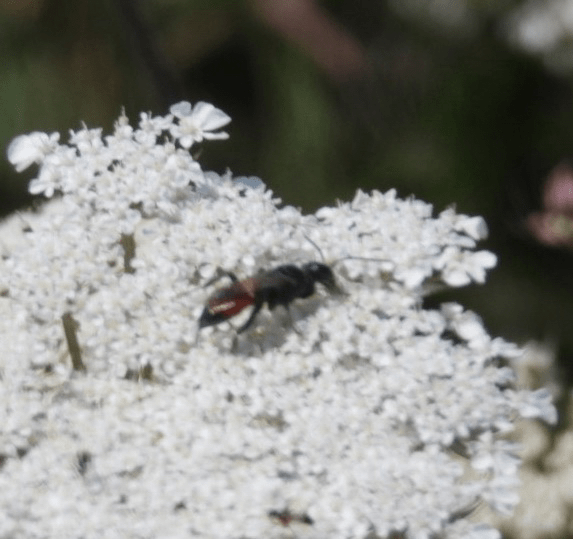
Arachnospila sp. A Spider-wasp species on Wild Carrot, Daucus carota
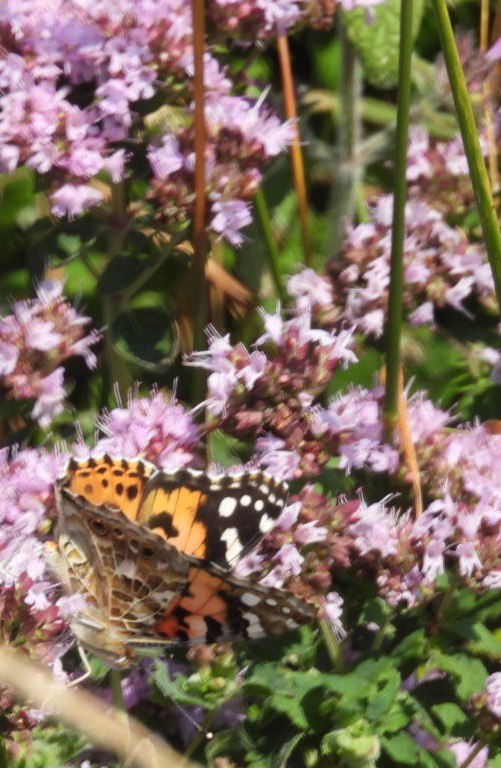
Painted Lady, Vanessa cardui on Wild Marjoram, Origanum vulgare
The Painted Lady is a long-distance migrant, which causes the most spectacular butterfly migrations observed in Britain and Ireland.
Each year, it spreads northwards from the desert fringes of North Africa, the Middle East, and central Asia, recolonising mainland Europe and reaching Britain and Ireland. In some years it is an abundant butterfly, frequenting gardens and other flowery places in late summer. Painted Lady | Butterfly Conservation
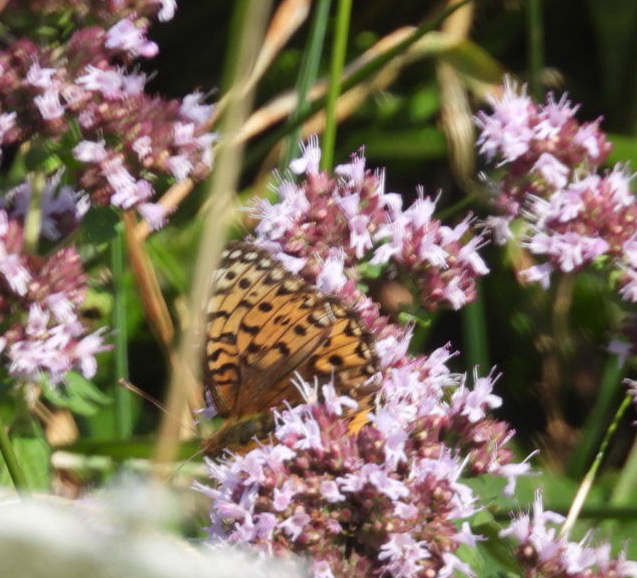
Dark Green Fritillary, Speyeria aglaja, on Wild Marjoram, Origanum vulgare
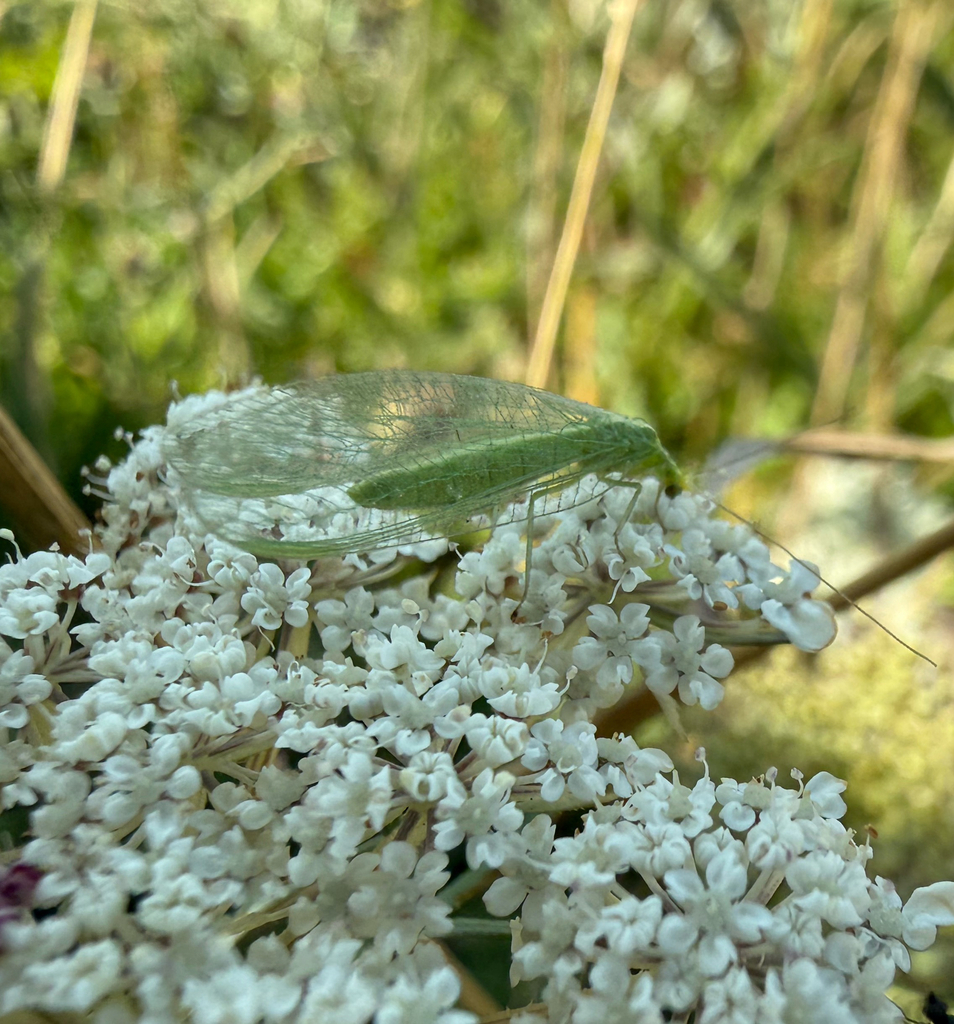
Chrysoperla carnea; one of the common green lacewing in the Chrysopidae family, on Wild Carrot, Daucus carota
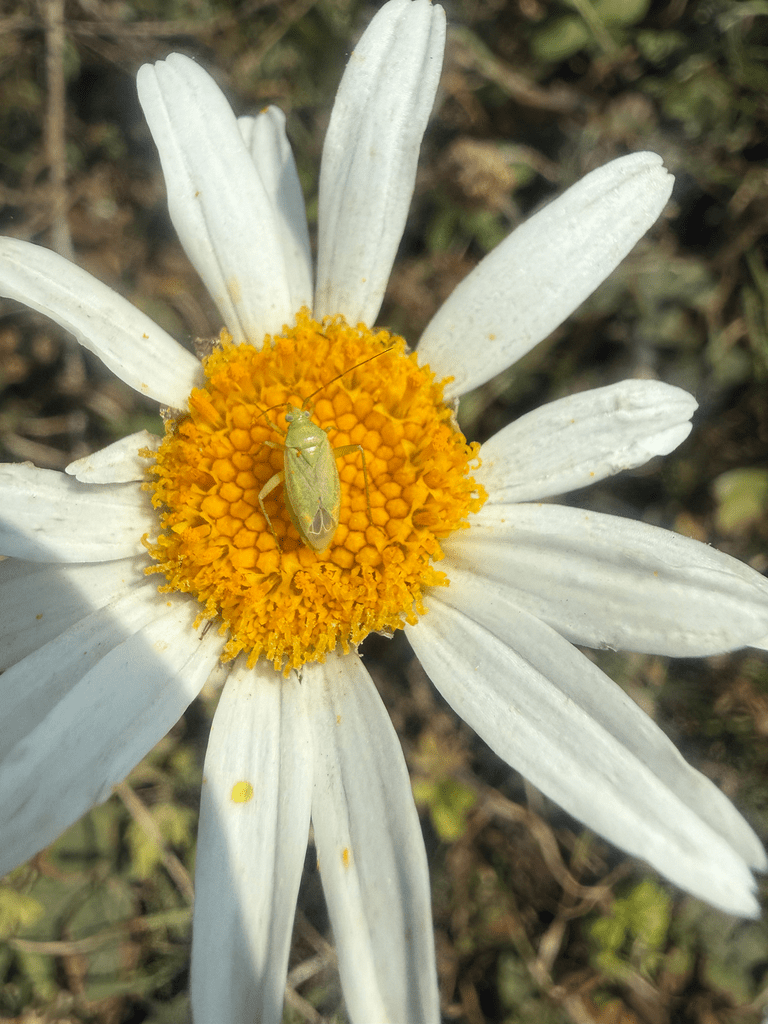
Closterotomus norwegicus Potato Mirid; in the Miridae, Bug Family, of order Hemiptera ‘true bugs; on Oxeye Daisy, Leucanthemum vulgare
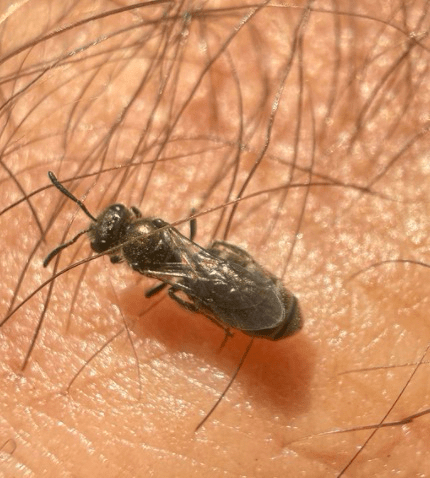
Probably, Lasioglossum morio Green Furrow Bee, drinking sweat of my arm, Birling Gap NT cafe garden; known as sweat bees because in tropical regions they may lick you to get salt in your sweat. It’s thought that the sweat may be important for nutrients needed for reproduction. Our summers are now “tropical”! Bee of the month – Furrow Bee (Lasioglossum) – Intellectual Property Law – Reddie & Grose
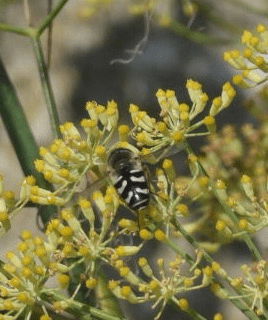
Scaeva pyrastri Pied Hoverfly on Dill (planted) Anthum graveolens
Small Heath, Coenonympha pamphilus
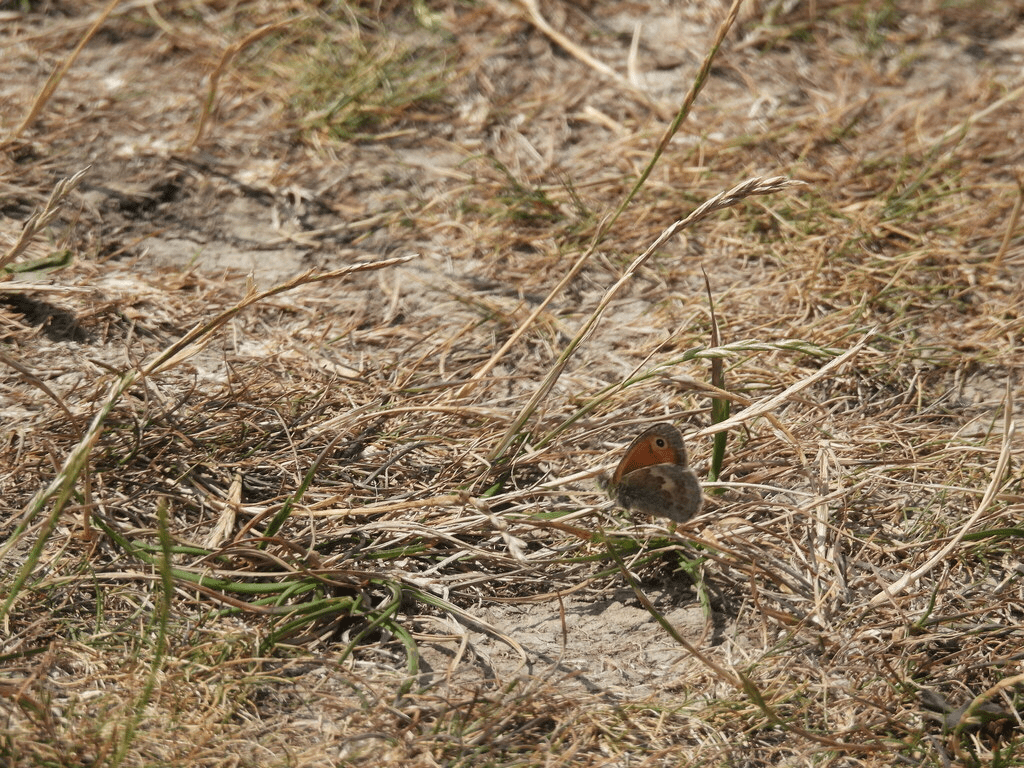
This feels like a very common butterfly on the South Downs, but nationally it is in trouble:
Conservation Status
- Butterfly Conservation priority: High
- Section 41 species of principal importance under the NERC Act in England
- GB Red List (2022): Vulnerable Small Heath | Butterfly Conservation
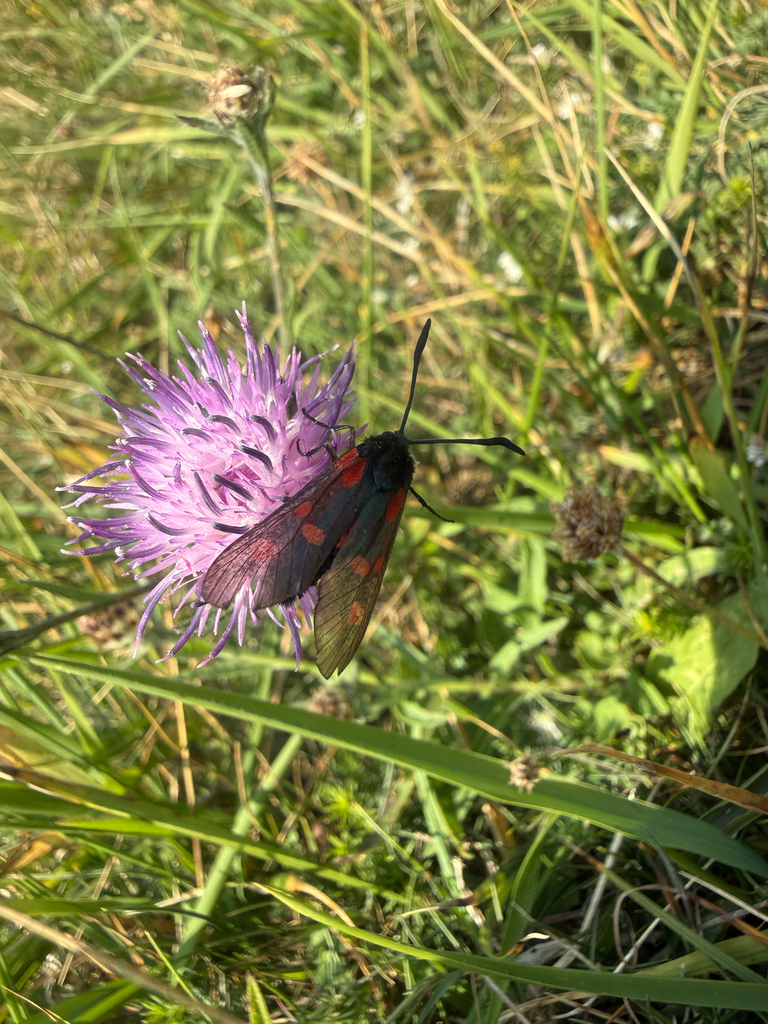
Zygaena filipendulae Six-spot Burnet, on Small Scabious
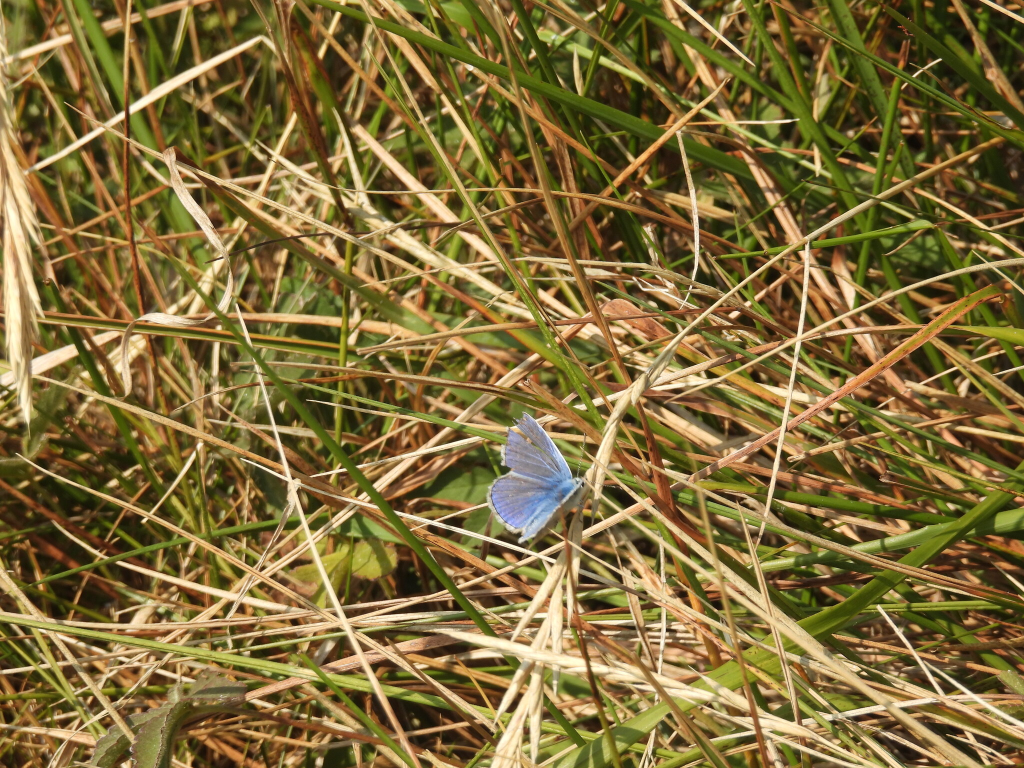
Common Blue, Polyommatus icarus
Cinnabar Moth, Tyria jacobaeae. Cinnabar caterpillars feed on the leaves and flowers of Common Ragwort (Senecio jacobaea).
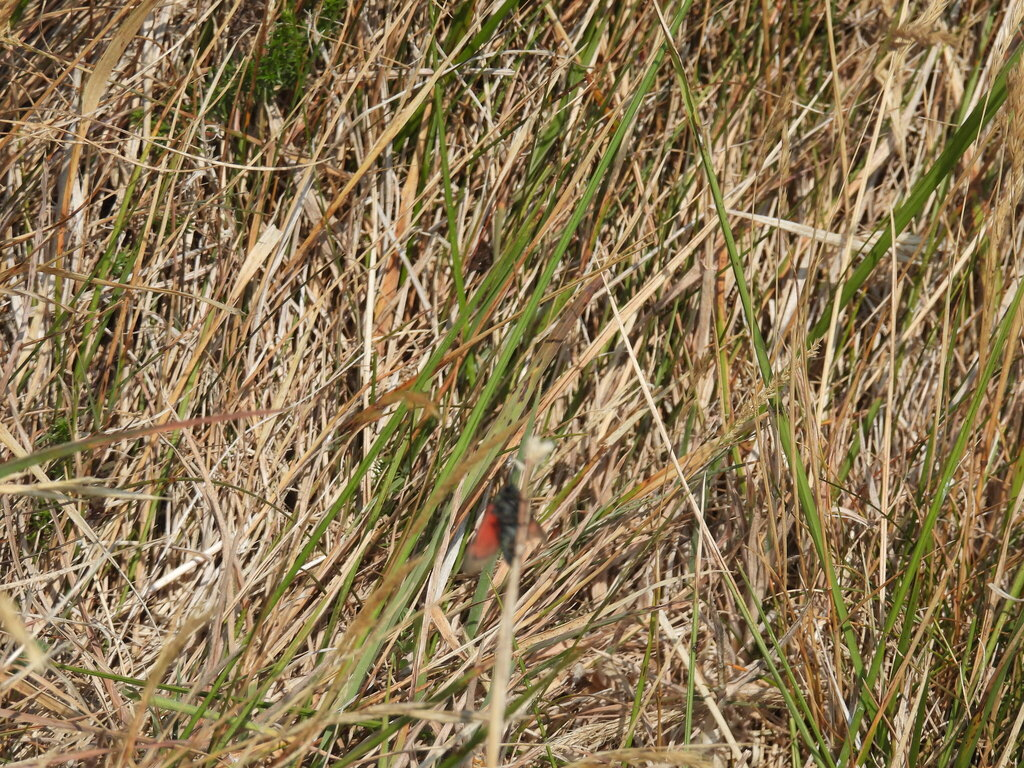
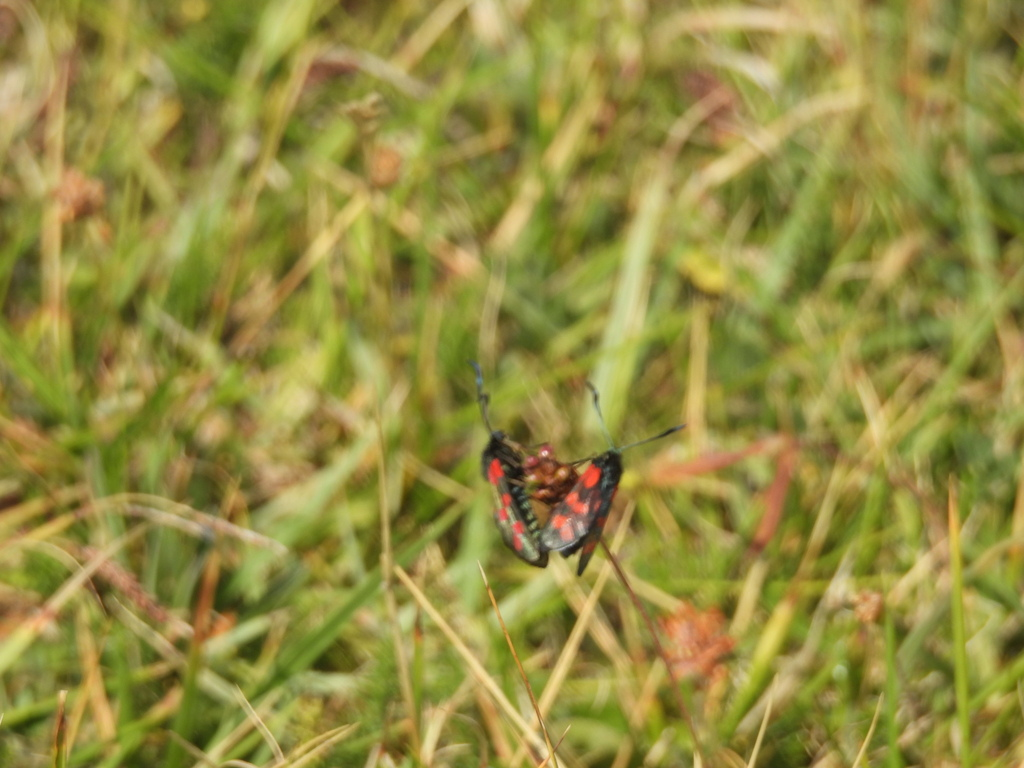
Five Spit Burnets, Zygaena trifolii, mating
Wall Brown, Lasiommata megera.
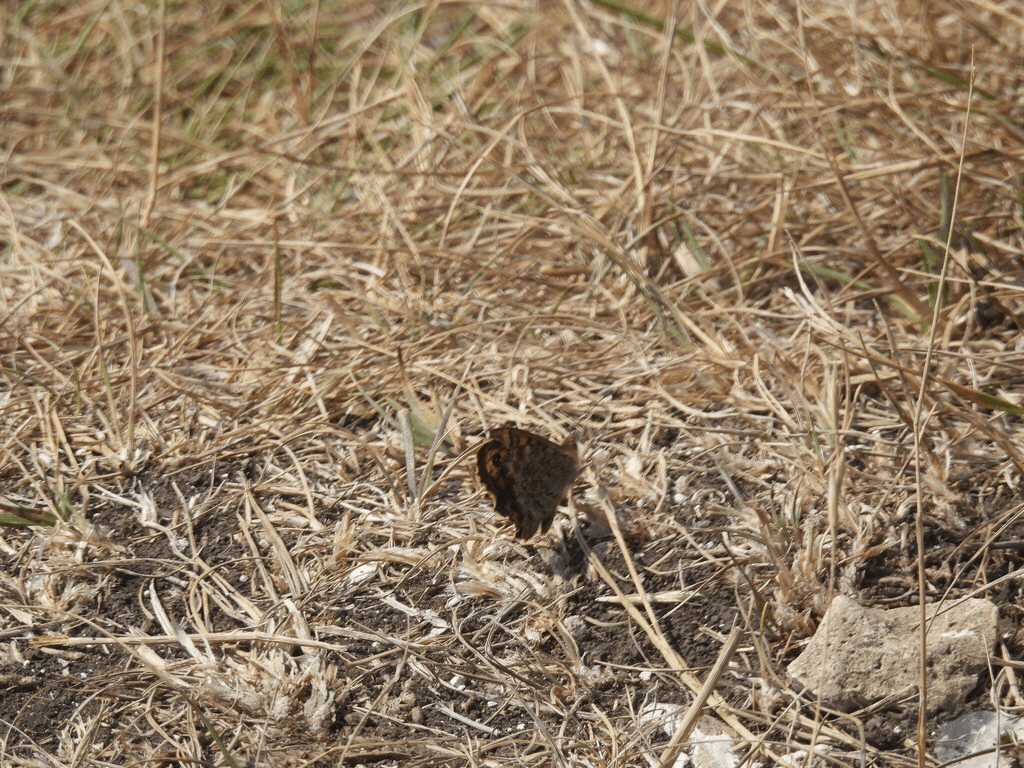
Conservation satuts:
- Butterfly Conservation priority: High
- Section 41 species of principal importance under the NERC Act in England (widespread but rapidly declining)
- GB Red List (2022): Endangered
- Abundance trend: -86% (1976-2019)
- Distribution trend: -87% (1970-2019) Wall | Butterfly Conservation
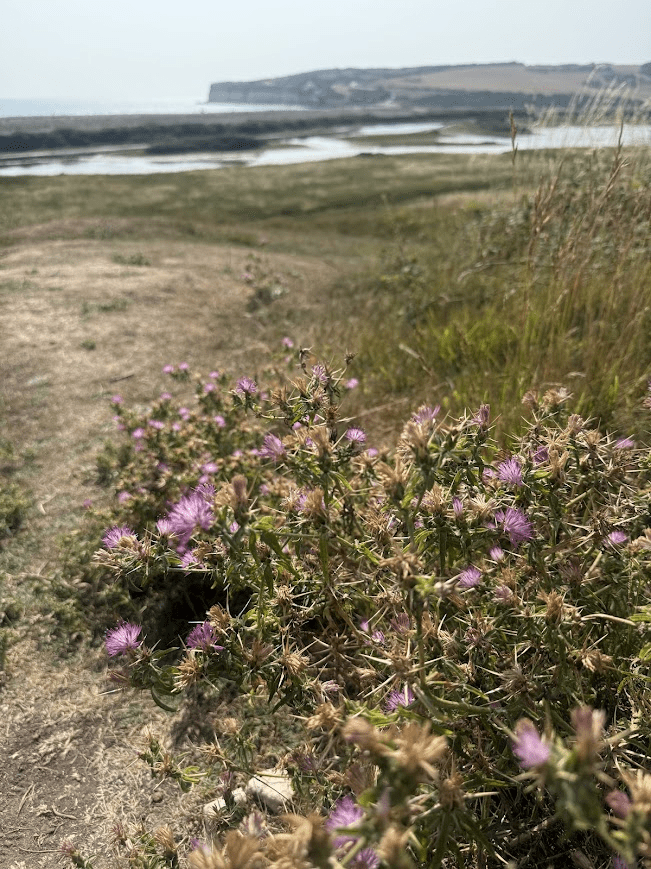
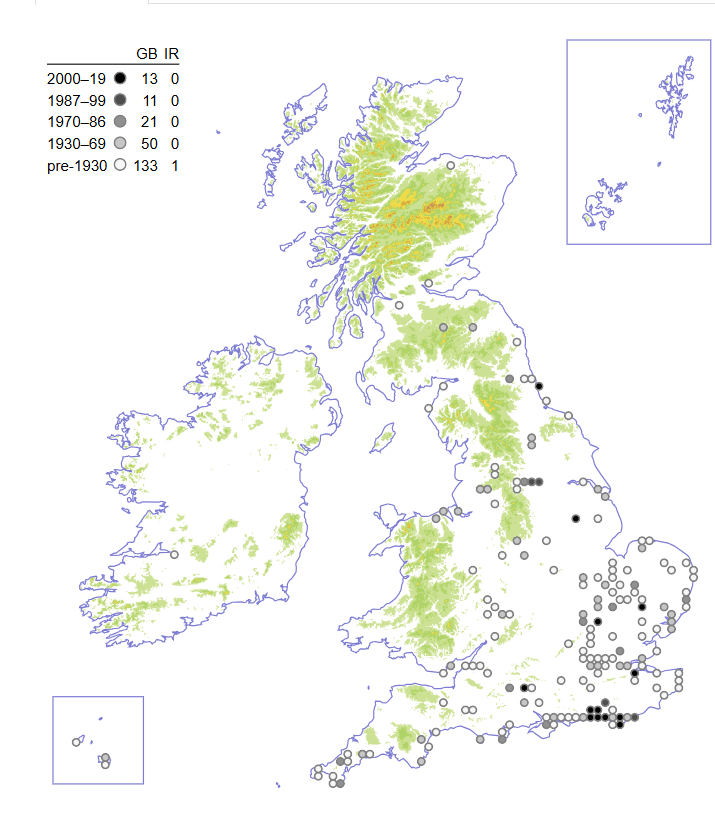
Anthophora bimaculata Green-eyed Flower Bee, on Red Star-thistle ,Centaurea calcitrapa. A very common bee on a very rare plant
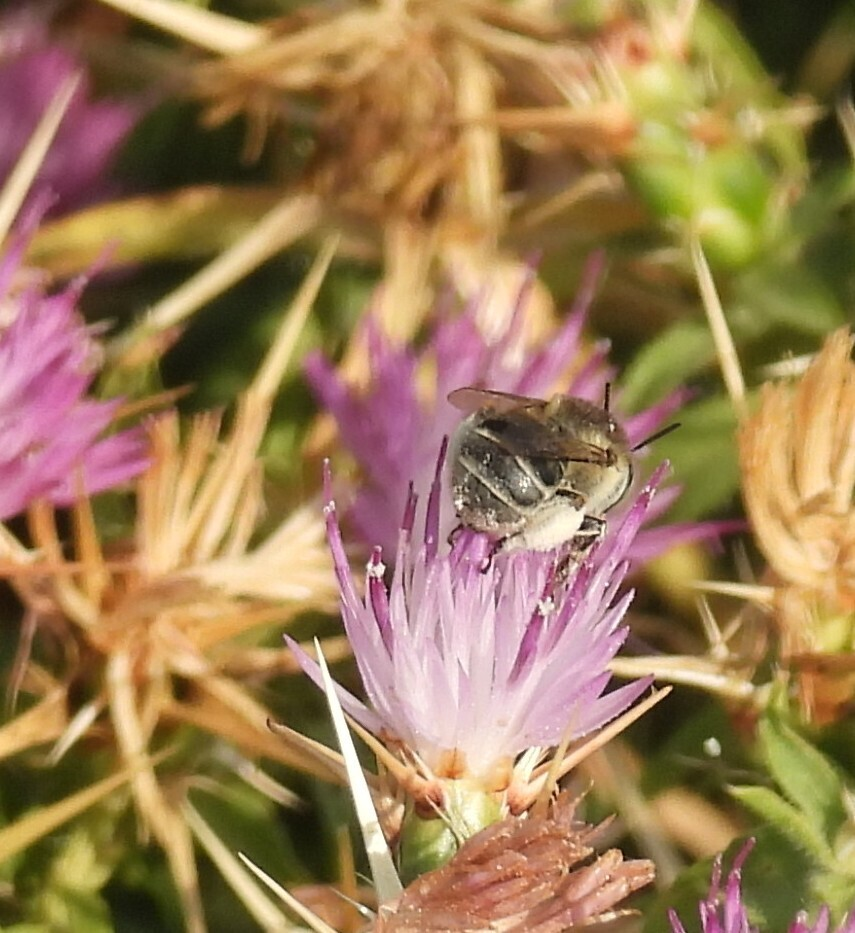
Red Star-thistle is an archaeophyte. a non-native plant species that was introduced to a region by humans in ancient times and became naturalized.
there is a single archaeological record of this species from a Roman site, and it was recorded in the historic period by 1597. It is sometimes regarded as native in Sussex on dry chalky banks, where it grows in habitats similar to those near the Somme Estuary in northern France (Wigginton, 1999) Centaurea calcitrapa L. in BSBI Online Plant Atlas 2020