I led a free lichen walk at Cow Wood (Nymans Woodland), Handcross on Monday. To find out about my next free lichen walk see: Sim’s Lichen Walks
Cow Wood is a stunning high weald ghyll wood, a Site of Special Scientific Interest, which is of great importance for Atlantic bryophytes typically found in Atlantic Woodland, see SSSI citation.
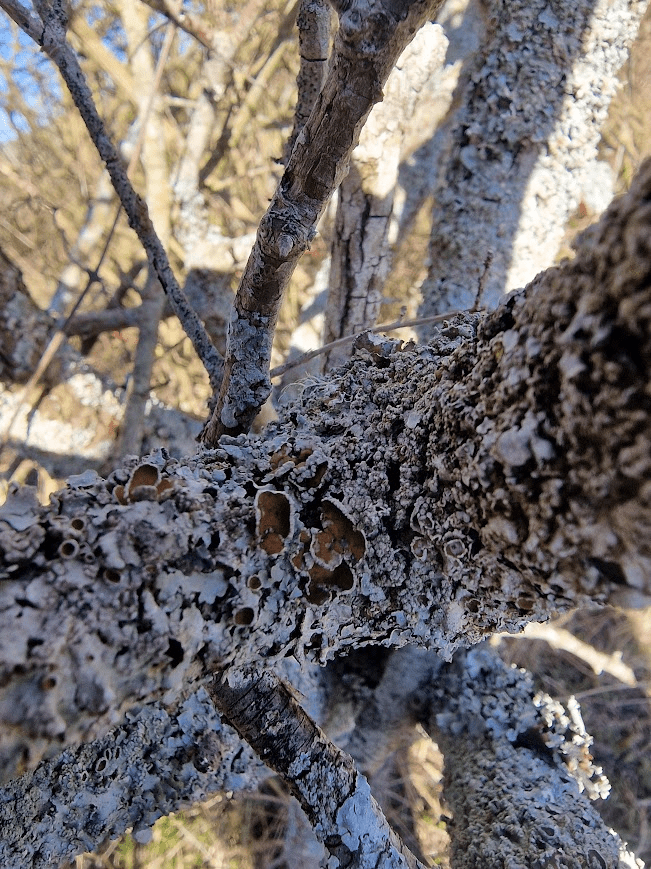
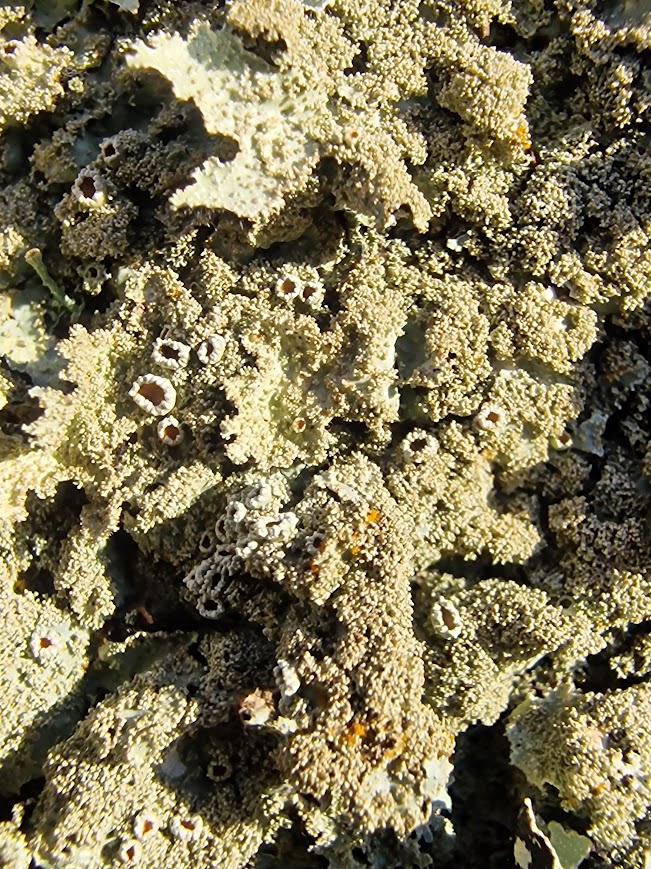
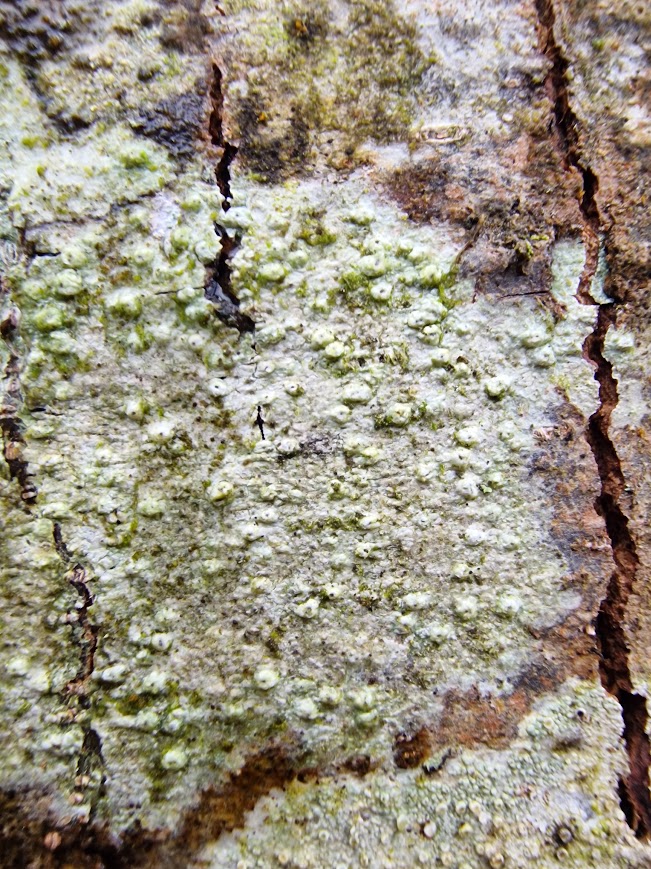
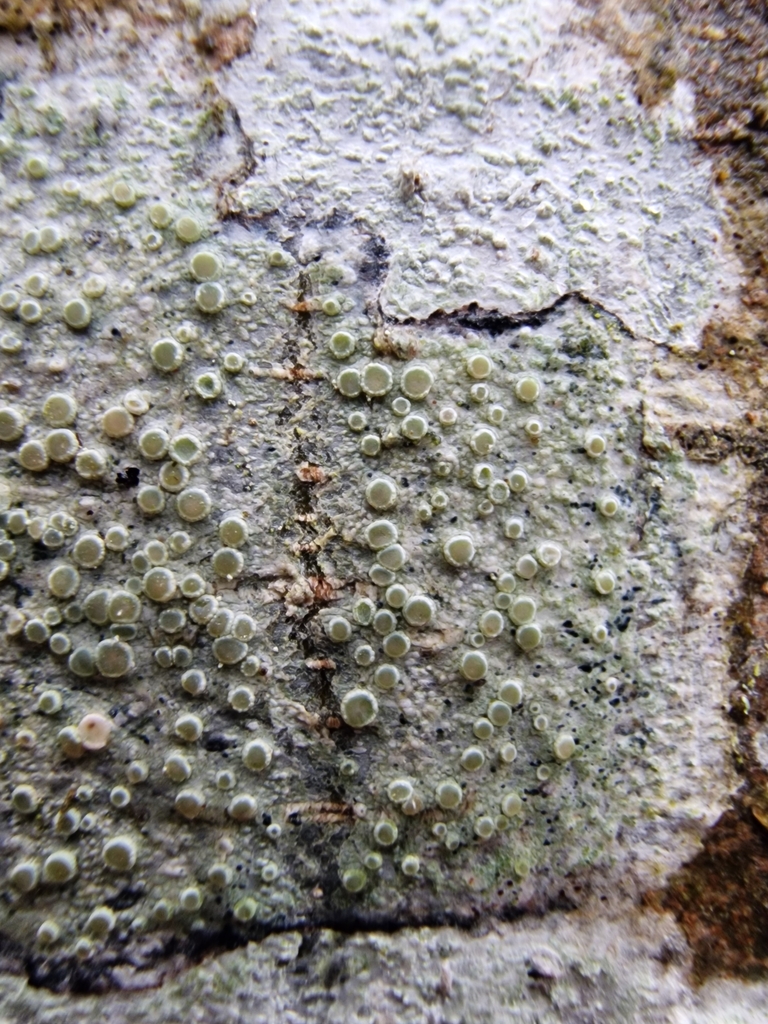
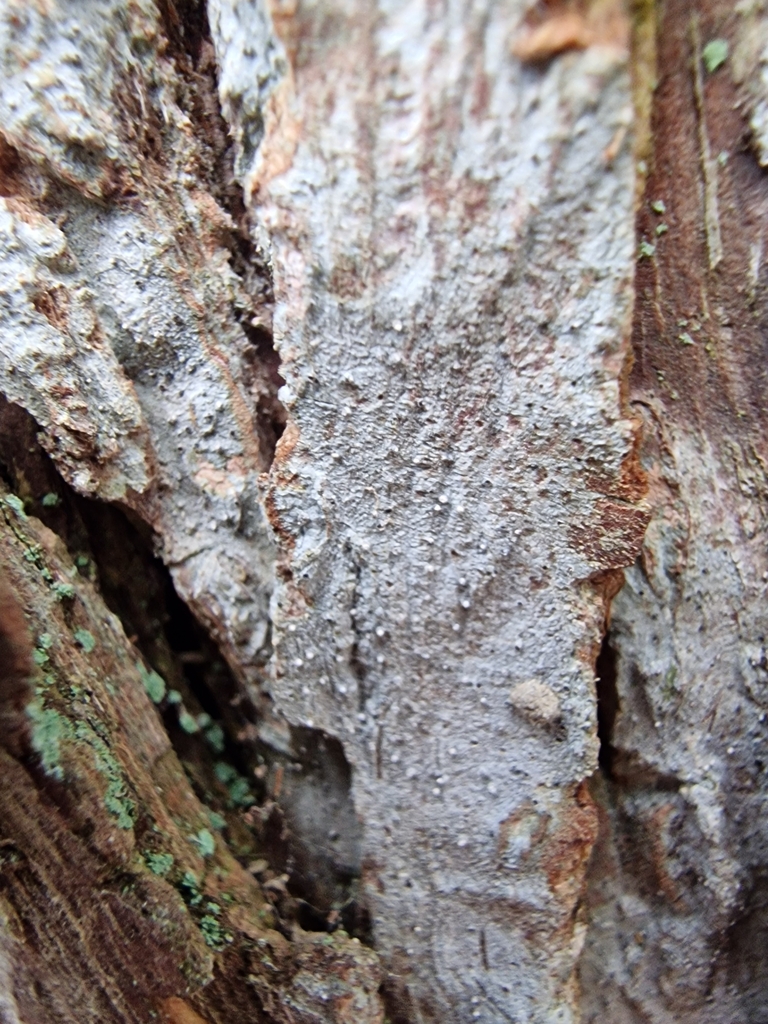
We saw many interesting lichens, including sheets of Lecanactis abieitina covering whole sides of many Pedunculate Oaks, Quercus robur.
Lecanactis abietina with its “frothy beer cup” (Francis Rose) apothecia:
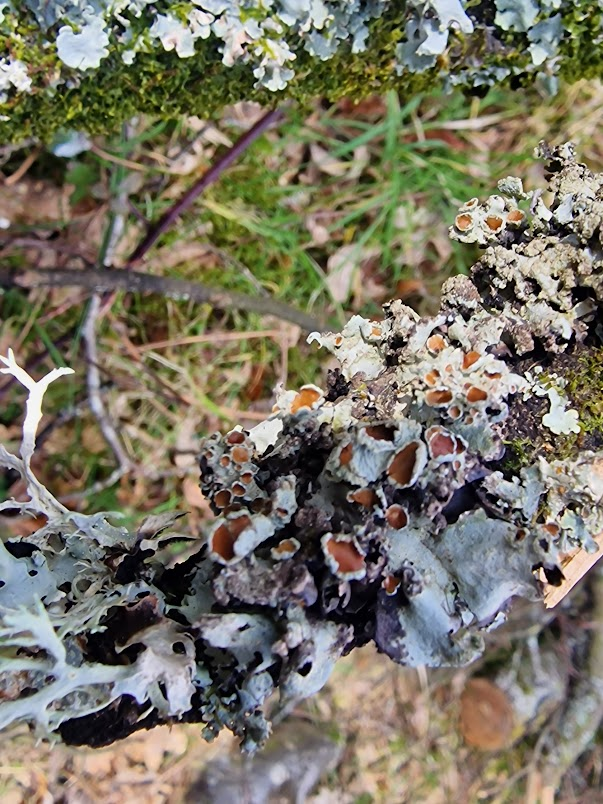
One of the participants spotted fertile Hypotrachyna revolutasensu lato,with abundant apothecia. British Lichen Society: apothecia rare:
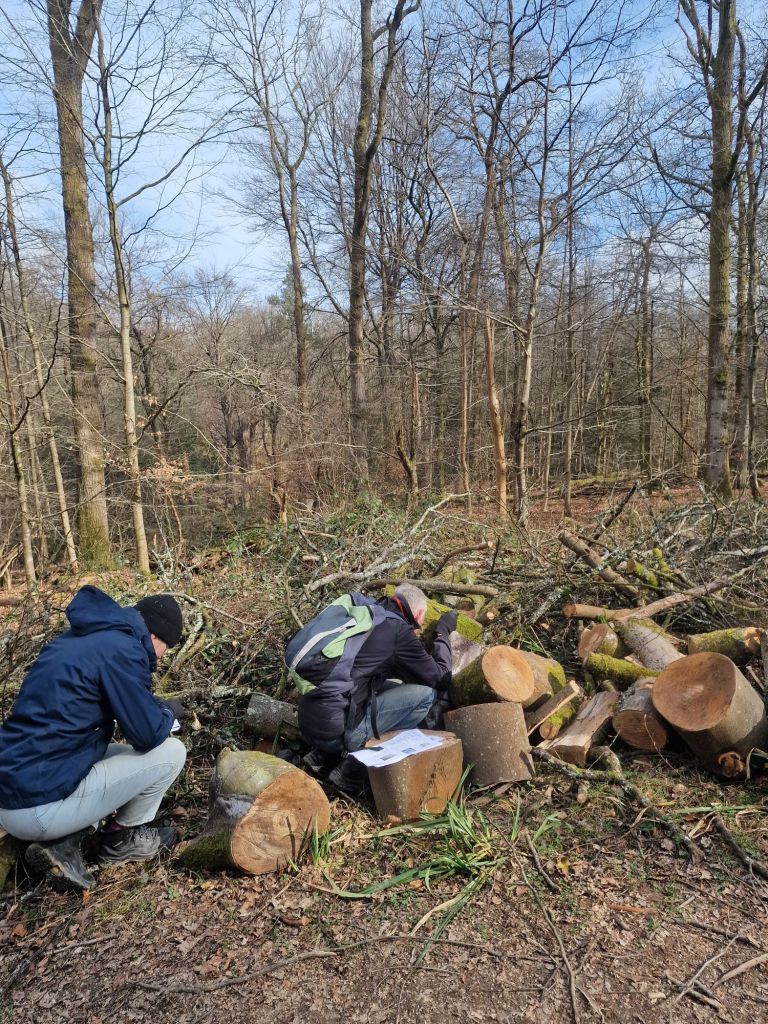
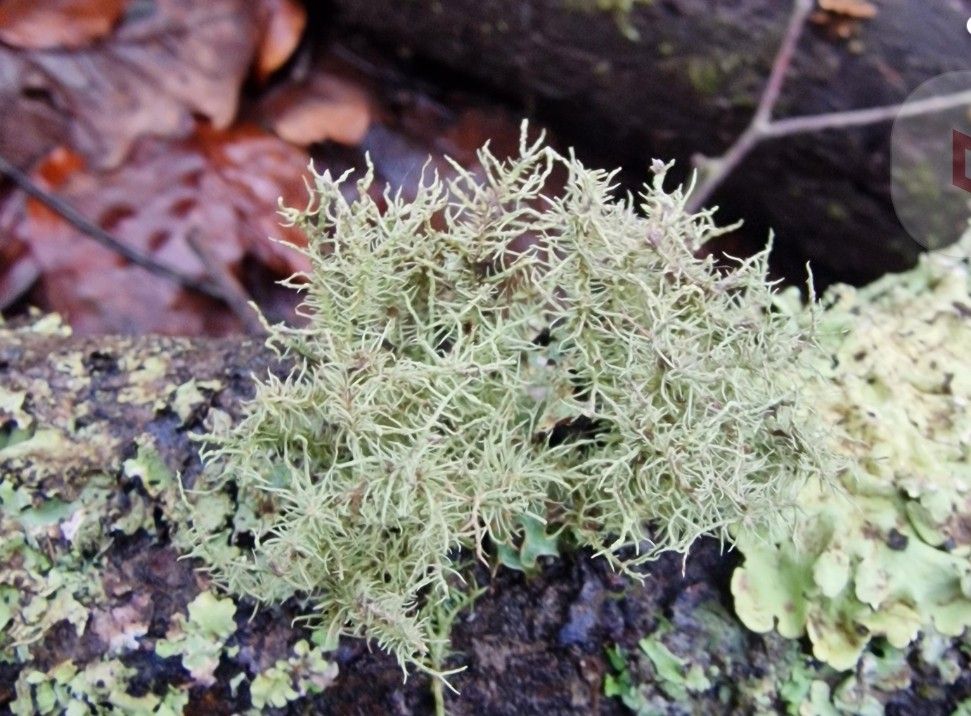
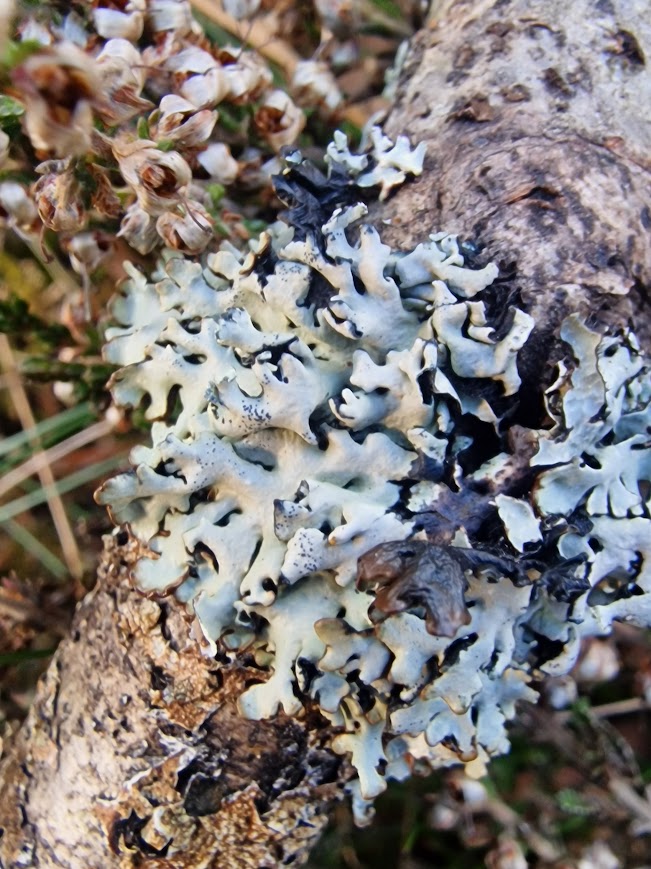
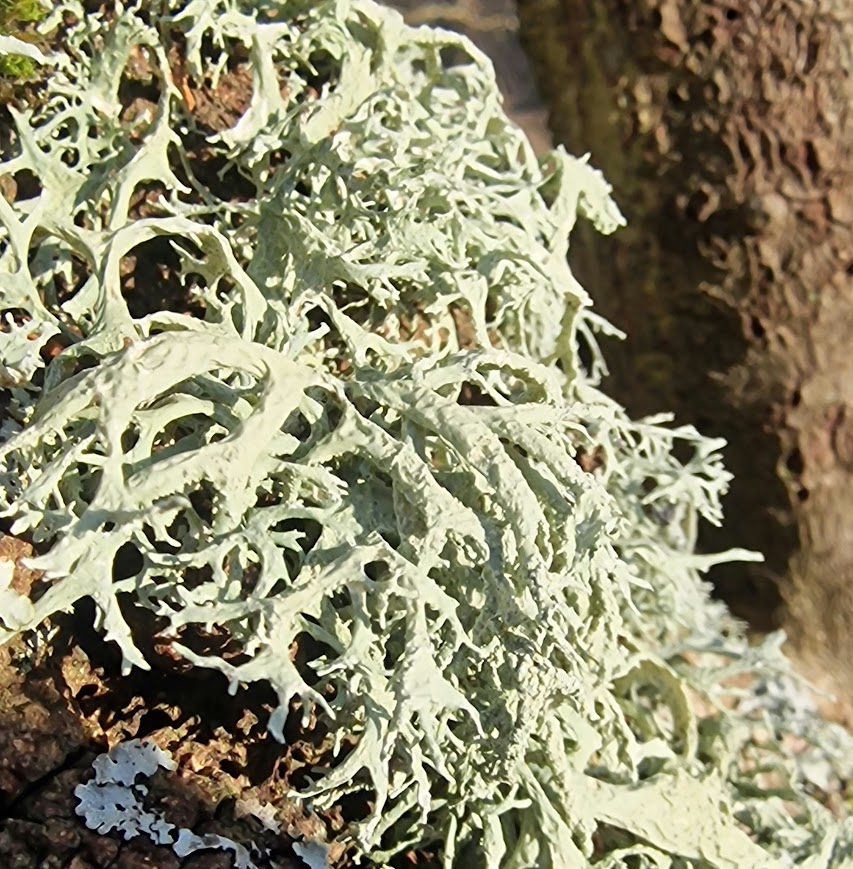
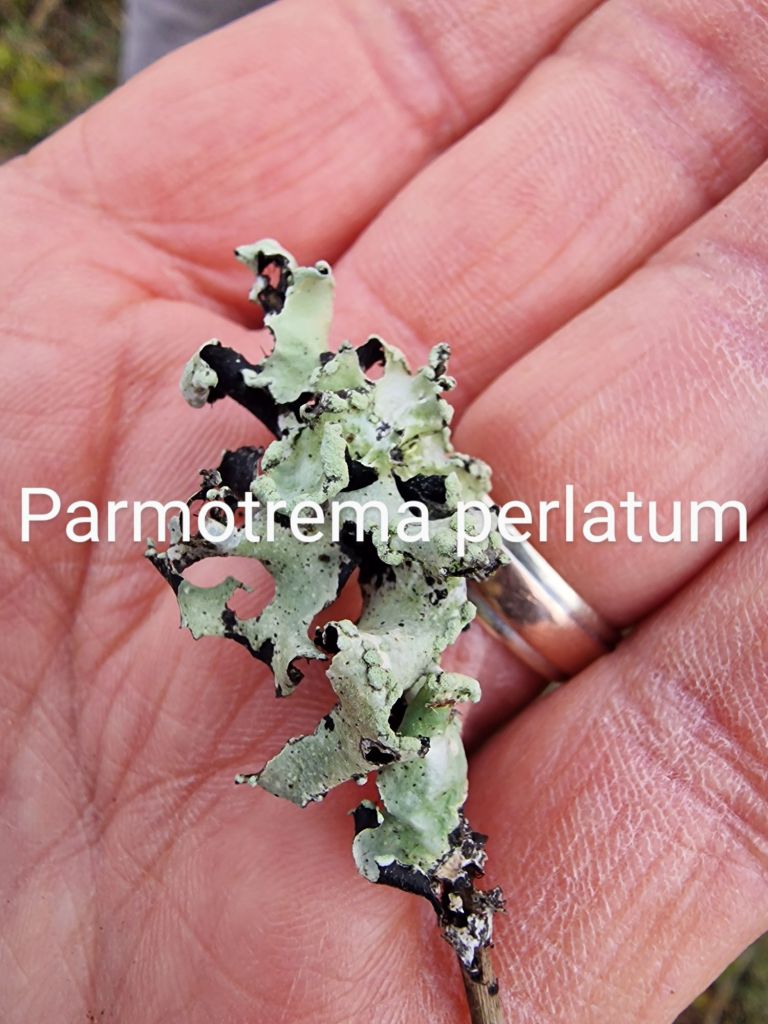
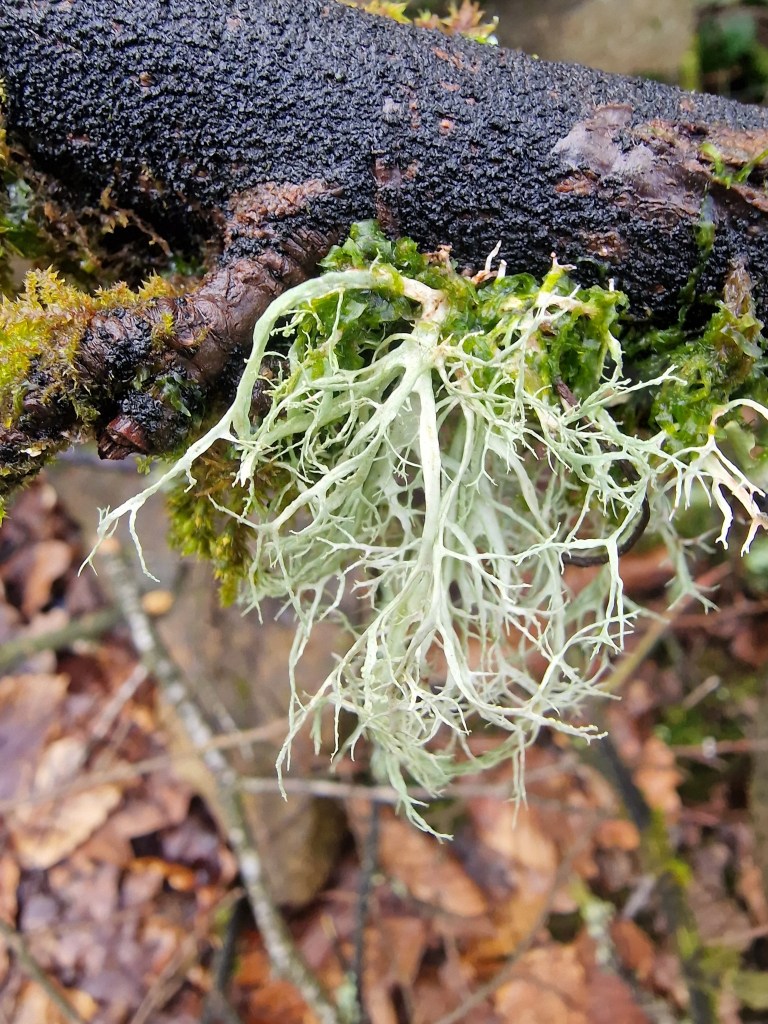
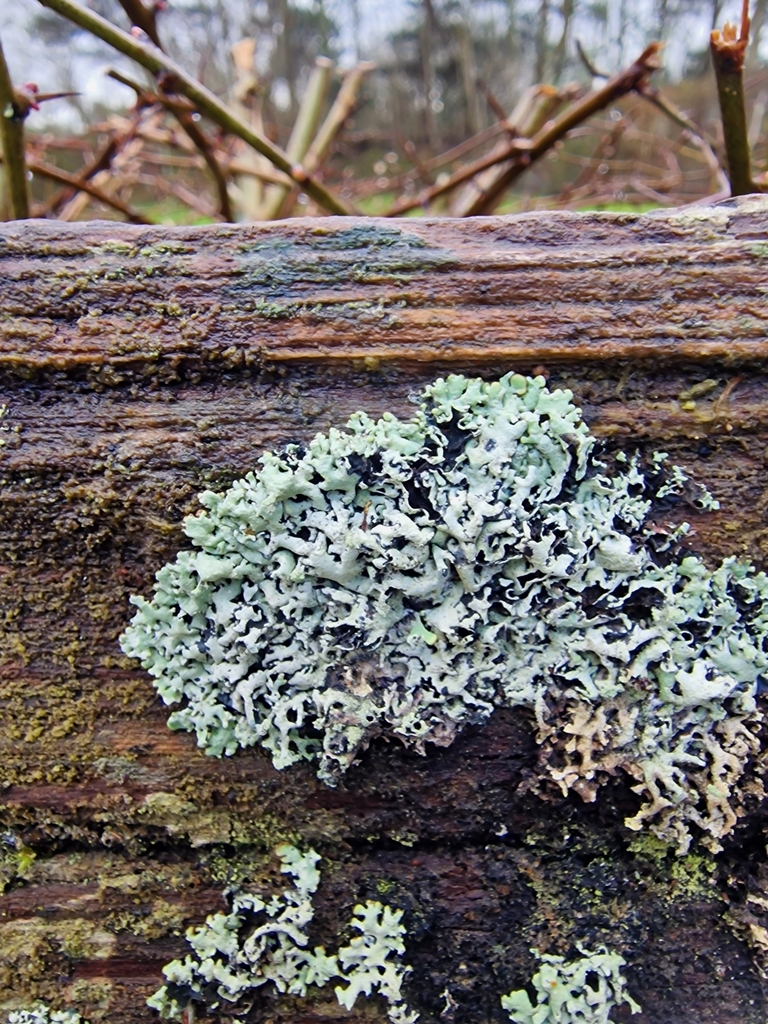
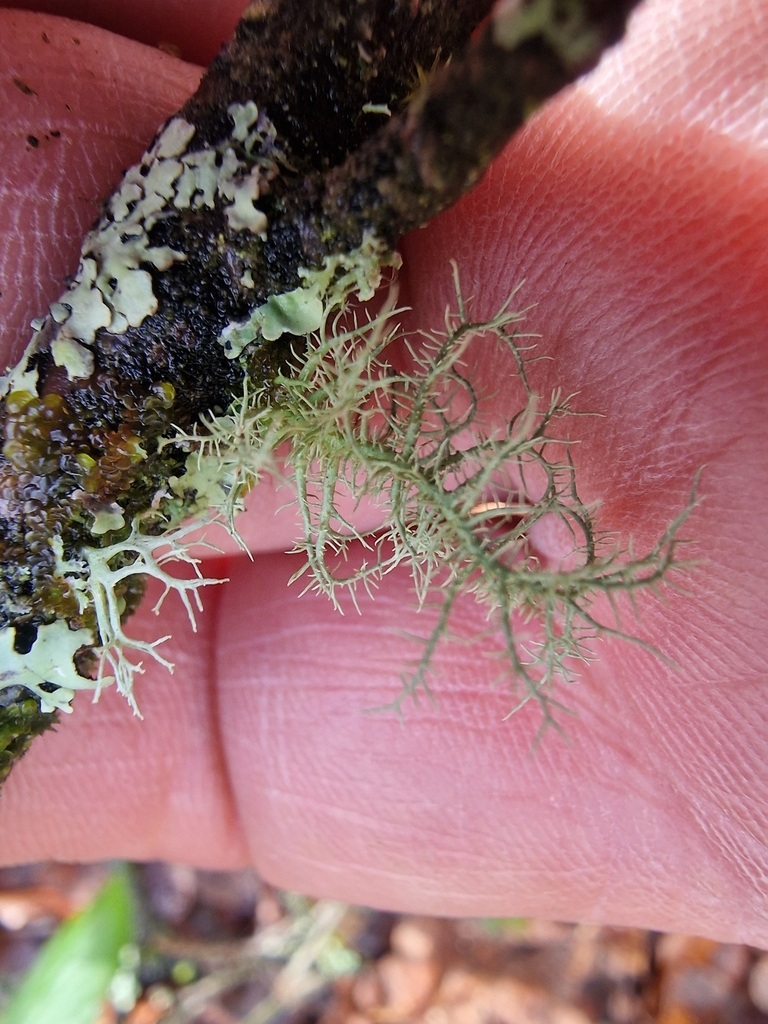
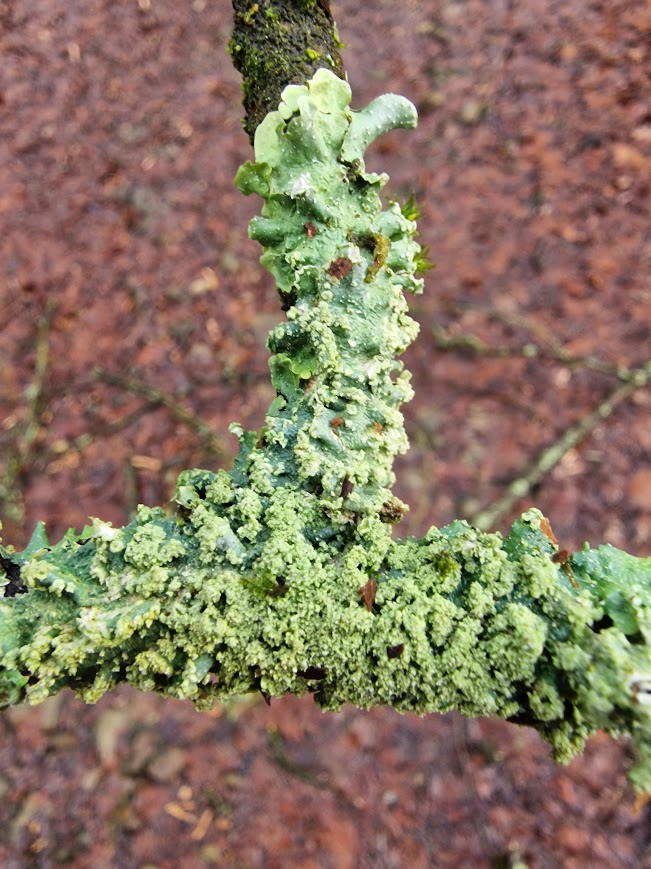
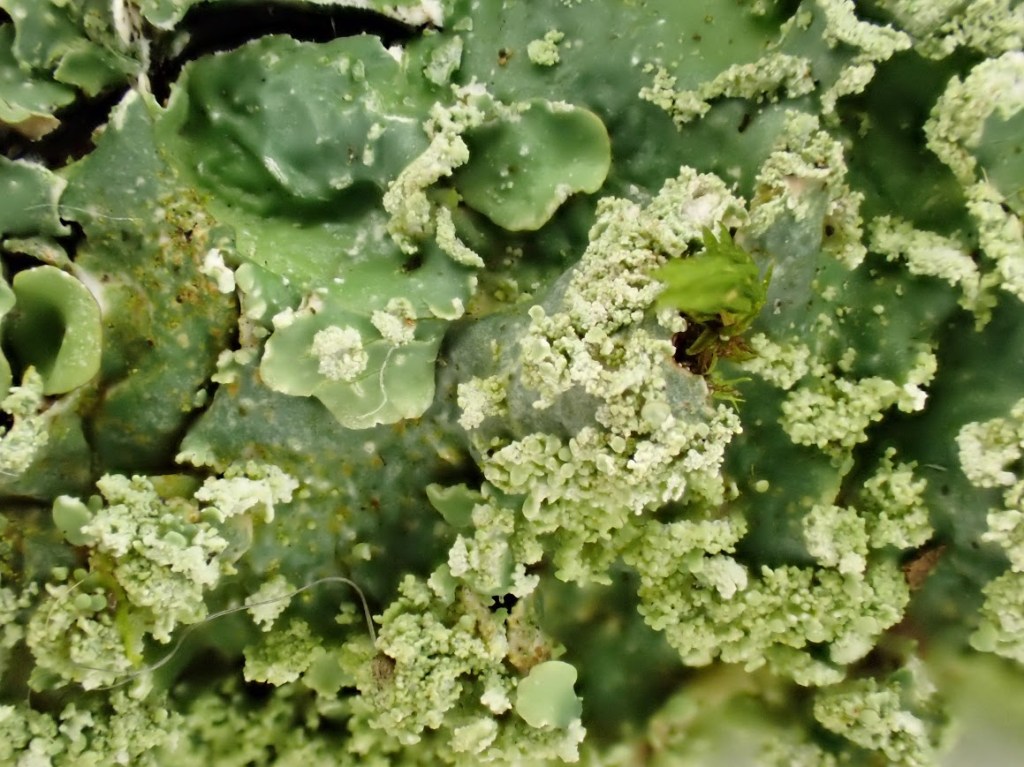
We looked at a log pile of felled trees, covered in Ramalina farinacea, Evernia prunastri, Ramalina fastigiata, Parmotrema perlalatum and Flavoparmelia caperata. I knew from my recce of Cow Wood that there was some Usnea cornuta in this log pile – not much! – but the participants found it:
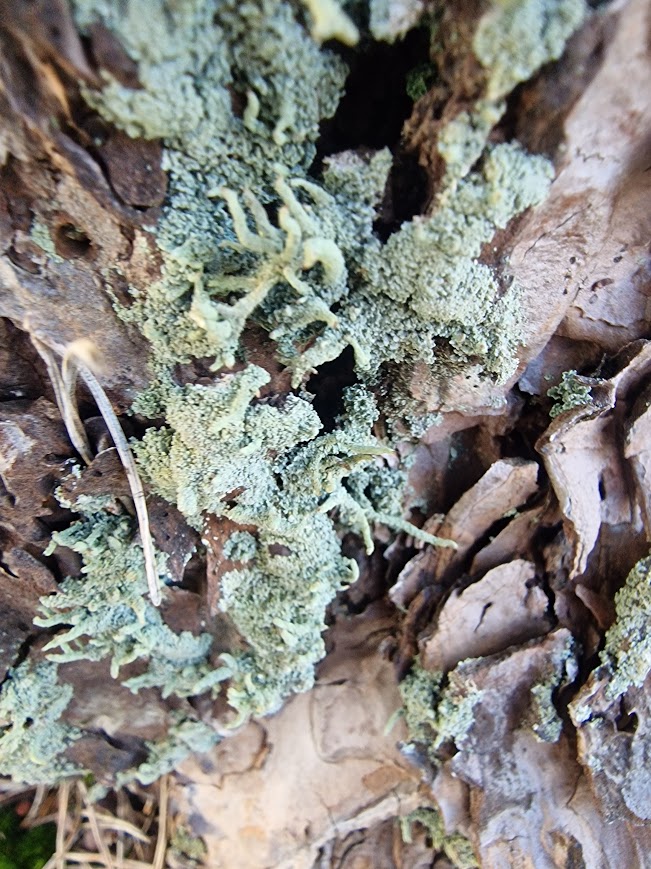
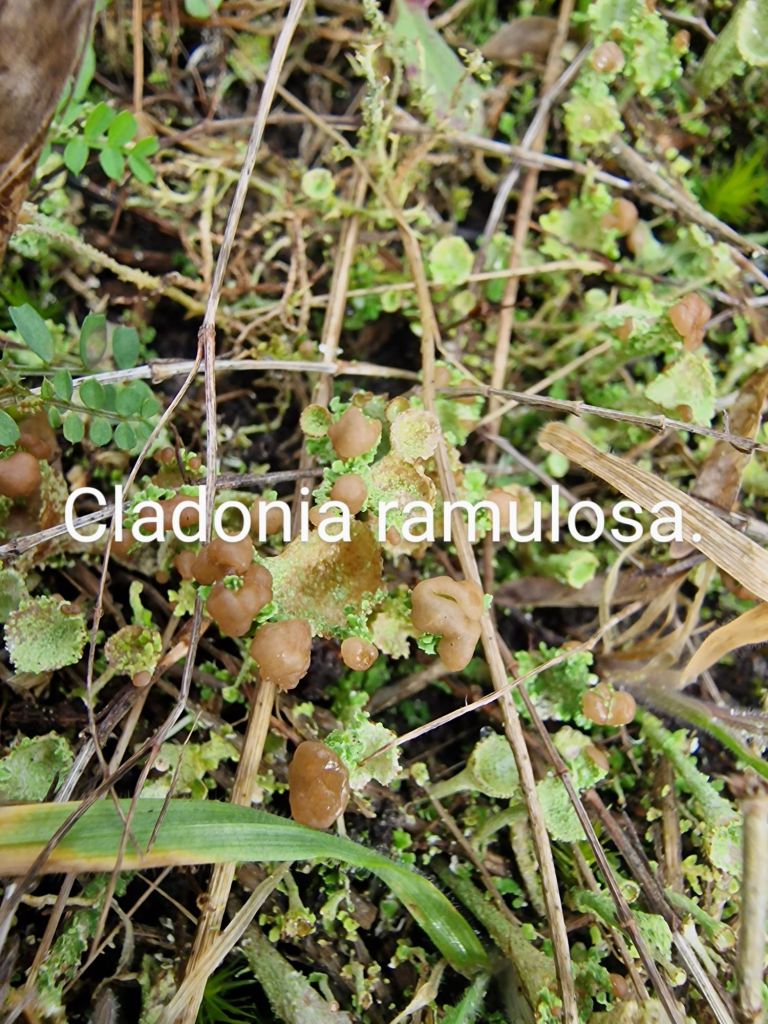
There is some Tunbridge Filmy Fern, Hymenophyllum tunbrigense, at Cow Wood; we found some that had the Cladonia caespiticia growing on it. I have never seen this combination before:
If you want to join my next free lichen walk, Saturday 12th April, RSPB Broadwater Warren, nr. Tunbridge Wells, email me: simeon[dot]elliott[at]proton[dot].me
On Friday I went with a friend to a High Weald ghyll wood between Crowborough and Greenbridge. The ghyll valley has many wet flushes in its steep banks formed by springs arising from the junction of porous rocks of the Tunbridge Wells Sand Formation and the impervious clays of the Wadhurst Clay Formation
The wet microclimate of ghyll woodlands is highly propitious for Atlantic (aka Oceanic) trophophytes: species occurrence and frequency may be the key to the systematic differentiation of ghyll woodland communities (Rose 1995; Rose and Patmore 1997) Burnside, Niall & Metcalfe, Daniel & Smith, Roger & Waite, Steve. (2006). Ghyll Woodlands of the Weald: Characterisation and Conservation. Biodiversity and Conservation. 15. 1319-1338. 10.1007/s10531-005-3875-5.
The Wealden ghyll woodlands support a rich flora of woodland bryophytes … They are particularly important for many oceanic species which are restricted in the south-east of England to the ghyll woodlands, and that are hundreds of kilometres from other British populations … The presence of rich assemblages of moisture-loving bryophytes in the ghyll woodlands is explained through the occurrence of suitable geology, topography and humidity, along with the likelihood that the ghylls experienced continuous tree cover during recent periods of deforestation … . Within many ghyll woodlands, sandstone outcrops and boulders combine with high relative humidity levels to create a damp sandstone substrate that is an internationally rare habitat type …. .The damp sandstone is home to a number of nationally rare ‘sandrock specialist’ bryophytes. The biodiversity of the Wealden ghyll woodlands: species richness, abundance and distribution patterns in a rare and fragmented habitat. Andrew R. Flint, A thesis submitted in partial fulfilment of the requirements of the University of Brighton for the degree of Doctor of Philosophy March 2014
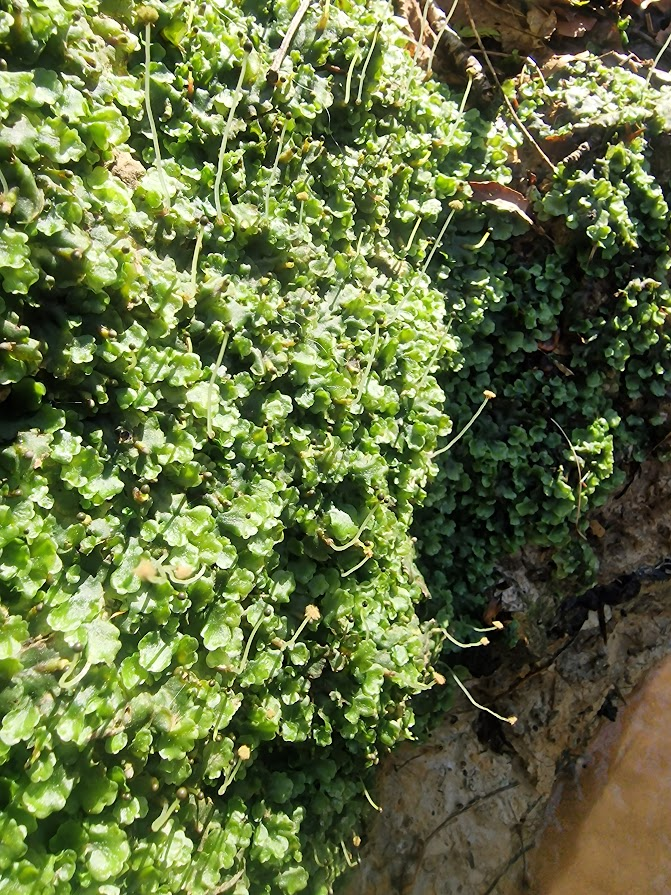
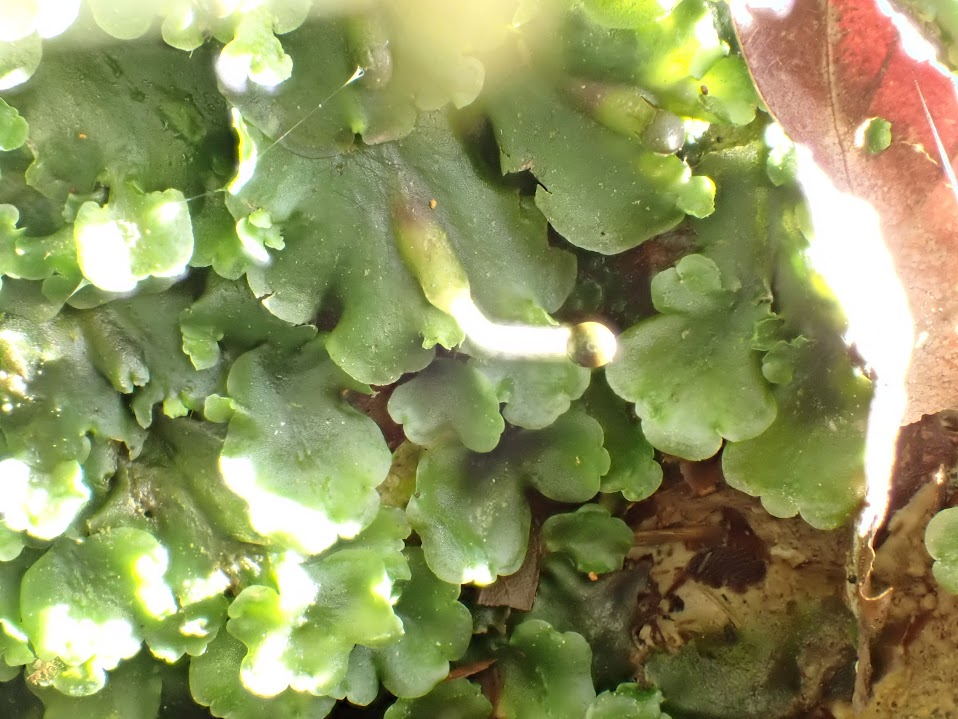
I visited Selwyns Wood (Sussex Wildlife Trust), ne Cross in Hand (accessible from Brighton on the 29A Brighton & Hove Buse) , yesterday to do a recce for a lichen walk I am leading for their Selwyns Wood’s volunteers. On the sides of one of its ghylls I saw lots (a forest) of Pellia epiphylla with sporophytes (white bendy stalks with black spherical spore capsules). These appear in February and March each year.
Pellia epiphylla, Common Pellia is a very common thalloid liverwort that can be found on the banks of ghylls across the high weald of Sussex, and in some low weald streams, where there are banks.
There are two types of liverwort: thalloid and leafy. In thalloid liverworts, the plant body (thallus) consists of flattened masses of cells. “A layer of photosynthetic tissue is underlain by nonphotosynthetic cells, with a final lower scaly layer that produces rhizoids, root-like structures that help hold the plant in place. Leafy liverworts look more like mosses, with obvious small leaves along a stem … Like other primitive plants, liverworts are not well adapted to dry situations, so they grow where the soil is moist and humidity high.Puget Sound University Thallose Liverworts
Common Pellia is monoecious, i.e. they have both the male and female reproductive structures in the same individual. The male structures are called antheridia, which contain the male sex cells, antherozoids, equipped with flagellae. When the antheridia burst from the antherozoids they swim into the female structures, the archegonia, and fertilise the egg cells.. This happens on wet winter days.
From the archegonia grow black capsules on white stalks; the capsules are full of spores developed form the fertilised eggs.
The capsule stalk grows to about 7 cm long, bending toward the light. Then the capsule explodes and splits into four sections, and the spores are thrown out by hair-like cells called elaters. Source of much of this information: Cabinet of Curiosities: Some Natural Wonders from North East England
Here is what is left of the capsule when the spores are gone; the fluffy filaments of the elaters.
If you want to see a “forest” of Common Pellia sporophytes, go to a high weald ghyll wood and look at the banks of the ghylls. Aside from the lovely Selwyns Wood (accessible by public transport on the 29A Brighton and Hove bus to Cross in Hand), you could go to Cow Wood (Nyman’s Woodlands) at Handrcoss, The Crowborough Ghyll, Ardingly Brook (in the valley at Wakehurst), Nap Wood near Tunbridge Wells, Fairlight Glen. Details of these locations and how to get these locations by public transport can be found on my nature by public transport website
I often lead introduction to lichen walks – either for community nature organisations; the Lost Woods of the Low Weald and South Downs (Woodland Trust); Changing Chalk (National Trust and Lewes Railway Land Wildlife Trust) or RSPB Pagham Harbour, or my own free lichen walks, see: Lichen Walks
I love doing them. I am a lichen enthusiast, definitely not a lichen expert, and I have a real love of engaging local communities in nature, particularly in lichens.
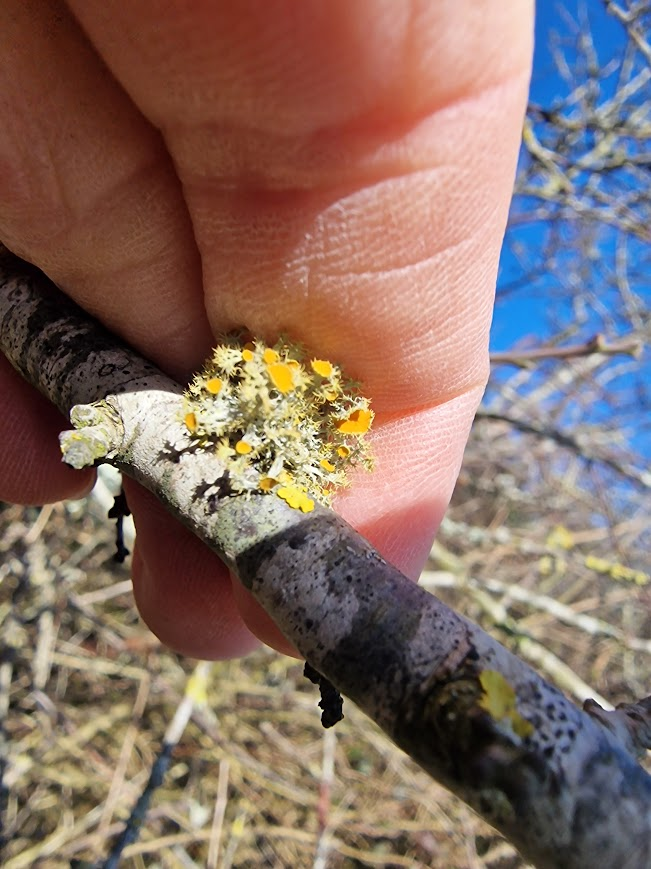
On Saturday I co-led a walk with a bryologist at a local nature reserve in West Hove. It is a downland site; with many Hawthorns, Blackthorns, Elder, and some Pedunculate Oaks, and a Sycamores, and a Walnut. It is a prime possible site for Golden-Eye Lichens, which have reintroduced themselves in Sussex, after being deemed extinct in Sussex, see 12 Golden-Eye Lichens on one Hawthorn. The resurgence of the once-thought-extinct Teloschistes chrysophthalmus on the South Downs. 06.04.24 I said that if we look hard we will probably find one there; and one of the participants found one on a Hawthorn.
One of the participants also found a very interesting fertile lichen on a branch of an Elder. I was ensure whether this was Punctelia subrudecta or Parmelia Sulcata; but chemical reagent spot tests confirmed that is was Parmelia Sulcata
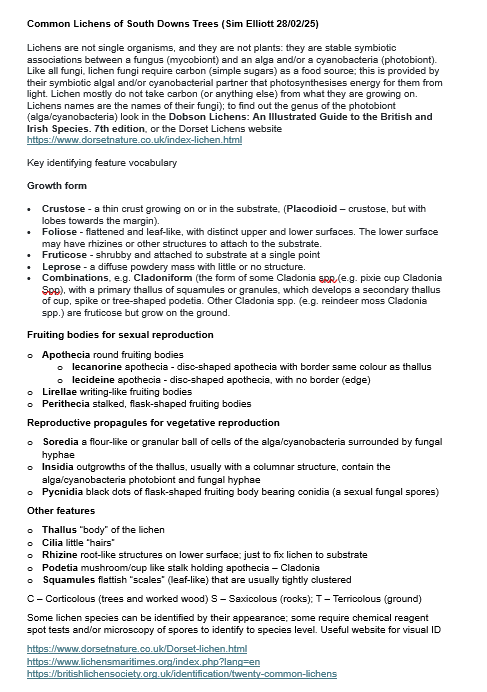
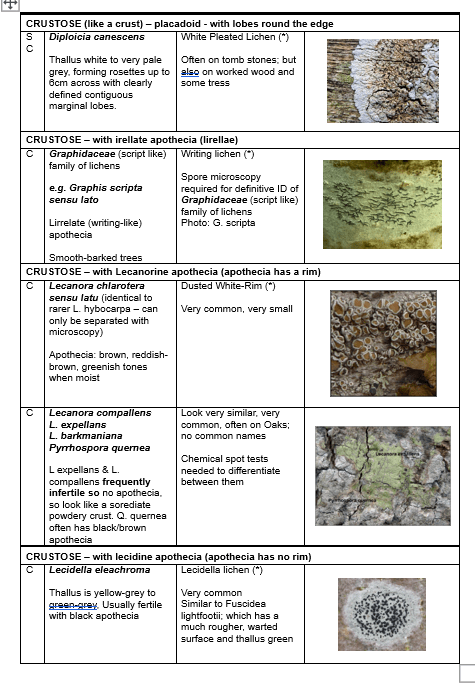
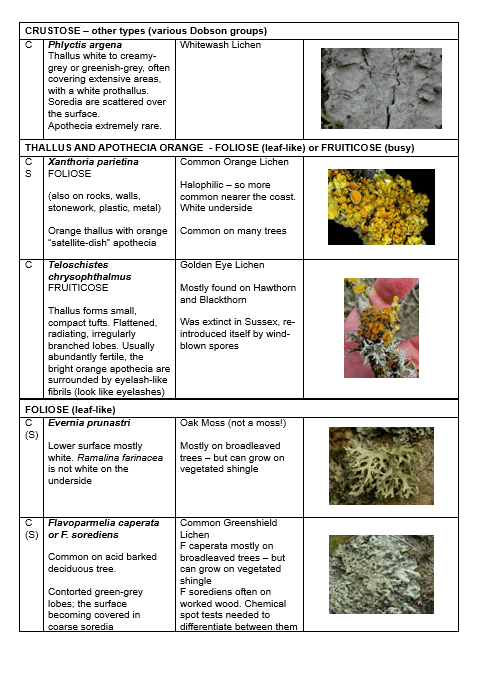
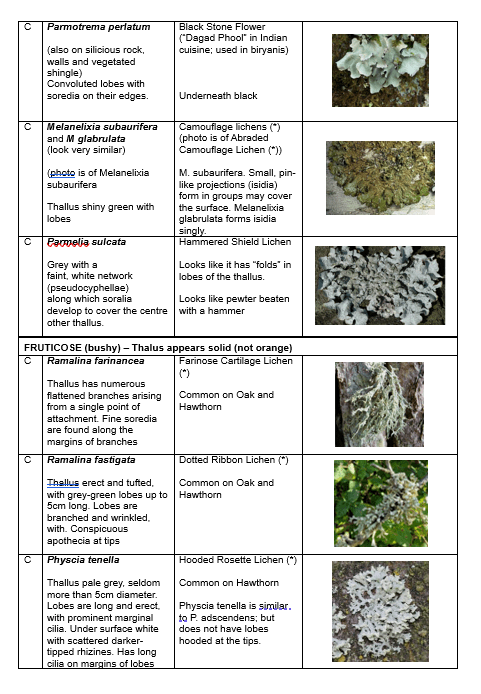
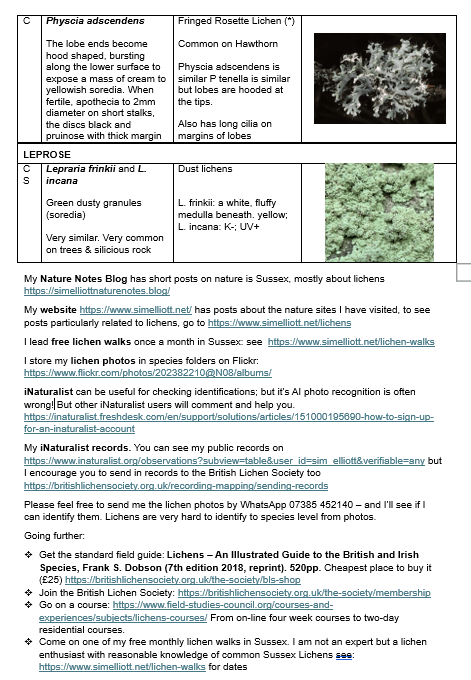
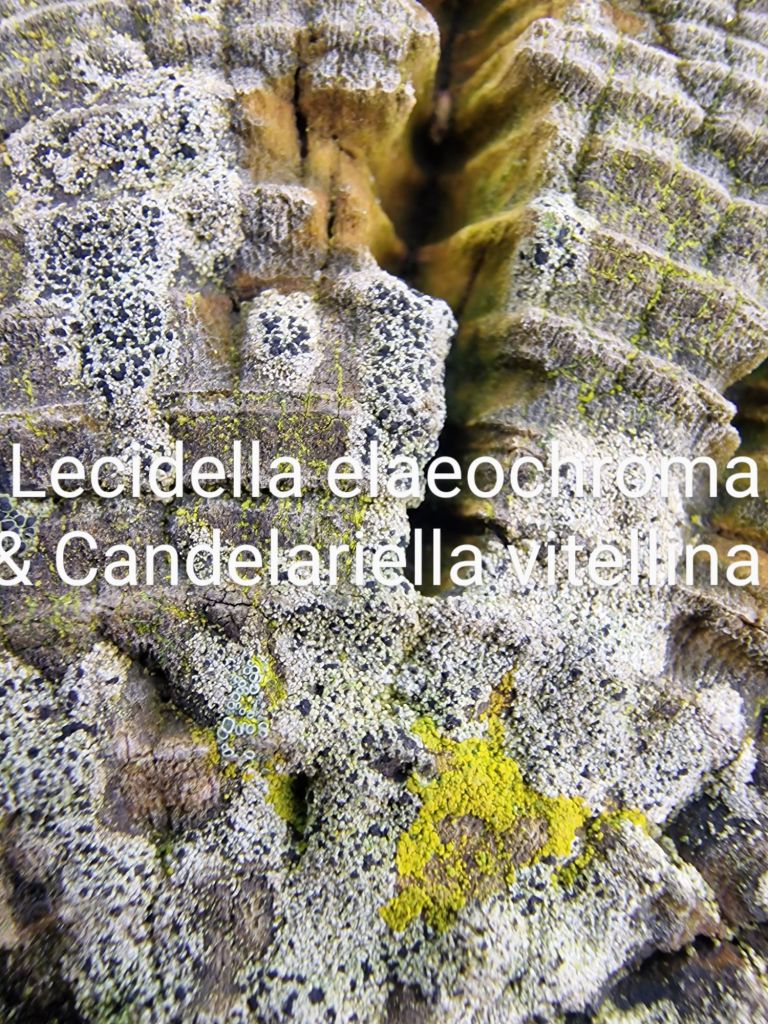
On Sunday morning, I led a similar walk in an East Brighton. I always start with a brief introduction of lichen growth forms and the morphology of lichens, as these are key to identification. (I have copied the handout I use below). The vocabulary of lichens is hard, and mostly in scientific Latin. But it is heart warming when a participant, complete new to lichens, after an hour of lichen looking, can spot a tiny Hyperphyscia adglutinata that I hadn’t seen, next to a Lecidella elaeochroma, that she identified. She didn’t know what the lichen was but said: “Are those soredia on it.” Give people a hand lens and a bit of information and magic occurs!
“Blackheath is an example of a formerly more extensive area of dry lowland heath and acid grassland on the Bargate and Folkstone Beds of the Lower Greensand. The area of heathland has suffered a 40% decline in Britain since 1950, but at this site conservation management has maintained open heath, and restored other areas which were becoming partially or totally shaded-out by Scots pine, or birch scrub.
The heathland is dominated by ling Calluna vulgaris with bell heather Erica cinerea, crossleaved heath E. tetralix and dwarf gorse Ulex minor. Among these plants there are dense growths of bryophytes (mosses) and lichens, including Cladonia spp.” Nature England SSSI specification.
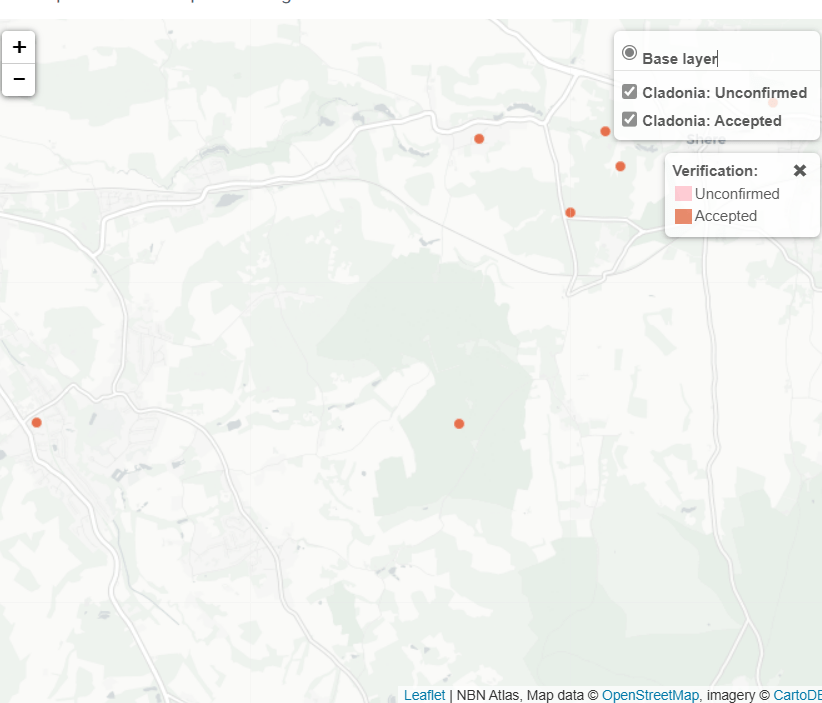
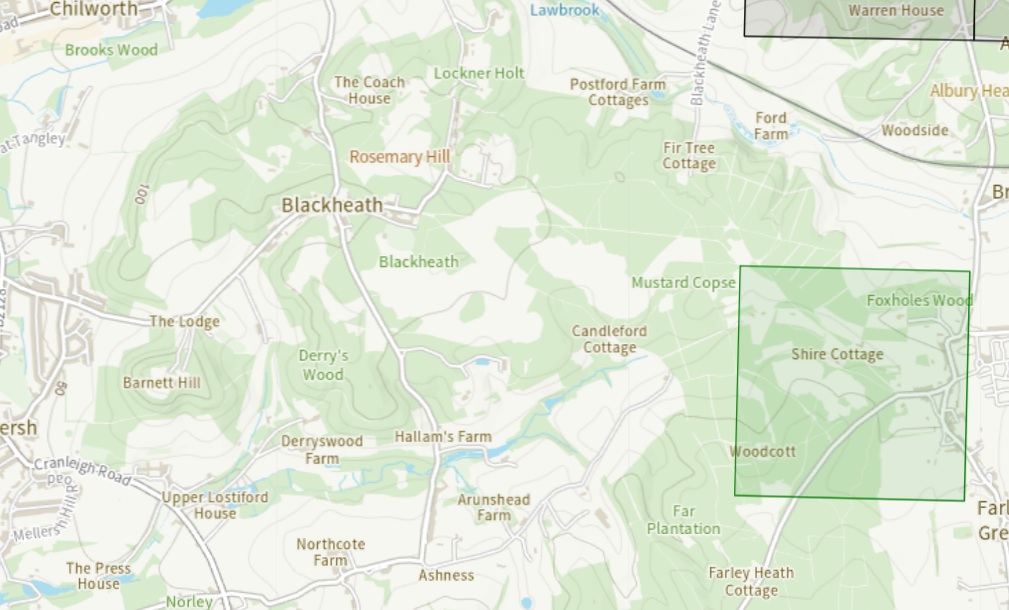
So you would expect there to be some British Lichen Society or National Biodiversity Network records for Cladonia spp. at Blackheath Common; but there are none.
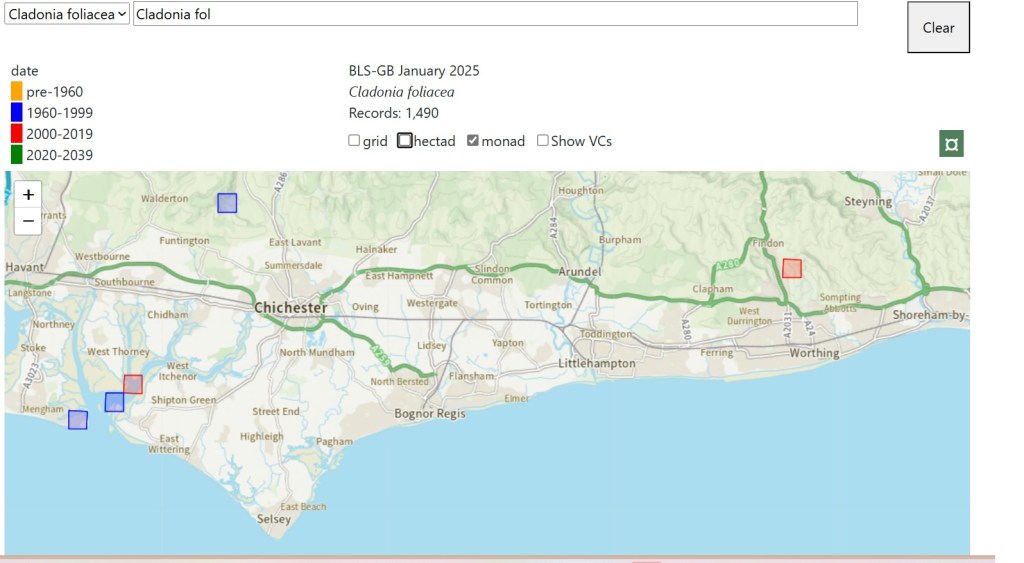
Here are the National Biodiversity Network atlas (Cladonia genus) and British Lichen Society interactive species map (all species) for the Blackheath area and there are no records for Cladonia spp. on either database; in fact there are no lichen records at all for Blackheath Common
British Biodiversity Network Atlas
Lichen Society Interactive Species map
So, my mission yesterday was to record as many lichens as I could, and send them in to the BLS. This what I found:
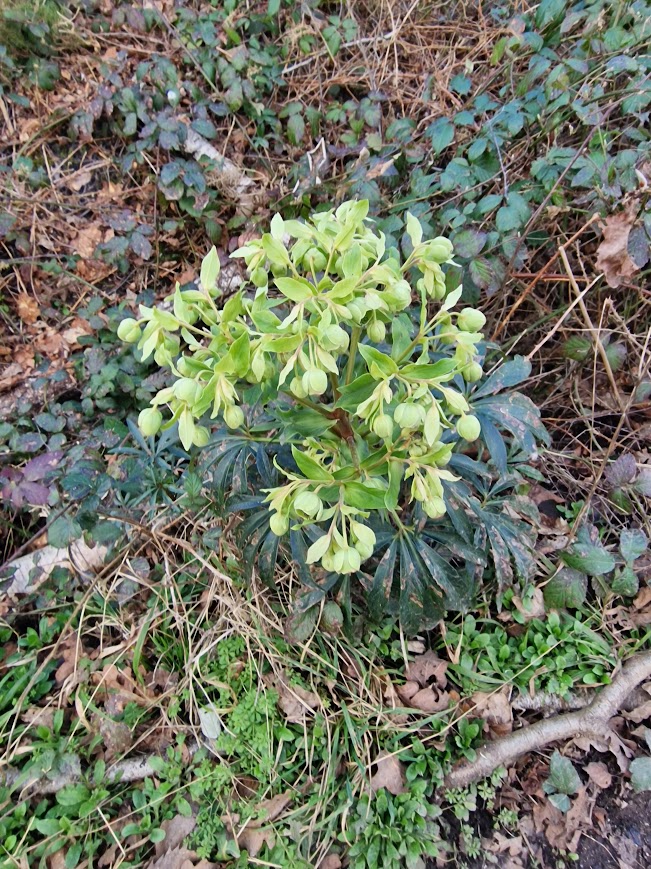
I saw some Stinking Heelibore, Helleborusfoetidus. It is a rare plant now in the wild; some “wild” plants are naturalised garden escapees
“The green flowers of the Stinking Hellebore can be a pleasant surprise amidst a dusting of snow.
You might think Stinking Hellebore is a garden escapee, but this is not the case! Although populations may have become obscured by such varieties, the Stinking Hellebore is a native through and through.
Be cautious: every part of this wild flower is poisonous and will induce vomiting and delirium if ingested, if not death.
In the past, Stinking Hellebore was used as a hazardous remedy for worms. The 18th century naturalist Gilbert White said this about this “cure”: “Where it killed not the patient, it would certainly kill the worms; but the worst of it is, it will sometimes kill both”.
The name “Stinking” Hellebore could be considered undeserved. Sniffing the flowers won’t make you want to hold your nose, although crushing the leaves can produce an odour often described as “beefy”Plantlife Stinking Helibore
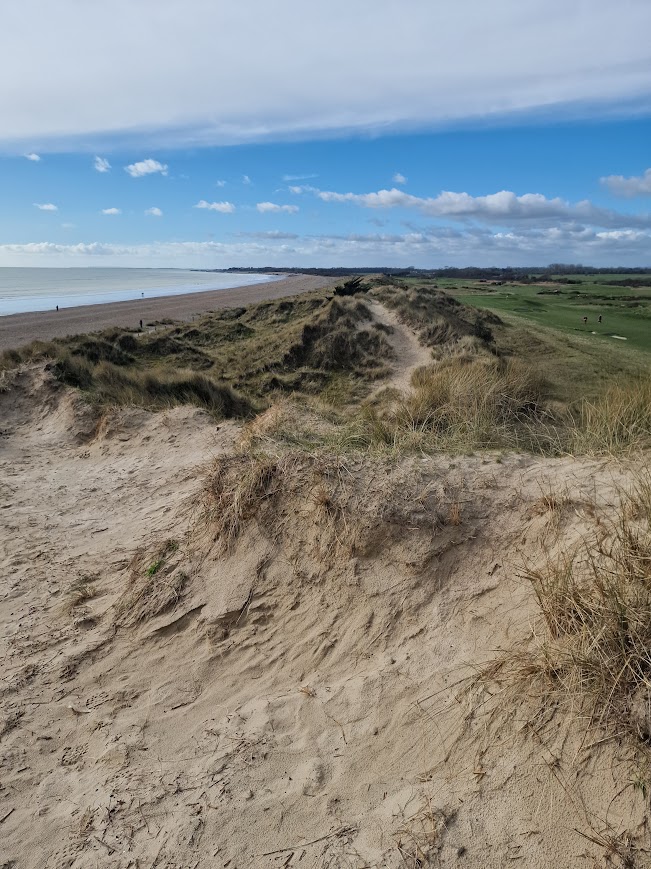
I was asked by the West Sussex ranger for the site to undertake a survey of the lichens of the sand dunes of West Beach SSSI. I agreed, saying I was a lichen enthusiast, not a lichen expert, and I would identify within my confidence/competence level.
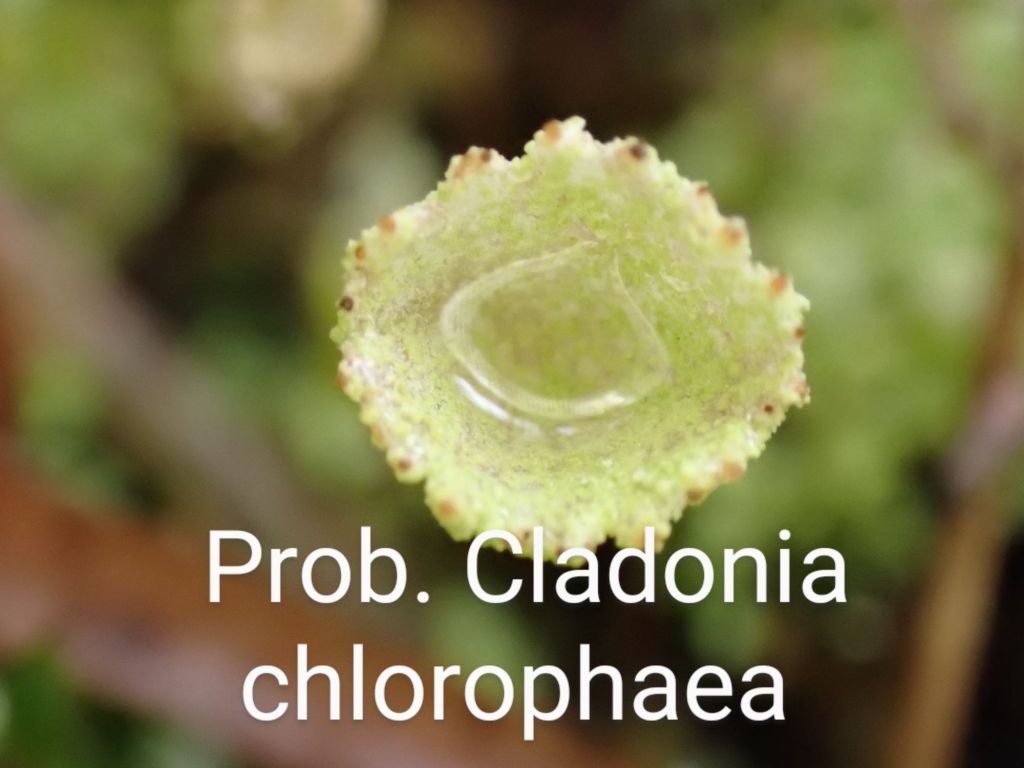
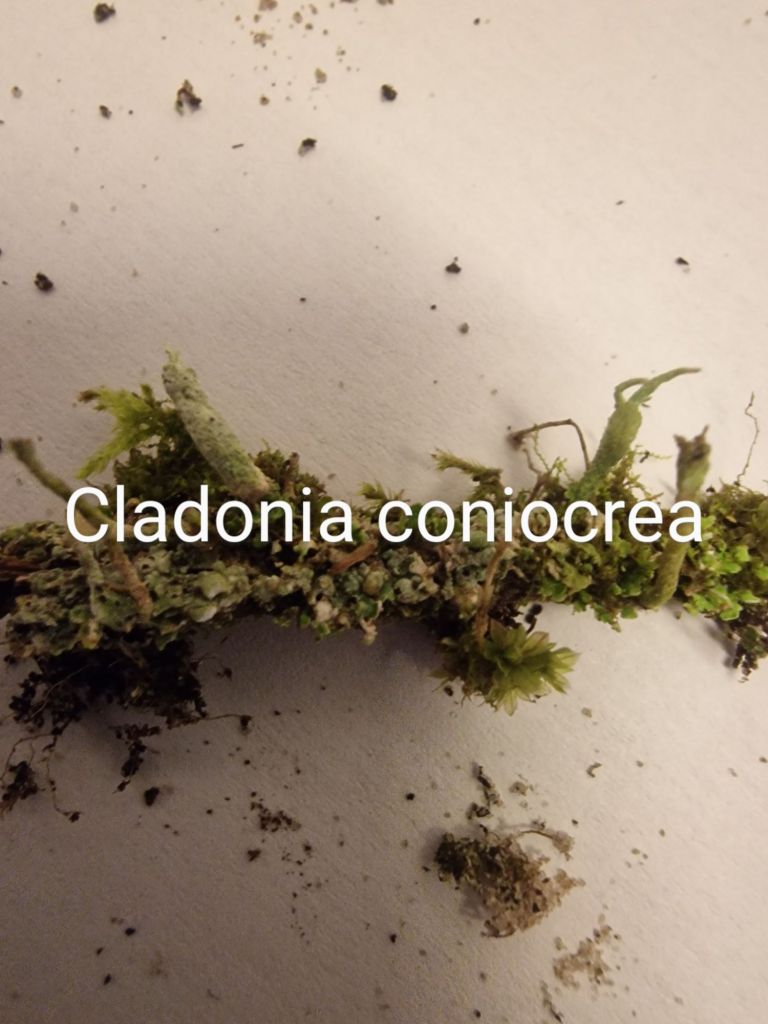
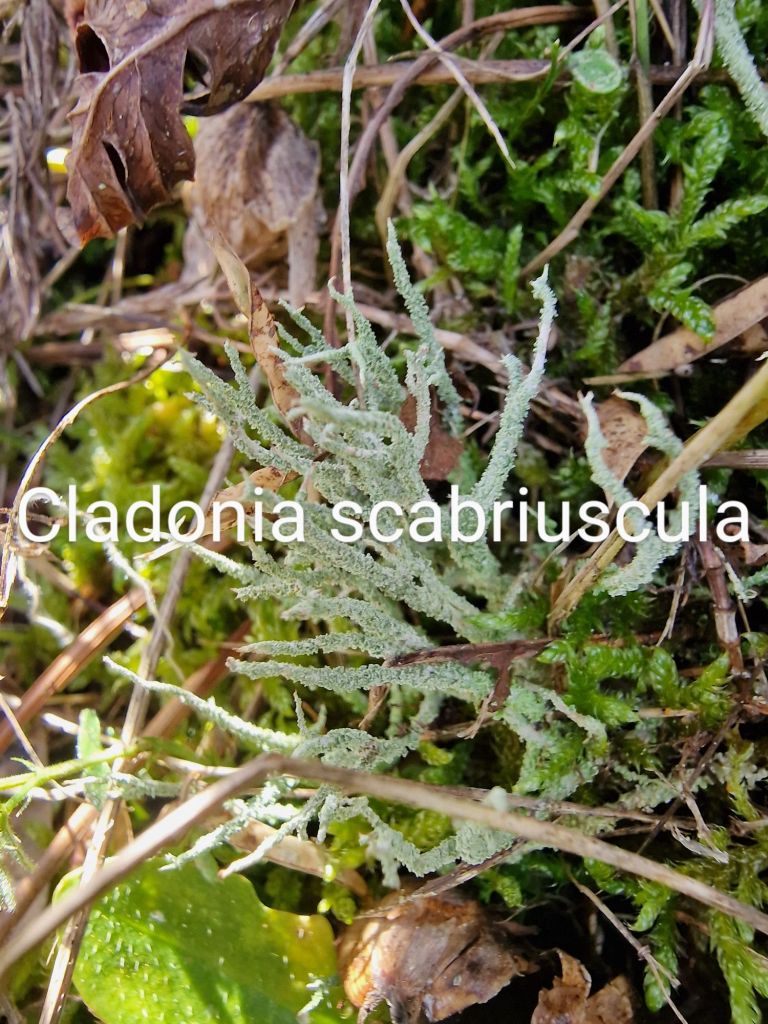
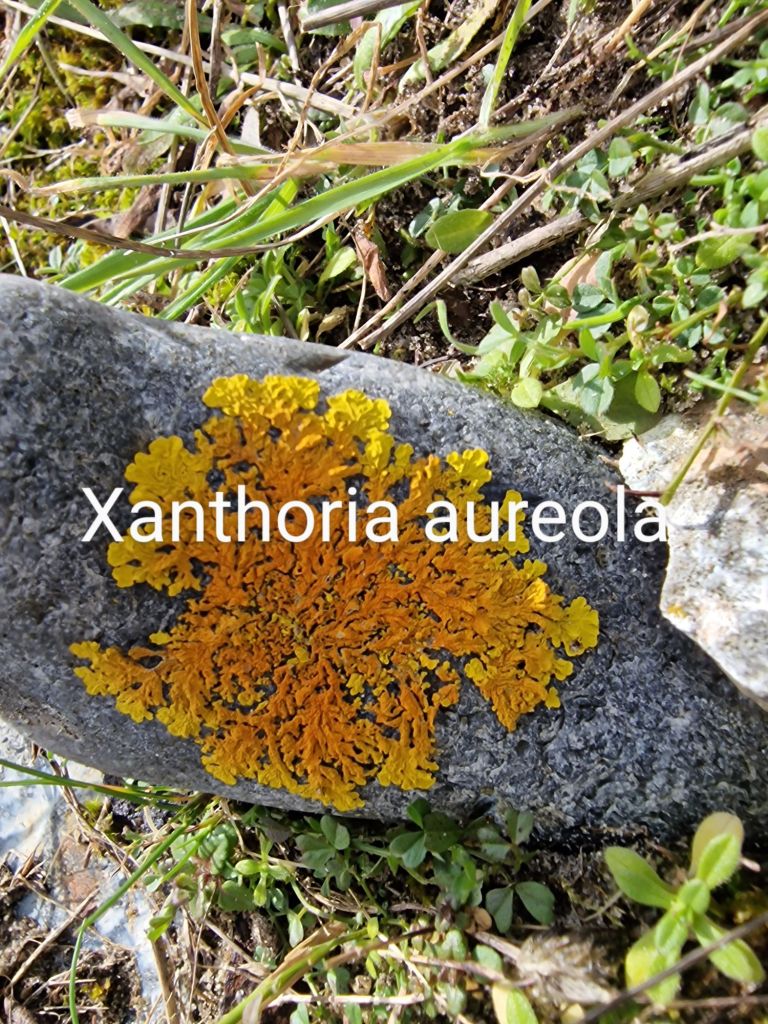
I have posted photos of some of the terriculous (ground living) and corticolous (tree, shrub, worked wood living)lichens that I found. If you disagree with any identifications, please say in a comment. There are lots of saxicolous lichens on pebbles that I have yet to identify. I sought and gained permission from Nature England via the ranger in charge to remove some pebbles for lichen identification purposes; I will return them to the dunes when I have finished identifying their lichens.
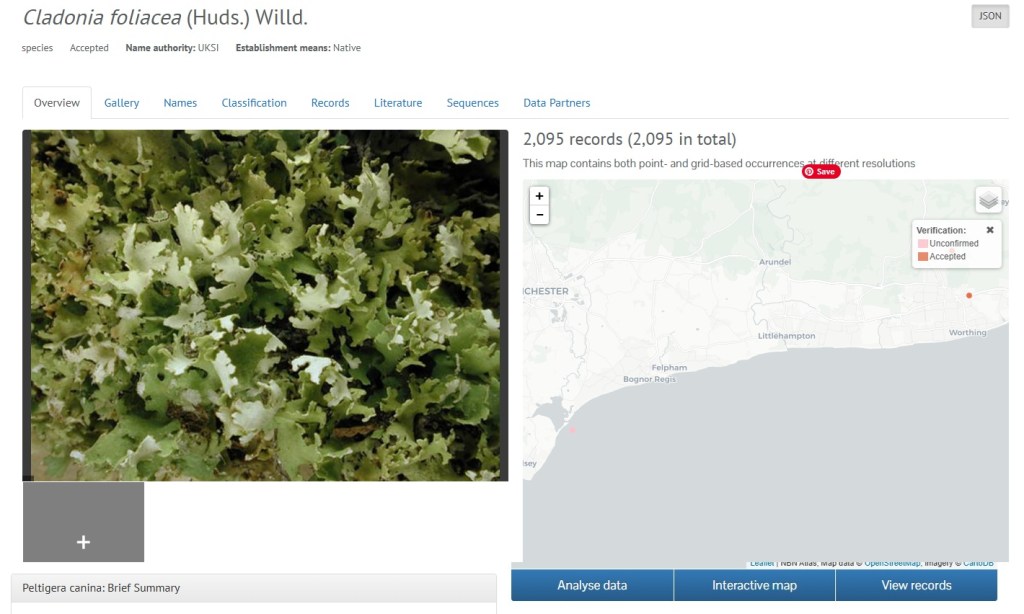
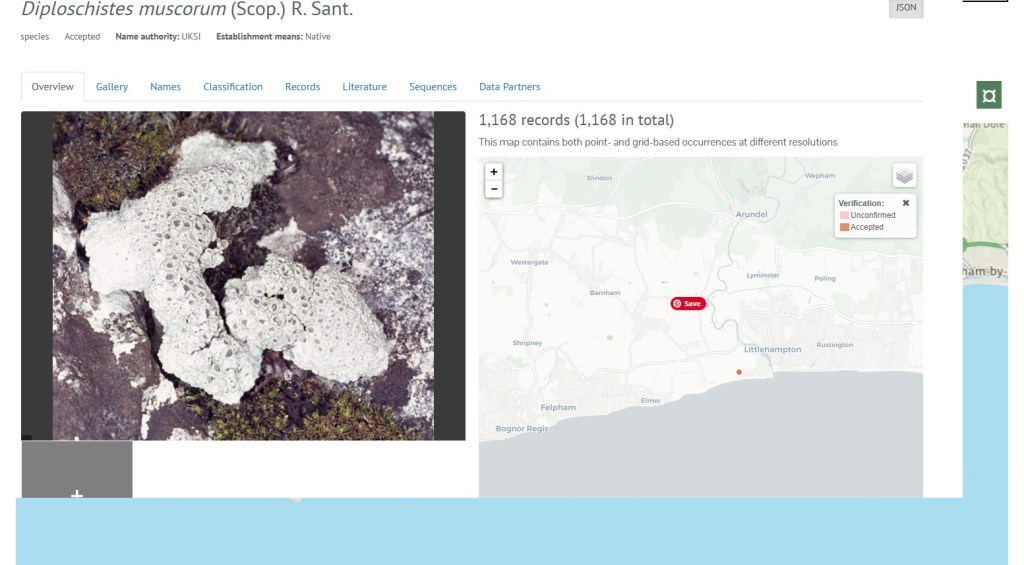
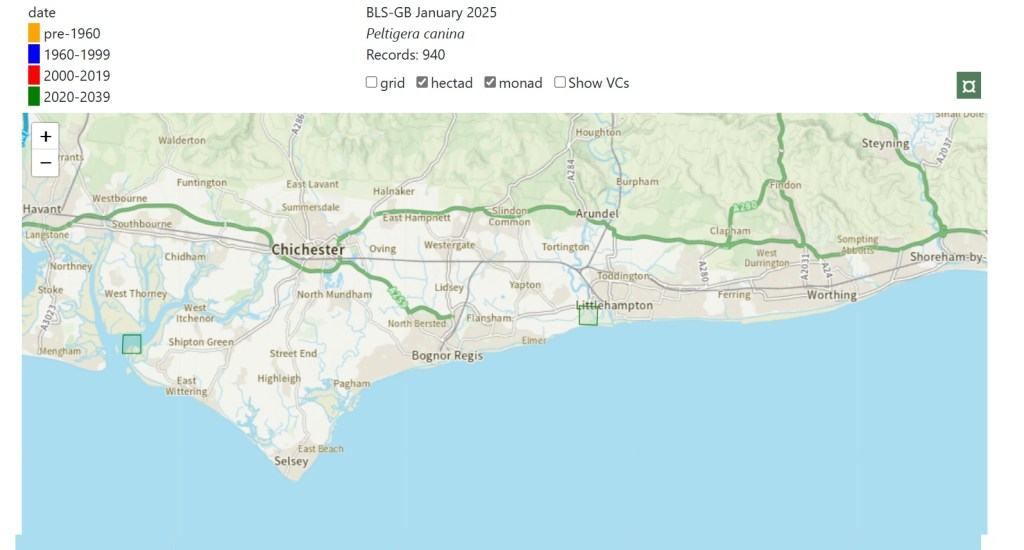
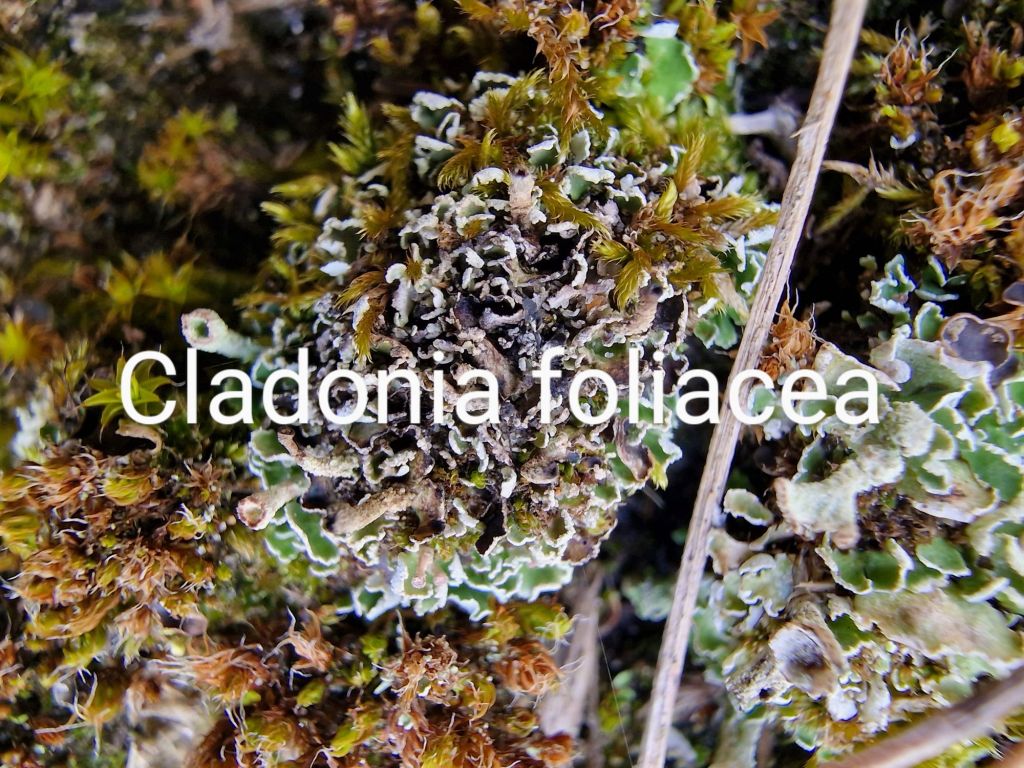
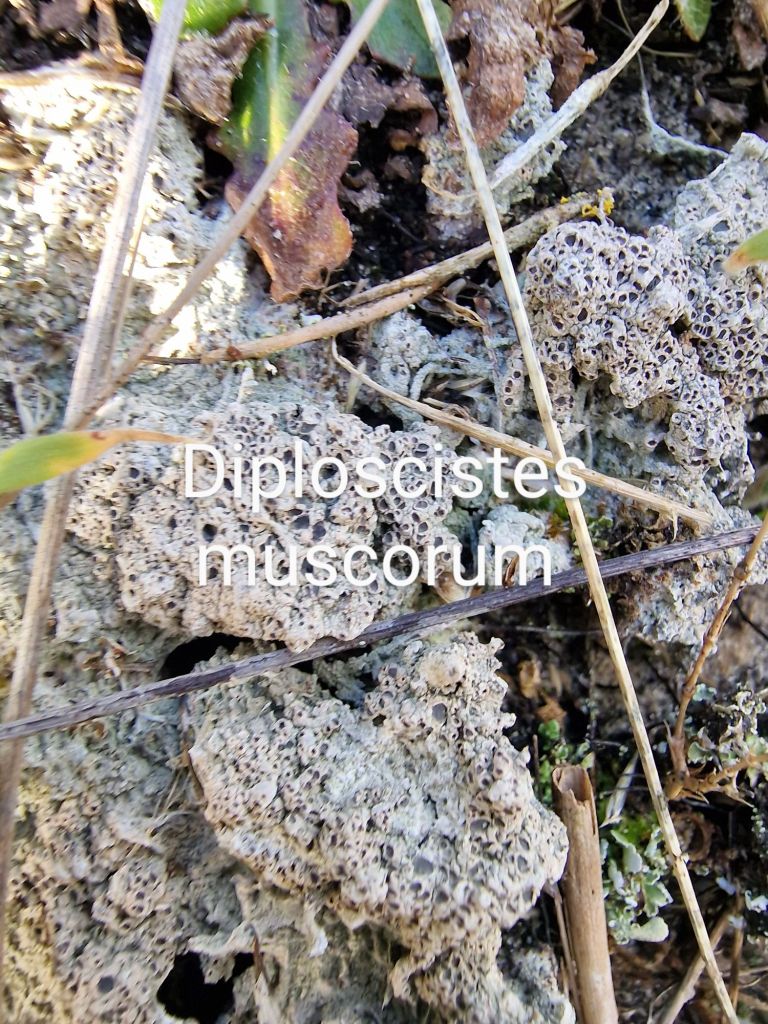
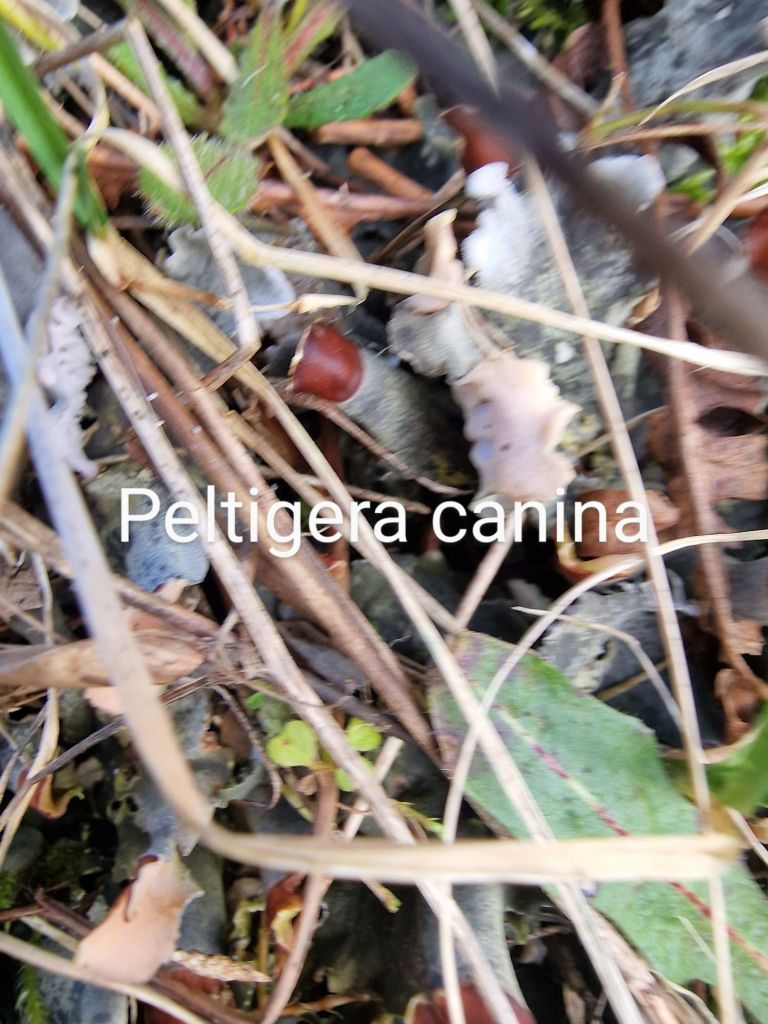
I looked at the British Lichen Society records for Sussex and realised that the last survey of this site was in 1992, 33 years ago. I looked at the National Biodiversity Network Atlas and the British Lichen Society Interactive Species Maps for the site I found at least three species that were not recorded on the NBN Atlas: Cladonia foliacea, Peltigera canina, and Diplochistes muscorum. Worryingly, both Peltigera canina and Diplochistes muscorum, were identified on the BLS Interactive Species Maps (from 1992) but where not on NBN Atlas. The NBN Atlas is the main database for research and statutory processes (e.g. planning applications), if there is missing data this is a problem for science and the protection of habitat. I will send my records both to the British Lichen Society recorder and the Sussex Biodiversity Centre.
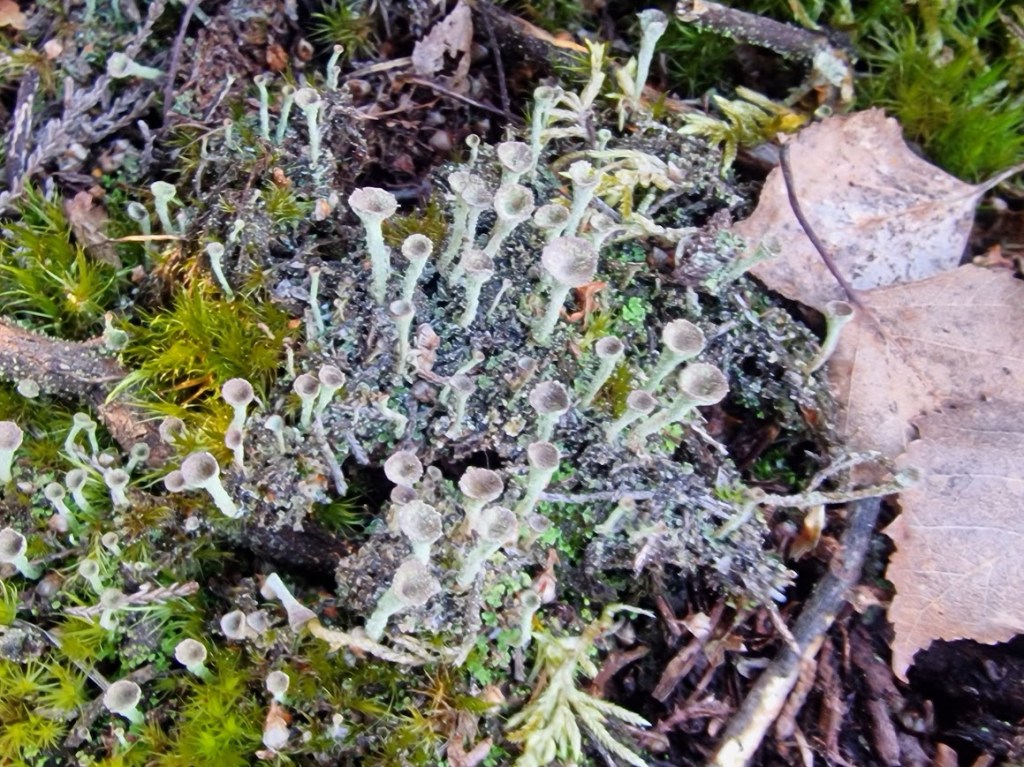
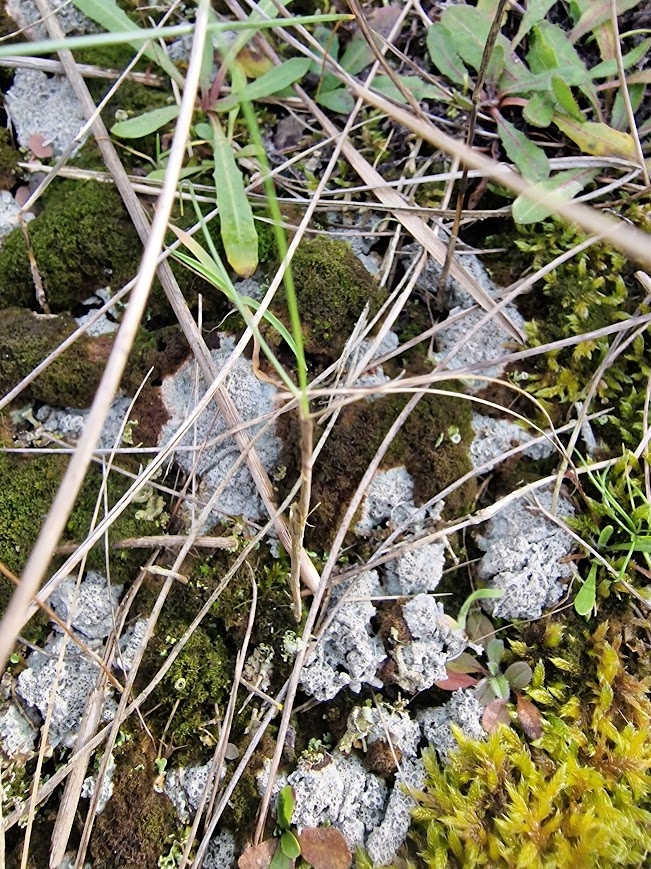
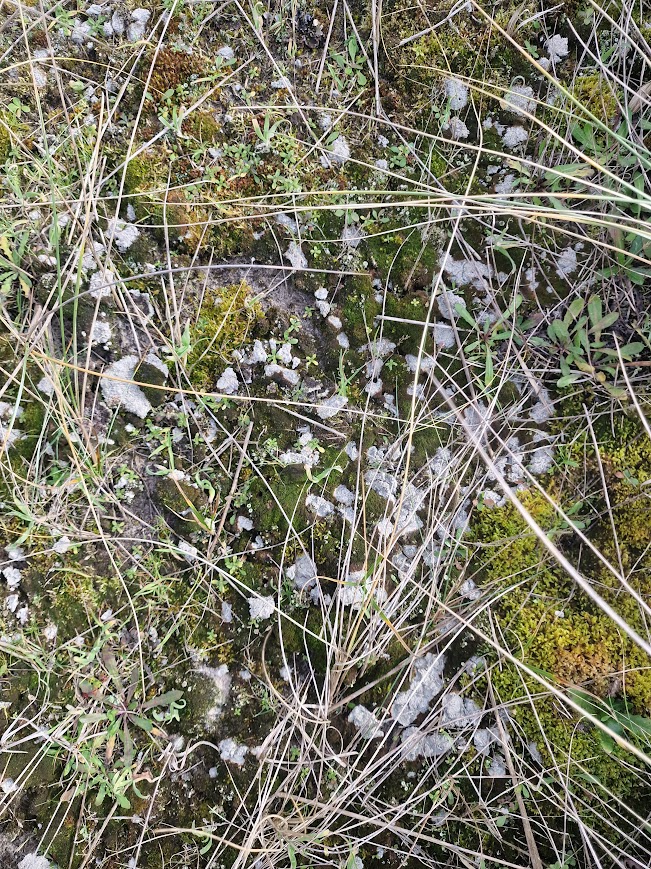
One of the most extraordinary things about the sand dunes was the enormous abundance of Diploschistes muscorum. I had seen a very small of D. muscorum on the vegetated shingle of Church Norton Spit at Pagham Harbour, a few mile to the west ,in January; it too was parasitising a of “Pixie Cup” Cladonia sp. but at West Beach dunes had a huge abundance of D. muscorum on “Pixie Cup” Cladonia spp. and a variety of mosses.
The only other places I have seen Peltigera canina in Sussex in on the dunes at East Head, and on the vegetated shingle of Pagham Spit, Norman’s Bay and Widewater Lagoon (Lancing). You can find out from my public iNaturalist what lichens I have seen where: my iNaturalist species list. (N.B. I do not use the iNaturalist AI photo recognition to identify species, I put on iNaturalist I know or have identified through field guides). In East and West Sussex there is no active country recorder for lichens; so if you submit records to iRecord, they are not verified, and go nowhere. Whist the process of getting a “research grade” marking on records from peer verification on iNaturalist is very flawed, verified recorders to get to the county biodiversity centre, and then get to the NBN, eventually.
I also now send my records to the British Lichen Society (BLS) recorder, so that they can be included on the BLS’s database and contribute to the BLS’s interactive species maps. I can never identify everything I see at a site because I do not have good enough microscopy skills for accurate spore identification, but there are many lichens that can be identified by close observation of morphological features, in collaboration with keys, and chemical spot reagent testing, seeBLS Chemical Tests (K = Potassium hydroxide 10% C = sodium hypochlorite 2% (pure Milton sterilising fluid). Only use chemical tests if you are confident that you can use them safely. Potassium hydroxide and sodium hypochlorite are harmful if swallowed and can irritate/burn skin and cause eye damage; but at the concentration used in lichen tests can be used safely with care. Chemical tests kill the parts of the lichen they are applied to, so use sparingly.
I visited Cow Wood to do a recce for the free walk I am doing there on Tuesday 11 March see Sim’s Lichen Walks for details. I know the wood well, but I wanted to plan a specific route and identify the lichens we will see on that route, so I can make a handout to support the participants enjoyment of the walk
Really pleased to find this. Found it on a twig from a Quercus robur in the ground. This lichen was named after William Borrer, the Henfield naturalist who made the first scientific study of it in early 19th century. It’s only found in the far south. It is very similar to P. jackeri & P. subredecta. It is identified by (a) its abundant tiny pseudocyphellae – tiny white holes in the thallus (body) for gas exchange, (b) white fluffy lumps, which are soredia (vegetative propagules of fungi hyphae and algal photobiont), coming out of soralia (structures that produces the soredia) and (c) pale tipped rhyzines (structures that fix the lichen to its substrate). New hectad record for the British Lichen Society.
Instead of using Facebook and Instagram to share my adventures in nature; you can now see what I have been up to in Sussex, and further afield, in this blog: Sim’s Nature Notes. Each post will be short and tell you a bit about what I have seen. This will also be the way I inform you of my free guided walks.
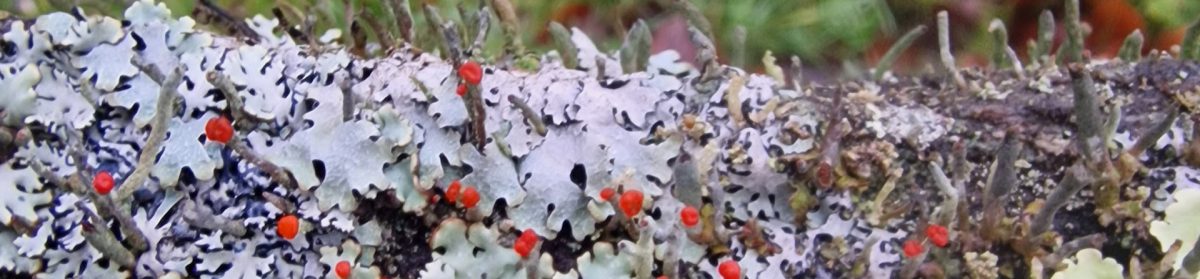
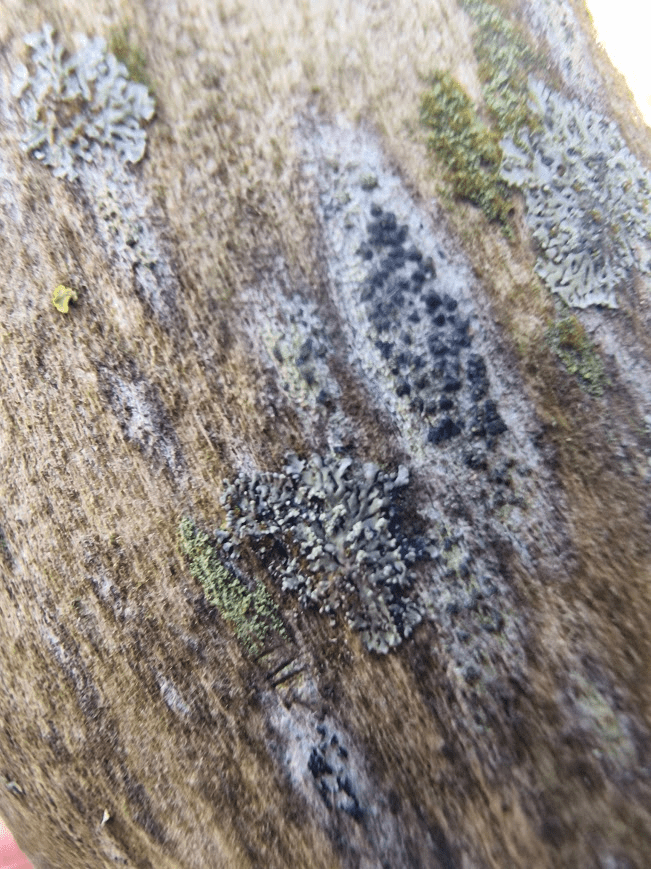
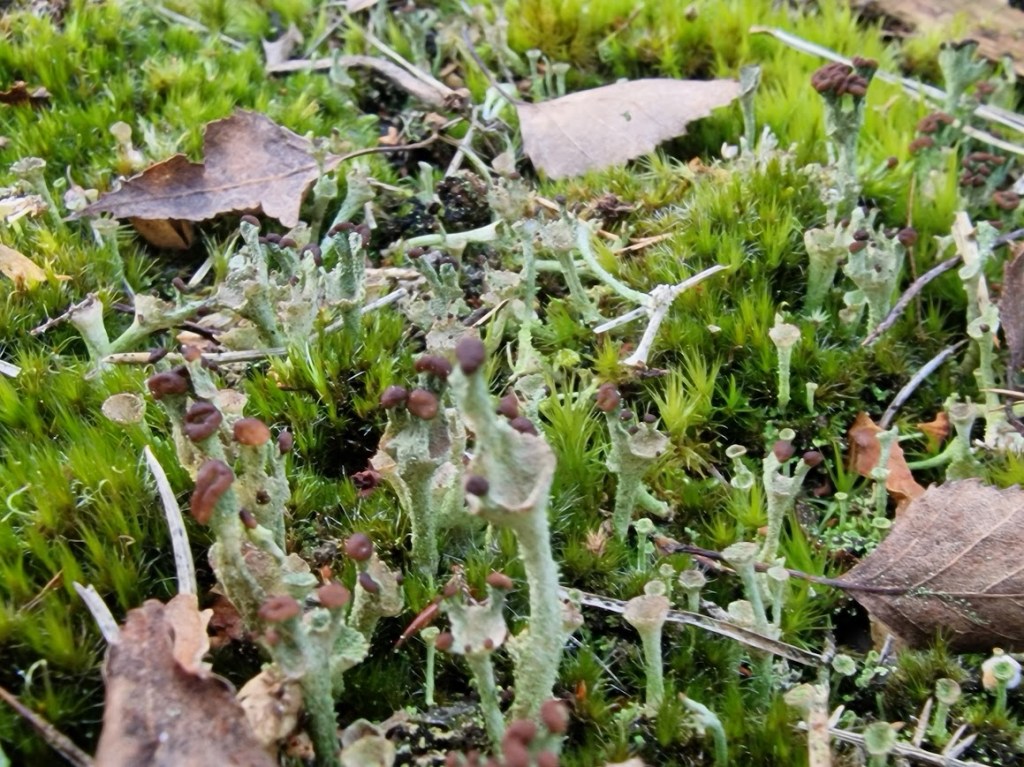
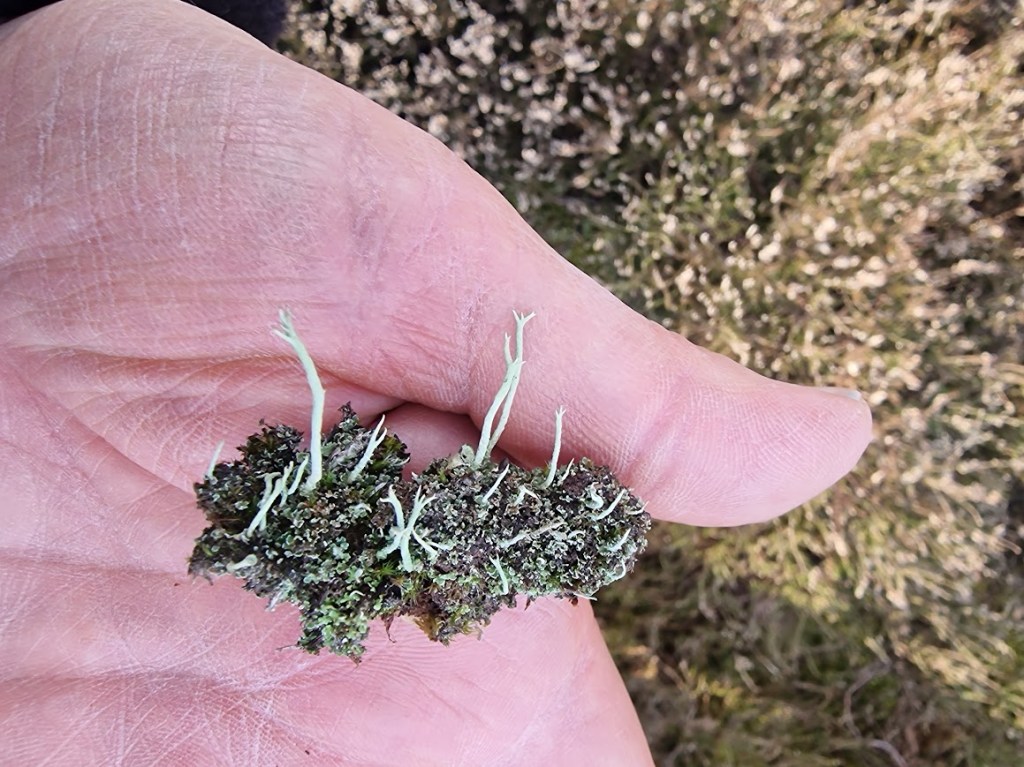
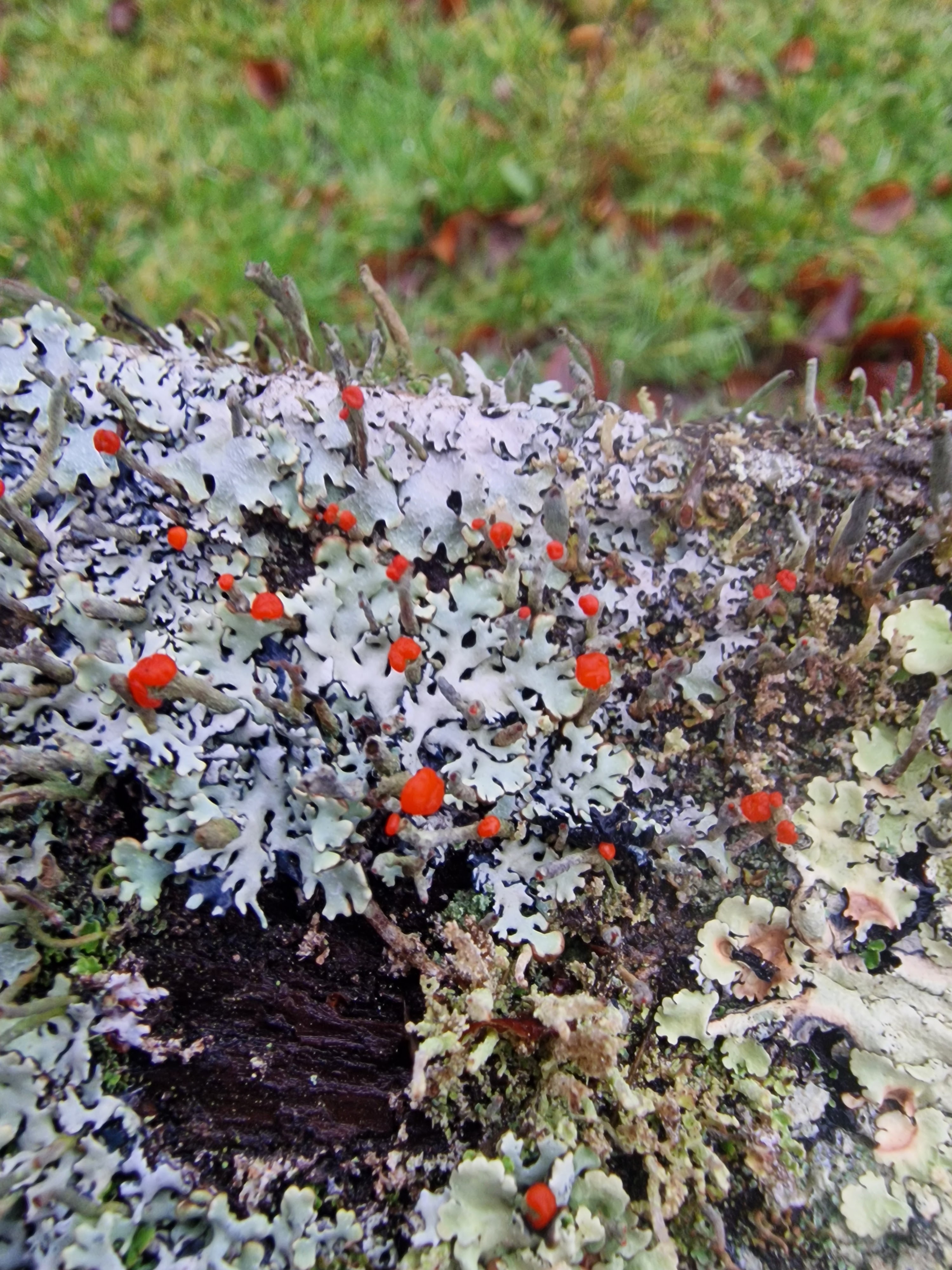
Lichen’s on a fence rail, Bolney Wood. Main lichens: Cladonia macilenta, poking through Hypogymnia physodes